
15. Diethyl Ether for Anesthesia
In the 19th century, doctors made do with what they had—that included ether, a highly flammable substance, for anesthesia. Though it’s archaic nowadays, the innovation was revered as a crucial step forward in the field. Safer anasthetics were introduced by the mid-1960s.
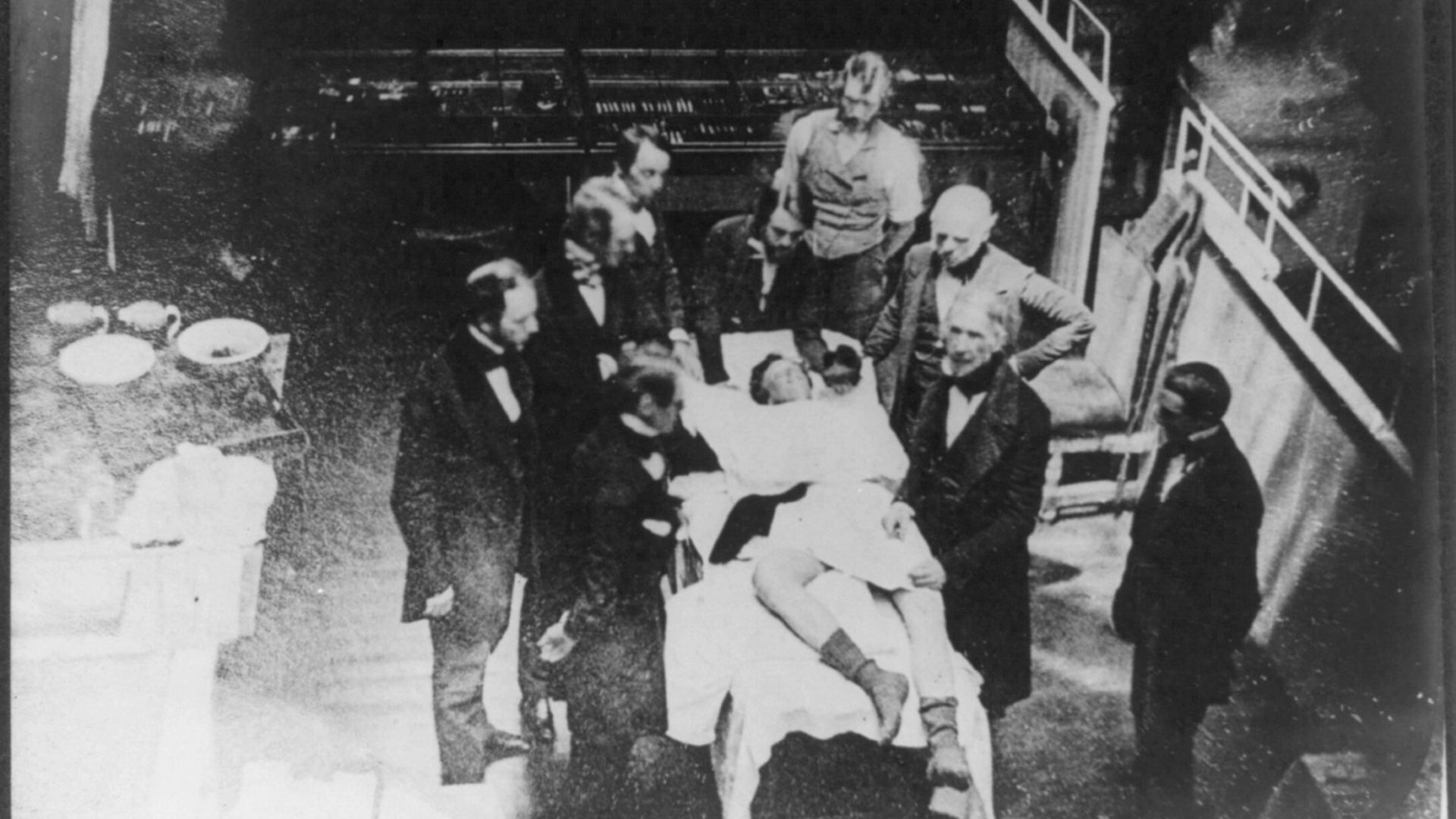 Miscellaneous Items in High Demand, PPOC, Library of Congress on Wikimedia
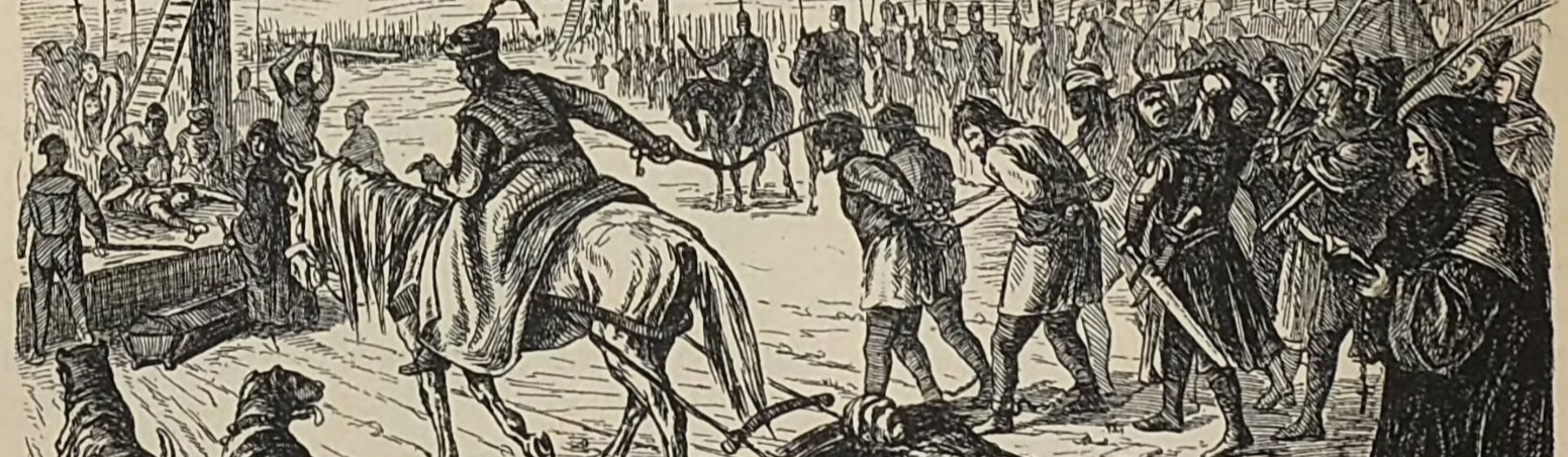
16. Hydrotherapy for Mental Illness
Hydrotherapy is hardly new, even in today’s world, but not every asylum adopted a healing approach. Instead of warm baths and relaxing cold plunges, patients were submerged underwater until they lost consciousness. At other times, patients had cold water dumped on their heads.
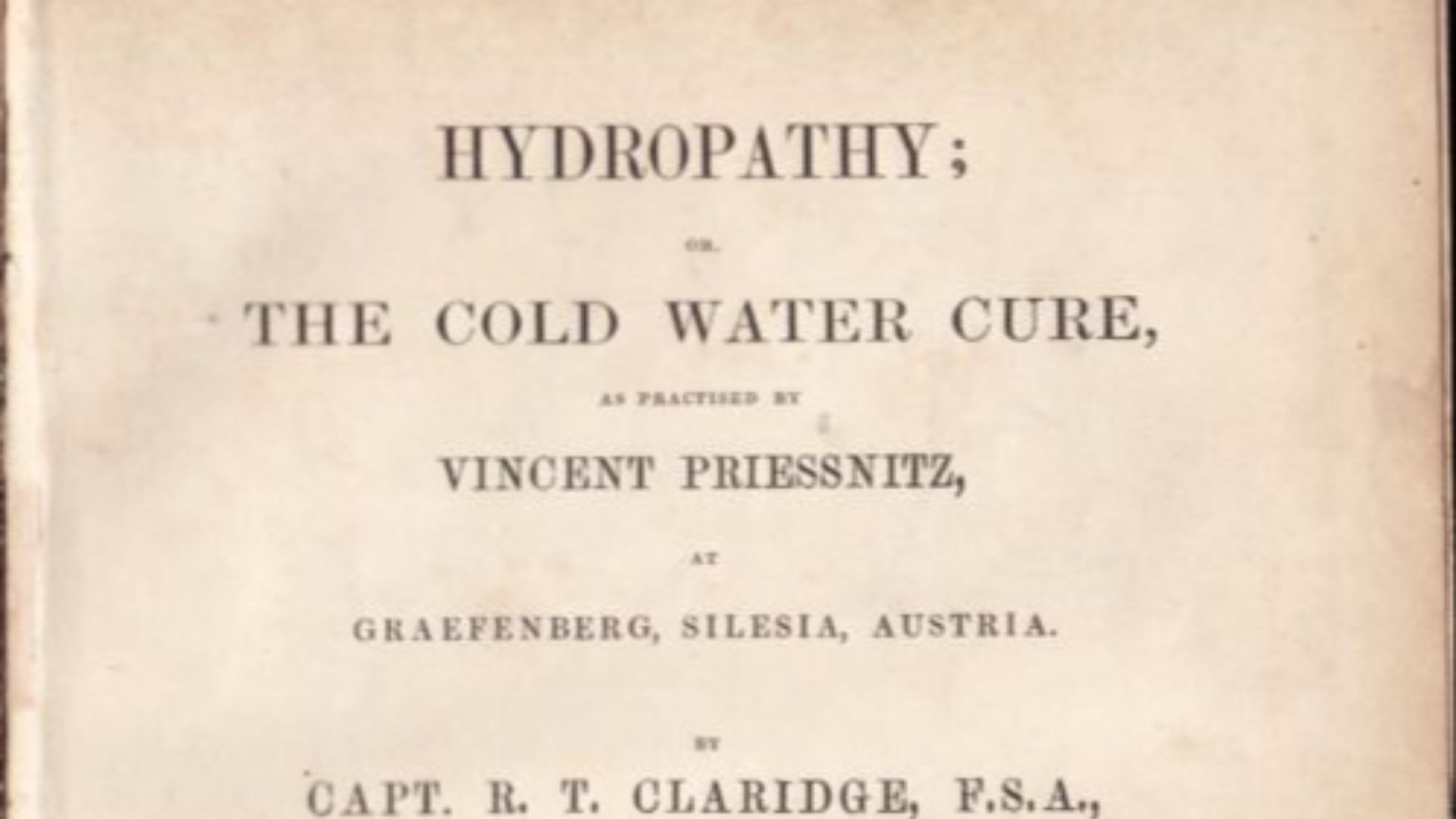 w:Captain R. T. Claridge on Wikimedia
17. Fowler’s Solution
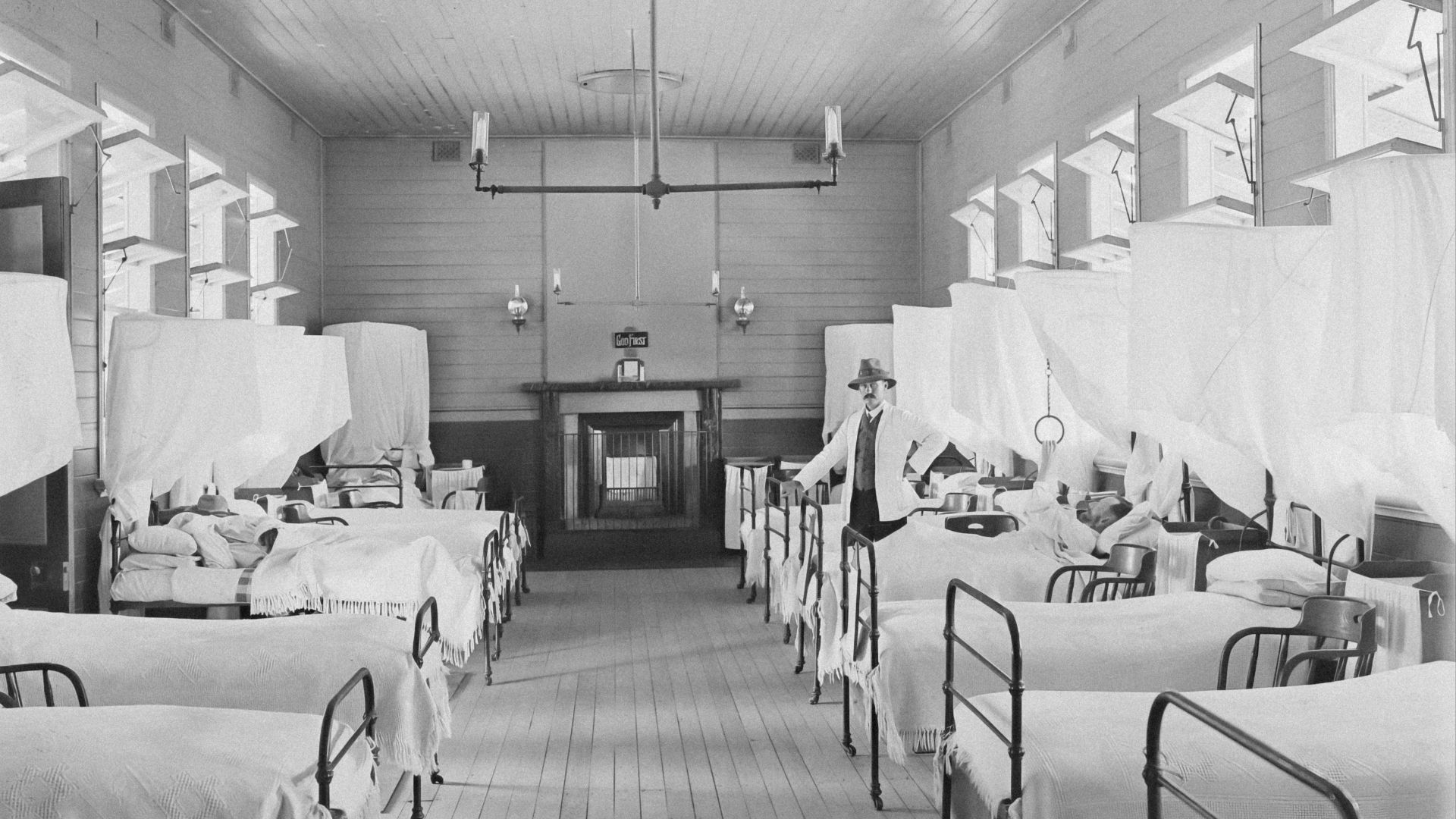
This general tonic was first introduced in the 1700s by physician Thomas Fowler. It contained 1% potassium arsenite and was initially sold as a cure for syphilis and malaria. However, it also remained a sought-after solution for cholera and eczema—until it was eventually discontinued.
 Museums of History New South Wales on Unsplash
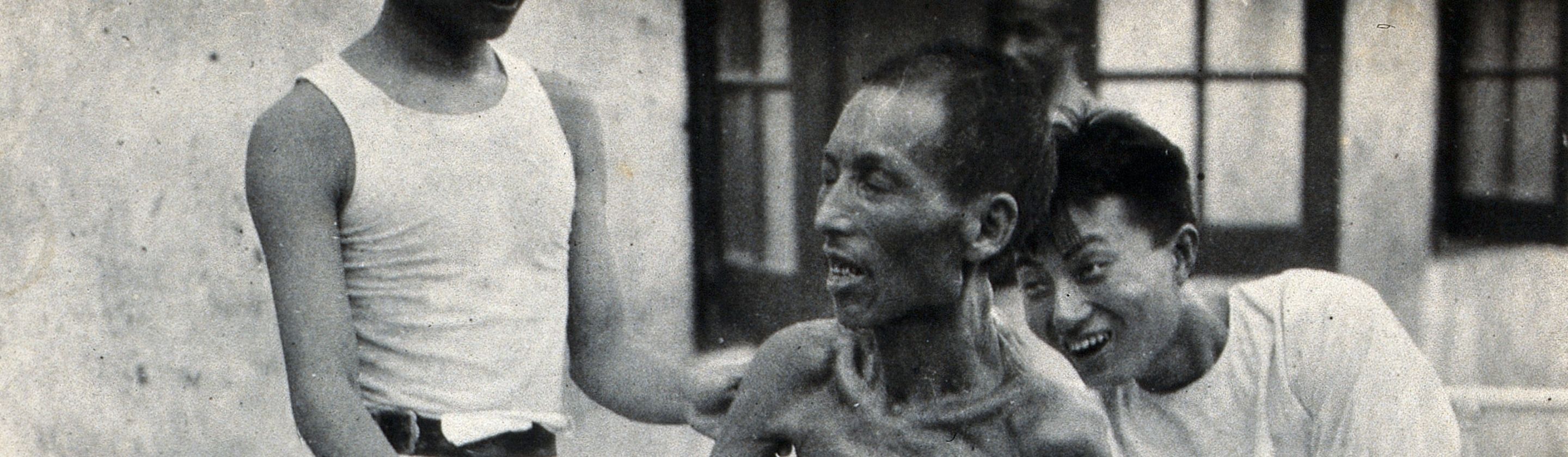
18. Hemiglossectomy for Stutters
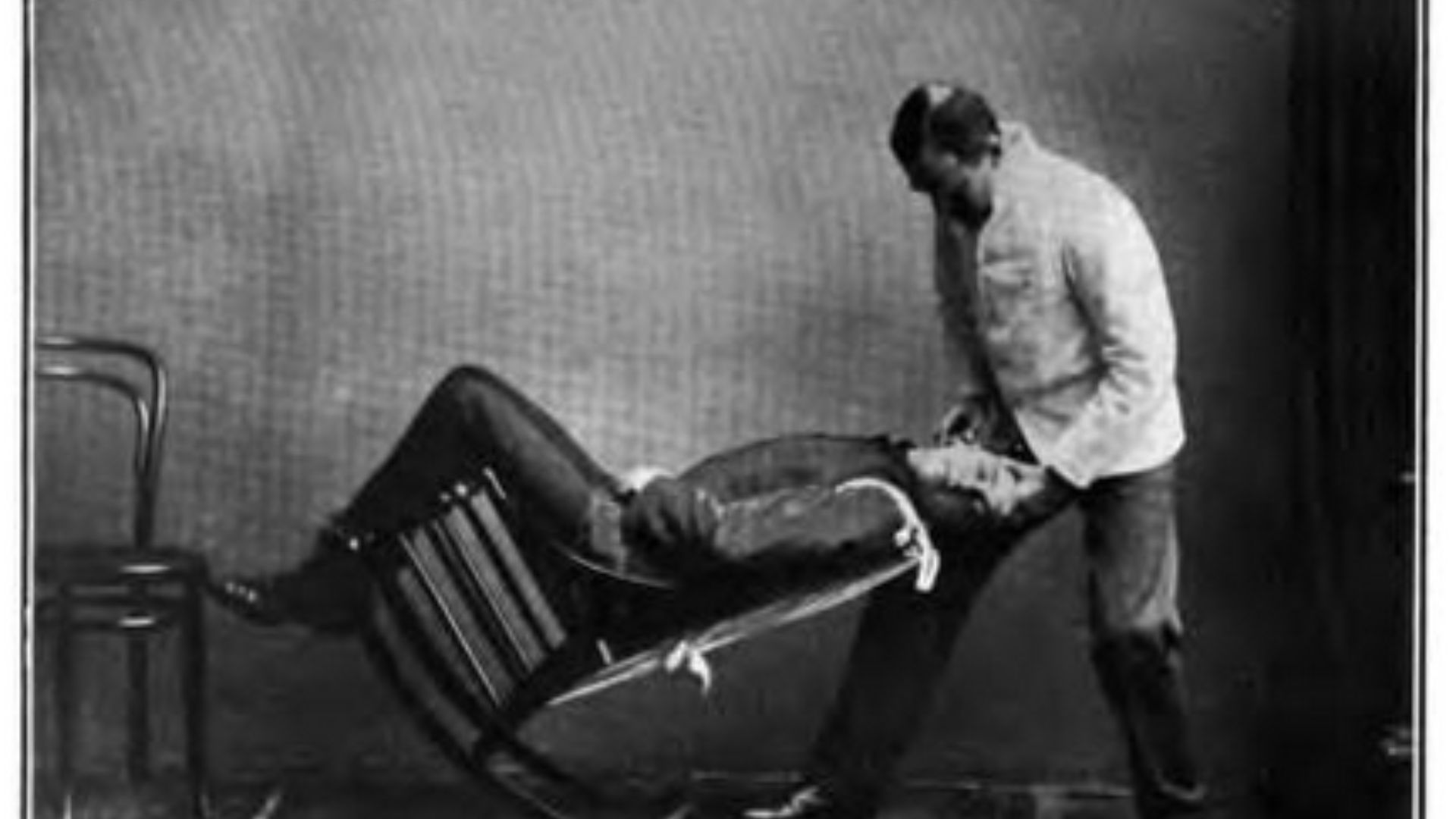
This procedure actually still exists today; most commonly used to remove cancerous tumors, hemiglossectomies weren’t always a necessary treatment. In the 18th and 19th centuries, doctors used this as a way to “cure” stutters. As you can imagine, it was highly ineffective.
 Unknown authorUnknown author on Wikimedia
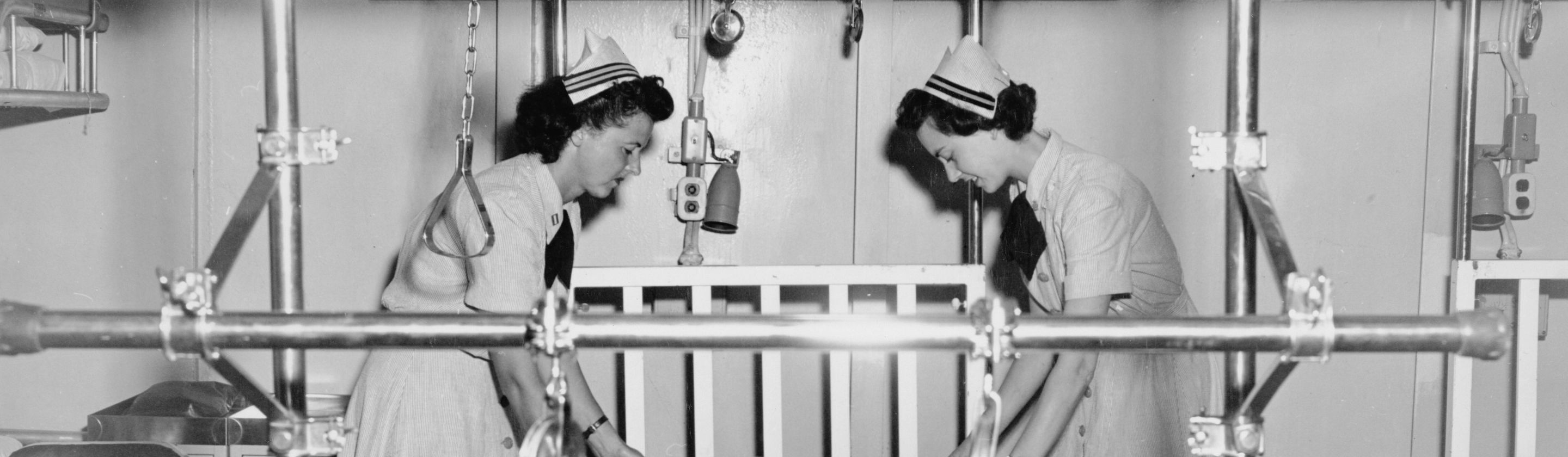
19. The Iron Lung
Though some people today still use it, the iron lung is hardly commonplace anymore. Initially used as a cure for polio, this contraption was the original respirator. It was first introduced by John Mayow in the 1600s and received plenty of use throughout the 1940s and 50s during the polio epidemic.

20. Malariotherapy
Otherwise known as malaria therapy, the practice was first introduced in 1917 by Julius Wagner-Jauregg. He believed he could cure syphilis by inducing fevers. How, you ask? By deliberately infecting patients with malaria. As insane as it sounds, he actually saw some success with it and was even awarded the Nobel Prize in Medicine in 1927.
KEEP ON READING