

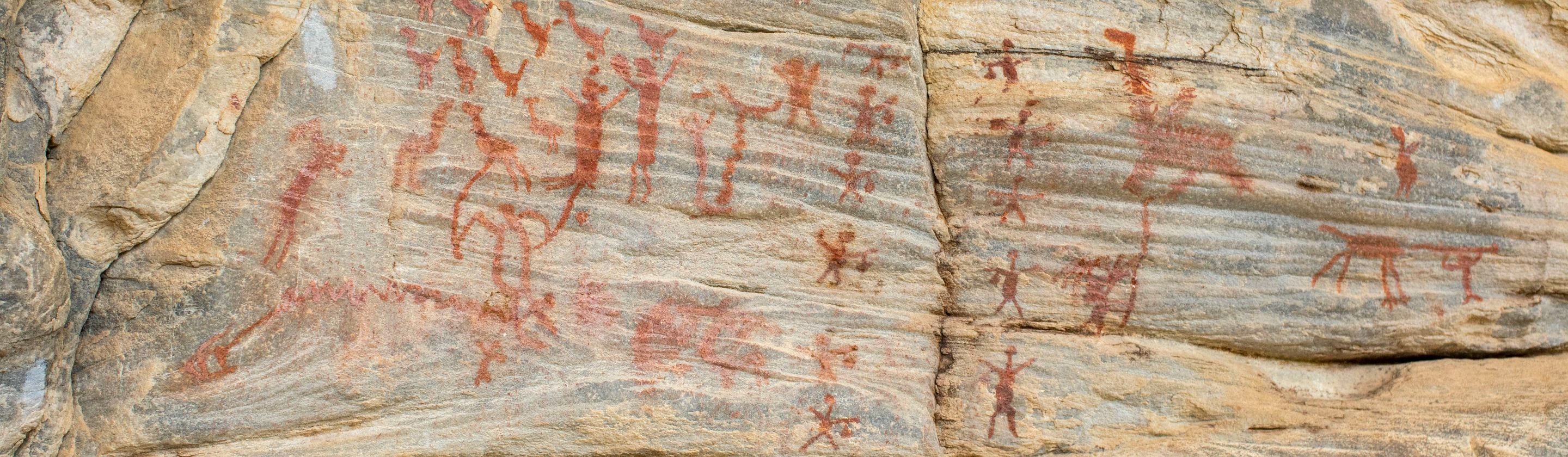
12. The Great Oxidation Event
More than two billion years ago, oxygen began building up in Earth’s atmosphere and oceans, creating a crisis for many organisms that couldn’t tolerate it. This catastrophe led to our ozone layer, but it also resulted in a huge extinction of organisms.
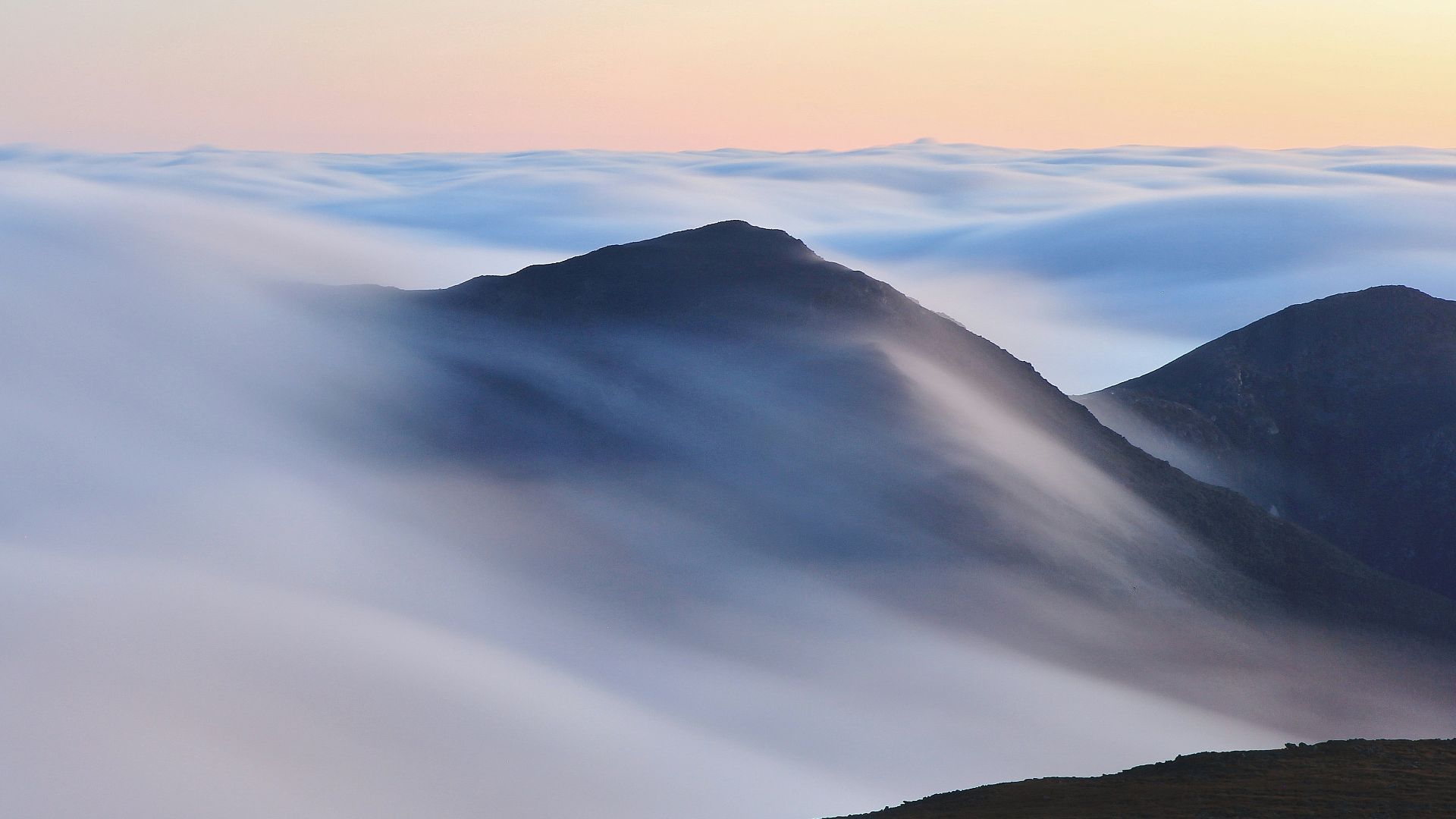
13. Late Ice Age Sea-Level Rise
As Ice Age glaciers melted, seas rose, and low-lying coastlines changed. People who lived near shorelines would’ve watched useful land, travel routes, and food-gathering places disappear under 20 meters of water in just 500 years.
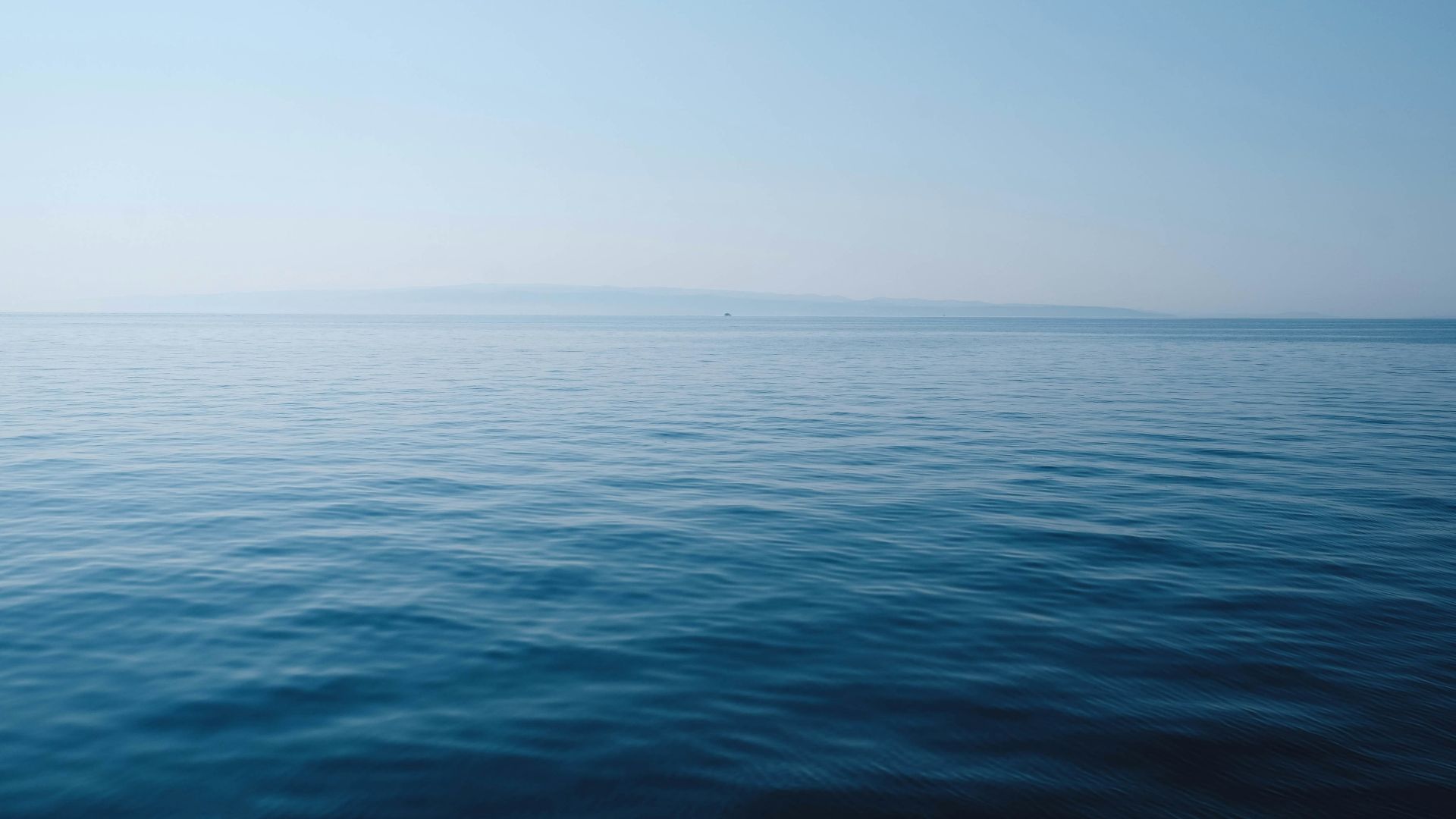
14. Eemian Interglacial Heat
Around 130,000 to 115,000 years ago, the last interglacial brought warmer conditions to the northern hemisphere, so much so that forests expanded into the Arctic Circle. It’s possible that, on top of population bottlenecks, early humans may have also engaged in cannibalism just to stay alive.
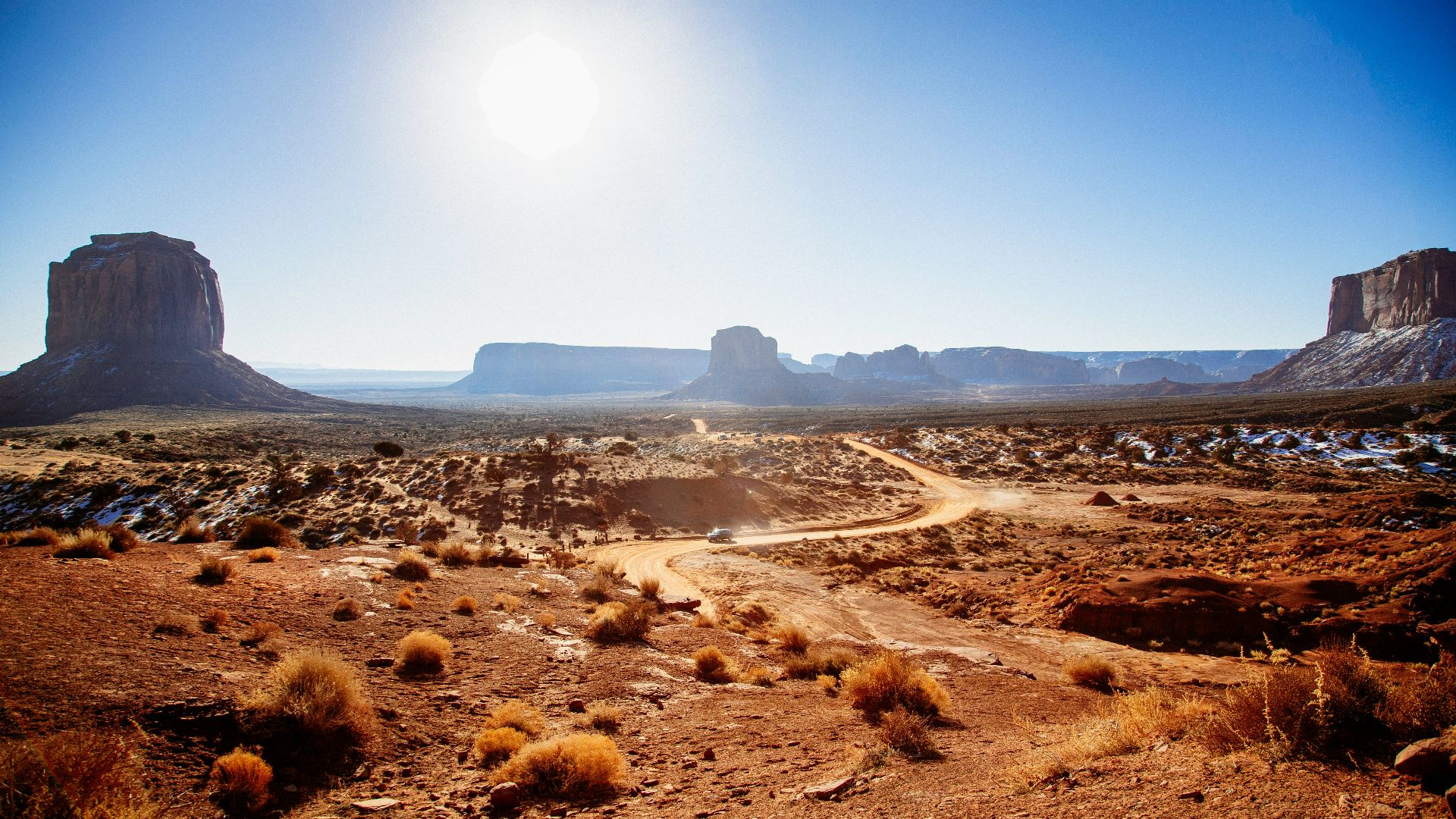
15. African Humid Period Collapse
Thousands of years ago, parts of the Sahara supported lakes, grasslands, cattle herding, fishing, and human communities. As that wetter period faded between roughly 6,000 and 5,000 years ago, people moved toward more dependable water, including the Nile Valley and other livable corridors.
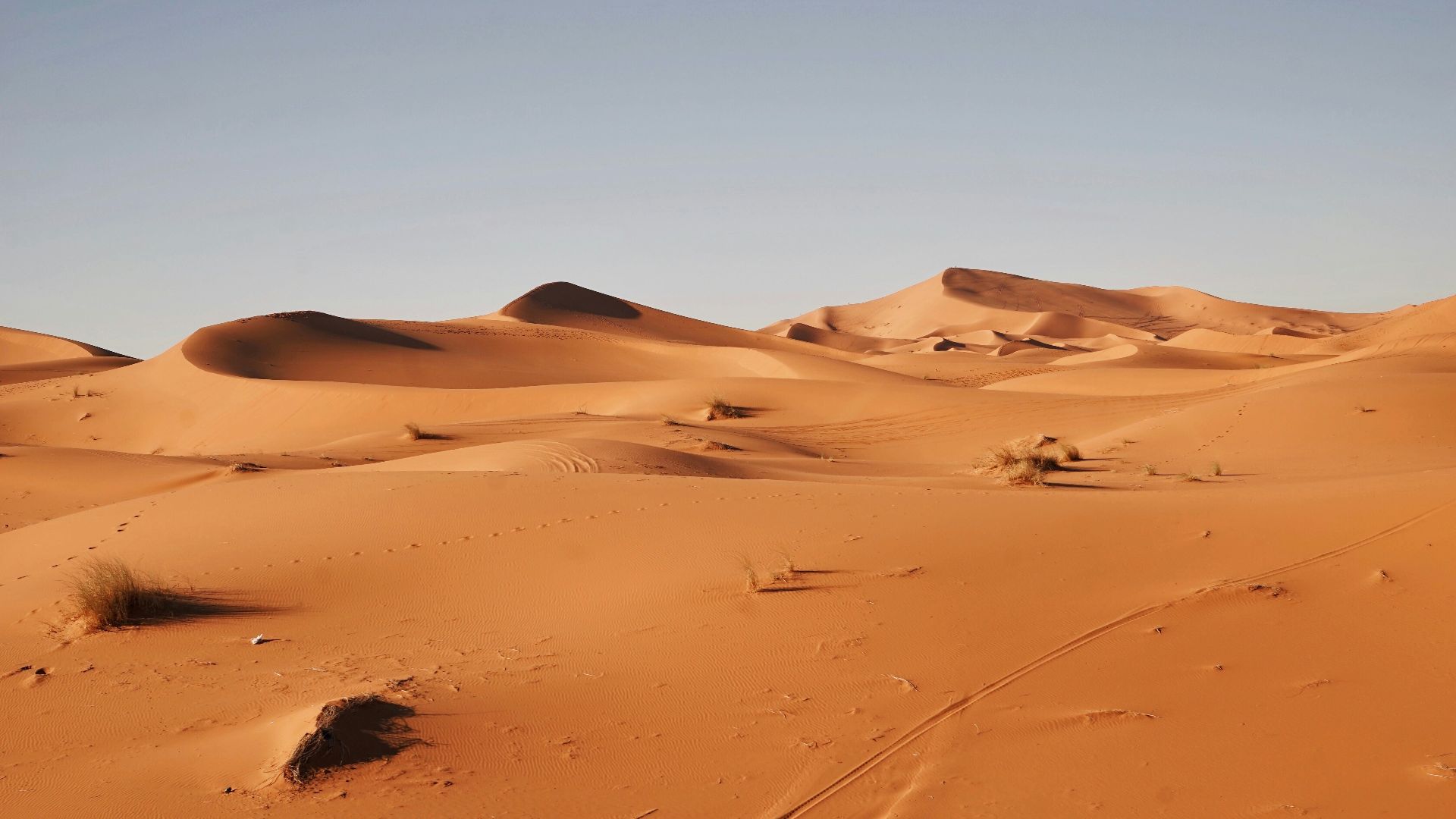 Andrzej Kryszpiniuk on Unsplash
16. Laacher See Eruption
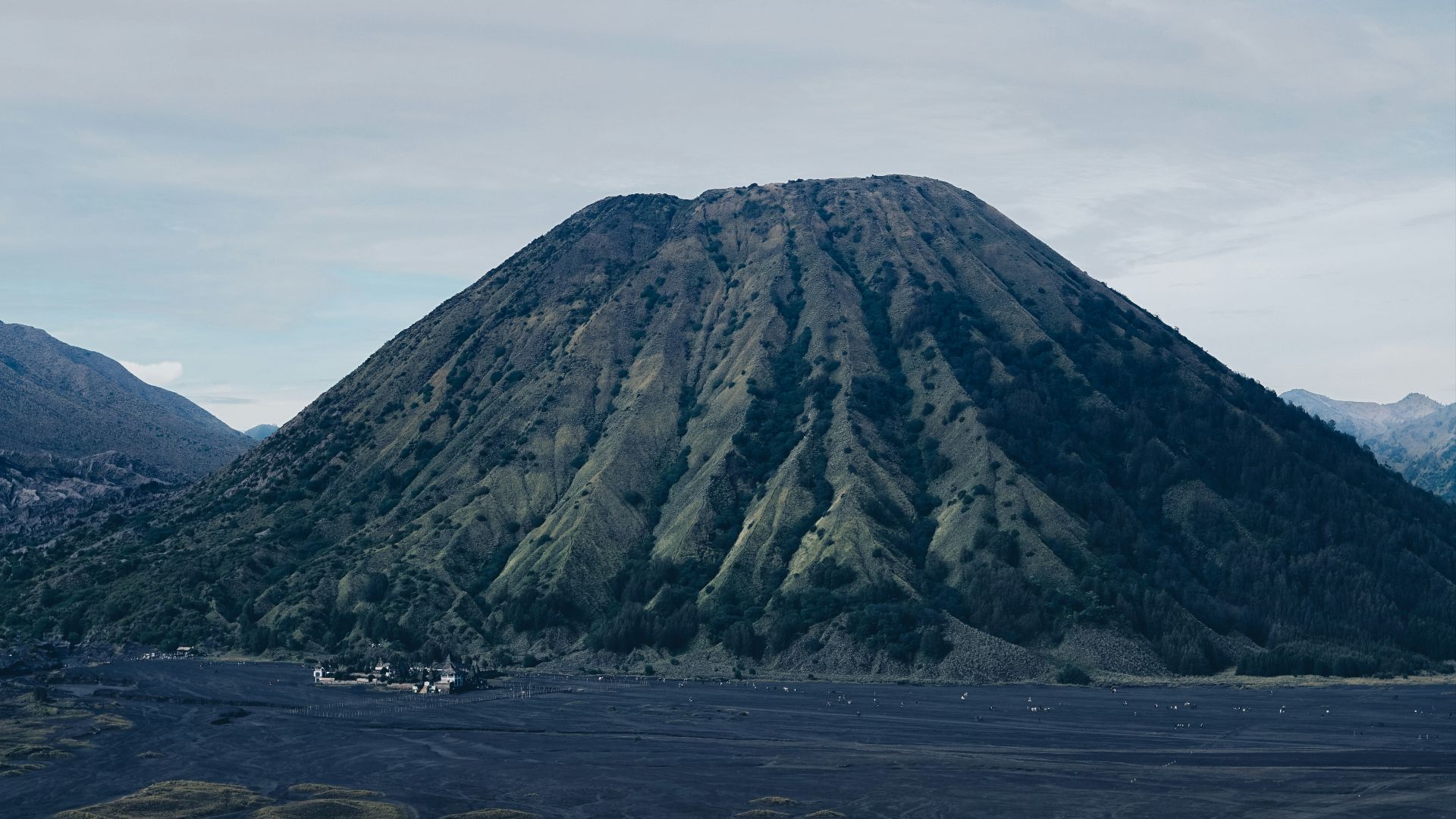
About 13,000 years ago, the Laacher See volcano in what’s now western Germany erupted and spread ash across parts of Europe. The worst effects were local and regional, but nearby communities would’ve faced damaged hunting grounds, altered plant life, and years of environmental stress.
17. Middle Paleolithic Climate Swings
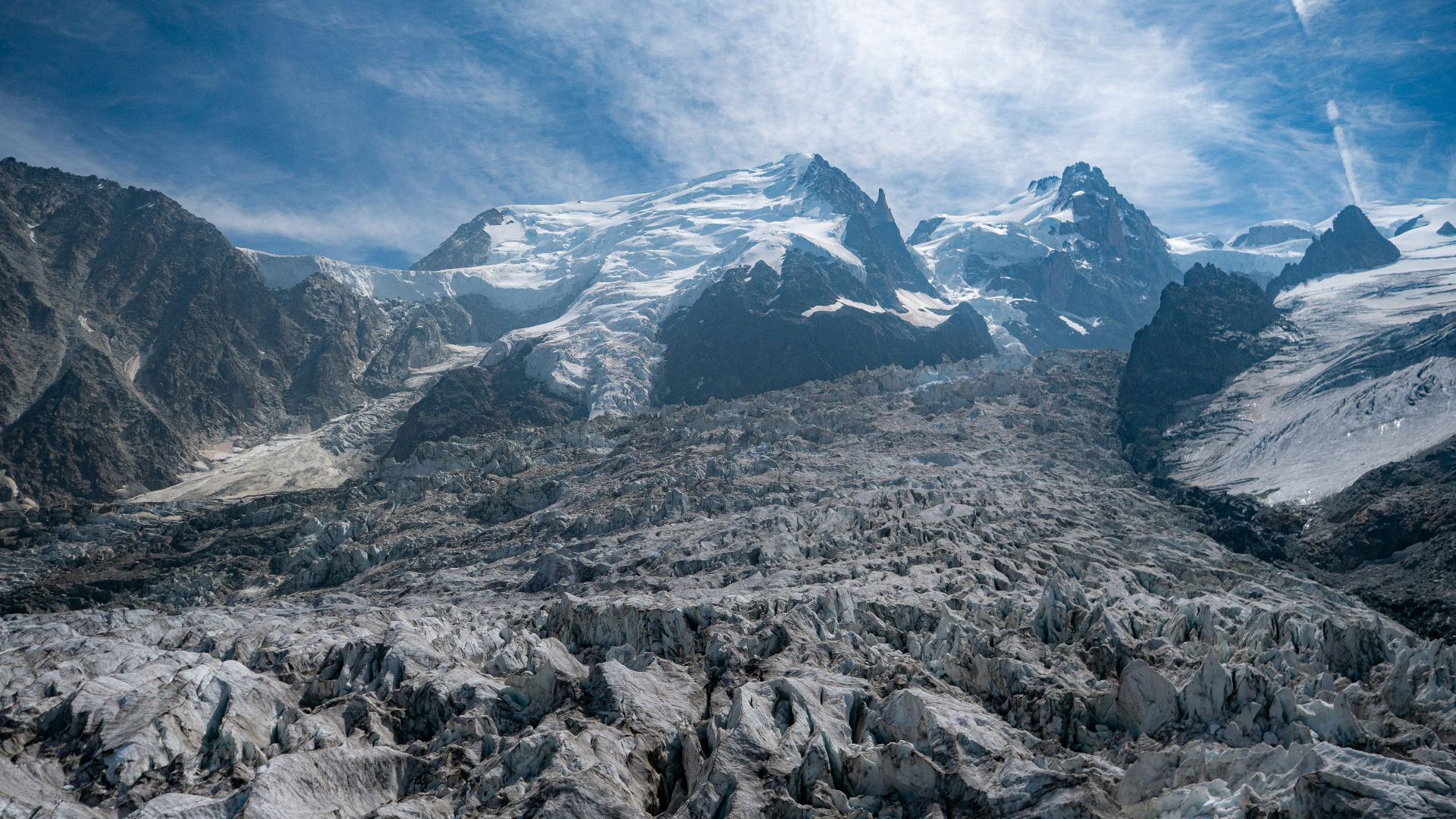
During the later Ice Age, Europe shifted again and again between colder and somewhat milder phases. Neanderthals and early modern humans had to track animals, adjust to changing vegetation, and survive in smaller usable pockets of land while the climate changed around them.
18. MIS 6 Glaciation
From about 191,000 to 130,000 years ago, a major glacial stage lowered sea levels and changed African environments. Early Homo sapiens persisted through this stretch, likely using scattered refuges, coastal resources, inland waterways, and whatever workable habitats were available.
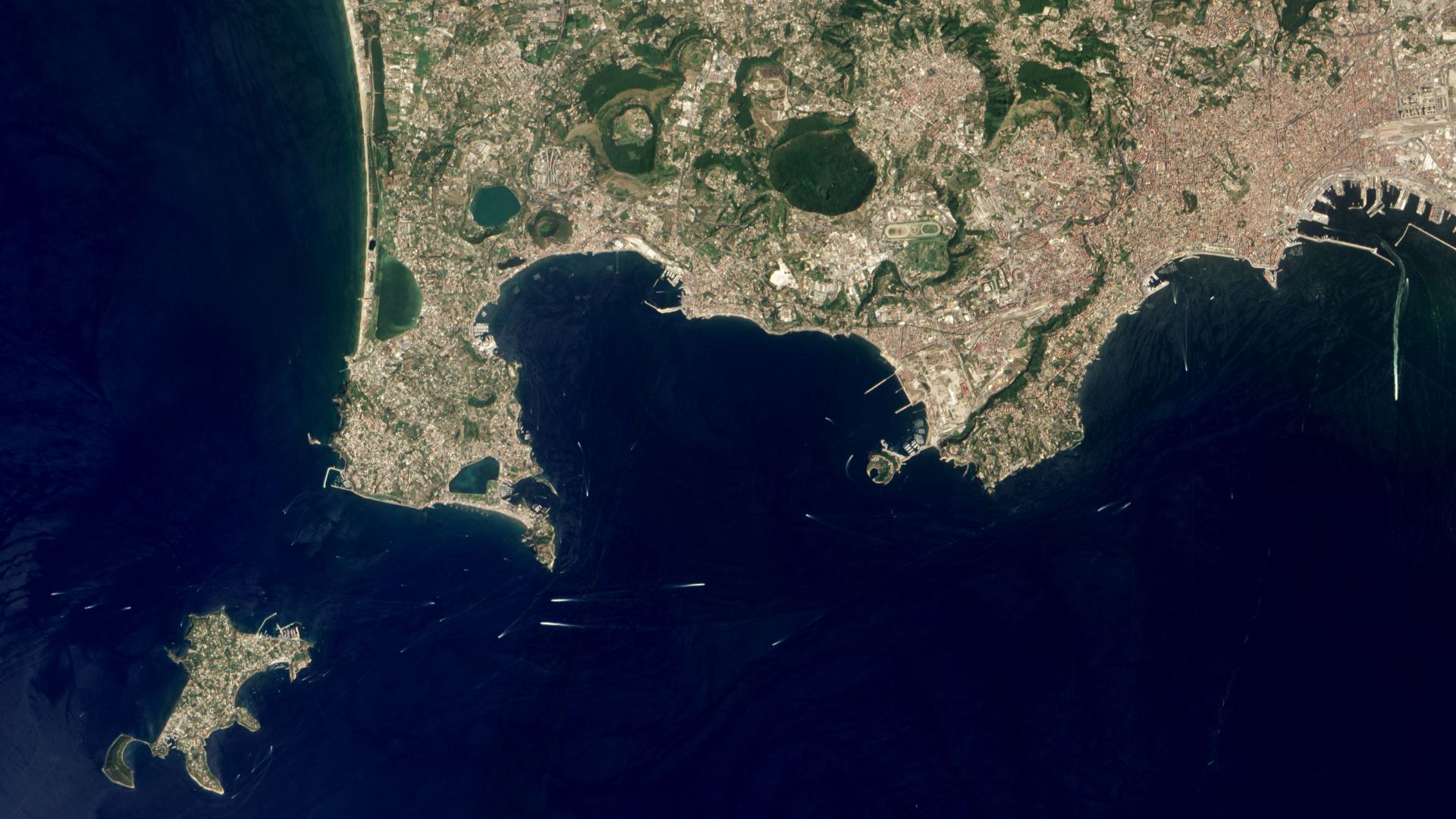
19. Campi Flegrei Caldera Eruption
Around 39,000 years ago, the Campanian Ignimbrite eruption from the Campi Flegrei volcanic area near present-day Naples spread ash widely across parts of Europe. Its role in Neanderthal decline is debated, but it added another serious environmental shock during an already difficult period.
 Jesse Allen and Robert Simmon on Wikimedia
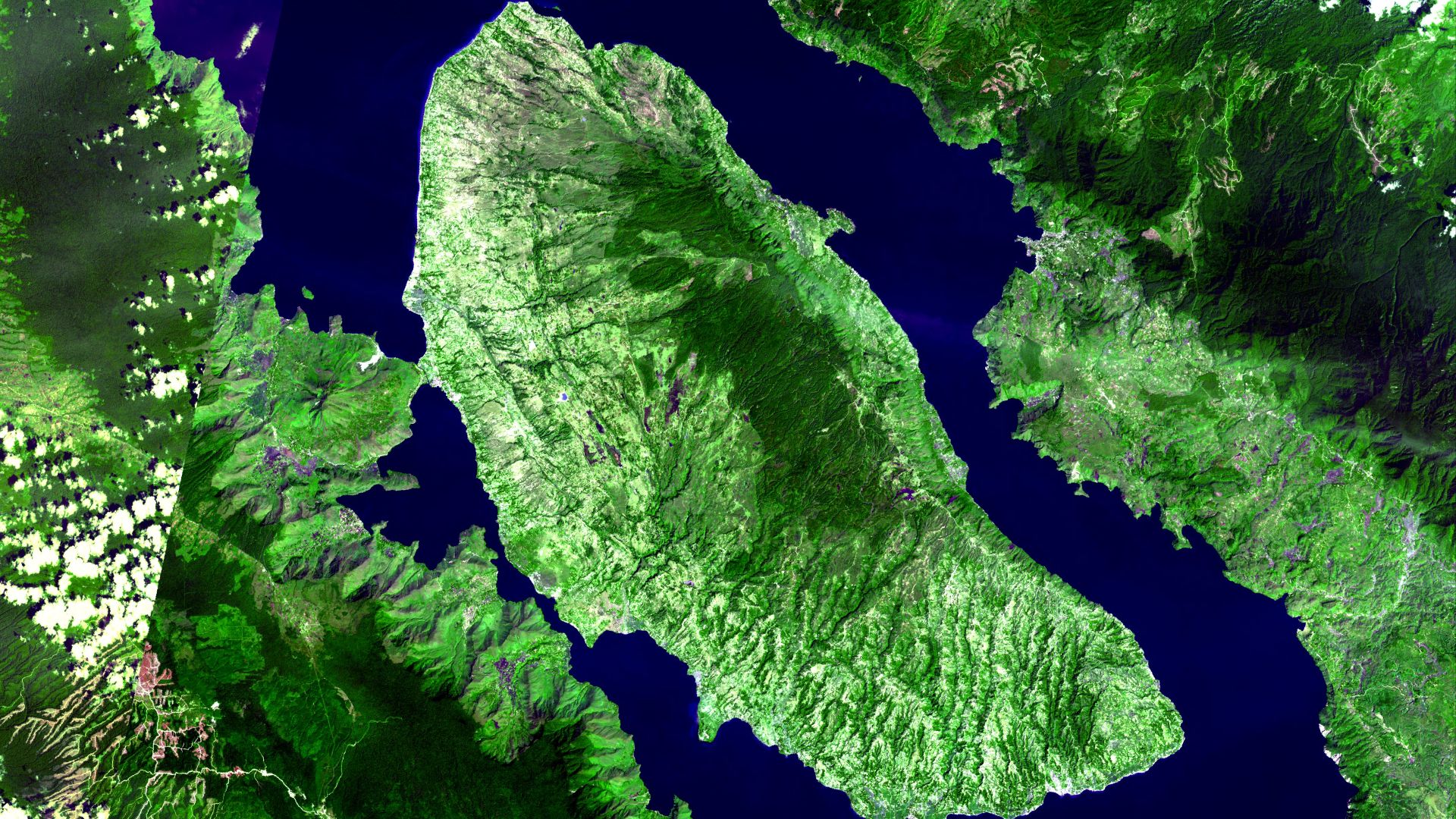
20. Toba Ash-Fall Survival Zones
The Toba eruption left ash in parts of South Asia, including areas where stone tools show people were present before and after the event. That doesn’t mean the aftermath was easy; it means humans were able to survive the damaged landscapes, disrupted food sources, and massive volcanic fallout.
 NASA/METI/AIST/Japan Space Systems, and U.S./Japan ASTER Science Team on Wikimedia
KEEP ON READING
The 20 Most Recognized Historical Figures Of All Time
The Biggest Names In History. Although the Earth has been…
By Cathy Liu Oct 4, 2024
10 of the Shortest Wars in History & 10 of…
Wars: Longest and Shortest. Throughout history, wars have varied dramatically…
By Emilie Richardson-Dupuis Oct 7, 2024
10 Fascinating Facts About Ancient Greece You Can Appreciate &…
Once Upon A Time Lived Some Ancient Weirdos.... Greece is…
By Megan Wickens Oct 7, 2024
20 Lesser-Known Facts About Christopher Columbus You Don't Learn In…
In 1492, He Sailed The Ocean Blue. Christopher Columbus is…
By Emilie Richardson-Dupuis Oct 9, 2024
20 Historical Landmarks That Have The Craziest Conspiracy Theories
Unsolved Mysteries Of Ancient Places . When there's not enough evidence…
By Megan Wickens Oct 9, 2024
The 20 Craziest Inventions & Discoveries Made During Ancient Times
Crazy Ancient Inventions . While we're busy making big advancements in…
By Cathy Liu Oct 9, 2024