

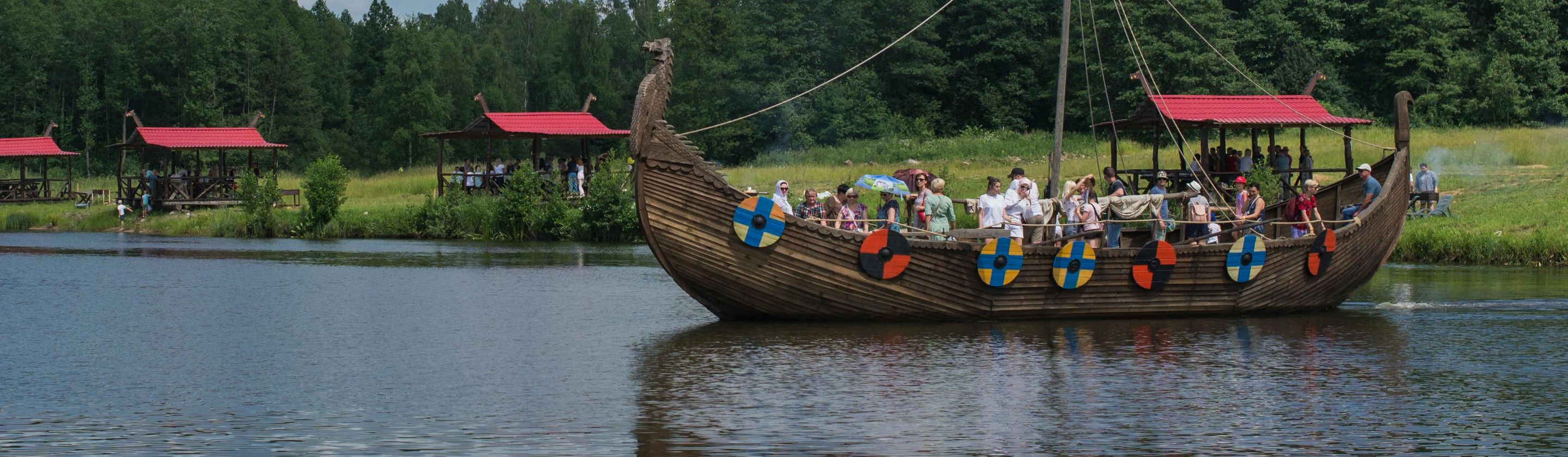
The Real Power Behind The Vikings
When people picture Vikings, they often imagine fierce warriors charging into battle. But their real power wasn’t just in their weapons—it was in their ships. These vessels gave them speed and control over seas that others struggled to navigate. That’s how they became raiders who left an unmistakable mark across Europe and beyond. To understand how the Vikings achieved their legendary influence, you need to start by looking at these ten ships that carried them across oceans.
1. Gokstad Ship
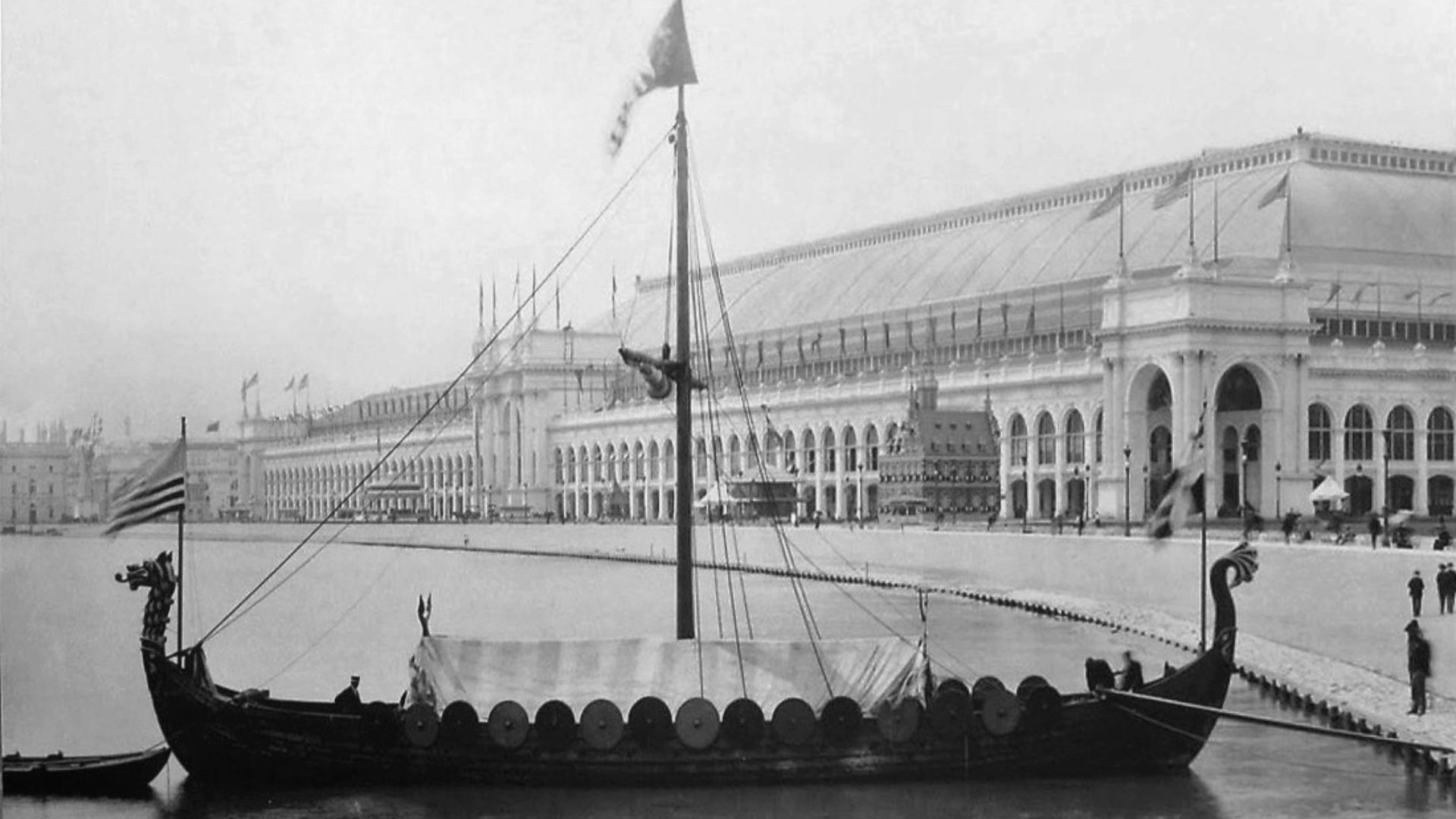
Norway’s Viking Ship Museum preserves the Gokstad Ship, a 9th-century masterpiece and the largest surviving vessel of its kind. Excavated in 1880, it revealed a grand burial stocked with animals ranging from horses to peacocks.
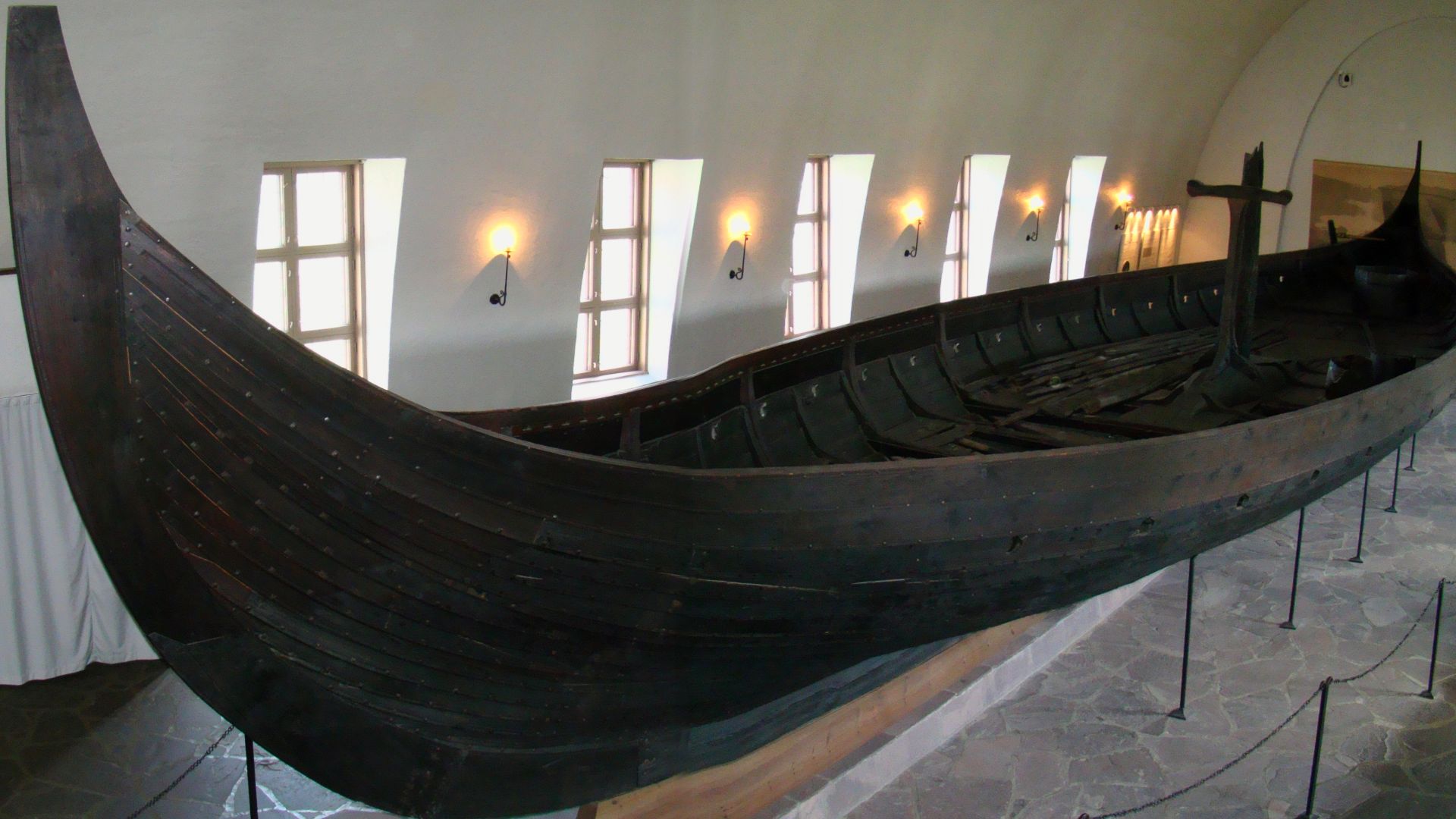 Bjørn Christian Tørrissen on Wikimedia
2. Oseberg Ship
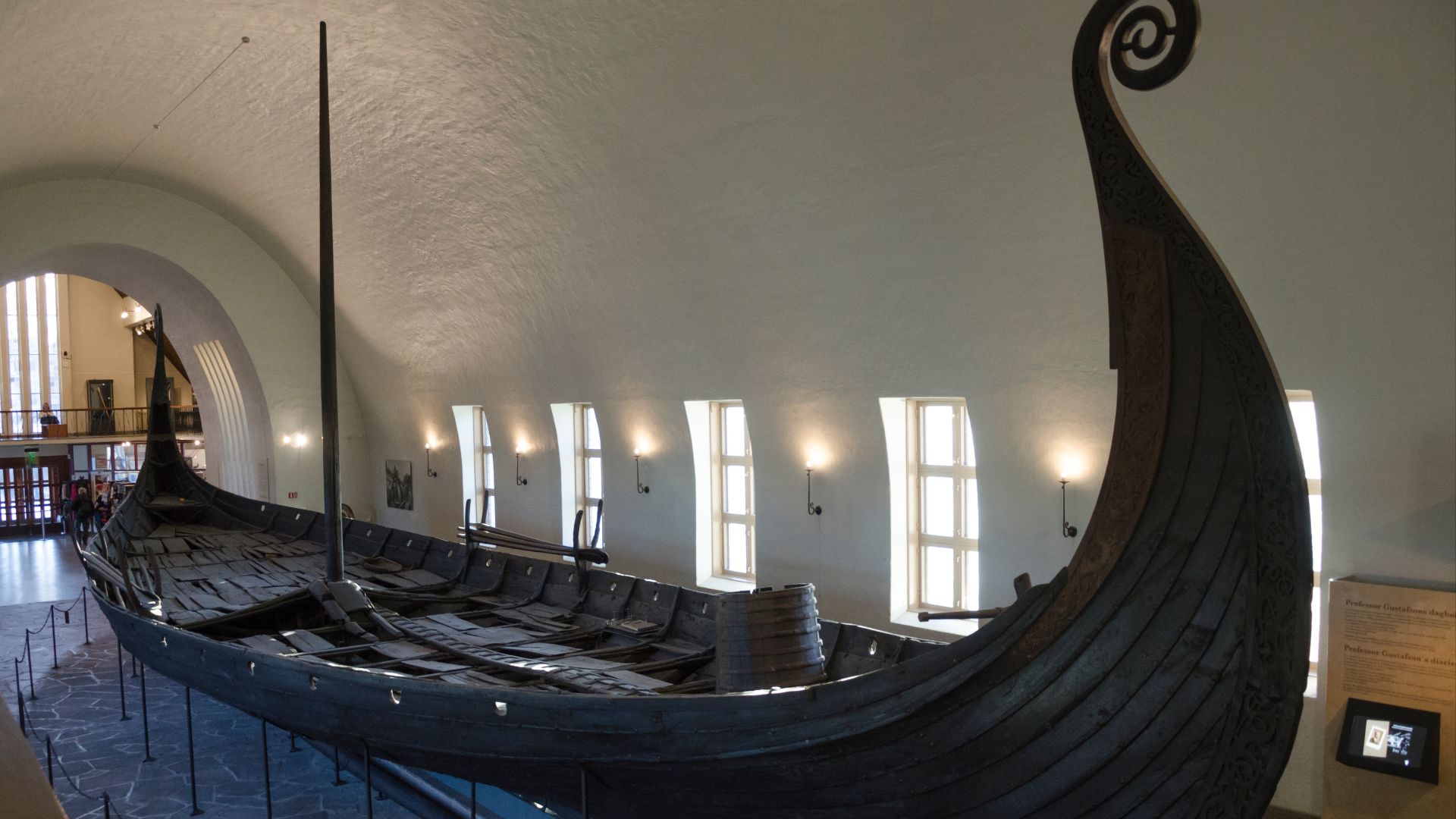
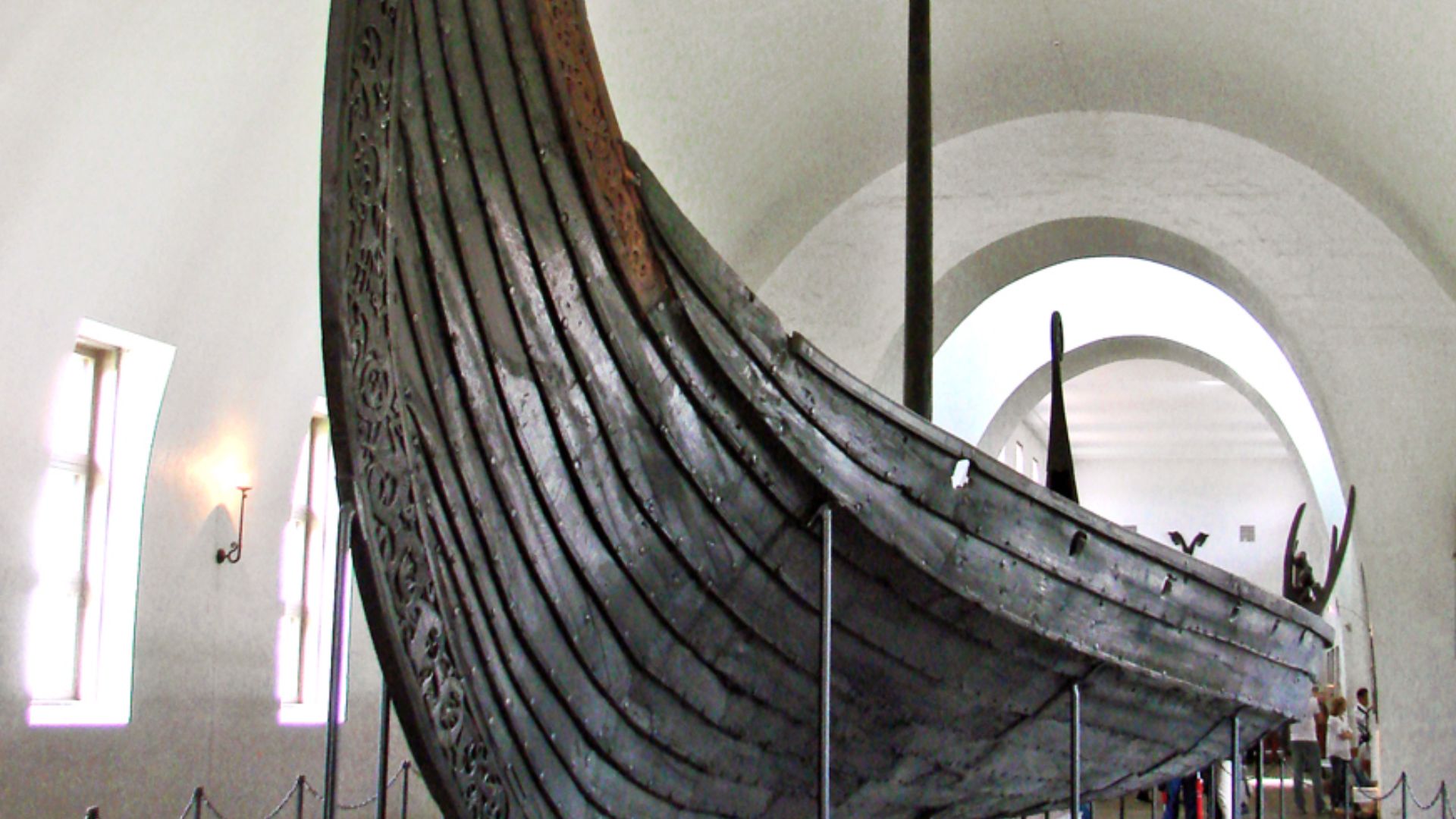
Near Tønsberg in Vestfold County, archaeologists discovered the Oseberg Ship in a burial mound. This extraordinary vessel, dating to 820 CE, served as the final resting place for two noble women. Beyond its elaborate wood carvings, the ship yielded remarkable treasures, including a decorated cart and distinctive animal-head posts.
3. Skuldelev 2
The 1962 excavation in Roskilde Fjord revealed an extraordinary find: Skuldelev 2. At 30 meters, this mighty longship dominated the Skuldelev collection. Built from Irish oak near Dublin in 1042 CE, the vessel served until its strategic sinking as part of Roskilde's defensive barrier.
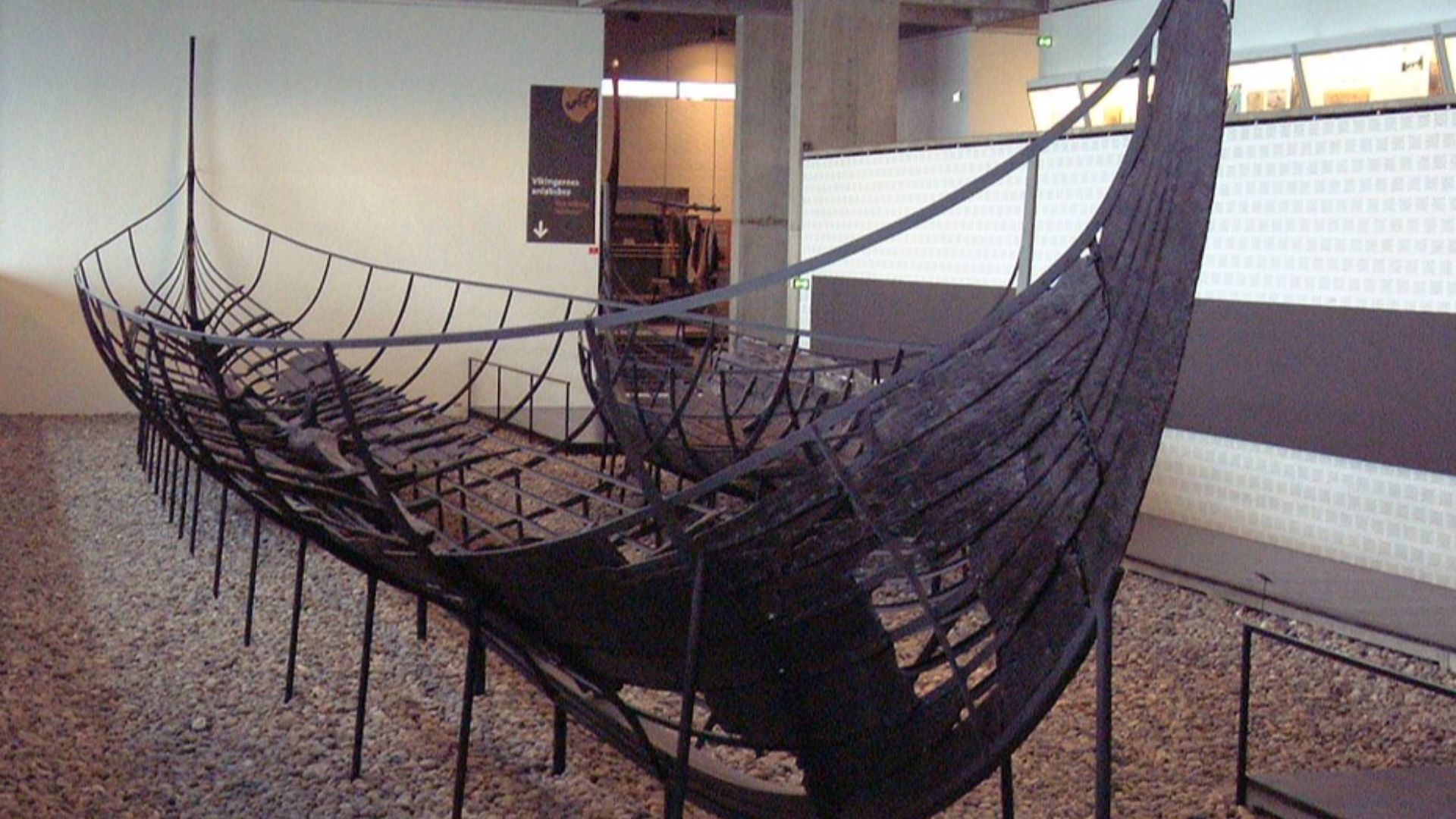
4. Tune Ship
Norway’s Haugen farm yielded the Tune Ship in 1867, a 10th-century oak vessel central to Viking burial traditions. It was constructed for a noble’s final journey. The ship, though weathered, continues to stand with the Gokstad and Oseberg ships as a cultural cornerstone.
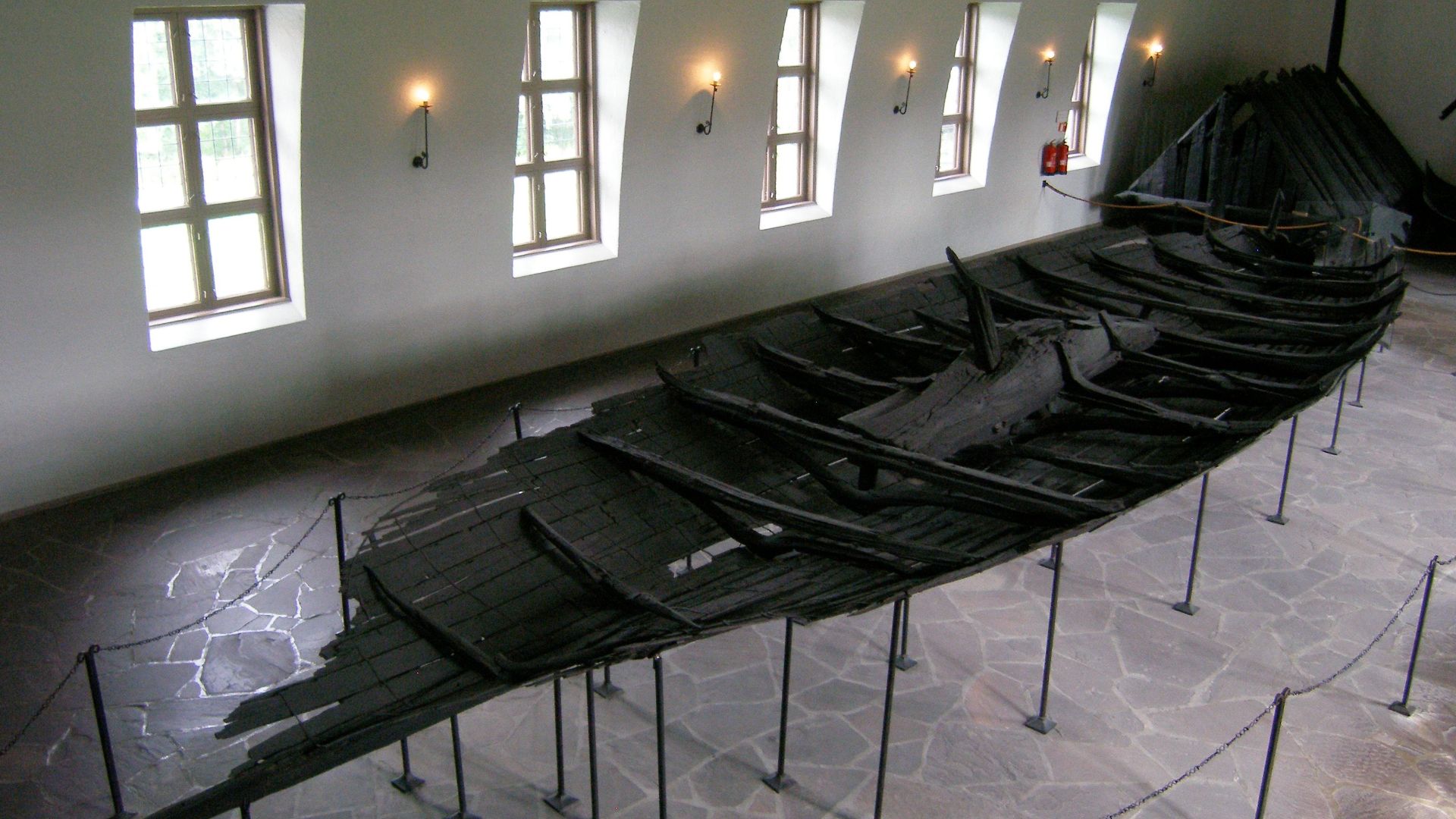
5. Roskilde 6
Danish construction workers made a stunning discovery in 1997: the Roskilde 6. At 37 meters, this record-breaking vessel stands as the longest Viking ship ever found. Though only the keel and bottom planks remained, experts determined it was built around 1025 CE during King Cnut the Great's rule.
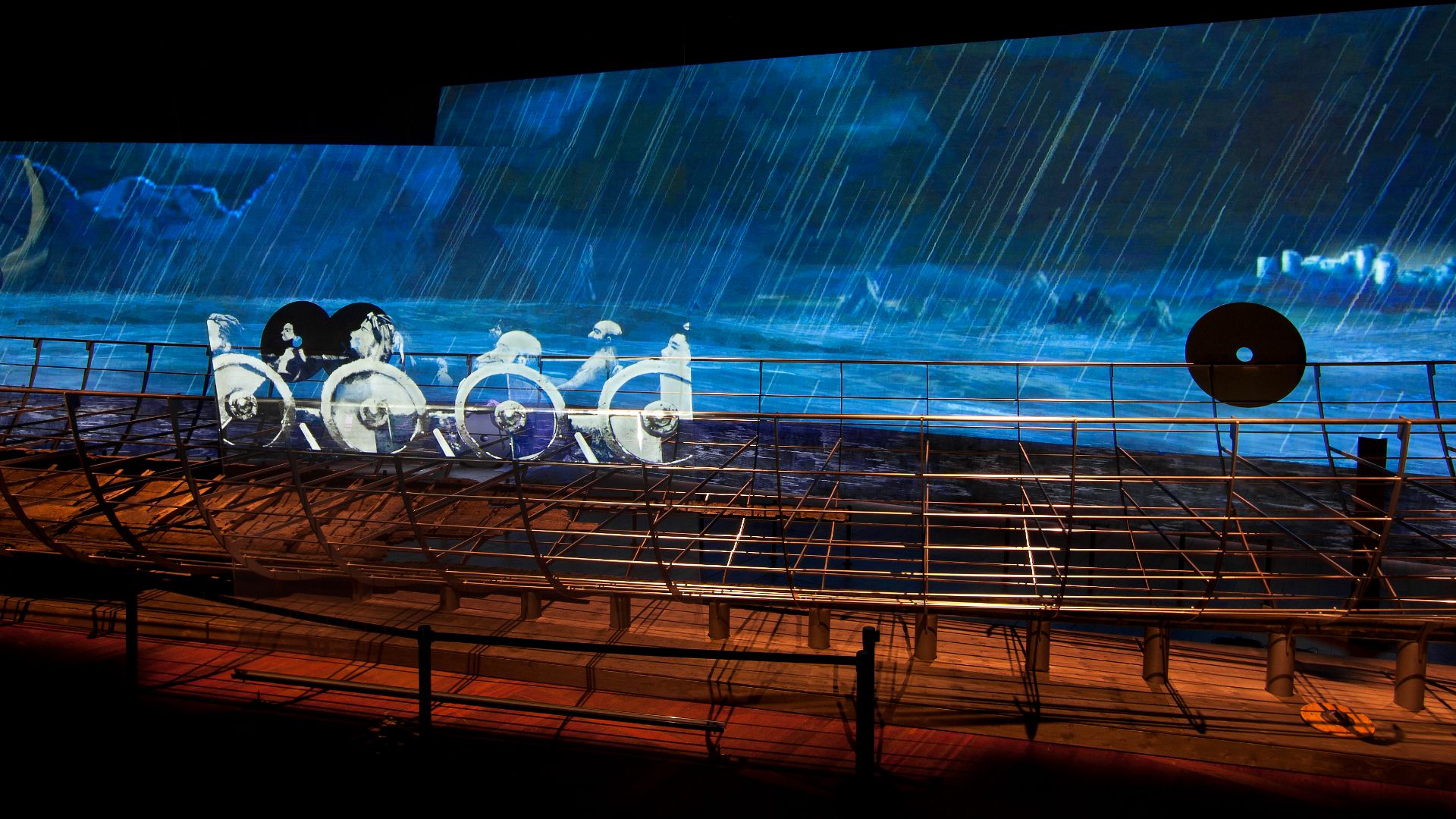 Nationalmuseet - The National Museum of Denmark from Denmark on Wikimedia
6. Skuldelev 5
Discovered in the Skuldelev barrier of Roskilde Fjord, this small warship demonstrates medieval ingenuity through its mixed construction of oak, pine, and ash. Built circa 1030 CE, the vessel carried 30 crew members, while its recycled timber components reveal practical shipbuilding methods.
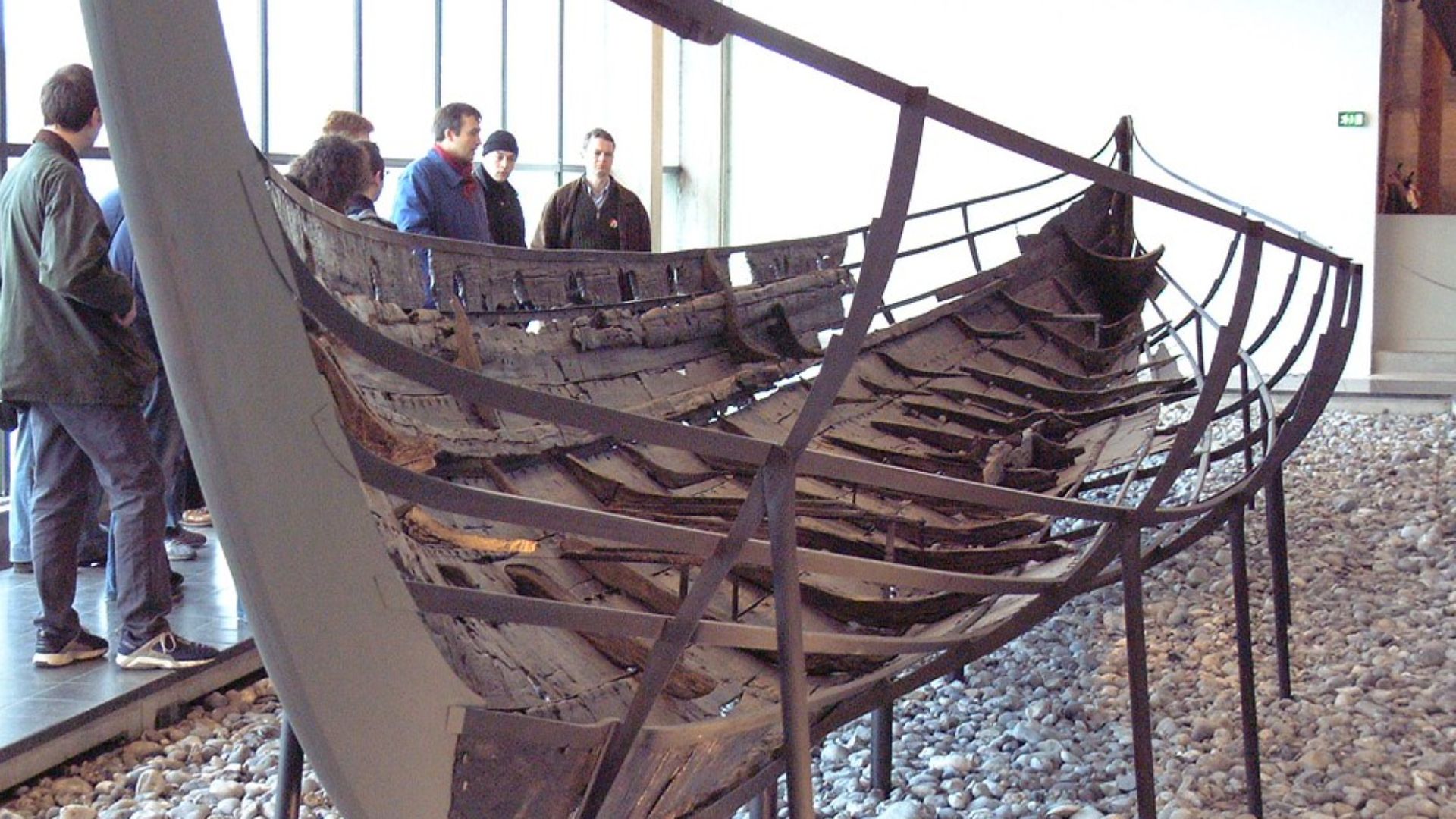
7. Skuldelev 1
Found in Denmark’s Skuldelev barrier, this massive trading vessel illustrates the resourcefulness of Viking shipwrights. Constructed around 1030 CE from pine, its broad hull offered remarkable stability on open waters. It carried as much as 20 tons of cargo across impressive maritime distances.
8. Hedeby 1
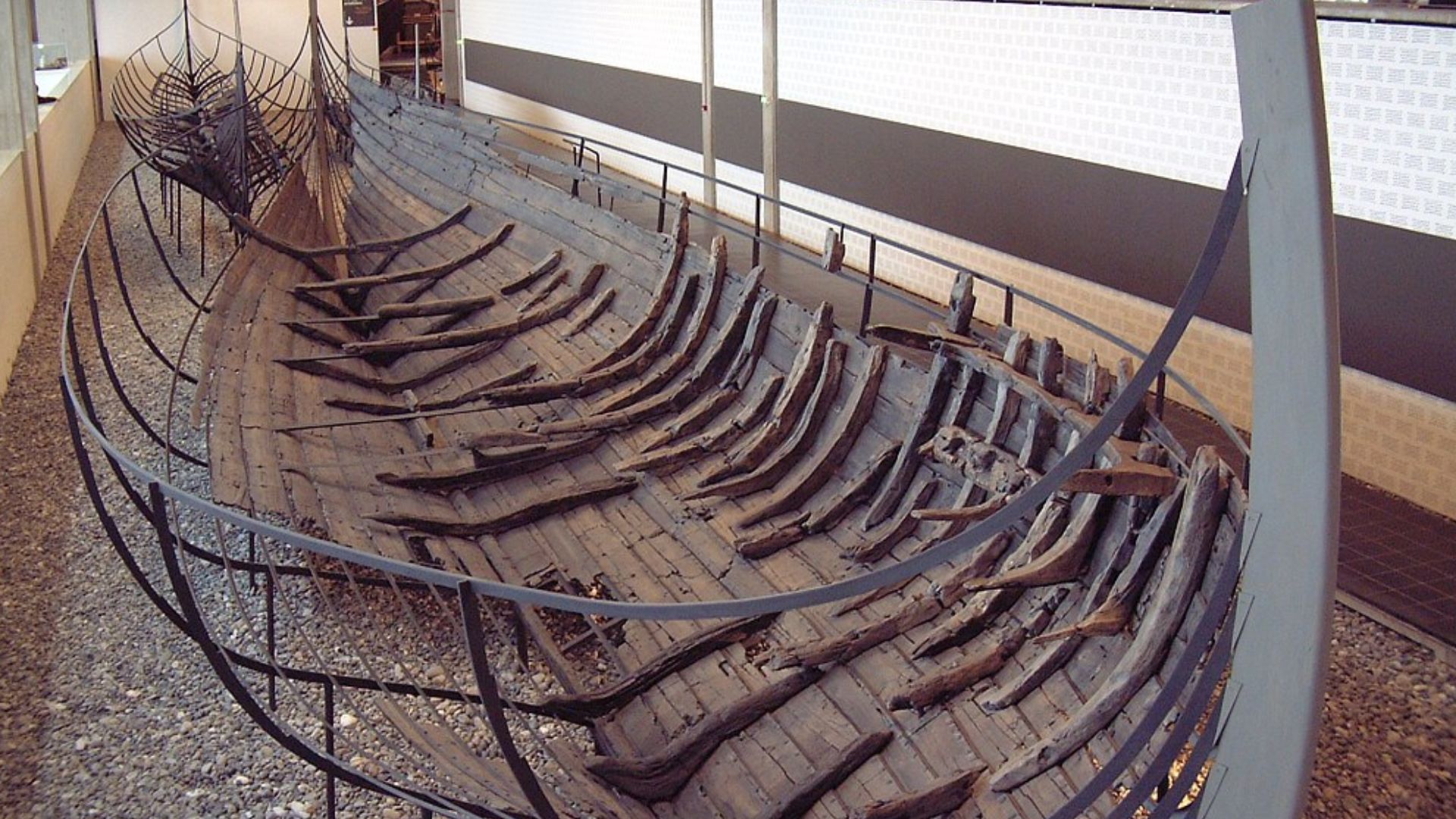
Deep in modern Germany's soil lay Hedeby 1, a significant Viking vessel constructed from oak in the 10th century. The ship emerged in 1953 when divers recovered its timbers from Hedeby's harbor. Beyond that, the find substantiated Hedeby's prominence as a bustling Viking trade port.
9. Ladby Ship
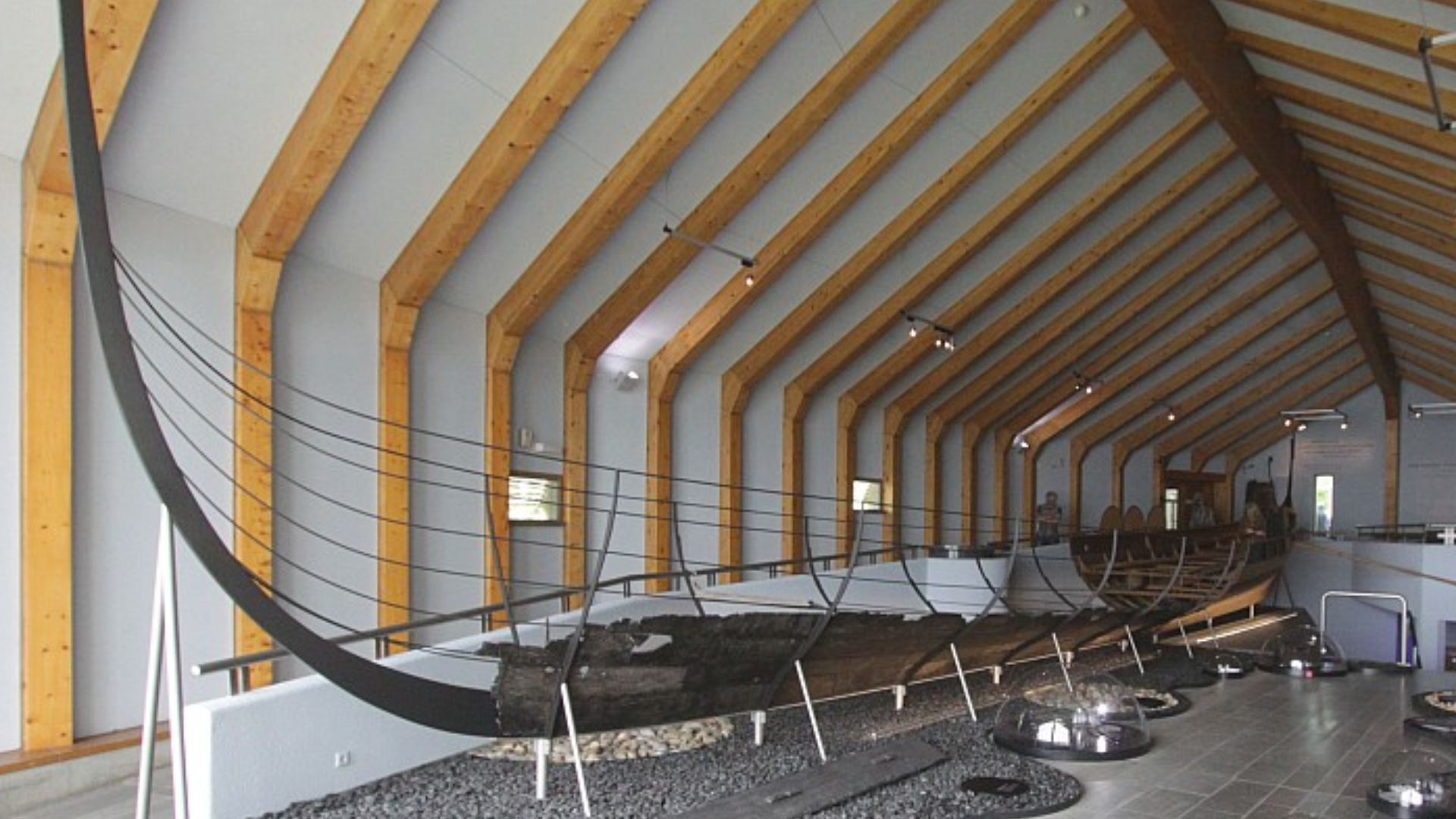
Denmark's archaeological treasure, the Ladby Ship, contained 11 horses and several dogs when discovered. This early 10th-century vessel, intended as a chieftain's burial ship, still occupies its original mound. Meanwhile, at Viking Museum Ladby, visitors can step inside to examine the only Viking ship burial found in Denmark.
10. Skuldelev 3
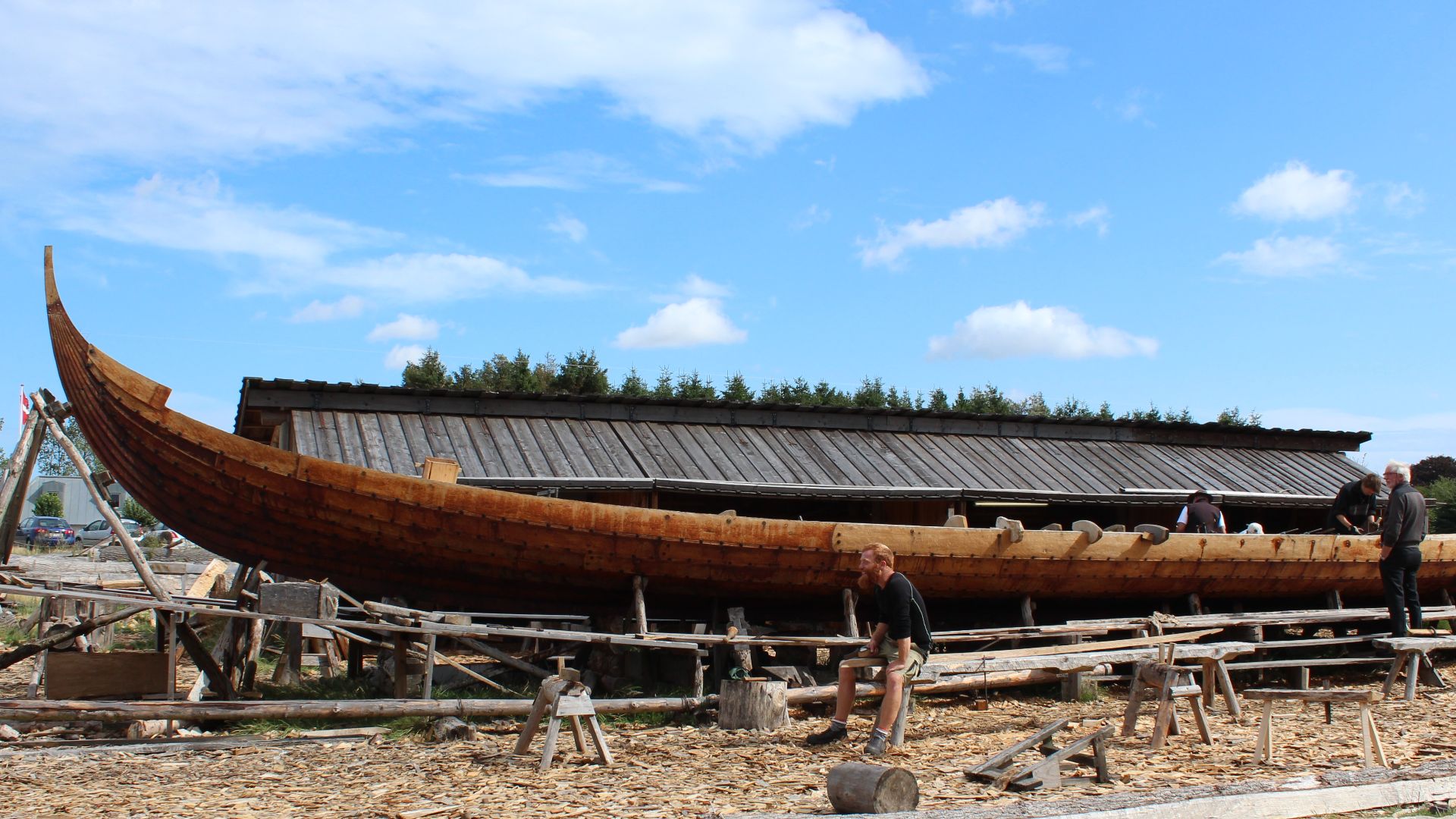
The Skuldelev barrier in Denmark yielded a remarkable cargo vessel from 1040 CE. Built for coastal waters and fjords, this oak-crafted ship surpasses its Skuldelev siblings in preservation quality. Its discovery provides key insights into Danish maritime commerce.
Now, let’s explore the features that made these ships stand out.
1. Dragon-Headed Prows
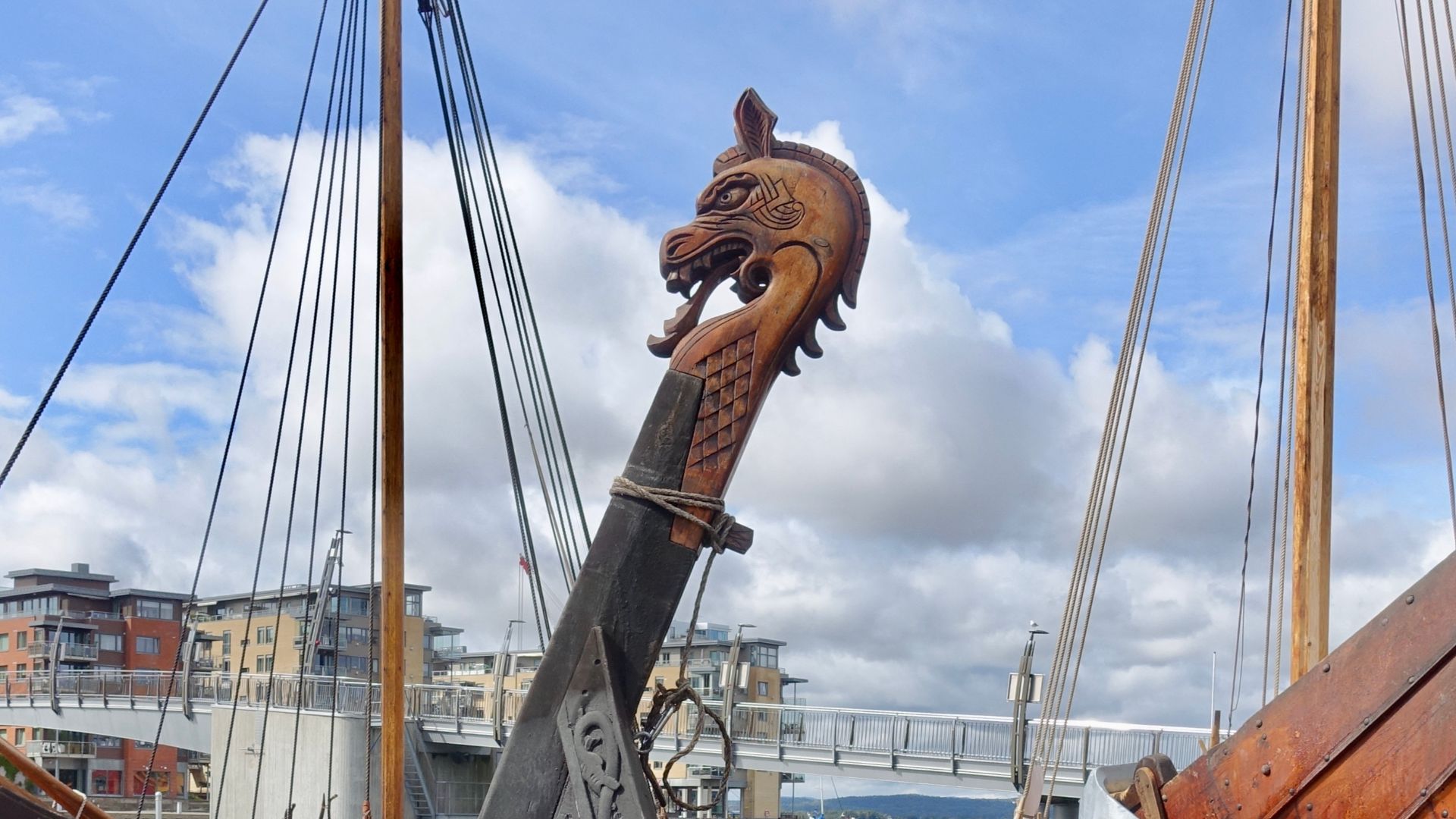
Viking ships carried dragon heads at the prow, their carvings bold and commanding. These designs announced ownership and authority, casting dread upon those who glimpsed them during raids. Before reaching home shores, crews removed the figureheads, transforming them into symbols of might.
2. Clinker-Built Hulls
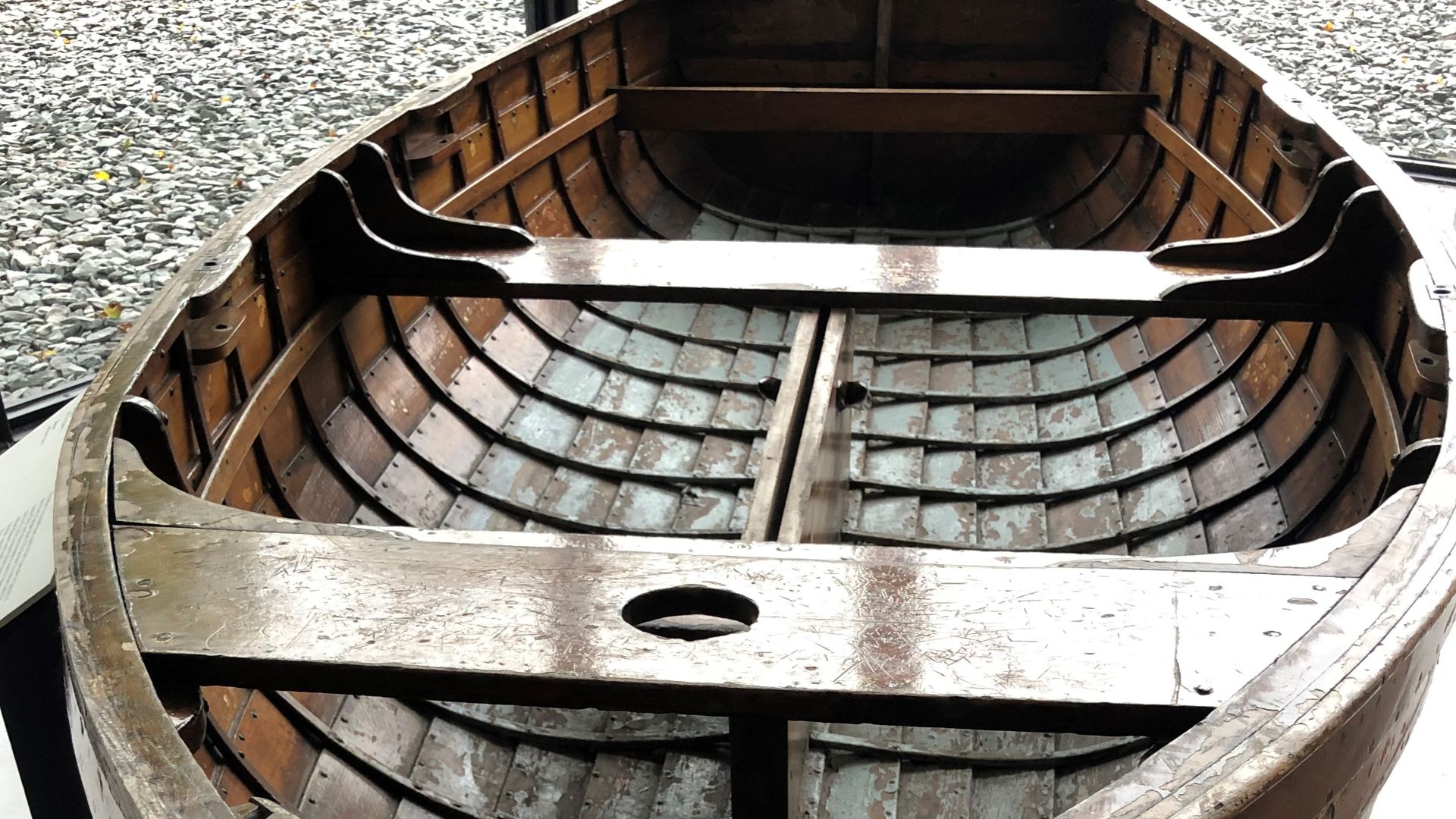
In Viking shipyards, builders employed clinker construction, securing overlapping planks with iron nails. The process produced a distinctive ridged hull, designed to bend with the waves. Such craftsmanship yielded vessels sturdy and resilient, able to cut through the unforgiving seas of the north.
3. Shallow Draft Design
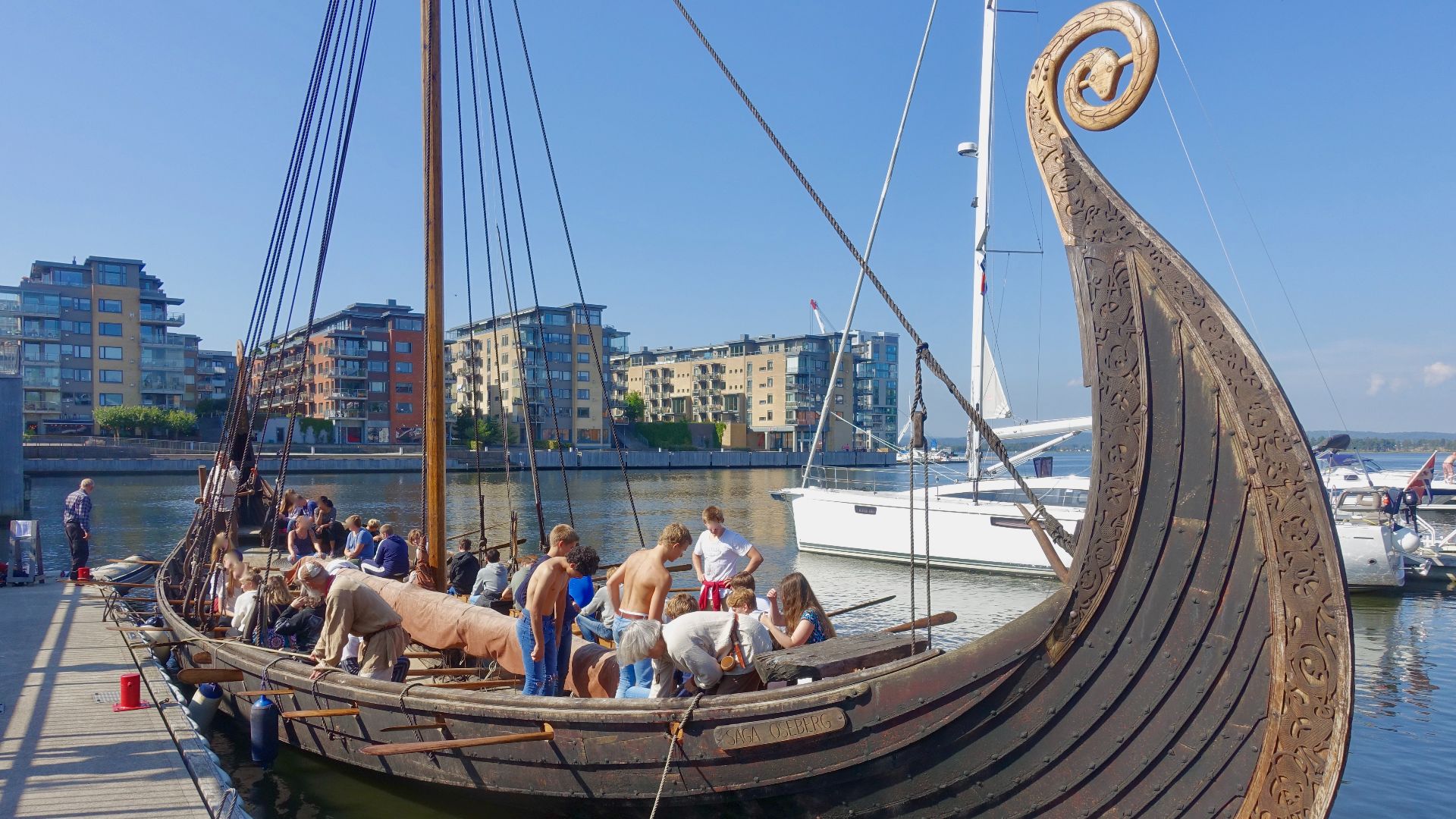
A mere one metre of water depth sufficed for Viking ships to operate effectively. Their shallow draft design proved important for inland raids on unsuspecting settlements, yet these vessels offered more than just stealth. Subsequently, specialized boats like the Karve mastered coastal waters and beach landings.
4. Square Sails Of Wool
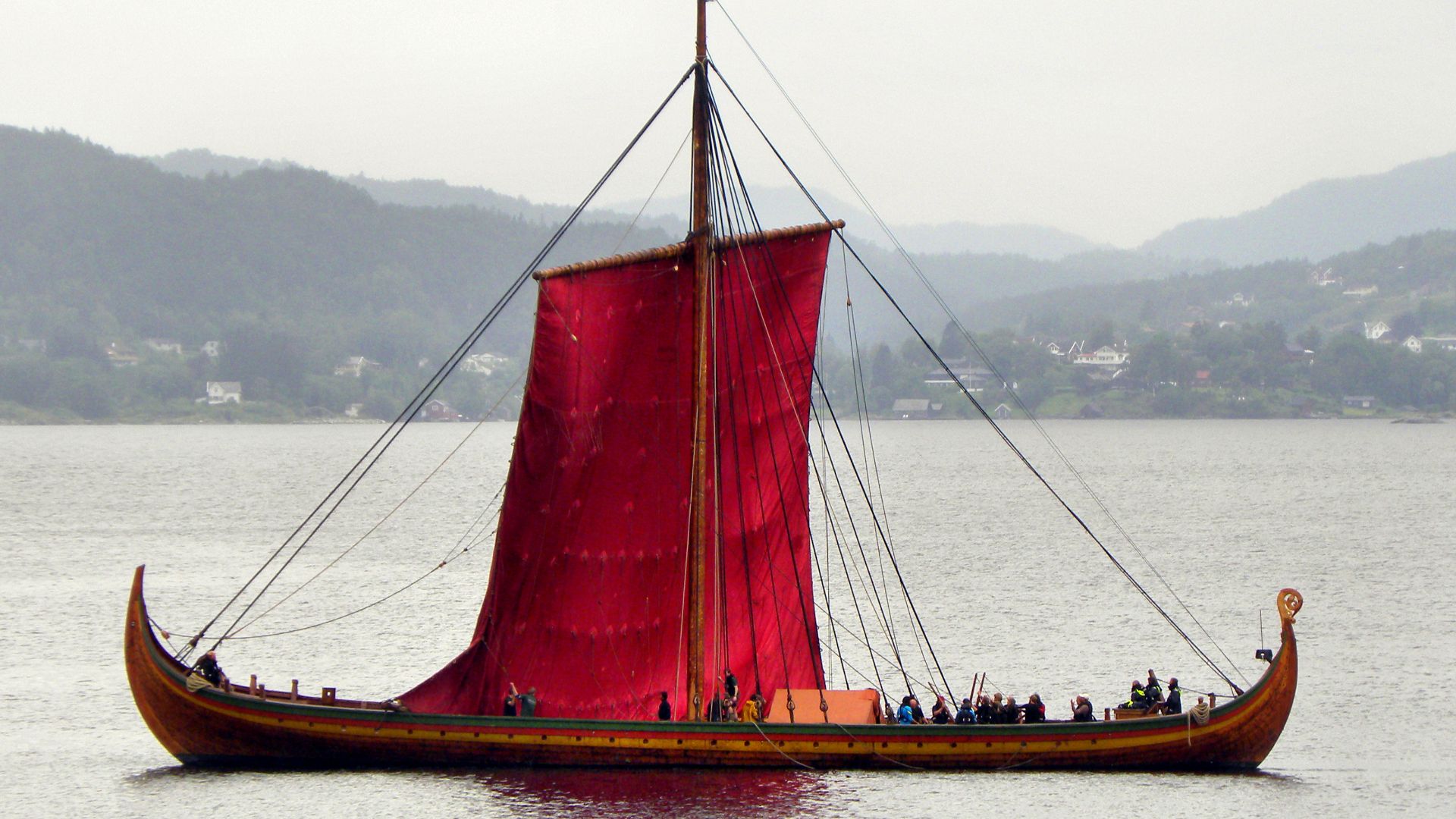
The wool-crafted square sails aboard Viking vessels served multiple purposes. Natural pigments transformed them into colorful identifiers at sea, while treatments of animal fat or tar enhanced their function. These impressive sails supplemented the rowing crew's efforts during long voyages.
5. Steerboard Technology
The right side of Viking ships featured a distinctive steering oar, fastened by a wicker band rather than a central rudder. This placement, known in Old Norse as the "steering side," eventually became "starboard." Additionally, this design proved highly effective in both rivers and open waters.
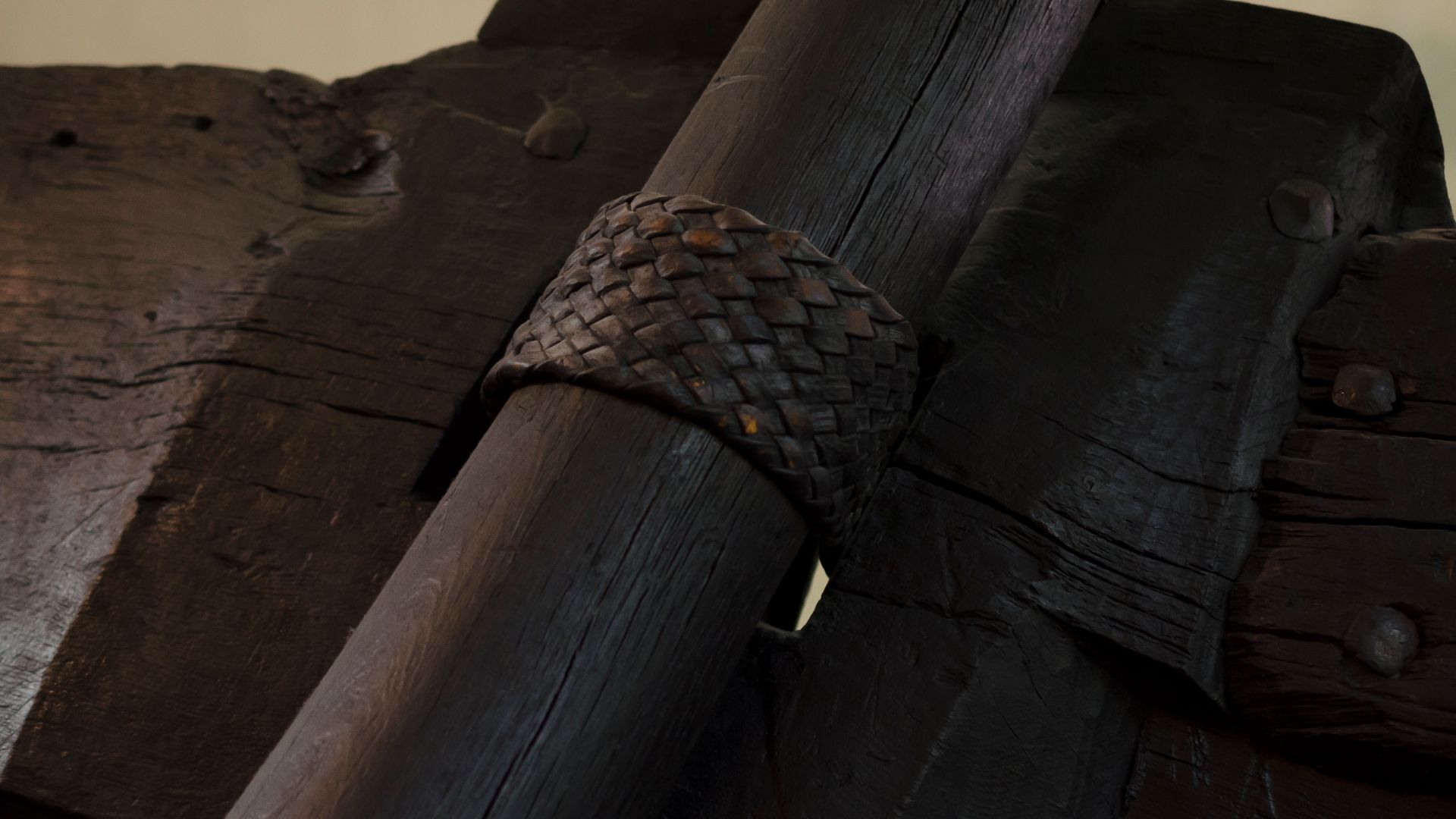
6. Oar Ports
Oar ports lined the sides of Viking ships, offering more than rowing power alone. Sailors could close the openings when unused, protecting the hull against water. Their count revealed a vessel’s scale and crew strength by delivering essential propulsion whenever winds turned against the sails.
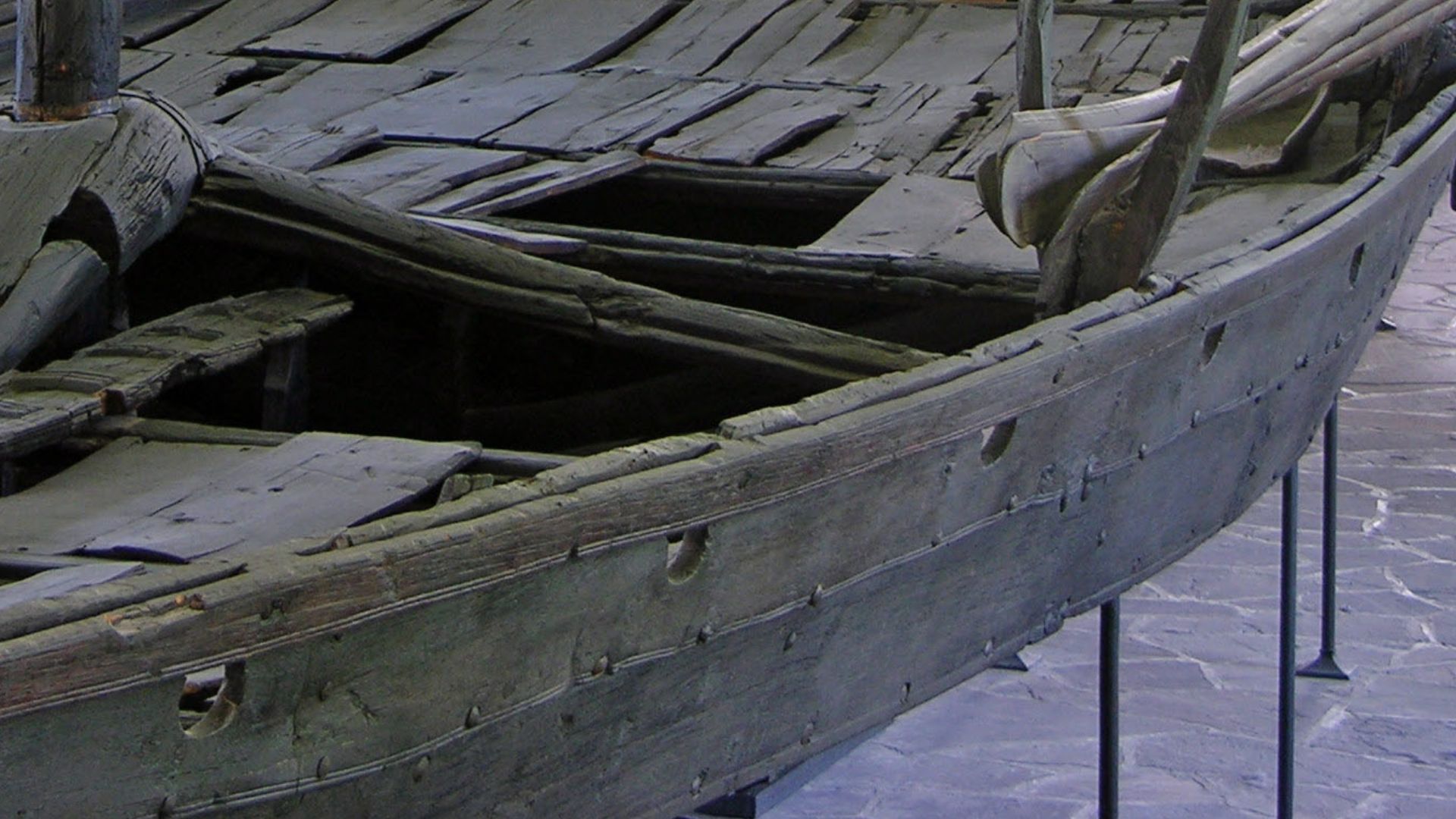
7. Mast Steps
The structural element securing the mast to the keel played a vital role in Viking ship construction. A proper mast step placement ensured optimal sailing performance and balance, yet its clever design also permitted complete mast removal when needed. This wooden block provided essential stability.
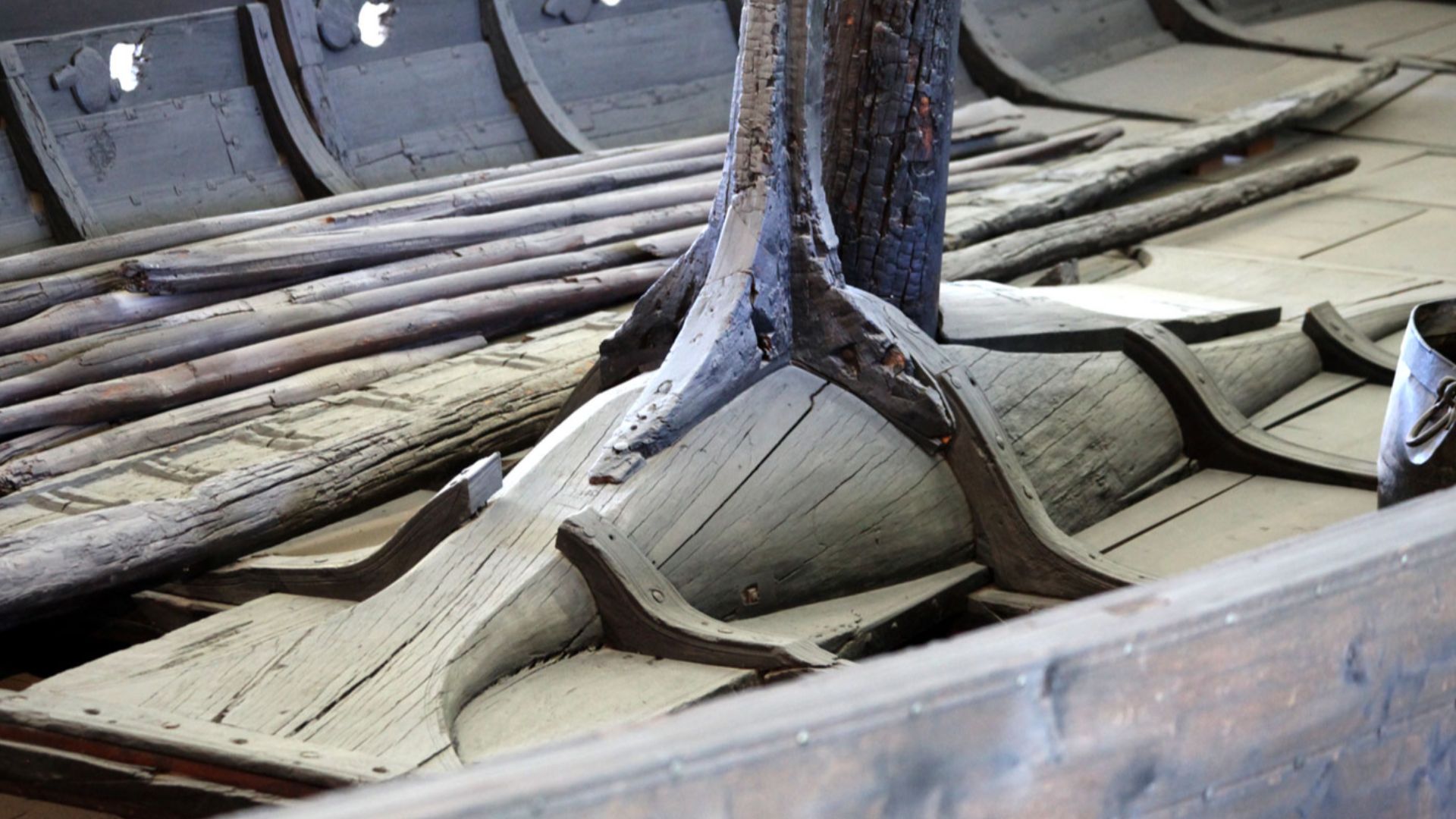
8. Riveted Iron Fastenings
Iron rivets and nails formed the backbone of Viking shipbuilding excellence. Their overlapping planks required thousands of these metal fasteners to achieve proper strength. Remarkably, some recovered shipwrecks still showcase intact iron fastenings.
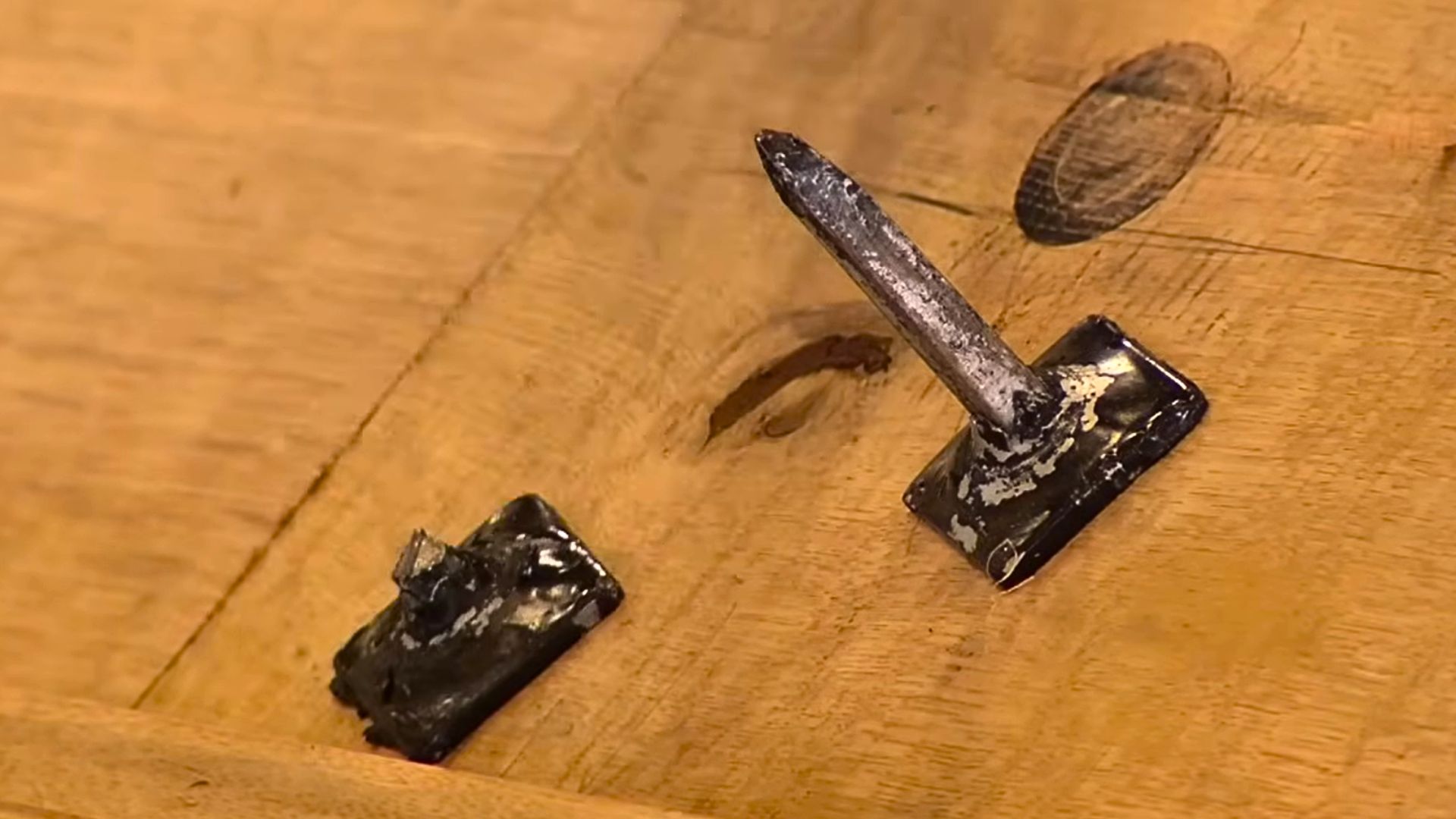 Dragon Harald Fairhair. The construction of a Viking Dragon Ship by DragonFairhair
9. Cloth Caulking
From Scandinavia’s vast pines came the tar that made Viking ships seaworthy. Shipbuilders combined it with wool and animal hair to form a cloth, sealing gaps between planks. The treatment slowed water intrusion, granting resilience, even though ships never became completely watertight.
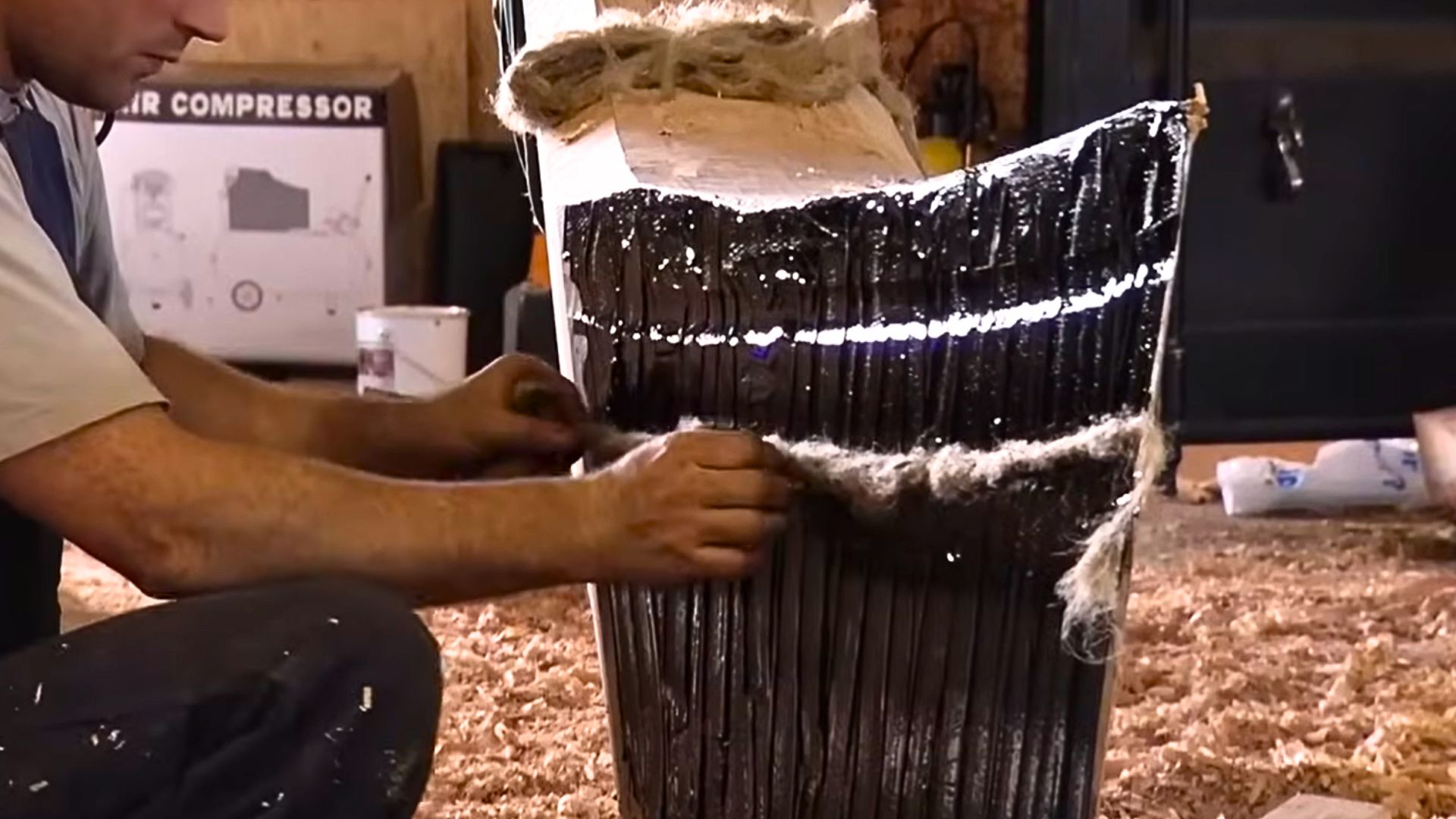 Dragon Harald Fairhair. The construction of a Viking Dragon Ship by DragonFairhair
10. Symmetrical Hulls
Symmetrical hulls marked a breakthrough in Viking naval architecture. The matching bow and stern sections enabled quick direction changes without turning, yet the streamlined shape maintained impressive speed. In turn, these vessels demonstrated great versatility, conquering both river passages and open seas.
KEEP ON READING
20 Times Nature Wiped Entire Communities Off the Map
When the Ground, Sea, & Sky Changed Everything. History is…
By Emilie Richardson-Dupuis May 8, 2026
20 Fossils Scientists Got Completely Wrong, And What It Took…
One Bone Doesn’t Show The Whole Picture. Paleontology has always…
By Elizabeth Graham May 8, 2026
20 Most Manipulative Historical Figures
Masters of the Long Con. History isn't just full of…
By Sara Springsteen May 8, 2026
10 Technological Advances That Saved Lives & 10 That Took…
Innovation Has Always Had Two Sides. Technology has improved human…
By Rob Shapiro May 8, 2026
20 Radicals History Couldn’t Ignore
They Moved The Line. Every age has people who are…
By Cameron Dick May 8, 2026
20 Animal Species From History That Disappeared Because of Humans
The Creatures We Didn’t Leave Enough Room For. Extinction can…
By Emilie Richardson-Dupuis May 7, 2026