
Many of the phrases you use every day have histories that go much deeper than they seem on the surface. While they’ve become part of casual conversation, their origins often reflect older customs, professions, or cultural habits that most people no longer think about. Understanding where these sayings come from can give you a new appreciation for language that feels routine. It also highlights how language carries pieces of history into the present.
At the same time, these expressions have lasted because they still capture ideas in a simple and memorable way. Even as language evolves, certain phrases stick around because they’re easy to understand and widely recognized. Looking at their origins shows how past practices continue to shape the way people communicate today. This persistence demonstrates how useful expressions tend to stand the test of time.
“Break the Ice”
The phrase “break the ice” originally had a literal meaning tied to trade and travel in colder regions. Ships would sometimes need to break through frozen waterways to create a path for others, making it easier for movement and commerce to continue. This act became associated with removing barriers and making progress possible. It’s a reminder of how physical challenges often shaped everyday language.
Over time, the meaning shifted from a physical action to a social one, where it came to describe easing tension in a conversation or situation. When people say they want to “break the ice,” they’re referring to reducing awkwardness and helping others feel more comfortable. The transition from literal to figurative use reflects how language adapts to changing contexts. This kind of shift is common as societies move away from older practices.
Today, the phrase is commonly used in both casual and professional settings, especially when meeting new people or starting discussions. Activities designed to “break the ice” are often used to encourage interaction and build rapport. Even though its original context is no longer part of daily life, the idea behind it remains widely relevant. It continues to serve as a simple way to describe easing social tension.
“Bite the Bullet”
“Bite the bullet” is often used to describe facing something difficult or unpleasant with courage. Its origins are commonly linked to historical medical practices, particularly before modern anesthesia became widely available. Patients undergoing painful procedures were sometimes given a bullet or similar object to bite down on to help endure the pain. This detail highlights how people coped with discomfort in earlier times.
As the phrase evolved, it came to represent the idea of accepting hardship rather than avoiding it. Instead of referring to a literal action, it now conveys a mental decision to confront something challenging. This shift shows how language can preserve emotional experiences even after the original context has faded. It also reflects a broader human tendency to turn physical experiences into metaphors.
In modern use, you’ll hear it when someone decides to handle a task they’ve been putting off or deal with an uncomfortable situation directly. It carries a sense of determination and practicality, even though the imagery behind it is quite stark. The phrase continues to resonate because the idea of pushing through difficulty is universal. Its continued use shows how relevant that mindset still is today.
“Spill the Beans”
 Birmingham Museums Trust on Unsplash
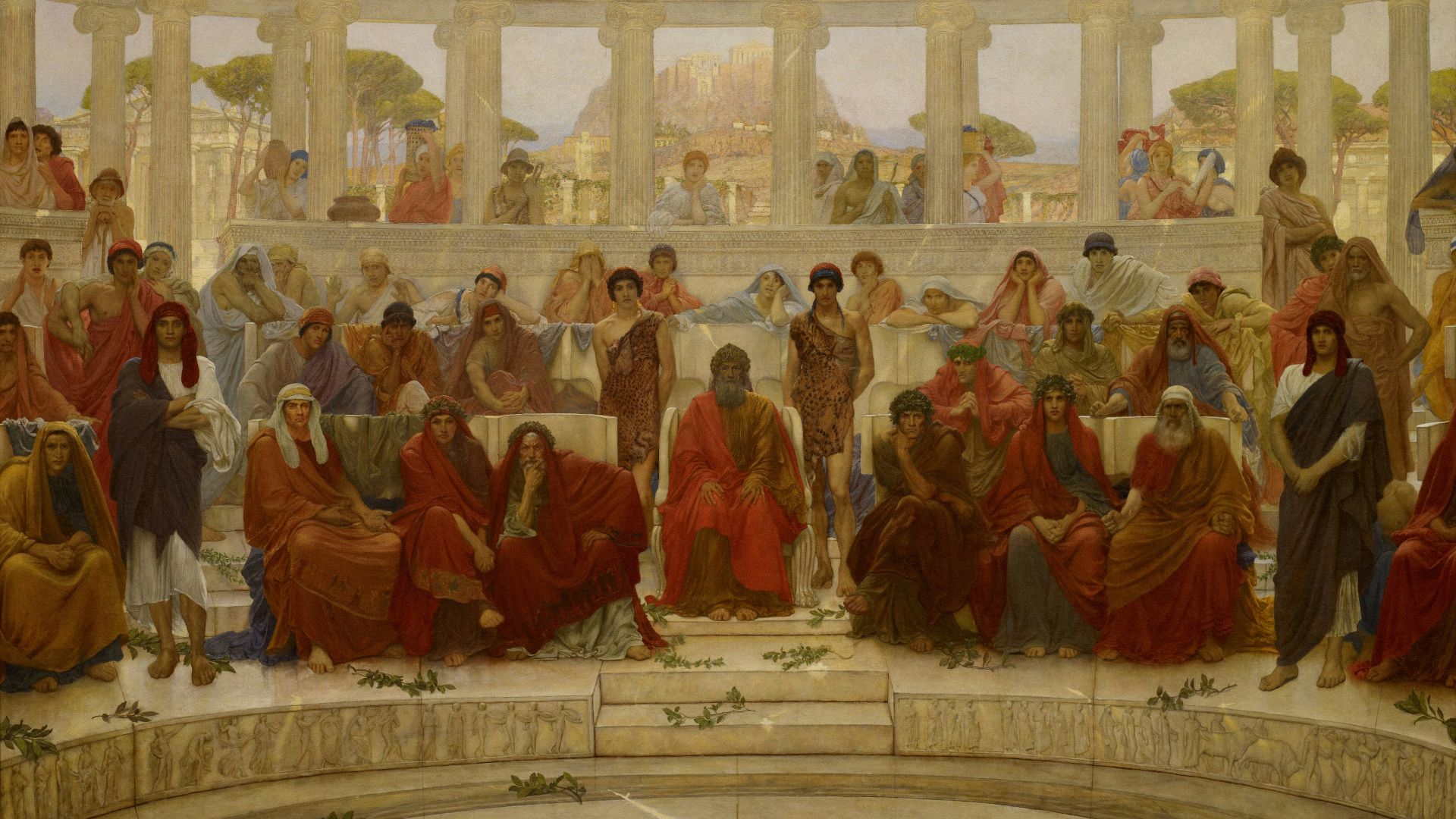
The phrase “spill the beans” is commonly used to describe revealing a secret, often unintentionally. One widely accepted theory traces its origin to ancient Greek voting practices, where beans were used to cast votes in a container.
If the container were knocked over, the results would be revealed prematurely. This connection shows how everyday objects once played a role in formal decision-making.
As the phrase developed, it shifted from a specific event to a broader meaning related to sharing information that was meant to stay hidden. The image of something being accidentally revealed made it easy to understand and remember. Over time, it became a natural way to describe both intentional and accidental disclosures. This evolution reflects how language simplifies complex ideas into familiar expressions.
Today, “spill the beans” is used in a wide range of situations, from lighthearted conversations to more serious contexts. It often carries a slightly informal tone, which makes it feel approachable and easy to use. Despite its ancient roots, the phrase continues to fit seamlessly into modern language. Its versatility is one of the reasons it has remained so widely used.
These common sayings may seem simple, but their origins reveal how language evolves from real experiences into everyday expressions. By understanding where they come from, you can see how past practices still influence the way people communicate today. This awareness can make everyday conversations feel a little more meaningful and connected to history.
KEEP ON READING