 Library of Congress on Unsplash
Historians have debated for decades whether the U.S. should have entered WWII earlier. The U.S. officially joined the global conflict after the Pearl Harbor attack on December 7, 1941. Before that, they were basically due to their isolationist political perspective and the trauma endured by WWI.
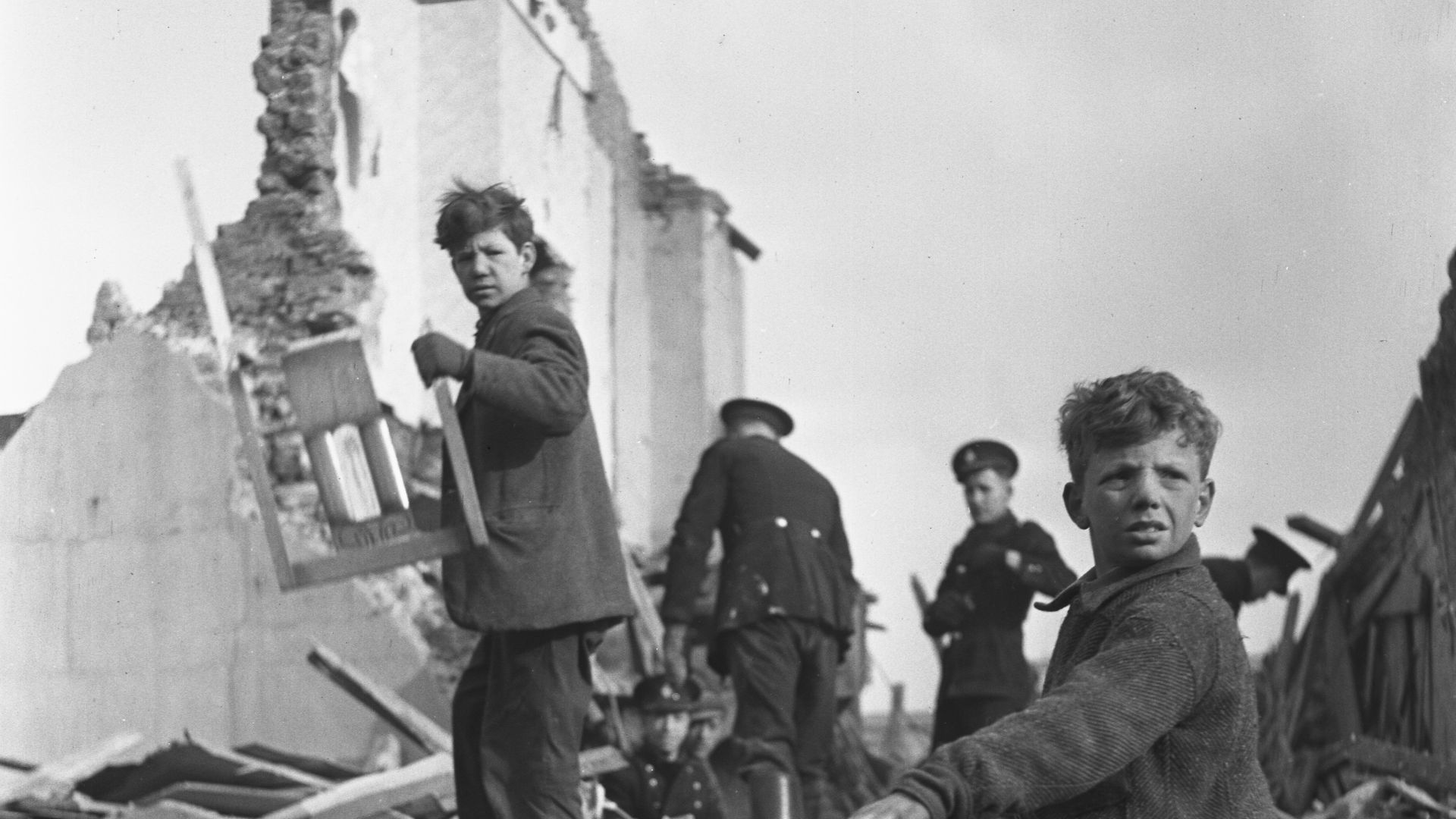
As it turned out, the consequences of waiting were significant for the country and the world. By the time the U.S. entered the conflict, Nazi Germany had already conquered most of Europe, and Japan had expanded across Asia and the Pacific. Millions of innocent lives, especially Jews and marginalized groups, had been persecuted or murdered.
Let's explore some of the reasons why entering WWII sooner would have been strategically beneficial and profoundly more moral.
Prevention of Axis Expansion
Between 1939 and 1941, Germany and Japan advanced aggressively, taking advantage of the lack of resistance from global powers. Britain had been battling, and the Soviet Union eventually mounted defense efforts, but the absence of American military support removed most of the barriers that would have slowed down the Axis.
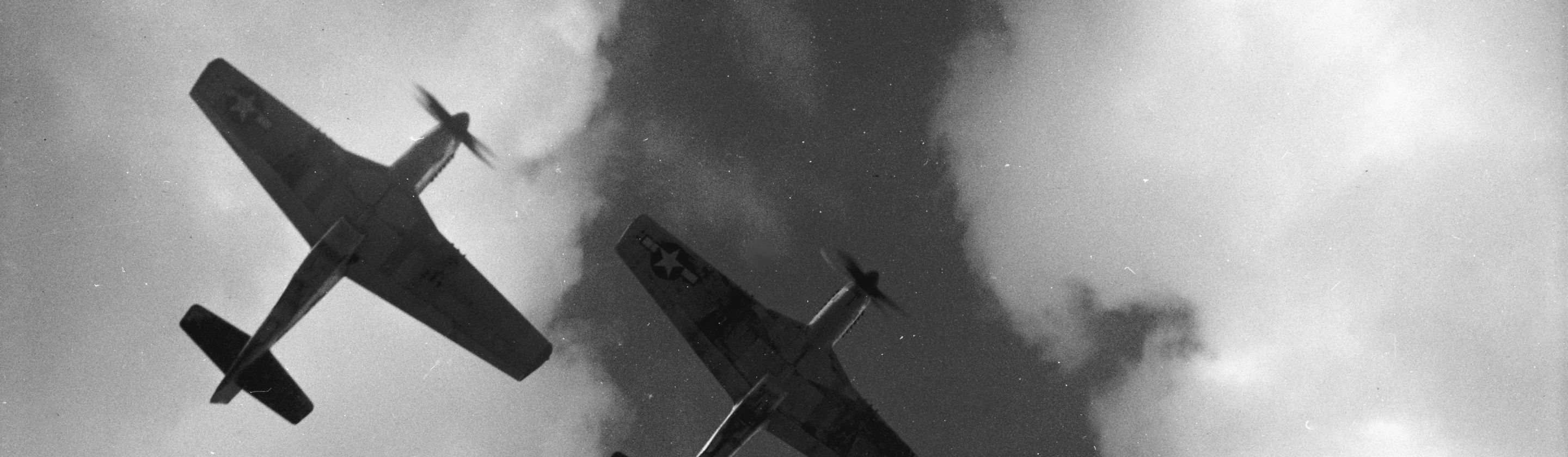
Had the U.S. entered the conflict after Germany's invasion of Poland in 1939 or around the time that France fell in 1940, the balance of power would have shifted in the Allies' favor. America's industrial strength, in addition to its air and naval superiority, could have reinforced defenses, effectively slowing or stopping Germany's domination.
Millions of Lives Could Have Been Saved
By the time the world learned of the scale of the Holocaust, millions of Jews and other targeted groups had already been killed U.S. had the military means to intervene, and there was knowledge circulating about Nazi atrocities before the attack on Pearl Harbor.
Earlier American intervention could have forced Germany to allocate resources away from its genocidal mission and toward fighting a coalition force. Even partial disruption could have stopped the German war machine and slowed deportations, interrupted transport networks, and pressured the regime before it reached full-scale.
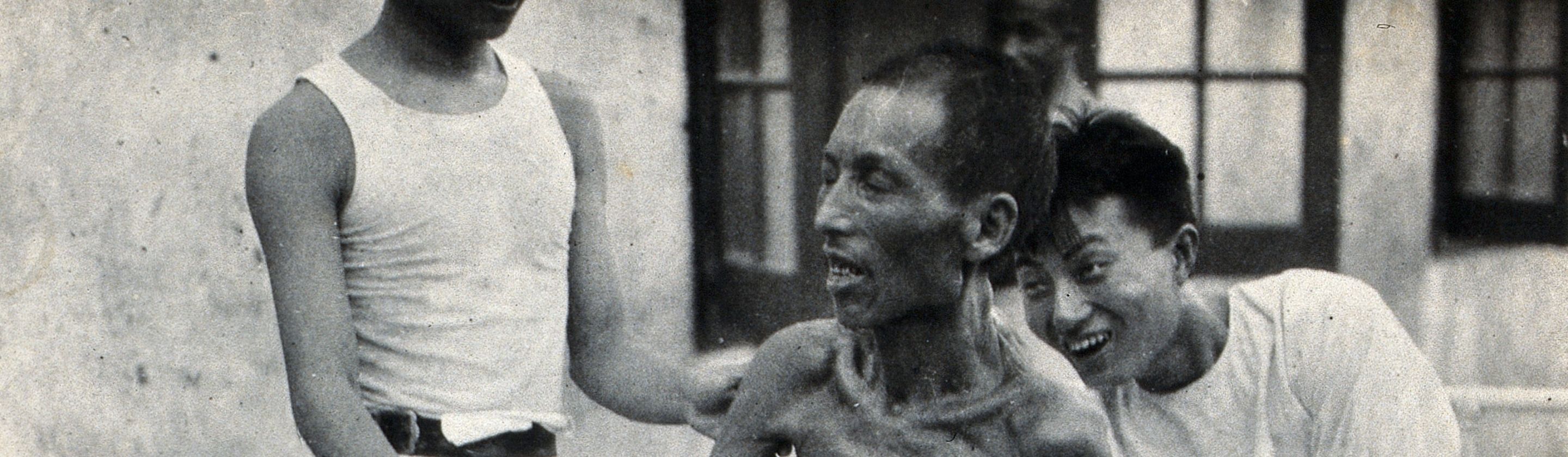
 Army Signal Corps photographer LT. Stephen E. Korpanty; restored by Adam Cuerden on Wikimedia
The U.S. Delayed Entry Strengthened Enemy Regimes
The U.S.'s neutrality allowed the Axis to position themselves as an unstoppable, powerful force. Germany used its victories to fuel propaganda campaigns, strengthen alliances, and destroy resistance movements. All of which made the U.S. look weak.
By intervening earlier, the U.S.would have sent a powerful message across the globe. It would have presented a united front of democratic powers that would have fed into resistance movements in Europe and Asia, motivated other nations, and put a stop to totalitarian regimes. At the very least, it would have prevented or minimized events like the Tripartite Pact, which united Germany, Japan, and Italy in 1940.
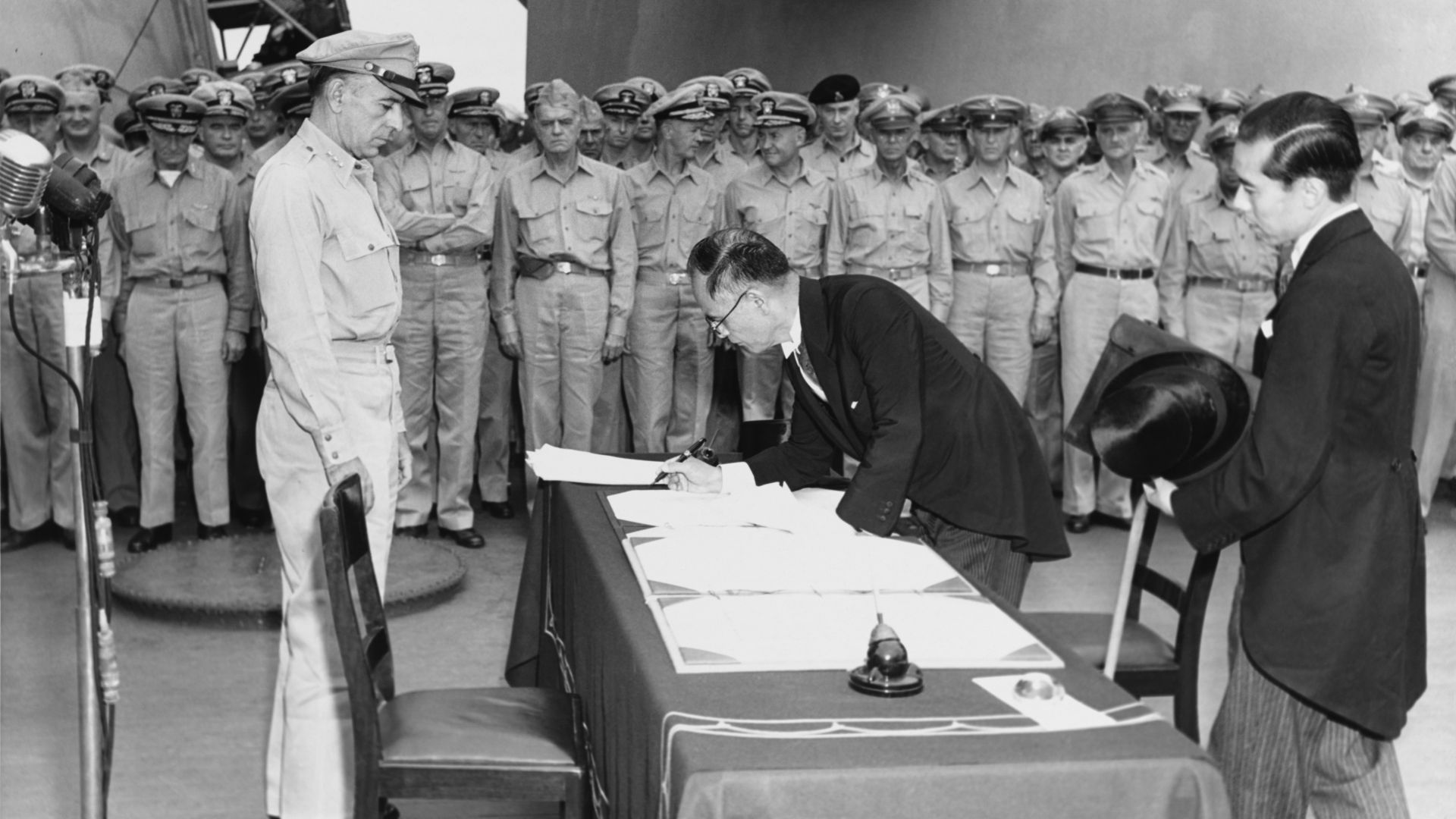
The U.S.'s hesitation to enter WWII was influenced by domestic policies, economic concerns, and the trauma of WWI. History has proven that the consequences of waiting were severe. It led to the Axis expanding its domination, prolonged the conflict, and led to a catastrophic amount of human suffering.
KEEP ON READING