

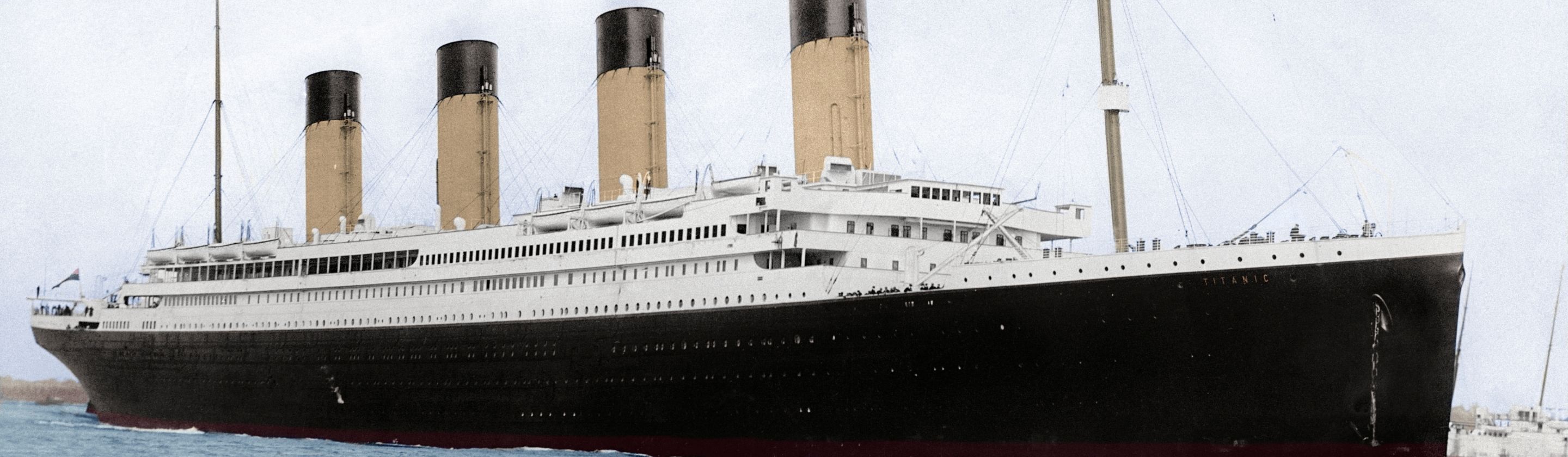
The Unsinkable Ship: 20 Fascinating Facts About The Titanic You Never Knew
The Ins And Out Of The Titanic
The Titanic was practically a floating city. However, despite its state-of-the-art technology, it met a tragic fate. And while you might think you know all there is to know about the "unsinkable" vessel, there’s more to this story than meets the eye. So, let’s take a look at 20 mind-blowing facts about the Titanic that will have you saying, “Wait, that really happened”?
1. Titanic Was One Of The Largest Ships Of Its Time
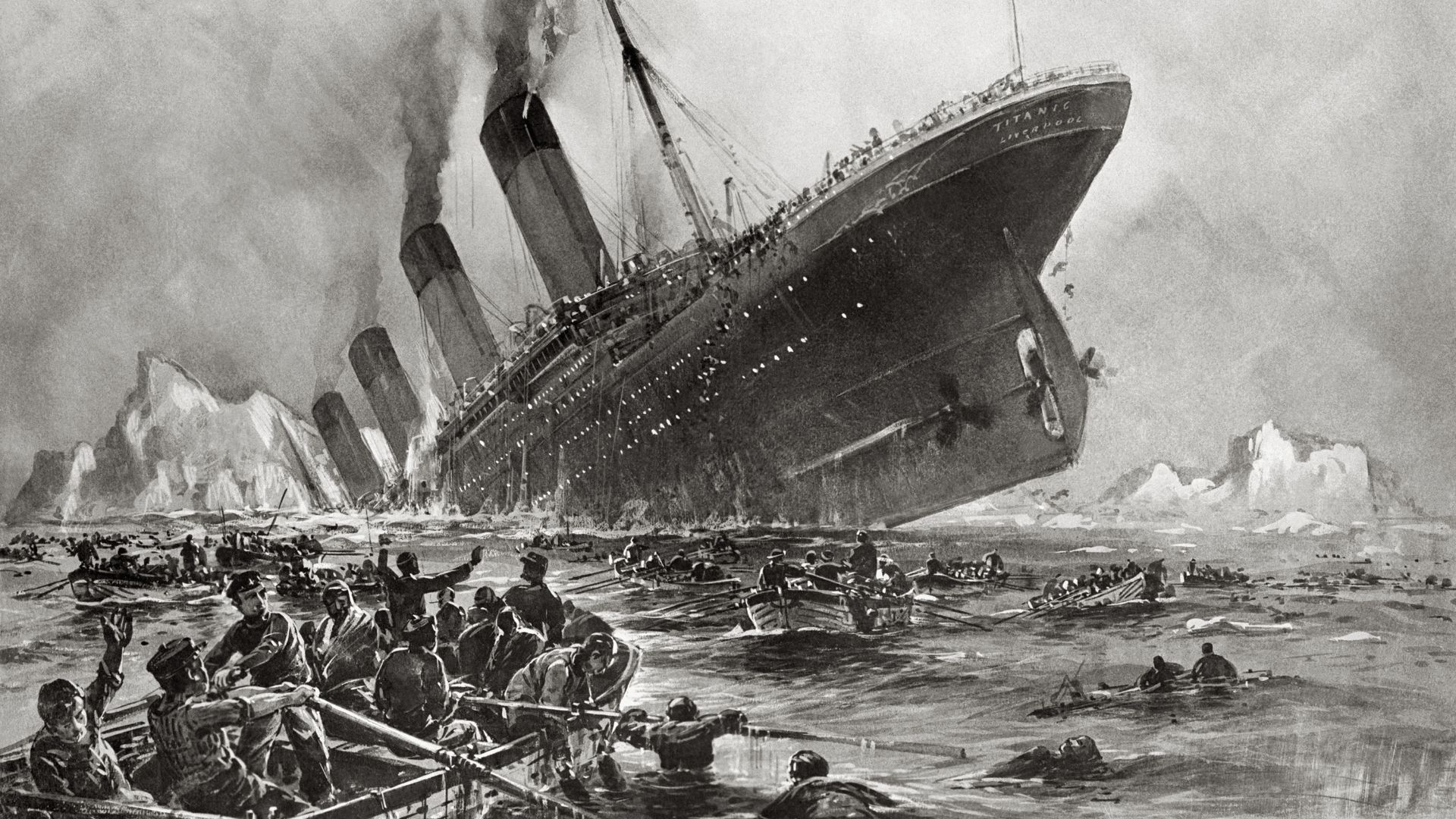
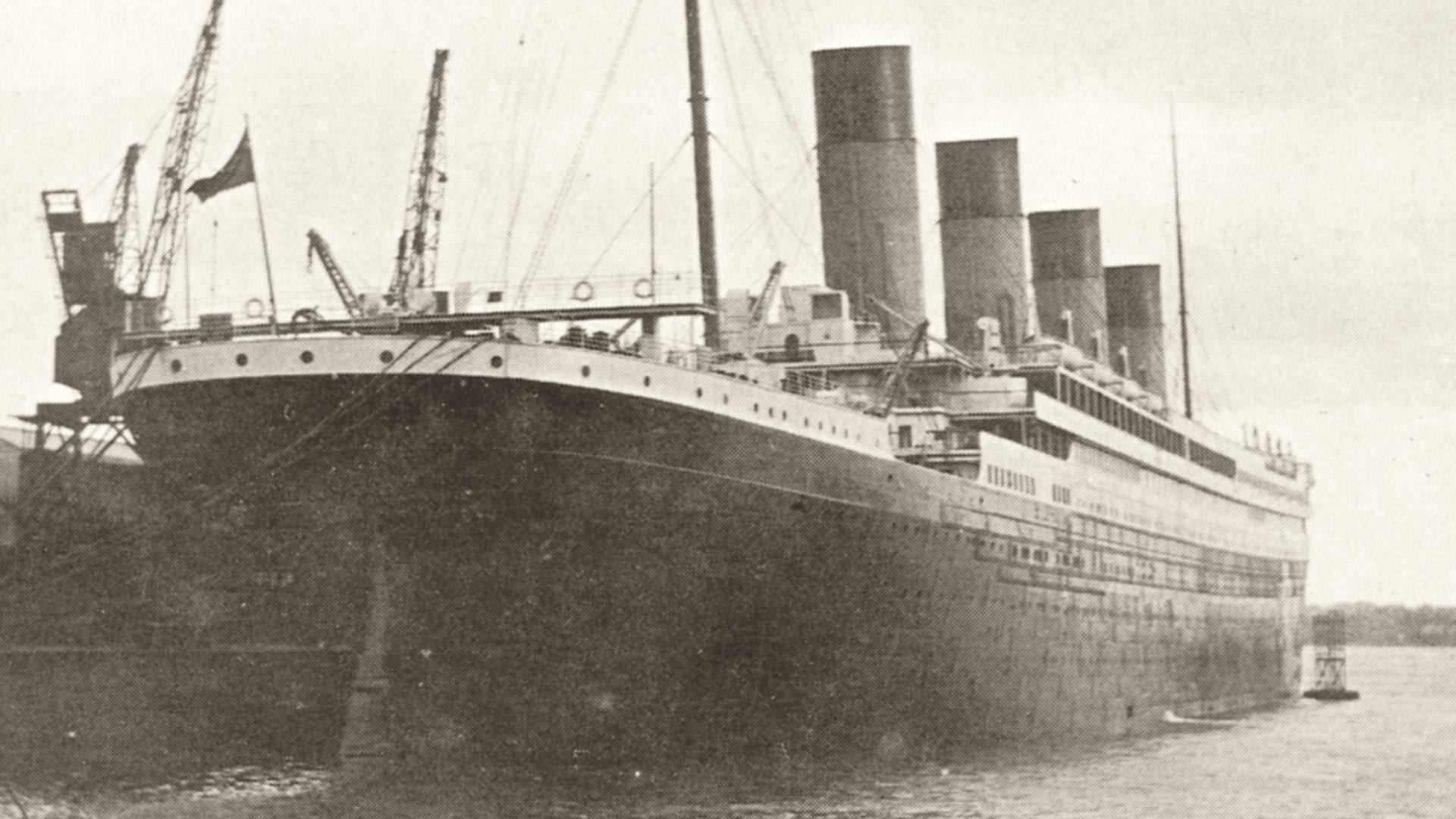
Measuring 882 feet in length and standing 11 stories high, the Titanic dominated the seas like no other ship before it. With its grand size, it could comfortably fit 2,200 people aboard, showcasing the incredible scale of the ship and the luxury that came with it.
2. It Had A Swimming Pool Onboard
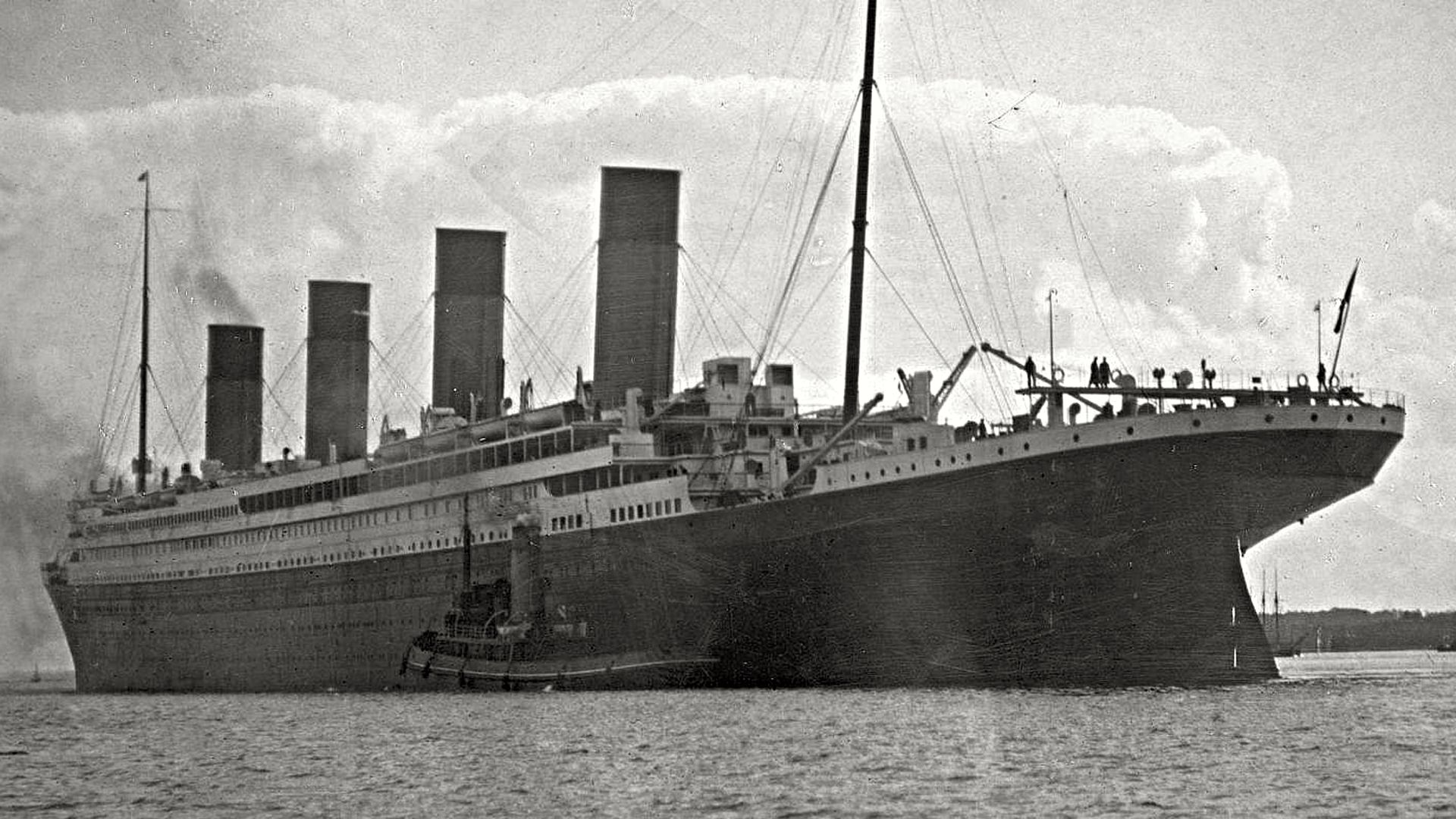
A heated swimming pool was featured in the heart of Titanic’s first-class section. Onboard swimmers could enjoy a dip while the ship sailed through the icy waters of the Atlantic. Few ships had such a luxurious offering, which made the Titanic a floating paradise for the elite.
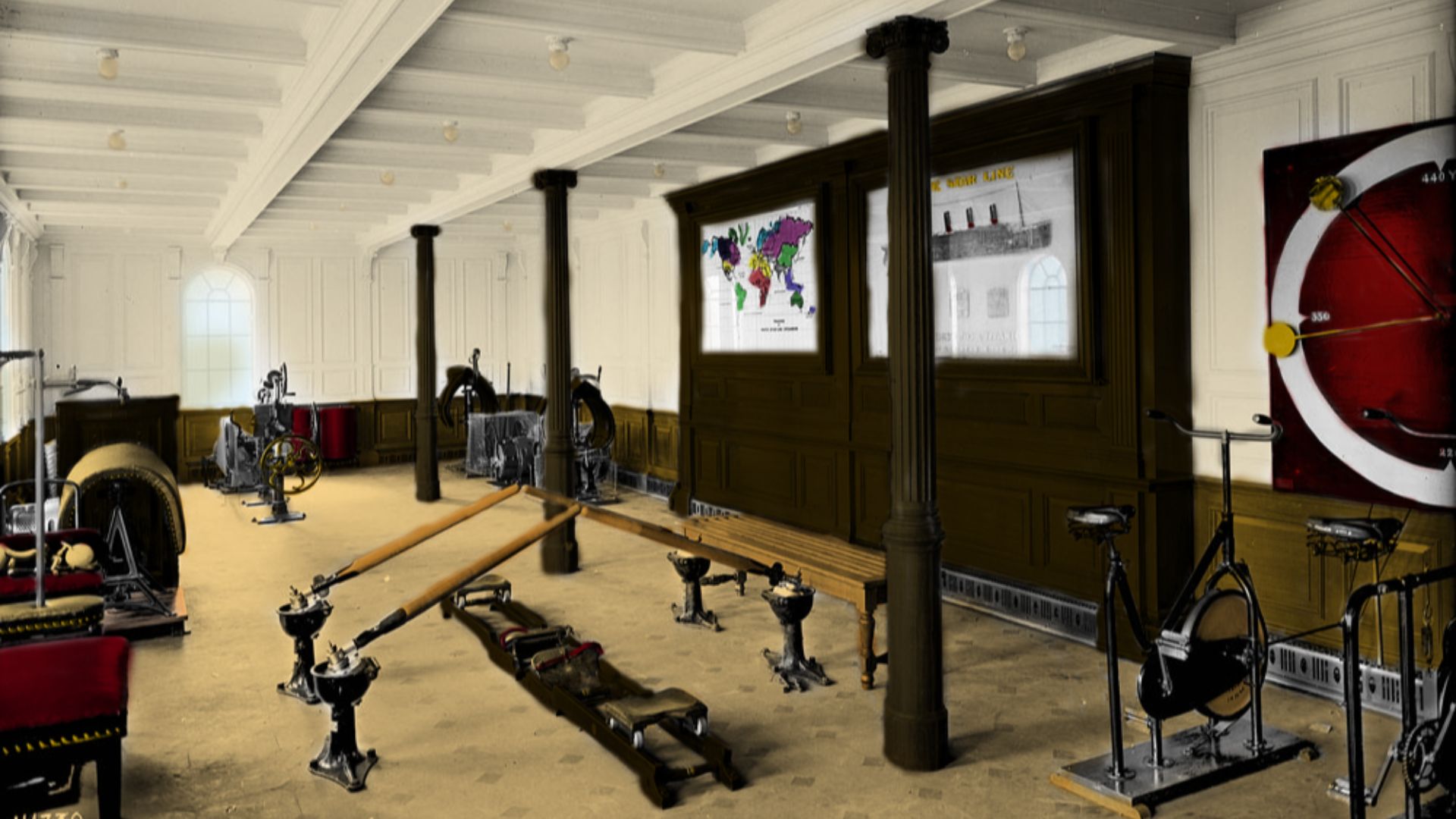
3. It Was Equipped With A Gymnasium
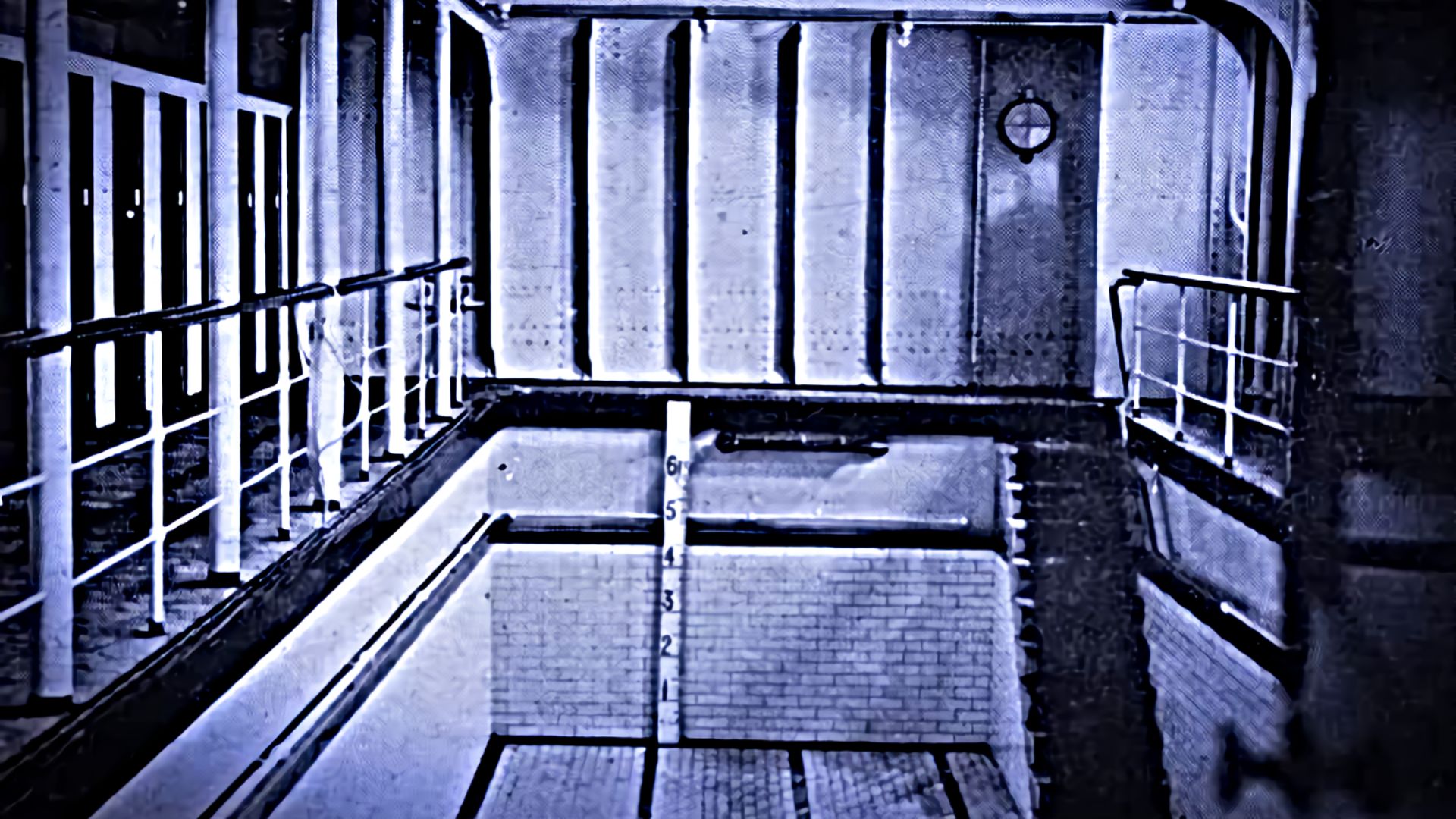
The Titanic offered passengers a fully functional gym. The upper-class passengers could indulge in fitness activities during their voyage. Considering the period, it was an unexpected addition to a transatlantic liner’s offerings.
4. Its Design Was Meant To Be Unsinkable
The Titanic was designed with 16 watertight compartments meant to keep it afloat in the event of a breach. Its builders, White Star Line, believed these features made it invulnerable to sinking. Unfortunately, those compartments couldn’t withstand the iceberg’s impact.
5. Titanic’s Radio Operator Sent Out Distress Signals
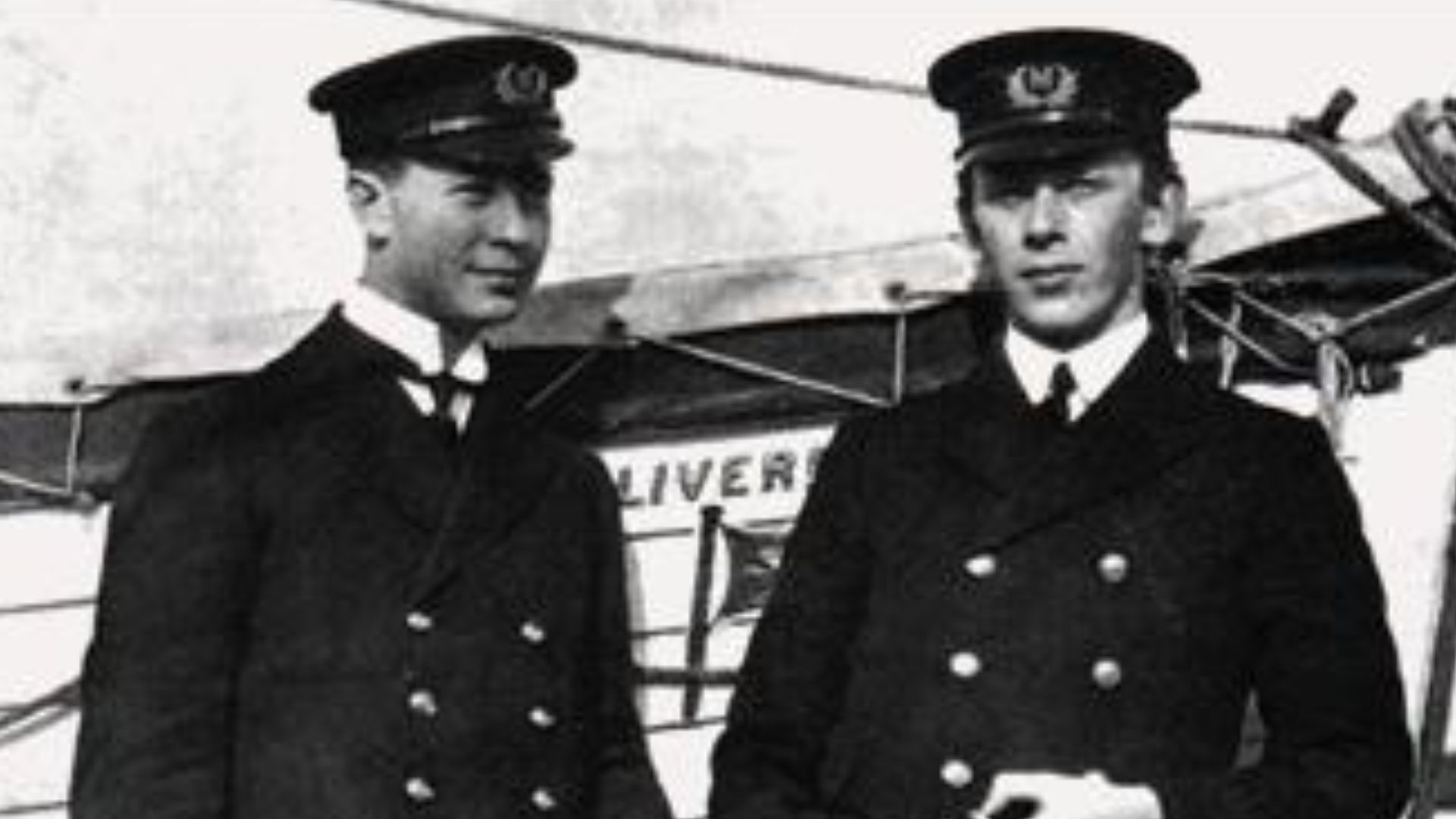
After the collision, Titanic’s radio operator urgently sent distress signals, including SOS, to nearby ships. While immediate help was not forthcoming, these signals played an important role in informing the world of the disaster and sparking the frantic rescue efforts that followed.
 Francis Browne (Life time: 7 July 1960) on Wikimedia
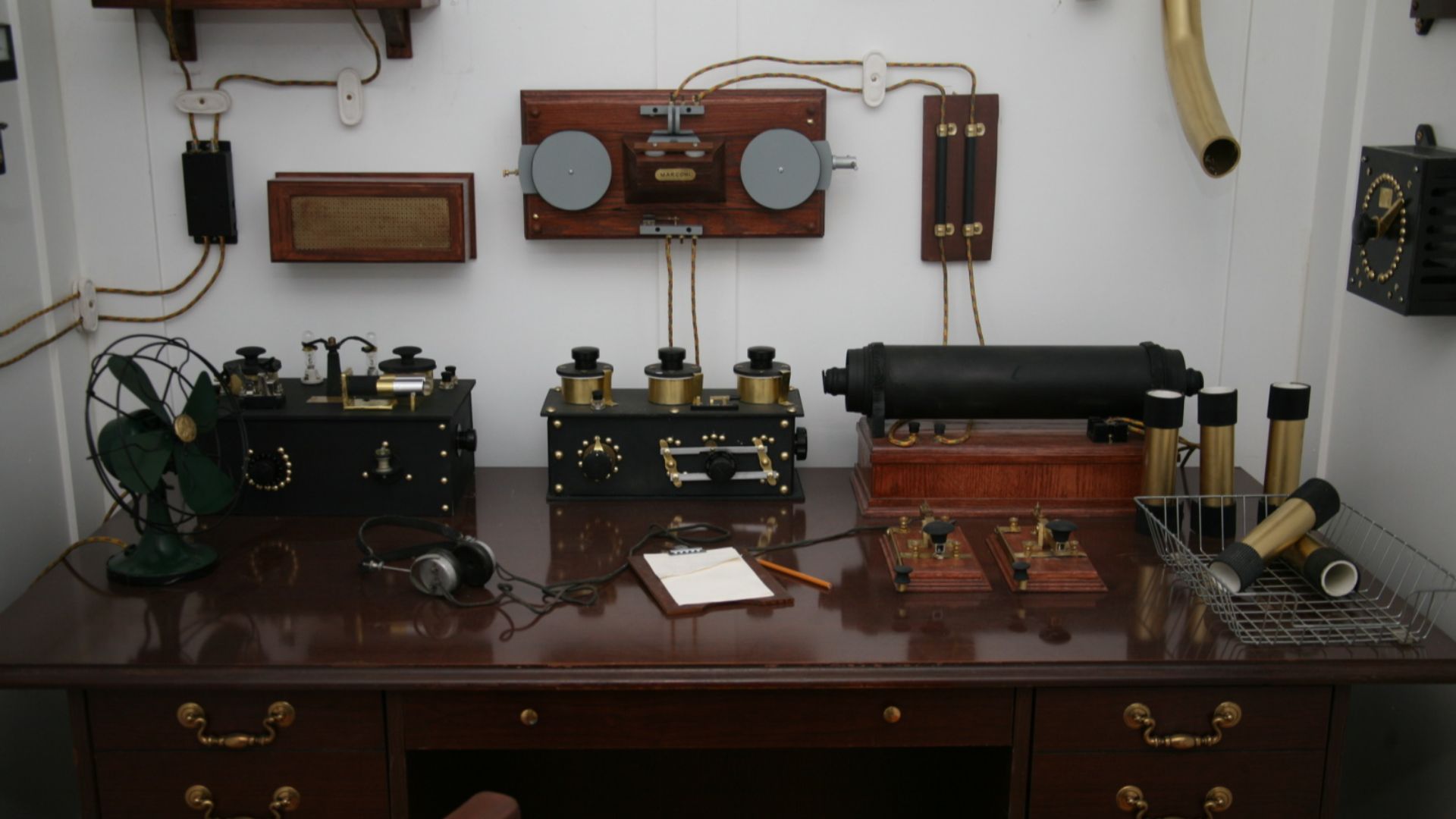
6. The Ship Had A Marconi Wireless System
The ship was equipped with the Marconi wireless telegraph system, allowing passengers to send messages and even telegrams from the ship. The technology, still in its infancy, allowed passengers to send telegrams across the Atlantic.
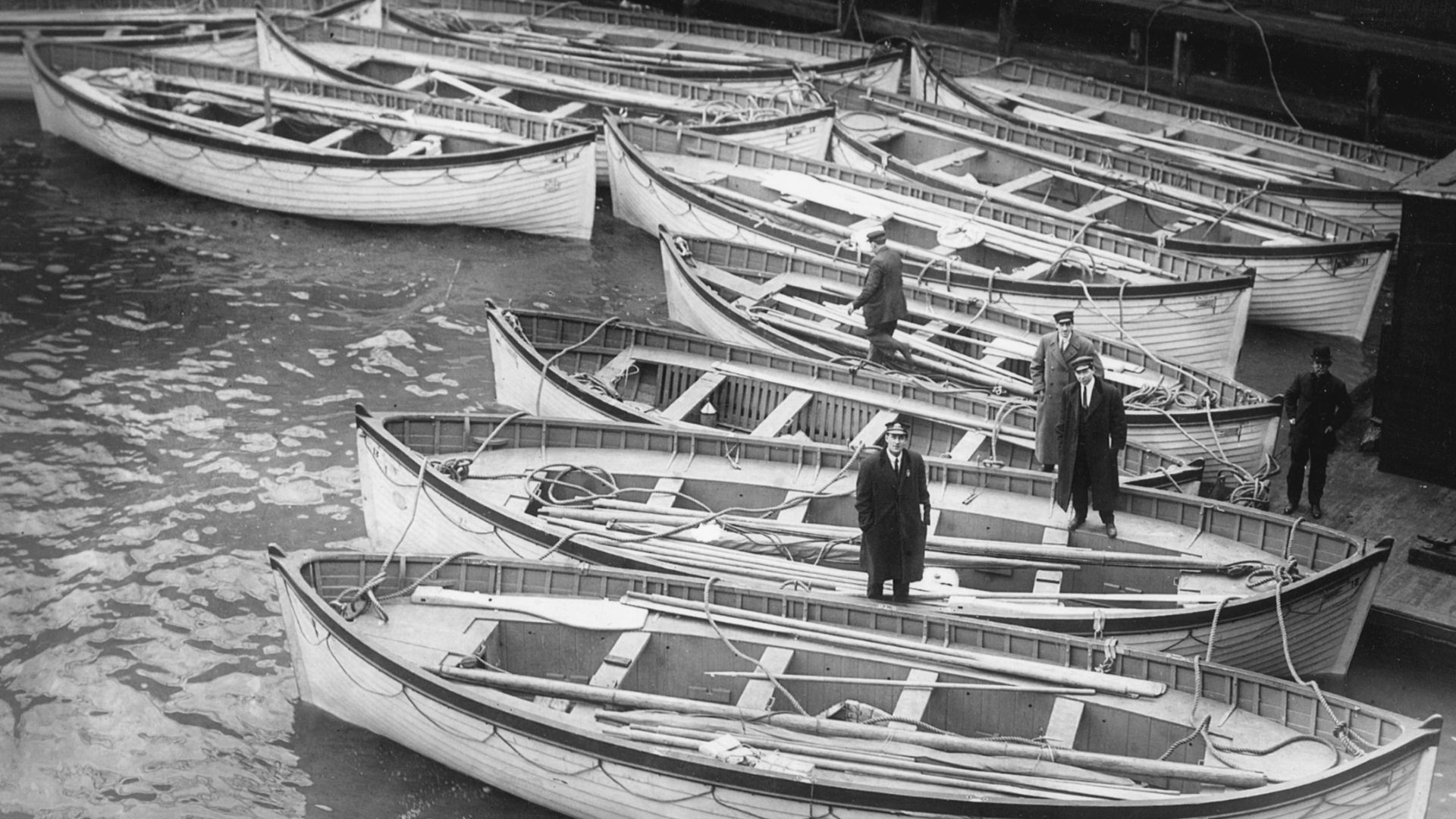
7. There Were Not Enough Lifeboats For All Passengers
While the Titanic carried 2,224 passengers and crew, it only had lifeboats for 1,178 people. Designed for fewer passengers due to outdated regulations, this shortfall became a tragic reality when passengers scrambled for lifeboats that were too few to save them all.
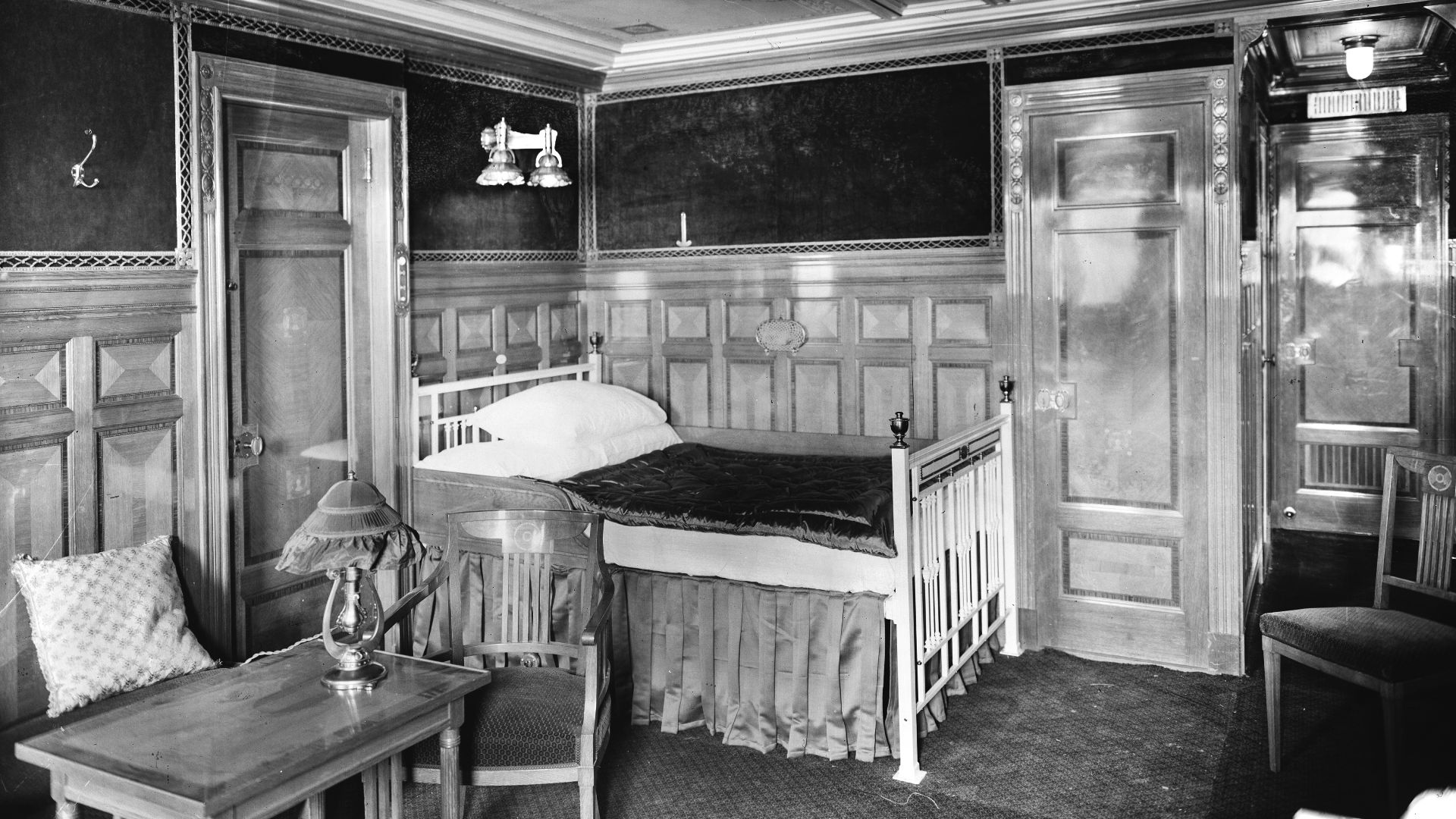
8. It Was A Symbol Of Luxury And Elegance
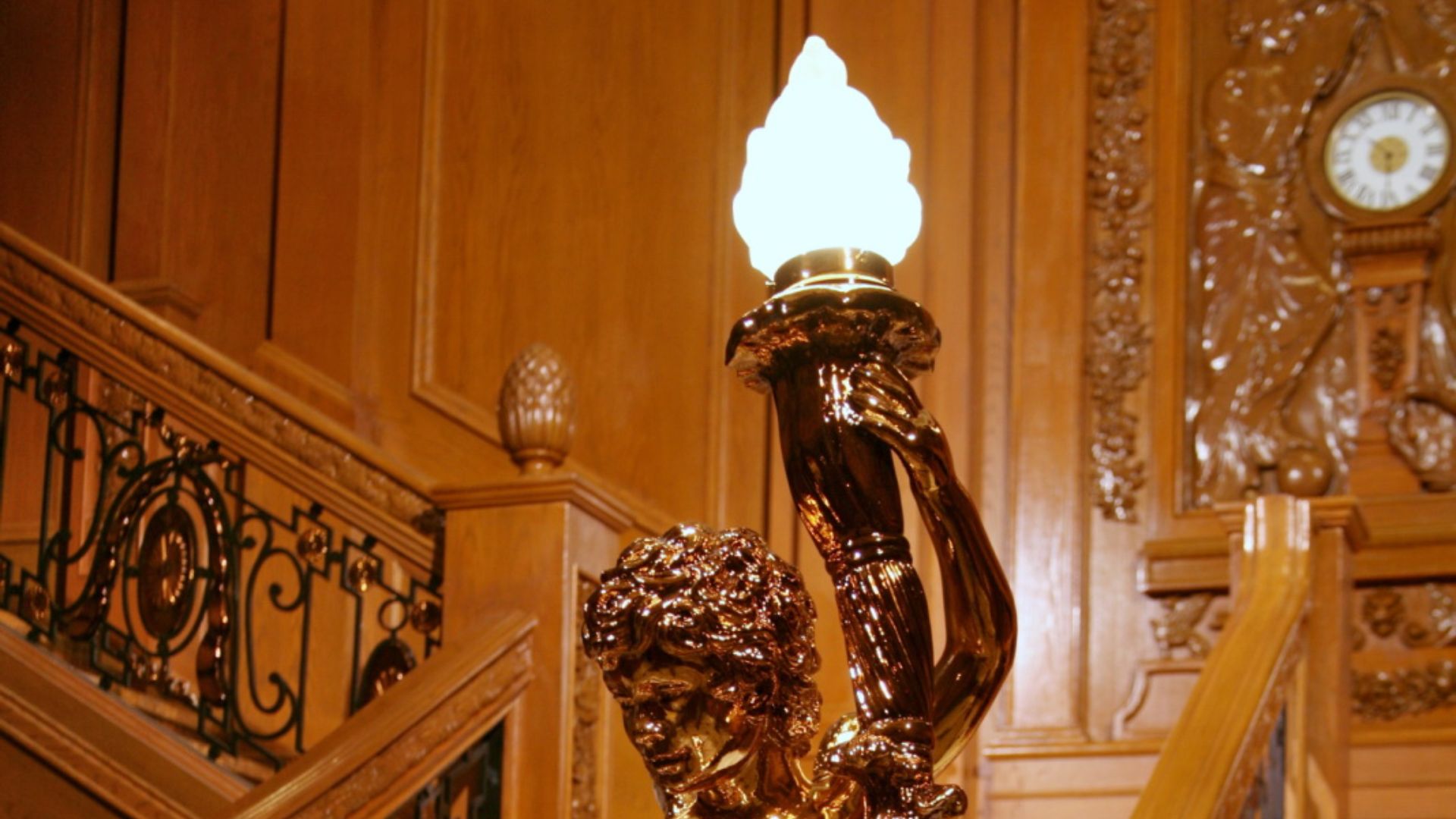
Titanic’s interior design rivaled the finest hotels of the time. From the grand staircase to the luxurious first-class cabins, the ship was a floating palace. Passengers enjoyed unparalleled luxury, as it was the height of opulence on the high seas.
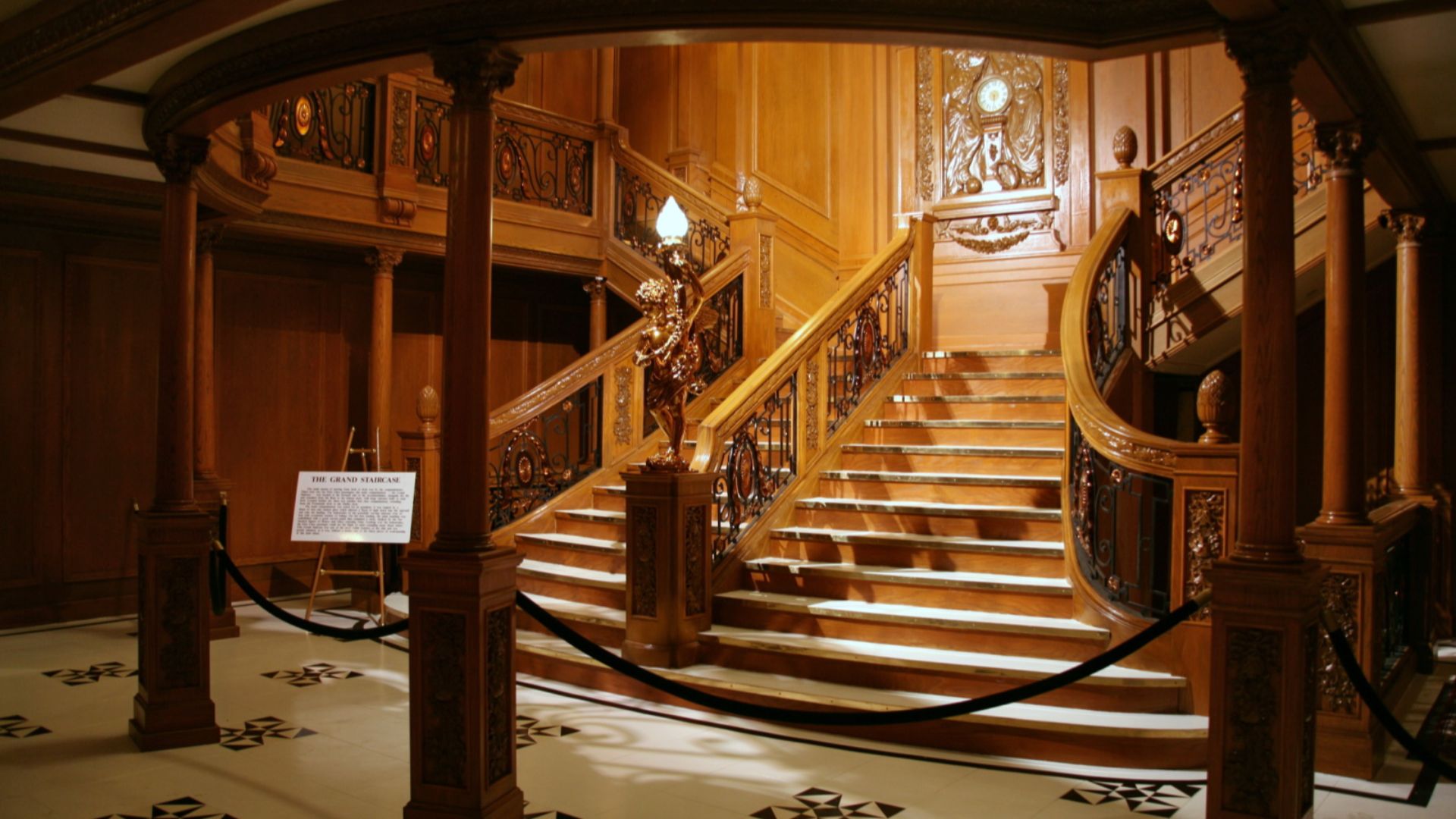
9. The Ship Had A Grand Staircase
The staircase on the Titanic was one of the ship's most iconic features. Its grand design, which came complete with intricate woodwork and a glass dome, made it the perfect spot for passengers to flaunt their finest outfits.
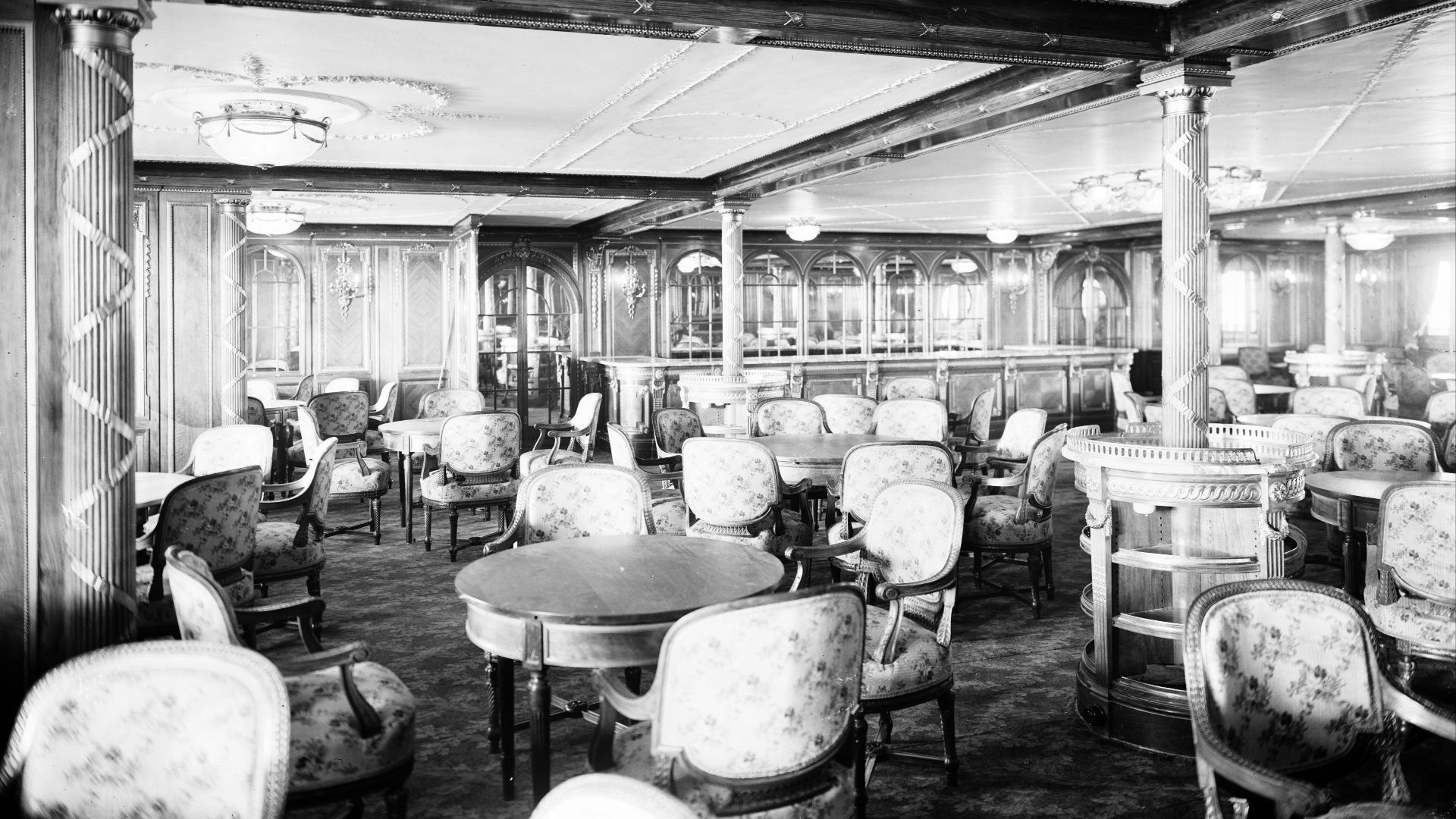
10. The Ship Had A Lavish Dining Room
Titanic’s first-class dining room could accommodate 532 guests. Passengers were treated to gourmet meals in a luxurious, wood-paneled room. Hence, the ambiance alone made dining aboard the ship an unforgettable experience.
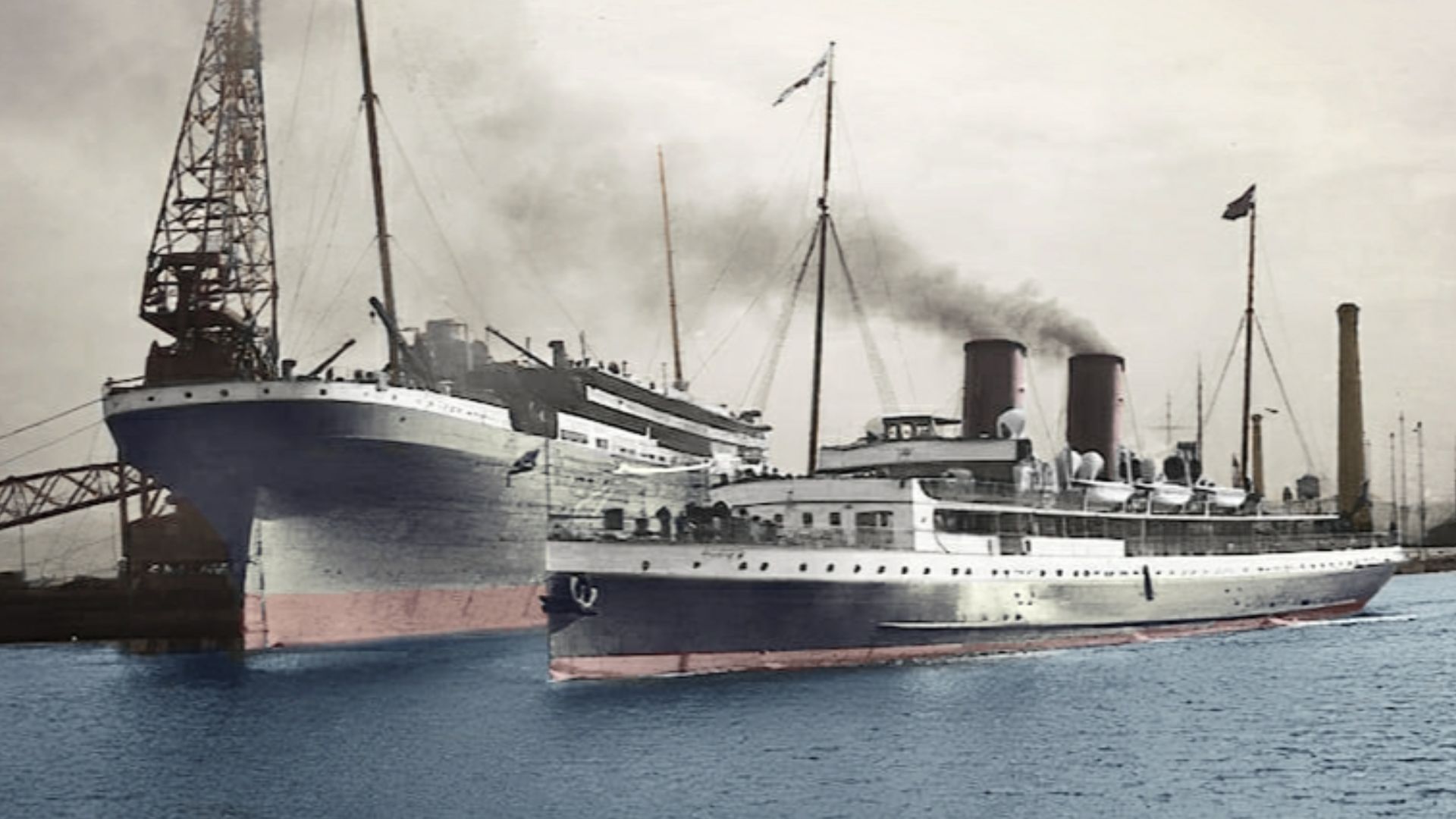
11. Titanic Was Designed To Rival The Olympic
Titanic and its sister ship, Olympic, were designed to dominate the transatlantic passenger market. While the Olympic had a successful launch in 1911, Titanic’s ill-fated voyage was meant to surpass it in both luxury and size, establishing Titanic as the crown jewel of the White Star Line.
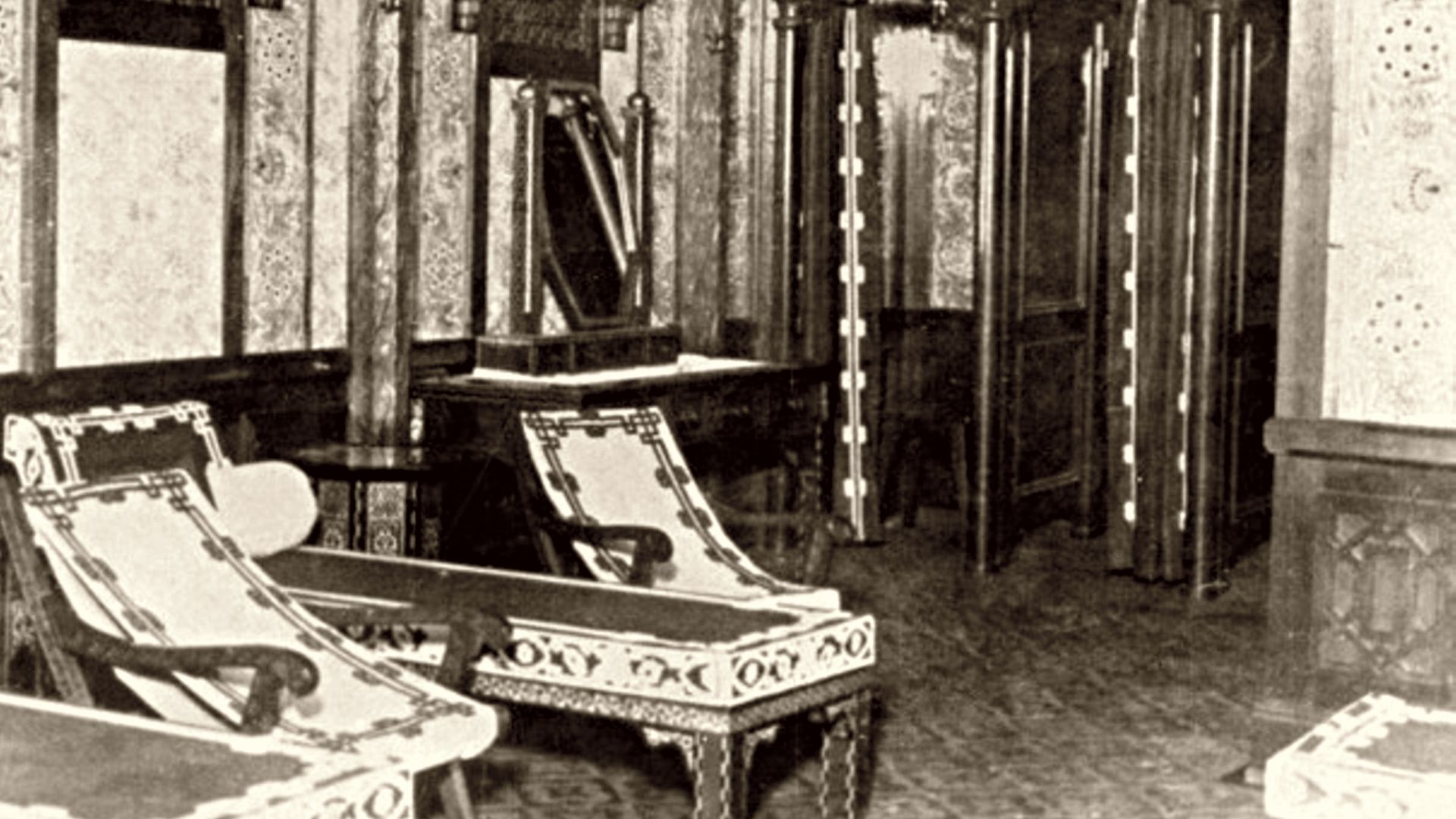
12. The Ship Had A Turkish Bath
The Turkish bath aboard the Titanic was a symbol of relaxation and luxury. Exclusively available to first-class passengers, it offered a rejuvenating experience after a long day at sea. The bath’s opulence reflected the ship’s commitment to providing the best amenities to its wealthiest guests.
 Illustrations Bureau on Wikimedia
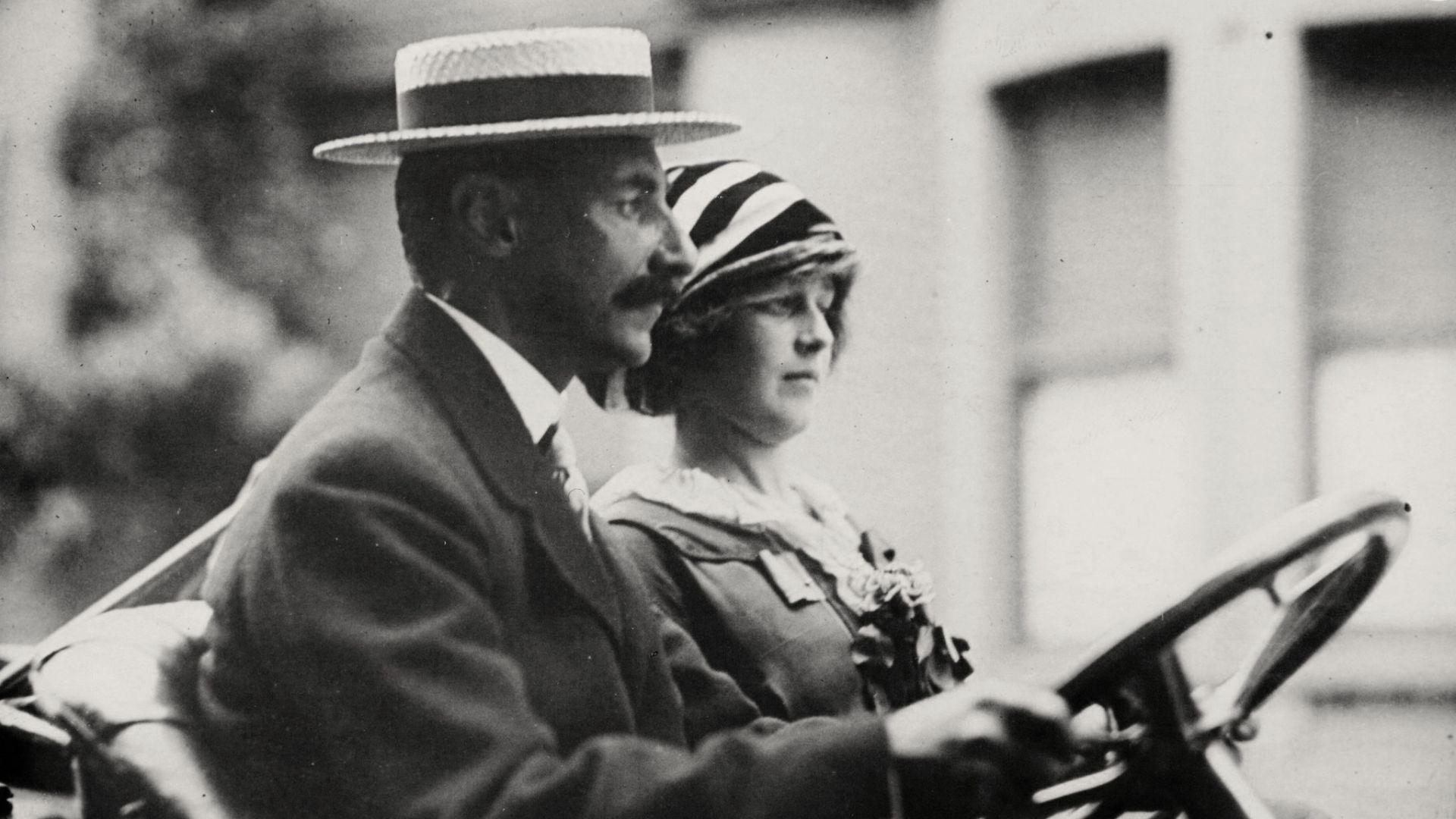
13. It Carried Many Notable Passengers
Aboard the Titanic, some of the most influential and wealthiest figures of the early 20th century were present. Passengers like business magnates John Jacob Astor IV and Isidor Straus were among those who faced the disaster.
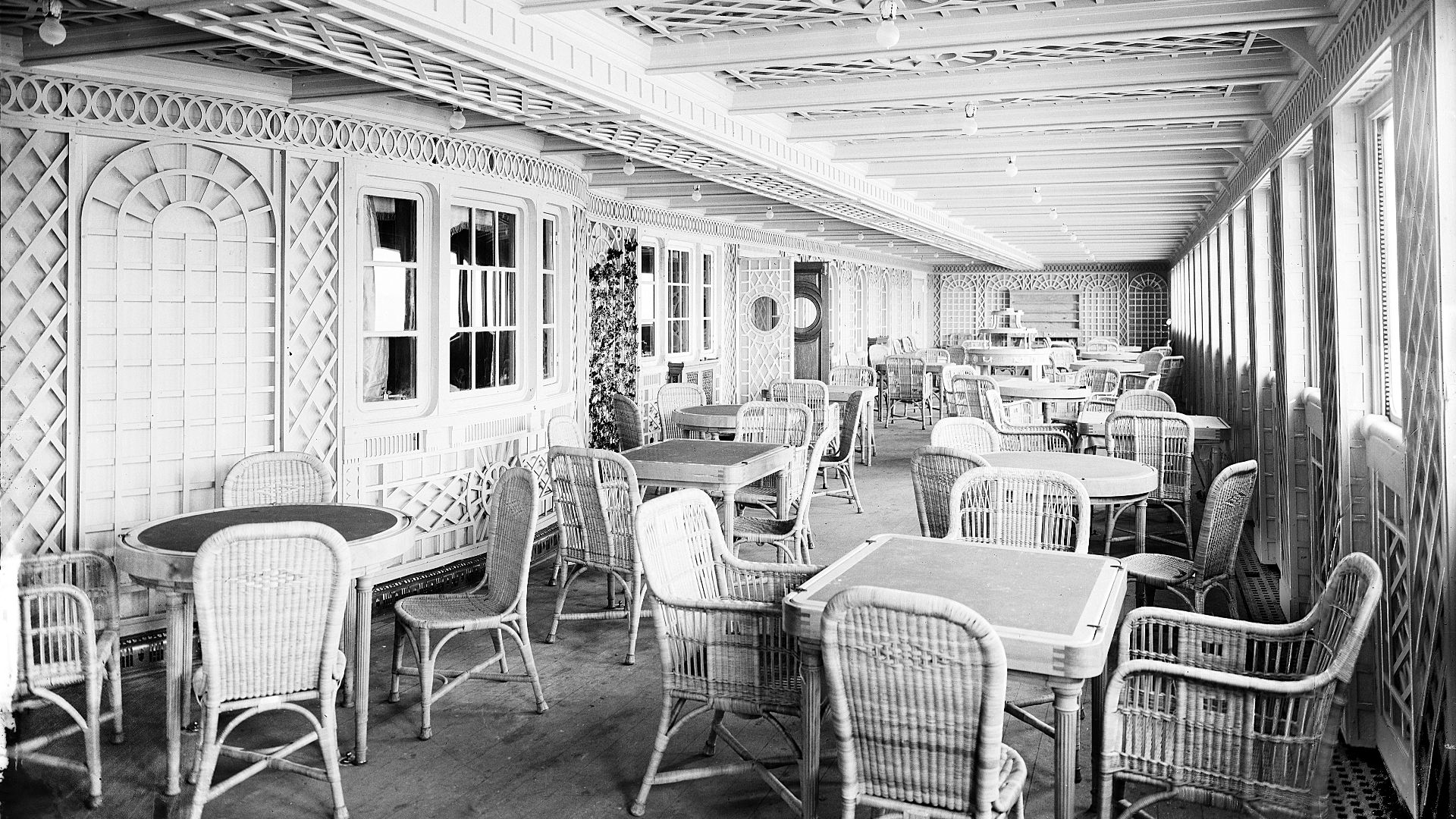
14. Titanic Had A French Restaurant
La Belle Epoque was Titanic’s exclusive French restaurant. Located in the first-class section, it offered fine French cuisine and an atmosphere of sophistication. The restaurant was one of the most luxurious dining options aboard.
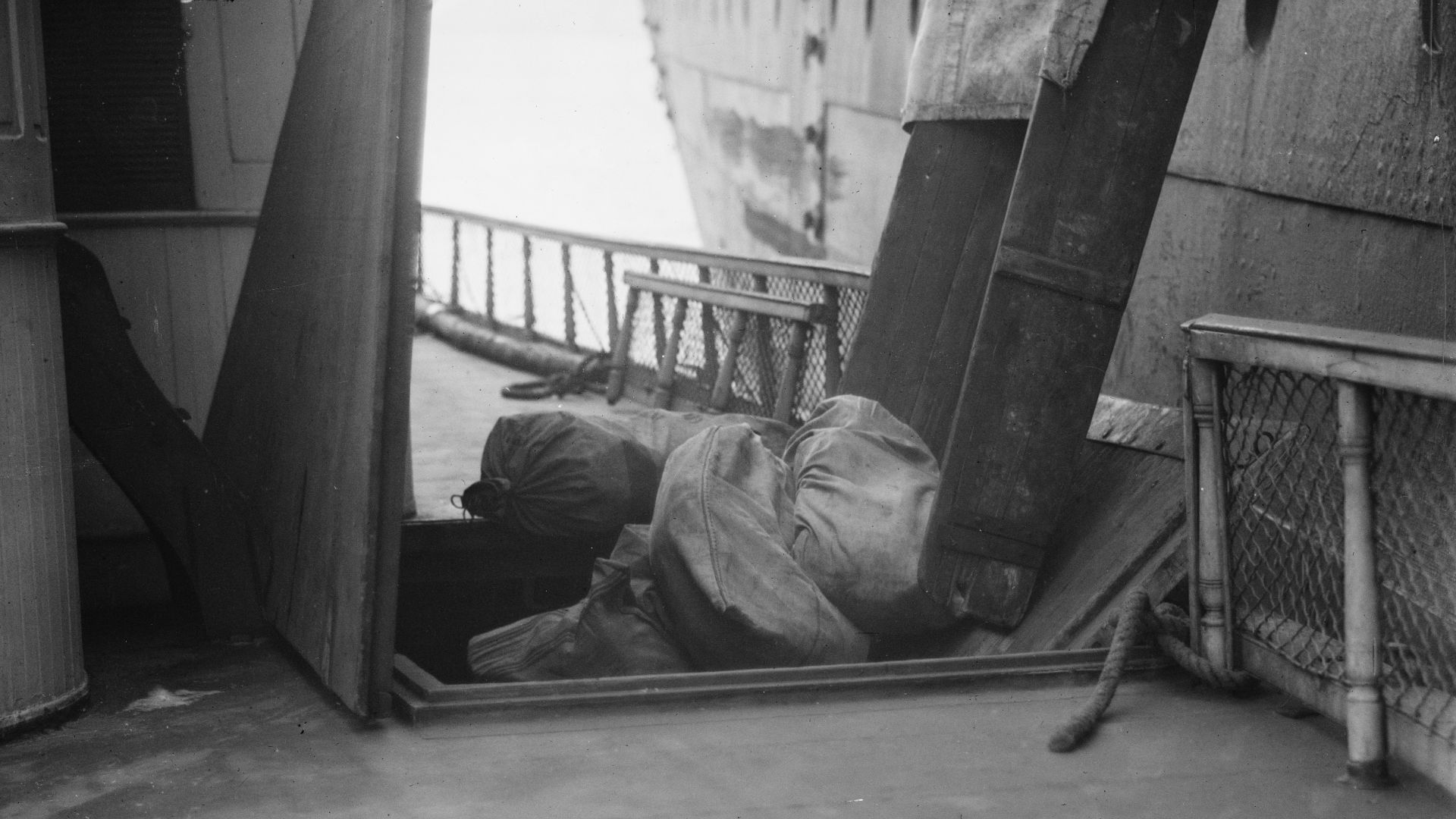
15. It Featured An Onboard Postal Office
Titanic’s post office was a vital part of its onboard services. It processed thousands of letters and parcels for passengers, offering a direct connection to the outside world. Unfortunately, much of the mail was lost when the ship sank.
 Bain News Service, publisher on Wikimedia
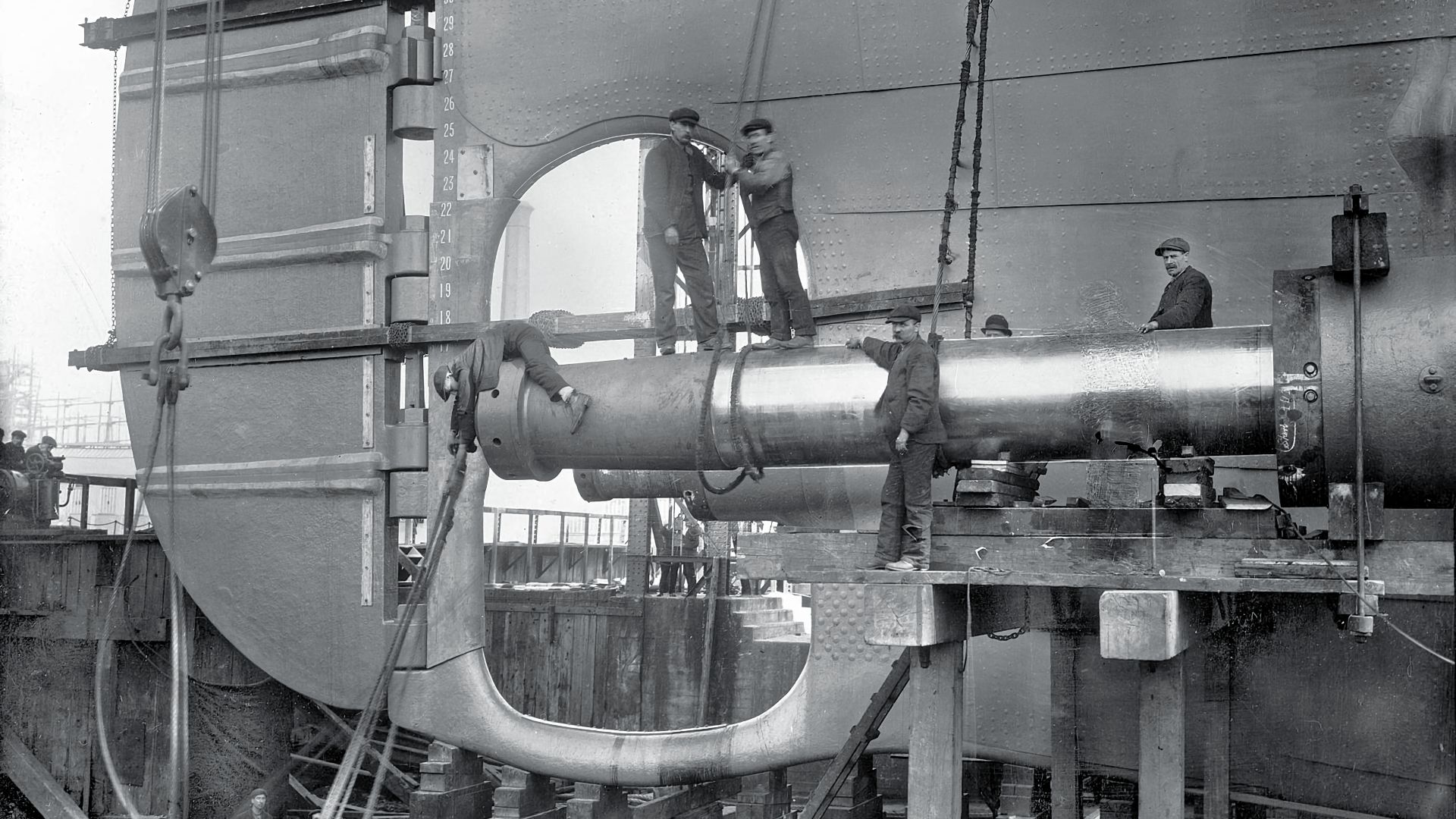
16. The Ship’s Propellers Were Enormous
Titanic’s three propellers weren’t just large—they were colossal. Weighing 38 tons each, these massive pieces of machinery could push the ship through the ocean at speeds that were considered remarkable at the time. Moreover, they were a key part of the ship’s impressive engineering.
17. The Ship’s Hull Was Made Of Over 3 Million Rivets
The hull of the Titanic was constructed with more than 3 million rivets, making the ship a triumph of engineering. These rivets, while strong, were later identified as a key factor in the ship’s quick sinking after the iceberg breach.

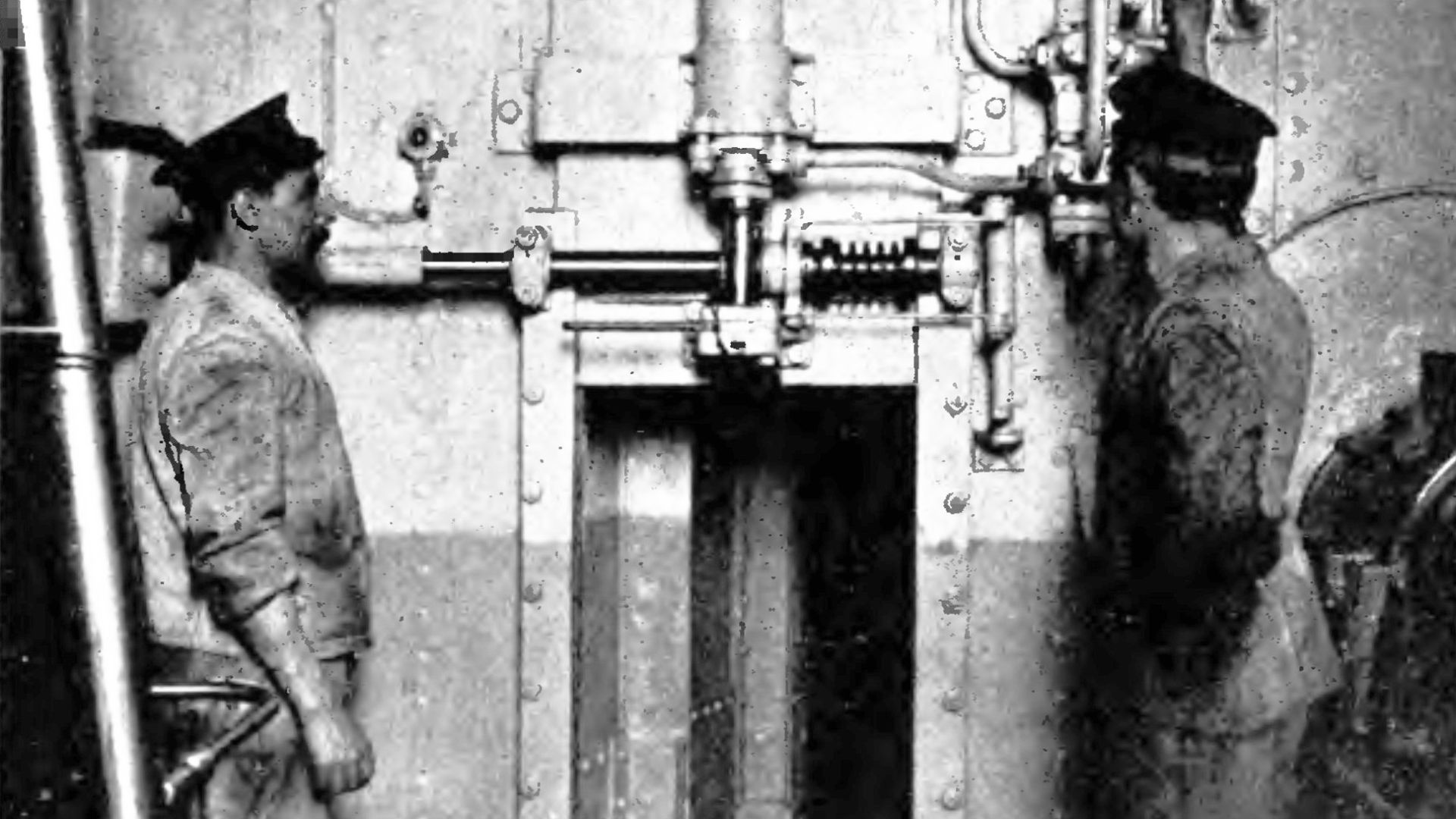
18. There Were Four Engine Rooms Onboard
Titanic’s power came from four engine rooms, each housing an engine capable of generating over 40,000 horsepower. These machines drove the ship’s three propellers, pushing the Titanic across the Atlantic. Hence, they were an example of high-end technology at the time.
 John Bernard Walker on Wikimedia
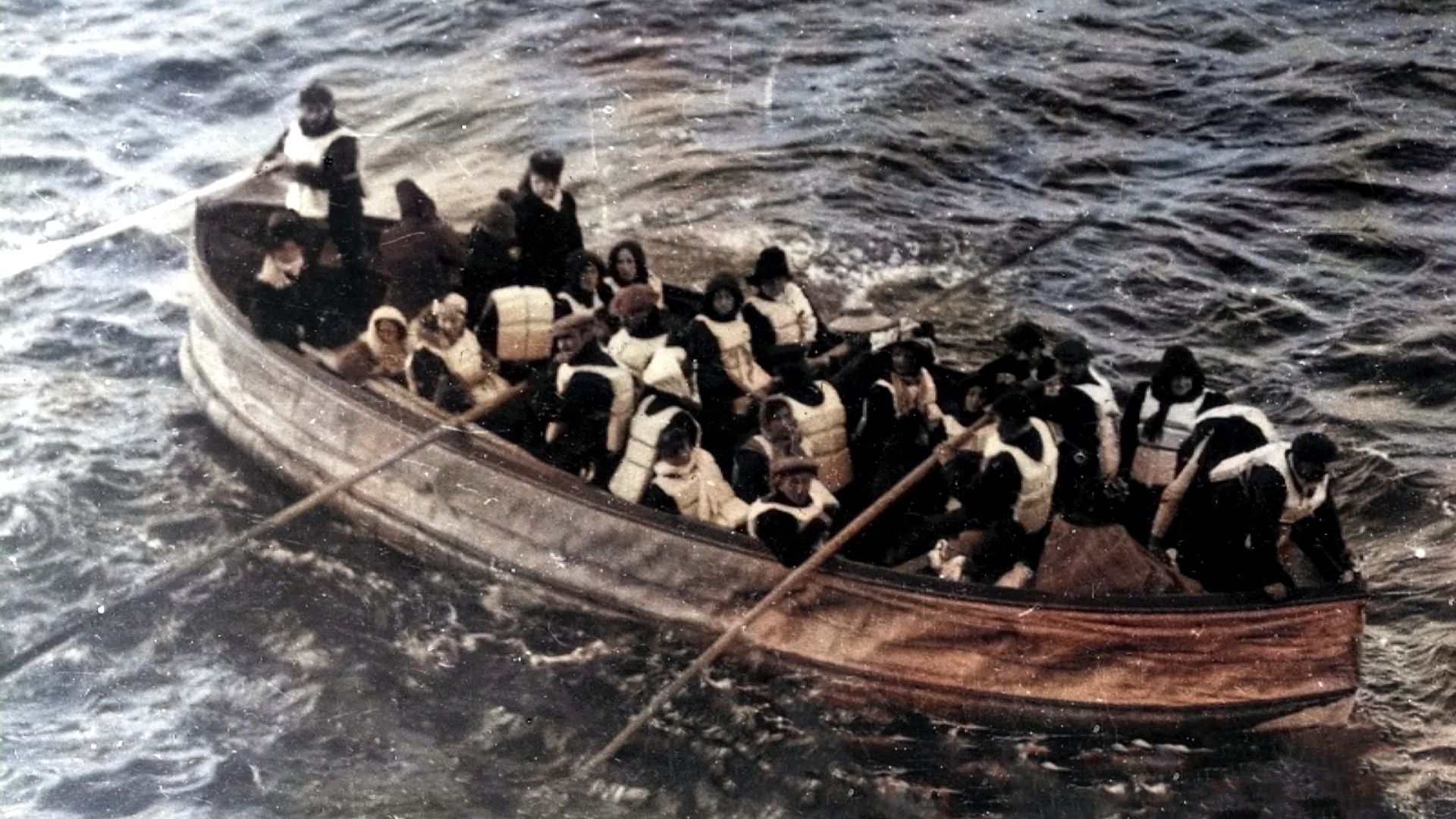
19. It Took Over Two Hours To Sink
Once the Titanic struck the iceberg, the ship sank in an agonizing two and a half hours. The time was enough for many passengers to realize the severity of the situation but too short for a full evacuation. It remains one of the most heartbreaking aspects of the disaster.
20. The Ship Had A Rich Variety Of Art
Throughout Titanic’s public spaces, a variety of artworks adorned the walls. Its designers ensured that the luxury of the ship extended to the art collection, which included beautiful paintings, sculptures, and murals. Unfortunately, these pieces were lost when the Titanic went down.
KEEP ON READING

The Love Story Behind the Taj Mahal Was Also a…
Koushik Chowdavarapu on UnsplashThe Taj Mahal is often introduced as…
By Emilie Richardson-Dupuis Apr 2, 2026
JFK's Last Meal Is A Testament To His Character
Walt Cisco, Dallas Morning News on WikimediaHistory often focuses on…
By Sara Springsteen Apr 2, 2026
Public Executions Were Once the Most Attended Events in Town…
Georg Heinrich Sieveking on WikimediaFor centuries, a public execution could…
By Breanna Schnurr Apr 2, 2026
20 Old Hollywood Feuds That Went Beyond The Studio Lot
When The Smiles Stopped. Old Hollywood sold a polished fantasy,…
By Breanna Schnurr Apr 2, 2026
The Coup Triggered by a Pop Song
Matheus Ferrero on UnsplashMost political upheavals have a trigger that…
By Cameron Dick Apr 2, 2026
How The Black Death Spurred the Renaissance
Art Institute of Chicago on UnsplashThe Black Death, which swept…
By Rob Shapiro Apr 2, 2026