

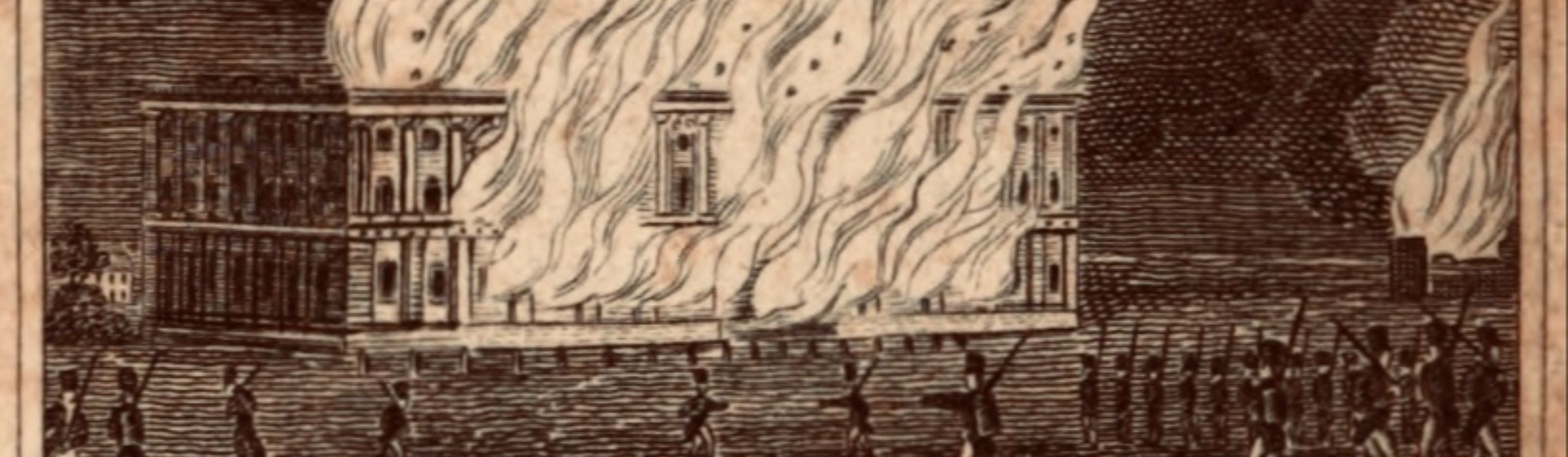
The Day British Forces Burned Down the White House
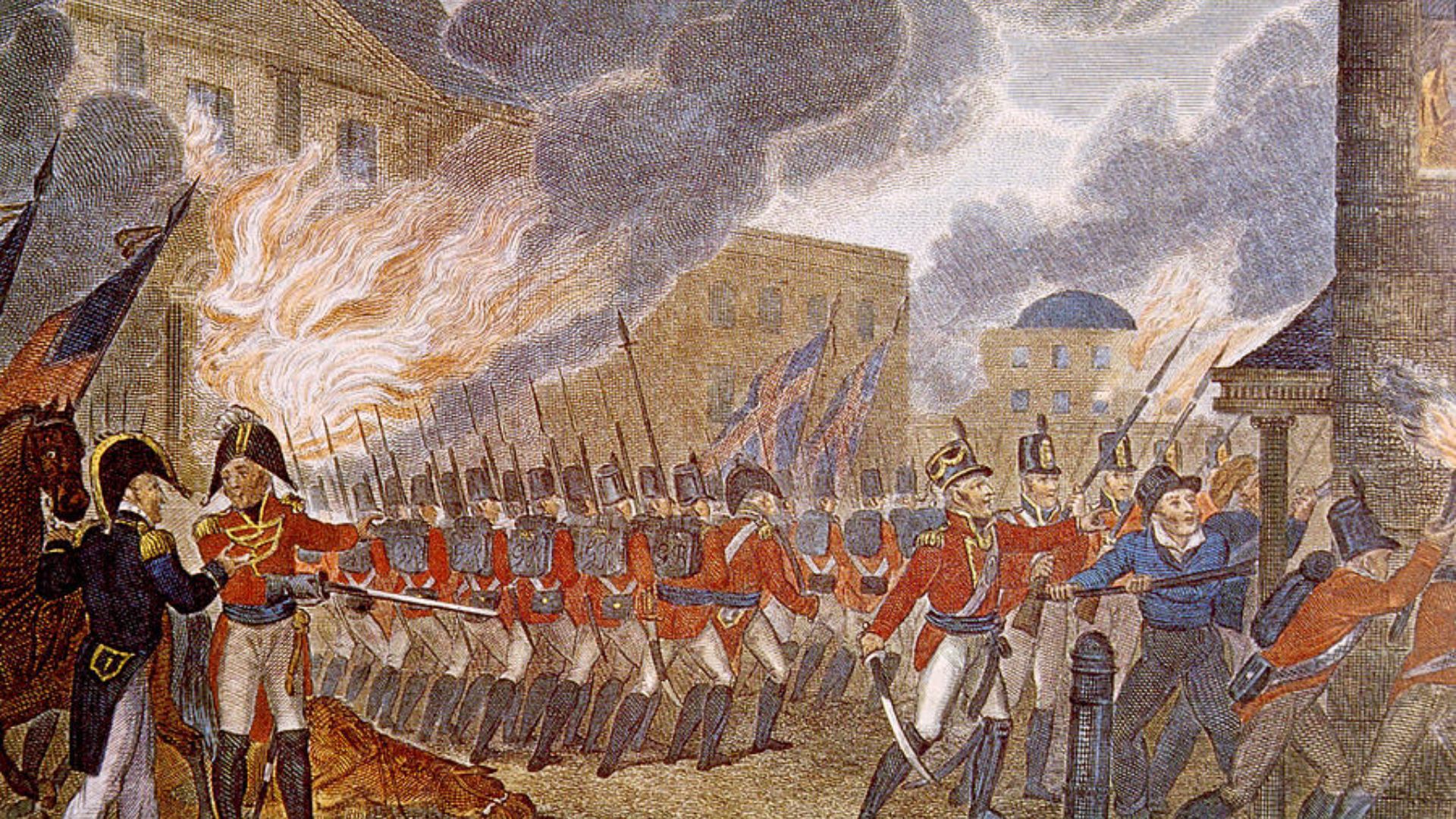 Book: Paul M. Rapin de Thoyras on Wikimedia
August 24, 1814, was one of the most shocking days in American history. It was when British forces marched into Washington, D.C. and set fire to the White House (then called the president's house), the US Capitol, and other federal buildings. This event, part of the War of 1812 between the US and Britain, was the only time in history that a foreign army captured and occupied the U.S. capital.
The War of 1812 began largely over issues like British interference with American trade and the forced conscription of US sailors into the British Royal Navy, the British support for Native American resistance to US expansion, and the American desire to annex Canada, a then-British colony.
In the spring of 1814, Britain had just wrapped up the Napoleonic Wars with France. This freed up thousands of British troops, warships, and resources to be sent across the Atlantic. Britain wanted to retaliate for the American burning of York (now Toronto), and after defeating American forces at the Battle of Bladensburg, they had their chance. British troops advanced on the undefended capital.
Even as they approached, the American Secretary of War John Armstrong was adamant that they wouldn't attack the capital, leaving American forces unprepared. Once inside the city, British soldiers systematically targeted public buildings as symbols of American government power. They set the Capitol building on fire, destroyed the chambers of Congress, the Library of Congress, and the Supreme Court.
Following this, they marched down Pennsylvania Avenue to the President’s House (The White House). Here, they helped themselves to food and drink before lighting the building ablaze. The Treasury, State, and War Department buildings were also torched as part of the coordinated attack known as the Burning of Washington.
President James Madison and First Lady Dolley Madison had fled the city ahead of the invasion. Although some important artifacts were saved—most famously a painting of George Washington that Dolley had rescued before leaving—many government records and early national treasures were lost.
Importantly, the British focus was on burning buildings, not causing mass civilian casualties. Some people perished during the burning, but it was mostly British troops from a gunpowder explosion. Only one American civilian was killed in the chaos, the grandnephew of George Washington, John Lewis. The British also did not target private homes.
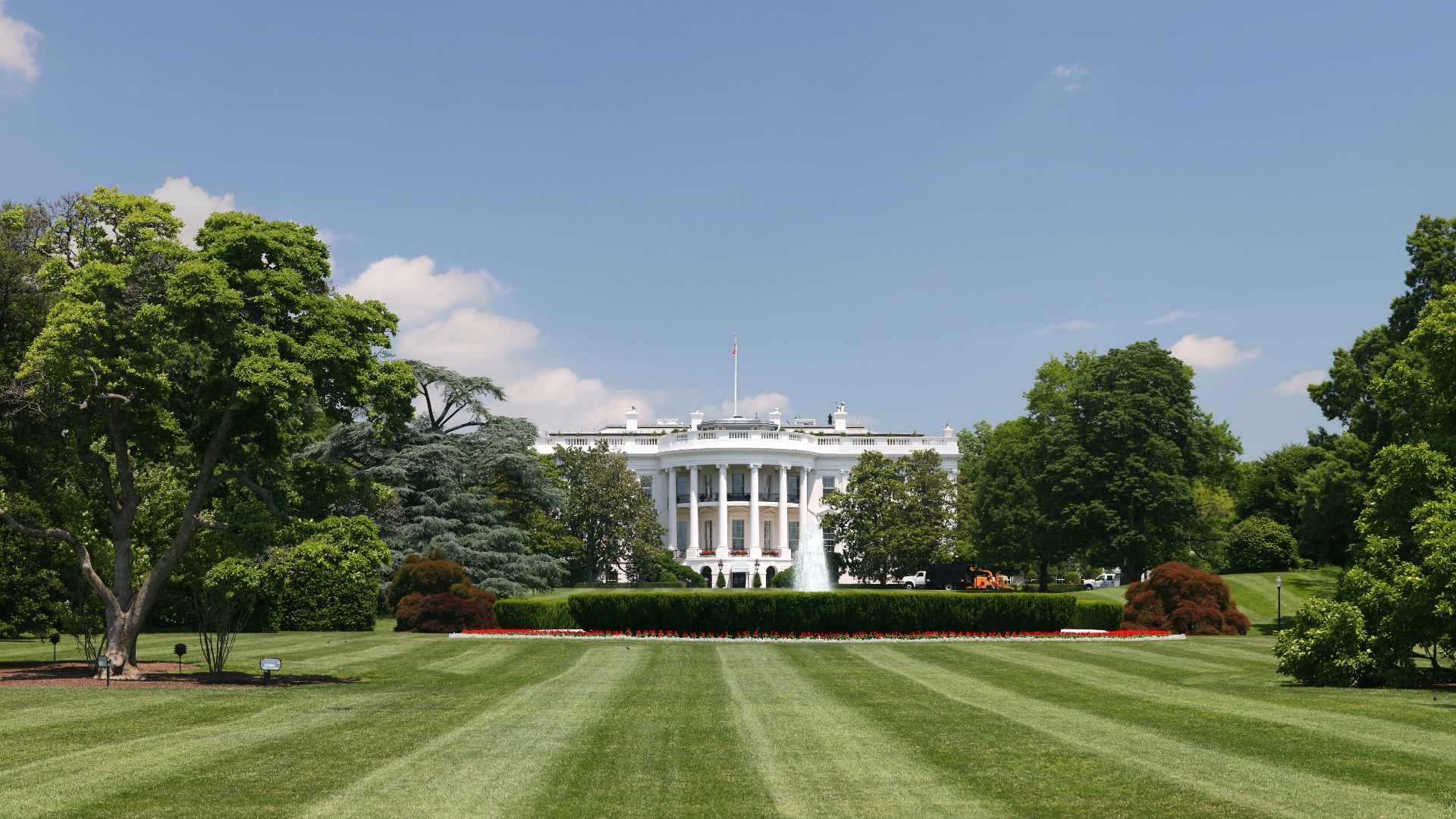
The British occupation lasted just over 24 hours, but even so, its impact was profound. Americans were initially humiliated by how easy it was for the British to take the capital. However, the attack also created a stronger sense of collective commitment and nationhood among the Americans.
As the buildings burned, a severe thunderstorm rolled in, which added even more drama to the events of the day, but also helped extinguish the flames. The capital was quickly rebuilt, with the White House in working order as soon as 1817. The War of 1812 ended about four months after the burning of Washington, with both sides achieving some of their goals.
This may have been a low point in the war, and indeed, in American history, but it's remembered as an incident that tested and strengthened American resolve and resilience.
KEEP ON READING
The 20 Most Recognized Historical Figures Of All Time
The Biggest Names In History. Although the Earth has been…
By Cathy Liu Oct 4, 2024
10 of the Shortest Wars in History & 10 of…
Wars: Longest and Shortest. Throughout history, wars have varied dramatically…
By Emilie Richardson-Dupuis Oct 7, 2024
10 Fascinating Facts About Ancient Greece You Can Appreciate &…
Once Upon A Time Lived Some Ancient Weirdos.... Greece is…
By Megan Wickens Oct 7, 2024
20 Lesser-Known Facts About Christopher Columbus You Don't Learn In…
In 1492, He Sailed The Ocean Blue. Christopher Columbus is…
By Emilie Richardson-Dupuis Oct 9, 2024
20 Historical Landmarks That Have The Craziest Conspiracy Theories
Unsolved Mysteries Of Ancient Places . When there's not enough evidence…
By Megan Wickens Oct 9, 2024
The 20 Craziest Inventions & Discoveries Made During Ancient Times
Crazy Ancient Inventions . While we're busy making big advancements in…
By Cathy Liu Oct 9, 2024