

10 Genius Military Plans That Worked & 10 Genius Plans That Failed
Brilliant On Paper, Brutal In Reality
Military history is full of plans that look obvious only after they succeed, and laughable only after they fail. The difference is rarely courage, and almost never effort, because both sides usually have plenty of that. What separates the wins from the disasters is a mix of information, timing, logistics, and whether the plan survives first contact with weather, terrain, and erratic human behavior. Sometimes the smartest move is a feint that makes the enemy fight the wrong war, and sometimes the “genius” idea is just wishful thinking dressed up as strategy. Below are ten plans that worked impressively, and ten that collapsed under their own assumptions.
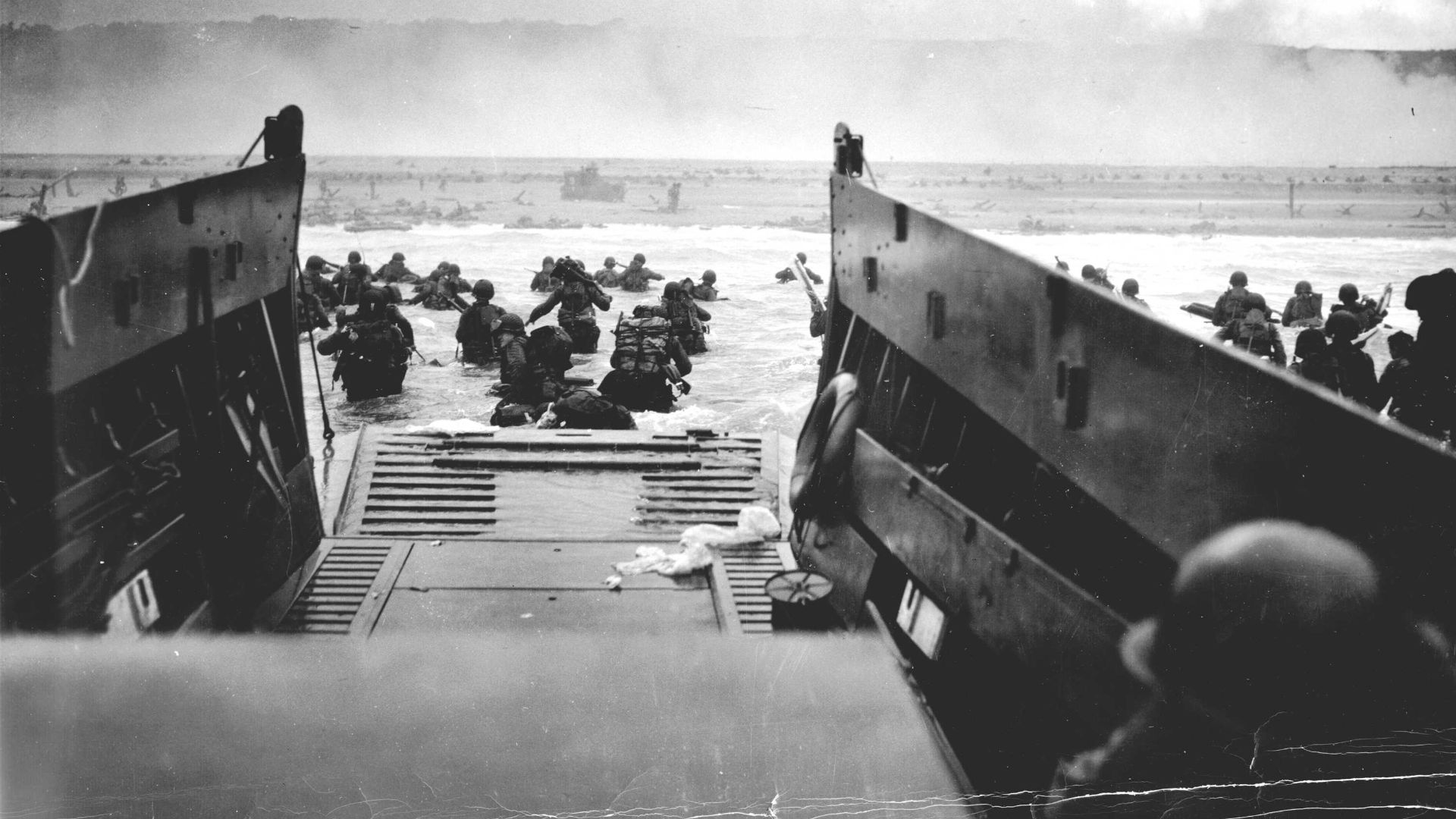 Chief Photographer's Mate (CPHOM) Robert F. Sargent, U.S. Coast Guard on Wikimedia
1. Operation Fortitude
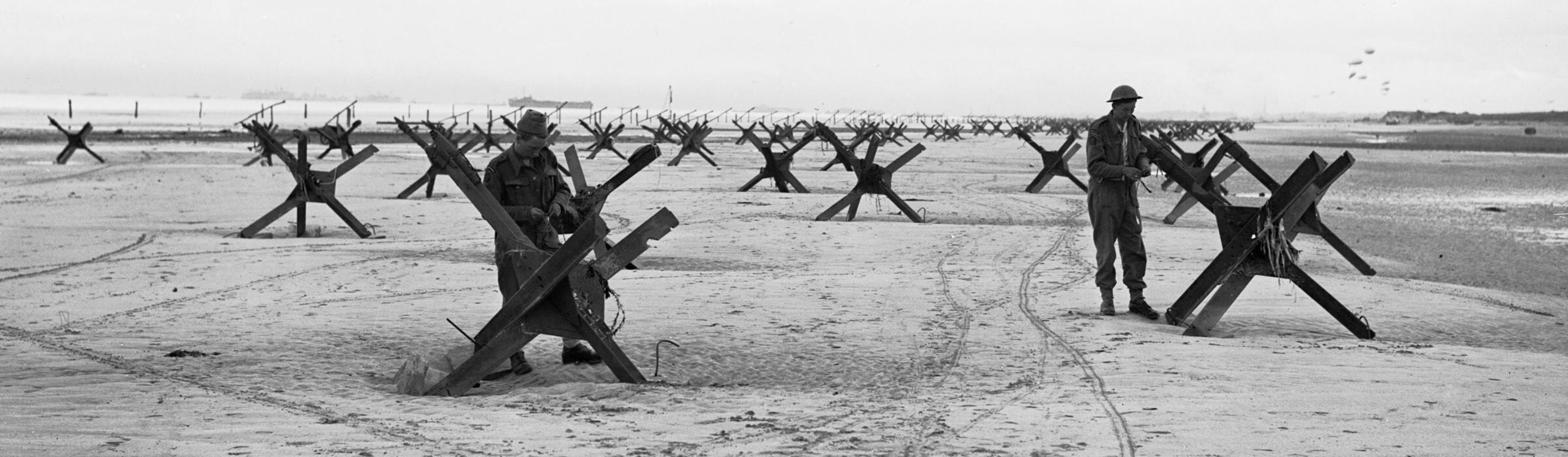
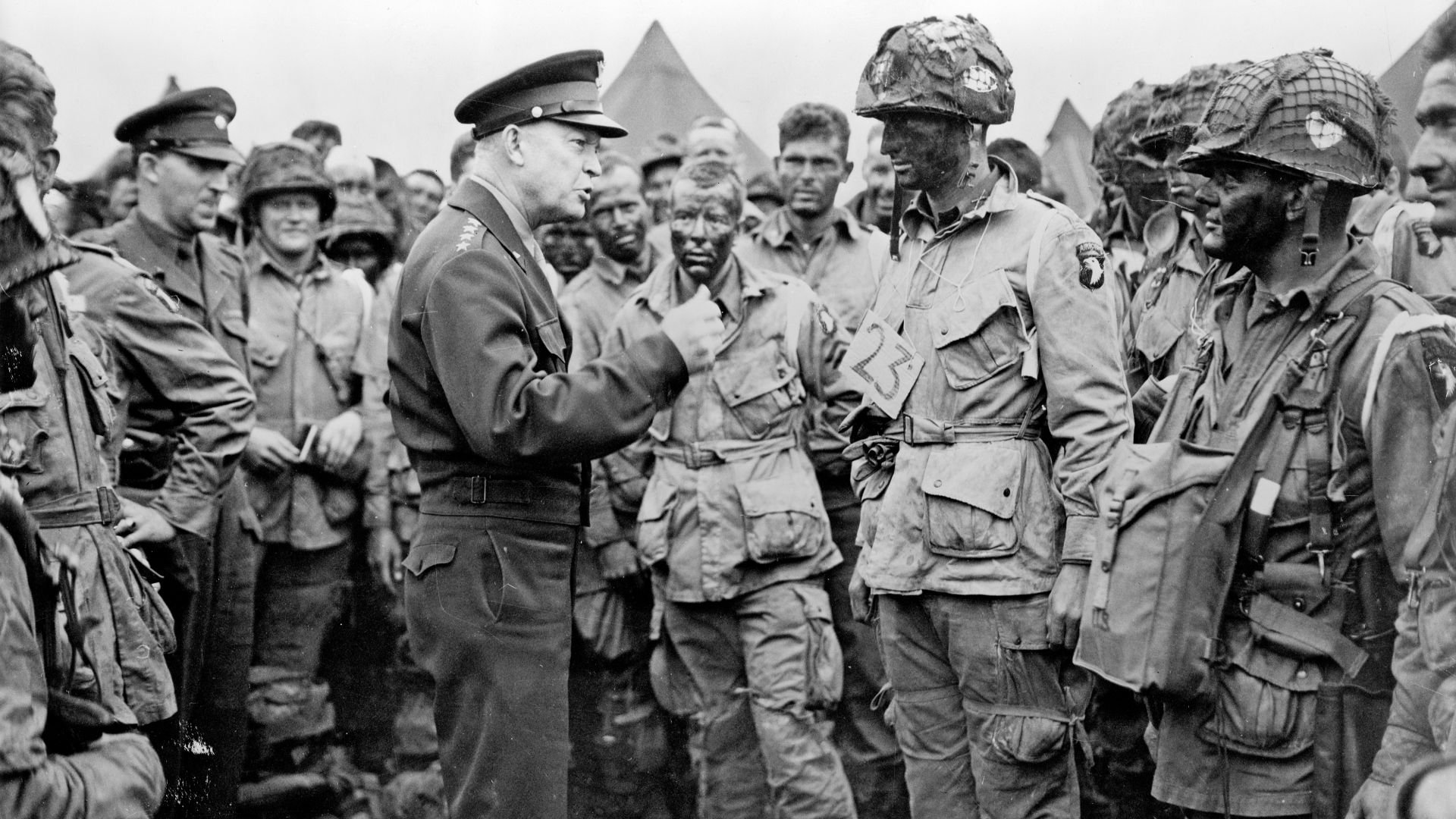
The Allies convinced Germany that the D-Day invasion would land at Pas-de-Calais, not Normandy, using fake armies, staged radio traffic, and controlled leaks. The genius was not one trick, but the discipline to keep the story consistent long enough that Germany held back key forces when the real invasion hit.
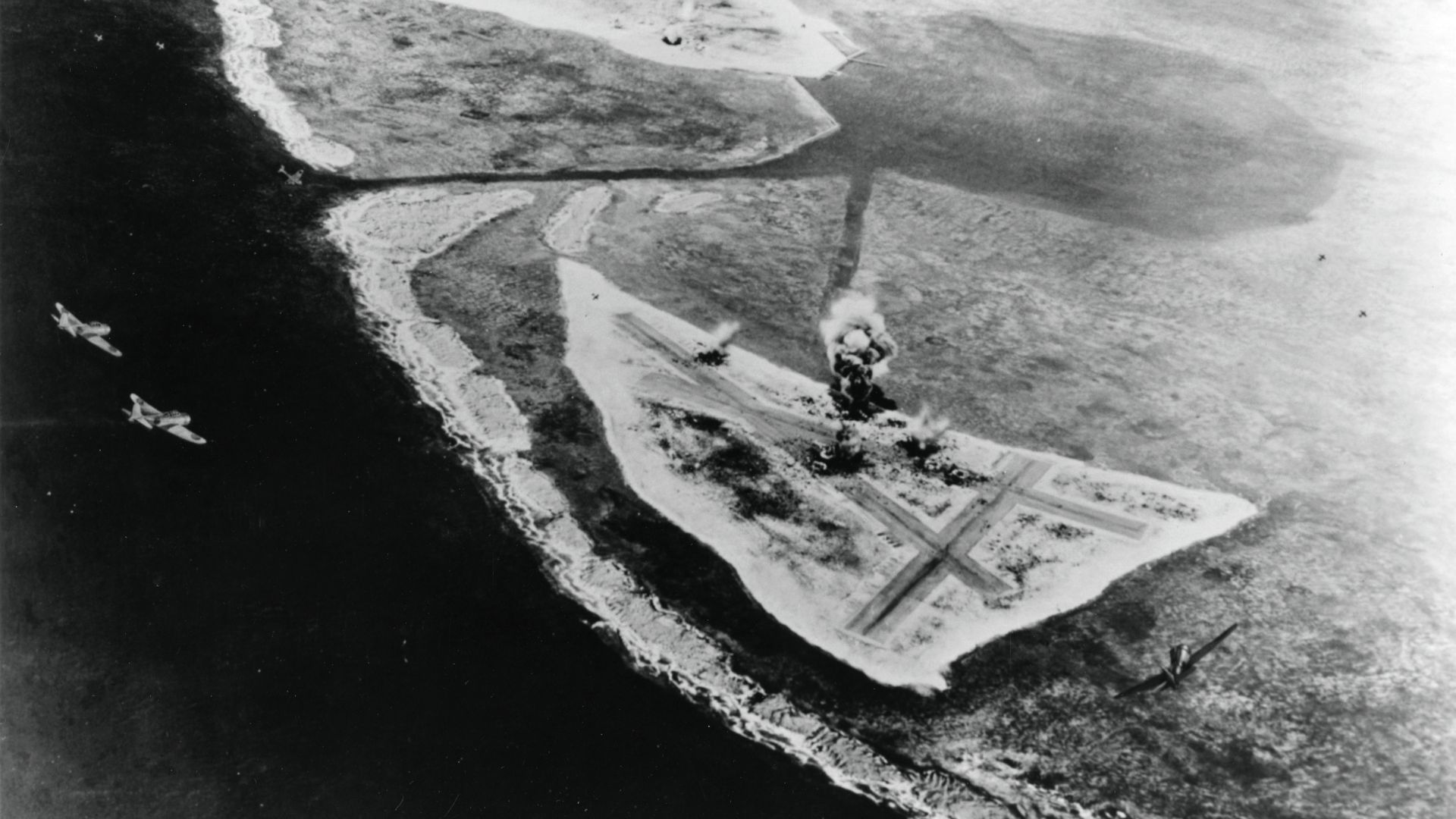
2. The U.S. Ambush At Midway
American codebreakers helped identify where Japan would strike, and the U.S. set a trap that flipped the balance of naval power in the Pacific. The plan worked because it married intelligence with risk-taking, and because it hit a narrow timing window before Japan could adapt.
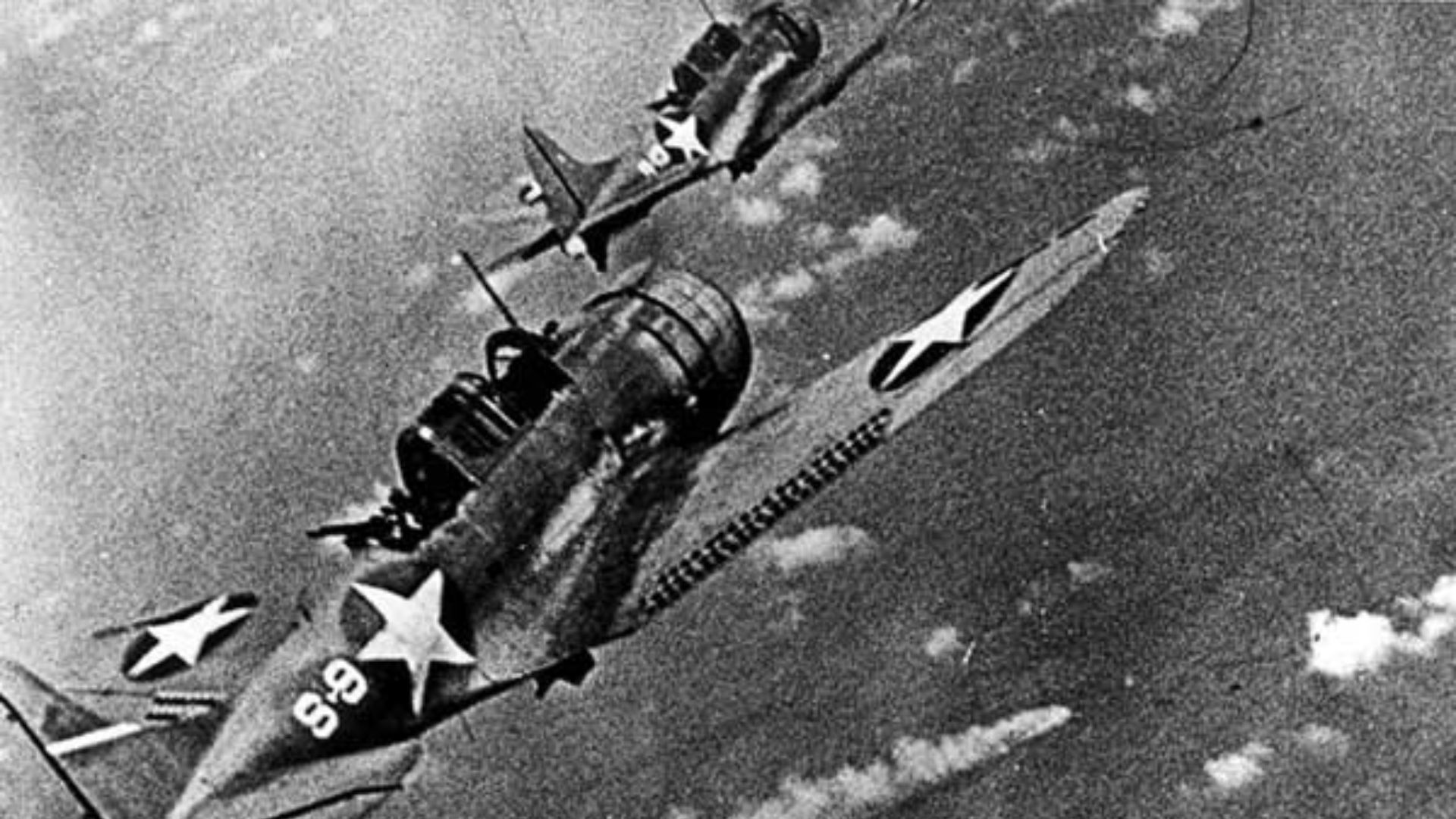 www.papahanaumokuakea.gov on Google
3. Hannibal’s Double Envelopment At Cannae
Hannibal let the Roman center push forward, then wrapped both flanks inward until the Roman army was crushed in place. It was brutally simple: shape the enemy’s movement, then take away their space, and the battle ends fast no matter how brave they are.
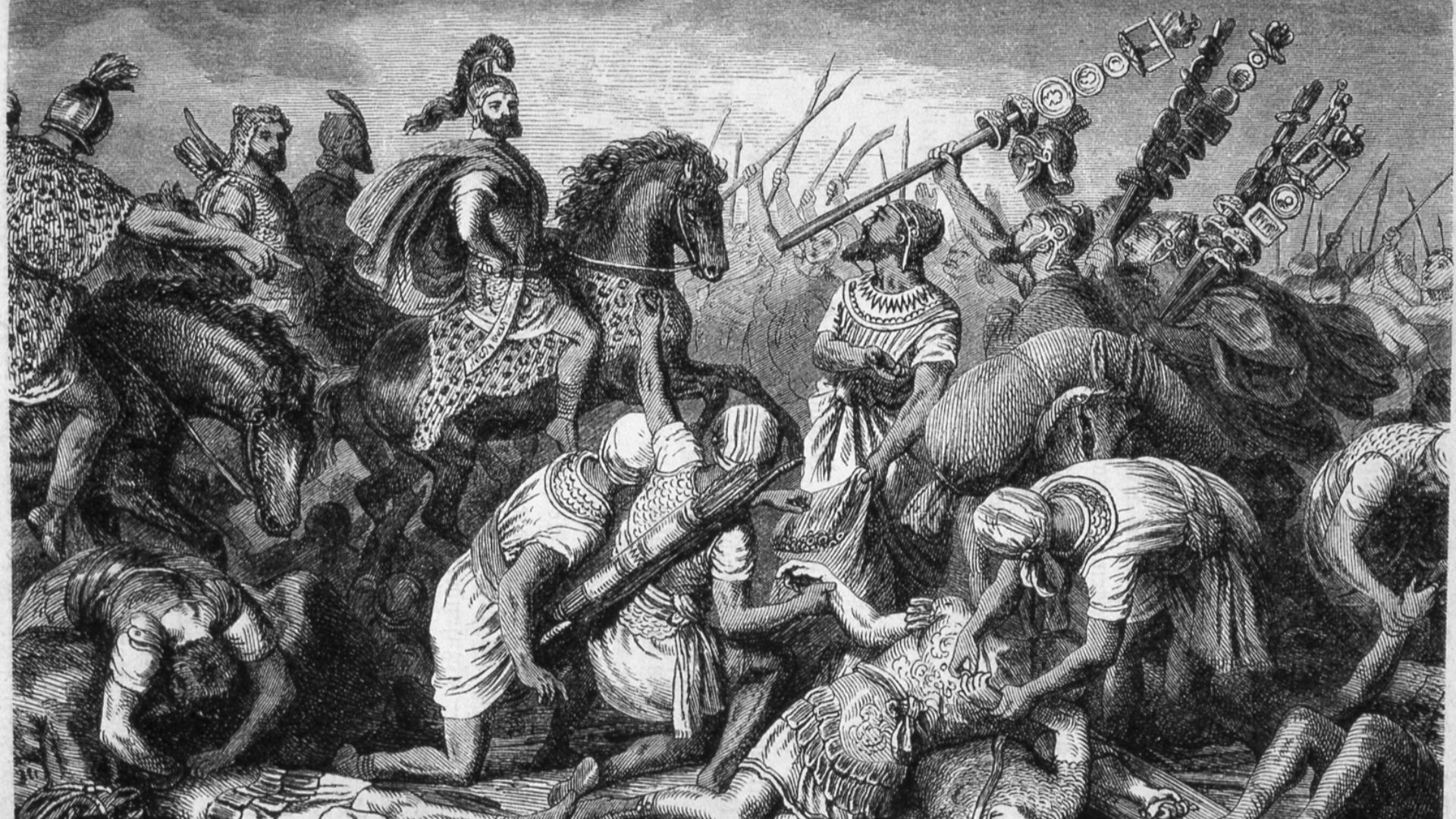 Heinrich Leutemann (1824-1905) on Wikimedia
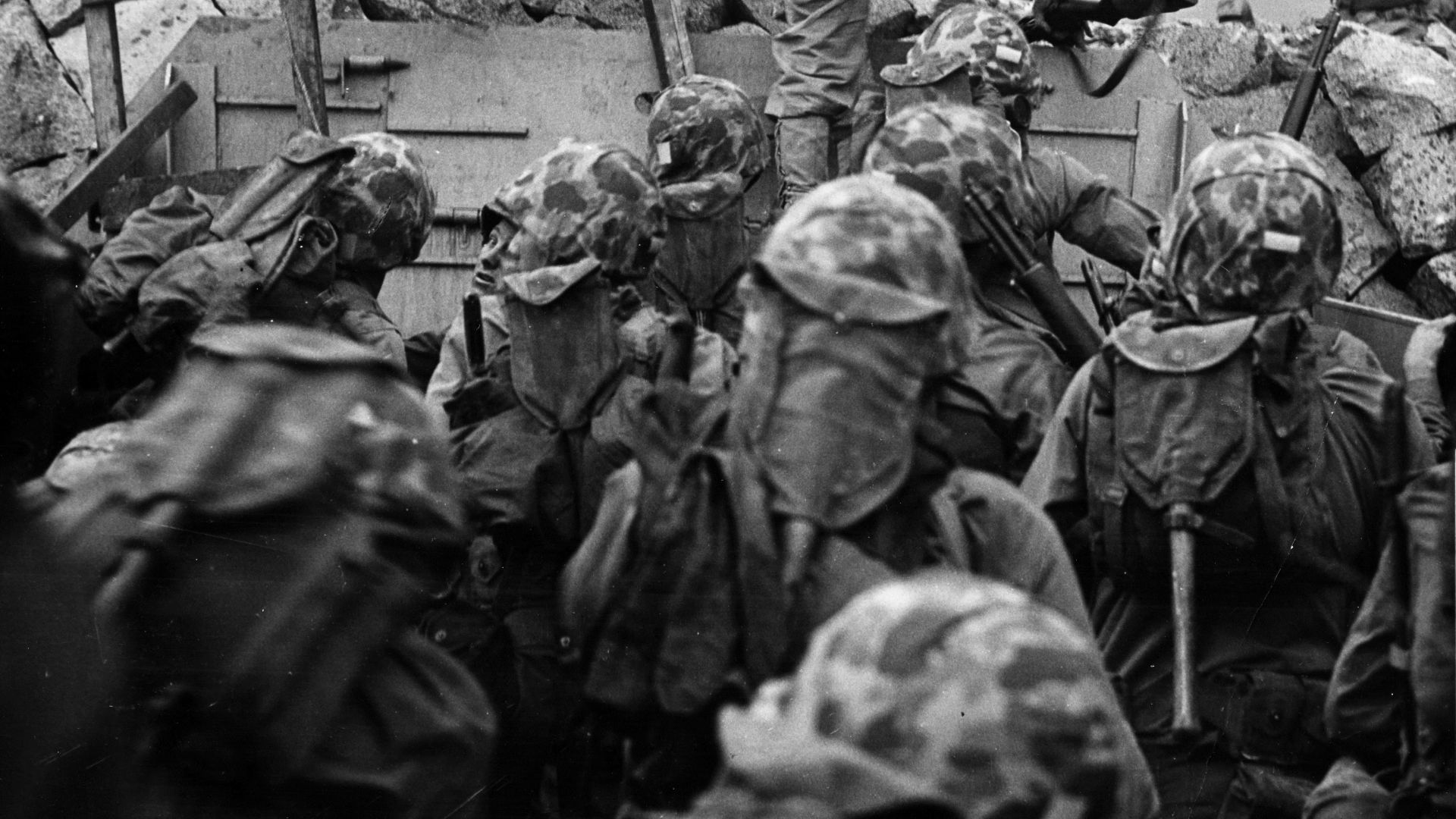
4. The Inchon Landing
MacArthur’s gamble in Korea was to land at Inchon, a spot with punishing tides and a difficult approach, precisely because it looked impractical. It worked because the very risks that scared off defenders also bought surprise, and surprise created operational freedom.
5. Operation Uranus At Stalingrad
The Soviets avoided the strongest German positions and struck the weaker flanks held by allied units, then closed the ring around the German 6th Army. The plan was smart because it focused on what could break, and it treated encirclement as a logistics problem as much as a combat one.
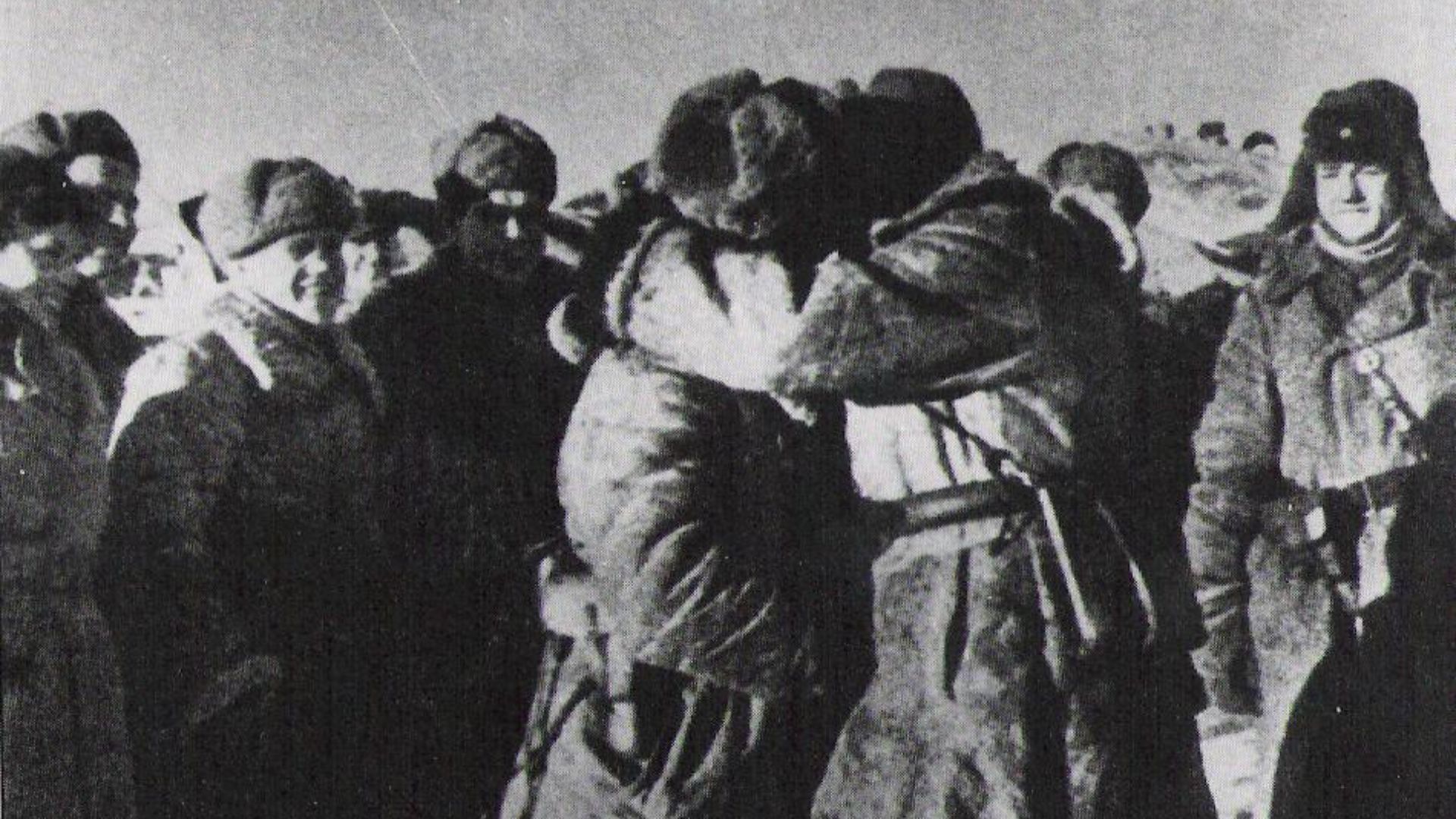 fotoreporter sovietico sconosciuto on Wikimedia
6. Operation Focus
Israel’s opening move in 1967 targeted enemy airfields in a concentrated strike designed to keep opposing aircraft from ever getting airborne in meaningful numbers. The plan worked because it prioritized initiative and tempo, turning air power into something that could be removed early instead of endured all war.
 יחזקאל (חזי) רחמים on Wikimedia
7. The Mongol Feigned Retreat
Repeatedly, Mongol forces used controlled retreats to bait opponents into chasing them, then turned and attacked once the pursuers were spread out and disorganized. It worked because many commanders could not resist pressing what felt like an advantage, even after the pursuit started breaking their formation and control.
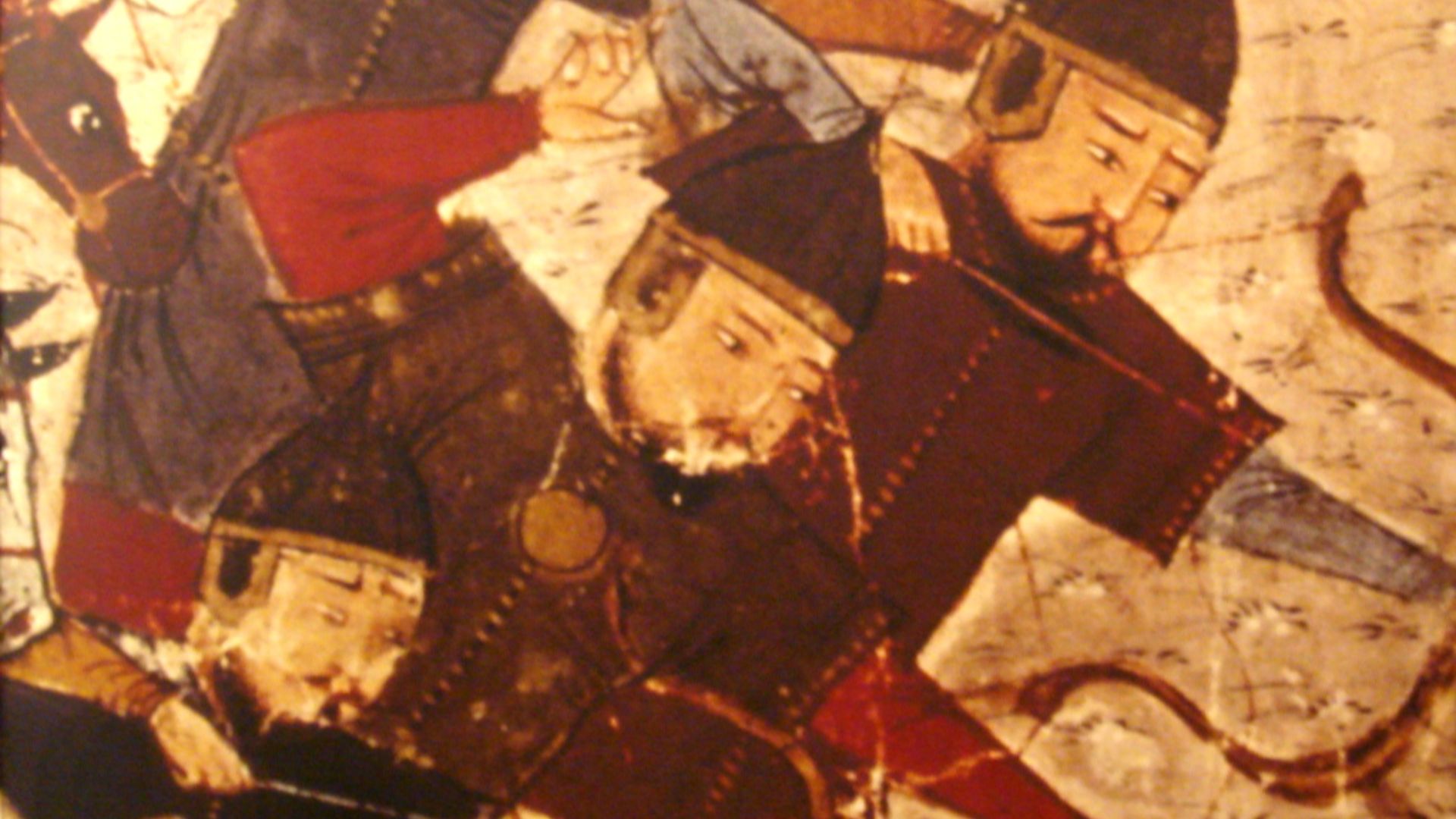 commons.wikimedia.org on Google
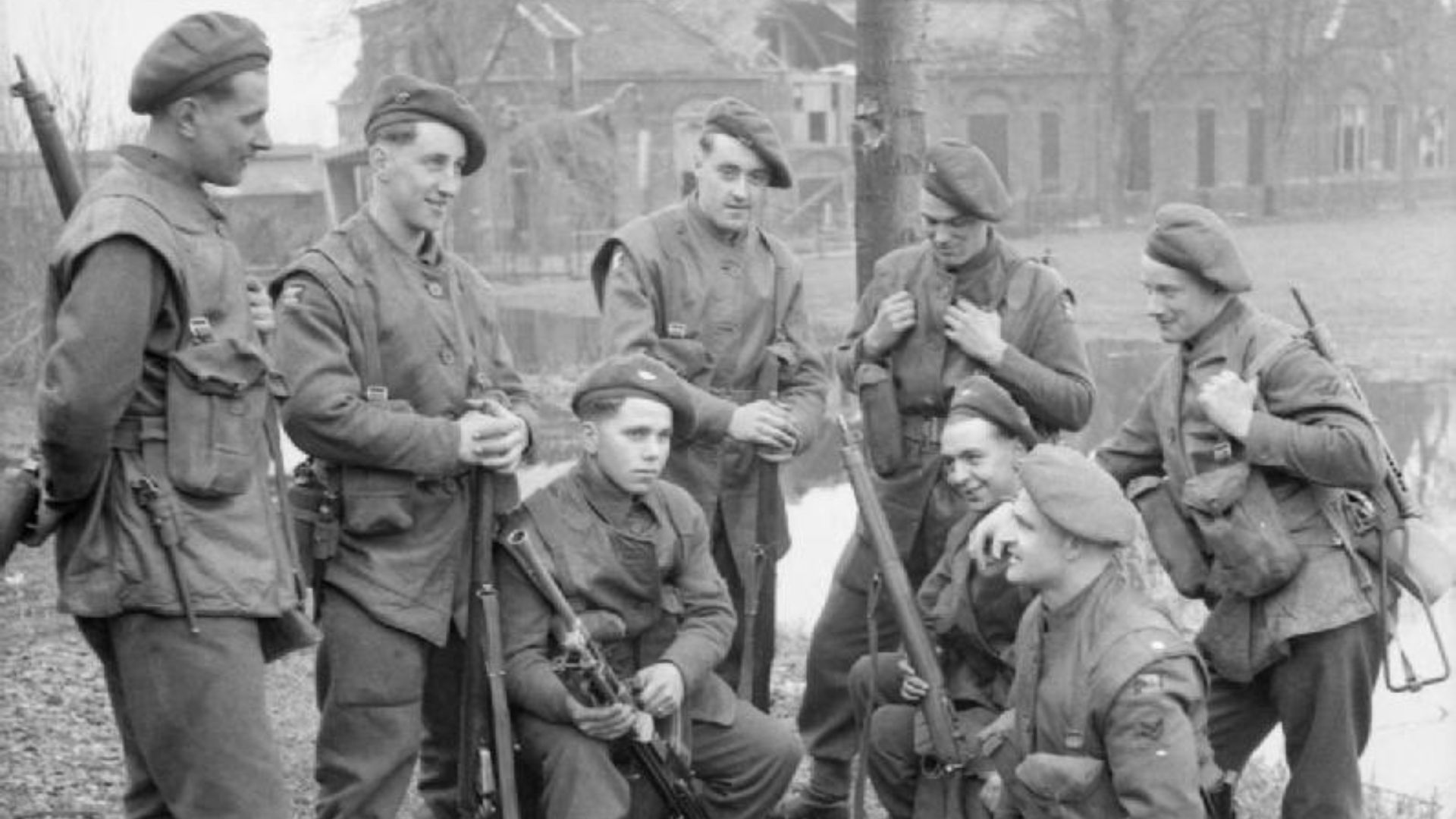
8. The British Exploitation Of ULTRA
Breaking German communications did not win by itself, but it let the Allies plan around what the enemy was actually doing rather than what they hoped the enemy was doing. The smart part was restraint: information was used carefully so the enemy would not realize the source was compromised.
 commons.wikimedia.org on Google
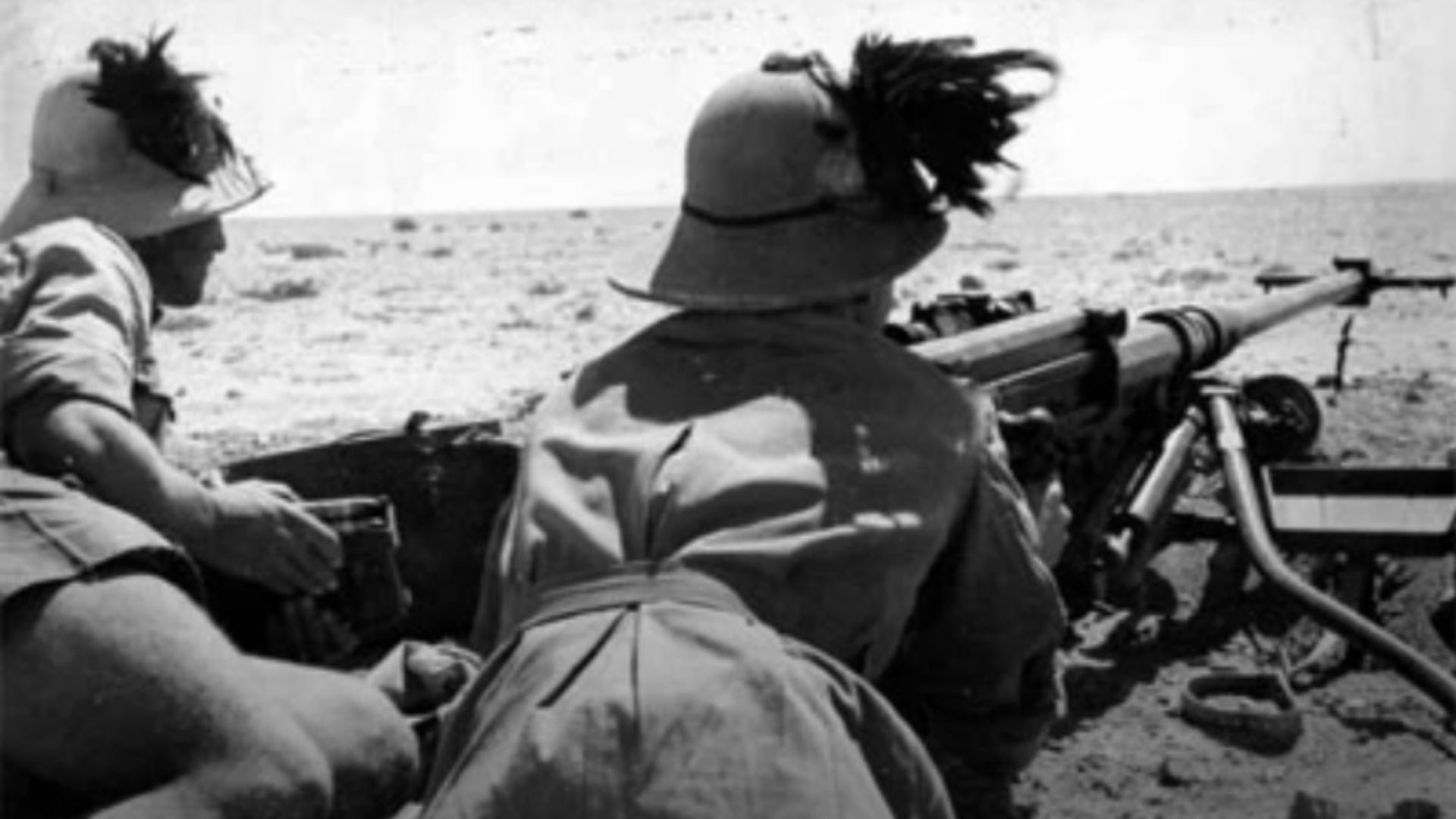
9. The Desert Deception Before El Alamein
The British used camouflage, dummy equipment, and misdirection to mask where their real strength sat, then attacked where the Axis defenses were least prepared. It worked because deception was treated like engineering work, not theater, with details that held up under scrutiny.
 Wayne at Battlefield on Wikimedia
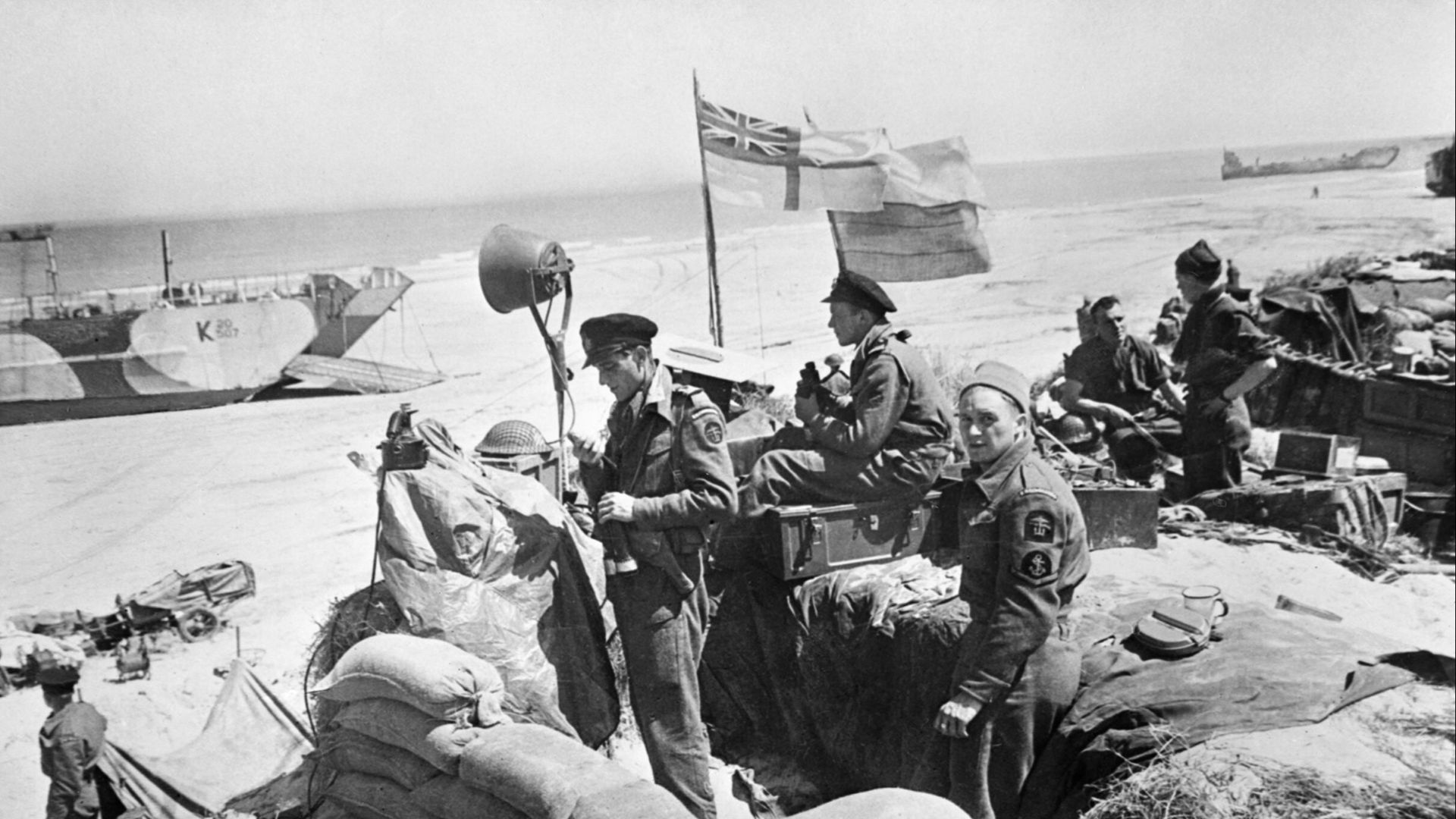
10. The Normandy Beachhead Logistics Plan
The invasion was not just soldiers and ships, but fuel, ammunition, medical care, and a supply pipeline that had to function immediately. The plan worked because the Allies prepared for the boring parts at a massive scale, including temporary harbors and a relentless focus on keeping the push supplied.
A plan can be clever and still fail, especially when it depends on perfect timing, perfect coordination, or an enemy politely cooperating. Here are ten examples of clever plans that failed.
 LIEUT C.H Parnell, official Royal Navy photographer on Wikimedia
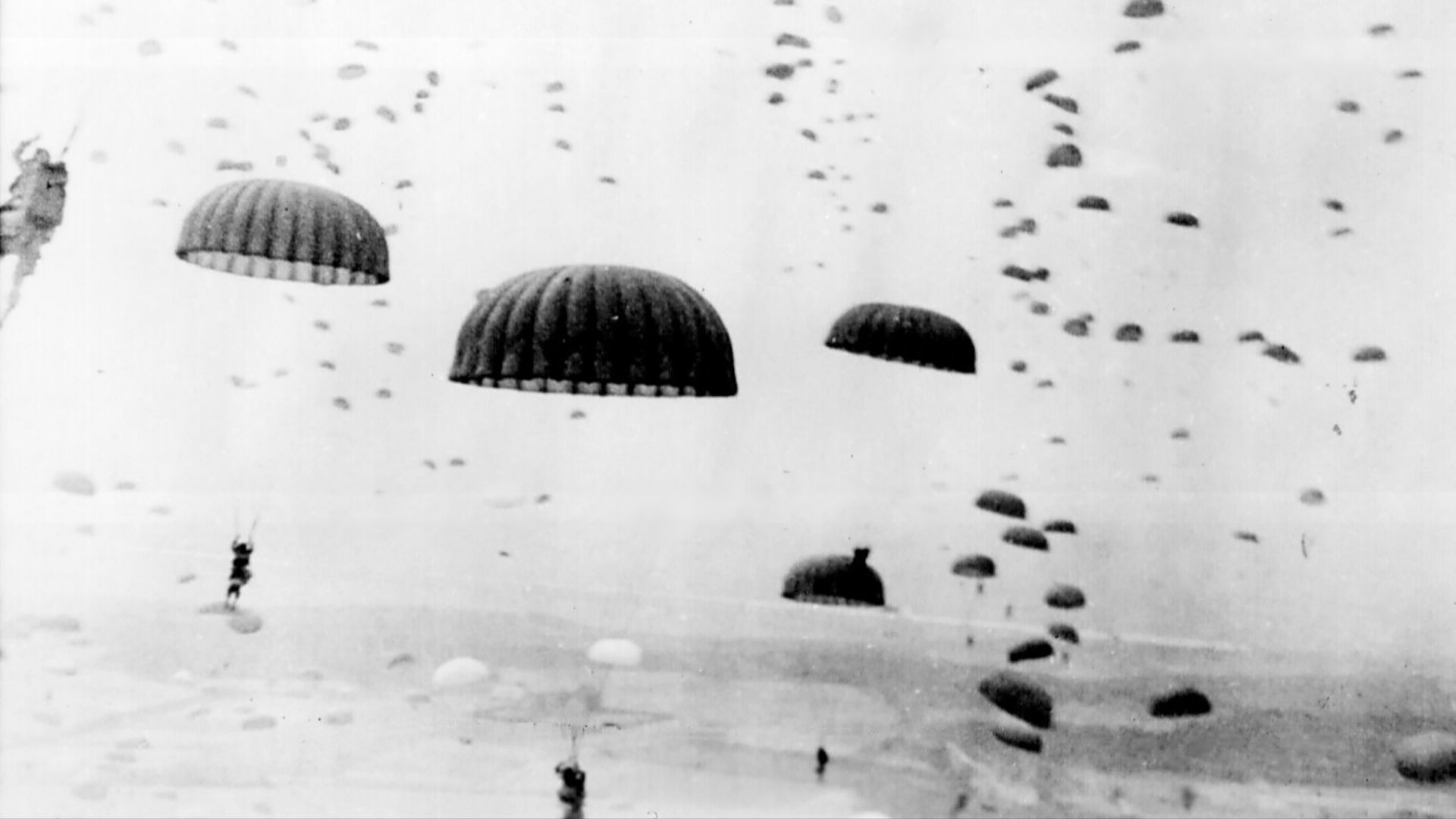
1. Operation Market Garden
The idea was to seize key bridges quickly using airborne troops, then race armored units through a narrow corridor into Germany. It failed because the plan assumed speed and smooth coordination, but real roads, real resistance, and delayed relief turned isolated troops into targets.
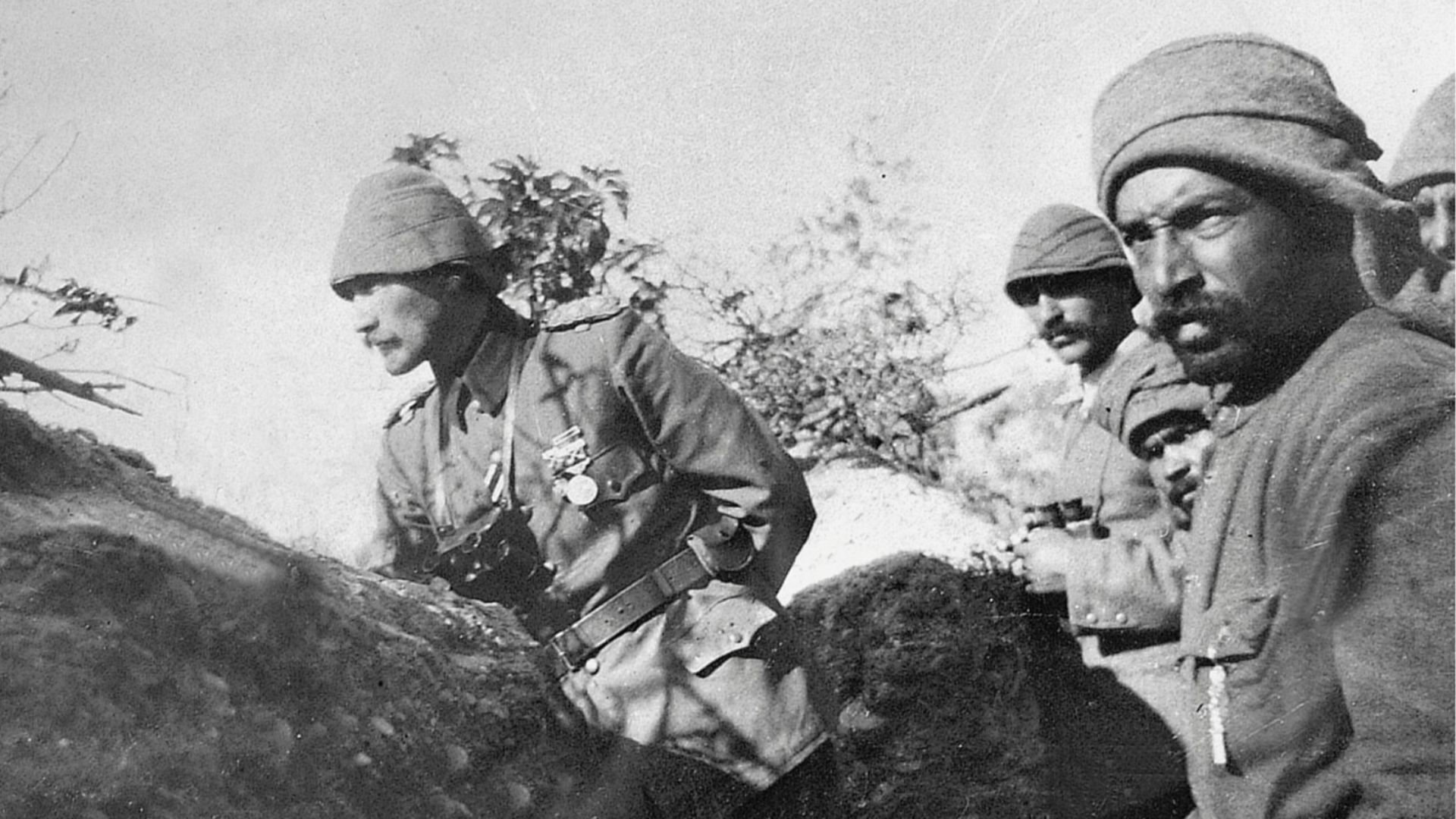
2. Gallipoli
Allied planners hoped to force the Dardanelles, knock the Ottoman Empire out, and open a supply route, believing naval power and a landing could do the job. The campaign bogged down because terrain, defenses, and supply challenges were underestimated, and once momentum died, the cost became hard to justify.
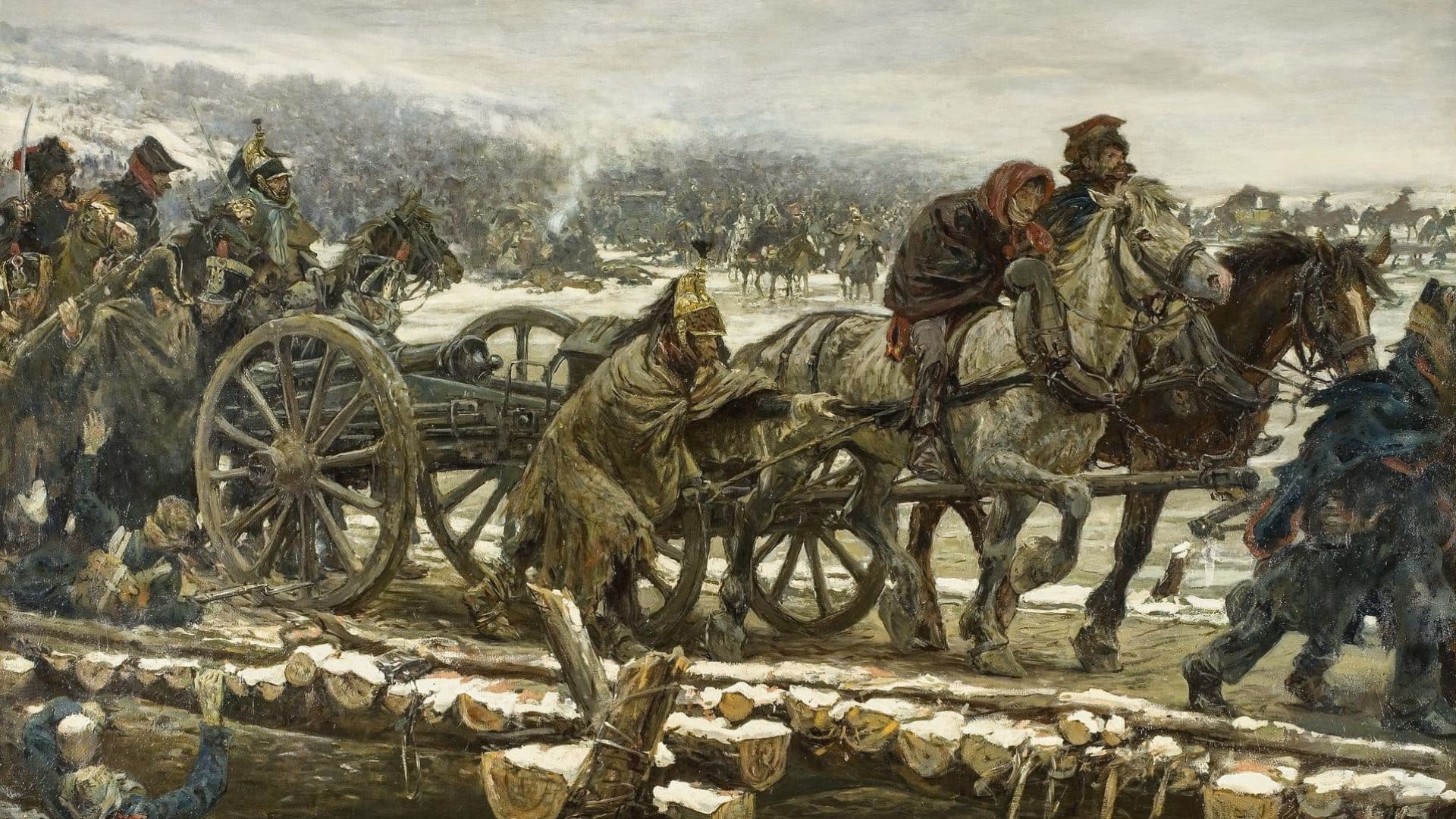
3. Napoleon’s Invasion Of Russia
Napoleon’s plan relied on decisive battle and rapid movement to break Russia’s will, the same logic that had worked elsewhere in Europe. It failed because Russia traded space for time, and the Grande Armée could not outrun distance, winter, and supply collapse.
 Jan Hoynck van Papendrecht on Wikimedia
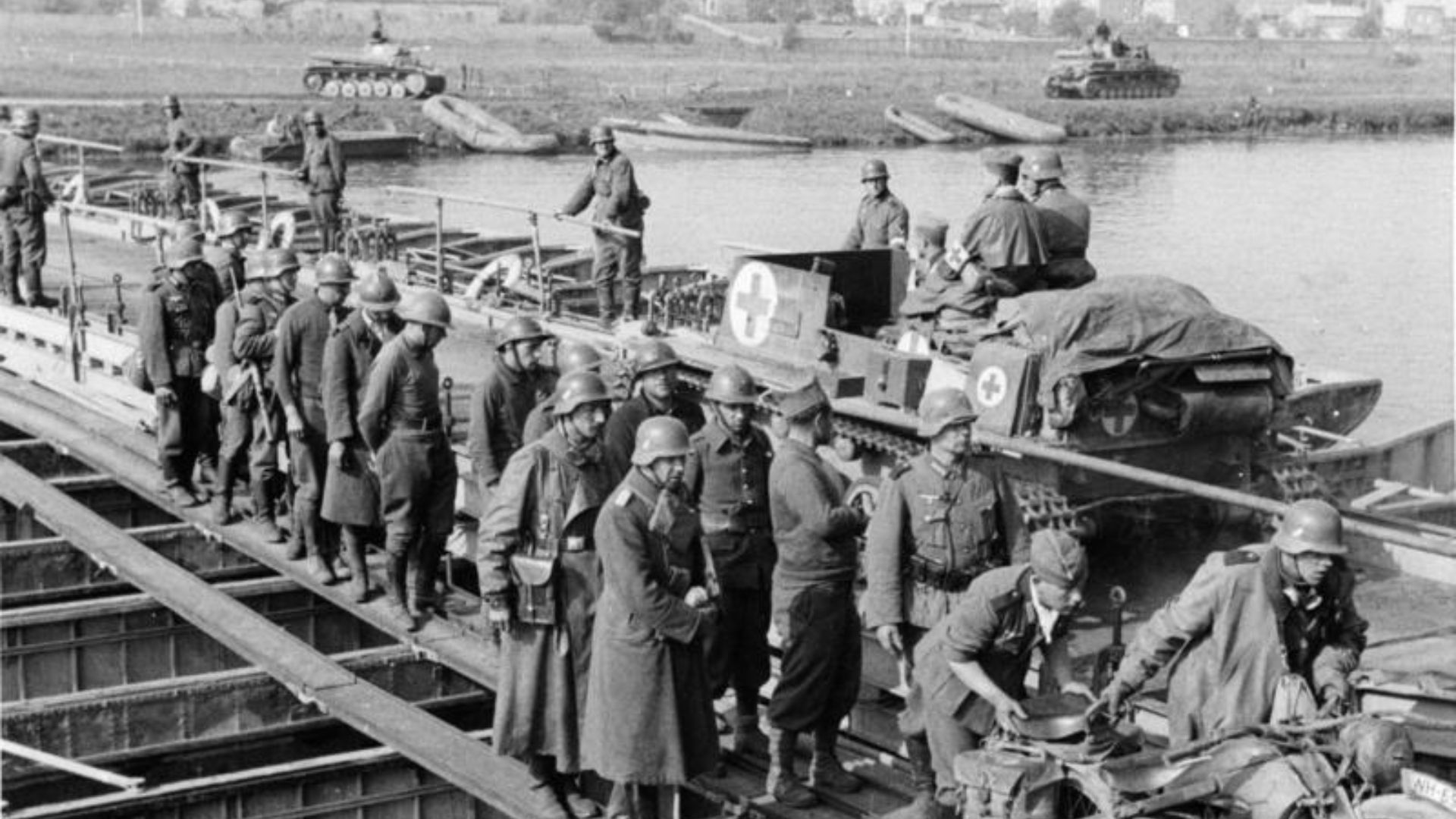
4. The Maginot Line Strategy
France invested heavily in fortifications meant to deter or absorb a German assault in predictable places. The plan failed because it treated war like a fixed route problem, and Germany solved it by going around, not through, turning an expensive asset into a strategic blind spot.
 Unknown authorUnknown author on Wikimedia
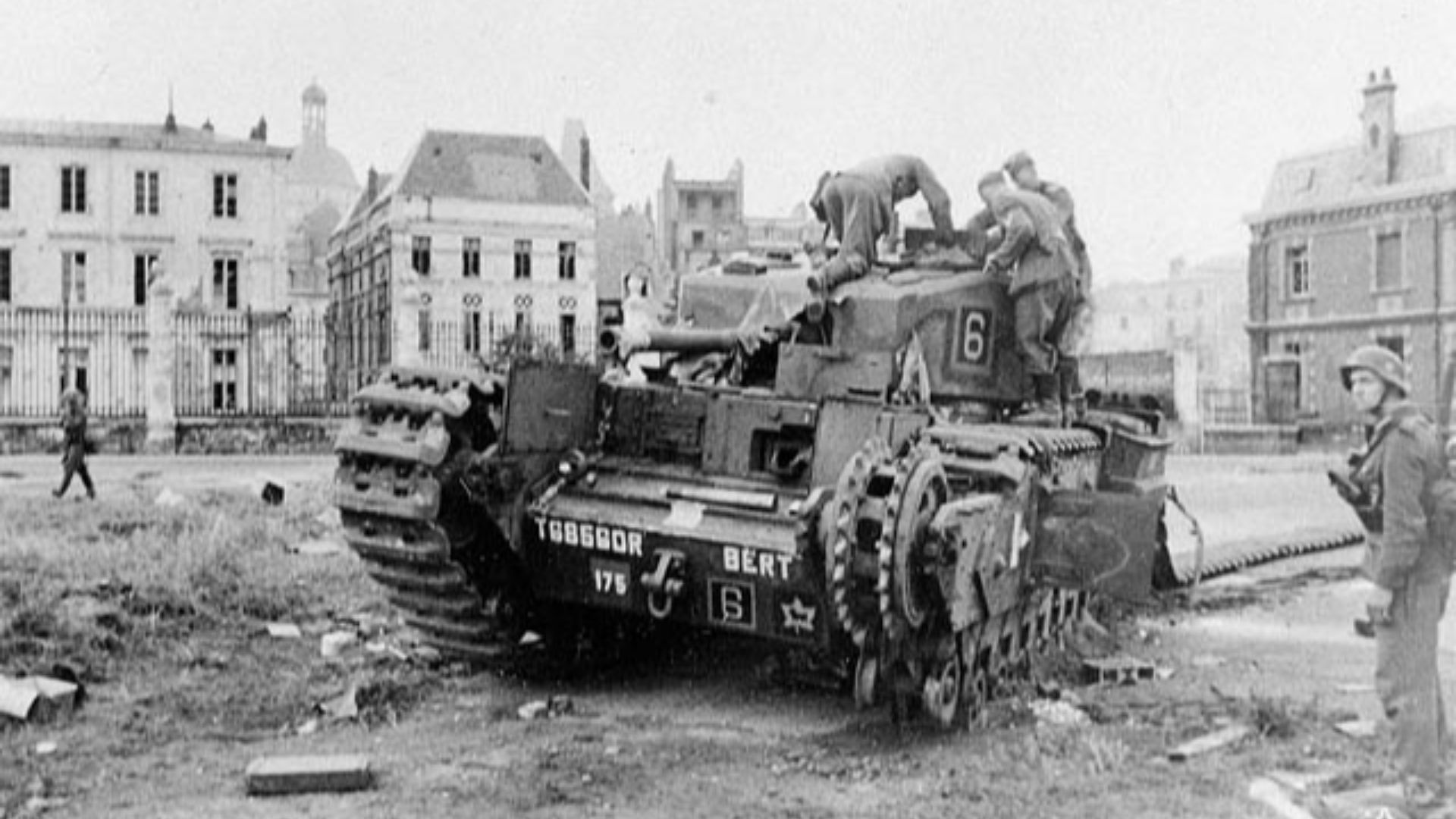
5. The Dieppe Raid
The raid was meant to test German defenses, gather intelligence, and prove that a major landing could succeed. It failed in execution because the plan exposed troops to fortified positions without enough surprise or fire support, and the lesson came at a steep cost.
 Unknown authorUnknown author on Wikimedia
6. Pearl Harbor As A Knockout Punch
Japan aimed to cripple U.S. Pacific capabilities in one strike and buy time to consolidate gains. The plan failed strategically because it did not remove the industrial base, the will to fight, or the longer-term capacity to rebuild, and it missed key targets that mattered for sustained operations.
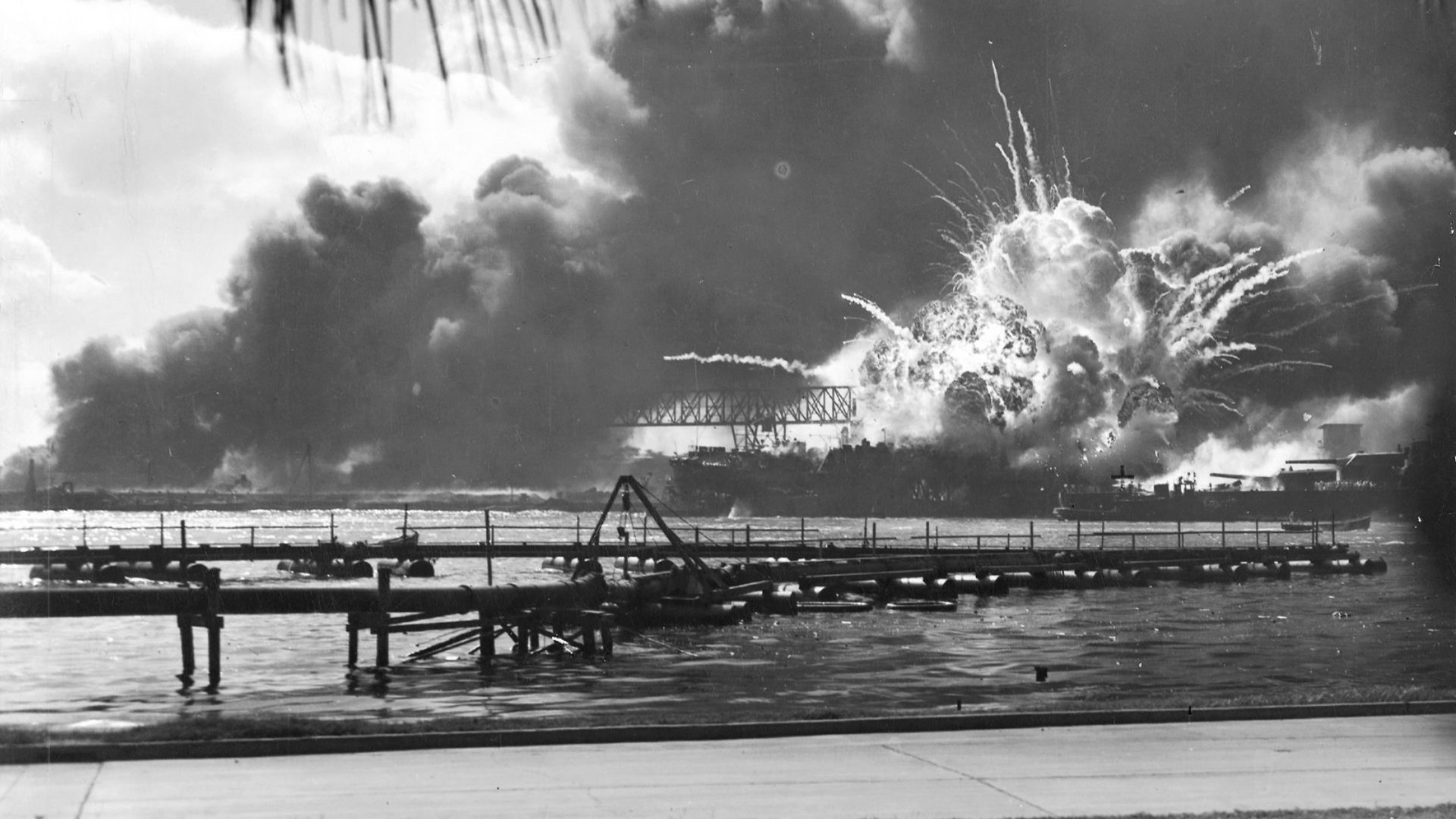 Unknown navy photographer on Wikimedia
7. The Somme Offensive Concept
The plan leaned on massive bombardment to cut defenses, then a broad infantry advance to break through. It failed because defenses adapted, the bombardment did not achieve the hoped-for effect, and the offensive became a grim lesson in what happens when a plan assumes the battlefield will be softened on schedule.
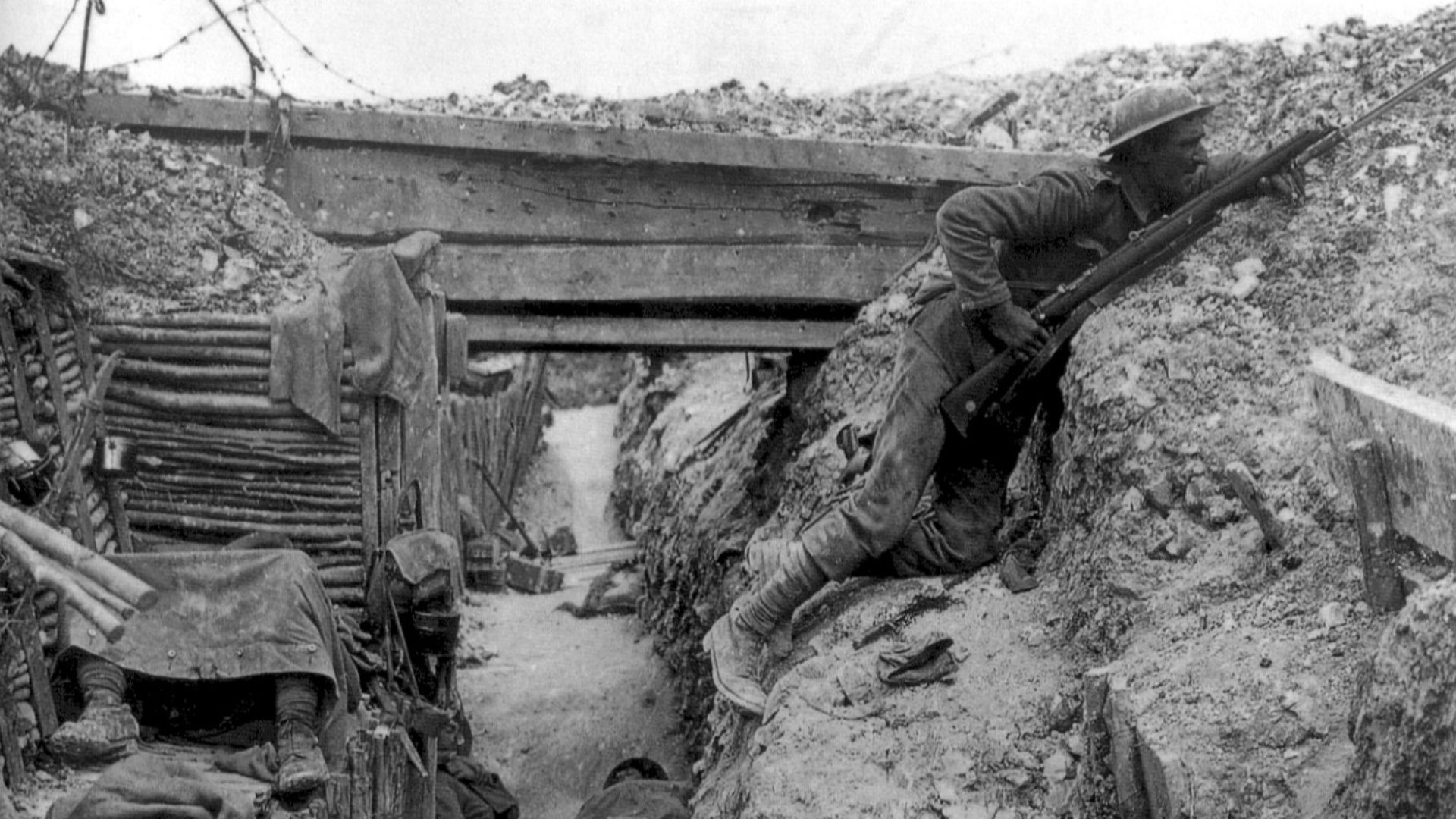 John Warwick Brooke on Wikimedia
8. Operation Barbarossa As A Quick Campaign
Germany planned to defeat the Soviet Union rapidly through speed, encirclement, and the belief that the state would collapse under shock. It failed because the plan was built on optimistic timelines and thin logistics, and because the enemy absorbed losses, moved industry, and kept fighting past the point the plan could support.
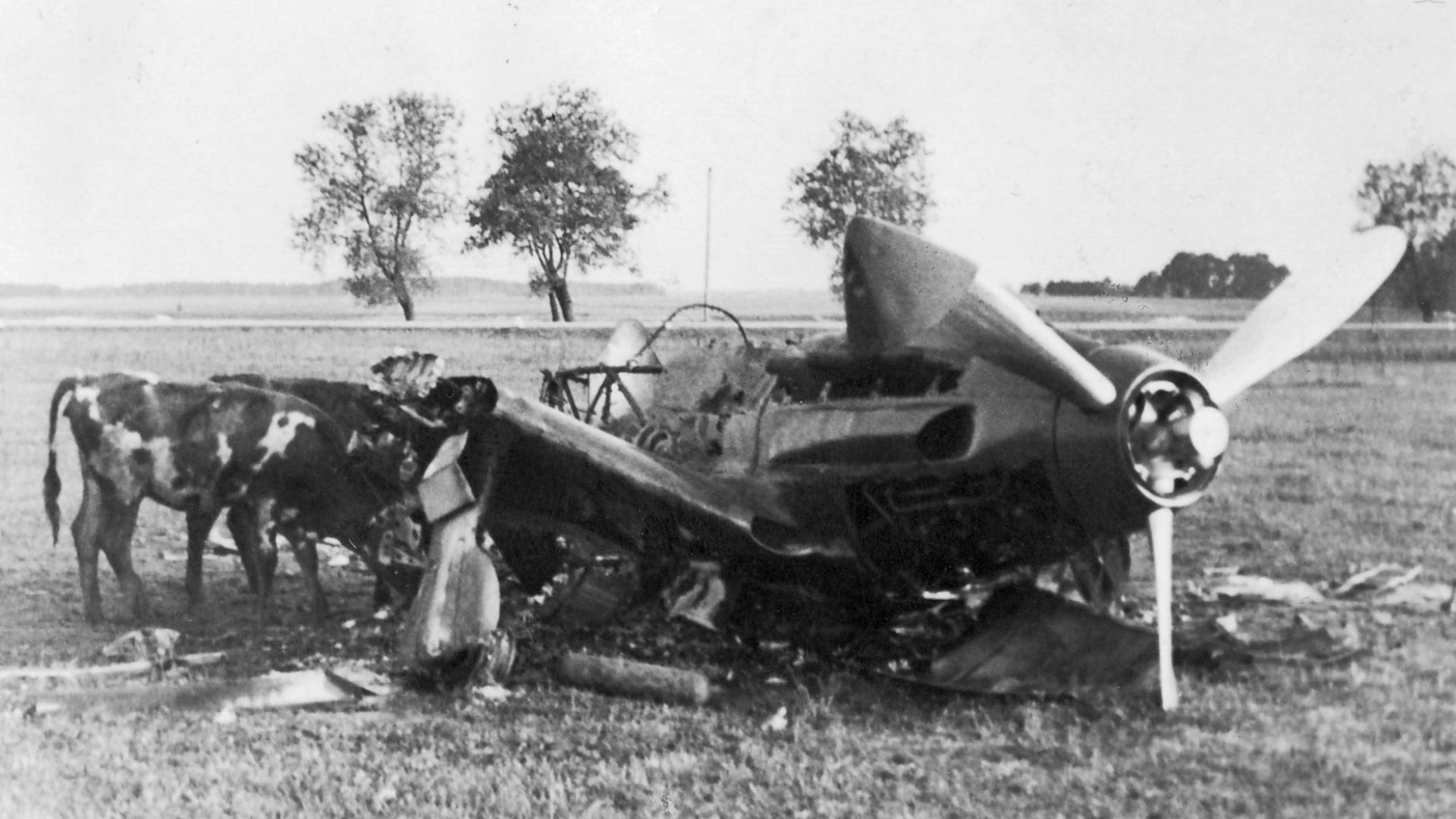 Unknown authorUnknown author on Wikimedia
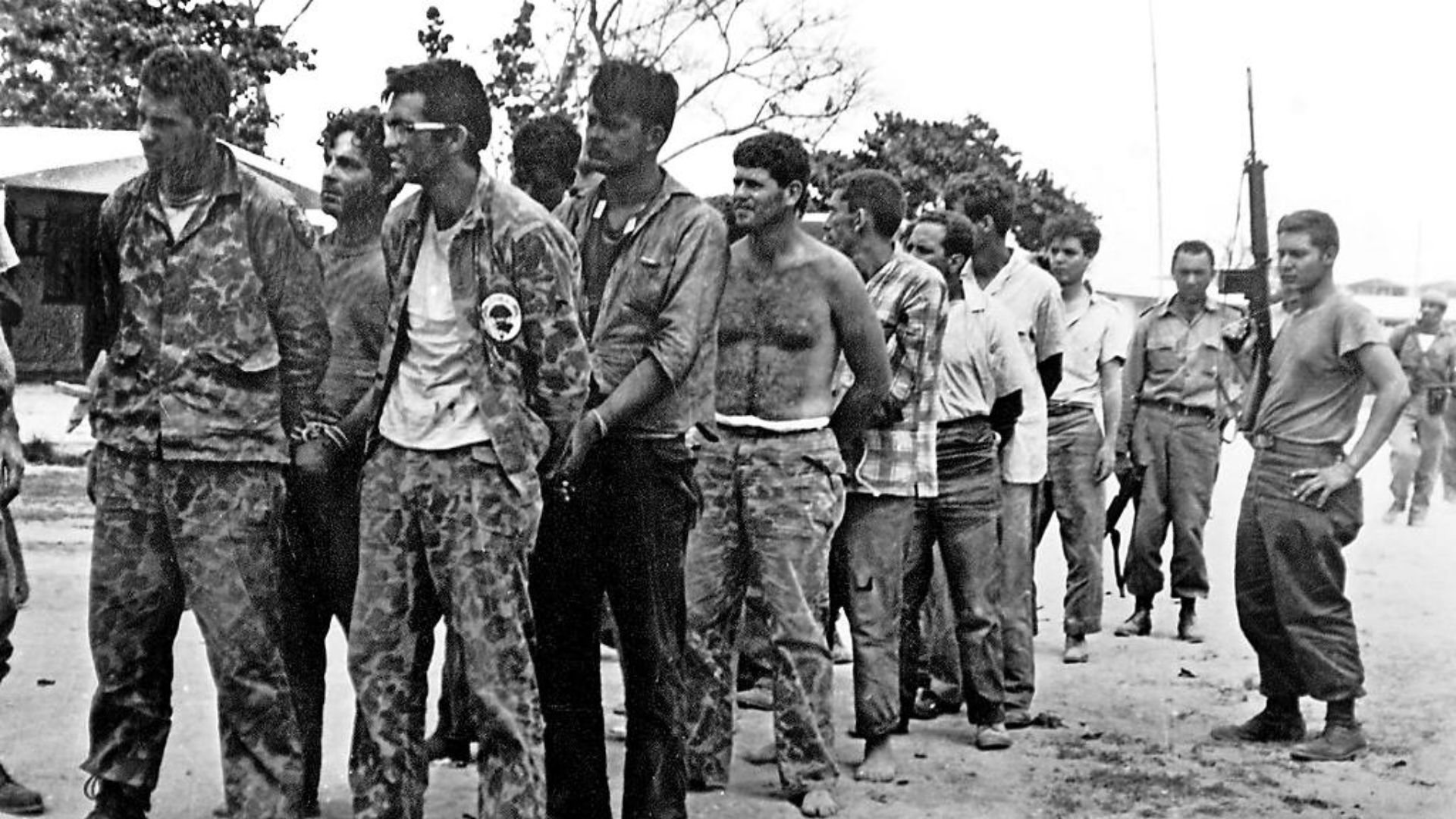
9. The Bay Of Pigs Invasion
The concept assumed a small force could land, spark an uprising, and topple the government with limited visible U.S. involvement. It failed because the assumptions did not match local reality, and once the landing faltered, there was no credible path towards success.
10. The Japanese Plan At Midway
Japan’s approach relied on luring U.S. carriers into a trap with multiple moving parts spread across a wide area. It failed because the U.S. had better information than Japan expected, and because a complex plan loses its edge when the enemy shows up early, prepared, and ready to concentrate force fast.


KEEP ON READING

10 Greatest Quarterbacks Of All Time & 10 That Are…
Do You Disagree?. Few topics in sports generate as much…
By Farva Ivkovic Dec 2, 2025
The story of Ching Shih, the Woman Who Became the…
Unknown author on WikimediaFew figures in history are as feared…
By Emilie Richardson-Dupuis Dec 29, 2025
20 Shakespearean Words, Translated For A Modern Audience
What’s In A Word?. Shakespeare was a wordsmith of the…
By Breanna Schnurr Dec 17, 2025
20 Inspiring Stories From Native American History
Incredible Stories Of Resilience And Endurance. Many of us didn't…
By Ashley Bast Dec 17, 2025
You Think You Have Problems? These Royal Families Were Cursed
Boasson and Eggler St. Petersburg Nevsky 24. on WikimediaHeavy is…
By Ashley Bast Dec 5, 2025
MH370: The Plane That Can't Be Found
Anna Zvereva from Tallinn, Estonia on WikimediaEleven years after Malaysia…
By Christy Chan Dec 10, 2025