The Day a Lake Exploded & Killed Nearly Everyone Nearby
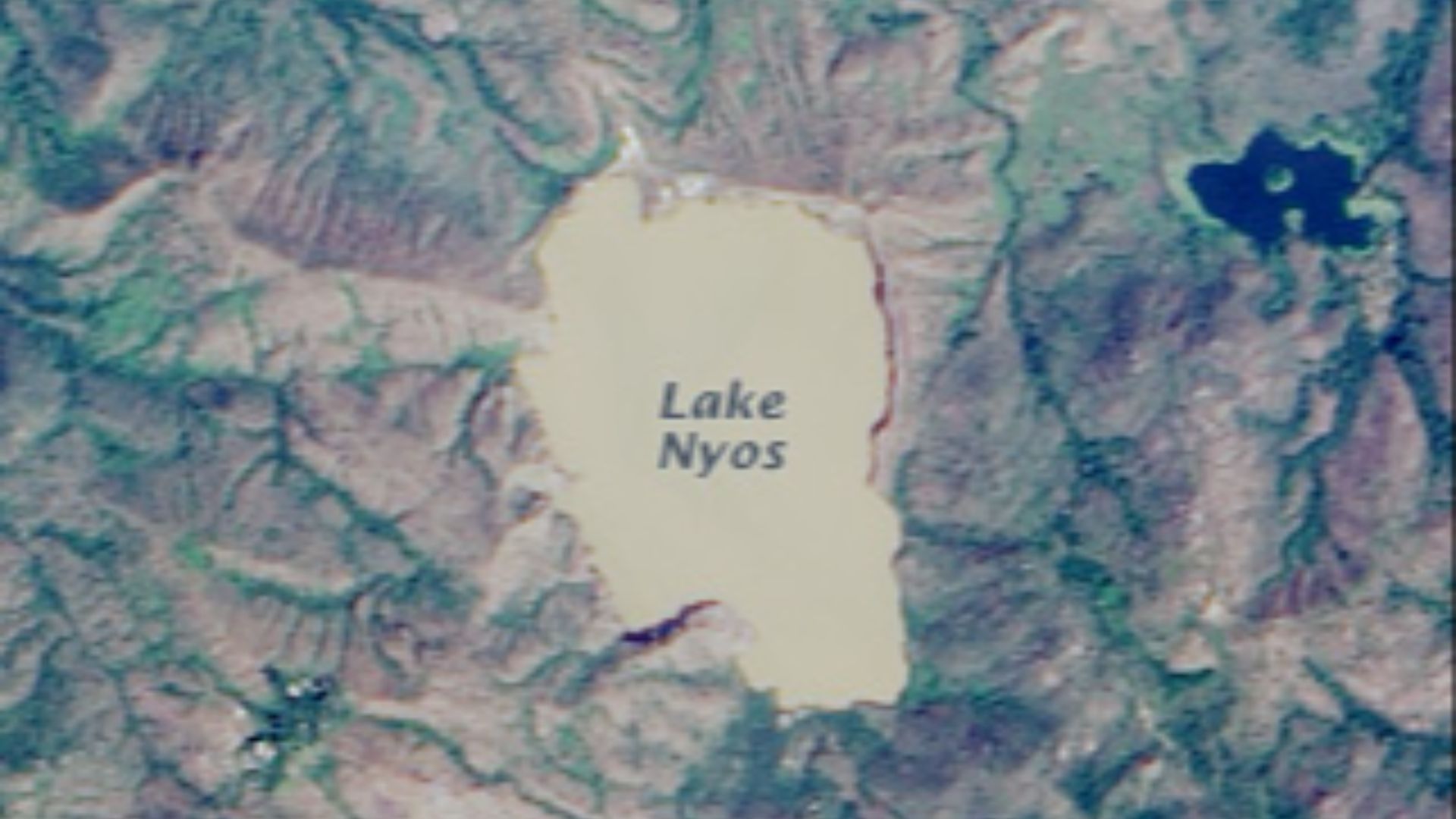
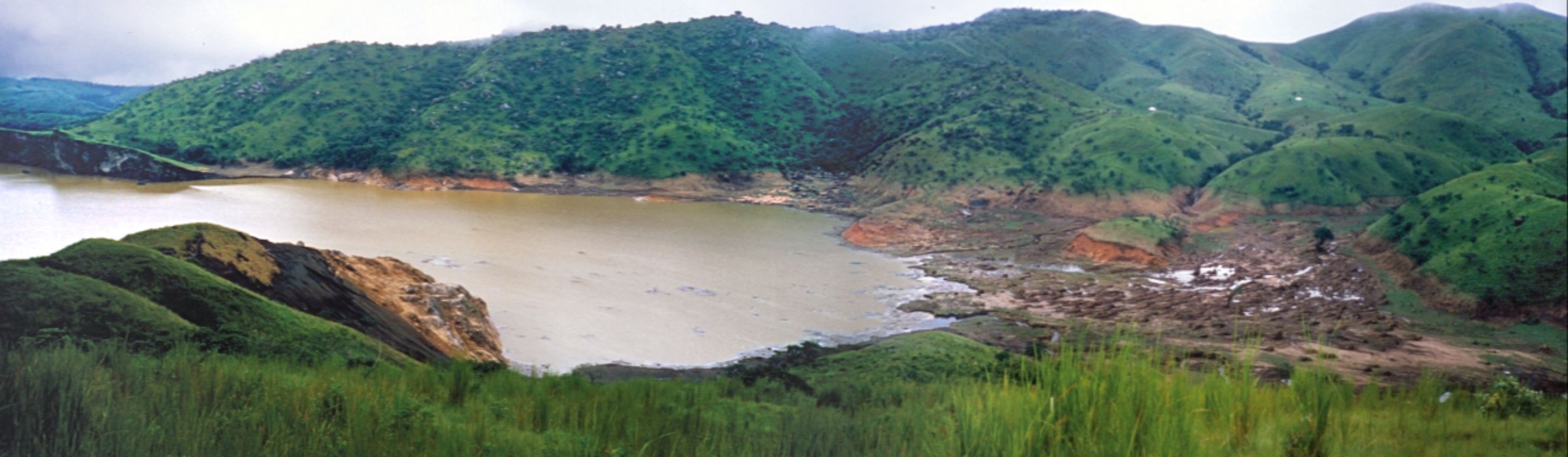
Tucked into the volcanic highlands of northwestern Cameroon, Lake Nyos looked like the last place anyone would expect a disaster. The deep crater lake was surrounded by green hills, farms, and small communities. But on the night of August 21, 1986, something happened beneath its calm surface that would turn it into one of the deadliest lakes in recorded history.
There was no river of lava and no conventional volcanic eruption. Instead, the lake suddenly released a huge quantity of carbon dioxide that had quietly accumulated in its depths. The invisible gas poured into the surrounding valleys, killing roughly 1,700 people along with thousands of livestock.
A Normal Evening Suddenly Turned Deadly
Thursday evening began without any obvious sign of what was coming. The region had experienced rain and thunderstorms earlier, which weren't unusual during the rainy season, and by around 9:30 p.m. conditions had become calm. Then residents near the lake heard rumbling noises that reportedly lasted between 15 and 20 seconds.
One witness who was positioned above Lake Nyos described seeing a white cloud rise from the water as a large wave washed onto the southern shore. People farther down in the valleys generally didn't see the cloud approaching them, but some survivors remembered feeling unexpectedly warm or noticing odors they compared to rotten eggs or gunpowder shortly before losing consciousness.
The culprit was carbon dioxide, a gas that's colorless and normally odorless. Because carbon dioxide is denser than ordinary air, the huge quantity escaping from the lake remained close to the ground and traveled into lower-lying valleys. There, it displaced the oxygen people and animals needed to breathe, meaning victims could lose consciousness extremely quickly.
The devastation was remarkably concentrated in certain communities. According to a USGS account, only four of roughly 1,000 residents in the village of Nyos survived the event. Deaths were documented miles away from the lake, while people or animals positioned on higher ground sometimes escaped because the heavy gas tended to collect below them.
How a Lake Can Suddenly Release Gas
The disaster hadn't begun that evening. Lake Nyos sits inside a volcanic crater, and carbon dioxide from deep underground had gradually been entering its water. Under the pressure created by the deep lake, large amounts of that gas could remain dissolved rather than immediately bubbling to the surface.
Over time, the deepest water became increasingly rich in carbon dioxide. The lake's layers normally prevented that water from frequently mixing with the surface, allowing gas to accumulate quietly below. Eventually, however, something disturbed the system enough for gas-rich water to rise and lose pressure. Scientists have considered possibilities including a landslide, although the exact trigger has remained a subject of study.
Once the process started, it could accelerate rapidly. As the rising water experienced lower pressure, dissolved carbon dioxide escaped as bubbles, which made the water more buoyant and encouraged more gas-rich water to rise. The resulting event is known as a limnic eruption, an extremely unusual phenomenon in which a lake suddenly releases enormous quantities of dissolved gas.
That helps explain why describing Lake Nyos as having "exploded" is both dramatic and surprisingly close to what witnesses experienced, even though there wasn't a typical fiery explosion. The gas release was violent enough to disturb the lake itself and send water surging onto the shore. However, the deadliest part wasn't the movement of the water but the largely invisible cloud traveling beyond it.
Making Sure It Doesn't Happen Again
When survivors regained consciousness, sometimes many hours later, they found an almost unimaginable scene. Family members and neighbors had died where they slept or collapsed, while cattle and other animals lay dead across the valleys. Some lamps had even gone out despite still containing fuel, emphasizing how drastically normal air conditions had been disrupted.
The disaster also raised an alarming possibility: carbon dioxide could begin accumulating in Lake Nyos again. Researchers continued monitoring the lake after 1986 and found that gas was indeed returning to its deeper waters. Nearby Lake Monoun had already experienced a smaller gas release in 1984 that killed 37 people, proving Lake Nyos wasn't an entirely isolated case.
Eventually, engineers installed pipes designed to bring carbon dioxide-rich water from the lake bottom toward the surface in a controlled way. As pressure falls inside the pipe, the dissolved gas escapes and helps drive the water upward without requiring pumps. The system allows carbon dioxide to disperse gradually instead of building toward another devastating release.
Lake Nyos remains remarkable precisely because there was so little obvious warning before the disaster. A peaceful lake essentially concealed a huge store of gas until the conditions allowed it to escape, turning the landscape around it deadly within minutes. What happened on August 21, 1986, also transformed scientific understanding of crater lakes, ensuring that an obscure natural hazard would never again be so easily overlooked.