

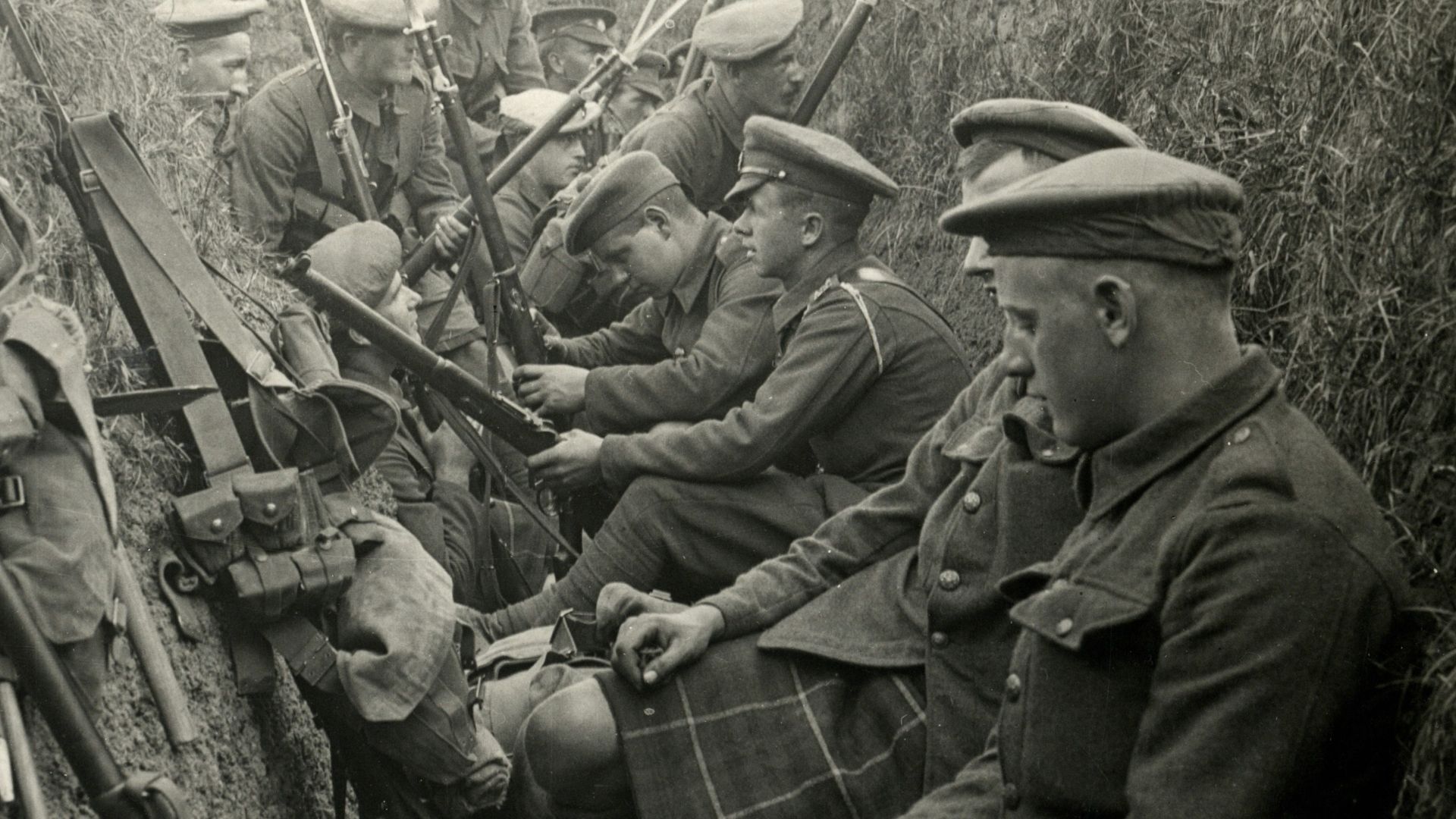
When you think about the grueling reality of trench warfare during the Great War, your mind probably jumps straight to muddy trenches, artillery fire, and endless waiting. What we often forget is that the millions of soldiers stationed along the front lines had to eat every single day just to keep their strength up. Feeding a massive industrial army was a logistical nightmare that forced military planners to completely reinvent how food was processed, preserved, and shipped across continents. At the start of the conflict, military leaders expected a quick war and relied on traditional fresh food logistics, but reality quickly forced them to adapt.
As the conflict dragged on into a multi-year stalemate, the simple act of filling a soldier's belly became just as vital as ammunition supplies. You would find that the daily menu evolved rapidly as naval blockades, agricultural collapses, and transport difficulties stripped kitchens of fresh ingredients. Armies shifted from hearty meals cooked in field kitchens to highly processed, heavily preserved canned goods that could survive the absolute worst conditions. Tracking this fascinating culinary transformation reveals how the pressure of total war shaped the modern packaged foods we still see on grocery store shelves today.
The Early Days of Fresh Intentions
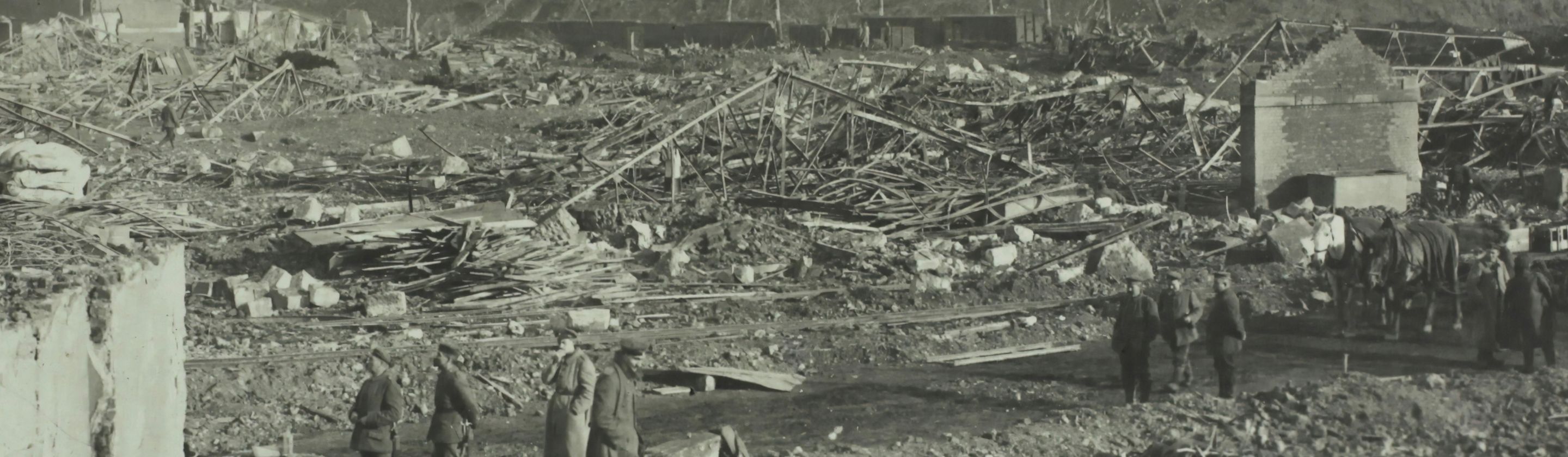
When the first regiments marched off to war in the summer of 1914, military strategists genuinely believed their troops would be sustained by regular deliveries of fresh bread, meat, and vegetables. British, French, and German forces maintained elaborate supply networks designed to bring cattle and fresh flour directly to mobile field bakeries just behind the front lines. A soldier could generally expect a decent, hot meal consisting of beef stew and freshly baked loaves of bread as long as the armies remained mobile. This traditional approach worked reasonably well for the first few weeks when supply lines were short and train tracks remained fully intact.
The illusion of a well-fed army shattered completely once the opposing forces dug into the Western Front and established the permanent trench system. Moving tons of fresh, perishable food through muddy terrain and under constant artillery bombardment quickly proved to be a total impossibility. Fresh meat spoiled rapidly in transit, and bread frequently turned moldy before it ever reached the hungry men waiting in the mud. You can easily imagine the frustration of supply officers as they realized their traditional cookbooks were completely useless in this stationary nightmare.
To prevent widespread starvation, military planners had to quickly pivot toward non-perishable alternatives that could withstand weeks of neglect. This logistical emergency sparked the massive rise of industrial canning, turning the daily soldier's ration into a masterclass in preservation. Fresh beef was rapidly replaced by corned beef, while hard tack biscuits took the place of traditional bakery loaves. It was a bleak downturn in flavor, but it was the only way to ensure the men received their necessary daily calories.
The Reign of Bully Beef and Hard Tack
Once the stalemate solidified, the daily diet of the average infantryman became a monotonous cycle dominated by two infamous staples: bully beef and hard tack. Bully beef was essentially canned corned beef, which arrived in heavy tins that soldiers frequently used as makeshift building materials or trench heaters. While it provided a massive dose of protein and fat, eating the greasy, salty meat day after day quickly became a form of psychological torture. If you were a soldier back then, you grew to absolutely despise the sight of a tin opener because it meant another uninspiring meal.
To accompany this salty meat, troops were issued hard tack biscuits, which were incredibly dense square crackers made simply from flour, water, and salt. These biscuits were baked to be completely moisture-free so they would never spoil, making them so rock-hard that soldiers regularly broke their teeth trying to bite them. Men had to resort to soaking the crackers in water, tea, or grease for hours just to make them soft enough to chew without injury. Some creative soldiers even smashed them with rifle butts to use the resulting powder as a thickening agent for mystery stews.
As shortages worsened across Europe, the quality of these basic items dropped significantly because manufacturers began using fillers to stretch their supplies. The British army began mixing ground turnips into their canned meat, while the German army introduced ersatz or substitute ingredients into almost everything. Potatoes and sawdust were regularly baked into German bread loaves, resulting in a dense, dark substance known as K-brot that was notoriously difficult to digest. Eating became a chore rather than a comfort, serving strictly as fuel to keep the human machinery functioning.
By the time the United States entered the conflict in 1917, military planners had learned valuable lessons from the nutritional disasters suffered by their European allies. The American military approached the problem with industrial efficiency, hiring early nutritional scientists to design specific, specialized rations for different battlefield scenarios. They introduced the Reserve Ration, which consisted of custom-sized bacon tins, hard bread, coffee, and sugar packed into a lightweight canvas bag. This marked the very first time an army systematically balanced macro-nutrients to keep troops energized during intense physical exertion.
KEEP ON READING
The Evolution of World War 1 Rations
British Library on UnsplashWhen you think about the grueling reality…
By Sara Springsteen Jun 2, 2026
The History Behind Some Of The World’s Oldest Universities
Ben Seymour on UnsplashUniversities have played a vital role in…
By Rob Shapiro Jun 2, 2026
20 Things That Were Once Considered Scandalous in History
The Rules of Respectability Were Always Changing. History is full…
By Christy Chan Jun 2, 2026
20 Deathbed Confessions That Changed the Story
The Last Words People Still Argue About. Deathbed confessions have…
By Emilie Richardson-Dupuis Jun 2, 2026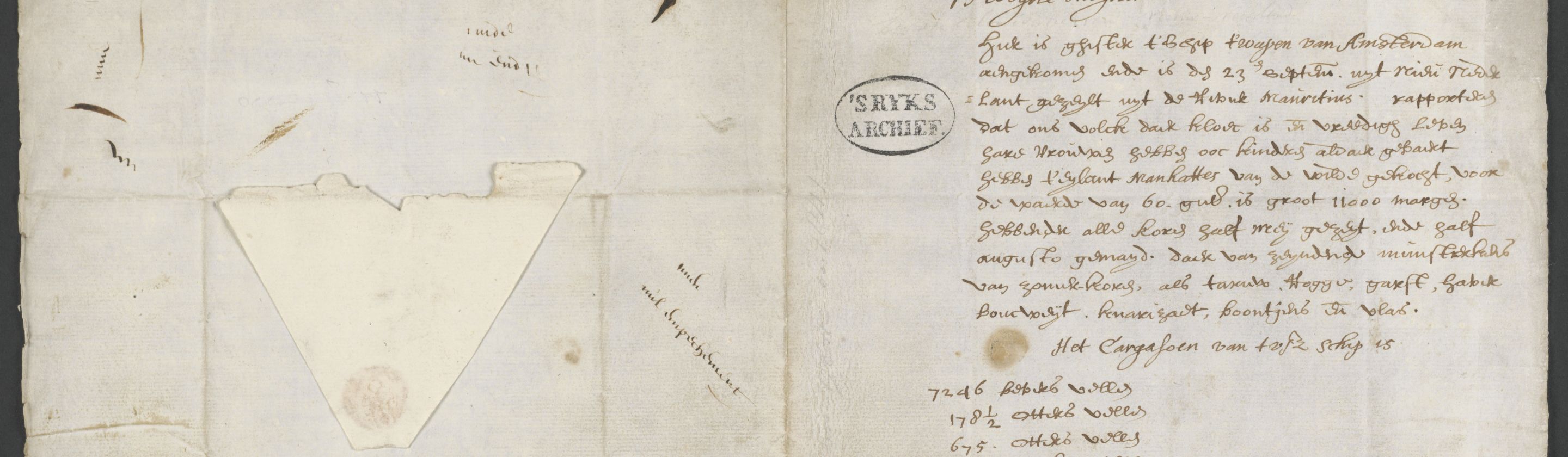
The Island Bought for Beads and Trinkets
Alfred Fredericks on WikimediaThe story is one of the most…
By Cameron Dick Jun 2, 2026
20 Historical Wills That Were Written Purely to Spite the…
Petty From Beyond the Grave. While most people view a…
By Sara Springsteen Jun 2, 2026