The Rules of Respectability Were Always Changing
History is full of shocking discoveries and strange truths. The things we consider completely normal now, like reading before bed, riding bicycles, and using shopping carts, were once considered outrageous and looked down upon. Crazy, right? Looking back, you can see just how much has (thankfully) changed, and for the better.
1. Women Wearing Pants
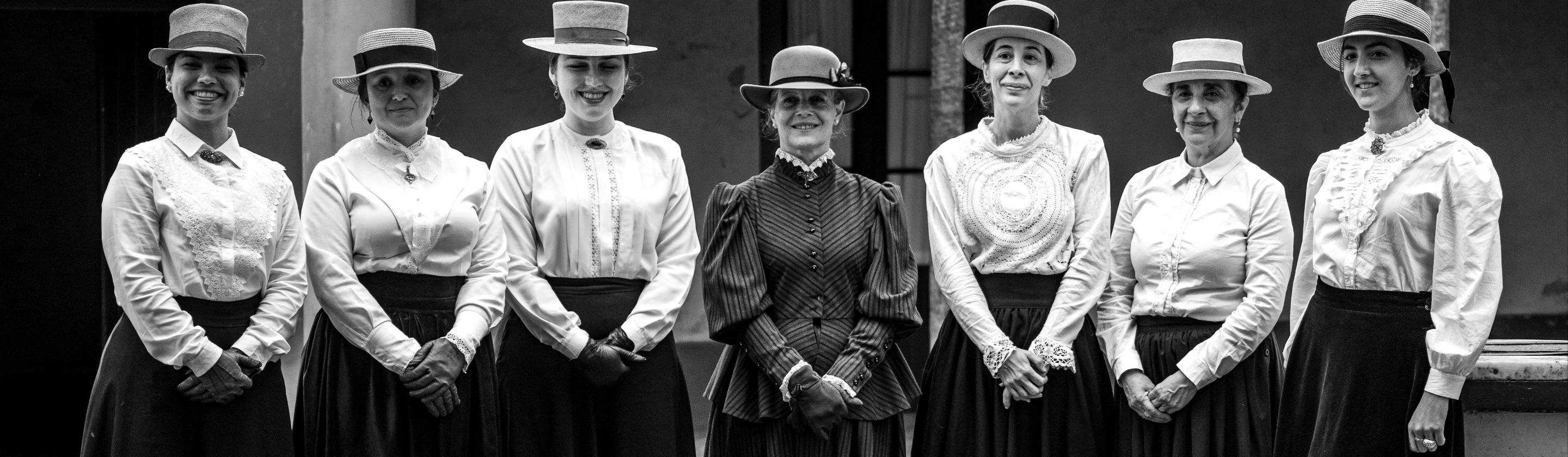
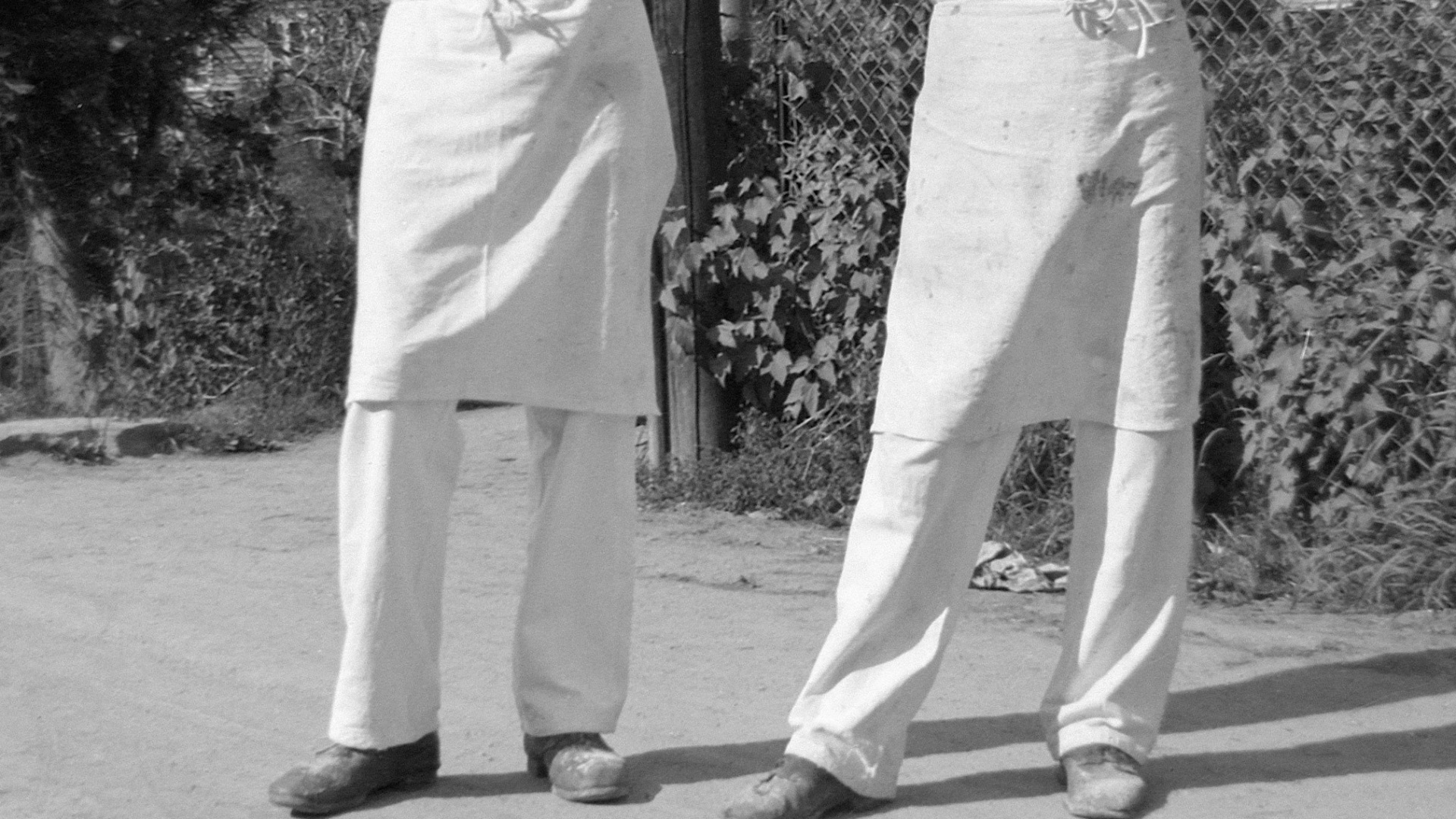
Women wearing pants in public was once treated as a serious break from respectability. In the 19th century, women’s trousers were often tied to dress reform, women’s rights, and fears that gender roles were becoming unstable. Some women wore pants for practical reasons, especially for work, travel, or cycling, but that didn’t stop critics from seeing the choice as improper. What seems like a basic clothing option now once marked a woman as defiant, unfeminine, or socially dangerous.
 Fylkesarkivet i Vestland on Unsplash
2. Men Carrying Umbrellas
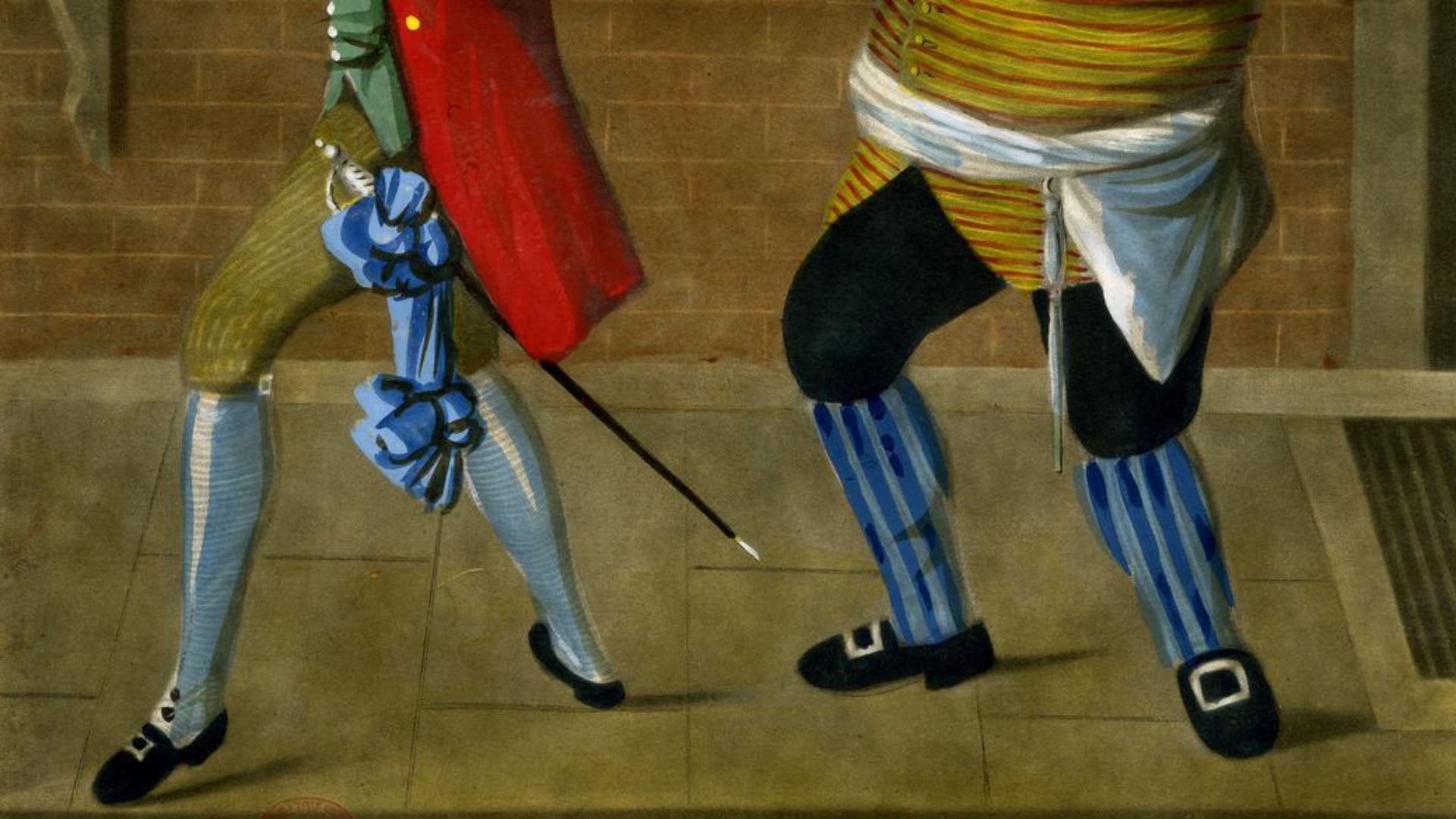
An umbrella might look like the least controversial object imaginable, but 18th-century London didn’t always see it that way. Jonas Hanway, who helped popularize umbrella use among English men in the 1750s, was reportedly mocked because carrying one seemed too delicate or foreign. At the time, a man was often expected to tolerate the weather rather than appear fussy about comfort. Staying dry could be read as a challenge to the masculine image people wanted men to project.

3. Short Skirts
When women’s hemlines rose in the 20th century, the reaction was often much bigger than the clothing itself. Flapper-era skirts in the 1920s already unsettled people who associated exposed legs with loosened morals, and the miniskirt of the 1960s revived those anxieties in a new way. Mary Quant’s London designs became famous partly because they captured the confidence of young women who didn’t want to dress like their mothers. To critics, though, a short skirt could look like proof that modesty and authority were slipping.
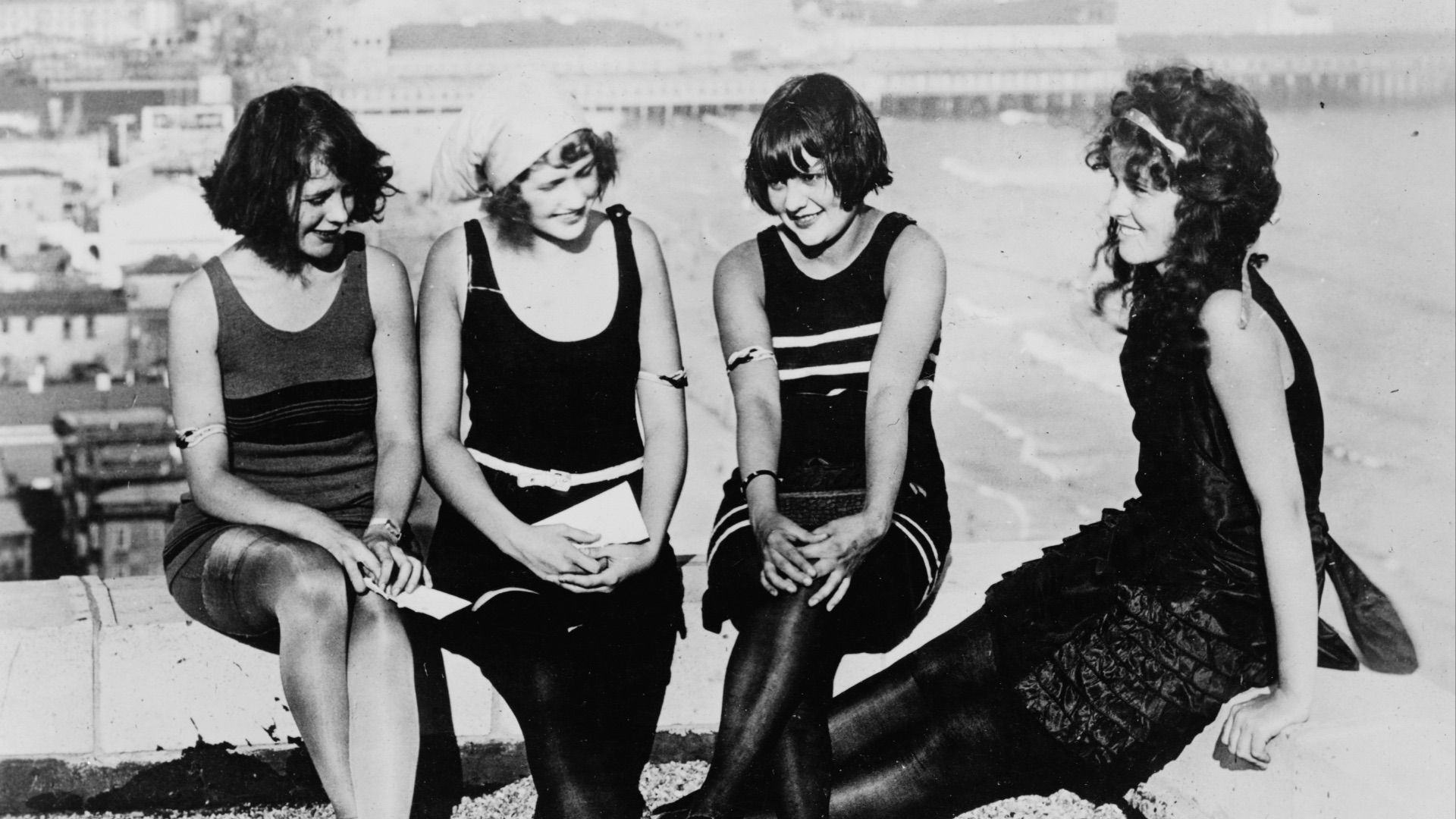 Library of Congress on Unsplash
4. Men Wearing Macaroni Fashion
In 18th-century Britain, fashionable young men known as “macaronis” became targets of satire for their elaborate clothes, tall wigs, cosmetics, and Continental manners. Their style was mocked as excessive, artificial, and too feminine for men who were expected to appear restrained. The criticism wasn’t only about fashion, since it also reflected discomfort with class performance, consumer culture, and changing ideas of masculinity. A man could attract scandal simply by looking too polished in the wrong way.
5. Women Riding Bicycles
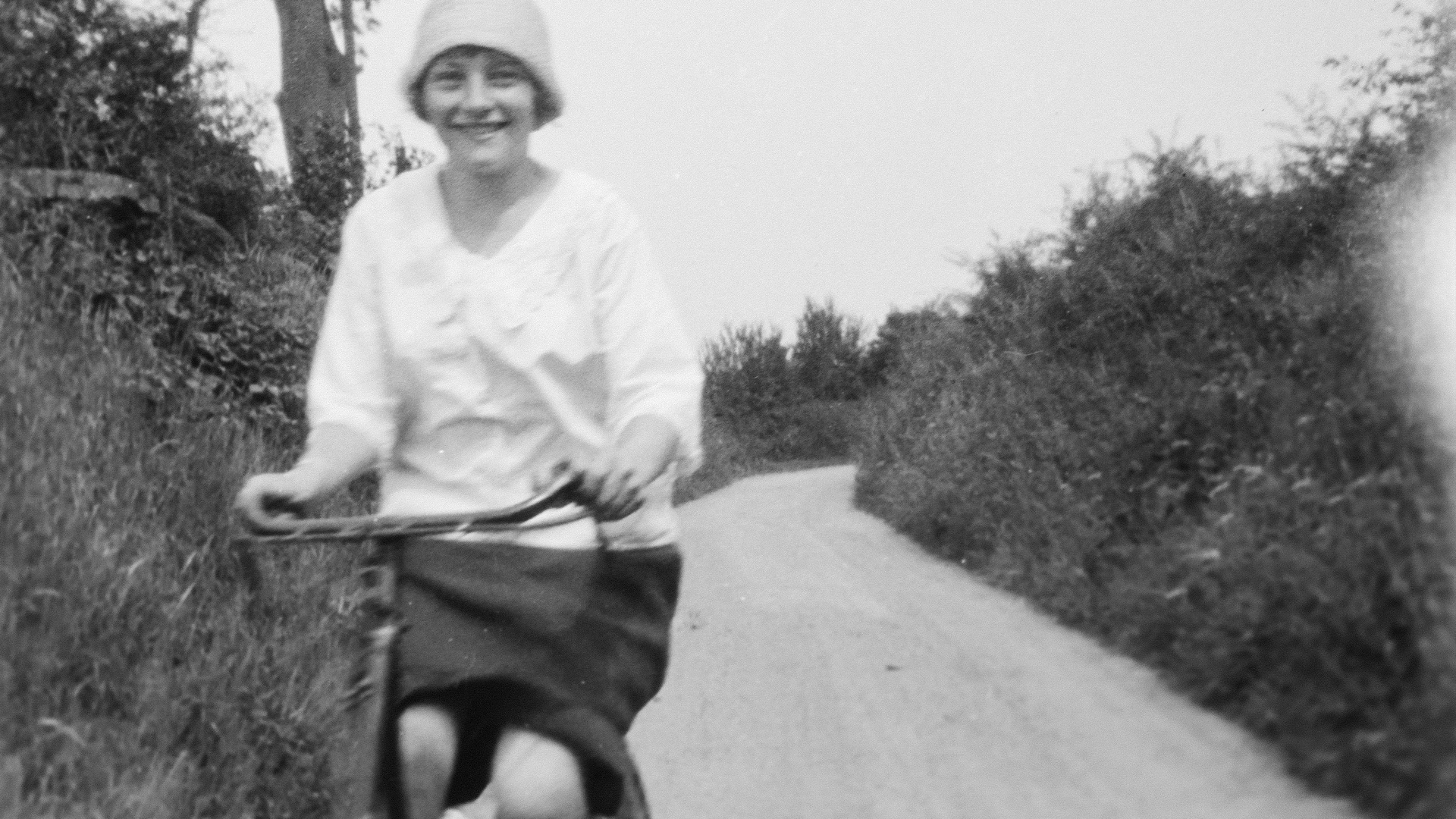
The bicycle gave women more freedom in the late 19th century, and that freedom made many people uneasy. Cycling let women travel farther without the same level of supervision, and it encouraged more practical clothing that didn’t fit older standards of feminine dress. Advice columns warned women about posture, speed, clothing, and even the language they used while riding. The bicycle became controversial because it changed how women moved through public space.
6. Reading in Bed
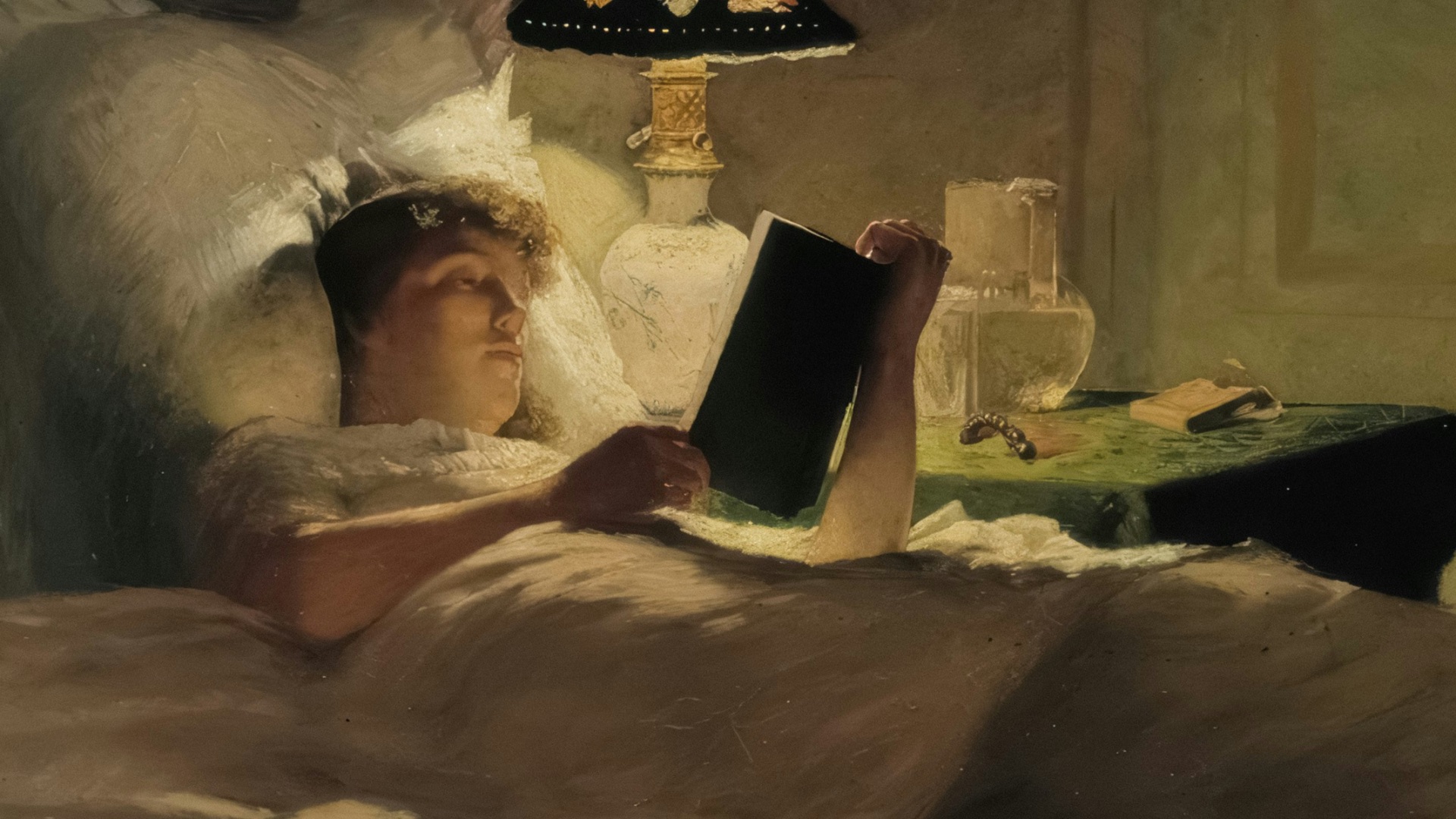
Reading in bed once carried a reputation for danger that mixed practical fears with moral judgment. Before electric lighting, nighttime reading often meant candles or oil lamps, which made fires a real concern. After deadly bedroom fires in the 18th and 19th centuries, some commentators treated the habit as reckless rather than cozy. Even a private bedtime routine could become a public warning about discipline, religion, and self-control.
7. One-Piece Swimsuits
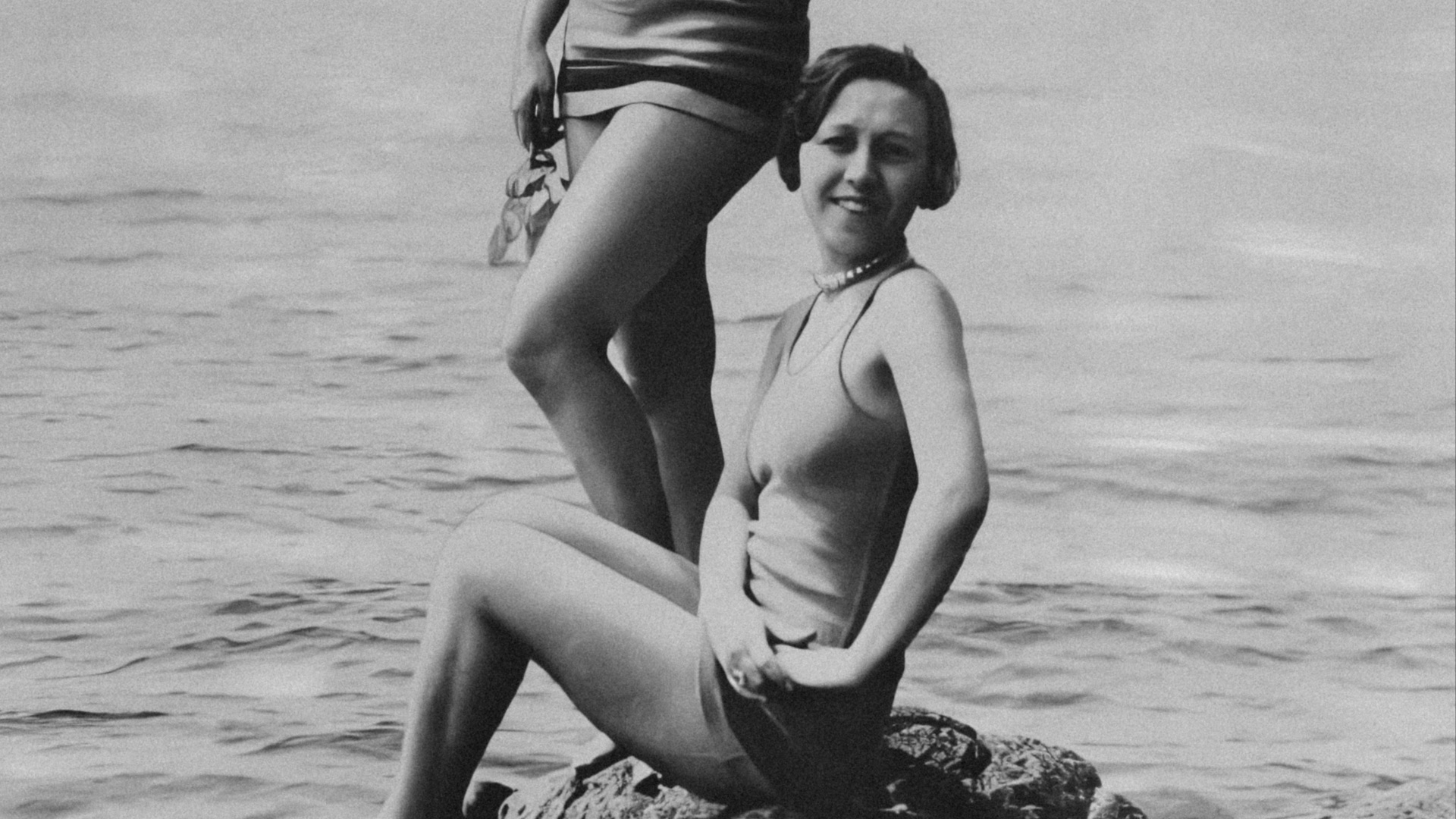
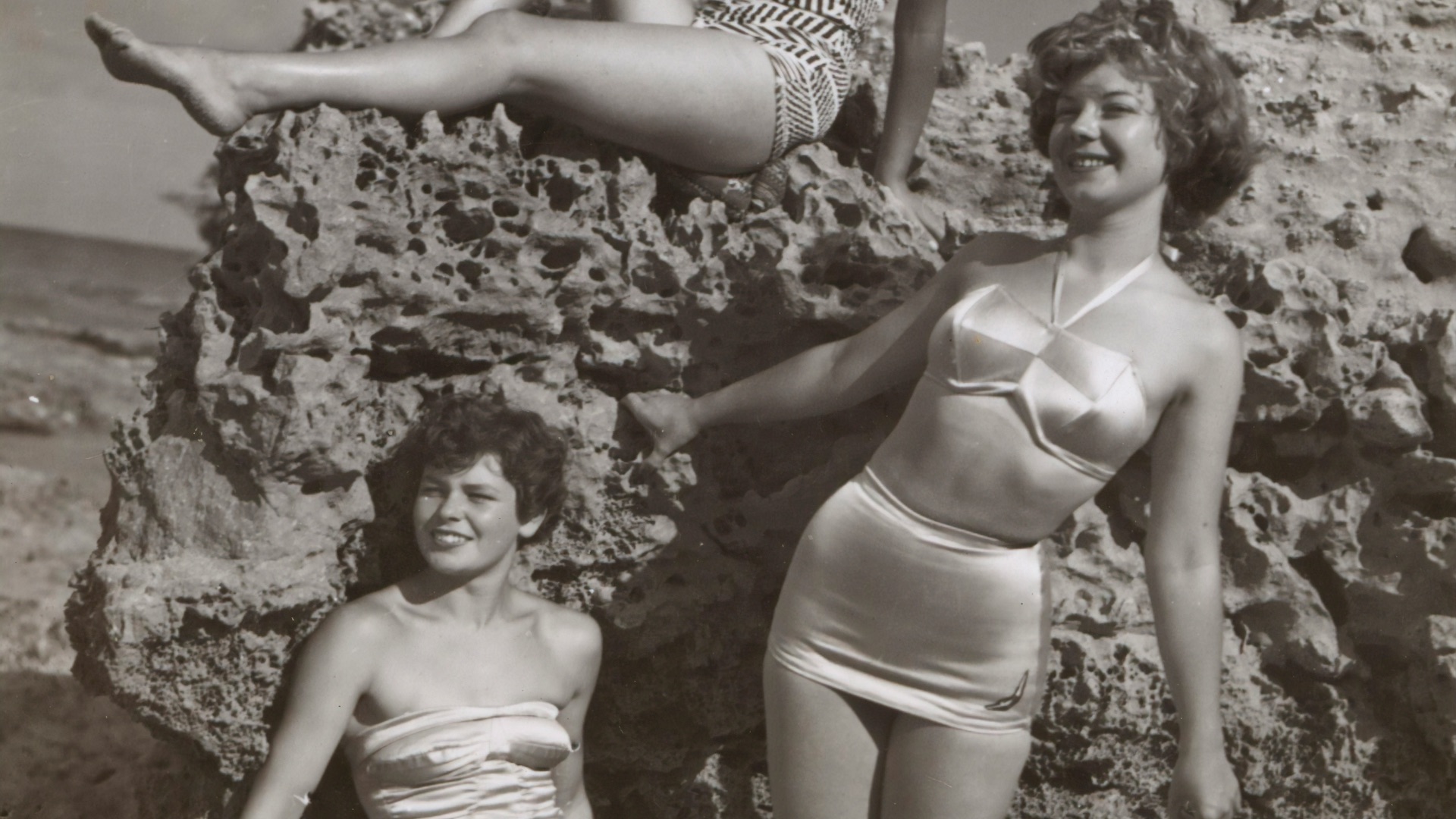
Early 20th-century women’s swimwear was expected to cover much more of the body than modern suits do. Australian swimmer Annette Kellerman became famous for promoting a more practical one-piece bathing costume that allowed women to swim with greater ease. Later accounts say she was arrested for indecency at Revere Beach in 1907, though the exact details are debated by historians. Either way, the uproar around her swimsuit shows how controversial athletic female bodies could be in public.
8. Men Dancing the Waltz
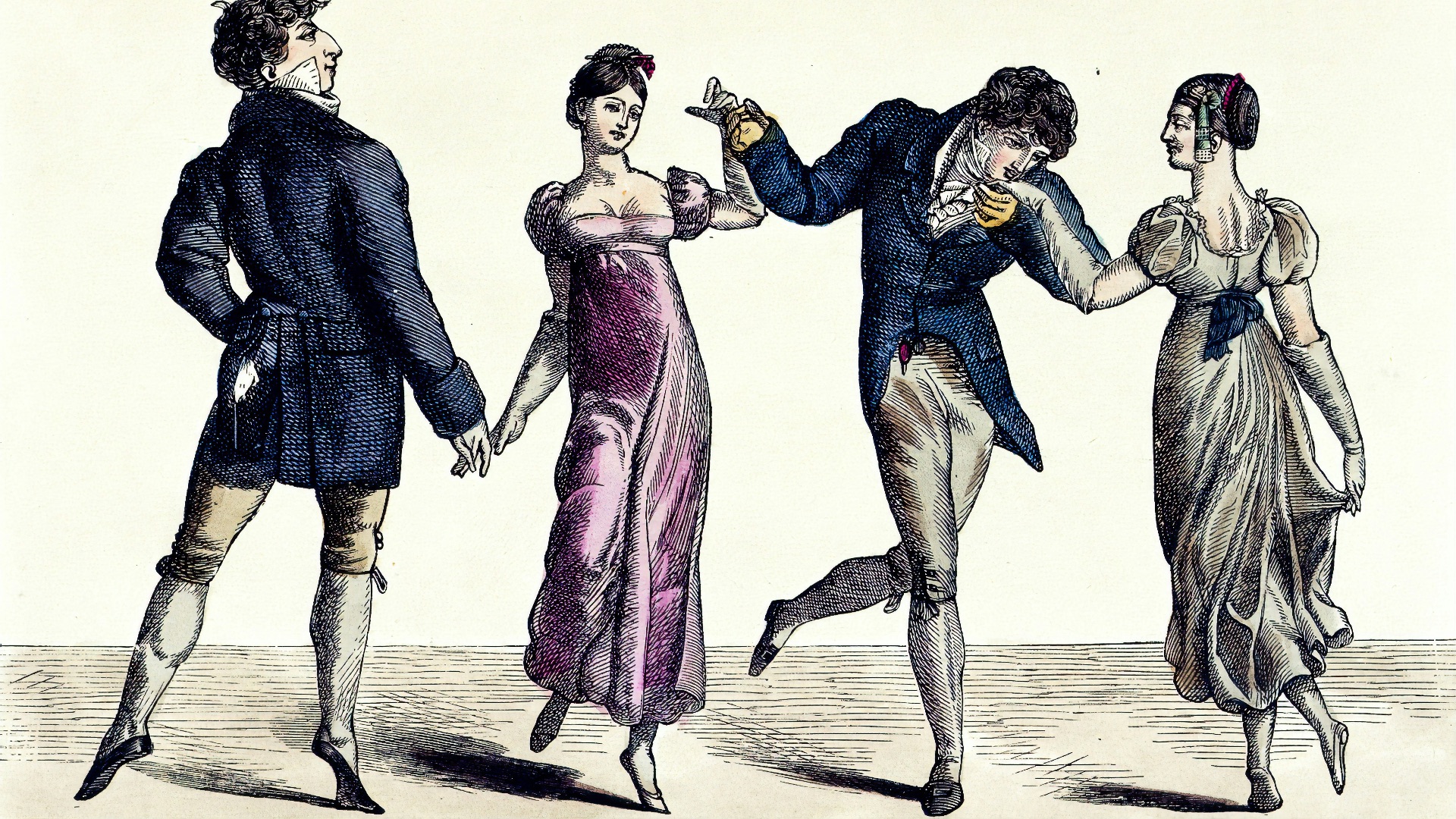
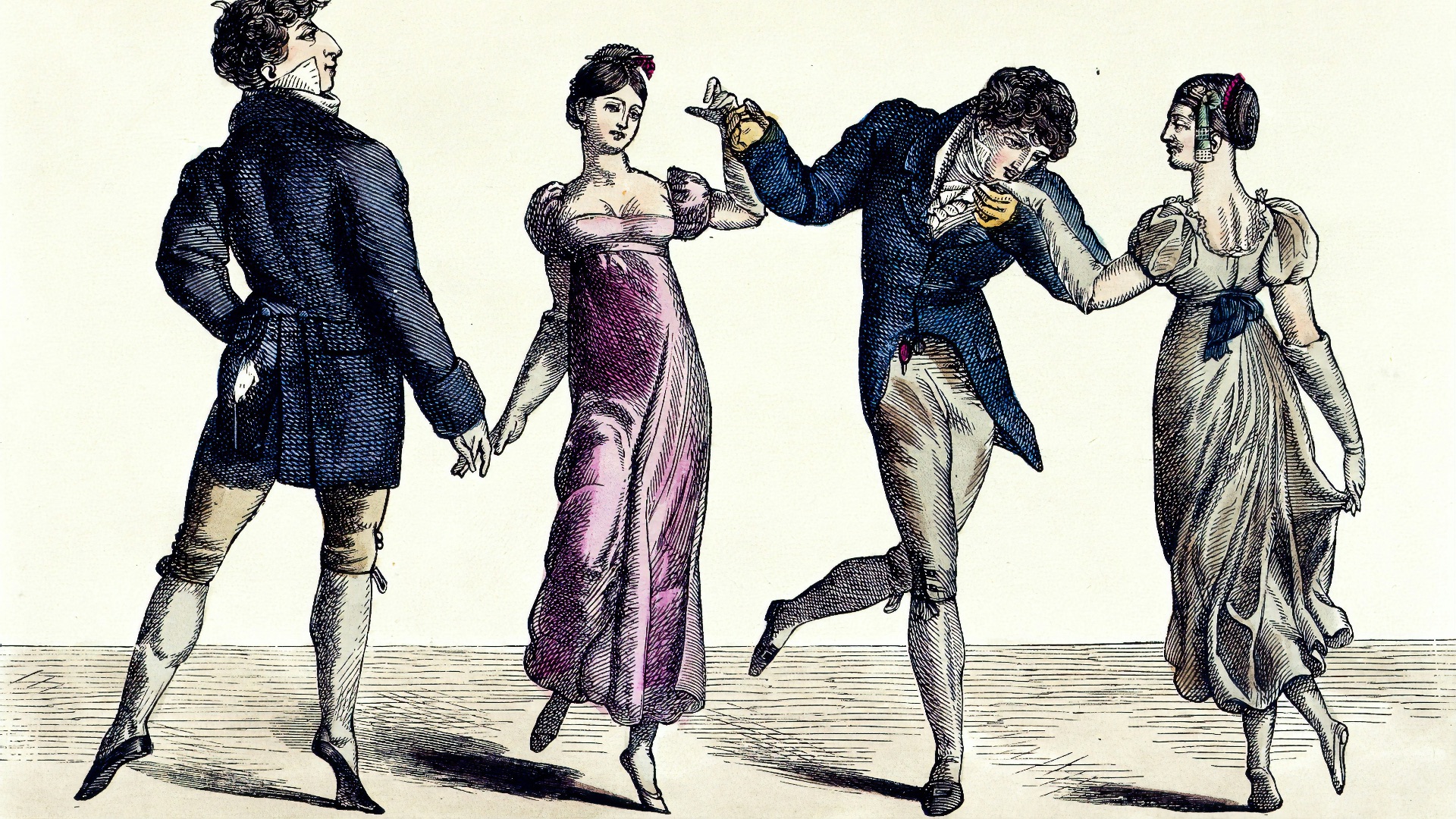
The waltz was shocking to many early 19th-century observers because it brought partners into a close hold. Older formal dances often kept more distance between men and women, so the waltz seemed unusually intimate. Men were criticized along with women because they were active participants in a dance that some moralists considered too physical. Eventually it became a standard ballroom dance, but its early reputation was far from respectable.
9. Drinking Coffee
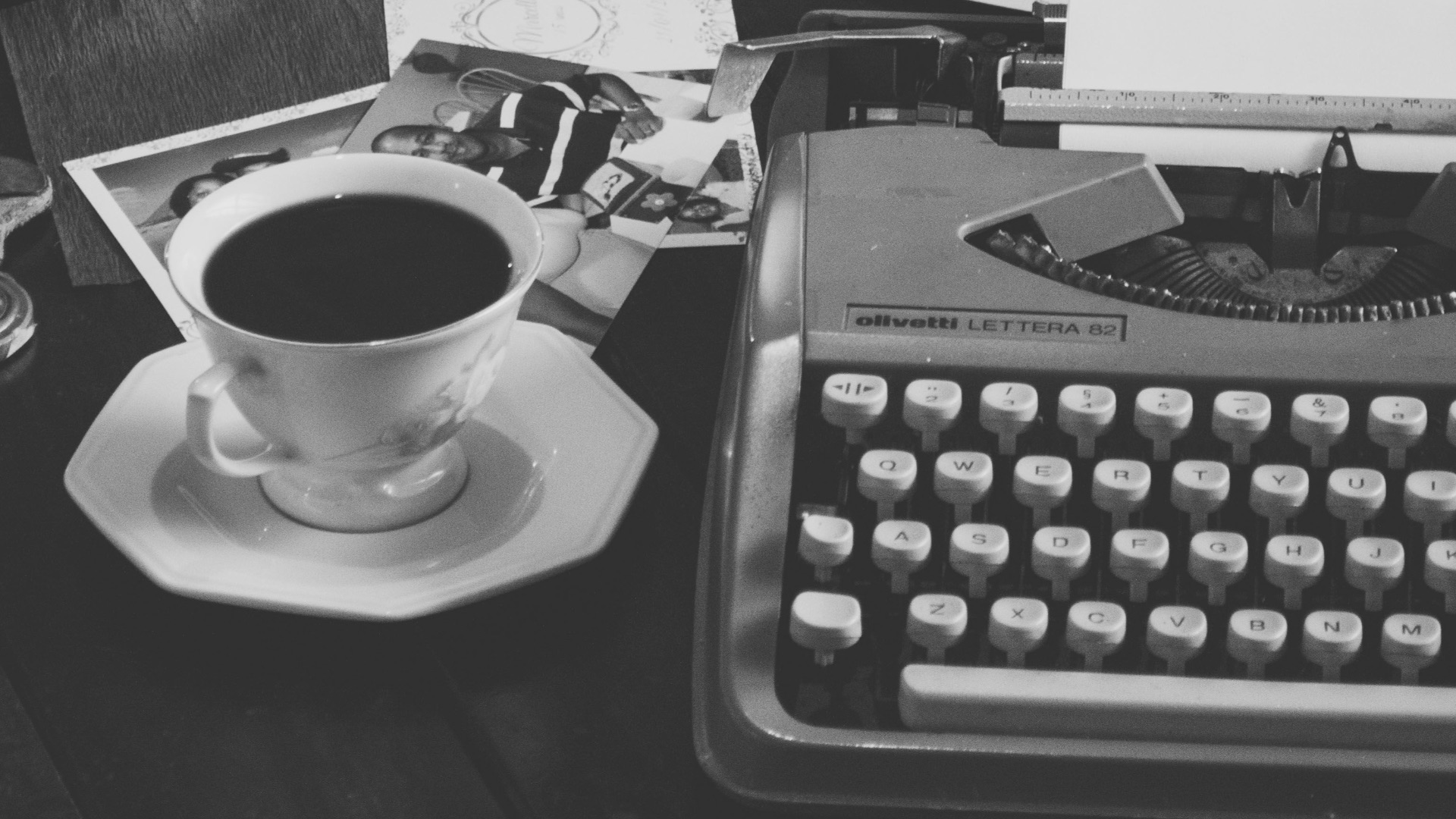
Coffee didn’t become globally popular without suspicion. In different places and periods, authorities worried that coffeehouses encouraged gossip, political debate, religious disobedience, or idle behavior. The drink’s stimulant effect also made some people uneasy, especially when it was new to a culture. Coffee caused trouble not just because people drank it, but because they gathered around it and talked.
10. Women Smoking in Public
Women smoking in public was once widely treated as improper, even when men smoked openly. Cigarettes were linked with nightlife, sexuality, and women considered outside polite society, so a woman lighting one in public could draw judgment. In the early 20th century, advertisers eventually turned that taboo into a marketing opportunity by framing cigarettes as symbols of independence. The scandal shows how public behavior could be judged very differently depending on gender.

11. Men with Long Hair
Men’s long hair has been controversial in many periods, especially when it signaled youth rebellion or rejection of conventional masculinity. In the 1960s, long hair on men became associated with counterculture, antiwar politics, rock music, and generational conflict. Schools, employers, and families sometimes treated it as a discipline problem rather than a style choice. The length of a man’s hair could become a public argument about authority and respectability.
 Nicolas de Largillière on Wikimedia
12. Comic Books
Comic books became the center of a major moral panic in the United States after World War II. Psychiatrist Fredric Wertham argued that comics contributed to juvenile delinquency, and his claims helped fuel public concern, comic book burnings, and Senate hearings in the 1950s. Publishers responded with the Comics Code Authority, which restricted content for decades. A form of entertainment aimed largely at children became controversial because adults feared what it might be teaching them.

13. Tomatoes
Tomatoes were once viewed with suspicion in parts of Europe and North America. In the 18th century, they were sometimes called “poison apples,” partly because wealthy Europeans could become ill after eating acidic tomatoes from lead-heavy pewter plates. The tomato itself wasn’t the problem, but the misunderstanding lasted long enough to damage its reputation. A fruit that now feels ordinary on a dinner table once seemed risky and strange.

14. Men Refusing to Duel
In societies where honor culture was strong, refusing a duel could damage a man’s reputation even though dueling was dangerous and often illegal. Elite men were sometimes expected to defend their name through violence when insulted. A man who walked away might be seen as sensible by some, but cowardly by others. The scandal wasn’t always in fighting; sometimes it was in refusing to perform the version of courage society demanded.
15. The Bikini
The bikini debuted in 1946 and was instantly treated as daring. French designer Louis Réard introduced the design in Paris, and the suit’s small size made it difficult to find a conventional fashion model willing to wear it. It was banned or discouraged in some places and criticized by religious and moral authorities. Its later popularity makes it easy to forget how provocative it seemed when it first appeared.
16. Tattoos on Women
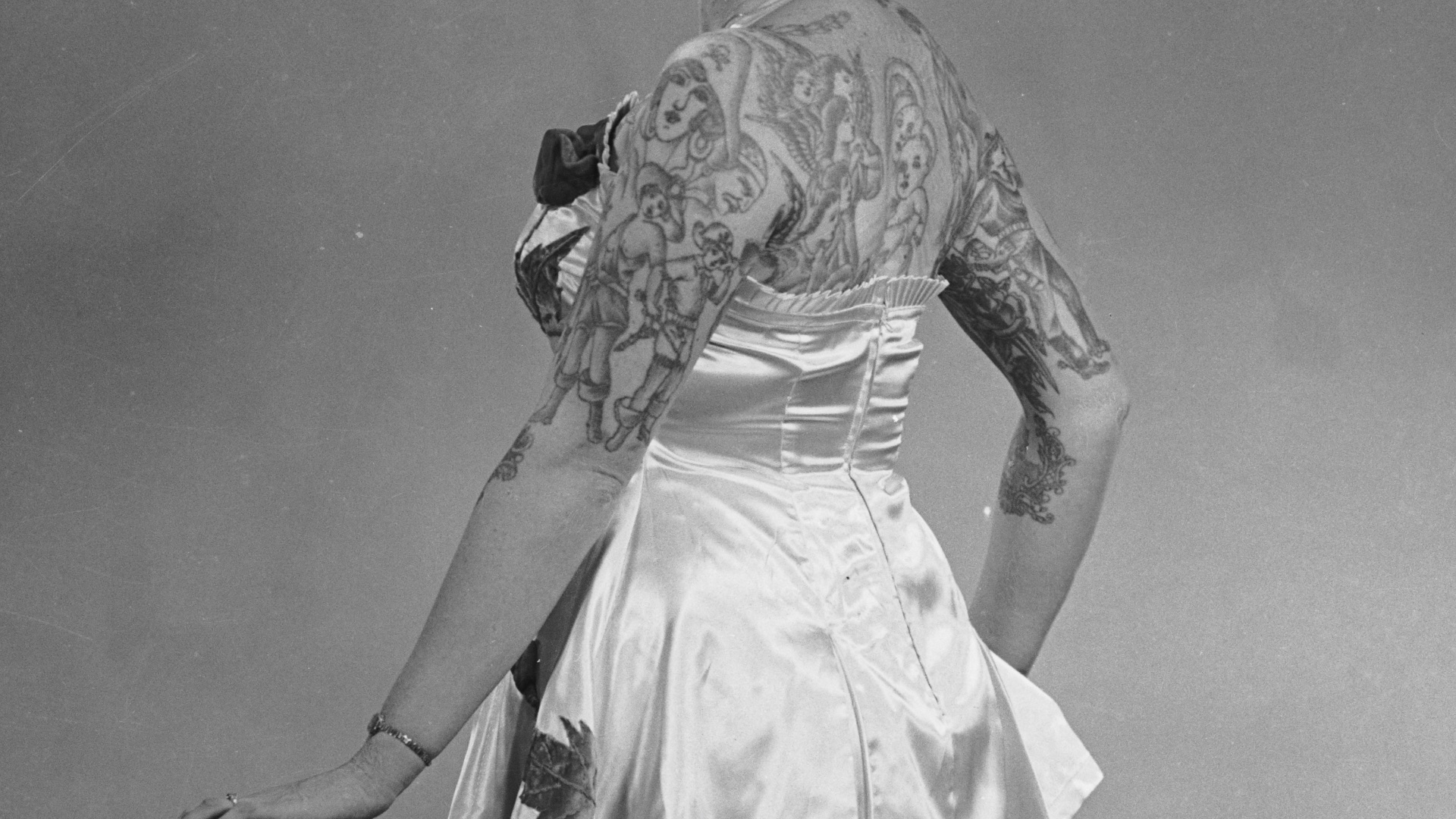
Tattoos have carried different meanings across cultures, but in late 19th- and early 20th-century Western society, tattooed women were often treated as shocking. Publicly tattooed women could be associated with sideshows, sailors, prostitution, criminality, or life outside middle-class respectability. Some women used that reputation to build careers as performers, while others faced stigma for the same body art. The scandal came from the idea that a woman’s body should remain socially controlled and visually conventional.
 State Library of New South Wales from Australia on Wikimedia
17. Coca-Cola and Soda
Soda once attracted suspicion because of ingredients like caffeine and because sweet, fizzy drinks were associated with changing youth culture. In 1909, U.S. government agents seized barrels and kegs of Coca-Cola syrup under the Pure Food and Drug Act, leading to a major legal battle over caffeine. Critics worried that caffeinated soft drinks could harm young people or encourage bad behavior. Today, soda is ordinary, but it once sat in the middle of debates about health, morality, and regulation.

18. Men Using Cosmetics
Men wearing cosmetics has moved in and out of respectability depending on the period. In some European courts, elite men used powder, wigs, and beauty products as signs of status, but later generations often mocked such habits as vain or unmanly. By the 19th and early 20th centuries, cosmetics were increasingly coded as feminine in many Western settings. A man who used them could be judged not simply for grooming, but for crossing expectations about gender.

19. Compulsory Schooling
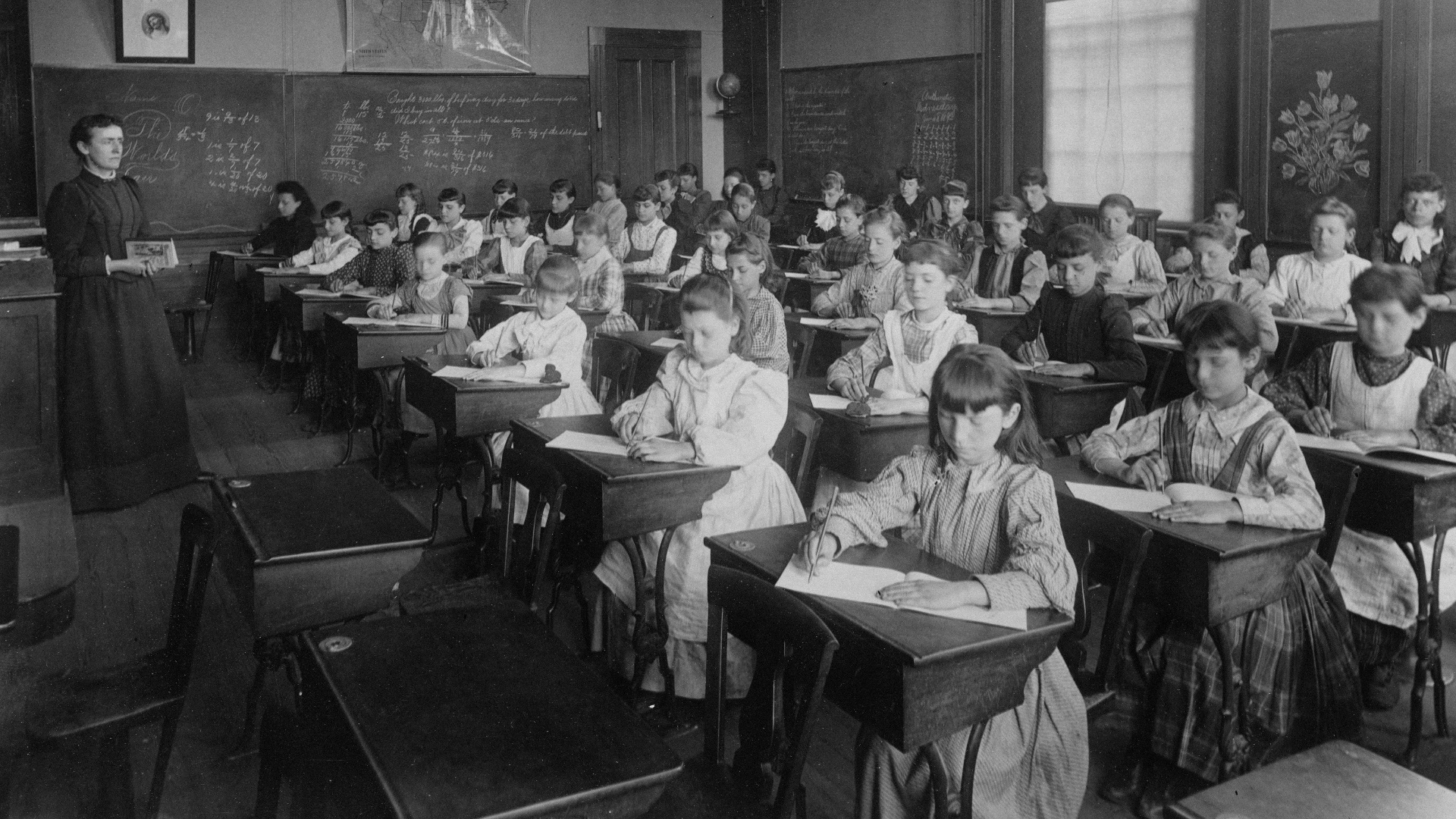
It may sound odd now, but compulsory schooling once faced serious resistance in parts of the United States. In the late 19th and early 20th centuries, some critics saw required attendance as government overreach or an attack on parental authority. Others objected because families depended on children’s labor at home, on farms, or in paid work. Sending children to school wasn’t just an educational issue but a fight over family, work, citizenship, and the state.
 Boston Public Library on Unsplash
20. Shopping Carts
The shopping cart was not instantly embraced when Sylvan Goldman introduced it in 1937. Some men reportedly resisted using it because they didn’t want to look incapable of carrying their own groceries, while some women associated it too closely with pushing baby carriages. Goldman even hired people to push carts around his store so customers would see them as normal. A simple retail invention had to overcome pride, habit, and gendered assumptions before shoppers accepted it.

KEEP ON READING