

The Outbreaks That Rewired Empires
A lot of history gets told as if it’s powered mostly by kings, generals, and big speeches, yet the real plot twists are often microscopic. Disease doesn’t just remove people, it rearranges everything around them: who works the fields, who inherits property, where trade can safely go, what governments are allowed to control, and what ordinary households decide is normal. Sometimes an outbreak hits like a sudden storm and leaves behind brand-new rules about water, burial, borders, and crowds. Other times it becomes a long, grinding presence that reshapes the whole of human experience These are 20 of the deadliest plagues and pandemics that left fingerprints all over human history.
 Sergey A. Demidov on Wikimedia
1. The Black Death
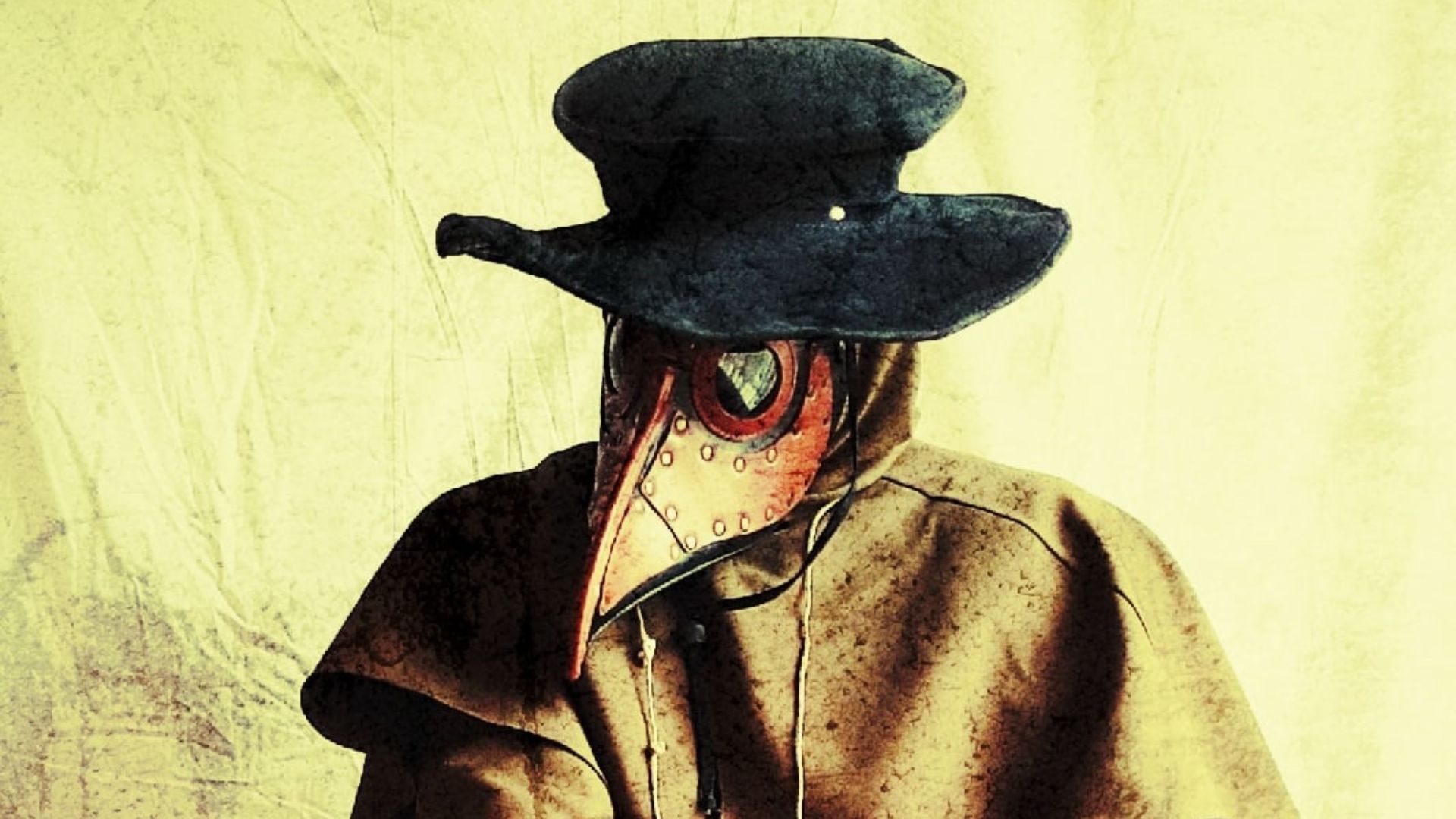
In the mid-14th century, plague tore through Europe with death estimates commonly ranging from tens of millions, collapsing communities in a matter of months. The shock reshaped labor and wages, and it forced cities to think about quarantine and public order in ways that still echo in modern outbreak playbooks.
2. The Plague Of Justinian
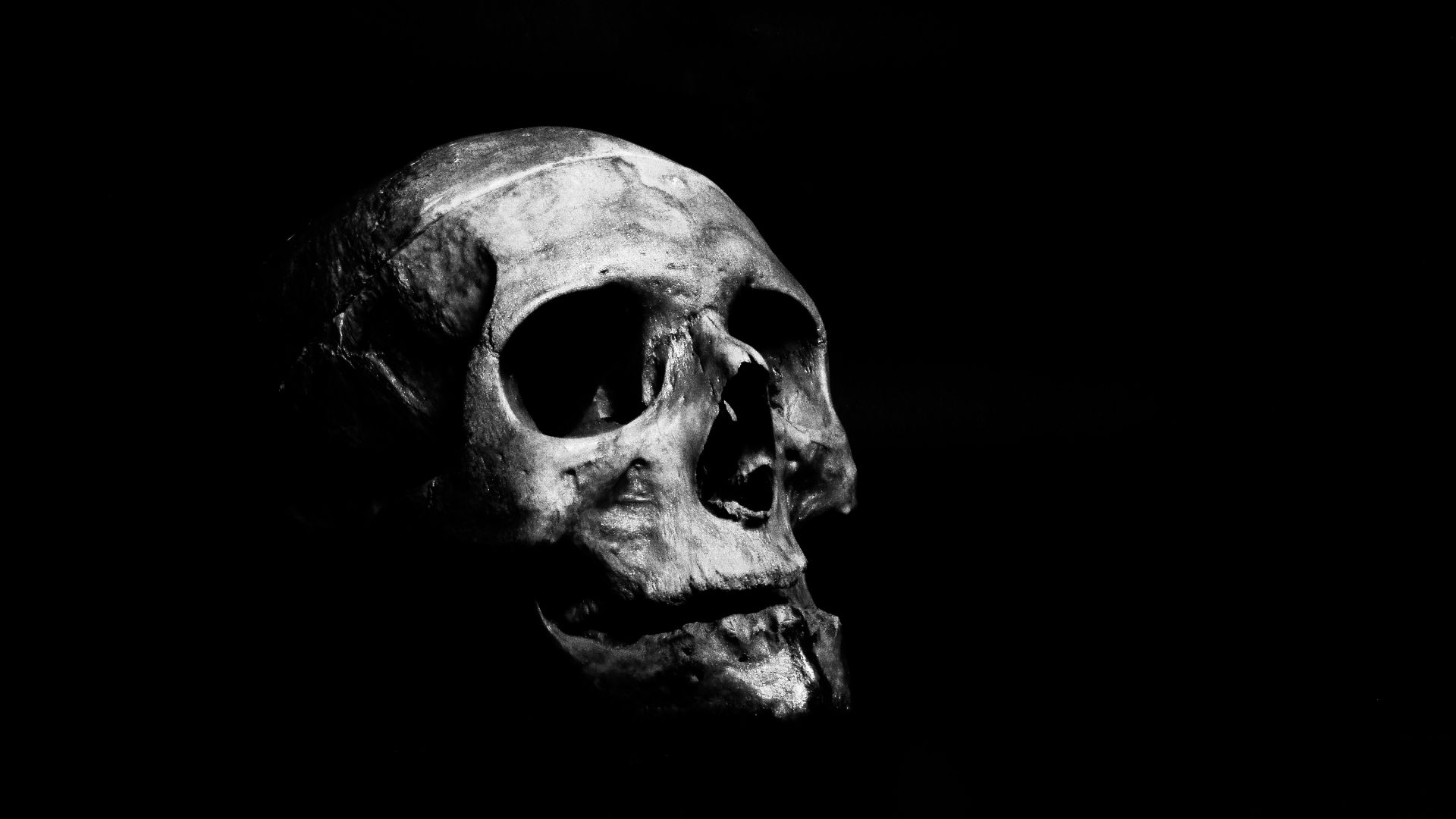
Beginning in the 6th century, this plague spread across the Byzantine Empire and the wider Mediterranean world in recurring waves, with total deaths often estimated in the tens of millions. When an empire runs on dense cities and grain shipments, mass illness becomes an economic and political event, not just a medical one.
3. The Third Plague Pandemic
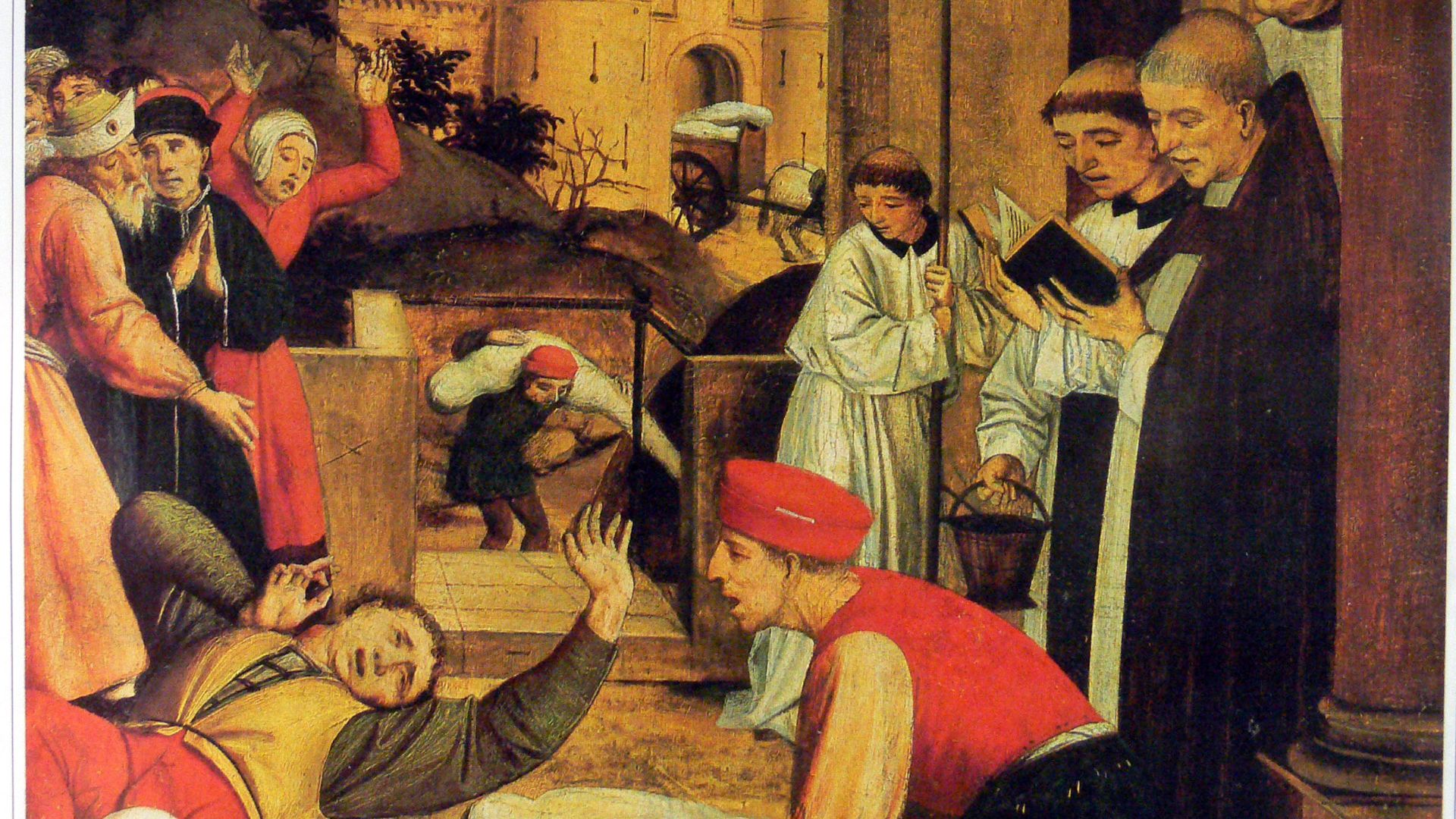
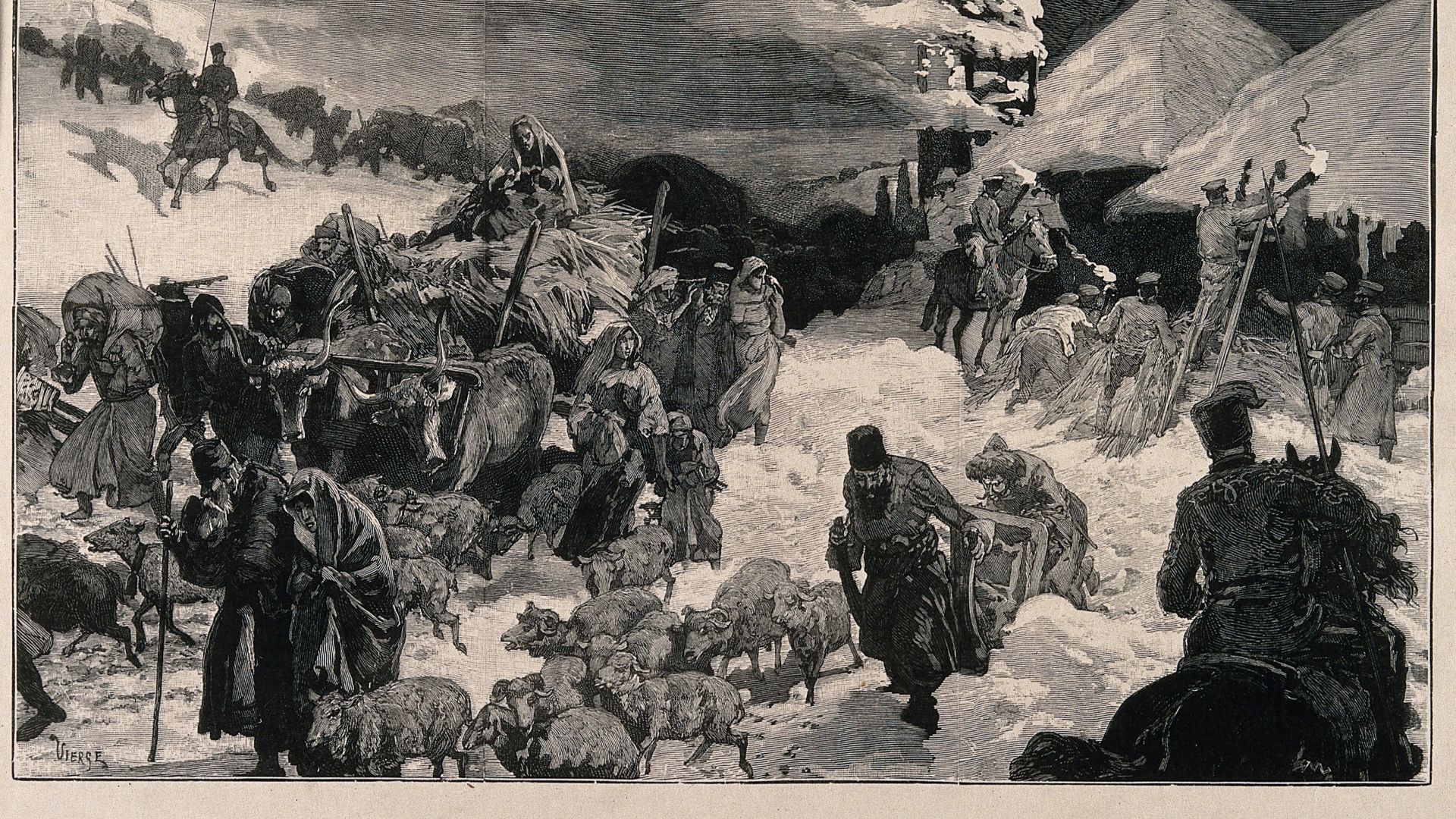
Starting in the late 19th century, plague traveled with global shipping and colonial trade networks, striking port cities and then radiating inland. In places like India, the death toll reached into the millions, and the response hardened modern ideas about surveillance, quarantine authority, and urban sanitation.
4. Smallpox In The 20th Century
Smallpox kept killing well into the modern era, with widely cited estimates placing 20th-century deaths in the hundreds of millions worldwide. Its eradication, certified by the World Health Organization in 1980, remains a rare case where humanity can point to a disease and say it is gone.
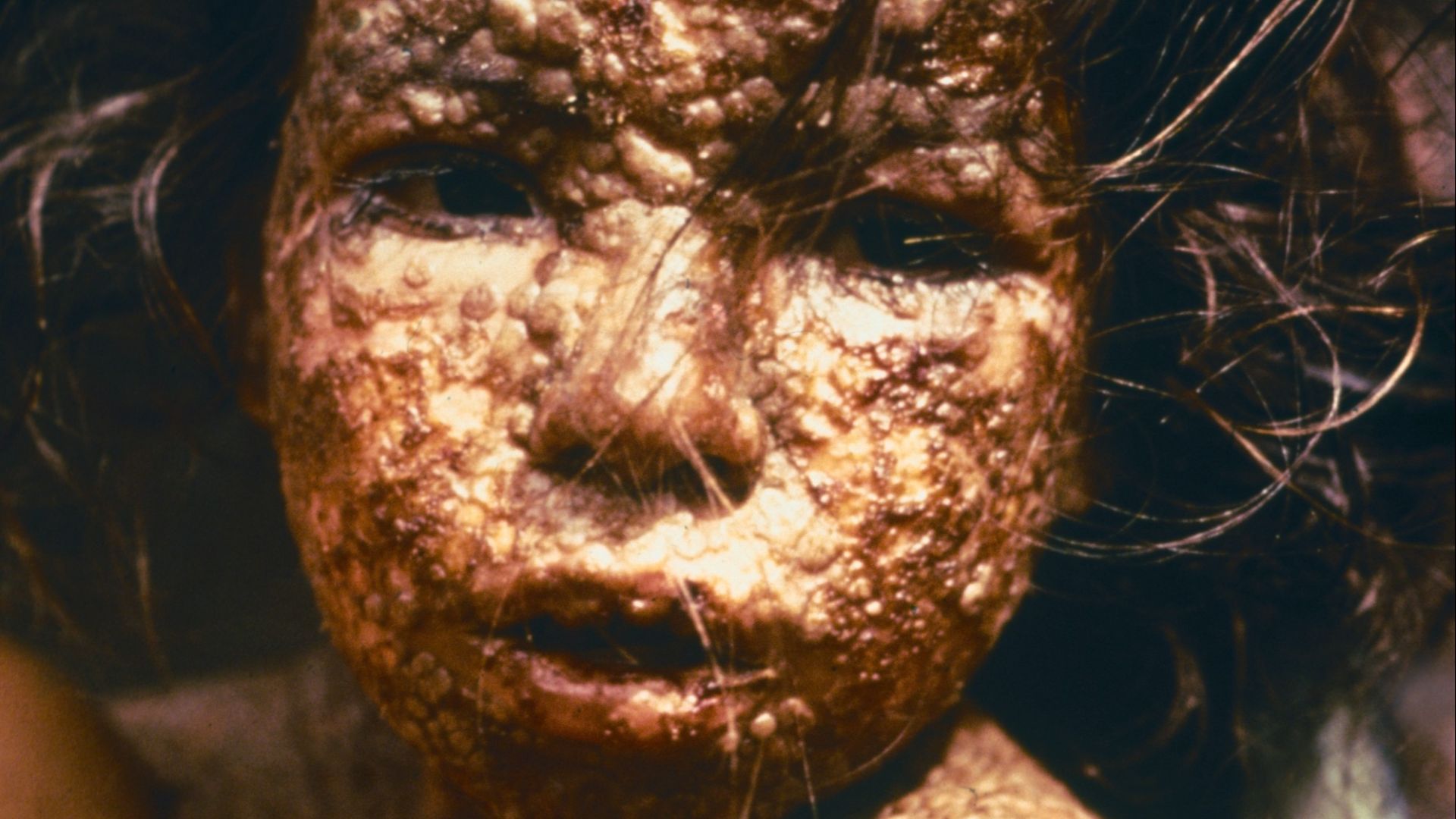 Photo Credit:
Content Providers(s): CDC/James Hicks on Wikimedia
Photo Credit:
Content Providers(s): CDC/James Hicks on Wikimedia
5. The Americas After European Contact
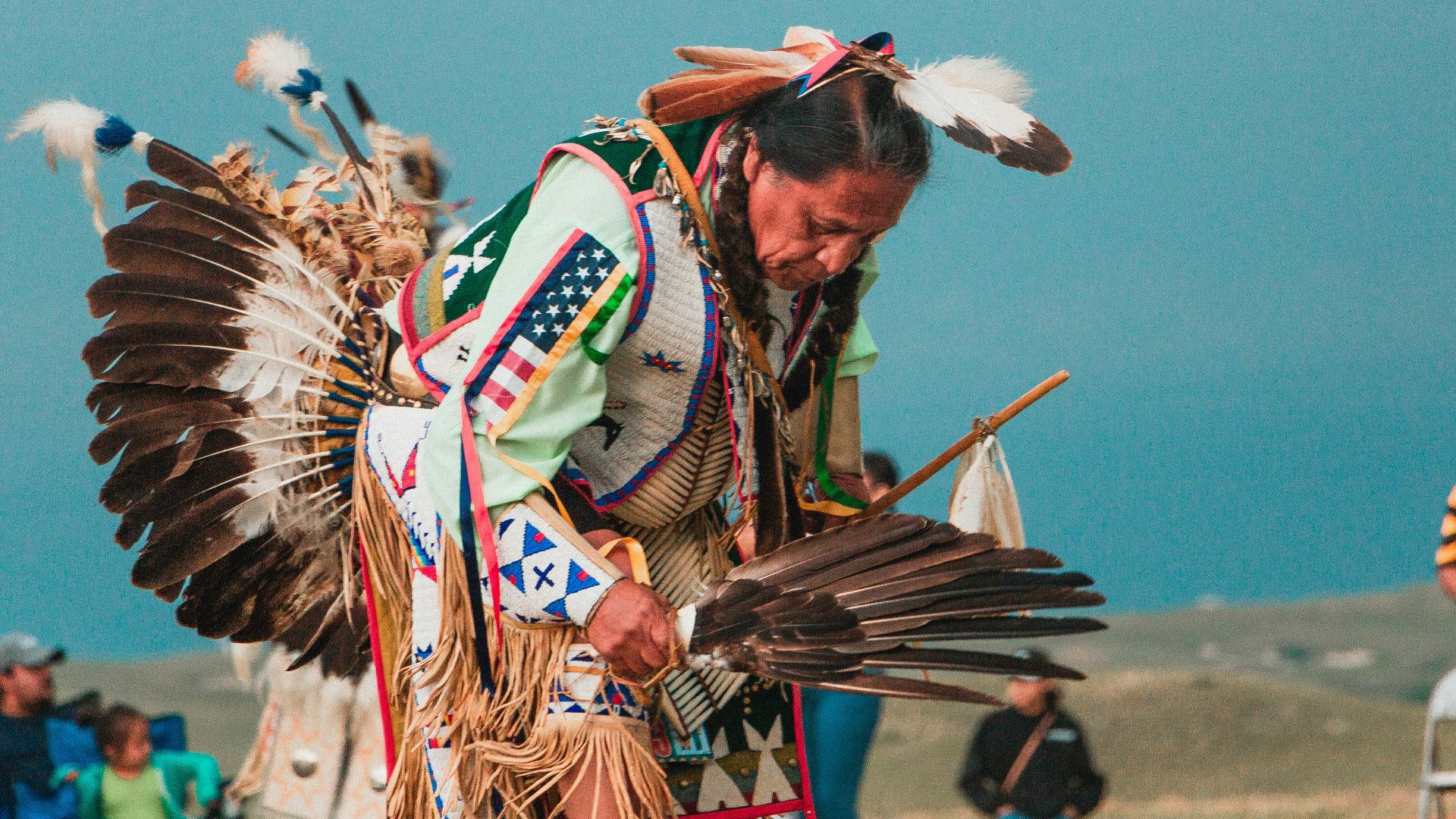
Smallpox and other Old World diseases devastated Indigenous communities across the Americas after contact, often moving faster than the political conflicts themselves. In several regions, outbreaks helped destabilize societies and leadership structures, accelerating conquest and colonial control through sheer demographic collapse.
6. Tuberculosis
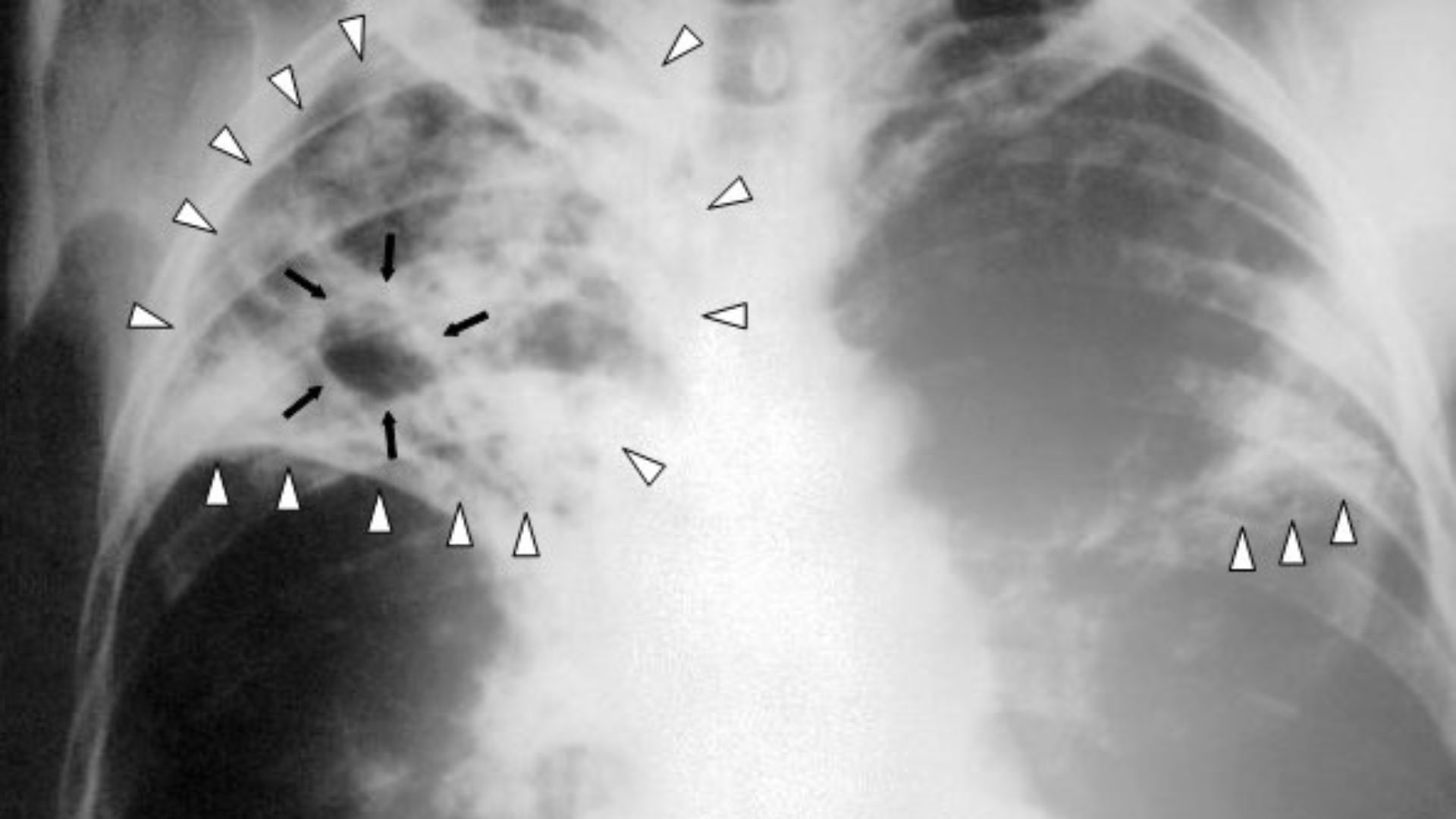
Tuberculosis haunted cities for centuries, killing slowly and steadily enough to shape how people designed homes, schools, and hospitals around air, light, and isolation. Even in the 21st century, it remains a major global killer, which helps explain why its history feels less like a chapter and more like a long-running background reality.
 Unknown authorUnknown author on Wikimedia
7. Malaria
Malaria has shaped settlement patterns, labor systems, and military campaigns simply by making certain landscapes punishing to inhabit year-round. It’s a disease that can dictate geography, pushing communities toward drainage projects, screened housing, and later, insecticide and bed net campaigns.
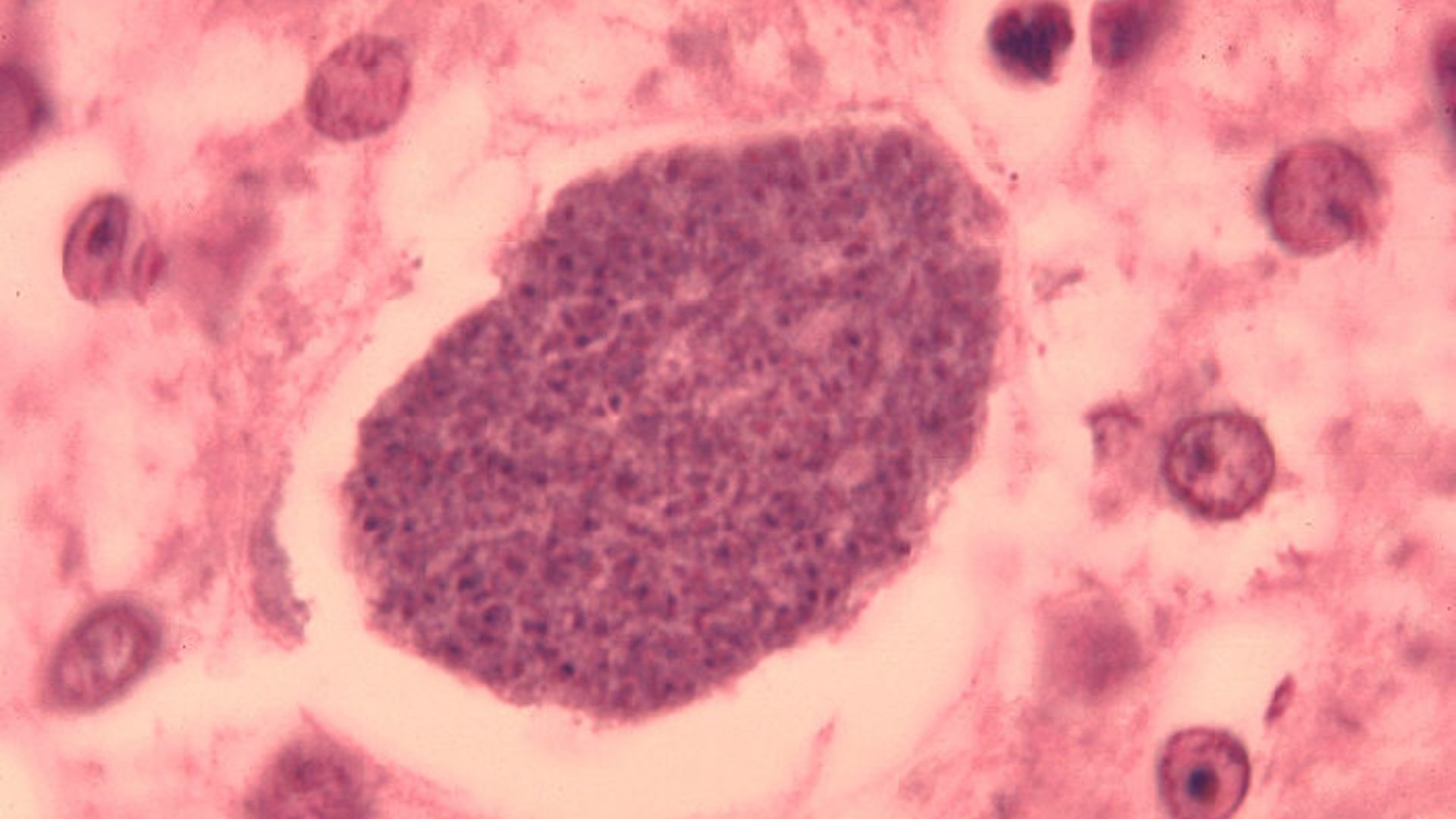
8. Measles
Before vaccination became common, measles cycled through populations in regular epidemics, especially hitting children and overcrowded communities. Historical estimates for global measles deaths before modern immunization commonly reached into the millions per year, which explains why the vaccine changed childhood survival so dramatically.
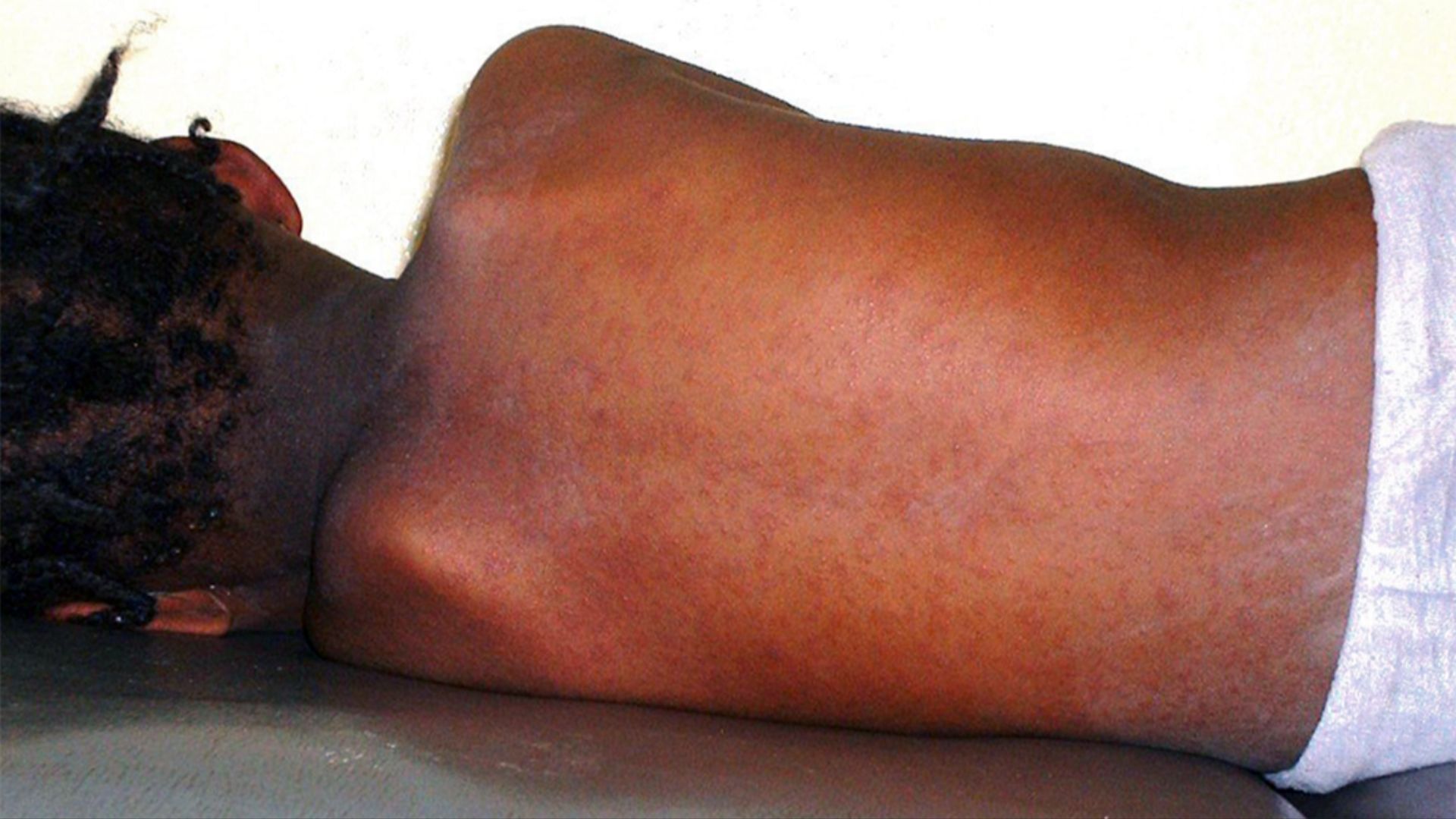
9. Cholera In The 19th Century
Cholera hammered rapidly growing industrial cities, turning water sources into silent weapons. The repeated pandemics helped push the sanitation revolution, because once people connected sewage and drinking water, clean infrastructure stopped being a luxury and became a survival requirement.
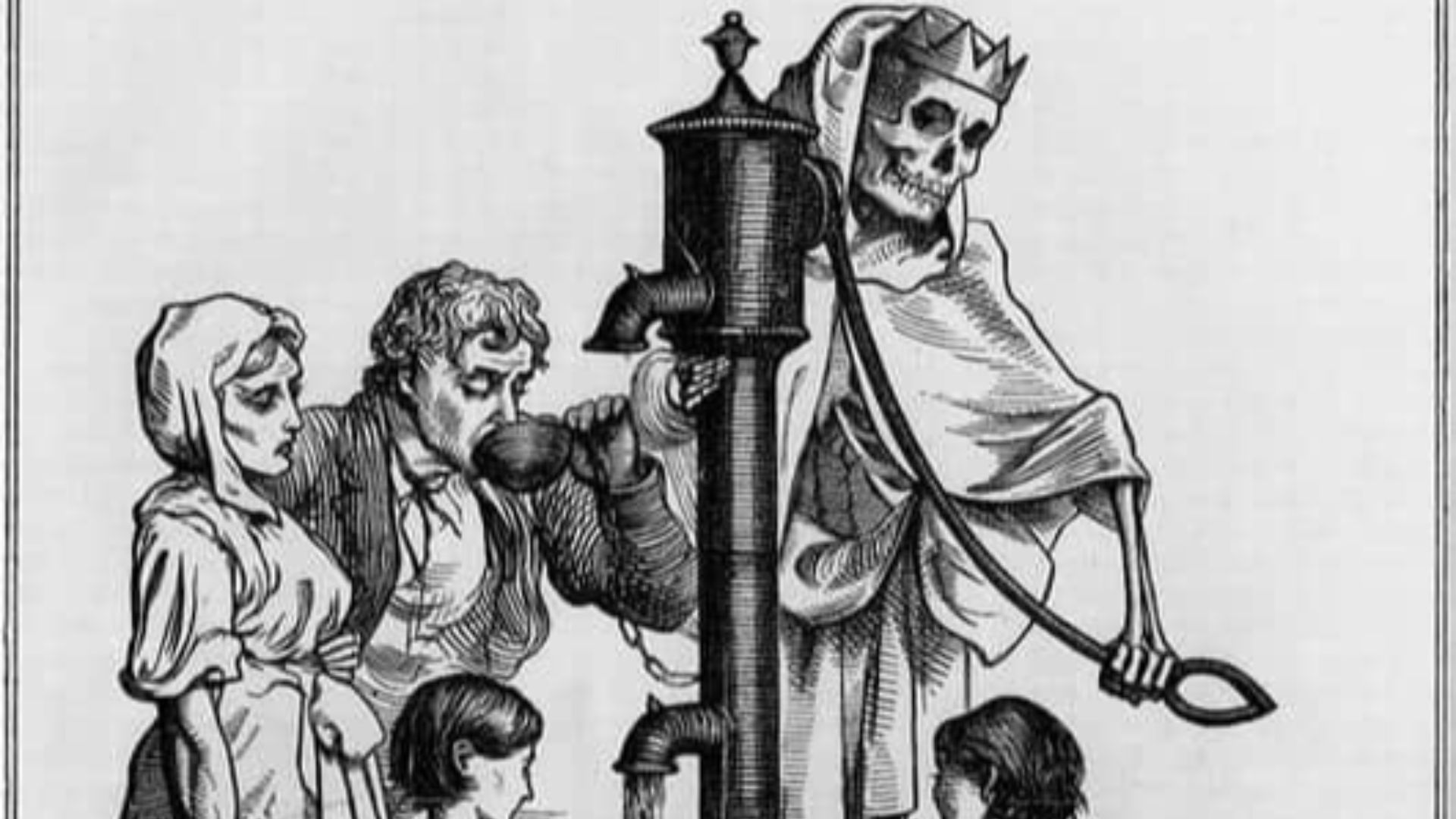 George John Pinwell on Wikimedia
10. The 1918–1919 Influenza Pandemic
The 1918 flu moved with troops, trains, and ships, and global death estimates often fall in the tens of millions. It left a lasting lesson about how quickly a respiratory virus can circle the world when mobility is high and health systems are thin.
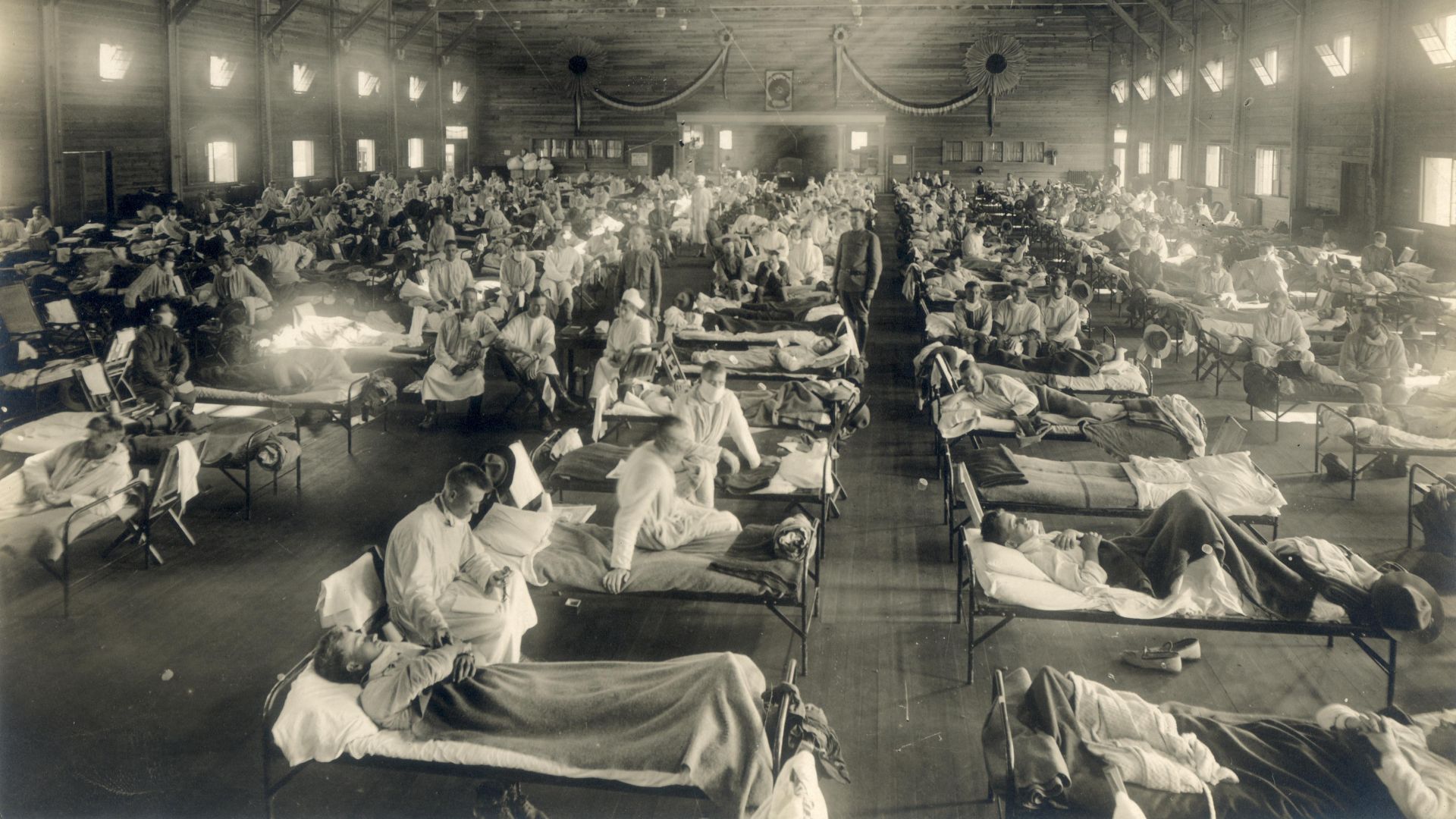 Otis Historical Archives, National Museum of Health and Medicine on Wikimedia
11. The 1957–1958 Influenza Pandemic
The Asian flu caused a worldwide wave of illness and death, with many historical summaries estimating around a million deaths globally. Its relative familiarity compared with 1918 is part of the story, because a pandemic can be severe and still get culturally minimized once the world decides it can keep going.
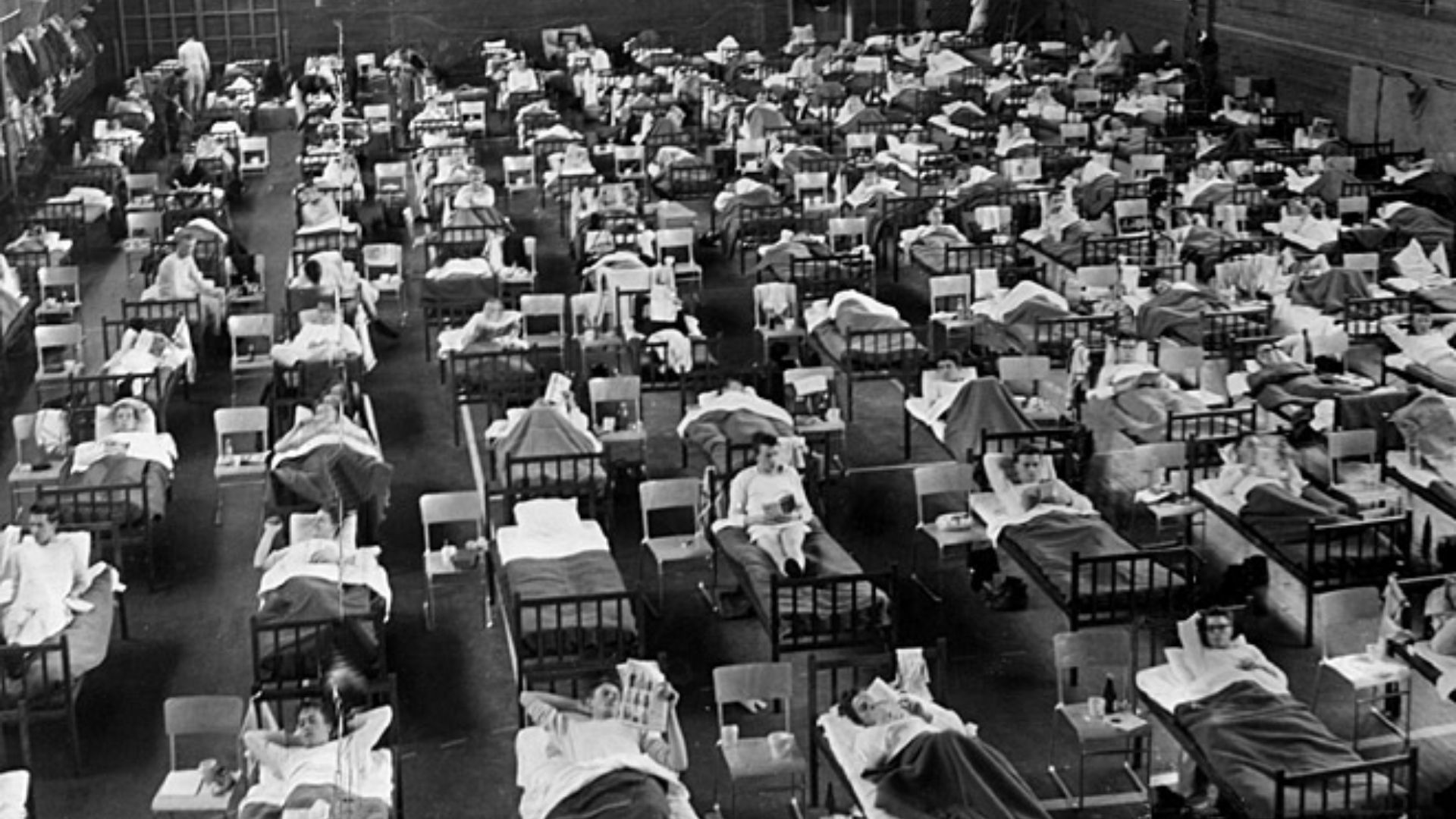
12. The 1968 Influenza Pandemic
The Hong Kong flu again demonstrated that influenza pandemics are recurring ecological events, not one-time accidents. With global deaths often estimated around a million, it reinforced the idea that new strains can appear, spread quickly, and permanently change how public health plans for winter.
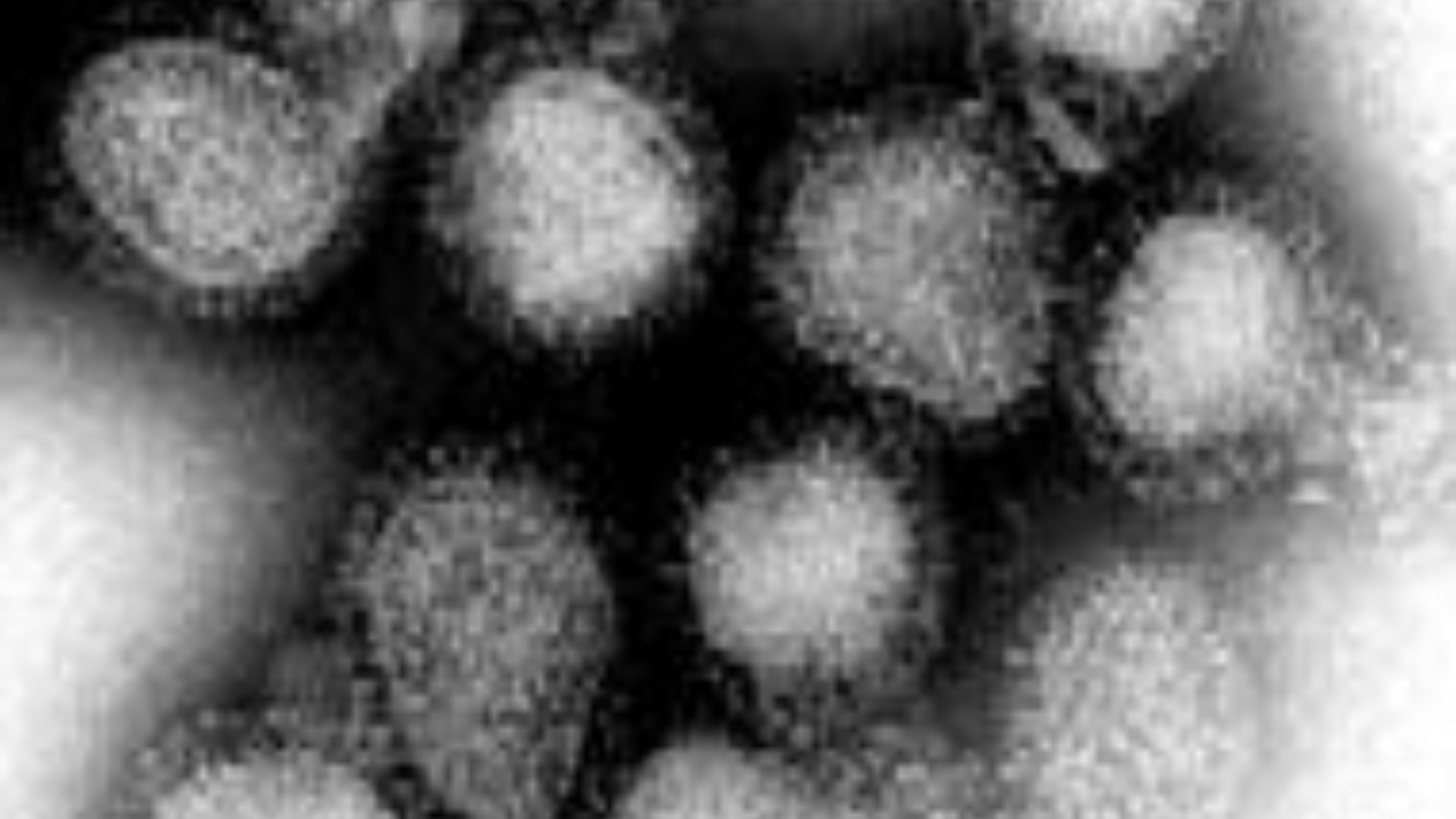
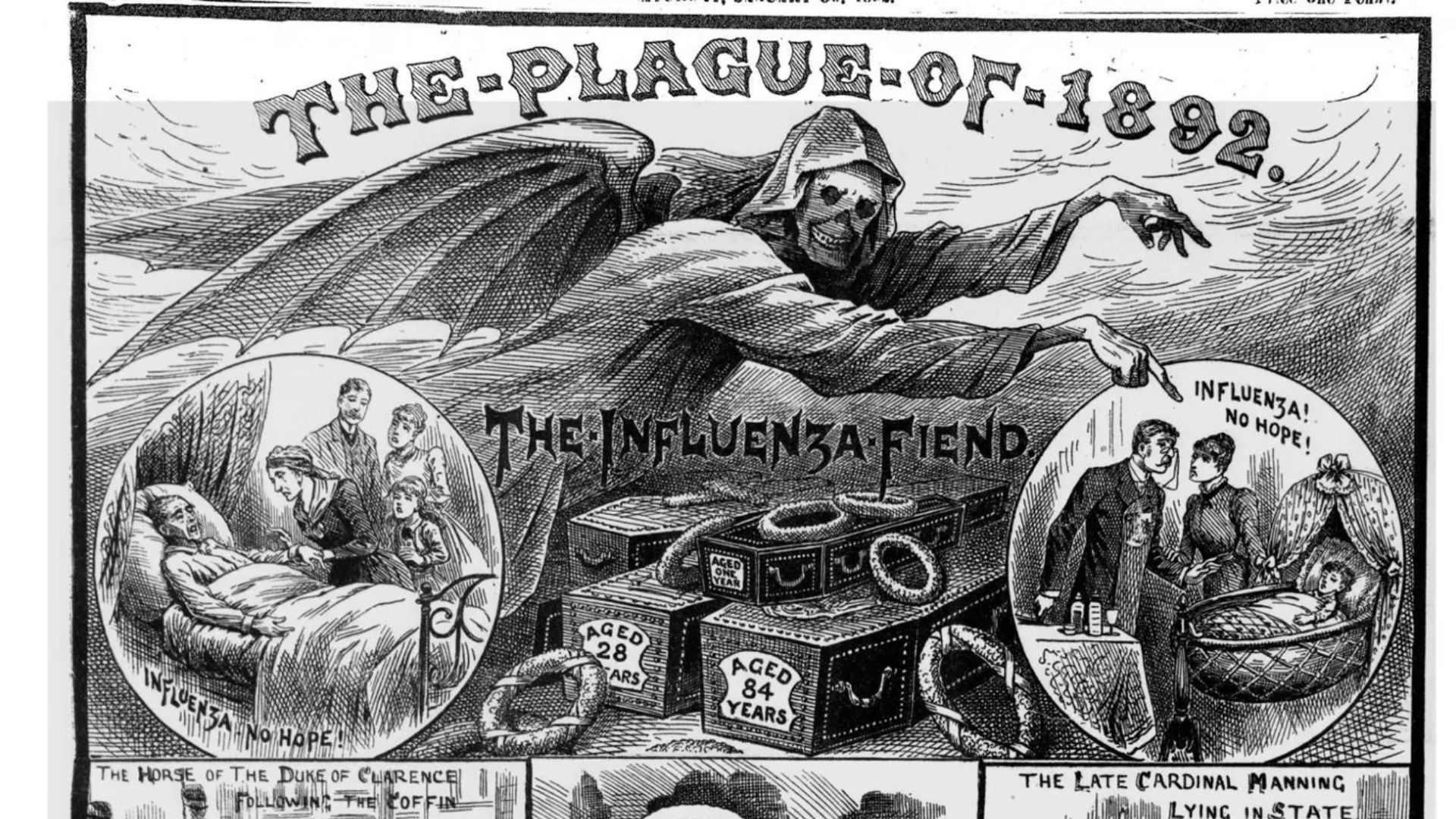
13. The 1889–1890 Pandemic
Often called the Russian flu, this pandemic swept through a newly connected world of railways and dense cities, with death estimates frequently cited around a million. Some researchers debate the exact pathogen, yet the social pattern is familiar: rumor, denial, crowded workplaces, and communities learning how fragile normal can be.
 Unknown authorUnknown author on Wikimedia
14. The 2009 H1N1 Pandemic
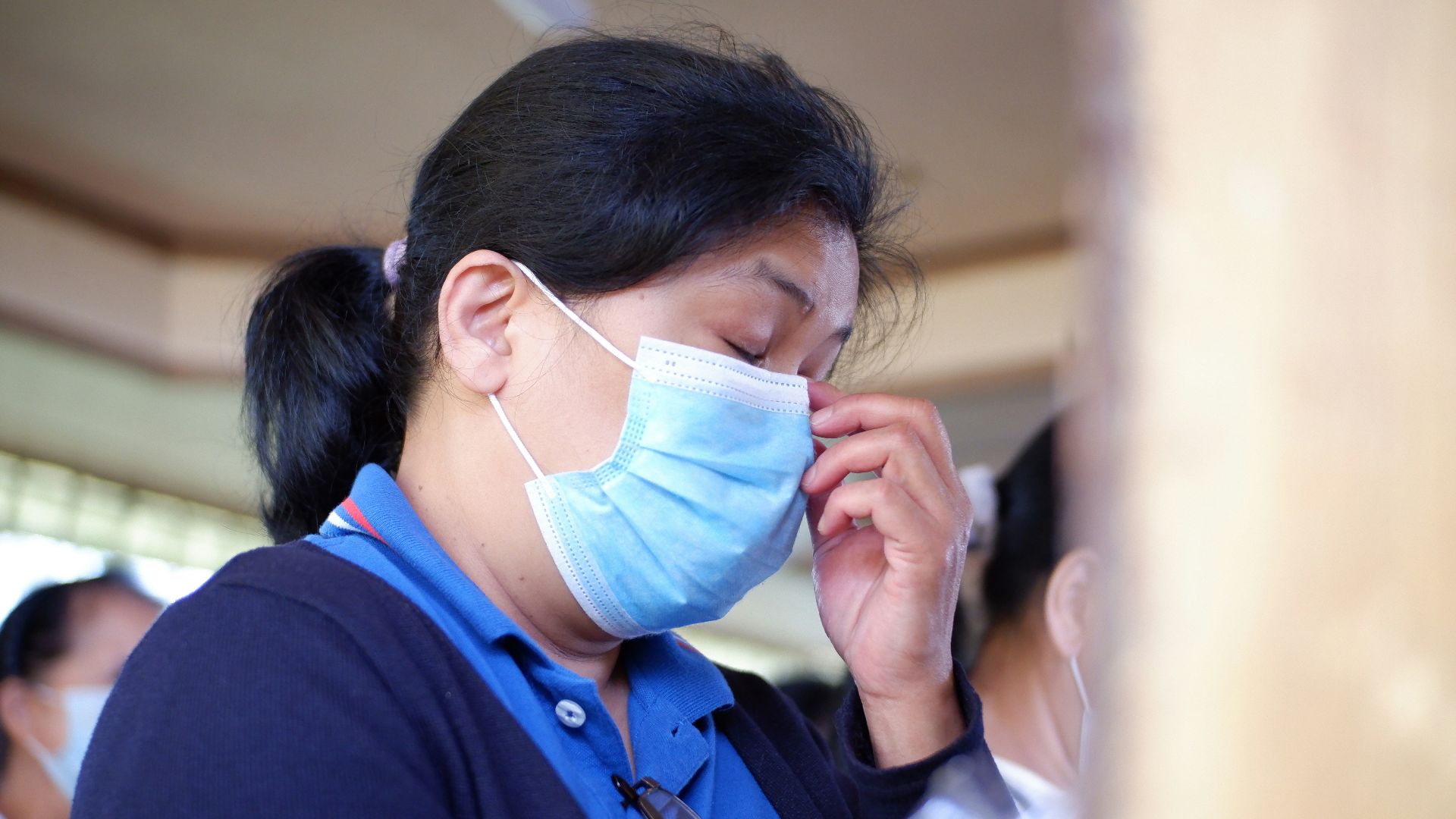
H1N1 spread quickly and widely, and estimates of its global death toll range into the hundreds of thousands when accounting for undercounting and indirect impacts. It also became a modern lesson in communication, since public trust gets complicated when the risk is real but unevenly felt.
15. HIV/AIDS
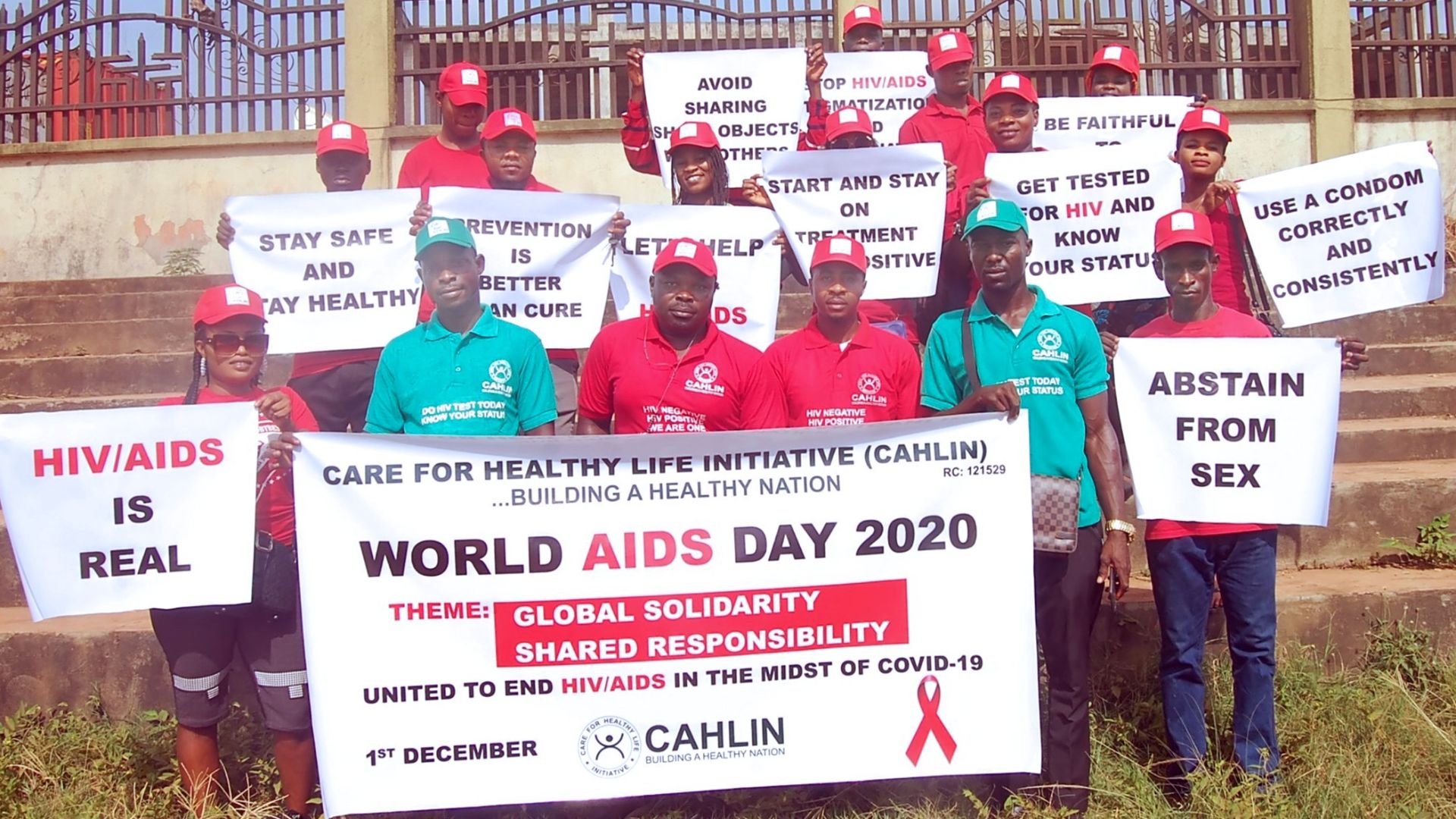
HIV/AIDS reshaped medicine, activism, sex education, and public policy over decades rather than weeks. Cumulative global deaths are commonly estimated in the tens of millions, and the epidemic changed how societies talk about stigma, care, and who gets protected when fear is loud.
 Darlington Ezeagu on Wikimedia
16. COVID-19
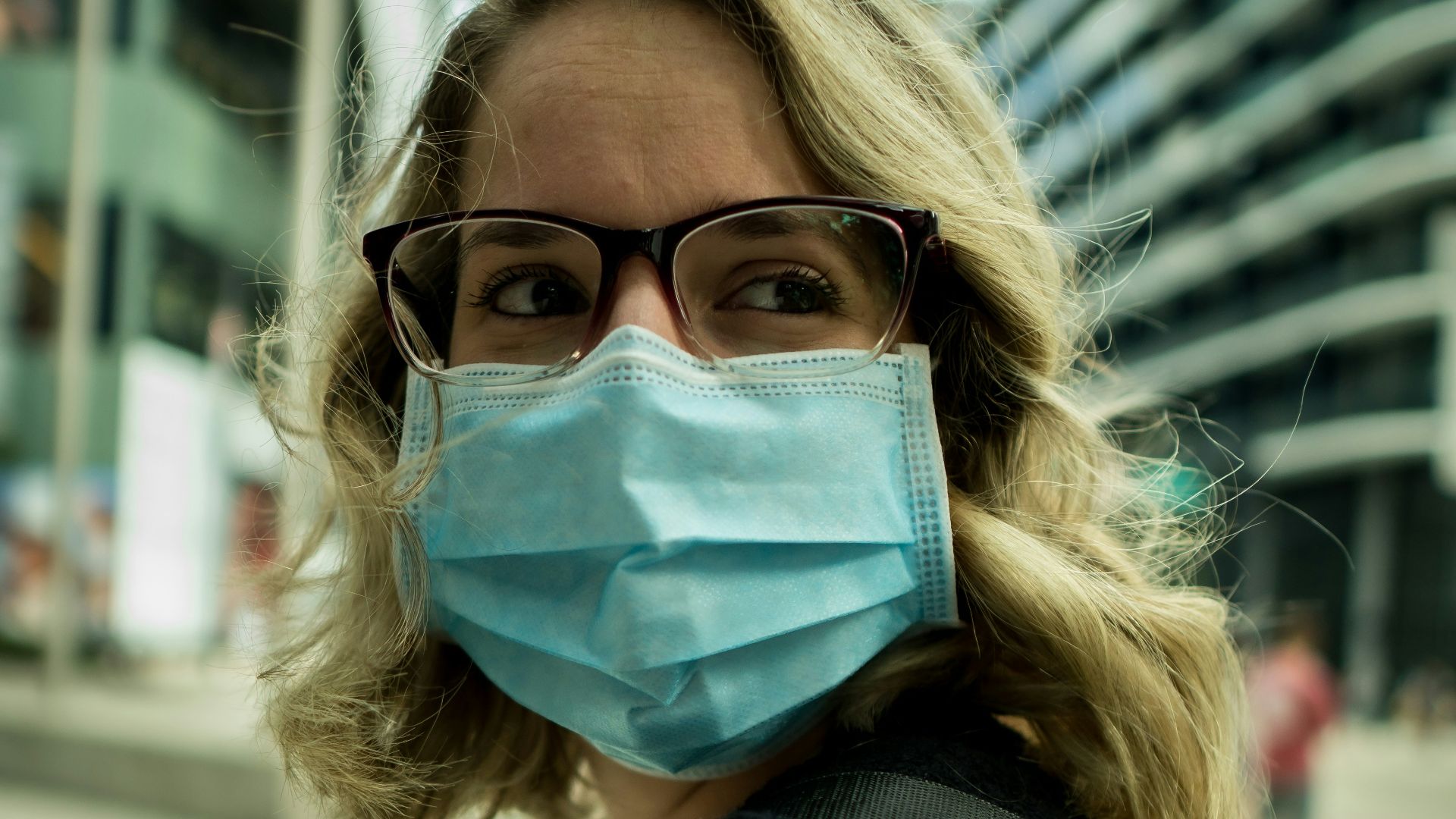
COVID-19 arrived in a world that liked to believe mass death from infection belonged to the past, then it forced a rapid rewrite of work, travel, and social life. The full toll is measured not only in reported deaths but also in excess mortality, and the pandemic’s imprint will likely be visible for generations in health systems and politics.
 Juan C Montes de Oca on Unsplash
17. Epidemic Typhus In War And Displacement
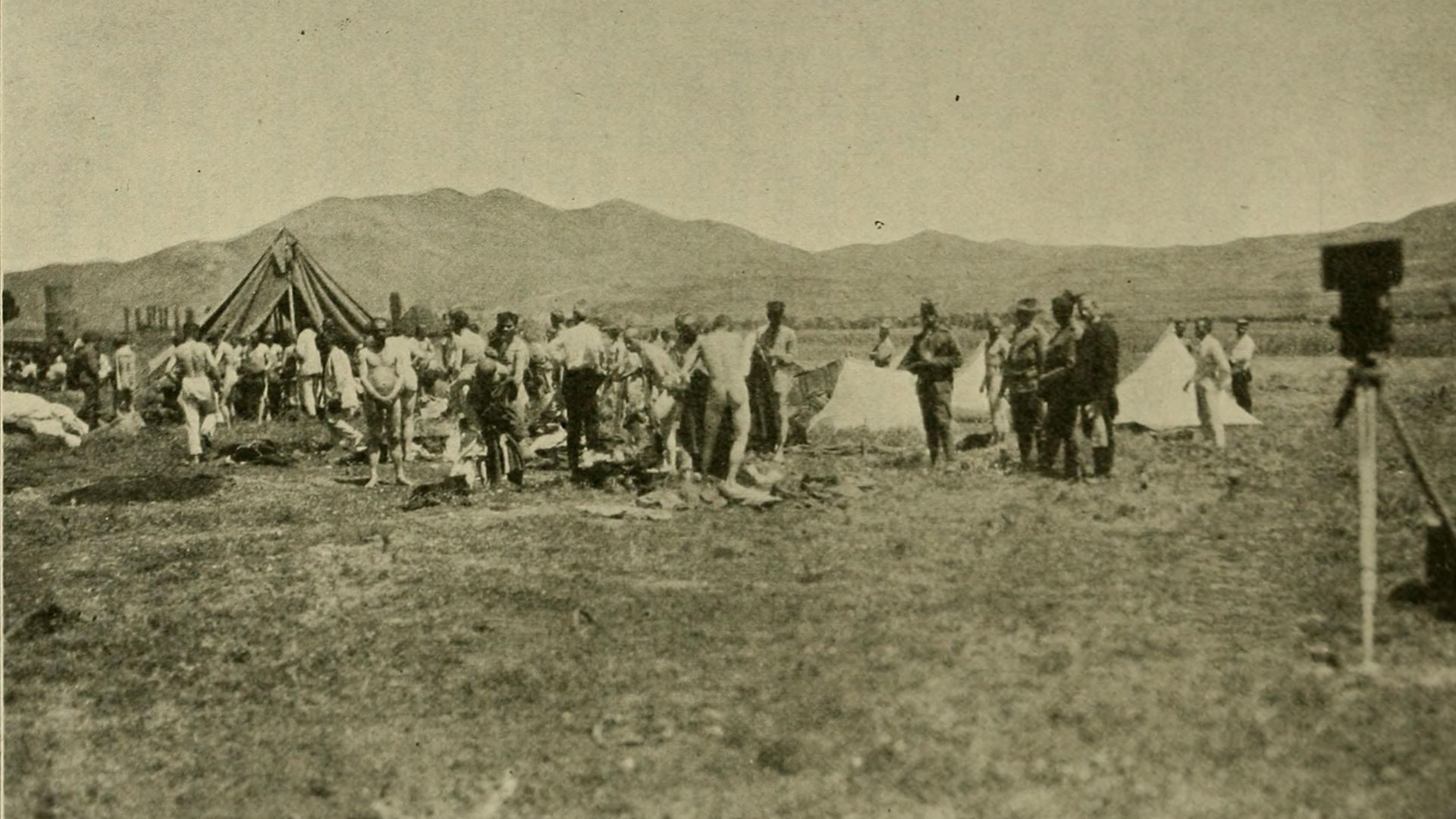
Typhus thrives where crowding, lice, and disrupted hygiene collide, which is why it has followed armies, prisons, and refugee movements across history. In multiple wars and humanitarian crises, it behaved like an additional weapon, expanding death tolls when resources were already exhausted.
 Internet Archive Book Images on Wikimedia
18. The Antonine Plague
Striking the Roman Empire in the 2nd century, the Antonine Plague is often linked by historians to smallpox-like illness and estimated to have killed millions. When a disease drains soldiers and taxpayers over years, it doesn’t just kill people, it changes what an empire can sustain.
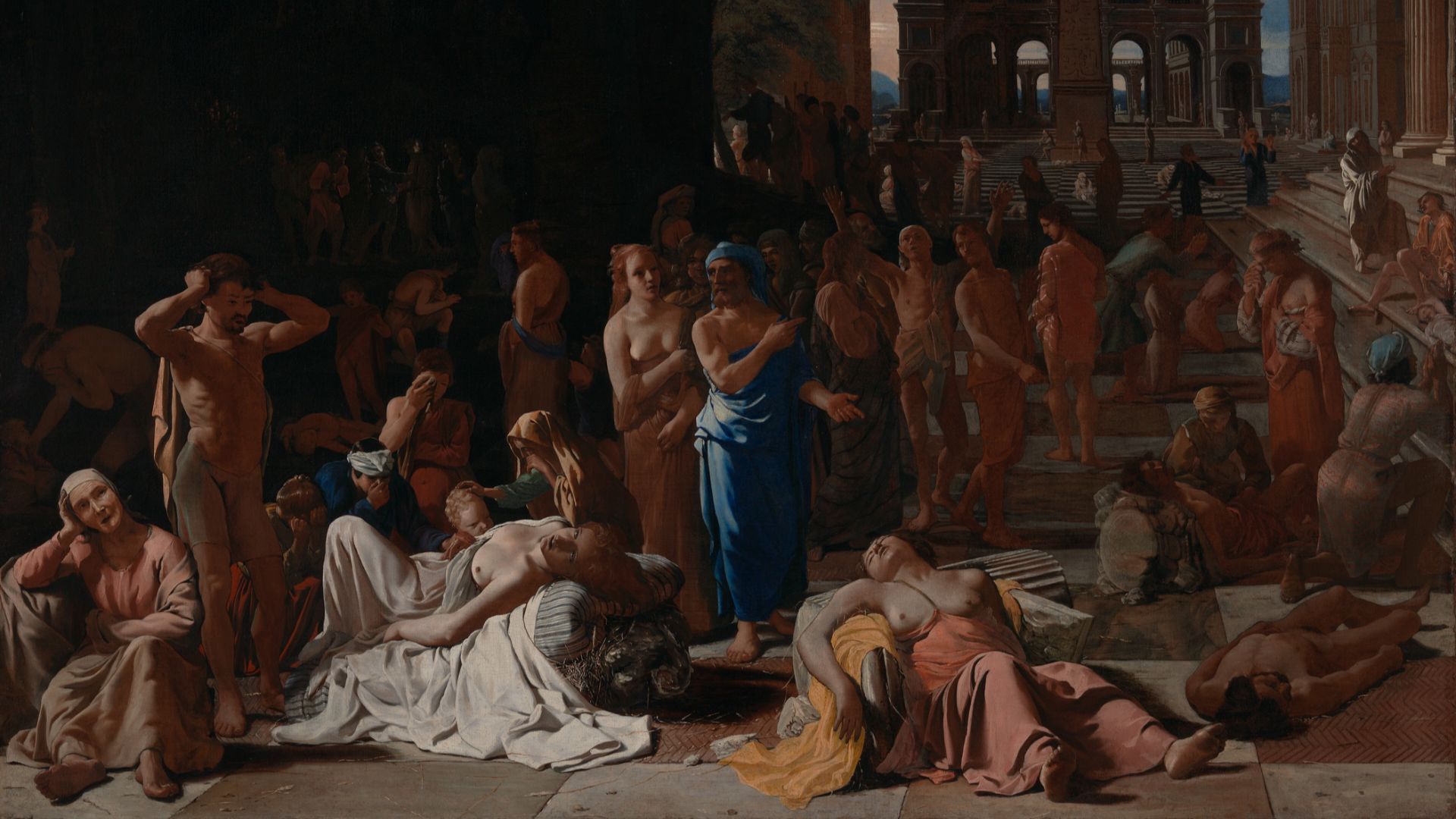
19. The Plague Of Athens
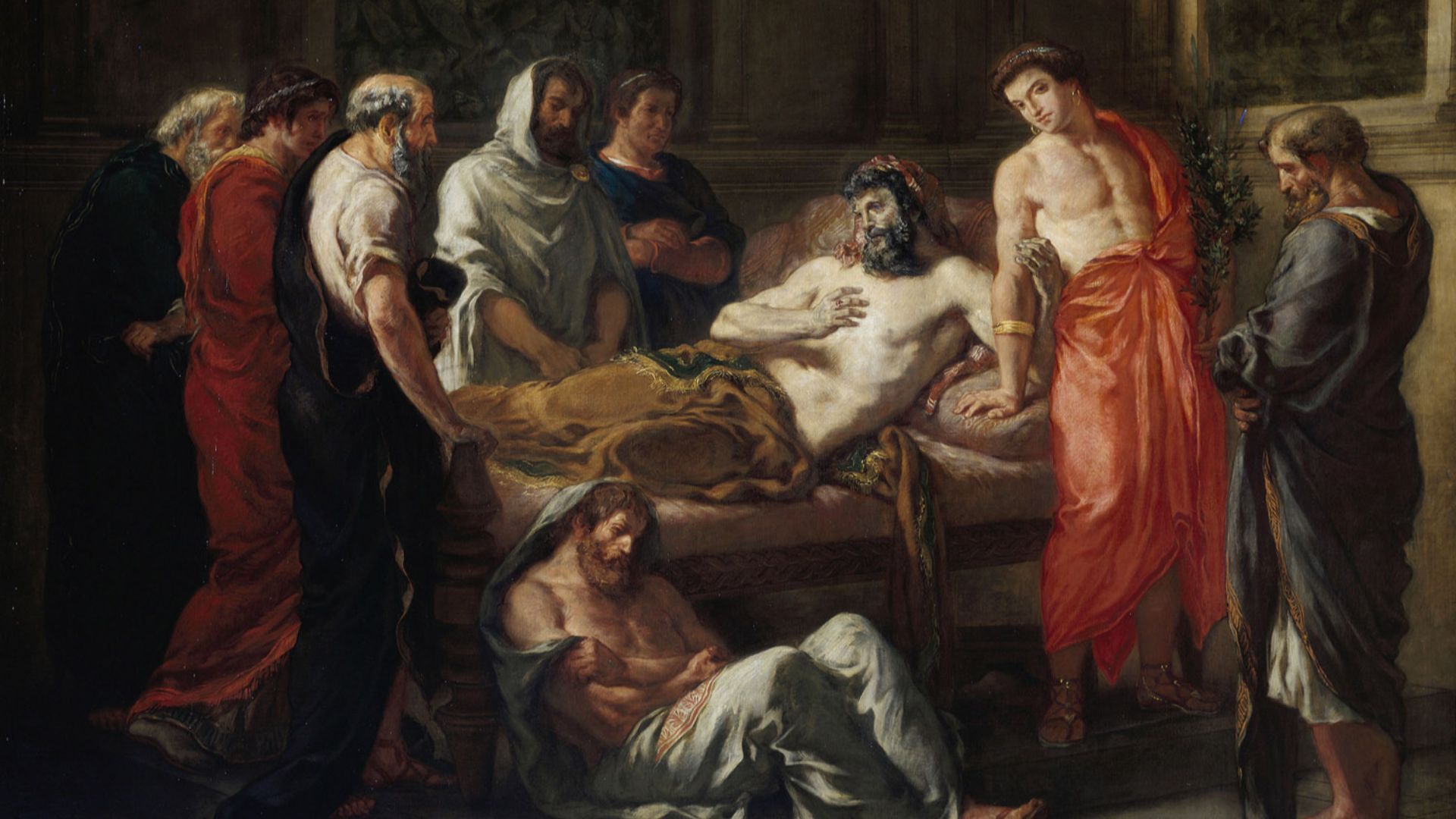
During the Peloponnesian War, a devastating epidemic hit Athens and reportedly killed a large share of the population, with many modern estimates clustering around a quarter. The civic damage mattered as much as the body count, because fear and grief can shred public trust and political cohesion.
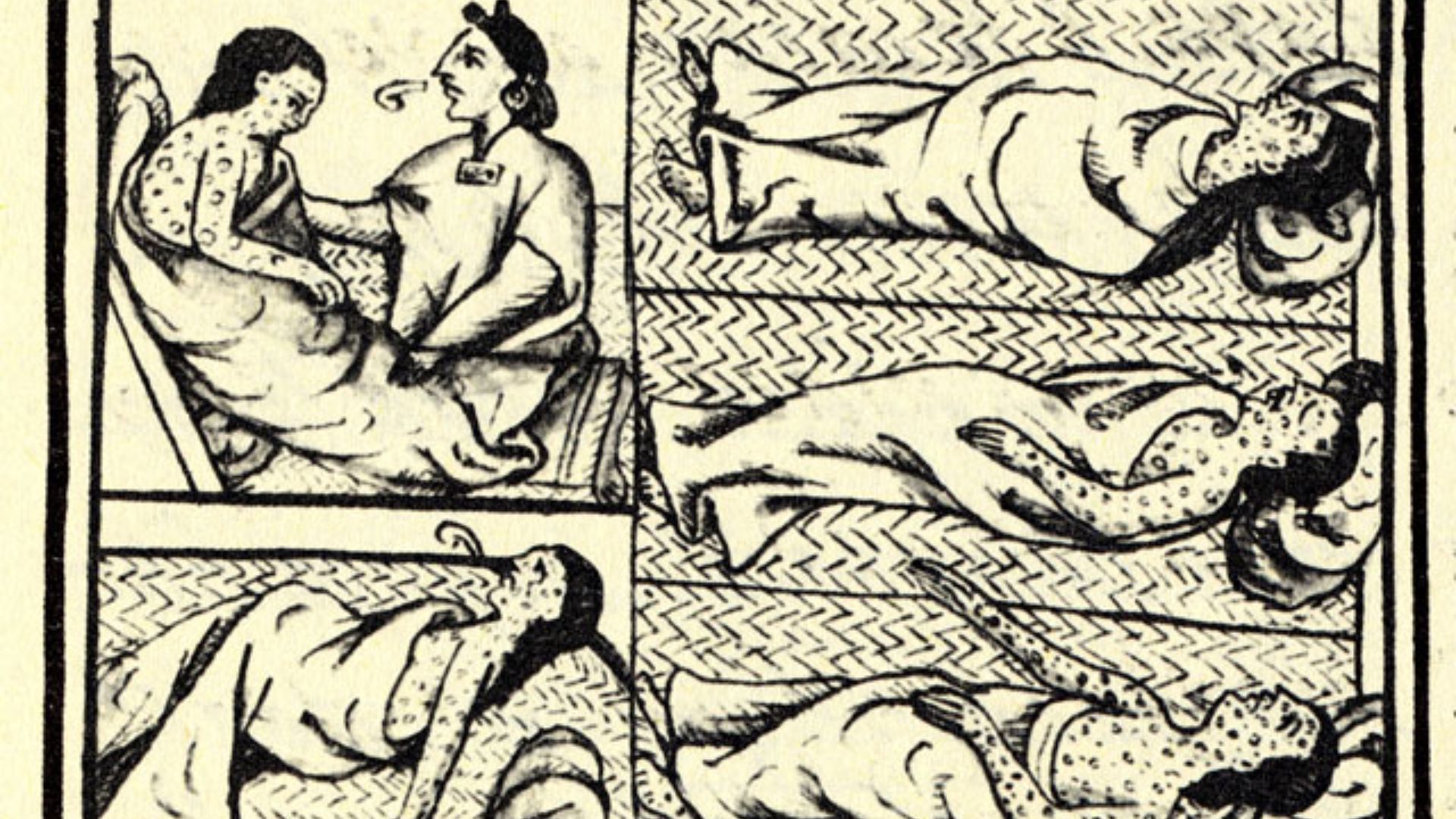
20. The Cocoliztli Epidemics In 16th-Century Mexico
Cocoliztli epidemics contributed to catastrophic population loss in New Spain, with scholars describing a demographic collapse on a scale that altered the continent’s future. The aftermath reshaped labor, land control, and colonial power, since a society cannot lose that many people without its entire structure shifting.
KEEP ON READING

20 Dynasties That Proved Family Wealth Can Outlast Empires
Money Remembers. Empires like to pretend they are permanent. They…
By Cameron Dick May 25, 2026
20 Archaeological Finds That Sound Fake But Are Completely Real
The Past Refuses to Be Boring. Archaeology has a way…
By Annie Byrd May 25, 2026
20 Peace Treaties That Unraveled Instantly
When Peace Agreements Failed Almost As Soon As They Began.…
By Rob Shapiro May 25, 2026
20 Historical Figures Who Lived Much Longer Than You Think
Some Famous Lives Stretched Far. History has a way of…
By Christy Chan May 22, 2026
The Pirate Queen Who Met Elizabeth I as an Equal
Unknown authorUnknown author on WikimediaIn the summer of 1593, a…
By Cameron Dick May 19, 2026
20 LGBTQ+ People from History Who Changed the World
History Is Full Of Queer Icons . LGBTQ+ people have always…
By Emilie Richardson-Dupuis May 22, 2026