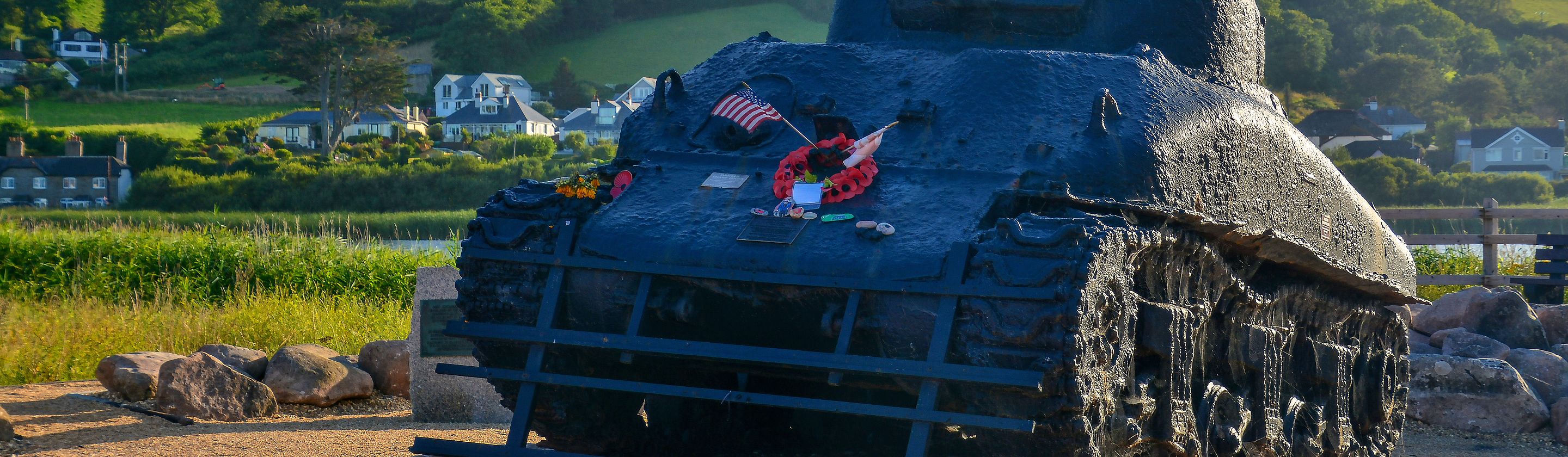
Panic and Error on the Battlefield
War is confusing enough when you're actually fighting the enemy. But sometimes the chaos gets so intense that soldiers end up targeting their own teammates. Friendly fire has plagued armies throughout history, turning battles into nightmares where troops couldn't tell friend from foe, and the following incidents range from fog-covered battlefields in medieval England to high-tech missile systems gone wrong in modern conflicts.
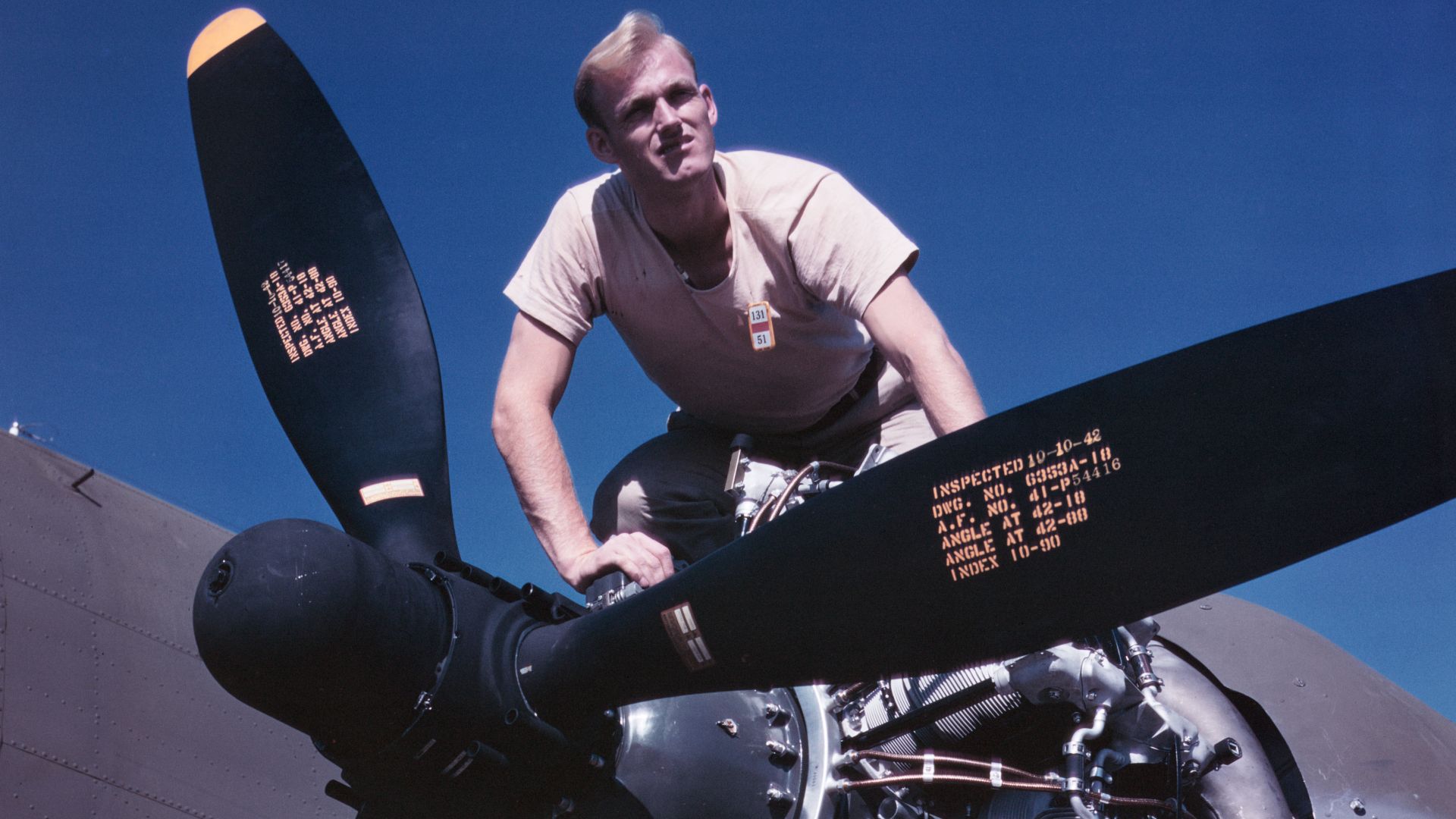
1. Battle Of Karánsebes (1788)
What started as a drunken argument over alcohol between Austrian hussars and infantry near Caransebeș, Romania, spiraled into one of history's most absurd military disasters in September 1788. Shots fired during the dispute quickly escalated into full-blown chaos.
 Craciun Cristiana CC BY-SA 4.0 on Wikimedia
2. USS William D. Porter Torpedo Incident (1943)
On November 14, 1943, the USS William D. Porter earned infamy by nearly assassinating President Franklin D. Roosevelt during what should have been a routine naval exercise. The destroyer accidentally launched a live torpedo directly at the USS Iowa.
 William DeLaney Trimble Travis on Wikimedia
3. Battle Of Barnet (1471)
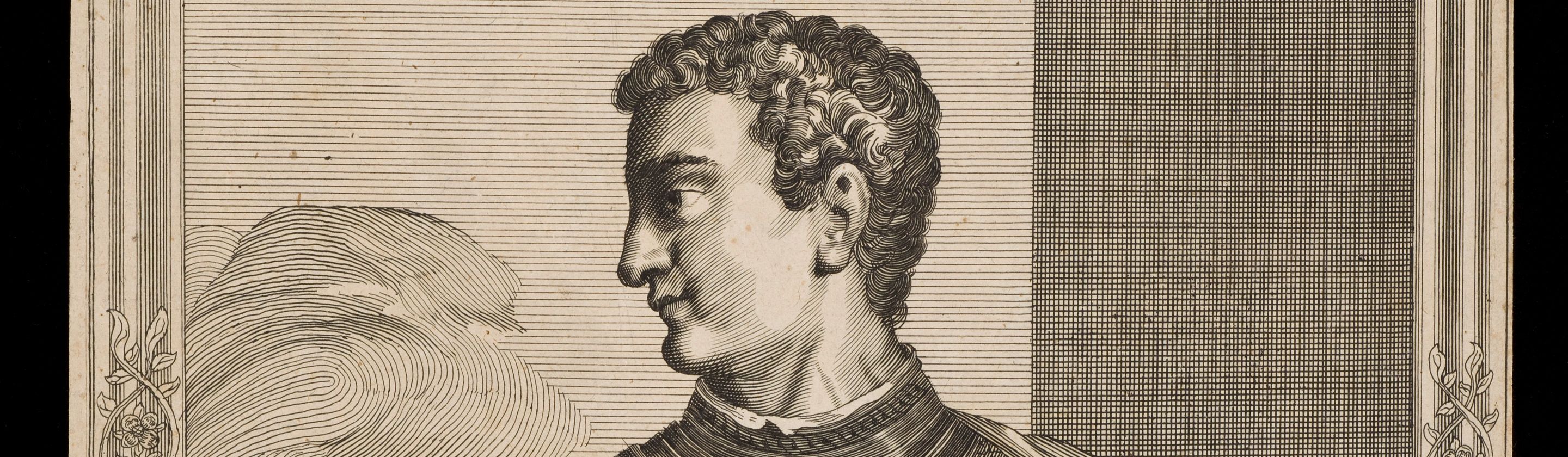
Thick fog blanketing the battlefield near Barnet created one of the earliest recorded friendly fire incidents during the Wars of the Roses. Oxford's troops returning to the Lancastrian lines were catastrophically mistaken for Yorkists due to similar banner designs in the poor visibility.
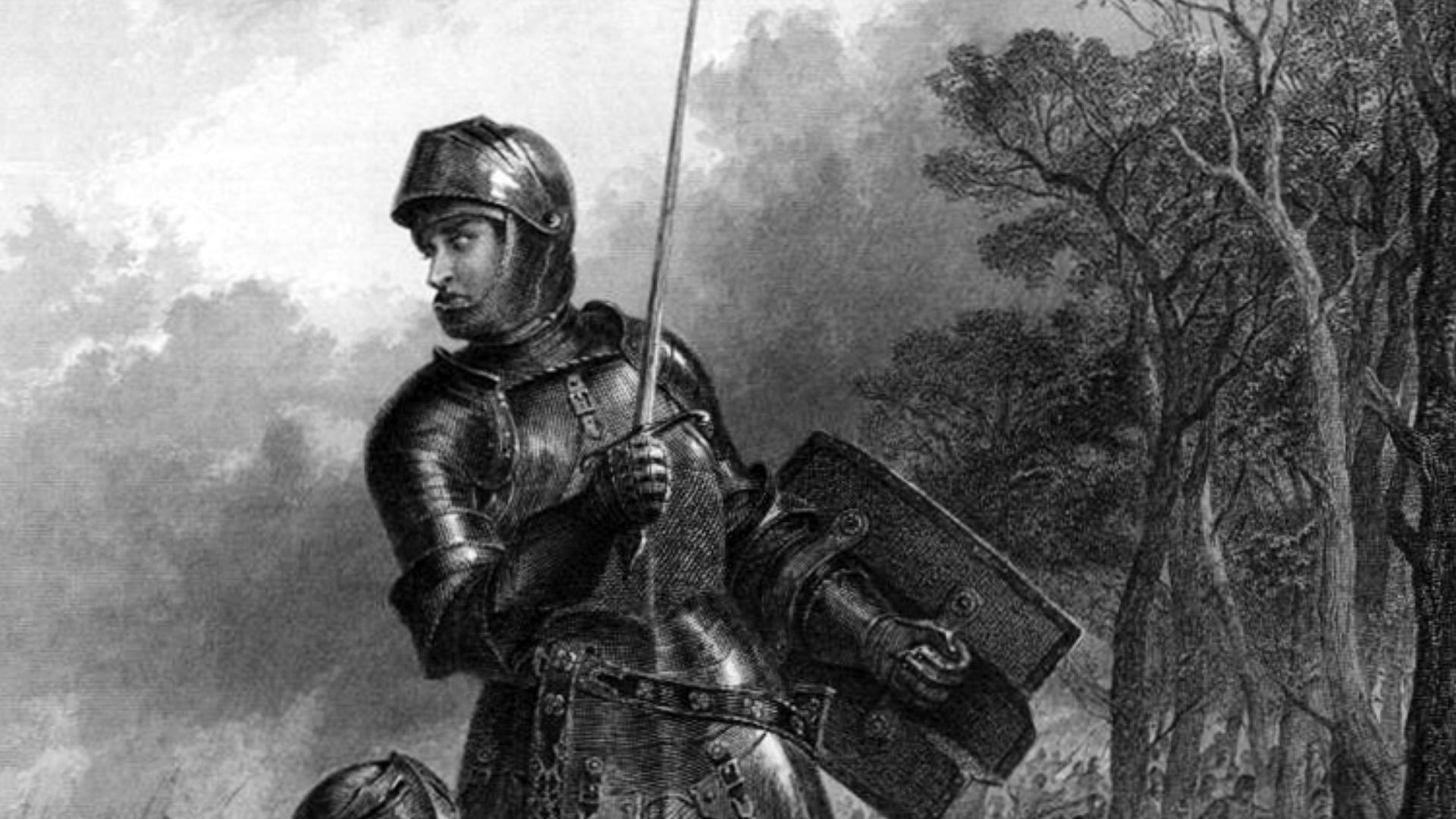 Painting by John Adam Houston (1812–1884),[3] engraved by T. Brown on Wikimedia
4. Battle of Monongahela (1755)
General Braddock's British column suffered losses exceeding 900 casualties on July 9 when they were ambushed near the Monongahela River during the French and Indian War. Panic and poor visibility in the narrow, wooded terrain caused troops to repeatedly fire into their own lines.
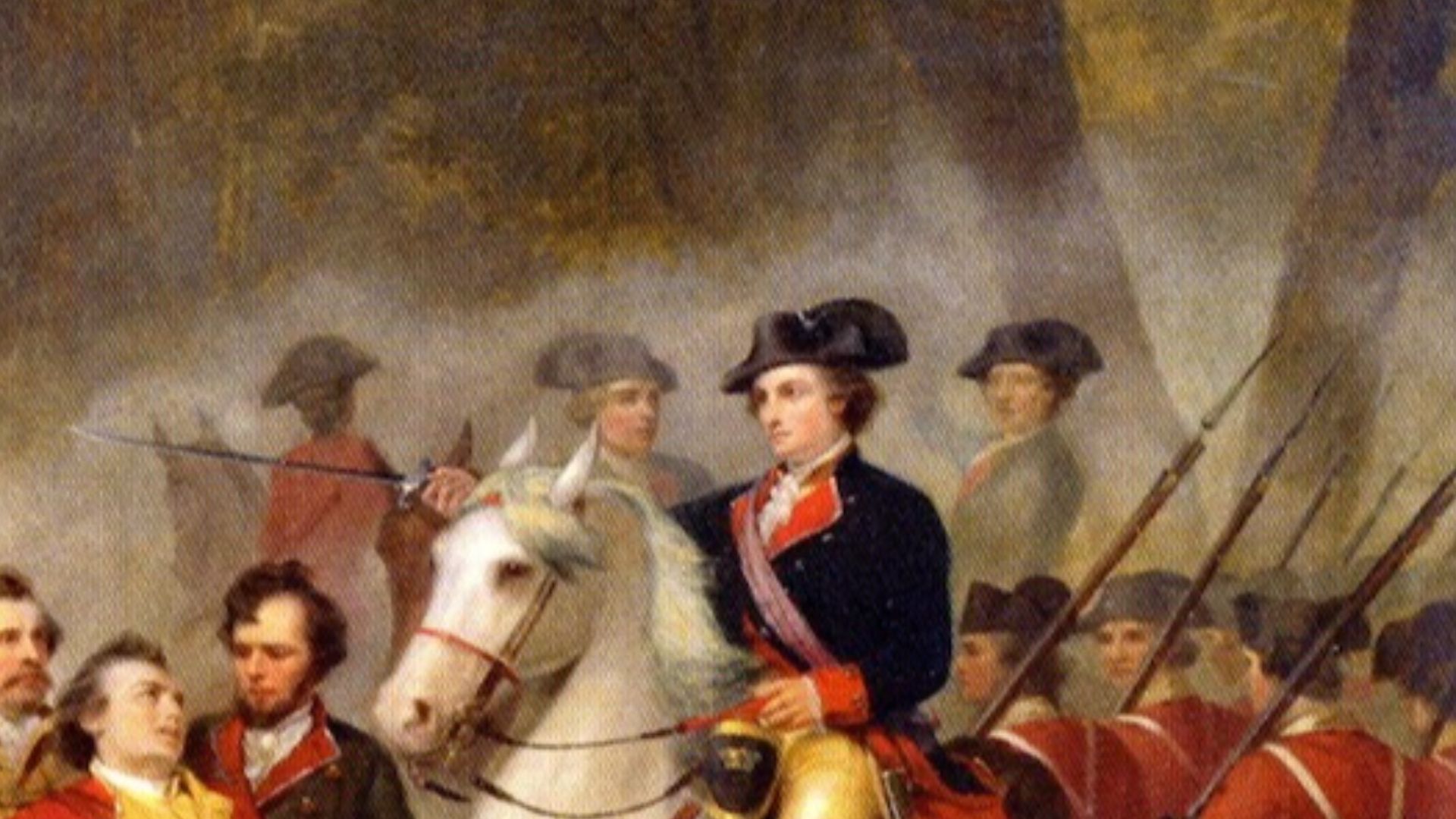 Junius Brutus Stearns on Wikimedia
5. Stonewall Jackson Shot By Confederates (1863)
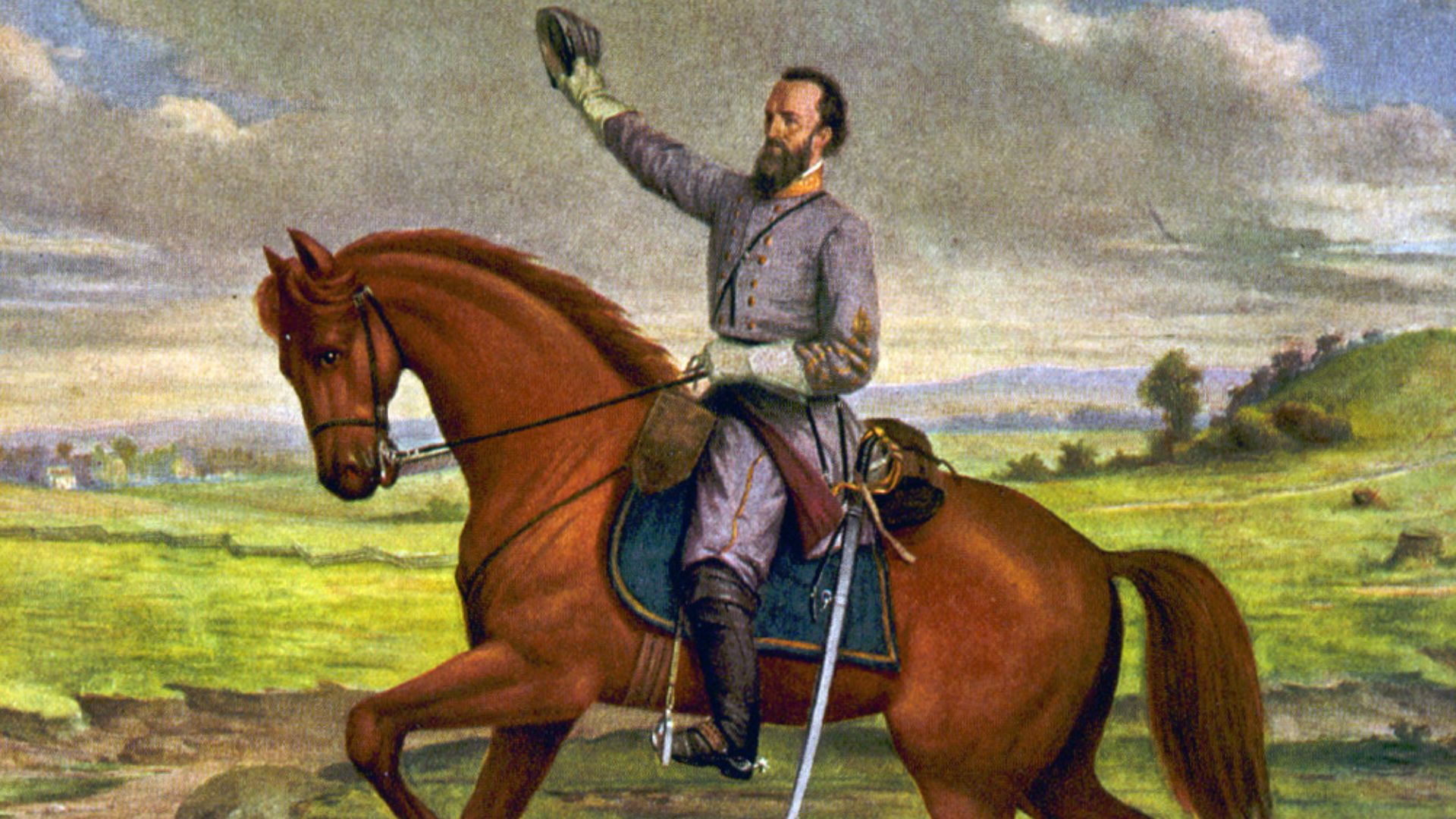
Confederate General Thomas "Stonewall" Jackson rode ahead for nighttime reconnaissance at Chancellorsville when his own 18th North Carolina troops mistook him for Union cavalry in the darkness. He was struck three times in the left arm by friendly volleys.
6. Battle of Fromelles (1916)
Over 5,500 Australian casualties occurred in a single day on July 19–20, 1916, during an attack near Fromelles intended as a diversion for the Somme offensive. Poor artillery coordination caused "drop shorts" that fell directly on Australian and British lines.
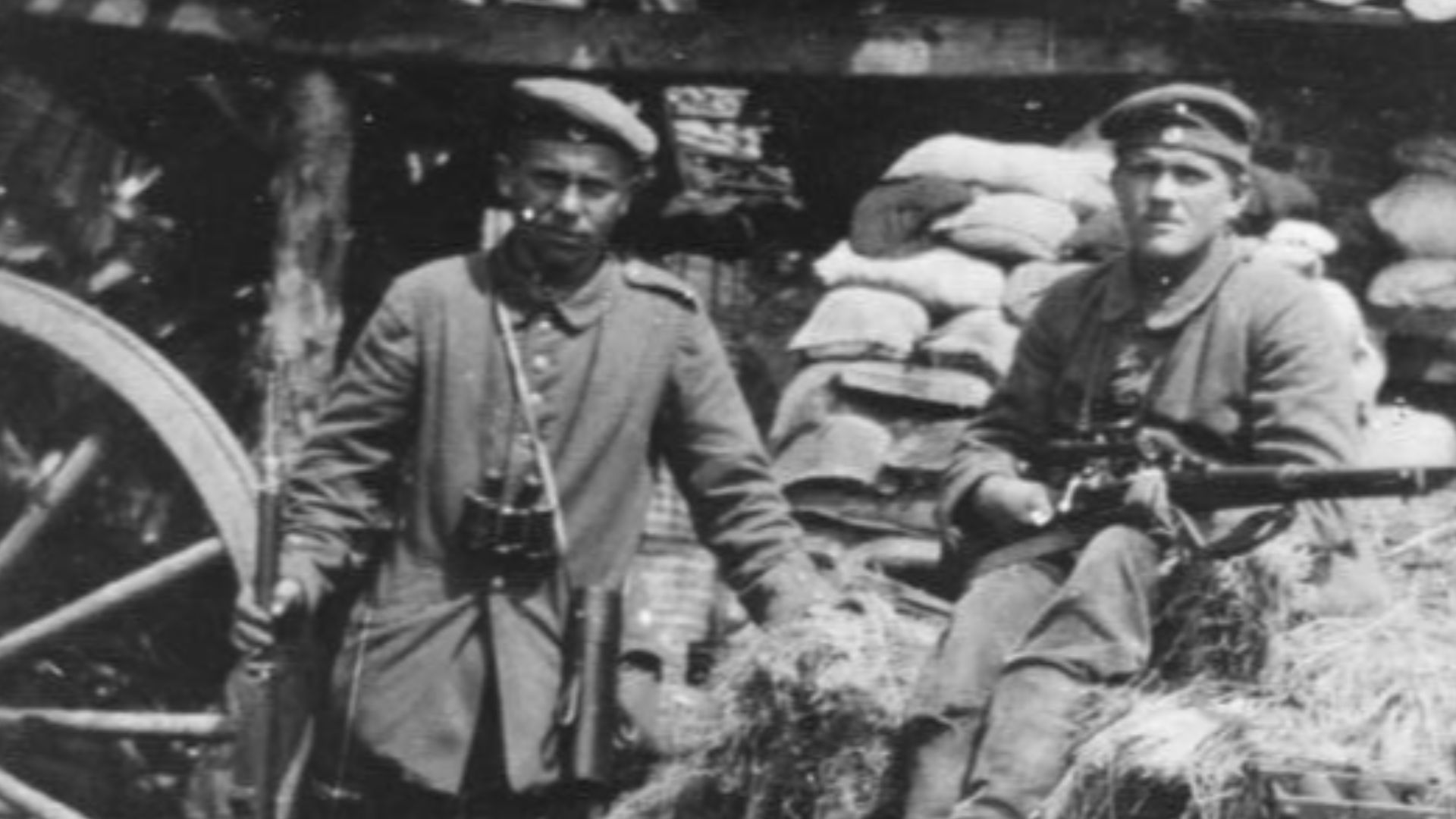 Unknown authorUnknown author on Wikimedia
7. Gela Paratrooper Shootdown (1943)
During the Sicily invasion, U.S. Navy anti-aircraft gunners opened fire on incoming C-47 transport planes carrying the 504th Parachute Infantry Regiment near the Gela beachhead. The paratroopers were mistaken for enemy aircraft, and the barrage downed or damaged numerous transports.
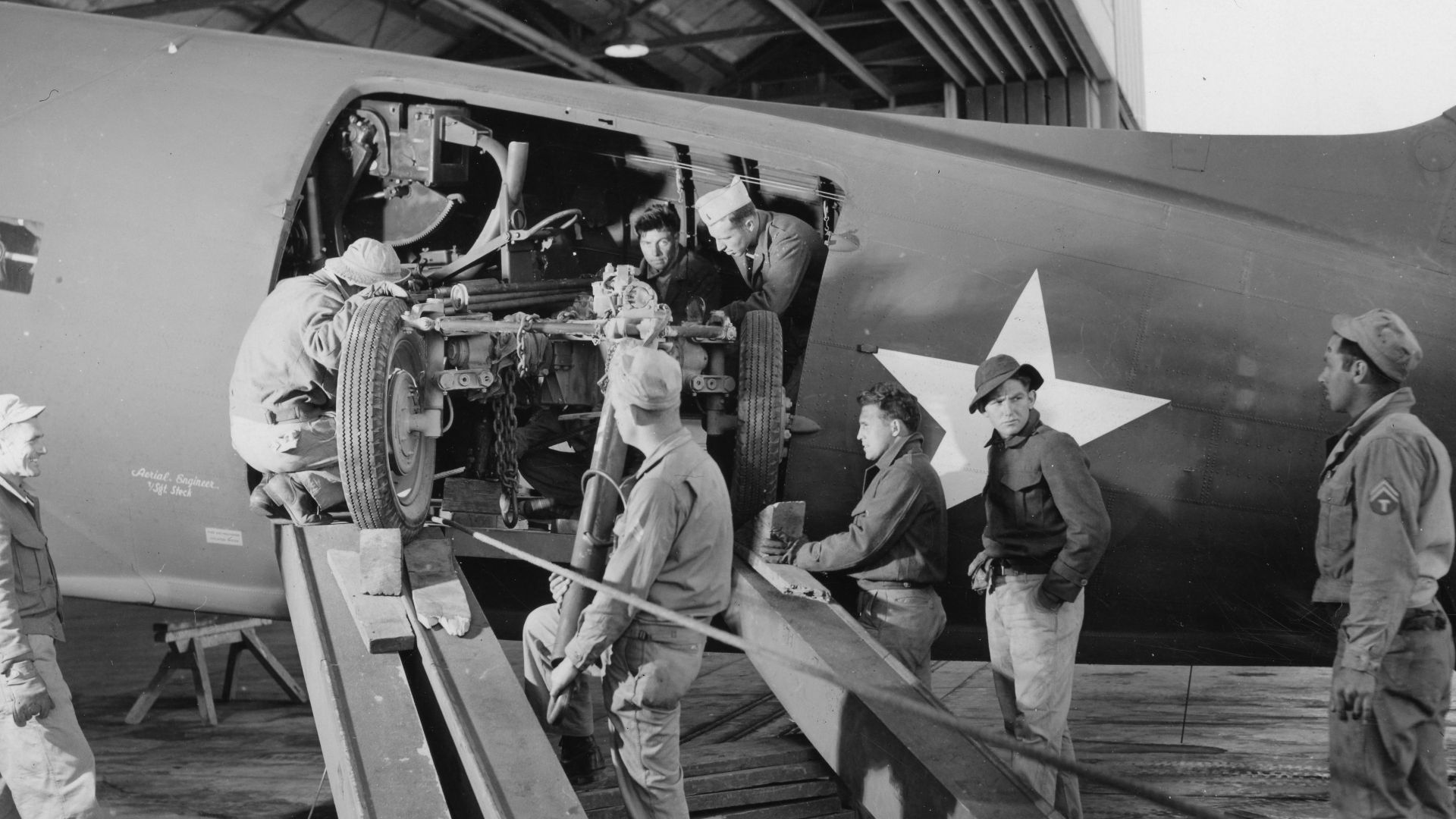 Signal Corps Archive from United States on Wikimedia
8. Operation Tiger (1944)
Nearly 1,000 U.S. troops died during a nighttime disaster in late April 1944 when German E-boats attacked rehearsal landing craft off Slapton Sands, England, during preparations for D-Day. Poor communication triggered chaos during the sinking, with some friendly fire occurring amid the panic.
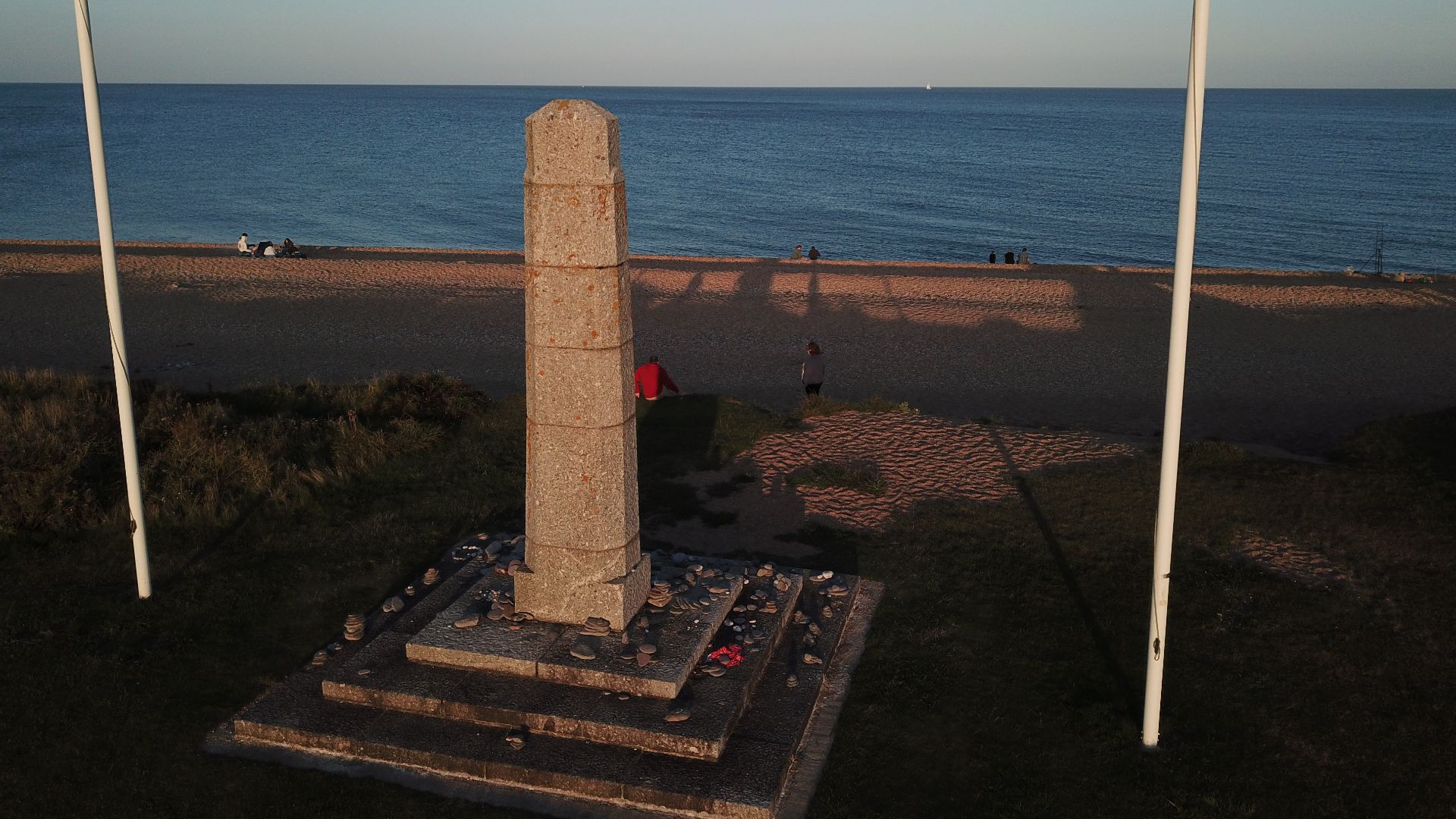
9. Operation Cobra (1944)
The 30th Infantry Division suffered the heaviest casualties from friendly strikes when smoke and marker placement errors caused the misdrops. Lieutenant General Lesley McNair passed away while observing from the front lines. Despite the horrific tragedy, the massive bombardment successfully broke German defensive lines.
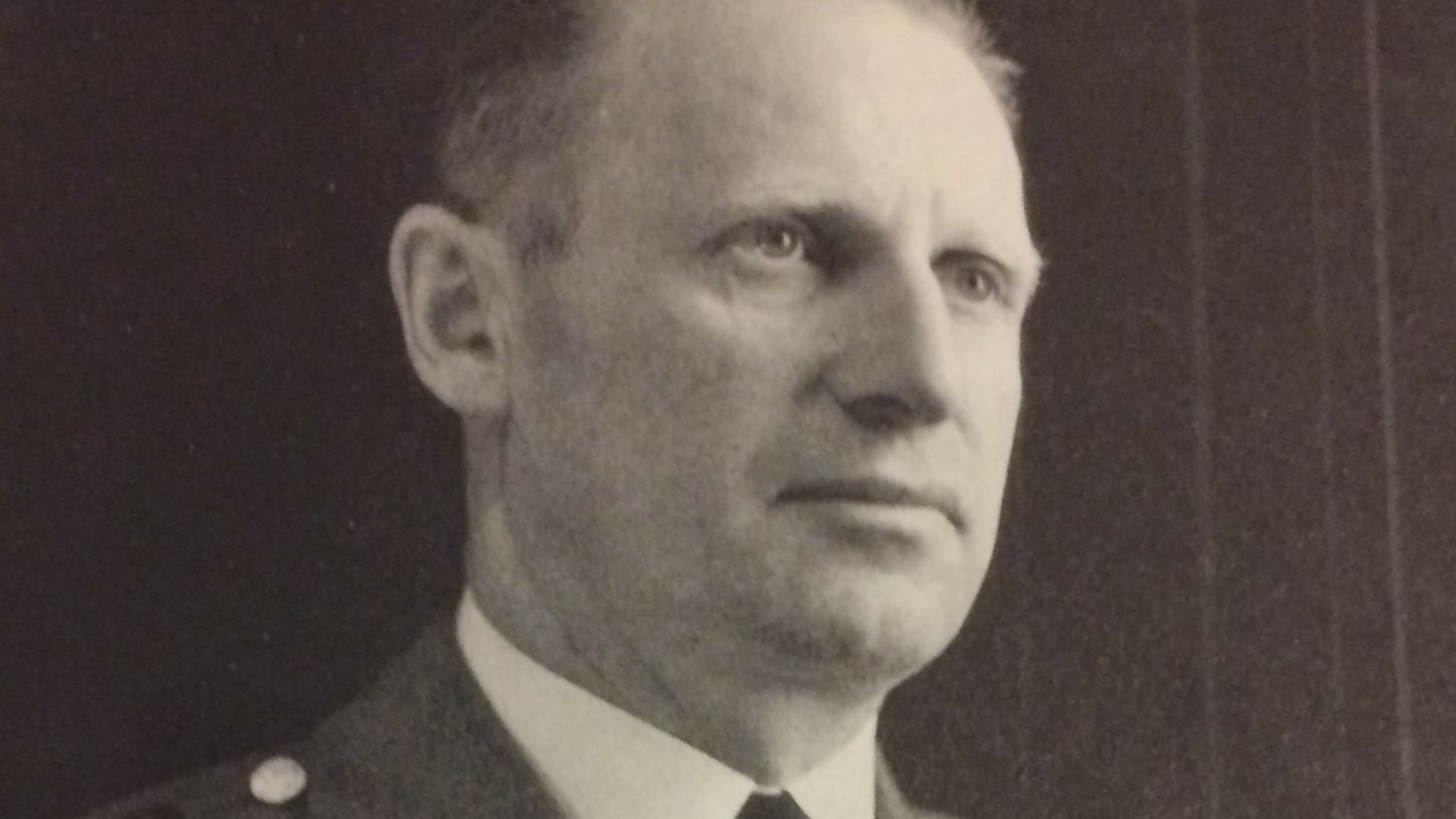 Fort ill National Historic Landmark and Museum (Fort Sill, Oklahoma). on Wikimedia
10. Nijmegen Bridge (1944)
Misidentification and poor coordination between air and ground forces caused the devastating error, which delayed the capture of this vital Rhine crossing point. Some pilots realized their terrible mistake mid-attack, but radio communication problems prevented timely abort orders from reaching all aircraft.
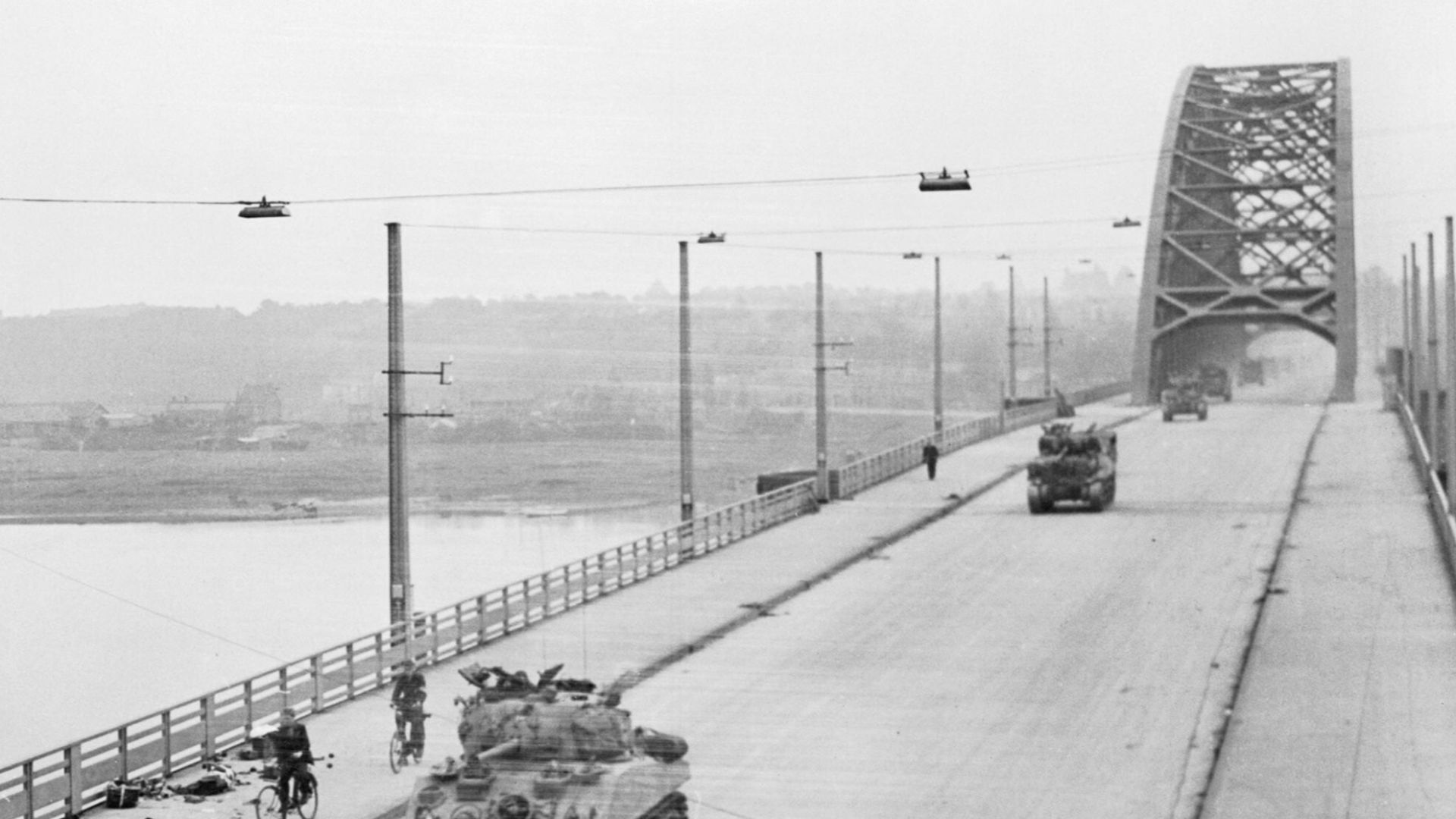 Unknown ; Post-Work: User:W.wolny on Wikimedia
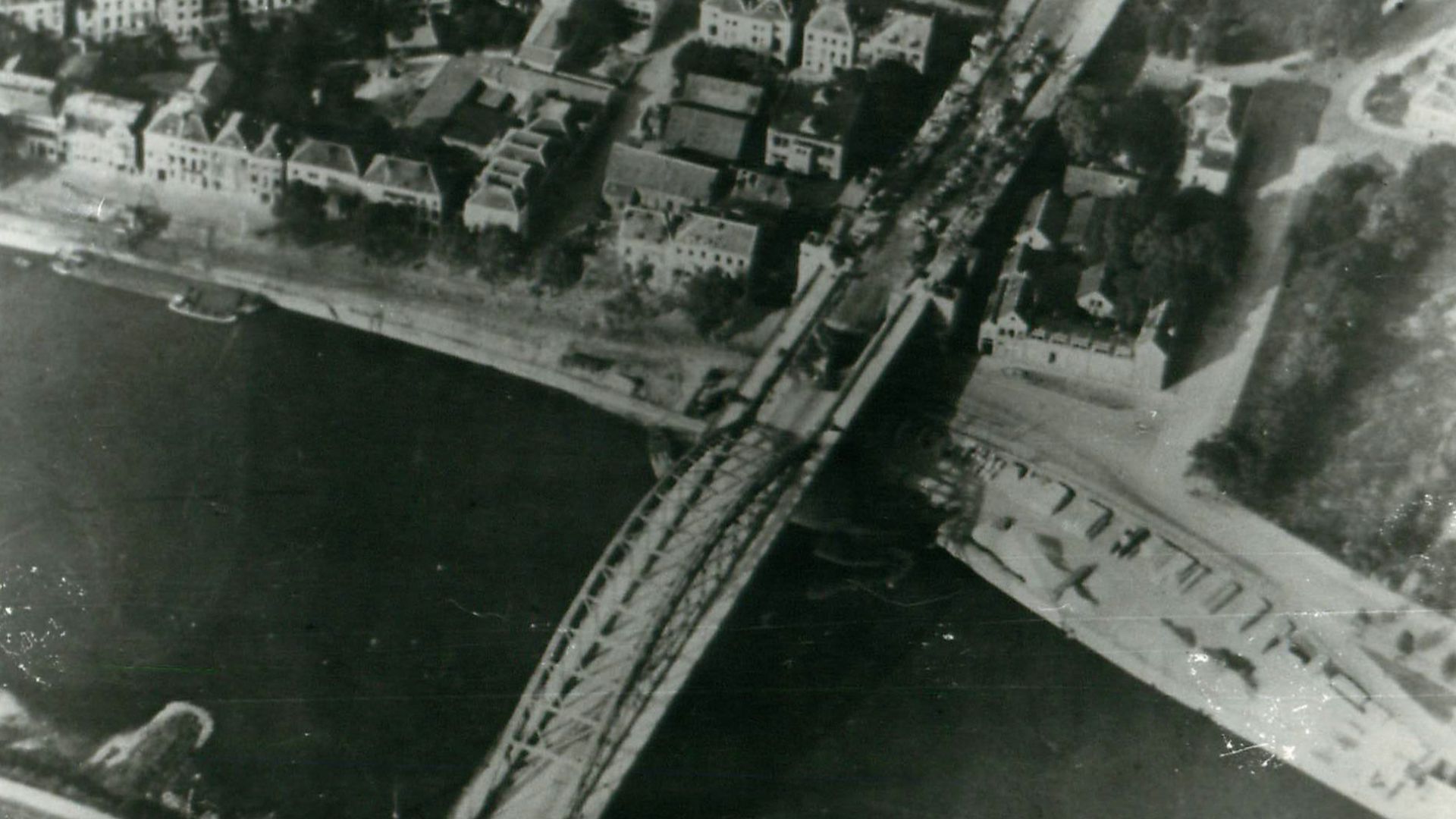
11. Arnhem Bridge Friendly Fire (1944)
British 1st Airborne paratroopers already surrounded near Arnhem in September that year faced a nightmare scenario when Allied Typhoon members attacked their positions, mistaking them for enemy forces. Fluid battle lines and severe identification issues caused casualties among troops.
 Post-Work: User:W.wolny on Wikimedia
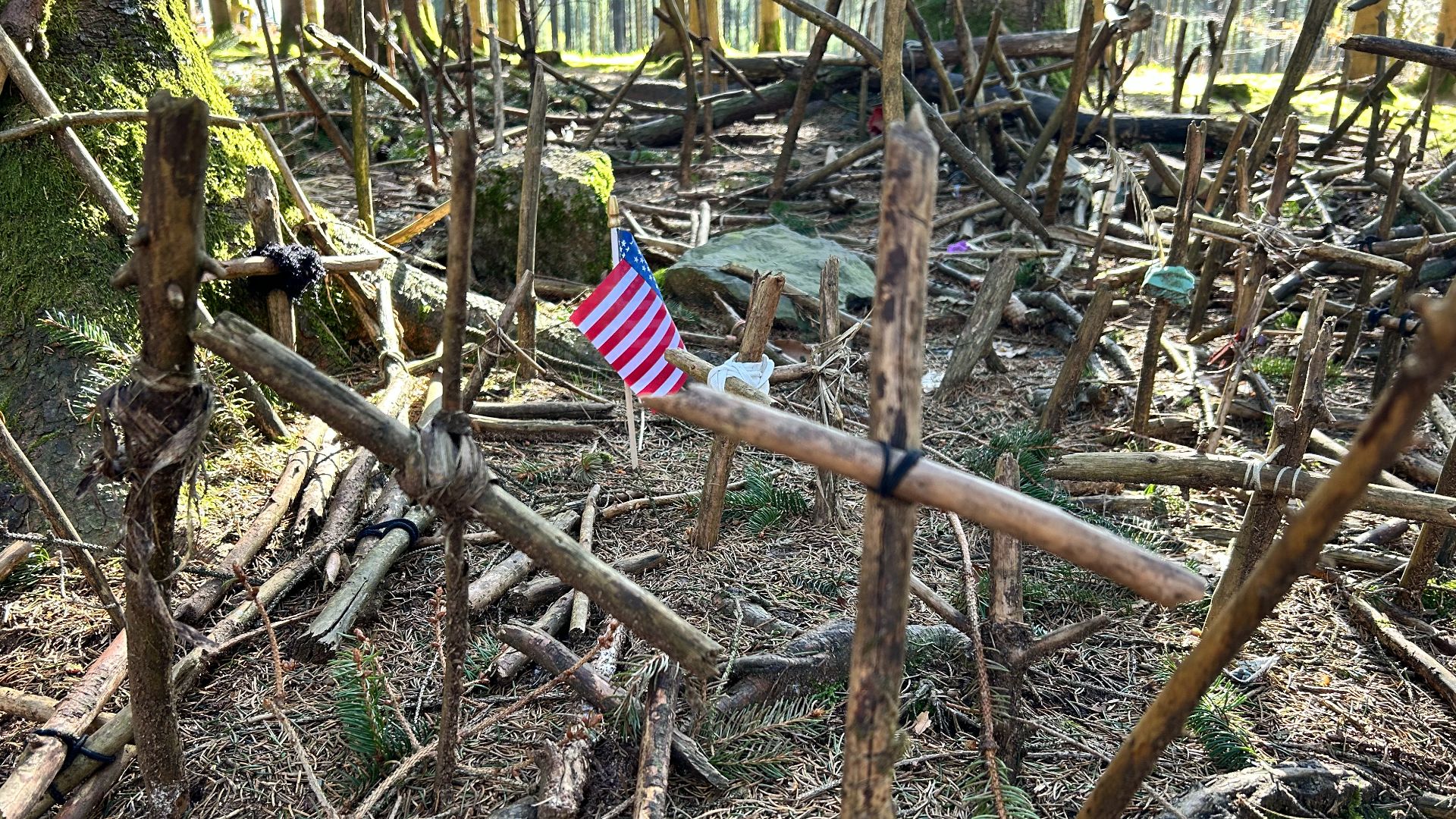
12. Battle of the Bulge (1944–45)
Miscommunication and the constantly shifting front lines caused friendly explosives to fall on American troops multiple times throughout the German offensive. Despite these tragic incidents, Allied air superiority eventually proved decisive in stopping the German advance and turning the tide of the battle.
 LitmitaneiGillius on Wikimedia
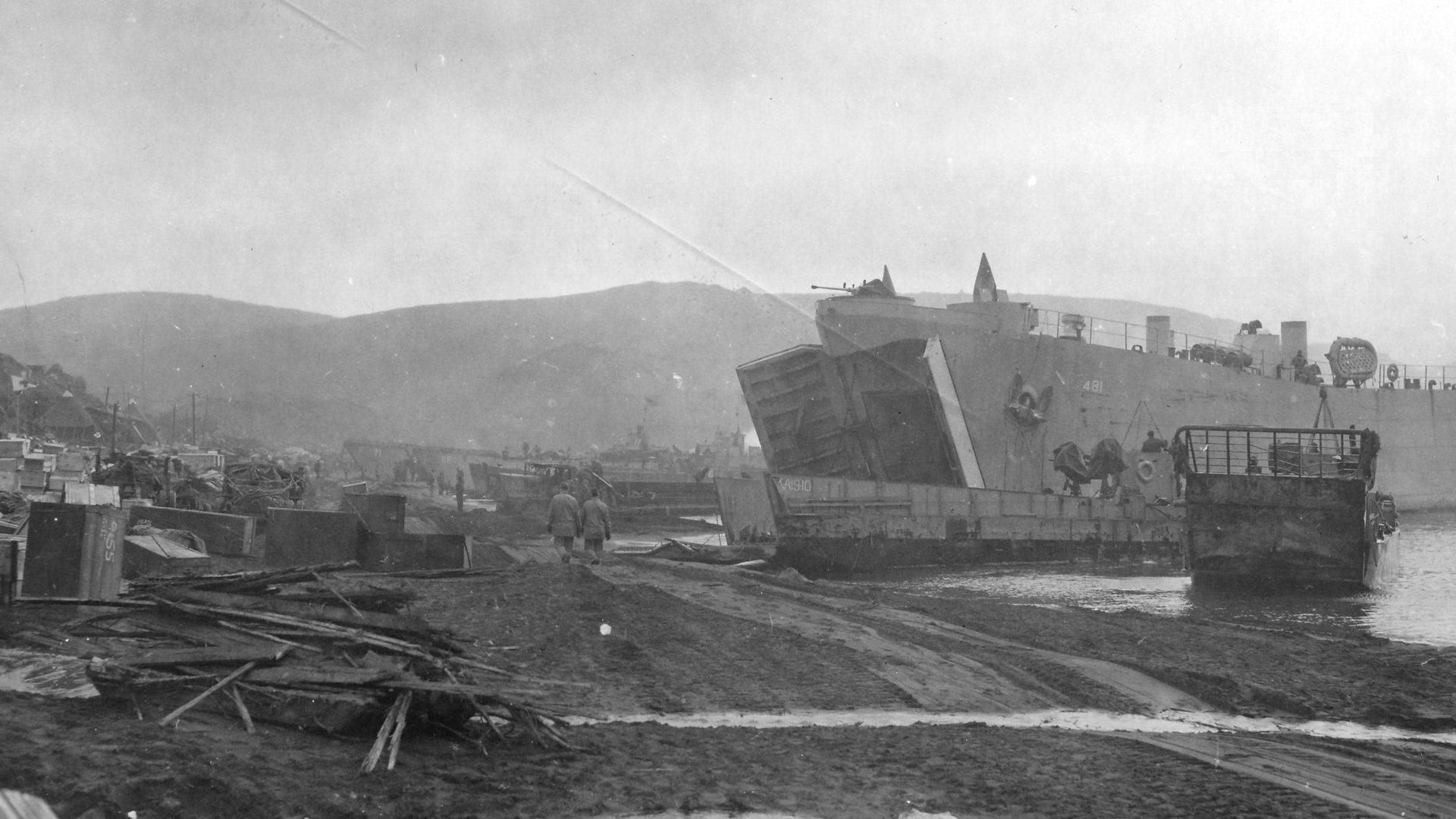
13. Battle of the Pips / Operation Cottage (1943)
U.S. and Canadian forces landed on fog-covered Kiska Island in August 1943, immediately firing on each other while mistaking allies for Japanese defenders in the terrible visibility. Radar systems detected phantom "pips," leading to intense naval barrages against nonexistent targets.
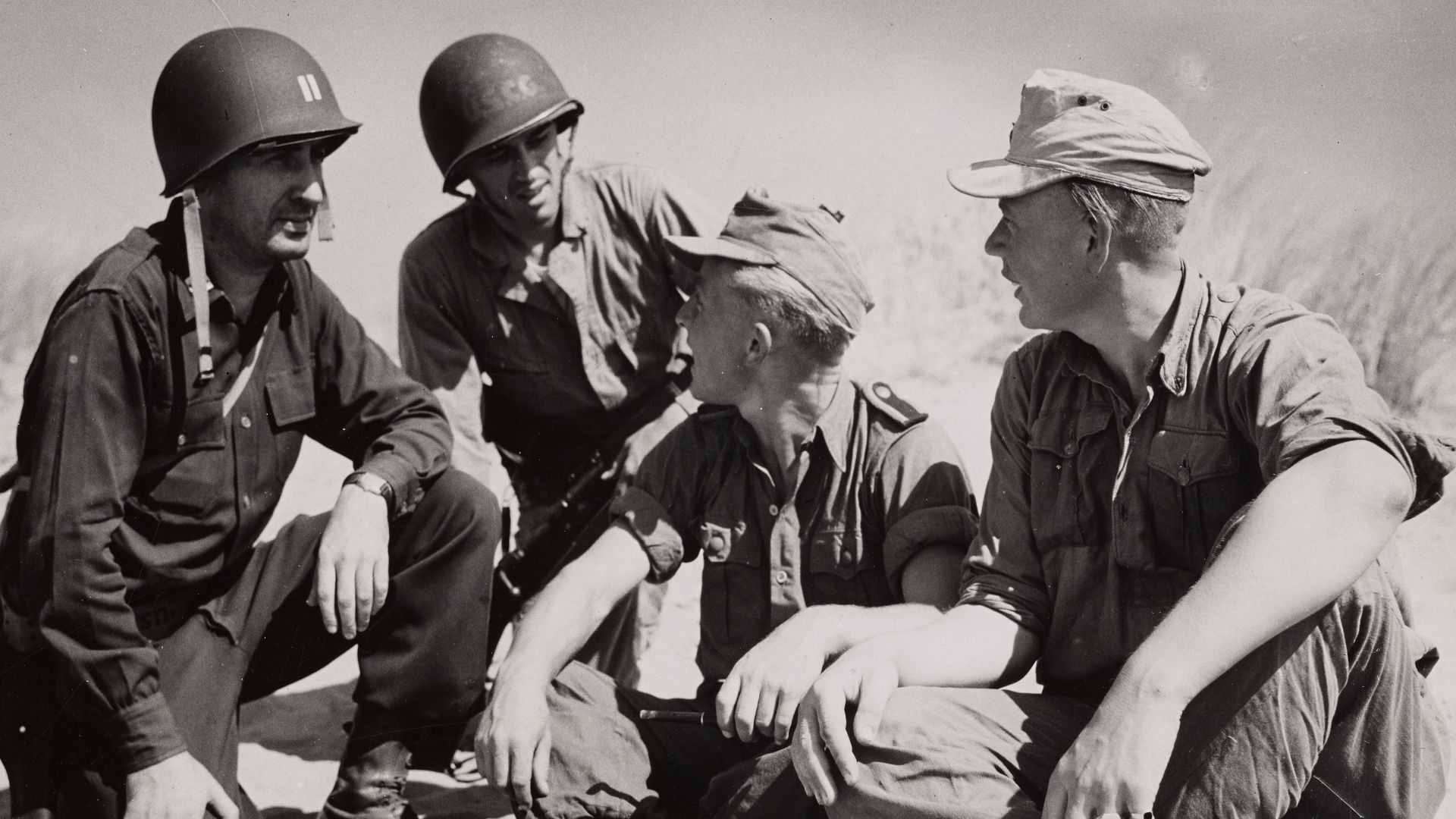
14. Battle of Salerno (1943)
Naval guns hammered U.S. positions during the amphibious landings at Salerno, with the close proximity of forces and rapidly shifting lines creating deadly friendly fire situations. Both aircraft and warships fired on Allied troops amid desperate German counterattacks.
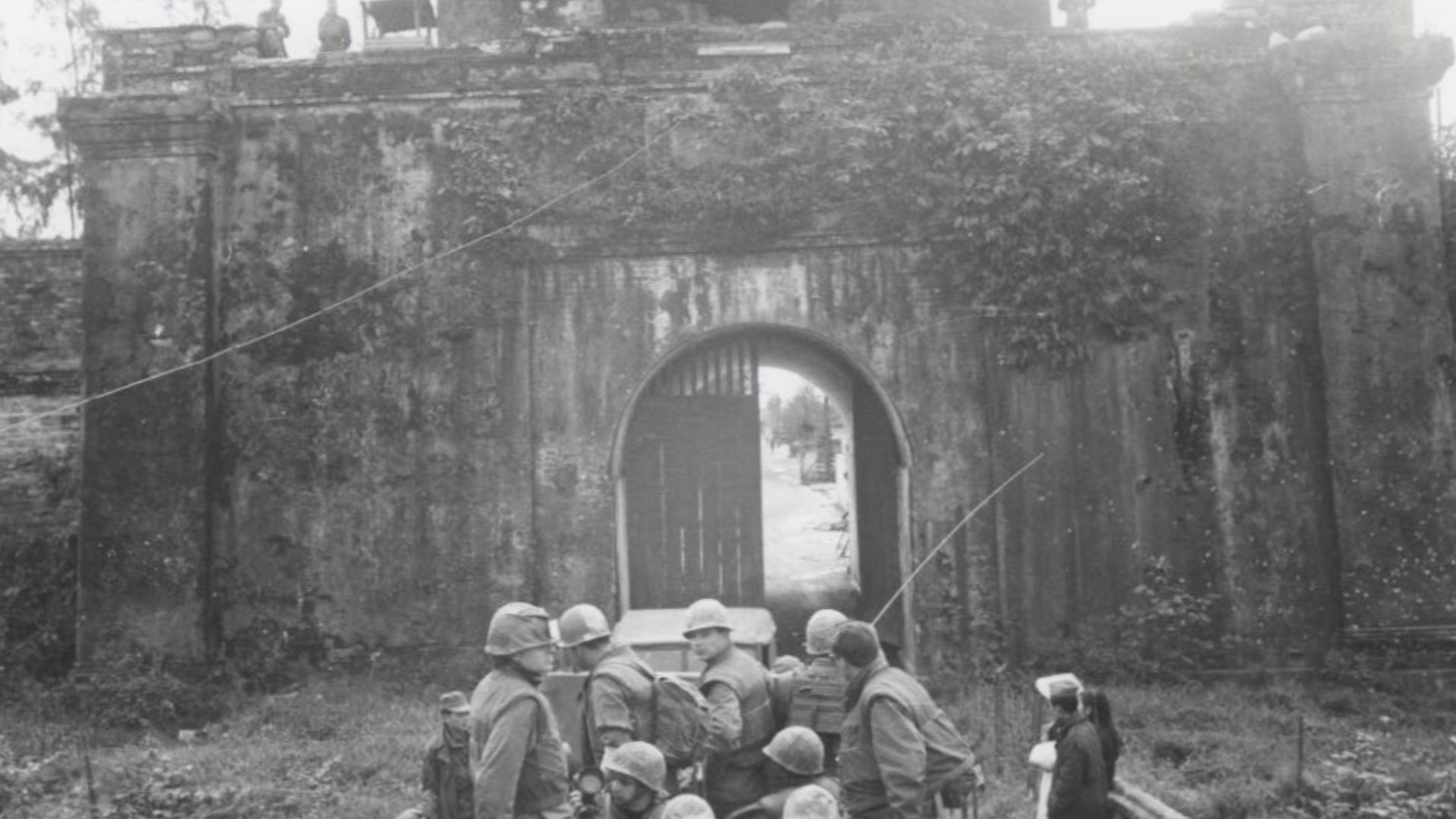
15. Huế City Marines (1968)
Poor coordination between air and ground forces resulted in strikes hitting American troops engaged in desperate house-to-house combat, significantly increasing already horrific casualty counts. Marines recaptured the ancient city street, but much of historic Huế was utterly devastated in the process.
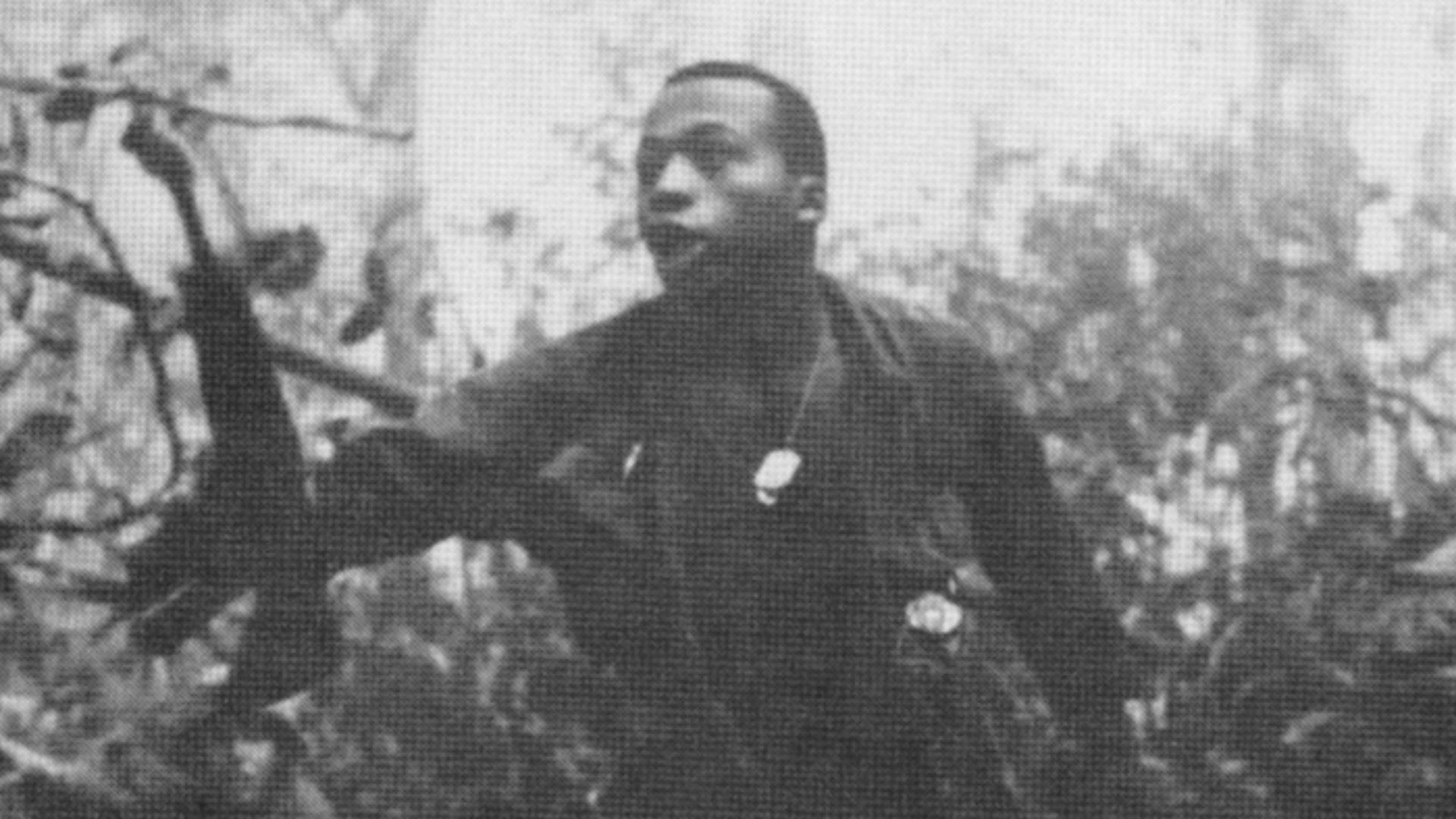
16. Hill 875 Airstrike (1967)
Dozens of U.S. paratroopers from the 2/503rd were affected in 1967 at Dak To, mistaking them for enemy forces. The catastrophic error occurred during intense close combat, with paratroopers already locked in brutal fighting when friendly fire rained down on their defensive perimeter.
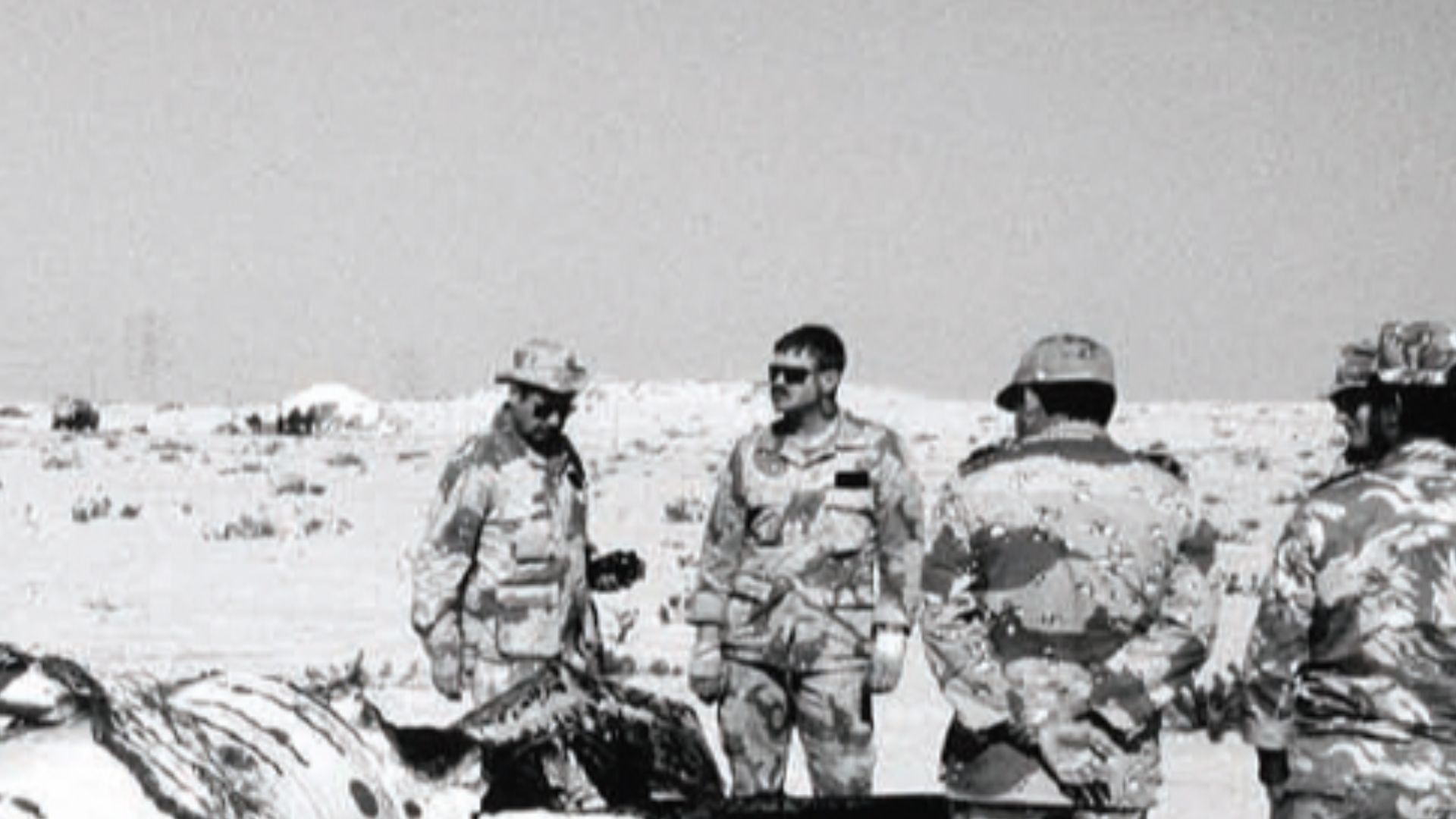
17. Operation Desert Storm Patriot Shootdowns (1991)
Patriot missile systems misidentified targets during the 1991 Gulf War, engaging friendly aircraft during heightened Scud missile alerts in what became known as blue-on-blue incidents. Integration challenges with the new technology caused Allied planes to be threatened or accidentally hit by their own defensive systems.
 unknown, DoD photo, Joint Combat Camera on Wikimedia
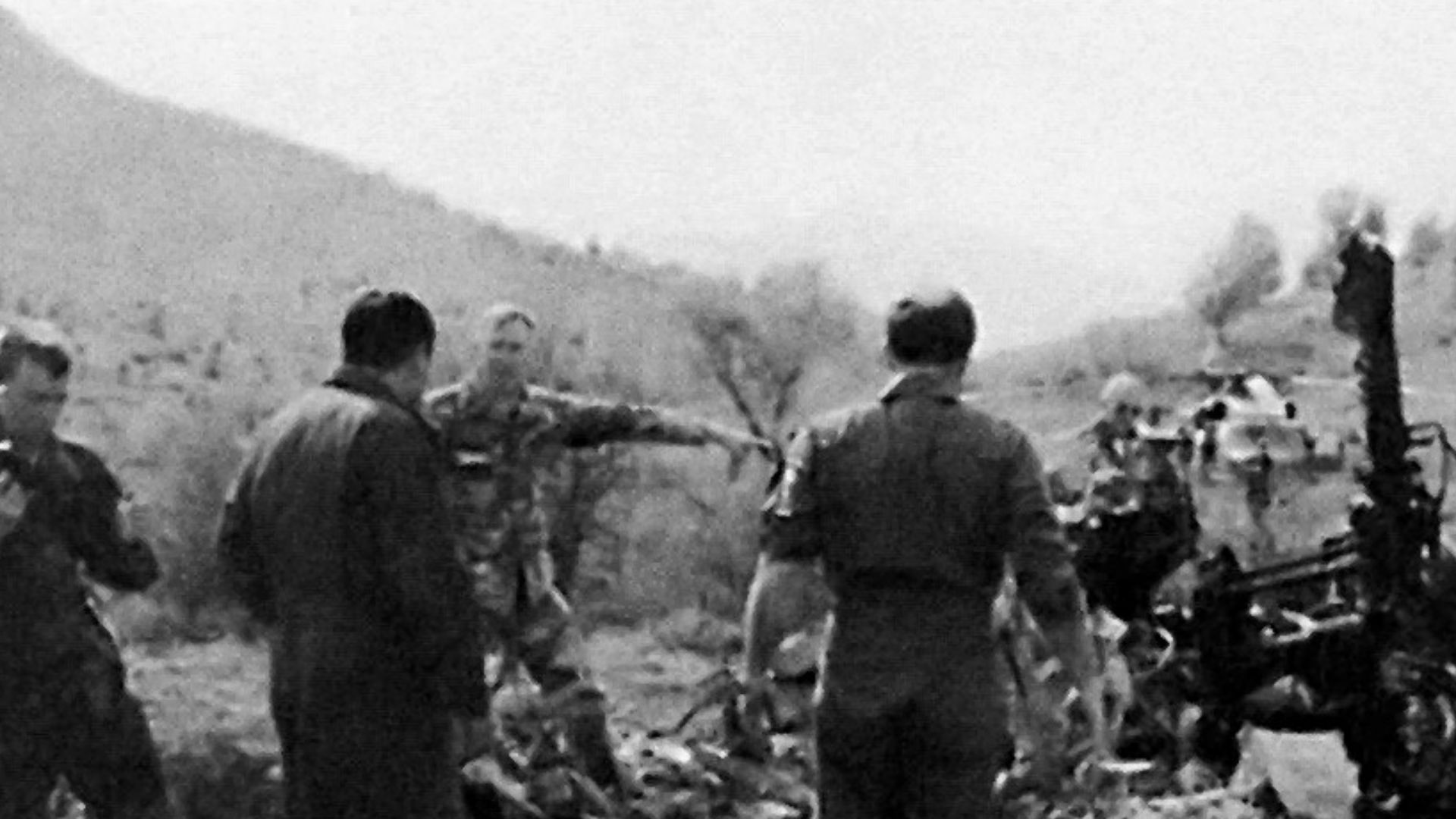
18. Black Hawk Shootdown (1994)
F-15 fighter pilots shot down two U.S. Black Hawk helicopters over Iraq's no-fly zone. The pilots mistook the American helicopters for Iraqi aircraft due to IFF (Identification Friend or Foe) system failures and inadequate visual confirmation checks.
 United States Air Force on Wikimedia
19. Tarnak Farm (2002)
Four Canadian soldiers lost their lives, and eight were wounded at Tarnak Farm on April 17, 2002, when a U.S. F-16 pilot struck their position in Afghanistan. Pilot fatigue and flawed procedures contributed to the tragic error that became Canada's worst friendly fire loss.
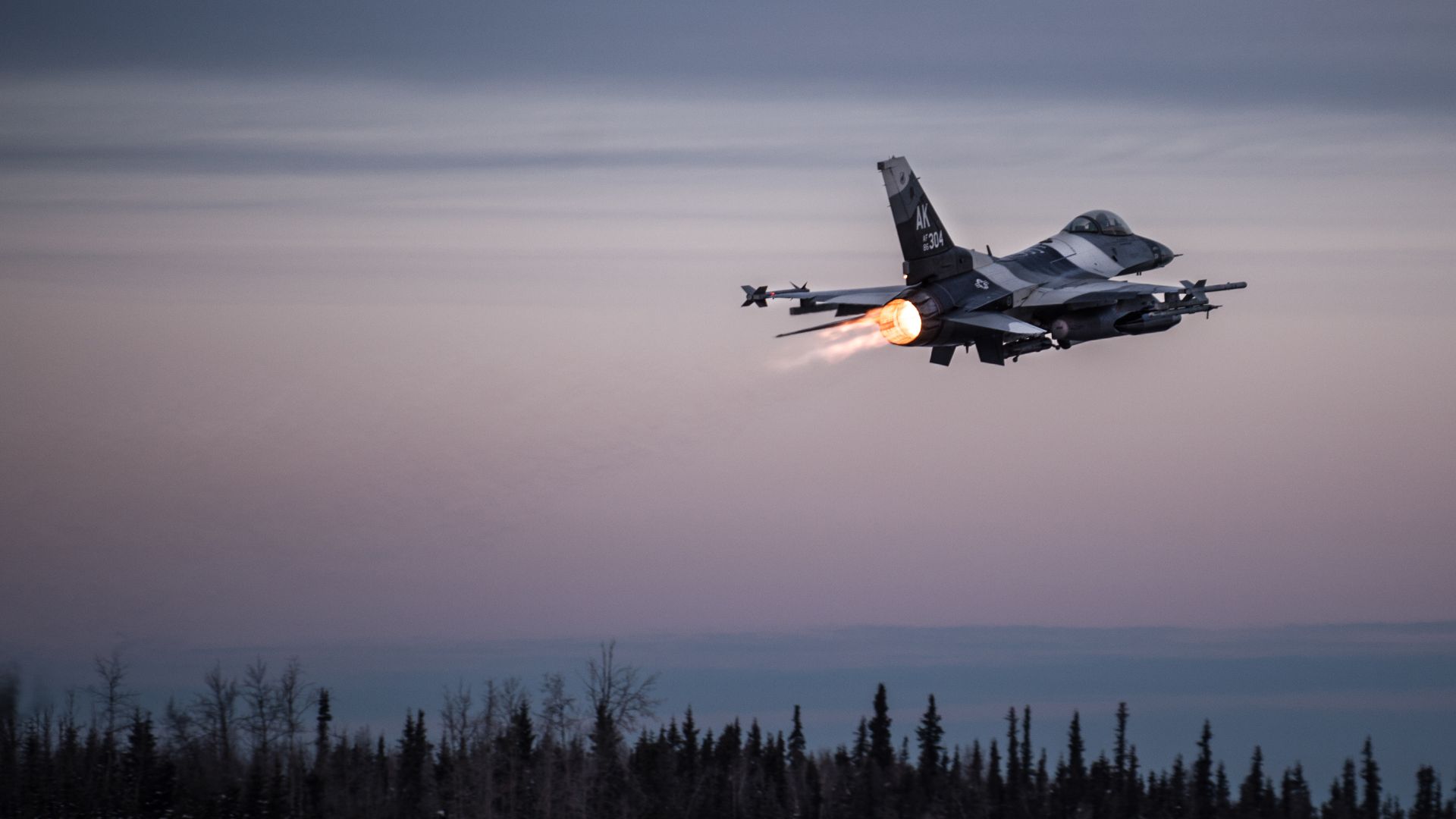 Staff Sgt. Shawn Nickel on Wikimedia
20. Pat Tillman's Demise (2004)
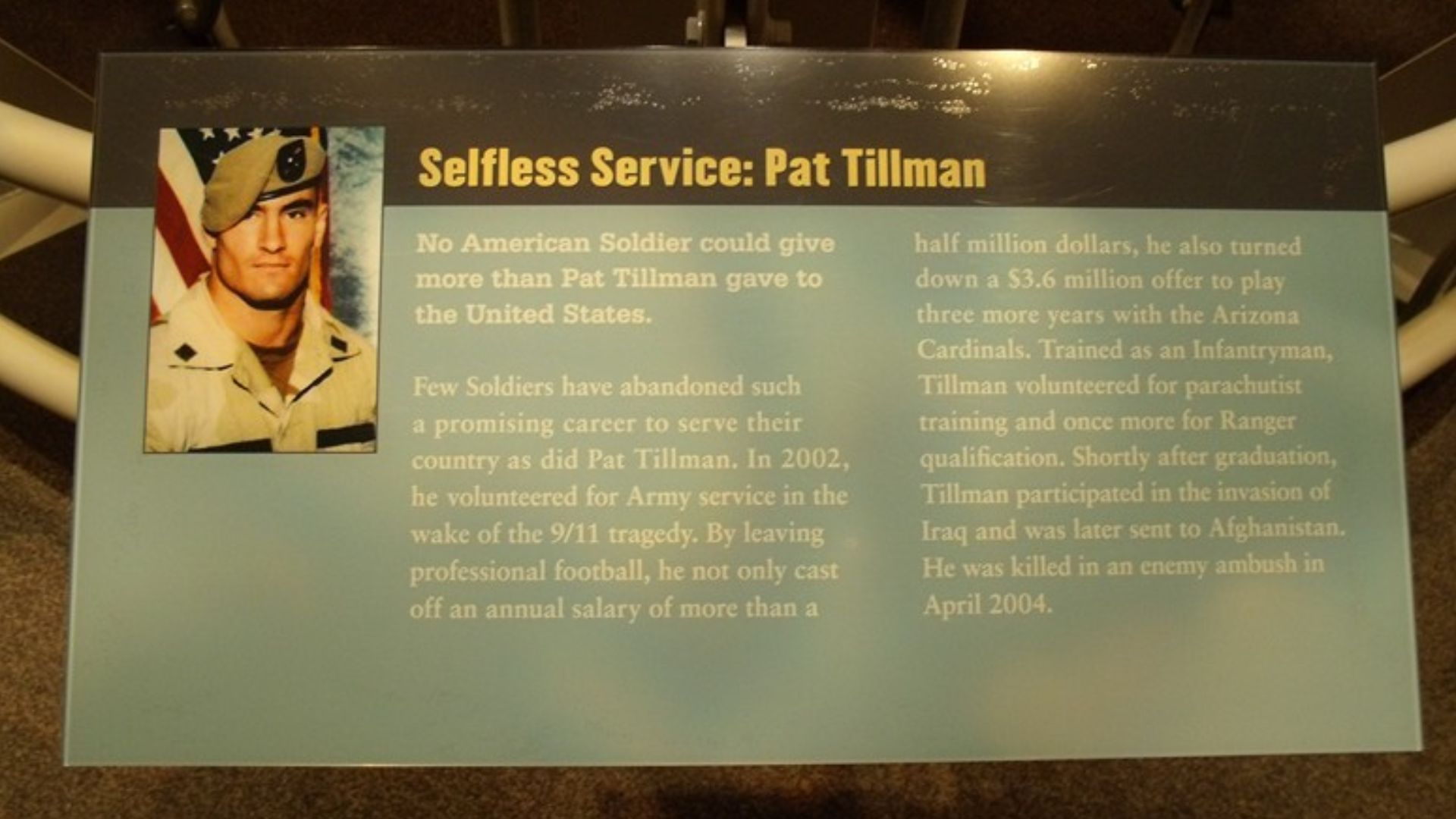
Rangers mistook Tillman for enemy fighters during the confused response, but initial military reports falsely claimed he passed in an enemy ambush rather than friendly fire. The subsequent cover-up became a major scandal when his family relentlessly pursued the truth.
KEEP ON READING