

When the Universe Picks a Side
Military histories often emphasize strategy, leadership, and discipline, yet many engagements turn on factors no commander can reliably control. Weather, miscommunication, misjudged timing, and accidental discoveries can magnify small advantages into decisive moments. Here are 20 battles that were won mostly by chance.
 USMC photo 127-N-A2659 on Wikimedia
1. Salamis (480 BCE)
Themistocles’ message baited Persian commanders into entering narrow waters where their larger fleet couldn’t maneuver cleanly. Once the Persian line compressed, collisions and blocked retreats snowballed faster than any admiral could fix. It may not have been completely won by luck, but the fact that the Persians took the bait was a total gamble that allowed the vastly outnumbered Greeks to come out victorious.
2. Tours (732)
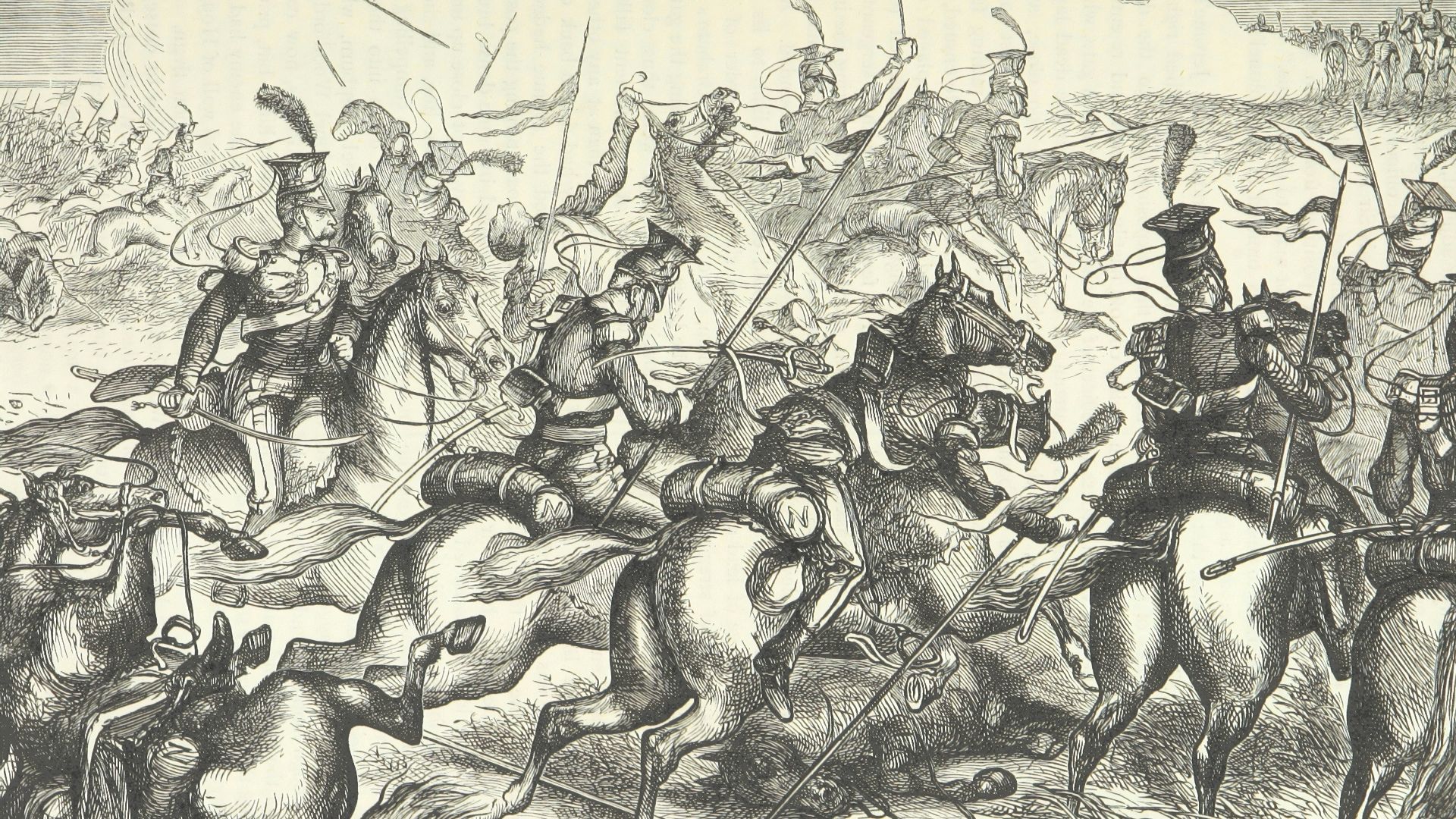
During the fighting, the Umayyad commander Abd al-Rahman was killed, and that single loss shattered coordination. With leadership suddenly missing, the army withdrew overnight rather than risk a confused continuation. The victory hinged on an in-battle casualty that no plan can guarantee, especially in a melee.
3. Stirling Bridge (1297)
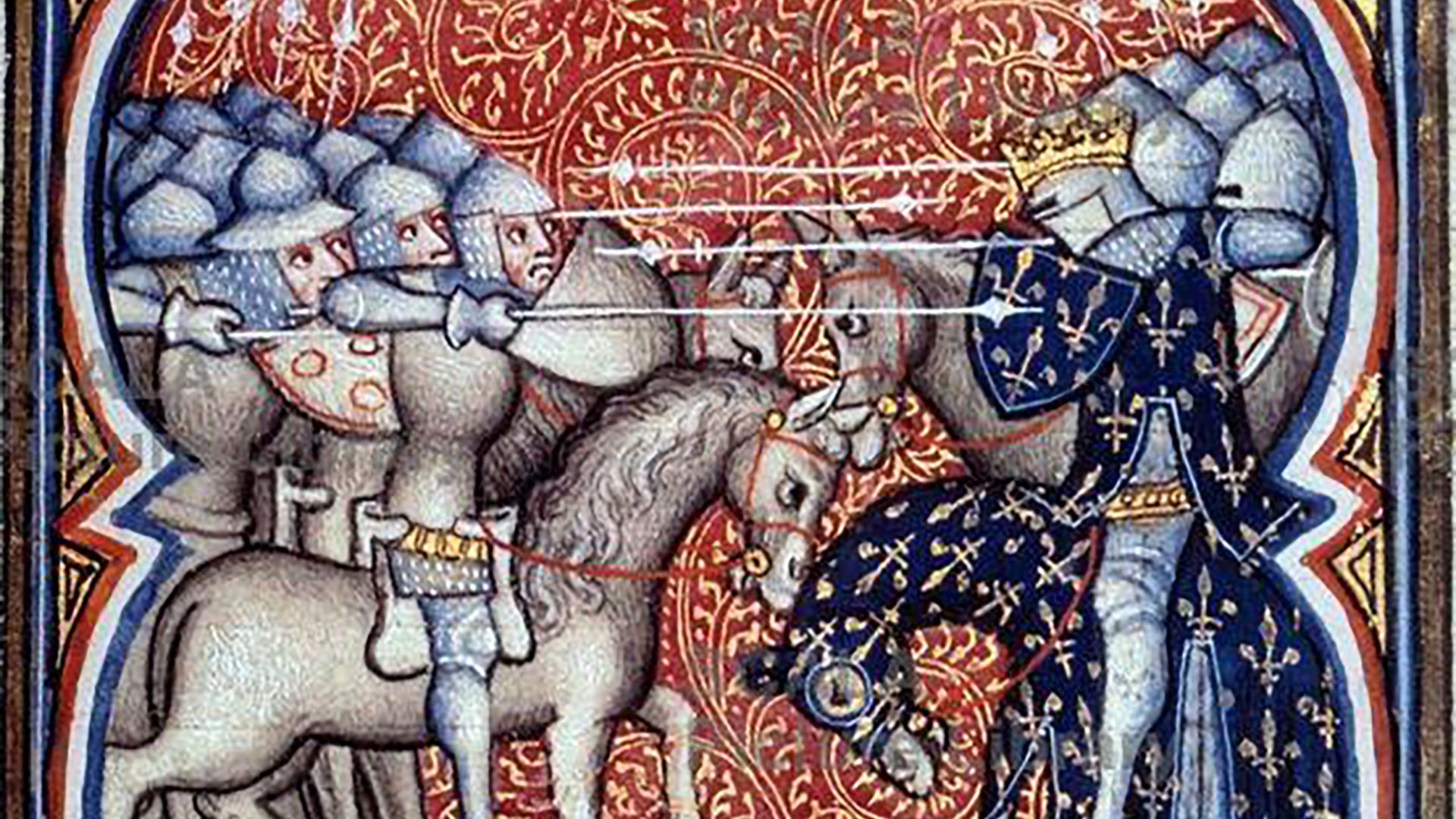
The English had to cross a narrow bridge, and the Scots waited until a large portion was over before striking. That timing trapped the forward troops with limited room to deploy and even less room to retreat. The lucky break was getting the enemy to commit to a choke point in just the right increments.
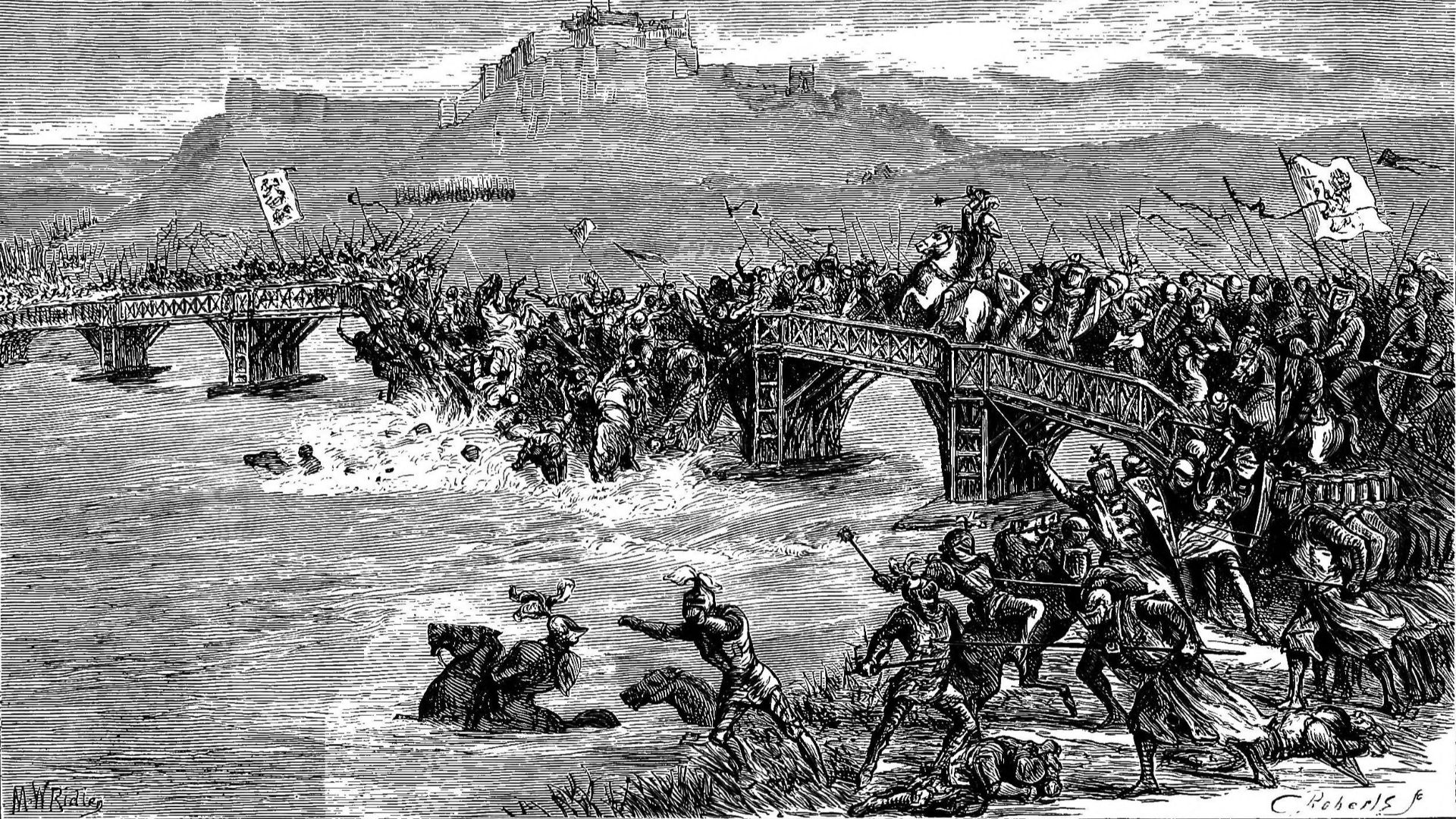 Matthew White Ridley on Wikimedia
4. Agincourt (1415)
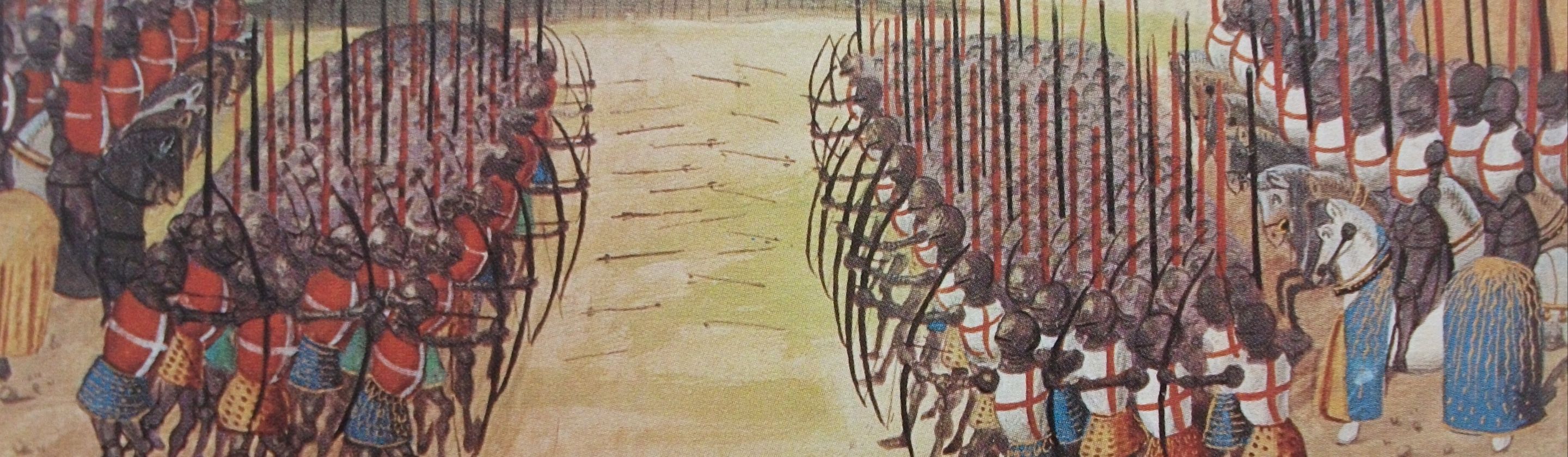
Heavy rain turned the field into deep muck, making French armored troops slow, exhausted, and tightly bunched. English archers didn’t create the weather, but they benefited from it as French attacks collapsed under their own weight. The weather allowed the English to neutralize the numerically advantaged French.
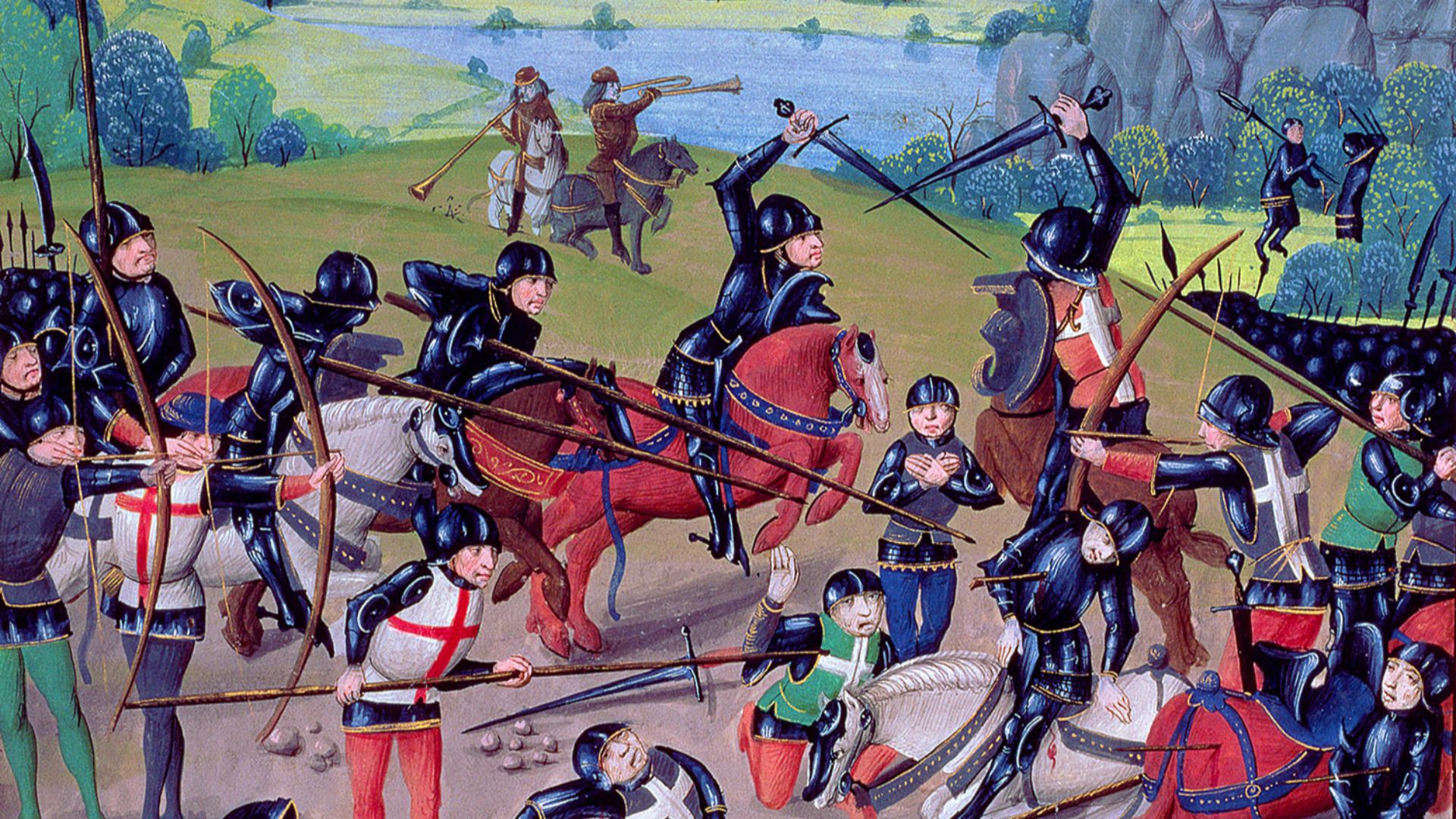
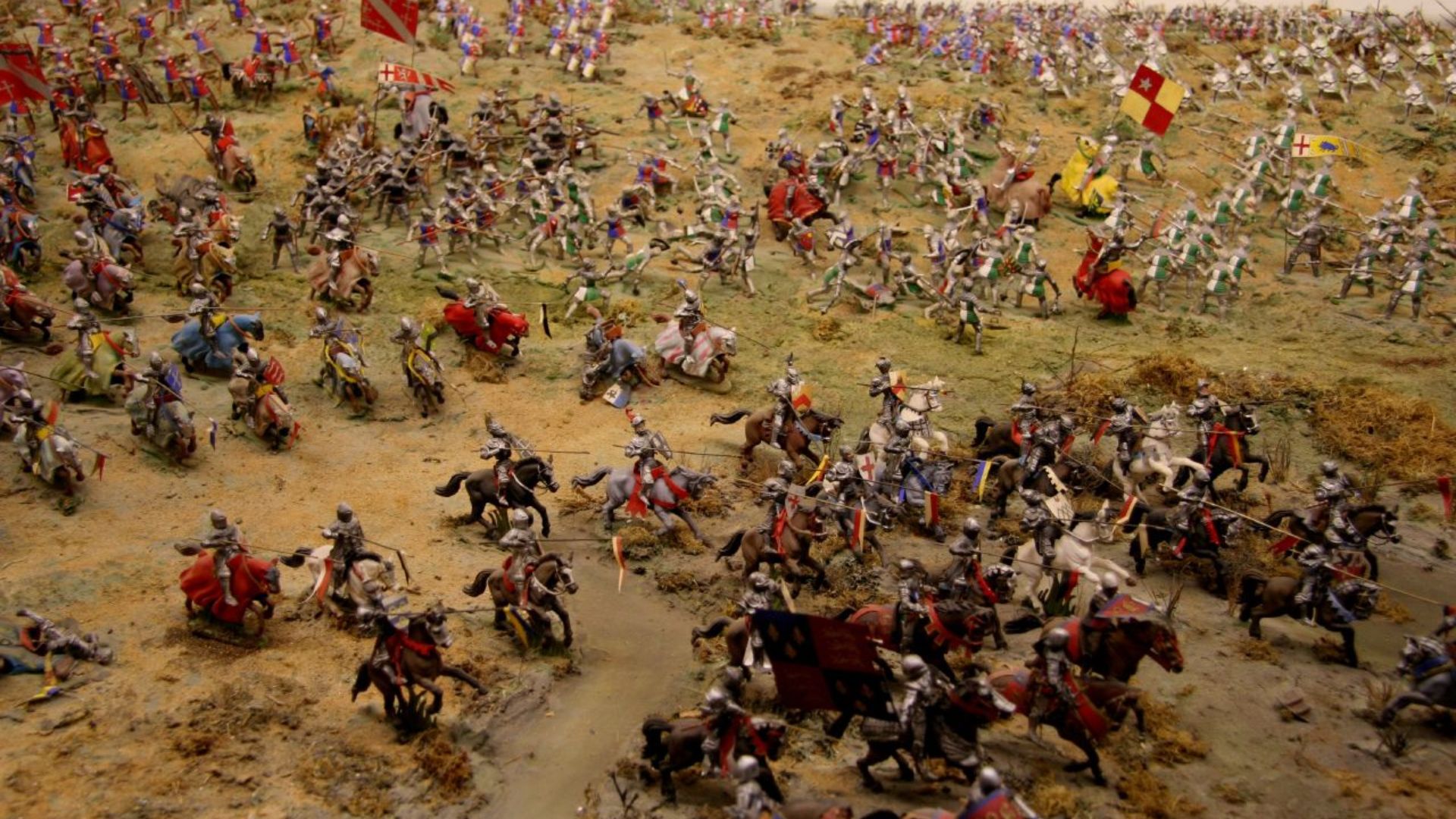
5. Bosworth Field (1485)
Richard III expected the Stanleys’ support, but they held back until the moment their choice would decide the day. When they finally committed to Henry Tudor’s side, Richard’s position unraveled in minutes. That swing was essentially a political coin flip landing at the worst possible second for the king.
6. Lepanto (1571)
Early in the battle, changing wind conditions helped the Holy League’s galleys maneuver and maintain cohesion. Ottoman formations, which relied heavily on speed and coordination, suffered when conditions turned less favorable. The lucky factor wasn’t just wind, but when it shifted, because timing turned weather into an advantage.
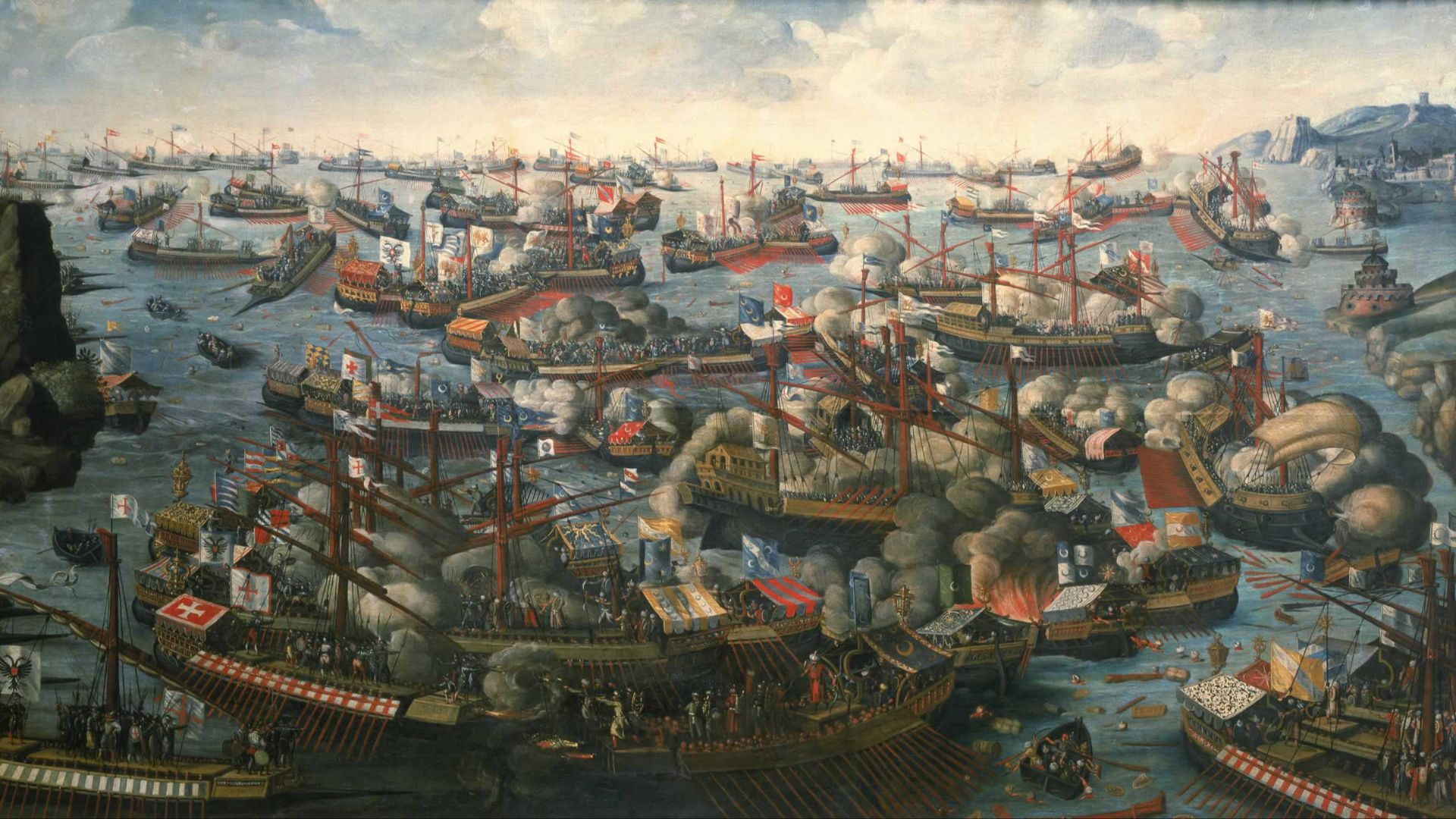 Unidentified painter on Wikimedia
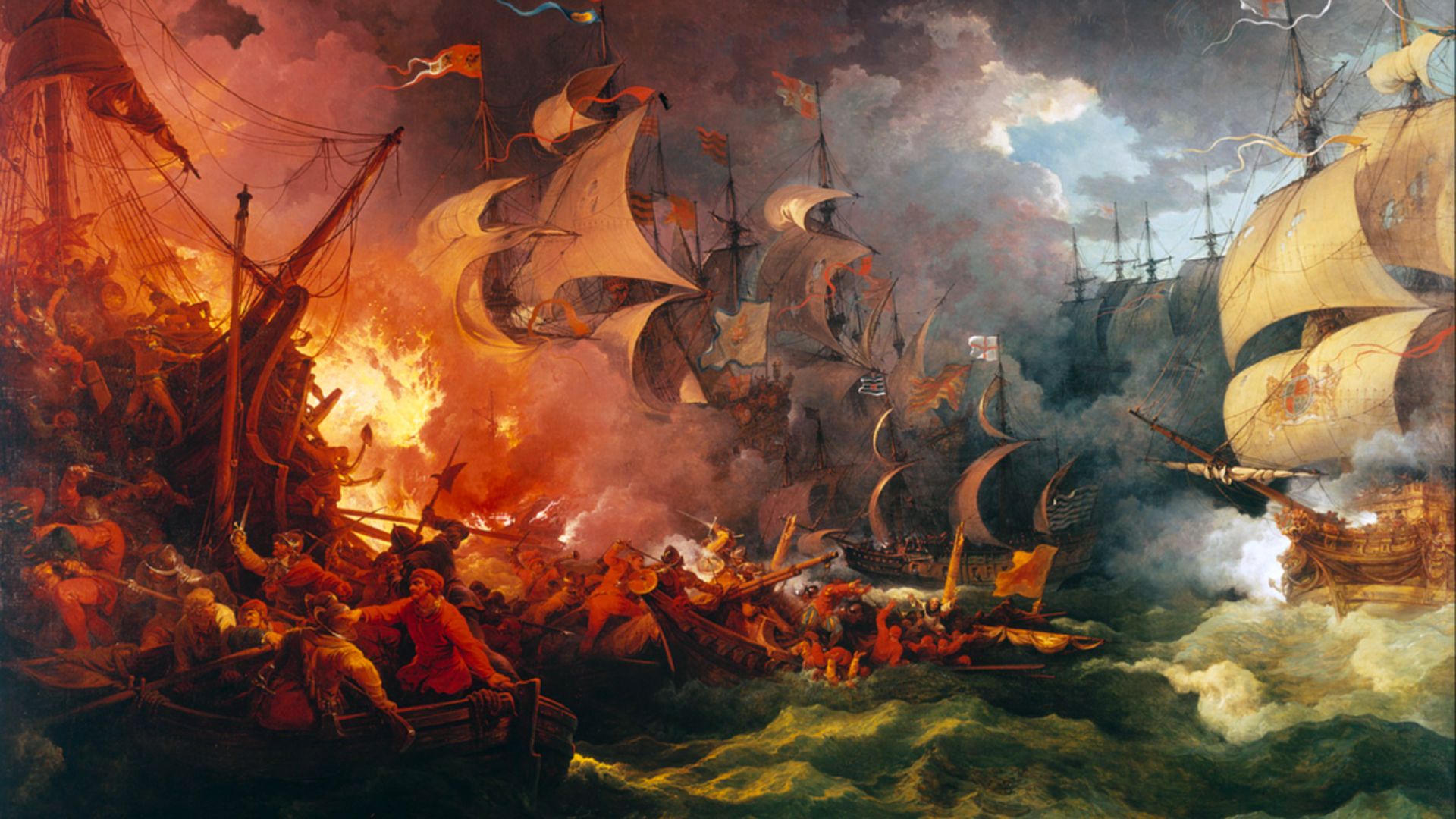
7. Gravelines & the “Protestant Wind” (1588)
English fireships scattered the Spanish Armada’s formation, forcing hurried movement and broken anchoring. Then storms drove the Armada away from safe routes and into punishing seas as it tried to circle home. It was nature's way of finishing the job.
 Philip James de Loutherbourg on Wikimedia
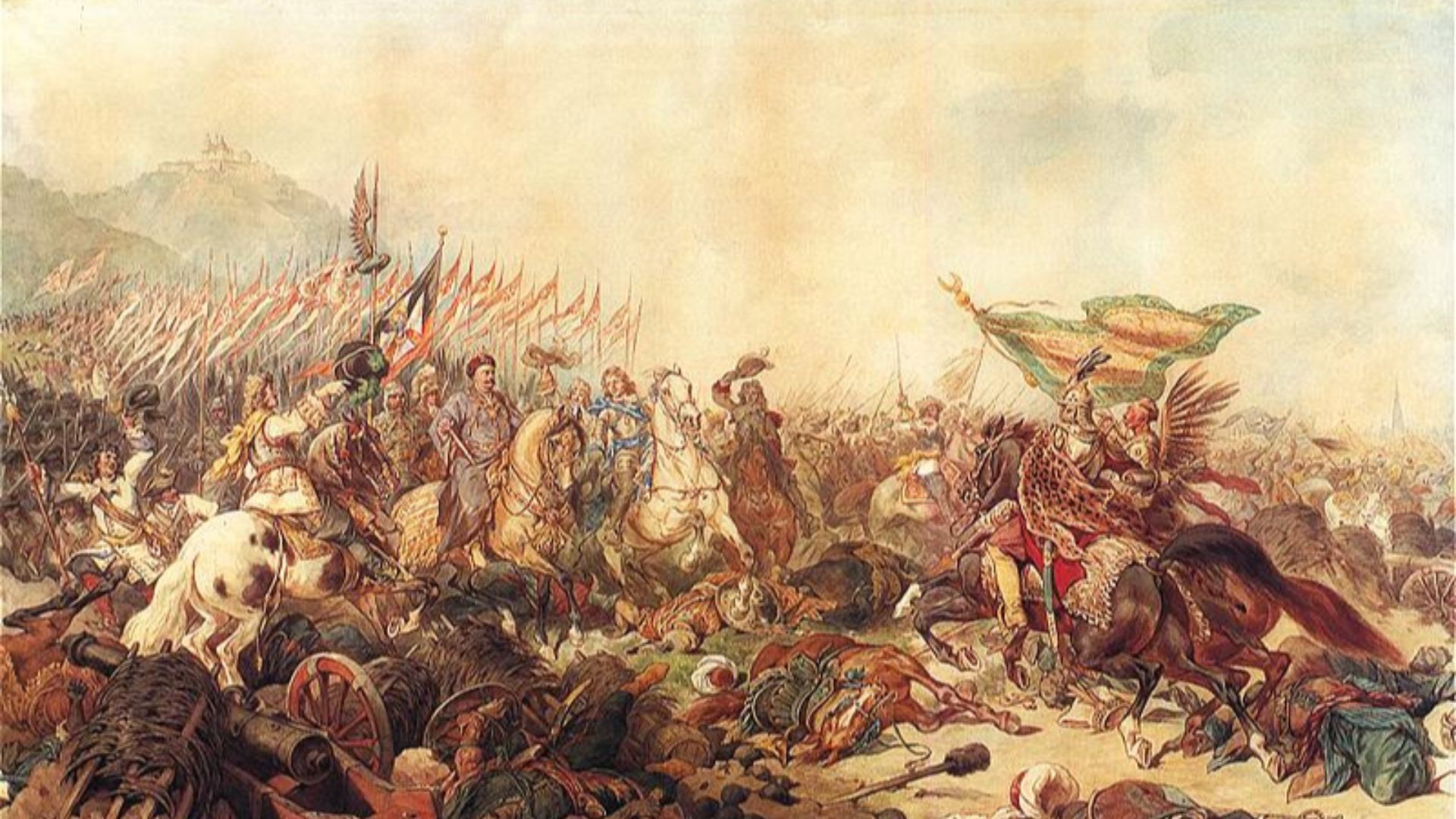
8. Vienna (1683)
The Ottoman siege had pushed Vienna to the edge, and a delay of days could’ve made surrender more likely. The allied relief force under John III Sobieski arrived just in the nick of time to force a pitched battle instead of a final collapse. If not for that perfect timing, Vienna would've surely become part of the Ottoman Empire, and the map might look different to this day.
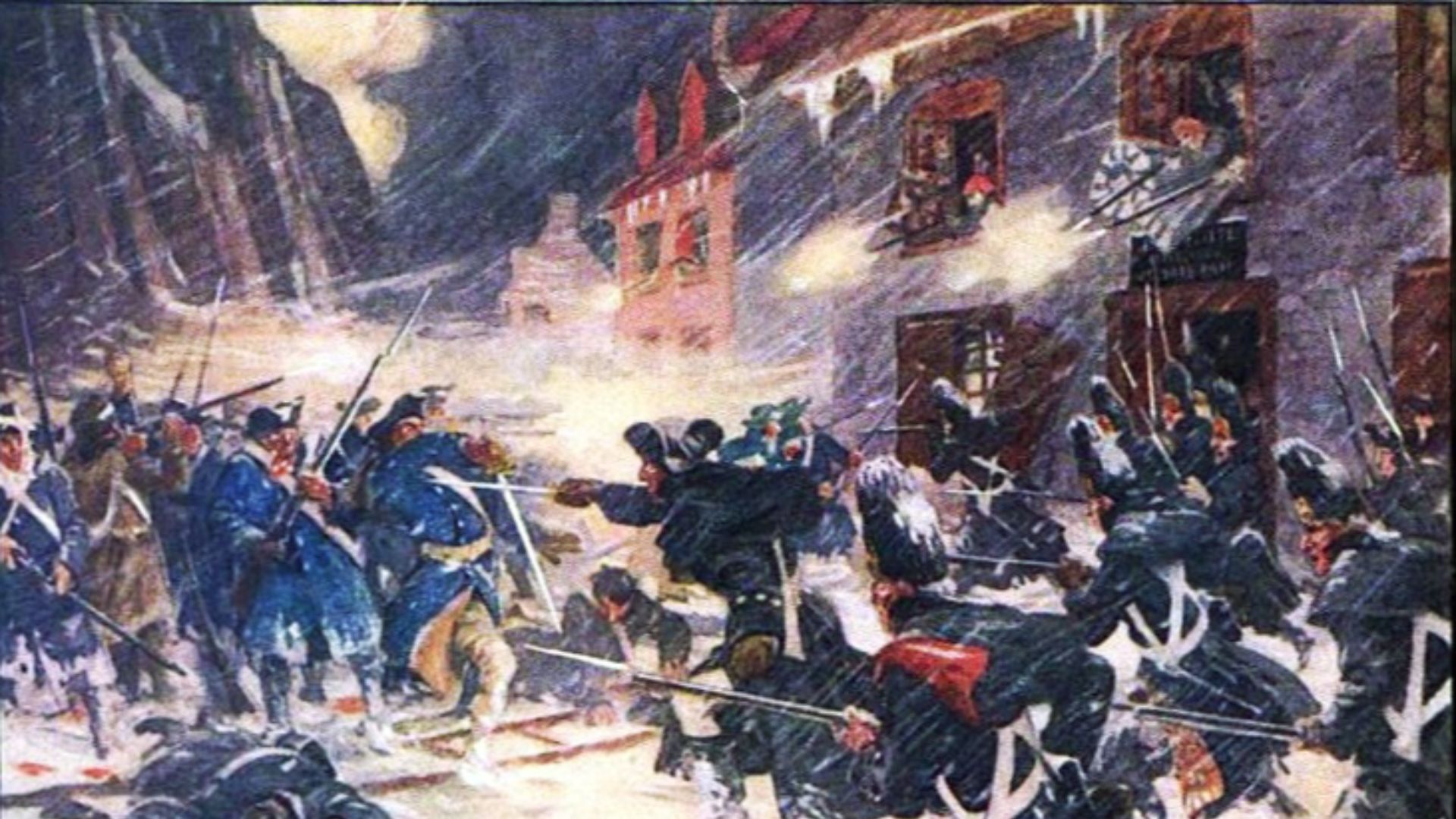
9. Quebec, Plains of Abraham (1759)
British troops climbed the cliffs at Anse-au-Foulon at night, using a route that should’ve been too risky to succeed quietly. A French sentry challenge was reportedly answered in a way that avoided an immediate alarm, buying priceless minutes. The decisive battle was won in 30 minutes, meaning the British strategy worked, not because it was brilliant, but because they were extremely lucky.
 Charles William Jefferys on Wikimedia
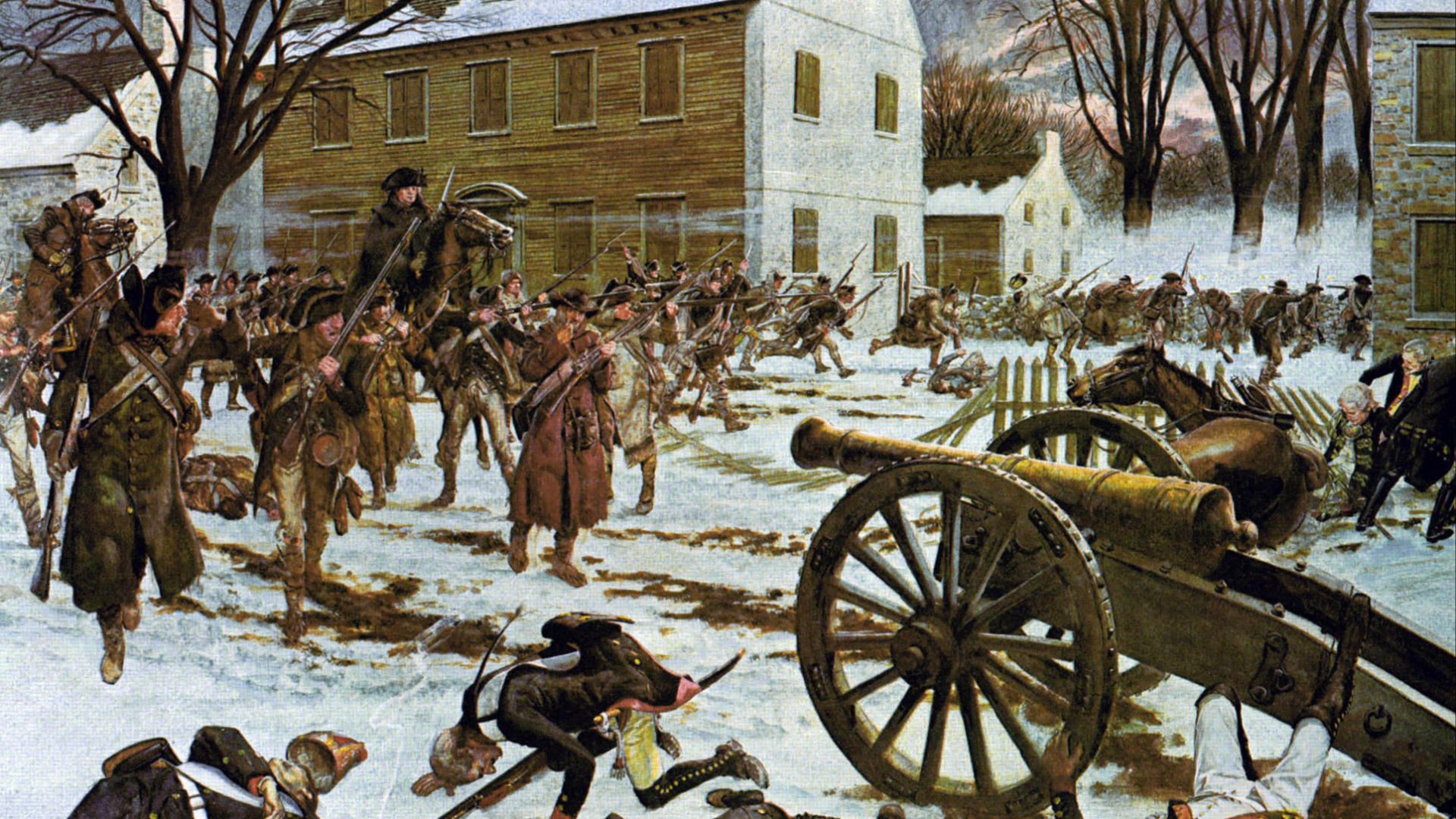
10. Trenton (1776)
Washington’s crossing and march happened in harsh winter weather that discouraged enemy expectations of an attack and gave the Americans cover. The Hessian garrison was caught unprepared for a dawn assault under those conditions.
11. The Nile (1798)
Nelson located the French fleet late in the day, and instead of waiting, attacked immediately, forcing the fight into twilight and darkness. French assumptions about being safe at anchor, including gaps in their defensive positioning, were suddenly punished at speed. The lucky element was not merely discovery, but discovering them at a time that made an effective response almost impossible.
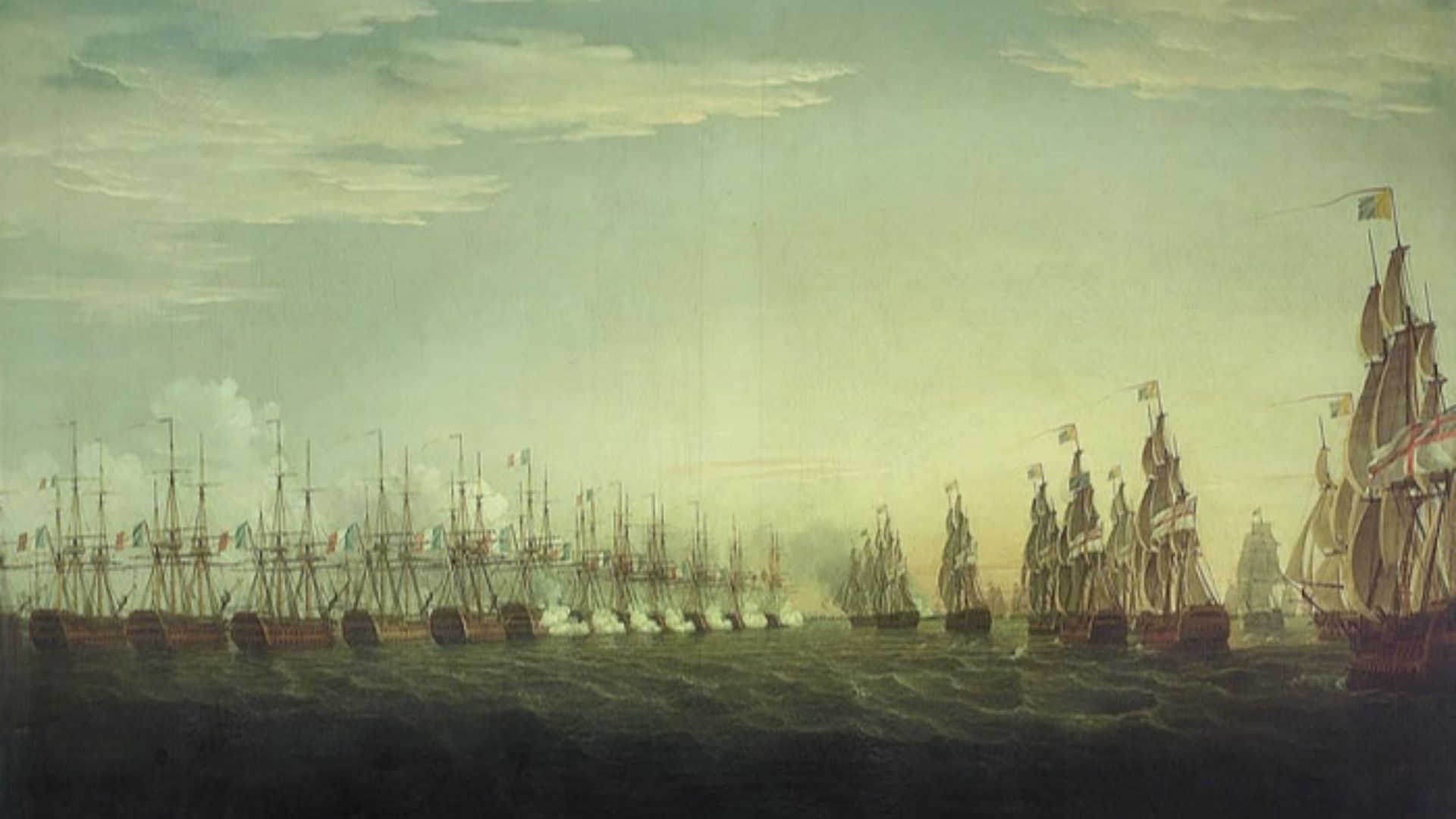
12. New Orleans (1815)
British assault plans relied on troops carrying scaling ladders and fascines to cross obstacles, but thanks to foggy conditions, key equipment and units arrived late or missing. As attackers stalled in front of prepared American positions, they took catastrophic fire without the tools to execute the plan. The attack failed largely because essential gear wasn’t where it needed to be when it needed to be there.
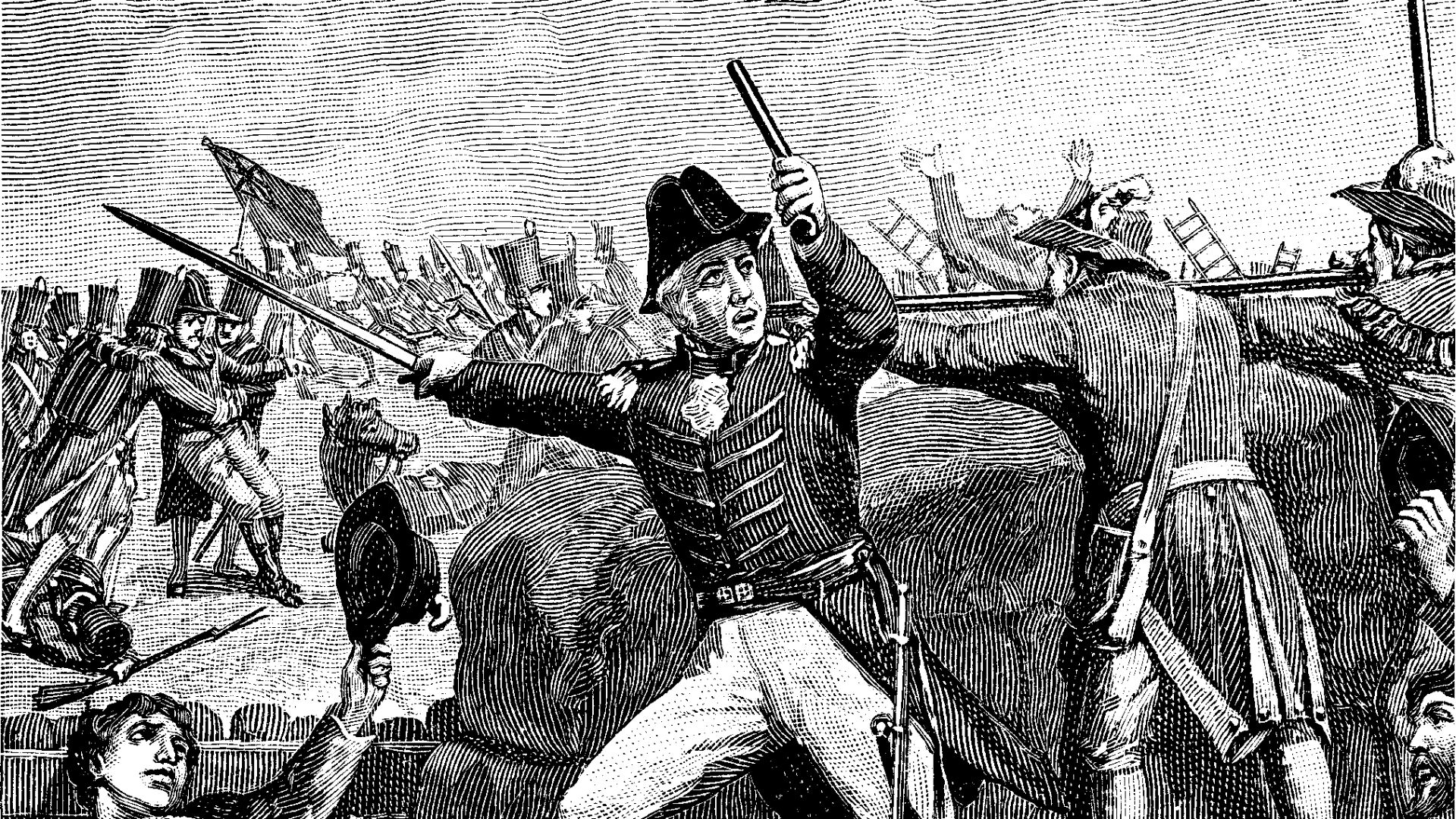
13, Gettysburg, Day 2 (1863)
Union forces ended up concentrated on Cemetery Hill and along Cemetery Ridge largely just because of how the first day’s retreat unfolded. That “fishhook” position gave them strong defensive terrain just as the battle expanded. The lucky break was that the army’s improvised gathering spot turned out to be exactly the kind of ground you want when the other side starts attacking.
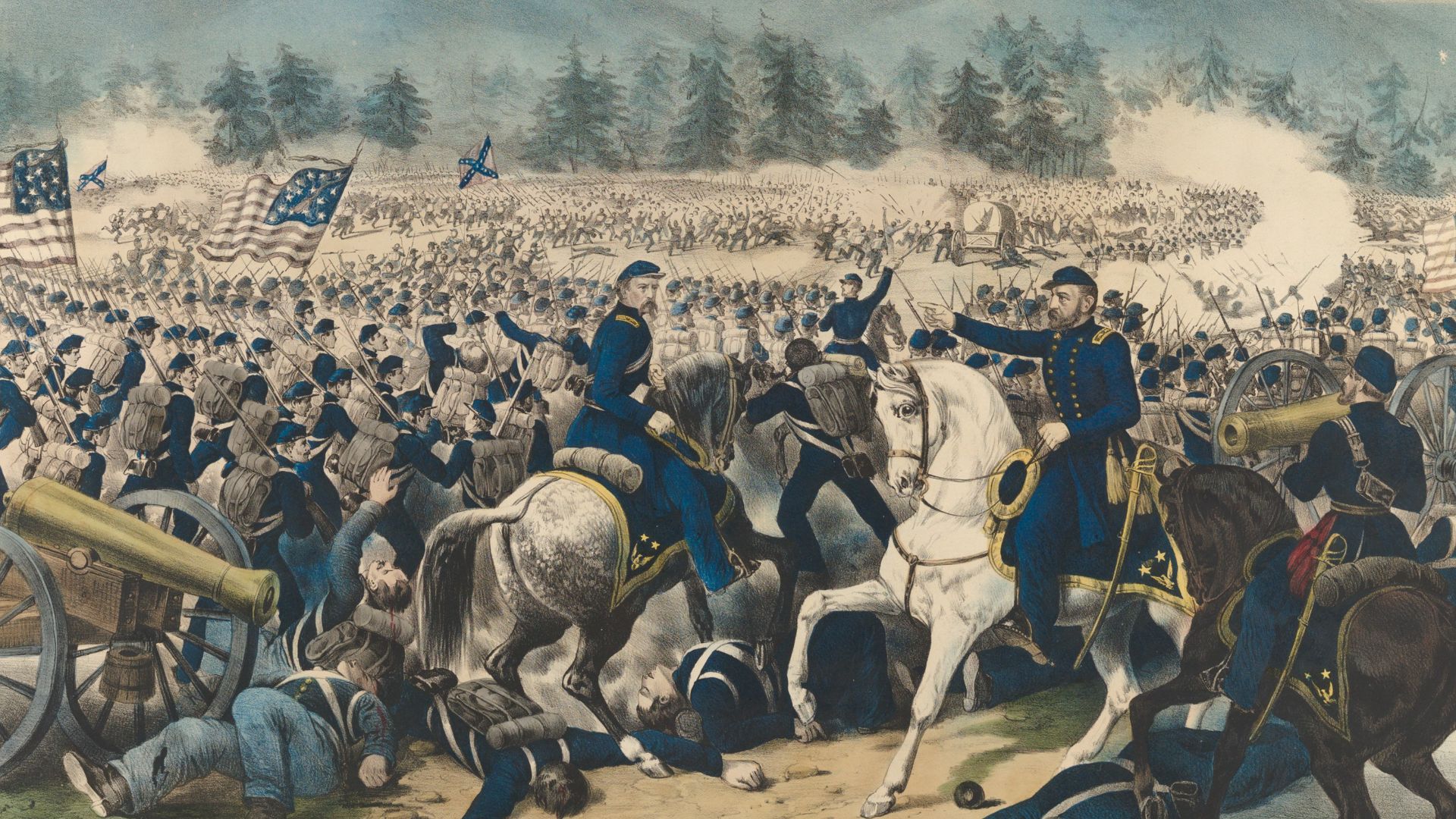
14. Tsushima (1905)
The Russian fleet’s route funneled it toward the Tsushima Strait, making its approach more predictable than a commander would prefer. Japanese forces were able to position for interception and bring concentrated fire to bear early. Environmental factors nudged the Russians into the very meeting engagement Japan wanted, giving them the upper hand before any shots were fired.
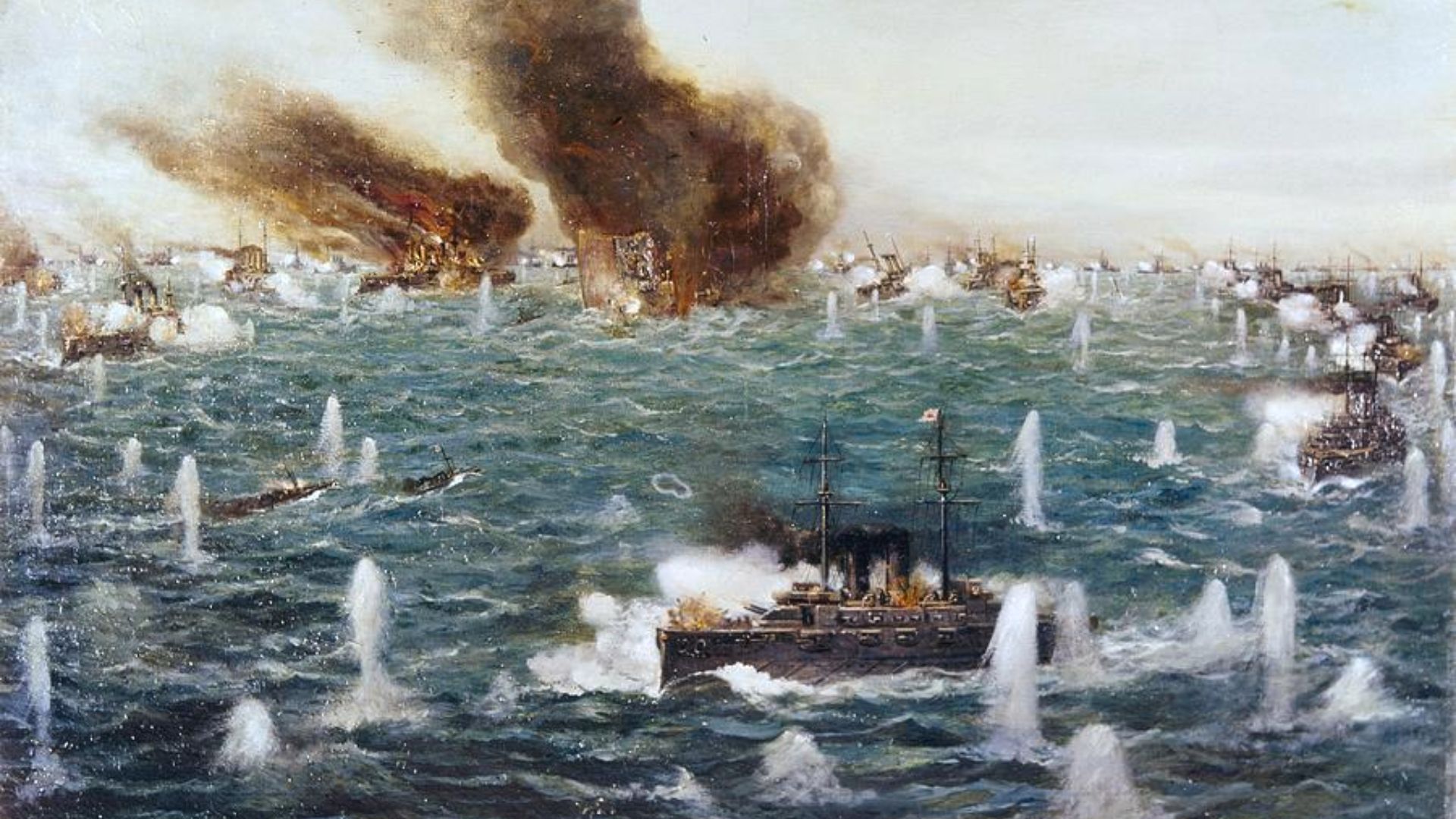
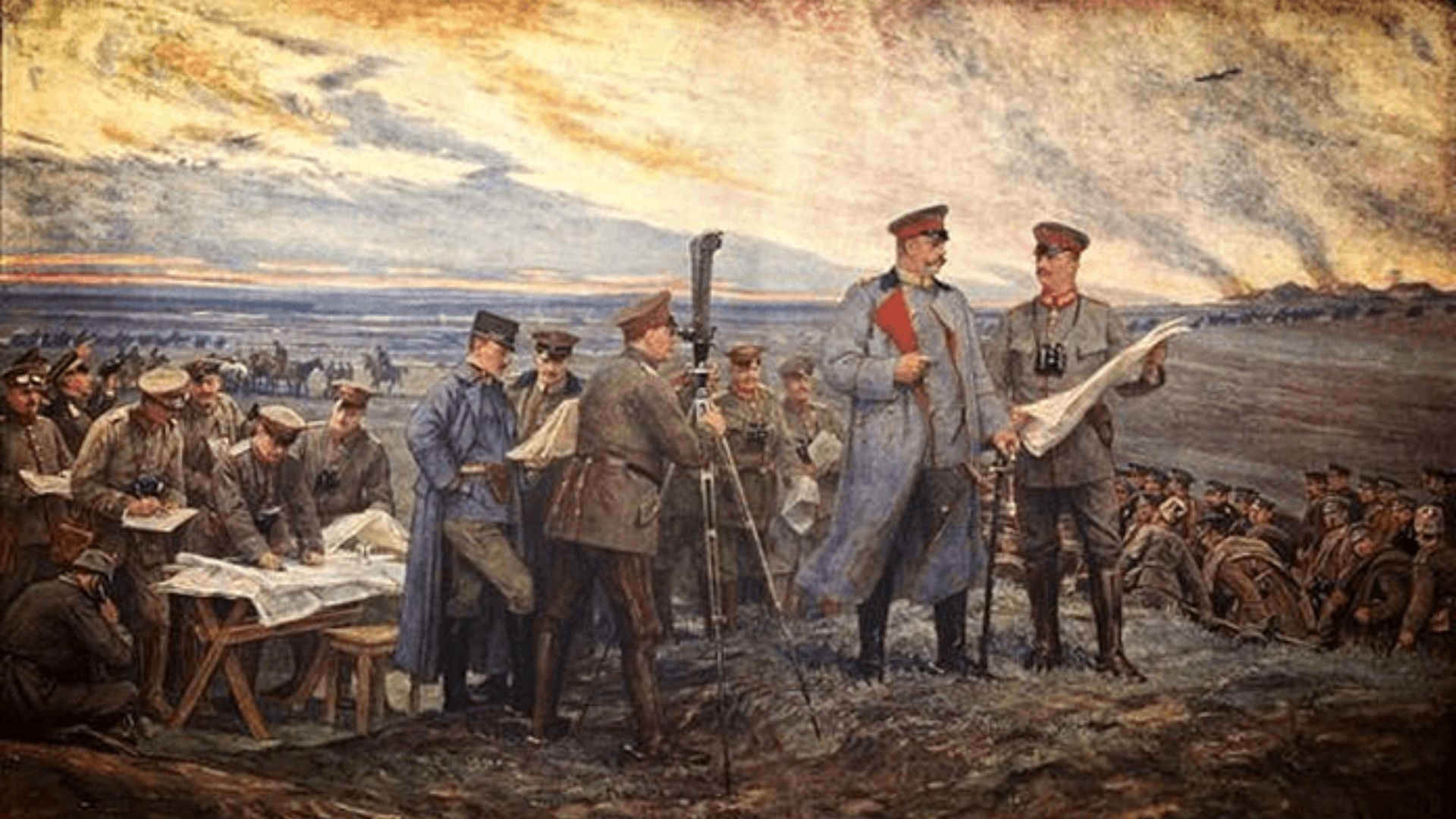
15. Tannenberg (1914)
Russian forces transmitted key messages without adequate encryption, and the Germans intercepted them. The Germans made a bold and reckless move by trusting the intelligence and transferring the bulk of their forces to encircle the Russians, but it paid off in the end.
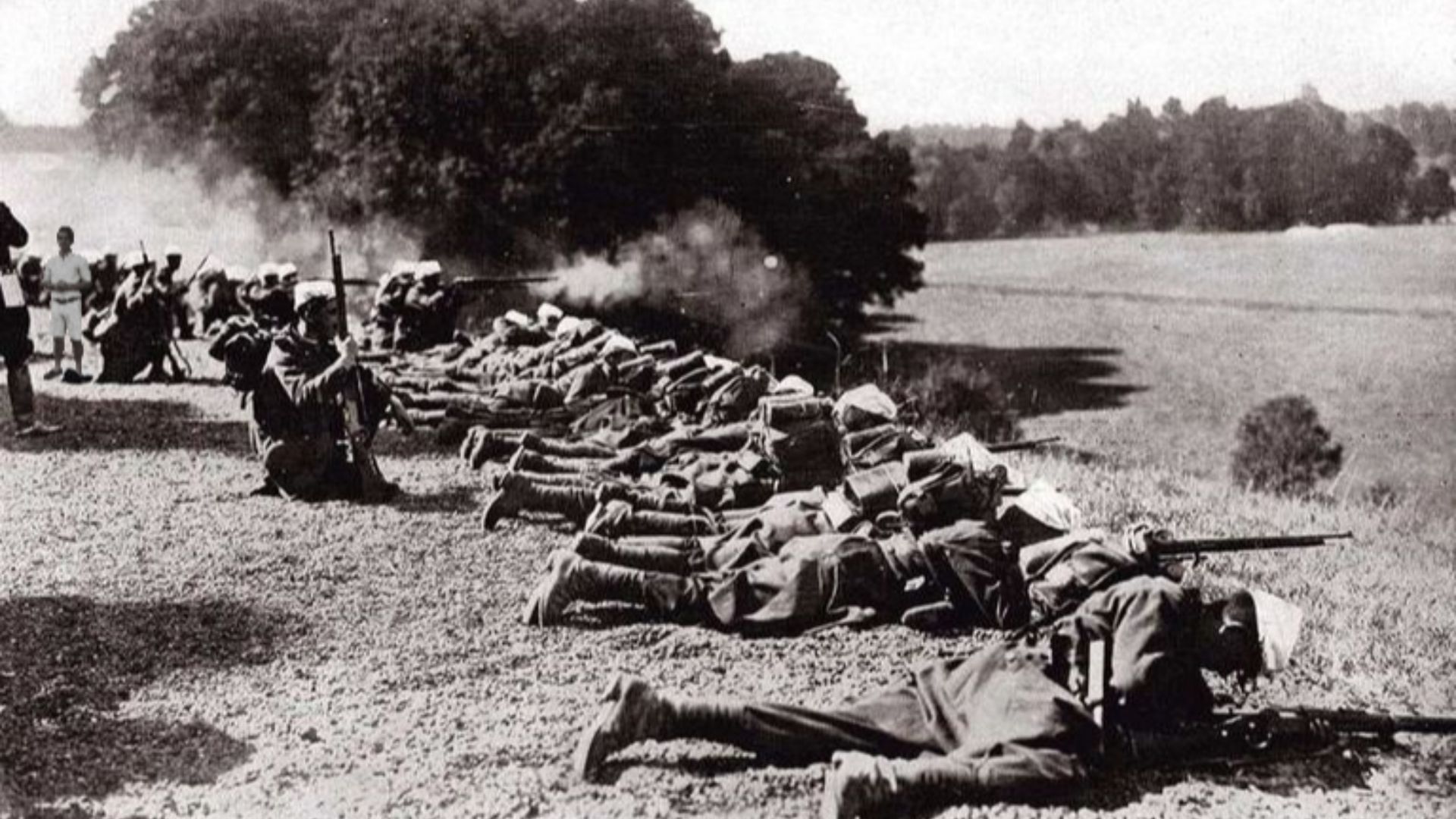
16. The Marne (1914)
German armies advanced with a widening separation that created an exposed flank. Allied reconnaissance spotted the opening, and a rapid counterattack exploited it before it could be repaired. A few days of different marching order could’ve hidden that gap.
17. Midway (1942)
A delayed Japanese scout report and shifting decisions left Japanese carriers with fueled aircraft and ordnance on deck at the moment U.S. dive-bombers arrived. American torpedo attacks, though costly, helped pull Japanese combat air patrols down low and out of position. The strike hit during a narrow deck-cycle vulnerability that couldn’t have been scheduled on purpose.
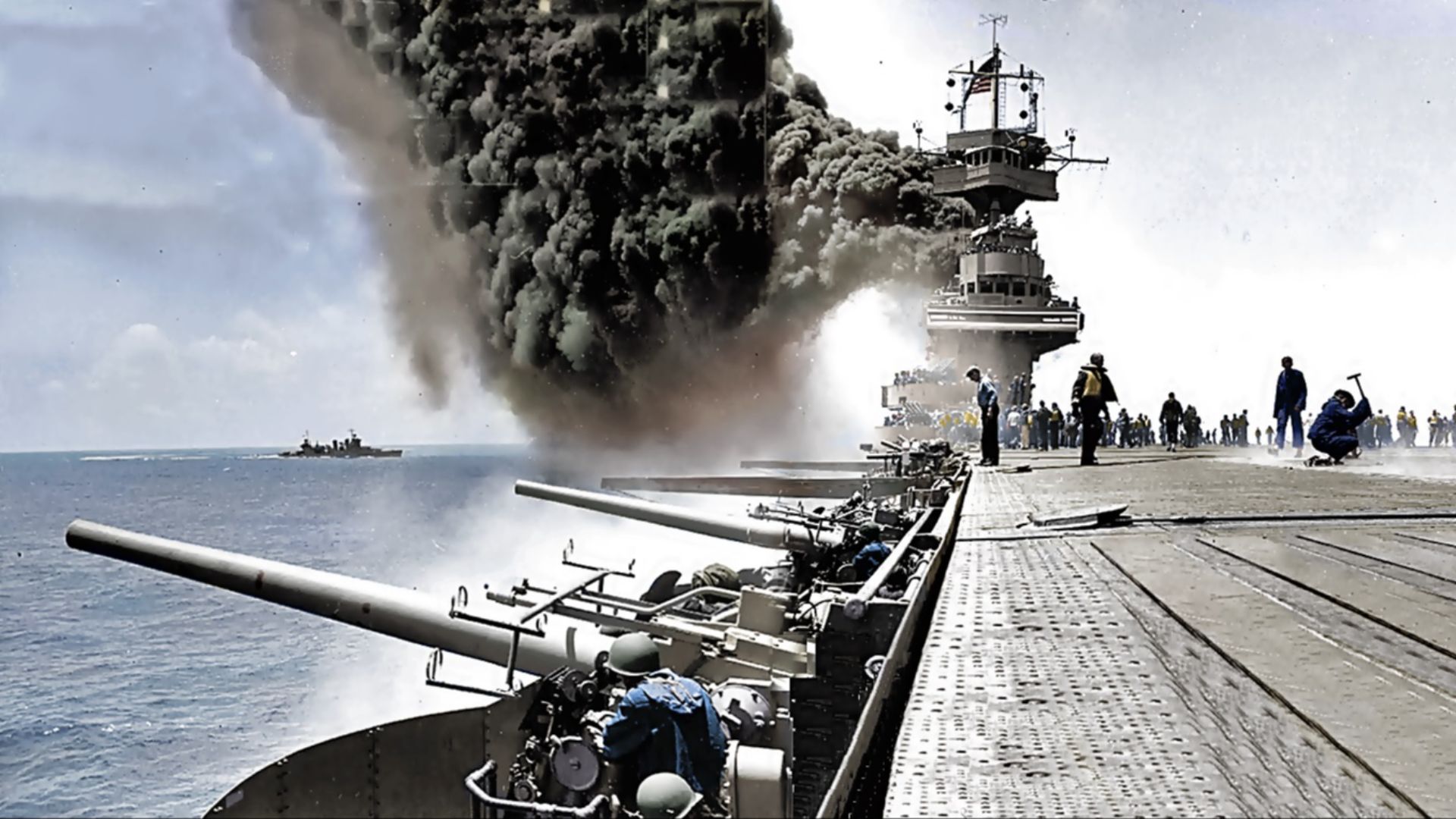 Cassowary Colorizations on Wikimedia
18. Bastogne’s Relief (1944)
Bad weather initially limited Allied air support during the siege, which helped German pressure build. When skies cleared, air drops and air strikes resumed, changing the supply and battlefield equation quickly. The weather clearing right at this moment of desperation was seen by many as a "Christmas miracle."
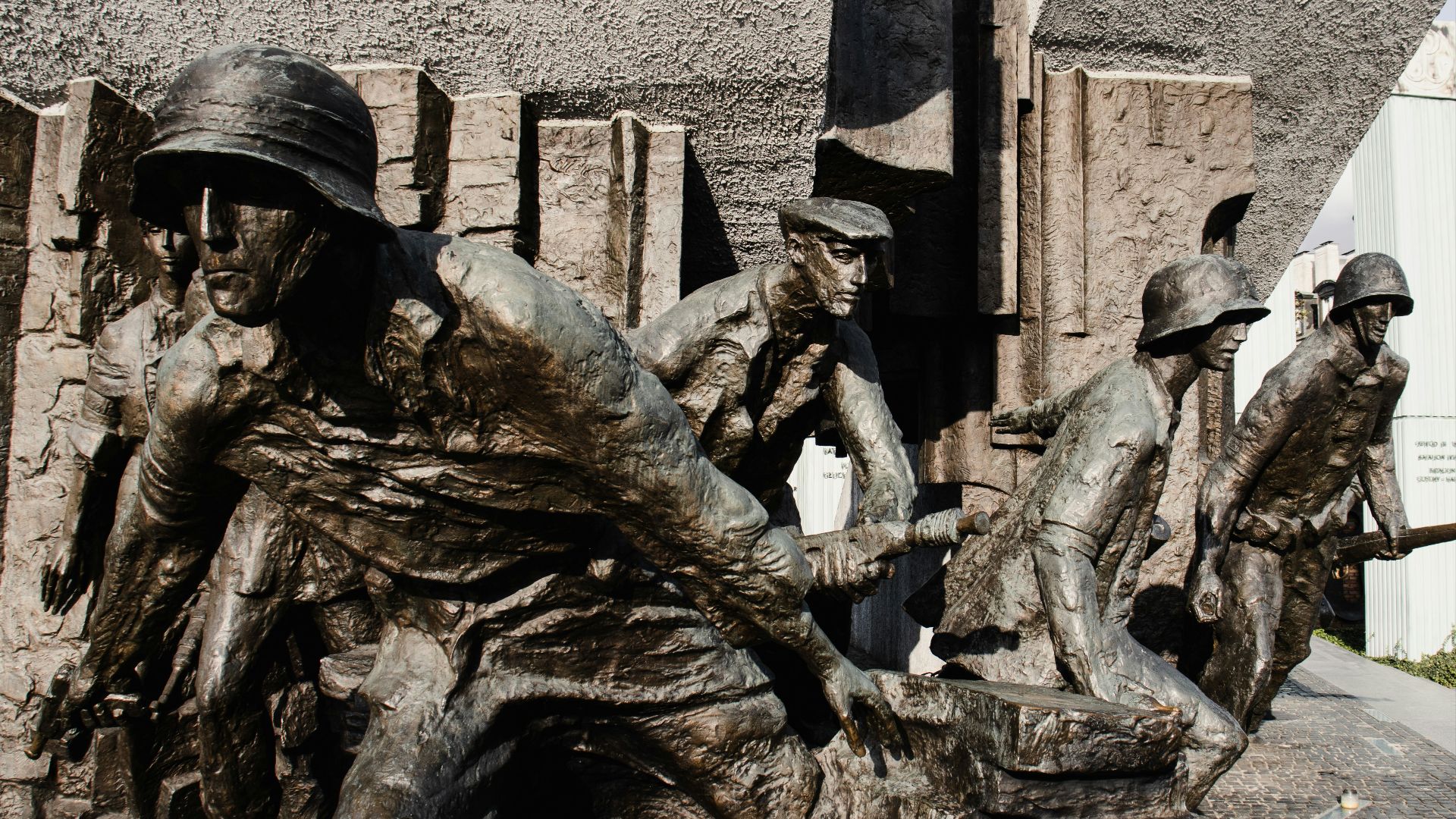
19. Leyte Gulf (1944)
A small US escort carrier group ran into a much stronger Japanese force, and the Japanese commander misread what he was facing amid smoke, aggressive defense, and confusing reports. That uncertainty, combined with surprisingly fierce American torpedo attacks and aircraft harassment, contributed to a Japanese withdrawal, even though Japan had the much stronger fleet.
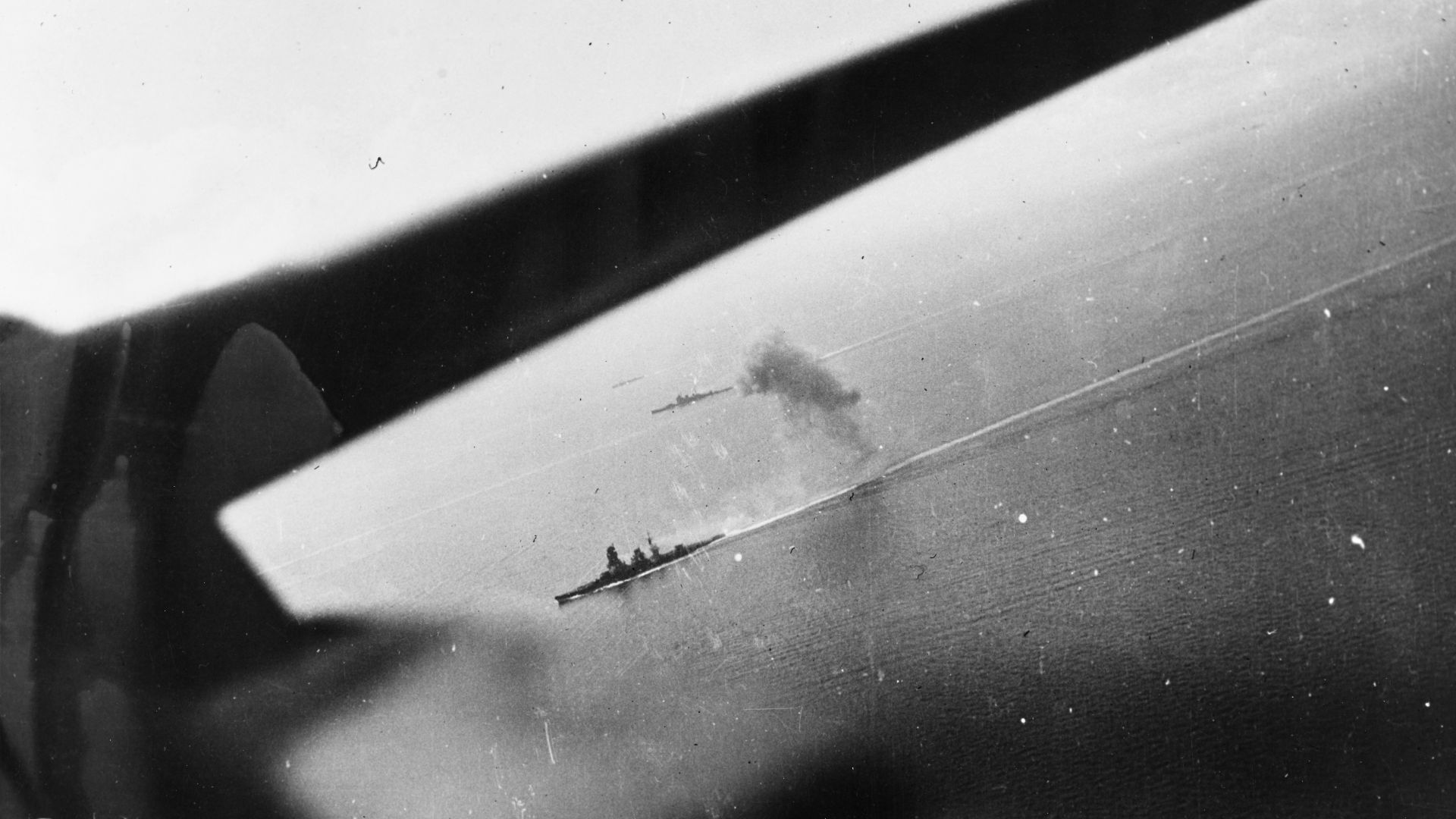 Presumed official USN or IJN photographer on Wikimedia
20. Inchon (1950)
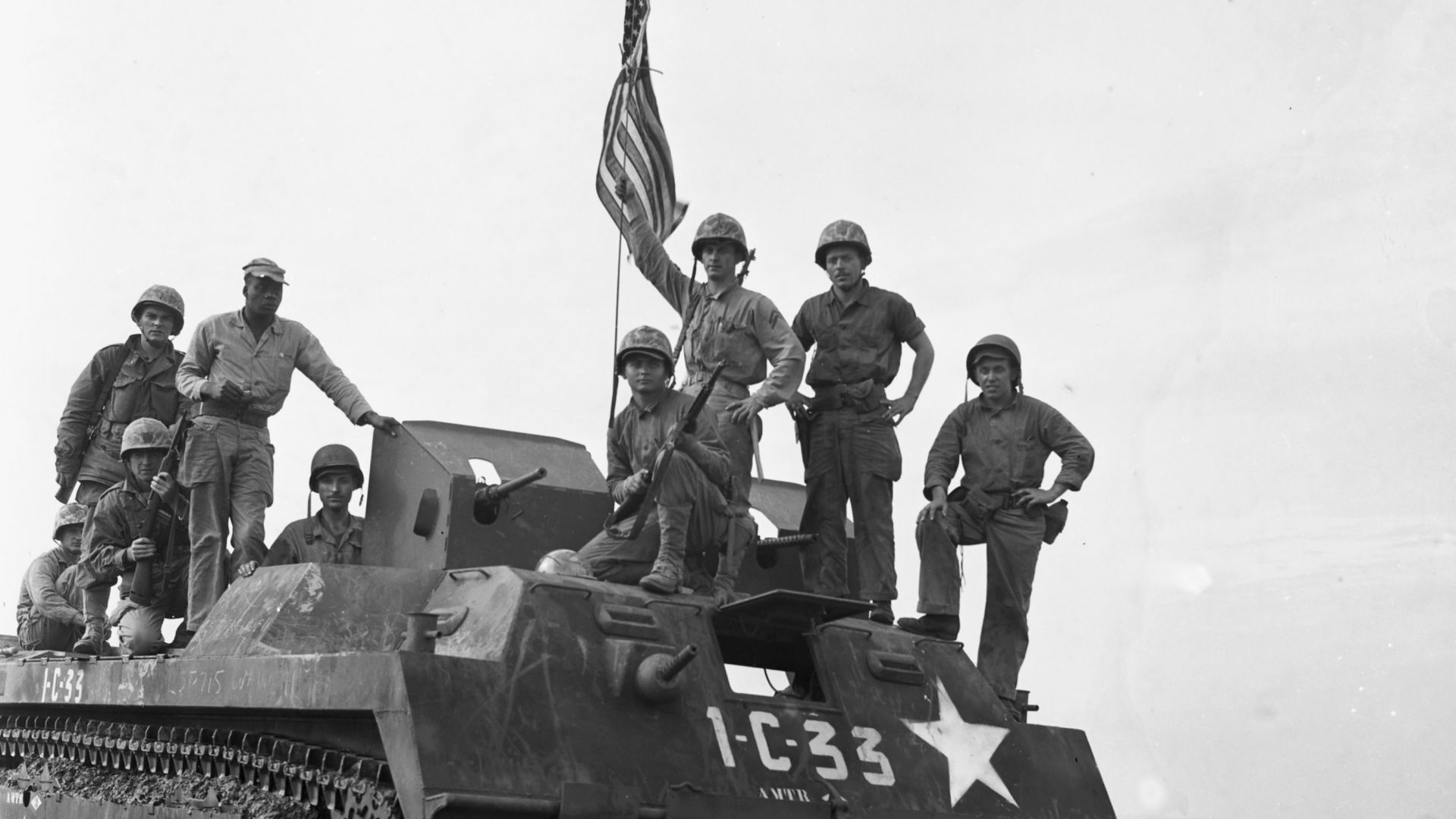
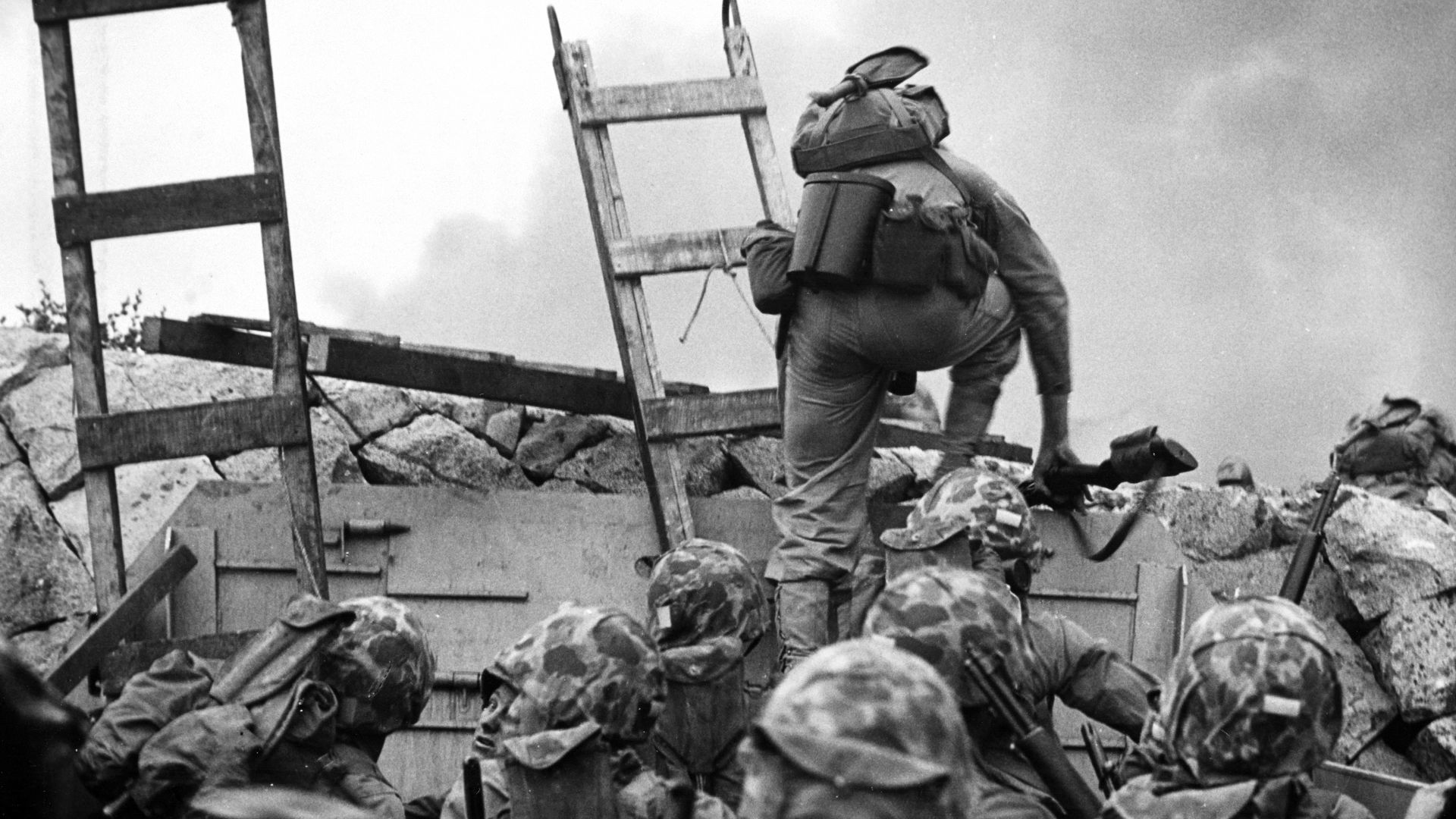
Facing a dire situation, UN forces planned a daring landing at Inchon, a Korean port city considered tactically challenging but strategically vital. The landing site had extreme tides and tricky approaches, meaning there were limited hours when landing was even feasible. Success depended on hitting that tidal window while keeping surprise and momentum, because a delay could’ve stranded forces in mudflats under fire.
KEEP ON READING
The 20 Most Recognized Historical Figures Of All Time
The Biggest Names In History. Although the Earth has been…
By Cathy Liu Oct 4, 2024
10 of the Shortest Wars in History & 10 of…
Wars: Longest and Shortest. Throughout history, wars have varied dramatically…
By Emilie Richardson-Dupuis Oct 7, 2024
10 Fascinating Facts About Ancient Greece You Can Appreciate &…
Once Upon A Time Lived Some Ancient Weirdos.... Greece is…
By Megan Wickens Oct 7, 2024
20 Lesser-Known Facts About Christopher Columbus You Don't Learn In…
In 1492, He Sailed The Ocean Blue. Christopher Columbus is…
By Emilie Richardson-Dupuis Oct 9, 2024
20 Historical Landmarks That Have The Craziest Conspiracy Theories
Unsolved Mysteries Of Ancient Places . When there's not enough evidence…
By Megan Wickens Oct 9, 2024
The 20 Craziest Inventions & Discoveries Made During Ancient Times
Crazy Ancient Inventions . While we're busy making big advancements in…
By Cathy Liu Oct 9, 2024