


10 Scientific Theories That Were Wrong & 10 That Changed Everything
Not Every Great Idea Stands the Test of Time
Science is one of humanity's most powerful tools precisely because it's built to correct itself: old ideas get tested, challenged, and sometimes thrown out entirely when the evidence stops cooperating. Throughout history, even the brightest minds have confidently backed theories that turned out to be completely off the mark, while others stumbled onto ideas so accurate that they reshaped civilization. Whether you're here for the humbling failures or the triumphant breakthroughs, this list has plenty of both.
 Crisoforo Gaspar Hernandez on Unsplash
1. Phlogiston Theory
For most of the 17th and 18th centuries, scientists believed that a fire-releasing element called phlogiston existed inside all combustible materials and was released during burning. It seemed to explain a lot of observations at the time, and respected chemists defended it passionately. Antoine Lavoisier eventually dismantled the whole idea when he demonstrated that combustion actually requires oxygen, not the release of any mystery substance.
 Emiliano Mendoza Peña on Pexels
2. The Luminiferous Aether
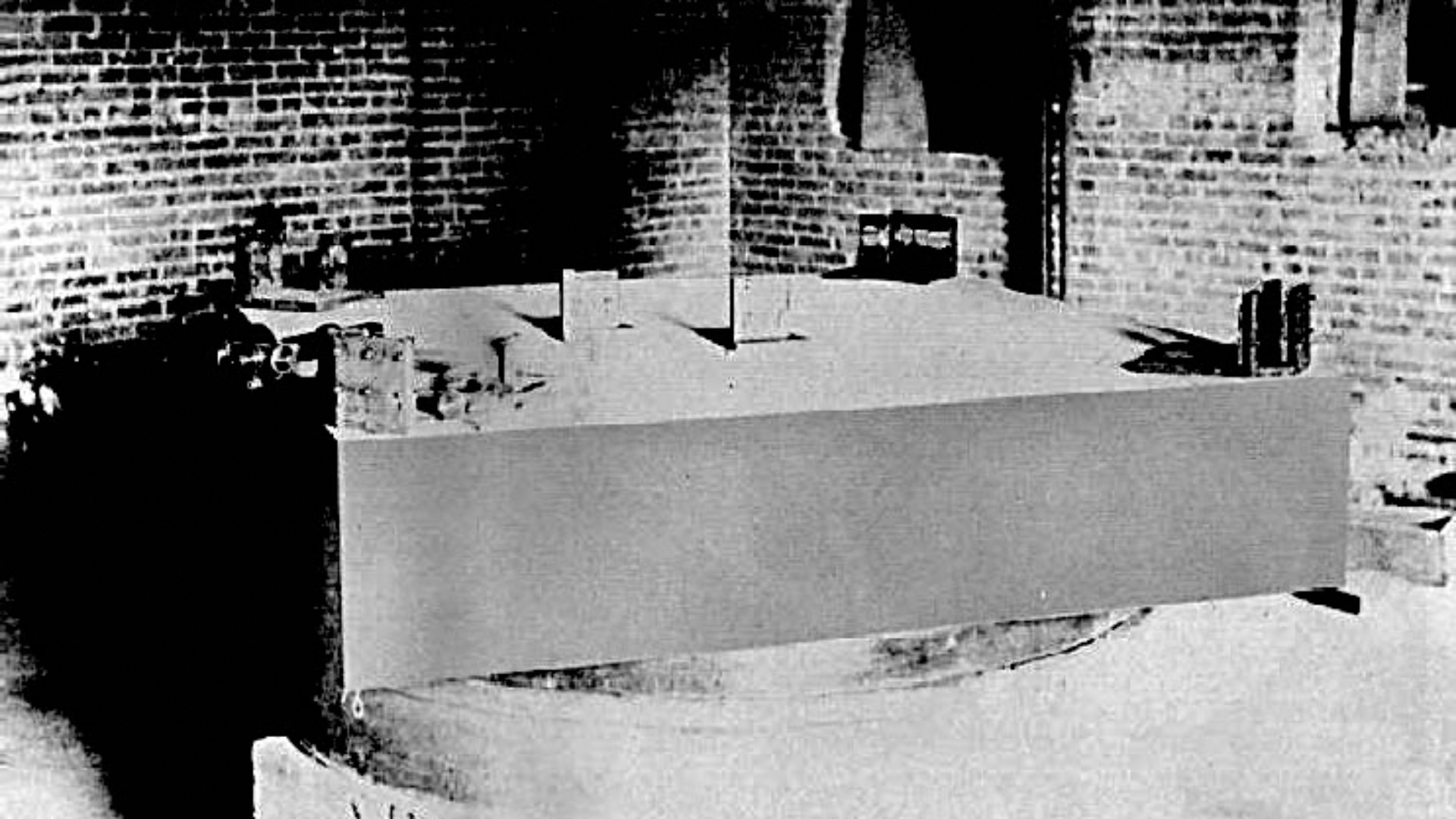
Before Einstein turned physics upside down, scientists were convinced that light waves needed a medium to travel through, which they called the luminiferous aether. The Michelson-Morley experiment in 1887 was specifically designed to detect this aether, and it famously found nothing whatsoever. That null result cracked the foundation of classical physics wide open and helped pave the way for the theory of special relativity.
 Case Western Reserve University on Wikimedia
3. Spontaneous Generation
For centuries, people genuinely believed that living organisms could arise spontaneously from non-living matter—think mice appearing from grain or maggots emerging from meat without any parent organism. Francesco Redi and later Louis Pasteur conducted controlled experiments that thoroughly debunked this idea. Pasteur's swan-neck flask experiment in 1859 was particularly decisive, proving that microbes come from existing microbes and not thin air.
 David Todd McCarty on Unsplash
4. The Miasma Theory
Miasma theory held that diseases like cholera and the bubonic plague were caused by poisonous vapors rising from rotting organic matter and polluted environments. It wasn't a crazy idea for its time, since it did correctly identify dirty conditions as a problem, just for the wrong reasons. John Snow's meticulous mapping of a cholera outbreak in London in the 1850s provided some of the earliest evidence that disease spread through contaminated water, not foul-smelling air.
 Ion Ceban @ionelceban on Pexels
5. Geocentrism
The geocentric model, which placed Earth at the center of the universe with everything else orbiting around it, dominated Western scientific and religious thought for nearly 1,500 years. Ptolemy's version of the model was mathematically sophisticated enough to make reasonably accurate predictions, which helped it hold on for so long. When better observational tools and more careful measurements made the heliocentric model undeniable, geocentrism collapsed and took a significant piece of humanity's cosmic ego with it.
6. The Static Universe
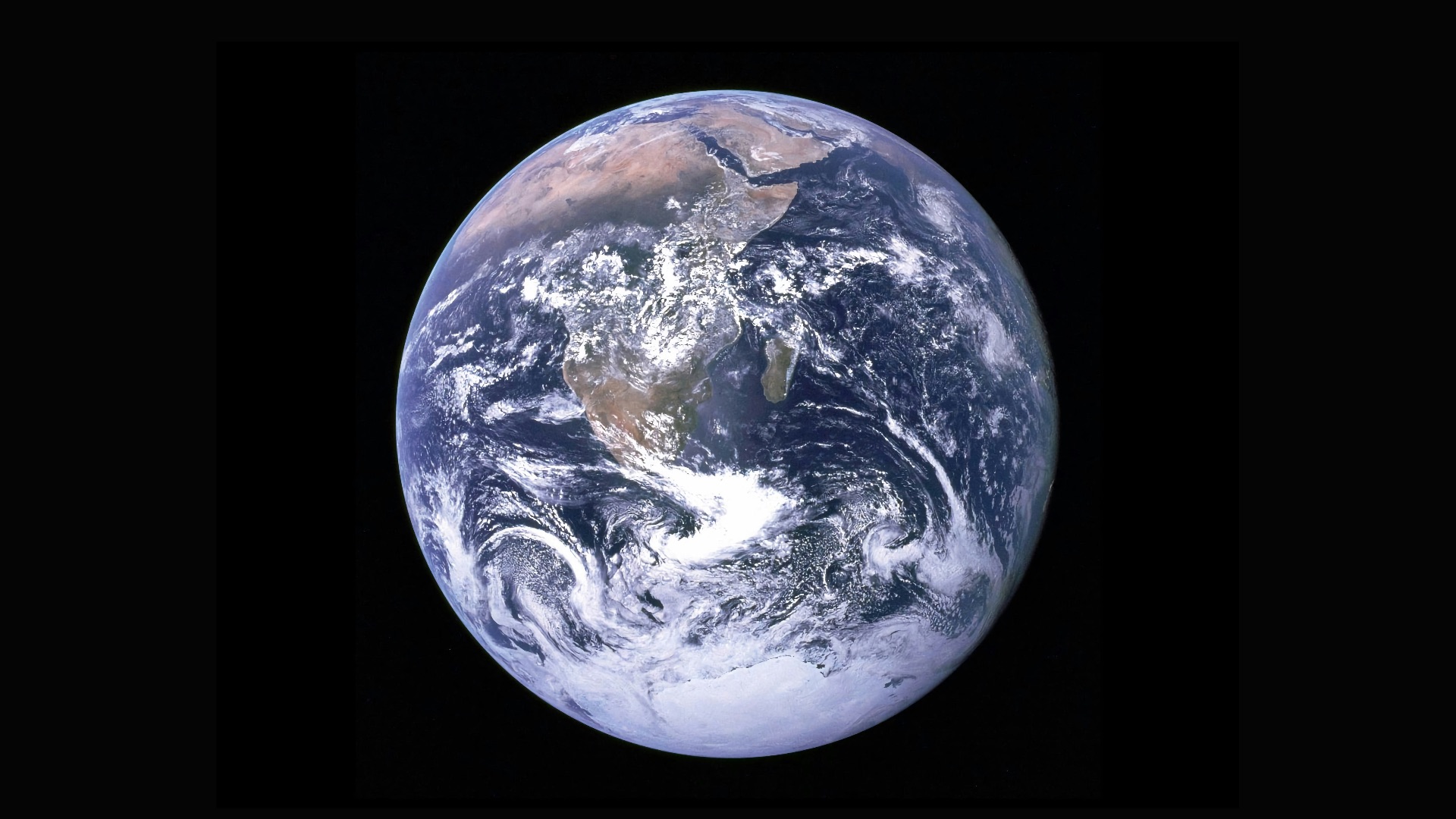
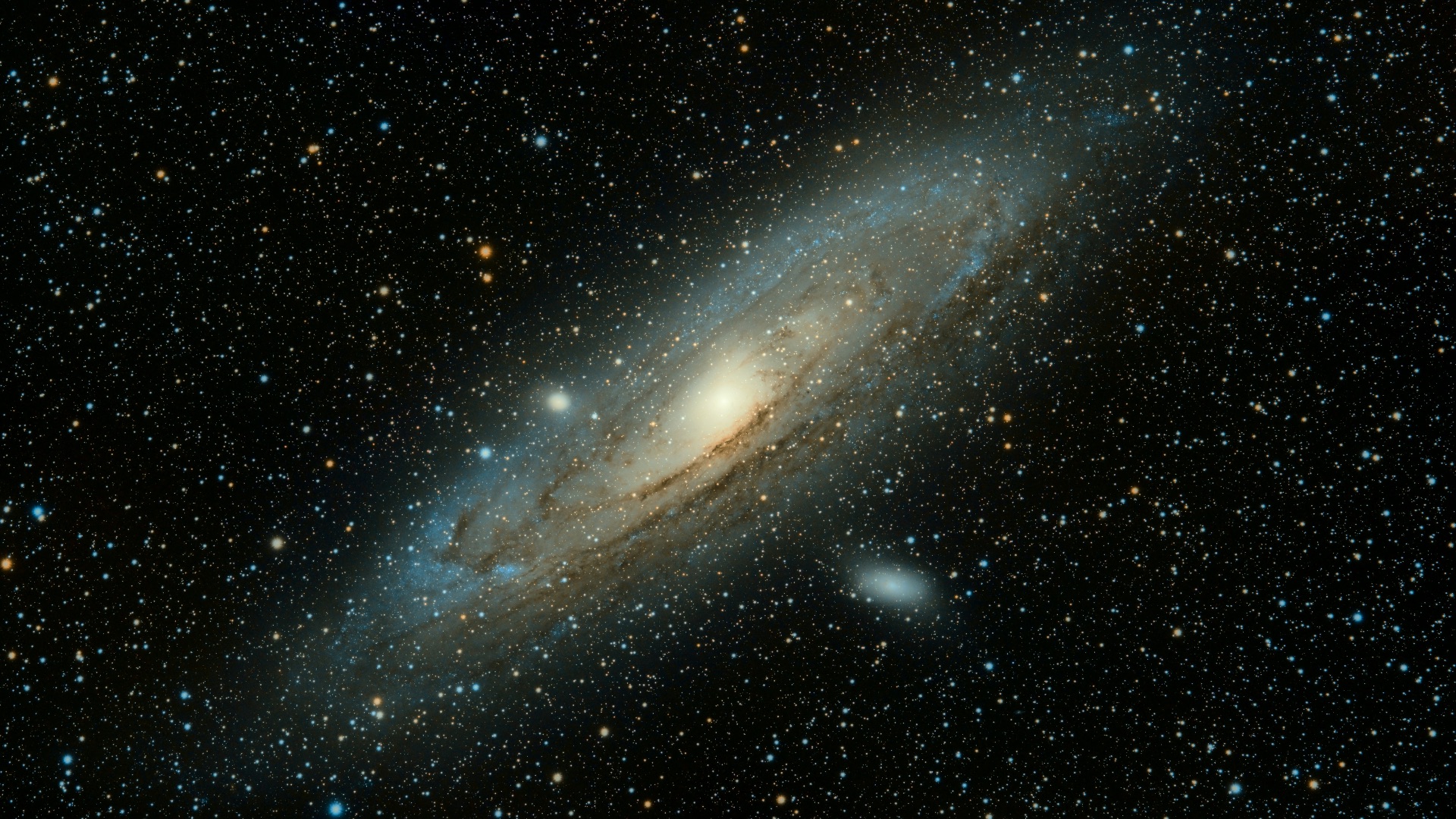
Before Edwin Hubble's observations in the 1920s confirmed that galaxies were moving away from each other, the prevailing belief was that the universe was eternal, infinite, and essentially static. Even Einstein initially resisted the idea of an expanding universe, famously introducing a cosmological constant into his equations just to keep his model stable. Once the evidence for expansion became overwhelming, the static universe model was retired and the Big Bang theory eventually took its place as the leading explanation for cosmic origins.
7. Bloodletting as Medicine
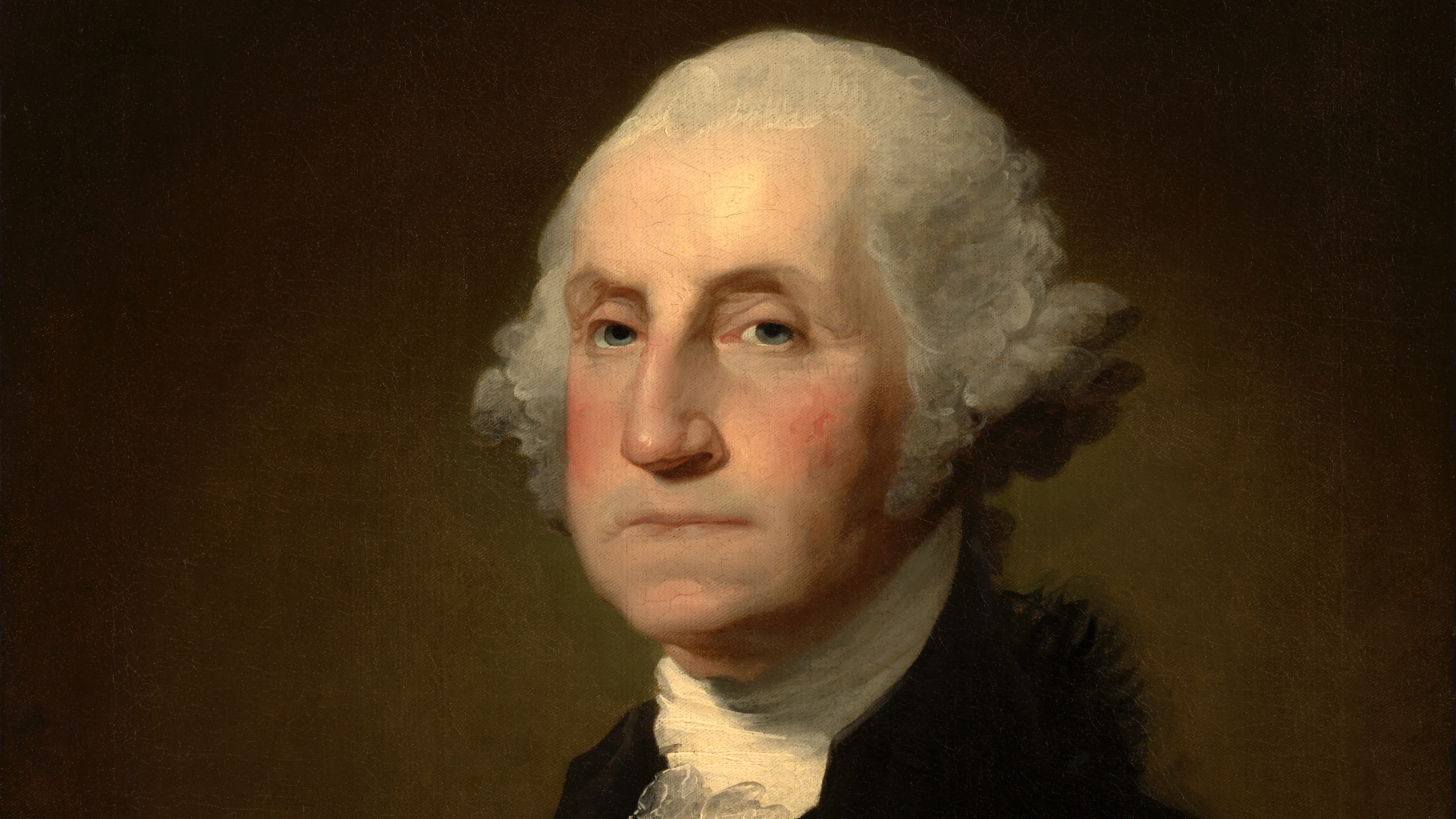
For roughly 3,000 years, draining a patient's blood was considered a legitimate medical treatment for everything from fevers to mental illness, based on the ancient belief that the body contained four humors that needed to stay balanced. This practice was so widespread that it likely killed or weakened enormous numbers of patients who might otherwise have recovered, including, many historians believe, George Washington. It wasn't until the 19th century that medical science developed the tools and frameworks to conclusively show that bloodletting was doing far more harm than good.
8. The Blank Slate Theory of the Mind
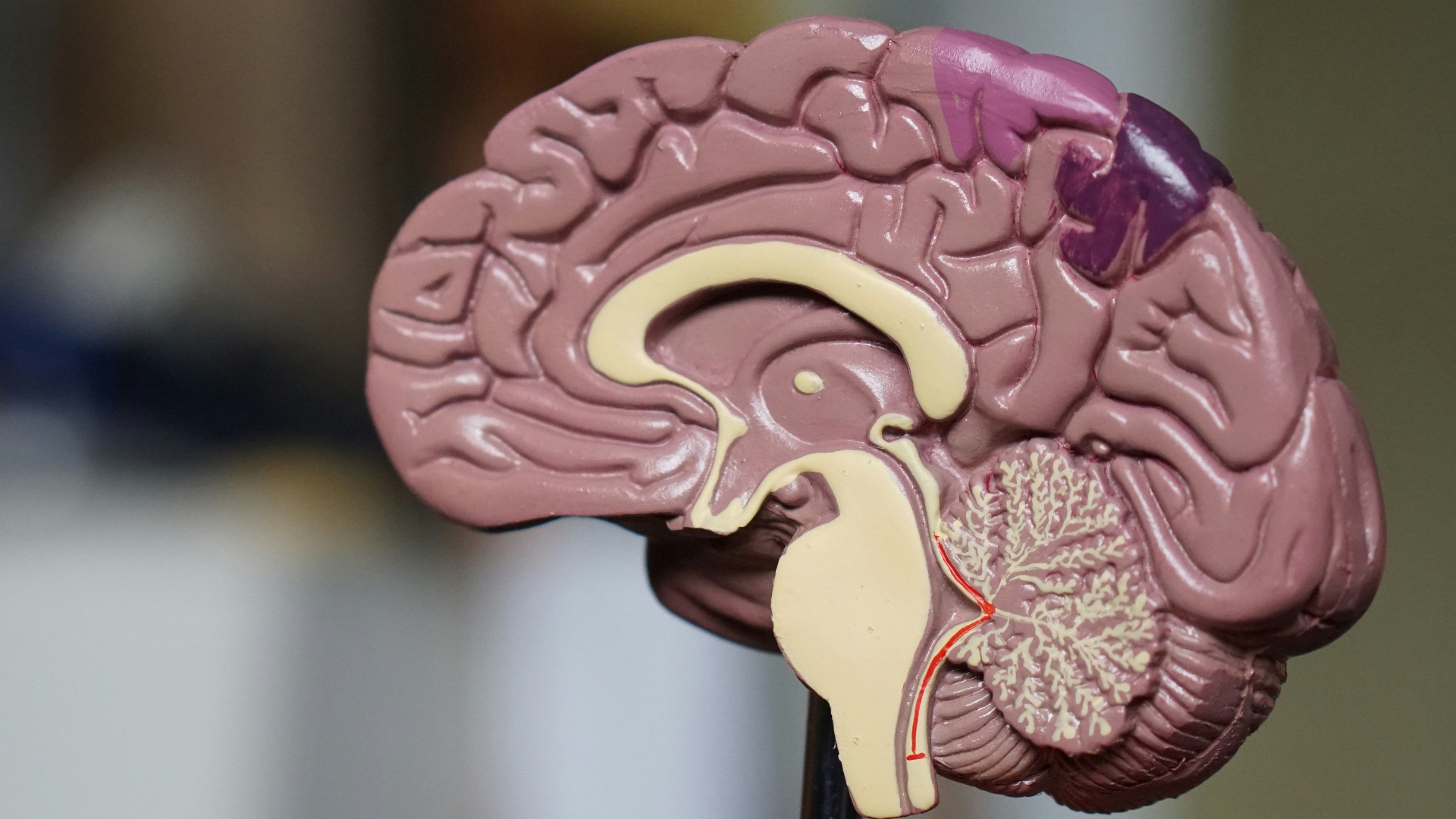
For much of the late-17th to mid-20th century, the dominant view in behavioral science was that the human mind was a blank slate at birth, shaped entirely by environment and experience with no meaningful innate structure. This idea influenced everything from education policy to psychology, but research in cognitive science and genetics steadily chipped away at it over the decades. We now understand that the brain arrives with significant built-in architecture—including predispositions for language acquisition, social behavior, and even certain fears—that no amount of environment alone could account for.
9. Eugenics as Science
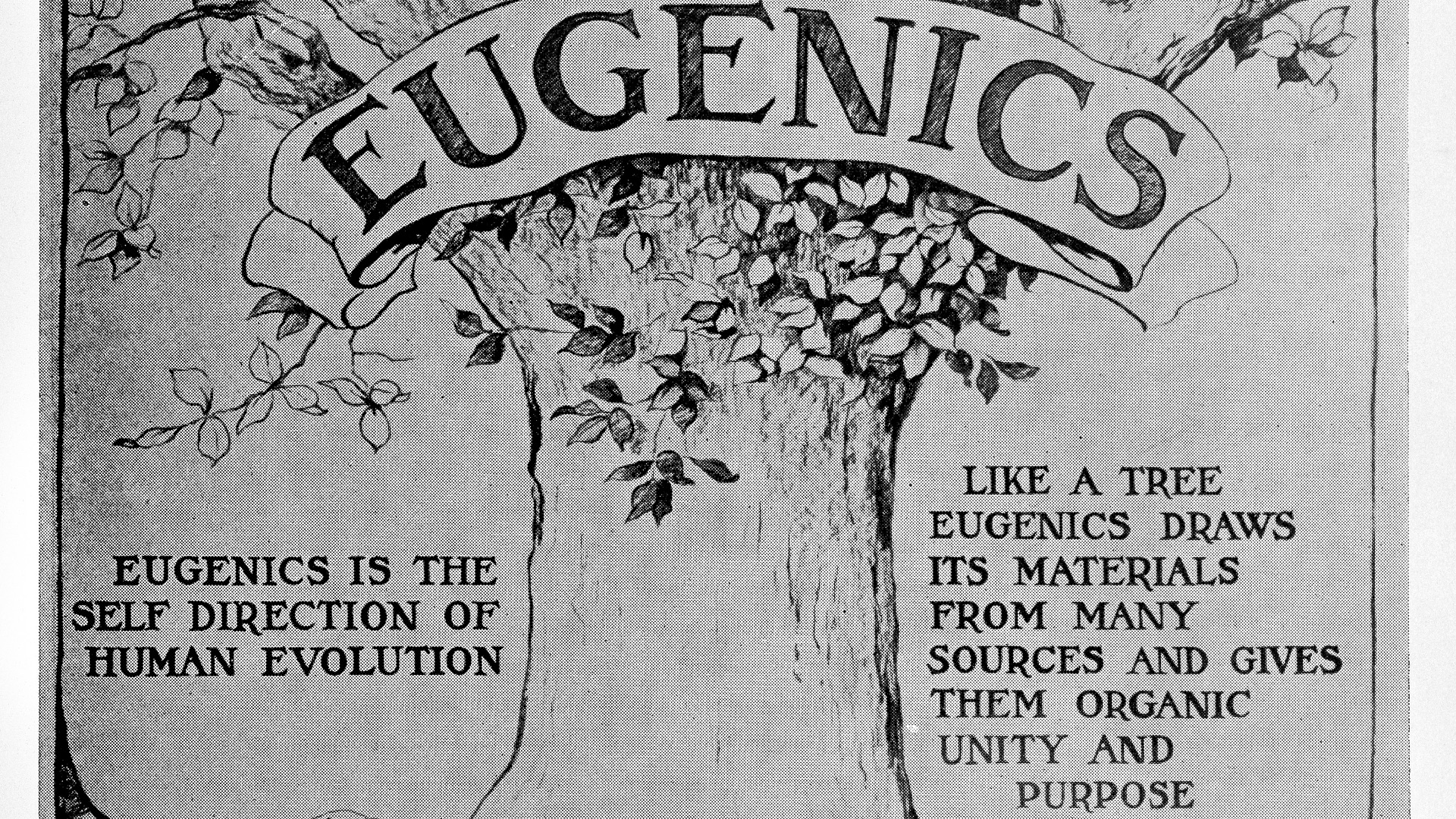
Eugenics was once treated as a legitimate scientific discipline, promoted by academics and governments in the early 20th century as a way to improve the human species by controlling reproduction. The field was built on a deeply flawed understanding of genetics and was used to justify horrific policies, including forced sterilization and, most infamously, the atrocities of Nazi Germany. Modern genetics has thoroughly discredited the scientific premises behind eugenics, while its history stands as a critical reminder of what happens when bad science gets mixed with political power.
10. The Expanding Earth Theory
Before plate tectonics became the accepted explanation, some geologists proposed that the continents had drifted apart not because of tectonic movement but because the Earth itself had been growing larger over time. The theory attempted to explain why the continents seem to fit together like puzzle pieces, but it couldn't account for the actual mechanisms of crustal movement or the evidence from ocean floor geology. Plate tectonics rendered the expanding Earth theory completely unnecessary by providing a far more coherent and well-supported explanation for the same observations.
So, which theories actually changed how scientists—and people like us—viewed the world? Here are 10 revolutionary theories that actually changed everything.

1. Heliocentrism
When Nicolaus Copernicus proposed that the Earth orbited the Sun rather than the other way around, it wasn't exactly a popular opinion in 16th-century Europe. Galileo later gathered observational evidence to support the idea, which got him into serious trouble with the Catholic Church. But the heliocentric model fundamentally changed how humanity understood its place in the universe and laid the groundwork for modern astronomy.

2. Germ Theory of Disease
The idea that microscopic organisms could cause disease was considered fringe thinking before scientists like Pasteur and Robert Koch built an ironclad case for it in the 19th century. Before germ theory, illness was commonly attributed to bad air, imbalanced bodily fluids, or moral failures, which made effective treatment nearly impossible. Accepting germ theory revolutionized medicine, leading directly to the development of vaccines, antibiotics, and modern surgical hygiene practices.

3. General Relativity
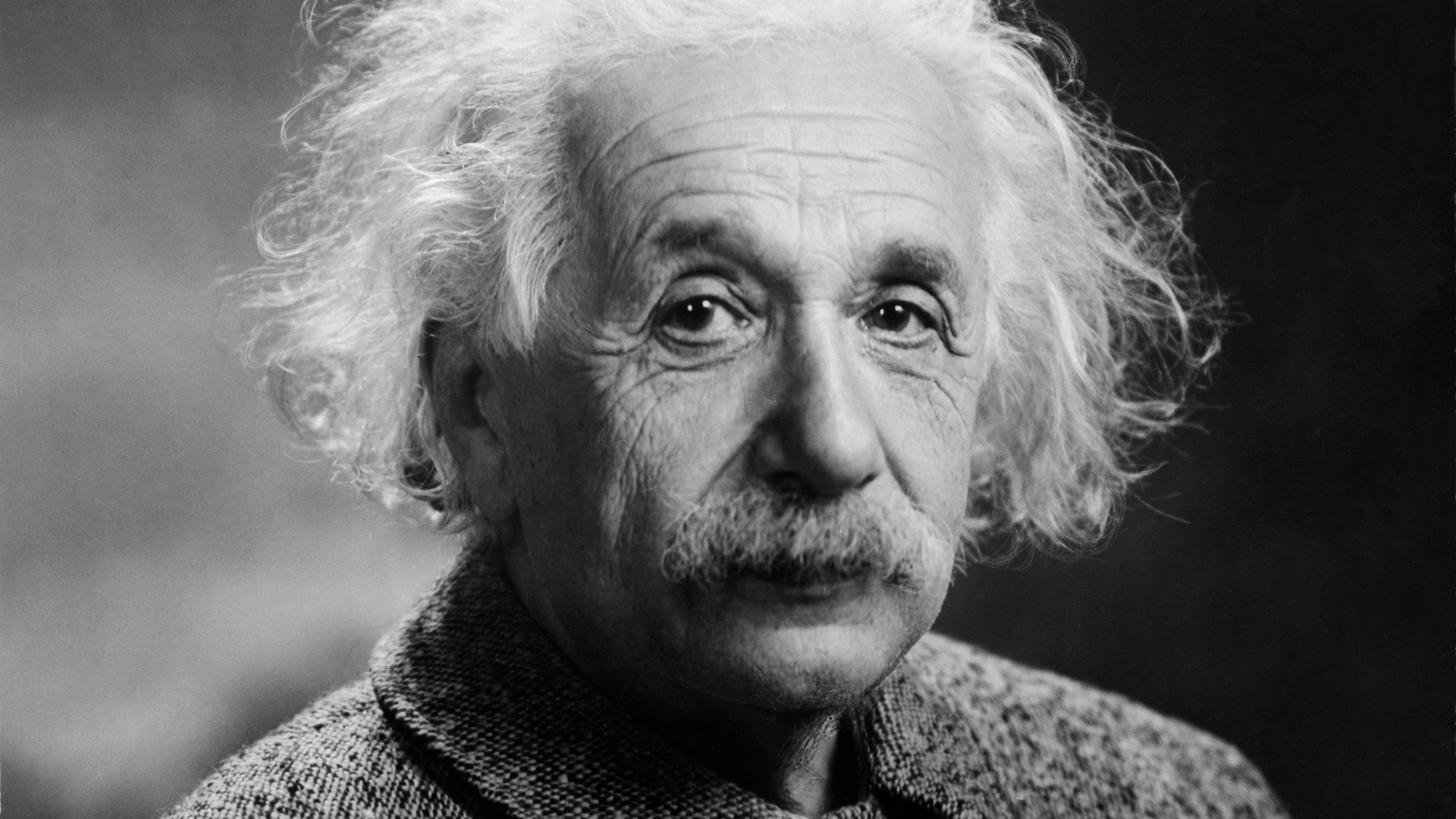
Albert Einstein published his general theory of relativity in 1915, and it completely rewrote the rules for how gravity works by describing it as a curvature of spacetime caused by mass. The theory predicted phenomena like gravitational lensing and the existence of black holes long before anyone had the technology to observe them. Today, general relativity isn't just theoretical elegance but a practical necessity, since GPS satellites would give inaccurate readings if their systems didn't account for relativistic effects.
 Oren Jack Turner, Princeton, N.J. on Wikimedia
4. The Theory of Evolution by Natural Selection
Charles Darwin and Alfred Russel Wallace independently arrived at the same staggering conclusion: species change over generations through a process of natural selection, where traits that improve survival and reproduction become more common over time. When Darwin published On the Origin of Species in 1859, it triggered one of the most significant scientific and cultural debates in recorded history. Evolution is now the unifying framework of all modern biology, and without it, fields like genetics, medicine, and ecology simply wouldn't make sense.

5. Plate Tectonics
Alfred Wegener proposed in 1912 that the continents were once joined together and had slowly drifted apart over millions of years, a concept he called continental drift. His contemporaries largely dismissed the idea because he couldn't explain the mechanism driving the movement. Decades later, the discovery of seafloor spreading and the development of plate tectonics theory provided that missing explanation, and it's now considered one of the most important unifying theories in all of Earth science.

6. Quantum Mechanics
Quantum mechanics emerged in the early 20th century as scientists tried to explain the behavior of subatomic particles, and the results were so strange that even its founders found them difficult to accept. The theory describes a world where particles exist in multiple states simultaneously until measured, where certainty gives way to probability, and where the act of observation affects outcomes. Despite how counterintuitive it all sounds, quantum mechanics is the most precisely tested theory in the history of science, and it's the foundation of technologies like semiconductors, lasers, and MRI machines.

7. The Big Bang Theory
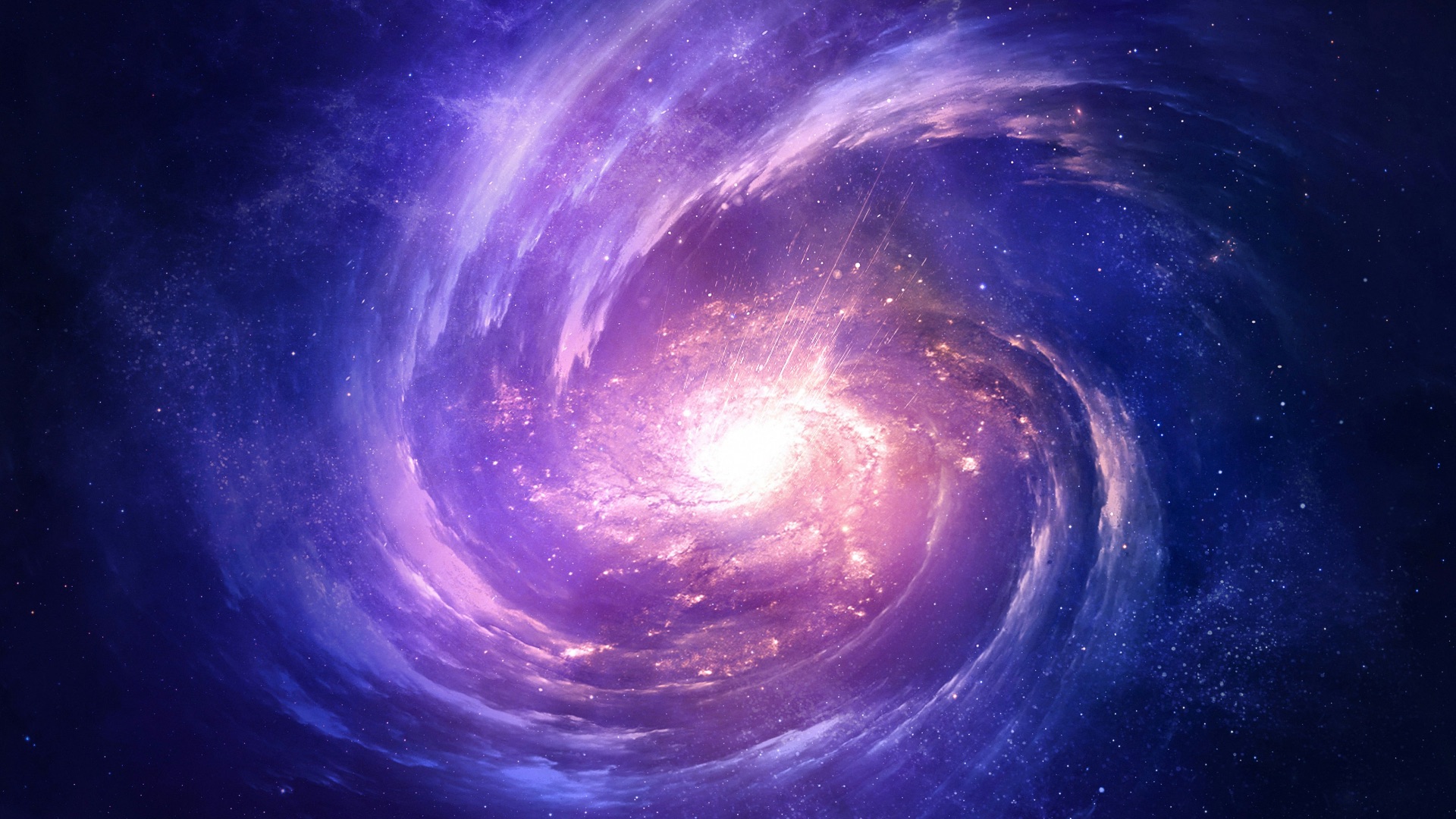
The Big Bang theory describes the universe as having originated roughly 13.8 billion years ago from an extraordinarily hot, dense state that has been expanding and cooling ever since. It was initially mocked by some scientists, with the name Big Bang actually coined by a skeptic—Fred Hoyle—who intended it as a dismissive label. The discovery of cosmic microwave background radiation in 1965, which is essentially the leftover heat signature from that early expansion, provided strong confirmation of the theory and secured its place as the leading cosmological model.
8. The Germ Theory of Ulcers
For decades, the medical consensus held that stomach ulcers were caused by stress, spicy food, or excess stomach acid, not infection. In 1982, however, Barry Marshall and Robin Warren discovered that a bacterium called Helicobacter pylori was actually responsible for most peptic ulcers, a finding so contrary to accepted wisdom that Marshall famously drank a solution of the bacteria himself to prove the point. Their work earned a Nobel Prize in 2005 and transformed ulcer treatment from long-term acid suppression to a course of antibiotics.

9. CRISPR and the Understanding of Genetic Editing
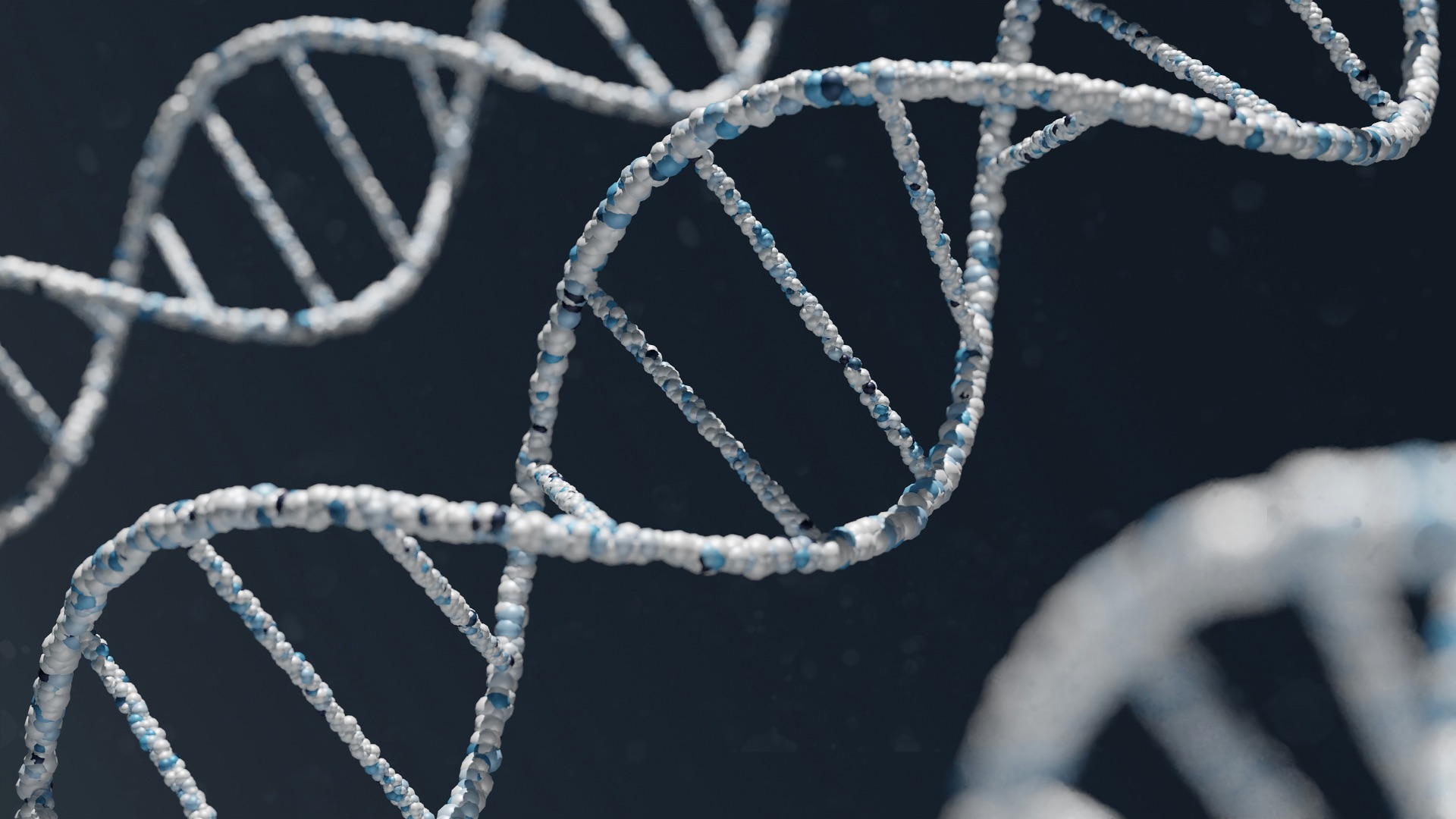
The discovery that bacteria use CRISPR sequences as a kind of immune memory led scientists Jennifer Doudna and Emmanuelle Charpentier to develop a precise genetic editing tool that can target and modify specific sections of DNA, which later led them to a Nobel Prize. Published in 2012, their work opened the door to potential treatments for genetic diseases, more resilient crops, and entirely new approaches to medicine that were previously unthinkable. It's still early days for CRISPR's full applications, but the scientific community widely regards it as one of the most transformative biotechnological discoveries in history.
10. The Caloric Theory's Replacement: Heat as Energy Transfer
The caloric theory proposed that heat was a physical substance—an invisible, weightless fluid called caloric—that flowed from hotter objects into cooler ones, and its eventual debunking gave rise to something far more accurate and useful. Benjamin Thompson's experiments showing that friction could generate seemingly unlimited heat fatally undermined the old theory, since a material substance should have been exhaustible. The modern understanding of heat as a form of energy transfer became a cornerstone of thermodynamics, which in turn underpins everything from steam engines to refrigerators to power generation.

KEEP ON READING

The Origins Of 3 Common Sayings You Still Use Today
Etienne Boulanger on UnsplashMany of the phrases you use every…
By Rob Shapiro Apr 28, 2026
Was Caligula The Most Ruthless Roman Emperor?
Artur Matosyan on UnsplashRoman Emperor Caligula is one of ancient…
By Rob Shapiro Dec 18, 2025
1 Weird Fact About Every President
Washington, Lincoln, FDR. Most people know something about the lives…
By Robbie Woods Dec 3, 2024
10 Accidental Discoveries That Changed Maps & 10 That Changed…
Mistakes That Mattered. A lot of major discoveries did not…
By Cameron Dick Apr 15, 2026
10 Actors Who Perfectly Played a Historical Figure & 10…
Which Performance is Your Favorite?. Playing the role of a…
By Rob Shapiro Sep 15, 2025
10 Actors Who Perfectly Played a Historical Figure & 10…
Portraying a real person from history is one of the…
By Noone Dec 17, 2025