

This 1931 Flood In China Is Considered One Of The Deadliest Natural Disasters In History
This 1931 Flood In China Is Considered One Of The Deadliest Natural Disasters In History
 Unknown authorUnknown author on Wikimedia
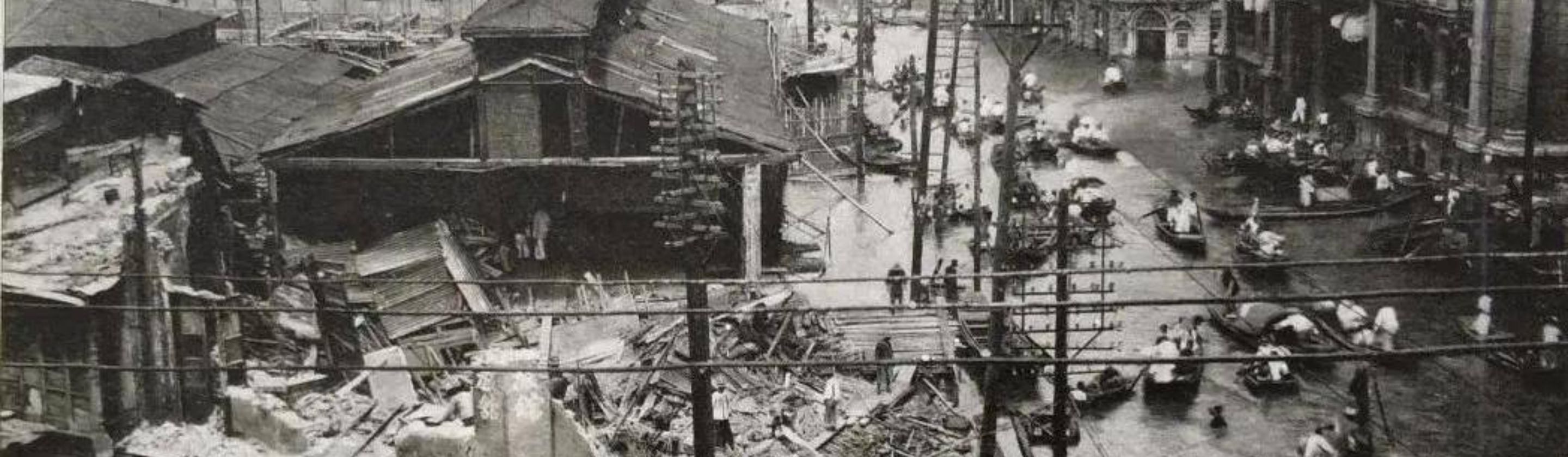
It's the summer of 1931 along China's central plains. The year started with an unusually snowy winter, followed by spring snowmelt that swelled rivers beyond their banks. Then came the rain—relentless, torrential rain that refused to stop. Between July and August alone, some areas received the equivalent of an entire year's rainfall.
The Yangtze, Yellow, and Huai rivers, three of China's mightiest waterways, simultaneously burst through their banks and turned approximately 69,000 square miles of land into a massive inland sea. This wasn't just a flood; it was a catastrophe that would claim millions of lives, making it arguably the deadliest natural disaster in recorded history.
When Three Rivers Decided To Rage At Once
China had been politically unstable for years, with ongoing conflicts between the Nationalist government and Communist forces weakening the country's infrastructure. Decades of neglect had left dikes and levees in poor condition, unable to handle what nature was about to unleash.
When the waters came, entire cities like Wuhan found themselves underwater for months. Nanjing, then China's capital, was also said to be severely affected. The floodwaters covered an area roughly the size of New York and Pennsylvania combined, displacing millions of people from their homes.
The Aftermath Was Worse Than The Flood Itself
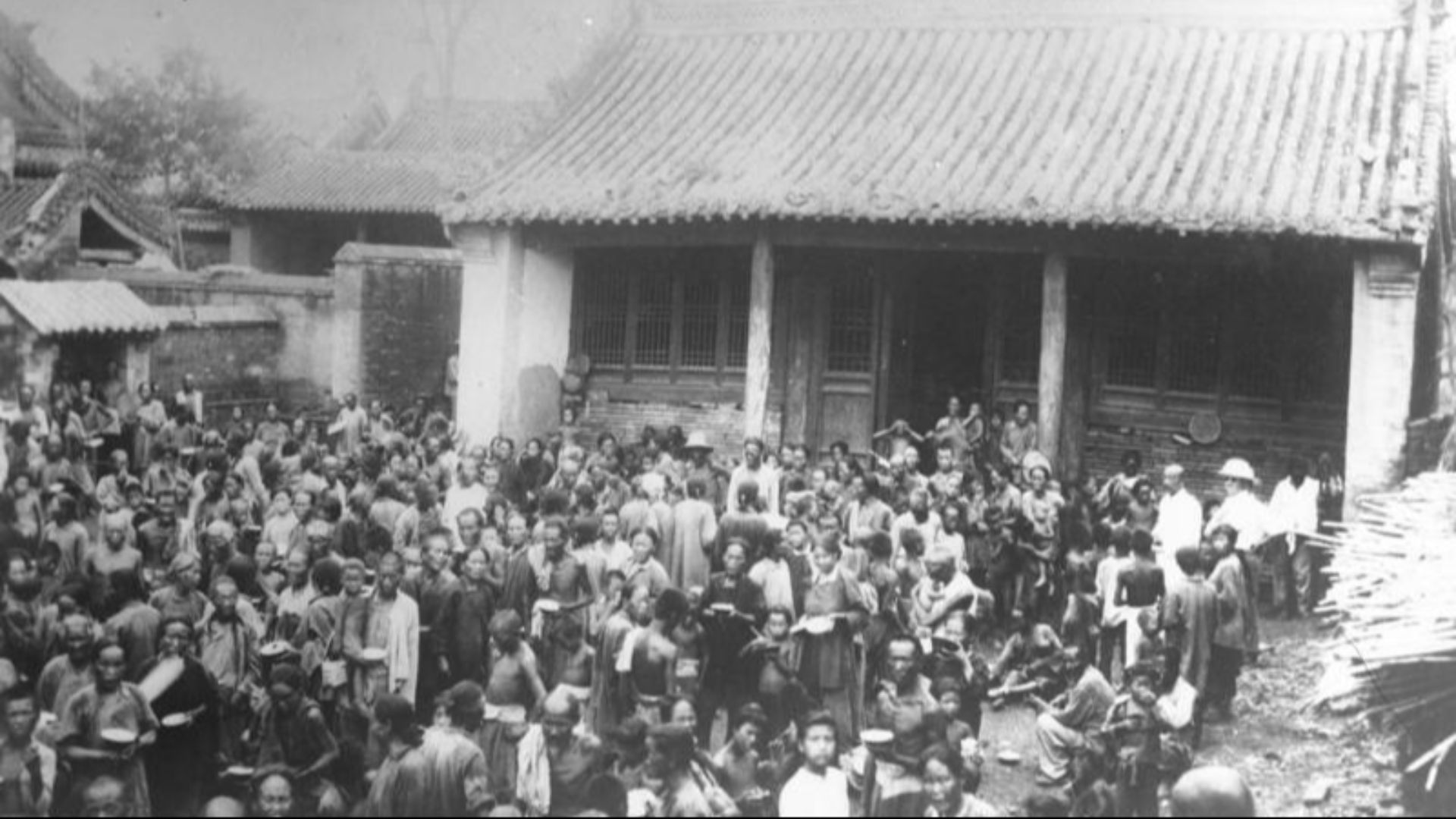
Here's where the story becomes even more heartbreaking: the initial drownings were just the beginning. As the waters receded over the following months, they left behind devastation that would kill far more people than the flood itself. Farmland was destroyed right before harvest season, triggering widespread famine across central China.
Contaminated water supplies sparked outbreaks of cholera and typhus that swept through refugee camps and surviving communities. Millions of people, already weakened by hunger, had no resistance to disease. The economic impact was staggering. An estimated 25 million people lost their homes entirely.
Agricultural production collapsed, with grain yields plummeting by a huge percentage in affected regions. Infrastructure damage was estimated at billions in today's dollars, setting back development in central China by decades. Bodies continued to be discovered for months, and some villages simply ceased to exist, their populations entirely wiped out by the combination of water, disease, and starvation.
A Disaster That Changed How China Views Water
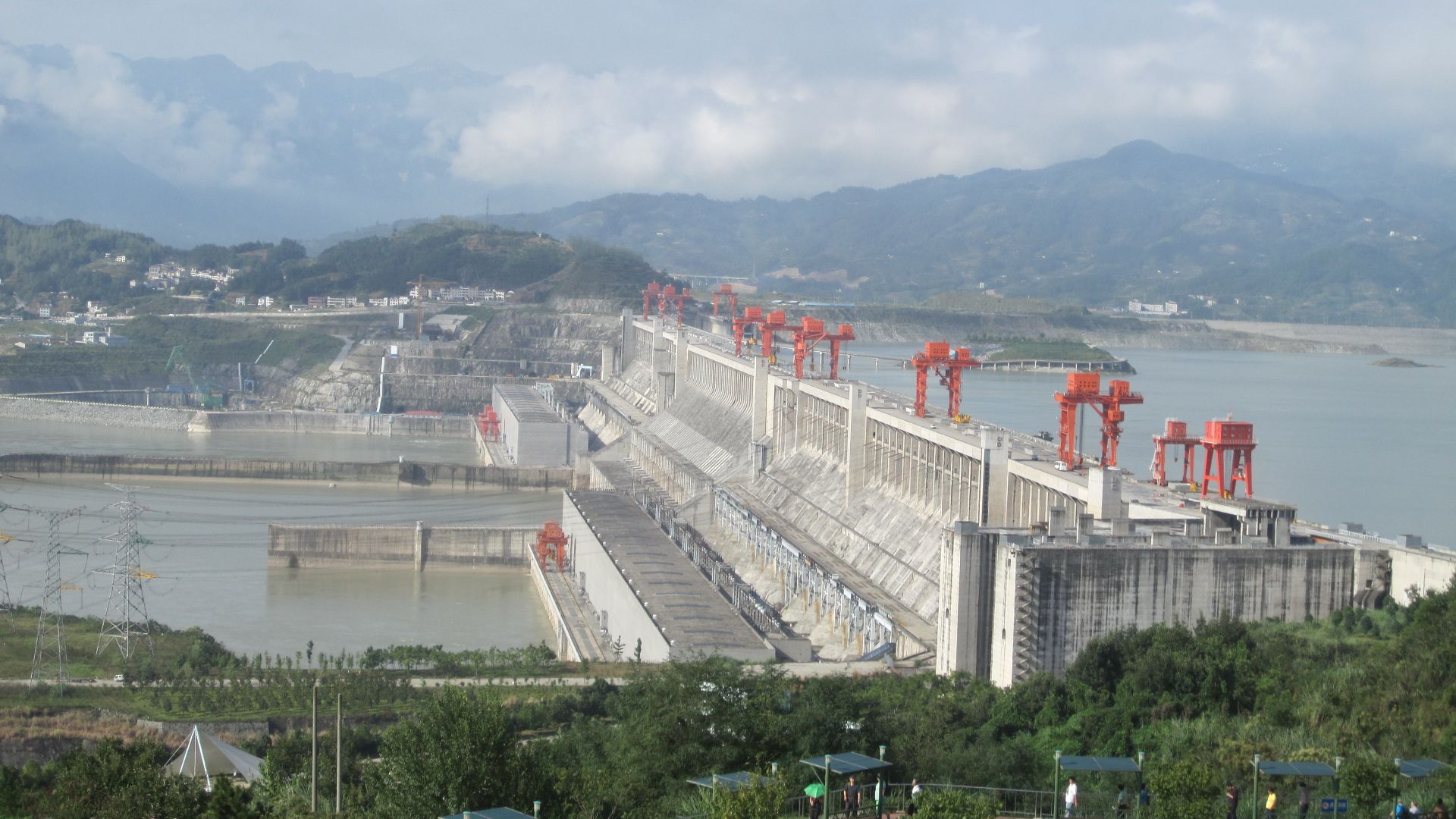
The 1931 flood fundamentally transformed China's approach to flood control. In subsequent decades, the government invested heavily in dam construction, levee reinforcement, and early warning systems. The Three Gorges Dam, completed in 2006 and one of the world's most significant hydroelectric projects, was partly conceived as a response to this historical trauma.
Today, China maintains one of the most extensive flood monitoring networks globally, with the memory of 1931 serving as a stark reminder of what happens when nature's fury meets inadequate preparation. The disaster remains a sobering testament to the devastating power of water and the importance of infrastructure investment.
KEEP ON READING

The 10 Youngest Monarchs In History & The 10 Oldest
Age Is Just A Number. Imagine being crowned king or…
By Chase Wexler Mar 11, 2025
You Think You Have Problems? These Royal Families Were Cursed
Boasson and Eggler St. Petersburg Nevsky 24. on WikimediaHeavy is…
By Ashley Bast Dec 5, 2025
You Can Thank This Greek-Canadian For Creating Pineapple On Pizza…
Love it or hate it, pineapple on pizza sparks debate…
By David Davidovic Dec 1, 2025
Yes, Female Gladiators Existed, And Here's Everything You Need To…
History of Women in Combat. Most people picture gladiators as…
By David Davidovic Jan 17, 2026
Yes, Australians Once Lost A Battle Against Flightless Birds
David Clode on UnsplashIn 1932, the Australian military went to…
By David Davidovic Nov 24, 2025
The Y2K Bug: Why Did Everyone Think Year 2000 Was…
Alan W on UnsplashOn December 31, 1999, people all over…
By Christy Chan Dec 22, 2025