

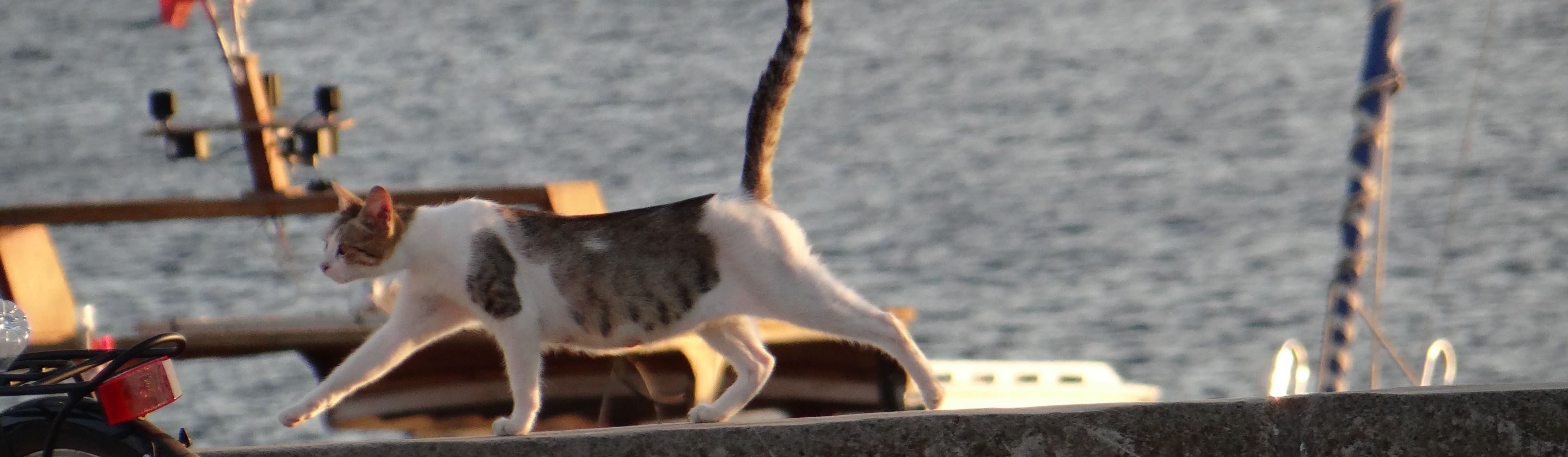
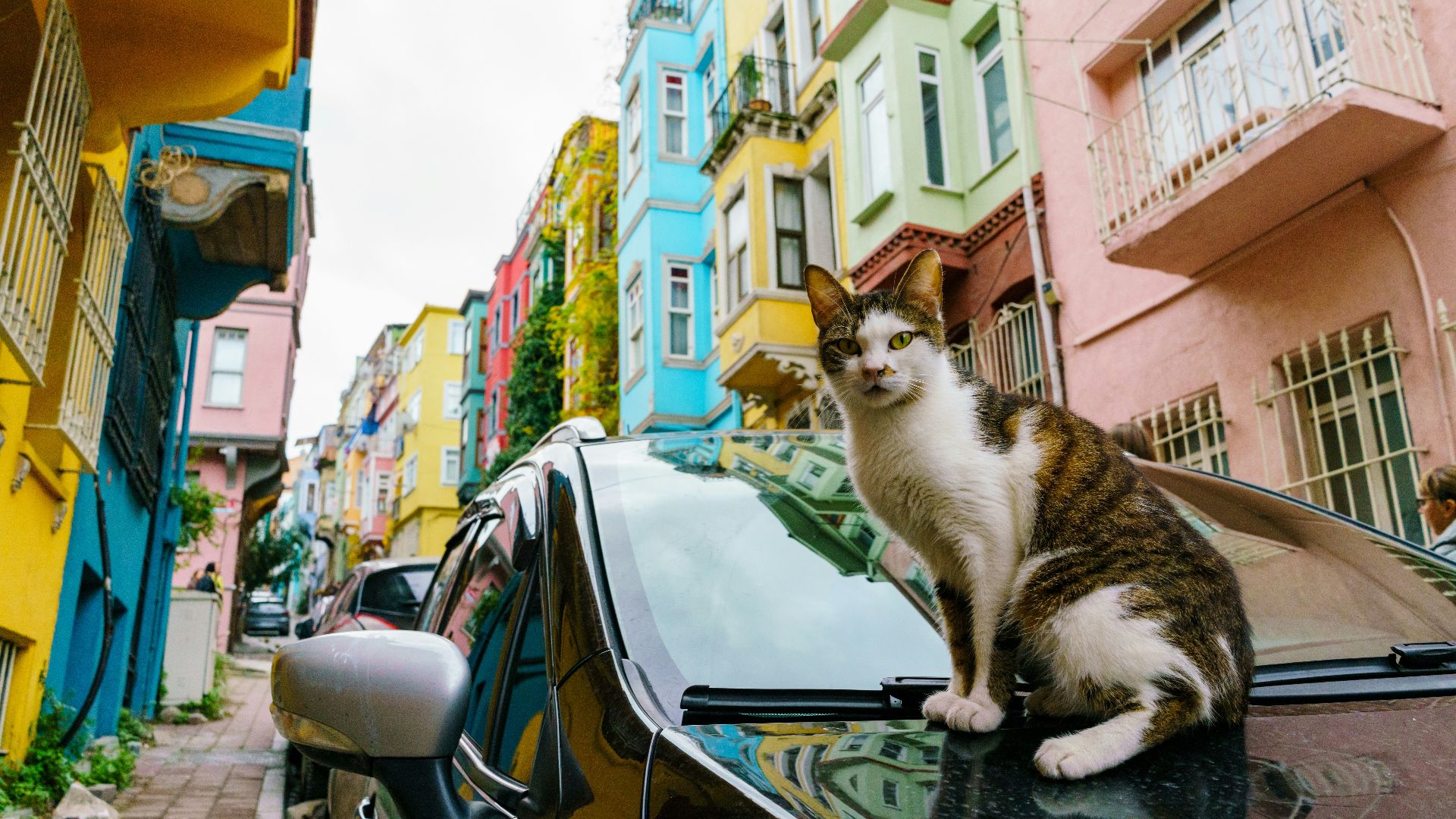
Cats are such a familiar part of Istanbul that they feel like permanent fixtures in the city. You’ll find them stretched across café chairs, slipping through mosque courtyards, watching ferries, and accepting tribute from shopkeepers who seem to understand exactly who runs the neighborhood. For visitors, it's generally charming, and for Istanbulites, it’s part of the city’s rhythm.
That relationship didn’t appear overnight. Istanbul’s cat culture grew from geography, religion, trade, urban life, and centuries of people sharing space with animals that were useful, clean, independent, and strangely good at making humans feel chosen. The result is a city where street cats occupy an unusual middle ground: not fully wild, not exactly owned, and rarely treated as ordinary strays.
Cats Found Their Place in a Port City
Cats were likely present in the region long before Istanbul became Istanbul. As Byzantium, and later Constantinople, the city sat at the crossroads of the Mediterranean, the Black Sea, Europe, and Asia, which made it a natural stopping point for ships carrying grain, textiles, and other goods. Cats often traveled on ships because they helped control rodents, so they would have moved through ports alongside sailors, merchants, and cargo. By the time the city became the heart of empires, cats were already useful companions in the practical business of keeping food stores, homes, and trade goods safe.
In the Ottoman period, cats were valued partly because they had a very practical purpose: protecting food stores, homes, libraries, and shops from mice and rats. They were the literal pest control of the city, and that usefulness helped them earn a kind of quiet acceptance.
Religious and cultural attitudes also shaped the way people treated them. In Islamic tradition, cats have often been respected for their cleanliness, and stories about kindness toward animals helped reinforce a sense of duty toward vulnerable creatures. That didn’t mean every cat lived a soft life, but it did create a cultural background where feeding and tolerating street cats made sense. In Istanbul, practicality and affection worked together.
The Ottoman City Made Room for Street Animals
Ottoman Istanbul had a long tradition of public charity, and that could extend to animals as well as people. Accounts of the city often describe residents feeding cats, dogs, and birds as part of everyday urban life. Some sources describe people known as mancacı, who were associated with feeding street animals. That detail explains why Istanbul’s cats became woven into the city rather than pushed to its margins.
Cats also fit neatly into Istanbul’s architecture. Courtyards, markets, gardens, mosques, docks, and apartment entrances created countless semi-public spaces where animals could live near people without belonging to one household. This arrangement also gave Istanbul’s cats their unusual social status. They weren’t usually pets in the private Western sense, but they weren’t ignored either. Neighborhoods often recognized certain cats, fed them, named them, and allowed them to claim familiar corners. This communal attitude towards cats is part of why they became such a distinctive part of the city’s identity.
Modern Istanbul Turned Its Cats Into Cultural Icons
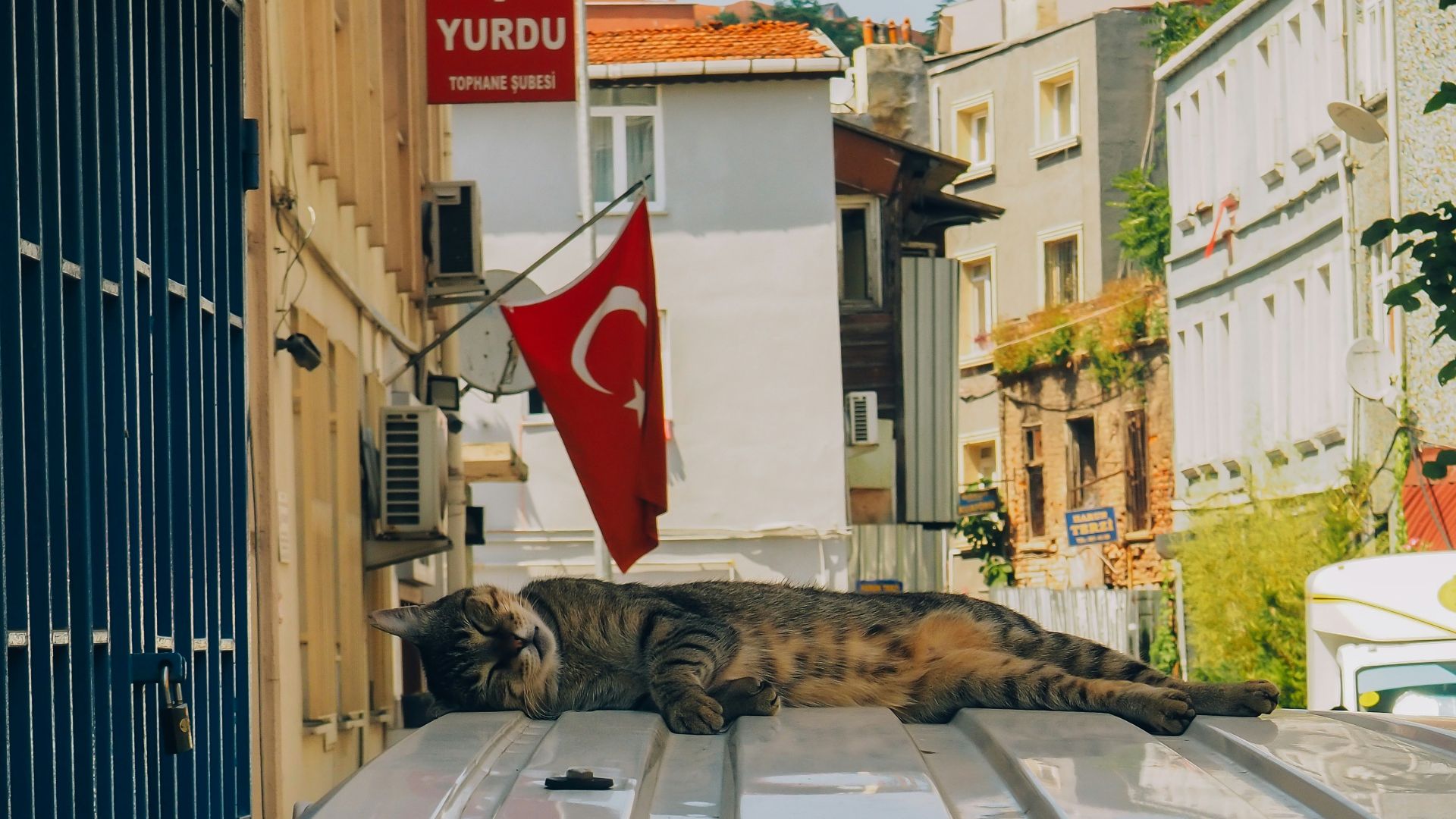
In modern Istanbul, cats are still part of daily life, but they’ve also become symbols of the city itself. Tourists photograph them, cafés make room for them, and social media has turned some into minor celebrities. The famous Hagia Sophia cat Gli became internationally known, showing how easily a single cat could become part of Istanbul’s public image. At some point, the cats stopped being just street animals and became unofficial ambassadors.
Still, the modern story is not all cozy window ledges and perfect travel photos. Large street-cat populations need food, veterinary care, sterilization, and protection from traffic, illness, and neglect. Recent reporting has noted that Istanbul’s cats face challenges from rising costs, illness, and the difficulty of sustaining care for so many animals. Loving a city’s cats is easier than building a humane system that keeps them healthy.
That tension is part of what makes Istanbul’s cat history so interesting. The cats are beloved because they seem free, but their well-being still depends on human choices. They survive through a mix of independence and public generosity, which is charming until the system becomes strained. Istanbul’s cats may wander where they like, but they also reveal how a city treats the creatures that live in its in-between spaces.
Today, when you see a cat sitting calmly beside a mosque, shop, ferry stop, or ancient wall, you’re looking at more than a cute local detail. You’re seeing a relationship shaped by empire, faith, trade, architecture, habit, and affection. Istanbul’s cats have never needed official titles to become part of the city’s story. They simply stayed, and the city made room.
KEEP ON READING
The 20 Most Recognized Historical Figures Of All Time
The Biggest Names In History. Although the Earth has been…
By Cathy Liu Oct 4, 2024
10 of the Shortest Wars in History & 10 of…
Wars: Longest and Shortest. Throughout history, wars have varied dramatically…
By Emilie Richardson-Dupuis Oct 7, 2024
10 Fascinating Facts About Ancient Greece You Can Appreciate &…
Once Upon A Time Lived Some Ancient Weirdos.... Greece is…
By Megan Wickens Oct 7, 2024
20 Lesser-Known Facts About Christopher Columbus You Don't Learn In…
In 1492, He Sailed The Ocean Blue. Christopher Columbus is…
By Emilie Richardson-Dupuis Oct 9, 2024
20 Historical Landmarks That Have The Craziest Conspiracy Theories
Unsolved Mysteries Of Ancient Places . When there's not enough evidence…
By Megan Wickens Oct 9, 2024
The 20 Craziest Inventions & Discoveries Made During Ancient Times
Crazy Ancient Inventions . While we're busy making big advancements in…
By Cathy Liu Oct 9, 2024