Digging Up the Unexplained
Standard history textbooks like to present our past as a neat, orderly puzzle where every piece perfectly locks into place. However, if you talk to field researchers or look closely at the dustier corners of museum basements, you will quickly find out that archaeologists keep digging up things that break all the traditional rules. These anomalous artifacts often challenge everything we think we know about ancient technology, migration patterns, and forgotten civilizations.
1. The Antikythera Mechanism
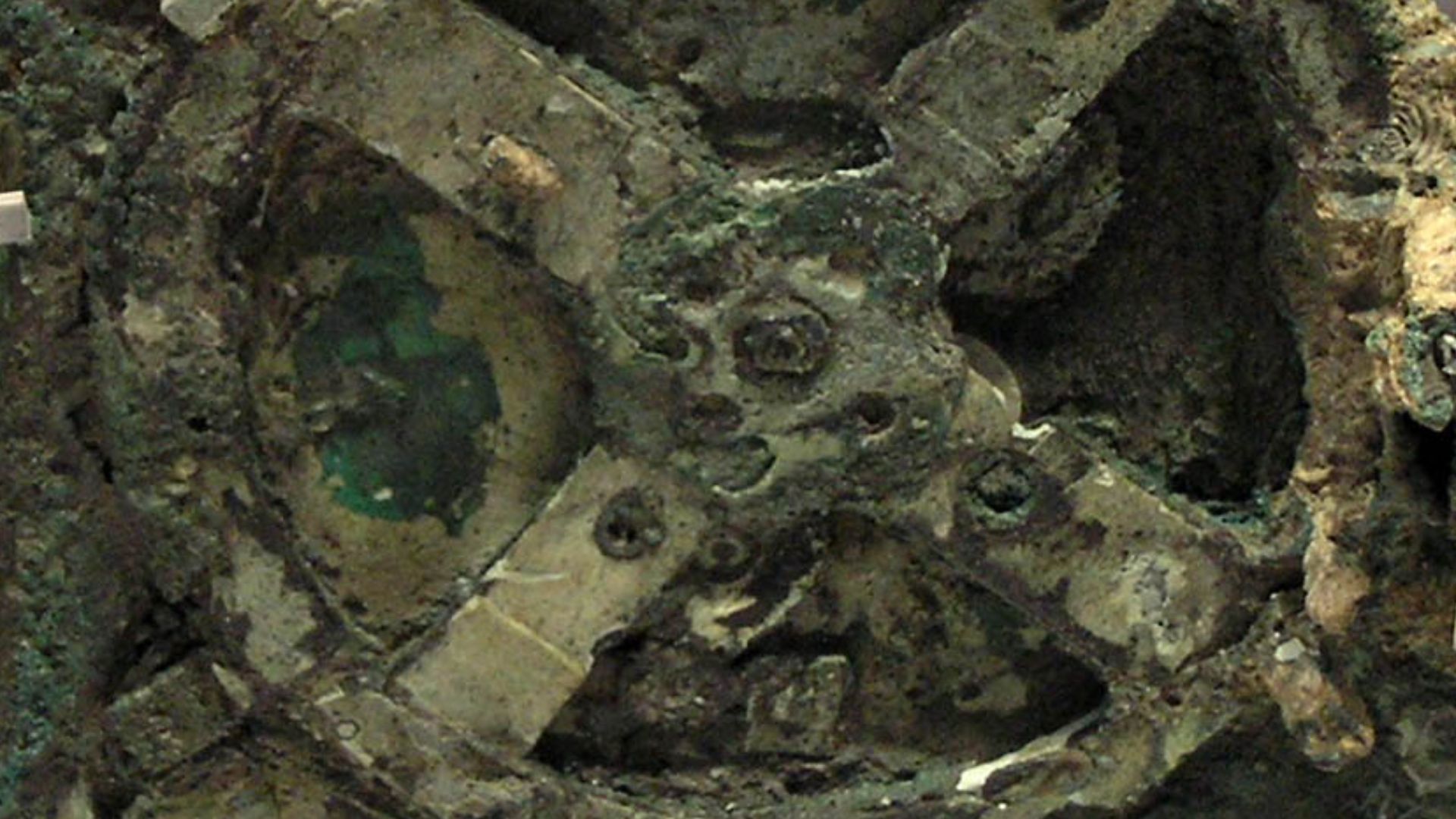
Found inside a Roman shipwreck over 100 years ago, this bronze device resembles some kind of computer clockwork thousands of years ahead of its time. Its complex series of gears seems to have predicted astronomical cycles and planetary positions with incredible accuracy. Modern textbooks tell us the Greeks didn’t have the metallurgy to construct such a device, but fail to explain away the hard evidence.
 No machine-readable author provided. Marsyas assumed (based on copyright claims). on Wikimedia
2. The Baghdad Battery
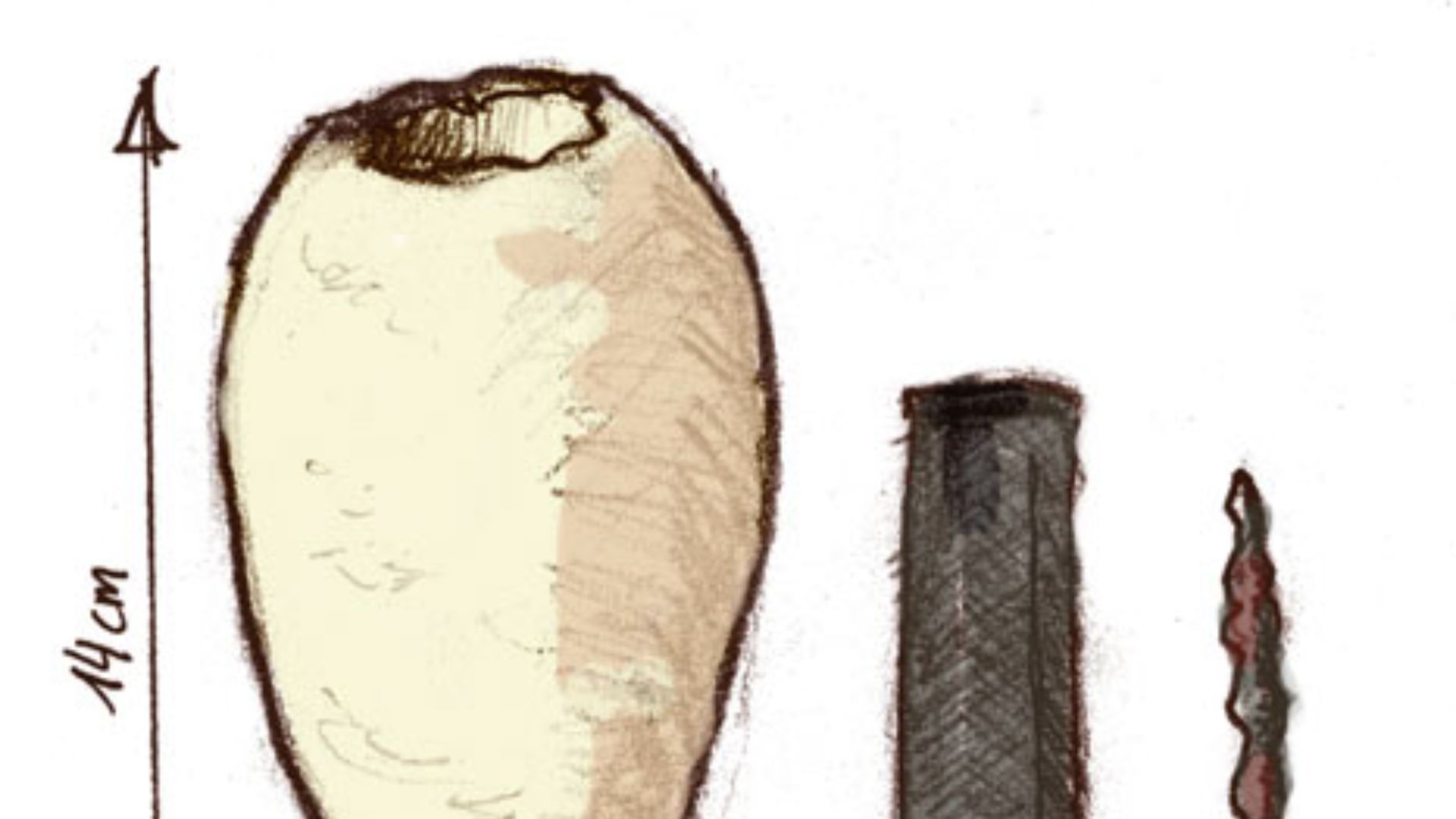
Imagine finding electrical components inside a 2,000-year-old clay pot. That’s essentially what was uncovered in Iraq. This ancient artifact has a copper cylinder and iron rod that produces a mild electrical current when filled with an acidic substance like vinegar.
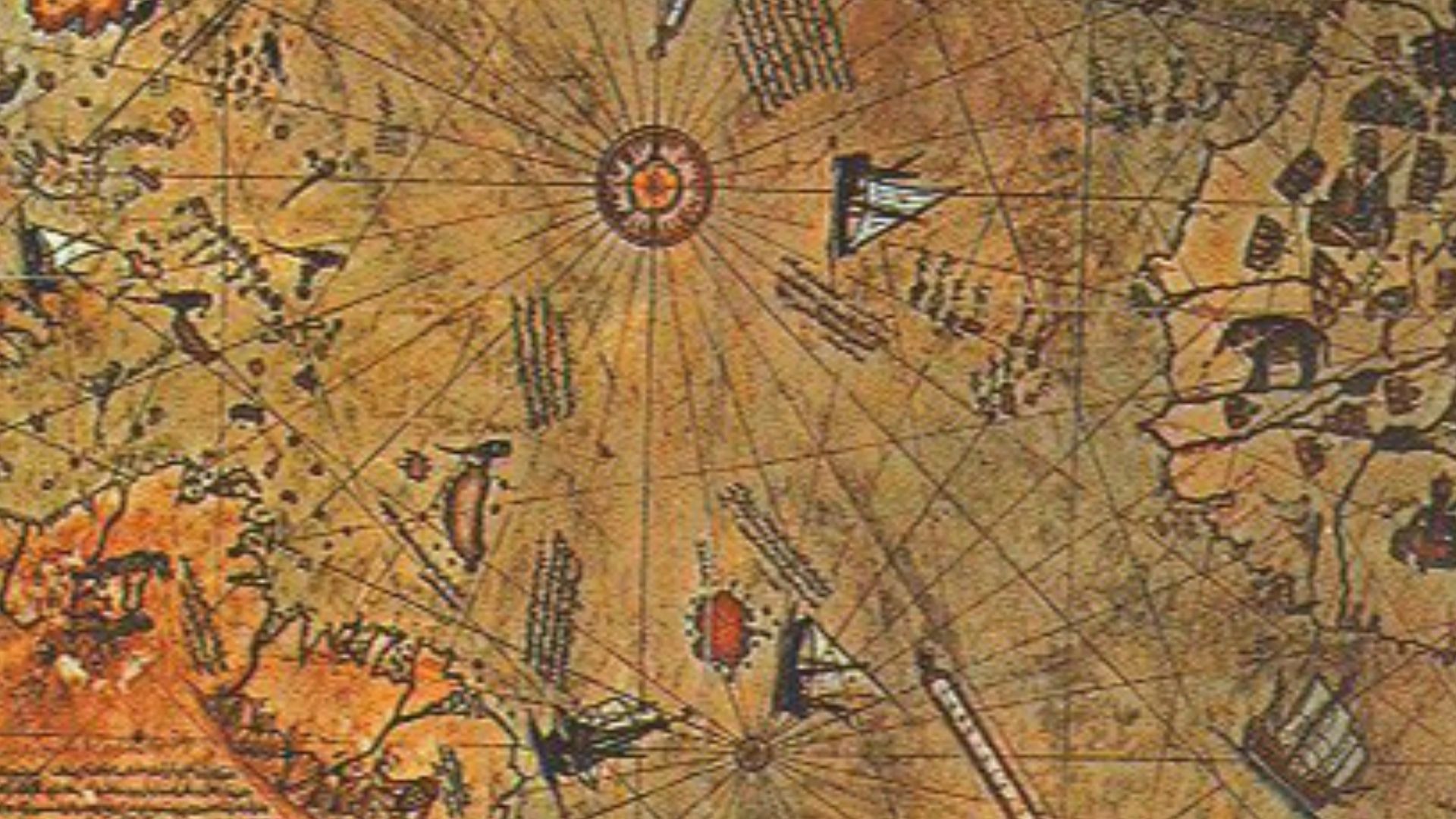
3. The Piri Reis Map
Mapped in the early 1500s by a Turkish admiral, this infamous world chart depicts detailed coastlines all over Europe, North Africa, and a glacier-free Antarctica. Modern science states Antarctica has been under sheets of ice for millions of years, so no one should have known what the land looked like below. Conspiracy theorists insist the similarities are too perfect to be a coincidence.
4. The Giant Stone Spheres of Costa Rica
Hundreds of perfectly smooth human-made stones scatter the Diquís Delta of Costa Rica. Ranging from the size of your head to well over 6 feet in diameter, these gigantic stone spheres have confused researchers for years. How ancient cultures could achieve such perfect round symmetry with primitive tools is something mainstream archaeologists don’t want to investigate.

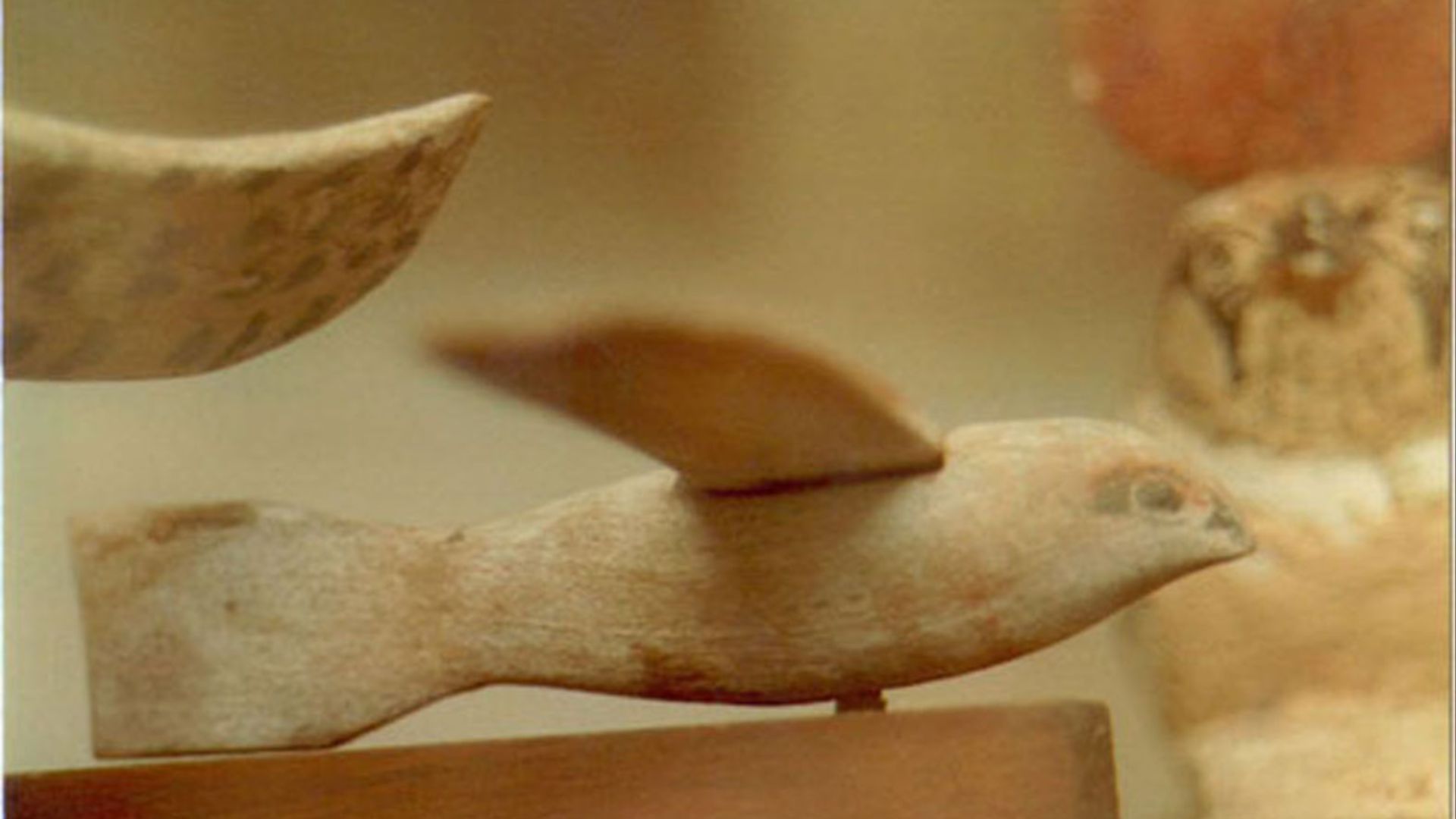
5. The Saqqara Bird
Unearthed in an Egyptian burial chamber in 1991, this small wooden artifact has the exact dimensions of a glider airplane. While most people believe the toy hawk was simply used for religious ceremonies, test models have been created to prove it actually works. Modern-day glider pilots have flown reproductions of the Saqqara Bird based on its physical proportions.
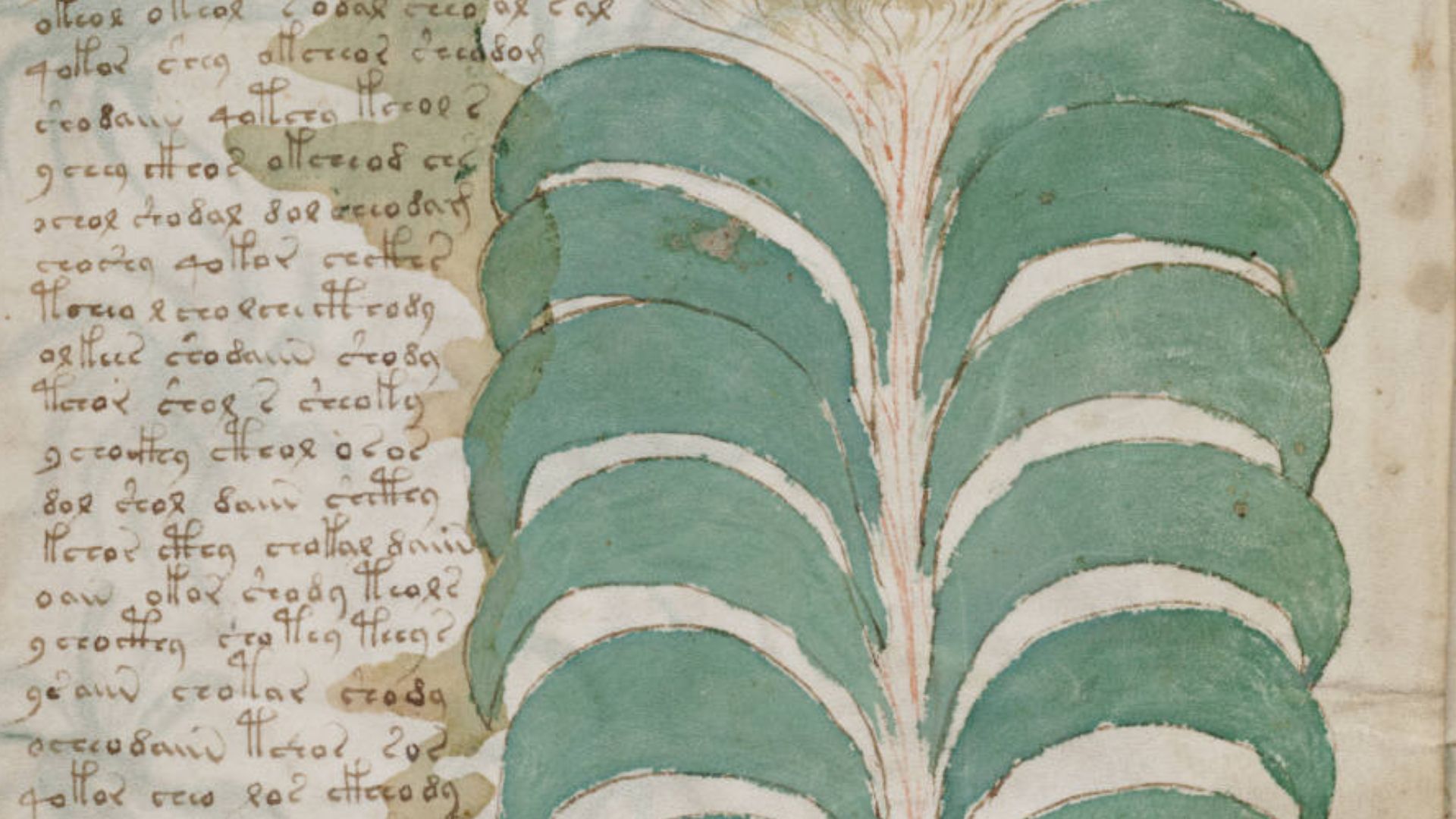
6. The Voynich Manuscript
This mysterious illustrated book from the fifteenth century is written in an entirely unknown script that has broken the minds of the world's best cryptographers. The pages are filled with bizarre drawings of nonexistent plants, strange astrological diagrams, and figures lounging in interconnected plumbing networks. Many orthodox scholars dismiss the whole volume as a Renaissance hoax.
 Unknown authorUnknown author on Wikimedia
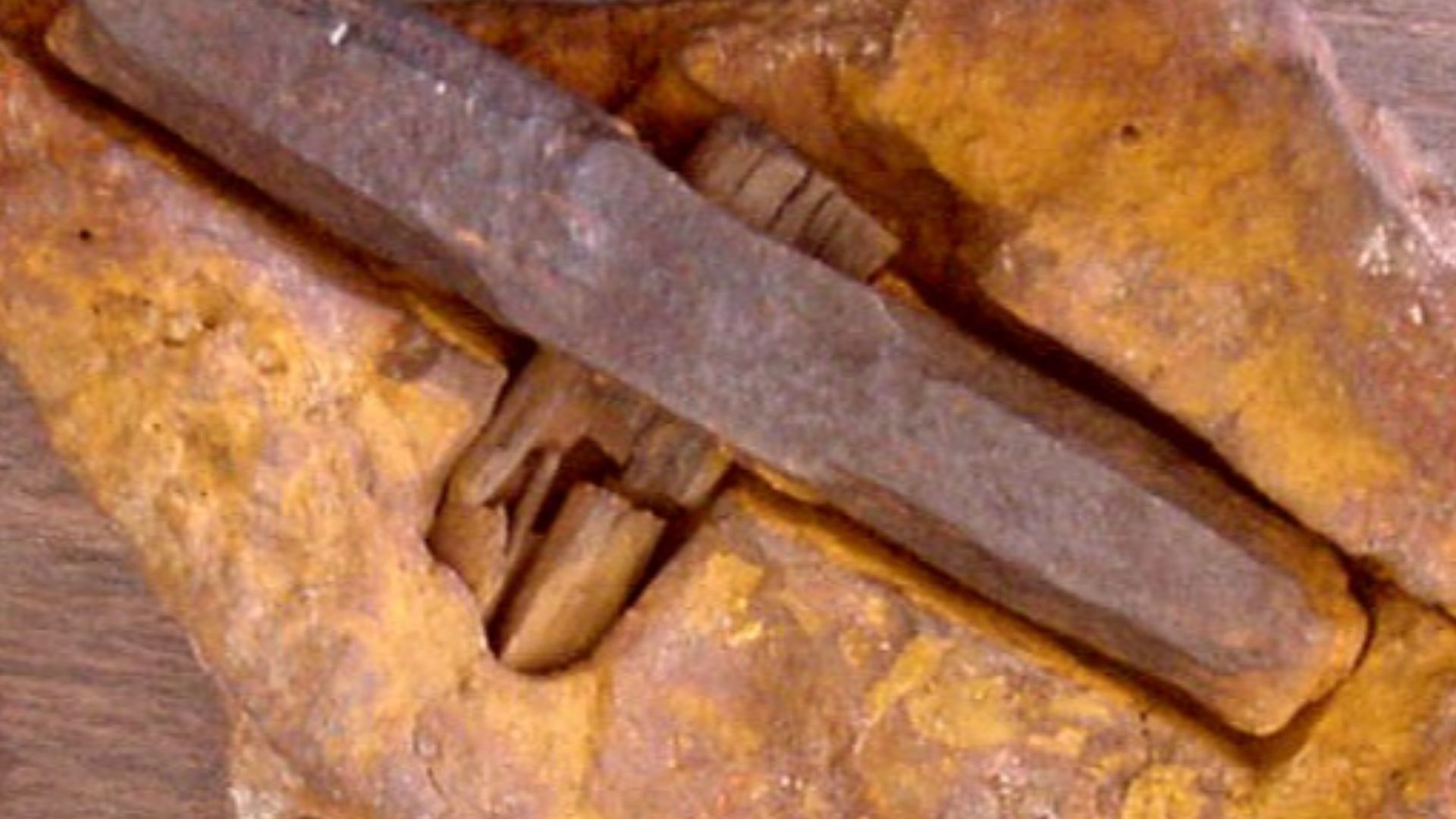
7. The London Hammer
An ordinary iron hammer encased in a solid block of Cretaceous limestone was stumbled upon by a couple walking in Texas back in the 1930s. According to traditional geology, the surrounding rock layer is over a hundred million years old, which means humans should not have been around to manufacture iron tools yet. Mainstream scientists quickly dismissed the find by claiming that soluble minerals simply hardened around a discarded nineteenth-century miner's tool.
8. The Sajama Lines
Etched into the rugged landscape of western Bolivia is an interconnected network of thousands of perfectly straight paths that covers an area fifteen times larger than the famous Nazca Lines. These ancient trails cut straight through mountainous terrain and rocky obstacles without ever veering off course for miles. The indigenous populations who created them left zero clues about their construction methods.
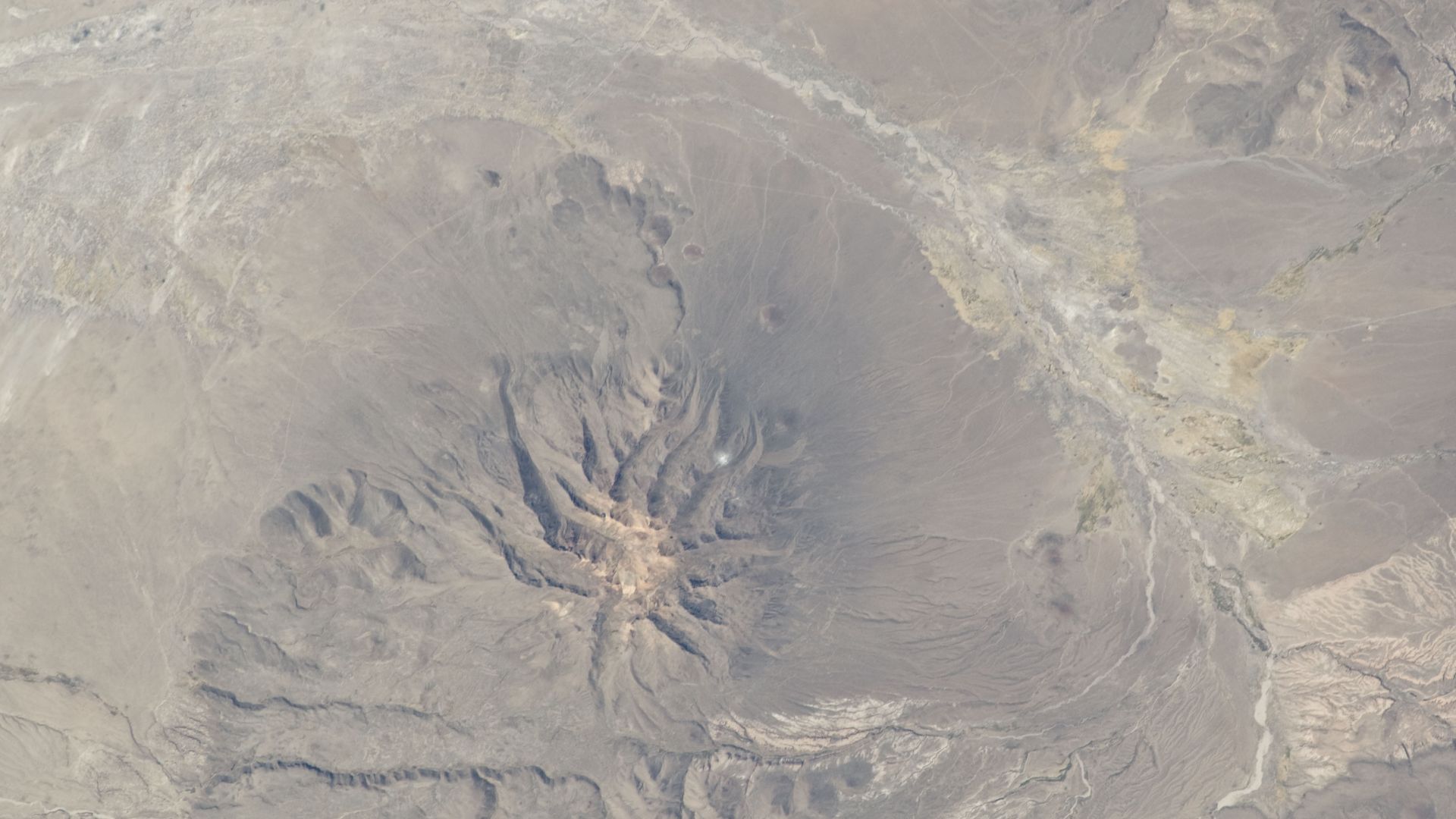 Earth Science and Remote Sensing Unit, Lyndon B. Johnson Space Center on Wikimedia
9. The Klerksdorp Spheres
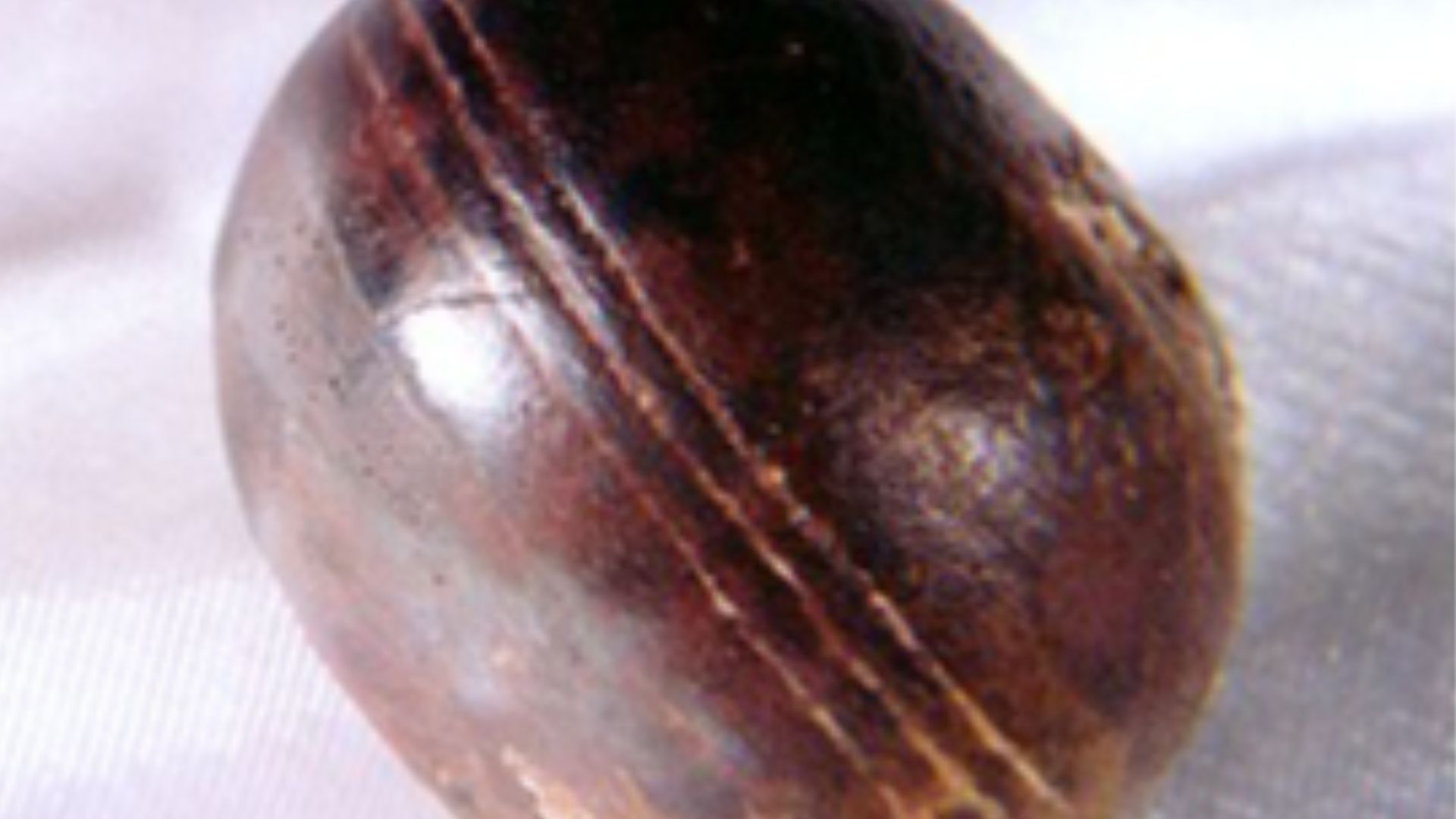
Miners in South Africa keep digging up small, dark pyrophyllite spheres that feature clean, parallel grooves etched around their centers. These metallic objects are found embedded within rock strata that date back roughly three billion years. Mainstream geologists strongly maintain that natural formations called concretions created these shapes over deep time.
10. The Mysterious Dropa Stones
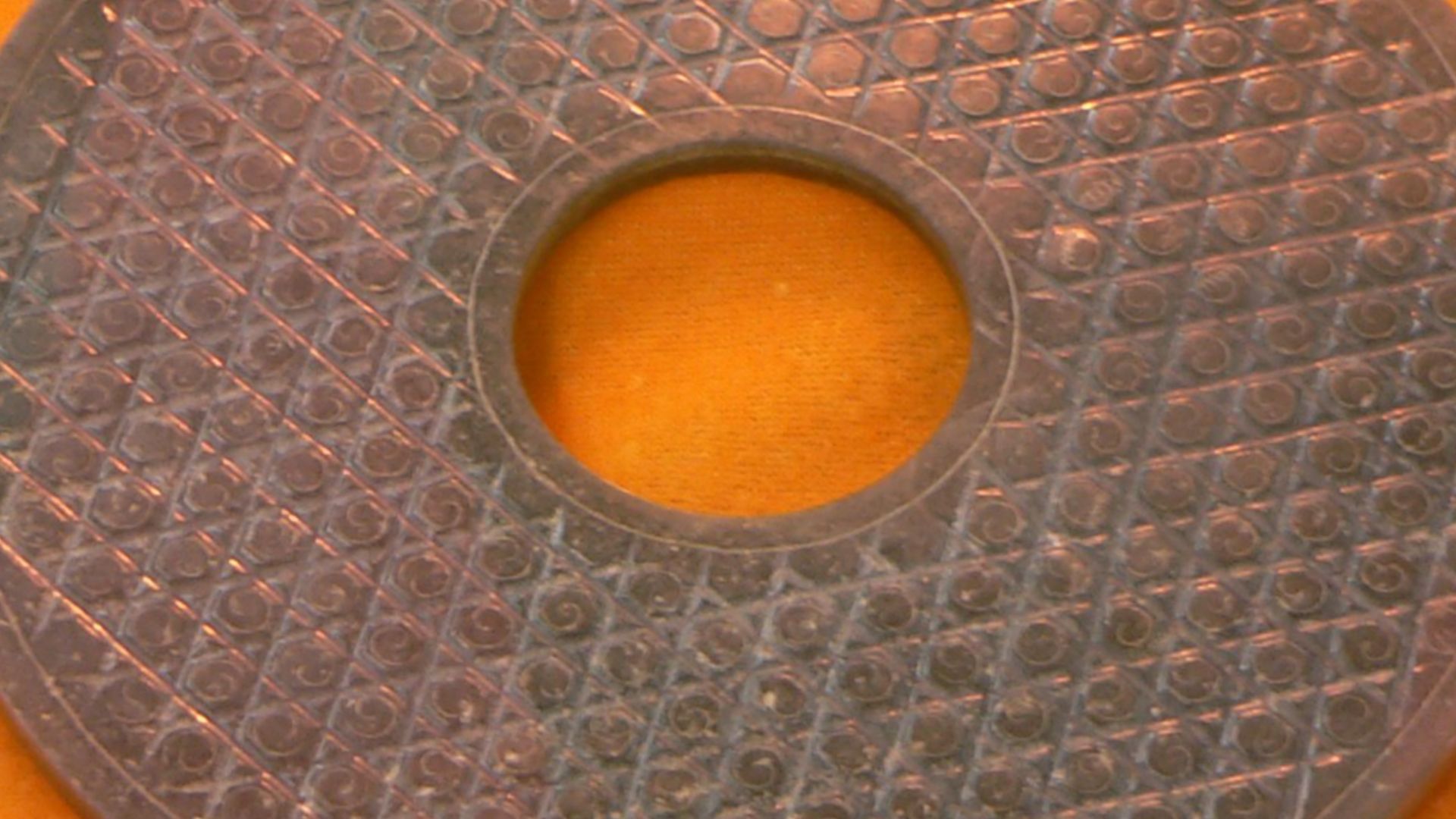
Reportedly found in China was a collection of stone discs that resemble vinyl records you would listen to today. Each stone disc is said to have a microscopic groove that tells the story of an ancient alien crash landing in the mountains. The systematic disappearance of the original research notes and museum photos ensures that this bizarre discovery stays firmly out of official history books.
11. The Baigong Pipes
Embedded in the walls of a Chinese mountain are large iron pipes that were found in a cave and within the lake beneath it. Chinese officials are bothered by how old the surrounding rock is, approximately 700,000 years old. Mainstream scientists say these "pipes" are fossilized tree roots that filled up with iron from the soil.

12. The Shroud of Turin
Possibly the most studied artifact in history, the Shroud of Turin is a piece of ancient cloth with the image of a crucified man burned onto it. How the image was imprinted onto the fabric remains a mystery. There is no paint or dye that could have achieved such a detailed photograph on material that old.
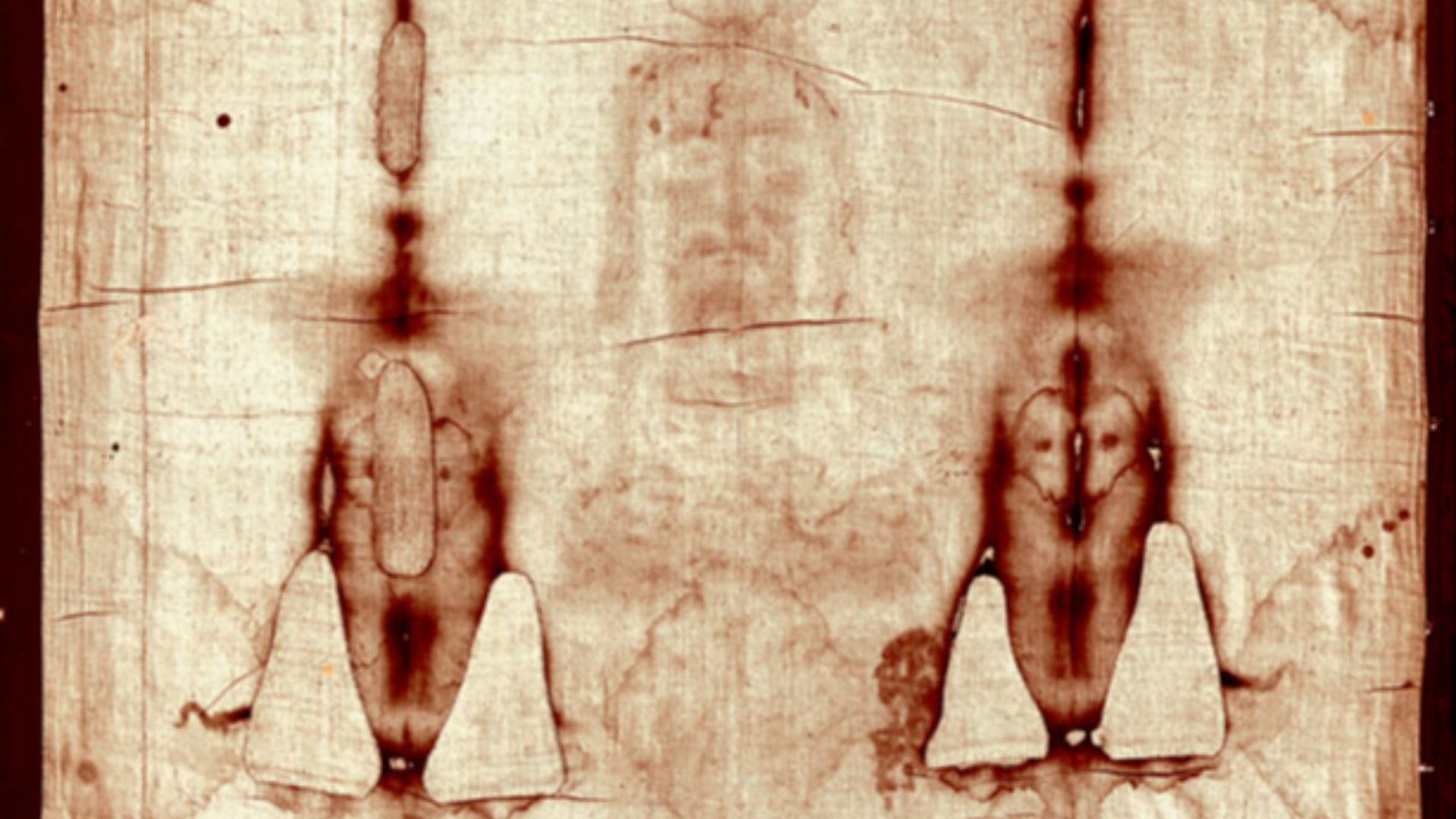 Giuseppe Enrie, 1931 on Wikimedia
13. The Iron Pillar of Delhi
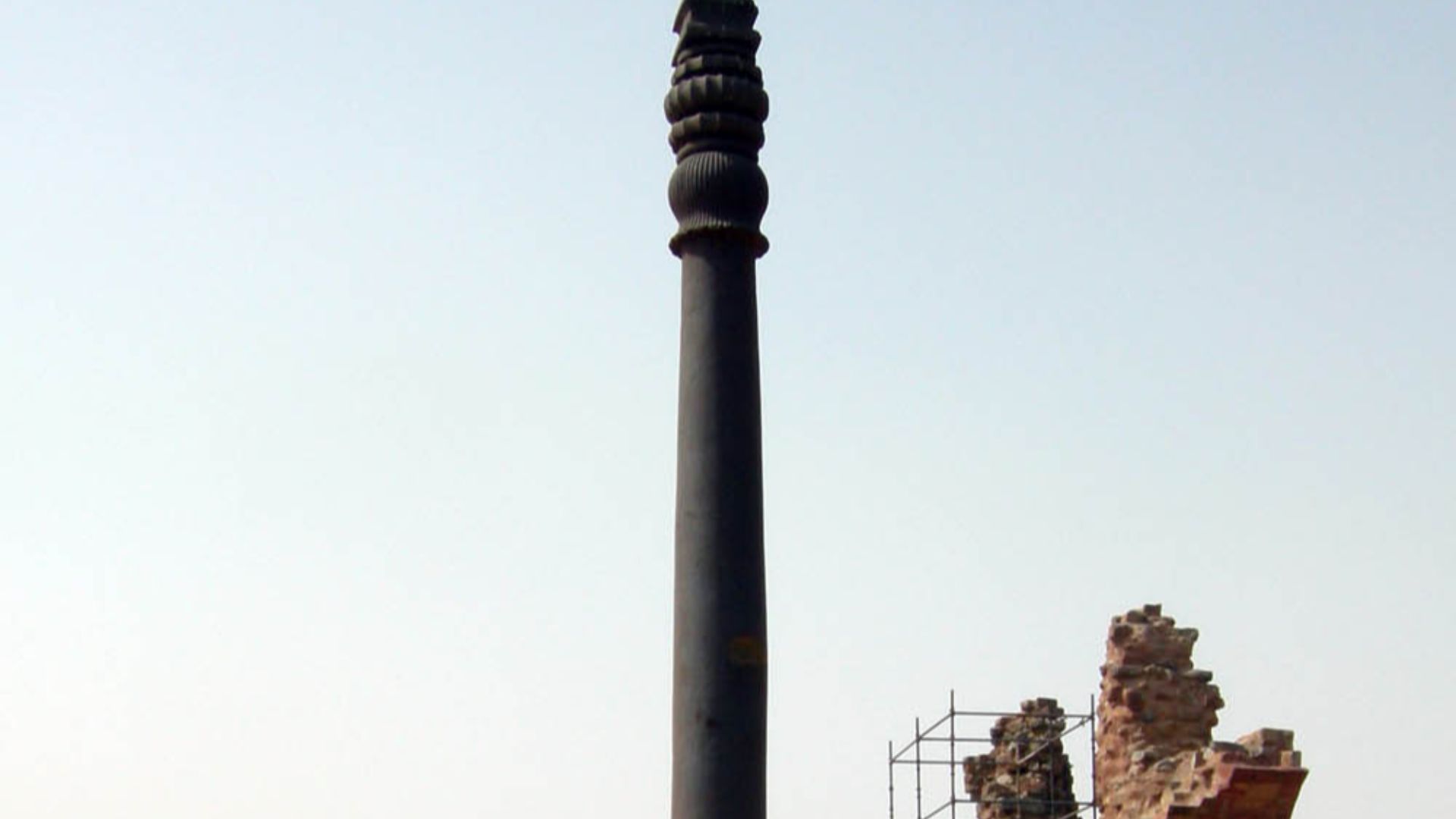
Standing tall in India for well over a millennium is an iron pillar that shows no signs of rusting. Not only does it not rust, but scientists are baffled at how pure the iron is despite being that old. There is no record of how ancient Hindus were able to create such a high-phosphorus blend.
 Photograph taken by Mark A. Wilson (Department of Geology, The College of Wooster). [1] on Wikimedia
14. The Hypogeum of Hal Saflieni
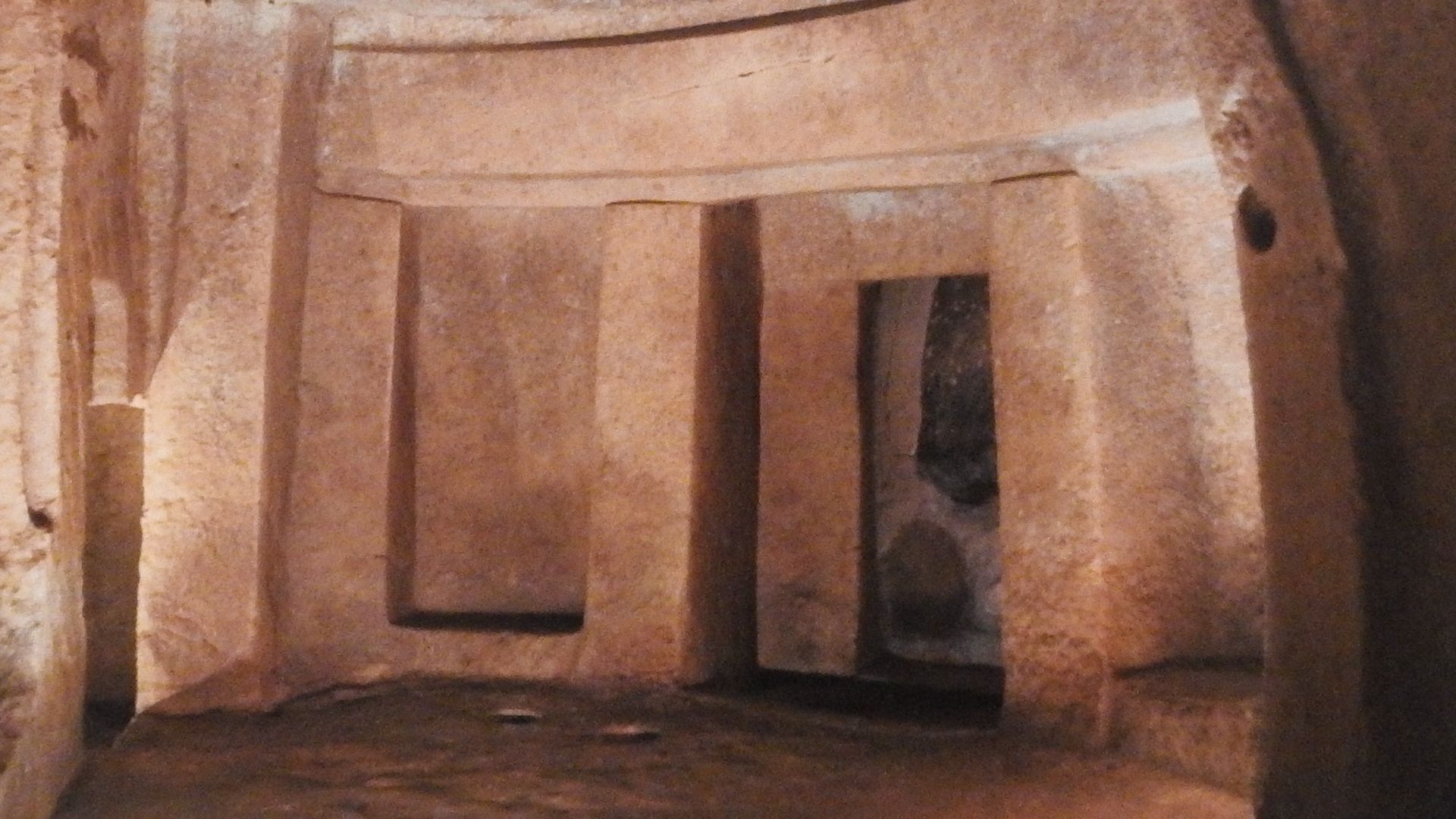
Built around 5,000 years ago in Malta is an underground limestone burial tomb with incredible acoustic qualities. The main chamber of this underground pyramid amplifies the human voice to a frequency of 111 Hertz. One hundred eleven Hertz is a known frequency that can make your brain believe it is experiencing euphoric emotions.
15. The Roman Dodecahedrons
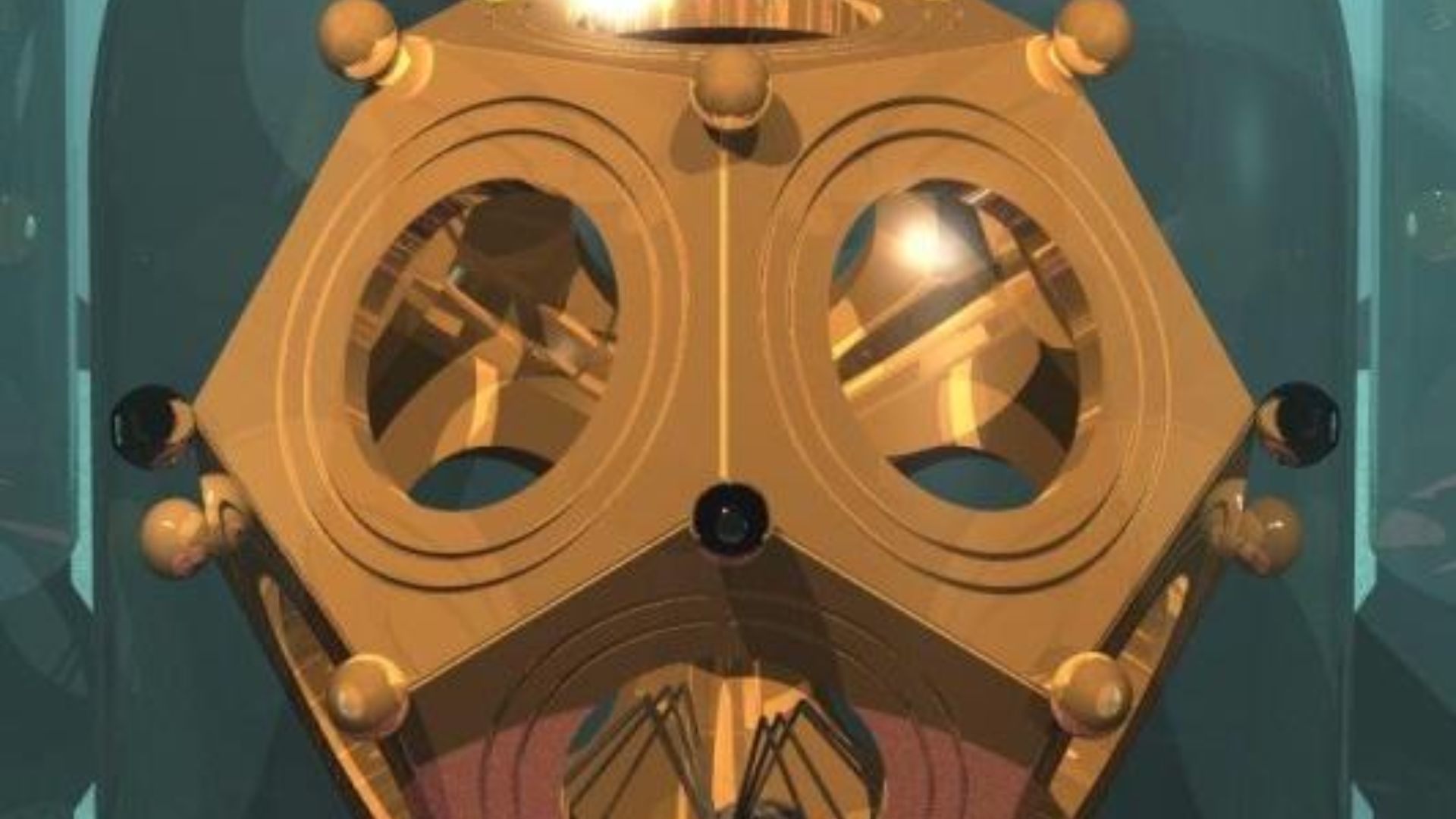
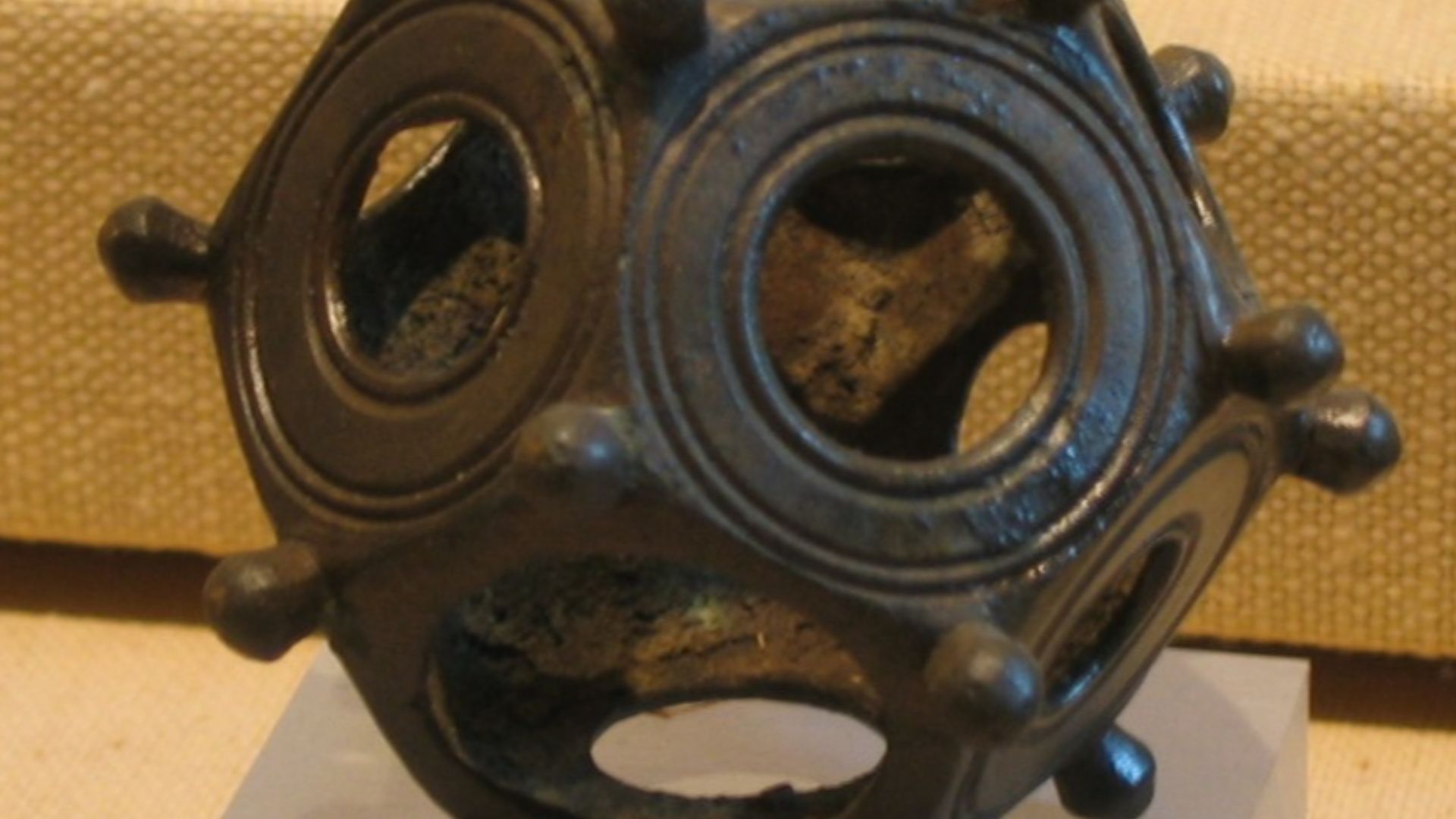
Found all over Europe are hollow metal objects with 12 pentagonal faces and odd-shaped holes drilled through each side. Originating from the Roman Empire, there is no historical data on what these objects were used for or even what they were called. Mainstream history simply places them in museum display cases under the generic label of religious artifacts.
16. The Coso Artifact
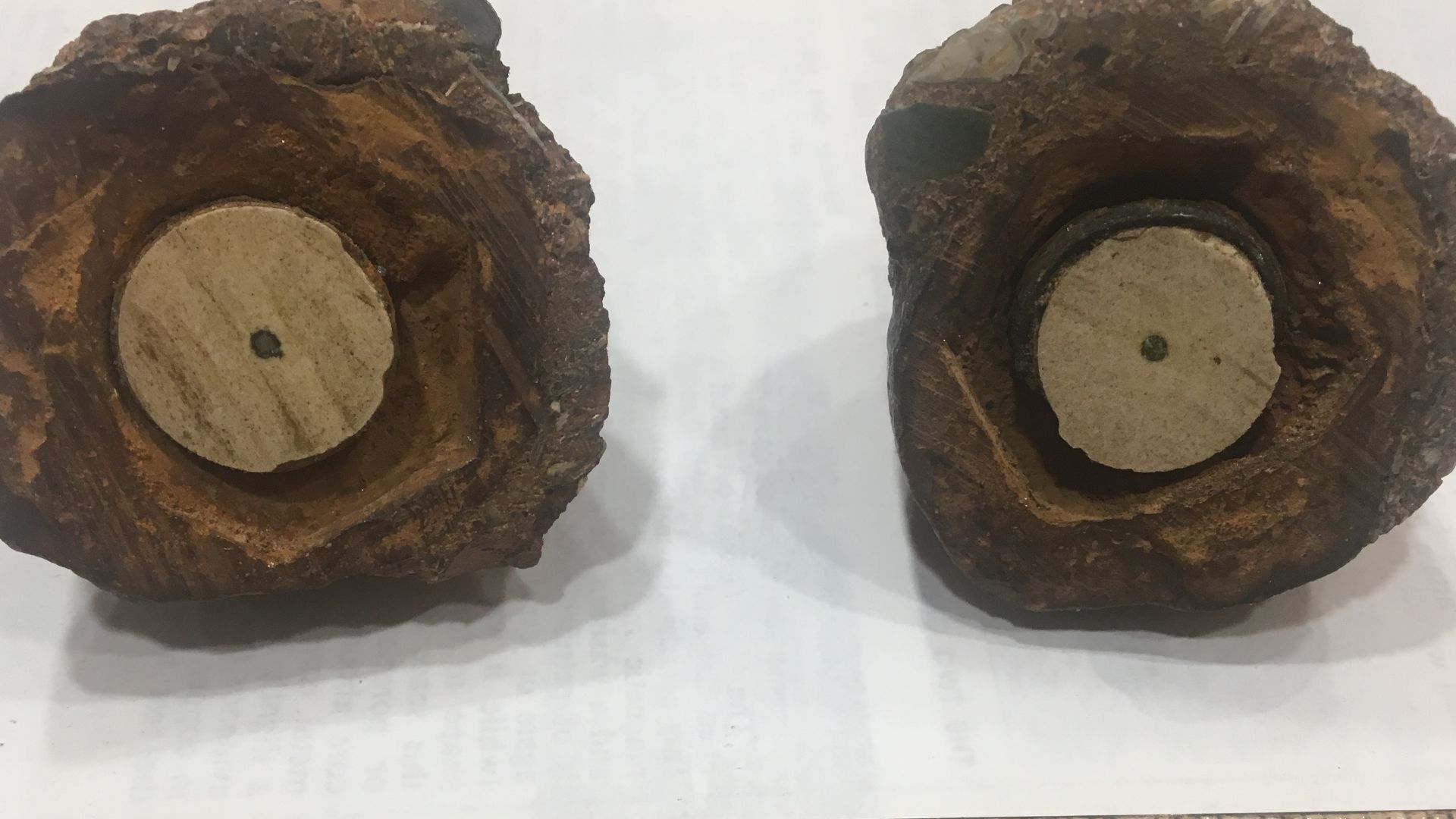
Found in a dry riverbed in California was a spark plug found inside a rock. Geologists estimated it would take around 500,000 years for the rock to form around a foreign object. Known as the Coso Artifact, mainstream scientists took notice and deemed it a normal plug from the 1920s.
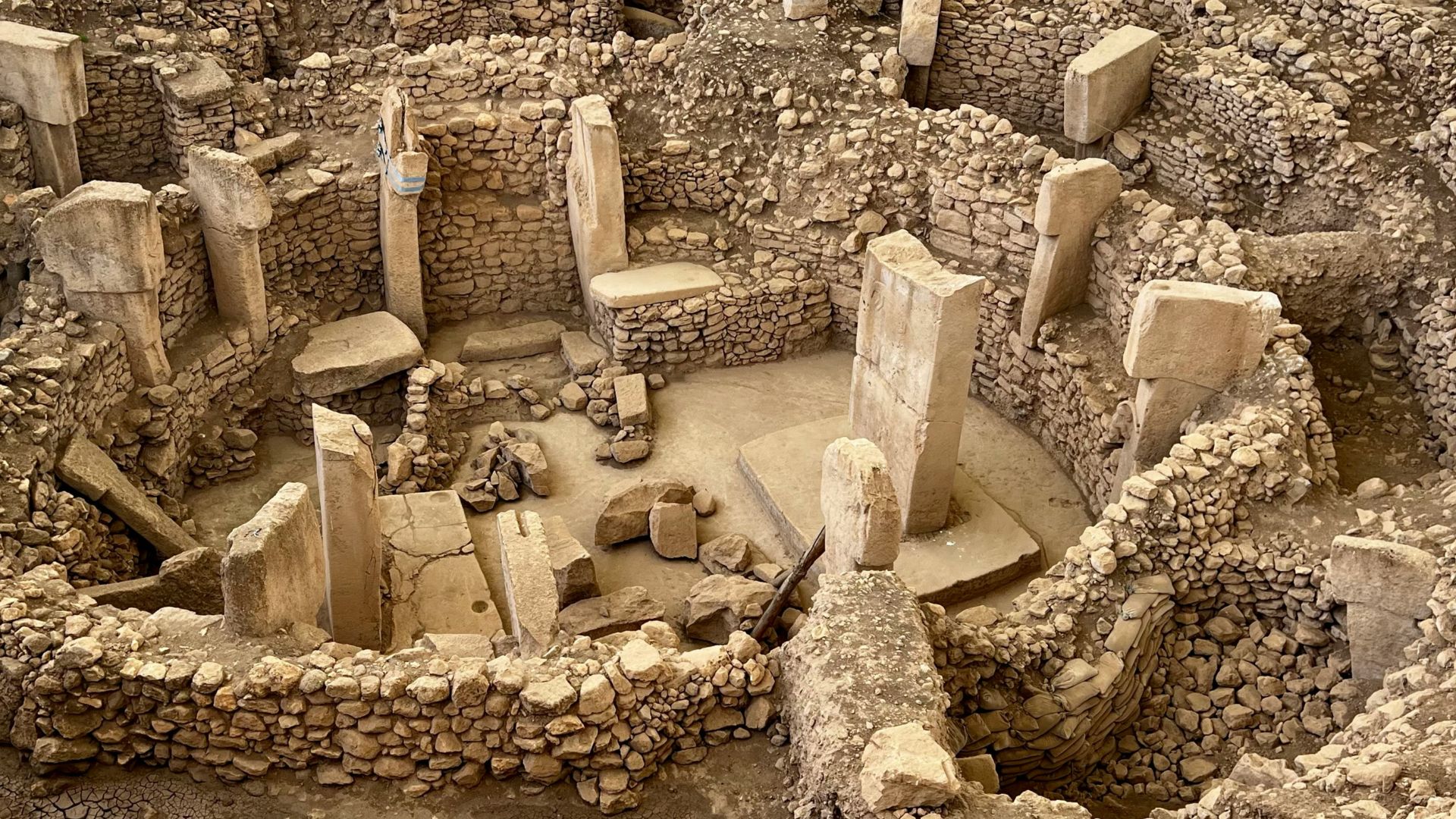
17. The Stone Circles of Göbekli Tepe
Hidden inside Turkey is an 11,000-year-old temple with detailed stone pillars that have since been buried. Stone tablets depict what these pillars look like and show intricate details we are not supposed to have known yet. Building something of that magnitude would have required advanced knowledge.
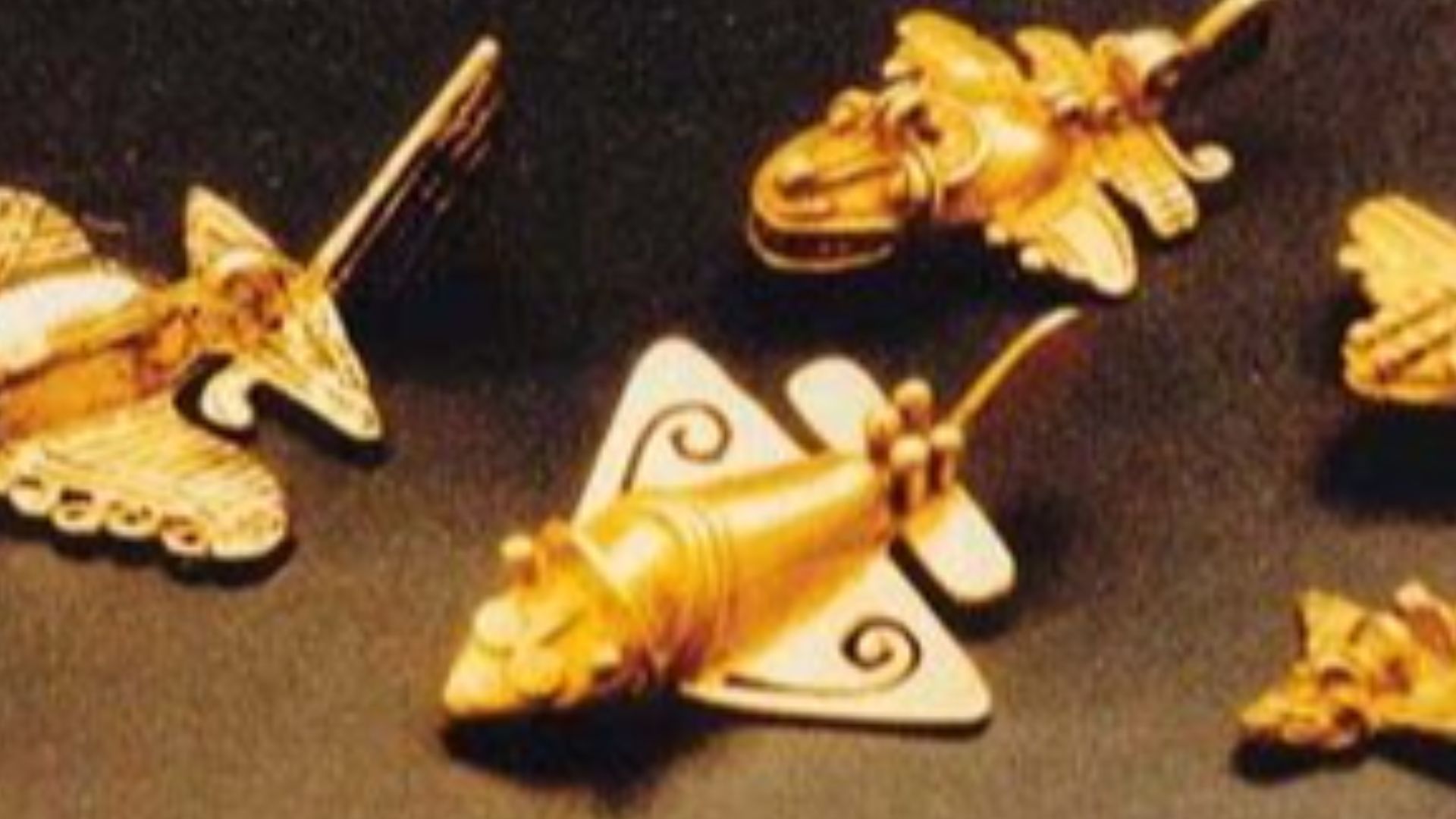
18. The Quimbaya Airplanes
Found inside Colombian burial mounds were these small golden figures resembling airplanes. Complete with delta wings, empennage, and even fuselages that require modern-day flight knowledge to produce lift. Some archaeologists thought they were stylized drawings of bugs or fish that could fly.
19. The Mystery Hill Monoliths
New Hampshire is home to a large collection of stone walls and underground rooms that shouldn’t exist. Popularly known as America’s Stonehenge, mainstream researchers claim it was built by locals making root cellars. It also ignores the complex astronomical alignments built into the stones.

20. The Nan Madol Megaliths
Built on the oceanic reef of Micronesia is an ancient city made up of artificial islands. Locals believed the stones were magically transported through the air to where they needed to be. Transporting ninety-ton rocks across an ocean and lifting them without modern machinery is nearly impossible.

KEEP ON READING