

Much More Complicated Than the Legend
The American frontier is easy to visualize, largely due to the imagery popular culture has presented for generations. Saloons, stagecoaches, cattle drives, gold camps, and tense standoffs have all become hallmarks of the classic Western genre. While some elements of this narrative are rooted in reality, a complete understanding of the frontier’s history also involves the diverse influences of Native nations, land laws, railroads, immigrant workers, military campaigns, broken treaties, harsh weather conditions, boomtown economies, and families striving to survive. The West evolved into legend almost as soon as it entered history, which is why these real details resonate more profoundly than idealized versions. Here are 20 facts that reveal what the American frontier was truly like beyond the myths.
1. The Frontier Was a Moving Line
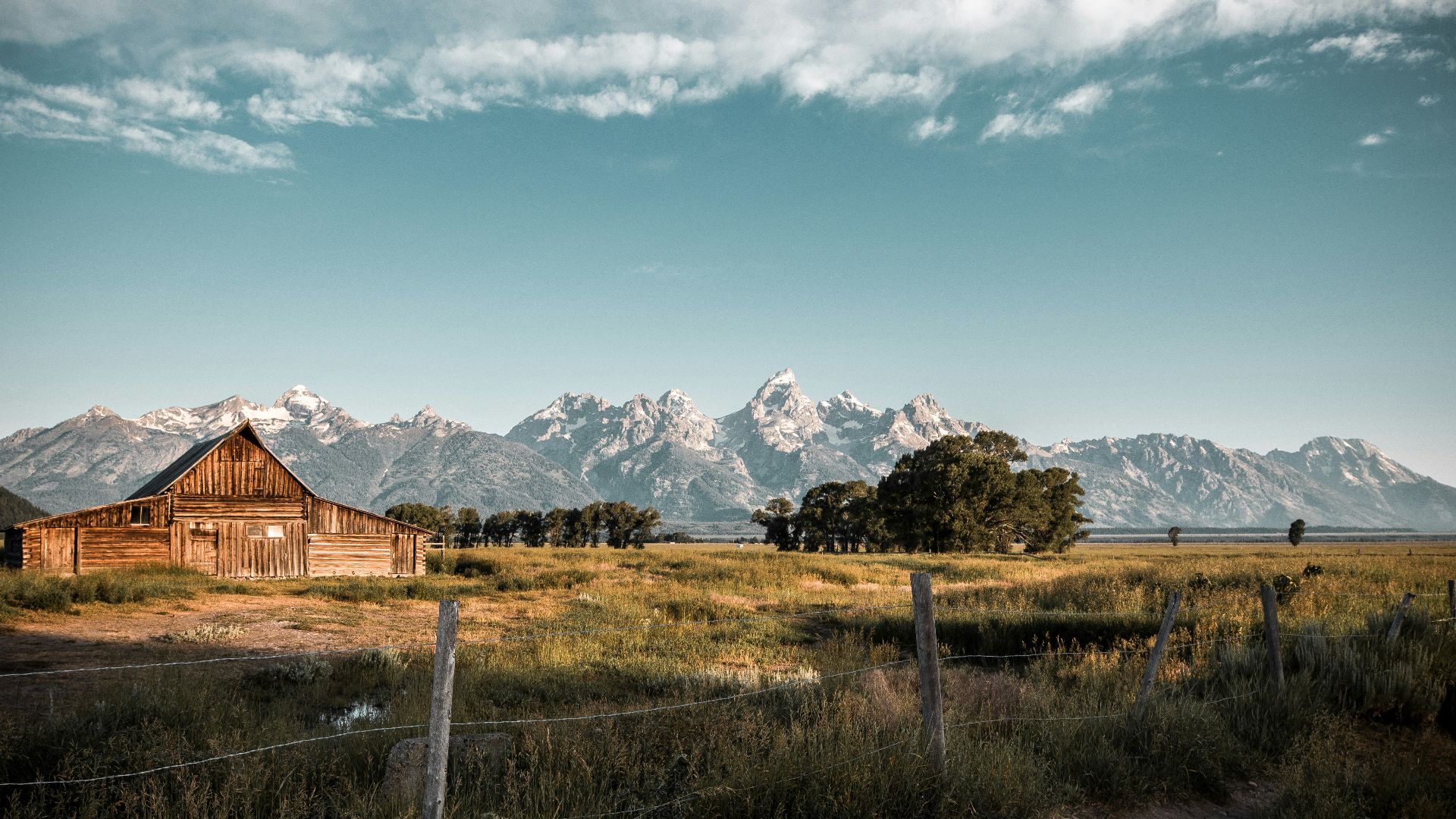
The American frontier wasn’t a fixed location. It constantly shifted as settlers, soldiers, traders, miners, ranchers, and railroad companies moved further west. By 1890, settlement patterns became so dispersed that the traditional idea of a single frontier line was no longer applicable.
2. The West Was Never Empty
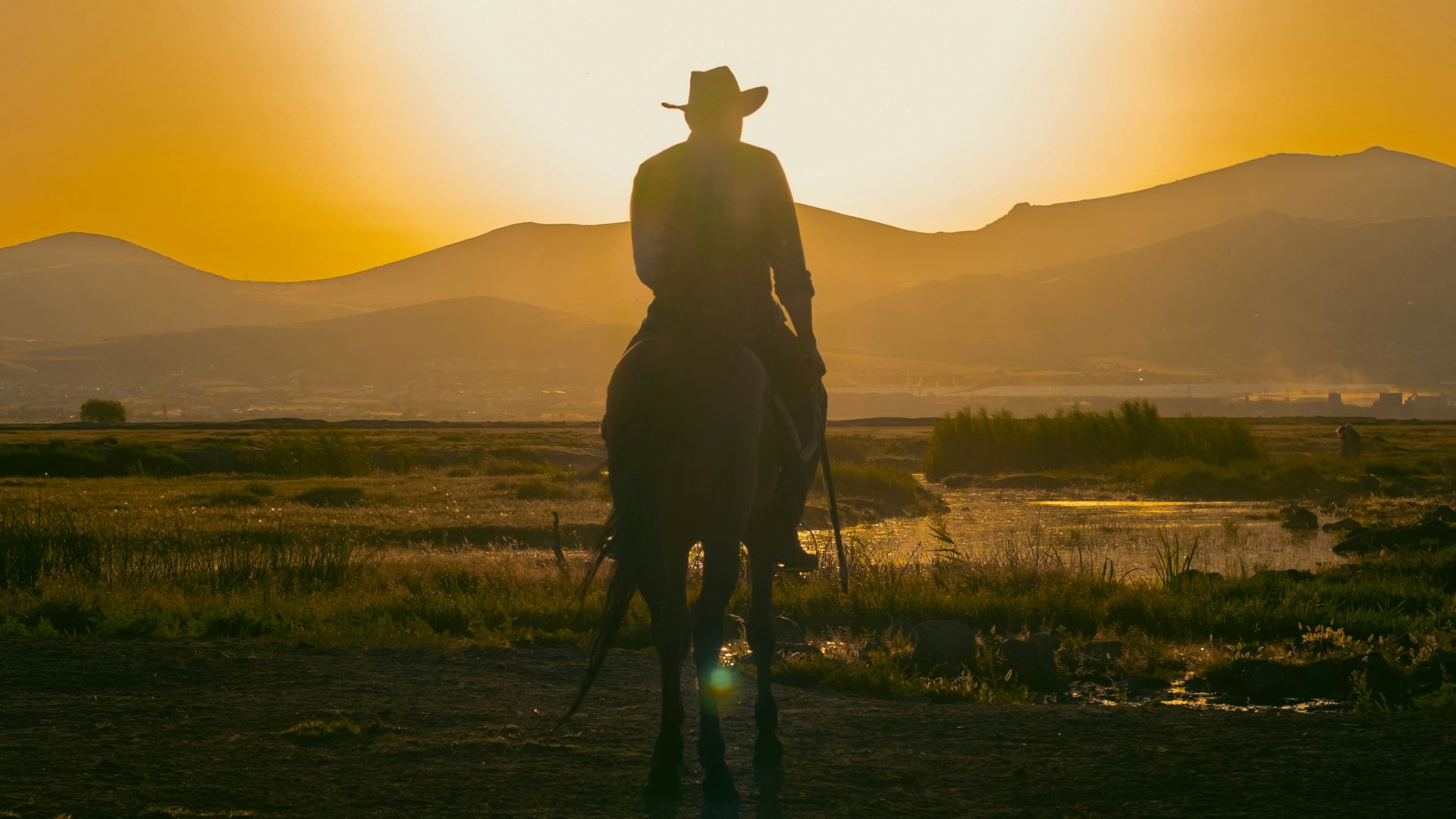
The narrative of “settling” the West suggests that the land was vacant, which was far from the truth. Indigenous communities inhabited the continent for generations, possessing their own governments, economies, trade routes, languages, and connections to the land. Expansion brought both trade and negotiation in some areas, along with broken treaties, forced removals, violence, and loss.
3. The Oregon Trail Was a Hard Road
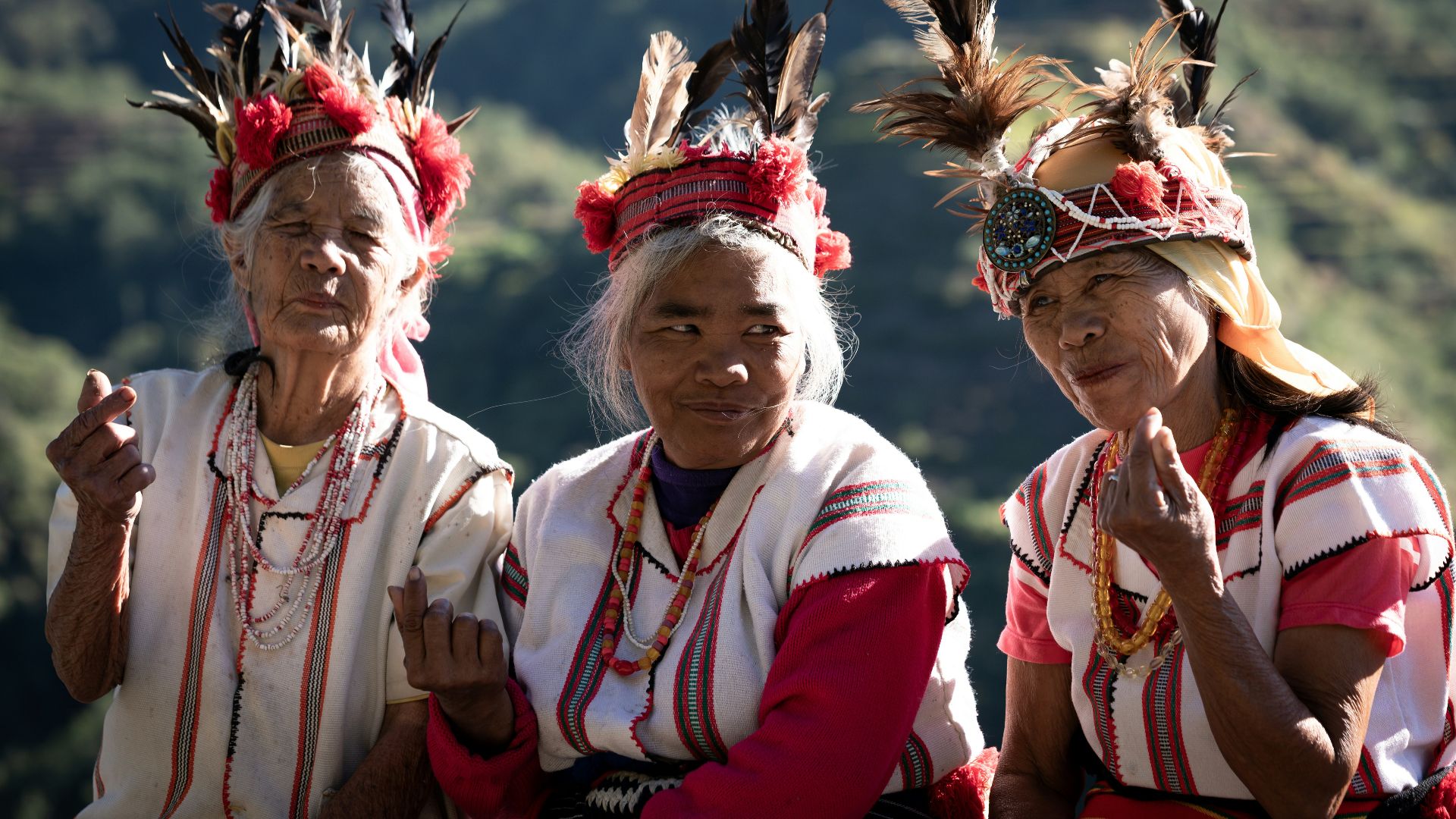
The Oregon Trail became a notable symbol of pioneer bravery, but the journey itself was long, perilous, and exhausting. Families often spent months walking beside heavily loaded wagons, crossing rivers, managing livestock, repairing equipment, and coping with unpredictable weather.
4. The Southwest Changed After 1848
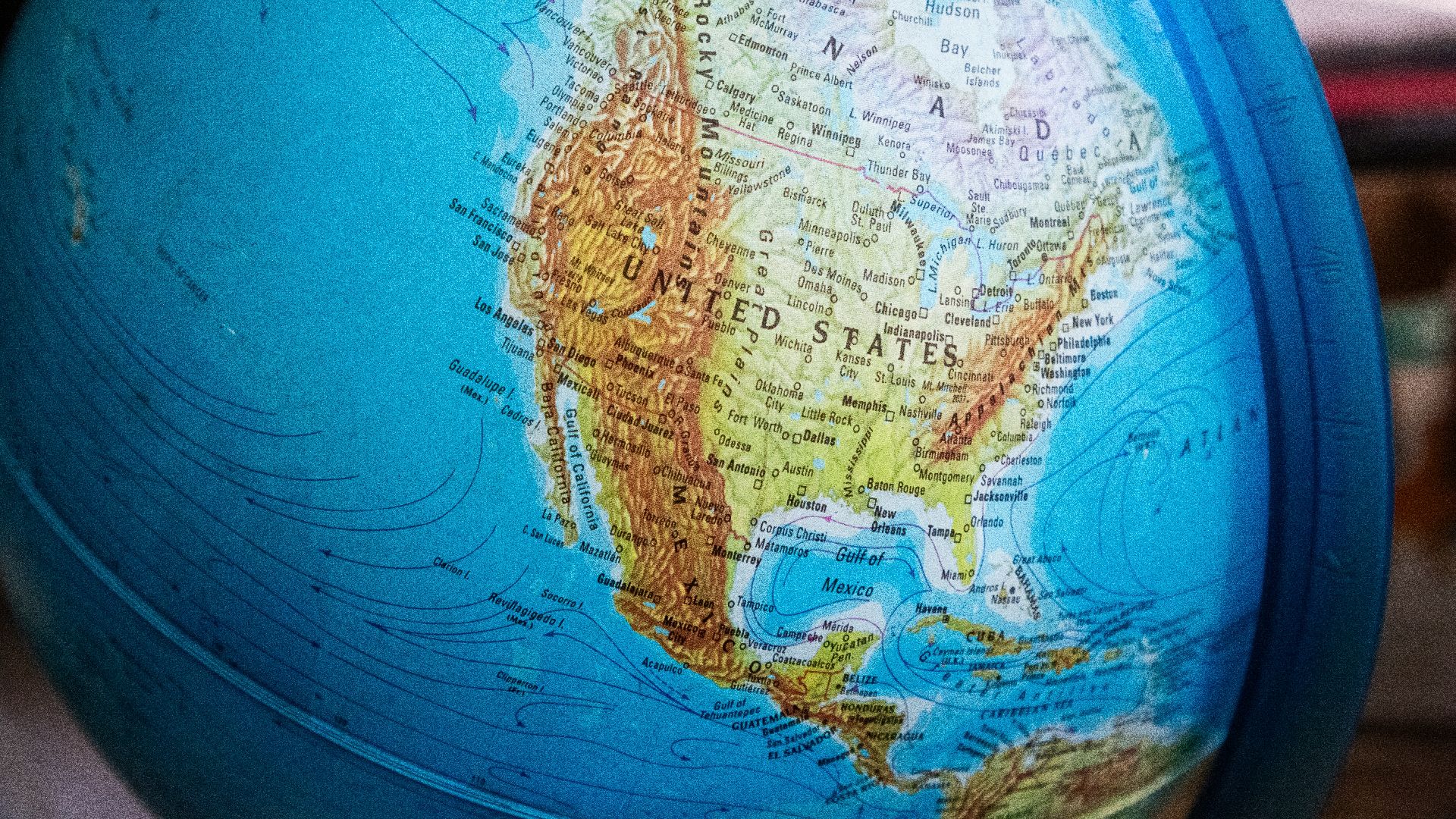
The Treaty of Guadalupe Hidalgo, which ended the Mexican-American War, significantly altered the map of North America. Mexico ceded land that would become California, Nevada, Utah, New Mexico, most of Arizona and Colorado, and parts of Oklahoma, Kansas, and Wyoming. For those already living in these regions, this shift greatly impacted daily life.
5. The Gold Rush Rapidly Transformed California
Gold was discovered at Sutter’s Mill in 1848, prompting fortune seekers to flock to California at an unprecedented pace. By 1849, people were arriving from all over the United States and beyond. Some found wealth, while many others encountered plain old disappointment.
6. Homesteading Wasn’t Easy Land
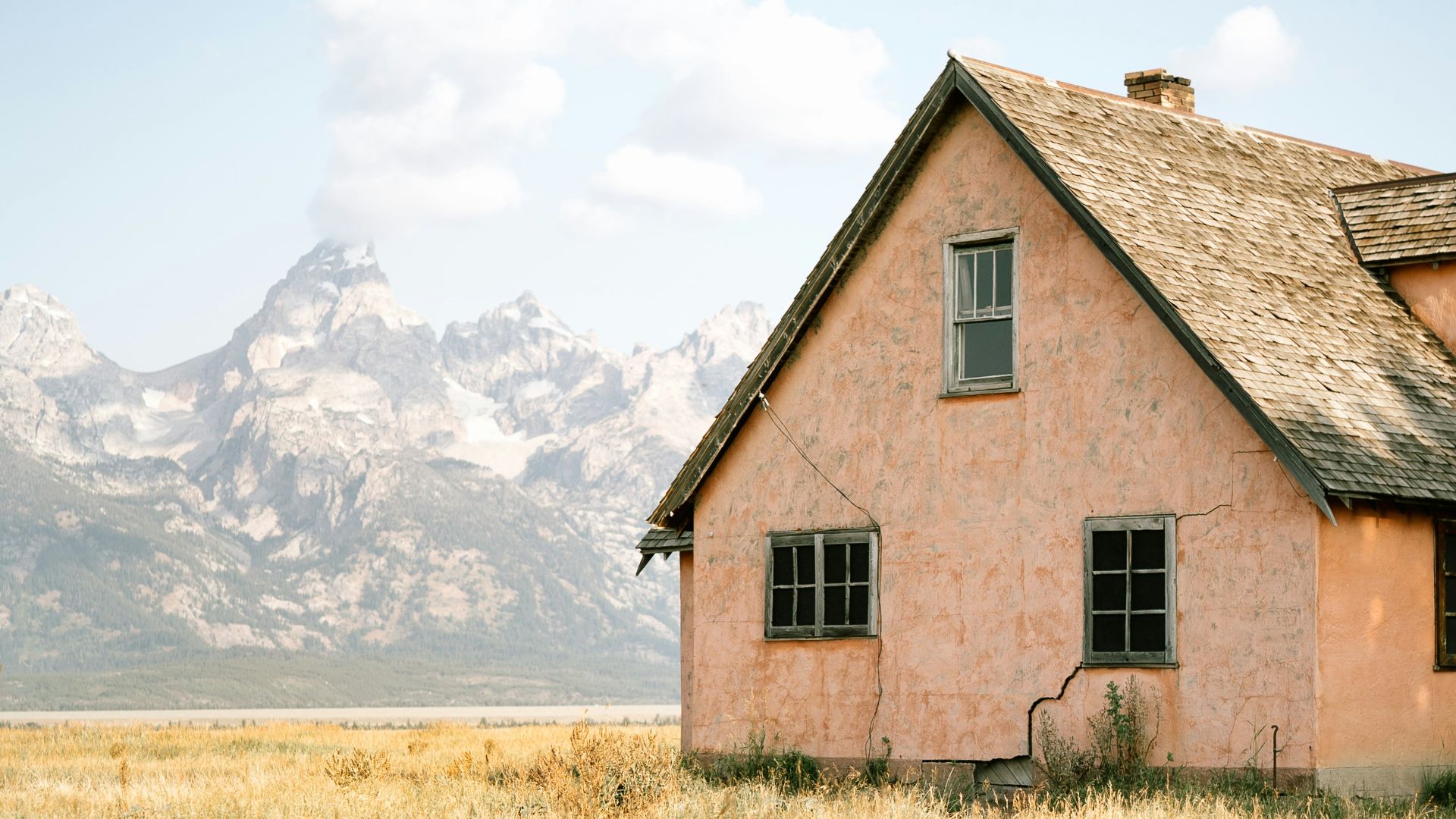
The Homestead Act of 1862 promised eligible settlers 160 acres of land if they lived on it, improved it, and farmed it long enough to qualify. From afar, this seemed like a reasonable offer. However, up close, homesteaders often struggled with drought, pests, isolation, debt, crop failures, scarce lumber, and the relentless demands of hard work.
7. Railroads Changed the Scale of the West
The completion of the transcontinental railroad in 1869 made the country feel significantly smaller almost overnight. People, cattle, crops, mail, soldiers, and manufactured goods could be transported faster than ever before. Railroads also accelerated settlement in areas already inhabited, claimed, or used by Indigenous groups.
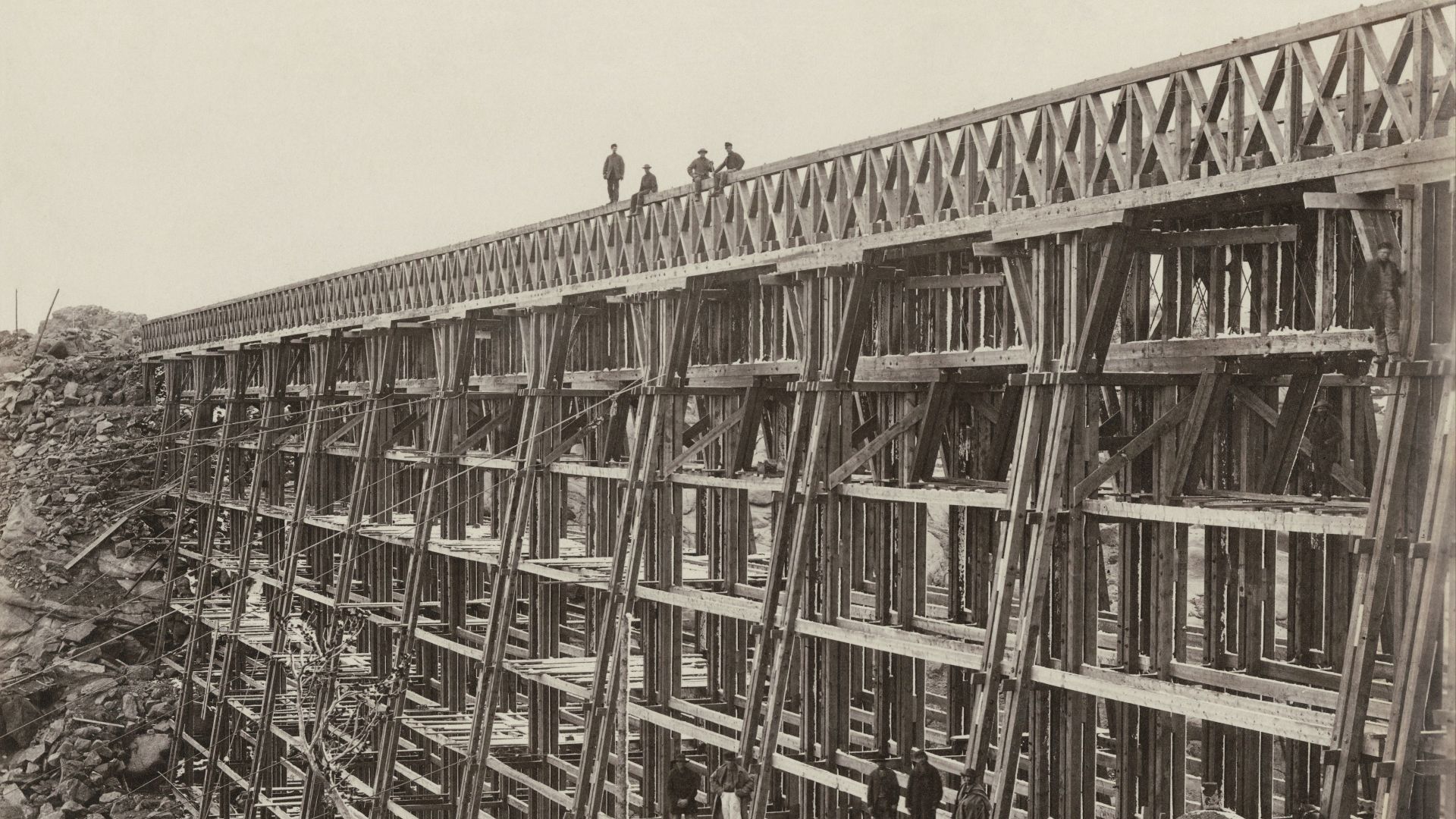 Andrew J. Russell / Adam Cuerden on Wikimedia
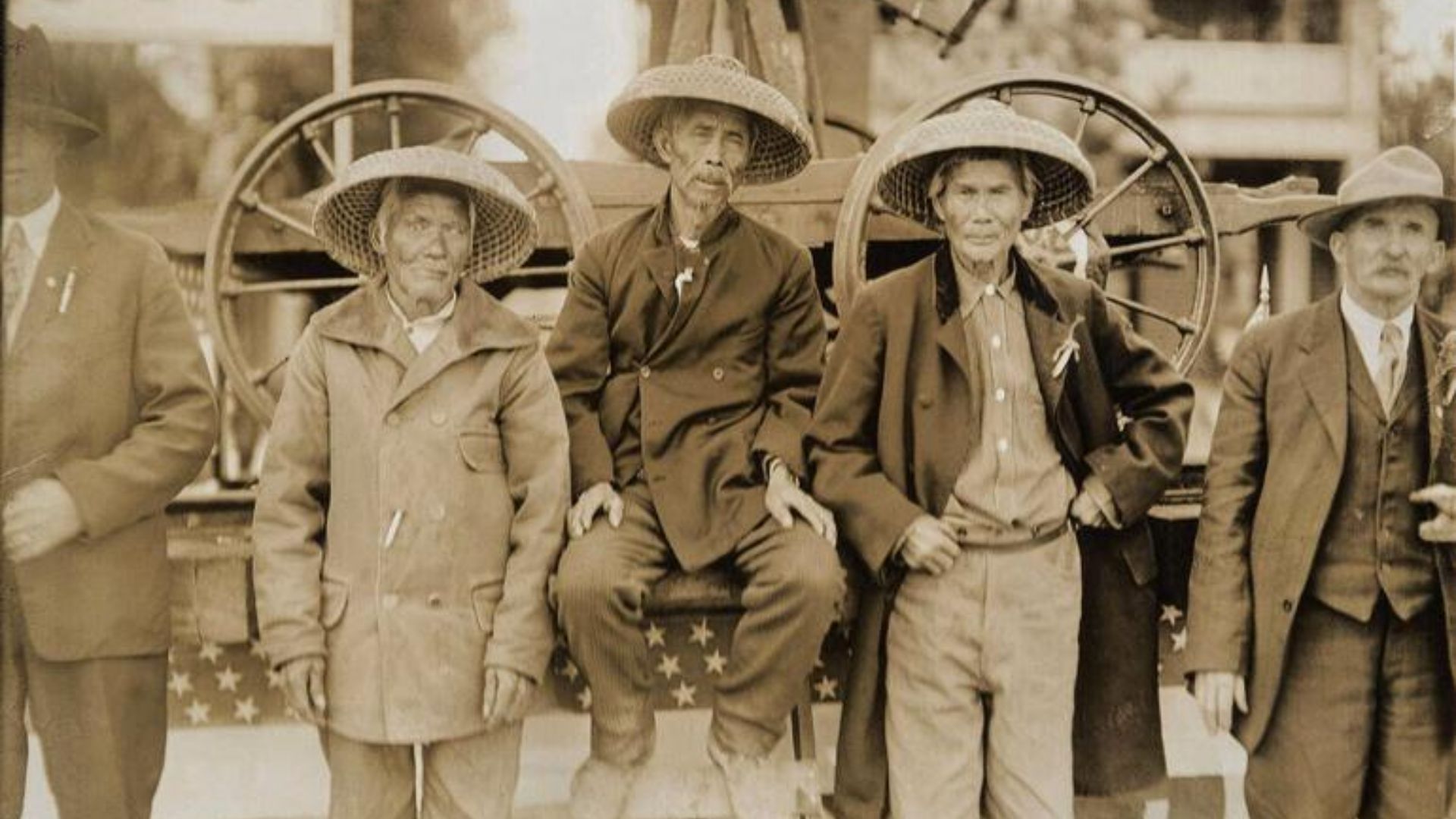
8. Chinese Workers Helped Build the Railroad
Chinese immigrant workers played a vital role in constructing part of the transcontinental railroad. Their labor was instrumental in connecting the country by rail, even as they faced discrimination, unequal treatment, and subsequent anti-Chinese laws.
9. Bison Loss Reshaped the Plains
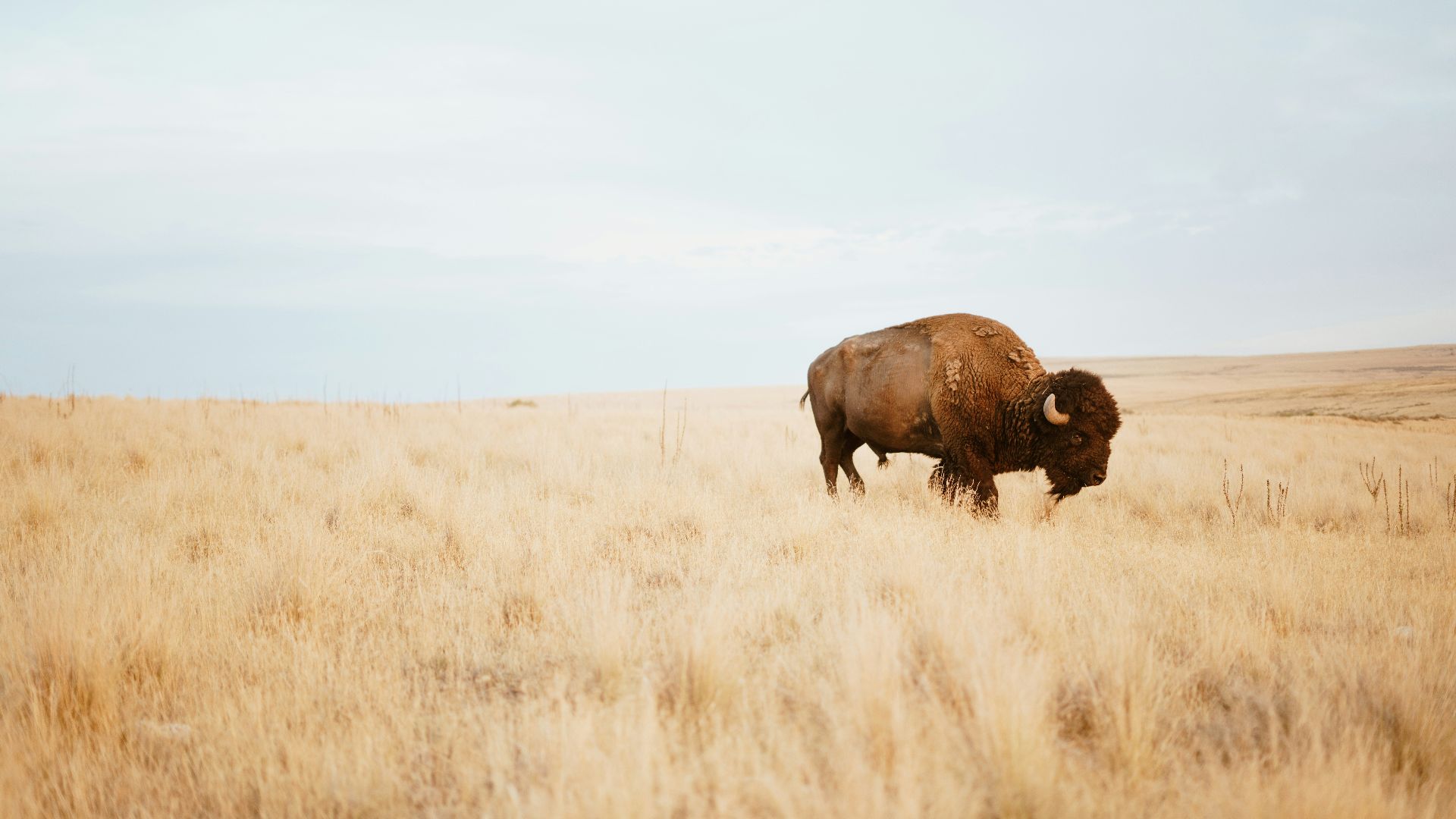
Bison were central to many Plains Native nations, providing food, hides, tools, and shelter materials. During the 19th century, commercial hunting, railroads, rifles, military pressure, and the hide market drove bison populations dangerously close to extinction. This loss not only damaged ecosystems but also directly impacted Indigenous food systems, mobility, and sovereignty.
10. Cowboys Were Workers First
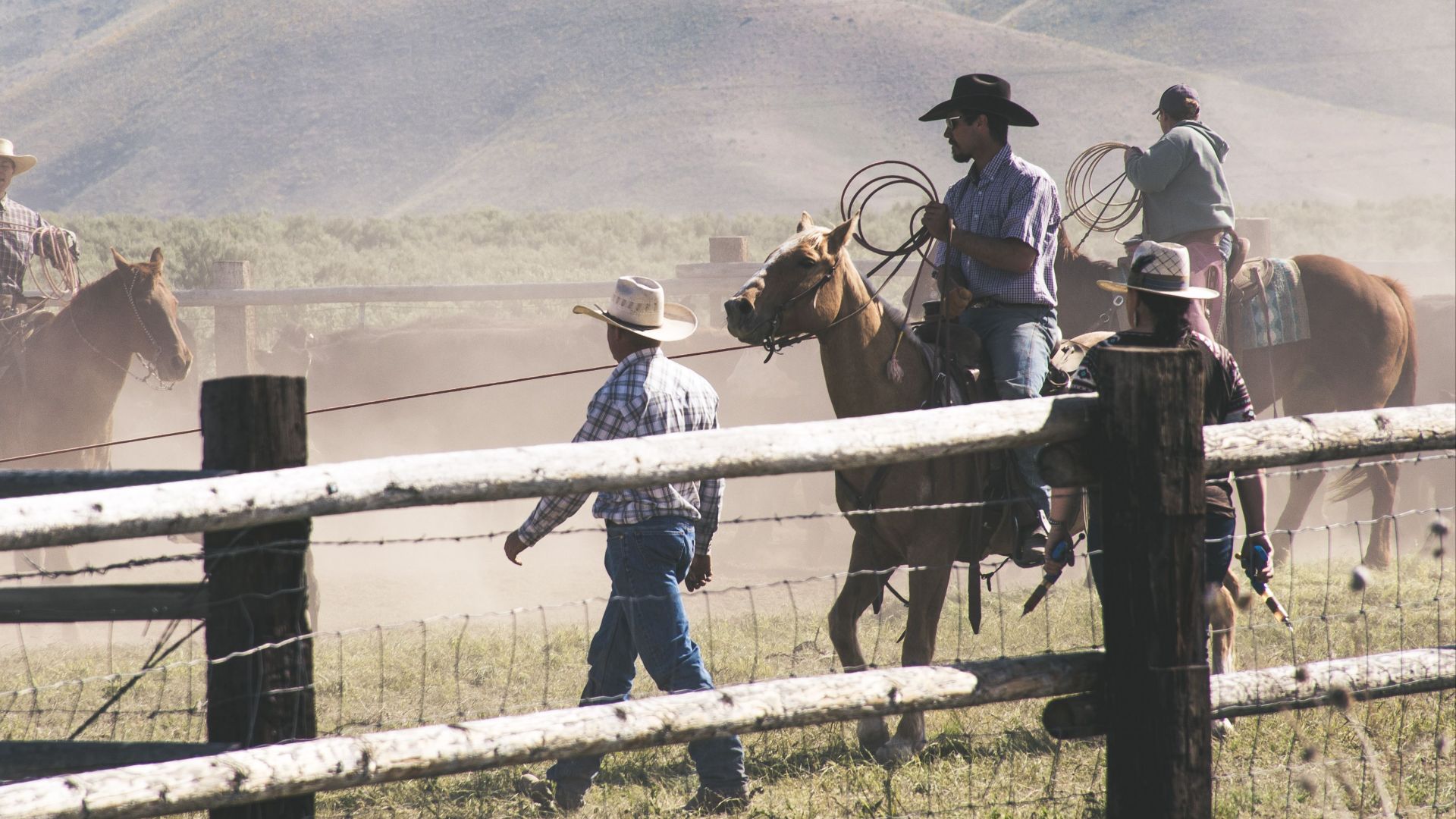
The cowboy became one of the biggest symbols of the frontier, though the reality of the job involved hard labor. Cowboys managed cattle drives, branding, night watches, river crossings, weather storms, stampedes, and endured long days in the saddle. The romanticized image of the cowboy emerged later, more often through storytelling.
11. Cowboy Culture Was More Diverse
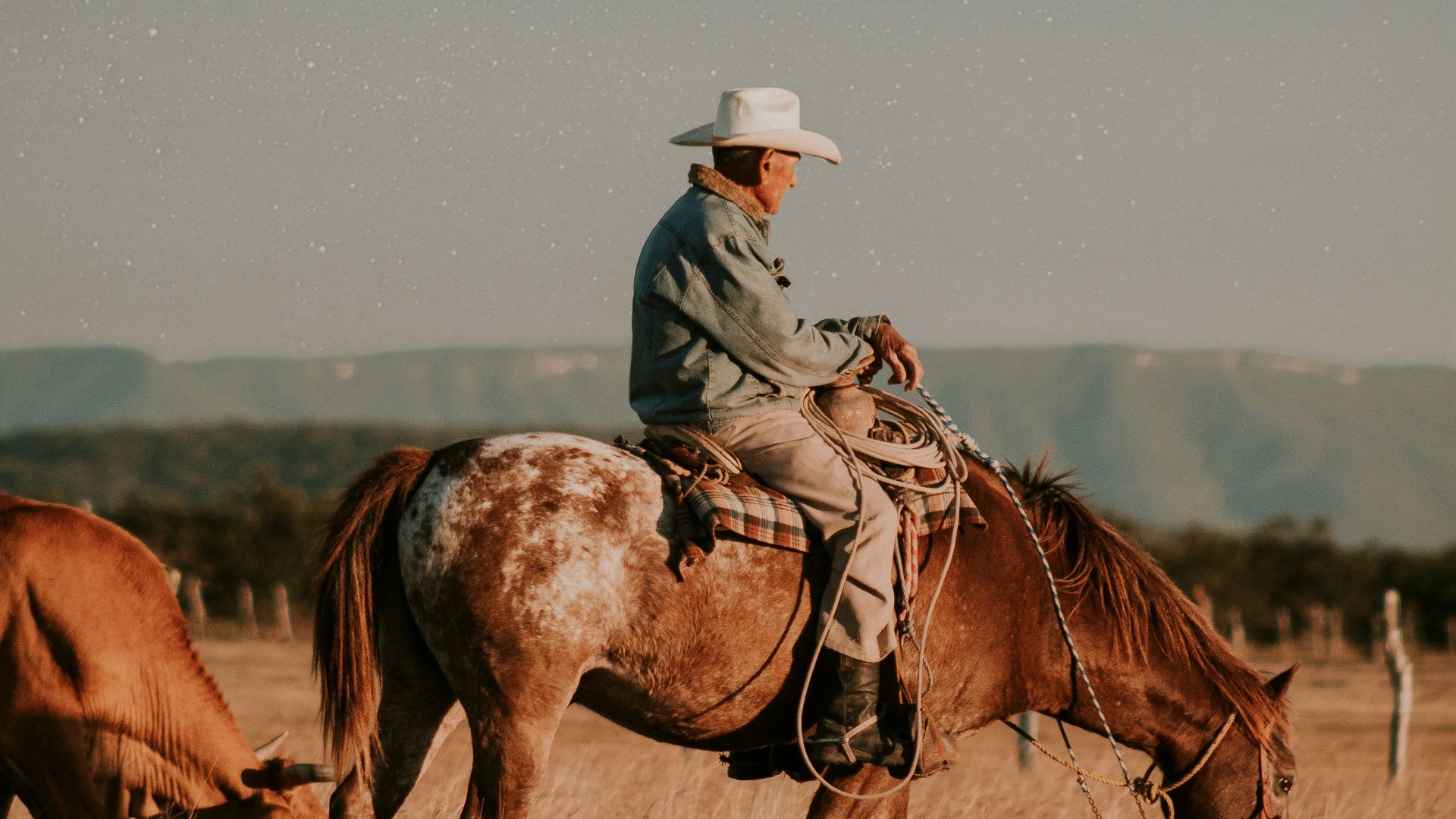
The classic image of the cowboy is much narrower than the actual history. Spanish and Mexican vaqueros significantly influenced riding styles, gear, language, and cattle-handling traditions that became part of cowboy culture. Black cowboys, Indigenous riders, and mixed-race workers also roamed the range, despite pop culture’s tendency to exclude them from the narrative.
12. Barbed Wire Changed the Open Range
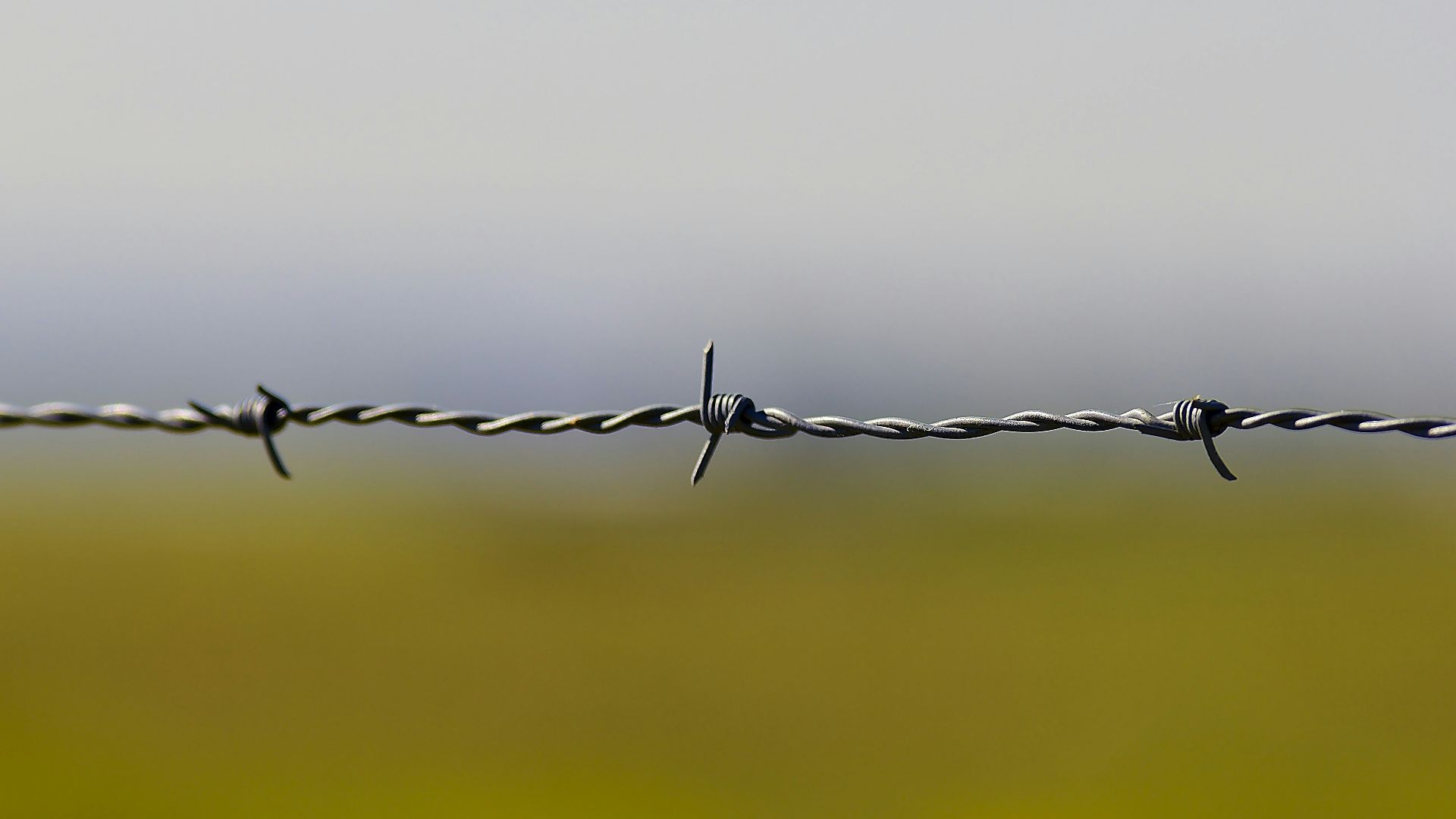
Barbed wire may seem unremarkable, but it transformed land use in the West. Before fencing became widespread, cattle grazed across open lands with few visible boundaries. This inexpensive wire helped protect crops and property claims, but it also disrupted older grazing patterns, travel routes, and the open-range cattle system.
13. The Pony Express Was Brief
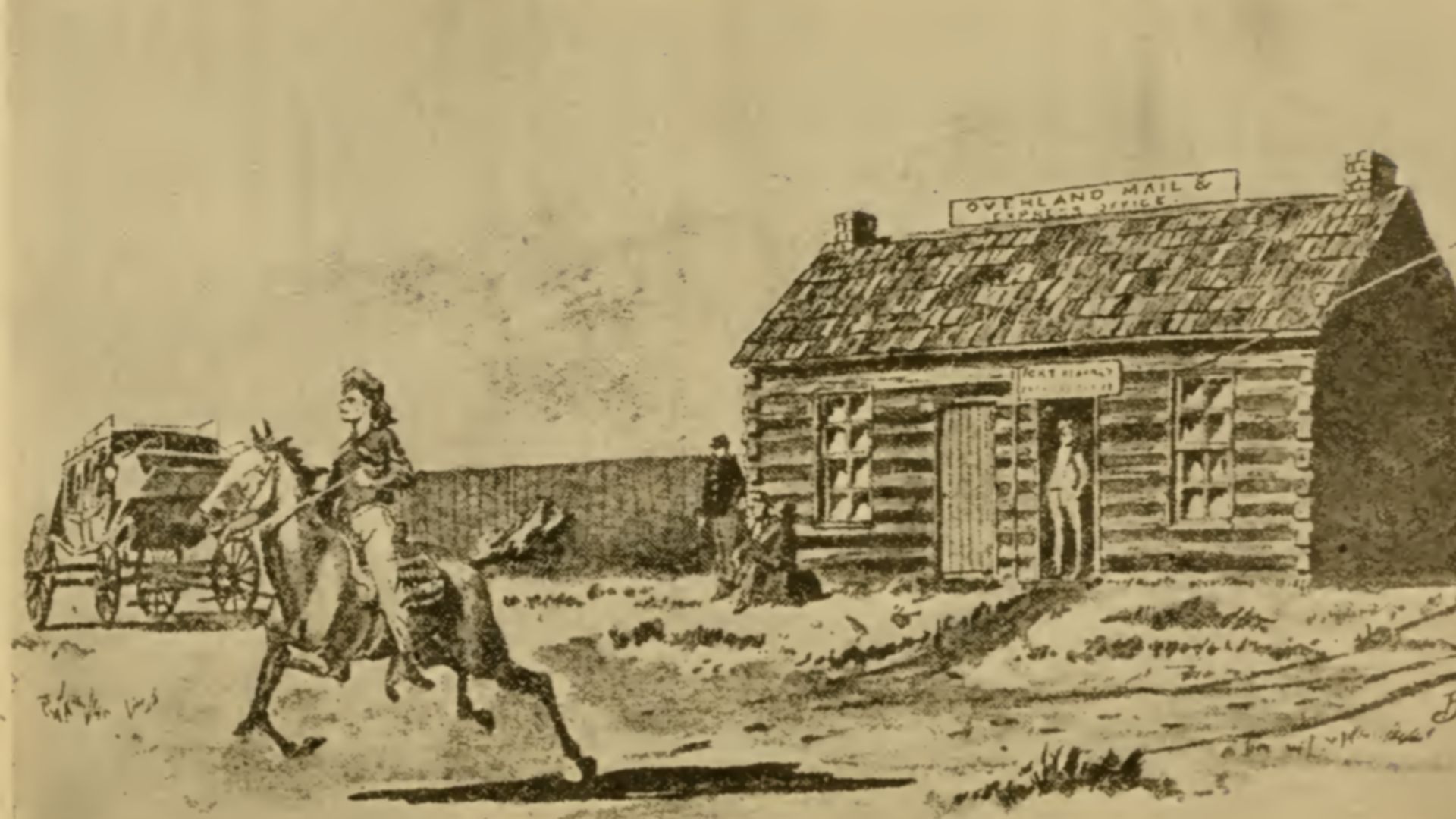
Although the Pony Express feels like a substantial chapter in frontier history, it lasted only about 18 months. Riders transported mail between Missouri and California in roughly 10 days—a remarkable feat before coast-to-coast telegraph service.
14. The West Wasn’t Pure Lawlessness
While the frontier could be violent, particularly in mining camps, cattle towns, and contested areas, the notion of constant gunfights in every dusty street is more myth than reality. Some towns established courts, sheriffs, marshals, and rules to limit public gun carrying, especially where crowds, alcohol, gambling, and loaded weapons created a risky environment.
15. Boomtowns Could Rise and Fade
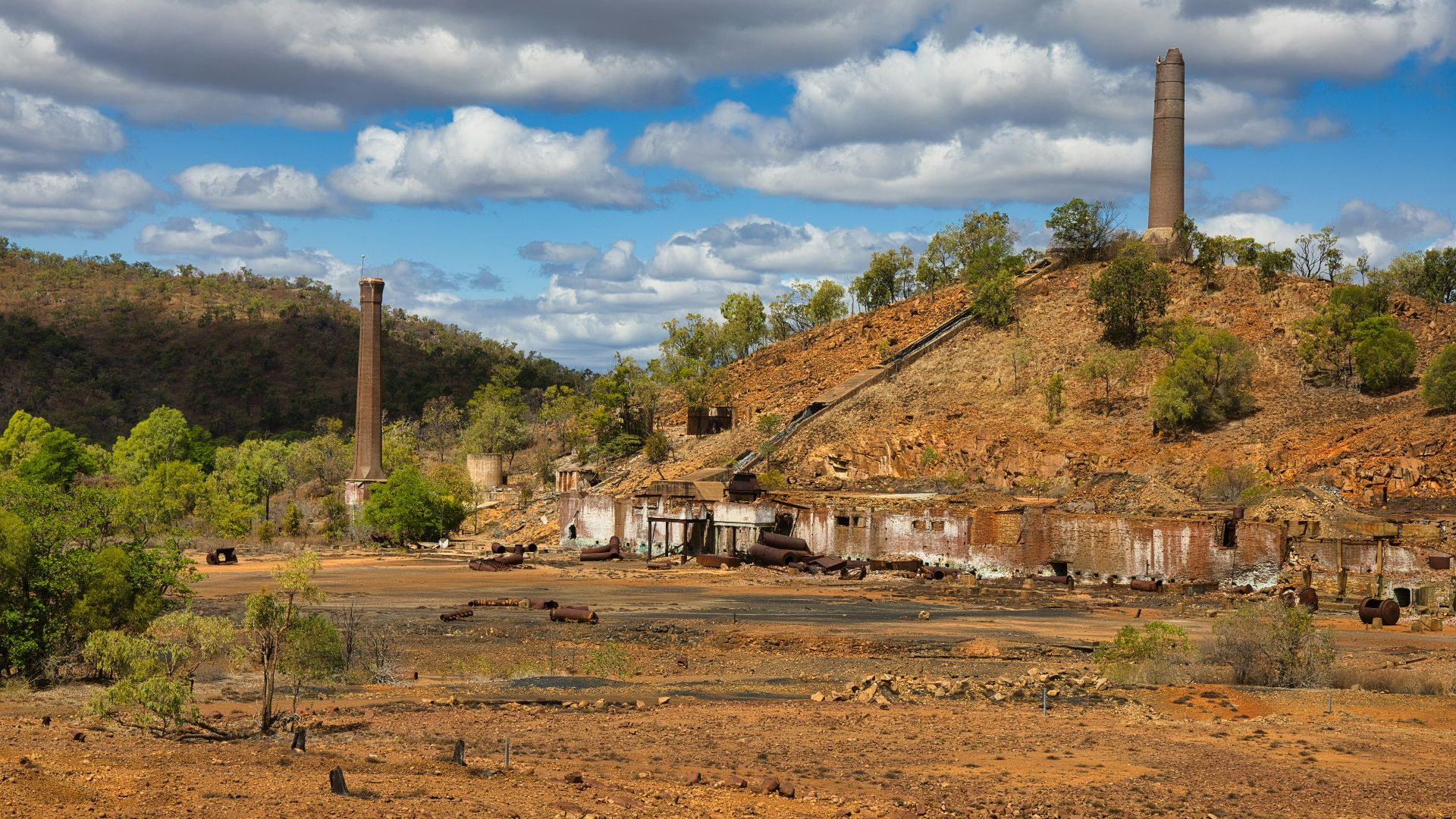
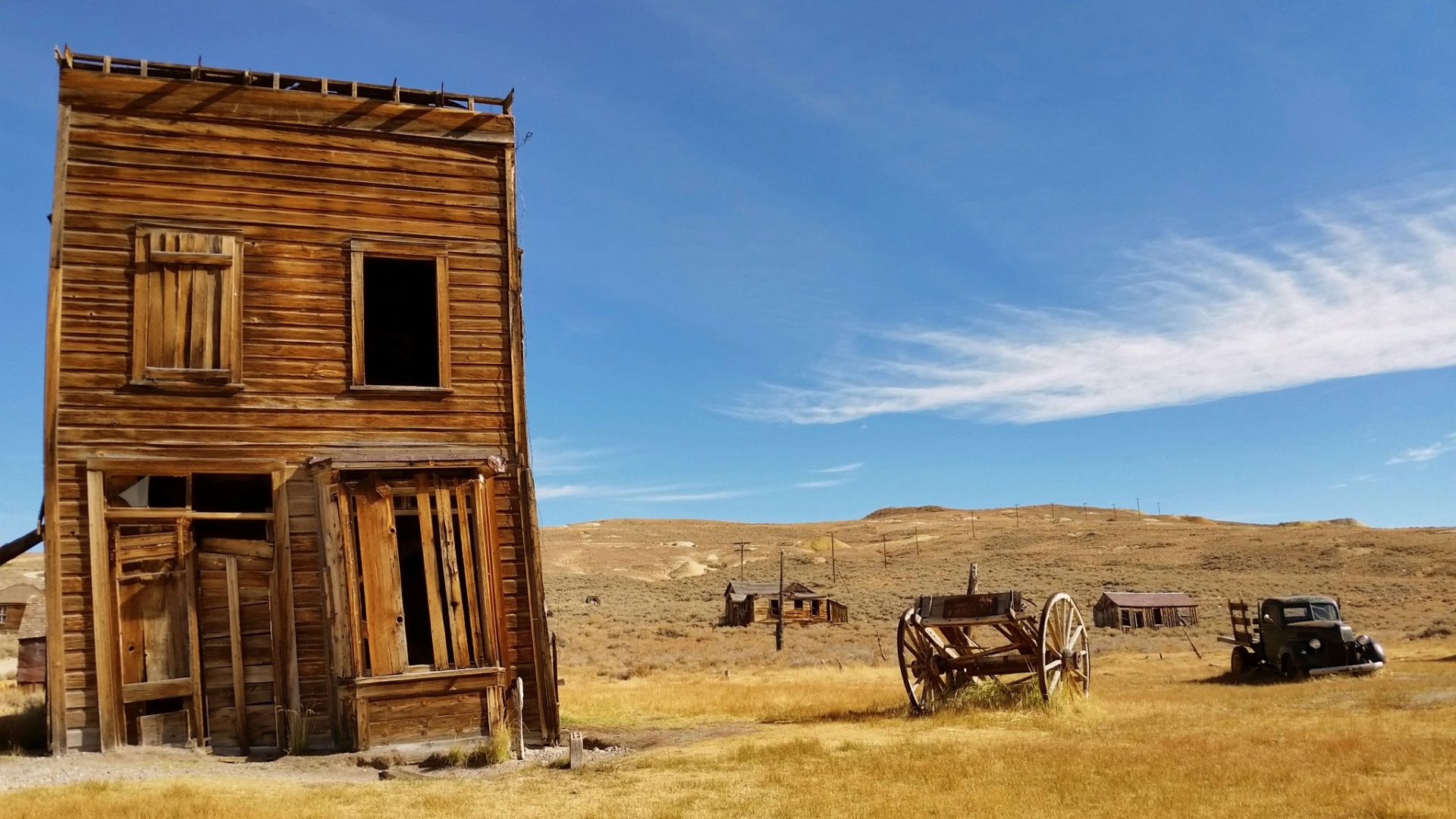
Mining discoveries could rapidly transform a desolate area into a bustling boomtown. However, when the ore declined or investors moved elsewhere, those same towns could empty just as quickly.
 Author unknown; Photo courtesy Orange County Archives on Wikimedia
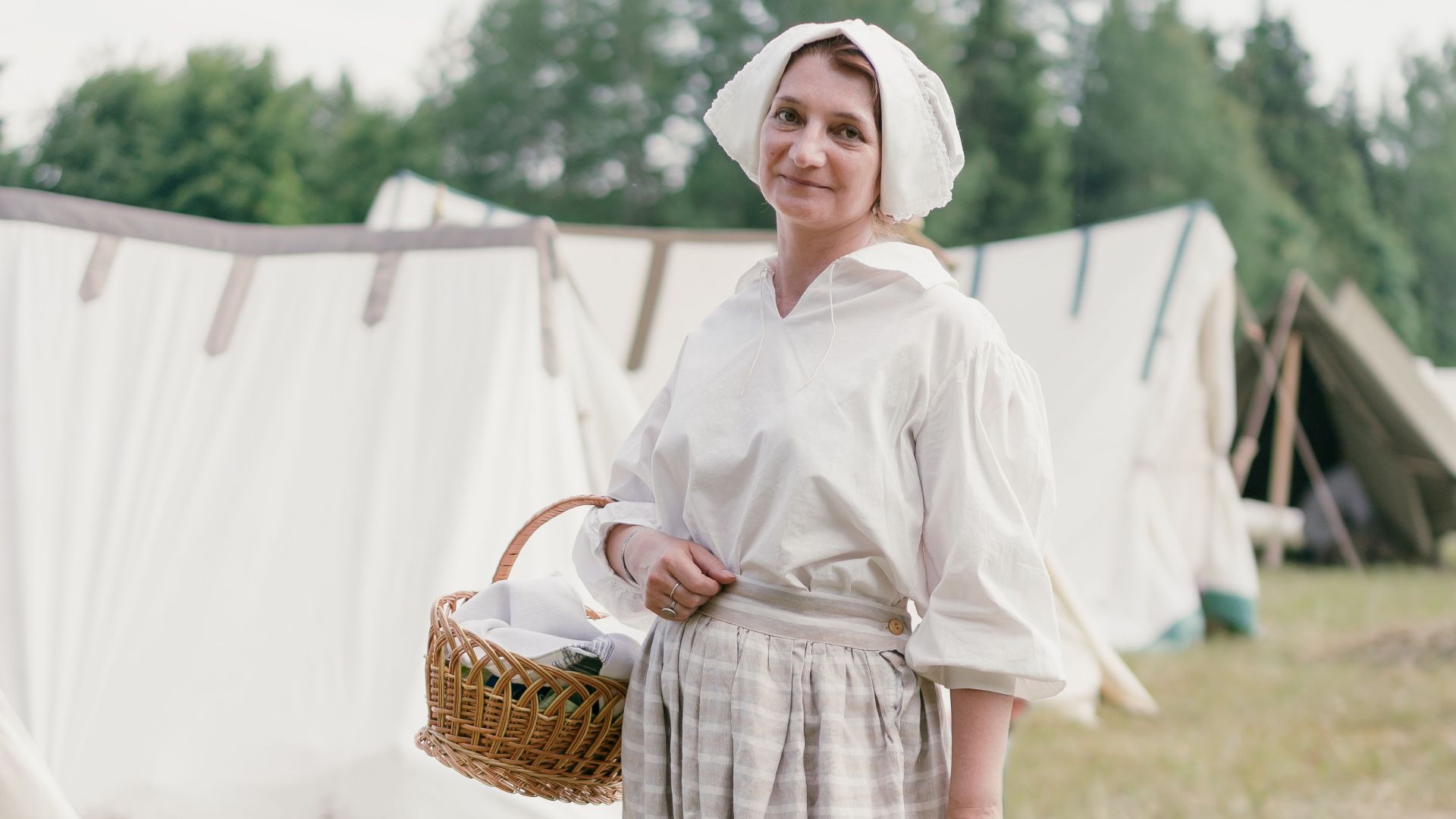
16. Women Helped Build Frontier Communities
Women on the frontier played just as big a role. They farmed, taught school, raised children, ran businesses, operated boarding houses, claimed land, and contributed to the cohesion of scattered communities. Their opportunities varied widely depending on race, class, marital status, local laws, and the power dynamics in their vicinity.
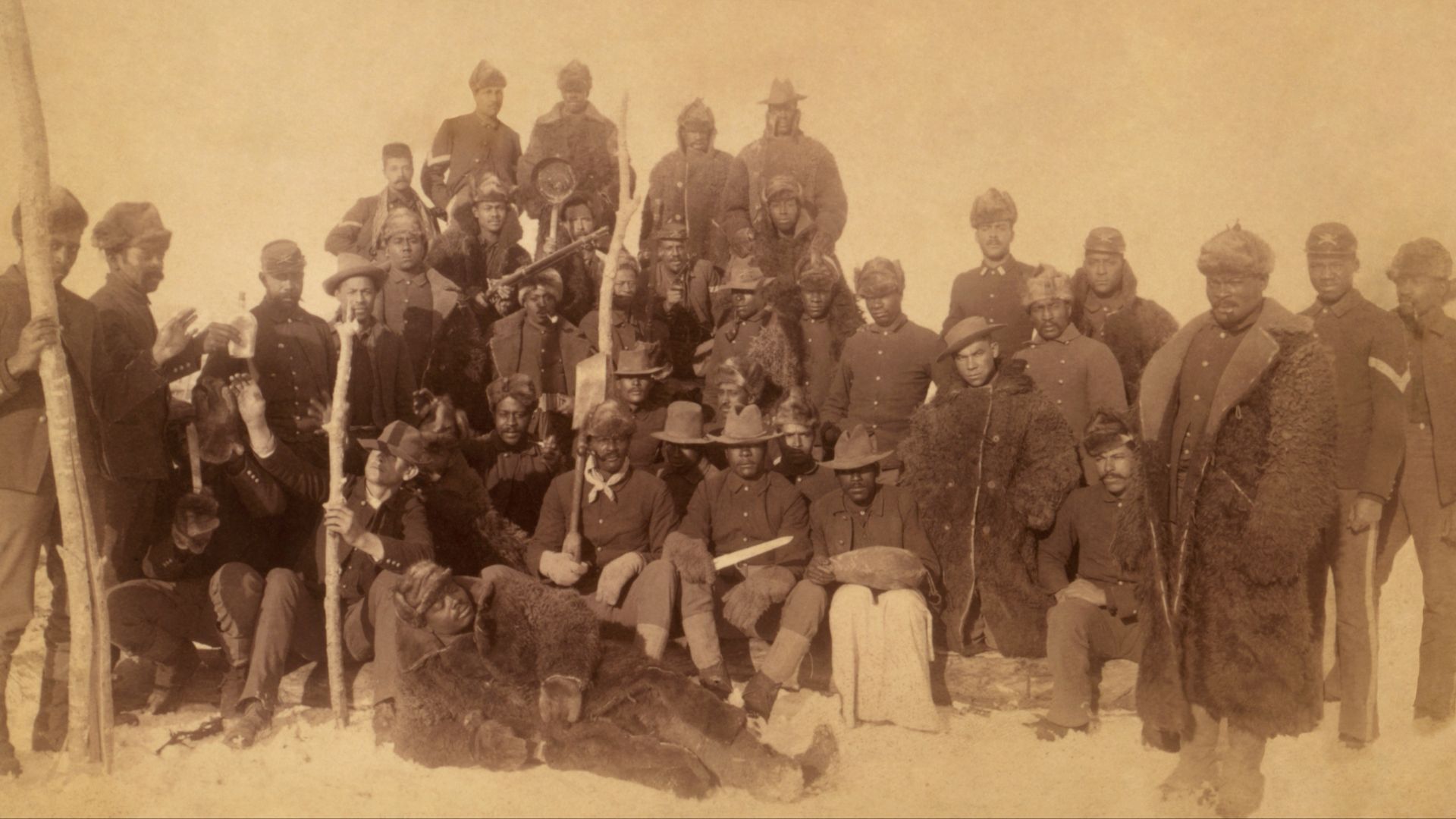
17. Buffalo Soldiers Served Across the West
After the Civil War, Black soldiers served in segregated Army regiments known as Buffalo Soldiers. They built roads, protected travel routes, served at frontier posts, and participated in western military campaigns. Their narrative is complex, as they faced racism while serving a government that was also encroaching on Indigenous lands.
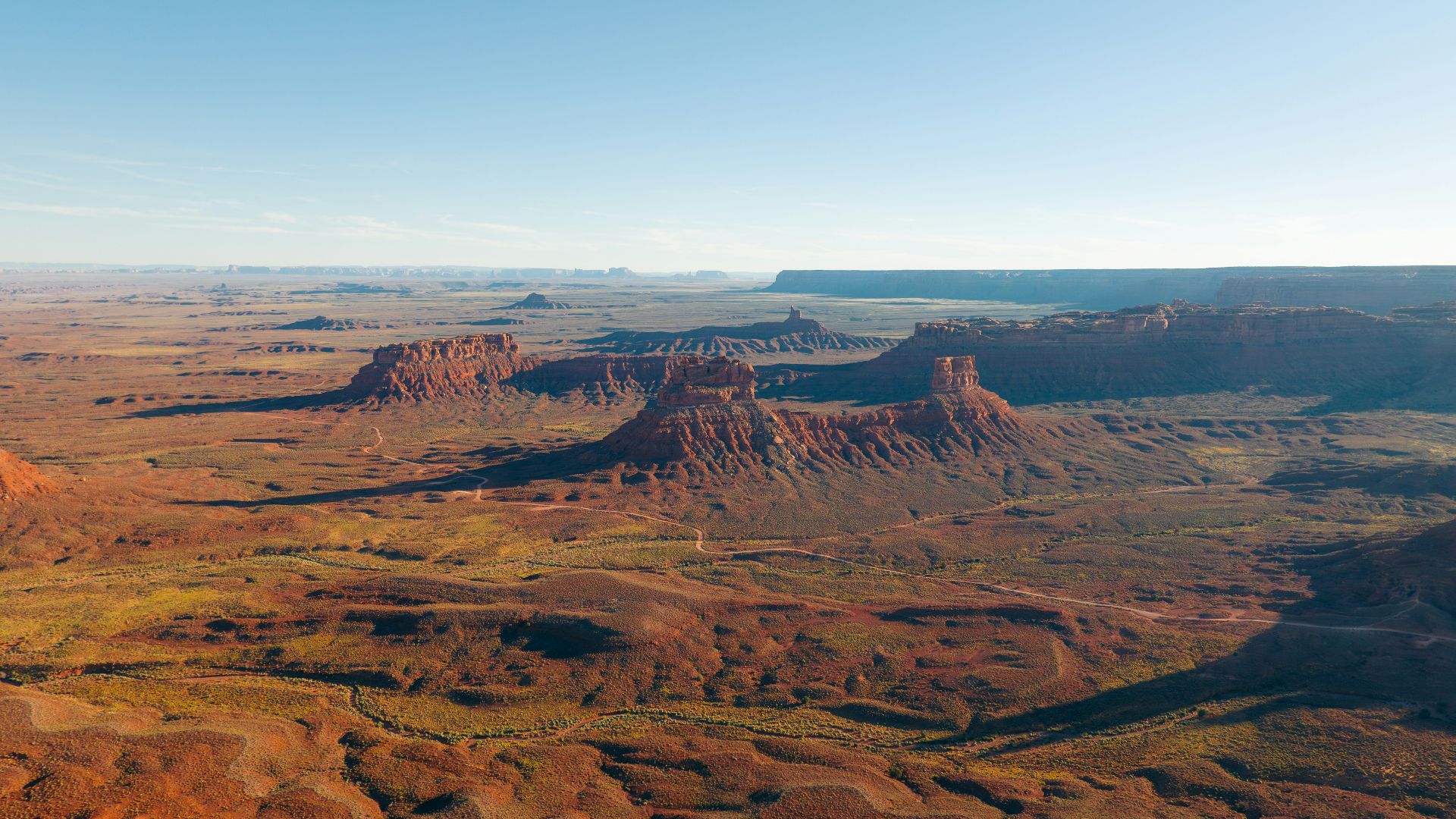
18. Federal Policy Targeted Indigenous Land and Culture
Conflict on the frontier was not solely a matter of battles. Federal policies also pressured Indigenous nations to relinquish land, governance, family structures, languages, and cultural traditions. Allotment policies fragmented reservation lands, while boarding schools separated Native children from their homes, communities, and identities.
19. Wild West Shows Sold the Legend
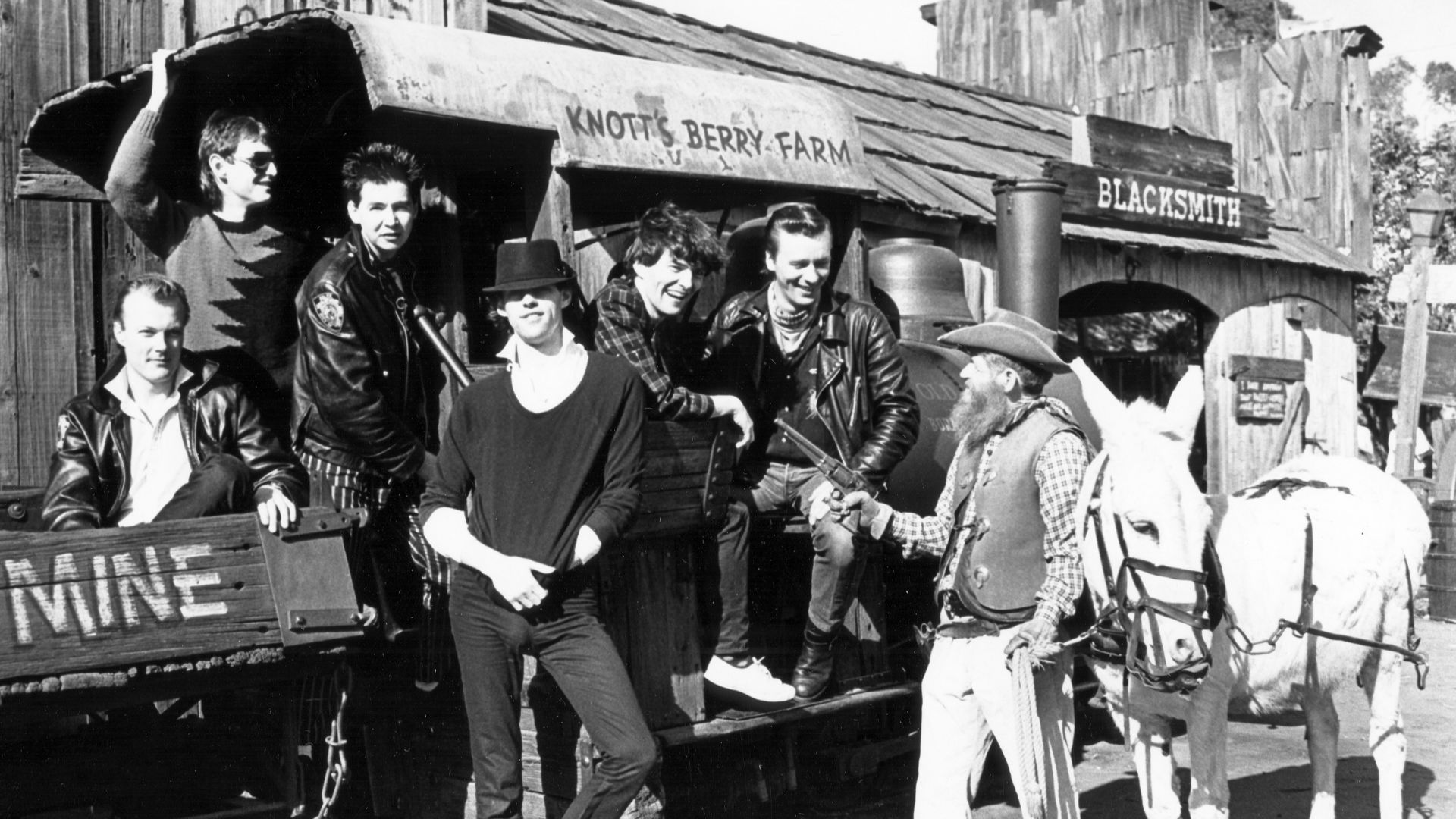
By the late 19th century, the West was evolving into a form of entertainment. Traveling shows showcased riding, shooting, staged battles, famous performers, and frontier scenes, turning them into spectacles that sold tickets. They helped craft a public version of the West that intertwined real people, recent violence, and theatrical elements.
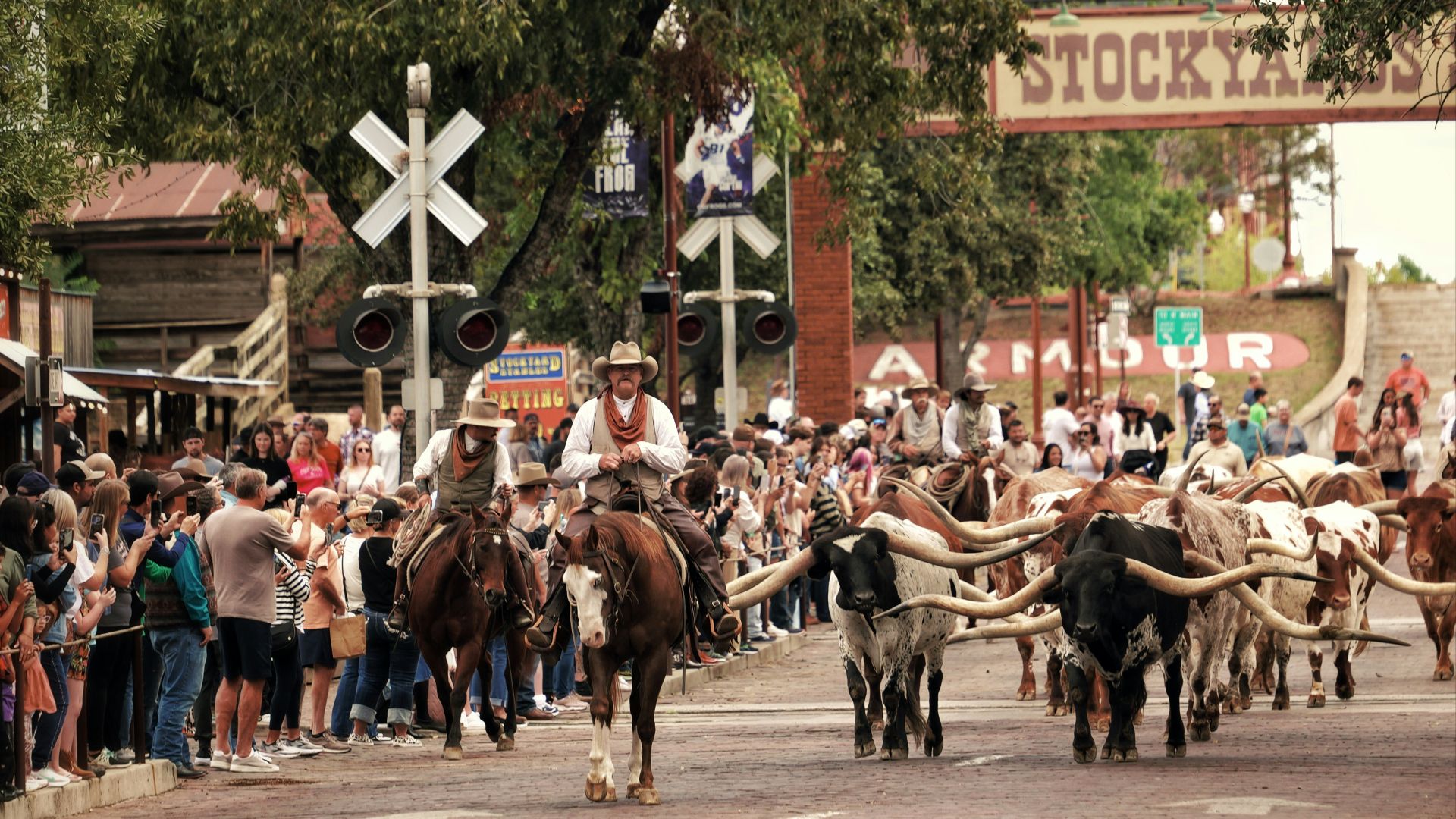
20. The Frontier Closed, But the Story Didn’t
By 1890, the traditional frontier line was considered effectively gone. However, this did not signify the end of Western history, nor did it mean the myths ceased to evolve. Issues of Native sovereignty, land rights, conservation, ranching, water access, tourism, and popular culture continued to shape the West for generations to come.
KEEP ON READING

20 Bizarre Archaeological Finds That Mainstream History Refuses to Explain
Digging Up the UnexplainedStandard history textbooks like to present our…
By Sara Springsteen Jun 24, 2026
Wild Wild West: 20 Facts About the American Frontier
Much More Complicated Than the Legend. The American frontier is…
By Elizabeth Graham Jun 24, 2026
20 Evil Historical Figures People Don't Talk About Enough
Dark Corners History Tried to Leave Behind. History tends to…
By Annie Byrd Jun 24, 2026
20 Moments When Miscommunication Changed History
When a Message Goes Wrong, History Can Change Course. History…
By Rob Shapiro Jun 24, 2026
10 Rulers Who Outlived Their Empires & 10 Empires That…
When Leaders and States Parted Ways. History doesn't always end…
By Rob Shapiro Jun 24, 2026
20 People In History Who Backstabbed Those Who Trusted Them
The Long History of the Knife in the Back. Betrayal…
By Cameron Dick Jun 24, 2026