

Songs That Shaped Christmas
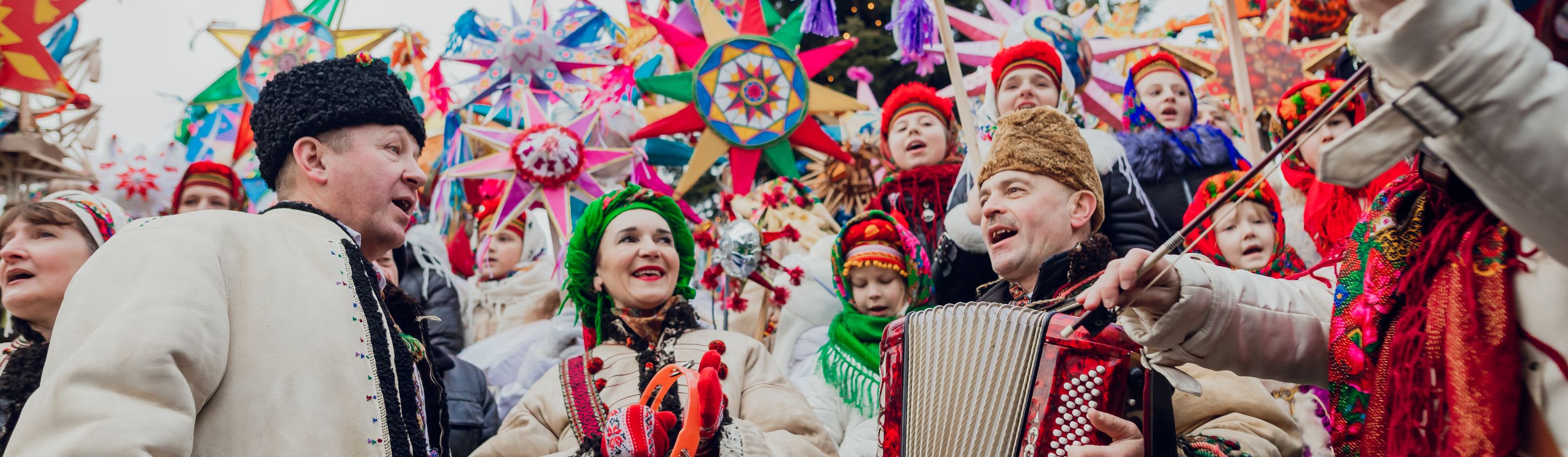
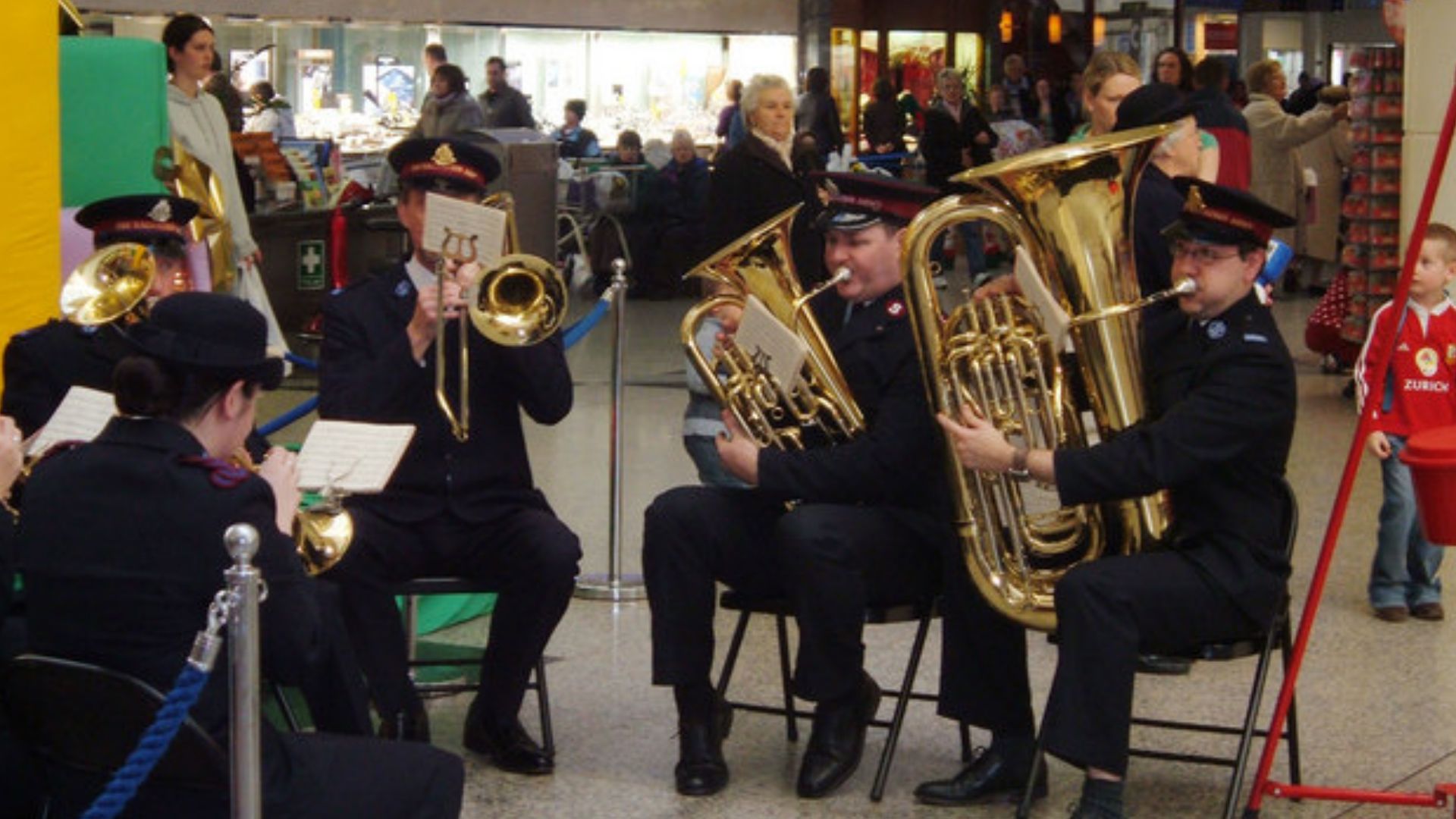
Holiday music has a way of feeling timeless, but many favorites are much older than you might think. These tunes have been passed down, adapted, and loved by countless families over centuries. Understanding where they come from adds a new layer of appreciation. This season, take a few moments to explore the background of your favorite tunes and hear them in a whole new way.

1. Silent Night (1818)
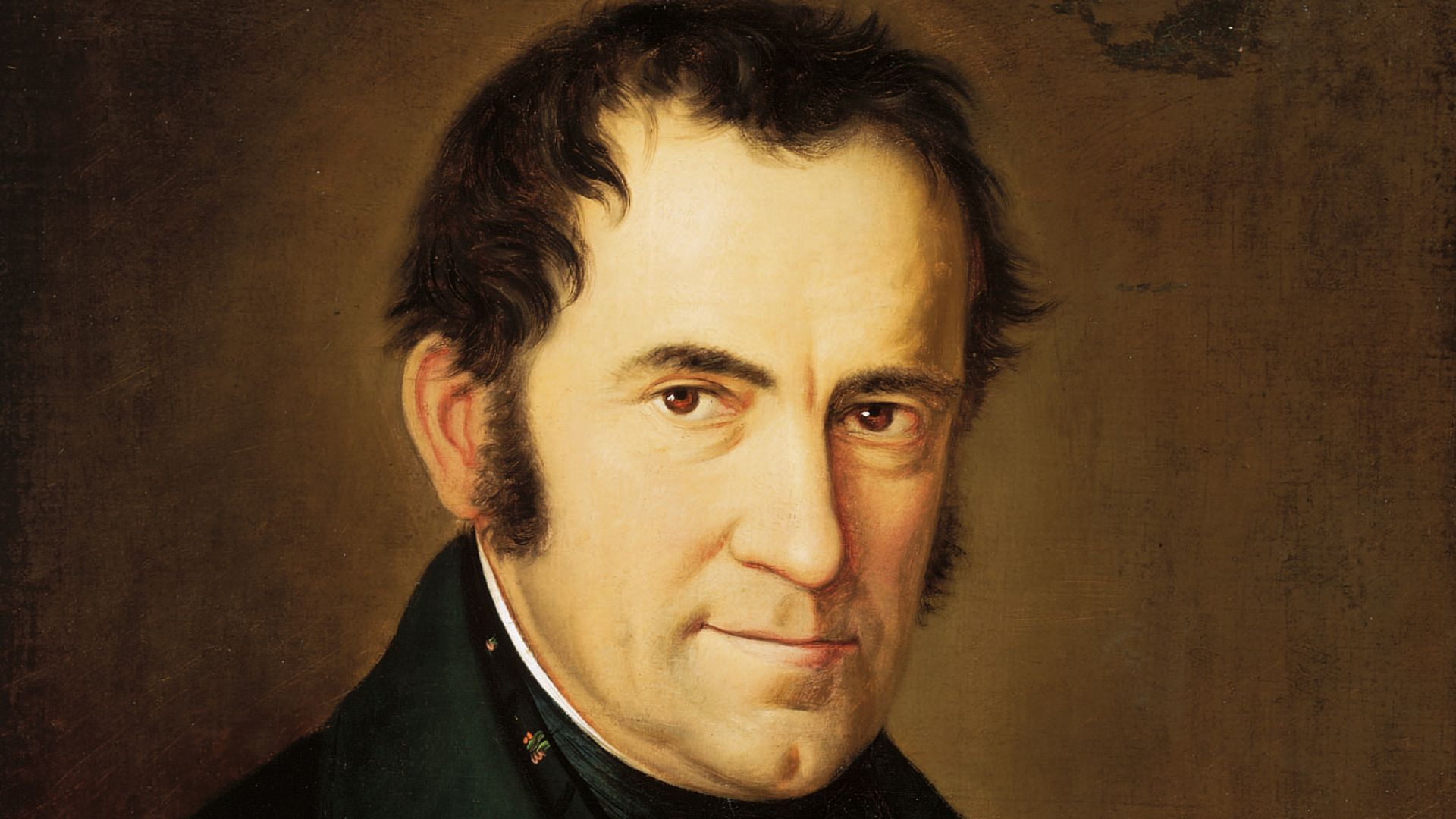
Picture a small Austrian church on Christmas Eve, 1818—that's where Silent Night first echoed through candlelit pews. Priest Joseph Mohr penned the words while Franz Xaver Gruber composed the melody. Here's the kicker: a guitar accompanied that debut performance, not the traditional organ we'd expect today.
2. O Come, All Ye Faithful (c. 1740s)
Long before it became a church staple, this hymn circulated among Catholic congregations as Adeste Fideles, credited to John Francis Wade. Those Latin verses from the mid-18th century carried the same invitation to worship. The English translation we belt out now arrived decades later.
3. Hark! The Herald Angels Sing (1739)
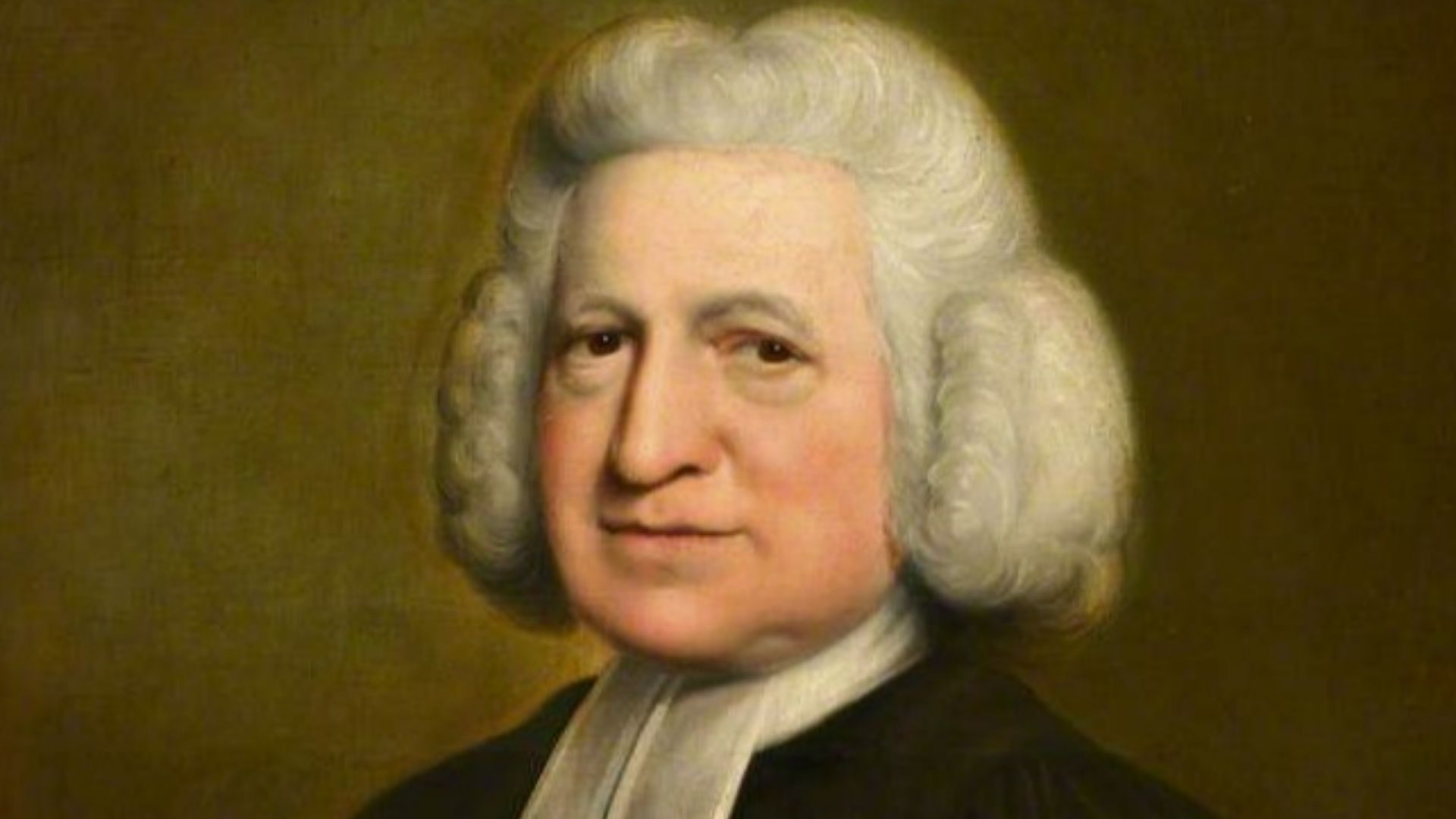
Charles Wesley crafted these lyrics in 1739, but Felix Mendelssohn's soaring melody came separately and wasn't meant for hymns at all. Wesley's opening lines got tweaked over time, softening into the version we recognize.
 User Magnus Manske on en.wikipedia on Wikimedia
4. Joy To The World (1719)
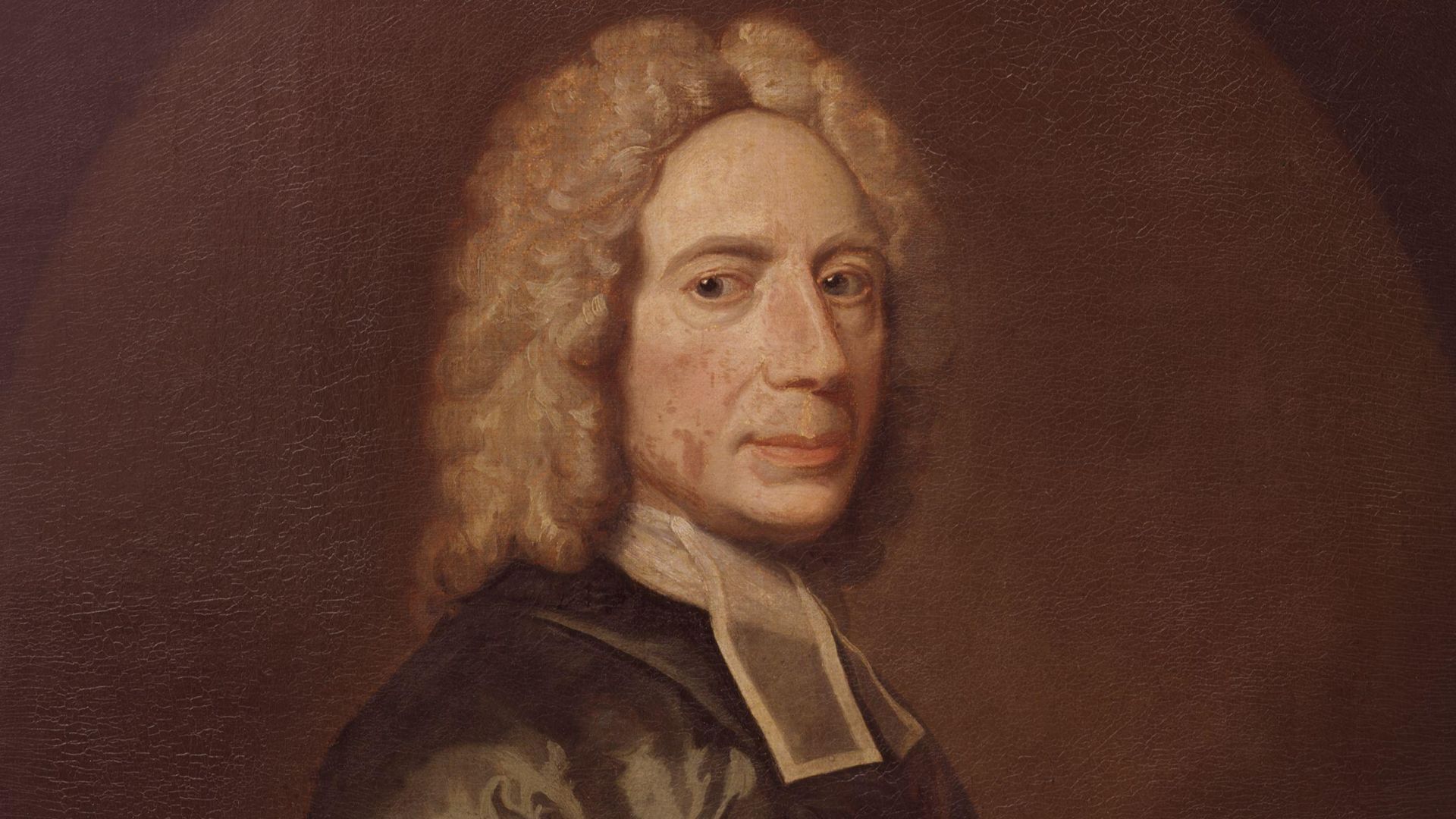
Isaac Watts drew inspiration from Psalm 98 when writing this hymn, never specifically targeting Christmas in his original intent. It's become one of English-language hymnody's most published works. The triumphant lyrics now feel inseparable from December celebrations.
5. Deck The Halls (c. 16th Century)
That catchy "fa la la" refrain traces back to Nos Galan, a Welsh tune hummed since the 1500s. English lyrics joined the melody centuries later during the Victorian era, giving it festive flair. Those playful nonsense syllables are relics of early singing traditions.
6. The First Noel (c. 16th–17th Century)
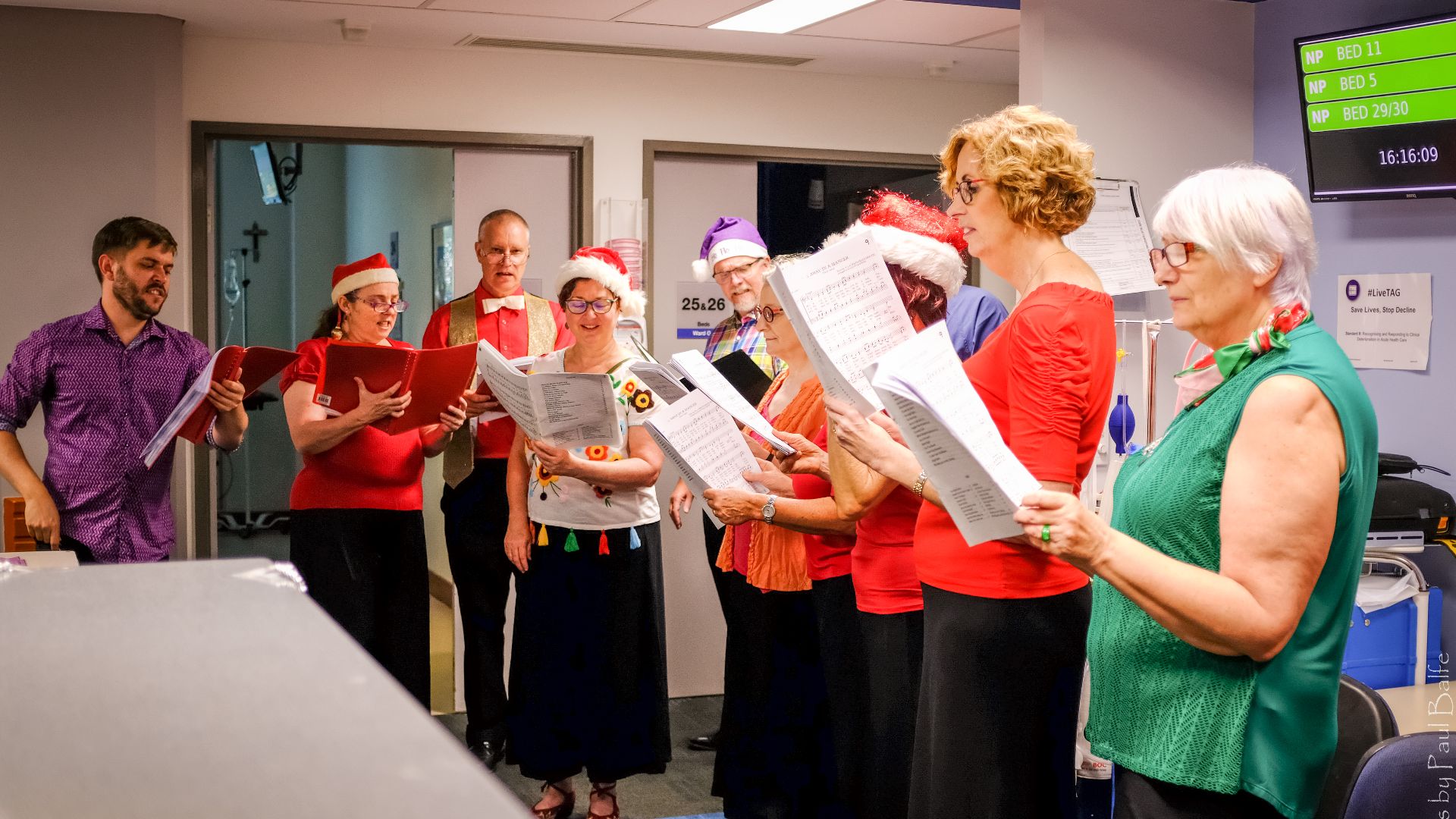
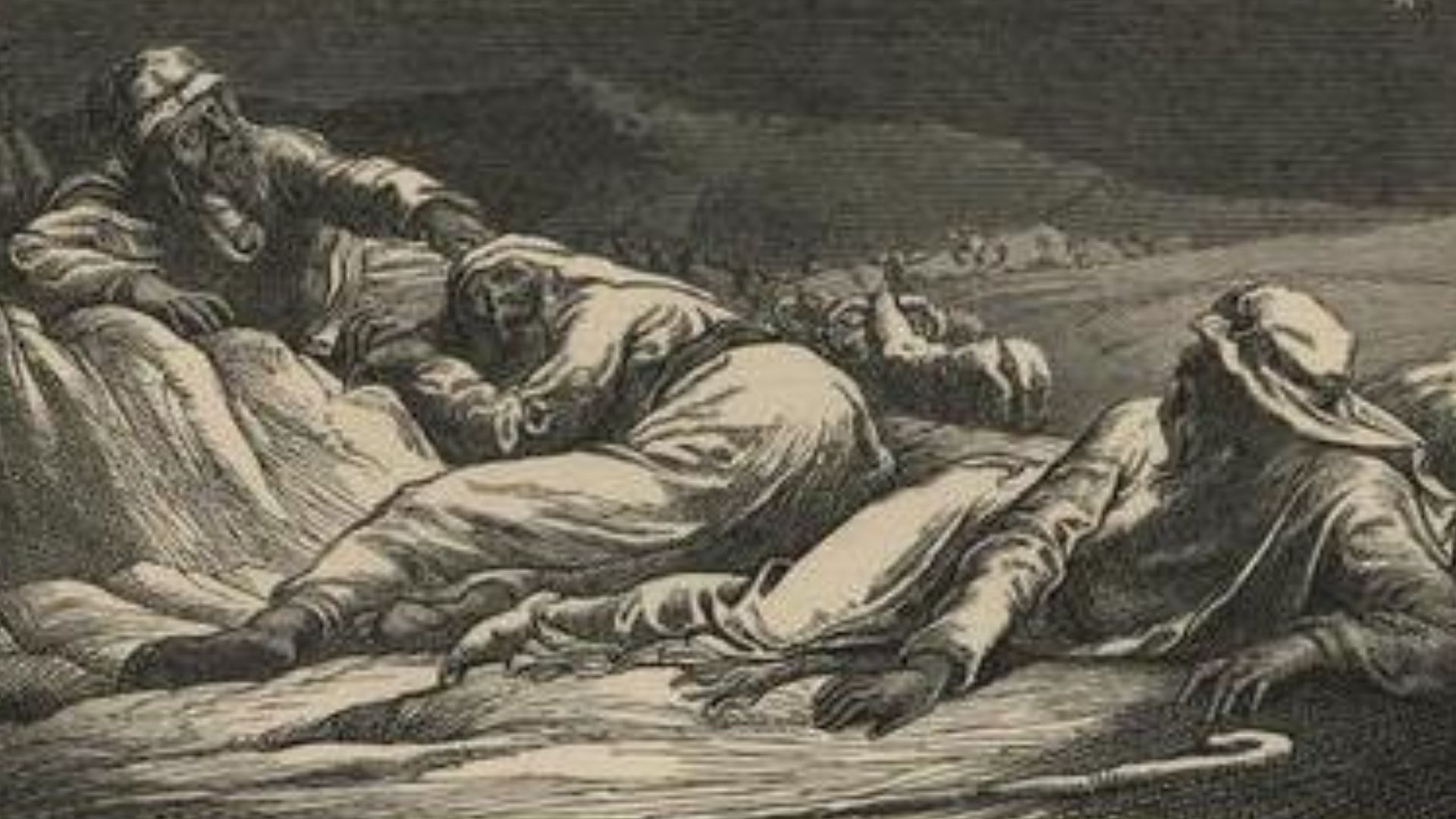
Long before printed hymnals existed, The First Noel passed from singer to singer across England, shape-shifting with every retelling. Different regions kept their own versions alive through oral tradition until someone finally wrote them down.
 The Brothers Dalziel on Wikimedia
7. God Rest Ye Merry, Gentlemen (c. 16th Century Or earlier)
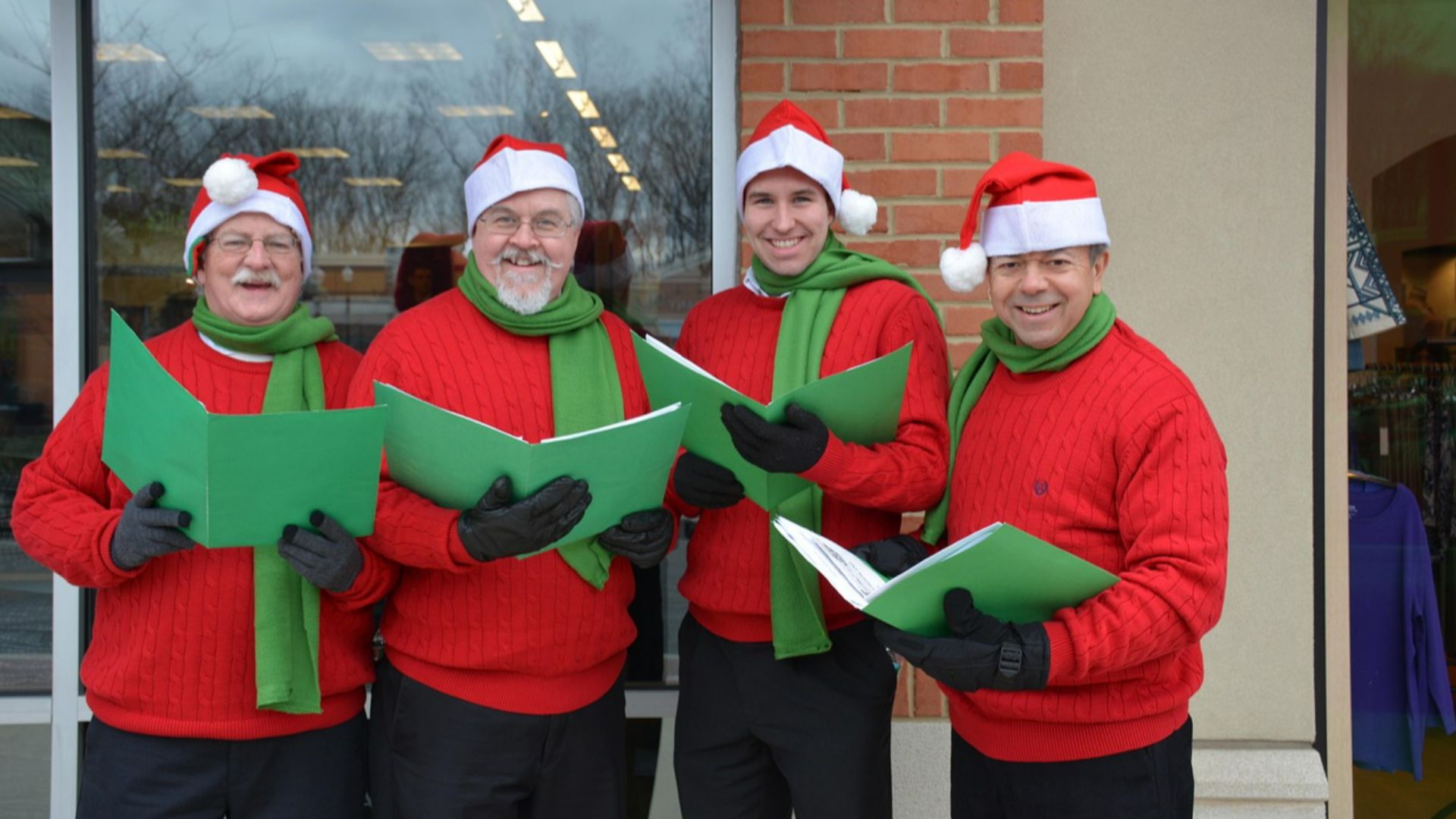
Street carolers belted this tune through English winters, dating back to the 1500s, though printed versions didn't surface until two centuries later. Fun fact: "God rest ye merry" actually means "keep you joyful," not a call to relax.
8. O Holy Night (1847)
Placide Cappeau's French poem found its perfect match when Adolphe Adam set it to music. Decades later, this carol made history as one of radio's first-ever broadcasts. What started as verses on paper became a soaring anthem that echoed Christmas's sacred wonder.
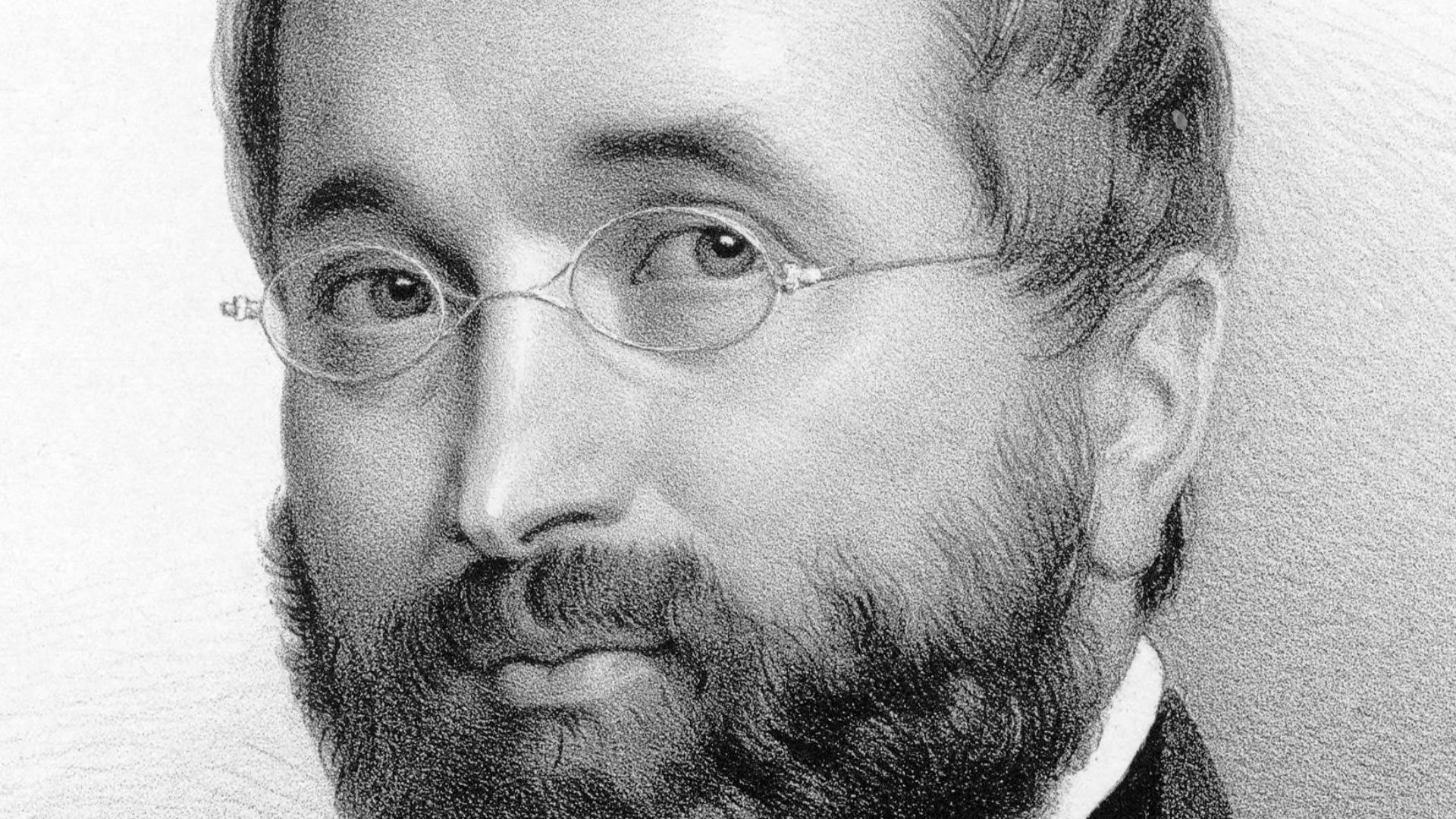 Nicolas Eustache Maurin on Wikimedia
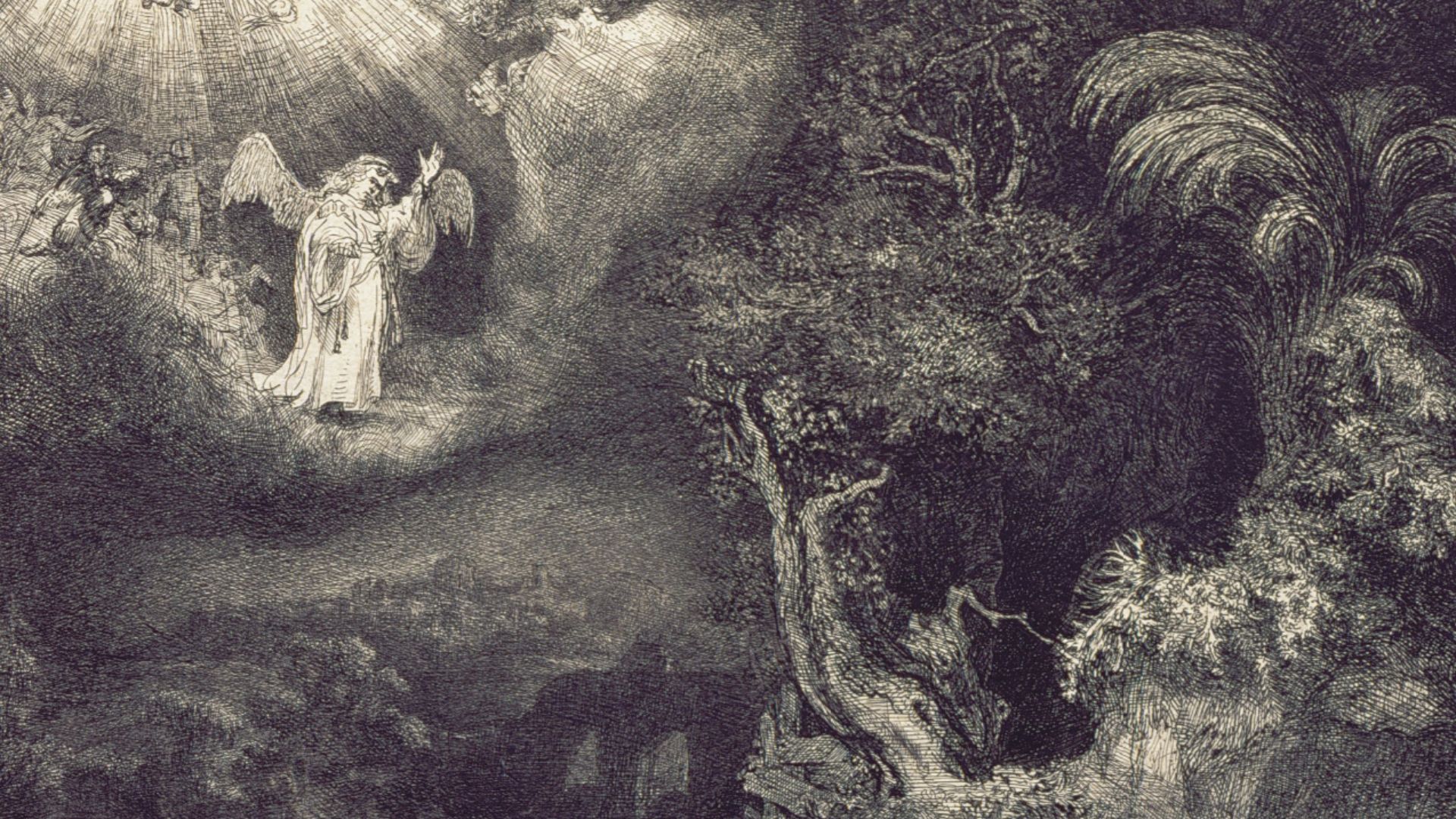
9. Angels We Have Heard On High (c. 18th Century)
French shepherds originally sang Les Anges dans nos campagnes back in the 1700s, their melody eventually crossing into English-speaking churches. Translators added new lyrics while preserving that unforgettable extended "Gloria" section. That soaring chorus remains the song's signature move.
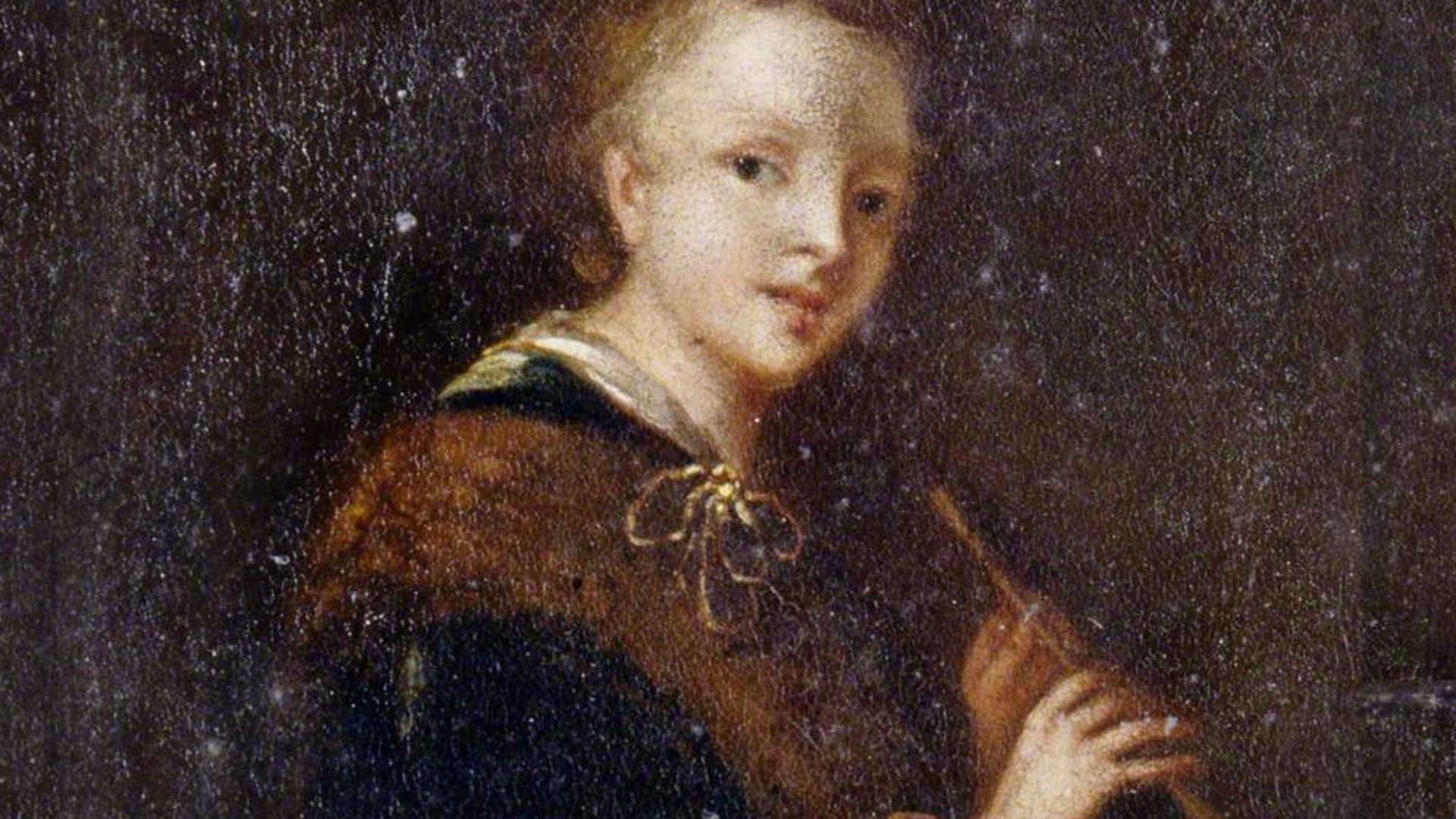
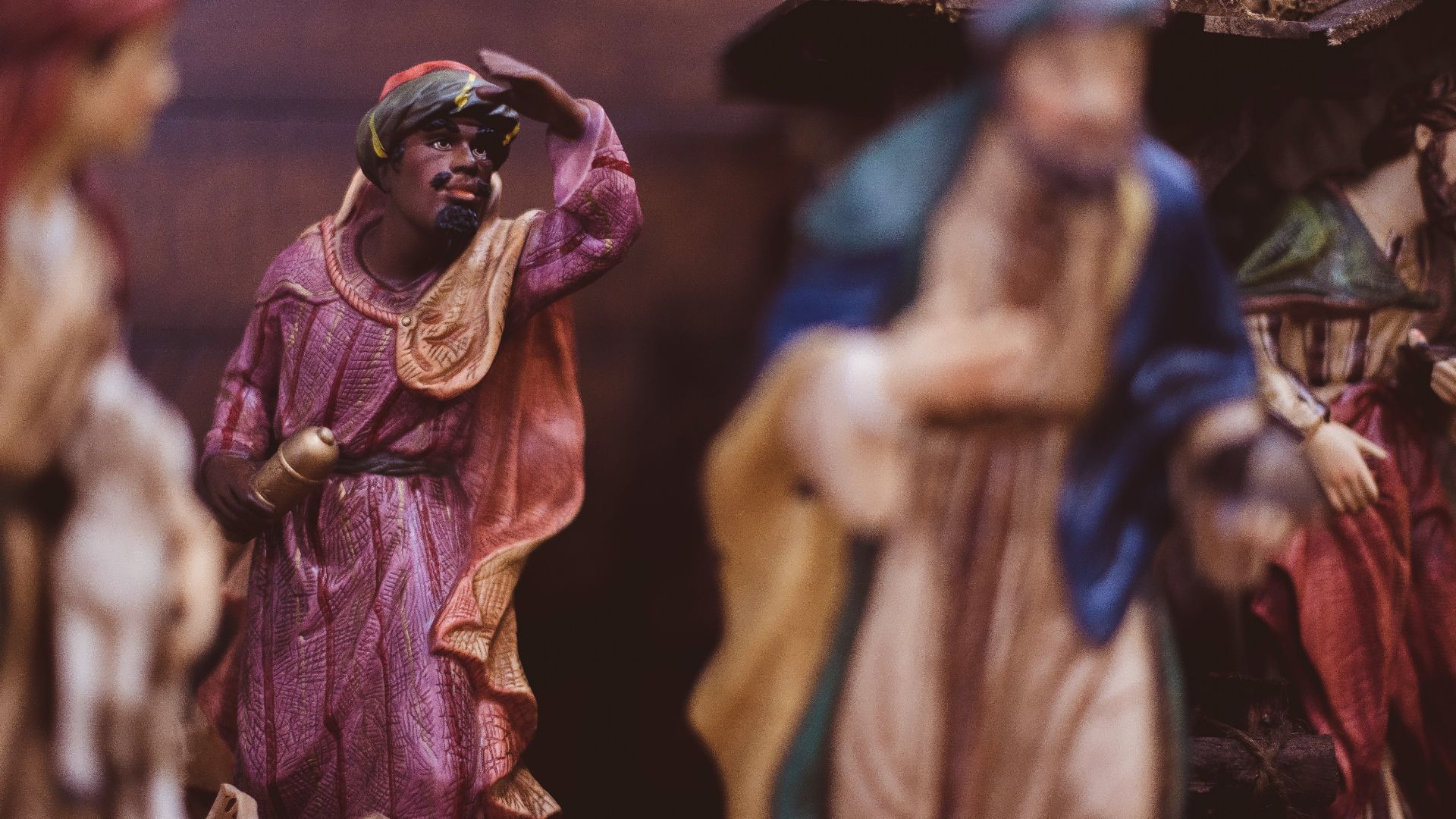
10. We Three Kings (1857)
John Henry Hopkins Jr. composed both words and music, and made this a rare solo-authored Christmas classic from American soil. Each verse spotlights one of the Magi bearing their symbolic gifts—gold, frankincense, and myrrh.
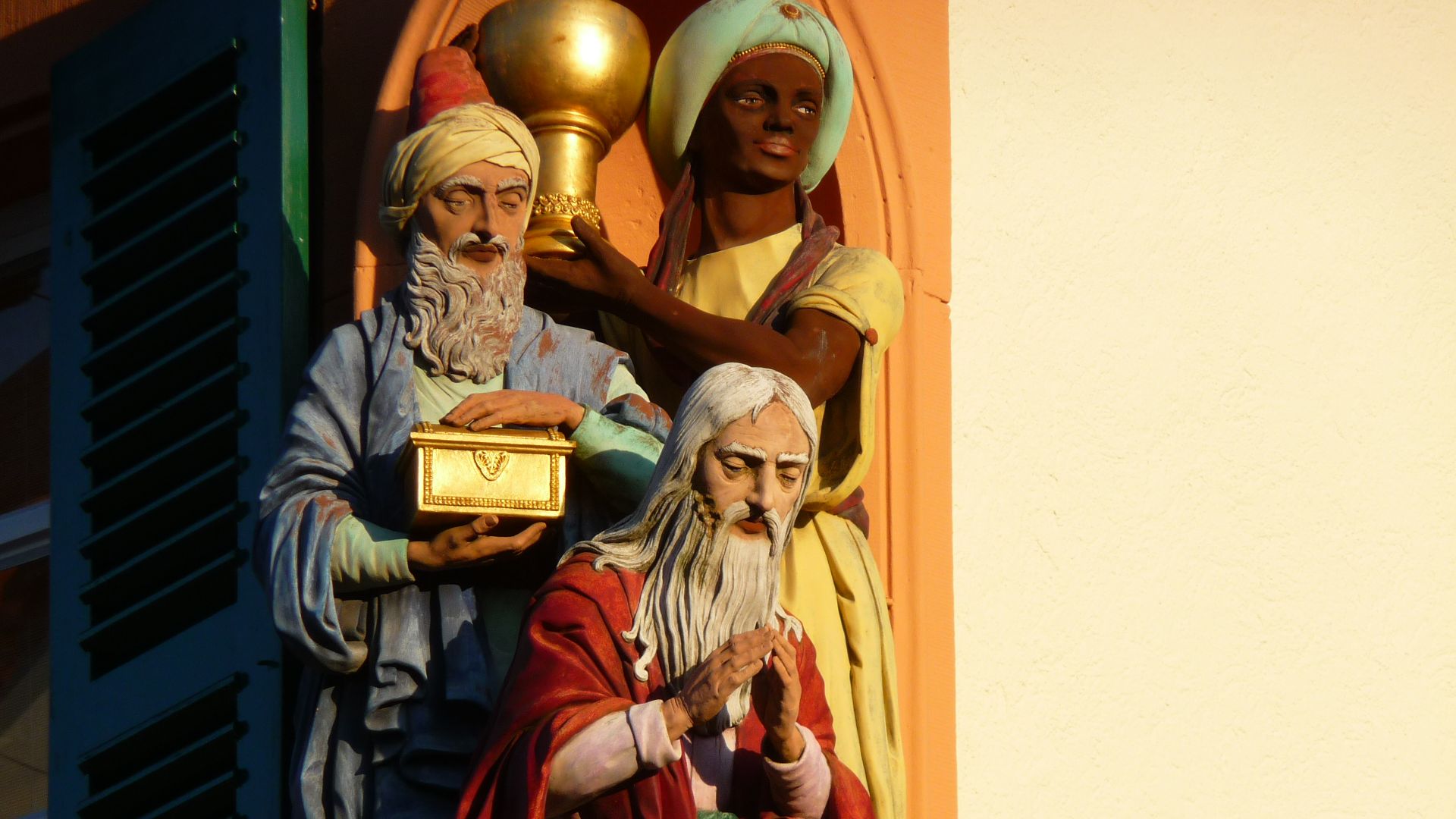
11. Good King Wenceslas (1853)
A medieval spring song found new life when John Mason Neale added lyrics about King Wenceslas's generosity in 1853. The real King Wenceslas ruled Bohemia centuries earlier, inspiring this tale of compassion. Unlike most carols celebrating Christ's birth, this one spotlights human kindness during harsh winter conditions.
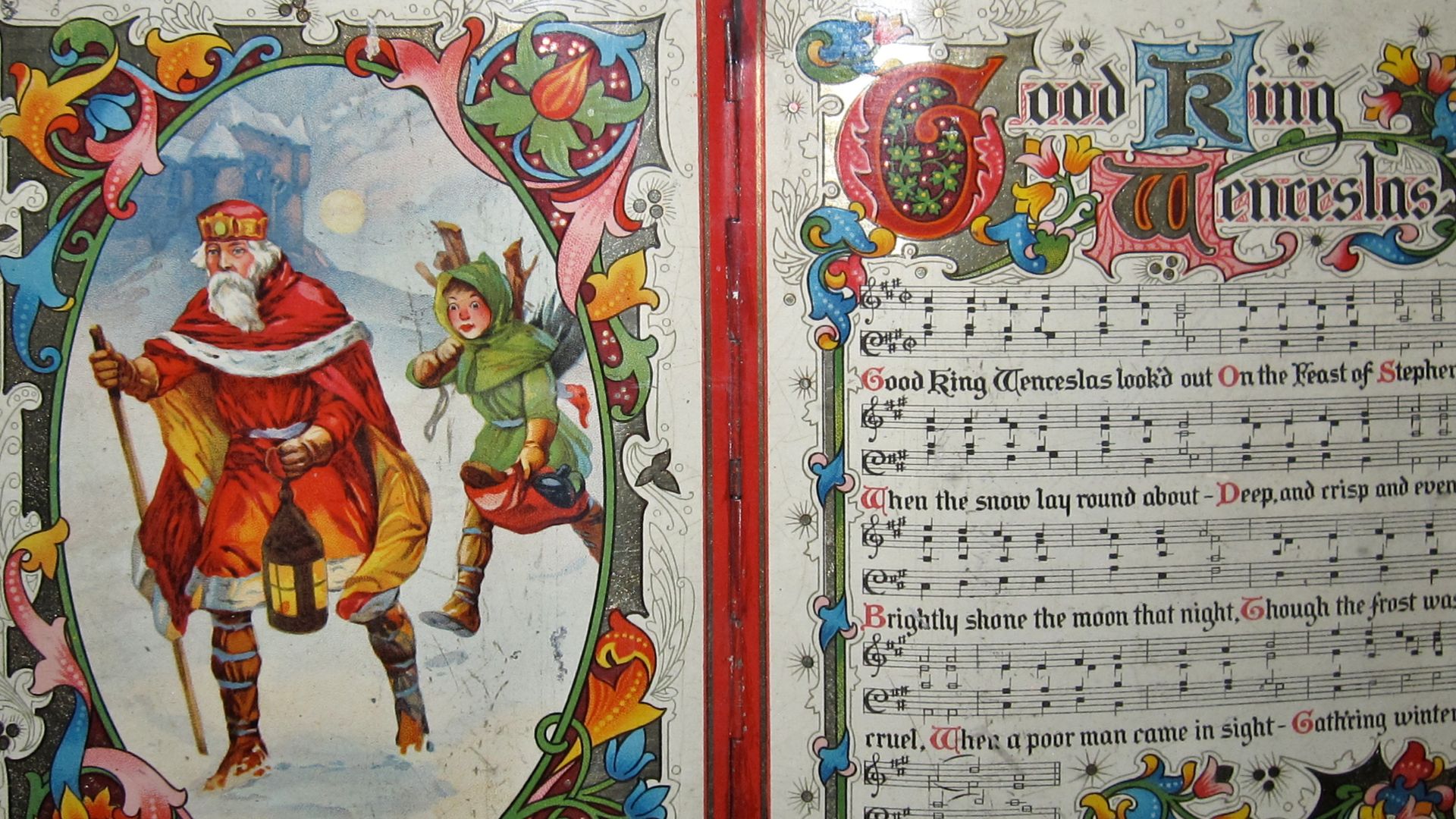
12. It Came Upon The Midnight Clear (1849)
While most carols burst with celebration, Edmund Sears crafted something quieter in 1849—a meditation on peace amid rising national tensions. Social upheaval colored his word choices. Today's singers choose between two competing melodies, each bringing different emotional weight to Sears's hopeful verses.
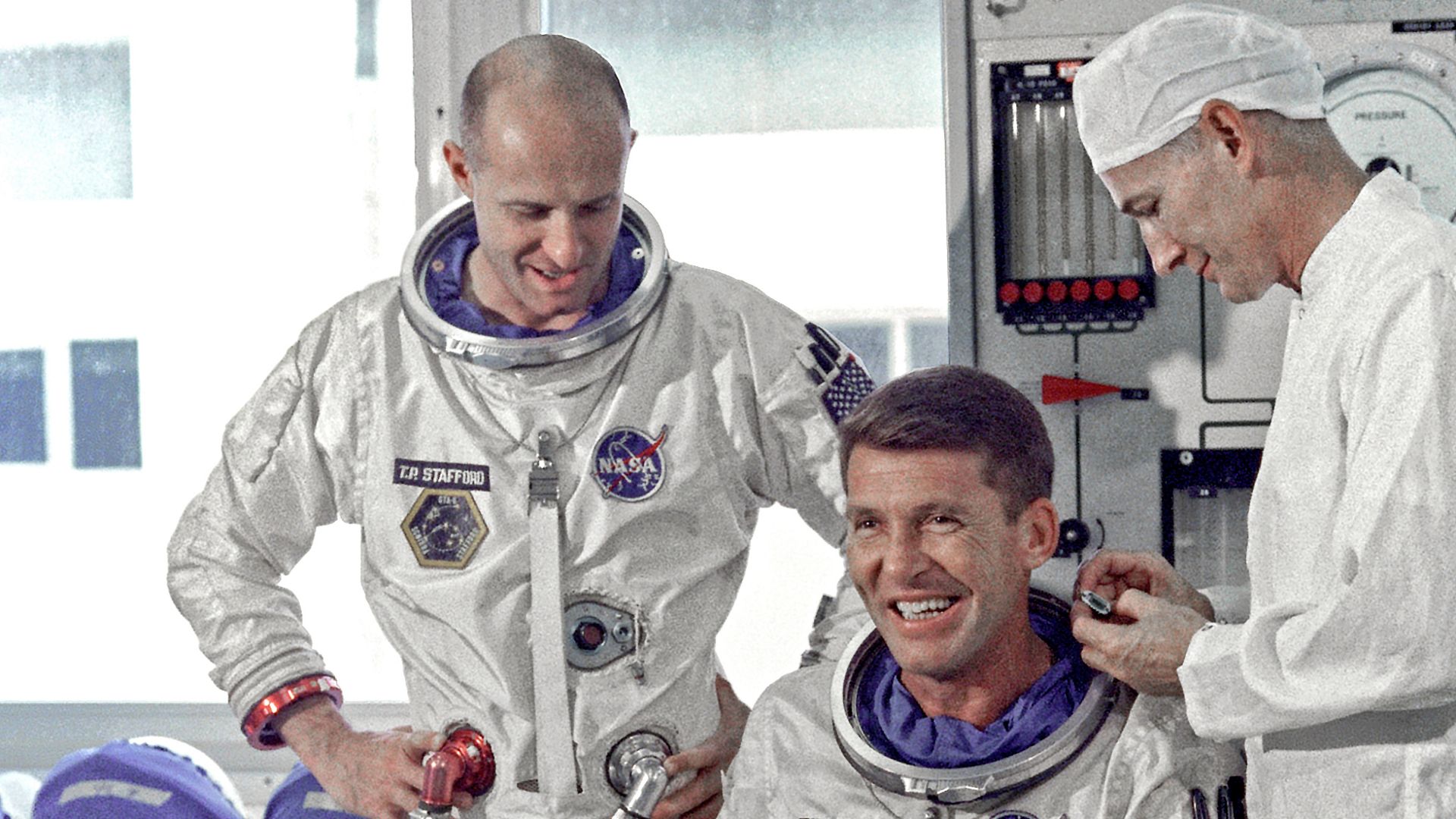
13. Jingle Bells (1857)
James Lord Pierpont composed One Horse Open Sleigh without Christmas in mind—it was just a winter sleigh-riding song that got holiday-adopted later. That playful tune made unexpected history when astronauts broadcast it from space about a century after its debut.
14. O Little Town Of Bethlehem (1868)
After traveling to Bethlehem, Phillips Brooks penned these reflective verses in 1868, translating sacred geography into song. The transatlantic divide shows in the music: Americans know the "St. Louis" tune while Brits sing entirely different notes.

15. Away In A Manger (c. 1880s)
Nobody knows who actually wrote Away in a Manger, though people wrongly credited Martin Luther for years after it appeared in the 1880s hymnals. The anonymous poet's verses now pair with two different melodies depending on congregational preference.
 Ben White benwhitephotography on Wikimedia
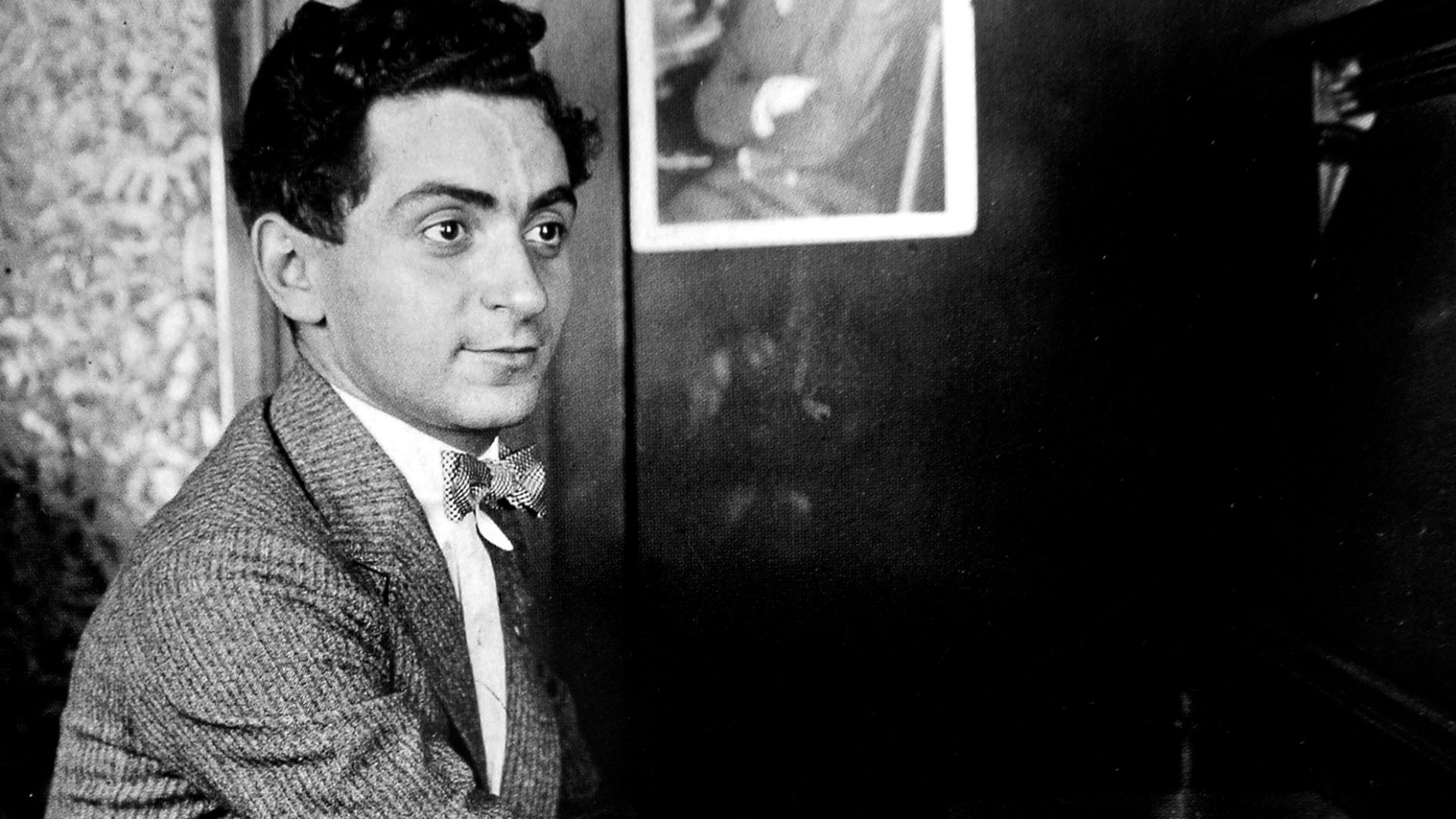
16. White Christmas (1942)
Bing Crosby introduced Irving Berlin's White Christmas in Holiday Inn, and it quickly became a worldwide hit. The nostalgic tune resonated during the war years, selling millions of copies. Few singles have matched its success, which shows how Berlin captured something universal about holiday memories and yearning.
 Life magazine images on Wikimedia
17. The Christmas Song (1945)
A sweltering summer inspired Mel Tormé and Bob Wells to compose this holiday classic. Nat King Cole’s rich voice later gave the song a timeless appeal. The opening lines about chestnuts roasting set an intimate fireside mood and highlight comfort instead of the usual snowy winter imagery.
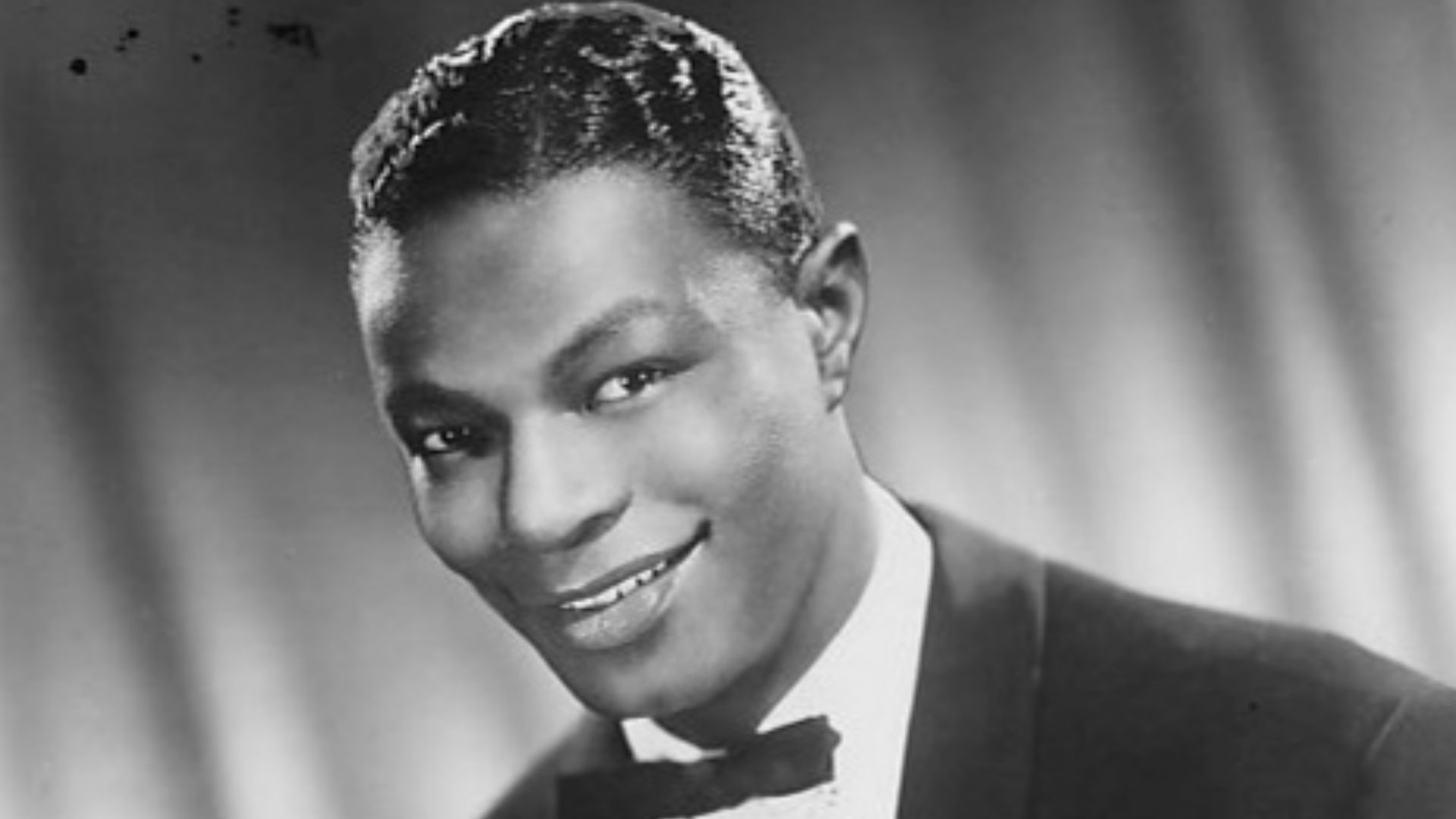 GAC-General Artists Corporation (management) on Wikimedia
18. Have Yourself A Merry Little Christmas (1944)
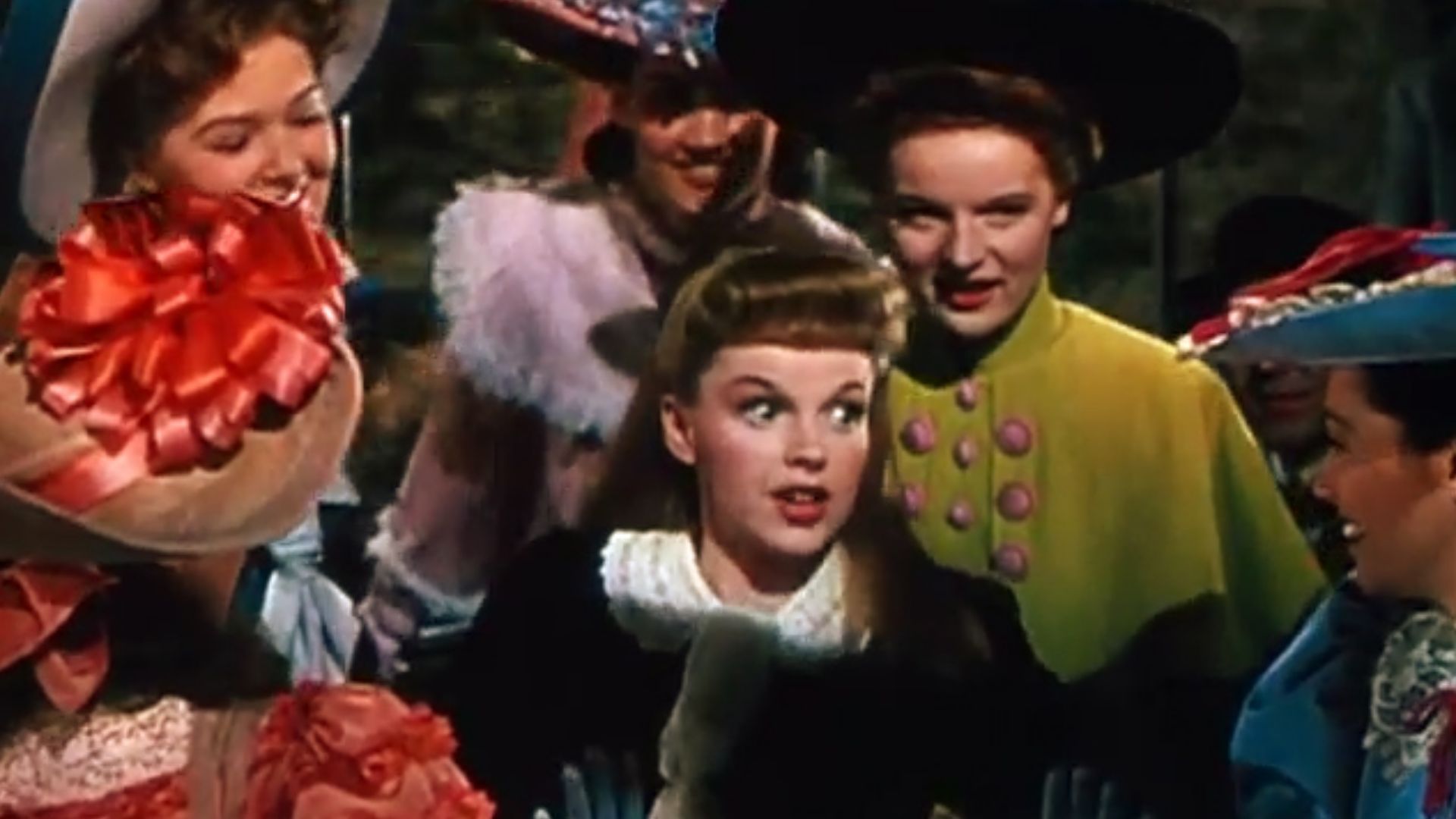
This debuted in Meet Me in St. Louis with Hugh Martin and Ralph Blane's more somber original words. Judy Garland's heartfelt delivery shaped how people heard the song. Her performance helped turn it from a sad reflection into something comforting, even before the lyrics were revised to be brighter.
19. I'll Be Home For Christmas (1943)
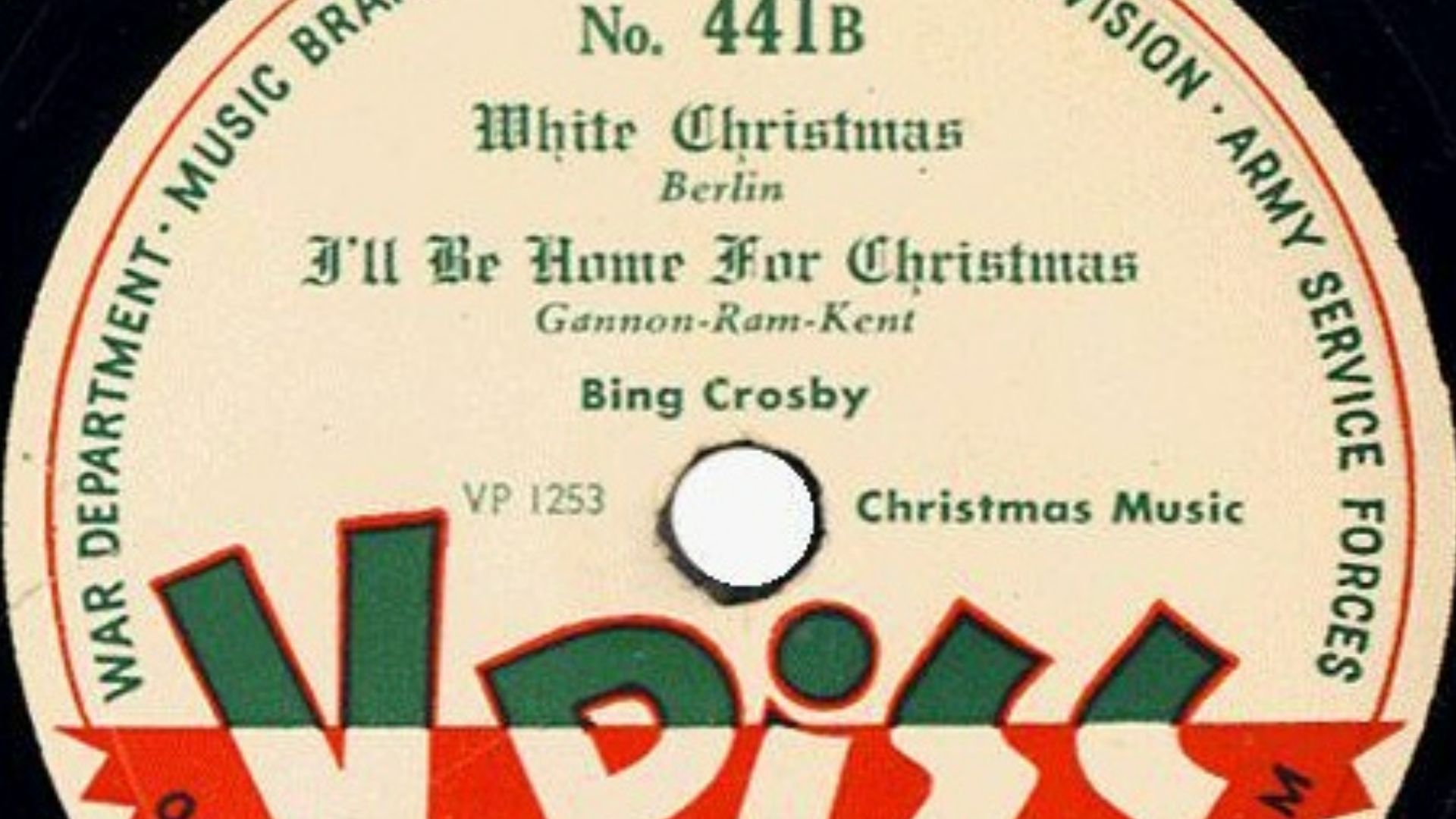
World War II inspired this 1943 song about missing home, with Bing Crosby recording it first. The themes of separation touched military families hoping for reunions. Some radio stations hesitated to play it initially, worried the sadness might be too much for wartime listeners.
20. Winter Wonderland (1934)
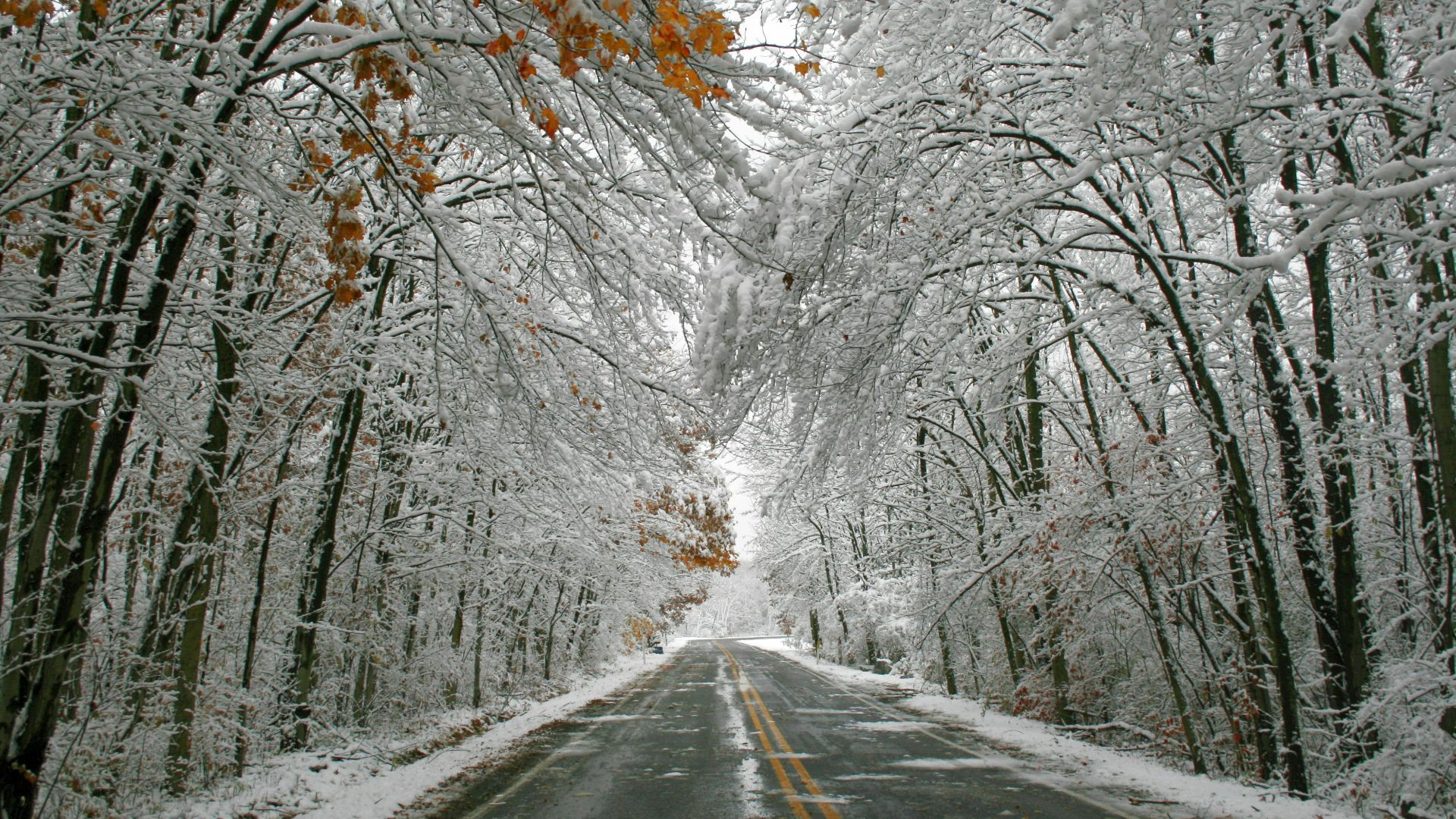
Richard B. Smith watched Pennsylvania snowfall and wrote lyrics that Felix Bernard set to music. This came decades before rock music changed Christmas songs. Smith's snowy observations became verses about building snowmen and playful winter romance in the cold.
KEEP ON READING

The Dark History Of Charles Dickens
The Complicated Life of this Famous Author. Arguably the greatest…
By Cathy Liu Dec 5, 2024
20 Dining Etiquette Rules That Were Nonnegotiable
Manners Weren't Optional. Dinner used to be... a lot. The…
By Elizabeth Graham Mar 4, 2026
20 Beautiful Historical Monasteries
As Close to Heaven as it Gets. If you’ve ever…
By Sara Springsteen Mar 4, 2026
10 Genius Military Plans That Worked & 10 Genius Plans…
Brilliant On Paper, Brutal In Reality. Military history is full…
By Cameron Dick Mar 4, 2026
20 Times Secret Agents Turned the Tide of History
When Intelligence Work Quietly Changed The World. Wars and political…
By Rob Shapiro Mar 4, 2026
The Donation of Constantine: When a Forgery Changes a Nation
School of Raphael on WikimediaMost forgeries get exposed and forgotten.…
By Cameron Dick Mar 4, 2026