

The Day Everything Fell Apart
It was a Tuesday in March, and the papers arrived by courier at nine in the morning. I remember standing in the hallway of the apartment we'd shared for eleven years, still in my bathrobe, holding a manila envelope I didn't want to open. I knew what was inside. We both did. The process had taken months — the mediator sessions, the back-and-forth emails through lawyers, the careful division of a life into line items on a spreadsheet. By the time the final documents arrived, my ex-husband had already moved most of his things out. The closet on his side was empty. The bathroom counter had a clean rectangle where his toiletry bag used to sit. I signed where the tabs indicated, one page after another, my handwriting getting smaller and shakier as I went. There was no dramatic moment. No shouting, no tears, no final confrontation. Just the scratch of a pen and the quiet of an apartment that suddenly felt three sizes too big. I put the papers back in the envelope and set them on the kitchen table. Then I sat down across from them and didn't move for a long time. The morning light came through the window the way it always had, indifferent and steady. I sat there with the weight of those pages in front of me, and the silence pressed in from every direction.
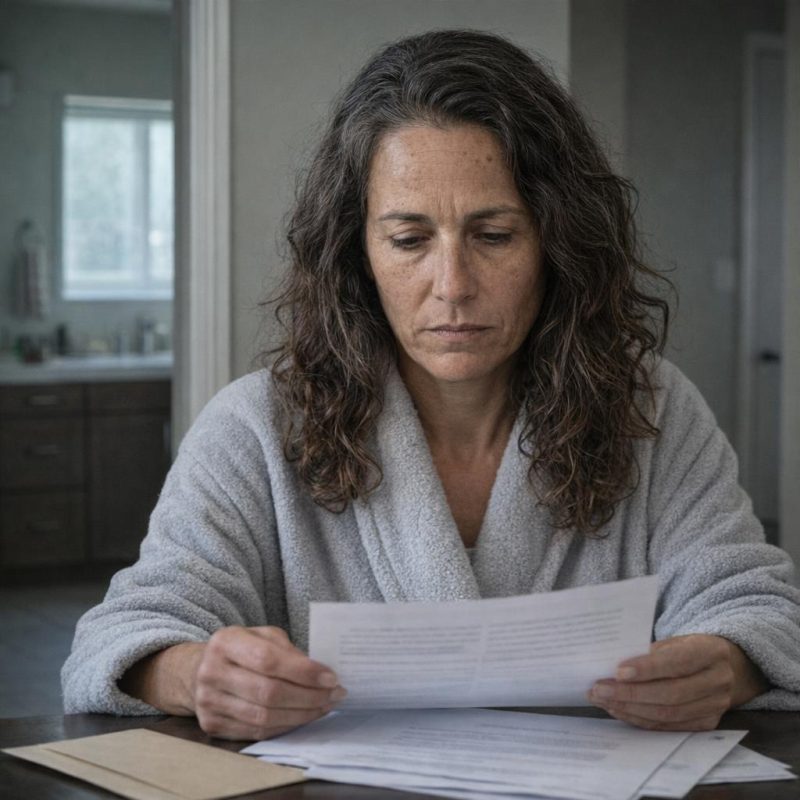 Image by RM AI
The Second Blow
Three weeks after the divorce was finalized, my manager called me into a conference room and closed the door behind her. I'd seen it happen to other people — the closed door, the HR rep already seated, the careful language about restructuring and elimination of positions. I just never thought it would be me. Two weeks of severance. A reference letter they'd email over. A box for my desk items. I thanked them, which I still can't fully explain, and walked back to my desk on legs that felt like they belonged to someone else. I packed my things in under ten minutes. On the drive home I kept thinking it would hit me harder, that I'd pull over and cry or scream or something. Instead I just drove. I made a cup of tea when I got home and sat at the kitchen table with my laptop open, telling myself I'd start applying for jobs immediately, that this was manageable, that people got through this all the time. I was fine. I was absolutely fine. That night I pulled up my bank account to start mapping out how long I could stretch the severance. The legal fees from the divorce had been higher than I'd budgeted. The moving costs I'd already paid. The security deposit on a new place I'd need to find. I scrolled through the transactions and the number at the bottom of the screen stopped me cold — it was less than half of what I thought I had.
 Image by RM AI
Counting Every Dollar
I built a spreadsheet. That's what I did when I didn't know what else to do — I made a spreadsheet and I stared at it until the numbers told me something I could work with. Rent, utilities, groceries, insurance, phone. I went through every subscription and cancelled the ones I could live without, which turned out to be most of them. I applied for jobs every morning before I'd even had coffee — marketing coordinator roles, communications positions, anything adjacent to what I'd been doing for the past decade. Most of them went nowhere. A few sent automated rejections within hours. One called me in for an interview and then went silent. I started waking up at four in the morning, running the math in my head without meaning to. Months of runway, shrinking. The apartment I was in had been ours, and the rent reflected that — a two-bedroom in a neighborhood we'd chosen together when things were different. I'd been telling myself I could manage it for a little while longer, that something would come through before I had to make any hard decisions. But the spreadsheet didn't care about optimism. It just showed me the same column of numbers every time I opened it, patient and unforgiving. By the end of that third week of searching, I stopped arguing with what the numbers were telling me. I needed to find somewhere cheaper to live, and I needed to do it soon.
 Image by RM AI
Signing Away the Past
We met at the lawyer's office on a Wednesday afternoon, the kind of gray, unremarkable day that felt appropriate for the occasion. My ex-husband was already there when I arrived, sitting in one of the chairs by the window, scrolling through his phone. He looked up when I walked in and gave me a small nod, the kind you'd give a colleague you didn't know well. That was the thing that got me, more than anything else — how quickly we'd become strangers to each other. The lawyer walked us through the final documents. There wasn't much left to divide. The house had been sold months ago. The accounts had been separated. What remained were a few shared items we'd agreed on in writing — who got the dining table, who got the camping gear we'd never used. We signed everything in under an hour. My ex-husband shook the lawyer's hand, then looked at me for a moment like he was going to say something. He didn't. He just said, 'Take care of yourself,' and walked out. I stayed a few extra minutes, gathering my copies, making sure I had everything. When I finally stepped outside, the air was cold and the street was busy with people who had somewhere to be. I walked to my car and sat in it without starting the engine. There was nothing left to untangle, no more meetings to schedule, no more documents to sign. Whatever we had built together was done, and I was the only one still sitting in the parking lot.
 Image by RM AI
The Apartment Above the Bakery
I spent two weeks going through online listings with the kind of focus that only comes from genuine desperation. I had a number in my head — the maximum I could pay and still have anything left over — and almost nothing in the city fit inside it. The places that did were either too far from any reasonable bus line or had photos that raised more questions than they answered. I was about to lower my standards even further when I found the listing. A one-bedroom above a bakery on a quiet side street, third floor, available immediately. The photos showed creaky hardwood floors, a kitchen with a window that looked out over the alley, and a bathroom that had clearly been renovated sometime in the previous century. The rent was low enough that I read it twice to make sure I hadn't misread it. I called the number in the listing that same afternoon. The landlord — a man named Greg — answered on the second ring and said I could come see it the next morning. I drove over and stood on the sidewalk for a minute before going in, looking up at the building. It wasn't much. The bakery below was already closed for the day, but I could smell something faintly sweet still coming through the vents. The floors creaked exactly as advertised. The plumbing made a sound I chose not to investigate. But it was clean, it was quiet, and it was within my budget. I went home, filled out the application, and sent it back the same night.
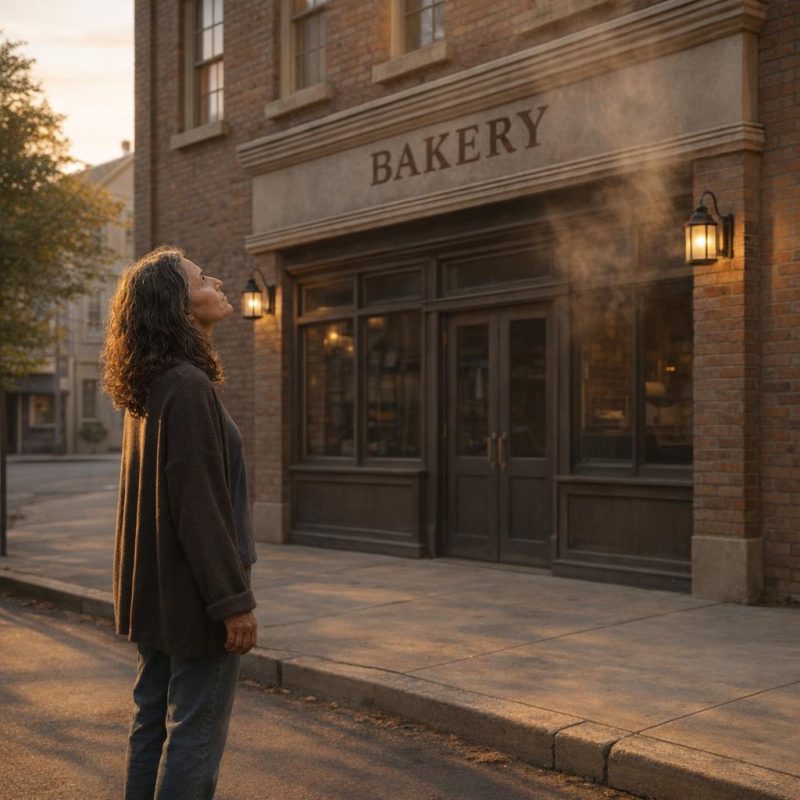 Image by RM AI
Meeting Greg
Greg met me at the apartment on a Thursday morning with a folder of paperwork and the kind of no-nonsense manner that I found immediately reassuring. He was a balding man somewhere in his fifties, with weathered hands and a worn polo shirt, the kind of person who looked like he'd rather be fixing something than talking about it. He walked me through the unit again — pointed out the quirks of the radiator, showed me which window stuck in the summer, explained where the building's laundry room was and what days the trash went out. He answered every question I had without making me feel like I was wasting his time. When we sat down at the kitchen table to go through the lease, he went through it page by page, which I appreciated. No rushing, no pressure. I asked about the previous tenant and he said she'd moved on, kept it brief. I signed where indicated, wrote the check for the first month and deposit, and slid it across the table. Greg looked it over, folded it into his folder, and stood up. He pulled a key ring from his pocket — two keys on a plain metal ring — and set them on the table in front of me. 'Place is yours,' he said. I picked up the keys and held them in my palm.
The First Night Alone
I got the last of the boxes up the stairs by seven that evening, which felt like an accomplishment worth noting even if there was no one to tell. The apartment looked smaller with my things in it, which I hadn't expected — somehow the boxes made the space feel more cramped rather than more like home. I set up the bed first because that's what every moving guide tells you to do, and then I sat on the edge of it and looked at the stacked boxes and told myself I'd deal with them tomorrow. I heated up soup from a can on the stove and ate it standing at the kitchen counter, watching the alley below through the window. The neighborhood was quiet. A cat crossed the alley. Someone's television murmured through the wall from the apartment next door. I lay down around ten and stared at the ceiling, listening to the traffic thin out as the night got later. I kept doing the math in my head — what I had left, what I needed, how long before I'd need something to change. Forty-eight years old and starting from scratch in a one-bedroom above a bakery. I wasn't sure if that was brave or just what happened when you ran out of other options. The building settled around me as the temperature dropped, the old wood and plaster making sounds I didn't have names for yet — low groans and soft ticks that moved through the walls like the place was still deciding what it thought of me.
 Image by RM AI
The New Job
The job came through six weeks after I moved in, which felt like the universe finally throwing me something I could catch. It was a marketing coordinator position at a mid-sized firm downtown — not what I'd had before, not even close, but it had health insurance and a regular paycheck and I was not in a position to be particular. My first day I wore the blazer I'd been saving for interviews and sat through four hours of onboarding videos and HR paperwork. My new coworkers were friendly in the careful way people are when they don't know you yet. I learned the project management software, found the good coffee machine on the second floor, and figured out which conference rooms had working projectors. The work itself was straightforward, maybe a little below what I'd been doing before, but I kept that thought to myself. By the end of the first week I had a routine: alarm at six-thirty, coffee, the twenty-minute bus ride downtown, eight hours of work that asked just enough of me to keep my mind occupied. I came home tired in a way that felt productive rather than hollow, which was new. The first direct deposit hit my account on a Friday afternoon, and I sat at my kitchen table and looked at the number for a long moment. It wasn't much. It wasn't what I'd been making. But it was mine, and it was coming again in two weeks, and for the first time in months that felt like enough.
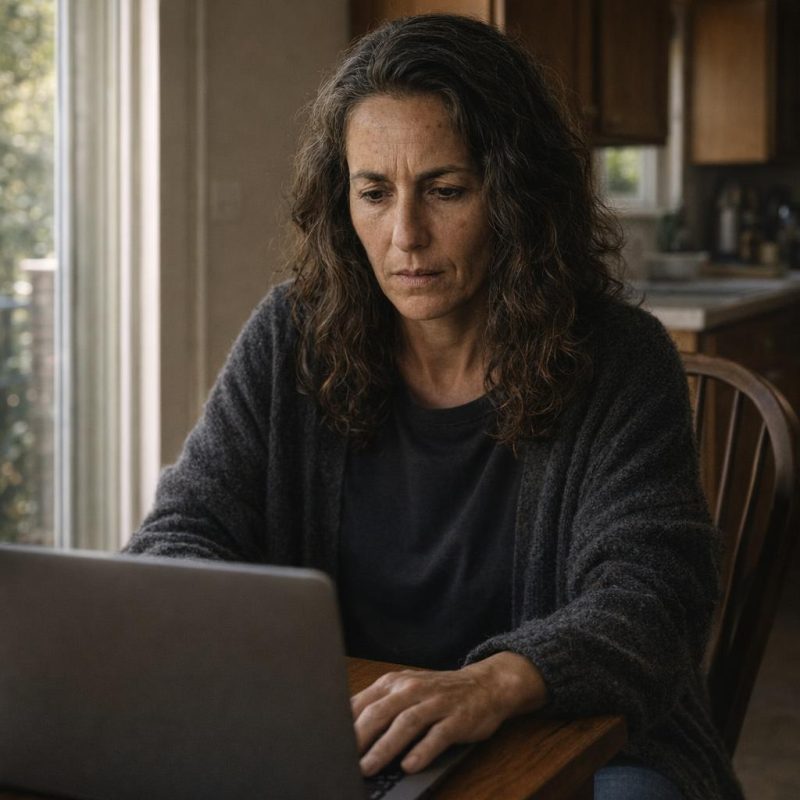 Image by RM AI
Building a Routine
The routine I built wasn't glamorous, but it was mine, and that mattered more than I expected. Weekdays looked the same: alarm at six-thirty, coffee while I checked my budget spreadsheet, bus downtown, eight hours of work, bus home. I'd started keeping a handwritten grocery list on the fridge — the kind where you cross things off as you go — and I found something almost meditative about it. I bought store-brand everything. I tracked every dollar in a little notebook I kept in my purse, the kind with the elastic band, and I got weirdly good at knowing exactly how much was in my account at any given moment. Weekends I did laundry, cleaned the apartment, sometimes walked to the farmers market two blocks over just to have somewhere to go that wasn't work. I wasn't saving much yet. Some months I was just barely clearing my bills, and I knew one unexpected expense could still knock me sideways. But the apartment had stopped feeling like a temporary shelter and started feeling like a place I actually lived. I knew which floorboard creaked near the bathroom. I knew the radiator knocked twice before it kicked on. I knew the light in the kitchen went golden around five in the afternoon, and I started timing my dinner prep around it without even thinking about it. That kind of knowing — the small, accumulated kind — settled into me quietly, like something I hadn't realized I'd been missing.
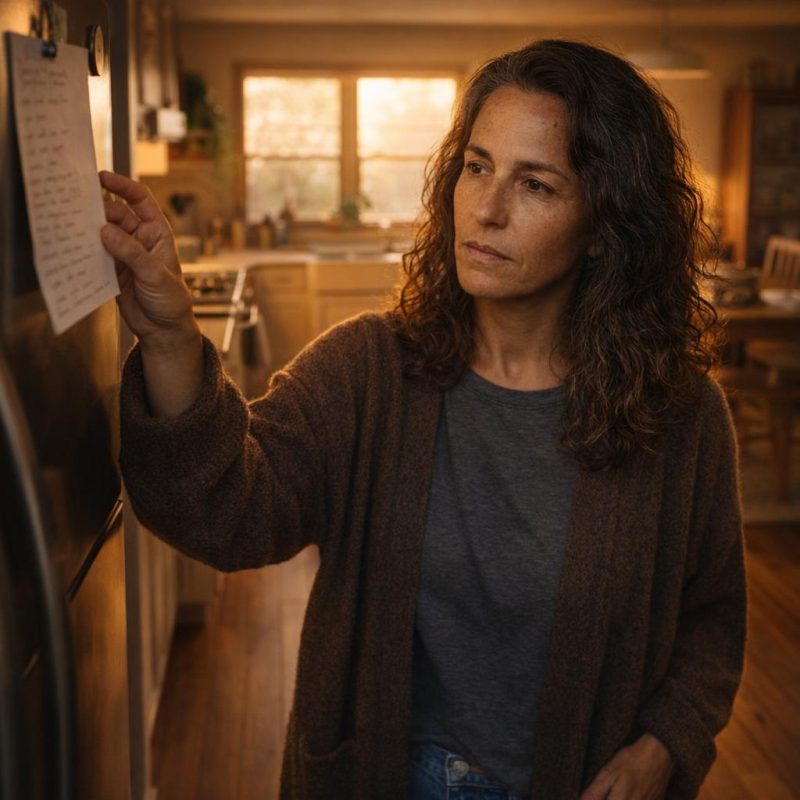 Image by RM AI
Six Months In
Six months. I remember sitting at my kitchen table on the first of the month and actually counting backward — move-in date, first paycheck, first month I paid rent without panic — and landing on six months like it was a number I needed to say out loud to believe it. The job had leveled out into something I could do in my sleep, which was both a comfort and a mild concern I kept shelving for later. My coworkers had stopped being politely cautious around me and started just being normal, which felt like its own kind of milestone. I'd paid down a small chunk of the credit card I'd been carrying since the divorce, not much, but enough to see the number move. I still tracked every dollar. I still bought store-brand. But the low-grade panic that had lived in my chest for the better part of three years had quieted to something more like background noise — present, but not running the show. I let myself buy a decent bottle of wine one Friday. I called my sister and didn't spend the whole conversation pretending things were fine, because for once they mostly were. On the first of the month I logged into the rental portal, submitted my payment the way I always did, and watched the confirmation screen load. Payment received. Same as every month before it, unremarkable and steady, and I closed the laptop and went to make dinner.
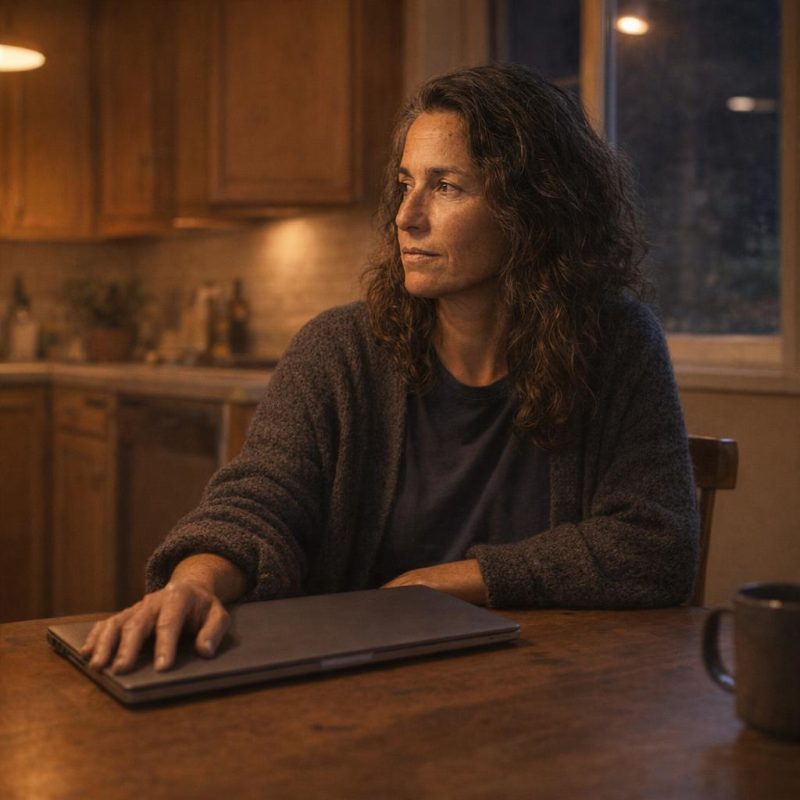 Image by RM AI
The Mysterious Receipt
It was a Tuesday morning when the email came through, and I almost missed it because I was rushing to get out the door. The subject line said: Payment Confirmation — Unit 4B, and I stopped with my coffee halfway to my mouth. I hadn't submitted my rent yet. I'd been planning to do it that evening, same as always. I set the mug down and read the email twice. It was from a service I vaguely recognized — one of those third-party payment processors — and it confirmed that my rent for the month had been received in full. I opened my banking app and scrolled through my recent transactions. Nothing. No outgoing payment, no pending charge, nothing that matched the amount. I checked my credit cards too, just in case I'd set up some autopay I'd forgotten about. Nothing there either. I sat down at the kitchen table and read the confirmation email a third time, looking for some detail I'd missed — a wrong unit number, a different address, anything that would explain it. The unit number was right. The amount was right. My name was on it. I made a note in my phone to call Greg when I got home from work, figuring it was some kind of accounting glitch that would sort itself out by the time I got around to asking. I wasn't worried, exactly. Just puzzled. And underneath the puzzlement, if I'm being honest, there was something that felt a lot like relief.
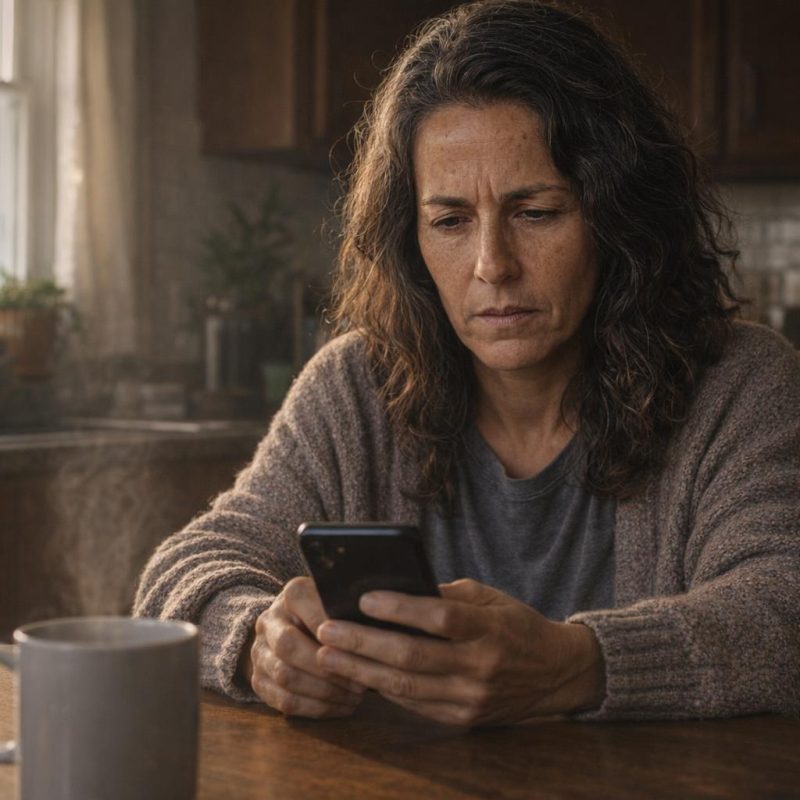 Image by RM AI
Calling Greg
I called Greg that evening from my kitchen, standing at the counter because I was too restless to sit. He picked up on the third ring, and I explained the situation — the confirmation email, the fact that I hadn't submitted payment, the fact that nothing in my accounts matched the charge. He put me on hold for a minute, and I could hear him clicking through something on his end. When he came back he said yeah, the payment had gone through, showed as received that morning. He sounded more puzzled than concerned, which made me feel slightly better. I asked if maybe it was a system error, some kind of duplicate from a previous month. He said he didn't think so — the amounts matched exactly and the timestamp was current. I asked if it could be a bank thing, like a payment that got routed wrong from someone else's account. He said it was possible, said these third-party processors sometimes had weird glitches, said I should probably keep an eye on my accounts in case something got double-charged somewhere down the line. We agreed I'd hold off on submitting my own payment until we figured out what happened. I thanked him and we were about to hang up when he mentioned, almost as an afterthought, that the payment had come through a different account than the one I normally used — one he didn't have on file for me.
 Image by RM AI
The Second Payment
I spent a solid week telling myself it was going to resolve on its own. Some bank somewhere would catch the error, reverse the charge, and I'd get a notice explaining the whole thing. I kept my own rent money set aside in a separate account, ready to submit the moment Greg said the mystery payment had been reversed. But the reversal never came. And then the next month arrived, and before I'd even thought about logging into the rental portal, another confirmation email landed in my inbox. Same service. Same format. Same amount. Paid in full. I sat at my kitchen table and stared at it for a long time. I went through every account I had — checking, savings, both credit cards, an old PayPal account I barely used anymore — looking for any transaction that could explain it. I even dug out a statement from a credit union account I'd nearly forgotten about. Nothing. No outgoing payment anywhere that matched. I called my bank and asked if there was any way a payment could be going out without showing on my statement. The woman I spoke to was patient but clear: no, that's not how it works. I thanked her and hung up and sat there with the confirmation email still open on my laptop. Two months in a row. Same service, same timing, same amount. Whatever this was, it wasn't a glitch. The thought settled over me slowly, not alarming exactly, just strange — the way it feels when something doesn't fit the shape of any explanation you have.
 Image by RM AI
The Third Month
By the third month I'd stopped waiting for the reversal notice. The email came on the same day as the previous two — early in the month, before I'd touched the rental portal — and I read it sitting on the edge of my bed still in my pajamas. Payment confirmed. Paid in full. I put my phone down and just sat there for a minute. Part of me felt something I wasn't entirely comfortable feeling: relief. Real, uncomplicated relief, the kind that loosens something in your shoulders you didn't know was tight. My budget had a little more room now. I wasn't dipping into the emergency fund I'd been slowly rebuilding. That was real, and I wasn't going to pretend it wasn't. But underneath the relief was something else, something quieter and harder to name. Someone knew my address. Someone knew my landlord's payment system. Someone knew the exact amount of my rent, month after month, and was covering it without a word of explanation. I didn't know who. I didn't know why. I'd checked every account, called my bank twice, asked Greg twice, and come up empty every time. I thought about people I knew — family, old friends, former colleagues — and couldn't land on anyone who would do this, or who could afford to. The money was real. The help was real. But sitting there on the edge of my bed, I couldn't shake the feeling that something I didn't understand had quietly arranged itself around me.
 Image by RM AI
Asking Greg Again
I called Greg again in month four, and again in month five. I'm not sure what I expected him to say that he hadn't already said, but I kept hoping something would have changed — that he'd gotten a name, a note, some piece of information that would make the whole thing make sense. It never did. He was always patient about it, I'll give him that. He'd pull up the records while I was on the phone, confirm the payment had come through, and then tell me the same thing he'd told me every time before: it showed as paid, the account it came from wasn't one he recognized, and he hadn't received any communication from whoever was sending it. No note. No explanation. No contact information beyond the transaction itself. In month five I asked if he could try to trace the account — contact the payment processor, ask them to identify the source. He said he'd tried that after my second call, and the processor had told him the account was set to private. He said it like he was apologizing for it, which I appreciated. I asked if this had ever happened before, with any of his other tenants. There was a pause — just a beat, the kind that might mean nothing — and then he said not that he could recall. I thanked him and we hung up, and I stood in my kitchen holding my phone, no closer to an answer than I'd been four months ago. He'd told me everything he could see, and what he could see was just the payment arriving, nothing more.
 Image by RM AI
Six Months of Payments
Six months of payments. I'd kept a running tally in the back of my budget notebook — not because I needed to, but because writing it down made it feel real in a way that email confirmations didn't. Six months of rent I hadn't paid. The number was significant enough that I'd started to feel it in my actual life. The credit card balance I'd been chipping away at for two years was almost gone. My savings account had a number in it that didn't make me flinch when I looked. I let myself buy new work shoes when mine finally gave out, without the usual calculation of what I'd have to skip to afford them. I signed up for a gym membership I'd been putting off for eighteen months. Small things, but they added up to something that felt like forward motion. I still thought about it, though. Not constantly, but regularly — usually late at night when the apartment was quiet and I had nothing to distract me. I'd gone through every explanation I could think of and discarded them one by one. I'd stopped expecting Greg to have answers. I'd stopped expecting the payments to stop, too, which was its own strange thing to notice about myself. One evening I opened my savings account just to look at it, the way you do when you're still not quite used to something. The balance sat there on the screen — more than I'd had in three years — and I hadn't put all of it there.
 Image by RM AI
Investigating the Payment Service
I spent the better part of a Saturday morning down a rabbit hole I probably should have seen coming. The payment service Greg had mentioned — I looked it up, found their website, found their customer support number, and called it. The woman who answered was polite in that scripted way that tells you immediately you're not going to get what you want. I explained the situation as clearly as I could: I was the recipient of payments being made through their platform, and I was trying to identify the sender. She put me on hold twice. When she came back the second time, she told me the account was set up with full anonymity protections — that the sender had specifically requested their information not be disclosed to any party, including the recipient. I asked if there was any way around that. She said no. I asked if I could at least confirm whether the account was individual or corporate. She said she couldn't share that either. I thanked her and hung up, then sat there staring at my laptop screen for a while. I tried the website next, looking for any loophole in their terms of service, any process for recipients to request disclosure. There wasn't one. I found a Reddit thread from someone in a vaguely similar situation — the consensus was that these services took anonymity seriously when it was requested. Every path I followed curved back to the same wall. The service sent me a formal email confirmation that afternoon: the payer had requested complete anonymity, and no identifying information would be released.
 Image by RM AI
Checking Credit Reports
After the payment service hit a dead end, I decided to go at it from my own side of the equation. If someone was funneling money toward my rent, maybe there was a trace of it somewhere in my own financial records — something I'd overlooked, some account I'd forgotten about, some clerical error that had been quietly correcting itself for months. I ordered my credit reports from all three bureaus. I went through every line. Nothing unusual, nothing I didn't recognize, no accounts I hadn't opened myself. I pulled out my last three years of tax records and went through those too, looking for any income I hadn't reported because I hadn't known about it, any trust or estate distribution that might have been processed without my full understanding. Nothing. I even called my mother, which felt slightly absurd, to ask whether there was any family money I didn't know about — an old account, a relative's estate, anything. She laughed a little and said she wished. I checked with the county clerk's office online to see if there were any unclaimed property filings in my name. There were two: a twelve-dollar refund from a utility company and a forgotten security deposit from an apartment I'd lived in a decade ago. Not exactly the answer I was looking for. I sat at my kitchen table with all of it spread out in front of me — printouts, browser tabs, a legal pad with notes that led nowhere — and the absence of any explanation felt heavier than I'd expected it to.
 Image by RM AI
The Mental List
I started making a list in my head. Not on paper — writing it down felt too strange, too much like I was building a case against people I cared about. But mentally, I went through everyone. My sister first. She was generous when she could be, but she was raising two kids on a teacher's salary and her husband had been out of work for most of last year. It wasn't her. My parents were both retired and living carefully on fixed income. My closest friends — I knew their financial situations well enough to know none of them could sustain this without it showing up somewhere in their lives. Former coworkers crossed my mind briefly. There were a few I'd stayed in touch with, people who'd been kind during the divorce, but none of them had the kind of money this would require, and none of them had any reason to do something this significant without telling me. I thought about my ex-husband for about thirty seconds. We hadn't spoken in over a year, and the divorce had not been the kind that leaves people feeling generous. I dismissed that one almost before it fully formed. I thought about distant relatives, old neighbors, people from church years ago. I thought about whether I'd done something for someone once that I'd forgotten about, some kindness that had apparently warranted this in return. The more I went through the list, the quieter the apartment seemed to get, until I was sitting there with a mental list full of crossed-out names and no one left on it.
 Image by RM AI
Nobody Makes Sense
At some point I had to accept that I'd run out of people to consider. Everyone I could think of had been weighed against what this would actually require — the money, yes, but also the sustained effort of it, the deliberate choice to stay hidden month after month — and none of them held up. My family didn't have the means. My friends didn't fit. My ex-husband had every reason not to. The people further out on the edges of my life were too distant to have any stake in whether I kept my apartment. I sat with that conclusion for a few days, turning it over. Whoever was doing this was either someone I genuinely didn't know, or someone I knew in a way I hadn't thought to examine yet. Neither of those options felt particularly comfortable. I tried to land on something neutral — maybe it was a program I'd been enrolled in without knowing, some nonprofit or community fund that operated quietly. It was a thin explanation and I knew it, but it was easier to hold than the alternative, which was that a specific person had made a specific decision about my life and was choosing, month after month, to stay invisible. I'd mostly made my peace with not knowing. Or I thought I had. Then my phone buzzed on the counter, and the notification from the payment portal told me next month's rent had already been paid.
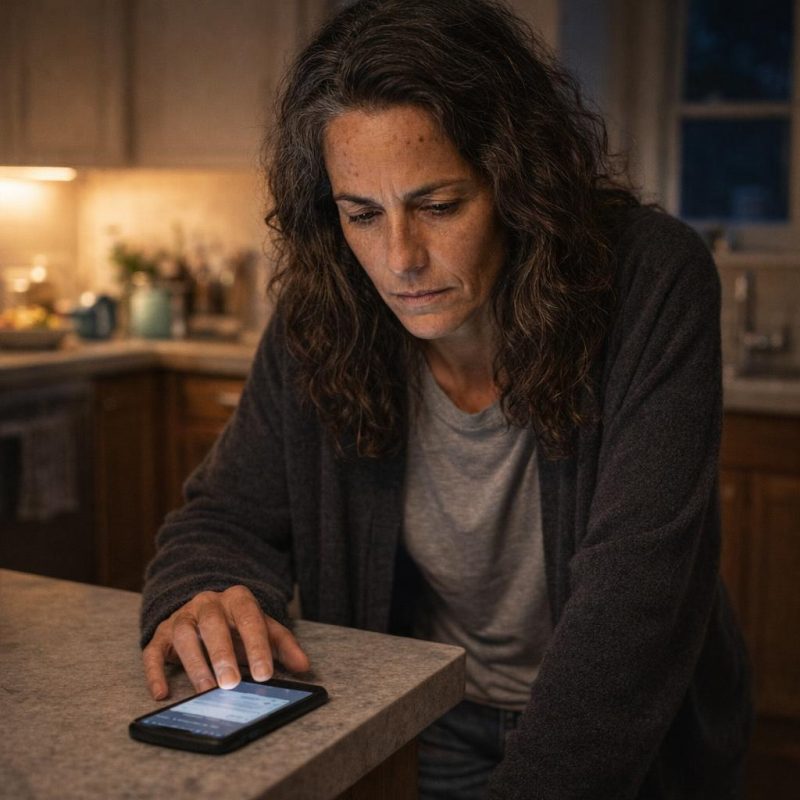 Image by RM AI
One Year of Payments
Twelve months. I marked it the way you mark things you're not sure how to feel about — quietly, alone, with a cup of coffee going cold on the counter. I went into my bank account and made the final payment on my credit card. The balance went to zero and I sat there waiting to feel something clean and uncomplicated, and mostly I did. That debt had followed me out of the marriage like a piece of luggage I hadn't packed, and now it was gone. I should have been able to enjoy that without qualification. For a few minutes, I did. But the thing about accepting help you can't explain is that it starts to feel less like a gift and more like a loan the longer it goes on — except you don't know the terms, and you don't know who holds the note. I wasn't ungrateful. I want to be clear about that. Whatever was happening, it had changed my life in real and measurable ways. I was sleeping better. I had savings. I wasn't doing the mental math every time I needed to fill my gas tank. Those things mattered. But I'd grown up being told that things that seem too good to be true usually are, and twelve months of anonymous rent payments was starting to feel like the kind of thing that eventually comes with a conversation I wasn't prepared to have. The gratitude was real. The unease underneath it had stopped feeling small.
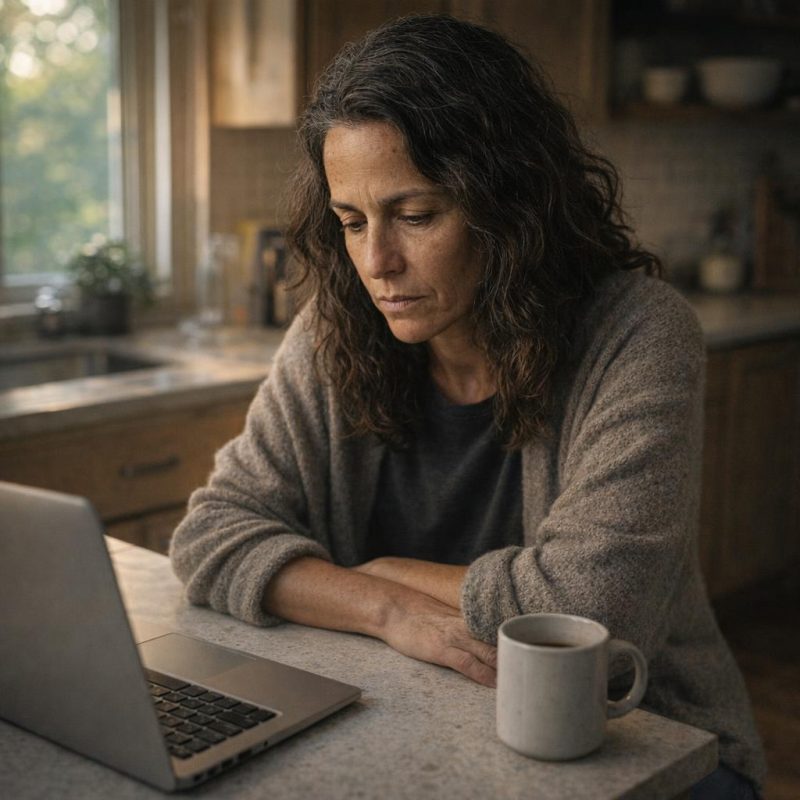 Image by RM AI
Sleeping Better
The thing I noticed first was the mornings. For most of the three years since the divorce, I'd been waking up at four or five in the morning with my chest already tight, running through whatever the current financial worry was before I was even fully conscious. It had become so normal that I'd stopped registering it as a problem — it was just how mornings worked now. Then somewhere around month thirteen or fourteen, I realized I was waking up when my alarm went off. Just that. No pre-dawn inventory of what I owed and to whom. I'd lie there for a minute, wait for the familiar weight to settle in, and it just didn't. I bought better coffee. Not extravagant, but the kind I'd been walking past in the grocery store for two years because it was four dollars more. I started going to the library on Saturday mornings and actually checking out books instead of just browsing, because I wasn't calculating whether I could afford to return them late. Small things. The kind of small things that are invisible when you have them and enormous when you don't. The mystery of the payments was still there — I hadn't forgotten it, hadn't stopped wondering. But it had settled into the background of my life the way unresolved things sometimes do when you've exhausted your ability to solve them. The questions were still there. They'd just stopped being the loudest thing in the room.
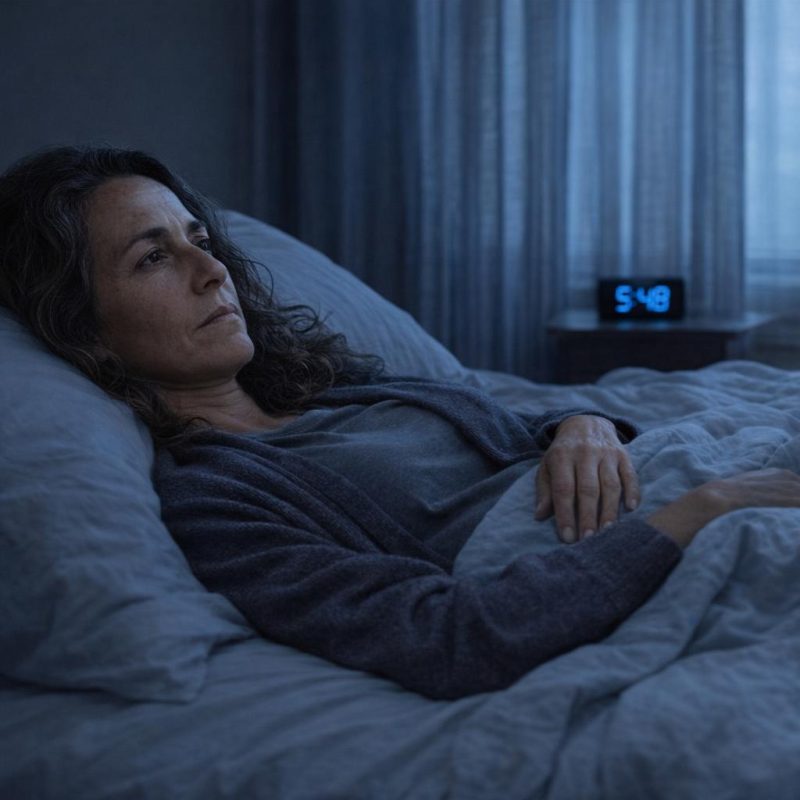 Image by RM AI
The Nagging Feeling
I kept trying to give myself a satisfying explanation. A system error that had somehow persisted for over a year. A misdirected payment from some automated account that no one had noticed yet. An inheritance from a relative I'd never met, processed through some obscure legal channel that hadn't generated the right paperwork. I'd cycle through these on quiet evenings, testing each one, and they'd hold up for a little while before the logic fell apart. System errors don't last fourteen months. Misdirected payments get caught and corrected. Inheritances leave paper trails. The explanations were getting harder to believe, and I was getting tired of believing them. What I kept coming back to was the consistency of it. Not just that the payments kept coming, but how they came — the same service, the same amount, no variation, no gaps. It had a kind of steadiness to it that didn't feel accidental. I didn't know what to do with that observation, so mostly I tried not to sit with it too long. I was at my kitchen table on a Tuesday morning, coffee in hand, telling myself again that there had to be a reasonable explanation I just hadn't thought of yet, when my phone lit up on the table: the fourteenth payment had just been processed, at exactly nine o'clock in the morning.
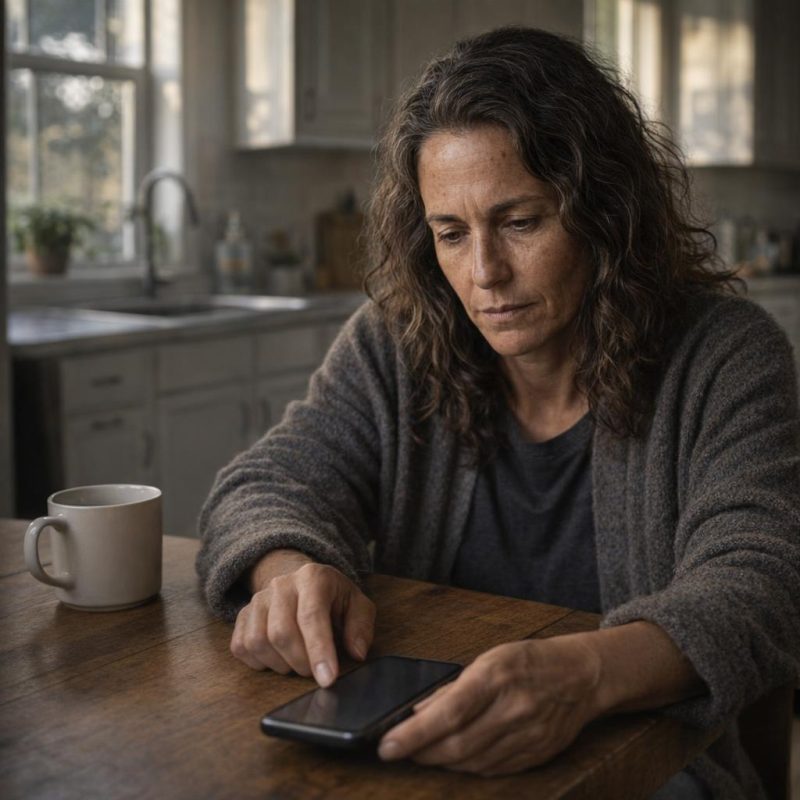 Image by RM AI
Asking Greg One More Time
I called Greg that afternoon. I'd called him a few times over the months — not constantly, but enough that I could hear in his voice that he recognized my number before I said anything. He picked up on the third ring and said, "Hey," in a way that was friendly but also a little braced, like he already knew what was coming. I apologized for bothering him again and asked if anything had changed on his end, if he'd heard anything new from the payment service or noticed anything different about how the payments were coming through. There was a pause. Not a long one, but the kind that has some weight to it. He said he'd actually called the service himself a couple of months back, thinking maybe they'd loosened their policy, but he'd gotten the same answer I had. Anonymous account, no disclosure. He'd looked into whether there was any legal mechanism that could compel them to share the information and had been told it was unlikely without a court order, and that a court order would require evidence of harm. "I've told you everything I know," he said. "I'm not holding anything back. I just don't have anything new to give you." He didn't sound annoyed. He sounded like someone who had genuinely run out of road and wasn't happy about it. His voice came through flat and even, with none of the uncertainty it used to carry — just the plain sound of a man who had nothing left to offer on the subject.
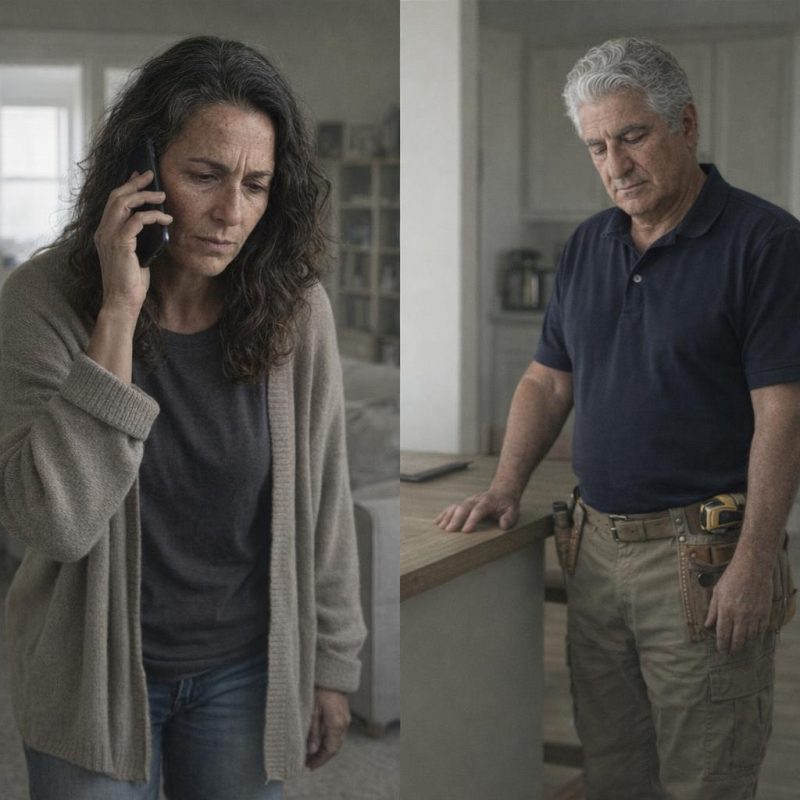 Image by RM AI
The Watched Feeling
I don't know exactly when it started, but somewhere around month sixteen I began noticing things. Not big things. Just small, stupid things that I couldn't stop cataloguing. A car parked across the street two days in a row. A man at the coffee shop who seemed to look up every time I walked past the window. A feeling, vague and persistent, like the back of my neck knew something my brain hadn't caught up to yet. I told myself I was being ridiculous. The payments had been coming for over a year and nothing bad had happened. No one had knocked on my door. No one had asked me for anything. The most logical explanation was still that some generous person had decided to help me and wanted nothing in return. I kept landing on that explanation every time I tried to talk myself down. It worked, mostly. But then I'd be in the grocery store and I'd find myself scanning the aisle before I turned into it. I wasn't doing it on purpose. It was more like my body had made a decision my mind hadn't signed off on yet. One evening I caught myself mid-stride on the walk home, head turning over my shoulder before I even knew why.
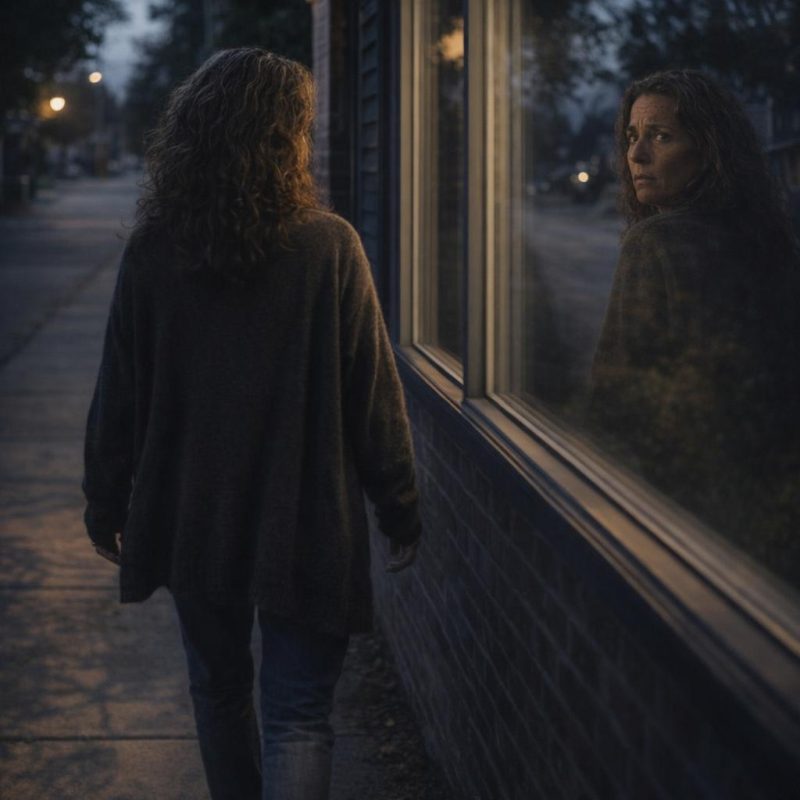 Image by RM AI
Eighteen Months In
Eighteen months. I sat down one Sunday morning with my coffee and my laptop and actually did the math. Eighteen payments. Eighteen times the rent had landed in Greg's account from somewhere I still couldn't name. I pulled up my own bank account while I was at it, something I used to avoid doing because the number was always smaller than I needed it to be. It wasn't small anymore. There was more in that account than I'd had at any point in the three years since the divorce. More than I'd had in the last years of the marriage, honestly, when we were hemorrhaging money on things I didn't fully understand until after the lawyers got involved. I should have felt good about it. Part of me did. I could breathe in a way I hadn't been able to in years. I'd replaced the broken burner on the stove without panicking about the cost. I'd bought new shoes that weren't from the clearance rack. Small things, but they added up to something that felt almost like stability. Except I couldn't fully enjoy it, because none of it was mine in any clean sense. Someone had built this cushion under me without asking, and I still didn't know what they'd want when they finally decided to ask. The number in my account looked solid and real. The ground beneath it felt like something else entirely.
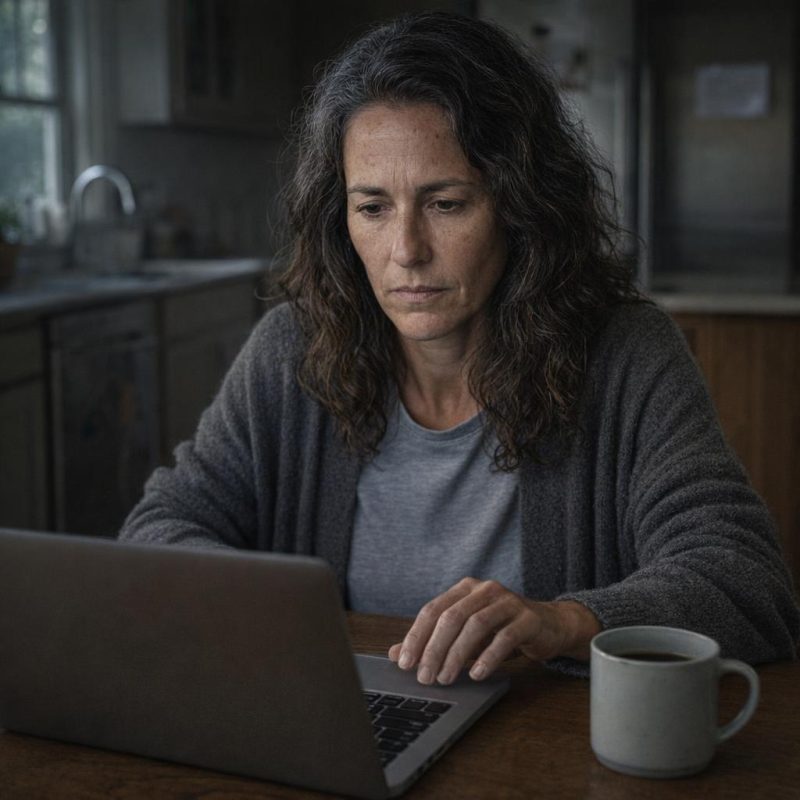 Image by RM AI
Something Will Change
I couldn't explain it, but sometime around month nineteen I started feeling like the situation had a clock on it. Not a countdown I could see or hear, just a pressure, the way the air changes before a storm even when the sky still looks fine. I'd been living with the mystery long enough that it had started to feel almost normal, and I think that was part of what scared me. Normal wasn't the right word for any of this. I'd just gotten used to it, which wasn't the same thing. I kept waiting for something to shift. A letter. A phone call. Greg telling me the payments had stopped. Something. The not-knowing had been manageable when I thought it might resolve itself quickly, but two years was a long time for a question to stay open, and I could feel the weight of it differently now. I checked the payment confirmation on the first of the month the way I always did, the same routine I'd had since the beginning. The money had arrived. Greg had confirmed it. But when I looked at the timestamp on the confirmation email, it read 9:15 AM instead of the 9:00 AM it had always been before.
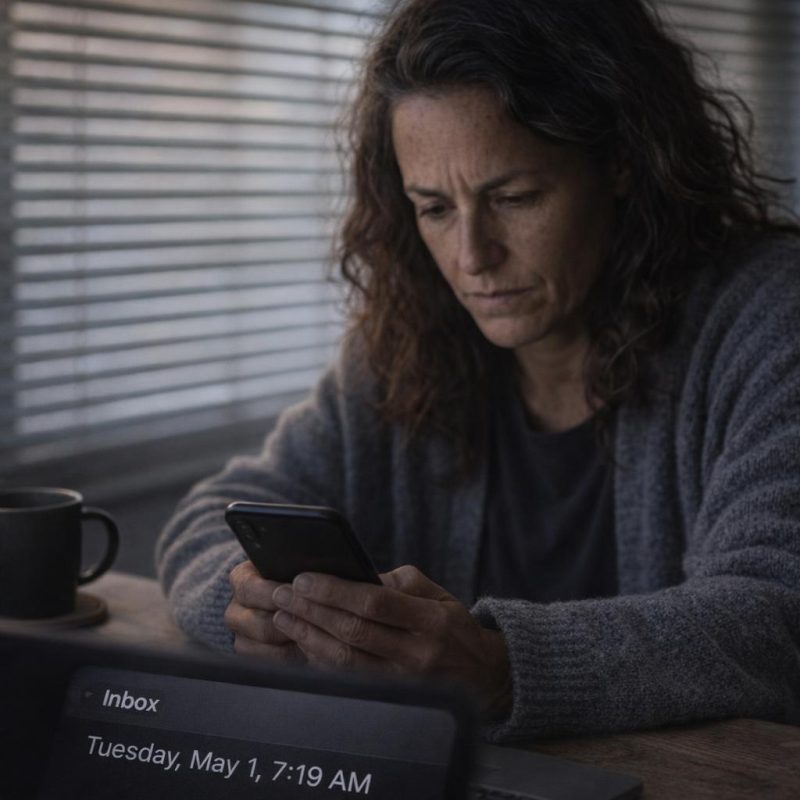 Image by RM AI
Two Years
Two years. Twenty-four payments. I did the math one more time, not because I needed to but because putting a number on it made it feel more real. Someone had paid tens of thousands of dollars on my behalf, anonymously, without ever asking for a single thing in return. When I said it out loud to myself in the kitchen, it sounded insane. It still sounded insane. I thought about the first month, how I'd been so certain it was a mistake, how I'd called Greg twice and refreshed my email compulsively waiting for someone to tell me there'd been an error. I thought about all the months in between, the calls to the payment service, the dead ends, the slow settling into something I could only call uneasy acceptance. Two years of that. And now I was standing in my kitchen on a Tuesday night, financially more stable than I'd been in years, and the gratitude I'd felt in the early months had mostly been replaced by something heavier and harder to name. It wasn't fear exactly. It was more like the feeling you get when you've been waiting for something bad to happen for so long that the waiting itself becomes its own kind of dread. The apartment was quiet around me, and I stood there in it, holding the weight of a question that had never once gotten lighter.
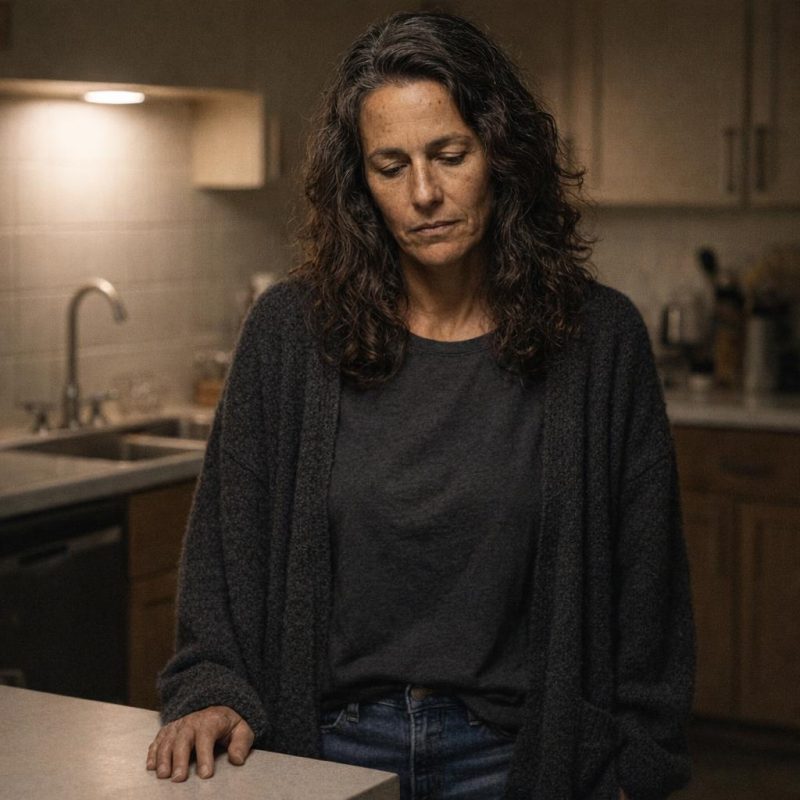 Image by RM AI
Thursday Evening
It was a Thursday. I remember that specifically because Thursdays were my late days at work, and I always came home tired in a particular way, the kind of tired that makes you move through your own apartment like you're navigating someone else's space. I unlocked the door, pushed it open, and was already thinking about whether I had anything worth eating in the fridge when I saw it. A white envelope on the floor just inside the door, like it had been slid underneath. No stamp. No address. No name written on the front. Just a plain white rectangle lying against the hardwood. I stood in the doorway for a moment without moving. My bag was still on my shoulder. My keys were still in my hand. I couldn't say why, but something about it made my chest go tight — the same low-level alarm I'd been carrying for months, suddenly louder. It could have been anything — a note from a neighbor, something from the building. But I didn't believe that for a second. I set my bag down slowly and picked the envelope up. My hands weren't steady. I turned it over. The back was blank too. I set it on the kitchen counter and stood there looking at it, the apartment quiet around me, the envelope just sitting there saying nothing.
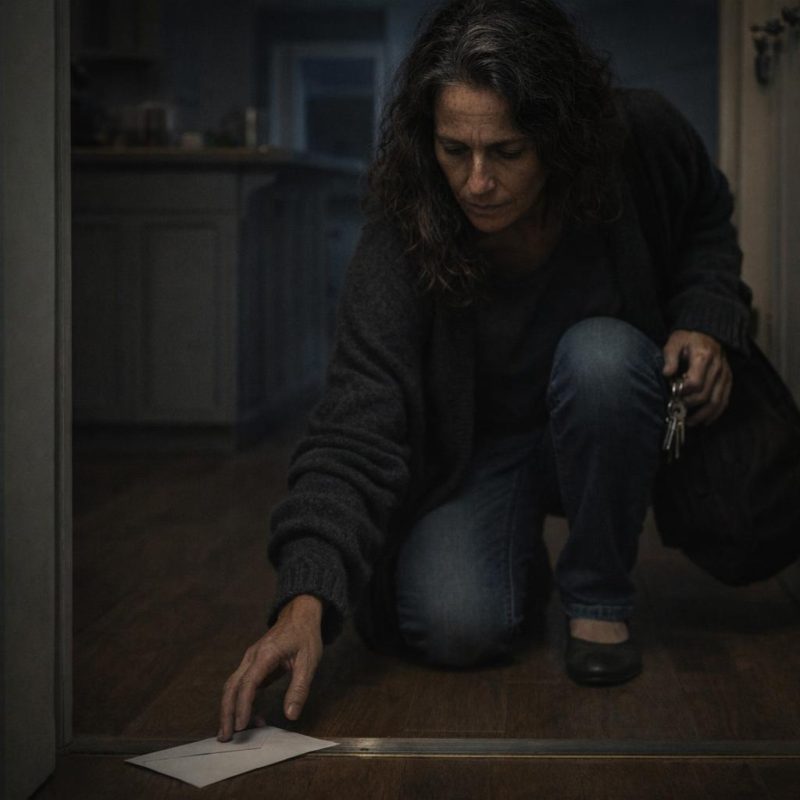 Image by RM AI
The Note
I stood at the counter for probably five minutes before I opened it. Maybe longer. I kept picking it up and setting it back down, which I recognized even then as a stalling tactic, like not opening it could somehow keep whatever was inside from being real. Eventually I slid my finger under the flap. Inside was a single folded piece of paper. White, unlined, no letterhead. The handwriting was neat and even, not printed but not quite cursive either, the kind of careful penmanship that takes effort. There was one sentence. I read it three times before I put the paper down. Then I picked it up and read it again. 'You're welcome — and you owe me nothing. Yet.' That was it. That was the whole message. I stood there with the paper in my hand and read it again, slower, like the words might rearrange themselves into something less unsettling if I gave them enough time. They didn't. The first part almost sounded kind. Generous, even. But that last word sat at the end of the sentence like a door left deliberately open, and I couldn't stop staring at it. Three letters. One syllable. The whole weight of two years of unanswered questions seemed to compress itself into that single word, and I stood there in my kitchen holding the paper, unable to put it down.
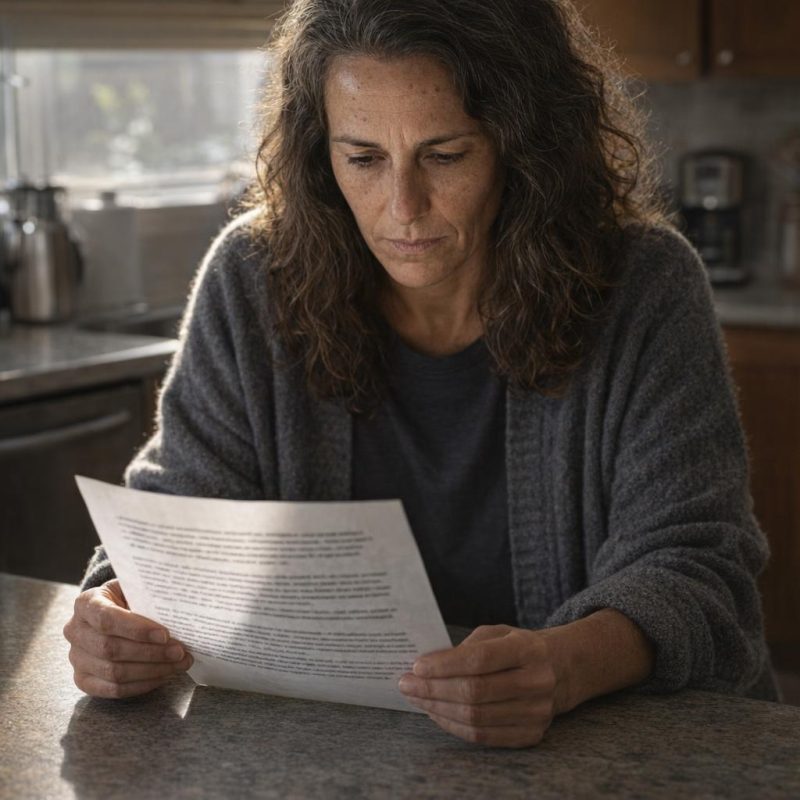 Image by RM AI
Sleepless Night
I didn't sleep. I lay in bed with the note on the nightstand and stared at the ceiling and tried to think through it logically, which was a complete failure. Logic wasn't available to me that night. What was available was a rotating loop of worst-case scenarios, each one slightly more elaborate than the last. Someone wanted money back. Someone wanted a favor I couldn't imagine agreeing to. Someone had been watching me for two years and had decided the time had come to collect on whatever they thought I owed them. I got up twice and read the note again under the kitchen light, as if a different hour might change what it said. It didn't. 'You're welcome — and you owe me nothing. Yet.' I kept getting stuck on the structure of it. The first part was almost warm. The second part felt like a threat, though I couldn't have explained exactly why to anyone who hadn't read it. Maybe it wasn't. Maybe I was catastrophizing. But two years of anonymous payments followed by a handwritten note slid under my door in the night didn't feel like the behavior of someone with uncomplicated intentions. By the time the sky started going gray outside my window, I hadn't landed on a single answer. I was just tired in a way that sleep wouldn't have fixed anyway, the kind of tired that lives behind your eyes and doesn't move.
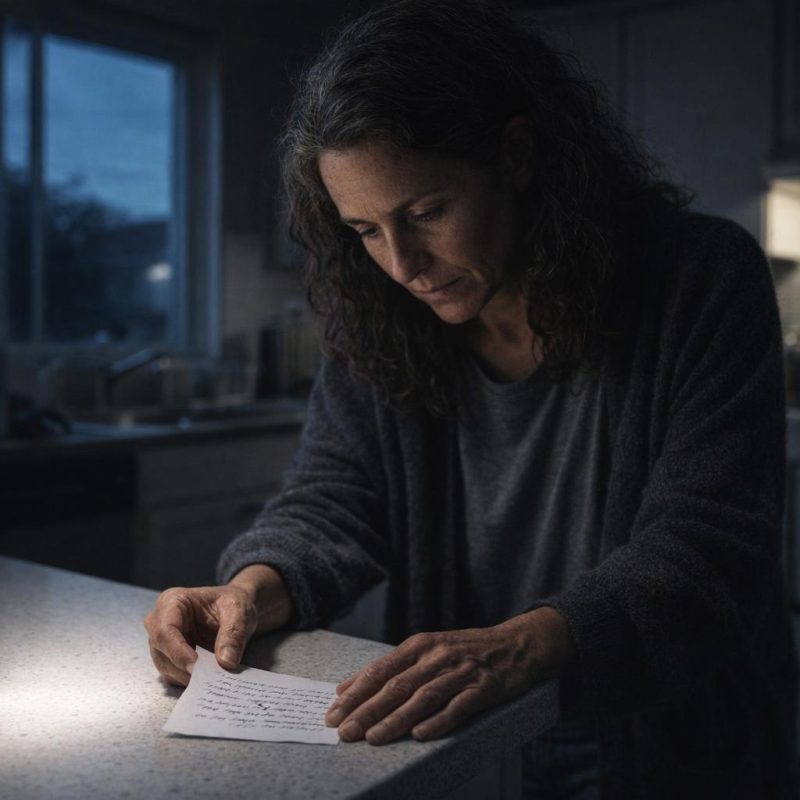 Image by RM AI
Showing Greg
I was at Greg's office by eight-thirty the next morning. I hadn't called ahead. I just showed up with the note in my jacket pocket and knocked on the door to the small office he kept off the building's maintenance room. He answered in his work clothes, coffee in hand, and looked mildly surprised to see me but not alarmed — not yet. I told him I needed to show him something. He stepped back and let me in, and I pulled the envelope out and handed him the note without saying anything else. He read it. I watched his face while he did. He was the kind of man who didn't give much away — I'd noticed that about him over the past two years, the way he kept his expressions even and his voice flat when things got complicated. But something happened while he read that note. It wasn't dramatic. He didn't gasp or step back. It was quieter than that, and somehow worse. The color left his face the way it does when something lands somewhere deep, not on the surface where reactions live but somewhere underneath, where the things you've been hoping wouldn't happen finally arrive.
 Image by RM AI
The Previous Tenant
Greg set his coffee down on the edge of the desk and didn't pick it up again. He stood there holding the note for a long moment, and then he said, quietly, that this wasn't the first time something like this had happened. I asked him what he meant. He pulled out the chair behind his desk and sat down slowly, like someone who'd been carrying something heavy for a long time and had finally found a place to set it. He told me about a woman who had lived in my apartment about five years before I moved in. He said she'd been quiet, kept to herself, paid her rent on time — and then one month the rent came in from somewhere else. Not from her. He didn't know where it came from. It kept coming. Then there were other things — a medical bill that got paid, a deposit somewhere. He'd asked her about it once and she'd said she didn't know who was doing it either. Then one day she got a note. He didn't know what the note said. Two weeks later she was gone. He never heard from her again. He'd tried to reach her once, just to make sure she was okay, and the number was disconnected. I stood there in his office and felt the shape of something I didn't want to name settle over me like a second skin.
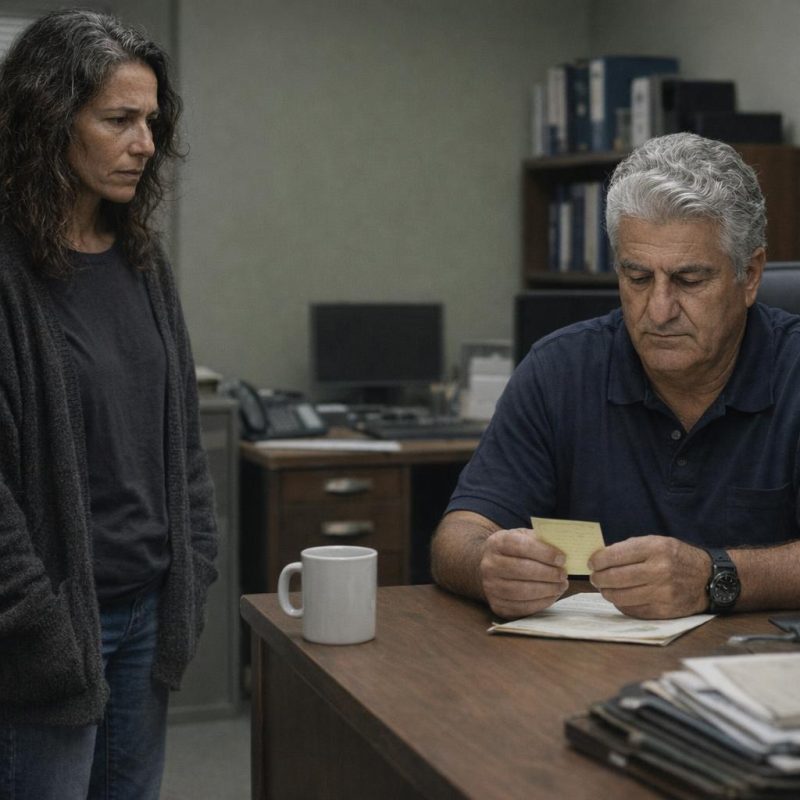 Image by RM AI
Rebecca's Story
Her name was Rebecca. Greg said it like he'd thought about her more than once over the years — carefully, like the name still meant something to him even though he barely knew her. She'd lived in my apartment for about fourteen months. He described her as someone who didn't make much noise, didn't have many visitors, worked odd hours. He thought she might have been a nurse or something in healthcare, but he wasn't sure — she'd never said much about herself. The help she received had come in quietly, the same way mine had. Rent first, then what sounded like a medical bill, then something else he couldn't quite remember. He said she'd seemed relieved at first, then unsettled, and then one day she knocked on his office door and told him she was leaving. She didn't give a reason. She was gone within two weeks, and the forwarding address she left turned out to be a P.O. box that was never active. He'd filed it away as one of those things he'd never understand and tried not to think about it too much. I stood there listening and felt the floor tilt slightly under me — not because I didn't believe him, but because I did, completely, and because the shape of her story and the shape of mine fit together in a way that made the air in the room feel thinner than it had when I walked in.
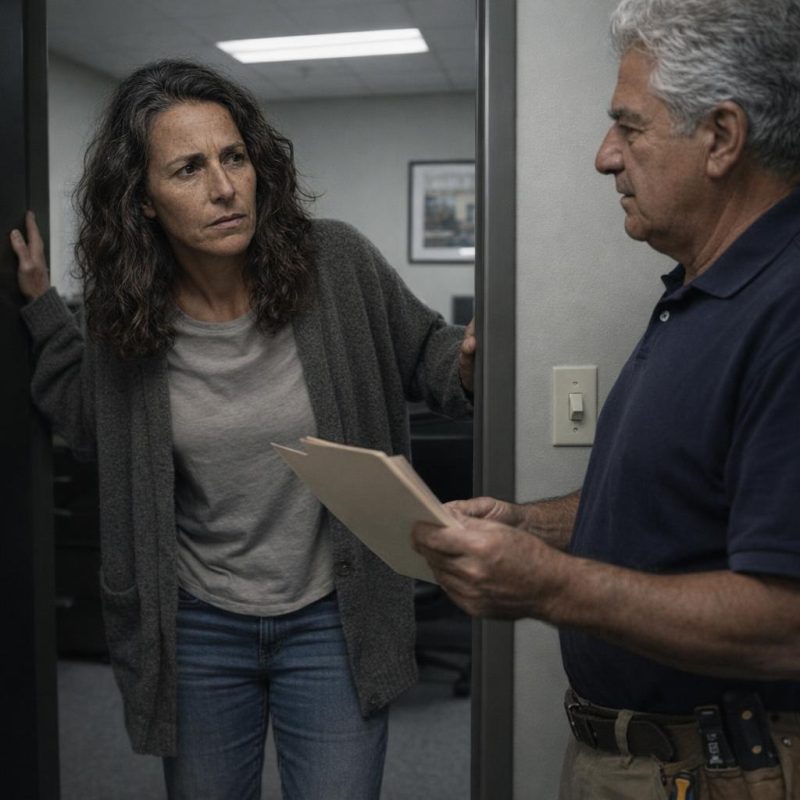 Image by RM AI
Going to the Police
I went to the police station the next morning. I brought the note in a zip-lock bag because I'd read somewhere that you were supposed to preserve evidence, and I sat in a plastic chair for forty minutes before Officer Daniels called my name and led me to a small room with a table and two chairs and a window that looked out onto a parking lot. He was polite. He listened. He took the bag with the note and looked at it through the plastic without opening it, and he asked me a series of questions in the flat, practiced tone of someone who has heard a lot of stories and learned not to react to any of them. I told him about the rent payments, about Greg, about Rebecca, about the note. He typed things into a form on his computer. He asked if I had received any direct threats. I said the note felt like a threat. He asked if it contained explicit threatening language. I said not exactly, but the implication — he nodded before I finished the sentence. He said anonymous financial assistance, even unsolicited, wasn't illegal. He said without a direct and specific threat, there wasn't much they could open a case on. He said I could file a report for my own records, and I said yes, please, and he printed something and handed it to me. Then he looked up from his desk and said there was no crime here to investigate.
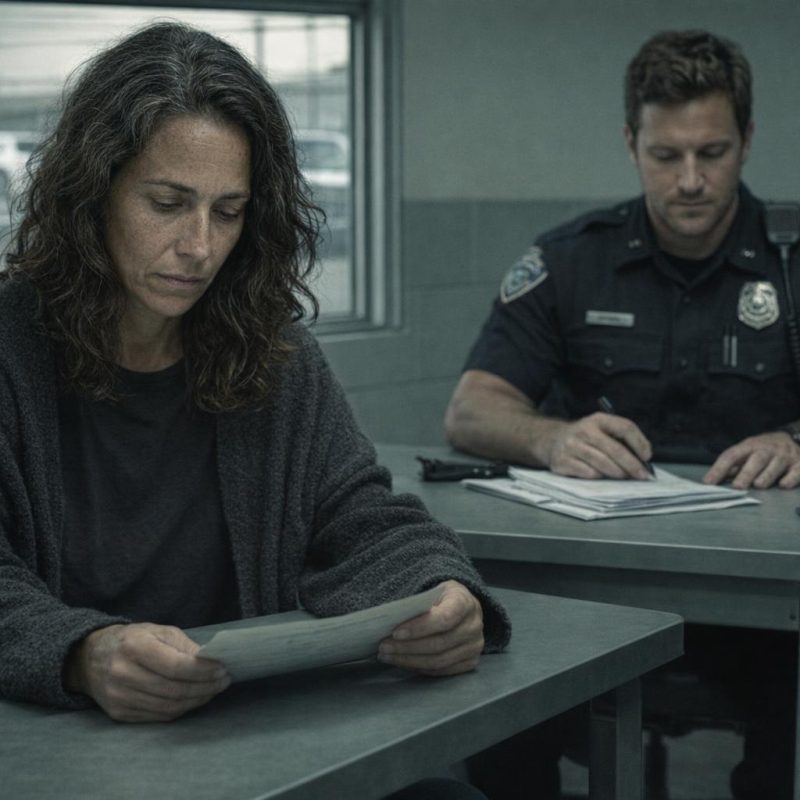 Image by RM AI
The Photograph
A week later I found another envelope under my door. I almost didn't pick it up. I stood in the hallway in my socks for a full minute just looking at it, the way you look at something you already know is going to change the shape of your day. There was no writing on the outside. I brought it inside, set it on the kitchen table, and opened it with a butter knife because I didn't want to touch the flap with my fingers. There was no note inside. No explanation. Just a photograph, printed on regular paper, the kind you'd get from a home printer. It showed a crowd scene — a county fair, from the look of it, with game booths and string lights and people in summer clothes. I almost set it down before I found myself in it. I was near the left edge of the frame, maybe twenty years younger, laughing at something off-camera, wearing a yellow shirt I hadn't thought about in decades. I had no memory of anyone taking that picture. I didn't own a copy of it. I had never seen it before in my life, and I was standing in my own kitchen holding it in both hands.
Installing Cameras
I ordered two security cameras online that same night and paid for expedited shipping. They arrived in two days and I spent an afternoon zip-tying them to the exterior light fixtures outside my door and above the building entrance, running the cables inside and connecting them to an app on my phone. I changed my locks — both of them — and added a deadbolt that the hardware store guy said was rated for commercial use. I started keeping a notebook on the kitchen counter where I logged every envelope, every payment confirmation I could find, every date I could reconstruct going back two years. I wrote down what I remembered about Rebecca. I wrote down what the officer had said. I wrote down the dimensions of the photograph and the quality of the print and the angle of the shot. I checked the camera app constantly — first thing in the morning, last thing at night, and several times in between. I watched the footage from the building entrance and the hallway outside my door, scrubbing through hours of it in the evenings with a cup of tea going cold beside me. Neighbors coming and going. The mail carrier. A delivery driver. A woman walking a dog I'd never seen before. Nothing that didn't belong. Nothing that explained anything. I checked the footage again before bed, and the hallway outside my door sat empty and still, the same as every other night.
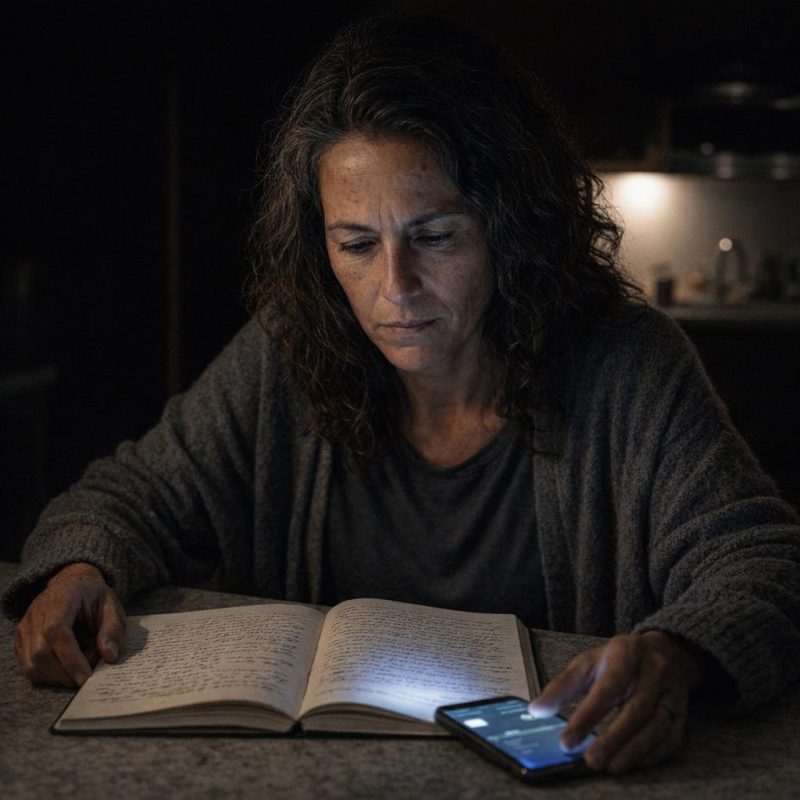 Image by RM AI
Friends Think She's Overreacting
I tried telling people. That was a mistake, or at least it felt like one by the end of it. I called two friends from work and met one of them for coffee on a Saturday, and I laid the whole thing out — the payments, the note, Rebecca, the photograph. I watched their faces while I talked. They were kind about it. That almost made it worse. One of them said it sounded like a secret admirer, and she said it warmly, like that was a sweet thing to have. The other one said maybe it was a relative I'd lost touch with, someone who felt guilty about something and was trying to make it right anonymously. They both said some version of the same thing: someone had helped me through a hard time, and maybe I should try to feel grateful instead of scared. I didn't know how to explain that the photograph wasn't a gift. That someone having a picture of me from twenty years ago that I'd never seen wasn't romantic or generous — it was something else entirely, something I didn't have a clean word for yet. I nodded and finished my coffee and said maybe they were right. I drove home alone, and the quiet in the car felt different from the quiet I'd been living in before any of this started — heavier, and entirely my own.
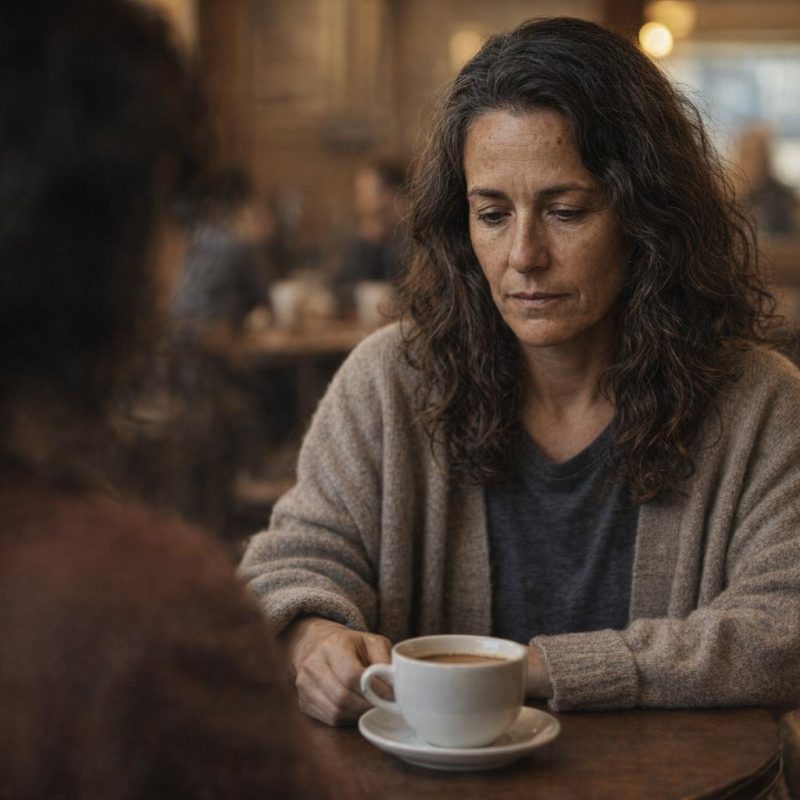 Image by RM AI
Sorting Old Documents
The following weekend I pulled four boxes out of the storage unit I rented on the other side of town and spread them across my living room floor. Old photos, letters, birthday cards, a folder of documents from my parents' estate, a shoebox of things I'd kept from my twenties that I hadn't opened since the divorce. I was looking for the county fair. I was looking for anyone who might have been there, anyone who might have had a camera pointed in my direction that day. I went through everything slowly, making piles — people I still knew, people I'd lost track of, people I couldn't place anymore. I found photos from that general era, summer snapshots and group shots at backyard parties, but nothing from a fair, nothing that matched the angle or the light in the photograph that had come under my door. I was almost ready to pack it all back up when I found a folded piece of notebook paper tucked inside a birthday card from what looked like my junior year of high school. It was a note, handwritten, the ink faded to a pale blue. I didn't remember the note. But I recognized the name signed at the bottom, and something in my chest went very still.
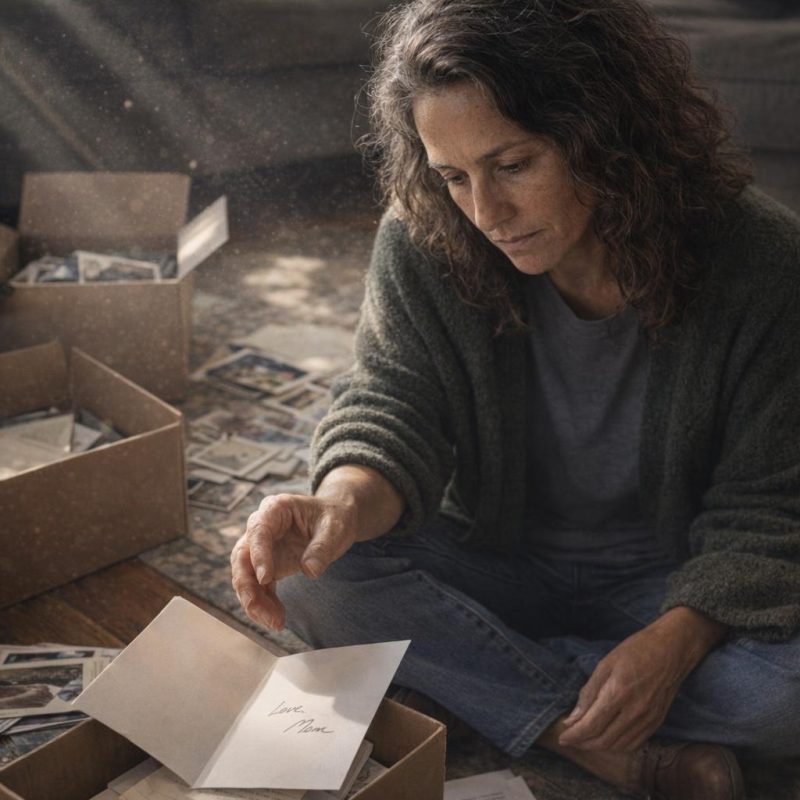 Image by RM AI
Michael
Michael. I hadn't thought about him in — I genuinely couldn't say how long. Twenty years, maybe more. We'd dated for less than a year when I was sixteen, the kind of relationship that feels enormous when you're inside it and then gets smaller in memory as the years stack up. His family had moved away the summer before junior year, and that was that. No dramatic ending, no falling out — just a moving truck and a new area code and the slow fade that happened before the internet made it possible to stay connected to everyone you'd ever met. I sat on the living room floor surrounded by boxes and held that folded note and tried to remember his face. I got pieces of it — dark hair, a gap between his front teeth, the way he laughed too loud at his own jokes. I remembered that he'd been at the county fair the summer we dated. I remembered that he'd had a camera, one of those disposable ones that were everywhere back then. I turned the note over in my hands, not reading it again, just holding it. And then I set it down on the coffee table, opened my laptop, and started looking for whatever I could find about where Michael had ended up.
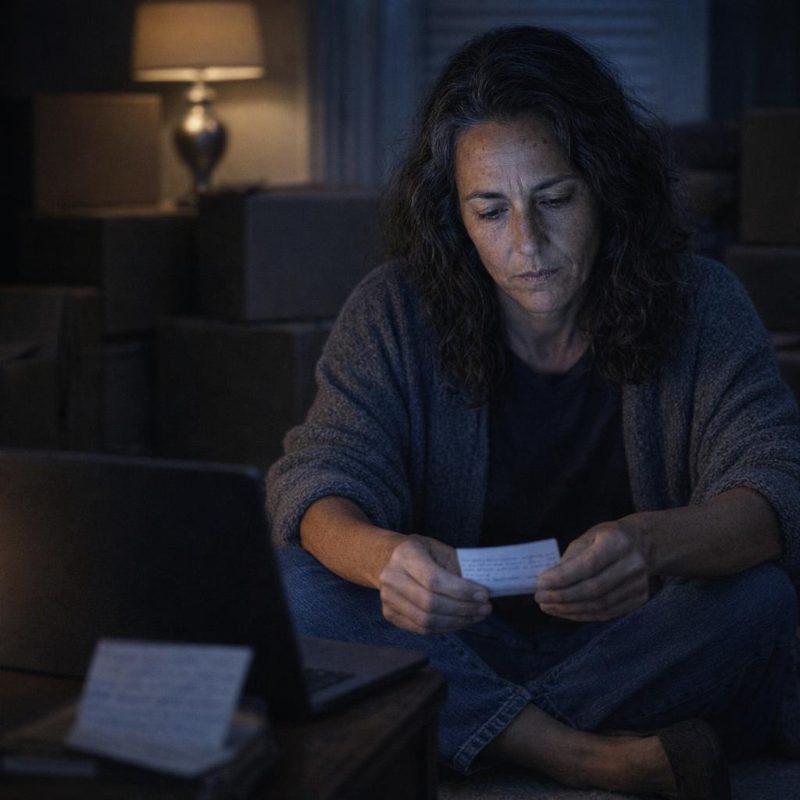 Image by RM AI
Reaching Out to Julie
I spent about an hour going down a rabbit hole online before I admitted to myself that I wasn't going to find Michael on my own. His name was common enough that every search turned up a wall of strangers, and I didn't have enough to narrow it down — no city, no industry, nothing. What I did have was Julie. Julie and I had stayed loosely connected over the years, the kind of friendship that lives mostly in birthday comments and occasional check-ins, but she'd known both of us back then. She'd been in the same friend group the summer Michael and I dated, and if anyone had kept track of where people ended up, it was Julie. She was the kind of person who remembered things. I found her on Facebook and sent her a message that I immediately second-guessed — something like, hey, random question, do you remember Michael from high school? Do you know what happened to him after his family moved? I kept it casual because I didn't know how to explain why I was asking without sounding like I'd lost my mind. She replied within the hour. Of course she remembered him. She said she'd poke around and see what she could find, and that she'd call me when she had something. I set my phone down on the kitchen counter and stood there for a moment, not quite sure what I was hoping she'd come back with, but glad someone else was looking.
What Julie Remembered
Julie called two days later, and I could tell from her voice that she'd actually done some digging. She'd found a few articles, some LinkedIn information, and what she described as a pretty clear public record trail. Michael had done well for himself — that was the understated version. He'd built a tech company sometime in his thirties, grown it into something significant, and by most accounts had made the kind of money that puts you in a different category entirely. Julie read me a line from one article about his philanthropic work, something about anonymous giving and community investment, and I had to ask her to repeat it because I wasn't sure I'd heard right. He'd never married, she added, almost as an afterthought. No kids that she could find. I didn't say anything for a second. I wasn't sure what I'd expected — some ordinary life, probably, the kind most of us end up with. The success didn't bother me exactly, but the never married part sat differently. I didn't know why. It wasn't my business, and it didn't mean anything on its own. Julie asked if I wanted her to keep looking and I said yes, sure, thank you, and we hung up. I stood in the kitchen holding my phone, turning over the pieces of information she'd given me, not sure what to do with any of them. The weight of it all just sat there with me, quiet and unresolved.
The Newspaper Clipping
The third envelope showed up on a Tuesday morning. I almost stepped on it when I opened my front door to get the mail — a plain white envelope, same as the others, sitting flat on the mat. No name on the front this time. I picked it up and stood in the doorway for a moment before I went back inside. There was no note inside, no handwriting, nothing. Just a folded newspaper clipping. It was a business profile piece, the kind that runs in regional magazines — glossy, well-produced, the sort of thing a PR team probably helped arrange. The article was about a tech entrepreneur who'd built his company from a single product idea into something with offices in three cities. It talked about his philanthropic work, his preference for staying out of the spotlight, his belief in giving without recognition. I read the whole thing standing at my kitchen counter, and then I read it again. The anonymous giving line from the article Julie had read me two days ago came back to me, and something in my chest went very still. I turned the clipping over. Nothing on the back. No explanation for why it had appeared under my door, no indication of who had left it or what I was supposed to do with it. And then I looked at the photo at the top of the article — a man in his late forties, graying temples, a careful smile — and something about his face stopped me cold.
Making the Decision
I spent three days not sending the email. I'd open a new message, type his name into the address field — I'd found a professional contact address through his company's website — and then sit there staring at the cursor until I closed the window. What was I even going to say? Hey, I think you might be paying my rent and I have no idea why? I drafted probably six versions. Some were long and explained everything, the envelopes and the note and the clipping, all of it laid out in careful order. Some were short, almost rude in their bluntness. One of them started with do you remember me and I deleted it immediately because it felt too vulnerable, too much like I was asking a question I wasn't sure I wanted answered. The thing was, I still didn't know anything for certain. I had a newspaper clipping and a feeling and a thread of coincidence that might mean nothing. Reaching out felt like stepping off a ledge. But not reaching out felt worse — like sitting in a room where something was happening just outside the door and choosing not to open it. On the third night I sat down, opened a new draft, and wrote four sentences. Simple, direct, no explanation. I said I'd found something that made me think of him, that I hoped he was well, and that I'd be glad to hear from him if he remembered me. Then I hit send before I could read it back.
I've Been Wondering When You'd Figure It Out
I didn't expect to hear back quickly. I'd told myself it might take days, or that he might not respond at all — that I'd sent a message into a void and would have to make peace with that. So when my phone buzzed four hours later with a new email notification, I assumed it was something else entirely. I was in the middle of folding laundry. I set down the shirt I was holding and picked up my phone, and there it was — his name in the sender line, the subject field left blank. I sat down on the edge of the bed. The email was short. One sentence, actually. I read it once and then I read it again and then I set the phone face-down on the mattress and sat very still for a moment. Then I picked it back up and read it a third time, because I needed to be sure I hadn't misread it, hadn't filled in words that weren't there. But the words were exactly what I thought they were. Clear, unhurried, almost amused. I'd been carrying this mystery for months — the envelopes, the payments, the note, the clipping — and here was the answer sitting in my inbox like it had been waiting for me to catch up. The email read: "I've been wondering when you'd figure it out."
The First Phone Call
I called him that same night. I don't know what I expected — maybe that he'd be guarded, or that the conversation would be awkward and short, two people who hadn't spoken in twenty-five years trying to find the edges of something enormous. But he picked up on the second ring and said my name like no time had passed at all, and somehow that made it both easier and harder. We talked for two hours. I know because I checked the call log afterward, a little stunned by it. We covered so much ground — how he'd found my contact information, what the last few years had looked like for each of us, the strange logistics of what he'd done and how he'd managed to keep it quiet. He was careful about it, not evasive exactly, but measured, like he'd thought about how to explain it and was choosing his words. I asked him why he hadn't just reached out directly, and he paused for a long time before he answered. He said he hadn't known how. He said that when his family moved, he'd felt like something had been cut off before it was finished, and that he'd carried that for a long time without knowing what to do with it. And then, near the end of the call, his voice shifted into something quieter, and he said that after his family moved away, he'd never really stopped thinking about me.
Four Hours of Explanation
We talked again the next day, and that conversation lasted four hours. I'd woken up still turning over everything from the night before, and when he called mid-morning I was already sitting at the kitchen table with a cold cup of coffee, not really doing anything. He explained how he'd heard about my divorce — it had come through an old friend of a friend, someone who'd stayed loosely connected to people from that time in our lives. He'd heard I was struggling, that the split had been hard financially, that I'd had to move. He said he'd sat with that information for weeks before he did anything with it. He walked me through it methodically — how he'd found out about the apartment, how he'd contacted Greg without using his real name at first, how he'd set up the payments through a third party so nothing would trace back to him easily. I listened and asked questions and listened some more. By the end of the four hours I understood the mechanics of it, the how. But the part that stayed with me after we hung up wasn't the logistics. It was the image of someone I hadn't thought about in decades sitting somewhere with news about my life, watching from a distance I hadn't known existed, deciding quietly what to do about it.
Six Hours and the Full Story
The third conversation lasted six hours. I know that sounds like a lot, but it didn't feel long while it was happening. He started from the beginning — not from the divorce, but from the summer his family moved, from the weeks after, from the years that followed. He told me he'd tried to find me once, maybe ten years in, and had gotten as far as learning I was married before he'd stopped himself. He said he hadn't wanted to be the kind of person who showed up uninvited in someone else's life. When the divorce happened and word reached him through the same loose network of old connections, something shifted. He said he'd thought about calling, about writing, but that he'd been afraid — afraid I'd think it was strange, afraid I'd say no, afraid of what it would mean if I did. So he'd done the thing that felt safer, the thing that let him help without having to be seen doing it. He said he knew it wasn't rational. He said he knew it probably looked different from the outside than it felt from the inside. By the time we finally said goodnight, I'd been sitting in the same chair for so long my back ached. I turned off the kitchen light and sat in the dark for a while, holding the phone in my lap, feeling the strange, quiet weight of finally understanding a secret someone had kept for years.
Why He Never Told Her
He told me the truth about why he'd stayed hidden, and it was so simple it almost hurt. He said he'd been terrified — not of me exactly, but of what I might say. He'd run the scenario in his head a hundred times: calling me up out of nowhere, explaining that he'd heard about the divorce, explaining that he wanted to help, and watching the whole thing collapse the moment I said no. Or worse, the moment I said yes but felt like I owed him something. He said he knew what it was like to need help and hate needing it. He said he'd been there himself, years ago, and that the worst part wasn't the struggle — it was the way accepting help from the wrong person could make you feel smaller than the problem did. He didn't want to be that for me. He didn't want me to feel like I was taking charity from someone who had feelings for me, because then every month would carry a weight I hadn't signed up for. So he'd made himself invisible. He thought it was the kindest version of what he could offer. I sat with that for a long time before I said anything. I understood the logic. I even understood the fear. But understanding something and agreeing with it are two different things, and when I finally asked him what he'd been most afraid I would say, his voice went quiet before he answered: "That you'd say you didn't need me."
The Secret That Grew
He said the first month felt like a one-time thing. He'd seen the situation, he'd had the means, and he'd told himself it was just a bridge — something to get me through the worst of it while I found my footing. But then the second month came, and I was still finding my footing, and it felt wrong to stop. So he didn't. And then the third month came. He said somewhere around month four or five, he'd started to realize that telling me had become its own problem. Because how do you explain one month? You say you wanted to help. How do you explain five? You start to sound like someone who's been watching. He said the longer it went, the more the explanation required, and the more the explanation required, the more impossible it felt to give it. He got trapped, he said. Not by anything I did, but by the gap between what he'd meant and what it had become. I asked him if he'd ever come close to telling me. He said twice. Once around month eight, when he'd actually drafted a letter. Once around month eighteen, when he'd picked up the phone and put it back down. I didn't say anything for a moment. I just pulled up the payment history Greg had printed for me months ago, still sitting in a folder on my kitchen counter. Twenty-four entries. Two full years, each one a month he'd talked himself out of the truth.
The Note Was Supposed to Be Funny
I'd been waiting to ask about the note. I'd saved it for last, maybe because it was the part that had scared me most, the part that had sent me to a police station and cost me weeks of sleep. I read it back to him word for word. There was a pause on his end, and then he made a sound I wasn't expecting — something between a groan and a laugh. He said, "Oh no." Just that. Oh no. I asked him what that meant. He said the note was supposed to be funny. He said it was a reference to something we'd said to each other when we were teenagers, some running joke he'd assumed I'd remember the moment I read it. He'd thought it would be a little wink, a way of hinting without fully revealing himself, something that would make me smile and maybe wonder. He said he'd imagined me reading it and laughing. I told him I had not laughed. I told him I had photographed it and taken it to the police. Another pause. Then he said, very quietly, "I didn't think about the fact that it was twenty-five years ago." And that was the thing, wasn't it — he'd been living with that memory so long it felt present to him, immediate, like something we'd both been carrying. But I hadn't been carrying it at all. Whatever joke he meant had dissolved somewhere in the years between then and now, and what landed in my mailbox was just a stranger's words with no context to soften them. The weight of that gap settled over me, and I just sat there holding it.
The Word 'Yet'
I asked him to explain the joke. He took a breath and said that when we were maybe sixteen, seventeen, we used to argue about who owed who more — more time, more attention, more of whatever teenagers think love is made of. And at some point it became a bit, a running thing between us, where one of us would say we owed each other nothing, and the other would say "yet." Like the debt was still coming, still accumulating, still unresolved in some sweet, unfinished way. He said it meant something like: we're not done. He said he'd thought putting "yet" at the end of the note would feel like a hand extended across twenty-five years. I was quiet for a long moment. I remembered none of it. Not the argument, not the bit, not the word. Whatever that joke had meant to him, it had not survived the distance in my memory. What survived in my memory was a cryptic note from an unknown sender telling me I didn't owe them anything — yet. Which had read, very clearly, as a threat. I told him that. I told him exactly how it had landed. He was silent for long enough that I thought the call had dropped. Then he said, "I am so sorry. I thought I was being charming." And I didn't know whether to be furious or to feel sorry for him, because the whole enormous thing — the fear, the police report, the sleepless nights — had been built on a joke neither of us had told in twenty-five years. I just sat there, somewhere between laughing and hollow, unable to land on either.
Laughing and Crying
I don't know who started laughing first. I think it was me, actually — some sound that came out wrong, half-laugh and half something else, and then he caught it and went with it, and for a few minutes neither of us could really speak. We kept trying to say something serious and then one of us would land on a detail — the police report, the drafted letter he never sent, the fact that I had genuinely considered changing my locks — and it would start again. At some point I said, "You paid my rent for two years and signed the note with a teenage joke," and he said, "When you say it like that," and then neither of us could finish a sentence for a while. It was the kind of laughter that lives right next to crying. I could feel both of them in my chest at the same time, pressing against each other. Because it was funny — it was genuinely, absurdly funny — and it was also two years of fear and confusion and a police station waiting room and Greg's uncomfortable face when he told me he didn't know who was paying. All of that was real. All of that had happened. And the explanation for all of it was a joke from 1998 that only one of us remembered. When the laughter finally settled, we were both quiet for a moment. Michael said, "I really made a mess of this." I said, "Yeah. You really did." But the anger I'd been carrying for months had gone soft somewhere in the middle of all that laughing, and what was left felt more like exhaustion than anything else — a deep, wrung-out tiredness that was almost, almost a relief.
The Photograph
After the laughter settled, I asked him about the photograph. I'd been turning it over in my mind since Greg first described it — a photo tucked into an envelope, old enough that the edges had gone soft. I asked Michael if he knew what I was talking about. He went quiet in a way that told me he did. He said it was from the county fair, the summer before his family moved. He said he'd taken it with a disposable camera, one of those cheap ones you bought at the drugstore, and that he'd had it developed and kept the print. I asked him why. He said he didn't have a good answer for that, just that he'd never thrown it away. He'd moved four times since then and it had come with him each time, tucked into a box with a few other things from that summer. He said he knew how it sounded. He actually said that — "I know how this sounds" — in a voice that was careful and a little ashamed. I told him I appreciated the honesty. I also told him that it did, in fact, sound like a lot. He said he understood. There was a pause, and then he said something I wasn't sure how to hold: that he'd never really stopped thinking about me, that I'd been a kind of fixed point for him across all those years, and that he'd kept the photo the way you keep something that reminds you of who you were before everything got complicated. I sat with that. And then he said he'd kept it for twenty years.
Not Criminal, Just Absurd
We talked for a while about what it all actually was, stripped of the fear and the mystery. Not criminal — we'd both landed on that pretty quickly. He hadn't threatened me, hadn't followed me, hadn't shown up at my door. He'd paid my rent anonymously and left a note that referenced a joke I'd forgotten, and the whole thing had spiraled into something terrifying because of the gap between what he'd meant and what I'd received. I told him that. I said the intentions were one thing, but the execution had been genuinely awful, and he needed to understand that. He said he did. He said it more than once, actually, in different ways, like he was trying to make sure it landed. He said he should have just called. He said it was the obvious thing, the human thing, and he'd talked himself out of it so many times that the alternative had started to seem reasonable by comparison. I told him that was the part I kept getting stuck on — not the payments themselves, but the logic that made secrecy feel kinder than a phone call. He said he'd been afraid of a no. I said I understood being afraid of a no. I also said that a no would have been survivable. Two years of anonymous payments and a cryptic note were, apparently, not. He laughed a little at that. Then he said, "You're right. I handled it terribly." And I believed him. Good intentions, genuinely terrible methods — that was the whole of it, sitting plain between us.
What Happens Now
We'd been on the phone for a long time by then, and the conversation had started to slow the way conversations do when the hard part is over and neither person is quite sure what comes next. I asked him what he thought happened now. He said he didn't know. He said he'd spent so long thinking about how to explain himself that he hadn't really thought past the explanation. I told him that was very on-brand for him, based on available evidence. He laughed, and it was a real laugh, not the nervous kind. We talked around it for a few minutes — whether things could be normal after something like this, what normal would even mean, whether two people who hadn't spoken in twenty-five years could figure out how to be something to each other without it being strange. I didn't have answers. I'm not sure he did either. But it didn't feel impossible in the way it had felt impossible three weeks ago, when I still didn't know who he was or what he wanted. At some point the conversation went quiet, not uncomfortably, just the kind of quiet that happens when two people have run out of the urgent things and are sitting with what's left. And then he asked me, in a voice that was careful and a little uncertain, whether I wanted him to stop the payments.
The Real Mystery
I didn't answer him right away. I sat there with the phone against my ear and thought about the last two years — the confusion, the police report, the conversations with Greg, the way I'd lain awake some nights genuinely afraid of who might be watching me. All of it. And the strange thing was, standing on the other side of it, the mystery of who had been paying my rent felt almost secondary. I'd known the answer to that for a few weeks now. What I hadn't been able to shake was the other question — the one that had been sitting underneath everything else the whole time. Not who. Why wait. Why two years of silence instead of a phone call. Why anonymous envelopes instead of just saying, hey, I heard you were going through something hard and I wanted to help. I asked him that, finally. Not accusatory, just honest. He was quiet for a moment, and then he said he'd been afraid. Afraid I'd think he was strange. Afraid I'd reject the help, or reject him, or that I'd think he was trying to buy something he had no right to want. He said fear had made the decision for him, over and over, for two years. And sitting there listening to him say it, I understood something clearly: the fear had cost us both so much more than honesty ever would have.
Simply Someone Who Never Forgot
I told him I didn't hate him. I want to be clear about that, because I think he needed to hear it more than once. He'd spent two years convinced that if I ever found out, I'd be furious — and I had been, for a while, in that disorienting early stretch when I still didn't know who it was or what they wanted. But fury needs a target that makes sense, and Michael didn't quite make sense as a villain. He was just someone who had never forgotten me, who had heard through the grapevine that I was struggling, and who had done the most awkward, roundabout, well-intentioned thing imaginable. I told him that. I said, you know this was genuinely bizarre, right? And he laughed and said yes, he was aware, in retrospect it was extremely bizarre. Julie had said something similar to me weeks earlier — that sometimes people who care don't know how to say so, and they do something sideways instead. I hadn't fully understood what she meant at the time. I did now. Michael asked if I was okay with it, all of it, and I told him I was getting there. And I meant it. The whole strange thing had come from a real place, and I could feel that now — the weight of it settling into something I could actually hold without flinching.
The Question of Why He Waited
At some point we started talking about what we'd both do differently. It was one of those conversations that feels almost theoretical at first — if you could go back, if you'd known then — but it got real pretty quickly. Michael said he wished he'd just called me. He said he'd had my number for longer than I probably wanted to know, and every time he'd thought about using it he'd talked himself out of it. Too much time had passed. It would be weird. I'd think he was strange. I told him that honestly, a phone call from an old friend would have been a lot less alarming than two years of anonymous rent payments and a visit from a police officer. He said, yeah, fair point, when you put it that way. I told him I understood why he'd been afraid — I did, genuinely — because I'd been afraid too, in my own way, for most of those two years. Afraid of what the mystery meant. Afraid of what the answer might be. Fear had been the engine running the whole thing on both sides, and neither of us had thought to just stop and say something true out loud. We'd both paid for that in different ways. And sitting with that — the shared cost of two people being too scared to be honest — felt less like regret and more like something hard-won.
Moving Forward
Before we hung up, he asked again about the payments — whether I wanted him to stop. I thought about it for a real moment this time, not just deflecting. I told him I'd figure out the rent on my own, that I was in a better place than I'd been two years ago and I needed to know I could stand on my own without a safety net I hadn't asked for. He said he understood, and I believed him. We talked for a few more minutes about nothing in particular — the kind of easy nothing that means the hard part is genuinely over. And then, just before we said goodbye, he asked if maybe we could get coffee sometime. Just coffee. No agenda. I sat with that for a second. A few months ago the idea would have sent me straight into a spiral of suspicion and dread. But things were different now. I was different. I'd spent two years being afraid of an answer, and the answer had turned out to be something I could actually live with. So I said yes. And just like that, without either of us planning it or expecting it, something new was sitting there between us where all the fear used to be.
KEEP ON READING

From Heroes To Zeroes 20 Historical Figures Whose Heroism Was…
History is full of legends, but not every hero lived…
By Noone Feb 25, 2026
The Clueless Crush: How I Accidentally Invited a Hacker Into…
Fluorescent Lights and First Impressions. My name is Tessa, I'm…
By Ali Hassan Nov 4, 2025
This Infamous Ancient Greek Burned Down An Ancient Wonder Just…
History remembers kings and conquerors, but sometimes, it also remembers…
By David Davidovic Nov 12, 2025
Einstein's Violin Just Sold At An Auction—And It Earned More…
A Visionary's Violin. Wanda von Debschitz-Kunowski on WikimediaWhen you hear…
By Ashley Bast Nov 3, 2025
The Mysterious "Sea People" Who Collapsed Civilization
3,200 years ago, Bronze Age civilization in the Mediterranean suddenly…
By Robbie Woods Mar 18, 2025
The Strange History of the “Poison Apple”
Avin CP on UnsplashTomatoes are so ordinary now that it’s…
By Emilie Richardson-Dupuis Jun 4, 2026