The Names I Cannot Use
I'm seventy-one years old, and I never expected to find myself in the middle of a legal dispute with anyone, let alone the widow of one of the most recognizable musicians of the last half century. But here I am. My attorney has advised me — strongly, more than once — that I cannot use real names in anything I write or say publicly while this matter is still pending. So I won't. The man at the center of all this, the one who became famous, I'll call him Jack Rainer. His widow, the one who started all of this, I'll call her Sylvia. Those aren't their names, but they're close enough that I can keep the story straight in my own head. What I can tell you is that this involves a guitar, a friendship that goes back more than fifty years, and a legal claim that made me feel like the ground had shifted under my feet. I've been sitting with this for months now, trying to figure out how to tell it without getting myself into more trouble than I'm already in. Some stories carry more weight than the words you're allowed to use to tell them.
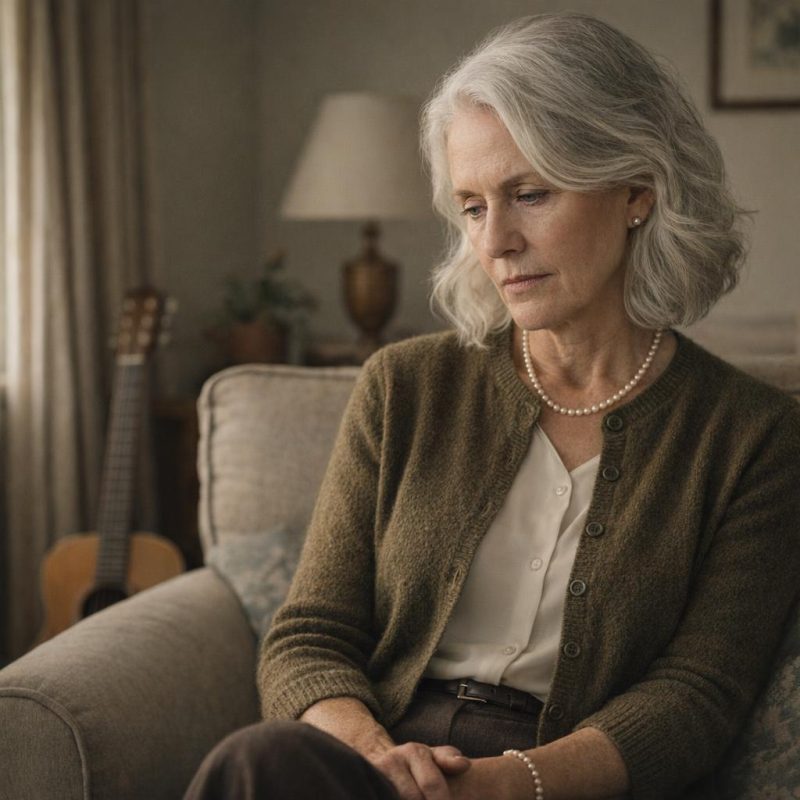 Image by RM AI
Two Young Musicians in Dive Bars
Before any of this legal business, before Jack became the kind of name people recognize on sight, he and my husband Tom were just two young men hauling equipment into bars that smelled like spilled beer and old cigarette smoke. This was the mid-1970s, and they played anywhere that would have them — roadhouses out on the highway, dim little clubs in college towns, a few places I wouldn't have walked into alone after dark. The pay was usually enough for gas and maybe a meal, and sometimes not even that. Tom was the better guitarist, if you ask me, though I'll admit I'm not exactly an unbiased source. He had a feel for it that was hard to explain, something in his hands that made even a borrowed instrument sound like it belonged to him. Jack was ambitious in a way Tom never quite was — always chasing the next contact, the next audition, the next shot at something bigger. Tom loved the music, but he loved me more, and when we got married and our kids started coming, he made his choice without much anguish about it. He found steady work, put the guitar down most nights, and never seemed to regret it. They were close during those years, genuinely close, the kind of friends who know each other's worst habits and don't hold it against them. Then one afternoon Tom came home and told me Jack had called about a guitar.
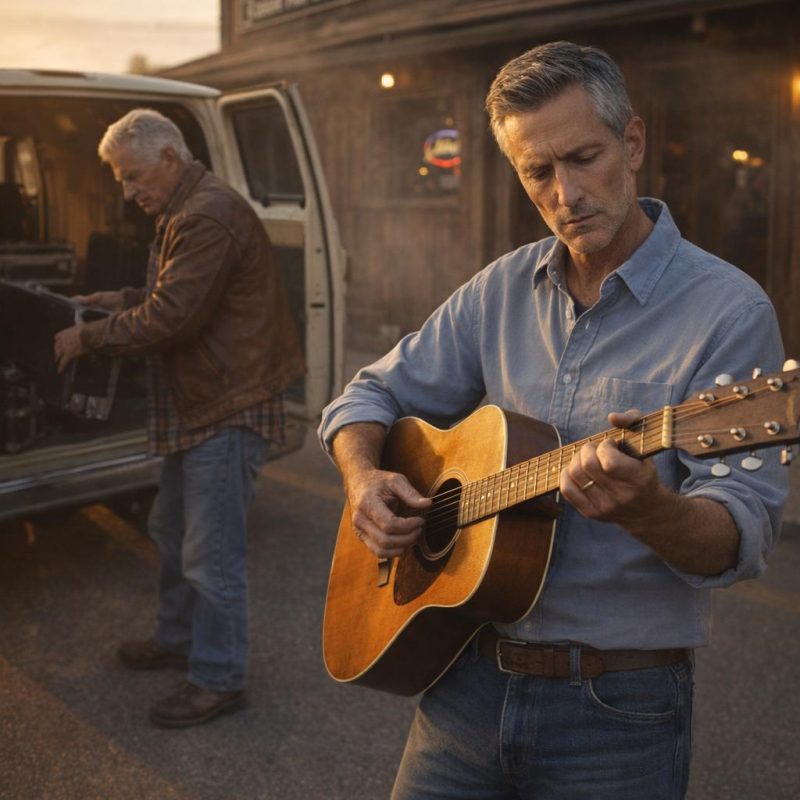 Image by RM AI
The Gift Between Friends
It was around 1980 when Jack got himself a better instrument — I don't remember the exact make, but Tom talked about it like it was a significant upgrade, the kind of guitar a musician buys when he finally believes his own future. Jack called Tom and said he wanted him to have the old one. Just like that. Tom drove over one Saturday morning and came back with it tucked under his arm, grinning like a kid. I remember standing in the kitchen doorway watching him carry it in. It wasn't much to look at, honestly. The finish was faded along the body, and there were scratches across the front that told the story of a hundred small stages and tight back seats. Someone had repaired the neck in two places — you could see where the work had been done if you knew where to look. Tom set it on the kitchen table and ran his thumb across the strings, and the sound it made was a little rough, a little worn, exactly what you'd expect from something that had been played hard for years. I asked him if Jack had said anything particular when he handed it over, and Tom just shrugged and said Jack told him to give it a good home. That was it. One friend passing something along to another, the way people do when they trust where something is going. I didn't think twice about it. It was just a scratched, faded, twice-repaired guitar between two men who had once shared a stage.
 Image by RM AI
Forty Years on the Wall
Tom hung that guitar in the den within a week of bringing it home, and there it stayed for the next four decades. He put it up on a simple wall mount between the window and the bookshelf, and I don't think it moved more than a few inches in all that time. He never played it much after the early years — life had a way of filling up the hours — but he'd stop in front of it sometimes, just for a moment, the way you stop in front of a photograph. When Jack's career took off and his name started appearing on album covers and then on arena marquees, Tom would point to that guitar and tell the story to anyone who'd listen. Our kids heard it dozens of times. Our grandkids heard it too. He'd tell it with this quiet satisfaction, not boastful, just pleased — pleased that he'd known Jack before all of that, pleased that a piece of those early years was still hanging on his wall. But I always thought the fame was secondary to him. What he really loved was the memory of being young and playing music in bad bars with a good friend, before either of them knew how any of it would turn out. The guitar held both things at once — the friendship and the history — and Tom kept it the way you keep something that reminds you of who you used to be, and who you chose to become instead.
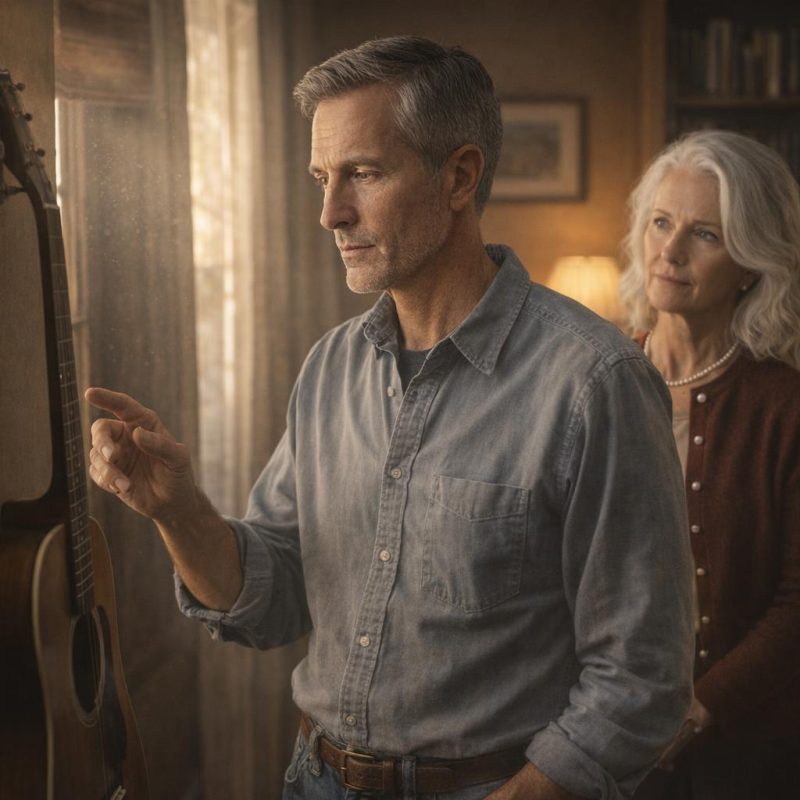 Image by RM AI
Christmas Cards from a Rock Star
Once Jack's career really took hold, the regular contact between him and Tom faded the way those things do — not with any argument or falling out, just with distance and busy lives pulling in different directions. But Jack never entirely disappeared. Every December, without fail, a Christmas card would arrive with Jack's name on it, sometimes just a signature, sometimes a few lines in his handwriting asking how Tom was keeping. Tom always seemed genuinely touched by those cards, and he kept them in a shoebox in the closet like they were worth saving. A few times over the years, a package would come along with the card — something nicer than you'd expect, a bottle of good whiskey once, a set of leather-bound journals another time. Tom would shake his head and say Jack had always been generous to a fault, that it was just his way, that some people never forget where they came from. I took that at face value. It seemed like a reasonable explanation for a man who had done well and wanted to remember his roots. I never questioned it, and Tom never offered anything more. The friendship had become something quieter than it once was, more like a thread than a rope, but it held. Then, about three years after Tom retired, a package arrived in late November that was heavier than any of the others, and the return address made Tom go very still when he read it.
 Image by RM AI
Two Funerals
Jack died on a Tuesday in March, and I remember because Tom heard the news on the radio while he was making coffee. He didn't say anything for a long time. He just stood there with the mug in his hand, and I watched him from the hallway, not wanting to interrupt whatever was happening in his face. He went into the den that afternoon and sat in his chair across from the guitar, and I left him alone with it. He grieved quietly, the way he did most things, and we didn't talk about it much beyond the basics. Jack had lived a full life, Tom said. He'd done what he set out to do. That was the most Tom offered, and I didn't push. Two years passed. They were good years, mostly — slower, quieter, the kind of years that feel like a gift when you're in them. Then Tom got sick, and the illness moved faster than any of us expected, and one morning in October I woke up and the other side of the bed was cold. I became the only person left who remembered those two young men loading equipment into a borrowed truck outside a bar in 1974, laughing about something I never quite caught. The guitar was still on the wall. The shoebox of Christmas cards was still in the closet. And the house held a silence I had never heard before, because both of their voices were gone from it now.
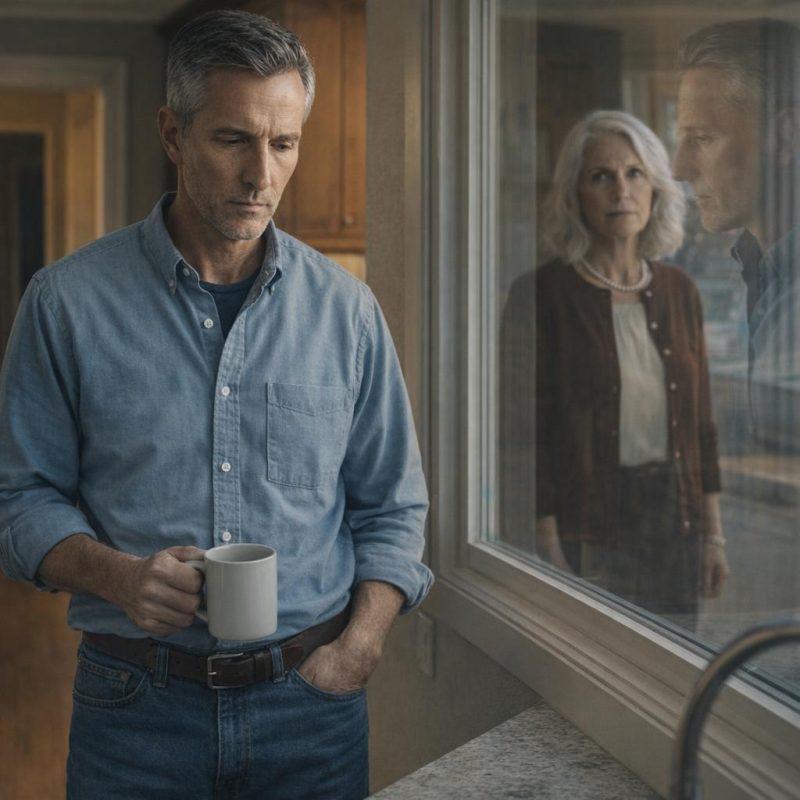 Image by RM AI
The Guitar Stays
I didn't move anything in the den for a long time after Tom died. I know that's not unusual — most people who've lost someone will tell you there's a period where touching their things feels like an erasure, like you're admitting something you're not ready to admit. The guitar stayed exactly where Tom had put it, on that wall mount between the window and the bookshelf, at the same slight angle it had always hung. I'd walk past it every morning on my way to the kitchen, and every evening on my way back down the hall. Sometimes I'd stop and look at it the way Tom used to, though I couldn't have told you what I was looking for. I kept his reading glasses on the side table. I kept his coffee mug on the same hook. I didn't wash the throw blanket on his chair for the first two months because it still smelled like him, and I wasn't ready to lose that too. The den became a kind of sanctuary, I suppose — not a shrine exactly, but a room that still felt like him, where the air hadn't quite rearranged itself around his absence yet. I'd sit in there some evenings with a cup of tea and the television off, and the quiet would settle around me, and sometimes, without meaning to, I'd start talking out loud — about my day, about something I'd read, about nothing in particular — and then I'd stop, and look at the empty chair, and wait for an answer that wasn't coming.
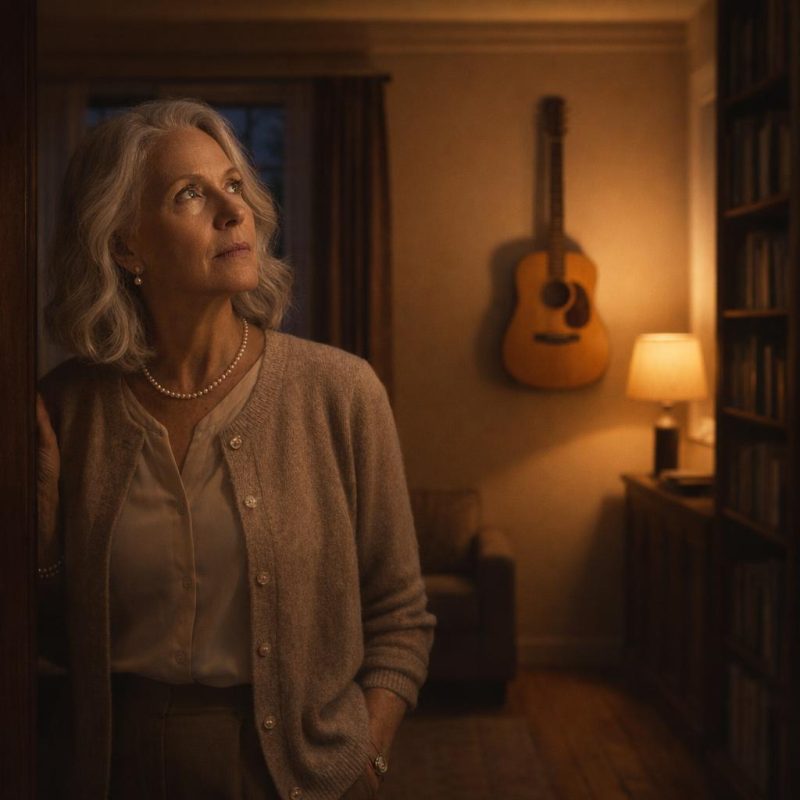 Image by RM AI
The Rhythm of Widowhood
Grief has a rhythm to it that nobody warns you about. In the beginning it's all sharp edges, but after a while it settles into something more like weather — present most days, sometimes heavy, sometimes just a low gray sky you've learned to move through. I made my routines and I kept them. Coffee at seven, the newspaper, a walk around the block if the weather allowed. Lunch at noon, something simple. Errands in the afternoon, back before dark. I called my daughter on Sundays and my son on Wednesdays, and I let those calls be the anchors they were meant to be. I learned to cook for one, which sounds small but isn't. I learned which silences were peaceful and which ones pressed down on me, and I learned to tell the difference before they got too heavy. Friends came by in the early months, and I was grateful for that, and then the visits tapered off the way they do, and I was grateful for that too, in a different way. The house adjusted around me, or maybe I adjusted around it — it's hard to say which. I rearranged a few things in the kitchen, bought a smaller coffee maker, let the second bedroom become a reading room. But I didn't touch the den. The den stayed as it was, with the guitar on the wall and Tom's chair facing the window, and some mornings I'd stand in the doorway and feel the particular stillness of a house that used to hold music.
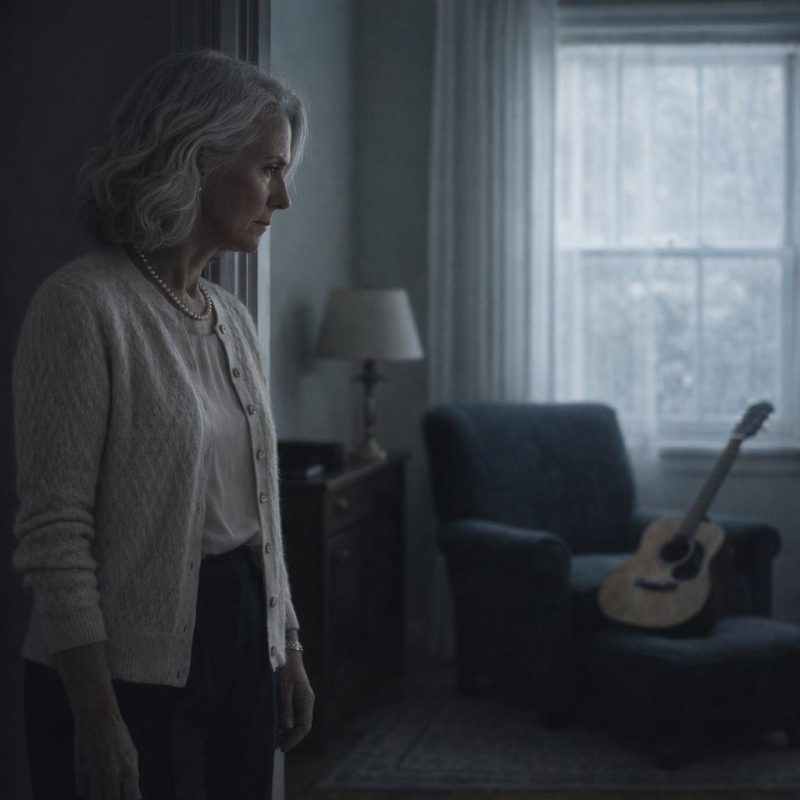 Image by RM AI
What the Guitar Meant
That guitar had a story, and Tom told it the way some men tell the story of how they met their wives — with the same words, in the same order, every single time, like the telling itself was a kind of preservation. He'd gotten it from Jack the summer they were twenty-three, right before Jack signed with the label and everything changed. They'd been playing together for three years by then, small venues, late nights, the kind of life that feels like freedom when you're young and like recklessness when you look back. Jack had pressed it into Tom's hands the night before he left and said something like, 'You're the better player anyway.' Tom always laughed at that part. He never believed it, but he loved that Jack had said it. The guitar was a Martin, nothing fancy by the standards of what Jack would later own, but it had a warmth to it that Tom said you couldn't manufacture. He'd play it sometimes on Sunday evenings, just a few chords, nothing serious, and the sound would drift through the house like something half-remembered. He wasn't trying to perform. He was just keeping something alive. I'd sit in the kitchen and listen without saying anything, because some moments don't need commentary. The story of that guitar was the story of who Tom had been before he became mine, and he told it hundreds of times, always the same.
 Image by RM AI
The Man Who Chose Home
Tom never once made me feel like he'd settled. That's the thing I want people to understand about him. He chose us — me, the kids, the house with the leaky gutters and the garden he was always meaning to fix — and he chose it without reservation, without the kind of quiet resentment that can hollow a life out from the inside. When Jack's records started climbing the charts, Tom would turn up the radio and say, 'That's my boy,' like a proud older brother. He meant it. There wasn't a drop of bitterness in him that I could ever find. Jack remembered him too, in his way. Birthday cards every year without fail, and gifts that were always a little too generous — a bottle of something expensive, a set of tools Tom had mentioned once in passing, a check one Christmas that made me catch my breath. Tom always waved it off. 'Jack feels guilty for leaving,' he'd say, or 'That's just how he is, always was.' I took Tom at his word. It was easy to, because Tom was the kind of man whose explanations always felt complete. I never sat with those gifts long enough to wonder whether there was something underneath the generosity, something Tom understood that he never quite put into words for me. I just accepted them the way you accept good weather — gratefully, without asking why.
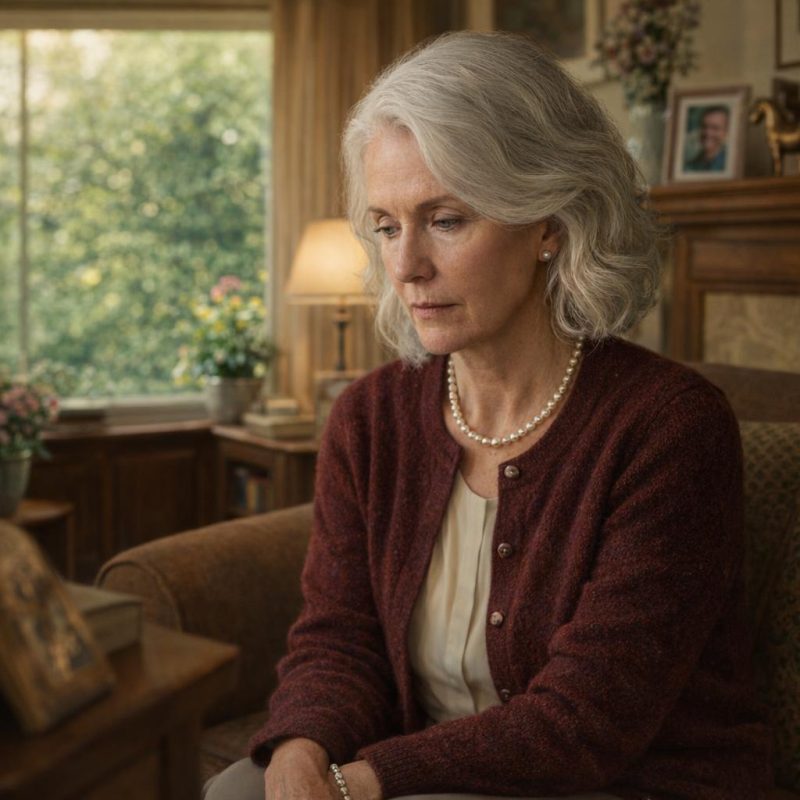 Image by RM AI
The Phone Call
The call came on a Tuesday, which I remember because I'd just gotten back from the pharmacy and was still in my coat when the phone rang. I almost let it go to voicemail — I'd been doing that more often lately, letting the machine catch things I didn't have the energy for. But something made me pick up. The voice on the other end was a woman's, polished and careful, the kind of voice that belongs to someone who chooses her words before she speaks them. She asked if she was speaking with Tom's wife. I said yes, and there was a small pause, like she was gathering herself. Then she asked about the guitar. Not a guitar — the guitar, like she already knew exactly what she was referring to. I felt a little jolt of surprise, the kind you get when a stranger mentions something you thought only your family knew about. I asked how she'd heard of it, and she said she'd come across some old photographs. She was pleasant enough, unhurried, and I found myself standing in the front hallway still in my coat, listening to an unfamiliar voice ask careful questions about something that had hung on my wall for thirty years. I wasn't alarmed. I was just curious, the way you are when something unexpected arrives and hasn't yet shown you what it is.
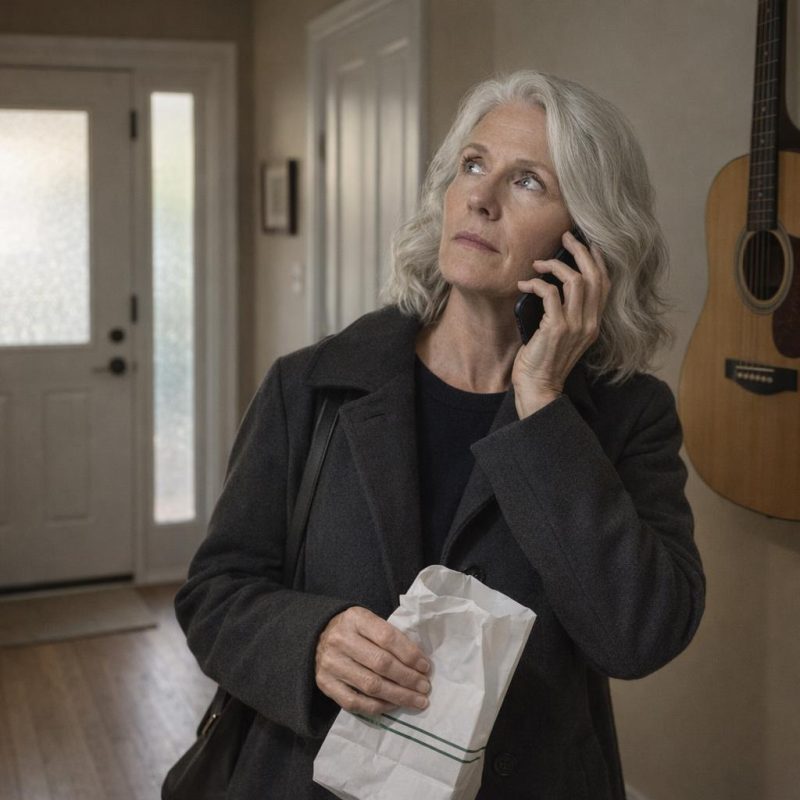 Image by RM AI
Sylvia Introduces Herself
She introduced herself on the second call, two days later. Sylvia. She said the name the way people do when they expect it to mean something, and after a beat it did — Jack's wife, or widow now, I supposed, same as me. She was gracious about it, acknowledged our shared loss without making it maudlin, which I appreciated. She explained that a museum — a proper one, she said, with a permanent collection — was putting together an exhibition focused on Jack's early career, the years before the first album, when he was still playing small rooms and figuring out who he was going to be. She'd been working with the curators for months, she said, gathering instruments, photographs, handwritten lyrics, anything that told the story of those years. And then she'd found the photographs of Tom. Of the guitar. She described them carefully — Jack on a small stage, the Martin in his hands, the kind of image that captures a moment before anyone knew it mattered. She said the museum believed the guitar was historically significant to understanding Jack's development as an artist. I listened to all of it standing at the kitchen counter, and when she said the word museum, something small and warm moved through me — the thought that something of Tom's, something he'd kept all those years, might belong to a larger story than just ours.
 Image by RM AI
A Piece of History
Sylvia had a way of describing things that made them feel important without being showy about it. She talked about the exhibition the way a careful person talks about something they genuinely care about — measured enthusiasm, specific details, none of the breathless overselling that makes you suspicious. She said the curators had traced the guitar through three or four photographs spanning nearly two years of Jack's early performances, and that it appeared in some of the most documented shows from that period. Fans had been asking about it for years, she said, and the museum wanted to give them an answer. She talked about Jack's early audiences, the people who'd followed him from the beginning, who felt a particular ownership over those years before he became famous. I understood that feeling, in a way. There's something about the early version of a person that people hold onto fiercely. Sylvia said the guitar represented a chapter of Jack's life that had never been fully told, and that having it in the exhibition would make the story complete. I thought about Tom hearing that — his guitar, the one he'd kept on the wall like a quiet trophy, mattering to people who had never known his name. It was a strange and unexpectedly moving idea, that something so personal to him had a life in the world he'd never been part of, and that it had mattered to strangers all along.
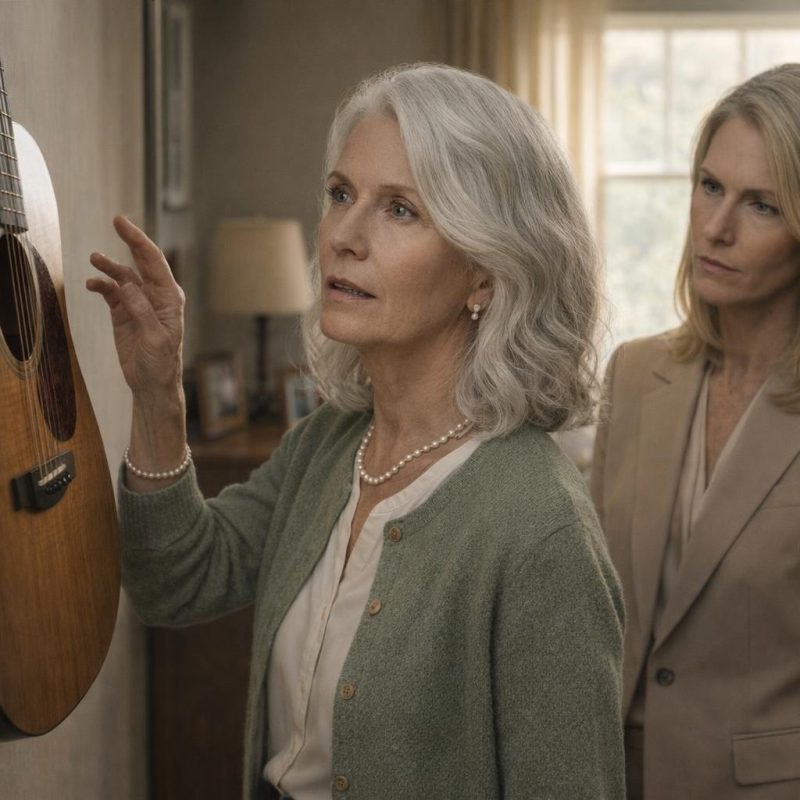 Image by RM AI
Sharing Tom's Memory
I thought about Tom for a long time after I hung up. Not the Tom of the last years, the one who moved more carefully and tired more easily, but the young one — twenty-three, laughing, pressing his palm against the neck of that guitar like it was something alive. He would have been embarrassed by the fuss, I think. He was never a man who needed recognition. But underneath the embarrassment, I believe he would have been pleased. He always spoke about Jack with a kind of quiet pride, like a person who had been close to something remarkable and felt lucky for it rather than diminished by it. The idea that the guitar would be displayed somewhere people could see it, that it would carry a small piece of their friendship into a room full of strangers — I thought Tom would have liked that. He would have made some modest comment about it, deflected the sentiment, and then gone quiet in the way he did when something actually moved him. I sat with that image for a while, the two of them young and unknown, and the guitar passing between them like a promise neither one had words for yet. Whatever came next with the paperwork and the arrangements, I felt settled about the direction of it. It seemed right. It seemed like something Tom would have been proud of.
 Image by RM AI
Agreement in Principle
When Sylvia called again to follow up, I told her I was willing to move forward. She seemed genuinely pleased — warm, even — and we talked through the basic shape of things. A six-month loan, she said, which seemed reasonable. The guitar would be displayed with proper care, in a climate-controlled case, with full documentation of its provenance. She used that word, provenance, and I wrote it down on the notepad I keep by the phone out of habit. We talked about logistics, about how it would be transported, about whether I wanted to be present when it was collected. I said I'd think about that part. It all felt manageable, even pleasant, the kind of conversation where two women who've both lost someone are finding a way to do something good with what's left. And then Sylvia mentioned the paperwork. Not in a heavy way, nothing that should have registered as anything other than ordinary. But her voice shifted — just slightly, just enough that I noticed it — from the warm register she'd been using into something a little more clipped, a little more precise. I told myself it was natural. Of course there would be legal documents for something like this. Of course the tone would change when the practical details came up. I thanked her and said I'd look for everything when the papers arrived.
 Image by RM AI
The Exhibition in Her Mind
After I hung up, I sat at the kitchen table and let myself imagine it properly. A museum room, quiet and well-lit, the kind of place where sound feels muffled and everything behind glass looks more significant than it did in ordinary life. The guitar in a case, angled just so, with a small card beside it explaining what it was and where it had come from. Visitors moving past slowly, some of them pausing, some of them leaning in. People who had loved Jack's music for decades, finally seeing something from the beginning of it. I thought about what the card might say — Jack's name, the years, maybe a line about the early performances. I wondered if Tom's name would appear anywhere, and I decided I would ask about that when the paperwork came. It seemed like a reasonable thing to want. I stayed with the image for a while, turning it over, feeling the quiet satisfaction of it. And then, without quite meaning to, I started thinking about what I might send along with the guitar — something personal, something that told Tom's side of the story. I went to the shelf where I keep the photo albums and started paging through them. I looked through two albums completely before I understood what I was not finding: there was not a single photograph of Tom holding that guitar.
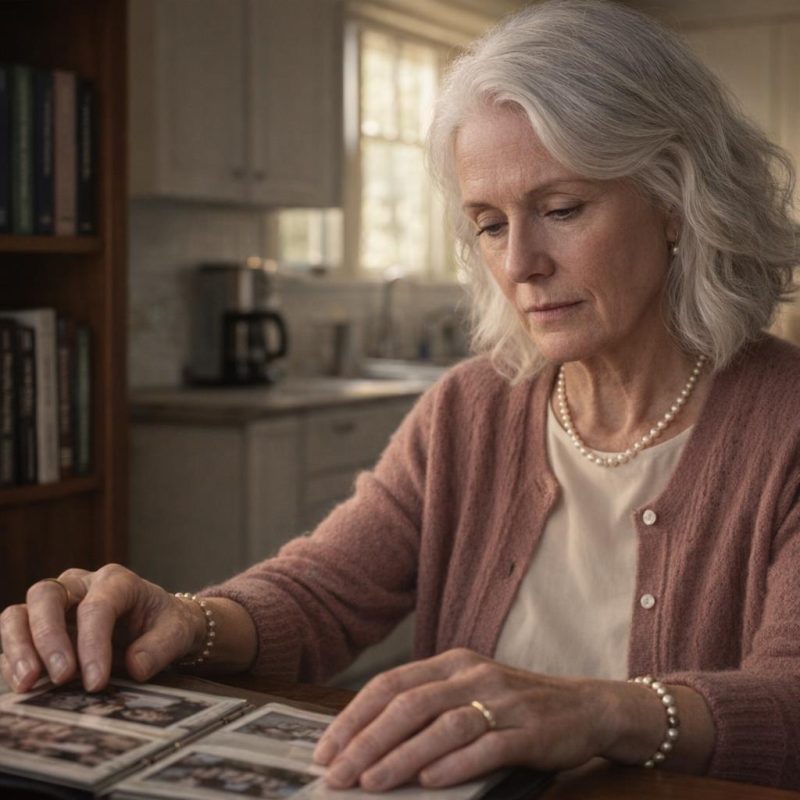 Image by RM AI
Waiting for Documents
Sylvia had said the paperwork would come within the week, and I took her at her word. That was the kind of person I was trying to be about all of this — patient, cooperative, not the sort of widow who makes everything difficult. I went back to my routines. I watered the plants on Tuesday. I had lunch with a friend from church on Thursday. I called my daughter on Sunday the way I always do. But in the back of my mind, the exhibition was always there, this quiet, pleasant thing I kept returning to. I imagined the guitar under good lighting, properly cared for, seen by people who would understand what they were looking at. It felt like the right ending to a long story. I made myself wait. I did not check the mailbox more than once a day, and I was proud of that restraint. When the envelope finally appeared, I carried it inside and set it on the kitchen table before I even took off my coat. I made myself a cup of tea first. I wanted to read it properly, not in a rush. I sat down, smoothed the envelope flat with my palm, and slid my finger under the flap. I pulled out the folded pages and saw the museum's letterhead across the top.
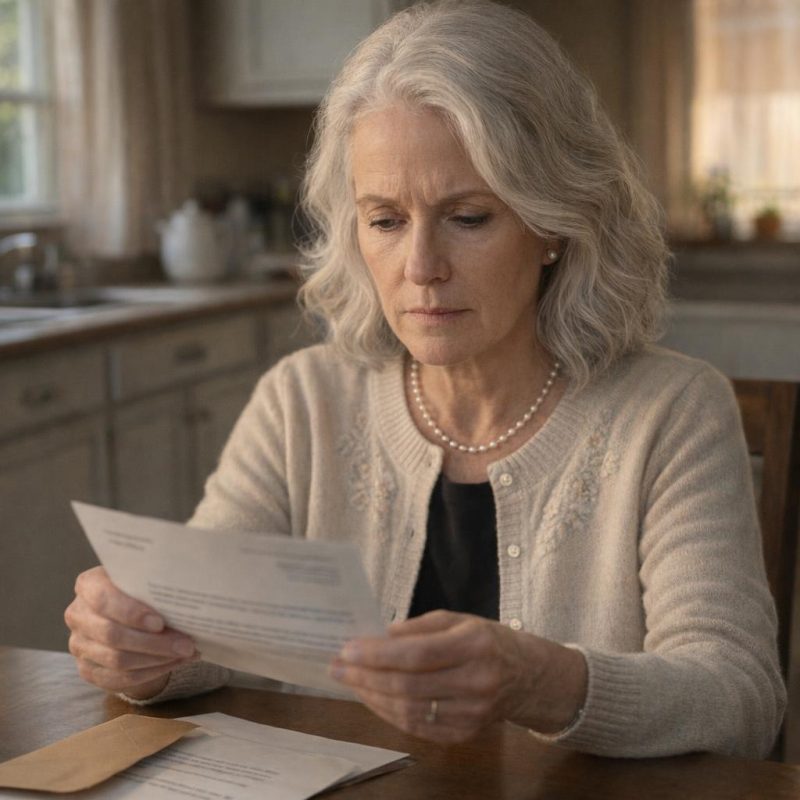 Image by RM AI
First Contact with the Museum
The call came two days before the envelope, actually — I should have mentioned that. A woman introduced herself as the museum's curator, and her voice had the kind of careful warmth that told me she genuinely loved her work. She said she had been following the exhibition's development for months and that the early period of Jack's career was, in her words, criminally underrepresented in the historical record. I liked her immediately. She asked if I would be comfortable describing how the guitar had come to be in our home, and I told her the short version — that Jack had given it to Tom back in the early days, before any of them knew what was coming. She went quiet for just a moment, and then she said, "That's exactly the kind of provenance that makes an object come alive for visitors." She explained that the exhibition would trace Jack's musical development from his earliest performances, and that an instrument from that period, with that kind of personal history, would anchor the whole first room. I told her I was glad it would be useful. After we hung up, I sat for a while with the phone still in my hand. There was something settling about talking to someone who cared so much about getting the story right, who understood that objects carry the people who held them.
 Image by RM AI
Photographing the Guitar
Before I sent anything anywhere, I decided I wanted photographs. Not for any particular reason I could have named at the time — it just seemed like the sensible thing to do, to have a record of what the guitar looked like before it left my hands. I lifted it down from the wall carefully, the way I always did, and carried it to the kitchen table where the light was good. I hadn't held it like that in a while, both hands under the body, feeling the weight of it. I started at the headstock and worked my way down, taking pictures with my phone from every angle I could think of. The finish had darkened unevenly over the decades, deeper amber near the edges, lighter where the sun had caught it year after year on that wall. There were two small repairs along the binding that Tom had done himself, neat and careful, the way he did everything. I turned it over and photographed the back, then the neck, then the body again from the side. And then I stopped, because I was looking at the frets — at the places where the wood beneath the strings had worn smooth and slightly concave, shaped by forty years of the same hands pressing down in the same places. I set the phone down and just held it for a moment. Those worn places were the most honest record of him I had.
 Image by RM AI
The Agreement Arrives
The loan agreement was longer than I expected — six pages, single-spaced, with sections I had to read twice just to follow the structure. I made another cup of tea and settled in properly. Most of it was what I would have anticipated: insurance provisions, transport specifications, display conditions, the duration of the loan. I read through those sections carefully and found nothing that surprised me. It was the first page that I kept coming back to. There was a section near the top that identified the parties to the agreement — the museum on one side, and on the other side, the lender. I expected to see my name there, plain and simple. And my name was there, but the way it appeared on the page was not quite what I had pictured. There was a line above it, a designation of some kind, and the wording around my name described me in terms I didn't immediately recognize as applying to me. I read the sentence again. Then I read it a third time, more slowly, moving my finger along each word. I set the pages down on the table and looked out the window for a moment, thinking I must have misread something. I picked the first page back up and found the line again.
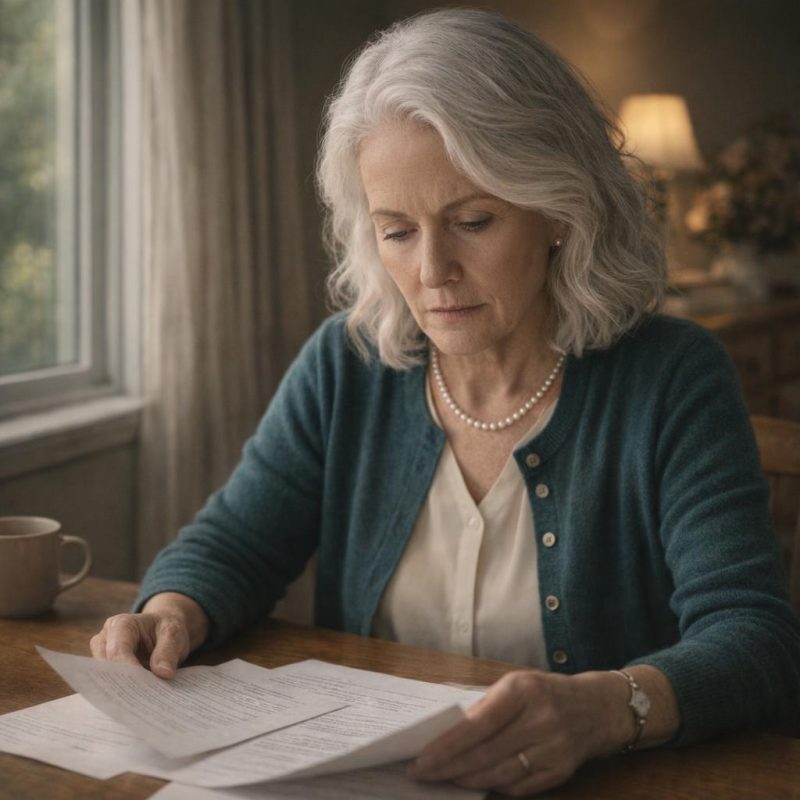 Image by RM AI
Custodian, Not Owner
The document listed Sylvia by name as the guitar's legal owner. My name appeared directly below hers, and the word beside it was "custodian." Not owner. Not lender. Custodian. I read the full sentence three times, slowly, making sure I wasn't misreading the legal language. The wording suggested that I had been holding the instrument on behalf of its rightful owner — that my possession of it was temporary and derivative, not original. I turned to the second page, looking for a definitions section, something that might explain the terminology in a way that made more sense. The definitions were there, and they didn't help. "Custodian" was defined clearly: a party currently in physical possession of an item owned by another. I sat back in my chair. Tom had kept that guitar for forty years. He had repaired it with his own hands. He had hung it on our wall the week we moved into this house, and it had been there ever since. The idea that he had been merely holding it for someone else — that we both had — was so far outside anything I had ever understood about our life that I couldn't quite make it fit into a shape that made sense. I sat there with the pages in my lap, the legal language sitting on top of forty years of a different story entirely.
 Image by RM AI
Surely a Mistake
I told myself it was a clerical error. That was the only explanation that made any sense. Legal documents go through multiple drafts, multiple hands — someone had pulled the wrong template, or filled in the wrong field, or confused Sylvia's name with mine somewhere in the process. These things happened. I had heard of worse mistakes in official paperwork. I set the agreement on the counter and walked away from it for a few minutes, made myself a glass of water, stood at the kitchen window and watched the neighbor's cat pick its way across the back fence. By the time I came back to the table, I had talked myself most of the way to calm. I would call, I would explain what I was seeing, and whoever answered would apologize and tell me a corrected version would be sent within the week. Sylvia would probably be embarrassed. I would be gracious about it. I found the contact number printed at the bottom of the cover letter — a direct line, not a general office number — and I wrote it on the notepad I keep by the phone. I rehearsed the opening of the conversation in my head: polite, clear, not accusatory. I was just calling to flag a small discrepancy. I picked up the phone, and the calm I had carefully assembled began, very quietly, to come apart.
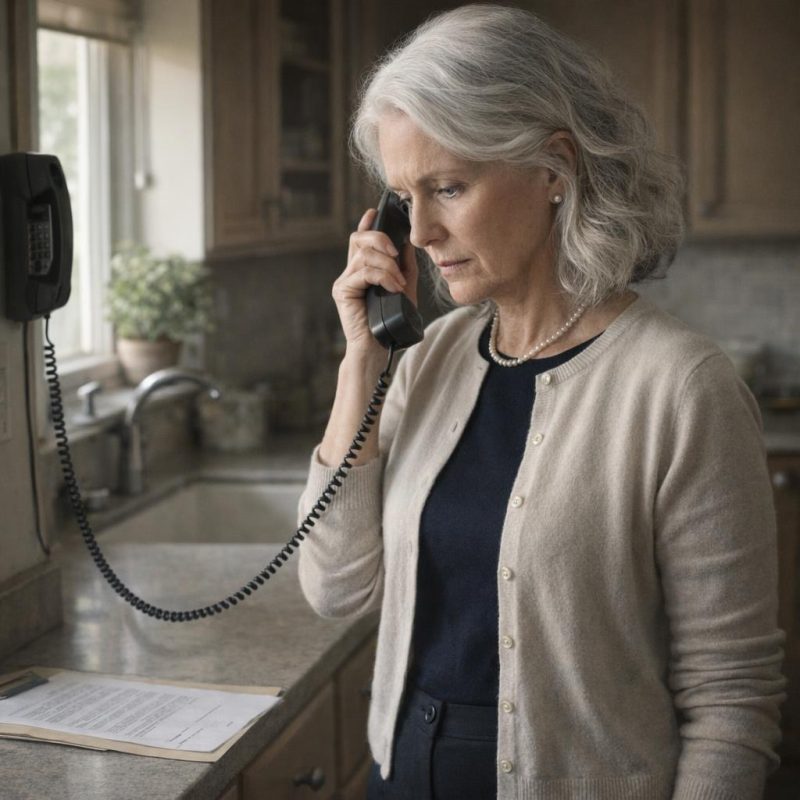 Image by RM AI
The Attorney Answers
The number on the cover letter didn't go to Sylvia. A woman answered on the second ring and identified herself as Sylvia's attorney before I had finished saying hello. I hadn't expected that. I had pictured Sylvia picking up, maybe a little flustered, already apologizing before I got to the point. Instead I was speaking with someone whose voice was measured and professional in a way that felt less like courtesy and more like preparation. I introduced myself and explained that I was calling about the loan agreement — that I had received it and read through it, and that there appeared to be an error in how the parties were identified on the first page. I kept my voice even. I used the word "discrepancy" the way I had rehearsed. The attorney listened without interrupting, which I noticed. When I finished, there was a brief pause — not the pause of someone consulting notes, but the pause of someone deciding how much to say. She told me she was familiar with the document. She told me it had been reviewed carefully before it was sent. And then she said that the language I was referring to was not an error.
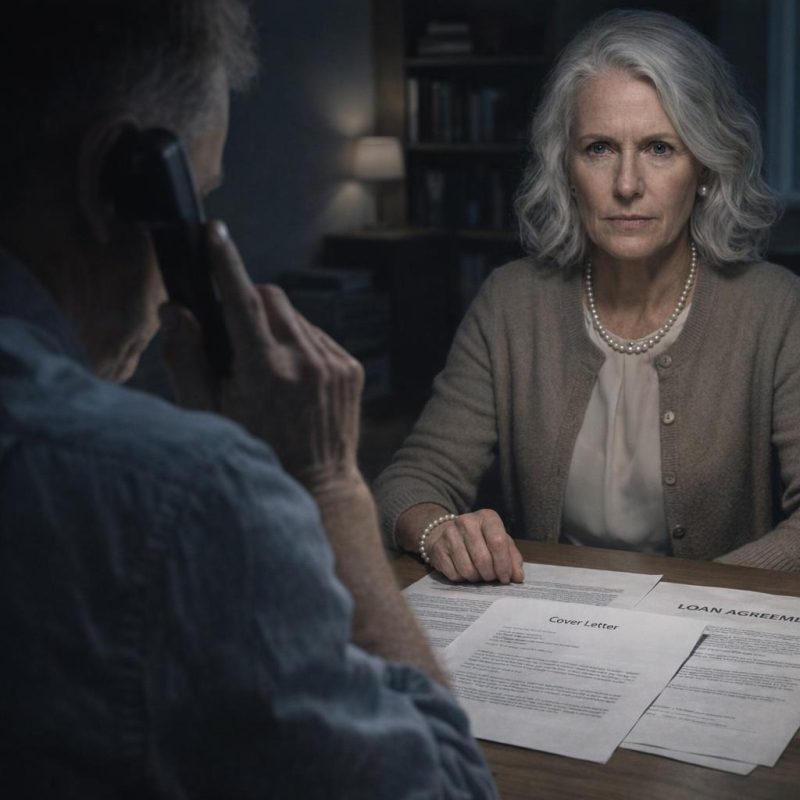 Image by RM AI
Jack Only Loaned It
I asked her to explain what she meant. She said it plainly, without softening it: Sylvia's position was that the guitar had never been Tom's to own. According to what the attorney laid out, Jack had lent the guitar to Tom sometime in the early years — a temporary arrangement, she called it, between friends — and had always retained legal ownership. The loan had simply never been formally documented, which was, she said, common in informal arrangements of that kind. I stood there holding the phone, and I couldn't find words for a moment. Tom had told me the story of that guitar more times than I could count. He told it at dinner tables and on front porches and to anyone who asked about the instrument on our wall. Jack gave it to him. That was always how the story went — gave, not lent. Forty years of that word, and now someone on the other end of a phone line was replacing it with another one entirely. The attorney's tone didn't waver. She spoke as though the matter were already settled, as though the version of events she was describing had always been the only version there was.
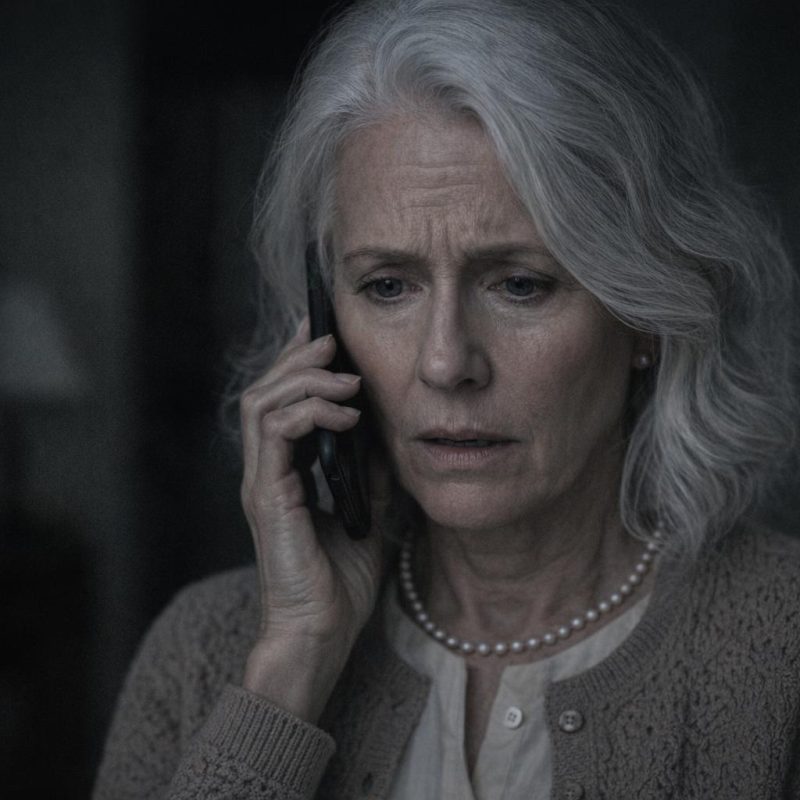 Image by RM AI
No Receipt
I told her she was wrong. I said it clearly, without hesitation, because I believed it. Jack gave Tom that guitar. Not lent — gave. I had heard that story at kitchen tables and on back porches and at holiday dinners for the better part of four decades. Tom was not a man who embellished. He was not a man who misremembered the things that mattered to him. And that guitar mattered more than almost anything he owned. But even as I was saying all of this, something cold was settling in my chest. Because the attorney on the other end of the line wasn't arguing with me. She was just waiting. Patient in a way that felt practiced. I thought about receipts. I thought about paperwork. I thought about what kind of documentation exists when one broke young musician hands another an old guitar in a parking lot or a rehearsal space sometime around 1980. You don't write up a contract. You don't call a lawyer. You shake hands, maybe, or you don't even do that — you just say here, take it, and that's the whole transaction. I had Tom's word. I had forty years of the same story told the same way. And then she asked, in a tone that already knew the answer, whether I had any documentation to support the claim that the guitar had been a gift.
 Image by RM AI
I Refuse to Sign
I told her I would not be signing anything. My voice came out steadier than I expected, which surprised me, because my hands were not steady at all. I said the guitar had been in our home for forty years. I said Tom owned it, cared for it, played it, and when he died it passed to me the way everything else did — because that is how marriage works, and that is how inheritance works, and no unsigned loan agreement drafted forty years after the fact was going to change that. The attorney didn't push back. That surprised me too. She said she understood my position. She said she would relay my decision to her client. Her voice stayed even and professional, the way voices do when the person speaking has already moved on to the next step in their head. I asked if there was anything else. She said no, not at this time. The call ended with a click that felt too quiet for everything it contained. I set the phone down on the kitchen counter and stood there for a moment. Outside, a car passed. The refrigerator hummed. The house held the kind of stillness that follows a decision you cannot take back, and I stood inside it.
 Image by RM AI
Sylvia Calls Personally
She called three days later. I saw her name on the screen and picked up, because I am not someone who avoids things, even things I would rather not face. The voice on the other end was Sylvia's — I recognized it immediately — but something about it was different from the first time we had spoken. The warmth was gone. The first conversation had been soft around the edges, full of shared grief and fond remembrances of Jack. This was not that. She said hello and then she said my name, and the way she said it was careful and deliberate, the way you say a word when you want the other person to understand that you are choosing it. She mentioned the unsigned agreement. She said she had hoped we could resolve things simply, between the two of us, without involving more people than necessary. She said she still hoped that. But the hope in her voice did not sound like hope. It sounded like something else wearing hope's clothing. I told her I understood her position and that mine had not changed. There was a pause after that. And then she said my name again — just my name, nothing attached to it — and the chill in it settled somewhere behind my sternum and stayed there.
 Image by RM AI
The Warning
She said she wanted me to understand something, and her tone shifted into what I can only describe as careful concern. She talked about Jack's fans. She said they were devoted people, passionate people, the kind who had followed his music for thirty years and felt a personal connection to his story. She said the guitar was a significant piece of that story. Then she said — and I remember the phrasing exactly because I turned it over in my mind for days afterward — that she would hate for people to get the wrong impression. She said that when something belonging to a beloved artist is kept from the public, people sometimes draw their own conclusions about why. She said she wasn't suggesting anything, of course. She just wanted me to be aware of how these situations could look from the outside. How they could look to people who didn't know the full picture. People who might assume the worst about someone's motivations. I understood what she was telling me. My jaw tightened. I kept my voice level. But something hot and sharp was moving through me, and I was still holding it when she said that people might wonder if this was really about the money.
 Image by RM AI
The Online Post
Four days after that call, I was sitting at the kitchen table with my laptop open, doing nothing in particular — reading the news, mostly avoiding my own thoughts — when I came across a post in one of Jack's fan forums. I had found the community weeks earlier while trying to understand what the exhibition was actually about, and I had bookmarked it without joining. The post was from someone with a long history of activity in the group, someone the other members clearly knew and trusted. It talked about the upcoming exhibition and about a particular instrument that was supposed to be part of it. It said that a private collector was refusing to cooperate. The language was pointed. Words like withholding and legacy and what Jack would have wanted. The post did not name me. It did not need to. The description was specific enough — a widow, a guitar from the early years, a refusal to participate — that anyone paying attention would know exactly who was being discussed. I sat with that for a long time. I could not prove where the post had come from or who had prompted it. Maybe the timing was coincidence. The words sat on the screen in front of me, describing a person I did not recognize, and I could not shake the sting of being seen that way by people who had never once looked at me.
 Image by RM AI
Publicly Pressured
I went back and read the whole thread. I don't know why I did that to myself, but I did. The replies had been building for two days. Most of the people responding were kind to each other in the way that fan communities are — they shared memories of Jack's music, talked about what his songs had meant to them at different points in their lives. But woven through all of that was a current of judgment aimed at the unnamed collector. Some said it was a shame. Some said true fans understood that an artist's legacy belonged to everyone who loved him. A few were less gentle. One person wrote that it was always about money in the end. Another said they felt sorry for Jack, that even after death some people couldn't let him rest. None of them knew Tom. None of them knew that he had kept that guitar on our wall for forty years, that he had tuned it and cared for it and talked about it with a kind of reverence I had rarely seen him give to anything else. They were responding to a version of me assembled from a few careful sentences, and there was nothing I could do about it. The loneliness of that — of being judged by strangers who had never heard Tom's name — settled over me like something I couldn't put down.
 Image by RM AI
Questioning Memory
I sat at the kitchen table after I closed the laptop and I let myself ask the question I had been pushing away for days. What if I was wrong? Tom had told that story so many times. But memory is a strange thing, and I knew that better than most. People remember the version of events that makes sense to them, the version that fits the shape of their life. Tom had loved that guitar. Of course he would have remembered it as a gift. Of course that was how the story would have settled in his mind over forty years. But what if Jack remembered it differently? What if there had been some understanding between them that Tom had never mentioned, or had mentioned once and I had forgotten? I had no documentation. I had no witnesses I could name with certainty. I had a story told by a man who was no longer here to tell it. Sylvia sounded so sure of herself. Her attorney sounded sure. And I was sitting alone in my kitchen, holding nothing but forty years of a dead man's word against people with lawyers and resources and a fan base that already thought the worst of me. I needed someone who had been there. Someone who remembered. I pulled Tom's old address book out of the drawer where I had kept it since he died, and I opened it.
 Image by RM AI
Eddie's Call
The phone rang the next morning before I had finished my coffee. I didn't recognize the number, which made me hesitate — I had been getting cautious about unknown callers since all of this started. But I picked up. The man on the other end introduced himself as Eddie. He said he had played bass with Jack and Tom back in the early years, the bar circuit years, before any of them had known what was going to come of any of it. The name rang something distant in my memory — Tom had mentioned an Eddie once or twice over the years, someone from that first stretch of playing together, though I couldn't have told you much more than that. I said I remembered Tom speaking of him. Eddie said he was glad I picked up. His voice was unhurried, the kind of voice that belongs to someone who has learned not to rush things. He asked how I was holding up, and the question felt genuine rather than polite. I told him I had been better. He said he understood, and then there was a brief pause before he told me he had seen the discussion online — the one about the guitar.
 Image by RM AI
One Question
Eddie talked for a few minutes about the old days — the bar circuit, the van that broke down twice on the same stretch of highway, the way they all lived on bad coffee and the hope that something would eventually stick. It was warm to hear, and I found myself smiling in spite of everything. But then he paused, and when he spoke again his voice had shifted, just slightly. He asked me something I hadn't expected. He asked whether Sylvia had told me why Jack gave Tom that guitar in the first place. I said I had always assumed Jack had moved on to a better instrument — that it was the kind of thing musicians do, passing something down when they upgrade. There was a silence on the line, not long, but noticeable. Then Eddie asked, quietly, whether that was what Sylvia had told me. I stopped. I turned the question over. Sylvia hadn't told me anything about the reason. She had talked about ownership and provenance and estate rights, but not once had she explained why Jack had given it to Tom at all. I had filled in that blank myself without even noticing. My grip on the phone tightened. I asked Eddie what he meant by that.
 Image by RM AI
The Story Everybody Agreed to Tell
Eddie let out a soft laugh — not unkind, more like someone who had been carrying a story for a long time and finally had permission to set it down. He said that the upgrade story was the one everybody agreed to tell. I asked him what the real story was, and he took a breath before he answered. He said the guitar was at the center of a bitter argument. Jack had been working out the beginnings of what would become his most famous song during that period, and he was using that guitar constantly. But the part that everybody recognizes — the opening passage, the thing that hooks you in the first four seconds — that didn't come from Jack. It came from Tom. Eddie said Tom had developed it during rehearsals, just noodling around between sets, and Jack had heard it and built the rest of the song around it. Nobody thought it mattered at the time because they were playing for drink money in rooms that smelled like spilled beer, and nobody had a record contract, and nobody imagined any of it would amount to anything. I sat very still at my kitchen table. Tom had never said a word. Not once in all our years together had he mentioned any of this, and the silence he had kept felt enormous now, like a room I had never known existed inside a house I thought I knew completely.
 Image by RM AI
A Peace Offering
I asked Eddie why Tom never said anything, and he said that was the part that always got him too. He walked me back through those final months the band played together. The argument over the song had created real tension — not shouting, he said, more like a cold distance that settled in and didn't lift. Tom had never formally claimed ownership of the passage because at the time there was nothing to claim. Jack hadn't signed with anyone yet. The song existed only in a rehearsal room and in a few bar sets where the crowd was more interested in their drinks than the music. Tom was already thinking about stepping away from music entirely, about building something steadier, and pressing the point felt like fighting over a lottery ticket nobody believed would win. So he let it go. Then, after their final performance together, Jack handed Tom the guitar. Eddie said Jack didn't make a speech about it. He just held it out and Tom took it. But everyone who was there understood what it meant. It wasn't a casual hand-me-down. It was Jack saying, without saying it, that he knew what Tom had given him. I sat with that for a moment — the guitar I had kept in the spare room for years, the one I had always thought of as a simple keepsake, had carried that weight the whole time.
 Image by RM AI
The Simplified Story
Eddie said the erasure wasn't something anyone planned. That was the part that made it hard to be angry at any single moment. When Jack recorded the song professionally, years later, it had already been through so many arrangements and studio passes that the original rehearsal version felt like a different creature entirely. The story that got told in interviews was the one that was easiest to tell — Jack alone in a room, guitar in hand, the song arriving almost fully formed. It was a good story. It was the kind of story that fits neatly into a magazine profile or a documentary segment. Tom's name was never in those rooms when the interviews happened. He had moved on, built his life, and he wasn't there to offer a different account. So the simplified version filled the space, and then it hardened, and then it became the thing people repeated as fact. Eddie said he watched it happen over years, not days — Jack's fame growing, the song becoming iconic, and Tom's part in it shrinking with each retelling until it wasn't there at all. Nobody issued a correction because nobody with a platform had a reason to. The story that remained was the one that had been told so many times it no longer felt like a story at all, just the way things were.
 Image by RM AI
Eddie Has Recordings
I told Eddie I didn't know what to do with all of this. It was one thing to hear it from him, but I knew how these things worked — a phone call from an old musician wasn't going to change anything in a courtroom. He said he understood that, and then he told me there was something else. He said he had kept things from those years. Cassette recordings, the kind they made on a handheld recorder someone had brought to rehearsals, mostly to help them remember arrangements. He still had them. He said the tapes were from before Tom left the band, from the period when they were working out the song. I asked him what was on them, and he said one recording in particular had stayed with him. He described it — the sound of the room, the way they were running through the arrangement, and then Jack's voice cutting in, asking Tom to play his opening again so they could adjust the timing around it. Jack's words, on tape, asking for Tom's opening. I didn't say anything for a moment. The word proof hadn't formed yet in my mind, but something close to it was already there, and my hand had gone tight around the phone again.
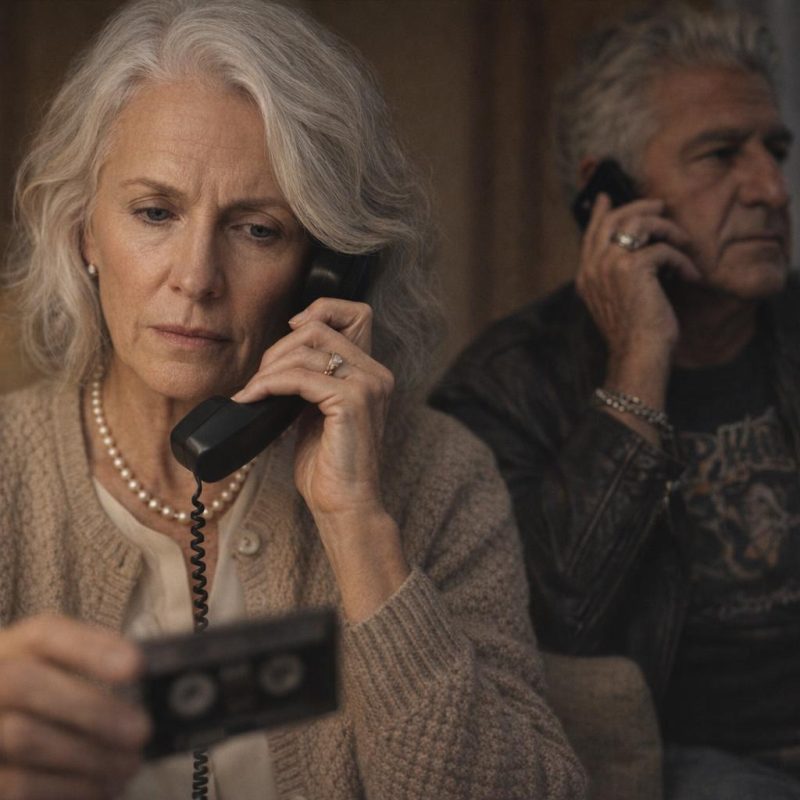 Image by RM AI
Jack's Private Gratitude
I asked Eddie why he had never come forward with any of this before, and he said it was because Tom had asked him not to. Tom had known about the tapes. Eddie had mentioned them once, years after Jack became famous, and Tom had said to leave it alone — that it was old business and he didn't want the trouble. Eddie had respected that. He said Tom was the kind of man you respected when he told you something, and I knew exactly what he meant by that. Then Eddie shifted to something I hadn't thought to ask about. He said Jack's generosity toward Tom over the years — the gifts, the cards, the things that had always seemed a little more than what old acquaintances typically exchange — hadn't been random. Jack had never forgotten what Tom contributed. He couldn't reopen the question publicly without pulling at threads that would unravel a story that had been told for decades, but he could do something quieter. The gifts were his way of keeping the account from going entirely unpaid. I thought about the Christmas packages that had arrived every year without fail, the ones Tom had always accepted with a kind of quiet dignity that I had never fully understood. Sitting there with the phone in my hand, I turned that quiet dignity over in my mind, still trying to place it.
 Image by RM AI
Why Sylvia Wants It
Before we got off the phone, I asked Eddie one more thing. I asked him why Sylvia wanted the guitar so badly that she was willing to take it to court. He was quiet for a moment, and then he explained something I hadn't known. The museum exhibition wasn't a standalone project. It was timed to coincide with a major anniversary reissue of Jack's most famous album — the one built around that song. There were documentaries being planned, retrospectives, the kind of cultural moment that gets written about for years afterward. The guitar wasn't just valuable because Jack had played it. There were photographs, Eddie said, of Jack holding it during the period when the song was supposedly created — images that placed the instrument at the center of the origin story. If the museum displayed it as estate property, it would anchor the official account in something physical and visible. The story would have an object to point to. Tom's name on the ownership complicated that. A guitar that had belonged to Tom, given to him by Jack, raised questions that the anniversary campaign had no interest in answering. I didn't say anything when Eddie finished. I just sat there with the shape of it settling over me — the exhibition that needed Tom's name nowhere near it.
 Image by RM AI
Searching for Proof
I thanked Eddie for calling. I told him I meant it. He said to reach out if I needed anything, and I wrote down his number on the notepad I keep by the phone before we hung up. Then I sat at the kitchen table for a few minutes, not moving. I had come into this morning thinking I was fighting over a keepsake. Now I understood there was something larger underneath it, and the ground felt different. I needed more than Eddie's word and a phone call. I needed something on paper, something with Tom's name on it, something that showed the guitar had been given deliberately and that Tom had known what it meant when he accepted it. Tom had kept things. He wasn't a man who threw much away. There were boxes in the attic — I had moved them up there after he died and hadn't gone through all of them properly, just enough to get through the worst of it. Letters, maybe. Notes. Something from Jack, possibly, from those early years. I didn't know what I was looking for exactly, and I didn't know if it existed. But I pushed back from the table, went to the hallway, and pulled down the attic stairs, and the first box came down into my arms before I had fully decided what I was going to do with it.
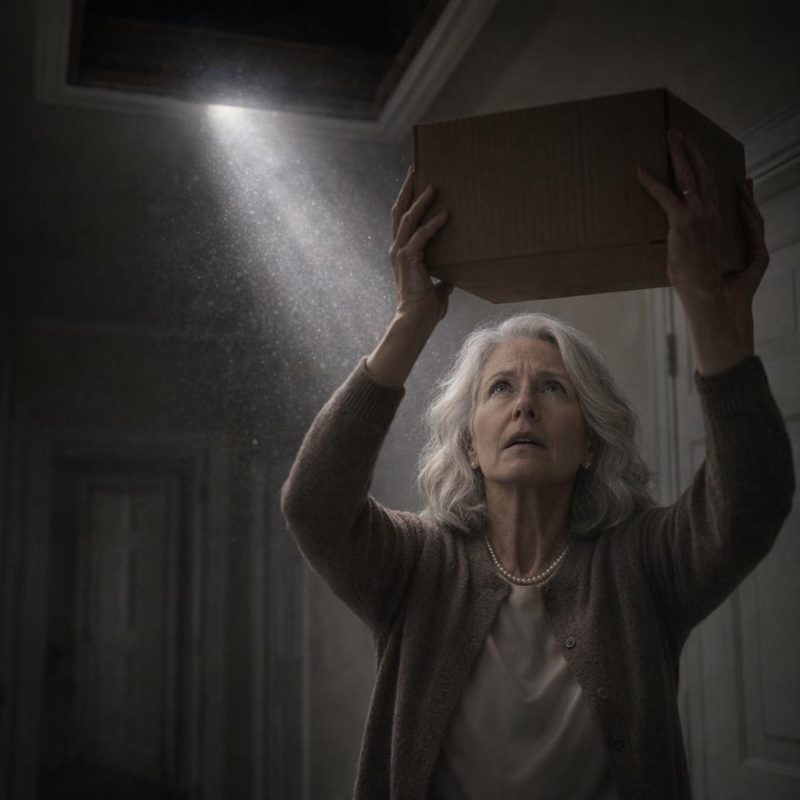 Image by RM AI
Boxes from the Attic
I pulled the first box down from the attic and set it on the kitchen table, then went back for a second, and a third. By the time I had four of them open around me, the afternoon light had shifted and my knees were already complaining. I worked through them the way Tom would have — methodically, one item at a time, setting each thing aside before reaching for the next. There were photographs in plastic sleeves, old setlists written on bar napkins, flyers from venues I hadn't thought about in decades. I found the stage shirt he wore for years — dark blue with pearl snaps — and I had to set it down and breathe for a moment before I could keep going. There were ticket stubs, a broken capo, a harmonica he never learned to play properly. Every item was a small door back to something, but none of them were what I needed. I was looking for paper with words on it. A letter. A note. Something that said the guitar had passed from one man's hands to another's with intention. Hours went by. The boxes gave me Tom back in pieces, warm and vivid and heartbreaking, but they gave me nothing I could take to a lawyer. By the time the kitchen light came on automatically, I was sitting on the floor surrounded by the careful debris of a life, and the dust had settled on everything, including me.
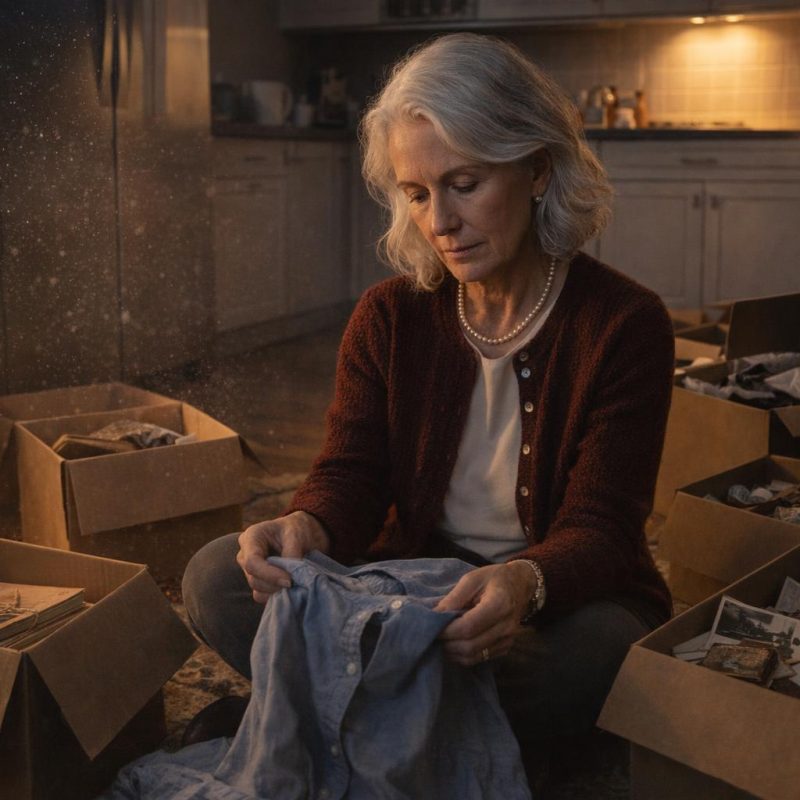 Image by RM AI
Music Books and Margins
I had set aside a stack of Tom's music books early in the search, thinking they were unlikely to hold anything useful. But after the boxes gave me nothing, I went back to them. There were eight or nine volumes — theory books, chord encyclopedias, a couple of worn paperbacks on songwriting. I opened the first one and found him immediately. His handwriting was in every margin, small and precise, the way he wrote when he was thinking hard. He had circled chord voicings and drawn arrows between them, written little questions to himself like 'try this in open D?' and 'too busy — pull back.' One page had a whole paragraph in the margin about the emotional difference between a major seventh and a dominant seventh, and it was so completely Tom that I had to stop and press my hand flat against the page. I went through every book the same way, reading his notes as carefully as I had read the books themselves. His practice schedules were tucked inside covers — handwritten grids with days of the week and what he planned to work on. The books were full of him, his curiosity and his discipline and his quiet love for the craft. But not one of them mentioned the guitar by name, or Jack, or how the instrument had come to live in our house. I closed the last one and sat with his handwriting all around me, close to him and no closer to what I needed.
 Image by RM AI
Hours of Nothing
I don't know exactly when my back started to seriously ache, but by the time I noticed it, I had been bent over boxes for the better part of a day. I straightened up slowly and pressed my hands against my lower back and looked at what I had done. Dozens of boxes opened and sorted. Stacks of photographs, books, papers, old clothes. And nothing — not a single piece of paper that said what I needed it to say. I made myself a cup of tea and sat at the kitchen table and tried to think clearly. The honest question I had been avoiding all afternoon was this: what if Tom never wrote it down? He wasn't a man who documented things. He lived his life and trusted the people in it and didn't think much about protecting himself on paper. If Jack had handed him that guitar in a parking lot after a gig and said 'it's yours,' Tom would have said thank you and put it in the truck and never asked for a receipt. That was who he was. I sat there with the tea going cold and thought about what it would mean to walk into that courtroom with nothing but Eddie's phone call and my own word. I thought about Sylvia's attorney and her pressed suit and her absolute certainty. And I thought about whether there was any point in going back to those boxes, or whether I was just prolonging something I had already lost.
 Image by RM AI
Old Photographs
I almost didn't open the last folder. It was a plain manila envelope that had slid down behind one of the boxes and gotten flattened, and I nearly put it in the discard pile without looking inside. But I pulled it open and found photographs — real ones, printed on paper, the kind you got developed at a drugstore. They were from the bar years, Tom and Jack in their twenties, caught mid-song on small stages with bad lighting and big smiles. In one of them they were side by side, both leaning into a microphone, laughing at something off-camera. In another, Tom had his head down over the fretboard, concentrating, and Jack was watching him with an expression I recognized — the look of someone listening to something they knew was good. Both men were holding guitars in nearly every shot. I went through the photographs slowly, one by one, turning each over to check for any writing on the back. A few had dates in faded pencil. None had anything else. And I could not tell, looking at those images, which guitar was which. The instruments blurred together across the years and the bad lighting, indistinguishable from each other, just as the two young men holding them had once been inseparable. I set the photographs down in a careful row on the table — Tom and Jack, young and grinning, each holding a guitar I could not name.
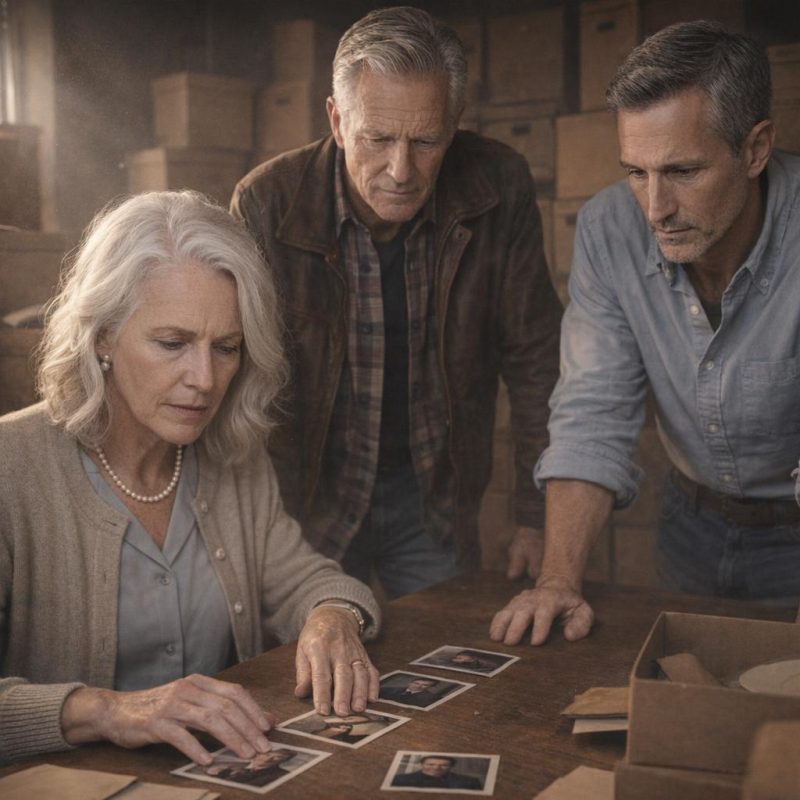 Image by RM AI
The Birthday Card
I was ready to stop. I had the photographs spread across the table and I was thinking about how to explain to Attorney Davis that I had found warmth and memory but nothing evidentiary, when I reached for the last music book — a battered chord dictionary I had already flipped through once — to put it back in the box. Something shifted inside the cover as I picked it up. I turned it over and a card fell out, a birthday card, the envelope still sealed to the back cover with a strip of old tape that had gone brittle and yellow. The envelope had Tom's name on it in handwriting I didn't recognize. I opened it carefully. The card inside was simple, a generic birthday design, and the message inside was in the same hand as the envelope. It started with the usual things — happy birthday, hope the year treats you well — and then it said, and I am quoting this as exactly as I can: 'Hope you're still taking good care of that old six-string I gave you. Nobody deserved it more.' And below that, a few lines down, in the same pen: 'You gave me that intro, Tom. I never forgot it. The whole song opened up the second you played those first four bars. That was yours.' It was signed Jack — and those words, in his own handwriting, changed everything.
 Image by RM AI
Jack's Own Words
I sat down. I don't remember deciding to — my legs just found the chair. I laid the card flat on the table and read it again, slowly this time, word by word. 'That old six-string I gave you.' Not lent. Not left with you. Gave. Jack had written it himself, in his own hand, years after he was famous, with no legal proceeding in sight and no reason in the world to be careful about his word choice. He was just writing to his old friend on his birthday, the way people do, and in doing so he had put down in ink exactly what Tom had always said was true. And then the second part. 'You gave me that intro, Tom. I never forgot it.' I had known Tom for decades and he had never once said those words to me — not that he wrote the intro, not that Jack had told him so, not that there was anything to claim. He had told me the guitar story with a kind of quiet pride, but he had left out the part that would have made it bigger. Jack's card filled in what Tom had omitted. I turned the card over, checked the postmark on the envelope — the year was there, faded but legible, well after the song had become famous. This was not a document drafted for a courtroom. It was a birthday card. And it said everything Sylvia's attorneys had spent months insisting did not exist.
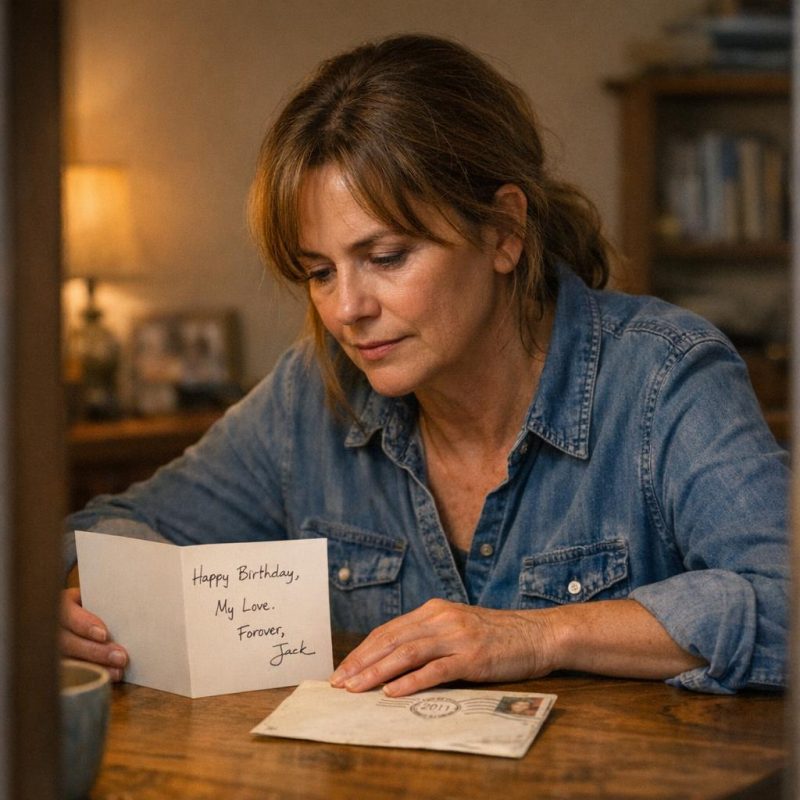 Image by RM AI
What Tom Never Told Me
I sat with the card for a long time after that, not reading it anymore, just holding it. I kept thinking about all the evenings Tom had told the guitar story — at dinner tables, on the porch, to neighbors who asked about the instrument on the wall. He always told it the same way: Jack gave it to me when we were young, and I've kept it ever since. He never added the part about the intro. Not once. At first I thought maybe he had forgotten it, or maybe it had seemed small to him by the time the song was everywhere. But the longer I sat there, the more I understood that wasn't it. Tom knew exactly what he had contributed. Jack had told him so, in writing, and Tom had kept the card tucked inside a book for years. He simply chose not to say it. That was Tom entirely — he didn't need the credit, didn't want to complicate Jack's success, didn't want anyone to think he was reaching for something that wasn't his to claim. He had made his peace with his own version of the story and lived inside it quietly and completely. I loved him for it, and it broke my heart a little too, sitting there in the kitchen with the card in my hands. He had kept a silence that was generous and private and entirely his own, and now it had fallen to me to speak.
 Image by RM AI
Consulting the Attorney
I called Attorney Davis the next morning and asked if I could come in. He had an opening at eleven and I was there ten minutes early, the card in a plastic sleeve I had found in Tom's desk, the envelope in a separate sleeve beside it. I set them both on his desk without saying anything and let him read. He took his time. He put on his reading glasses and went through the card twice, then looked at the postmark on the envelope, then looked at me. He asked where I had found it and I told him — inside a chord dictionary, taped to the back cover, unopened until yesterday. He asked whether I had any other samples of Jack's handwriting to compare it against. I told him about the signed album cover we had kept for years, still in the house. He nodded and made a note. Then he set the card down carefully and said that in his view, the phrase 'that old six-string I gave you' was about as unambiguous a statement of gift as he had seen outside of a formal deed of transfer. He said the acknowledgment of Tom's contribution to the song was secondary but significant — it corroborated the relationship and the context. He said the card didn't resolve everything on its own, but it changed the weight of the case considerably. I looked at those few handwritten sentences sitting on his desk in their plastic sleeve, and I felt the quiet, solid shift of something that had been uncertain becoming something else entirely.
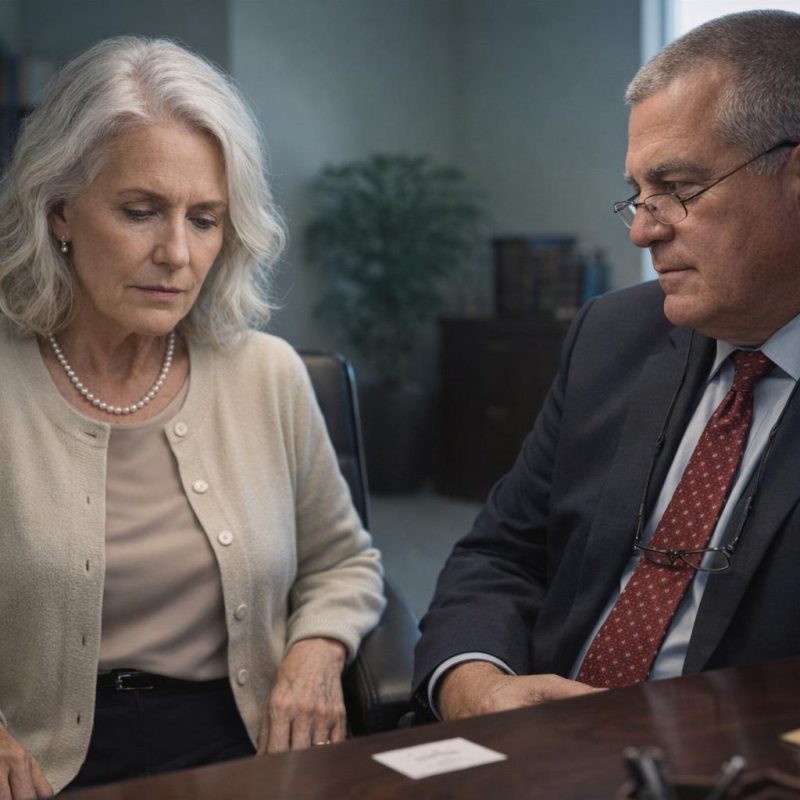 Image by RM AI
The Choice Not to Embarrass
After I left Attorney Davis's office, I sat in my car for a long time before I turned the key. I kept thinking about what I had in my hands now — the card in Jack's own writing, Eddie's recordings, the whole documented truth of what happened in that rehearsal room. I thought about what I could do with it. I could send copies to every music blog and fan forum that had ever written about Jack. I could post the card online and let his fans read his own words. I could let Eddie's recordings speak for themselves, let the world hear Tom's fingers finding that intro before Jack ever touched it. Sylvia would be humiliated. The story would spread fast and it would be ugly and she would deserve every bit of it. I sat there and let myself feel that for a minute, because I'm only human. But then I thought about Tom. Tom, who had never once called a reporter. Tom, who had turned down every chance to say publicly what he had contributed. Tom, who used to say that music was supposed to bring people together, not settle scores. He would have hated this. He would have hated having his name attached to a public fight, hated becoming famous through someone else's embarrassment. So I put the car in drive. I was going to do this the way Tom would have wanted — quietly, directly, and with enough evidence that no one could argue with the outcome.
 Image by RM AI
The Ultimatum
Attorney Davis and I spent the better part of a morning drafting the response. We kept it clean and factual — no accusations, no flourishes, just the evidence laid out in plain language. We included a copy of the birthday card, the postmark, the full text of what Jack had written in his own hand. We included a summary of Eddie's rehearsal recordings, the dates, the content, and Eddie's willingness to provide them in full. Then we laid out two options. Option one: Sylvia's estate withdraws the ownership claim, and the museum is permitted to label the guitar accurately — as Tom's instrument, given to him by Jack, with Tom's contribution to the song documented honestly. Option two: I decline the loan entirely, retain the guitar, and defend my position publicly using every piece of evidence we had assembled. Attorney Davis read it back to me once we were done and asked if I wanted to soften anything. I told him no. He sent it that afternoon. Then there was nothing to do but wait. I went home, made tea I didn't drink, and sat at the kitchen table while the afternoon light moved across the floor. The decision was out of my hands now, and the terms were sitting in Sylvia's hands.
 Image by RM AI
Sylvia's Initial Threat
Sylvia's attorney responded within forty-eight hours, and the tone was exactly what I had expected — cool, dismissive, and just a little too confident. The estate, she wrote, had decided to proceed with the exhibition regardless of my cooperation. They had other artifacts from Jack's early career. They had photographs, handwritten lyrics, personal effects. The guitar, while historically interesting, was not essential to the exhibition's success. They wished me well with the instrument and considered the matter closed. I read it twice. Then I called Attorney Davis and read it to him over the phone. He was quiet for a moment and then said, carefully, that if the guitar truly weren't essential, they would not have contacted me in the first place. He was right. I had the photographs — the ones from the early shows, the ones that had started all of this — and in every single one of them, that guitar was in Jack's hands. Not a different guitar. That one. Sylvia knew what the museum wanted. She knew what the exhibition needed to tell the story the way she wanted it told. The threat to walk away was meant to make me nervous, to make me wonder if I had overplayed my hand. I set the letter down on the kitchen table and left it there. The bluff was transparent, and we both knew it.
 Image by RM AI
The Museum Changes Position
I hadn't expected to hear from the museum curator directly, but she called me on a Tuesday morning, and I could hear the energy in her voice before she had finished introducing herself. Attorney Davis had shared copies of the card and a summary of Eddie's recordings with the museum as part of our documentation, and she had clearly spent some time with them. She said she wanted me to know that what I had found changed things considerably — not just for the legal question, but for the exhibition itself. She said the museum had been working from the assumption that the guitar's story was straightforward: Jack's instrument, Jack's song, Jack's legacy. But the truth, she said, was considerably more interesting than that. Two musicians in a rented rehearsal space, one of them finding something the other one built on, a friendship that outlasted the fame — that was a story worth telling. She said the collaborative history didn't diminish Jack's legacy. It deepened it. She said she wanted to display the guitar with the full account, properly sourced and documented, and that in her view the evidence I had made the instrument more significant to the exhibition, not less. I thanked her and stayed on the phone a few minutes longer than I needed to, just listening to someone talk about Tom's contribution with genuine enthusiasm, as though it were simply the truth — because it was.
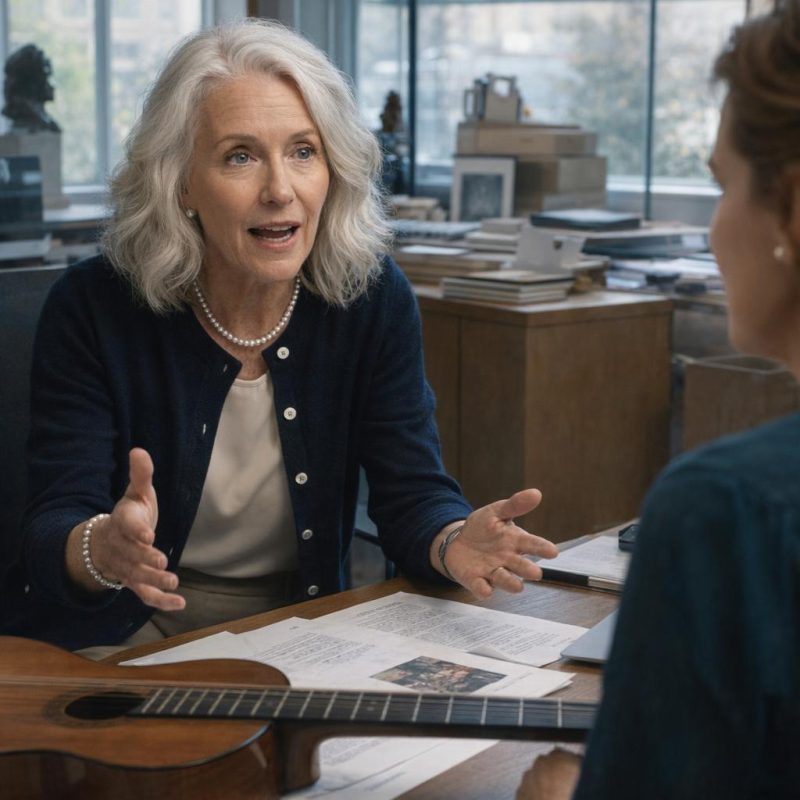 Image by RM AI
What the Museum Really Wants
The curator called again two days later, and this time she wanted to talk about the museum's mission in more specific terms. She explained that their mandate was accurate historical documentation — not mythology, not the polished version of events that made for a cleaner story, but what actually happened. She said they had turned down donations before when the provenance didn't hold up, and they had revised exhibition labels when new evidence came to light, even when it was uncomfortable. She told me that Tom's role in the creation of that opening passage wasn't a footnote — it was part of the instrument's documented history, and the museum intended to represent it that way. She said the guitar's connection to both men, the friendship, the gift, the creative exchange that produced something lasting — all of it added depth to Jack's story rather than taking anything away from it. She used the word integrity twice, and both times she meant the institution's, not just mine. By the end of the call I understood that the museum wasn't simply a neutral party waiting to see how the dispute resolved. They had read the evidence and they had made a judgment. The weight of that — an institution built on getting history right, choosing to stand on the side of the complicated truth — settled over me quietly and stayed.
 Image by RM AI
Sylvia's Compromise Offer
Sylvia's next communication arrived through her attorney about a week later, and the tone had shifted. The dismissiveness was gone. In its place was something that read like a negotiation — careful, measured, and just specific enough to reveal how much ground she had already conceded. She was prepared, her attorney wrote, to withdraw the ownership claim. She would allow the museum to list the guitar as Tom's property, given to him by Jack. She acknowledged the birthday card as documentation of the transfer. These were real concessions, and I recognized them as such. But then came the condition. She wanted the exhibition label to describe Tom's role in the song's creation as musical encouragement and creative support during the early writing process. Not that he wrote the intro. Not that his hands found the opening passage first. Encouragement. Support. The kind of language that sounds generous until you understand what it's erasing. I read that paragraph three times. After everything — the card, the recordings, the museum's own position — she was still trying to sand Tom down into something vague and secondary, something that wouldn't threaten the story she had spent years protecting. I set the letter on Attorney Davis's desk and told him I needed a moment before I could respond. Then I heard Sylvia try to erase Tom one more time, and the anger that came up was very quiet and very clear.
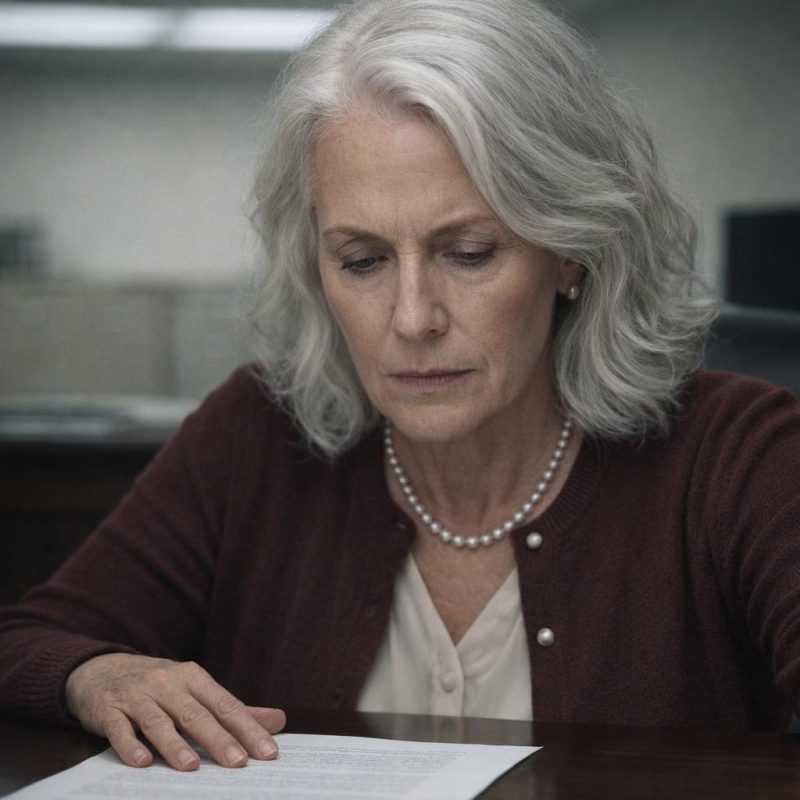 Image by RM AI
I Refuse Again
I told Attorney Davis to reject it. Not to counter, not to ask for revised language, not to leave the door open for another round of softened wording. Reject it. He looked at me over his reading glasses and asked if I was certain, because Sylvia withdrawing the ownership claim was a meaningful concession and there might be room to negotiate the label language further. I told him I understood that, and I was certain. Tom didn't offer Jack encouragement. Tom sat in that rehearsal room and found the notes that opened the song, and Jack knew it well enough to write it down in his own hand years later. That was the fact. That was what the card said, what Eddie's recordings documented, what the museum curator had already agreed was the accurate history. I was not going to let that get softened into something a reader could walk past without understanding what it meant. Attorney Davis nodded, made a note, and said he would convey my position to Sylvia's attorney that afternoon. I asked him to be clear that the language I required was specific: Tom created the opening passage of the song, and the exhibition would say so. He sent the refusal before I left the building. I walked to my car knowing Sylvia might walk away entirely — and I had made my peace with that.
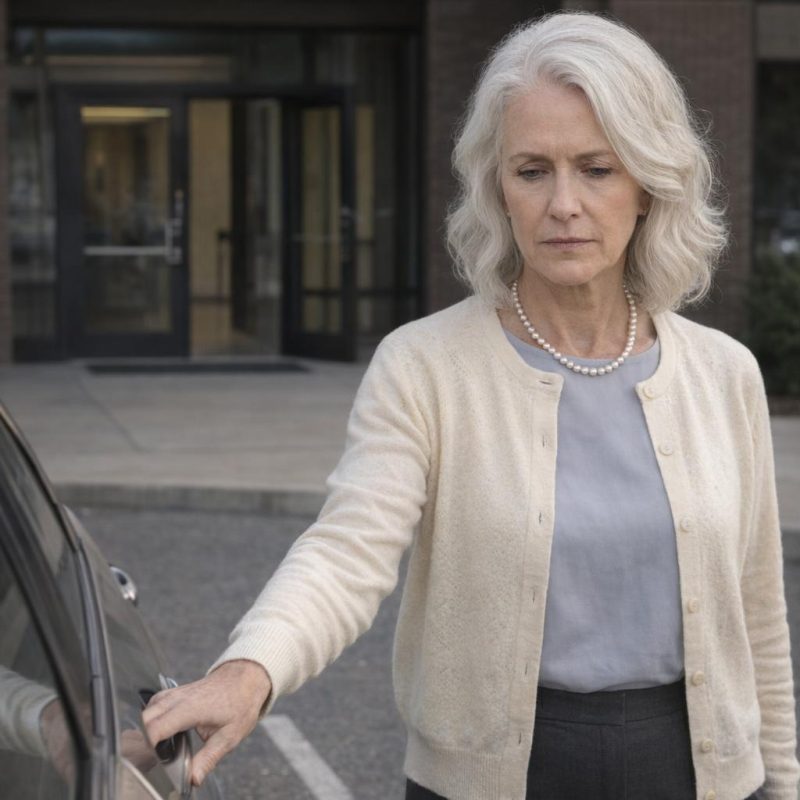 Image by RM AI
Eddie Steps Forward
I was home when Attorney Davis called to tell me what Eddie had done. Apparently Eddie had contacted Sylvia's attorney directly — not through me, not through Davis, just picked up the phone and made the call himself. He had identified himself as the bass player from the early band, told them he had been following the dispute, and said he wanted Sylvia to understand something clearly. He had the rehearsal recordings. He had been present in that room when Tom found the opening passage, and he remembered it the way you remember things that matter. He told them that if the exhibition went forward with language that erased what Tom had actually created, he would release the recordings himself. Not through an attorney, not through a formal process — he would put them out publicly and explain exactly what had happened during those rehearsals, in his own words, to anyone who wanted to listen. Attorney Davis said Sylvia's attorney had called him within the hour, and her voice had been different this time — pulled tight, the easy confidence gone flat. I sat down on the couch and held the phone against my chest for a moment after Davis finished talking. Then he said, quietly, that Eddie had also told Sylvia's attorney he would tell the world that Tom wrote the intro — and that he had witnesses who would say the same.
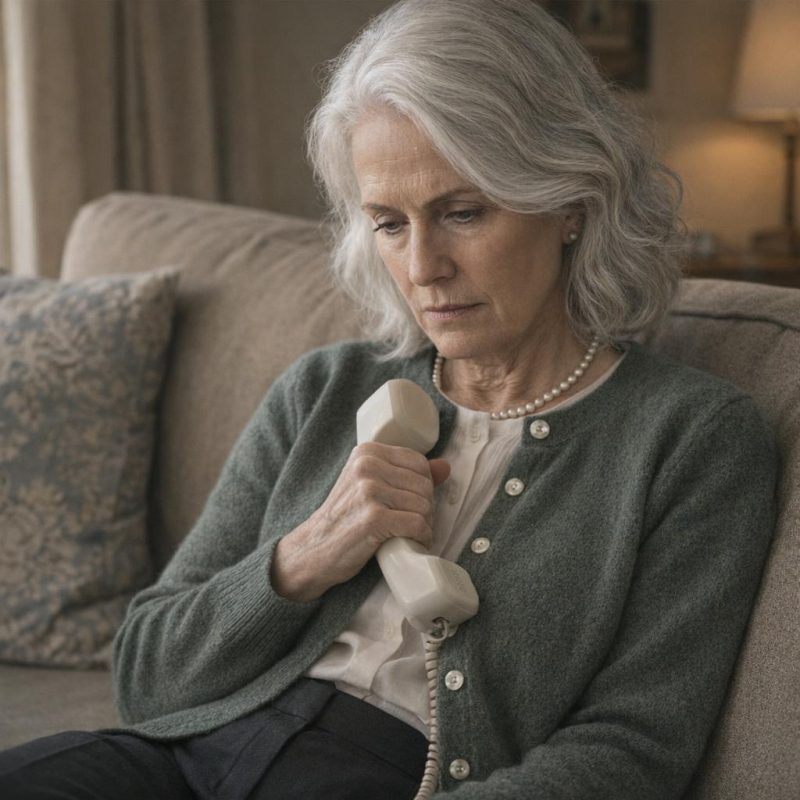 Image by RM AI
The Musicians Stand Together
The call came two days after Eddie's ultimatum, and this time Attorney Davis had something different in his voice — something that sounded almost like relief. A second musician from the early band had reached out to Eddie directly. I didn't know him well, but Tom had mentioned him over the years — a quiet, steady man who had been in that rehearsal room just as Eddie had been, who had watched Tom work out the opening passage note by note across several sessions. He had seen the whole thing. And now he was willing to say so publicly, in his own name, without hesitation. Davis arranged a meeting, and I sat in the corner of that conference room and watched it happen. Sylvia came in composed, her attorney beside her, that careful smile already in place. Then Eddie walked in, and the second musician walked in behind him, and something shifted in Sylvia's face that no amount of composure could cover. These weren't lawyers or archivists or legal abstractions. These were the men who had actually been in that room. She looked at them both, and the smile went still. Her attorney leaned in and said something quietly, and Sylvia shook her head once — a small, tight motion. Then she sat back in her chair and said nothing more for the rest of the meeting. The claim was dropped before the week was out.
 Image by RM AI
The Honest Plaque
I carried the guitar to the museum myself. I wouldn't have trusted it to anyone else, not after everything. The curator met me at the service entrance with cotton gloves and a padded case already open, and she handled it with the kind of care that made me feel like Tom would have approved. The exhibition opened on a Thursday, and I went on the first public day, alone, because I wanted to see it without anyone watching my face. It was displayed in a glass case near the center of the room, lit softly from above, the old wood catching the light the way it always had in the den on a sunny afternoon. And beneath it, the plaque. I read it twice, slowly. It said that the guitar had been given by Jack to Tom when they played together in the early years, that Tom had been its owner and keeper for decades, and that the two of them had developed the early arrangement of the song together — Tom's contribution named plainly, without qualification or footnote. I stood there for a long time with my hands folded in front of me. Tom's name was beside Jack's on that little card, in a museum, where anyone who walked through could read it. That felt like enough. That felt like exactly enough.
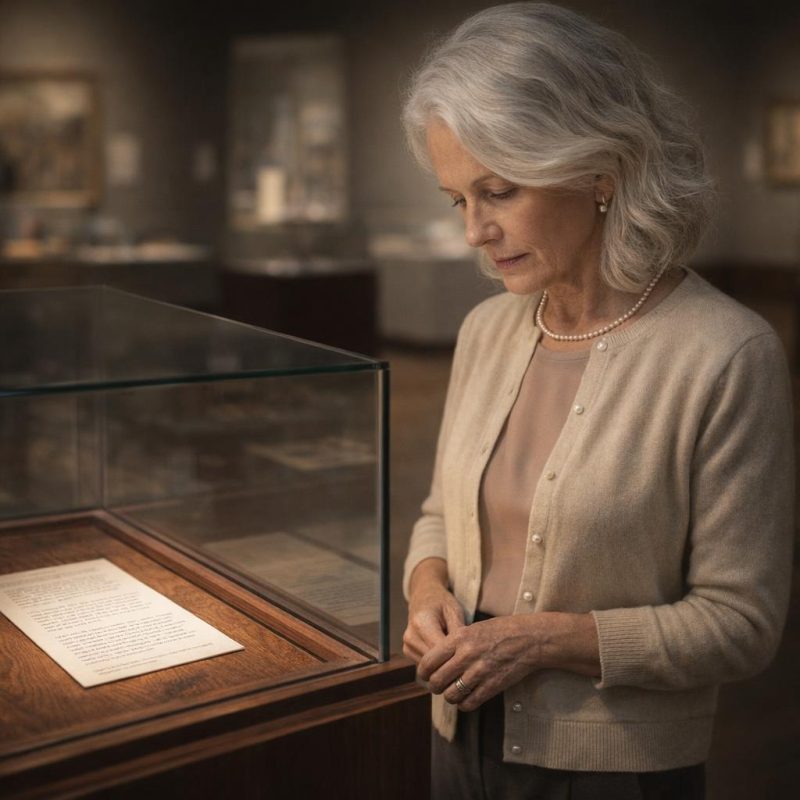 Image by RM AI
The Guitar Comes Home
Six months passed faster than I expected. The curator called on a Tuesday morning to let me know the exhibition was closing and that she would personally oversee the guitar's return. She thanked me — genuinely, not in the polished way institutions sometimes do — and said that Tom's story had added something to the exhibition that she hadn't anticipated, a kind of human texture that visitors had responded to. I appreciated that more than I told her. When the guitar arrived back at the house, it came in the same padded case, packed with the same careful attention. I set it on the kitchen table and opened the case slowly, the way you open something you've missed. It looked exactly as it always had. A few people had asked me, over the months, whether I planned to sell it or donate it permanently, and I had always said no without needing to think about it. I carried it back to the den and hung it in the same spot on the wall where Tom had left it, the same nail, the same angle. I stepped back and looked at it for a moment. The room felt right again in a way it hadn't since the first letter from Sylvia's attorney arrived. That guitar had outlasted the fame, the legal threats, and the attempt to rewrite what it meant — and now it was simply home.
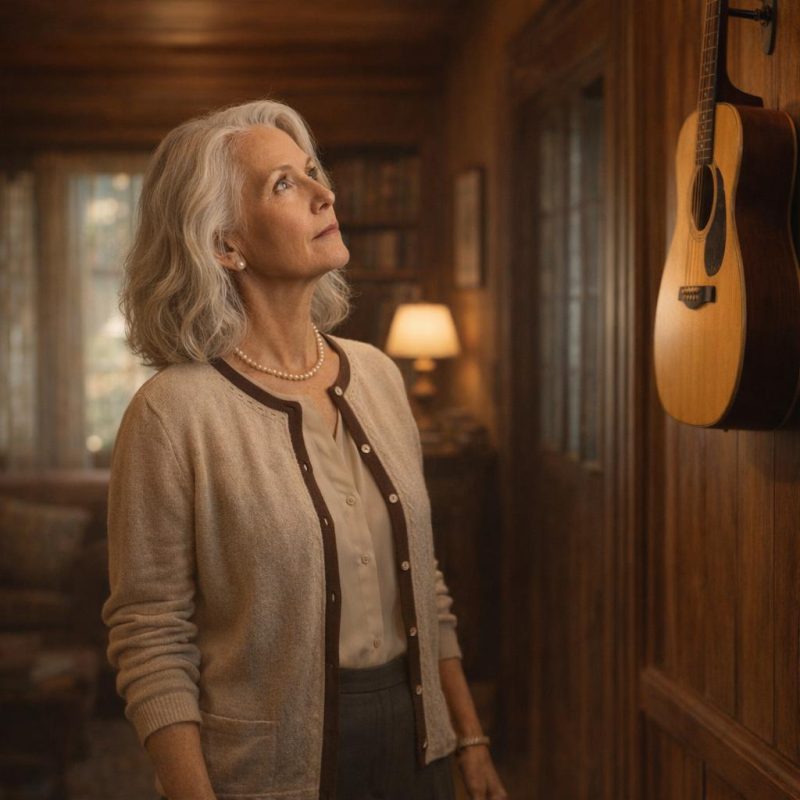 Image by RM AI
What Mattered Most
I've thought a lot about what Sylvia actually wanted, now that it's over. I don't think it was greed, exactly. I think she wanted the guitar because it was a loose thread in the story she had spent years tending — a story where Jack was the sole architect of everything he created, where the early years were a clean origin myth with no complications. The guitar, and Tom's connection to it, complicated that. It put another man in the room. And she couldn't have that. What she never understood, or maybe never cared to, was that Tom didn't need the world to know. He never did. He kept that guitar on the wall because it meant something to him privately, between him and Jack, between two men who had made something together a long time ago. He wasn't keeping score. But Jack had remembered. That was the thing I kept coming back to. Jack had written it down in a birthday card — just a few lines, handwritten, the kind of thing you scribble without thinking it will matter to anyone but the person receiving it. He told Tom he hadn't forgotten what Tom brought to that song. He said it plainly, like one old friend to another. No lawyers, no plaques, no public record. Just Jack's handwriting on a card that Tom had kept in a drawer for thirty years, and that I still have.
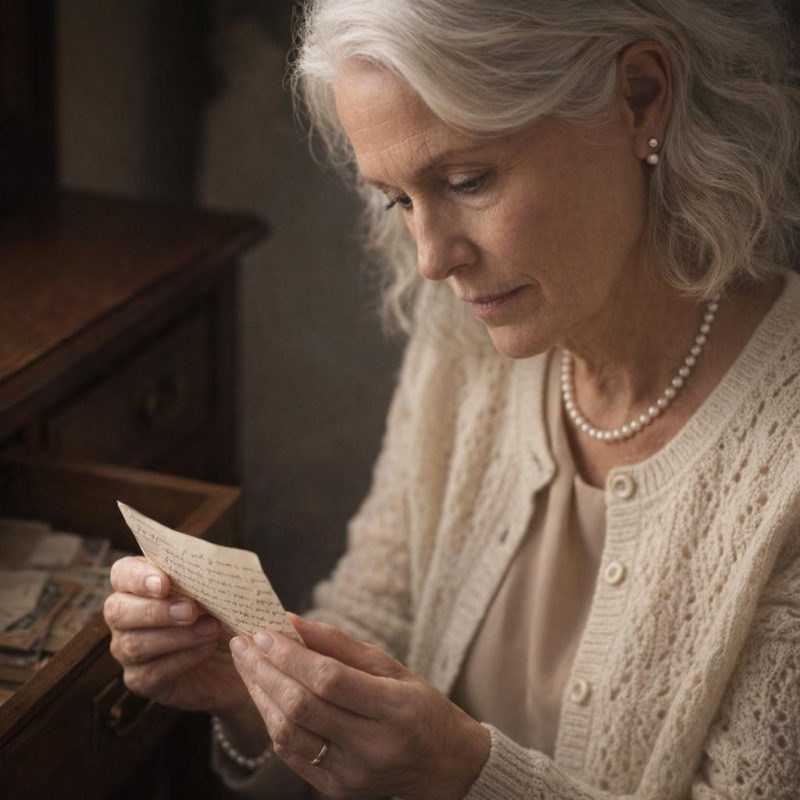 Image by RM AI