

The Interruption
I was maybe six people from the gate when the agent called my name. Not loudly—just enough that I heard it and the businessman behind me heard it too. I stepped out of line, boarding pass in hand, assuming it was something simple. A seat reassignment maybe, or one of those random security checks they do sometimes. The gate agent—her name tag said Brenda—smiled at me, but it was the kind of smile that doesn't reach the eyes. She asked for my ID. I handed it over. She scanned it, looked at her screen, then scanned it again. 'Just one moment,' she said. The people behind me were boarding now, rolling their little carry-ons past us. I stood there with my purse and my jacket, feeling like I'd been pulled over on the highway for something I didn't do. Brenda picked up the phone at her desk and turned slightly away from me when she spoke into it. I couldn't hear what she said. When she hung up, she asked me to wait just a little longer. The expression on her face told me this wasn't routine—but she wouldn't say why.
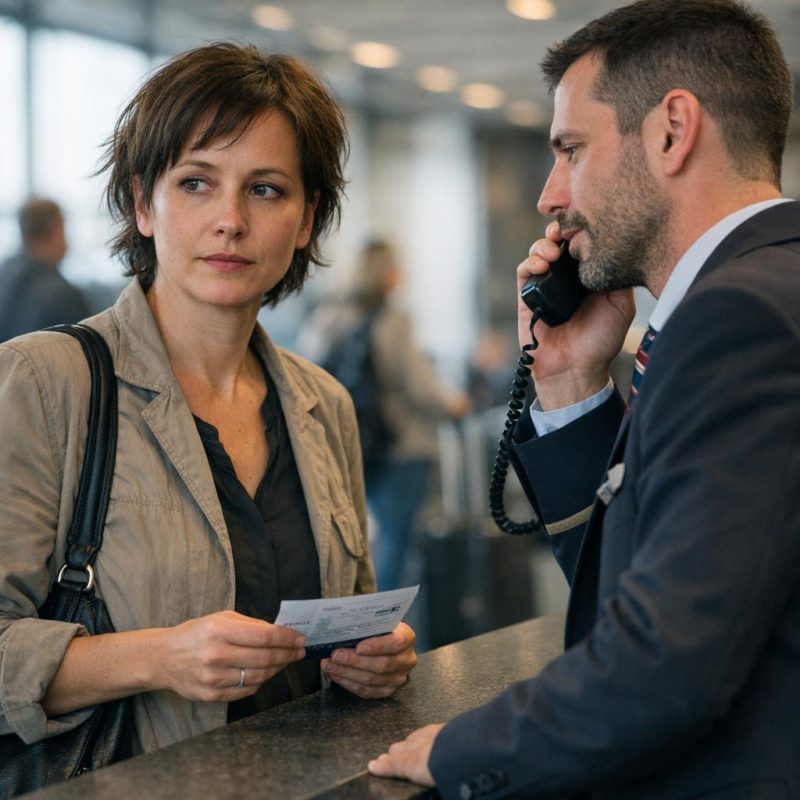 Image by RM AI
The Wait
Five minutes became ten, then twenty. I asked Brenda twice what the problem was. Both times she said someone was coming to help, that it would just be a moment. I wasn't angry yet—just confused and increasingly aware that people were noticing. A teenager across from me had her phone out, half-watching me, half-scrolling. An older man in a business suit kept glancing over. My flight was boarding, and I was standing there like I'd been flagged for something serious, except no one would tell me what. When the supervisor finally arrived, she moved with that brisk efficiency people develop when they've handled a thousand problems before breakfast. She introduced herself as Karen, looked at my ID, then looked at her screen. I watched her face. It changed. Not dramatically—just a tightening around the mouth, a slight pause before she spoke. 'Ms. Carter,' she said, 'we need to ask you a few questions.' Then the supervisor arrived, looked at my ID, looked at her screen, and her face changed.
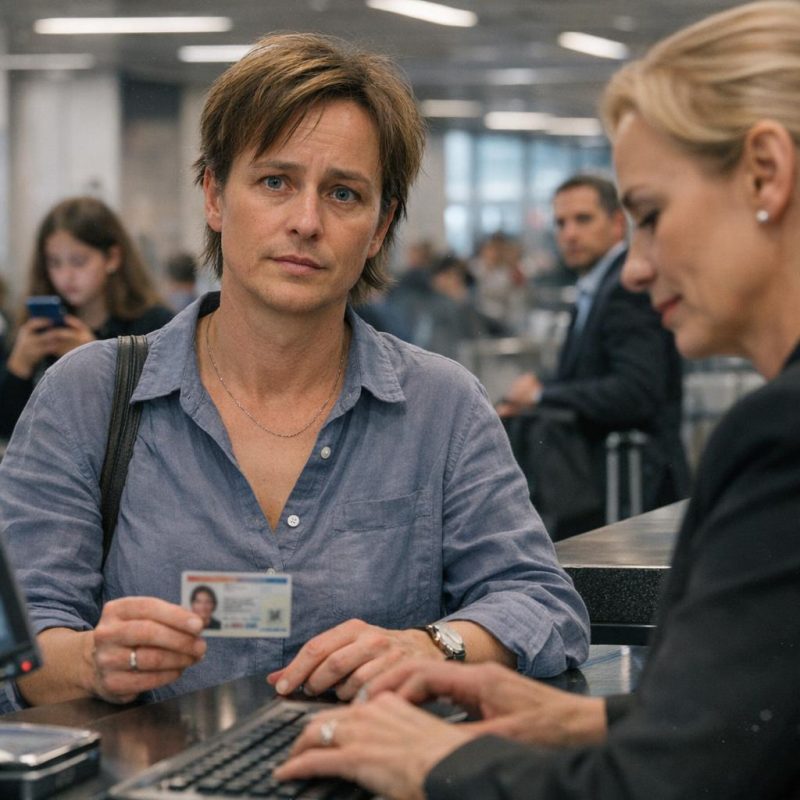 Image by RM AI
The Question
Karen led me a few feet away from the gate, just far enough that we weren't blocking traffic but not far enough for privacy. She asked if I'd traveled recently. I said yes—I'd been in Portland for a conference last week. She nodded slowly, like I'd confirmed something, though I had no idea what. 'And you're traveling alone today?' she asked. Yes. 'Have you had any issues with your identification recently? Any reports of fraud or theft?' No, nothing like that. I could feel my pulse picking up. These weren't clarifying questions. They were accusations dressed up in polite language. I asked her directly what this was about. She said there'd been 'an issue flagged in the system' and they were working to resolve it. My phone buzzed in my pocket—Sarah, my daughter. I let it go to voicemail. Karen asked me to confirm my address, my date of birth. I did. She typed something on her tablet. When I said yes, she paused, then said, 'There's been an issue'—and wouldn't say what.
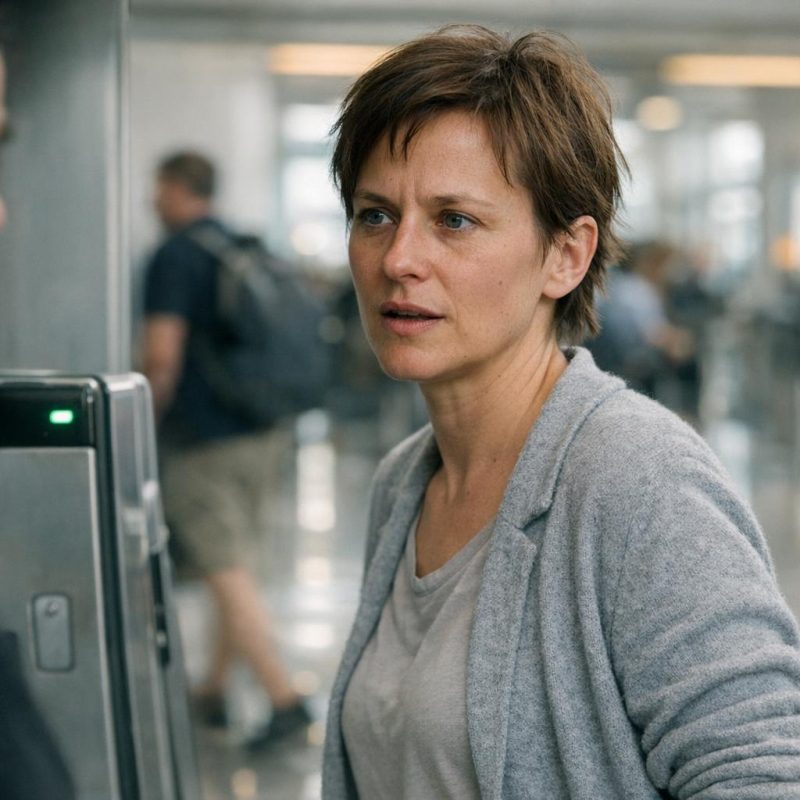 Image by RM AI
The Denial
Karen told me, in that calm voice people use to deliver bad news, that I wouldn't be boarding this flight. She said they'd rebook me on the next available one and that someone from customer service would be in touch. I asked why. She said it was a precautionary measure. I asked what that meant. She said she couldn't provide more detail at this time. It was like talking to a recording. Behind her, I saw a woman holding up her phone, clearly filming me. When I made eye contact, she didn't even look away. Just kept recording. My chest felt tight. I wasn't angry anymore—I was something else. Something I didn't have a name for yet. Karen handed me a slip of paper with a rebooking confirmation code and apologized for the inconvenience. The word 'inconvenience' hung in the air like a joke. People were still watching. Some had boarded, but others lingered, phones out, pretending not to stare. I should have felt relieved, but instead I felt something else: watched.
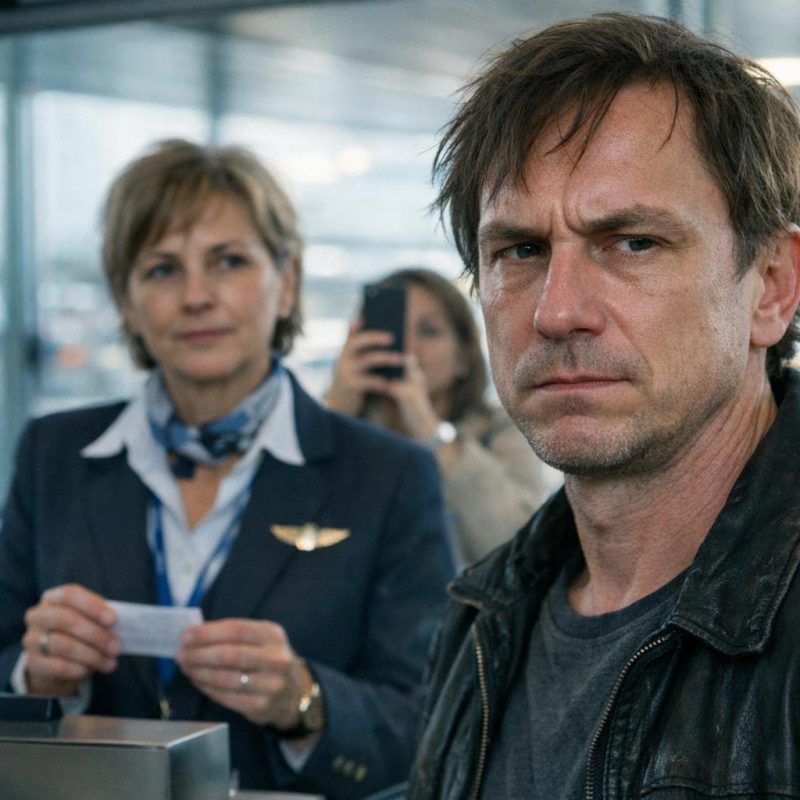 Image by RM AI
The Notification
I found a seat near the window and pulled out my phone. Seventeen missed calls. Forty-three text messages. Notifications from Facebook, Instagram, Twitter—apps I barely used anymore. My hands were shaking a little as I unlocked the screen. Messages from Sarah, from my sister, from college friends I hadn't spoken to in years. Someone from my book club. A former coworker. My dentist's office manager. All of them in the last thirty minutes. I opened Sarah's messages first. 'Mom, call me.' 'Are you okay?' 'Mom seriously, call me NOW.' Then my sister: 'Diane what is going on??' I scrolled through the rest. Most of them didn't even say what they were reacting to—just asked if I was alright, if I'd seen it, if I needed anything. My stomach dropped. Seen what? I went to my email. Dozens of unread messages. Someone had tagged me in something on Facebook. Multiple someones. One message stood out: 'Is this you???' with a video attached.
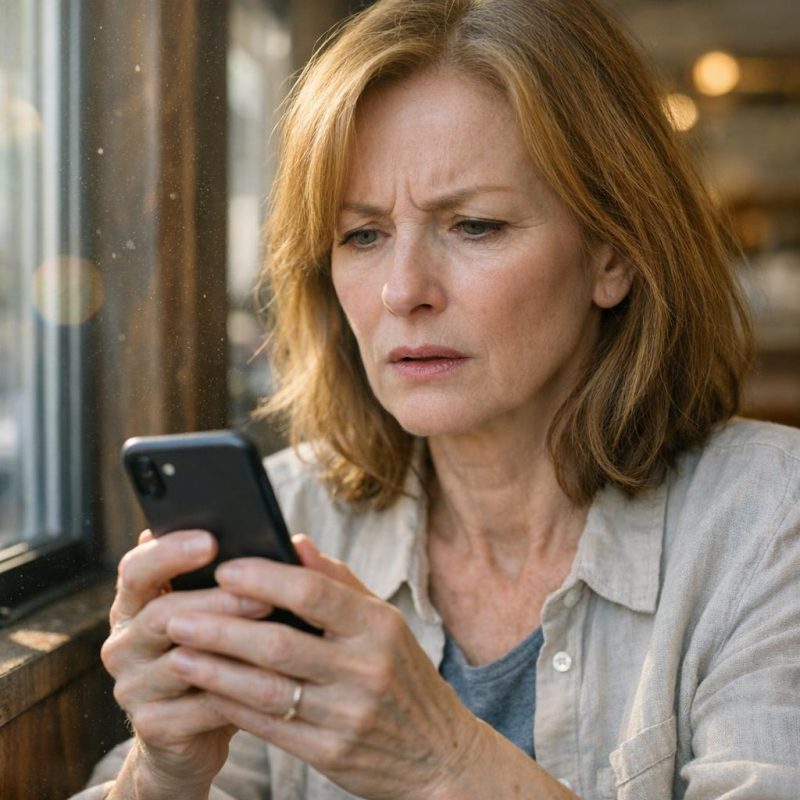 Image by RM AI
The Video
I didn't want to click it. But I did. The video opened mid-scene—shaky footage, clearly shot on a phone. There I was, standing at the gate with Brenda and Karen. The angle made it look worse than it felt—like I was being detained. The caption read: 'CAUGHT: Woman involved in fraud scheme trying to flee the country—WATCH her get stopped by airport security.' My breath caught. Fraud scheme? Flee the country? I was going to a work seminar in Denver. I watched the rest of the clip. You could hear someone in the background say, 'She doesn't even look sorry.' The video ended with me standing there holding that rebooking slip, looking exactly like someone who'd been caught. It had been posted twenty-eight minutes ago. It already had over six thousand shares. I scrolled to the comments. 'Hope she goes to jail.' 'They should've arrested her on the spot.' 'Look at her face, she KNOWS she's guilty.' The comments were already in the hundreds, and every single one of them believed it.
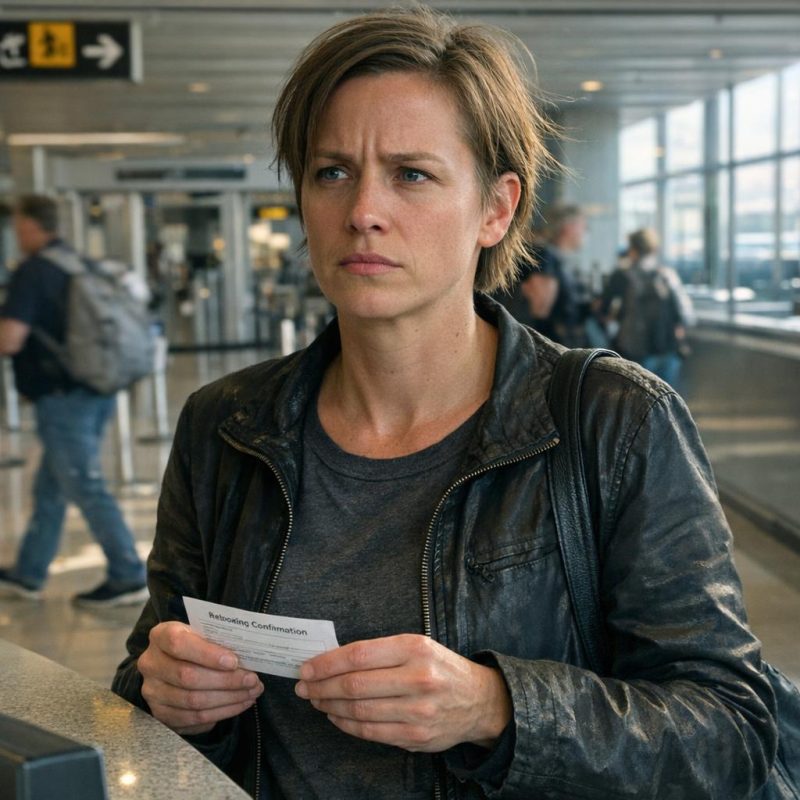 Image by RM AI
The Spread
I searched my own name. Nothing. Then I searched 'airport fraud woman stopped'—and there it was, everywhere. TikTok. Twitter. Reddit. Facebook groups I'd never heard of. Each repost had a different caption. 'Karen tries to escape justice.' 'This is what privilege looks like.' 'Airport staff are heroes.' Some said I was involved in a Ponzi scheme. Others said I'd stolen money from a charity. One claimed I was fleeing the country with embezzled funds. None of it was true. None of it even made sense. But it was spreading faster than I could track. My phone rang—Marcus, my ex-husband. I answered. 'Diane, what the hell is going on?' he said. 'Someone sent me a video of you getting pulled off a plane.' I tried to explain. He listened. Then he said the worst thing: 'Do you need a lawyer?' I scrolled through more comments, feeling sick. Then I saw my name—my real name—in one of the comments.
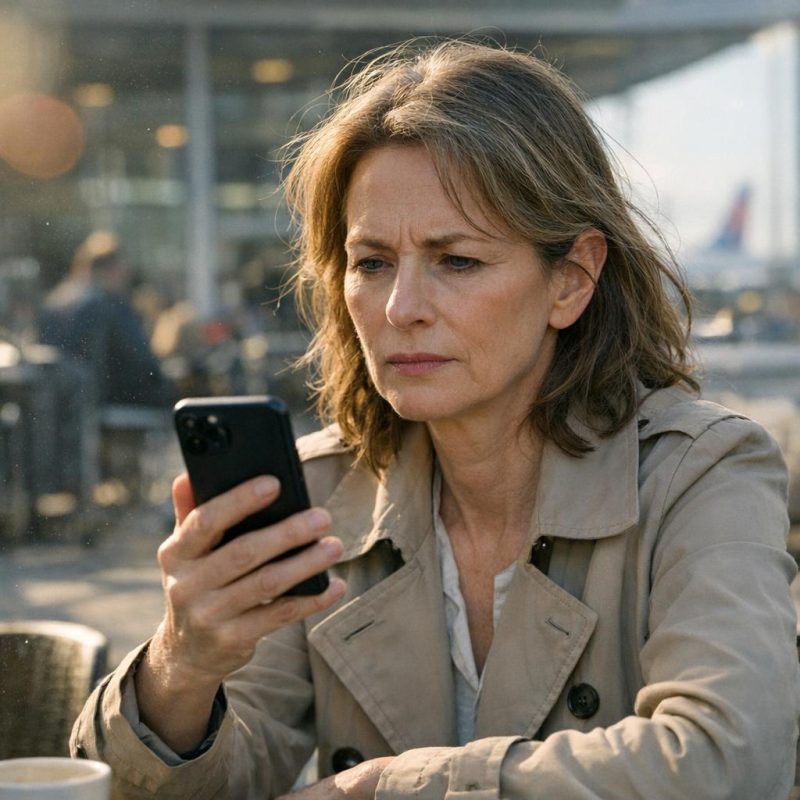 Image by RM AI
The Recognition
I looked up from my phone and felt it immediately—the shift in the air. A man sitting two seats down glanced at me, then quickly looked away. A couple walking past slowed their pace, and the woman leaned in to whisper something to her partner. They both looked. I stood up, needing to move, needing to do something. I walked toward the coffee stand near the next gate. My legs felt unsteady. A teenage girl looked up from her phone, her eyes widening slightly. She nudged her friend. They both stared. I wasn't imagining it. I wasn't being paranoid. People knew. Or thought they knew. In the span of thirty minutes, I'd gone from anonymous to infamous. From a person boarding a plane to a character in a story I didn't write. I ordered a coffee I didn't want, just to have something to do with my hands. A woman near the coffee stand whispered something to her friend, and they both stared.
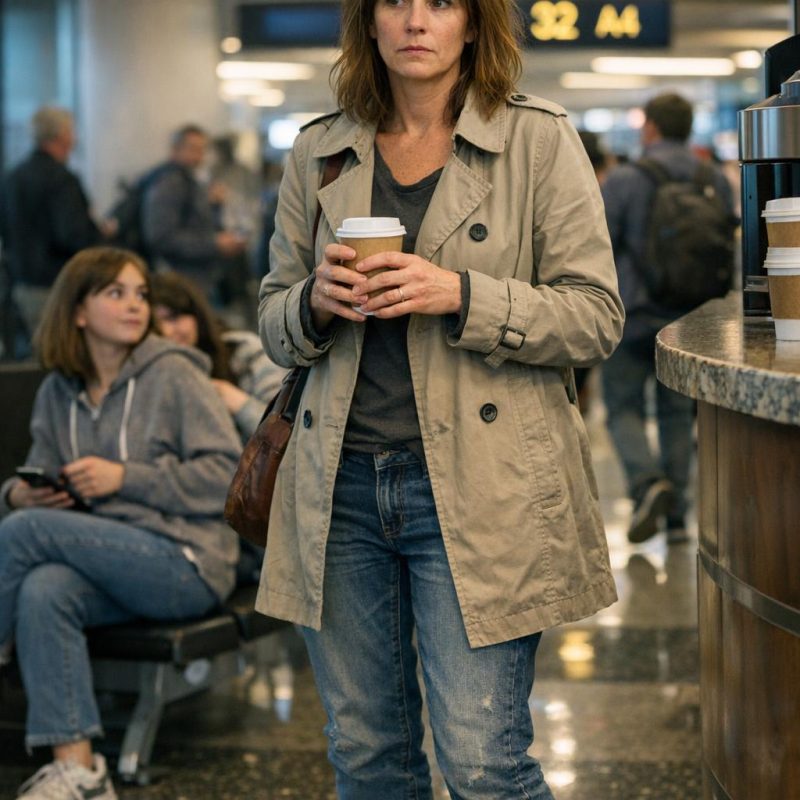 Image by RM AI
The Approach
I was halfway through my coffee when I saw them coming. Two airport security officers, walking with purpose, scanning the gate area. One of them—a woman with dark hair pulled back tight, her name tag reading 'Officer Reyes'—locked eyes with me. She headed straight over. 'Ma'am, we need you to come with us, please,' she said quietly. Her tone was professional, neutral. Like she'd said those words a thousand times. I felt my stomach drop. 'Why? What's this about?' I asked, trying to keep my voice steady. 'We just need to ask you some questions,' Officer Reyes said. 'It won't take long.' I looked at her partner, a younger man who wouldn't meet my eyes. Around us, people were definitely watching now. Phones were out. I could feel the cameras on me, recording this moment, feeding the beast. I stood up, my legs feeling like they might give out. 'Can you at least tell me what this is about?' I asked again. Officer Reyes gestured toward the corridor that led away from the gates. 'We'll explain everything in a moment, ma'am.' They wouldn't tell me what I was being questioned about—only that it was 'urgent.'
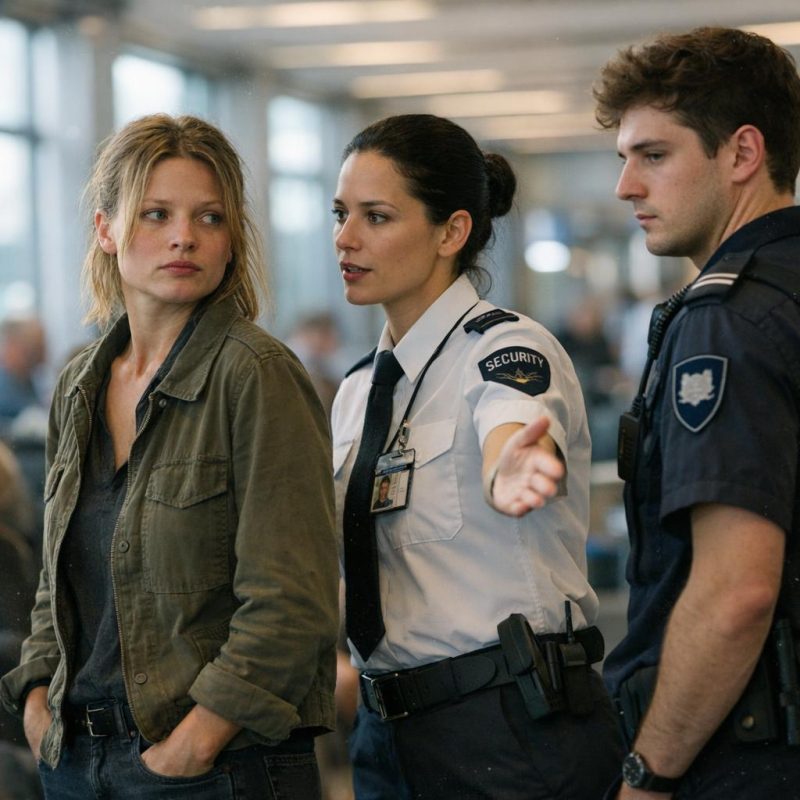 Image by RM AI
The Interrogation Room
The room was small, windowless, and beige. A metal desk. Three chairs. Fluorescent lights that hummed too loud. Officer Reyes sat across from me, a tablet in front of her. Her partner stood by the door. 'We received a report concerning your behavior at the gate,' she said, her eyes steady on mine. 'Can you tell me where you're traveling today and the purpose of your trip?' I told her. Portland. A work conference. I showed her my boarding pass, my conference registration on my phone. She took notes. Then she turned the tablet toward me. 'Have you seen this?' It was the video. My face, frozen mid-gesture. The caption underneath: 'This woman was acting SO WEIRD at the airport. Security needs to know about this.' Thousands of comments. Reyes watched me closely. 'Can you explain what was happening in this video?' I tried. I explained I was on a call. That I'd been frustrated with a work situation. That I hadn't done anything wrong. She nodded slowly, but her expression didn't change. She scrolled through the comments, reading silently. Then she asked, 'Do you know why someone would say this about you?'
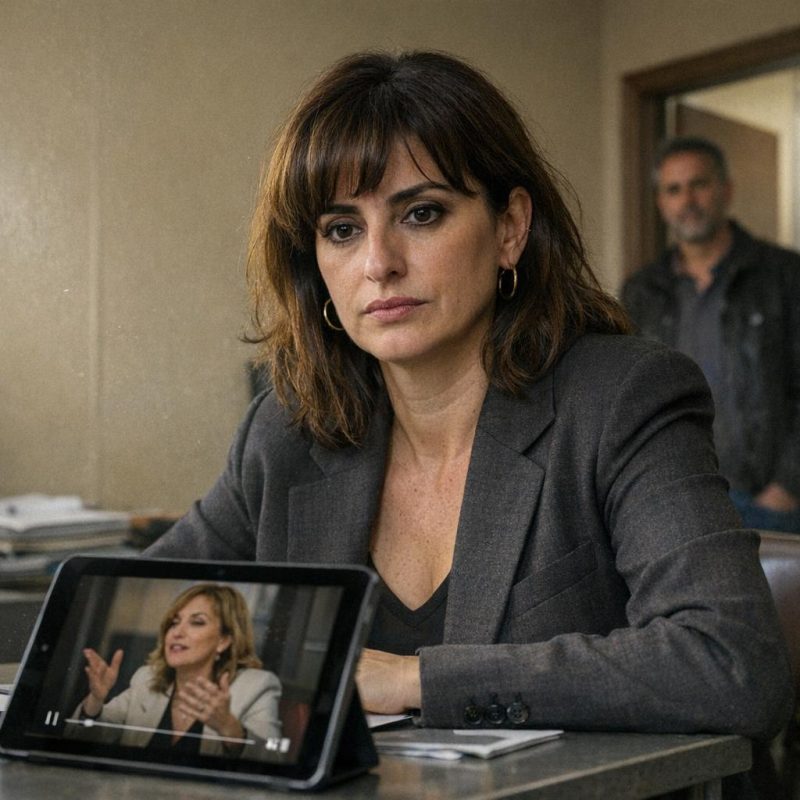 Image by RM AI
The Release
Officer Reyes checked my ID three times. She verified my employment, my ticket, my hotel reservation in Portland. She asked about my work, my reason for traveling, whether I'd had any disputes with anyone recently. I answered everything. What else could I do? After twenty minutes, she closed her notebook. 'Everything checks out, Ms. Whitmore,' she said. 'You're free to go.' I exhaled for what felt like the first time in an hour. But she was still looking at me—not like someone who'd cleared me, but like someone who wasn't entirely convinced. 'So that's it?' I asked. 'You see I didn't do anything wrong?' She stood up, opened the door. 'We found no cause for concern,' she said carefully. Those exact words. Not 'you're innocent.' Not 'this was a mistake.' Just 'no cause for concern.' I walked out of that room knowing I'd been officially cleared, but also knowing it wouldn't matter. The video was still out there. The story was already written. She said I was free to go, but I could see it in her eyes: she still wasn't sure.
 Image by RM AI
The Source
I missed my flight. Obviously. By the time I got back to the gate, the door was closed, the jetway empty. I stood there staring at it for a long moment before I turned around and found the nearest bench. I needed to know who did this. I pulled up the video again—I'd watched it a dozen times already, but now I looked at the account that posted it. The profile picture showed a young woman with flawless skin and a bright smile. Her handle was @JennaSeesIt. She had 340,000 followers. Her feed was full of videos like mine—people 'caught' doing suspicious things, acting 'weird,' behaving in ways that Jenna found worth broadcasting to hundreds of thousands of strangers. Each post had tens of thousands of likes. The captions were always the same breathless tone: 'You won't BELIEVE what I saw today,' 'This is NOT okay,' 'Someone needs to explain THIS.' And people ate it up. Every single time. Her bio was short and direct, written with the confidence of someone who believed they were doing the world a service. Her bio said 'Exposing the truth, one post at a time.'
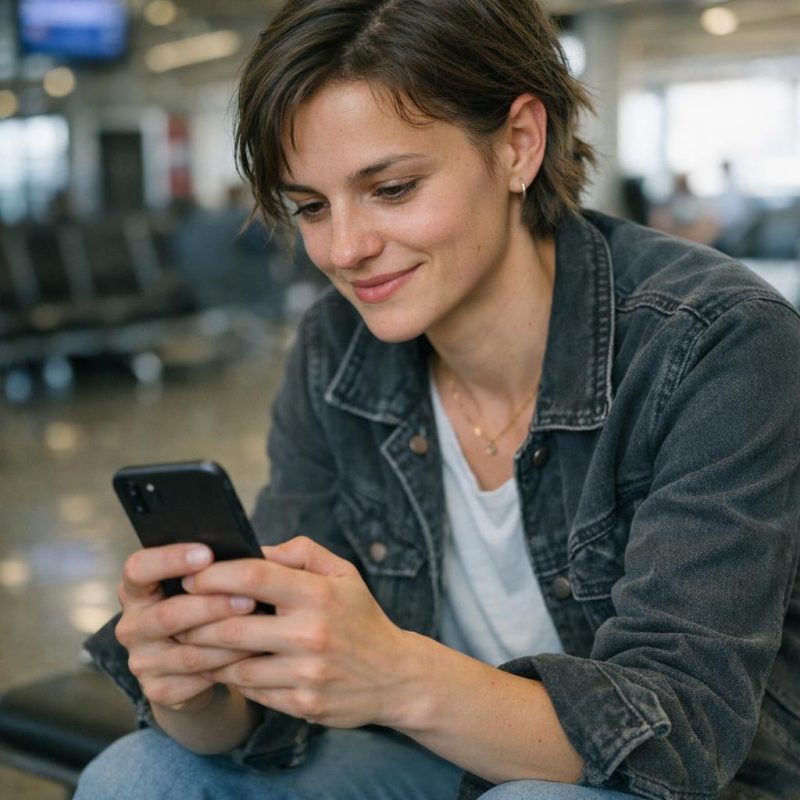 Image by RM AI
The Message
I drafted the message three times before I sent it. I wanted to be calm, reasonable, civil. 'Hi Jenna, I'm the woman in the video you posted from the airport this morning. I understand how it might have looked, but I was simply on a work call. There was nothing suspicious happening. This video has caused serious problems for me, and I'm asking you respectfully to please take it down. Thank you.' I read it over one more time, deleted 'serious problems,' and replaced it with 'some misunderstandings.' Softer. Less accusatory. I hit send. The message showed 'Delivered' immediately. I watched the screen, waiting. Maybe she didn't know. Maybe she'd be horrified to learn what her post had done. Maybe she'd apologize and delete it right away. Two minutes passed. Then I saw it: 'Read 2:47 PM.' She'd seen it. I waited. Five minutes. Ten. I checked my phone obsessively, refreshing the message thread. Nothing. I opened her profile again. She'd just posted a new video—someone at a grocery store, acting 'entitled.' The comments were already pouring in. Jenna read it within minutes—but didn't reply.
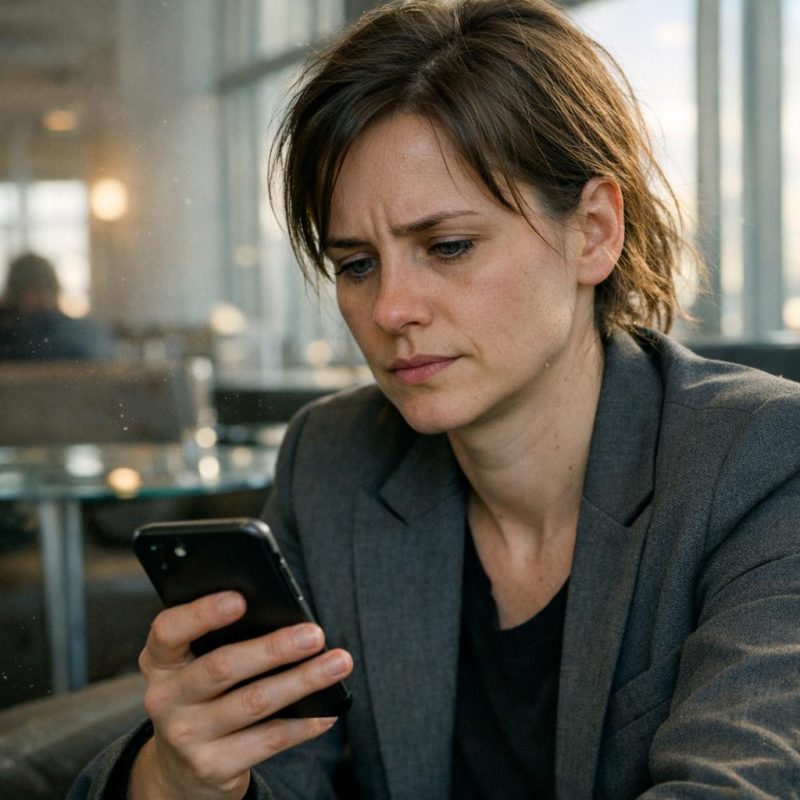 Image by RM AI
The Escalation
I rebooked for a flight the next morning and checked into an airport hotel. I couldn't go home—I'd already committed to the conference, and missing it would raise too many questions at work. I lay on the stiff hotel bed and watched my face multiply across the internet. The video had jumped platforms. It was on Twitter now, with a different caption: 'Karen has a meltdown at airport gate.' On TikTok, someone had added ominous music. A Reddit thread debated whether I was 'on something.' And then—God, then—the news sites picked it up. BuzzFeed: 'Viral Video Shows Woman's Bizarre Behavior at Airport.' A local news station in Denver: 'Passenger Removed from Flight After Alarming Incident.' They used words like 'investigation' and 'authorities' and 'person of interest.' None of them said what I'd supposedly done. None of them named an actual crime. But the implication was there, clear as day: something was wrong with me. Something dangerous. By evening, my face was on three different news sites—none of them had contacted me.
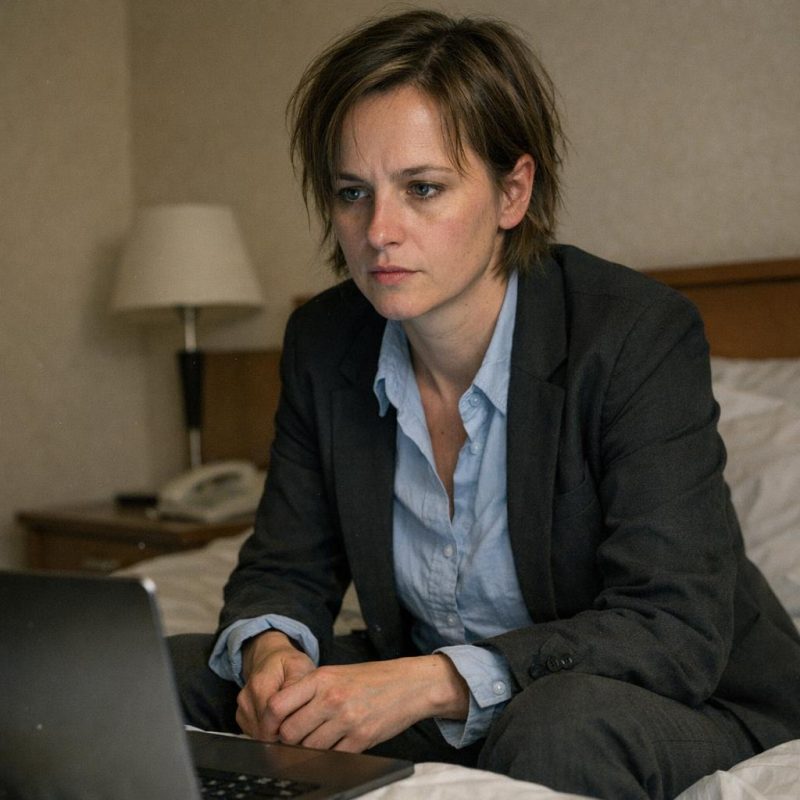 Image by RM AI
The Ally
Tamara called just after eight. I almost didn't answer—I'd been staring at my phone for hours and couldn't stand to look at it anymore—but I saw her name and picked up. 'Diane,' she said, her voice tight. 'I just saw. Are you okay?' I wasn't okay, but I told her I was managing. She'd been my cubicle neighbor for six years. We'd survived three rounds of layoffs together. If anyone was going to be on my side, it was Tamara. 'Listen,' she said carefully. 'It's hit the office. People are talking. Mark from IT sent the video to the whole department.' My stomach turned. 'What are they saying?' She hesitated. 'Most people don't know what to think. But Diane...' Another pause. 'Carol in HR saw it. She forwarded it to Janet.' Janet was our director. The one who approved conference travel. The one who'd question why I'd been pulled off a plane. 'They're not saying you did anything wrong,' Tamara added quickly. 'But they want to... they want to talk to you.' She said HR wanted to talk to me 'as soon as possible.'
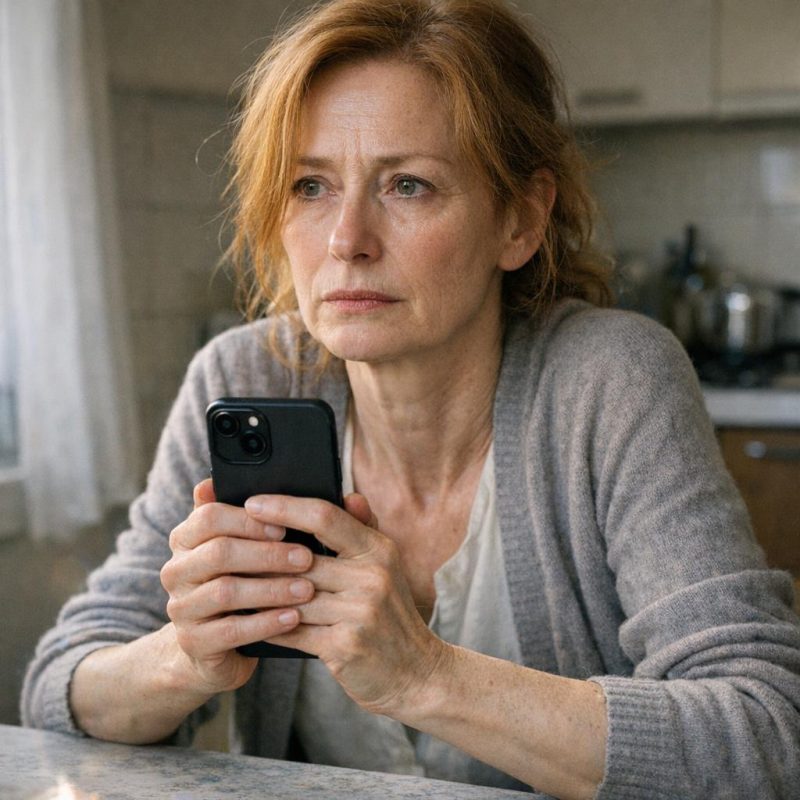 Image by RM AI
The Silence
I called the airline the next morning from the hotel lobby. I was transferred four times. First to customer service, who transferred me to 'passenger relations,' who transferred me to 'security liaison,' who transferred me back to customer service. Each person asked for my confirmation number. Each person put me on hold. The hold music was aggressively cheerful. Finally, a man named Dennis came on the line. 'Ms. Whitmore, I see here that you were removed from Flight 1247 yesterday due to a security concern.' 'What concern?' I asked. 'I was cleared by airport security. They said there was no issue.' 'I understand that, ma'am, but our records show that a report was filed regarding your behavior, and per protocol, we had to take appropriate action.' 'What report? Who filed it?' 'I'm not able to share that information.' 'Can you at least tell me what I supposedly did?' Another pause. I could hear him typing. 'Ma'am, I'm going to transfer you to our legal department.' 'Wait—' But the hold music was already playing again. When someone finally answered, her voice was clipped and final. The final representative said, 'We're not at liberty to discuss ongoing investigations.'
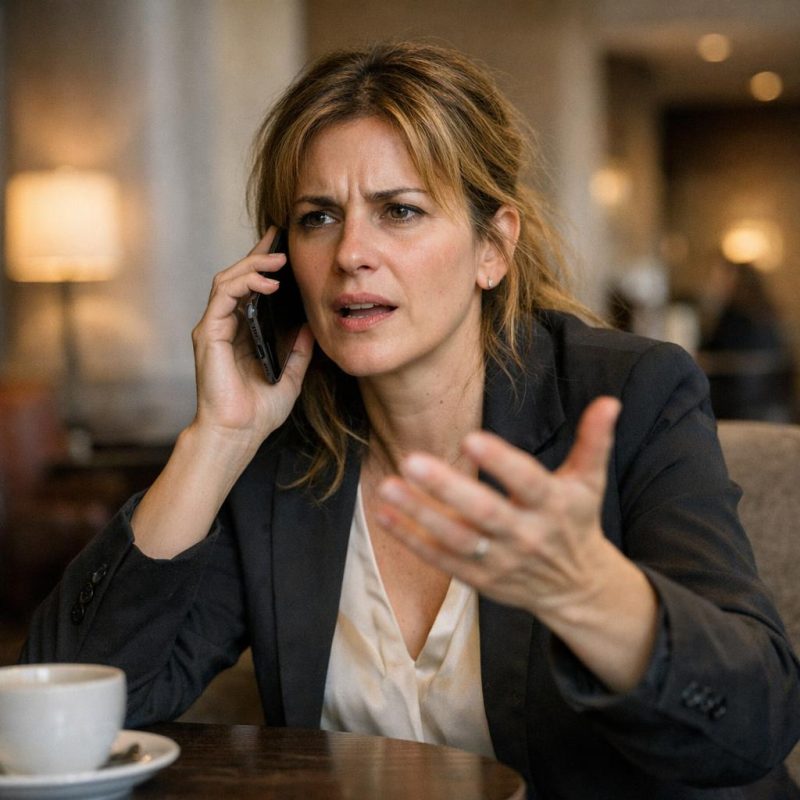 Image by RM AI
The PR Response
The airline's official statement went out three days after I was removed from the plane. Sarah forwarded it to me with a single text: 'This is bad.' The statement didn't use my name, but it didn't need to. 'We take passenger safety seriously and follow strict protocols when concerns are raised. Our decision to remove an individual from Flight 1247 was made in accordance with federal guidelines and company policy. We stand by our crew's actions and remain committed to maintaining the highest safety standards.' That was it. Seventy words that sounded like they were protecting everyone while actually protecting no one. The news outlets picked it up immediately. 'Airline Confirms Removal of Passenger After Viral Incident.' The word 'confirms' did all the work. It made it sound like they'd verified something, like they'd found evidence of wrongdoing. In the comments, people treated it as vindication. 'See? The airline wouldn't have kicked her off if there wasn't a real threat.' 'Companies have to be so careful now—they obviously had a reason.' I read through the threads until my eyes burned. They never said my name—but everyone knew who they were talking about.
 Image by RM AI
The Comments
I kept telling myself not to read the comments. I lasted maybe six hours. The original video had spawned dozens of reaction posts, TikTok stitches, Twitter threads dissecting every frame. People had theories. I was a disgruntled employee. I'd had a breakdown. I was drunk. I was on pills. Someone claimed they'd been on the same flight and saw me 'acting erratic' in the gate area—a complete fabrication, but it had three thousand likes. Another post said I'd been arrested before. Someone else said I worked for a company that had just laid people off, so obviously I was 'unhinged.' The cruelty wasn't even the worst part. It was the certainty. These people didn't wonder if the story was true. They knew. They spoke about me like I was a case study, a cautionary tale, a problem that had been correctly identified and solved. I scrolled until my chest felt tight, until the room seemed too small. Then I saw it, tucked into a reply thread I almost skipped. Someone had posted my address.
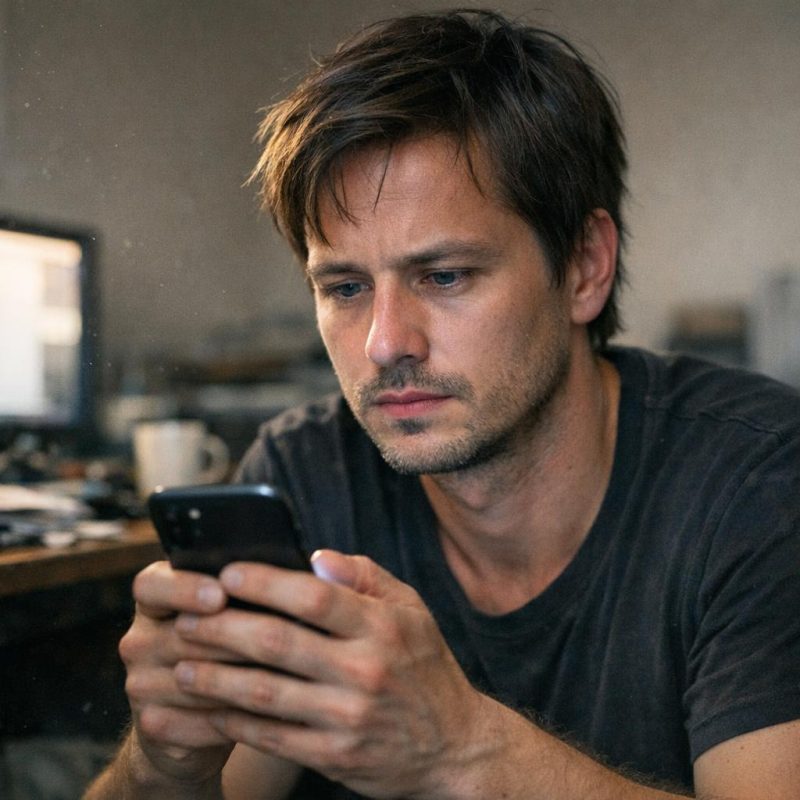 Image by RM AI
The Daughter's Plea
Sarah called that night, and I could hear the fear in her voice before she even said hello. 'Mom, you need to get a lawyer. Like, today.' I was still sitting at the hotel desk, staring at my address on the screen. My actual street number. The house I'd lived in for eleven years. 'I know,' I said. 'It's just—everything costs money, and I don't even know if—' 'I don't care what it costs,' she interrupted. Her voice cracked. 'Mom, people know where you live. They're saying horrible things. This isn't just online anymore.' She was right, and I knew it. I'd been treating this like something that would fade if I stayed quiet, like a bad review or a misunderstanding that would resolve itself. But it wasn't fading. It was growing. 'There are lawyers who do this,' Sarah said. 'Defamation, online harassment. I already looked some up. I can send you names.' I felt something shift in my chest—not quite hope, but something adjacent to it. A sense that maybe I didn't have to just endure this. She said, 'Mom, this isn't going away on its own.'
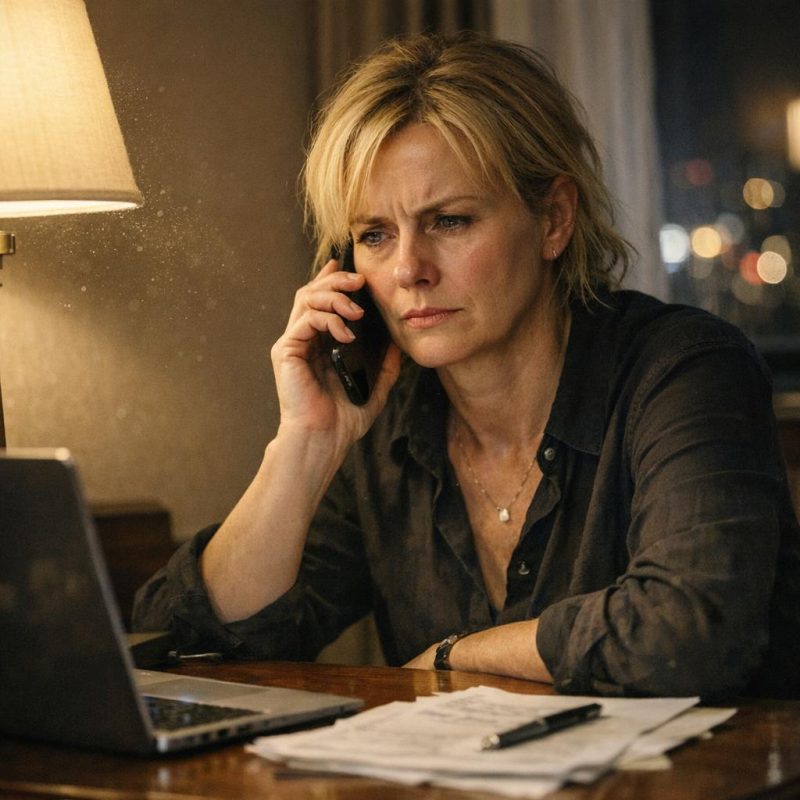 Image by RM AI
The Search
I spent the next two days researching attorneys. Sarah had sent me a list, and I added more from my own searches: 'internet defamation lawyer,' 'viral misinformation attorney,' 'online reputation defense.' The websites all looked the same—professional headshots, reassuring language about 'restoring your good name' and 'holding bad actors accountable.' I read testimonials from people who'd been falsely accused, dragged through social media, vindicated after long legal battles. But the more I read, the more uncertain I felt. The timelines were long. The costs were staggering. And nearly every site had some version of the same disclaimer, usually tucked away in the FAQ section or buried in the footer text. 'Results may vary.' 'No guarantees in cases involving user-generated content.' 'Social media platforms are protected under Section 230.' One attorney's site was more blunt than the rest. Most of them had disclaimers: 'Results not guaranteed in cases involving social media.'
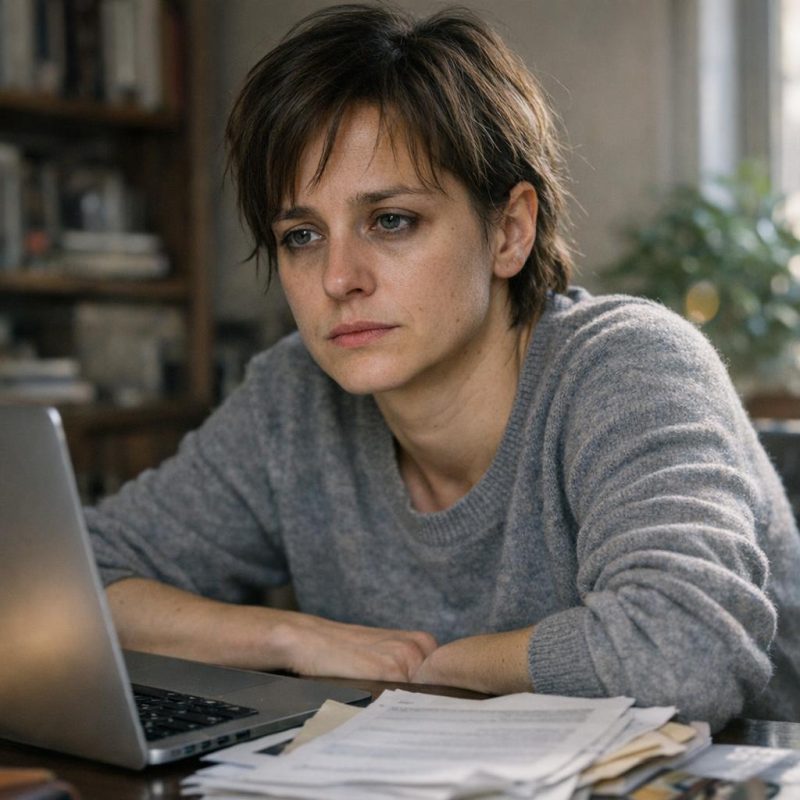 Image by RM AI
The Consultation
Ellen Frost's office was in a converted brownstone downtown, the kind of place that felt both expensive and understated. She was younger than I expected, maybe early fifties, with sharp eyes and a manner that was direct without being unkind. She listened to the whole story without interrupting, taking notes on a yellow legal pad. When I finished, she set down her pen and leaned back. 'Okay,' she said. 'Here's what you need to understand. Defamation cases are hard. Viral defamation cases are harder. You have to prove the statement was false, that it caused you harm, and that the person who made it acted with negligence or malice. That last part is tricky when someone genuinely believes what they're saying—or claims to.' 'She lied,' I said. 'I never said anything to her.' 'I believe you,' Ellen said. 'But belief doesn't win cases. Evidence does. And even if we win, it takes time. Months, maybe years. The internet doesn't wait for verdicts.' She tapped her pen against the pad. She said the real problem wasn't the lie—it was that people wanted to believe it.
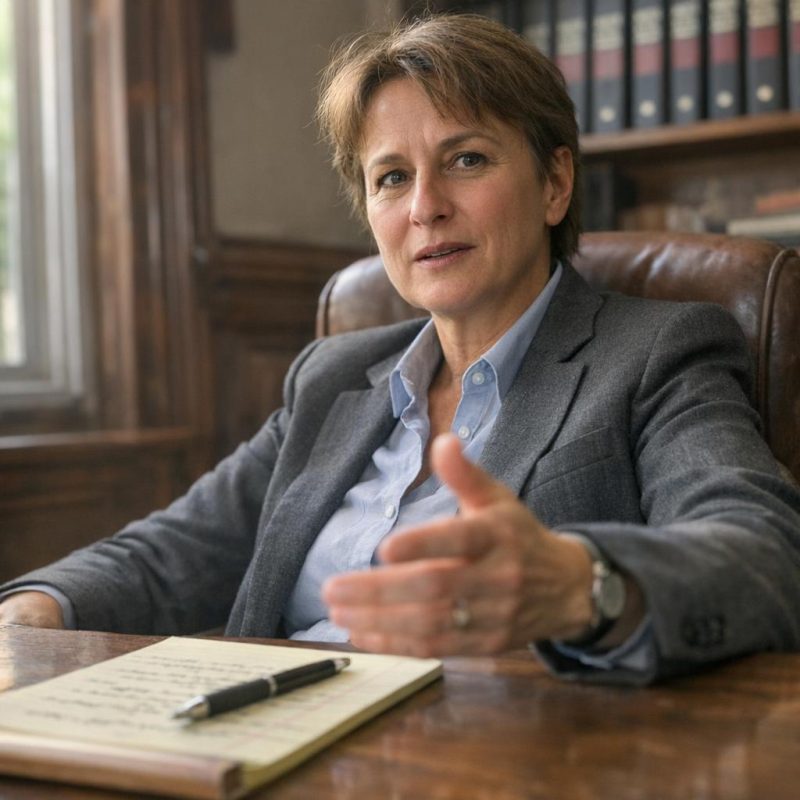 Image by RM AI
The Retainer
Ellen's retainer agreement sat on the table between us. Five thousand dollars upfront, with additional fees depending on how far the case went. It was more money than I wanted to spend, but Sarah was right—I didn't have a choice. Not anymore. I signed the papers and wrote the check, my hand steadier than I expected. Ellen countersigned and slid everything into a folder. 'We'll start with a cease-and-desist to the original poster,' she said. 'Then we'll send preservation letters to the platforms—make sure they don't delete anything we might need later. After that, we dig.' 'Dig into what?' 'Into her,' Ellen said. 'We need to know who this person is, why she posted the video, whether there's a pattern of behavior. If she's done this before, it strengthens your case. If there's a financial motive, even better.' I hadn't thought about motive. I'd been so focused on defending myself that I hadn't considered why I'd been targeted in the first place. Ellen's pen was already moving across her notepad. Ellen's first question was, 'Do you have any idea why this person targeted you?'
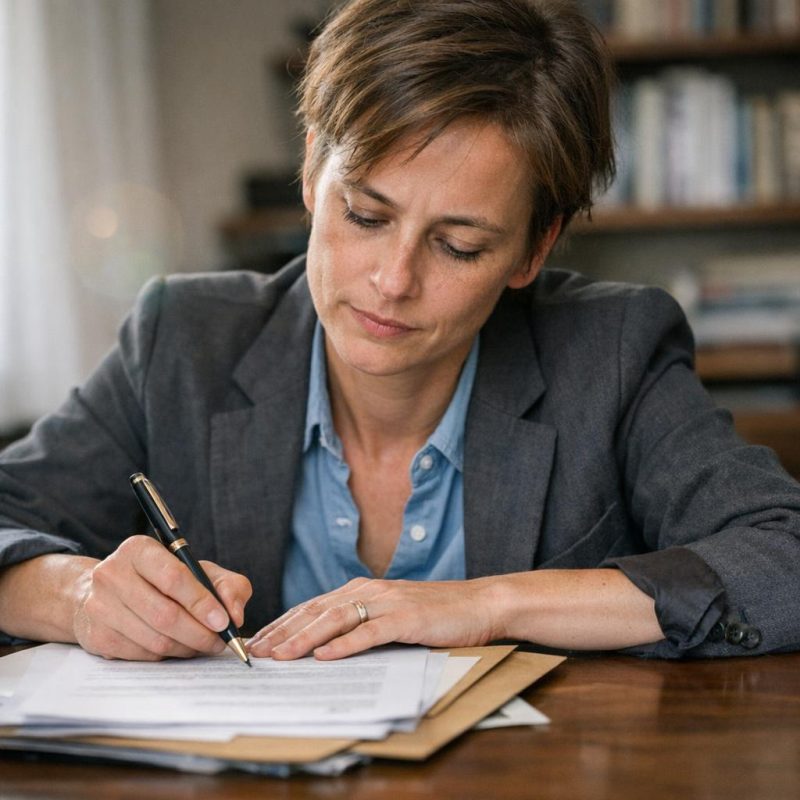 Image by RM AI
The HR Meeting
The HR meeting was scheduled for ten a.m. on a Thursday. I'd worked for the company for nine years, and I'd never been called into HR for anything. The woman across from me—Janet, mid-forties, someone I'd seen at holiday parties—folded her hands on the table and spoke in the careful, neutral tone people use when they've rehearsed bad news. 'Diane, we want to be clear that this is not a disciplinary action. However, given the current situation and the attention it's receiving, we feel it's in everyone's best interest for you to take a temporary leave while things are resolved.' 'Resolved how?' I asked. 'What exactly am I being accused of?' 'You're not being accused of anything,' Janet said. Which was, of course, a lie. 'We just need to wait until the public attention dies down.' 'And if it doesn't?' She didn't answer that. Instead, she slid a piece of paper across the table. 'You'll continue to receive benefits during the leave period. We'll reassess in thirty days.' They called it 'administrative leave,' but we both knew what it really was.
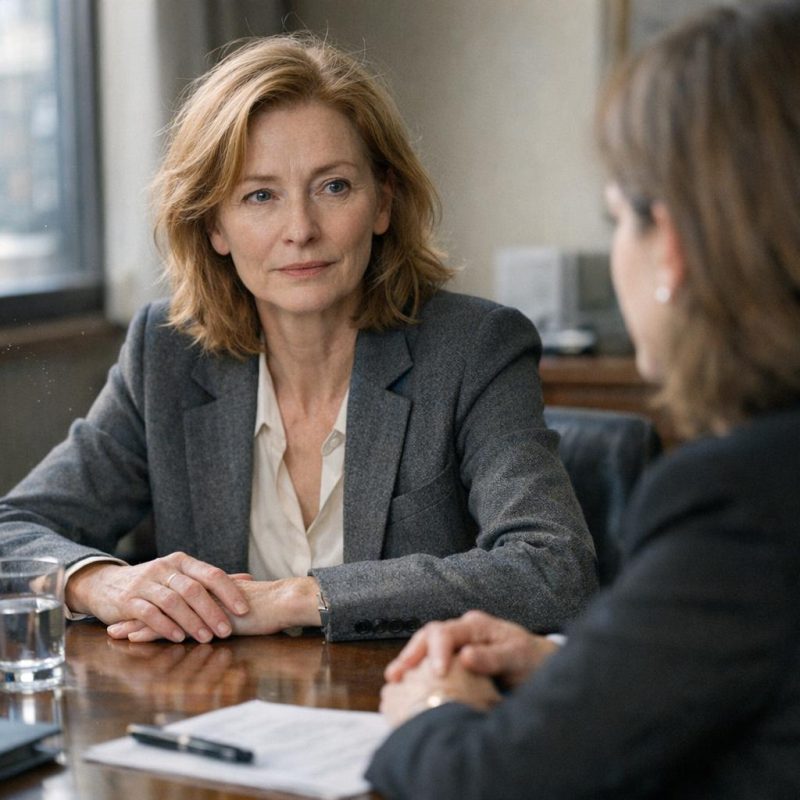 Image by RM AI
The Second Video
Jenna posted a follow-up video four days later. Ellen's assistant caught it first and forwarded it to me with a terse subject line: 'FYI.' I watched it in my kitchen, standing at the counter because sitting felt too passive. Jenna was in her car again, the same performative concern on her face, but this time there was something else—confidence, maybe even satisfaction. 'A lot of people have been asking me for an update,' she said. 'And honestly, I've been really conflicted about posting this. But I think it's important to speak up when something doesn't sit right, you know?' She went on for two minutes, talking about 'accountability' and 'staying silent in the face of injustice.' Then came the part that made my stomach turn. 'I know some people think I should just move on. But here's the thing—if this woman had nothing to hide, she'd defend herself. She'd come forward and explain what happened. But she hasn't.' Her eyes were wide, earnest. She said, 'If she had nothing to hide, she'd defend herself—but she hasn't.'
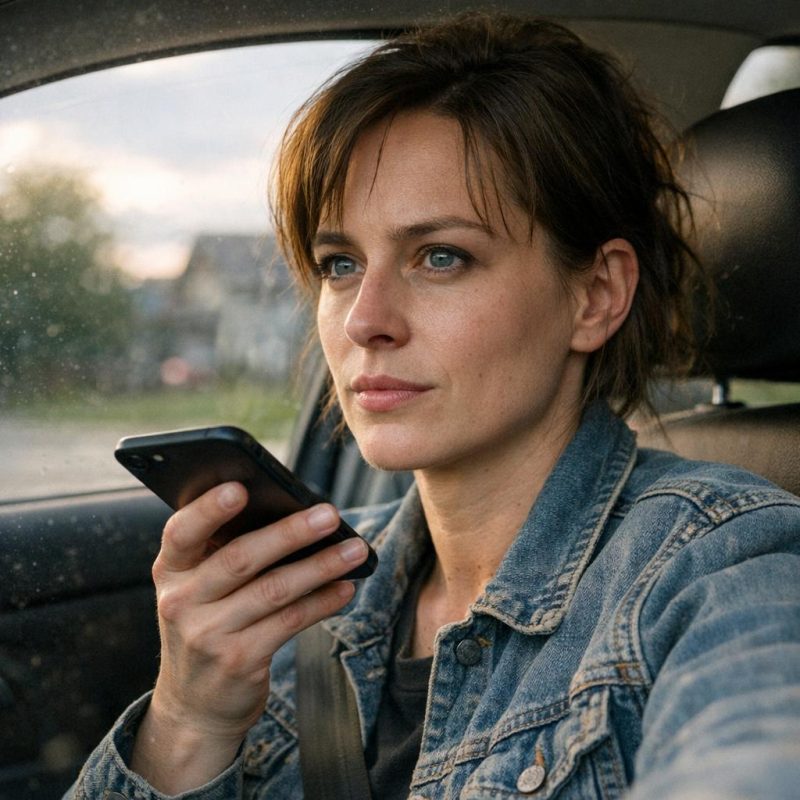 Image by RM AI
The Cease and Desist
Ellen sent the cease and desist on a Tuesday morning. She'd drafted it carefully—no threats, just facts. Remove the videos. Issue a public correction. Acknowledge that the claims were unverified. I signed off on it thinking it might actually work, that maybe legal language would carry weight where truth hadn't. For about six hours, I let myself believe we'd turned a corner. Then Tamara texted me a screenshot. Jenna had posted the letter—the entire thing—on her Instagram story with a caption that made my chest tighten: 'They're trying to silence me.' The comments were already flooding in. 'Don't let them bully you.' 'This is what powerful people do.' 'Stay strong, we believe you.' Ellen called me that evening, her voice flat with frustration. 'She's treating it like proof of guilt,' she said. I sat there listening, watching the shares multiply in real time. Every legal move we made, Jenna turned into ammunition. Every attempt to defend myself became evidence of something to hide. They're trying to silence me.
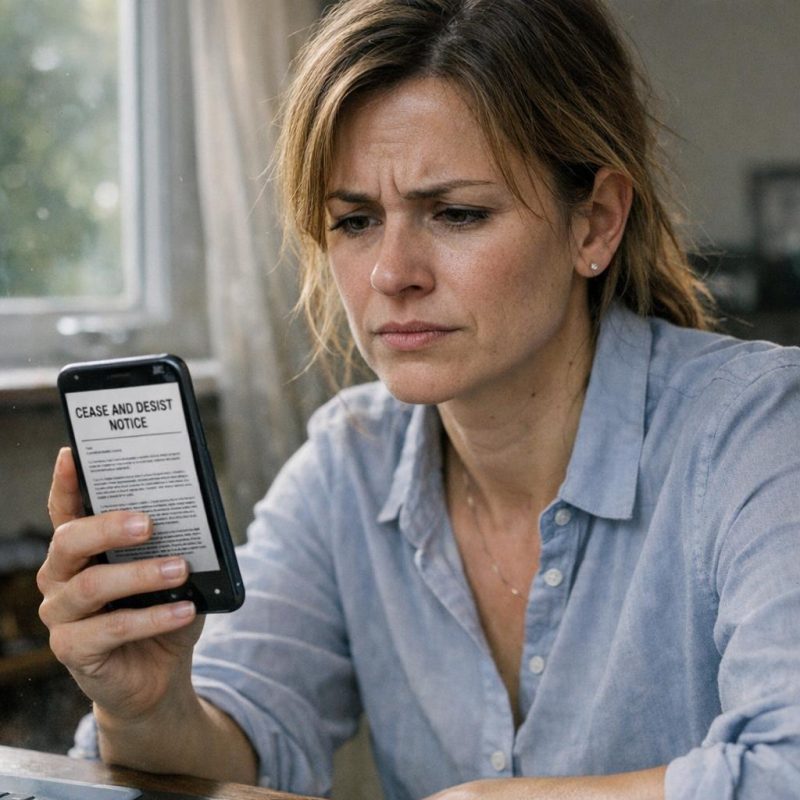 Image by RM AI
The Counter-Narrative
Ellen suggested I record my own video the next day. 'A counter-narrative,' she called it. 'You explain what actually happened. You look into the camera, you tell your side.' I stared at her across the table in her office, feeling something close to panic. 'And if they don't believe me?' I asked. She didn't answer right away. 'It's a risk,' she admitted. 'But staying silent is also a risk. Right now, she's the only voice people hear.' I went home and opened my camera app four separate times. Each time, I couldn't press record. I kept imagining the comments, the mockery, the ways my words could be twisted and clipped and turned into new ammunition. I thought about my voice shaking, my face looking guilty even though I wasn't, every hesitation analyzed and dissected by strangers. Ellen texted me that night: 'Have you thought about it?' I had. I'd thought about nothing else. I couldn't decide which was more dangerous: staying silent or speaking up.
 Image by RM AI
The Allies
Tamara posted first. I didn't ask her to—I wouldn't have. But she did it anyway, a short, clear statement on her Facebook: 'I've known Diane for twelve years. She's not who this video claims she is.' Within an hour, three other people I knew had posted similar things. A former colleague. A woman from my book club. My neighbor, Linda, who barely used social media. I felt a rush of gratitude that immediately curdled into dread as I watched the replies start to come in. 'You're just covering for her.' 'Birds of a feather.' 'How much is she paying you?' Tamara called me that afternoon, her voice tight. 'I'm getting DMs,' she said. 'Some of them are... they're pretty bad.' I told her to delete the post, to protect herself. She refused. By evening, Linda had removed hers. The book club woman made her account private. One of them got harassed so badly she deleted her account within hours.
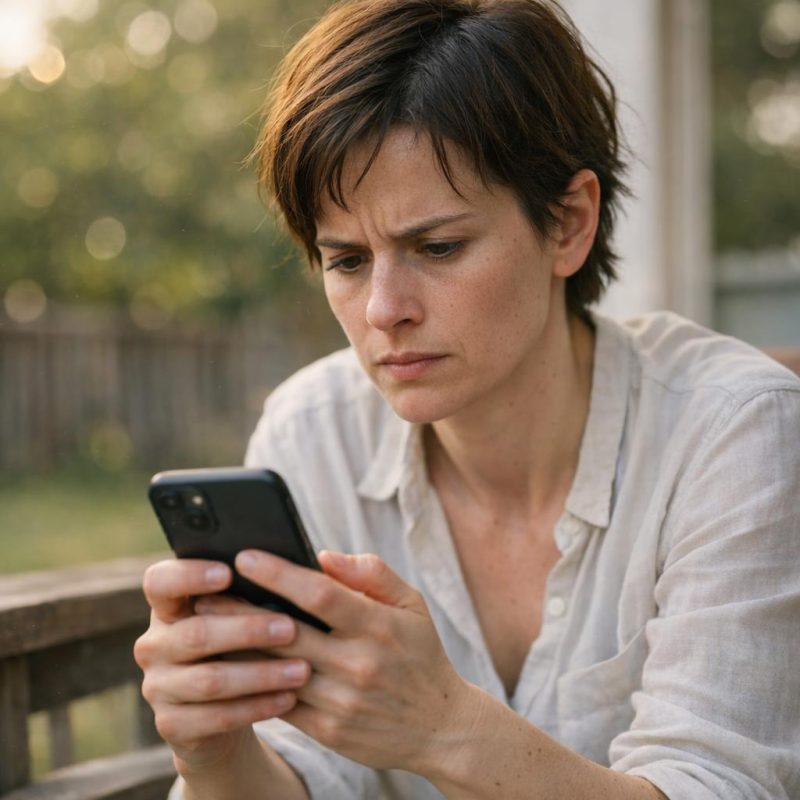 Image by RM AI
The Pattern
Ellen called me on Thursday with something in her voice I hadn't heard before—a kind of sharp curiosity. 'I looked into Jenna's history,' she said. 'Her other videos.' There was a pause. 'She's done this before.' My hand tightened on the phone. Ellen walked me through it: three other videos over the past two years, each one accusing someone of bad behavior in public. A woman cutting in line at a concert. A man being rude to a barista. A teacher 'mistreating' a student. None of them had gone truly viral—a few thousand views, some local outrage, then they faded. But the pattern was there. The same tone. The same tearful concern. The same calls for accountability. 'Why didn't any of them blow up like mine?' I asked. Ellen was quiet for a moment. 'I don't know yet,' she said. 'But I'm going to find out.' She paused, and I could hear papers rustling. Ellen said, 'She's done this before—but never with this much reach.'
 Image by RM AI
The Investigator
Ellen brought Dan Park to her office on a gray Friday afternoon. He was younger than I expected, sharp-eyed and direct, with the kind of calm that comes from seeing too much. 'I track misinformation campaigns,' he said, shaking my hand. 'How things spread, who spreads them, why.' He sat across from me and opened his laptop. 'Ellen showed me the video and the engagement patterns. There are some things that don't add up.' He pulled up a timeline—every share, every comment spike, every moment the video jumped to a new platform. 'This kind of spread doesn't usually happen organically,' he said. 'Not this fast, not this wide.' I asked him what he meant. He leaned back, choosing his words carefully. 'Someone wanted this to blow up. I just need to figure out who, and how.' He glanced at Ellen, then back at me. Dan said, 'If this is what I think it is, you're not the only victim.'
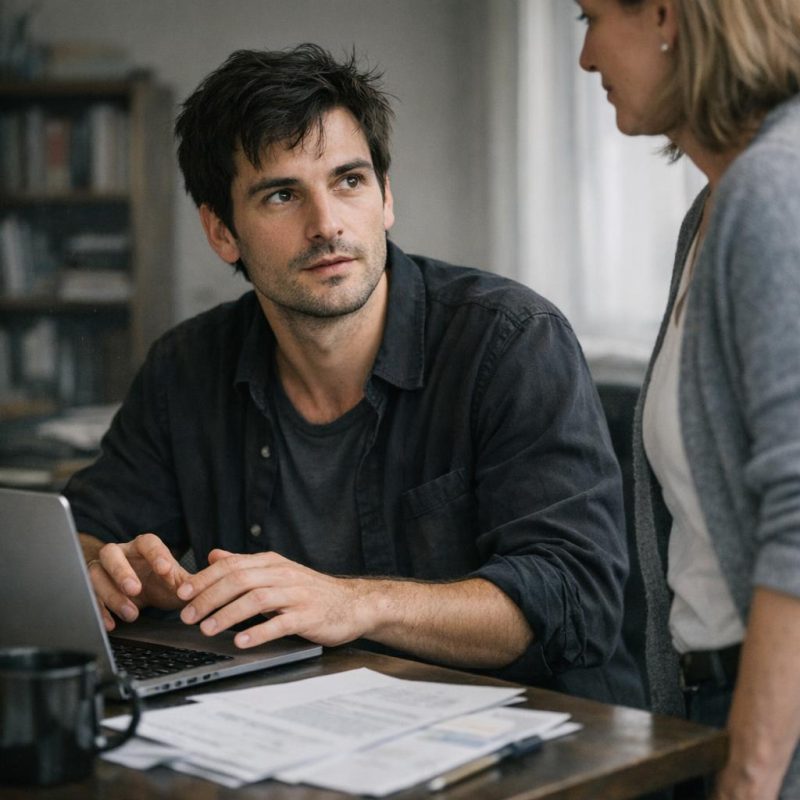 Image by RM AI
The Deep Dive
Dan worked out of Ellen's conference room for three days straight. I came by on the second day and found him surrounded by printouts, spreadsheets, browser windows tiled across two monitors. He looked up when I walked in, gestured for me to sit. 'I've been mapping the early shares,' he said. 'The first two hours after Jenna posted.' He turned one of the monitors toward me. It showed a graph—a steep, almost vertical line climbing in the first thirty minutes, then plateauing before spiking again. 'See this?' He tapped the screen. 'Normal virality builds gradually. Someone shares it, their friends see it, a few of them share it, and so on. This is different.' I stared at the spike. 'How is it different?' Dan zoomed in on the timeline, highlighting clusters of accounts. 'These accounts shared it almost simultaneously. Too fast for organic discovery. Too coordinated.' He pulled up a graph and said, 'This spike isn't organic.'
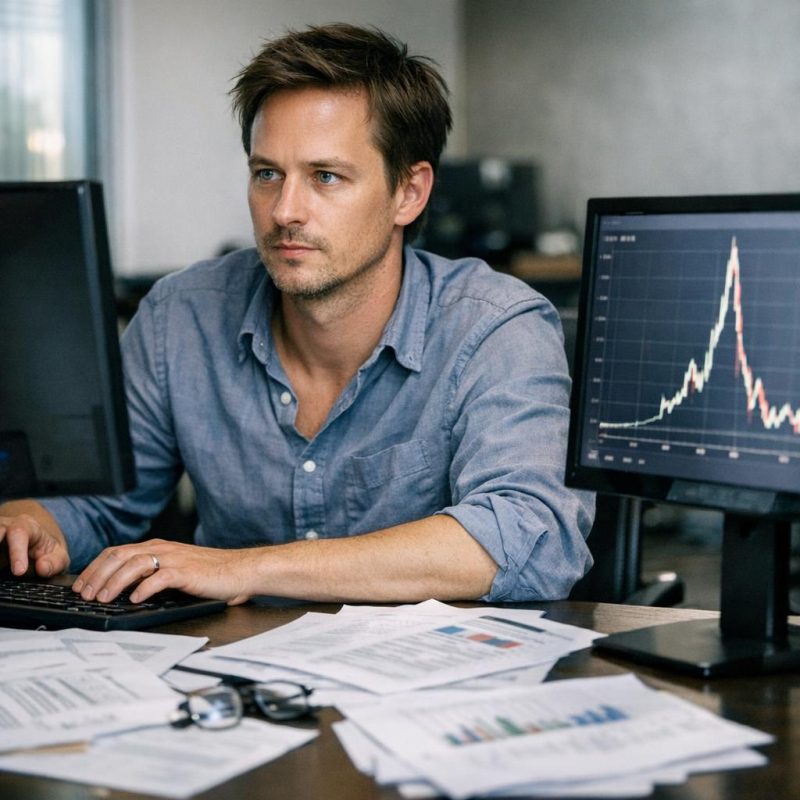 Image by RM AI
The Connections
Dan showed me the network the next morning. He'd mapped it out—dozens of accounts, all connected by overlapping activity. They shared the same kinds of content: outrage bait, scandal, conflict. Some of them had hundreds of thousands of followers. Most of them had shared my video within the first six hours. 'Look at this one,' Dan said, clicking on a profile. The bio was generic, the posts were all reshares, and the engagement was suspiciously high. 'This account boosted your video to four different Facebook groups in under ten minutes. Then these three did the same on Twitter.' He pulled up another screen. 'They don't create content. They amplify it. And they all follow the same pattern—jumping on anything that triggers anger or moral outrage.' I felt something cold settle in my stomach. 'Why?' Dan looked at me evenly. 'Ad revenue. Sponsorships. Clout. Outrage is profitable.' He said, 'These accounts don't care if it's true—they just care if it spreads.'
 Image by RM AI
The Statement
I recorded the video on a Sunday afternoon, alone in my apartment. I kept it simple—no tears, no drama. I looked into the camera and said my name. I explained that I'd been removed from the flight due to a misunderstanding with the airline, not because of anything I'd done to another passenger. I said the viral video was based on assumptions, not facts. I asked people, politely, to verify information before sharing it. The whole thing was two minutes long. I posted it on Twitter, Facebook, and Instagram simultaneously, then closed my laptop and waited. Within twenty minutes, the views started climbing. Within forty, the comments were pouring in. I made myself read them, even though every instinct told me not to. Some were supportive. Most weren't. 'Too polished.' 'She's clearly lying.' 'Why did it take her so long to respond?' Within an hour, the top comment was: 'That's exactly what a guilty person would say.'
 Image by RM AI
The Mockery
The memes started within hours. My face, frozen mid-sentence from the video, captioned with things like 'When you lie but make it corporate' and 'POV: you're about to gaslight an entire nation.' Someone made a compilation of my blinking, set to ominous music. Another edited my voice to sound robotic, mechanical—proof, they said, that I'd rehearsed every word. The parodies were worse. A TikToker recreated my video word-for-word but in a valley girl accent, rolling her eyes. It got two million views. A reaction video called 'Body Language Expert DESTROYS Diane's Lies' showed a man in glasses pausing every three seconds to explain how my posture revealed guilt. I watched one. Then another. I couldn't stop. It was like picking at a wound. Each new iteration felt less like criticism and more like erasure—like I was being turned into a character, a punchline, something less than human. Then I saw the worst one. Someone had edited my face onto a mugshot template, complete with a booking number and fake charges. It had 50,000 shares.
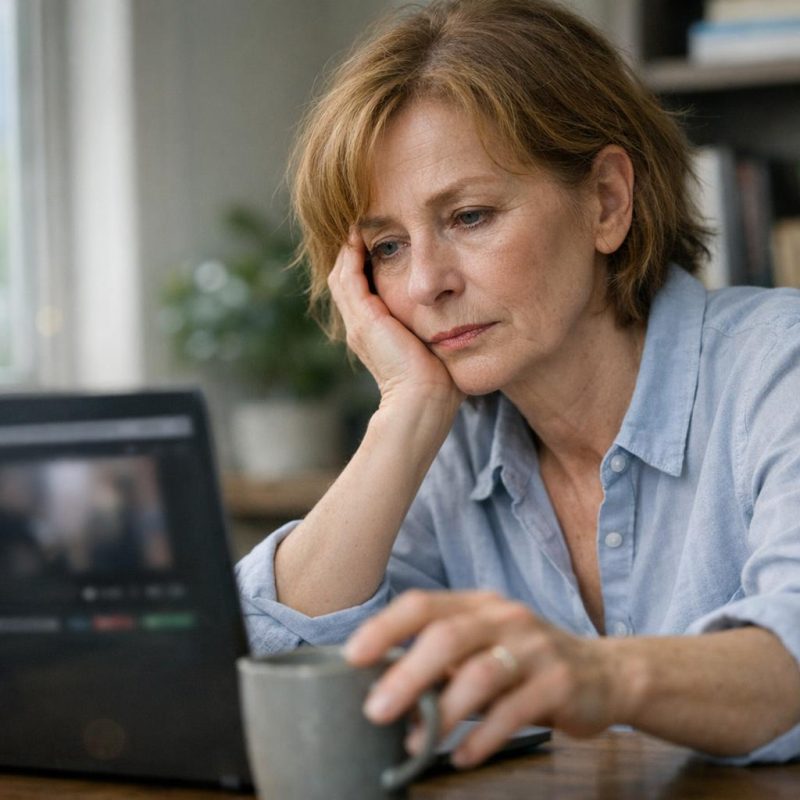 Image by RM AI
The Witness
The email came three days later. Subject line: 'I was there.' The sender's name was Angela Pritchard. She said she'd been at the gate that day, waiting for a different flight. She'd seen the whole thing. I opened it expecting another accusation, but the tone was different—cautious, almost apologetic. She wrote that she'd noticed a woman near the boarding area, someone who wasn't in line, who seemed to be watching the gate staff closely. The woman had two phones. Maybe three. Angela wasn't sure. But she remembered thinking it was strange, the way she held them, like she was setting up shots. 'I thought maybe she was a travel blogger or something,' Angela wrote. 'But when I saw the video later, I recognized her. She was the one who posted it.' I read the email twice. Then I called Ellen, then Dan. We set up a call with Angela for the next day. On the phone, her voice was steady, deliberate. She recounted the details carefully. And then she said the part that made my stomach drop: 'I didn't think much of it then—but now I'm sure something was off.'
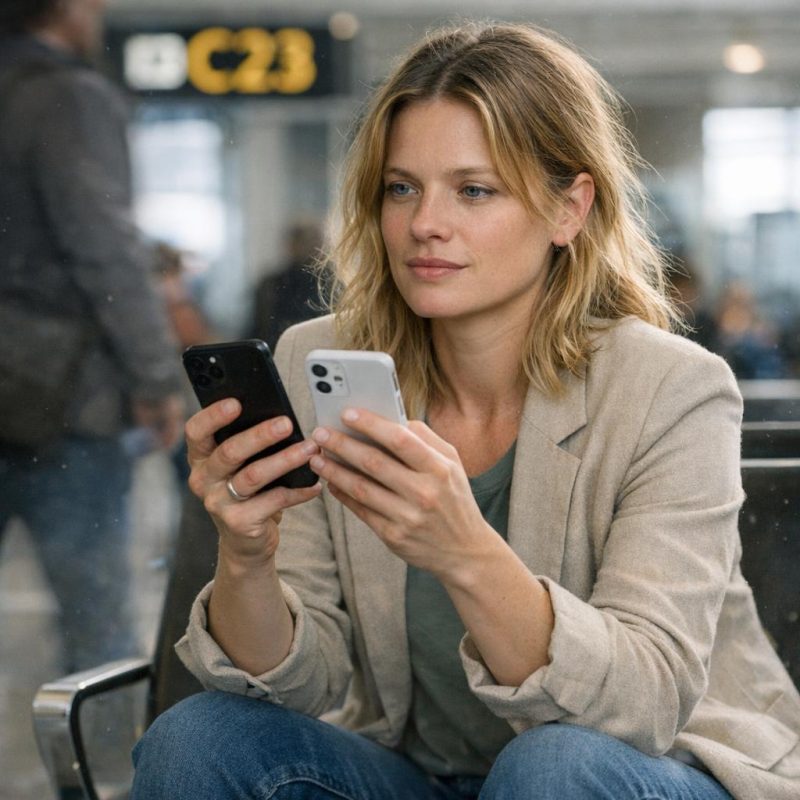 Image by RM AI
The Interview
Dan drove out to meet Angela in person. I wasn't allowed to come—Ellen said it might bias the witness—so I waited at home, staring at my phone. He called me two hours later. Angela had been consistent, he said. Clear. She remembered Jenna's position near a pillar, just outside the gate area but with a direct sightline. She remembered the phones—definitely two, possibly a third in her bag. She remembered Jenna checking them, adjusting angles. 'She wasn't boarding,' Dan said. 'Her flight wasn't even at that gate. I checked.' That detail landed hard. Jenna had been there deliberately. Positioned. Ready. 'Angela said she arrived about twenty minutes before you showed up,' Dan continued. 'She saw Jenna get into position, set up her phones. She thought maybe she was filming the crowd for content, you know, airport vibes or whatever.' His voice dropped. 'But Angela's exact words were: She looked like she was waiting for something to happen.'
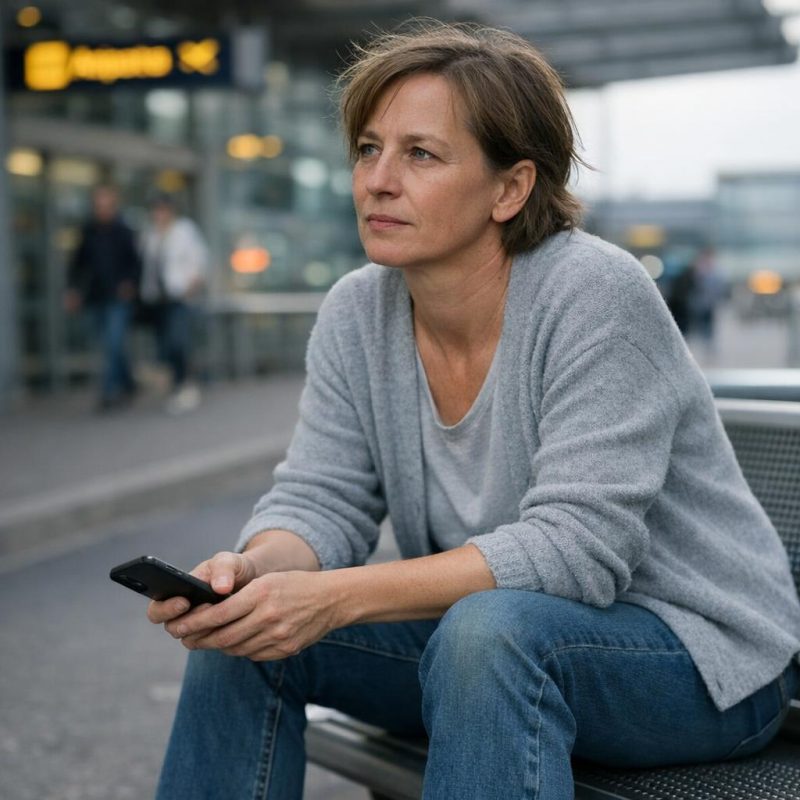 Image by RM AI
The Second Witness
Two days later, Dan called again. Another witness. A man named Eric Tan, mid-thirties, software engineer. He'd been standing near the gate when things started. He'd seen me being escorted away, thought it was odd, and then—this part made my chest tighten—someone approached him. A woman. Not Jenna. Someone else. She told him something important was happening, that someone was being detained, maybe even arrested. She asked if he could film it. Said it might be newsworthy. Eric thought it was weird but figured maybe she was a journalist or something. So he did. He filmed on his phone, then posted it to Twitter with a vague caption. He hadn't thought about it again until he saw the explosion of coverage and recognized his own footage being shared. 'I felt used,' he told Dan. 'Like I was part of something I didn't understand.' Dan asked him what exactly the woman had said. Eric remembered clearly. They said, 'The person told me someone important was about to be arrested.'
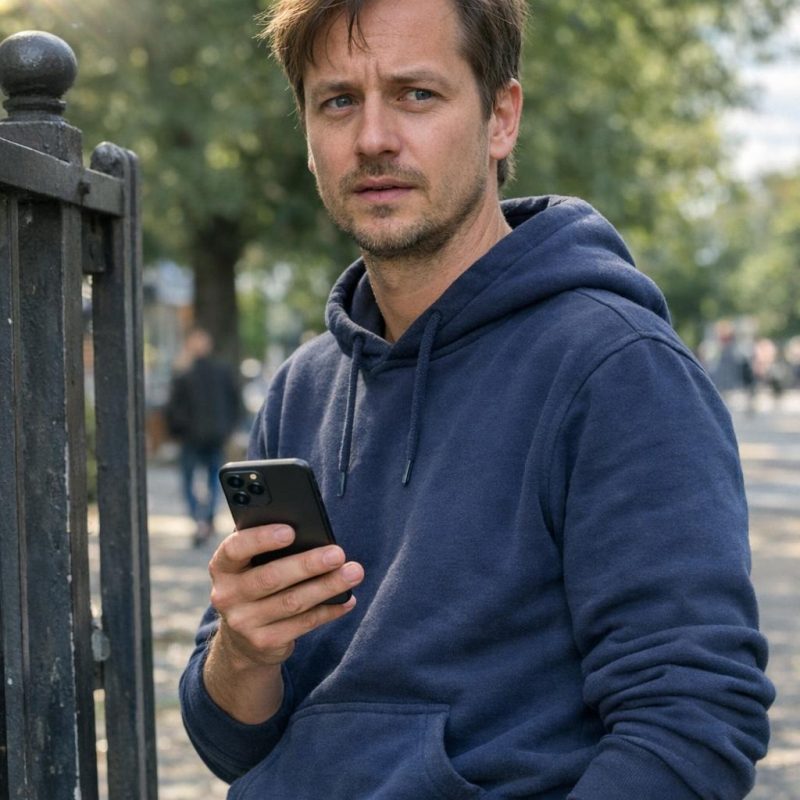 Image by RM AI
The Airline System
Dan found the airline system breach a week later. He'd been pushing their IT department, asking how my name had been flagged in the first place. Finally, someone sent him the internal log. There it was: a report filed at 11:47 a.m., roughly four hours before my flight. The report claimed I'd been flagged by federal authorities as a potential risk. It referenced a case number. It looked official. The airline had acted on it in good faith, which is why the supervisor had approached me, why they'd been so careful, why everything had felt procedural and cold. But when Dan contacted the federal agencies listed, none of them had any record of me. No flag. No case. No investigation. The report was fake. Someone had submitted it through an online portal that accepted anonymous tips from law enforcement partners—a system designed for speed, for efficiency. It had been gamed. 'The trail goes cold there,' Dan said. 'Whoever filed it knew exactly how to make it look real.' And then he said the part that made everything snap into focus: 'The report claimed Diane was flagged by federal authorities—but no such flag existed.'
 Image by RM AI
The Escalation
Ellen filed the defamation lawsuit on a Thursday morning. We'd debated it for days, weighing risks, knowing it would provoke a response. But the evidence was mounting. The staged positioning. The recruited filmers. The fake airline report. We had enough to proceed. The lawsuit named Jenna directly, citing demonstrable falsehoods and coordinated malice. Ellen warned me to brace for blowback. I thought I was ready. I wasn't. Within two hours, Jenna posted a tearful video. She called the lawsuit an attack on free speech, on ordinary people who dare to speak truth to power. She said I was using my wealth and privilege to silence her. She said she was terrified. The comments filled with outrage. #StandWithJenna started trending. Someone set up a GoFundMe for her legal defense—it raised $40,000 in six hours. And then the messages started. Dozens of them. Hundreds. Telling me I deserved what was coming. Telling me they knew where I lived. Describing in graphic detail what they'd like to do to me. Her followers sent me death threats within the hour.
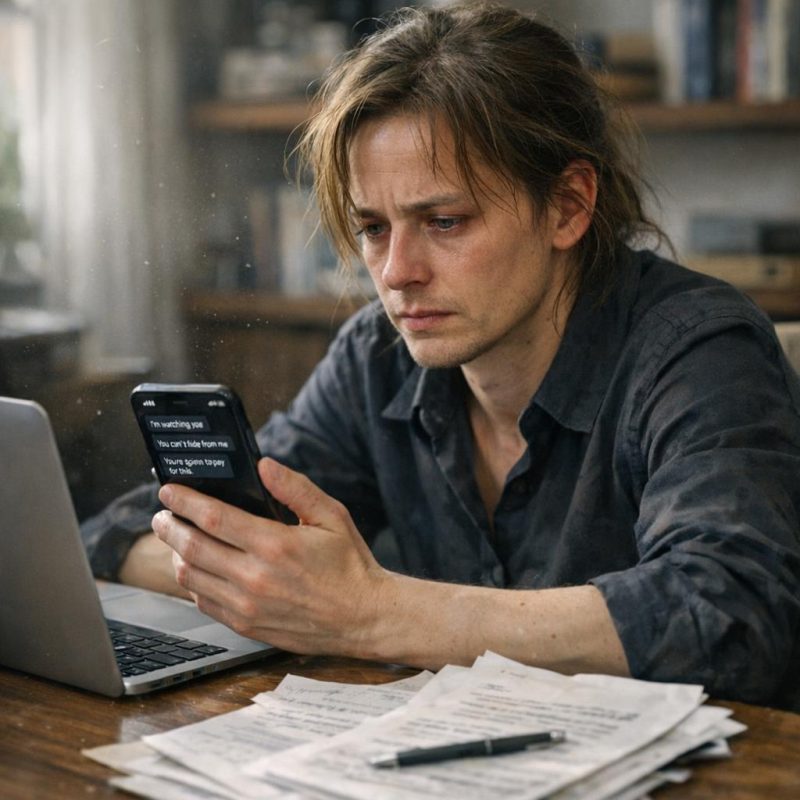 Image by RM AI
The Police Report
I printed out the worst messages and took them to the police station the next morning. The officer at the desk directed me to someone in the cybercrime unit. Her name was Officer Reyes. She was younger than I expected, professional, sympathetic. She took my statement carefully. She reviewed the messages, her face hardening at some of the more explicit ones. She asked if I'd received anything indicating imminent harm—specific times, locations, anything actionable. I said no. Most were vague. Violent, but vague. She nodded slowly. 'I'm going to file this,' she said. 'And I want you to keep records of everything. Screenshots, timestamps, usernames. If anything escalates, call us immediately.' I asked what would happen next. She hesitated. 'Honestly? Probably not much. These accounts are often fake, anonymous, hard to trace. We can try, but unless there's a credible, specific threat, prosecution is unlikely.' Her expression softened. 'I'm sorry. I know that's not what you want to hear.' She said, 'Unfortunately, online harassment cases are hard to prosecute.'
Image by RM AI
The Breaking Point
I spent the weekend in bed. I didn't eat much. Didn't answer calls. I kept thinking about the messages, the threats, the endless wave of strangers who hated me for something I hadn't done. The truth didn't matter. The evidence didn't matter. I was guilty because the internet had decided I was guilty. And now I was in danger because I'd tried to defend myself. It felt like insanity. Ellen called Sunday night. I almost didn't pick up. When I did, my voice came out flat, hollow. I told her I couldn't do this anymore. I told her the lawsuit was making things worse. That I just wanted it to stop. There was a long pause. Then she spoke, and her tone was firm, almost hard. 'That's exactly what Jenna is counting on,' she said. 'She wants you to fold. She wants you scared and silent. If you drop this now, she wins. And worse—she'll do it to someone else.' I closed my eyes. I told Ellen I wanted to drop the lawsuit—she said that's exactly what Jenna was counting on.
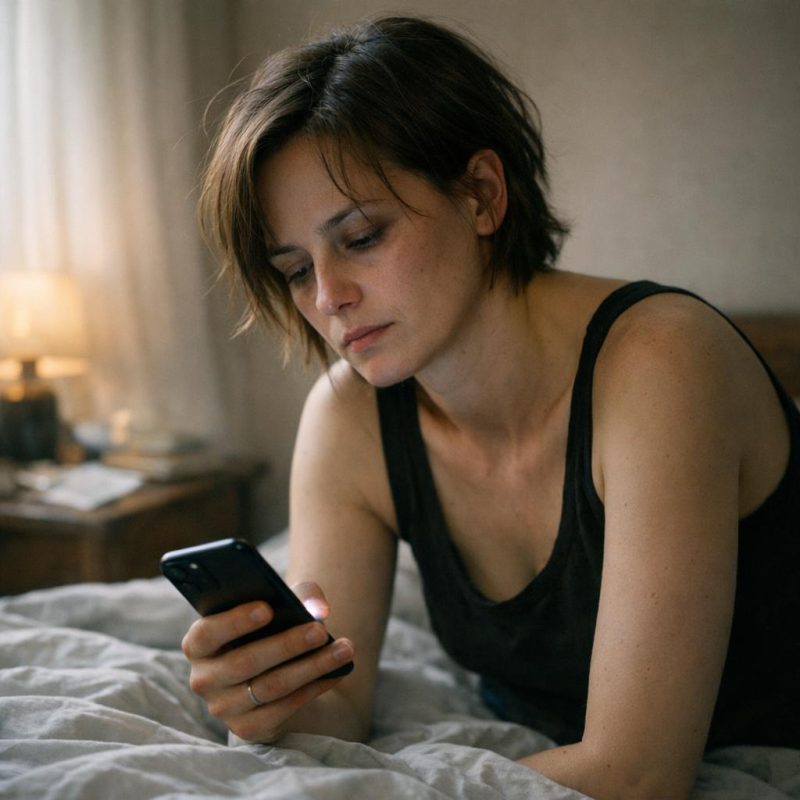 Image by RM AI
The Discovery
Dan called Tuesday afternoon. His voice had that controlled urgency I'd come to recognize—he'd found something. I listened as he explained how he'd traced the anonymous airline report, the one that had flagged me before I even boarded. It took him to an IP address. Then to a server. Then to a registered company. My hands went cold when he said the name: Momentum Media Group. I'd never heard of it. He told me it was an influencer management company, the kind that handled branding and partnerships. But as he dug deeper, he found something else. Internal marketing materials. Case studies. They specialized in something they called 'organic viral moments.' Only nothing about them was organic. They had a whole division dedicated to creating incidents—real-world scenarios that could be filmed, posted, and amplified. Public confrontations. Airport drama. Restaurant conflicts. All of it staged or exploited for content. My stomach turned. Dan's voice went quiet for a moment. Then he said it, slow and deliberate: 'This isn't random—this is a business model.'
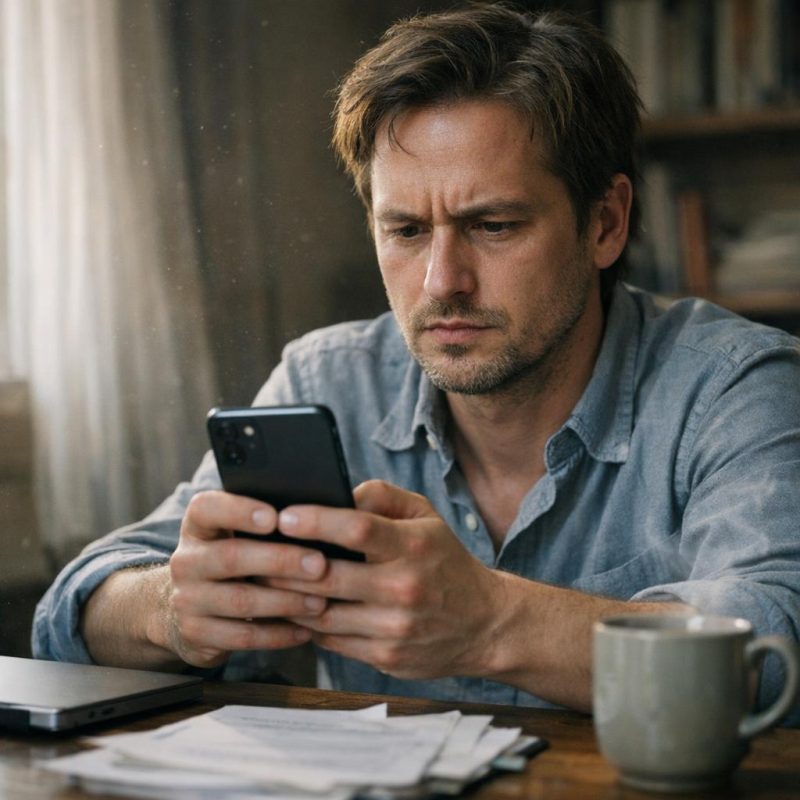 Image by RM AI
The Company
Dan sent me the company's website that night. It looked legitimate at first glance—sleek design, corporate language, testimonials from 'satisfied clients.' But when I scrolled through the services page, I felt my skin crawl. They promised to 'create authentic moments that resonate with audiences.' They offered 'strategic content opportunities in high-traffic environments.' They had case studies showing before-and-after engagement metrics for influencers nobody had heard of one month, then millions of followers the next. And they had a page called 'Our Talent.' I clicked it. There were headshots, bios, follower counts. I scrolled slowly, my pulse thumping in my ears. Then I saw her. Jenna's face, smiling that same bright smile from the airport. Her bio was short, professional. It listed her specialties: travel content, social justice advocacy, brand partnerships. And at the top of the page, in bold letters, was a banner that rotated through featured names. Jenna's profile was listed under 'Top Performers.'
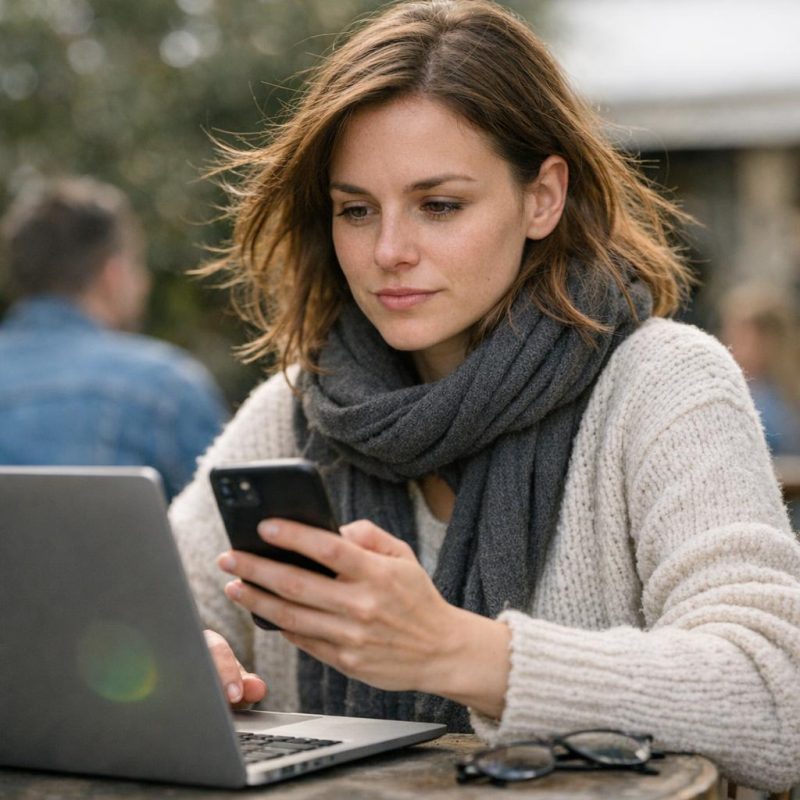 Image by RM AI
The Other Victims
Dan kept digging. Two days later, he sent me a folder of screenshots—social media posts, forum threads, news articles. All of them from people who'd been targeted the same way I had. A man accused of being inappropriate on a train. A woman accused of making racist comments in a coffee shop. A teacher accused of berating a student in a grocery store. All of them had gone viral. All of them had been filmed by influencers. And all of those influencers were connected to Momentum Media Group. I read through the posts slowly, my chest tight. Some of the victims had tried to defend themselves and been buried deeper. Others had disappeared from public life entirely. A few had lost their jobs, their families, their sense of safety. One post stood out. It was from a man in Ohio, written two years ago. He'd been accused of yelling at a barista. The video got fifteen million views. He said he'd proven his innocence, provided witness statements, even got the barista to admit she'd been paid to exaggerate. None of it mattered. One of them said, 'They ruined my life—and no one believed me.'
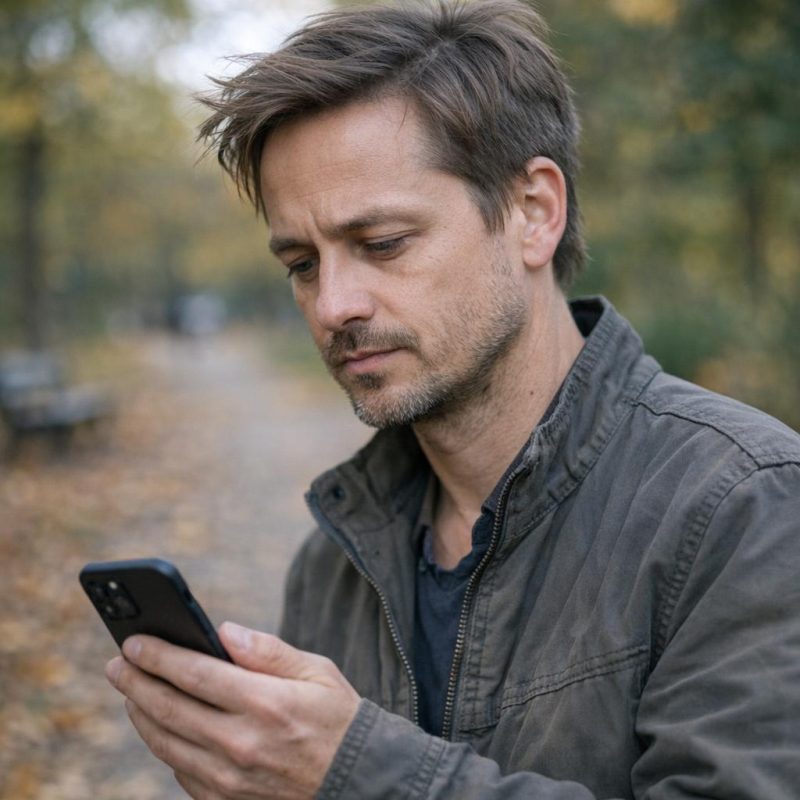 Image by RM AI
The Contact
I reached out to him. The man from Ohio. His name was Peter. He responded within an hour, like he'd been waiting for someone to ask. We talked on the phone that night. His voice was tired, worn down in a way I recognized. He told me everything—how the video spread, how he'd lost his job, how his kids had been harassed at school. He'd hired a lawyer, gathered evidence, even got a partial retraction from the influencer. It didn't matter. The internet had already decided. And once the outrage moved on, there was no correction, no apology, no acknowledgment that he'd been innocent all along. 'The worst part,' he said, 'is that people still recognize me. I'll be in a store, and someone will stare, and I know they're trying to remember where they've seen my face. I'm always going to be that guy.' I felt something crack open inside me. I'd been hoping that proving the truth would fix this. That it would restore my life. Peter's voice was gentle, almost kind, when he said it. 'The internet doesn't apologize—it just moves on.'
 Image by RM AI
The Algorithm
Dan wanted to show me something. We met at Ellen's office late Thursday. He had his laptop open, screen filled with graphs and timelines. He walked me through it step by step. How Jenna's video had been posted. How it had spread. But the spread hadn't been natural. Within the first fifteen minutes, the video had been shared over ten thousand times. That kind of velocity was almost impossible organically. Dan showed me the accounts that had shared it first. Hundreds of them. Most had been created within the last six months. Most had no profile pictures, no personal posts, just shares and retweets. Bots. And mixed in with the bots were real accounts—but those had been paid. Dan had traced payments from Momentum Media Group to a network of micro-influencers who shared content on command, making it look grassroots. The algorithm picked up the momentum. Real people started sharing. And within an hour, I was everywhere. Dan scrolled back to the timeline and tapped the screen. He showed me the timeline: within fifteen minutes of posting, Jenna's video had 10,000 shares—most from fake accounts.
 Image by RM AI
The Profile
I asked Dan the question that had been haunting me since the beginning. Why me? He'd been expecting it. He pulled up another file—a report he'd put together based on what he'd found in Momentum's systems. They didn't just create viral moments at random. They profiled potential targets. Age, travel patterns, social media presence, profession. They were looking for people who fit a specific demographic: credible enough to make the accusation believable, but defenseless enough not to fight back effectively. I was fifty-eight. I traveled alone for work. I had no Instagram, no Twitter, no platform to defend myself. I was exactly what they wanted. Dan's voice was quiet, almost apologetic. 'They look for people who won't be able to respond quickly. People without an audience. People who look like they could be the villain in the story they're trying to tell.' My skin felt too tight. I'd thought maybe I'd just been in the wrong place at the wrong time. But I hadn't. I'd been chosen. He said, 'They profile people the same way advertisers do—looking for vulnerabilities.'
 Image by RM AI
The Proof
Ellen called me into her office Monday morning. Dan was already there, his expression unreadable. Ellen slid a printed email across the desk. 'We got this from a source inside Momentum,' she said. I picked it up. The sender was someone named Travis Holbrook, listed as Director of Content Strategy. The recipient was Jenna, along with two other names I didn't recognize. The date was three weeks before my flight. Three weeks. I read it slowly, my hands starting to shake. It outlined a plan. Target selection. Location scouting. Timing. They'd identified my flight specifically—tracked my booking, confirmed my seat, noted that I'd be traveling alone. There were contingency plans in case I didn't react the way they wanted. Backup passengers they could pivot to if needed. It was clinical. Detailed. Professional. I read it twice, my vision blurring. At the bottom, there was a note in bold: 'Optimal target profile—minimal risk, maximum authenticity.' And at the very top, the subject line that made my stomach drop: 'Target confirmed—middle-aged female traveler, no platform, perfect.'
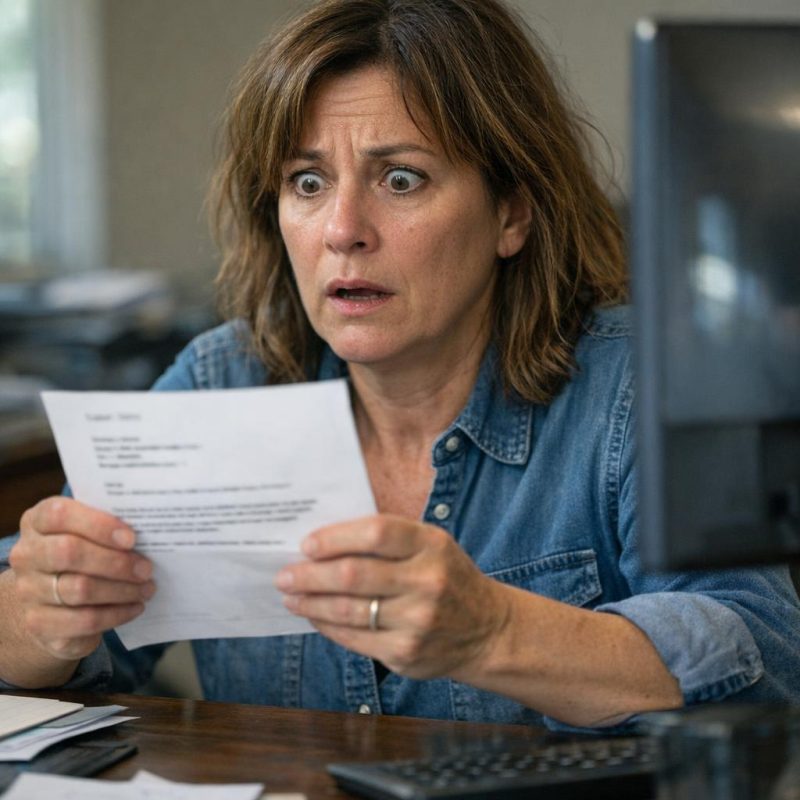 Image by RM AI
The System
Dan laid it all out. This wasn't just Jenna. It wasn't just Momentum Media Group. It was a coordinated system. They had people inside airlines who could plant flags on passenger profiles, ensuring targets got stopped for 'random' secondary screening. They had camera crews ready—sometimes Jenna filmed alone, but other times there were multiple angles, other passengers who were part of the setup. They had profiling tools that analyzed travel data, social media activity, even purchasing patterns to identify ideal victims. And they had amplification networks—bots, paid accounts, influencer partnerships—that could take a video from zero to millions in under an hour. The whole thing was designed to manufacture outrage, generate engagement, and turn that engagement into money. Brand deals. Sponsorships. Speaking fees. Jenna hadn't stumbled into a moment. She'd bought one. And I'd been the product. Ellen's voice cut through the silence. 'We have enough to prove conspiracy, fraud, and defamation. This is going to court.' I sat there, staring at the documents spread across the table. This wasn't a mistake, a misunderstanding, or even simple cruelty—it was a business, and I was a product.
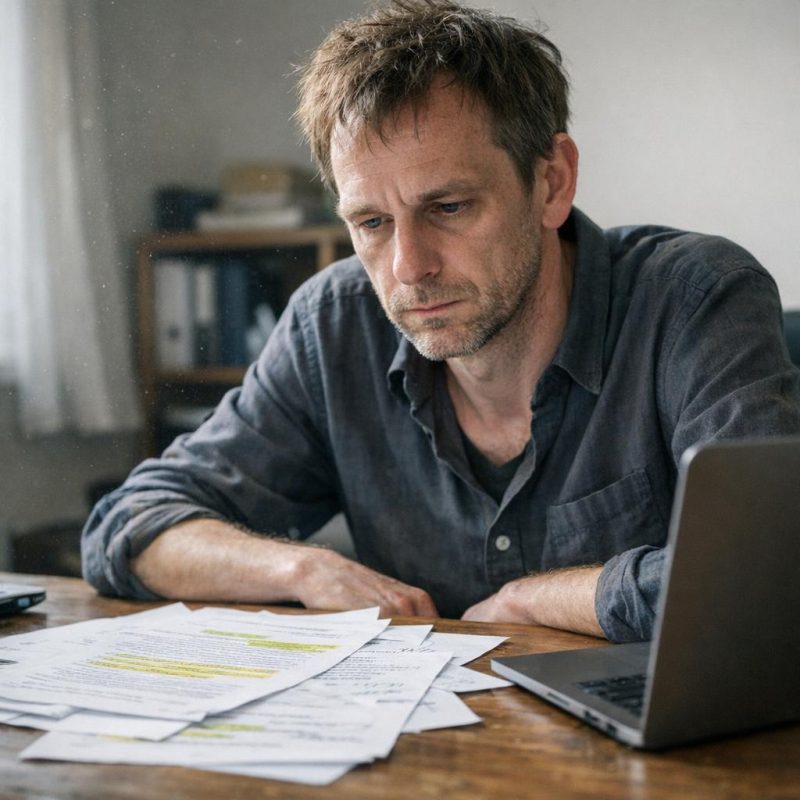 Image by RM AI
The Evidence
Ellen spread everything across her conference table like pieces of a puzzle that finally made sense. The airline's internal emails showing the flagged passenger profile. Screenshots of the bot networks that amplified Jenna's video in those first critical hours. Financial records connecting Momentum Media Group to at least seven other 'viral moments' that followed the exact same pattern. Bank transfers. NDAs with 'passenger consultants'—people paid to be in the right place at the right time with cameras ready. She'd even found the original contract between Jenna and the company, outlining performance bonuses tied to engagement metrics. It was all there. Every piece of the machine that had chewed me up and spit me out for profit. I stared at a spreadsheet showing projected revenue from my humiliation: $47,000 in the first week alone. Ellen tapped a document. 'This proves conspiracy, fraud, tortious interference, and defamation. We can take this to court tomorrow if you want.' I nodded, but she wasn't finished. Her expression shifted, and I recognized that look—the one lawyers get when they're about to tell you something you won't want to hear. She said, 'We have enough to take them down—but it's going to get worse before it gets better.'
 Image by RM AI
The Press
Ellen made the call right there, on speaker. The journalist's name was Marcus Chen, and apparently he'd built his career exposing exactly this kind of thing—manufactured outrage, coordinated harassment campaigns, the weaponization of social media for profit. Ellen gave him the thirty-second version, and I heard the shift in his voice when he realized what he was looking at. 'Send me everything,' he said. 'I need forty-eight hours to verify, but if this checks out, we're running it.' Ellen glanced at me for confirmation. I nodded. We sent the files. Two days felt like two weeks. I kept expecting him to call back and say it fell apart, that the evidence wasn't solid enough, that no one would care. But when he finally called, his voice had that edge of controlled excitement that reporters get when they know they've got something big. 'I've confirmed everything. The airline, the bot networks, the financial trail—it all checks out. We're going with it.' He paused, and I could hear him organizing his thoughts. The journalist said, 'This is bigger than you—if we do this right, we expose an entire industry.'
 Image by RM AI
The Article
The article went live on a Thursday morning. I read it three times, not because I didn't understand it, but because seeing it all laid out like that—factual, thorough, damning—made it real in a way it hadn't been before. Marcus had included everything: the fake airline report, the coordination with Momentum Media Group, the bot networks, the financial incentives, the other victims who'd been targeted the same way. He'd interviewed Dan, quoted Ellen, and included a statement from the airline confirming they were conducting an internal investigation. He'd even embedded Jenna's original video alongside screenshots of the manufactured engagement. The comments section filled up within minutes—thousands of them. I watched as the narrative I'd been living under for weeks began to crack and crumble. People were angry, but this time the anger wasn't directed at me. Jenna's social media accounts lit up with furious responses. Her Instagram comments became a flood of accusations and betrayals. I refreshed her follower count obsessively, watching the numbers drop in real time. Within hours, Jenna's follower count started dropping—and the death threats turned toward her.
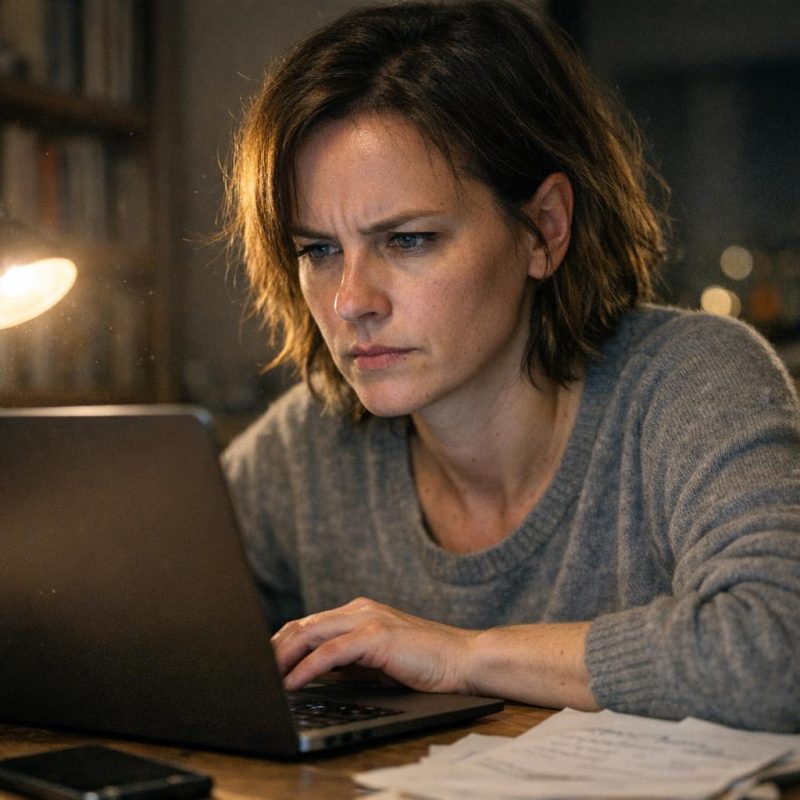 Image by RM AI
The Reversal
The reversal happened so fast it gave me whiplash. One day I was a monster, and the next I was a survivor. A hero. A brave woman standing up to systemic corruption. The same platforms that had hosted my destruction now hosted my redemption, and the tone was identical—just pointed in a different direction. People who'd called me a racist, a criminal, a danger to society were now posting threads about how they'd 'always had doubts' about the video, how they'd 'sensed something was off.' Some even apologized directly, tagging me in posts about the importance of critical thinking and not rushing to judgment. It should have felt good. It should have felt like vindication. But instead, I felt hollow. These weren't different people. This was the same mob, the same energy, the same hunger for a target—they'd just switched sides. They hadn't learned anything. They hadn't changed. They'd just found a new villain, and this time I happened to be on the winning team. I read the comments calling Jenna every name they'd called me, and I felt sick. The same people who'd called me a criminal were now calling me a hero—and I didn't know which was worse.
 Image by RM AI
The Apology
Jenna's apology video appeared three days after the article. She was sitting on her couch—the same couch from a dozen other videos—wearing minimal makeup, looking tired and small. The thumbnail showed her mid-sob, hands covering her face. I clicked play. She talked for eleven minutes. She said she'd been manipulated by Momentum Media Group, that they'd told her this was standard practice, that she hadn't understood the real-world consequences of what she was doing. She cried. She said she was 'deeply sorry' and that she was 'seeking therapy' to understand how she'd gotten here. She mentioned me by name twice, apologizing directly to the camera as if I were watching. Which I was. The comments were split. Half called her a liar and a manipulator. Half praised her for 'taking accountability' and 'being vulnerable.' Some suggested she was as much a victim as I was. I watched it again, studying her face, listening to the tremor in her voice, trying to detect whether any of it was genuine. I watched it twice—and I couldn't tell if she meant any of it.
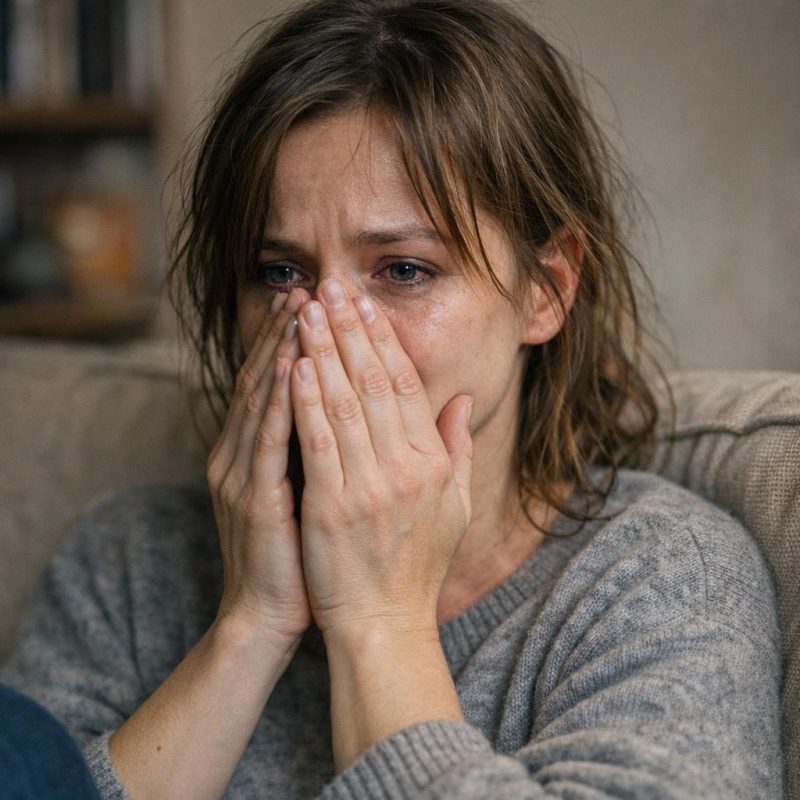 Image by RM AI
The Company Response
Momentum Media Group's statement came out the same day. It was corporate, sanitized, and completely predictable. They expressed 'concern' about the allegations and were 'conducting an internal review,' but they made it very clear that Jenna had been an 'independent contractor' who operated 'outside company guidelines.' They denied any coordination, any bot networks, any systemic manipulation. According to them, this was all a misunderstanding involving one rogue influencer who'd acted alone. It was so calculated it made my teeth hurt. Ellen forwarded the statement to Dan. He called me an hour later. 'It's bullshit,' he said flatly. 'I've got emails from the company director explicitly approving the targeting strategy. I've got payment records for the bot services traced directly to their accounts. I've got NDAs they made other influencers sign for identical operations.' He sounded angry, which was unusual for him. Normally Dan kept everything measured, analytical. But this had gotten personal for him too. Dan said, 'They're going to bury this if we don't keep pushing.'
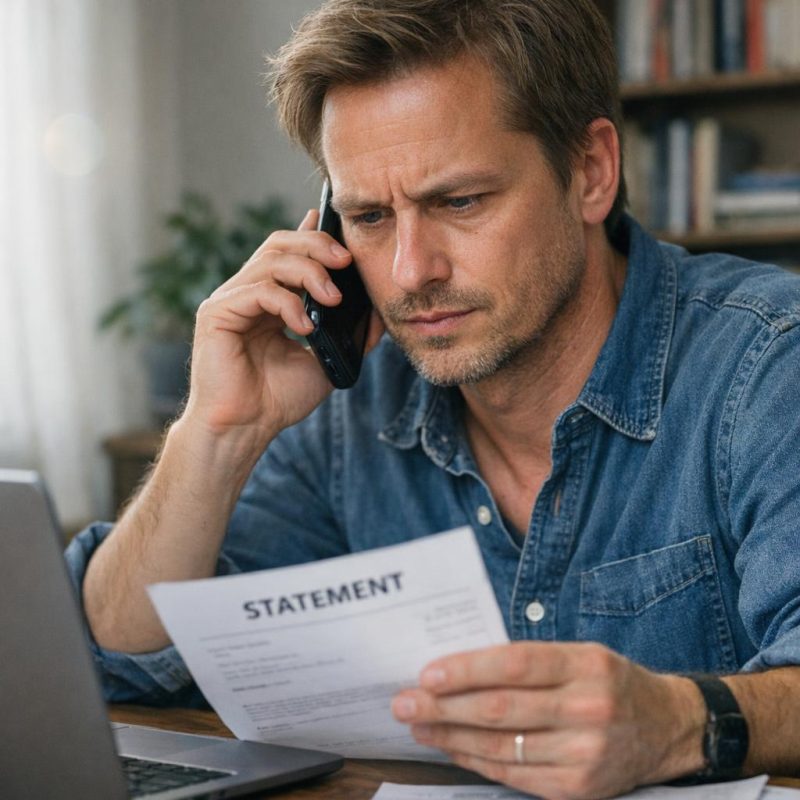 Image by RM AI
The Lawsuit Expands
Ellen called me into her office the following Monday. She had that look again—the one that meant she'd made a decision and was about to see if I'd go along with it. 'We're expanding the lawsuit,' she said. 'We're adding Momentum Media Group as a defendant, and we've been contacted by four other people who were targeted the same way. They want to join as co-plaintiffs. This becomes a class action.' I sat with that for a moment. It wasn't just about me anymore. It was bigger, messier, more public. But also—it meant I wasn't alone. That mattered more than I'd expected. 'Okay,' I said. Ellen nodded, then slid a document across her desk. 'The company's lawyers reached out this morning. They're offering a settlement. It's substantial. Six figures. Full NDA. You take the money, sign the agreement, and this disappears.' She met my eyes. 'I'm advising you to refuse.' I looked at the number on the page. It was more money than I'd see in two years of work. It was safety. It was silence. The company offered a settlement—Ellen advised me to refuse.
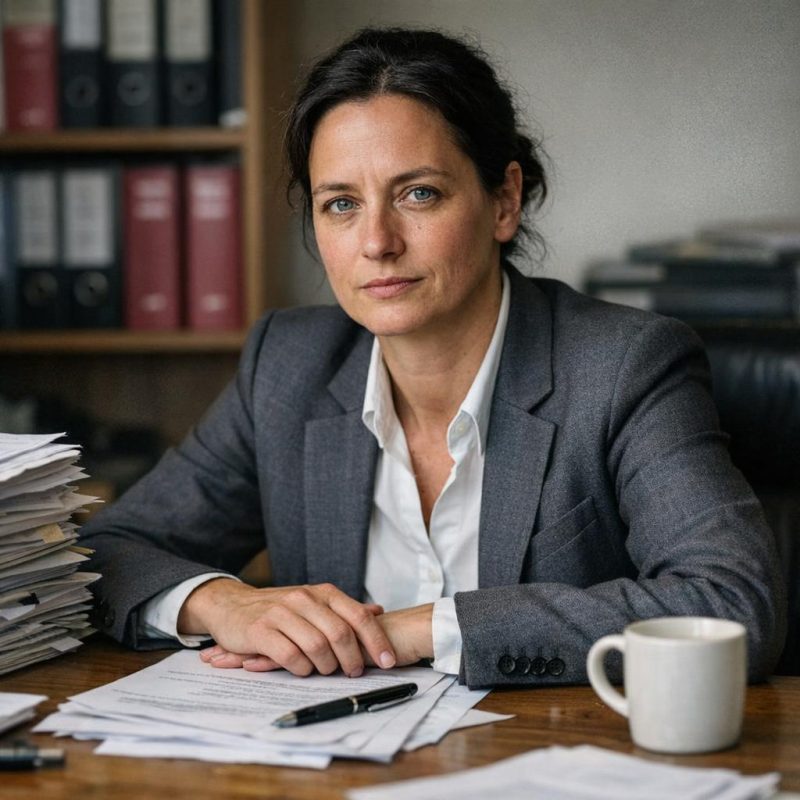 Image by RM AI
The Testimony
The deposition took place in a glass-walled conference room that felt designed to make you forget you were telling the hardest parts of your story to strangers. Ellen sat beside me. Across the table were three lawyers representing Momentum Media Group, a court reporter, and a camera recording everything I said. They asked me to walk through it all from the beginning. The flight. The security stop. The video. The avalanche that followed. I answered every question as precisely as I could, but precision didn't capture what it had actually felt like—the fear, the isolation, the way my entire life had collapsed in real time. They asked about damages. Lost income. Emotional distress. Reputational harm. I gave them numbers and facts, but numbers didn't explain waking up at three in the morning convinced someone was outside my apartment. They asked about impact. How this had changed me. I told them the truth: I didn't trust strangers anymore, didn't trust platforms, didn't trust that the world was a place where truth eventually surfaced. And then they asked the final question. When they asked if I'd accept an apology, I said, 'An apology doesn't give me back the weeks I lost—or the person I was before this.'
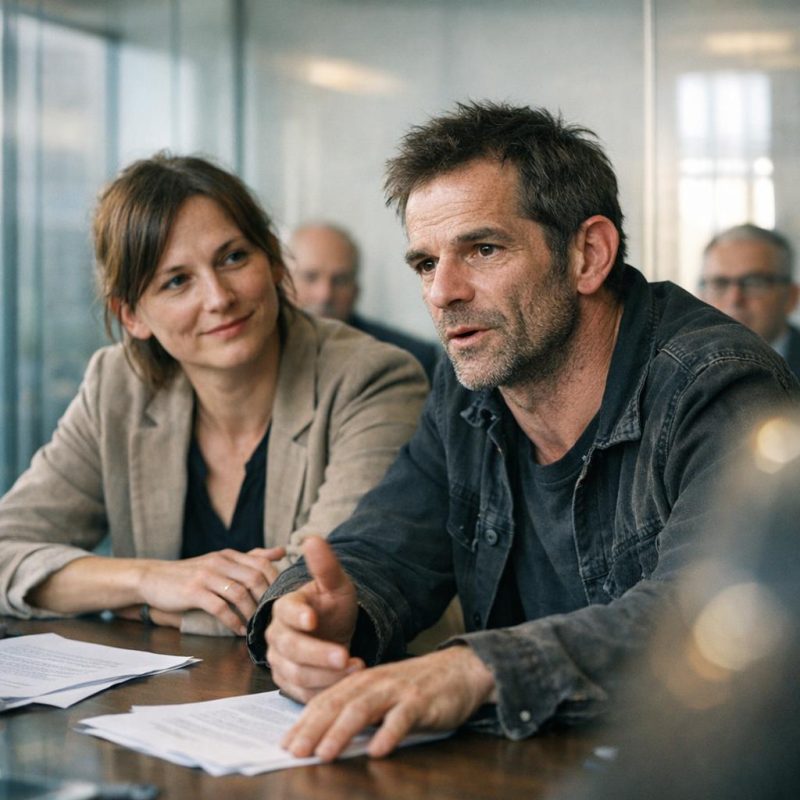 Image by RM AI
The Verdict
Ellen called me on a Tuesday morning, three months after the deposition. The settlement was done. Momentum Media Group had agreed to everything—financial compensation for me and the other victims, a public statement admitting fault, mandatory training for content moderators, and policy changes around viral content flagging. The number they'd offered was substantial. More than enough to cover what I'd lost and then some. Ellen sounded pleased, almost energized, the way people do when they've fought hard for something and won. I thanked her. I meant it. But when I hung up, I sat at my kitchen table for a long time, staring at nothing in particular. The relief I'd expected didn't arrive—not in the way I'd imagined. Instead, I felt something quieter. Something closer to exhaustion. They'd admitted wrongdoing. They'd paid. The public would see it. But none of that gave me back the version of myself who'd boarded that flight months ago, the one who thought the world mostly made sense if you followed the rules. I'd won—but victory felt quieter than I'd imagined.
 Image by RM AI
The Aftermath
When I returned to work the following week, my supervisor called me into her office and apologized. She said the university regretted the way they'd handled everything, that they should have stood by me from the start. My position was reinstated. My reputation, officially, was cleared. Everyone was professional. Respectful. They welcomed me back with careful smiles and gentle nods. Tamara hugged me in the hallway outside the staff lounge, holding on just a beat longer than usual. 'I'm so glad you're back,' she said, and I could tell she meant it. But over the next few days, I noticed the small shifts. The way conversations paused when I walked into a room. The way people asked how I was doing with a certain tone—like I was fragile now, something to be handled with care. Tamara still met me for coffee, still asked about my weekend, but there was a new distance in her eyes. Not unkindness. Just awareness. They were kind—but they looked at me differently now.
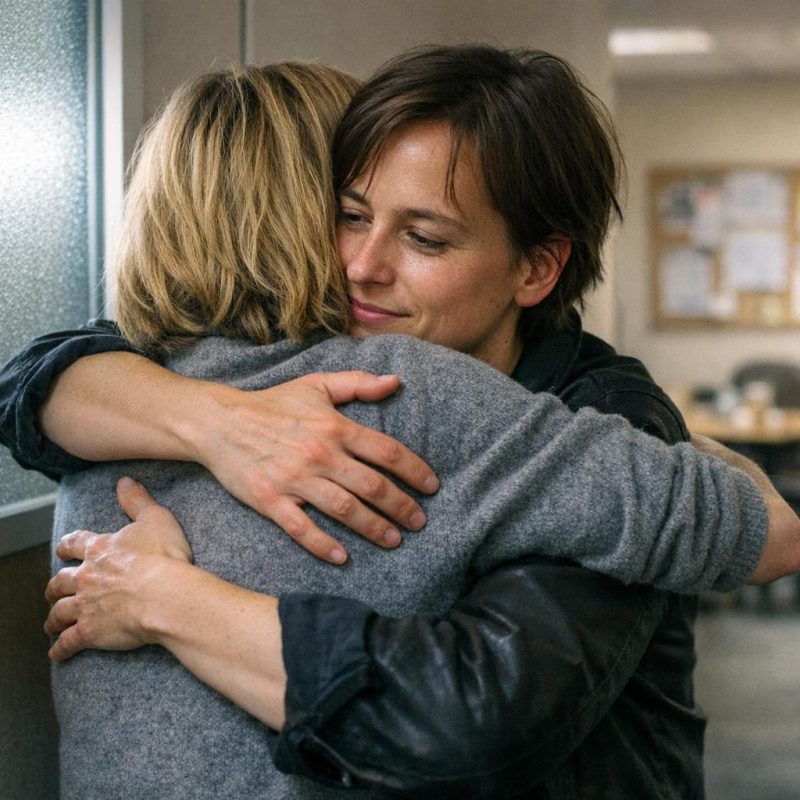 Image by RM AI
The Interview
A journalist from a national outlet reached out a few weeks later. She wanted to do a feature on the settlement, on what had happened to me and the others. I almost said no. But Ellen thought it might help, and part of me wanted people to understand—not just what had happened, but why it mattered. So I agreed. We met at a quiet café, and she asked thoughtful questions. I talked about the need for accountability in viral culture, about how platforms profit from outrage without bearing any responsibility for the damage. I talked about the other victims, the ones whose lives had been upended just like mine. She listened carefully, took notes. Then, near the end, she asked the question I'd been avoiding. 'Have you forgiven Jenna?' she said. I paused. Thought about it. Really thought. And then I told her the truth. The interviewer asked if I'd forgiven Jenna—I said I was still deciding if forgiveness was mine to give.
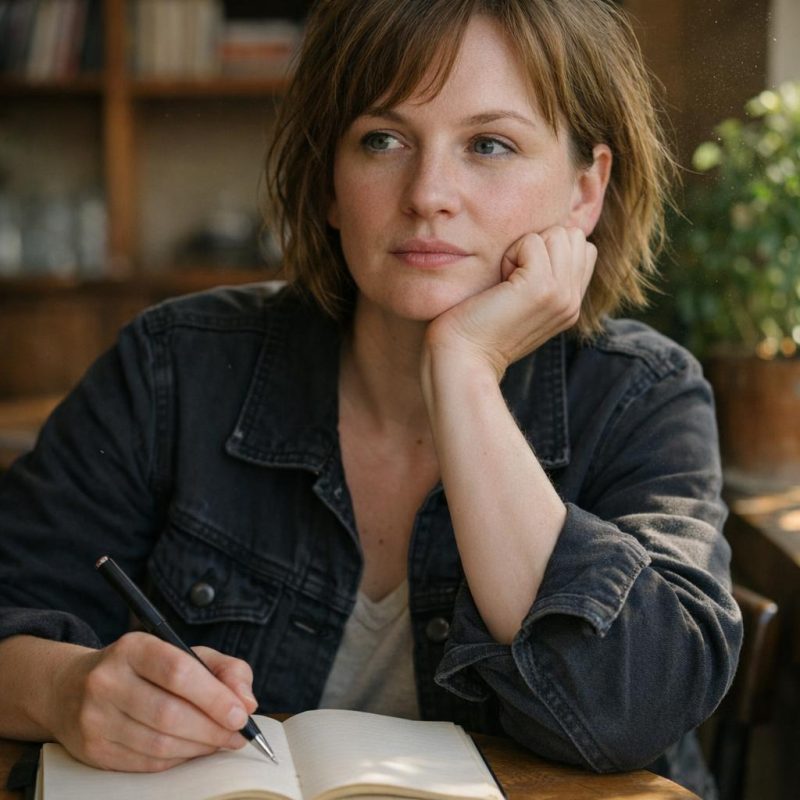 Image by RM AI
The Flight
Six months after the settlement, I boarded a plane for a work conference in Denver. Same routine. Same security line. Same narrow aisle and overhead bins. I found my seat, stowed my bag, buckled in. The flight attendants gave their safety demonstration. The engines hummed to life. And for the first time in a long time, I felt something close to normal. Not the old normal—that was gone. But a new one. Steadier, maybe. More aware. I wasn't the person I'd been before all this. I didn't trust as easily. I didn't assume the best. I watched the other passengers with a quiet caution I hadn't carried before. But I was here. I was functional. I was moving forward. The plane began to taxi, and I looked out the window at the tarmac stretching ahead. I thought about everything that had happened—the video, the lawyers, the strangers who'd hated me, the ones who'd believed me. As I took my seat, I realized: I still keep my expectations low—but now I know why.
 Image by RM AI
KEEP ON READING
The story of Ching Shih, the Woman Who Became the…
Unknown author on WikimediaFew figures in history are as feared…
By Emilie Richardson-Dupuis Dec 29, 2025
Einstein's Violin Just Sold At An Auction—And It Earned More…
A Visionary's Violin. Wanda von Debschitz-Kunowski on WikimediaWhen you hear…
By Ashley Bast Nov 3, 2025
This Infamous Ancient Greek Burned Down An Ancient Wonder Just…
History remembers kings and conquerors, but sometimes, it also remembers…
By David Davidovic Nov 12, 2025
The Mysterious "Sea People" Who Collapsed Civilization
3,200 years ago, Bronze Age civilization in the Mediterranean suddenly…
By Robbie Woods Mar 18, 2025
The Most Miserable Century To Be Alive
Pierart dou Tielt (fl. 1340-1360) on WikimediaWhen people talk about…
By Emilie Richardson-Dupuis Apr 14, 2026
20 Soldiers Who Defied Expectations
Changing the Rules of the Battlefield. You’ve probably heard plenty…
By Annie Byrd Feb 10, 2026