

I Was Fired For Not Fitting The Brand Until My Uncle Realized I Own The Ground Beneath His Entire Company
I Was Fired For Not Fitting The Brand Until My Uncle Realized I Own The Ground Beneath His Entire Company
The Last Week
Tuesday morning looked exactly like every other Tuesday morning for the past ten years. I was at my desk by seven-forty-five, coffee cooling beside the keyboard, quarterly reports stacked in the order I'd pull them. Miller & Associates ran on routine, and I'd built most of that routine myself — the filing systems, the reporting cycles, the department check-ins that kept everything moving without anyone having to ask twice. I reviewed the Q3 numbers that morning the same way I always did: methodically, column by column, flagging anything that needed a second look before it reached the partners. Operations was my department in every practical sense, even if the org chart told a more complicated story. Ten years is a long time to learn a company's rhythms. I knew which vendors needed a call before they sent an invoice, which reports Julian would skim and which ones he'd actually read, which small problems to solve quietly before they became someone else's talking point. I wasn't flashy about any of it. I just kept things running. That Tuesday, everything ran. The numbers balanced, the emails were answered, the department hummed along the way it always did, and I sat back in my chair for a moment and felt the particular quiet satisfaction of work done well — the weight of routine settling over another ordinary Tuesday.
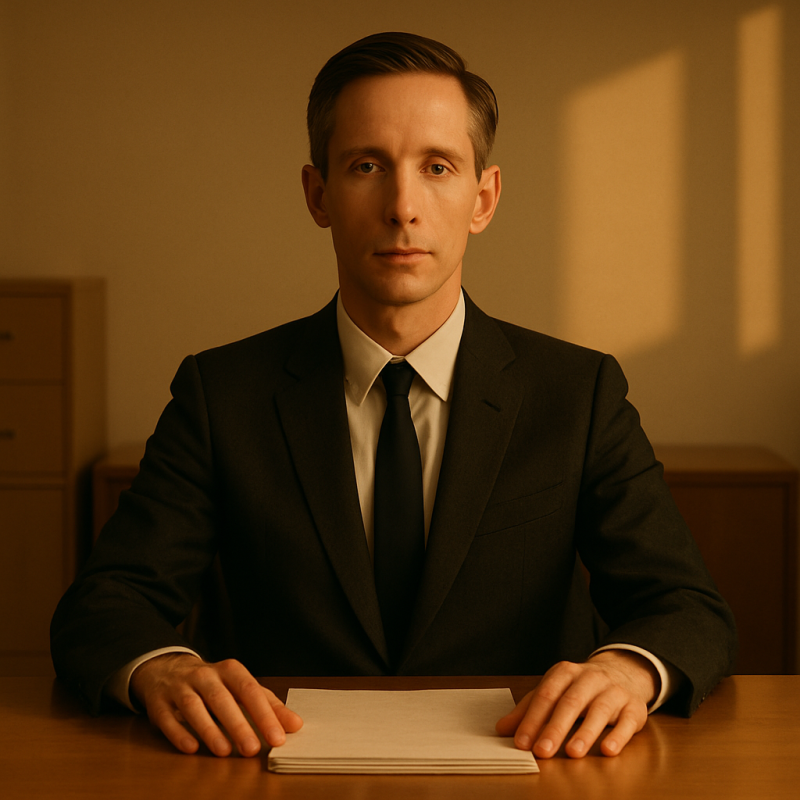 Image by RM AI
Whispers in the Conference Room
The weekly department meeting started at ten, same as always. I took my usual seat near the middle of the table, notebook open, pen ready. Mark and Leo came in together, which wasn't unusual — they usually arrived as a unit, already mid-conversation about something that had nothing to do with the agenda. What was a little different was where they sat. They took the far end of the table, away from the rest of the group, and they stayed in their own orbit the entire meeting. I noticed it the way you notice a small thing that doesn't quite fit — not alarmed, just aware. The presenter was walking through client acquisition numbers when I caught them leaning toward each other, voices low, Mark saying something behind his hand. Leo nodded, that small tight nod he did when he was agreeing with something he found satisfying. I told myself it was just the two of them being the two of them. My cousins had always had their own private frequency, their own running commentary on whatever room they were in. The meeting wrapped up without incident. I was gathering my notes when I glanced toward the far end of the table — and Mark's eyes flicked toward me before cutting back to Leo.
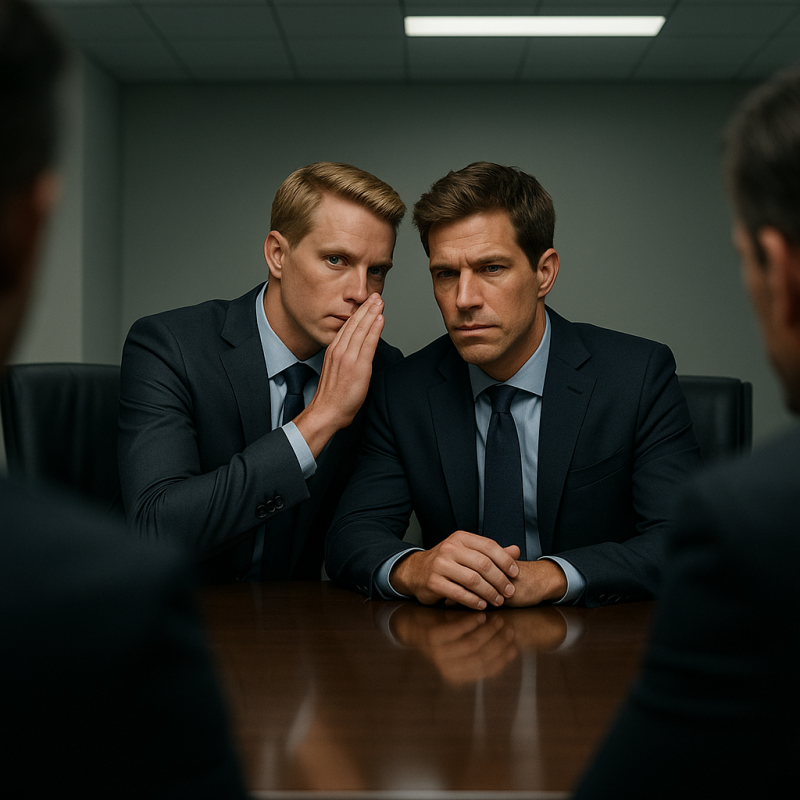 Image by RM AI
Eleanor's Lessons
My grandmother Eleanor used to spend her Saturday mornings at the kitchen table with her reading glasses pushed up on her forehead and a stack of documents spread out in front of her. Not financial projections or marketing decks — actual documents. Deeds, surveys, property records, the kind of paperwork that most people sign once and file away and never think about again. She thought about them constantly. I was maybe twelve the first time she sat me down and walked me through one. She didn't talk down to me. She just pointed at the lines and asked what I thought they meant. When I got something wrong, she'd correct me without making it feel like a correction. When I got something right, she'd nod and move on, which felt better than any praise. Julian and his sons were never there for those mornings. They were chasing other things — deals that closed fast, numbers that looked good in a presentation, the kind of growth you could put on a slide. Eleanor never said anything critical about that, at least not directly. She just kept teaching me what she thought was worth knowing. I remembered the smell of her kitchen, the particular sound of papers being smoothed flat, and the way she'd run her palm across a deed like she was reading it through her hands — the memory of her hands smoothing out property deeds on the kitchen table.
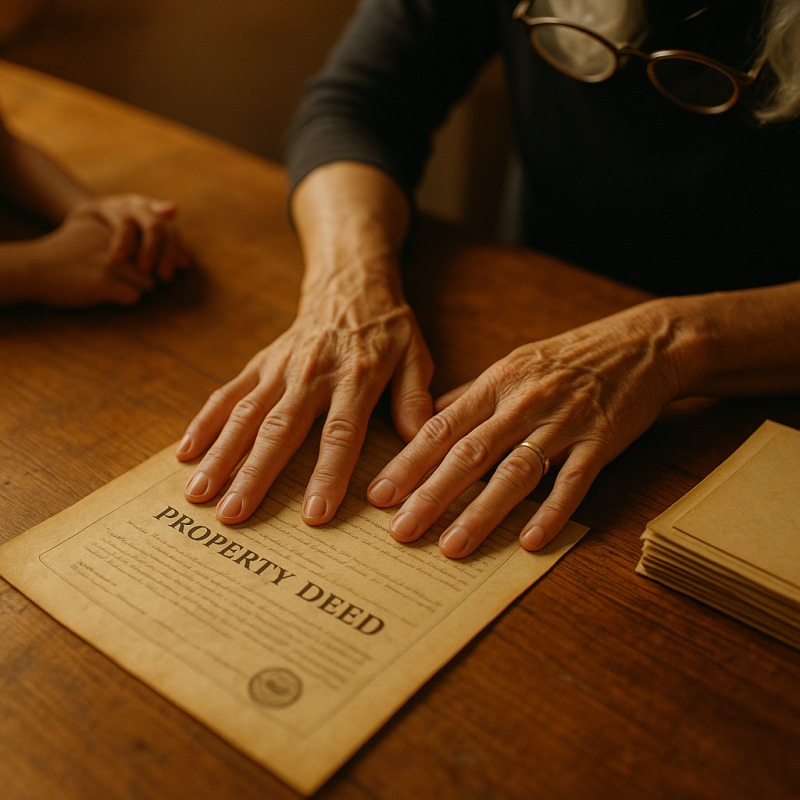 Image by RM AI
The Urgent Meeting
The email came in at four-fifty-three on a Wednesday afternoon, right when most people were already mentally checked out for the day. I almost missed it in the queue. The sender was Julian, which wasn't unusual, but the distribution list was company-wide, which was. He didn't send company-wide emails often. When he did, it usually meant something was shifting at the top and he wanted everyone to hear it from him first. I read it twice. The language was clean and corporate — 'strategic realignment,' 'evolving market position,' 'leadership priorities.' Nothing specific, nothing that told you what the meeting was actually about. Mandatory attendance, tomorrow morning, nine o'clock sharp. I pulled up my calendar and blocked the time. Then I opened a fresh document and started making notes — recent performance metrics, department updates, the Q3 summary I'd just finished. If Julian was calling everyone in to talk about direction, I wanted to be prepared to speak to my area. I saved the document, closed my laptop, and sat for a moment in the quiet of the late afternoon office. Through the window, the city was doing what it always did at five o'clock. I picked up my phone to check if anything else had come in, and the email was still sitting at the top of my inbox, the subject line reading 'Strategic Realignment — Mandatory Attendance.'
 Image by RM AI
The Morning Commute
I left the apartment earlier than usual the next morning. The drive in was easy — light traffic, the kind of commute that almost makes you feel like the day is going to go smoothly. I pulled into my assigned spot in the parking garage at eight-forty, which gave me a comfortable twenty minutes. I had my notebook, my coffee from the place on the corner, and the document I'd prepared the night before printed and folded in my jacket pocket. The elevator ride up was quiet. A few people nodded at me in the lobby. Everything felt normal in the way that ordinary mornings feel normal — unremarkable, predictable, mine. I walked the glass corridor toward the main conference room, checking my watch out of habit. Eight fifty-five. Five minutes early, which was how I always liked it. I turned the corner and looked through the glass wall into the conference room, expecting to see a few people still settling in, maybe someone fussing with the projector. Instead, Julian was already at the head of the table, jacket on, posture straight, and Mark and Leo were standing close beside him — the three of them already deep in conversation, heads angled together, the room behind the glass looking less like a meeting that hadn't started yet and more like one that had been going on for a while.
 Image by RM AI
The Board Room
I pushed open the conference room door and the conversation at the head of the table stopped. Not gradually — just stopped. Julian looked up and gestured toward the far end of the room with an open hand, the kind of gesture that doesn't invite a response. 'Take a seat, Daniel.' The board members were already arranged along the main stretch of the table — Margaret among them, her expression professionally neutral, her hands folded in front of her. I recognized the others: two senior partners, the firm's outside counsel, a face from finance I'd worked with on the Q3 reports. They all looked at me the way people look at someone when they've been told to expect them. I walked to the chair Julian had indicated. I set my coffee down, opened my notebook, uncapped my pen. The room was quiet in a way that conference rooms aren't usually quiet before a meeting — no side conversations, no phones being checked, no one asking if the projector was connected. I glanced down the table toward the board members and then back at my own position. The chair I was sitting in was pushed back from the main table by about two feet, angled slightly away from the group, separated from the nearest board member by a gap that hadn't been there by accident — the empty chair isolated from the rest of the table.
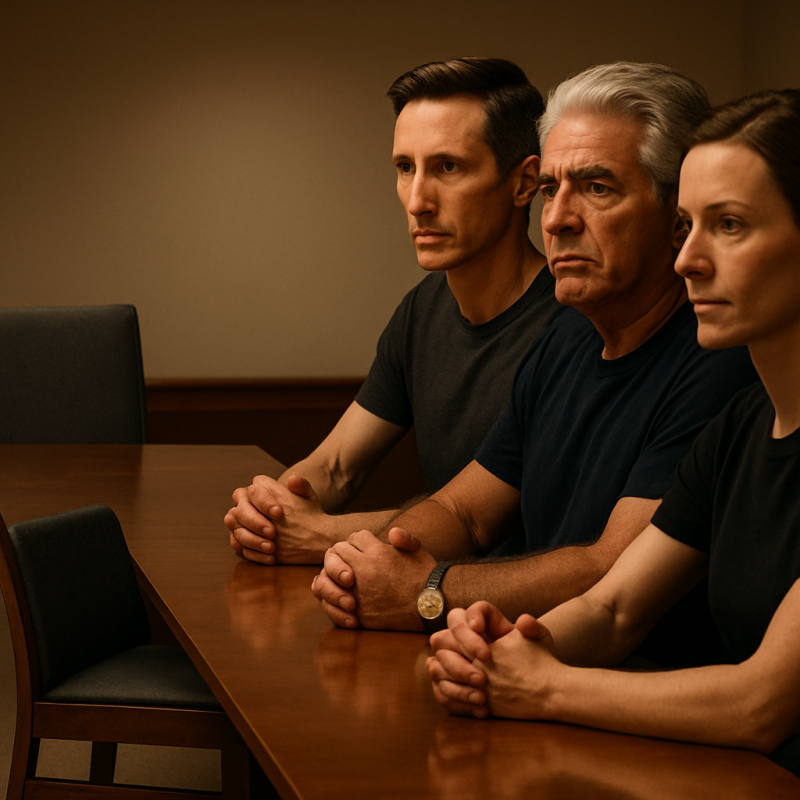 Image by RM AI
The New Direction
Julian opened without pleasantries. He clicked to the first slide — a brand positioning map I hadn't seen before — and launched into it like he'd rehearsed the whole thing that morning, which maybe he had. The firm was moving upmarket, he said. Aggressively. The strategy was about premium positioning, high-net-worth client acquisition, a complete overhaul of how Miller & Associates presented itself to the market. He used words like 'aspirational' and 'curated' and 'elevated client experience.' Mark nodded along from his position near the head of the table, the way he always nodded when his father was speaking — not listening exactly, more performing agreement. Leo did the same. I took notes. I kept my face neutral and my pen moving because that was what I knew how to do in a room that felt wrong. Margaret shifted in her seat during the section on brand image, just slightly, the kind of small movement that means something but doesn't announce itself. Julian talked about the kind of leadership the new direction required. He talked about presence, about image, about the signals a firm sends through the people it puts in front of clients. He said the word 'pedigree' once, and then again, and then a third time — and the third time, he said the firm needed people with 'real pedigree' to take them forward.
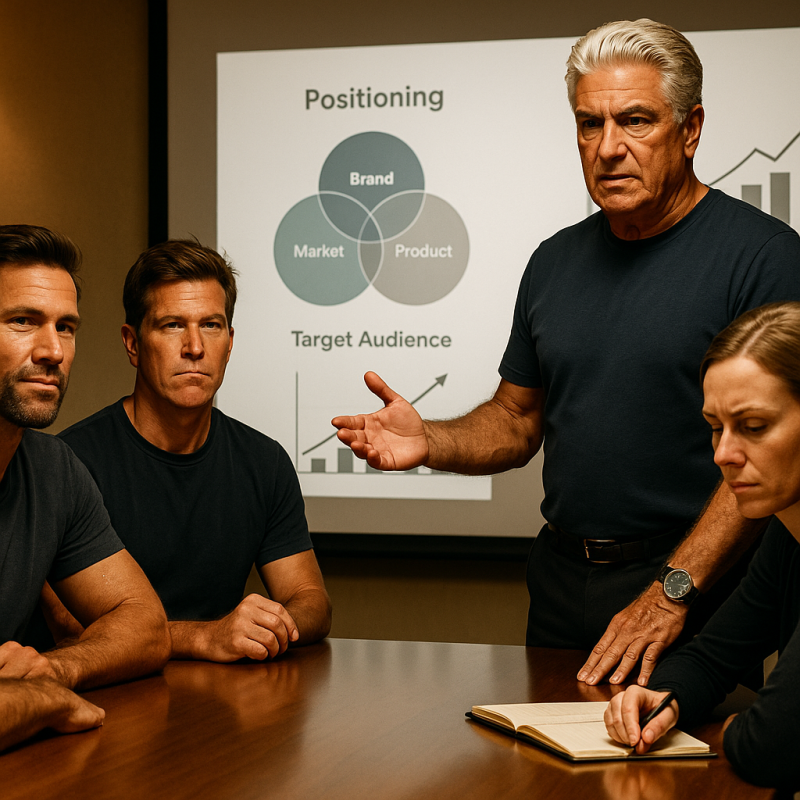 Image by RM AI
The Brand Problem
Then Julian looked at me. Not at the room, not at the board — at me, directly, with the particular steadiness of someone who has decided something and is now simply delivering it. He said my contributions over the years had been valued. He said the firm's evolution required alignment at every level. He said that as Miller & Associates moved into its next chapter, it needed people who could embody the brand in every interaction, every client touchpoint, every public-facing moment. He paused there, just briefly, and then he said that not everyone was positioned to do that — that some people, through no fault of their own, simply didn't fit the brand the firm was building. He didn't say my name again after that. He didn't need to. Mark and Leo were watching from the far end of the table, their expressions carefully arranged into something that wasn't quite a smirk but was close enough. Margaret was looking at the surface of the table. The outside counsel had his pen down. Nobody spoke. Nobody moved to fill the space Julian had just opened up. I sat with my notebook open in front of me, pen still in my hand, the words 'doesn't fit the brand' sitting somewhere between my ears and my chest — the silence after Julian finished speaking settling over the room like weight.
 Image by RM AI
The Shoes
It was Mark who broke the silence. He did it the way he did most things — casually, almost as an afterthought, like the thought had just occurred to him and he was simply sharing it. He glanced down toward the end of the table, toward my feet, and then back up with that expression he had, the one that was never quite a smile. He said something about how the firm's client-facing culture had always been about signaling the right things — that in high finance, every detail communicated something, whether you intended it to or not. He said that even footwear sent a message, that clients noticed, that the kind of leather a man chose said something about how seriously he took the work. He wasn't looking at me when he said it. He was looking at the table, or maybe at Julian, in the way someone looks at a person they expect to agree with them. Leo made a small sound that wasn't quite a laugh. Julian said nothing. He just let the comment sit there, the way you let a document sit on a table after you've already signed it. I kept my face still. I kept my hands flat on the notebook. The heat that moved up the back of my neck was something I decided nobody in that room was going to see. Then I heard the sound of chairs shifting — the quiet, uncomfortable kind — from the board members seated along the wall.
 Image by RM AI
The Severance Papers
Julian slid the folder across the table without ceremony, the way you'd pass someone a menu. It landed in front of me and I opened it. The termination letter was on top, single page, clean language. The severance figure was below it — two weeks per year of service, which came out to twenty weeks for a decade of work. I didn't say anything about the number. I picked up the pen that was already sitting on the table, already uncapped, and I signed where the tabs indicated. Julian nodded once toward the door. The security guard who had been standing in the hallway — I hadn't noticed him until that moment, though he'd clearly been there a while — stepped into the frame. He wasn't aggressive about it. He just stood there, which was enough. Margaret had gathered her papers into a neat stack and was looking at something on the far wall. Mark and Leo had already pushed back from the table. Someone from HR, a woman I recognized but had never spoken to directly, appeared with a flat cardboard box and set it on the table beside me. It was the kind of box that copy paper comes in, the lid already removed. I picked it up. It was lighter than I expected, which made sense — I hadn't kept much at my desk. I walked toward the door with it held in both hands, and the weight of it, almost nothing, settled into my palms like a fact I hadn't finished reading yet.
 Image by RM AI
The Parking Lot
I sat in my car for a long time without starting the engine. The cardboard box was on the passenger seat — a desk calendar, a spare phone charger, a coffee mug I'd had since my first year. The December sun was sharp and low, the kind that gives you light without warmth, and it caught the finish on Mark's black SUV parked two rows over and threw it back at me like a mirror. Leo's car was beside it, low and silver, the kind of car that costs more than some people's annual salary. I'd seen both vehicles in that lot for years and never thought much about them. I thought about them now. My car was ten years old and had a small crack in the dashboard that I'd been meaning to fix since the spring. The heat hadn't fully kicked in yet and my breath was fogging the lower edge of the windshield in a slow, spreading cloud. Other employees were moving through the lot, heads down against the cold, not looking in my direction. I watched them without moving. The contrast between my car and the ones parked beside it wasn't new information — I'd always known it was there. But sitting in that lot with a copy-paper box on my passenger seat, it settled into something that went past embarrassment, something quieter and harder and more specific than that.
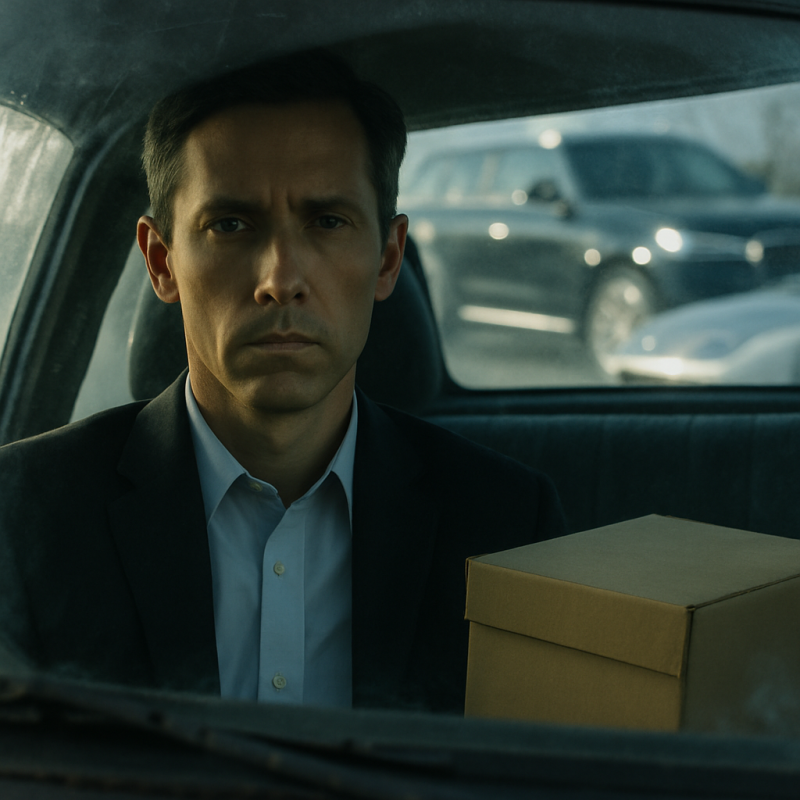 Image by RM AI
The Folder
I don't know what made me reach under the seat. Habit, maybe, or the particular restlessness of having nowhere to be for the first time in ten years. The folder was where I always kept it — tucked flat beneath the passenger seat, held in place by the seat rail. Eleanor had given it to me three years before she died, in the kitchen of her house on a Sunday afternoon, and she'd said to keep it somewhere I wouldn't lose it. Mark had called it pity money at the reading of the will, which had gotten a quiet laugh from Leo. I'd never looked at it closely enough to argue. I opened it now on my lap, the December sun coming through the windshield at a flat angle that made the pages hard to read. There were property deeds, several of them, and some older legal documents with language I didn't fully follow. I went through them slowly, one at a time. Most of the addresses meant nothing to me — parcels in areas I didn't know, described in the dry shorthand of county records. Then I pulled out a deed near the bottom of the stack, and I read the property description line, and I read it again. The address listed under the property description was the address of Miller and Associates.
 Image by RM AI
Silas Brennan
I set the deed down on top of the others and sat with it for a moment. The address was right — I knew that building, had walked into it five days a week for a decade. But the legal language around it was dense and I wasn't sure what I was actually looking at. A deed for what, exactly. The parcel dimensions were listed in feet and fractions of feet, and the description referenced easements and access rights in language that meant something specific to someone who understood it, which I didn't. I needed someone who did. I went through the folder again and found a business card near the back, tucked into the inside pocket. Silas Brennan. I remembered him from Eleanor's funeral — an older man, white-haired, moved slowly but listened carefully. He'd been one of her oldest friends, she'd mentioned him a few times over the years. He specialized in commercial real estate, the kind of transactional work Julian had always described as unglamorous. At the funeral, standing near the back of the reception, he'd said something to me about the properties Eleanor had left — something about rights, about access, about how the value wasn't always in the land itself. I hadn't followed it closely at the time. I'd been grieving and the conversation had been brief and I'd filed it away without really storing it. The memory of his voice, patient and unhurried, saying something about access rights, was still there — just out of reach.
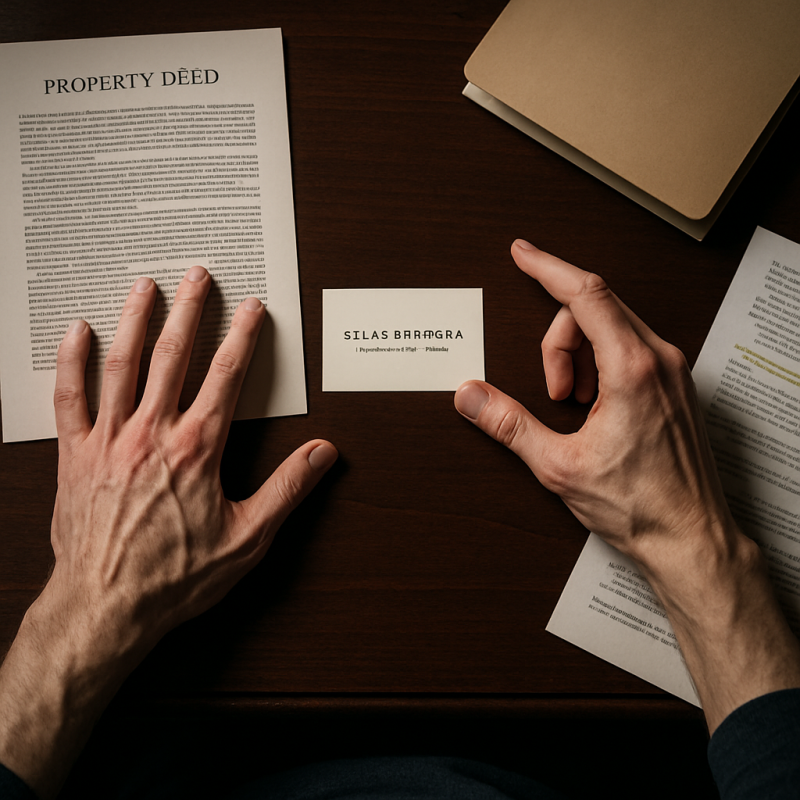 Image by RM AI
The Phone Call
I dialed the number on the card. It rang three times and then a man's voice answered, steady and unhurried, the kind of voice that doesn't change much whether it's nine in the morning or nine at night. I told him my name and said I was Eleanor's grandson. There was a brief pause — not the kind that means someone is surprised, more the kind that means they're settling into something they've been expecting. I told him I was sitting in a parking lot looking at a folder of property deeds she'd left me, and that I'd found one with an address I recognized. I asked if the offer he'd mentioned at the funeral was still on the table. He didn't answer that directly. He asked me how long ago I'd found the deed. I told him about an hour. He asked if I had all the documents from the folder with me. I said I did. He told me there was a diner called Patsy's about three miles east of the business park, that he could be there in two hours, and that I should bring everything. I said I'd be there. He said good. Then he said that Eleanor had been a very careful woman, and that careful women tended to leave careful things behind. I didn't know exactly what he meant by that, but I wrote down the name of the diner on the back of his card. Then I heard him chuckle softly on the other end of the line before he said goodbye.
 Image by RM AI
The Competitor's Problem
Patsy's was the kind of diner that hadn't changed since the eighties — laminate tables, coffee that came without being asked for, a back booth that felt like it had absorbed thirty years of quiet conversations. Silas was already there when I arrived, a paper map spread open on the table beside his coffee cup. He looked the same as I remembered from the funeral — white hair, wire-rimmed glasses, a dark wool jacket that had seen better decades. He shook my hand and told me to sit down. He spread the map flat and oriented it so we were both looking at it the same way. He pointed to the business park — a cluster of parcels east of the highway, the kind of development that had gone up in the nineties and aged into respectability. He told me that a global investment firm had been trying to build a flagship headquarters in that corridor for the better part of three years. They'd been acquiring parcels one by one, he said, patient and methodical, and they were close. But there was one piece they hadn't been able to get. Without it, he said, the whole development was blocked — not just slowed, but structurally impossible. The access to the entire park ran through it. He tapped the map with one finger, a narrow strip running through the center of the cluster. He said the people who knew about it had taken to calling it something. He looked up at me over his glasses and said they called it the Golden Spike.
 Image by RM AI
The Maps
We spent the next four hours at that table. Silas had his own maps — survey documents, county records, plat filings going back to the early nineties — and he laid them out one at a time, overlapping them, building a picture of the business park parcel by parcel. He walked me through the boundaries slowly, the way someone explains something they've known for a long time to someone who is just beginning to see it. He showed me the competitor's planned footprint, the parcels they'd already acquired, the gap that remained. Then he pointed to the access road — a narrow strip running north to south through the center of the park, serving every building in the cluster, including the one I'd walked into every morning for ten years. He asked me to pull out Eleanor's deeds. I went through them again, more carefully this time, matching the parcel descriptions against the coordinates on his survey map. Most of them aligned with parcels I'd already seen. Then I found the one for the narrow strip. The dimensions matched the access road exactly. I read the ownership line. Eleanor's holding company name was printed there in the clean, indifferent type of a county record — Ashford Property Holdings LLC — the same name I'd seen on the other deeds, the same name I'd grown up hearing her mention on Sunday afternoons without ever asking what it meant.
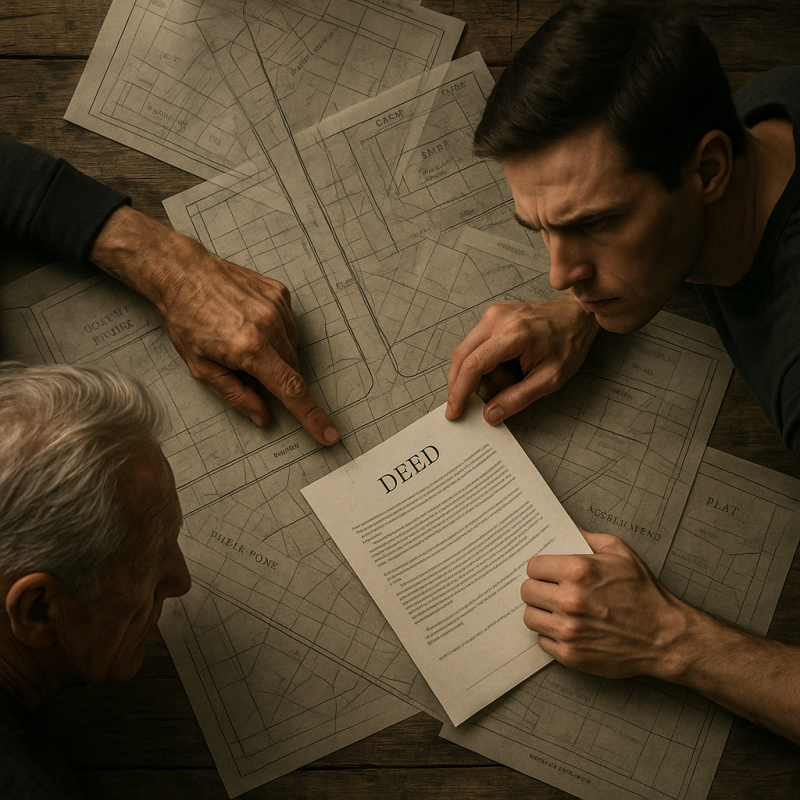 Image by RM AI
The Right of Way
Silas set his pen down and folded his hands on top of the survey map. He said the phrase slowly, like he wanted it to land properly: right of way. He explained that owning the access road wasn't just about owning a strip of asphalt — it meant controlling the legal right to cross it. Without that right, a property was landlocked. No legal ingress, no legal egress. Delivery trucks couldn't reach the loading docks. Clients couldn't reach the parking lot. Employees couldn't get to the front door without trespassing. He traced the road on the map with one finger, north to south, cutting through the center of the business park like a spine. He said Julian's building had no other access point. There was no secondary road, no easement from another direction, no alternative route that had ever been recorded. I looked at the map for a long time. The building I had walked into every morning for ten years sat at the end of that road. I had never thought about who owned the ground beneath the pavement. Apparently, neither had Julian — because for all those years, he had been using it for free.
 Image by RM AI
The Question
Silas leaned back in his chair and looked at me directly. He asked if I understood what selling the access rights to the competitor would actually mean — not in abstract terms, but operationally. He walked me through it without rushing. The competitor would install a gate at the park entrance. Every vehicle entering the property would need authorization. Julian's firm would have to negotiate access agreements for every delivery, every client visit, every contractor, every employee who drove to work. They would need permission for things they currently took for granted. Silas said the word 'mercy' once, quietly, and didn't repeat it. Then he asked me if this was what I wanted. I didn't answer right away. I sat there thinking about the conference room that morning — the way Julian had spoken without looking at me, the cardboard box waiting by the door before I'd even had a chance to respond. I thought about ten years of quarterly reports and late nights and performance reviews that always came back strong. I thought about Eleanor, and the Sunday afternoons she'd spent explaining things to me that she never explained to anyone else. The maps stayed spread across the table between us, and neither of us moved to fold them.
 Image by RM AI
The Vision
I kept coming back to one phrase. Julian had said I lacked the vision to ever lead. He'd said it the way people say things they've rehearsed — evenly, without hesitation, like it was a conclusion he'd arrived at long ago and was only now delivering. I remembered the exact cadence of it. I remembered Mark standing near the door, and the way his eyes had moved down to my shoes when I walked in — a quick, dismissive flick, the kind of look that's meant to be noticed. Leo had been behind him, not saying anything, just present in the way that made the room feel smaller. I thought about the security guard waiting in the hallway. I thought about the cardboard box, empty, sitting on the conference table like a foregone conclusion. Silas was still across from me, patient, not pushing. He had the quality Eleanor used to have — the ability to sit with silence without filling it. Eleanor had never talked about vision. She had talked about patience, and timing, and understanding what you held before you decided what to do with it. I looked down at the deed in front of me, the one with the narrow parcel dimensions. I could still see Mark's expression when he glanced at my shoes — that small, satisfied smile.
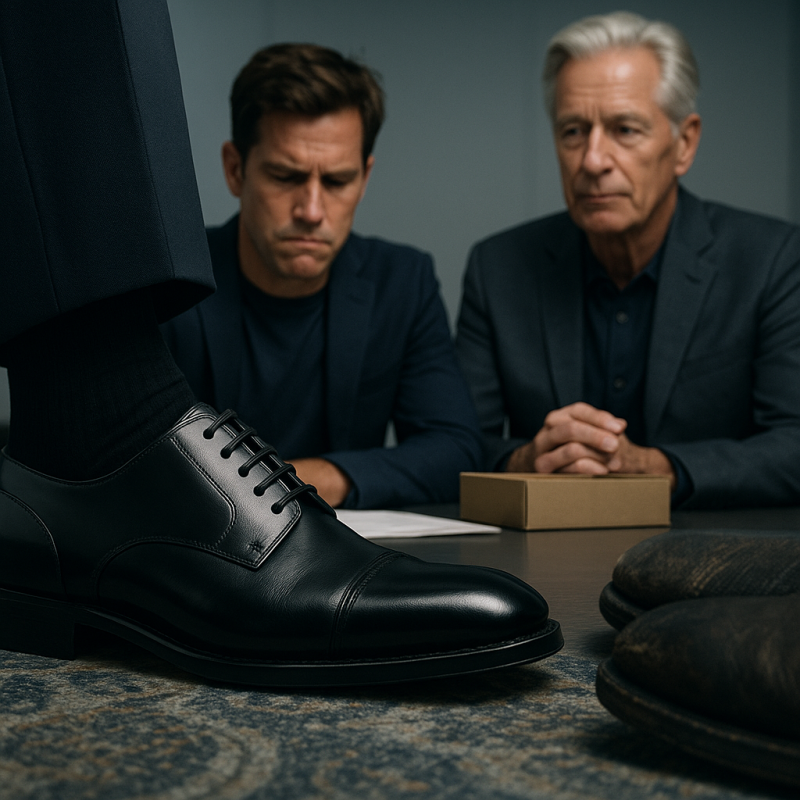 Image by RM AI
The Signature
Silas slid the transfer document across the table and set a pen beside it without comment. I picked it up. I read through the document one more time — not because I expected to find something new, but because I wanted to be certain I understood every line before I crossed it. The transfer was clean. It conveyed the access road parcel from Ashford Property Holdings LLC to the competitor's development entity, along with all associated right-of-way privileges. Once signed, the road would no longer be mine to offer freely. Every vehicle that used it would do so on someone else's terms. I thought about that for a moment — not with regret, exactly, but with the particular weight of a decision that can't be walked back. Then I signed my name on the signature line. Silas witnessed it, initialed the witness block, and countersigned as the facilitating agent in the transfer. He didn't say anything ceremonial. He just checked each page methodically, squared the document against the edge of the table, and slid it into his briefcase.
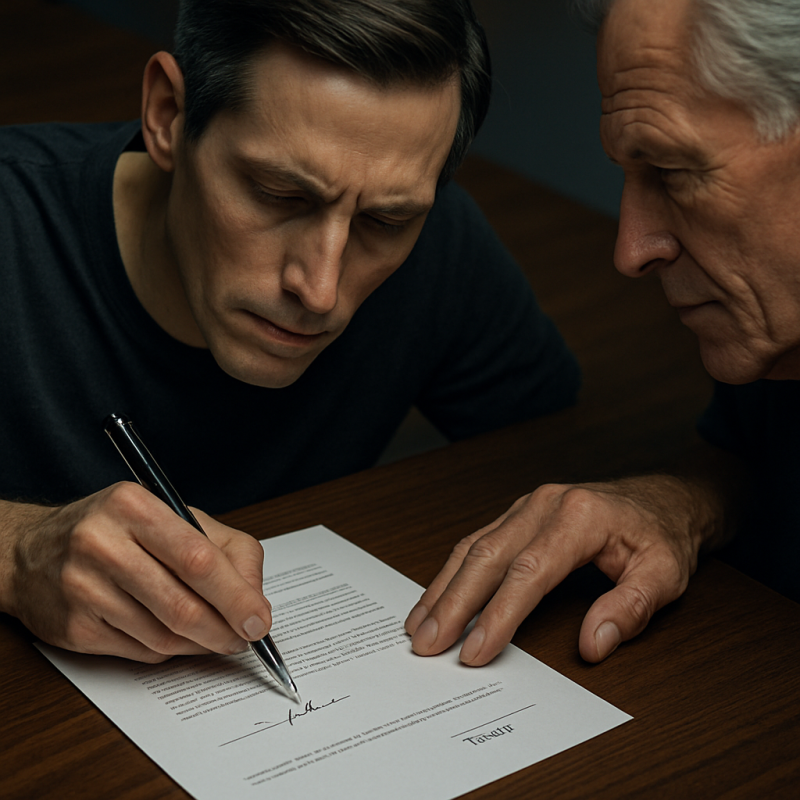 Image by RM AI
The Competitor's Proposal
The competitor's temporary offices were in a converted suite two floors above a title company on the east side of the business district. Silas had arranged the meeting, and he walked me in and introduced me to the development team — three people around a conference table with architectural renderings spread across it. They were professional and prepared. They walked me through the site plan for the new headquarters: a six-story building positioned at the north end of the park, with the access road running directly to its main entrance. They explained the gate system — a controlled entry point at the road's southern terminus, managed by a third-party security firm, with a credentialing process for authorized vehicles. I asked about the timeline. They said construction would begin within sixty days of the transfer recording. I asked how existing tenants would be notified. They said formal letters would go out within two weeks of groundbreaking. I took notes on a legal pad and asked about the financial terms, which they confirmed matched what Silas had outlined. I didn't ask about any specific tenant by name. I asked about the mechanism — how access would be granted, how it could be revoked, who held final authority. By the time we finished, I had a clear picture of exactly what I had transferred and what it would set in motion. I sat with that understanding quietly, without needing to say it out loud.
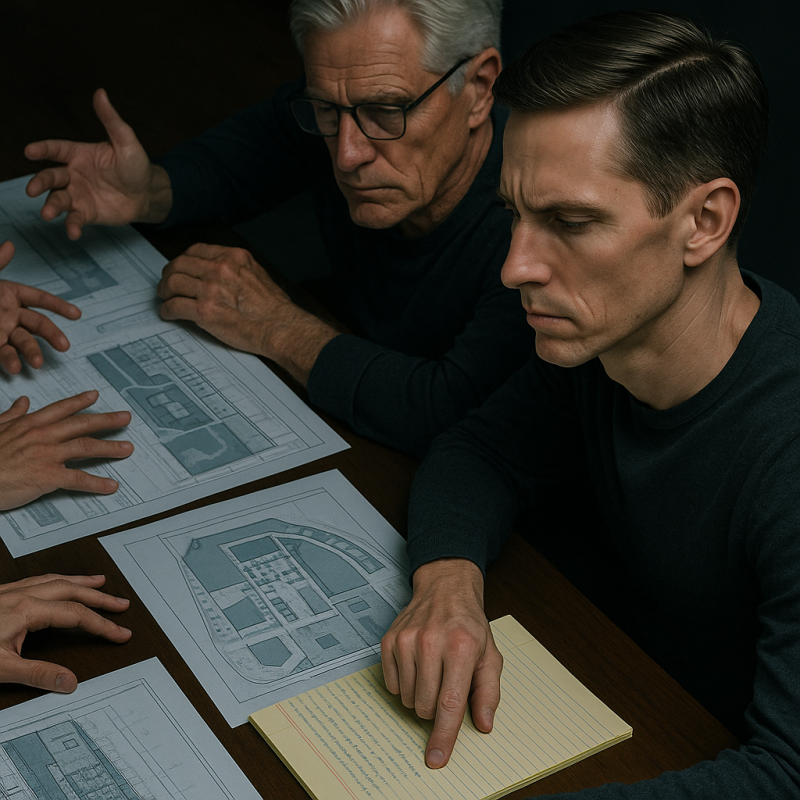 Image by RM AI
Gordon Pierce
About forty minutes into the meeting, the conference room door opened and a man in a charcoal suit walked in. Silas introduced him as Gordon Pierce, CEO of the investment firm. Gordon was somewhere in his mid-fifties, graying at the temples, with the kind of measured bearing that comes from running something for a long time. He thanked me for considering the proposal and sat down at the head of the table without any of the performance I'd grown used to watching in Julian's conference rooms. He explained the firm's vision for the business park — a flagship headquarters anchoring a redeveloped commercial corridor, with the access road as the connective tissue of the entire site. He said the access rights were the last piece they needed to move forward. He acknowledged that the parcel was small in acreage but significant in function, and he said the offer reflected that. He didn't oversell it. He answered my follow-up questions directly and without deflection. When the meeting ended, he stood and extended his hand. The grip was firm and even, and he held eye contact without making it a contest. It was the most straightforward business interaction I'd had in longer than I could easily remember.
 Image by RM AI
The Financial Terms
Gordon's team sent the full contract over that evening, and I spent the next morning reading it page by page at Silas's office. The financial terms were fair — above what I'd expected, honestly, given the parcel's modest square footage. The access control provisions took up nearly a third of the document. The competitor would install a security gate at the park's southern entrance within thirty days of the transfer recording. All vehicles — commercial, personal, contractor — would require a valid access credential to enter. Credentials would be issued at the competitor's discretion, subject to a standard review process. Existing tenants would be grandfathered in for a transitional period of ninety days, after which they would need to apply for ongoing access agreements. I asked Silas about the enforcement mechanism. He pointed me to section seven, which gave the competitor sole authority to deny, suspend, or revoke access permissions for any vehicle or entity, with written notice as the only procedural requirement. I read that section twice. Then I read it a third time. The language was precise and unambiguous — one entity, sole discretion, complete authority over who entered the park and on what terms.
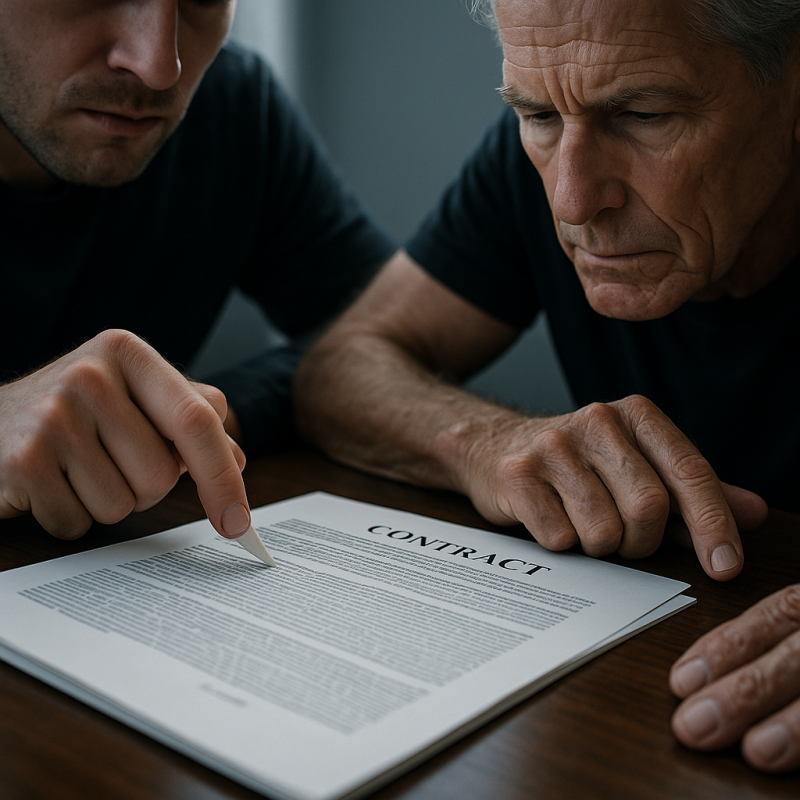 Image by RM AI
Victoria Chen
Silas had briefed Victoria Chen before I arrived at her office, so she already had Eleanor's original deeds laid out on her desk when I walked in. She was methodical in a way I appreciated — she didn't summarize, she showed me. She went through the chain of title for the access road parcel document by document, tracing ownership from the original county filing through Eleanor's acquisition and into Ashford Property Holdings LLC. She flagged two points where the title could theoretically be questioned and explained why neither held up under scrutiny. She reviewed the transfer agreement I'd signed with Gordon's team and went through the access control provisions line by line. I asked her directly whether Julian had any legal basis to challenge the transfer. She said he had no recorded interest in the parcel, no easement agreement on file, and no adverse possession claim that could survive the documented ownership history. I asked about the holding company structure. She confirmed it was properly maintained — annual filings current, registered agent active, no gaps in the record. She set the last document down, aligned it with the others, and said the transfer was clean, the title was clear, and every document in the chain would hold up in court.
 Image by RM AI
The Point of No Return
Victoria's conference room was quiet except for the sound of papers being set down in order. She had printed the final transfer documents in two sets — one for the file, one for the record — and she walked me through each signature page without rushing. Gordon sat across the table, his pen already out, patient in the way that people are when they've already made their decision and are simply waiting for the formality to catch up. Silas sat to my left, hands folded, saying nothing. I looked at the first signature line for longer than I needed to. I thought about the ten years I'd spent at Miller and Associates — the early mornings, the quarterly reports nobody read, the morning Julian called me into his office and told me I didn't fit the brand. I thought about Eleanor, and the weekends she spent showing me what she'd built, and why. Then I picked up the pen. I signed where Victoria indicated, moved to the next page, and signed again. Gordon countersigned. Silas witnessed. Victoria notarized each page with the quiet efficiency of someone who had done this a thousand times. She filed the documents before we left the room. I sat there for a moment after, the pen still in my hand, the ink already dry on the page.
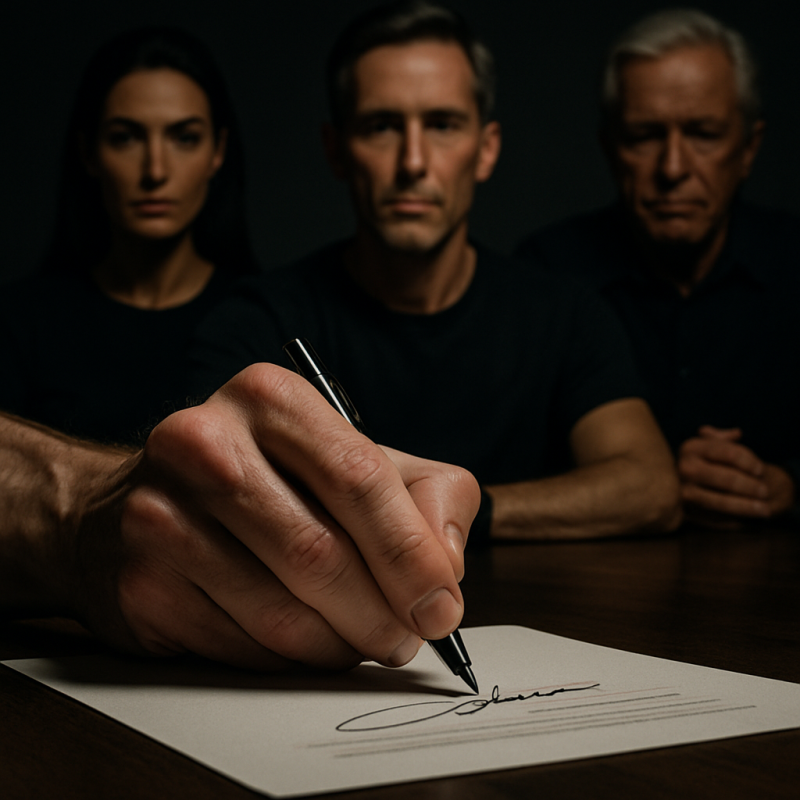 Image by RM AI
Breaking Ground
Construction started on a Friday afternoon, which I hadn't expected. I drove past the business park entrance on my way home and saw the crew already there — orange cones, a surveying tripod, two men in hard hats marking the ground with spray paint. I told myself I was just passing through. I drove past again on Saturday morning. The heavy equipment had arrived overnight. A flatbed truck was parked along the shoulder, steel posts stacked in bundles on its bed. By Saturday afternoon, the first posts were in the ground. I watched from my car, parked half a block down the street, engine off. The crew worked efficiently, no wasted motion. Sunday brought the concrete trucks. I could hear the mixers from where I sat. A prefabricated guard booth was lifted into position by a small crane and bolted to a concrete pad. Security camera poles went up on either side of the entrance. By Sunday evening, the gate mechanism itself was being fitted to the posts — a heavy steel arm, counterweighted, with a control panel mounted to one side. I sat in my car and watched the crew pack up for the night. The steel posts stood in fresh concrete at the park entrance, solid and permanent.
 Image by RM AI
The New Office
Gordon met me at the elevator on Monday morning and walked me up himself. The top floor was quieter than I expected — fewer people, more glass, the kind of space that signals a different tier of the organization. He opened the office door and stepped aside. It was three times the size of my old one at Miller and Associates, maybe more. Floor-to-ceiling windows on two sides. A desk that hadn't come from an office supply catalog. I set my cardboard box on the desk — the same one I'd carried out of my old building — and started unpacking. A framed photo. A legal pad. A coffee mug I'd had since graduate school. Gordon explained my role while I arranged things: I'd be overseeing property management operations for the business park, coordinating with the security team, managing tenant relations. It was real work, not a courtesy title. I appreciated that. When he left, I walked to the window. The view was wide and clear — the access road below, the park entrance with its new gate, and beyond it, the row of buildings that made up the complex. Miller and Associates occupied the largest one. I could see the name on the facade from where I stood, directly below me, smaller than it used to look.
 Image by RM AI
The Waiting
I spent the morning working through the property management files Gordon's team had prepared for me — lease agreements, maintenance schedules, tenant contact sheets, utility accounts. There was more to it than I'd expected, and I was glad for that. It kept my hands busy and my attention somewhere useful. I learned the names of the other tenants in the park: a logistics firm on the east side, two mid-size accounting practices, a regional insurance office. Normal businesses, normal operations. I reviewed the access protocols and the authorized vehicle registry, cross-checked the camera feed assignments against the site map, and made a few notes about gaps in the coverage near the loading dock. I worked through lunch without meaning to. Every so often I'd glance up at the window — not to check anything specific, just the way you look at a door when you're waiting for a knock. The gate was visible from my desk if I angled my chair slightly. Traffic moved through it steadily: delivery trucks, employee vehicles, the occasional visitor cleared by the booth. Everything was functioning exactly as it was supposed to. The afternoon light shifted slowly across the floor. I turned back to the files and let the quiet settle around me.
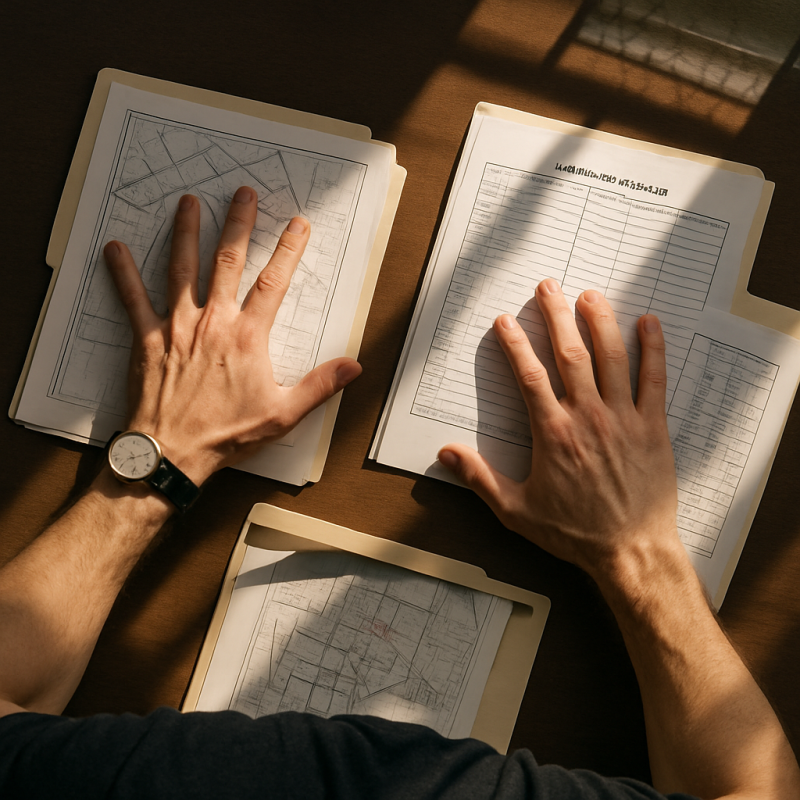 Image by RM AI
The Schedule
I looked at the clock on my computer screen and it read 1:28 PM. The number landed with more weight than it should have. From my time in operations at Miller and Associates, I'd had access to Julian's calendar — scheduling conference rooms, coordinating building logistics, making sure the right spaces were reserved for the right meetings. I remembered his schedule well enough. He had a client meeting at 2:00 PM, a major account, someone flying in from New York. In all the time I'd worked there, Julian had never once been late for a meeting like that — punctuality with important clients was something he treated like a point of professional pride. I calculated the drive from his usual route — the one that came in through the main access road. Under normal conditions, he'd be leaving his house right about now, maybe already in the car. Under normal conditions, he'd pull through the entrance with five minutes to spare and be at his desk before the client's car arrived. I stood and walked to the window. The gate was closed, the red arm horizontal across the lane, the guard booth lit from inside. The access road beyond it was empty. Somewhere out there, Julian was running the same calculation he always ran, not yet knowing the numbers had changed.
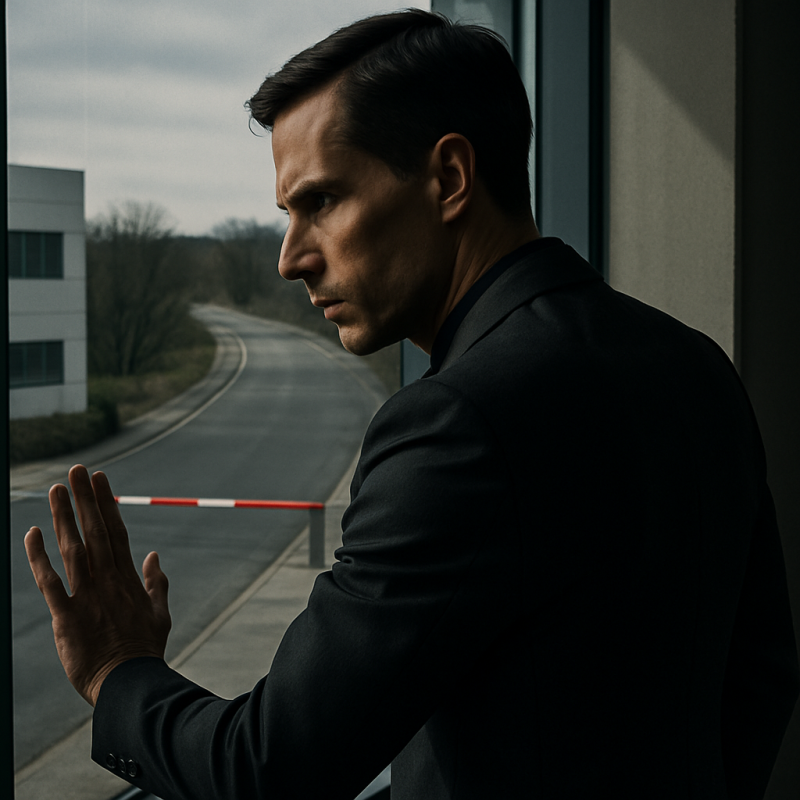 Image by RM AI
The Gate Becomes Operational
At 1:35 PM, a white sedan pulled up to the gate and the guard stepped out of the booth with a clipboard. He checked the driver's credentials, consulted his list, and waved the car through. The gate arm lifted smoothly and dropped back into place. I watched from my window, standing close enough to the glass that I could feel the cold radiating off it. A few minutes later, a second guard arrived and entered the booth. They ran through what looked like a system check — the gate cycled open and closed twice in quick succession, the cameras on the poles panned through their arcs, and both guards reviewed something on the monitor inside. One of them picked up a radio and said something I couldn't hear. The other nodded. They pulled up the authorized vehicle list on the screen and scrolled through it slowly, the way you do when you want to be sure. I'd reviewed that list myself earlier in the week. I knew whose names were on it and whose weren't. At 1:41 PM, the red indicator light on the gate control panel illuminated — steady, not blinking — and the system held the arm down.
 Image by RM AI
The Black SUV
I saw the black SUV turn onto the access road at 1:45 PM. I recognized it immediately — the same vehicle Julian had driven for years, the same tinted windows, the same unhurried pace of someone who had never once been stopped at an entrance in his life. I checked the time again. Fifteen minutes to a meeting he could not afford to miss. The SUV moved at a steady speed down the access road, no hesitation, the way you drive a route you've driven a thousand times without thinking about it. I stayed at the window. I didn't move back from the glass. The guard in the booth had already seen the vehicle approaching — I could see him straighten slightly, pick up his clipboard, and step toward the door. The SUV's brake lights came on as it neared the gate. Not a hard stop, just the gradual deceleration of someone expecting the arm to lift. The gate arm stayed down. The red light held. I stood at the window with my hands at my sides, watching Julian's vehicle slow as it approached the gate.
 Image by RM AI
The Stop
The SUV came to a full stop about six feet from the gate arm. The guard stepped out of the booth with his clipboard and walked to the driver's side window. I watched from above, close to the glass. The window rolled down. I could see Julian's arm resting on the door frame — the posture of someone who expected a brief, correctable misunderstanding. The guard said something and held the clipboard out. Julian appeared to respond. The guard looked at his list, ran his finger down the page, and looked back at the window. Julian's hand came up and pointed toward the building behind the gate — his building, the one with his name on the facade. The guard looked where he was pointing, then looked back at the clipboard. He shook his head.
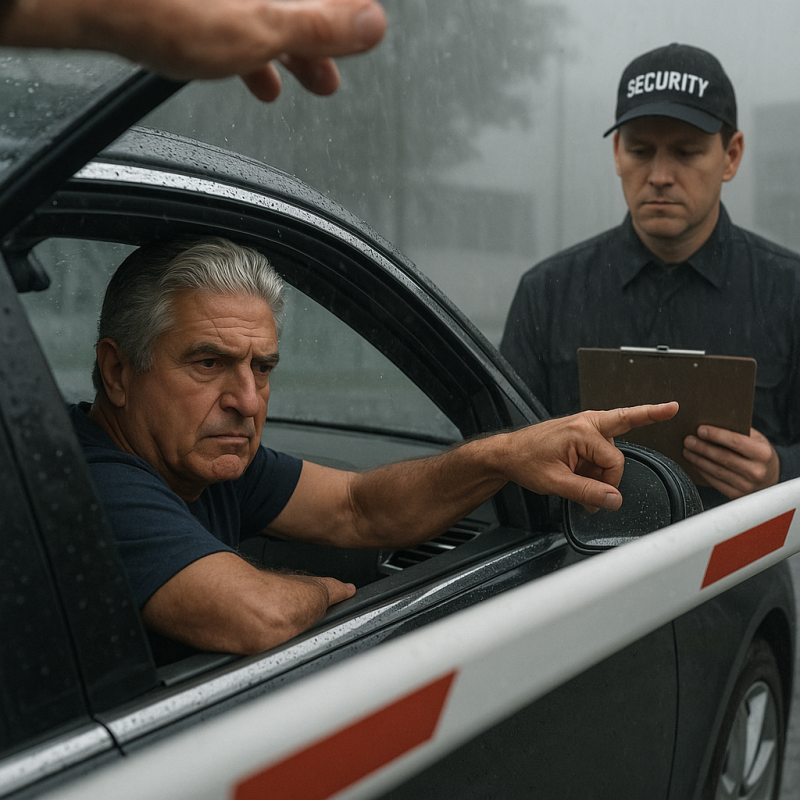 Image by RM AI
The Argument
Julian climbed out of the SUV and I watched him from three stories up, close enough to the glass that my breath fogged it slightly. He walked to the front of the vehicle with the measured stride of someone who expected the situation to correct itself in the next thirty seconds. The guard stepped forward to meet him, clipboard in hand, posture professional and unhurried. Julian pointed at the Miller & Associates building — his building, fifty yards behind the gate arm — and I could see the gesture clearly even from up here. The guard looked where he pointed, then looked back at his list. Julian pointed again, more emphatically this time. The guard shook his head. A second vehicle had pulled up behind the SUV, then a third. Julian looked at his watch. He said something that made the guard take a small step back, though the guard's posture didn't change. Julian gestured at the building again, then at the queue forming behind him, then back at the building. The guard held the clipboard out and pointed to the authorization column. Julian didn't take it. He stood there at the front of his vehicle, one hand on the hood, staring at a building he had run for twenty years — fifty yards away, and completely out of reach.
 Image by RM AI
The Phone Call
My phone lit up on the desk beside me. Julian's name on the screen. I could still see him down at the gate, phone pressed to his ear, his free hand moving in short, clipped gestures. I let it ring. Once. Twice. A third time. I watched him shift his weight and look up at the building in front of him — not my building, his building — and I picked up on the fourth ring. His voice came through loud enough that I had to hold the phone slightly away from my ear. He wanted to know what was happening at the gate. He had clients waiting. He demanded I tell the guards who he was and get this sorted immediately. I didn't interrupt him. I let him finish. The queue behind his SUV had grown to five vehicles now, and I could see a second guard had come out of the booth to manage the backup. Julian's voice rose another register. He said my name the way he used to say it in board meetings when he thought I was moving too slowly — clipped, impatient, certain that the sound of it alone would produce results. I waited until he stopped. Then I said, calmly, that I was listening. The steadiness in my own voice surprised me, even then.
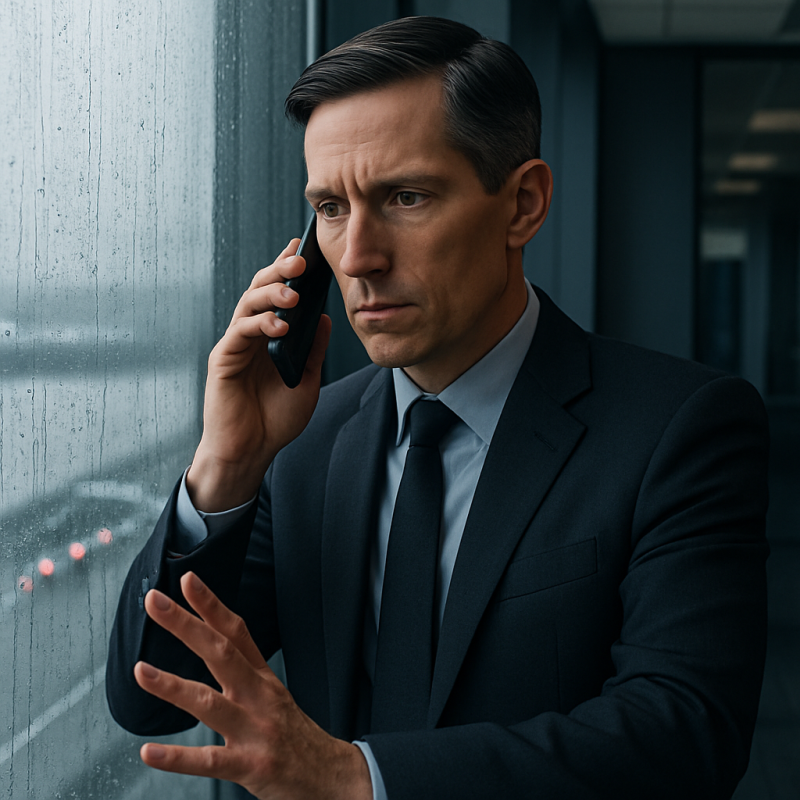 Image by RM AI
The Revelation
I told him I wasn't sure how I could help with the gate. He asked what I meant. I reminded him, as evenly as I could manage, that he had terminated my employment two weeks ago. I no longer had any authority at Miller & Associates — no access codes, no staff contacts, no standing to make requests on the company's behalf. There was a beat of silence, and then he said that had nothing to do with the gate. I told him he was right, in a way. It didn't. What had to do with the gate was the access rights to the business park's entry road, which I had transferred to a third party as part of a property transaction. Julian asked what property transaction. I told him the land the access road runs through had been in my family for years, and that I had recently sold the usage rights to the new tenant in the adjacent building. He asked what I meant by sold. I told him to pull up the county property records when he had a moment — everything was filed and a matter of public record. His voice changed then. Not louder. Something else. I heard him draw a breath. Then the line went quiet, and I counted the seconds as the silence stretched past five.
 Image by RM AI
The Understanding
I kept the phone to my ear and watched him from the window. He had stopped gesturing. He stood at the front of his SUV with the phone pressed against the side of his face, very still, the way people go still when something they thought was solid turns out not to be. I saw him lower the phone slightly and look around the business park — at the gate arm, at the queue of vehicles, at the access road itself. Then his gaze moved to the building I was standing in. He looked at the ground floor first, then the second. His eyes came up to the third floor and moved along the row of windows. I didn't step back. I stood there and let him find me. When his eyes reached my window, they stopped. We looked at each other across the distance — maybe forty yards of open air between us. He raised the phone back to his ear slowly. I could see his face clearly enough from where I stood: the set of his jaw, the slight parting of his lips. Whatever he had expected when he drove through that gate this morning, it hadn't been this. The expression that settled over his features was one I had never seen on him before.
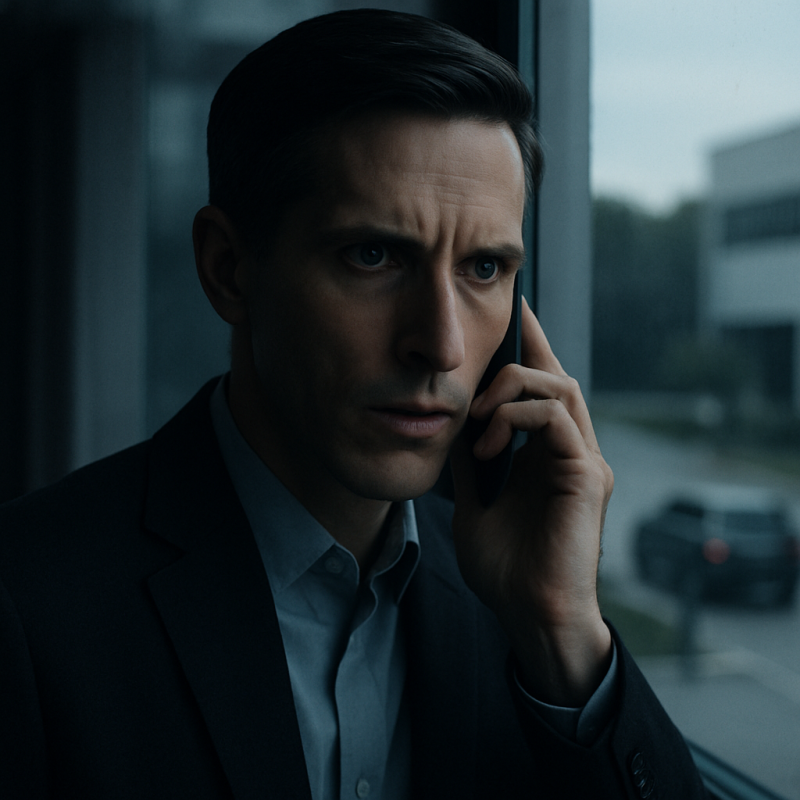 Image by RM AI
The Cousins
Mark called eleven minutes after I ended the call with Julian. I know because I checked the timestamp. His voice was tight and clipped, the particular register he used when he wanted to sound controlled but wasn't. He said I had sabotaged the family business and demanded I reverse the access restrictions immediately. I told him the access rights had been legally transferred and that I didn't have the authority to reverse them unilaterally even if I wanted to. He said that was a convenient answer. I told him it was an accurate one. He asked if I understood what I was doing to people who had nothing to do with whatever grievance I was nursing, and I said I understood the situation clearly. He told me I was going to regret this. Leo called ten minutes after that. His tone was similar — the same tight anger, the same demand, though he framed it as vindictiveness rather than sabotage, as if the distinction mattered. I gave him the same explanation I had given Mark. He said their lawyers were already looking at it. I said that was their right. There was a pause, and then he said something about the family name and what my grandmother would have thought. I didn't respond to that. The call ended shortly after. Then my phone rang again, and I heard Mark's voice say they'd see me in court.
 Image by RM AI
Victoria's Confirmation
I forwarded the messages to Victoria that evening and met her at her office just after seven. She had the property documents spread across the conference table when I arrived — the original deed, the transfer agreement, the county filings, the access easement records going back three generations. She went through each one methodically, the way she always did, reading sections twice before moving on. I sat across from her and waited. She asked me twice to confirm specific dates, and I confirmed them. After about forty minutes she set her pen down and looked at the stack of documents rather than at me. She said the transfer was clean. The easement had been properly recorded, the chain of title was unambiguous, and the access rights were mine to convey — had been mine since Eleanor's estate cleared probate. She said Julian could file motions, and he probably would, because filing motions costs money and creates pressure even when the underlying claim is weak. She said we should expect a challenge within thirty days. She was already drafting the response. I asked her directly what she thought their chances were. She looked up from the documents then, and her voice was even and unhurried when she said they had no case.
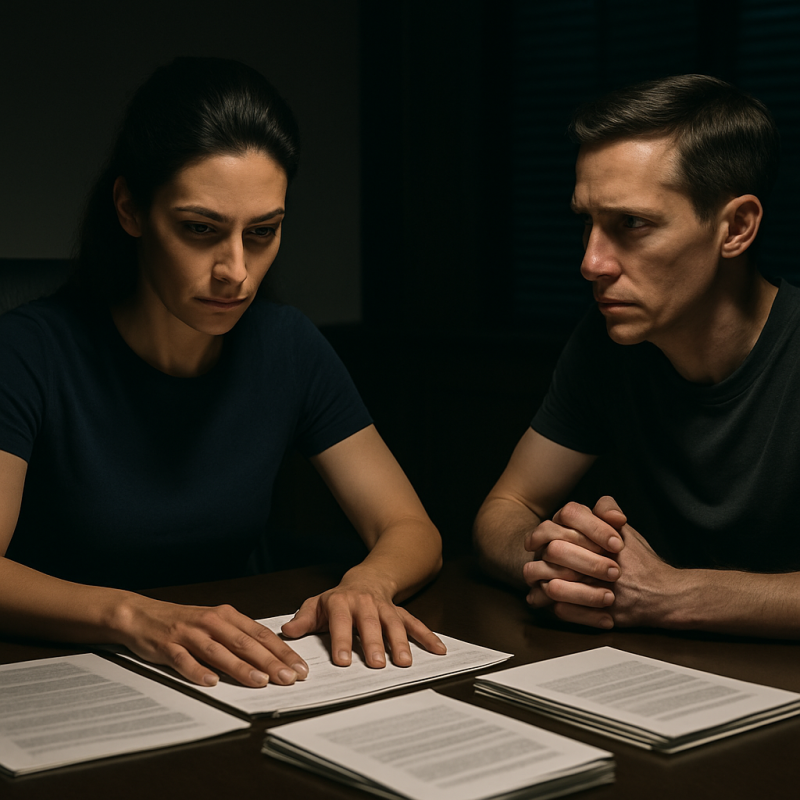 Image by RM AI
The Media Campaign
The article appeared on a Thursday morning, in the business section of a regional outlet that covered commercial real estate and mid-market corporate news. Julian was quoted four times. He described the situation as a painful family conflict that had spilled into the professional sphere. He said he had spent thirty years building something his mother would have been proud of, and that it was difficult to watch that work threatened by a personal dispute. He didn't mention the property records. He didn't mention the easement or the transfer or the access road. He talked about his employees, about the clients who had been inconvenienced, about the importance of ethical business conduct. The framing was careful and the quotes were polished. By noon my phone had received eleven messages — former colleagues, a few industry contacts, one person I hadn't spoken to in three years. Most of them were sympathetic to Julian in the way people are sympathetic to someone they've only heard one side from. I didn't respond to any of them. I didn't respond to the two media requests that came in by end of day either. I closed the browser tab and set my phone face-down on the desk. The quiet in the office settled around me, and I sat with the strange, heavy feeling of seeing my own name in print.
 Image by RM AI
The Board's Question
Margaret called my personal number on a Friday afternoon, which told me she had gone to some effort to find it. She identified herself and asked if I had a few minutes to speak privately. Her tone was careful — not hostile, not warm, the particular register of someone who has thought about how to begin a difficult conversation. She said she wanted to acknowledge that the situation was complicated and that she wasn't calling to take sides. She asked whether I had considered the impact on the people who worked at Miller & Associates — the staff, the support teams, the people who had nothing to do with whatever had happened between Julian and me. I told her I had. She mentioned Eleanor by name, which I hadn't expected. She said Eleanor had built something real and that it seemed worth preserving. She asked if there was any room for negotiation, any path that didn't require the situation to escalate further. I told her I was open to conversations that started from an accurate understanding of the property rights. She said she understood. There was a pause, and then her voice shifted slightly — still measured, still careful — and she asked whether I had considered that Julian might have had his own perspective on the firing that I hadn't fully heard.
 Image by RM AI
The Restraining Motion
Victoria called on a Tuesday morning, and I could tell from the first word that the news wasn't good. Julian's lawyers had filed emergency restraining motions overnight — three of them, stacked and formatted to look more substantial than they were. She walked me through each one. They argued the access restrictions caused irreparable harm to ongoing business operations, that I was acting in bad faith by leveraging a property dispute to settle a personal grievance, and that the court should intervene immediately to restore access while the underlying ownership question was litigated. I asked her how worried I should be. She said, flatly, not very. The property rights were documented and clear, and emergency motions required a showing of immediate harm that Julian's lawyers hadn't come close to establishing. A hearing had been scheduled for two weeks out. She said we'd be ready. I believed her, but that didn't make the two weeks feel shorter. Margaret's question from the week before was still sitting somewhere in the back of my mind — her careful voice asking whether I'd fully heard Julian's perspective — and I hadn't found a satisfying answer to it yet. I filed the motion documents in the folder Victoria had set up and let the legal system do what it does, which is move slowly and without sentiment.
 Image by RM AI
The Discovery Process
We met at Victoria's office on a Thursday afternoon, and she had a yellow legal pad covered in neat columns. Discovery, she explained, was the part of litigation most people underestimated. It wasn't dramatic, but it was where cases were actually won. She could request documents from Julian's firm — correspondence, internal records, financial assessments, anything touching the property or my employment. She had prepared four broad categories: all records related to the business park and the access road parcel, all internal communications about the property's valuation, all documents related to my hiring, performance reviews, and termination, and all financial records showing how the firm had assessed the land's value over time. I asked what we were looking for specifically. She said we were building a complete picture — sometimes you didn't know what mattered until you saw everything laid out together. The requests were filed with the court that afternoon. Julian's lawyers had thirty days to respond. I drove home thinking about the phrase she'd used — a complete picture — and what that picture might actually show once all the pieces were in the same room. There was something almost methodical about it, the slow accumulation of facts, and I found I didn't mind the pace.
 Image by RM AI
The Old Correspondence
I'd been putting off going through the last two boxes of Eleanor's papers for months. They'd been sitting in the corner of my spare room since the estate settled, and every time I looked at them I found a reason to do something else first. On a Saturday with nothing pressing, I finally pulled them out and started sorting. Most of it was what I expected — correspondence with her accountant, old insurance documents, property tax records going back decades. Then I found a manila folder tucked between two binders, labeled in her handwriting with a string of parcel numbers I half-recognized. Inside were printed emails, the kind people used to print and file before everything moved to the cloud. They were old — the formatting alone told me that. I recognized Julian's email address in the sender field immediately. The messages were addressed to commercial property appraisers, requesting valuations for specific parcels. I read through the first few slowly. The language was professional and unremarkable, the kind of routine correspondence that wouldn't mean anything out of context. I set them aside in a separate pile and kept sorting. It wasn't until I reached the third page that I stopped — there, in the subject line of one of Julian's emails, was my grandmother's holding company address.
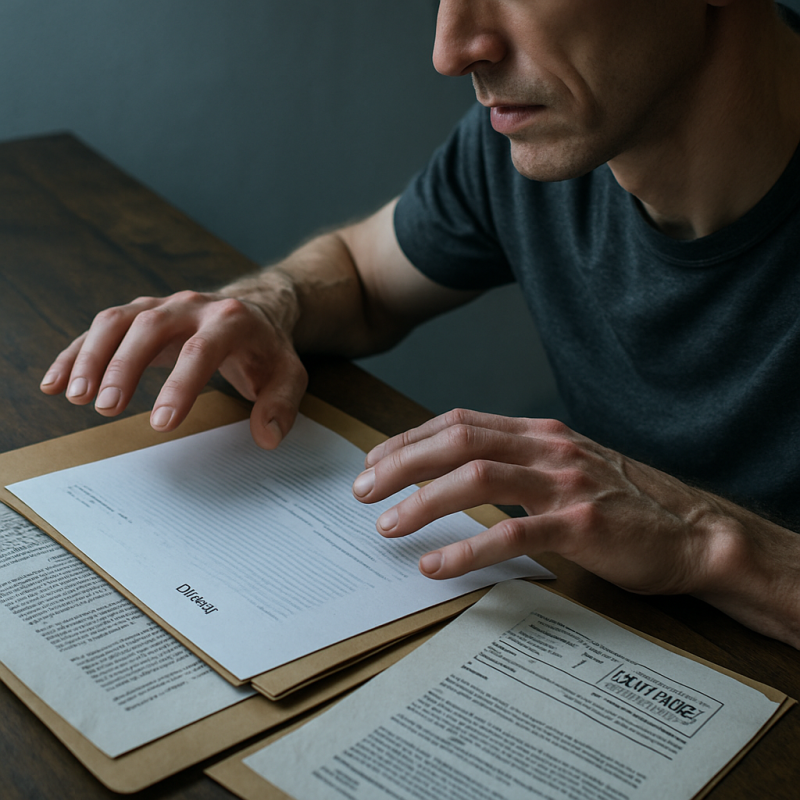 Image by RM AI
The Timeline
I cleared the dining table and spread the emails out in a single layer, oldest to newest, left to right. The first appraisal request was dated seven years ago. Then another eighteen months later. Then another. Each one was for the same parcel — the access road, the strip of land I now owned outright. Each successive appraisal showed a higher valuation as the business park around it developed and the land became more strategically valuable. I pulled up Eleanor's timeline on my phone — her diagnosis, her move to assisted living, the date she passed — and held it next to the printed dates on the table. She had been alive for every single one of those appraisal requests. Julian had been tracking the value of that parcel for years while she was still living in the house she'd built. I stood there for a long time, looking at the pattern without being able to say with any certainty what it meant. Maybe it was routine due diligence. Maybe there was an explanation I wasn't seeing. But the spacing was too consistent, the focus too narrow, and something about the whole sequence felt off in a way I couldn't quite name. The last appraisal request in the folder was dated one month before Eleanor died.
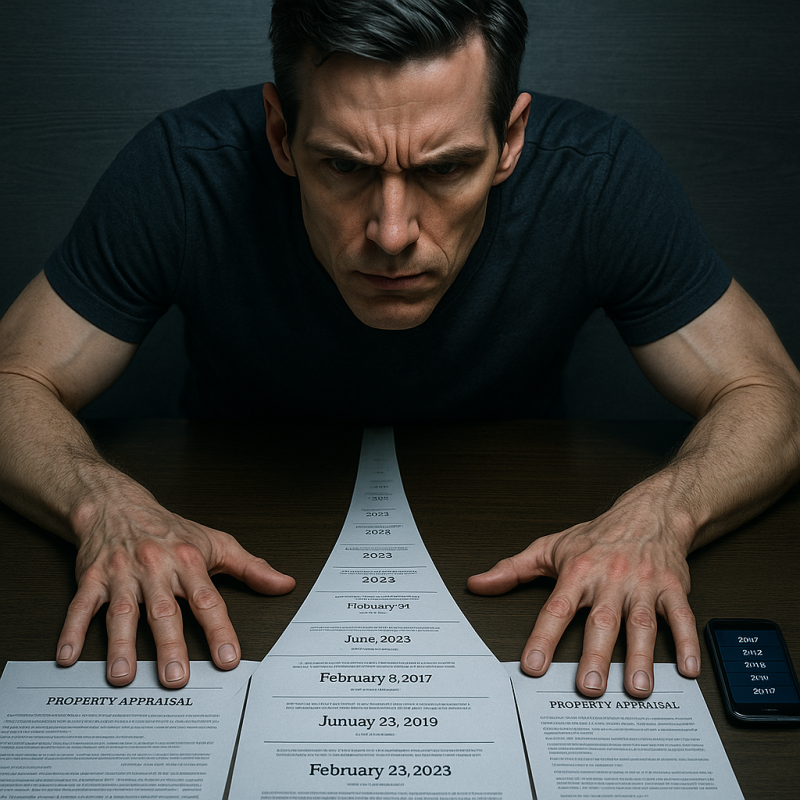 Image by RM AI
The Calculated Scheme
There was one more envelope at the bottom of the second box, unsealed, with Julian's name written on the outside in Eleanor's handwriting. Inside was a letter from Julian to her, dated three years before she passed, asking to purchase the access road parcel outright. The letter was formal and businesslike. Eleanor had written a single word across the top in red pen: No. Behind the letter were four sheets of yellow legal pad paper covered in Julian's handwriting — the same cramped, slanted script I'd seen on memos for a decade. The notes outlined a property acquisition approach. There were phrases like 'reducing negotiating position' and 'creating motivation for sale.' One line referenced 'employment transition timing' as a factor in the approach. My name appeared twice, both times in the context of the acquisition sequence. The firing hadn't been about brand fit or pedigree or the way I dressed. It had never been about any of that. Julian had known about the land for years, had watched its value climb, had asked Eleanor directly and been refused, and had then written out, in his own hand, a plan to get it another way. Tucked beneath the last page was a fourth sheet — a single column of bullet points in Julian's hand, each one a step in the acquisition sequence, the final bullet reading: 'approach nephew post-transition, below-market offer.'
 Image by RM AI
Reframing Everything
I sat with Julian's notes on the table in front of me and let the conference room come back in full detail. The long pause before he spoke. The careful language about brand and pedigree and the kind of image the firm needed to project. I had spent months treating that language as ego — Julian performing authority for an audience that included his own sons. But it wasn't performance for its own sake. Every word had been aimed at a specific target. The security guard waiting in the hallway. The cardboard box already assembled. The severance number that was just enough to be legal and not a dollar more. Each element had been calibrated to land in the same place: make me feel small, make me feel desperate, make me feel like someone who needed to convert assets into cash as quickly as possible. I thought about the weeks after the firing — the silence from former colleagues, the way the industry felt suddenly smaller — and understood that the isolation had been part of the same calculation. A man with no income, no professional standing, and a bruised sense of his own worth was supposed to call Julian within the month and ask what he'd pay for the land. Then I remembered Mark in that conference room, looking down at my shoes with that particular expression, and the comment he'd made — and I understood for the first time that even that had not been accidental.
 Image by RM AI
The Shared Evidence
I called Victoria that evening and asked for a meeting the next morning. I called Gordon right after and told him he needed to be there. Neither of them asked many questions — something in my voice must have communicated that this wasn't routine. I arrived at Victoria's office with Eleanor's two boxes and Julian's legal pad pages in a separate folder on top. I spread everything across the conference table in the order I'd found it: the appraisal emails first, arranged by date, then Eleanor's declined letter with the red No across the top, then Julian's handwritten notes last. Victoria read through the emails without speaking. Gordon picked up the legal pad pages and went still. The room was quiet for a long time. Victoria set down the last email and looked at the notes in Gordon's hands, then back at me. She said the appraisal sequence alone established a years-long pattern of interest in the parcel. The notes, she said more carefully, were something else entirely. Gordon put the legal pad pages down flat on the table and didn't reach for them again. I had rehearsed what I wanted to say in the car on the way over, but I didn't need to say any of it. The documents said it more clearly than I could have. The silence in that room, as they each worked through what Julian had written in his own hand, settled over all three of us like something with real weight.
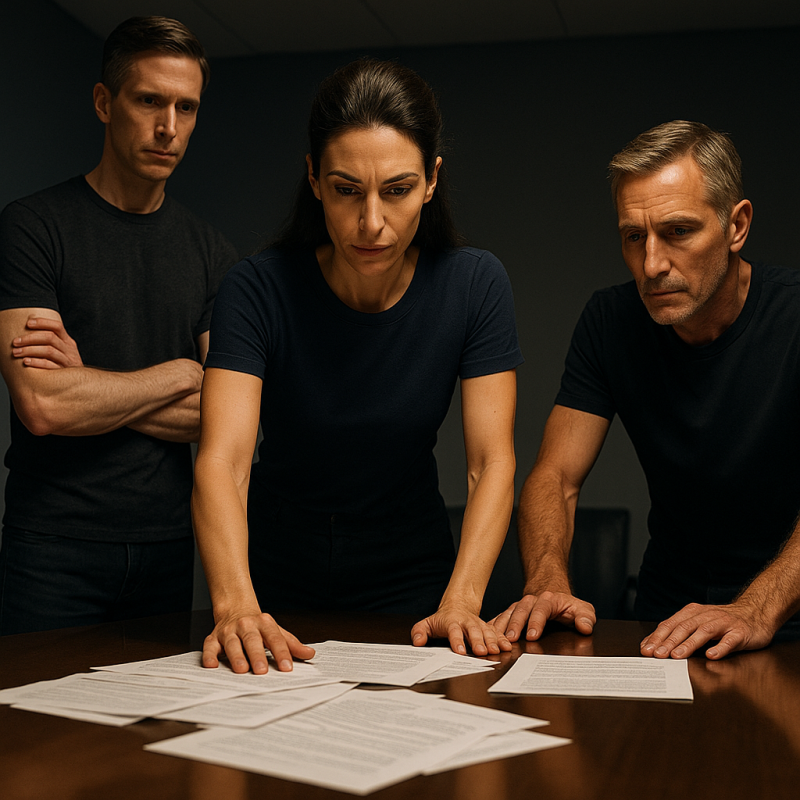 Image by RM AI
The Counterattack Strategy
Victoria started drafting the counterclaim that afternoon while I sat across from her and answered questions. She worked methodically, the way she did everything — building the document in layers, each section supported by a specific exhibit. The appraisal emails became Exhibit A, establishing the years-long pattern of interest in the parcel. Eleanor's declined purchase letter became Exhibit B. Julian's handwritten notes became Exhibit C, and she quoted from them directly, his own phrases embedded in her formal legal language: 'reducing negotiating position,' 'creating motivation for sale,' 'employment transition timing.' She framed the termination not as a personnel decision but as a component of a property acquisition scheme conducted in bad faith. She argued that Julian had known about the ownership throughout my employment, had attempted to purchase the land directly from Eleanor and been refused, and had then engineered circumstances intended to pressure a sale at below-market value. She requested sanctions. She requested fees. She documented every step of the pattern with a precision that left no interpretive gap. I read through the draft twice and suggested two small clarifications. She incorporated them without comment and kept writing. There was something almost quiet about watching it take shape — Julian's own words, lifted from yellow legal pad paper and set into the formal architecture of a court filing, doing exactly the work he had never intended them to do.
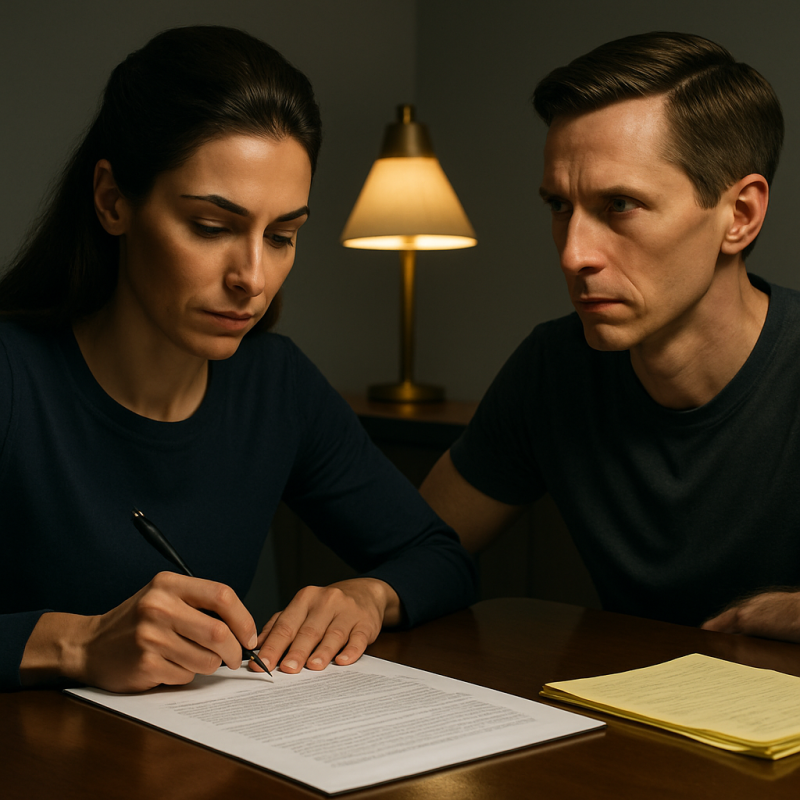 Image by RM AI
Filing the Counterclaim
Victoria filed electronically at 2:47 in the afternoon. I watched her click through the court portal's confirmation screens with the same unhurried precision she brought to everything — no ceremony, no pause, just the methodical completion of a process she had prepared for weeks. The exhibits attached in sequence: the appraisal emails, Eleanor's declined purchase letter, Julian's handwritten notes with his own phrases now embedded in formal legal language. She submitted the filing and leaned back slightly. 'It's timestamped and accepted,' she said. 'From this moment it's a public document. Any reporter with a PACER account can pull it.' I asked how long before someone did. She said business journalists monitored court filings as a matter of routine, and that the language in Julian's notes — the specific phrases about employment transitions and negotiating pressure — would be exactly the kind of thing that moved quickly. I thought about Julian sitting somewhere in his office right now, unaware that his own handwriting was already indexed in a federal database. Then my phone buzzed on the table between us, and the screen showed a court notification: the counterclaim had been accepted and entered into the public record.
 Image by RM AI
The Press Discovers the Story
The first article appeared before nine the next morning. I read it at my kitchen table with coffee going cold beside me. The headline used the word 'fraud' without qualification, and the subheading referenced a multi-year property acquisition scheme. The reporter had pulled Julian's notes directly from the court filing and quoted them in full — 'termination creates desperation,' 'reducing negotiating position,' 'employment transition timing' — each phrase set off in its own paragraph as if the spacing itself was making a point. By noon, three other outlets had picked up the story. By mid-afternoon, a financial news site had run a side-by-side comparison of Julian's earlier interviews, in which he had described my termination as a difficult but necessary business decision, against the timestamped notes describing the termination as a pressure mechanism. The contrast was not subtle. My phone filled with messages from former colleagues — people I hadn't heard from in months — saying they'd seen the coverage and were sorry they hadn't asked more questions at the time. I read each message and didn't respond immediately. The narrative that Julian had spent months constructing — the one where he was the reasonable executive and I was the disgruntled former employee — sat in pieces across a dozen news tabs open on my screen.
 Image by RM AI
The Deposition
The deposition room was a conference room on the fourteenth floor of a building neither of us owned, which felt appropriate. Julian arrived with two lawyers and a posture that suggested he still believed composure was a form of defense. A court reporter set up her equipment at the end of the table without looking at anyone. Victoria opened with the appraisal emails, walking Julian through each one methodically, asking him to confirm his signature, his email address, the dates. He confirmed them. Then she placed his handwritten notes on the table and asked him to read a specific passage aloud. He read it in a voice that was flat and careful, and then said they represented preliminary thinking, exploratory notes, nothing finalized. Victoria asked him to define 'termination creates desperation' as a preliminary thought. His lawyers objected twice. He answered anyway, slowly, choosing each word like he was defusing something. She asked about the timing between the last appraisal request and my termination date. He said the timing was coincidental. She read the note again, word for word, and asked if coincidence was still his position. I sat against the wall and said nothing for four hours, watching him try to build distance between himself and his own handwriting, and the careful control in his voice as he tried to explain away his own notes never quite held.
 Image by RM AI
Margaret's Testimony
Margaret's deposition was quieter than Julian's, and in some ways harder to sit through. Victoria asked her to describe the board meeting, and Margaret did — methodically, without editorializing. She described the room setup, the way my chair had been positioned away from the main table, the presentation Julian had prepared, the comments Mark had made about my shoes. She said it had felt coordinated between Julian and his sons in a way that a standard personnel review did not. Victoria asked if she had raised any concerns at the time. Margaret was quiet for a moment before she answered. She said she had felt uncomfortable but had told herself it was an internal matter, that she wasn't in a position to intervene in an executive decision. Victoria asked if she knew about the property situation during the meeting. Margaret said she had not known until she read the court filings, and that when she did, the board meeting made a different kind of sense to her. She confirmed the severance terms had been minimal. She confirmed the process had been unusual. I watched her from across the table, and when Victoria asked if there was anything she wished she had done differently, Margaret straightened slightly and said, in a voice that carried no drama and no excuse, that she should have spoken up.
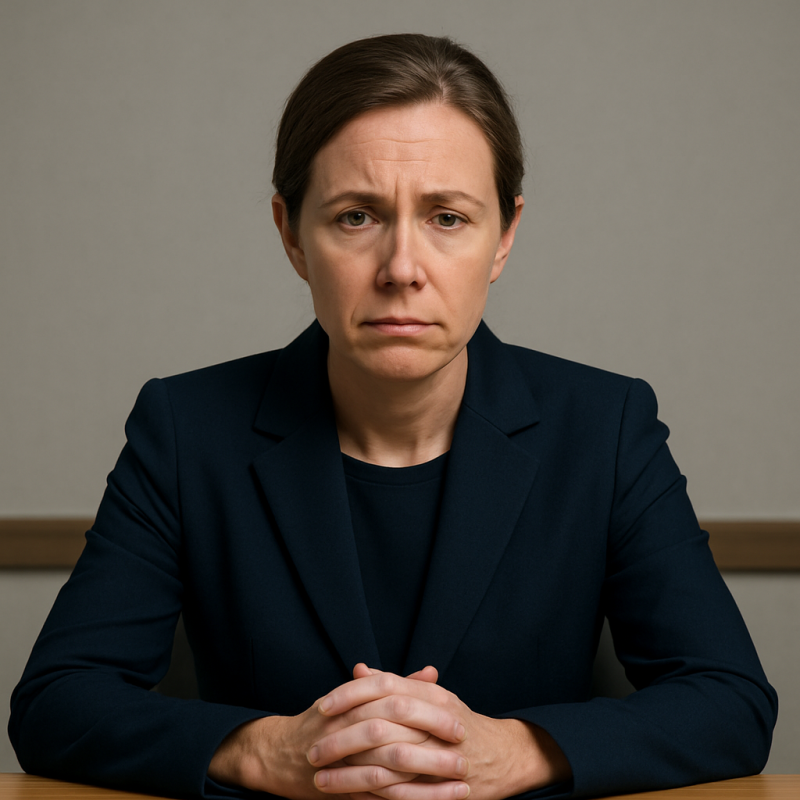 Image by RM AI
The Reputation Collapse
I didn't need to do anything to watch Julian's reputation come apart. I just had to read the news. The coverage moved from the initial fraud allegations into broader analysis — industry writers examining the appraisal pattern, legal commentators discussing the employment termination as a pressure mechanism, business ethics columnists using the case as a framework for discussing fiduciary responsibility. Professional forums I had no part in were debating the case on their own. Former colleagues called to tell me that the atmosphere at Miller and Associates had shifted — that client meetings had taken on a different texture, that Julian's name came up in conversations it hadn't before. A speaking engagement Julian had been scheduled to headline at a regional finance conference was quietly removed from the program. Two clients had requested urgent meetings with him. Others, I was told, had not requested meetings at all — they had simply begun the process of moving their accounts without announcement. I tracked none of this actively. It arrived through news alerts and phone calls and the ordinary circulation of industry information. I had spent ten years building something inside that firm, and Julian had spent considerable effort dismantling my position in it. Now the weight of everything he had done was settling over his firm the way weather settles — gradually, and then all at once.
 Image by RM AI
Client Departures
The first formal departure came on a Tuesday. A major investment fund issued a press release announcing it was transitioning its advisory relationship to a competing firm, citing a commitment to partners who demonstrated strong ethical standards in both business practice and leadership conduct. The language was careful and corporate, but the timing made the meaning plain. I read it twice at my desk and set my phone down. Within three days, two other significant clients had issued similar statements. Industry analysts began writing about a client exodus, revising Miller and Associates' revenue projections downward in pieces that were picked up by the same outlets that had covered the original filing. Julian issued a statement defending his firm's record and describing the litigation as a dispute being resolved through proper legal channels. The statement was measured and professional and landed badly — the comment sections filled within hours, and the analysts who had already written about the departures noted that the statement addressed the litigation without addressing the conduct. More clients requested account reviews. I read the announcements from my office without satisfaction exactly, but with a recognition that the thing Julian had valued most about his firm — its standing, its brand, the prestige he had spent decades accumulating — was the precise thing the market was now withdrawing. Then a news alert came through: his largest account had moved to Gordon's firm.
 Image by RM AI
The Board's Ultimatum
Margaret called on a Thursday morning, and her voice had the measured quality of someone delivering information they had been sitting with for a day or two. She told me the board had held an emergency session. The combination of client departures and the access restrictions on the building had made the firm's current position operationally unsustainable, and the board had told Julian directly that he needed to resolve the access situation or face a formal vote of no confidence. She said he had initially refused, that there had been a period of about forty-eight hours during which he had insisted the legal process would resolve everything in his favor. The board had made clear that they were not willing to wait for a legal timeline while clients continued to leave. His sons had no standing to protect him from a board vote. Margaret said Julian had agreed, as of that morning, to enter into negotiations over the access terms. I thanked her and stayed on the line a moment after she finished. I thought about the version of Julian I had known for most of my adult life — the one who moved through rooms like the room had been arranged for him. Margaret said his exact words to the board, when he finally agreed, were that he would negotiate. She said he looked, for the first time she could remember, like someone who needed something from someone else.
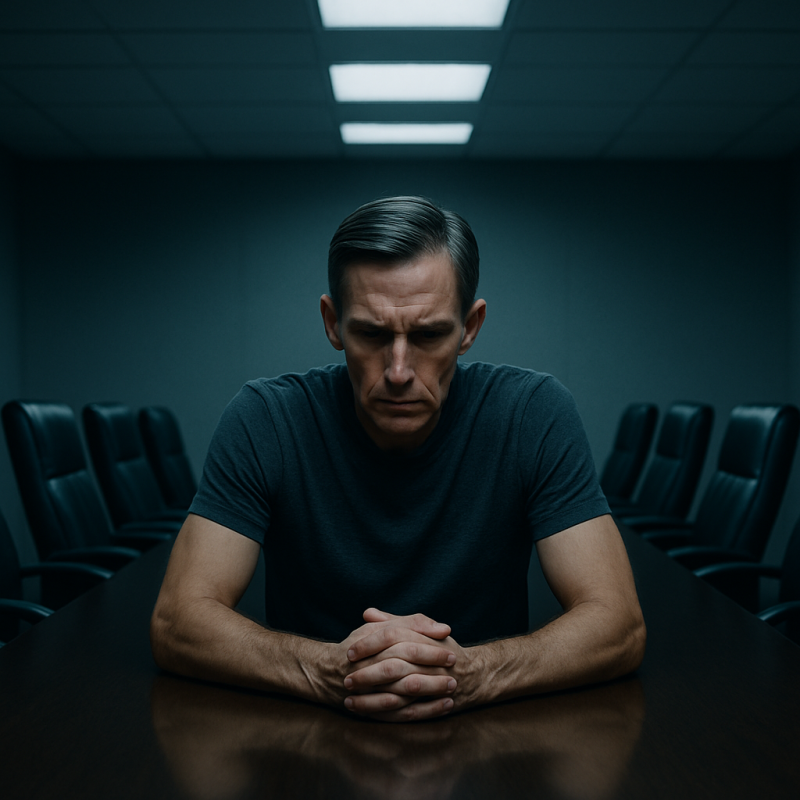 Image by RM AI
The Negotiation
The negotiation took place in a conference room at a neutral office building downtown. Julian arrived with two lawyers and sat across from Gordon and me, Victoria to my left with the lease documents already printed and tabbed. Gordon presented the terms without preamble: market-rate rent for commercial access rights, a permanent lease structure with annual increases indexed to the market, no buyout option. Julian's lawyers pushed back on the rate and the permanence. Gordon and Victoria held. There was no leverage on Julian's side to demand concessions — he could accept the terms or begin the process of relocating his entire firm, and everyone in the room understood what relocation would cost him in time, money, and whatever client relationships he had left. Julian sat with his jaw tight and his hands flat on the table, and for most of the two hours he let his lawyers do the talking. I said very little. I didn't need to. The documents said everything that needed saying. At the end of the second hour, Julian's lead attorney conferred with him quietly, and then Julian looked across the table — not at Gordon, not at Victoria — directly at me, and said they would accept the terms.
 Image by RM AI
The Lease Signing
The signing was scheduled for nine in the morning, same neutral conference room, same long table. Julian arrived with one lawyer this time instead of two. Victoria had the documents laid out in order — six copies, each tabbed and flagged at every signature line. She walked through the key terms one final time, not because anyone had forgotten them, but because the record needed to reflect that every party understood what they were executing. Permanent access rights. Monthly rent payments to my holding company, indexed annually to market rate. No buyout clause. No exit provision. Julian's lawyer made one last quiet comment about the rate, and Victoria simply pointed to the clause and said the terms were not open for discussion. Julian picked up the pen. He signed each copy without looking up, initialing where flagged, and slid the stack back across the table. I signed after him. The notary stamped and witnessed. Victoria collected the documents and confirmed they would be filed with the county recorder's office before close of business. Julian stood, buttoned his jacket, and walked out of the room without a word to anyone. Victoria set the final executed copy in front of me, and I looked at Julian's signature on the line above mine — Miller and Associates, tenant, in perpetuity.
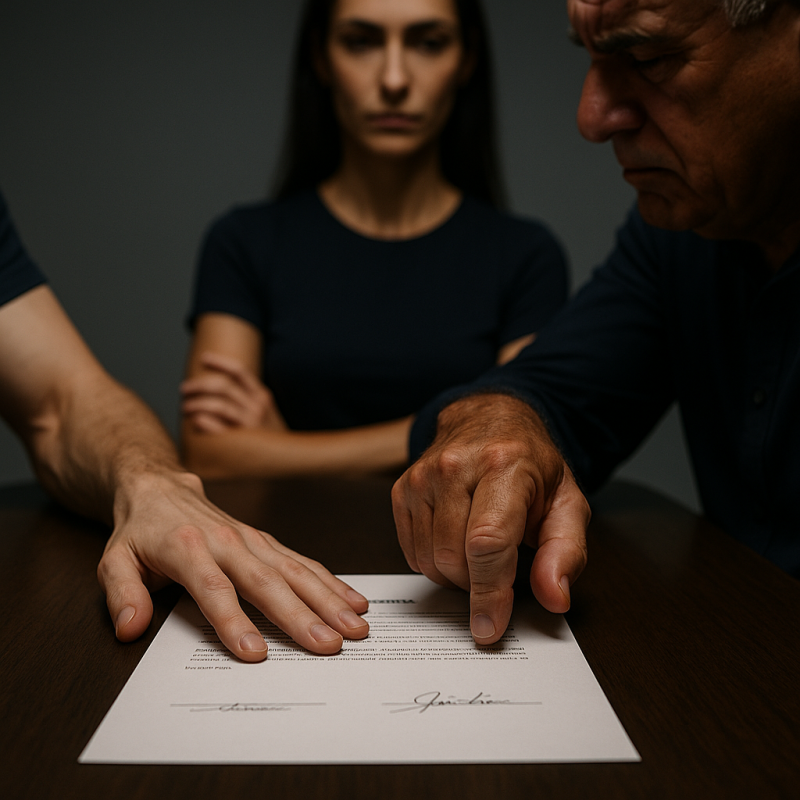 Image by RM AI
The New Position
Three months into the new role, I had a routine. I was at my desk by eight, coffee from the cart near the east entrance, morning reports pulled up before Gordon's nine o'clock check-in. My office was on the second floor of the main building, with a window that looked out over the business park — the access roads, the parking structures, the tenant buildings arranged in a clean grid. I managed property operations: security systems, access credentials, maintenance scheduling, tenant relations. It was detailed work, and it suited me. Gordon treated me like someone whose judgment he had already decided to trust, which was a different experience than I had been used to. He asked my opinion in meetings and then actually waited for the answer. The tenants knew my name and called when something needed attention. I wore suits that fit properly now, not because anyone required it, but because I had chosen them myself. The monthly rental income reports crossed my desk every first of the month — my holding company's accounts, Gordon's firm's accounts, the park's operating costs all laid out in clean columns. I reviewed them the same way I reviewed everything else: methodically, without ceremony. The work was mine. That was the part that was still new enough to notice.
 Image by RM AI
Eleanor's Grave
I drove to the cemetery on a Saturday morning with a bunch of white chrysanthemums from the market near my apartment — the kind she had always kept in the front hallway. Her headstone was in the older section of the grounds, under a oak tree that had dropped a season's worth of leaves across the path. I cleared them off the bench nearby and sat down. I told her about Julian's scheme, about the lease negotiation, about the morning he signed his name below mine on a document that would follow his firm for as long as it operated. I told her about Silas, and how he had walked me through everything she had left me with the patience of someone who had been waiting for the right moment. I thanked her for the land. I thanked her for the weekends she had spent explaining things to me that she never bothered explaining to Julian, because she already knew what Julian would do with knowledge like that. I sat there for a long time after I ran out of words, listening to the wind move through the oak above me. She had never said outright what she expected the land to become. She hadn't needed to. The longer I sat with it, the clearer it was that she had understood exactly what she was leaving me, and why.
 Image by RM AI
The Ground Beneath
On a quiet Tuesday afternoon I stood at my office window and watched the business park settle into the end of the workday. Tenants filtering out to the parking structures. The access gates cycling open and closed. Julian's building visible in the distance, its glass facade catching the late light the same as every other building in the grid. I thought about the cardboard box I had carried out of Miller and Associates — the one with the coffee mug and the desk calendar and nothing else worth keeping. I thought about Julian's obsession with brand, with image, with the right suits and the right address and the right names on the letterhead. He had spent decades building something that looked like power from the outside. My grandmother had spent the same decades building something that actually was. She never talked about it in those terms. She talked about land records and zoning classifications and the difference between what a property appeared to be worth and what it actually was. She had taught me to read the ground beneath the building, not the sign above the door. I looked out at the park — the roads, the structures, the tenants going about their business on land that belonged to my holding company — and what I felt was not triumph. It was something quieter and more permanent than that.
 Image by RM AI
KEEP ON READING
The 20 Most Recognized Historical Figures Of All Time
The Biggest Names In History. Although the Earth has been…
By Cathy Liu Oct 4, 2024
10 of the Shortest Wars in History & 10 of…
Wars: Longest and Shortest. Throughout history, wars have varied dramatically…
By Emilie Richardson-Dupuis Oct 7, 2024
10 Fascinating Facts About Ancient Greece You Can Appreciate &…
Once Upon A Time Lived Some Ancient Weirdos.... Greece is…
By Megan Wickens Oct 7, 2024
20 Lesser-Known Facts About Christopher Columbus You Don't Learn In…
In 1492, He Sailed The Ocean Blue. Christopher Columbus is…
By Emilie Richardson-Dupuis Oct 9, 2024
20 Historical Landmarks That Have The Craziest Conspiracy Theories
Unsolved Mysteries Of Ancient Places . When there's not enough evidence…
By Megan Wickens Oct 9, 2024
The 20 Craziest Inventions & Discoveries Made During Ancient Times
Crazy Ancient Inventions . While we're busy making big advancements in…
By Cathy Liu Oct 9, 2024