

I Thought I Was Helping a Struggling Mother. She Was Taking Advantage In A Shocking Way.
I Thought I Was Helping a Struggling Mother. She Was Taking Advantage In A Shocking Way.
The Sound of Familiar Shoes
You'd think a church would feel emptier after you lose someone, but for me it was the opposite. After Richard died, St. Andrew's became the one place where I didn't have to explain myself or pretend I was doing better than I was. I knew the rhythm of Sunday mornings—the way Pastor Jim cleared his throat before announcements, how the coffee always ran out by ten-thirty, the exact creak of the third pew from the front where I'd sat for twenty-seven years. I volunteered for everything those first few months. Folding bulletins. Organizing the food pantry. Anything to keep my hands busy and my mind from circling back to the empty chair at my kitchen table. The other women my age understood without asking. We'd nod at each other, exchange recipes, talk about our gardens and our grandchildren. It was a kind of gentleness I needed. Pastor Jim once told me that showing up is its own form of faith, and I held onto that when getting out of bed felt like scaling a mountain. I thought I'd settled into this new shape of my life, this quieter version of myself. Then, one rainy Sunday, a woman I'd never seen before slipped into the back pew with a little girl beside her.
 Image by RM AI
The Woman in the Back Pew
She looked exhausted in that bone-deep way that goes beyond just missing sleep. Mid-to-late twenties, maybe thirty, with her blonde hair pulled back in a ponytail that had seen better days. The little girl—maybe seven or eight—sat pressed against her side, wearing a pink jacket that was clean but clearly too light for October weather. I noticed her shoes first. Too small, the kind where you can see the outline of toes pushing against worn canvas. I've been around children long enough to recognize when a kid is wearing last year's size because there's no money for this year's. After the service, I made sure to position myself near the fellowship hall entrance. 'I'm Beverly,' I said, offering my hand. She shook it with a grip that was firm but brief. 'Tessa. This is Lily.' Her daughter gave me a small smile that didn't quite reach her eyes. 'We're new to the area,' Tessa added, and something about the way she said it felt deliberately vague. Starting over, she said. I didn't press—Lord knows I understood wanting privacy around fresh wounds. We chatted about nothing important: the weather, how welcoming everyone was, whether Lily might like the Sunday school program. Polite, surface-level things. But when she thought nobody was watching, I saw her glance at the refreshments table like she was doing math in her head.
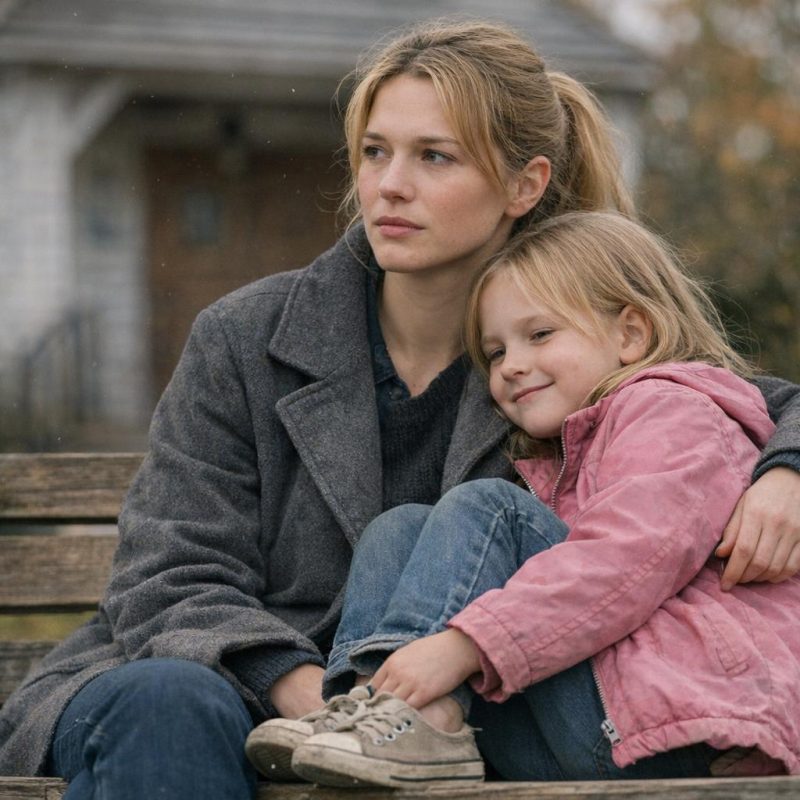 Image by RM AI
Starting Over
They came back the next Sunday, and the Sunday after that. I watched without being obvious about it—or at least I tried to be subtle. Tessa always chose seats near the exits, always kept Lily close. The child had that cautious quality I recognized from my years teaching second grade, the wariness of someone who'd learned not to expect stability. But something shifted as the weeks went on. Lily started coloring during the children's message instead of just sitting frozen. She'd steal glances at the other kids, her shoulders gradually loosening. By the fourth week, she actually raised her hand to answer a question Pastor Jim asked about Noah's ark. Her voice was so quiet I barely heard it from three rows back, but she spoke. I found myself looking forward to Sundays in a way that surprised me, checking the back entrance during the opening hymn. Tessa always looked tired—different outfit, same exhaustion—but Lily was waking up somehow. Smiling more. Standing a little straighter. One morning she wore a headband with a fabric flower on it, and I watched her touch it self-consciously, like she was still getting used to pretty things. That's what got me—not Tessa's story, but the way Lily's face started to soften, like she was learning it was safe to be a kid again.
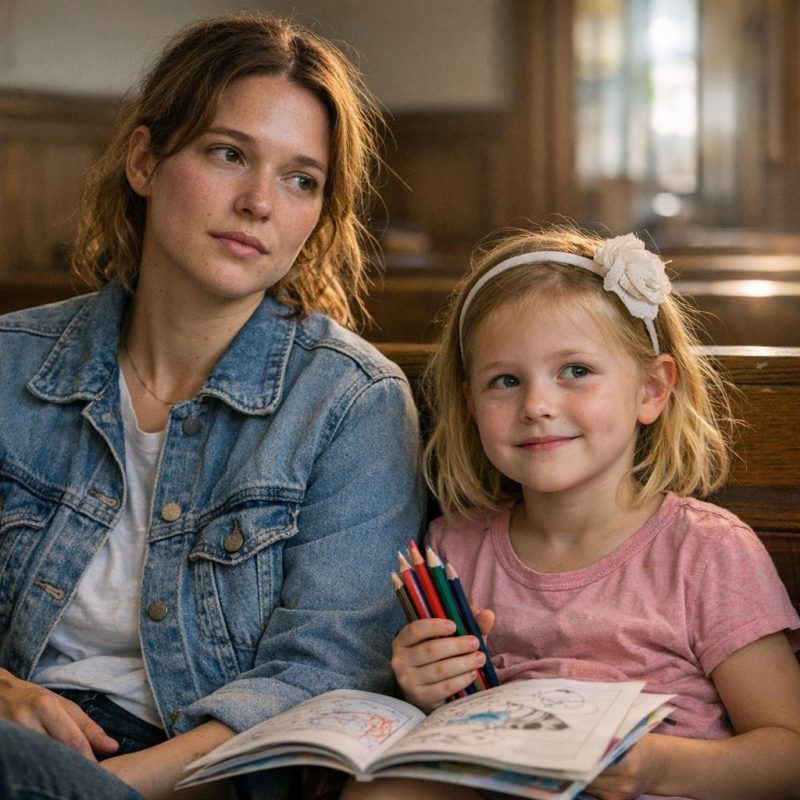 Image by RM AI
Not Charity, Just Neighborly
I made soup on a Tuesday. Chicken and rice, the kind that makes your kitchen smell like someone's grandmother lives there. I'd made too much—or that's what I told myself—and by Wednesday afternoon I'd added a pan of baked ziti to the equation. My friend Cheryl stopped by and raised an eyebrow at the containers lined up on my counter. 'Having a dinner party I wasn't invited to?' I explained about Tessa and Lily, and she just nodded. Cheryl had been widowed longer than me; she understood the need to be useful. I texted Tessa that evening, keeping it casual. 'Made way too much dinner. Mind if I drop some off?' She took twenty minutes to respond. 'That's really kind but we're okay.' I waited an hour, then sent back: 'It's already made and I hate wasting food. Tomorrow evening?' Another long pause. Finally: 'Okay. If you're sure.' She gave me an address in the older part of town, one of those apartment complexes from the seventies with outside stairs and numbered parking spaces. The building looked tired but maintained. Tessa met me at the door, Lily peeking around her legs. She thanked me three times, promised she'd return the containers, seemed almost embarrassed. The next day, Tessa texted me a picture of Lily eating the soup with both hands around the bowl, and something in me settled.
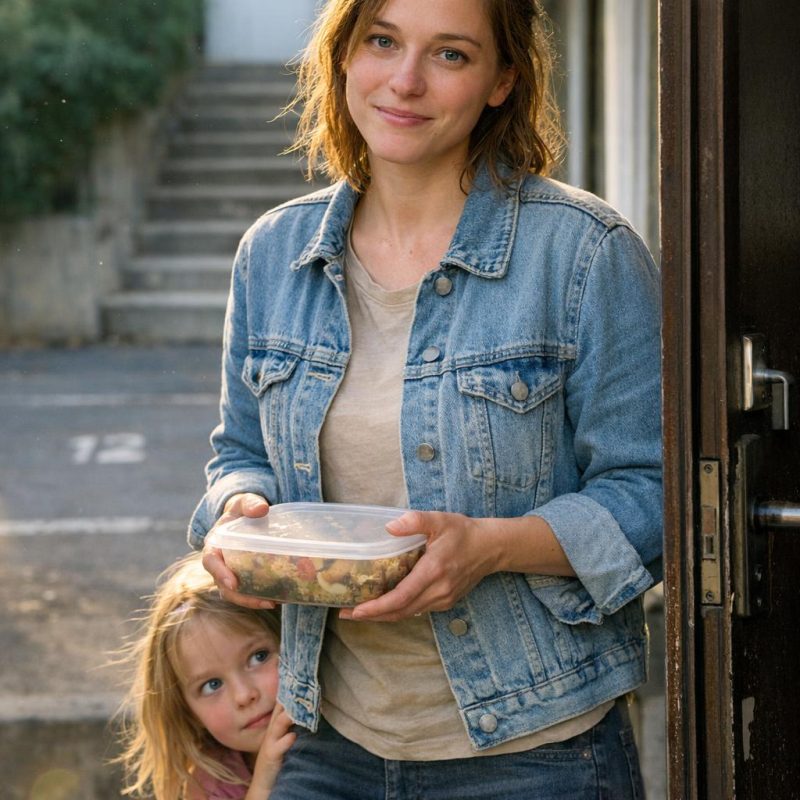 Image by RM AI
The Soup Photo
I must have looked at that photo a dozen times. Lily's face was tilted down toward the bowl, a small smile visible even from that angle. There was something about the way she held it—protective, grateful—that made my throat tight. I thought about my own daughter at that age, how we'd never had to worry about where the next meal came from. How I'd taken for granted that childhood should feel safe and abundant. I started keeping my phone nearby on Tuesdays, my cooking days. I'd make an extra portion of whatever I was preparing anyway—pasta bakes, pot roasts, casseroles that reheated well—and text Tessa midweek. Sometimes she'd say they were fine. Other times she'd accept with that same careful gratitude. I never made it feel like charity. Just neighbors helping neighbors, the way people used to do before everyone got so isolated. I'd drop the food at her door, exchange a few words, never linger long enough to make her uncomfortable. It became its own kind of rhythm, this quiet giving. I didn't announce it, didn't tell anyone—it was just between us, and it made me feel useful in a way grief hadn't let me feel in a long time.
 Image by RM AI
Summer into August
June melted into July, and I found myself planning my grocery trips around what Tessa and Lily might need. Nothing dramatic or over-the-top—I wasn't trying to save anyone. Just an extra rotisserie chicken here, some fresh berries there when they were on sale. Tessa relaxed around me gradually, the way a stray cat finally decides you're safe. She started texting first sometimes, sending me pictures of Lily at the park or mentioning if they'd be at church. Small things, but they meant connection. Lily grew more animated too, telling me about books she was reading, showing me drawings she'd made. One Sunday she grabbed my hand during fellowship hour and pulled me over to see the Sunday school craft project—a paper plate rainbow she'd decorated with cotton ball clouds. 'Look, Miss Beverly!' Her enthusiasm was pure sunshine. I bought them ice cream afterward, the three of us sitting on the church steps in the heat. Tessa watched Lily chase a butterfly across the lawn, and for just a moment she looked younger, less burdened. 'You've been really good to us,' she said quietly. I told her it was nothing, just what people do. But it wasn't nothing to me. Then one afternoon in late August, Tessa called with a request that surprised me.
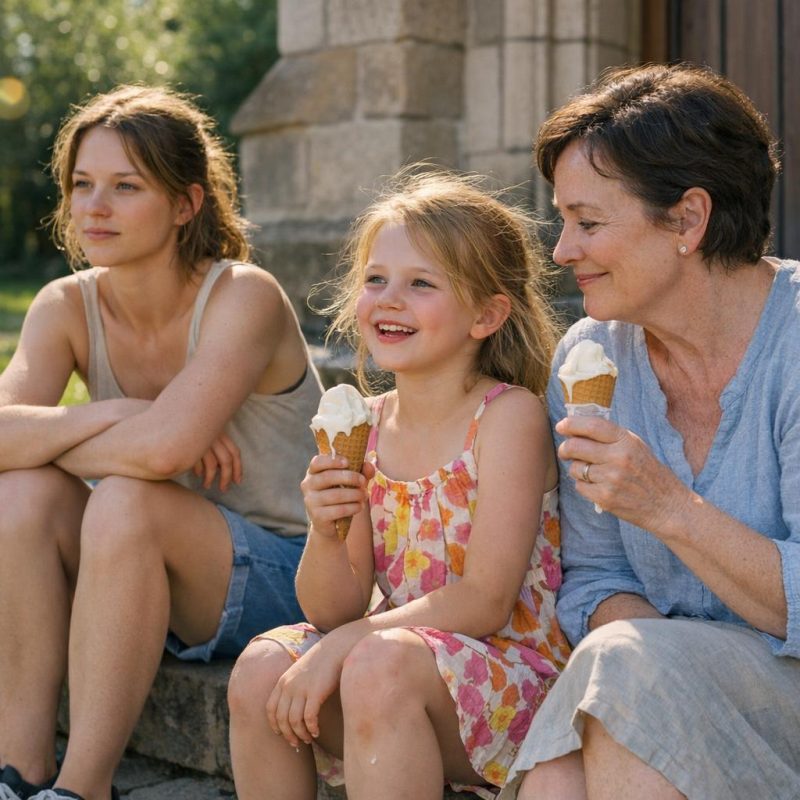 Image by RM AI
Back to School
School started in two weeks, she explained, voice tight with stress. Lily had grown over the summer—of course she had, kids that age shoot up like weeds—and nothing from last year fit anymore. 'I'm picking up extra shifts next week,' Tessa said quickly. 'I'll pay you back as soon as my check comes through. I just... I can't send her to a new school in clothes that don't fit.' I could hear Lily in the background asking if they could get notebooks with puppies on them. There was something raw in Tessa's voice, that edge of a parent trying to hold it together. I remembered that feeling from decades ago, early in my marriage, before Richard's accounting practice took off. Standing in department stores, mentally calculating whether we could afford both the shoes and the winter coat. The particular shame of your child asking for something small and reasonable, and having to say 'we'll see' because you didn't know if you could manage it. 'Don't worry about paying me back,' I started, but she cut me off. 'No, I will. I promise. I just need a few outfits and some basic supplies.' Her pride was palpable even through the phone. I said yes, because I remembered what it felt like to stand in a store and pretend you weren't counting pennies.
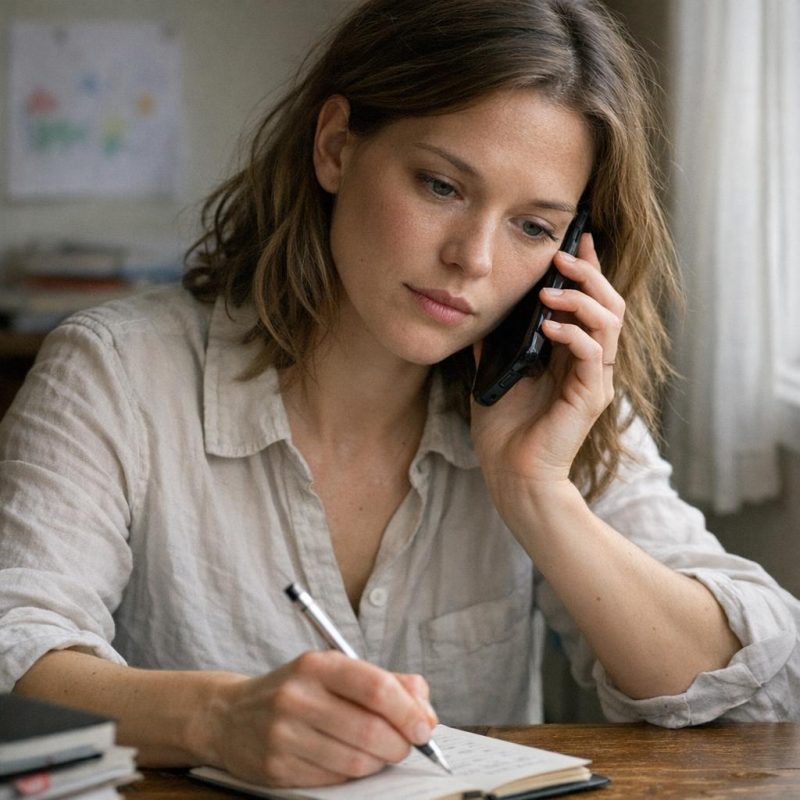 Image by RM AI
The Navy Cardigan
We met at that discount store out by the highway on Saturday morning. Lily's eyes went wide at the racks of back-to-school clothes, like she'd walked into some kind of wonderland. She was careful at first, touching things gently, checking price tags even though she probably couldn't fully understand what they meant. 'Can I try this one?' she'd ask before picking anything up. We found her three outfits—nothing fancy, just decent jeans and tops that actually fit, plus a navy cardigan she fell in love with because it had pockets. In the dressing room, she twirled in front of the mirror like she was wearing a ball gown. Tessa kept thanking me, her voice getting thicker each time. When Lily ran off to look at backpacks, Tessa leaned against the dressing room wall and just broke down quietly. Not loud sobbing, just tears running down her face while she tried to keep smiling. 'I'm sorry,' she whispered. 'It's just... nobody's ever been kind to me without strings. Without expecting something back.' I squeezed her hand and told her there were no strings, that I was happy to help. I believed that completely in that moment—believed I was doing simple, uncomplicated good. Tessa cried quietly in the dressing room and said nobody had ever been kind to her 'without strings.'
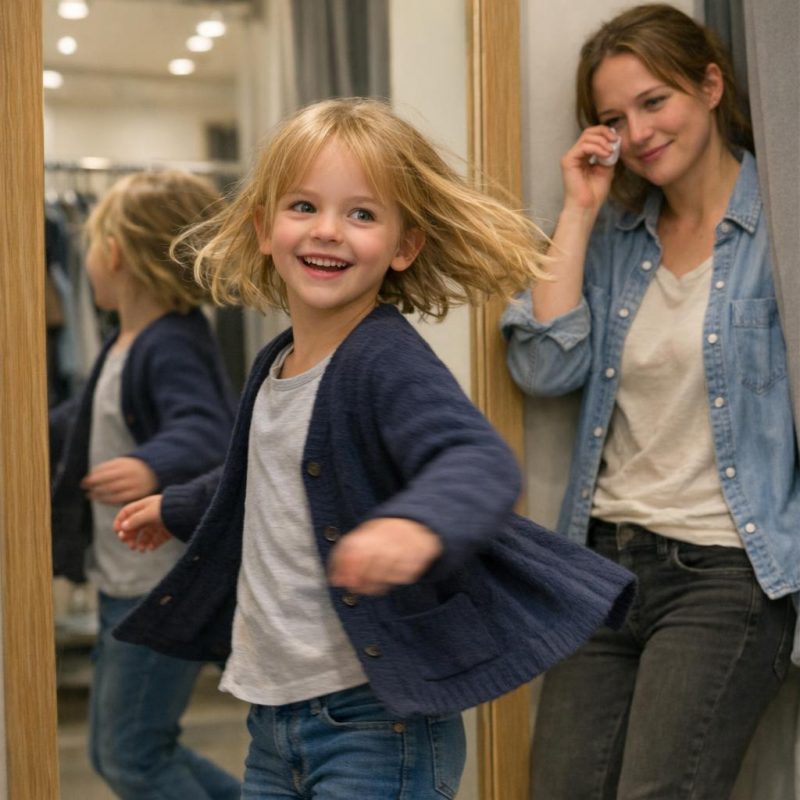 Image by RM AI
Without Strings
That phrase stuck with me for days—'without strings.' It rattled around in my head while I folded laundry, while I drove to the grocery store, while I sat in my armchair with the evening news playing in the background. What kind of people had been in Tessa's life before? What had they demanded from her? I kept picturing her pressed against that dressing room wall, tears streaming down her face, and feeling this fierce protective anger toward people I'd never even met. She was twenty-nine years old and acting like basic human kindness was some kind of miracle. That tells you something, doesn't it? Nobody learns to flinch like that without reason. I thought about Lily too, the way she'd touched those clothes so carefully, like she was afraid they might disappear if she wasn't gentle enough. Whatever they'd escaped from—and I was certain by then that they'd escaped from something—they deserved better. They deserved stability. They deserved someone who would show up for them without wanting anything back, without keeping score, without making them perform gratitude like it was a transaction. I told myself that whatever Tessa had been through, she'd found safety now—and I was going to make sure she knew it.
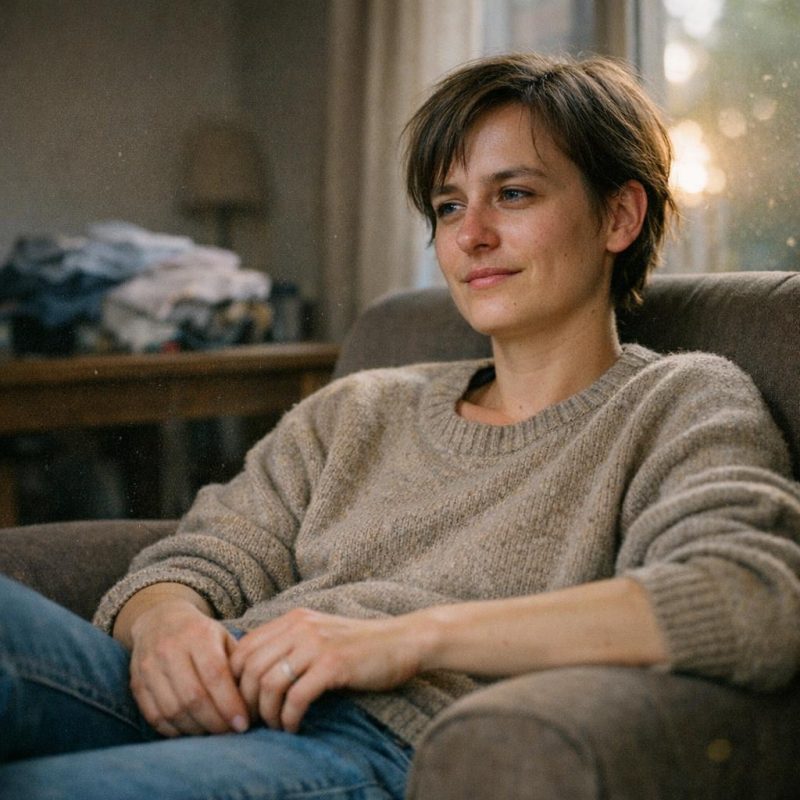 Image by RM AI
Lily's Birthday
Tessa called on a Wednesday afternoon, her voice tentative and apologetic before she even asked for anything. 'Beverly, I'm so sorry to bother you again,' she started, and I could hear Lily singing something in the background. 'But Lily's birthday is next week, and I just... I can't afford to get her anything special this year. Maybe just one or two small gifts? Nothing big.' She rushed through it like she was afraid I'd hang up. My heart absolutely broke. What kind of mother has to apologize for wanting to celebrate her daughter's birthday? 'Of course,' I told her immediately. 'What does she like? What would make her happy?' Tessa's relief was palpable even over the phone. 'She's been asking for a bike helmet—there's a used bike I might be able to get from someone at work. And she loves stuffed animals. And art supplies, she's always drawing.' I was already making a mental list, already thinking about that toy store near the mall. 'Don't worry about it,' I said. 'I'll take care of it.' There was a pause, and then Tessa's voice came back softer, thicker. She added, softer, 'She's been through so much.'
 Image by RM AI
The Bike Helmet and the Stuffed Dog
I spent more than I'd planned, but how do you put a price on a child's birthday? The helmet was easy—bright pink with butterflies, safe and cheerful. The art set was one of those big ones with markers and colored pencils and watercolor paints, the kind I'd always wanted as a kid but never got. And then I saw the stuffed dog in the toy store window, this floppy golden retriever with the sweetest face, and I couldn't leave it behind. I wrapped everything carefully at home, using paper I'd been saving and curling ribbons with the edge of scissors the way my mother taught me decades ago. When I dropped them off at Tessa's apartment, Lily opened them right there in the doorway because she couldn't wait. Her whole face lit up like someone had switched on a lamp inside her. She put that helmet on immediately, art set tucked under one arm, and grabbed that stuffed dog with the other hand. 'Thank you, Miss Beverly,' she whispered, suddenly shy. Tessa was crying again—happy tears this time, she said. The whole scene felt like something out of a Hallmark movie, honestly. Lily hugged that stuffed dog so hard the tag crinkled, and I told myself the joy on her face was worth more than whatever was leaving my bank account.
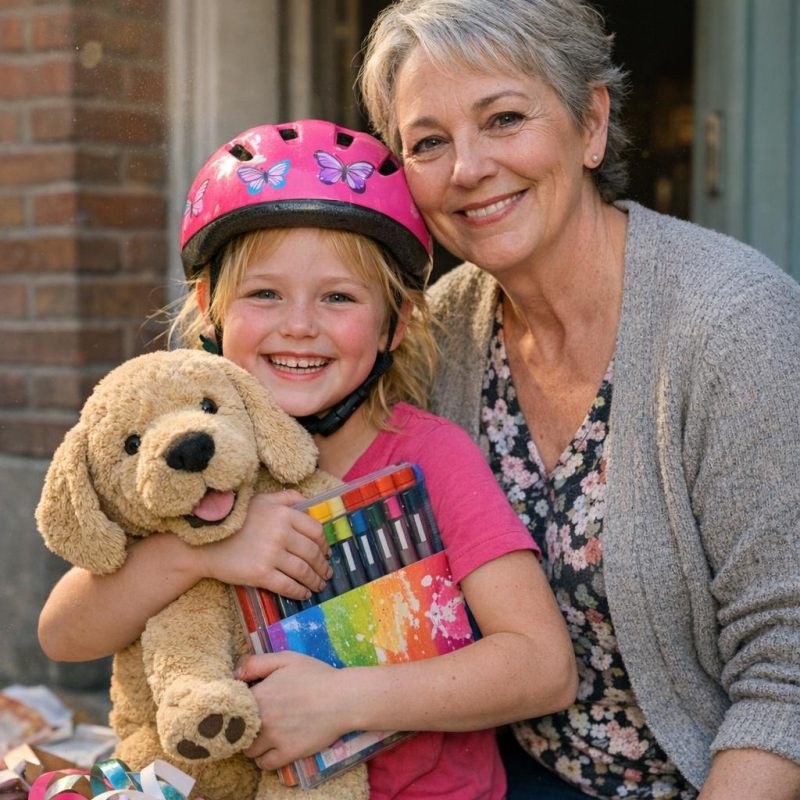 Image by RM AI
The Empty Pew
Sunday morning arrived with that perfect autumn light that makes the church windows glow, but I kept glancing at the back pew and seeing it empty. No Tessa. No Lily with her carefully braided hair. Pastor Jim started the service right on time—he always does—and I tried to focus on the hymns, on his sermon about patience and faith, but my mind kept drifting. Maybe Lily had gotten sick after her birthday. Kids pick up everything this time of year. Maybe Tessa's car had trouble starting—that Toyota looked like it was held together with hope and duct tape. Cheryl leaned over during the greeting time and whispered, 'Where's your young friend today?' and I just shrugged, trying to look unconcerned. 'Not sure,' I said. 'Probably just needed a rest.' But the unease sat in my chest like a stone. After the service, I checked my phone even though I never do that in the church parking lot. No messages. No missed calls. Pastor Jim caught me staring at my screen and asked if everything was alright, and I lied and said yes. I told myself there could be a hundred reasons—a cold, a flat tire, anything—but my coffee tasted wrong that morning.
 Image by RM AI
The Unanswered Text
Monday afternoon, I sent a text. Nothing pushy, just: 'Hope you and Lily are doing well. Missed seeing you Sunday.' I watched those three little dots appear and disappear on my screen for what felt like forever, but they never turned into actual words. By evening, still nothing. Tuesday morning, I tried again: 'Just checking in. Let me know if you need anything.' The message showed as delivered but not read. That was strange, wasn't it? Tessa usually responded within an hour, sometimes within minutes. Her phone was practically glued to her hand—I'd noticed that. She was always checking it, always responding to something. I told myself she might have dropped it, or maybe her service got interrupted because she couldn't pay the bill. That happened to people on tight budgets all the time. Or maybe Lily really was sick and Tessa was just overwhelmed with taking care of her, too exhausted to manage texts from well-meaning church ladies. These were all reasonable explanations. Completely reasonable. I repeated them to myself while I washed dishes, while I folded the week's laundry, while I tried to read my book before bed. By Tuesday, the silence felt heavier than it should have.
 Image by RM AI
Week Two
The second Sunday hit different. That empty pew felt like an accusation somehow, like it was asking me questions I didn't want to answer. Pastor Jim's sermon was about the parable of the lost sheep, which felt almost mocking under the circumstances. After the service, Cheryl cornered me by the coffee station in the fellowship hall, her reading glasses dangling from that beaded chain she always wears. 'Beverly, have you heard from that sweet girl? Tessa?' She said it casually, but her eyes were sharp. Cheryl doesn't miss much. 'Not recently,' I admitted, stirring creamer into my coffee even though I'd already added enough. 'I'm sure they're just busy.' Cheryl made a little humming sound that meant she wasn't buying it. 'Two weeks is a long time to be busy,' she said. 'Especially when someone's been coming so regularly.' She didn't say what we were both thinking—that people who needed help tended to disappear once they got it. I'd seen it before with other families, the ones who came for the food pantry or the rent assistance and then vanished. But this felt different. This was Tessa, who'd cried in the dressing room about kindness without strings. Cheryl asked me if I'd heard from 'that sweet girl,' and I realized I didn't have a good answer.
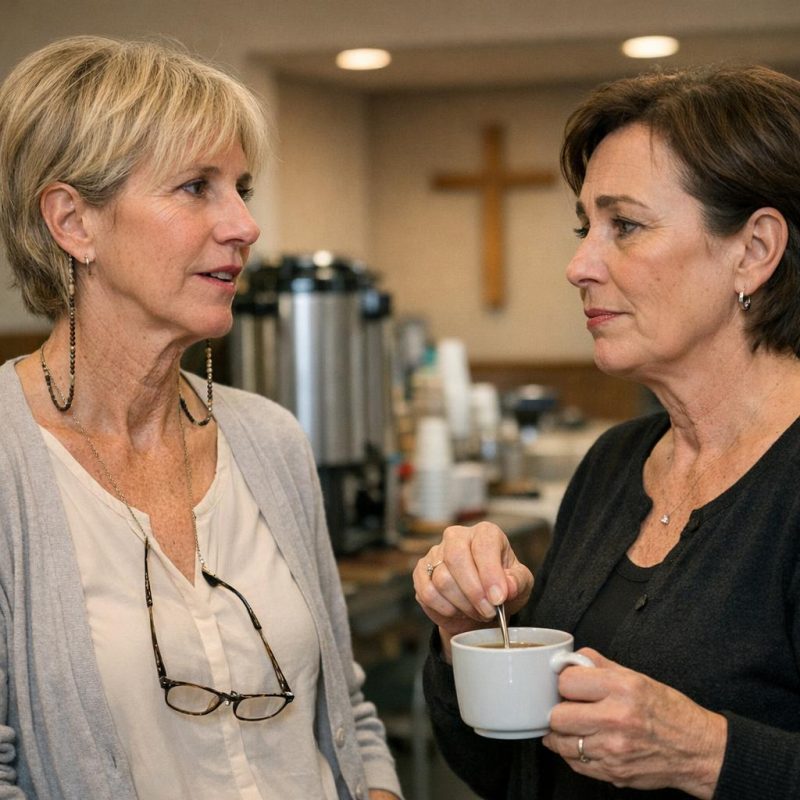 Image by RM AI
The Disconnected Number
Wednesday morning, I finally worked up the nerve to actually call instead of text. My hand was shaking slightly as I pulled up her contact—which annoyed me, honestly, because why should I be nervous about calling someone I'd been helping? The phone rang once, then cut to an automated message: 'The voice mailbox for this number has not been set up yet.' I hung up and tried again, thinking I'd misdialed. Same message. Not 'the mailbox is full,' not 'this person is unavailable,' but that it had never been set up at all. Like the number had just been activated. Or deactivated. Or changed. My stomach did this unpleasant flip. I sat there at my kitchen table with my cold coffee and tried to make sense of it. Maybe she'd gotten a new phone. Maybe she'd switched carriers and was having trouble porting her number. These things happen. Technology fails people all the time, especially people who can't afford the good plans with good customer service. I could think of a dozen innocent explanations, and I cycled through all of them like a desperate prayer. But underneath those reasonable thoughts, something else was stirring. That's when the first ugly thought crept in—the one I hated myself for thinking.
 Image by RM AI
Praying for Patience
I tried to pray away my doubts that evening, kneeling by my bed like I was twelve years old again and asking God for help with a test. 'Let her be safe,' I whispered into my clasped hands. 'Let there be a good reason. Let me be wrong about what I'm thinking.' Because what I was thinking—what I refused to let fully form in my conscious mind—was too terrible to say out loud. It would mean I'd been a fool. It would mean I'd misjudged everything. So I threw myself into other church activities instead. I organized the coat drive, updated the prayer list, volunteered to help with the Wednesday night supper even though my knees ache after standing too long. Pastor Jim commented that I seemed particularly energetic, and I gave him some nonsense about wanting to stay busy now that the weather was cooling. He looked at me with those kind, tired eyes and said, 'Beverly, if something's troubling you, my door is always open.' I thanked him and changed the subject. What would I even say? That I'd spent hundreds of dollars on a woman who'd disappeared? That I was afraid I'd been used? I couldn't make the words come. But every time I passed the back pew, my stomach tightened.
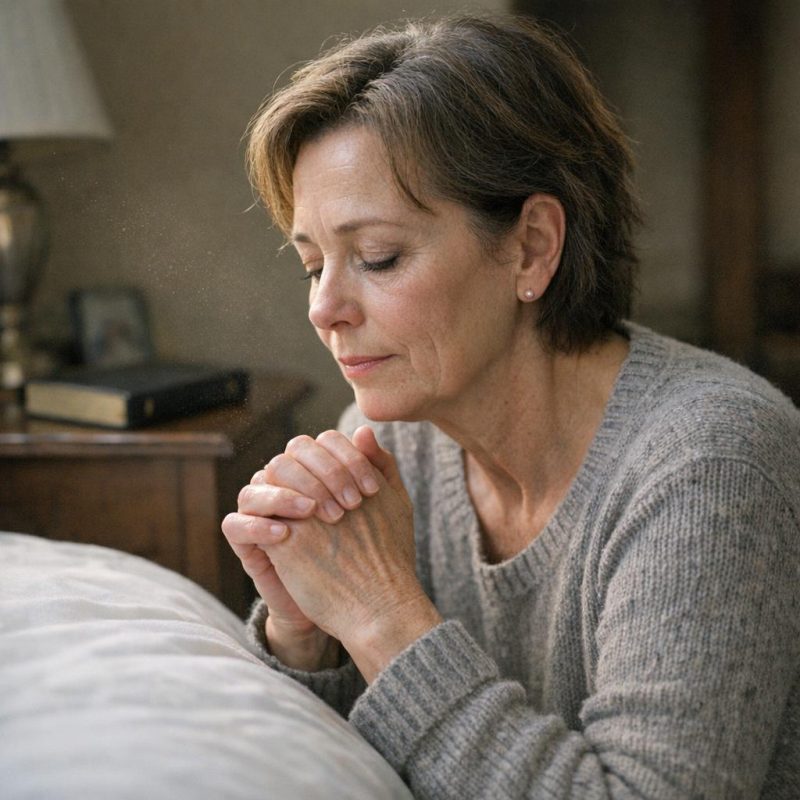 Image by RM AI
Week Three and Four
The third week passed, then the fourth. I went through the motions of my days—grocery shopping, Bible study on Wednesday evenings, coffee with the other widows on Friday mornings. But underneath it all, something was working in my mind like a puzzle I couldn't solve. I kept thinking about the things I'd bought. The backpack with the unicorn pattern that Lily had loved. The three bags of groceries that first week. The winter coat, size 6T, pale pink with a hood. The car seat we'd picked up from that discount store out past the highway. The cash I'd handed over, folded bills pressed into Tessa's palm while she thanked me with tears in her eyes. I wasn't trying to add it up—not in a bitter way, not like I was tallying debts. But my mind kept returning to each item, each moment, each time I'd said 'of course' or 'don't worry about paying me back' or 'this is what community is for.' It was like I was trying to reconstruct something I'd witnessed but hadn't quite understood at the time. Looking back, I think part of me already knew something was wrong, but I didn't have the framework yet to name it. I started keeping a list in my head—not because I wanted my things back, but because I needed to understand what had happened.
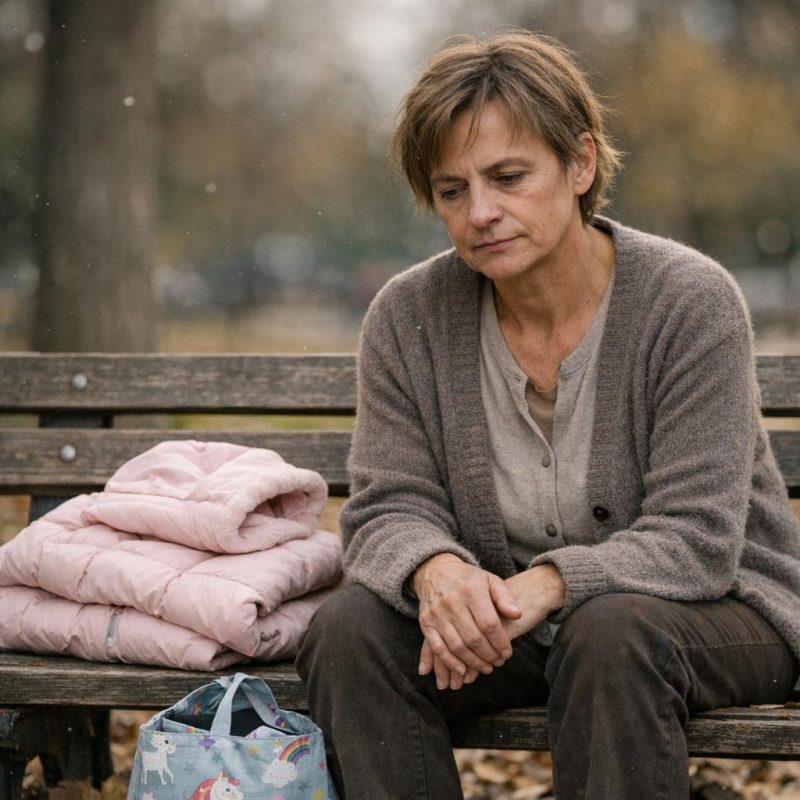 Image by RM AI
Cheryl's Discovery
Cheryl caught me after service on the fifth Sunday, just as I was folding bulletins in the fellowship hall. She walked toward me with purpose, her phone clutched in one hand like she was carrying evidence to a crime scene. 'Beverly,' she said, and her voice had that urgent tone people use when they're about to share bad news but they're not quite sure how you'll take it. I looked up from the bulletins, my hands stilling. 'I need to show you something,' she continued, glancing around to make sure no one else was nearby. The fellowship hall was mostly empty—just a few people chatting by the coffee station on the other side of the room. She sat down next to me and held out her phone. The screen showed some kind of video, paused on a frame I couldn't quite make out from that angle. 'My daughter sent this to me,' Cheryl said. 'It's been going around Facebook—one of those feel-good things people share.' She was looking at me with an expression I couldn't quite read. Concern, maybe. Or apprehension. 'Beverly,' she whispered, eyes wide, 'isn't this the girl you've been helping?'
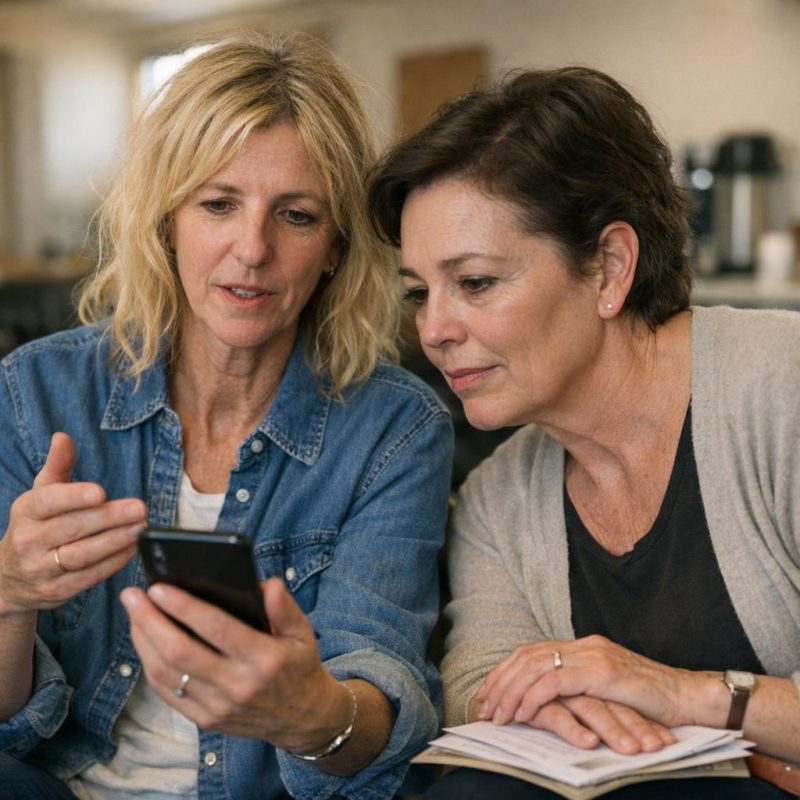 Image by RM AI
The Video
Cheryl pressed play. The video started with upbeat music, the kind you hear in commercials for laundry detergent or life insurance. Then Tessa's face filled the screen—she was sitting in what looked like a donation center, surrounded by bags and boxes. 'Being a single mom is hard,' she was saying directly to the camera, 'but it's taught me that we're strongest when we give back to our community.' My stomach dropped. She reached into one of the bags and started pulling out items—children's clothes, still with tags. A stuffed animal. Then she reached for a backpack, and the world seemed to tilt. It was purple with a unicorn pattern. The same one. The exact same one. I watched as she held it up to the camera, explaining how she was donating gently used items to families in need. The video had text overlaid across the bottom: 'Single mama paying it forward ❤️.' Cheryl was watching my face, not the screen. 'Is that—' she started to ask, but I couldn't answer. I recognized the backpack immediately—the one Lily had picked out with me, still with the little keychain charm I'd paid extra for.
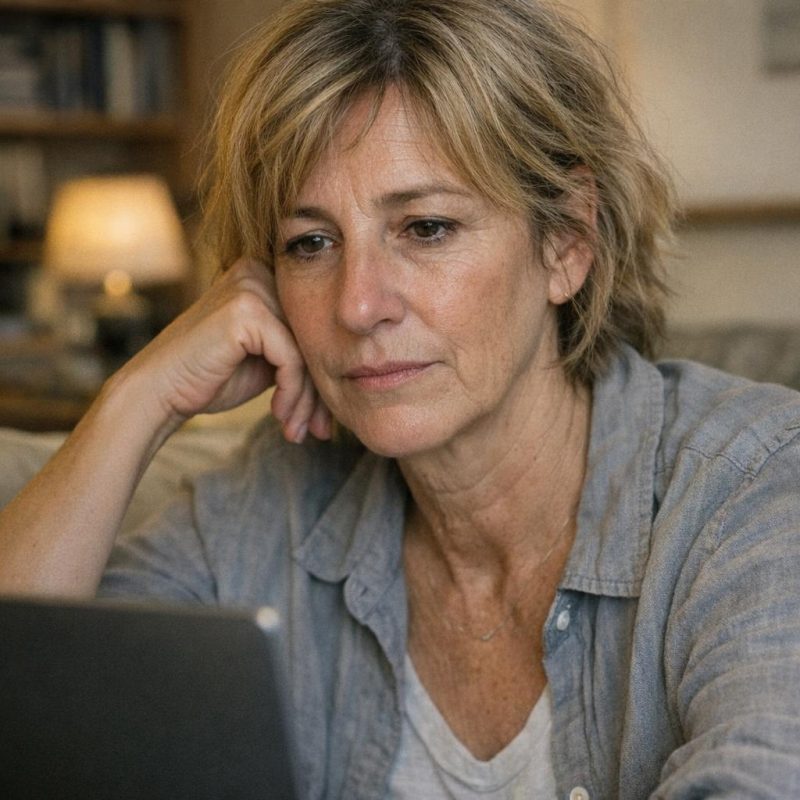 Image by RM AI
Single Mom with a Heart
I made Cheryl replay it. Then I replayed it again. Each time, I noticed something new. The way Tessa tilted her head when she talked about hardship, her voice getting soft and vulnerable. The careful angle that showed her perfectly arranged around the donations, like a staged photo. The comments below the video—hundreds of them, maybe thousands. 'You're amazing!' someone wrote. 'This is what real strength looks like.' Another: 'Your daughter is so lucky to have such a strong role model.' I scrolled further, my hands shaking slightly. The video had been shared 2,400 times. People were tagging their friends, adding crying emojis and hearts. 'This made my whole week,' one comment said. 'We need more people like you.' I kept scrolling. The praise went on and on. Then I saw the comments that made my chest tighten. Someone wrote, 'You deserve a sponsorship!' Another said, 'Drop your wishlist, mama!'
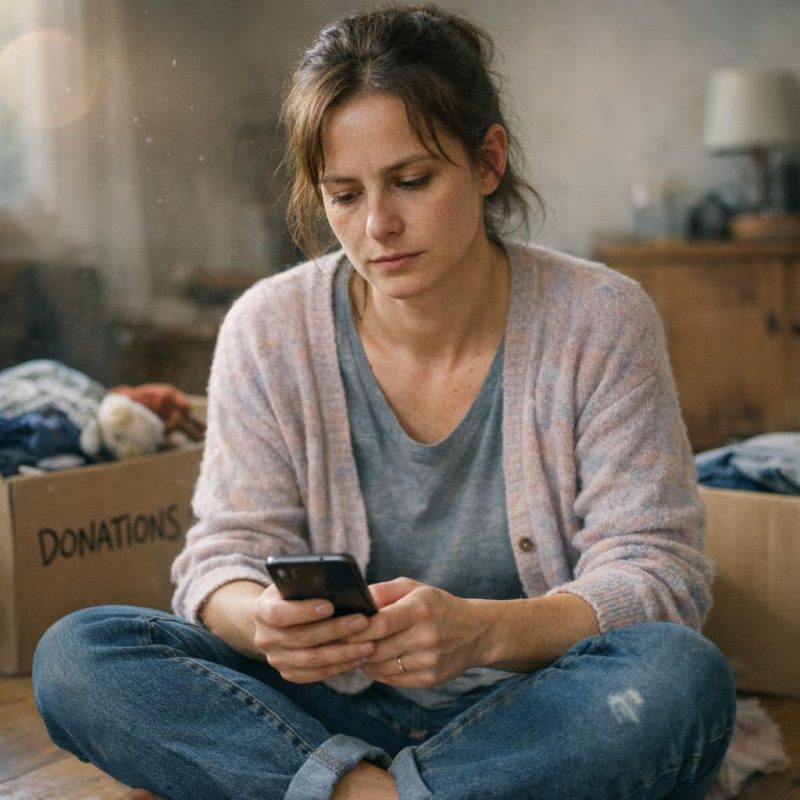 Image by RM AI
Not Used, Performed
I had to sit down, even though I was already sitting. I mean, I had to lean back against the chair and grip the table edge because my knees suddenly felt unreliable. Cheryl put her hand on my arm. 'I'm so sorry,' she said quietly. 'I thought you should know.' I nodded, but I couldn't speak yet. The thing was, I'd thought I understood what it meant to be used. When you're a widow of a certain age, you learn to recognize people who only call when they need something. But this was different. This wasn't someone asking for too much—this was someone who'd taken my generosity and turned it into... what? Performance? Entertainment? I thought about all those people commenting, feeling good about watching someone donate items. Items I'd bought. Items that were supposed to help a struggling mother and her daughter, not become props in some kind of online show. The first feeling wasn't fury—it was humiliation, because I realized I hadn't just been generous, I'd been used as raw material.
 Image by RM AI
The Sleepless Night
I didn't sleep that night. I lay in bed watching shadows from the streetlight move across my ceiling, replaying every conversation I'd had with Tessa. The way she'd appeared at exactly the right moment, when I was most receptive to helping someone. The story about fleeing an abusive relationship—not too detailed, but detailed enough to be convincing. The tears that came at precisely the right moments. Lily's sweet voice asking if I had grandchildren. Had that been rehearsed? The thought made me feel sick. I remembered how Tessa had always steered conversations back to her needs just as I was about to ask too many questions. How she'd mentioned the apartment search but never quite gave me an address. The way she'd photograph bags of groceries before we left the store—I'd thought she was being grateful, documenting kindness to remember it later. What if she'd been documenting it for something else entirely? The more I thought about it, the more small moments replayed with new meaning—but I couldn't shake the feeling I was connecting dots that might not be there.
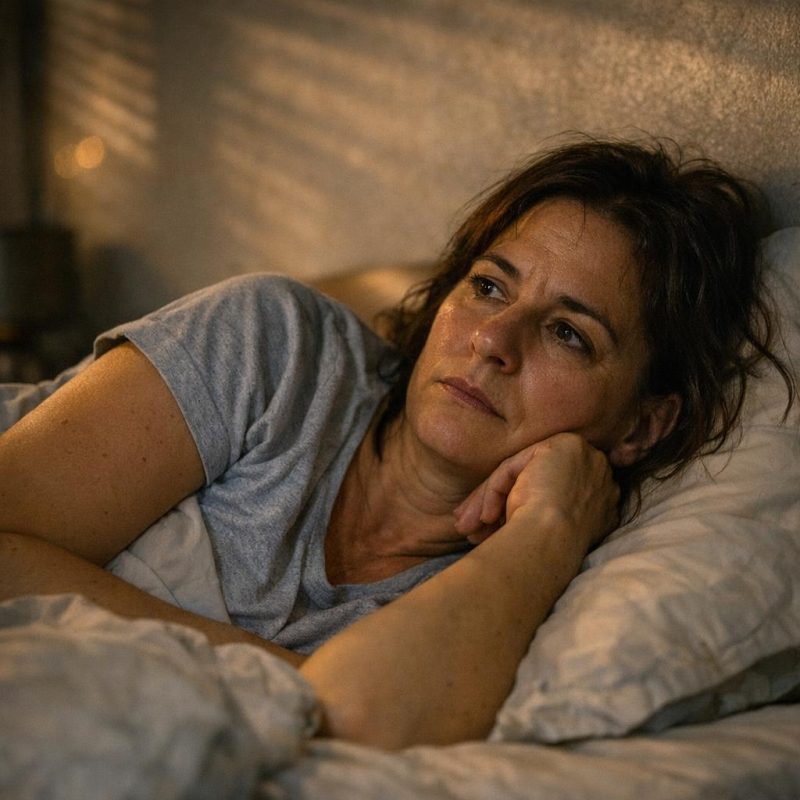 Image by RM AI
The Receipts Request
Around three in the morning, another memory surfaced. We'd been at Target, shopping for Lily's school supplies. Tessa had asked, very casually, if I could keep the receipts. 'I'm trying to get better at budgeting,' she'd said with a sheepish smile. 'It helps me track where money goes, even when it's gifts.' I'd thought it was admirable—taking responsibility, planning for the future. I'd carefully folded each receipt and handed them over. Now I thought about those receipts differently. What did she need them for, really? And there was something else. That same shopping trip, she'd asked me to wait in the checkout line while she ran back for something she'd forgotten. When she returned, she'd had her phone out. 'Do you mind if I take a quick picture of the bags?' she'd asked. 'I like to remember people's kindness.' I'd posed awkwardly next to the shopping cart, feeling a little silly but also touched. At the time, it seemed responsible—now it felt like documentation for something else entirely.
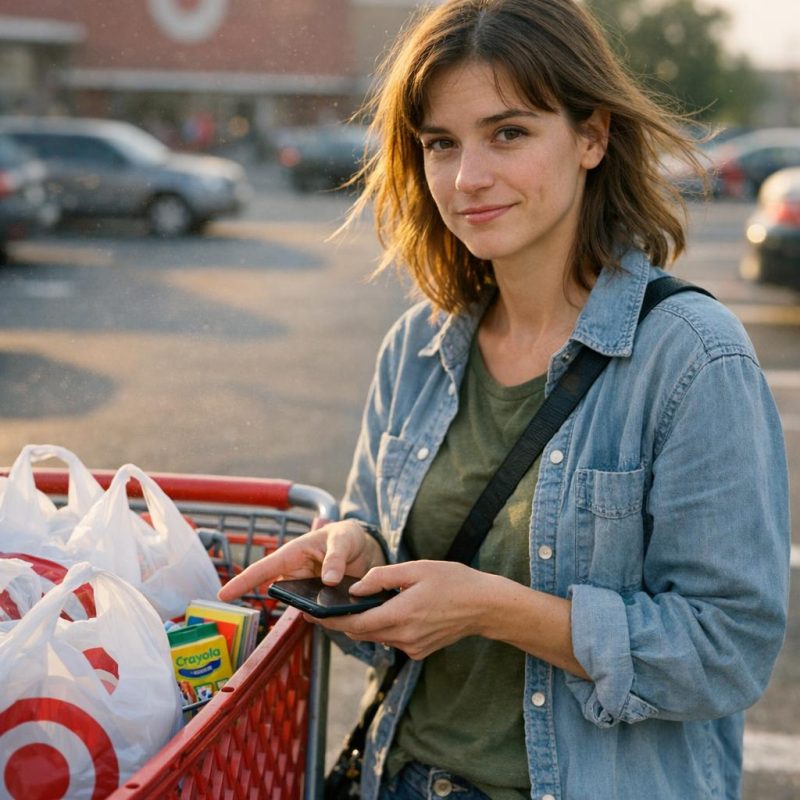 Image by RM AI
You Can Cry Later
By morning, I'd made a decision. I got up, made coffee, and sat at my kitchen table with a notepad—the same one where I usually write my weekly meal plans. But instead of listing groceries, I started writing down everything I could remember. Dates, amounts, conversations, details. When Harold died, people had tried to rush me through grief. They wanted me to pack up his things immediately, to 'move forward,' to stop dwelling. But my grief counselor had given me different advice: gather information first, feel feelings later. Don't make big decisions in the emotional flood. So I'd spent two weeks just documenting—what needed to be done, what accounts needed closing, what bills were due. Only after I had the facts laid out clearly did I let myself fall apart. That process had saved me. Now I applied the same principle. I didn't know what I was dealing with yet—maybe Tessa had a good reason for that video, maybe there was an explanation I hadn't considered. But I needed to know the truth before I decided what to do with my anger, my hurt, my humiliation. Grief had taught me one thing: you can cry later—first you gather facts.
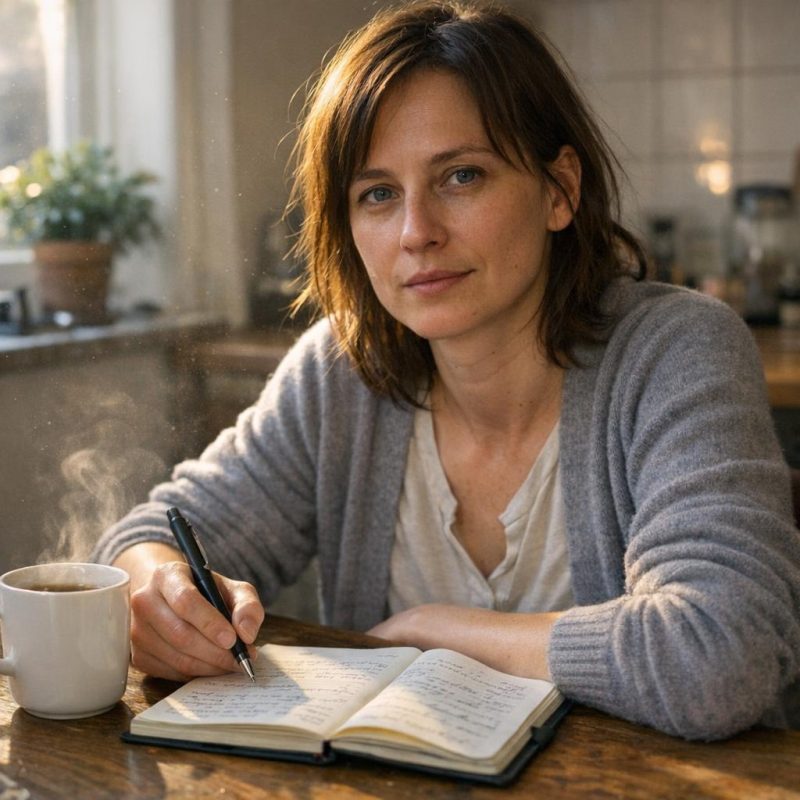 Image by RM AI
Screenshots and Scrolling
I started with screenshots. Every angle of that video, every comment, every visible detail—I captured it all. You'd be surprised how methodical you can become when you're hurt but not yet ready to feel it. Then I did what any slightly tech-savvy widow does: I started scrolling. Tessa's Instagram went back three years. At first, it was just the usual stuff—inspirational quotes, pictures of Lily, occasional mentions of 'starting fresh.' But the more I scrolled, the more I noticed location tags that kept changing. Six months in our town. Before that, eight months somewhere two states over. Before that, another town I'd never heard of. Each move came with similar language—'new beginning,' 'trusting God's plan,' 'building community.' Each location featured posts about struggling, about trusting strangers, about the kindness of churches. I told myself it could be innocent. People relocate for work, for family, for all sorts of reasons. Single mothers especially—maybe she was following job opportunities, maybe she had complicated custody arrangements. But my hands were shaking as I kept scrolling, and my coffee had gone cold. That's when I noticed something that made my pulse quicken—every few months, a new town, a new 'fresh start,' a new church community.
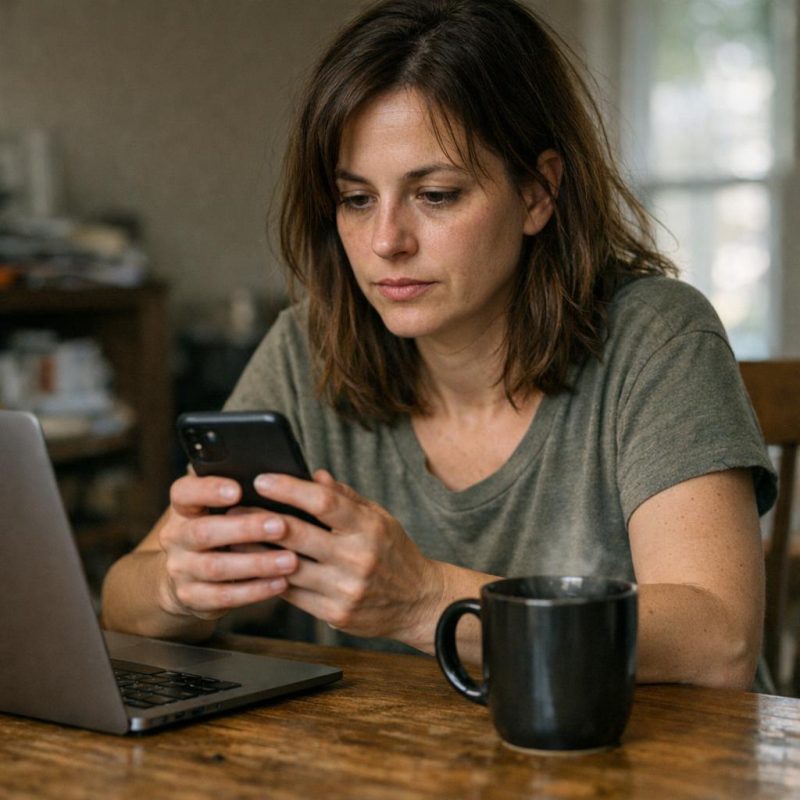 Image by RM AI
Always the Same Story
The posts themselves started to blur together. Different backgrounds, different seasons, but always the same essential story. Struggling single mom. New to the area. Overwhelming gratitude for strangers' kindness. And always, always, there was Lily in the frame—sweet, photogenic Lily, looking just vulnerable enough to tug at hearts. In one town, Tessa posted about a church family buying her groceries. In another, someone had donated a car seat. Further back, a women's group had thrown her a baby shower. Each post showed the donations neatly arranged, artfully photographed. I kept telling myself I might be reading into it. People share gratitude online all the time, right? Maybe she was just documenting her journey, maybe she was naturally expressive, maybe I was letting one video poison my perception of everything else. But the similarities bothered me—the same humble language, the same strategic mentions of specific needs, the same tearful thank-yous. I wanted to believe there was an explanation that didn't make me feel like an idiot. Always the same storyline, always a child in frame, always donations filmed in neat stacks—but I couldn't prove it was deliberate yet.
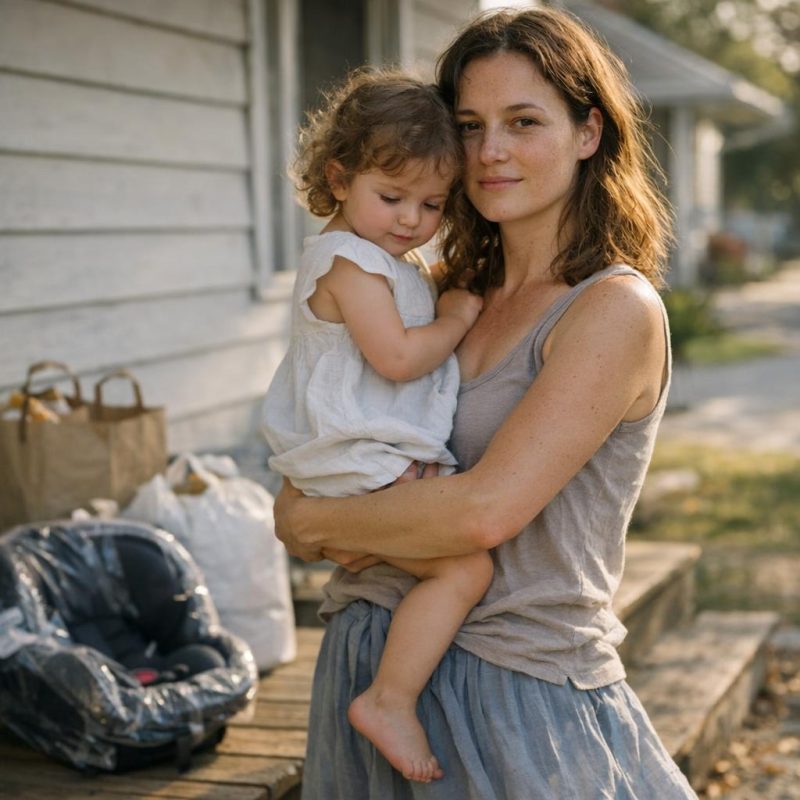 Image by RM AI
The Rustic Sign
I almost missed it. I was scrolling through a video from about eight months ago—Tessa doing one of her 'day in the life' posts, talking about making ends meet. The camera panned across what looked like a modest living room. But there was something in the background, just barely visible behind her shoulder: a framed wooden sign that said 'Gather' in that trendy farmhouse script. I stared at it. Then I went back to the video and paused it, zooming in on my phone screen until the image pixelated. I knew that sign. More specifically, I knew that wall—the shiplap paneling, the specific shade of gray-white, the iron hooks mounted beside the sign. It was from a rental property here in town, one of those Airbnb places that influencers and photographers use for content creation. It's listed as a 'rustic studio space' and costs a hundred twenty dollars for a four-hour block. My late husband and I had almost rented that space years ago—I'd know that wall anywhere.
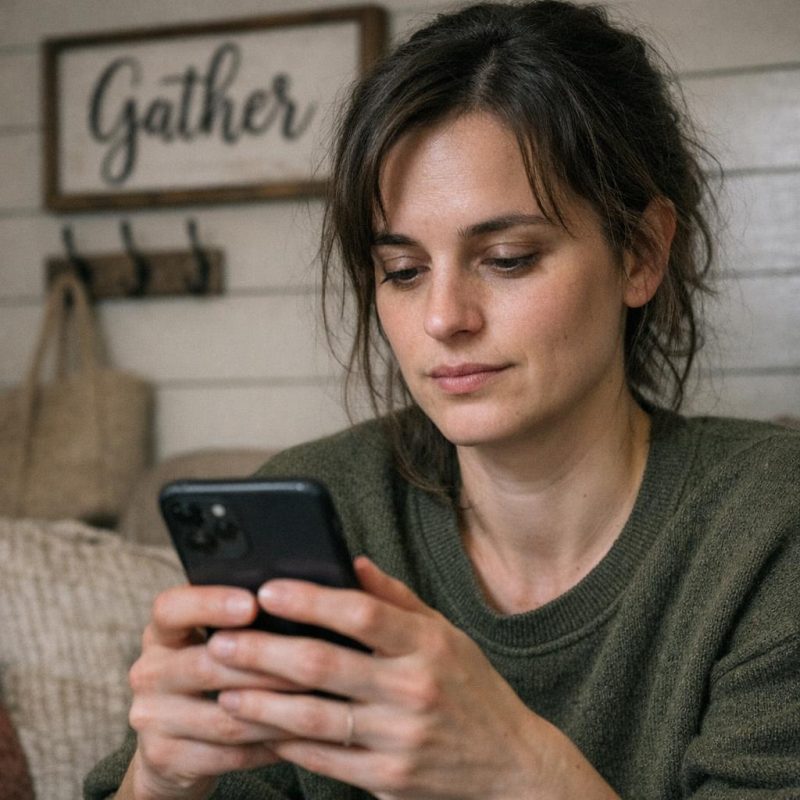 Image by RM AI
Not a Cramped Apartment
I pulled up the rental listing on my laptop to be sure. Same wall. Same sign. Same everything. Which meant that video—the one where Tessa talked about struggling to make her apartment feel like home, about making do with what she had—wasn't filmed in her apartment at all. It was filmed in a rented photo studio designed to look like someone's humble living space. My chest felt tight. I tried to think of innocent explanations. Maybe her place was too messy that day? Maybe the lighting was better there? But you don't rent a studio space for a hundred twenty dollars when you're supposedly scraping together money for diapers. You don't stage a 'day in my struggling life' video on a set. Unless the struggle itself was the content. Unless the struggle was the product she was selling, and it needed to look just right. I sat back in my chair, staring at the split screen—her video on one side, the rental listing on the other. This wasn't filmed from a cramped apartment—it was content production.
 Image by RM AI
The Link in the Bio
I clicked back to Tessa's profile and really looked at it this time—not as a concerned friend, but as someone trying to see what was actually there. The bio had a link. Of course it did. I'd glanced past it before, assuming it was something harmless. But now I clicked through. It led to one of those link-tree pages with multiple options: a donation account, a wishlist, a 'support my mission' button. The donation account was through a platform I recognized—people use it for medical bills, emergencies, creative projects. Hers said something about 'helping me provide for Lily while building a community of authenticity.' I clicked on the wishlist. Diapers, sure. Formula, okay. But also: ring lights, a camera stabilizer, a subscription to a video editing app. I went back to her Instagram and started reading comments on her posts—really reading them. People weren't just praising her—they were sending her cash, gift cards, packages.
 Image by RM AI
Kindness as Income
And suddenly I understood the whole mechanism. Tessa would arrive in a new town, present herself as a struggling single mother, and accept help from kind people—people like me, like the church, like anyone with a soft heart and a few dollars to spare. Then she'd photograph that generosity, post it online with heartfelt captions, and use it as evidence of her worthiness. See how this community rallied around me? See how good people are? And her followers—thousands of them—would see those posts and send more. She wasn't just accepting charity; she was converting local kindness into digital proof that she deserved a bigger audience's support. The groceries I bought became content. The gas money became a post. The baby supplies became a story that generated donations from strangers who'd never even met her. It was almost brilliant, in a sick way. She'd turned kindness into income by using other people's generosity as proof she was worthy of more—but was I right, or was I just hurt?
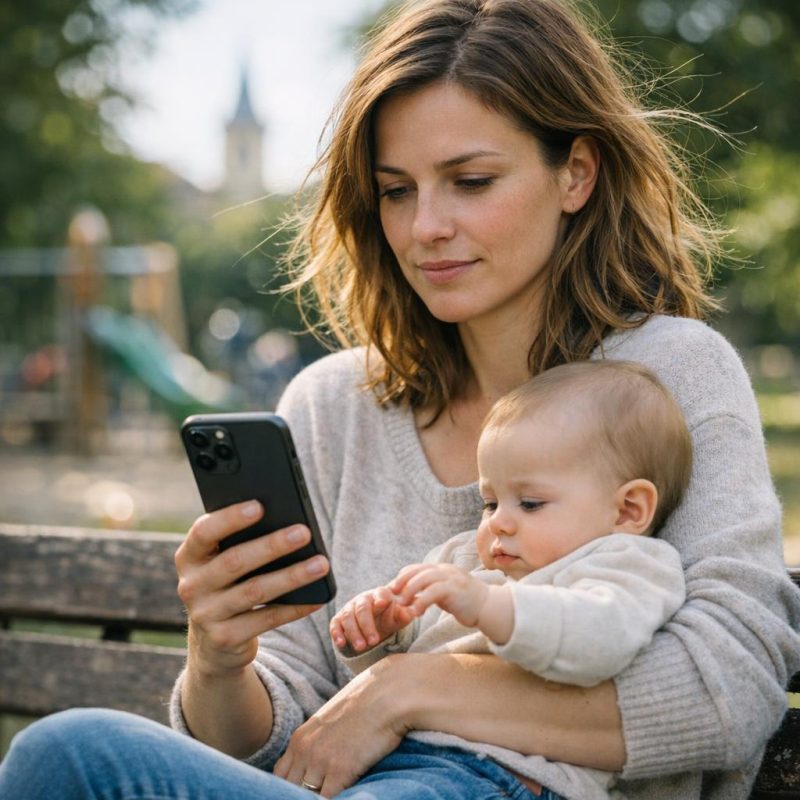 Image by RM AI
Not That Woman
I won't lie—part of me wanted to comment on that video. To reply to every person praising her and say, 'Do you know where that money actually came from?' I wanted to screenshot everything and post it in the church Facebook group, let everyone see what I was seeing. But that's not who I am. I've never been the type to air grievances publicly, to make a scene, to demand confrontation in front of an audience. When Harold died, people expected me to fall apart visibly, to need constant attention and support groups and dramatic displays of grief. Instead, I processed quietly, asked questions privately, handled things with dignity. That's just how I'm built. And this situation—as angry as it made me, as humiliated as I felt—it didn't change my nature. Public callouts might work for some people, but they'd only make me feel worse. What I needed was clarity, and maybe accountability, but through the right channels. I'm not the kind of woman who makes a scene—but I am the kind who knows when to ask the right person the right question.
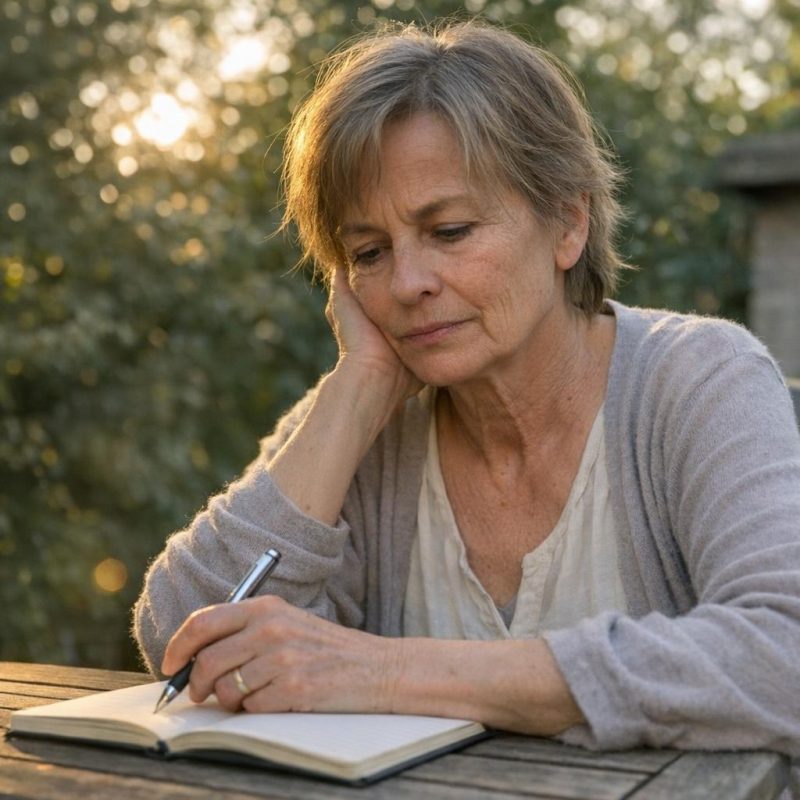 Image by RM AI
Going to the Pastor
So I printed out screenshots—selected ones that showed the pattern without requiring too much explanation—and I put them in a folder. Then I drove to the church on a Thursday afternoon when I knew Pastor Jim would be in his office. He looked surprised to see me, but invited me in with his usual warm smile. I didn't waste time. I set the folder on his desk and asked him directly: had he verified Tessa's story before announcing her needs to the congregation? Had anyone checked references, confirmed her background, asked basic questions? He looked uncomfortable, which was answer enough, but he opened the folder anyway. I watched him scroll through the images on his phone where I'd texted him the links. His expression shifted from confusion to concern to something harder. The silence stretched out between us. Finally, he set the phone down and looked at me. His face tightened as he scrolled through the images, and then he said something that made my stomach flip.
 Image by RM AI
The Inquiry Call
Pastor Jim set his phone down and rubbed his forehead the way people do when they're trying to decide whether to share something difficult. Then he said, 'Beverly, I need to tell you something.' A few months before Tessa showed up—back in late summer—he'd gotten a call. A woman asked if the church had a strong women's ministry. If they helped single moms. If the congregation was generous. He'd thought it was someone considering joining the church, so he'd been enthusiastic, talking about our community outreach and how we supported families in need. The caller thanked him and hung up. He never heard from her again. 'I didn't think anything of it at the time,' he said quietly. 'People call churches all the time.' But now, sitting there with those screenshots between us, we both looked at that phone call differently. The questions hadn't been about finding a church home. They'd been about finding the right target. Pastor Jim's face had gone pale. 'Do you think—' He didn't finish the sentence. He didn't have to. At the time he thought it was genuine—now we both understood it might have been something else entirely.
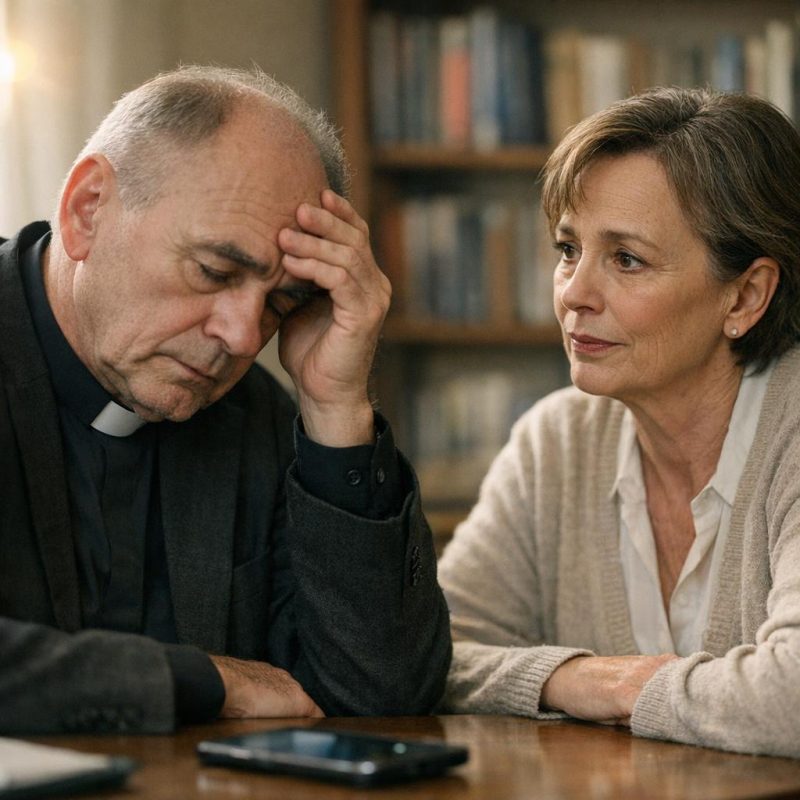 Image by RM AI
Scouting
We sat there for a long moment, both processing what this meant. 'She researched us,' I said finally. 'She didn't just wander in looking for help. She chose us.' Pastor Jim nodded slowly, still looking at the folder on his desk. 'If that call was her—and I think it probably was—then she knew exactly what she was doing.' The anger that washed over me then wasn't hot or explosive. It was cold and purposeful. This wasn't about my hurt feelings or my wasted money anymore. This was about a system being exploited. About kindness being weaponized. About the next person who would walk through those church doors genuinely needing help and finding a community that had learned to be suspicious. 'What do we do?' Pastor Jim asked, and I could hear how much this was weighing on him. He blamed himself, I could tell. 'We protect people,' I said. 'Not with a sermon about being careful or a cautionary tale from the pulpit. We need something practical.' I asked the pastor for one thing: not a sermon about being careful, but a way to protect the next person.
 Image by RM AI
Quiet Calls
Pastor Jim started making calls the next day. Discreet ones, to pastors he knew at churches within a fifty-mile radius. He didn't make accusations or spread gossip. He simply shared Tessa's name—both the one she'd used with us and her social media handle—and asked if anyone recognized her. Had she attended services? Asked for help? Left an impression? I appreciated his careful approach. This wasn't about vengeance or public shaming. It was about information. About seeing if the pattern we suspected actually existed. He kept me updated through brief texts. 'Reached out to five churches. Waiting to hear back.' Then, 'Two more calls made.' I tried to go about my normal routine, but I kept checking my phone. Cheryl called to ask how I was doing, and I gave her the abbreviated version. She was quiet for a moment, then said, 'Good. Someone needs to stop this.' I felt that same cold determination settling in my chest. This was the right thing to do. Within a day, two churches called back—and both had stories that sounded disturbingly familiar.
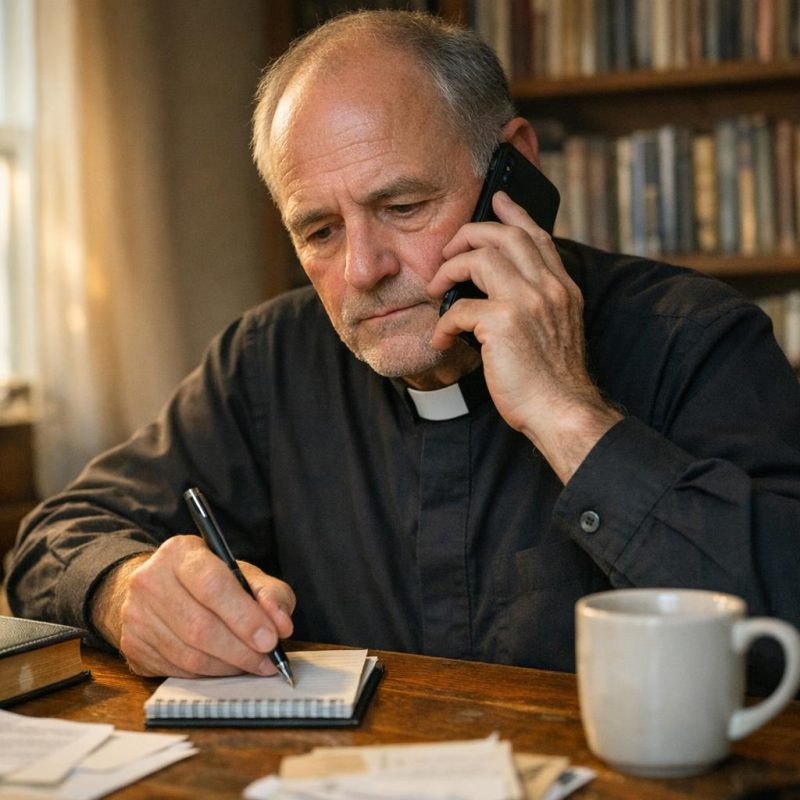 Image by RM AI
Cheryl's Post
Cheryl called me that evening with a different energy in her voice. 'I did something,' she said. 'I hope you don't mind.' She'd taken one of Tessa's videos—the one about gratitude and community—and shared it in a local mom's group on Facebook. Not our town's group, but one that covered the whole county. Her caption was innocent enough: 'Does anyone know this woman? She's been helped by some people in our area and I'm curious about her story.' Cheryl has that gift of asking questions that sound supportive while opening doors. Within an hour, her post had fifteen comments. Within three hours, it had forty. And the tone shift was immediate. Women started sharing their own experiences. 'She came to our church last spring.' 'She asked me for grocery money outside Target.' 'She said she was fleeing an abusive situation.' The details varied slightly, but the core story was always the same: struggling single mom, adorable child, urgent need, emotional appeal. Within hours, women from two neighboring towns commented—and their stories matched mine almost word for word.
 Image by RM AI
Different Names
I read through every comment, my coffee going cold beside me. The pattern was even clearer than I'd imagined. But what struck me most were the names. 'Wait,' one woman wrote. 'I knew her as Tessa Morrison.' Another replied, 'She told me she was Tessa Brennan.' A third: 'She introduced herself to our church as Tessa Phillips.' Different last names in different towns, sometimes just twenty miles apart. My hands felt cold as I kept scrolling. One woman had done her homework. She'd found Tessa's Instagram from months earlier—a different account than the current one—where she claimed to be living in Florida. The post was dated from March. But Tessa had been in our town since February, attending our church, collecting our groceries. The timeline didn't just fail to add up—it contradicted itself completely. Screenshots started flying. Women comparing notes, sharing receipts, putting together a timeline that showed Tessa had been in multiple places at once according to her own posts. One woman posted a screenshot showing Tessa claimed to live in Florida last month—while she was still in our town.
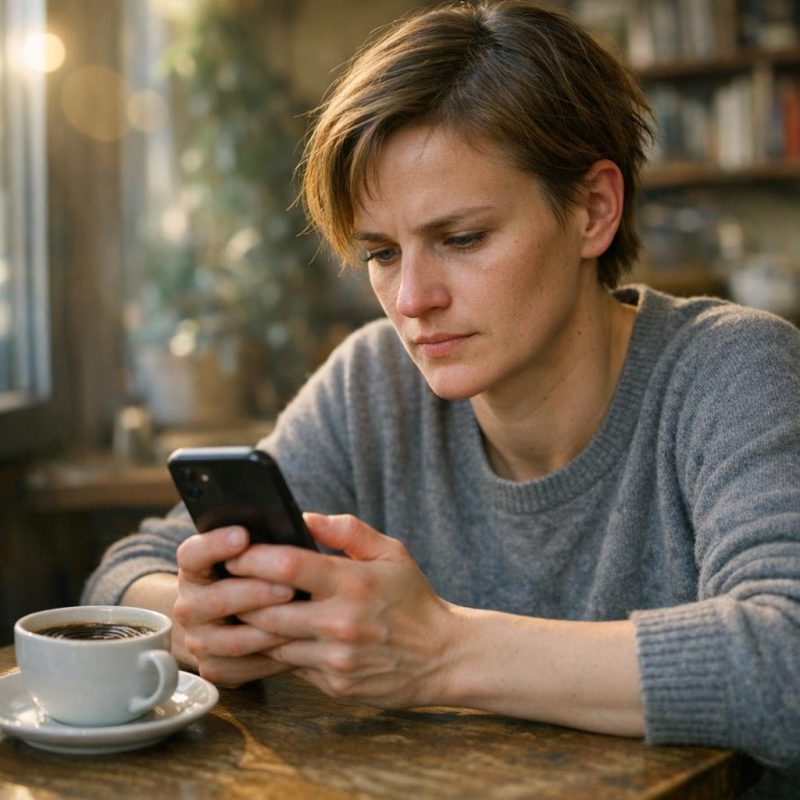 Image by RM AI
The Comment Shift
I started checking Tessa's Instagram more frequently, watching as her carefully curated world began to crack. The comments under her posts were changing. At first, it was subtle—a question here, a careful observation there. 'Didn't you say you lived in Tampa?' someone asked under a post about finding community. Another: 'Why did you tell my church your last name was Morrison?' Tessa was deleting comments, I could tell, because I'd see notifications pop up on the post count, then refresh and find fewer comments than before. But she couldn't keep up. For every comment she deleted, three more appeared. People were getting curious now, doing their own digging, sharing what they found. 'I found three different fundraising accounts,' someone posted, with screenshots attached. The tone was shifting from supportive to skeptical to openly accusatory. I sat at my kitchen table, watching it unfold in real-time, feeling that strange mix of vindication and sadness. 'Why are you using different names?' someone asked, and I watched Tessa start deleting—but the internet doesn't forget once people get curious.
 Image by RM AI
Receipts Posted
Then came the post that changed everything. A woman named Jennifer from a town forty miles south wrote a detailed account of meeting Tessa two years earlier. She didn't just share her story—she posted receipts. Actual photographs of checks she'd written. Screenshots of Venmo transactions. Text messages where Tessa promised to pay her back 'as soon as the insurance settlement came through.' Jennifer had given her nearly three thousand dollars over the course of four months. Groceries, rent assistance, car repairs, medical bills. The same progression I'd experienced, just with higher stakes. The post was methodical and damning, laid out with dates and amounts and copies of messages. Jennifer's tone wasn't angry—it was exhausted. 'I'm not trying to shame anyone,' she wrote. 'I'm trying to warn people. This is what she does. This is who she is.' The comments flooded in. Support for Jennifer. Anger at Tessa. More stories emerging from other women who'd been too embarrassed to speak up before. The woman's post ended with: 'She promised to pay me back—that was two years ago.'
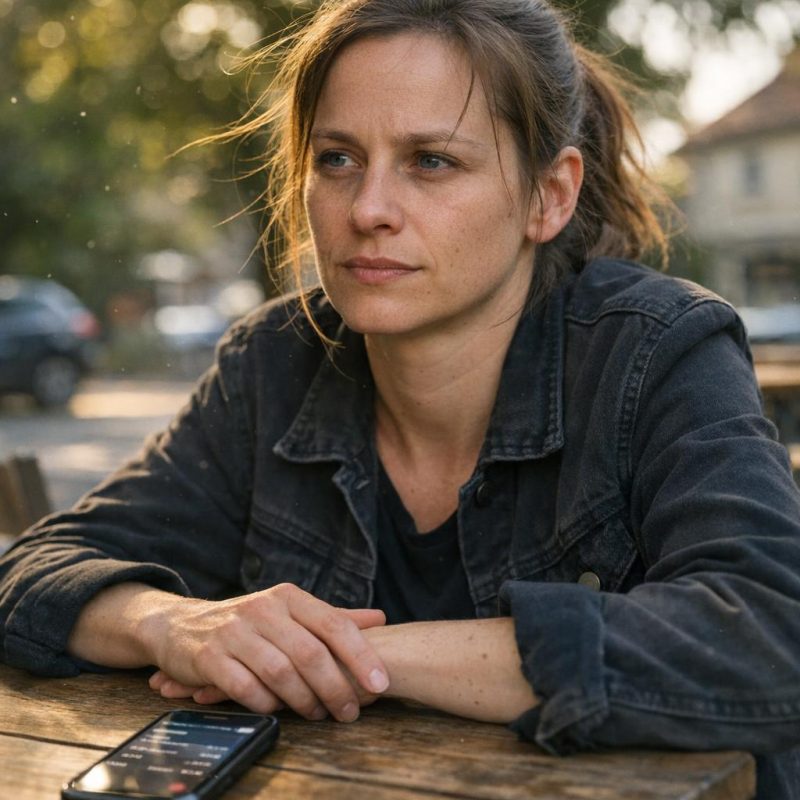 Image by RM AI
The Personal Account
I went back through Tessa's profile with fresh eyes, looking at the mechanics rather than the emotion. That's when I noticed the donation link in her bio. I'd seen it before but never clicked it, assuming it went to a legitimate nonprofit or charity fund. This time, I clicked. It went to a personal Venmo account. No nonprofit name. No charity registration number. Just a personal account with Tessa's name and a cheerful profile photo. I took a screenshot and sent it to Cheryl, who'd been following along with everything. 'Is this normal?' I texted. 'For someone raising money for single moms in need?' Cheryl's response was immediate: 'Absolutely not. Nonprofits have specific accounts. This is just... her.' The comments on Tessa's recent posts were coming faster now, and someone else had clearly noticed the same thing. 'Why is your donation link going to a personal account?' someone asked. Then another: 'Where's the nonprofit registration?' And another: 'Who's overseeing these funds?' Questions flooded in: 'Why is your donation link going to a personal account?' And Tessa went silent.
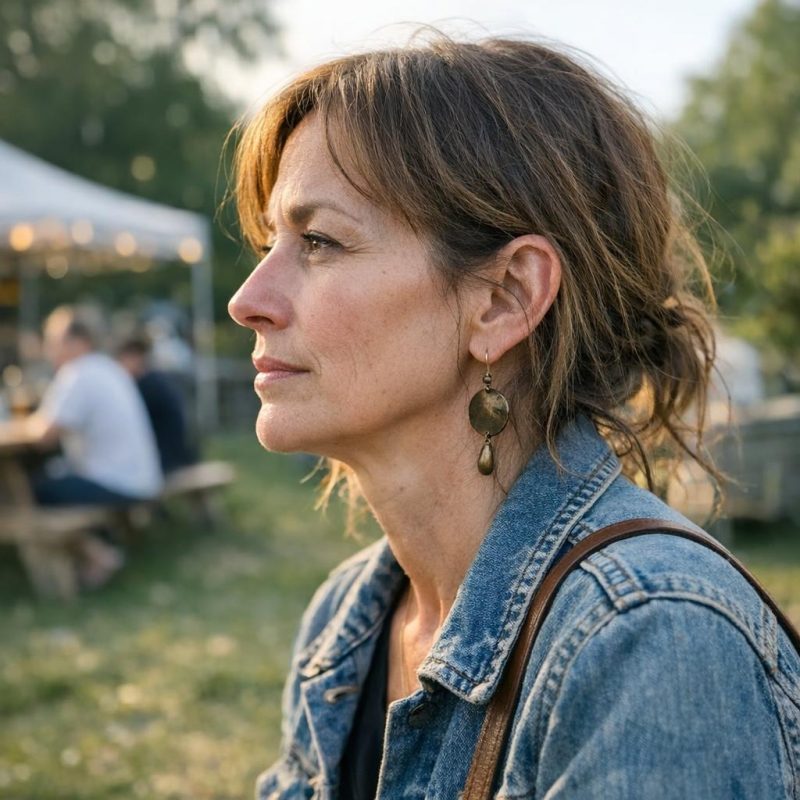 Image by RM AI
Waiting for the Other Shoe
After the comments started flooding in and Tessa's posts stopped, I expected something—a meltdown, a defensive explanation, maybe even a public apology. Instead, there was nothing. Tessa's profile went dormant. No new posts. No replies to the questions piling up in her comments. No stories showing Lily's morning routine or Tessa's coffee and gratitude. Just silence. I checked every morning and every evening, almost reflexively, the way you check a healing wound. Cheryl texted me daily: 'Still nothing?' Still nothing. Pastor Jim called to check in, concerned about how I was processing everything. Honestly? I didn't know. Part of me felt vindicated that people were finally asking the right questions. Another part felt hollow, like I'd won an argument nobody wanted to have. I kept thinking about Lily, wondering where they were and if she was okay. The silence felt heavier than any confrontation would have. It stretched on for nearly two weeks. I started to think maybe Tessa had just moved on to another community, another church, another version of me in some town I'd never heard of. I was making tea one Wednesday night, ready to let it all fade into the background, when my phone buzzed with a notification. Then, late on a Wednesday night, a message request appeared in my inbox from someone named Hannah.
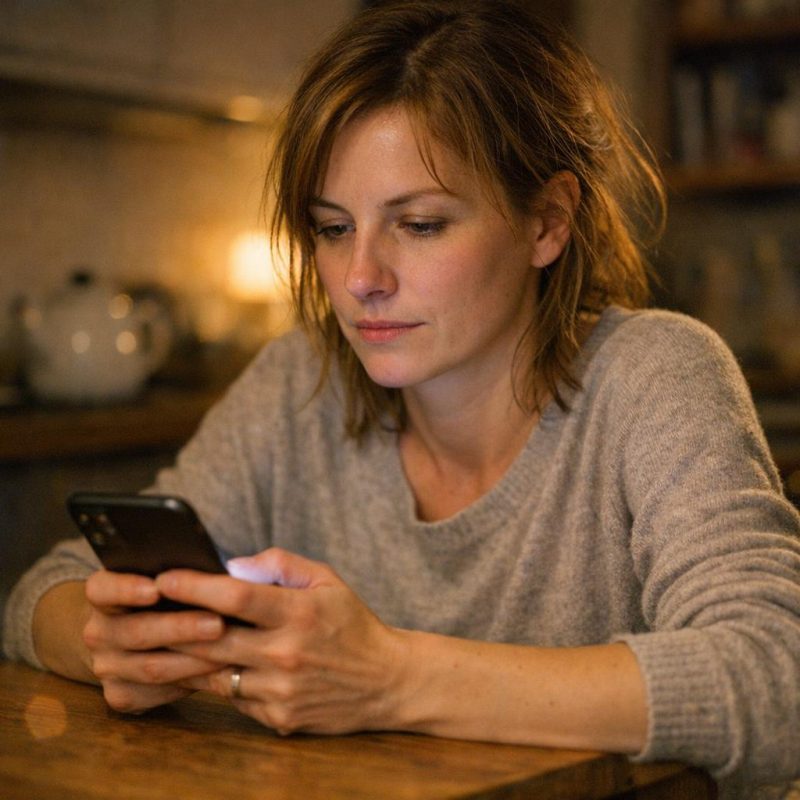 Image by RM AI
A Message from Hannah
I stared at the name—Hannah—trying to place it. I didn't recognize it from church or the community group, and the profile photo showed a woman maybe in her thirties with dark hair and tired eyes. The preview text said: 'Please read this. It's about Tessa and Lily.' My stomach dropped. I clicked into the message request, hands shaking slightly as I held my phone under the kitchen light. 'Hi Beverly,' it began. 'My name is Hannah, and I'm Tessa's older cousin. I've been trying to find her for months. I saw the comments on her posts, and I think you deserve to know the truth about what's been happening. I'm so sorry for what she's put you through. I know you were trying to help, and she took advantage of that. There's more you need to know, and it's worse than you think.' I had to read it twice. A cousin? Months of searching? My chest tightened as I scrolled down, expecting some explanation about family drama or Tessa's troubled past. But what I read next made the room tilt. Her message started with: 'I'm sorry—Lily isn't even her daughter.'
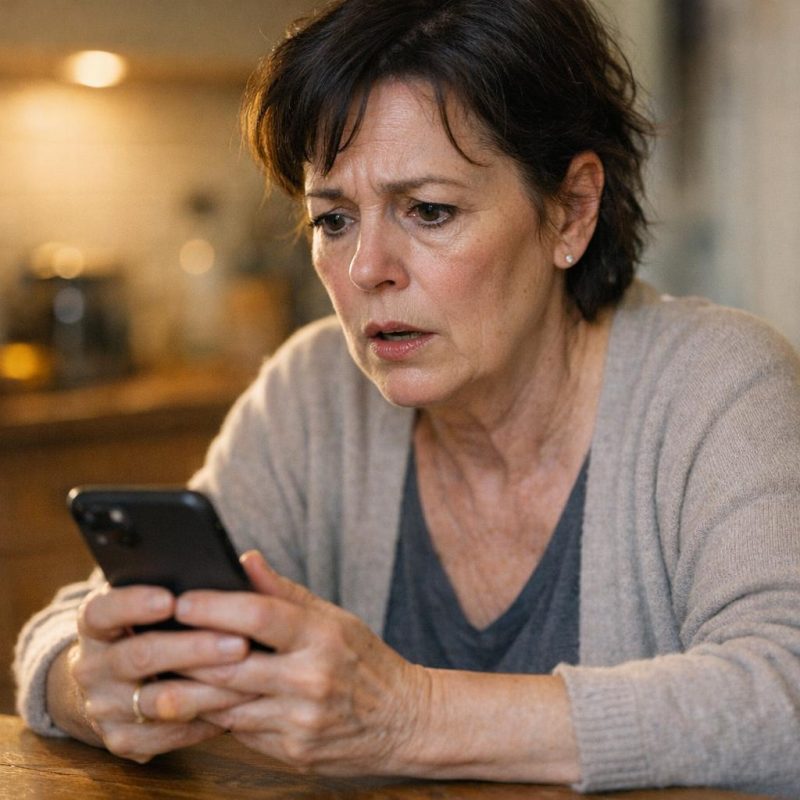 Image by RM AI
Not Her Daughter
I sat down hard at the kitchen table, phone clutched in both hands, reading those words over and over. Lily isn't even her daughter. My mind raced through every interaction, every moment I'd watched Tessa with that little girl. The tenderness seemed real. The exhaustion seemed real. The bond between them—I would have sworn it was real. Hannah's message continued: 'Lily is my niece. Her mom—my younger sister—is a good person who went through a rough patch last year. Tessa offered to help by taking Lily temporarily, and we thought it was family stepping up. But then Tessa started moving around, changing her story, using Lily in her posts, and keeping her away from us. We've been trying to get her back without escalating things legally because we don't want to traumatize Lily. Tessa knows exactly what she's doing. She knows people soften when a child is involved.' I felt sick. Not the angry kind of sick—the deeply sad, horrified kind. Every gift I'd given, every dollar, every gesture of support hadn't just been exploited for content and cash. It had been used to perpetuate something far darker. Tessa had weaponized a child's presence, knowing it would open wallets and hearts. Hannah said Tessa knew people soften when a child is involved—and my heart broke all over again, but this time for different reasons.
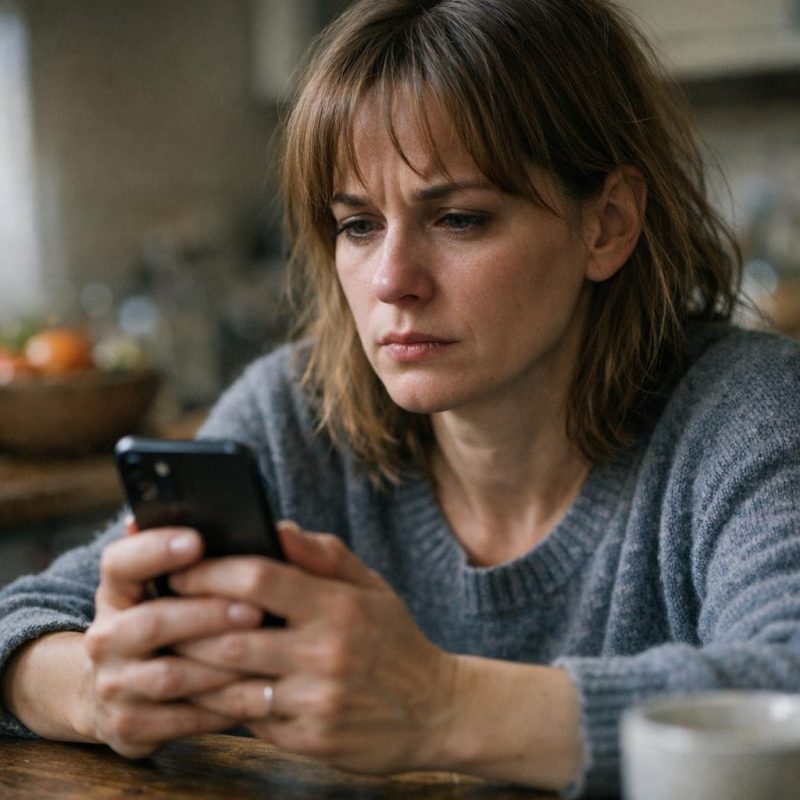 Image by RM AI
Lily's Real Mother
Hannah's next message came through while I was still processing the first. She explained that Lily's mother—her sister, Rachel—had been dealing with severe anxiety and burnout after a difficult divorce. Not addiction. Not abuse. Not anything that made her unfit. Just the kind of overwhelming stress that sometimes requires help. Rachel had entered a short-term wellness program to get her mental health stabilized, and Tessa had volunteered to take Lily for a few weeks. 'It seemed like a blessing at the time,' Hannah wrote. 'Tessa said she'd keep Lily close, keep her routine stable, let Rachel heal without worrying. But then the weeks turned into months. Tessa stopped answering calls. She'd send photos of Lily but never let us video chat. She moved to your town without telling us, and we only found out because someone recognized her posts.' My hands were shaking now. This wasn't a struggling single mother trying to survive. This was someone who'd deliberately taken a vulnerable child and used her as a prop, knowing that a little girl with big eyes and a shy smile would make every lie more believable. Tessa had offered to 'help' by taking Lily for a while—then started bouncing from place to place, keeping the child uprooted and dependent.
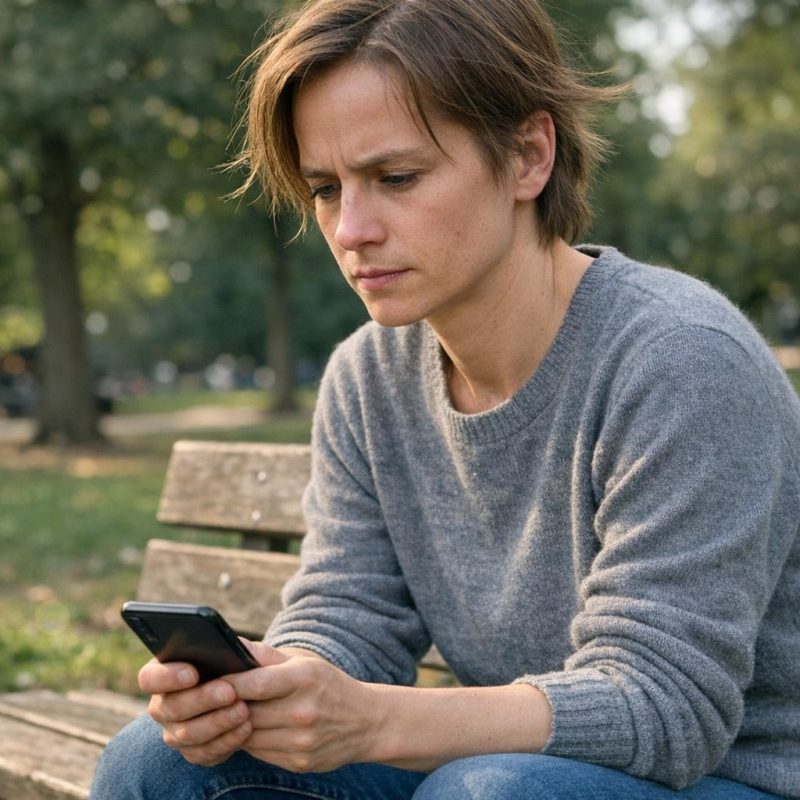 Image by RM AI
Tracking Them Down
Hannah explained that she and Rachel had been searching for months, but it was complicated. They couldn't just call the police and report Lily missing—legally, Tessa had temporary custody through a family arrangement. There was no formal paperwork, which meant there was nothing to enforce. They were terrified that if they pushed too hard, Tessa would disappear completely, taking Lily somewhere they'd never find her. 'We've been trying to track her movements through social media,' Hannah wrote, 'but she's careful. She never tags locations until after she's left. She never uses real names for the people helping her. We knew she was in your area because of the church backgrounds in her photos, but we didn't know which church or which town exactly.' My heart started pounding as I realized what she was saying. All those screenshots I'd taken, all those posts I'd documented when I was just trying to make sense of what Tessa had stolen—they contained clues. Dates. Backgrounds. Details Tessa hadn't thought to scrub because she didn't know I was paying that kind of attention. Hannah said, 'Your gifts—the ones you thought were stolen—they helped me find her, because you documented everything.'
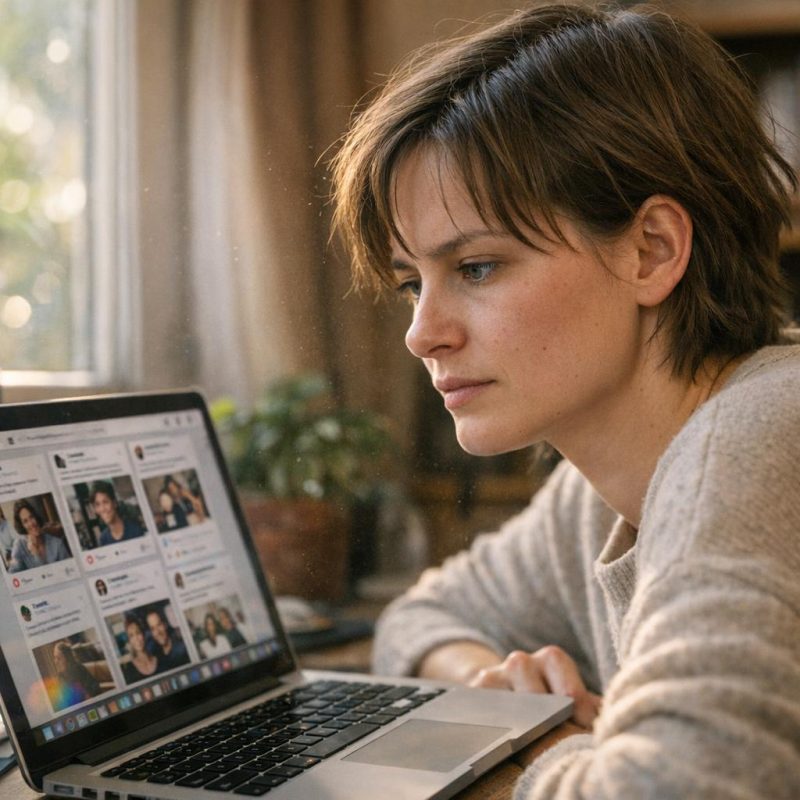 Image by RM AI
More Than Stolen
I sat there in my quiet kitchen, staring at my phone, and felt something shift inside me. For weeks, I'd been wrestling with feelings of foolishness and betrayal, angry at myself for being so gullible, ashamed that I'd let someone take advantage of my kindness. I'd been focused on what Tessa had stolen from me—my time, my money, my trust. But this was so much bigger than that. A little girl had been separated from her mother, not because of genuine need or crisis, but because Tessa had found a way to monetize compassion. Lily wasn't a daughter Tessa was struggling to raise—she was a tool Tessa was using to extract sympathy and support from people like me. Every photo, every post, every tearful story about single motherhood had been part of a scheme that kept a child away from her real family. My generosity hadn't just been exploited for content. It had been used as fuel for something cruel and manipulative, something that hurt an innocent child who had no say in any of it. That changed everything, because now this wasn't about money or pride—it was about getting a little girl home.
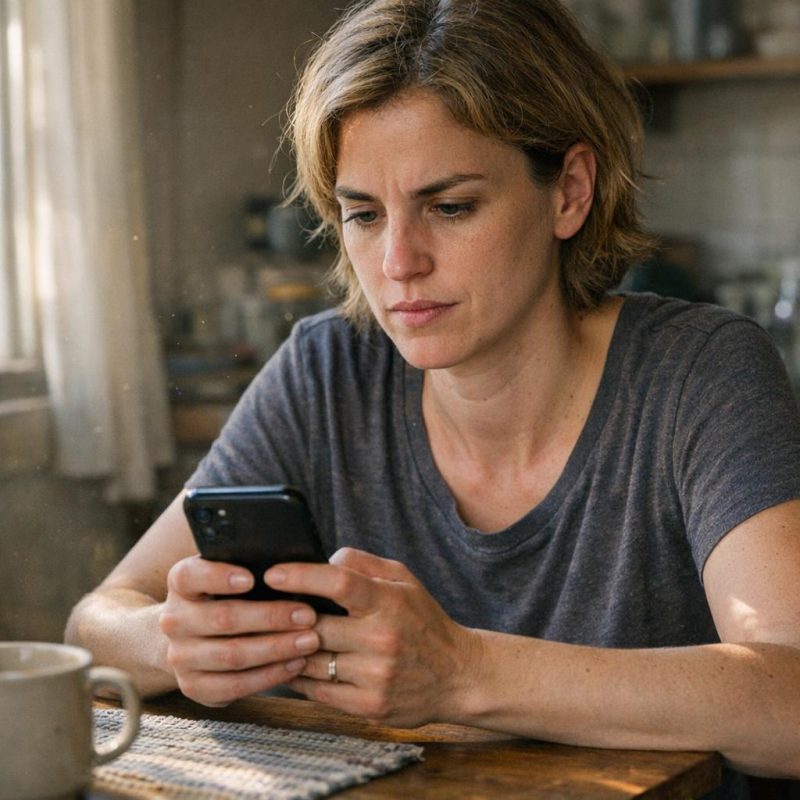 Image by RM AI
Meeting at the Coffee Shop
Hannah and I exchanged several more messages that night, and by morning, we'd agreed to meet in person. I called Pastor Jim, explained what I'd learned, and asked if he'd come too. We needed people who'd actually interacted with Tessa, who could verify details and help piece everything together. We met at a coffee shop two towns over—neutral territory where we wouldn't run into anyone from church. Hannah looked just like her photo: tired, determined, carrying the weight of months of searching. Pastor Jim arrived with a folder of notes he'd kept from when Tessa had first joined the congregation. We sat in a corner booth, and I felt the strangest sense of purpose I'd felt in years. We weren't gossiping or speculating anymore. We were working. Hannah pulled out printed screenshots from Tessa's various social media accounts—some I recognized, others I'd never seen. Pastor Jim added his notes about the inconsistencies in her stories. I contributed my own documentation: photos of the gifts, receipts, timestamps, the donation link to her personal Venmo. Hannah spread out printouts of Tessa's posts, and I added my screenshots—and suddenly we could see the whole map of what she'd been doing.
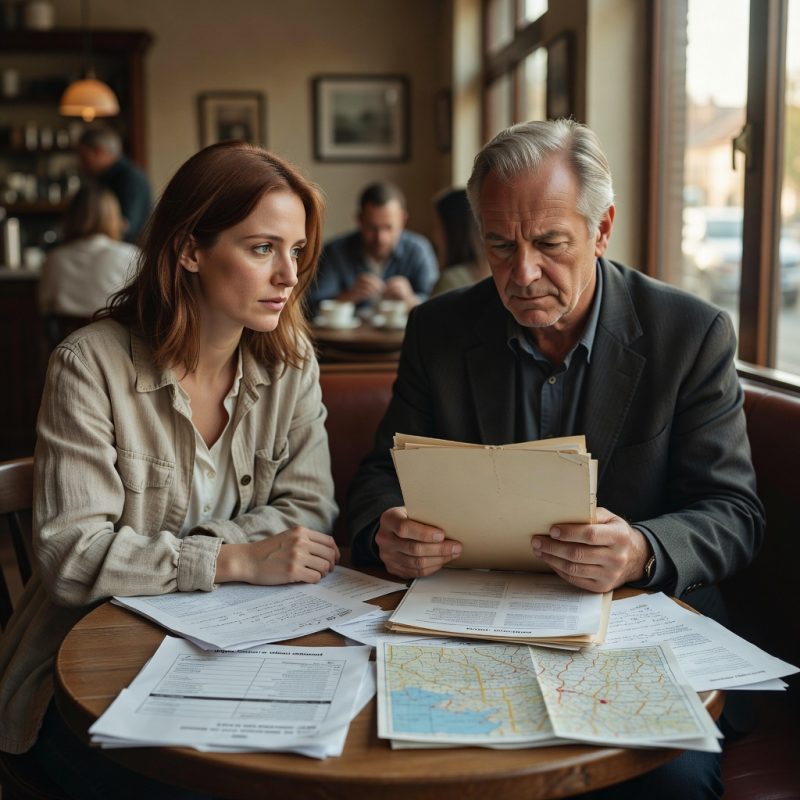 Image by RM AI
The Pattern Laid Bare
We sat there for nearly two hours, laying it all out on the table between our coffee cups. Hannah had tracked Tessa through four different towns over the past eighteen months. In each place, the pattern was identical: arrive as a struggling single mother, connect with a church or community group, share a heartbreaking story, accept help and donations, then disappear after a few months when questions started. In one town, she'd claimed to be fleeing domestic violence. In another, she said she was recovering from a medical crisis. Here, with us, it was financial hardship and workplace harassment. The details changed, but the structure never did. She always had Lily with her. She always joined faith communities. She always posted everything online. She always had a personal donation link. And she always left before anyone could connect the dots. Pastor Jim looked pale as we pieced it together. I felt cold. This wasn't someone making poor choices under stress. This wasn't even opportunistic exploitation. It was methodical. Practiced. Repeatable. Tessa had refined this approach over years, learning exactly which stories worked, which communities were most generous, how long she could stay before people started asking questions. This wasn't desperation or bad choices—it was a business model, refined over years, targeting the exact kind of person I am in communities exactly like ours.
 Image by RM AI
Years, Not Months
Hannah kept scrolling, and the timeline kept extending backward. 'Here,' she said, turning her laptop so we could see. 'This is from three years ago. Same donation link structure, same 'struggling single mom' narrative, different state.' Pastor Jim leaned closer, his reading glasses sliding down his nose. The post showed Tessa standing outside a different church, Lily smaller and younger in her arms, the caption nearly identical to ones we'd seen from our own community. Then Hannah found another. And another. Each one carefully documented, each one a perfect replica of the pattern we'd witnessed firsthand. 'Four years,' Hannah said quietly. 'At least four years that I can prove. But I think it's been longer.' I felt something shift in my chest—that sick realization that this wasn't a recent development or a temporary moral lapse. This was Tessa's life. This was how she'd been supporting herself and Lily for years, moving from town to town, church to church, kind person to kind person. She'd perfected every element: the timing, the story beats, the emotional appeals, the exit strategy. We weren't unlucky victims. We were just the latest stop on a well-worn circuit. Hannah pulled up a post from 2019 with the same structure, the same language, even the same photo staging—just a different town and a different church.
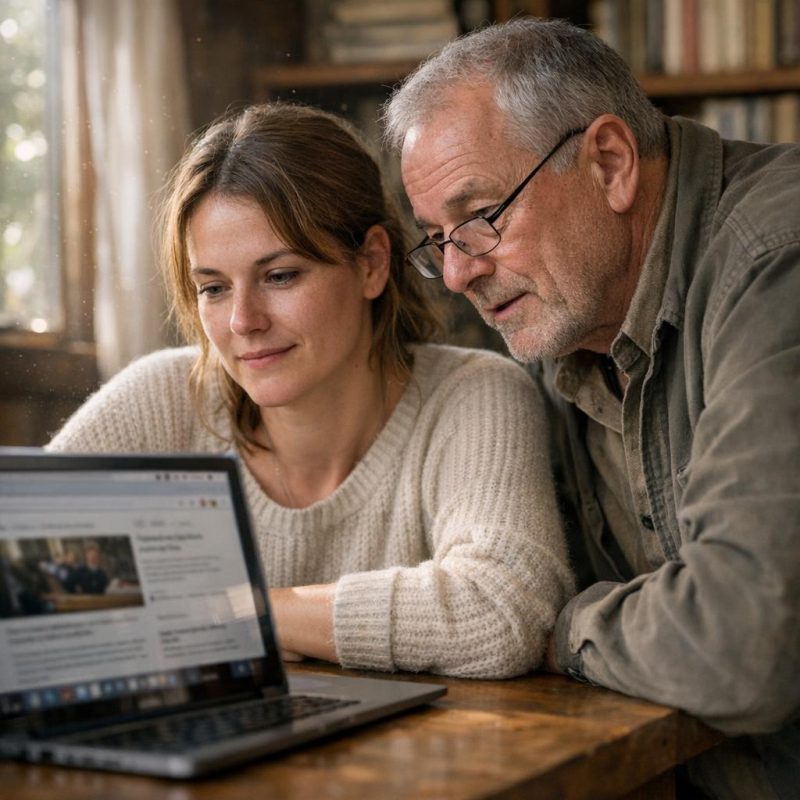 Image by RM AI
The Paper Trail
Pastor Jim asked the question I was thinking: 'Has anyone ever reported this before?' Hannah nodded slowly. 'That's the thing—people have. There are complaints with family services in at least two states. A former landlord filed a fraud report. Someone from a church in Ohio documented everything and sent it to their local police.' She pulled up a folder on her laptop, and I could see dozens of files organized by date and location. 'But nobody connected it across jurisdictions. Nobody had the full picture. Each incident looked like a one-off situation—maybe a misunderstanding, maybe poor judgment, not worth pursuing across state lines.' She looked between us. 'That's how she's gotten away with it. She moves before anyone can build a case. She changes her story just enough. She knows exactly how long she can stay before the questions get too serious.' My coffee had gone cold, but I didn't care. For the first time since Hannah had walked into that coffee shop, I felt something other than despair. 'So what do we do?' I asked. 'Can we actually stop this?' Hannah closed her laptop. 'I think so. I've been collecting everything—screenshots, financial records, witness statements from other towns. If we can get this to the right person, someone will finally take it seriously.'
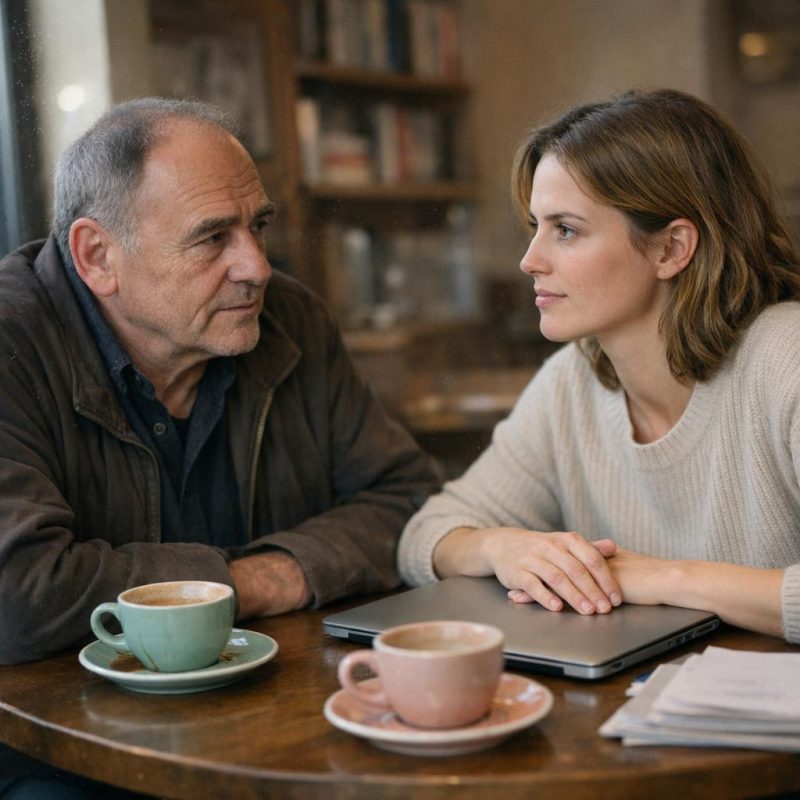 Image by RM AI
Not Like a Mob
I won't pretend I didn't want to march over to Tessa's house right then. Part of me wanted to confront her, to demand answers, to make her look me in the eye and explain how she could exploit people's kindness so systematically. But Pastor Jim put his hand on the table, that gentle gesture he uses when he's about to say something important. 'We need to think about Lily,' he said. 'Whatever we do, we do it through proper channels. No confrontations. No public accusations. We document everything, we work with the authorities, and we make sure that little girl is protected first.' Hannah agreed immediately. 'That's exactly right. If we go after Tessa publicly, she'll just disappear again. She's done it before. But if we work with family services, if we build an actual case, they can intervene properly.' So that's what we decided. No angry Facebook posts. No showing up at her door with printed evidence. No calling her out at church. We'd work through the system, even if it was slower, even if it was less satisfying. Because this wasn't about revenge or public vindication. This was about making sure Lily was safe and that Tessa couldn't do this to another community. We didn't chase Tessa like a mob—we worked like adults who cared more about a child than revenge.
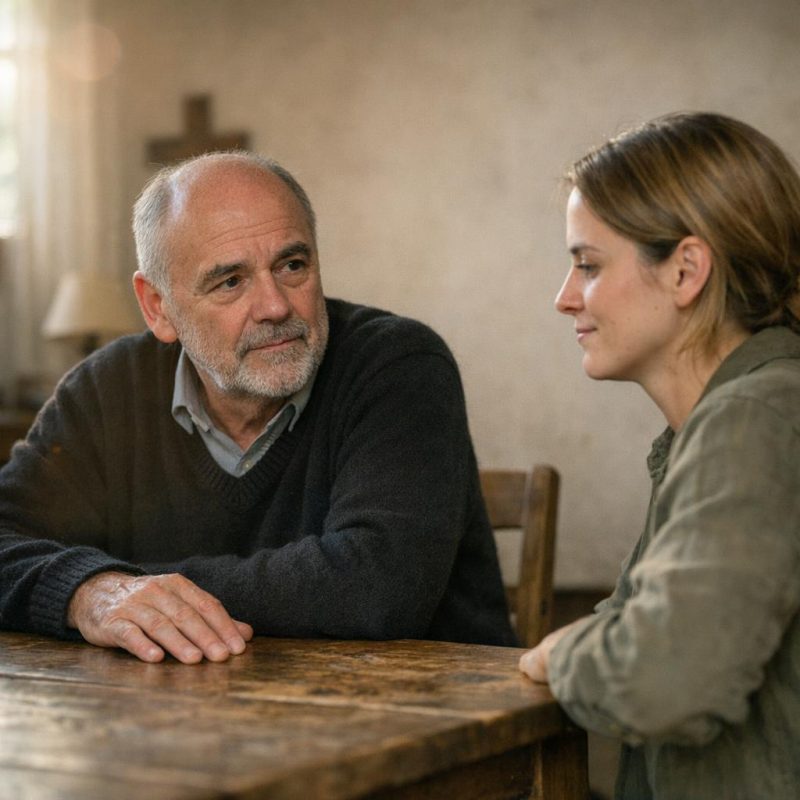 Image by RM AI
Contacting the Authorities
Hannah spent the next two days organizing everything into a comprehensive report. She had screenshots going back years, financial transaction records, witness statements from people in other towns who'd been willing to talk, and a detailed timeline showing Tessa's movements and pattern. She contacted a case worker at family services who specialized in interstate custody issues, someone who could see the bigger picture. I didn't sleep much those two nights. I kept thinking about all the people in all those towns who'd helped Tessa, who'd probably felt exactly what I was feeling now—used, foolish, angry at themselves for not seeing it sooner. But also, I kept thinking about Lily. That sweet little girl who'd done nothing wrong but had been dragged through town after town, used as a prop in her grandmother's operation. What kind of childhood was that? What was she learning about trust, about honesty, about how to treat people? Pastor Jim called me each evening, checking in, reminding me that we'd done the right thing by waiting, by being thorough. And then, three days later, Hannah called me: 'They're opening a case.'
 Image by RM AI
Hannah's Story
We met for coffee again, same place, and this time Hannah told me more about the family history. Her sister—Lily's actual mother—had gotten involved with Tessa when she was young and vulnerable, fresh out of a difficult relationship. 'Tessa swooped in like a savior,' Hannah said, stirring her coffee absently. 'Offered to help with the baby, gave her a place to stay, made herself indispensable. And then slowly, she started taking over. Making decisions about Lily. Undermining my sister's confidence. Making her feel like she couldn't parent without help.' It had escalated over time until Hannah's sister had what she called a breakdown—though Hannah suspected it was partially engineered. 'That's when Tessa took Lily, said it was temporary, said Mom needed to get herself together. But she never gave her back. She moved states, cut off contact, and started this whole circuit.' I listened, horrified but not surprised. It fit the pattern perfectly. Hannah looked tired. 'Tessa had always been the family member everyone felt sorry for—until they realized she was the one creating the situations she needed rescue from.'
 Image by RM AI
The Page Goes Dark
I checked Tessa's social media that evening, something I'd gotten into the habit of doing. The page that had documented every struggle, every blessing, every heartfelt thank-you—it was gone. Completely gone. Not just the recent posts, but everything. The account itself had vanished, like it had never existed. I tried her Instagram. Private. I tried her Facebook profile. Deactivated. Every platform where she'd built her audience, where she'd shared Lily's face, where she'd collected donations and sympathy—wiped clean overnight. I called Hannah. 'She knows,' I said. 'She has to know.' Hannah wasn't surprised. 'She's done this before too. The moment things get uncomfortable, she erases her digital footprint and prepares to move. But this time, we've already saved everything. She can delete the posts, but she can't delete the investigation.' Still, it felt eerie. All those carefully curated images of struggle and gratitude and faith—thousands of posts across multiple platforms—erased in a matter of hours. Her 'mission' vanished overnight, like it had never existed.
 Image by RM AI
Waiting
The waiting was harder than the investigating had been. At least when we were gathering evidence, I felt like I was doing something useful. Now we were just sitting here, trusting the system, hoping that this time someone would take it seriously enough to act. Hannah texted me updates when she had them—the case worker was reviewing everything, they were coordinating with authorities in other states, they were building a comprehensive file. But days passed with no resolution. Pastor Jim and I met for lunch twice that week. 'You did what you could,' he kept reminding me. 'Sometimes that has to be enough.' But it didn't feel like enough. I kept thinking about Lily, wondering where she was, whether she was scared, whether Tessa was preparing to run again. I'd wake up at three in the morning and check my phone, hoping for news. Hannah called every other day, and we'd talk through the same anxieties, the same hopes, the same fear that maybe this time wouldn't be different after all. The uncertainty was exhausting. Then, on a Tuesday afternoon, Hannah's phone rang—and when she answered, she started crying.
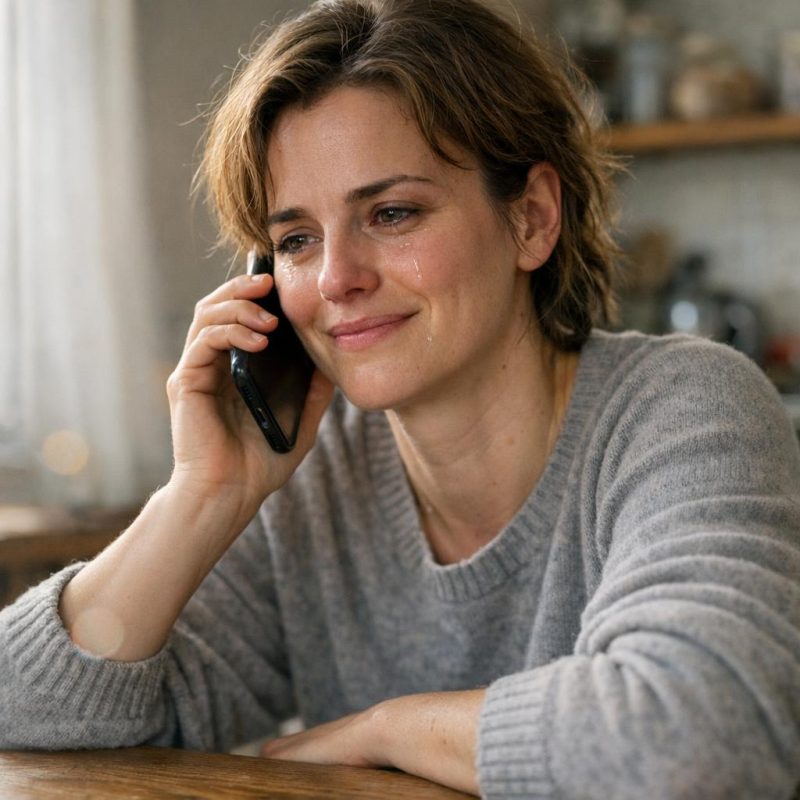 Image by RM AI
Safe
I was at the grocery store when Hannah called me, and I nearly dropped my phone trying to answer. 'Beverly,' she said, her voice breaking. 'They got her. They got Lily.' Family services had acted on the evidence, coordinated with law enforcement, and located Tessa before she could disappear again. They'd removed Lily from her care and were reuniting her with her actual mother—Hannah's sister—who'd been fighting for this moment for three years. Tessa was being investigated for fraud, child endangerment, and a list of other charges across multiple jurisdictions. The case was real now. Official. 'Is Lily okay?' I asked, standing there in the produce section with tears streaming down my face. 'She's safe,' Hannah said. 'She's with my sister. She's coming home.' We both cried for a minute, just relief and exhaustion and gratitude that it was finally over. That we'd done the right thing. That one little girl was out of that situation. Then Hannah said something that made my heart skip: 'They're coming here—Lily's mom wants to thank you in person.'
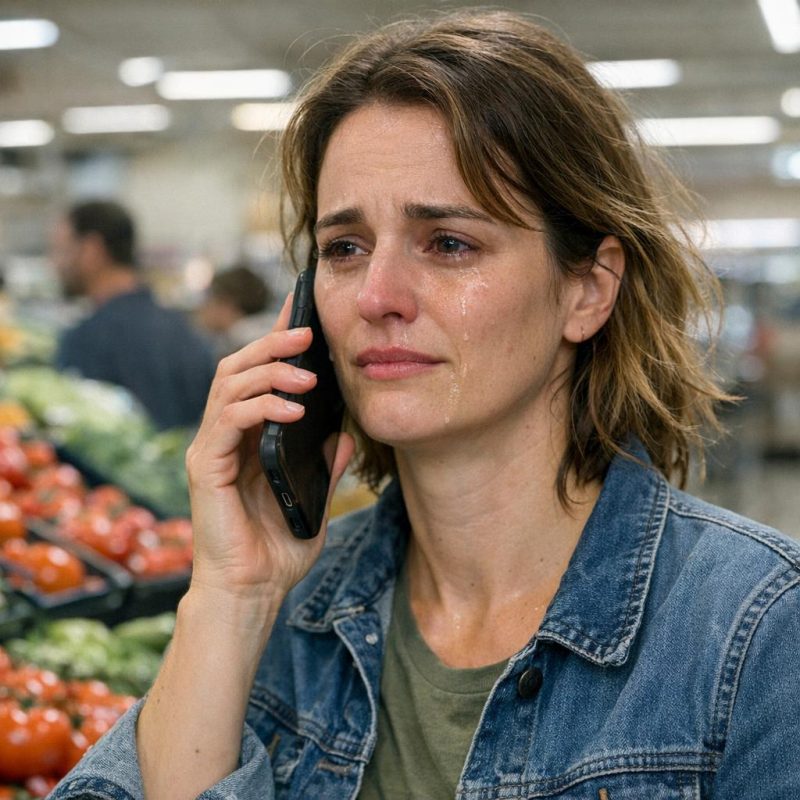 Image by RM AI
Sunday Morning Return
Sunday morning, I was standing at the coffee station in the church fellowship hall when they walked in. Lily was holding a woman's hand—a younger woman, maybe thirty-one or so, with the same blonde hair and the same delicate features. She looked tired but relieved, like someone who'd been holding her breath for three years and could finally exhale. I recognized her immediately from the photos Hannah had shown me. This was Lily's real mother. The woman who'd been fighting to get her daughter back while Tessa was building a brand. They stood in the doorway for a moment, and I watched as Lily's mother scanned the room nervously, probably looking for Hannah. Then Lily's eyes landed on me. She stopped walking. Just froze there, her small hand still clutching her mother's. Her face did this complicated thing—part recognition, part uncertainty, like she didn't know if she was supposed to be happy to see me or afraid. Like maybe she thought I'd be angry with her for being part of the deception, even though none of it had been her fault. Her mother bent down and whispered something to her, probably reassuring her, but Lily just stood there. Watching me. Waiting. Lily saw me near the coffee station and froze, uncertain, like she expected me to be angry.
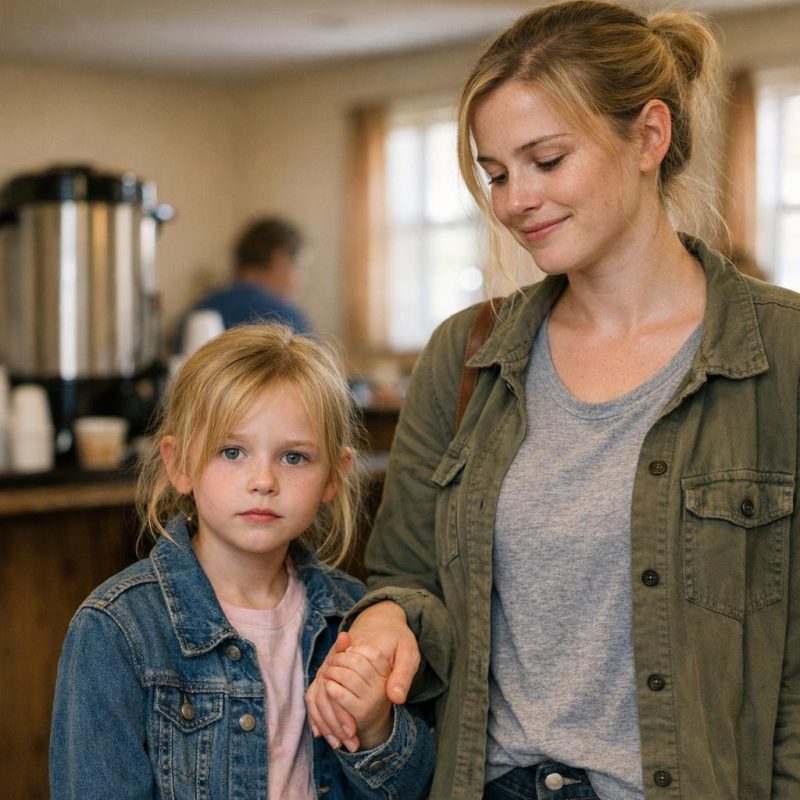 Image by RM AI
You Don't Owe Me Anything
I set down my coffee cup and walked over slowly, then crouched down so I was at Lily's eye level. 'Hi, sweetheart,' I said gently. Her chin wobbled a little, and I could see she was trying so hard to be brave. 'You know what?' I continued. 'You don't owe me anything. Not an apology, not an explanation, nothing.' Her eyes got wider. 'I just want you to know that I'm really, really glad you're safe now. And that you're with your real mom, where you belong.' That's when the tears started—both hers and mine, if I'm being honest. Her mother knelt down beside us and wrapped an arm around Lily, pulling her close. 'Thank you,' she whispered to me. 'Hannah told me what you did. What you risked to help us find her.' I shook my head. 'I did what anyone should have done.' But she wouldn't accept that. She reached out and squeezed my hand with her free one, her grip firm and warm and full of gratitude I didn't think I deserved. And standing there in that church hallway with this little family reuniting in front of me, for the first time in months, I felt like the weight had lifted.
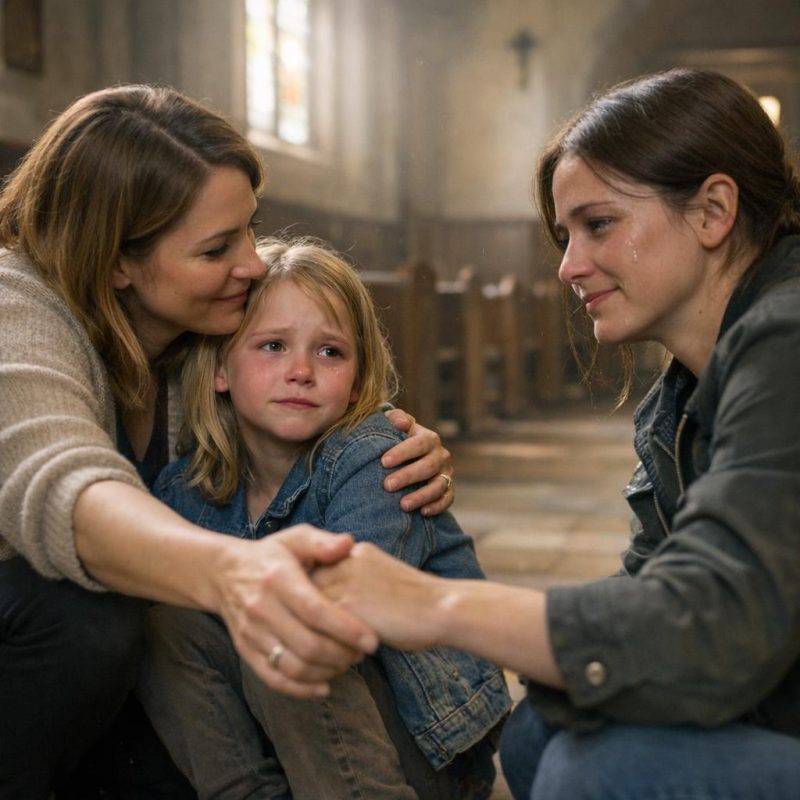 Image by RM AI
What Tessa Learned
I've thought a lot about Tessa since then, about what she might have learned from all this. Hannah told me the charges were moving forward—fraud, child endangerment, falsifying documents, probably more by the time the prosecutors finished building their case. I don't know where she is now, and honestly, I don't really want to know. But I do wonder sometimes if she understands what went wrong. If she gets that you can't just use people like props in your personal narrative and expect there to be no consequences. Maybe she thinks she got unlucky, that she just picked the wrong grandmother to manipulate. Maybe she believes the only mistake was getting caught. Or maybe—and I hope this is true, even though I doubt it—maybe she's realized that people aren't content creation tools. That children aren't accessories for building a brand. That real community isn't something you can manufacture with the right lighting and a sad enough backstory. The lesson Tessa learned wasn't that you shouldn't use people—she'd probably always known that—it was that you can't build a life out of borrowed goodness and expect it not to collapse the moment people start comparing notes.
 Image by RM AI
Borrowed Goodness
As for me, I learned something too. My kindness wasn't wasted, even though it was exploited. Every meal I made, every hour I spent with Lily, every dollar I gave—all of that somehow helped put together the pieces that brought her home. Hannah noticed the inconsistencies because I'd shared my concerns. Lily's real mother got her daughter back because people like me cared enough to ask questions when things didn't add up. Being soft-hearted doesn't mean being powerless. It doesn't mean you're a fool or a mark or someone whose generosity deserves to be mined for content. It means you see people who are hurting and you try to help, and sometimes that help gets twisted into something ugly, and sometimes you have to be brave enough to admit you were wrong. But it also means you're the kind of person who shows up, who pays attention, who doesn't look away when something feels off. I'm still that person. I'm still going to help the young mother struggling in the grocery store line. I'm just going to trust my instincts a little more when the pieces don't quite fit. And that was worth more than any viral video ever could be.
 Image by RM AI
KEEP ON READING
20 Greatest Vocalists in History
Voices That Changed What “Singing” Could Mean. Picking the “greatest”…
By Emilie Richardson-Dupuis Mar 3, 2026
The 20 Longest-Serving Warships Of All Time
Warships have been at the heart of naval power through…
By Noone Mar 3, 2026
20 Historical Figures Who Were a Sight for Sore Eyes
Beauty Across the Ages. Throughout history, certain figures have stood…
By Christy Chan Mar 2, 2026
20 of History's Most Famous Rivalries
When History Turned Into a Long-Term Feud. History isn’t only…
By Emilie Richardson-Dupuis Mar 2, 2026
10 Weirdly Incompetent Dictators & 10 Who Were Terrifyingly Efficient
Power, With Two Very Different Results. Dictatorships don’t fail because…
By Cameron Dick Mar 2, 2026
20 Cocktails With Surprisingly Dark Backstories
Classic Drinks, Messy Origins. Cocktail menus are full of cheerful…
By Elizabeth Graham Mar 2, 2026