

I Started Building My Dream Pool and My neighbor Started a surveillance Campaign That Nearly Cost Me Everything
I Started Building My Dream Pool and My neighbor Started a surveillance Campaign That Nearly Cost Me Everything
The House with the Perfect backyard
I stood in my backyard three years after moving in, finally ready to transform the space that had sold me on the house in the first place. When I'd first walked through during the open house, I'd barely noticed the dated kitchen or the beige carpet—I'd been too busy staring out the back windows at this massive, flat yard with mature trees along the fence line. The neighborhood was exactly what I'd wanted: quiet streets, people who waved but didn't pry, the kind of place where everyone kept their lawns neat and their music at reasonable volumes. I'd been working sixty-hour weeks for the past few years, climbing the ladder at work, and honestly, I'd barely used the backyard beyond mowing it every other weekend. But lately, I'd been thinking about what came next. I wanted a space where I could actually decompress after those long days—somewhere private where I could float in cool water or sit by a fire pit without driving anywhere. The vision was simple: an in-ground pool, some decent patio furniture, maybe string lights overhead. Nothing crazy, just a legitimate upgrade that would make this house feel complete. The backyard had potential—I just needed to unlock it.
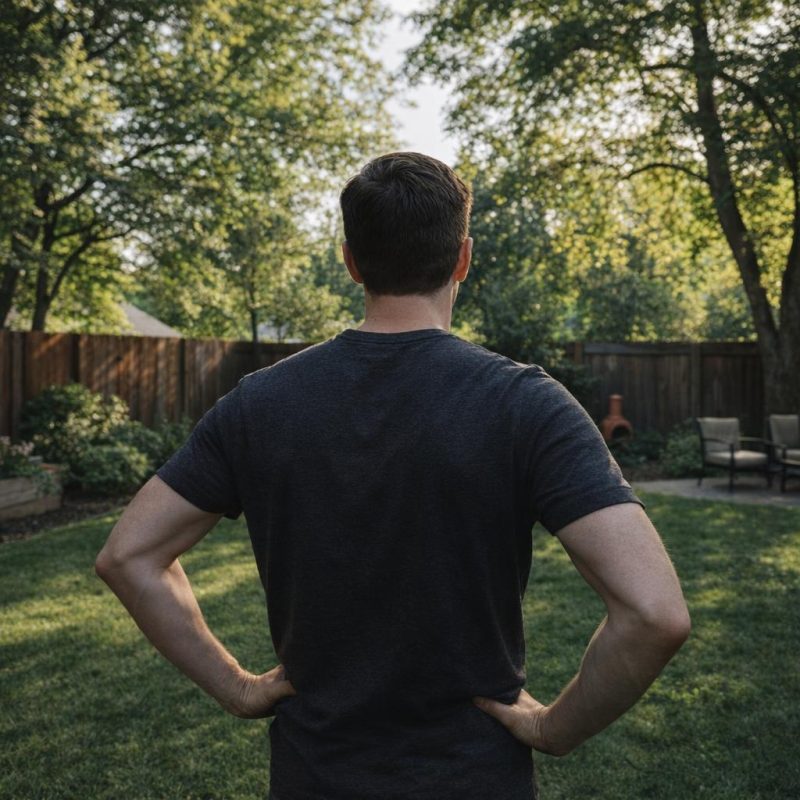 Image by RM AI
From Dream to Blueprint
I spent my evenings researching pool designs and local contractors, turning a vague idea into an actual plan. I'm not the type to jump into a project like this without doing my homework, so I started with the basics: what size pool actually made sense for my yard, what the realistic budget looked like, and which local companies had solid reputations. I scrolled through hundreds of photos on contractor websites, saved the ones that felt right, and started a spreadsheet to track costs and timelines. Some designs were gorgeous but completely over the top—infinity edges, built-in hot tubs, elaborate rock formations that would've cost more than my car. I wasn't trying to build a resort. I wanted something clean and functional, a rectangular pool with simple coping, maybe some stamped concrete around the perimeter. I read through city ordinances about setbacks and fencing requirements, watched YouTube videos about drainage and filtration systems, and made notes on everything. By the end of the week, I had a clear picture in my head: a modest sixteen-by-thirty-two foot pool, nothing fancy, positioned to maximize afternoon sun while staying well within property lines. By the end of the week, I knew exactly what I wanted—now I just needed to make it happen.
 Image by RM AI
Walking the Property Lines
I met with three different contractors in one weekend, each one measuring my yard and sketching possibilities on graph paper. The first guy spent most of his time talking about drainage, pointing out the slight slope toward the back fence and explaining how we'd need to account for runoff. He seemed competent enough, but he kept hedging every answer with 'it depends' and 'we'd have to see.' The second contractor showed up in a truck with his company logo airbrushed on the side and immediately started pitching me on a design twice as elaborate as what I'd described—curved edges, a separate spa, LED lighting packages I hadn't asked about. I appreciated the enthusiasm, but it felt like he was selling me his dream pool, not mine. Then Marcus Thompson arrived Sunday afternoon, clipboard in hand, and walked the property line without saying much. He measured twice, made notes, asked about my timeline and budget, then looked up from his measurements with this matter-of-fact expression. 'This is the most straightforward install I've seen in months,' he said. 'Good access, flat grade, no utility conflicts. We can have you swimming by mid-summer.' The third contractor, Marcus, looked up from his measurements and said this was the most straightforward install he'd seen in months.
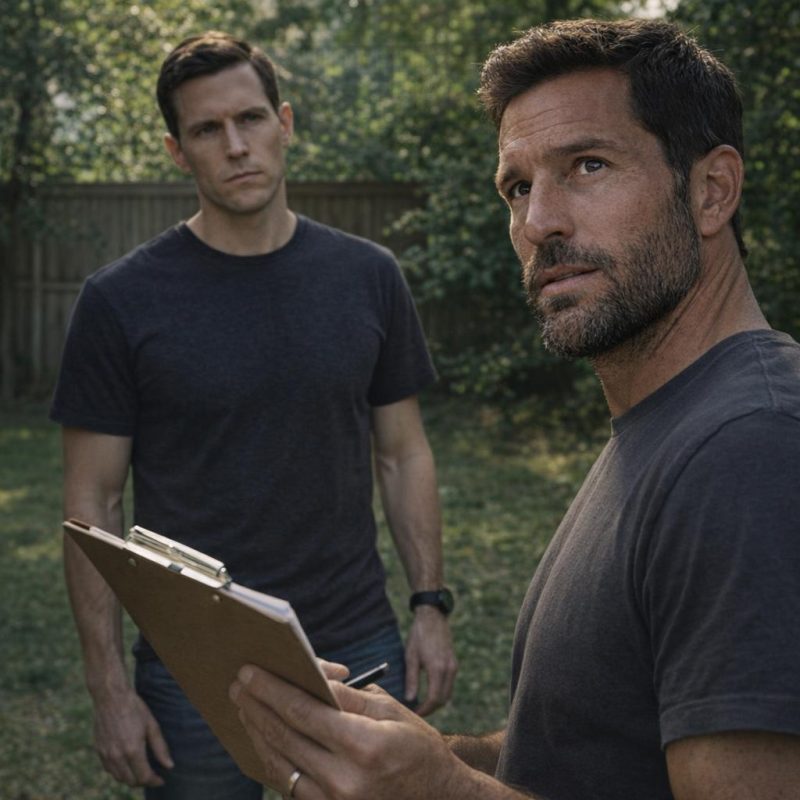 Image by RM AI
Official approval
I submitted the permit application with Marcus's detailed plans, and six weeks later, the city approved every aspect of the project without a single revision. Marcus had warned me the waiting period could stretch longer depending on the planning department's backlog, but I didn't mind—it gave me time to save a bit more and finalize the details. I checked the city's online portal probably more often than I needed to, watching the status slowly progress from 'received' to 'under review' to 'inspection scheduled.' When the approval finally came through, it felt like a small victory. Everything was by the book: setbacks measured and confirmed, drainage plan reviewed and accepted, noise ordinances acknowledged, fence requirements noted. I'd done this the right way, followed every rule, dotted every bureaucratic i. There's something satisfying about that, you know? I wasn't cutting corners or hoping inspectors would look the other way. The approval letter arrived on a Friday, and I called Marcus that afternoon to let him know we were cleared to start. He said his crew could begin the following Monday if I was ready. I told him I was. The approval letter arrived on a Friday—construction could start the following Monday.
 Image by RM AI
Final Details
I signed the contract with Marcus, made the down payment, and cleared out the backyard in preparation for equipment that would arrive in seventy-two hours. The contract was straightforward—no hidden fees, a clear timeline, payment milestones tied to specific phases of work. I transferred the down payment that afternoon and felt that mix of excitement and mild terror that comes with spending serious money on something permanent. Saturday morning, I hauled the patio furniture into the garage, dug up the few plants that were in the work zone, and coiled up the garden hose. Marcus stopped by for a final walkthrough, confirming where his crew would access the yard and where they'd stage equipment. He pointed out the path they'd use to avoid tearing up the side lawn and showed me on his phone where the dumpster would sit. 'We'll have the excavator here by seven Monday morning,' he said. 'You'll want to move your car to the street—it gets loud.' I thanked him and watched him drive off, then stood in the empty yard as the sun started to set. The grass looked bigger without furniture breaking it up, and I could almost see the finished pool shimmering in the space. I stood in the empty yard Saturday night, imagining it finished—completely unaware of what Monday would bring.
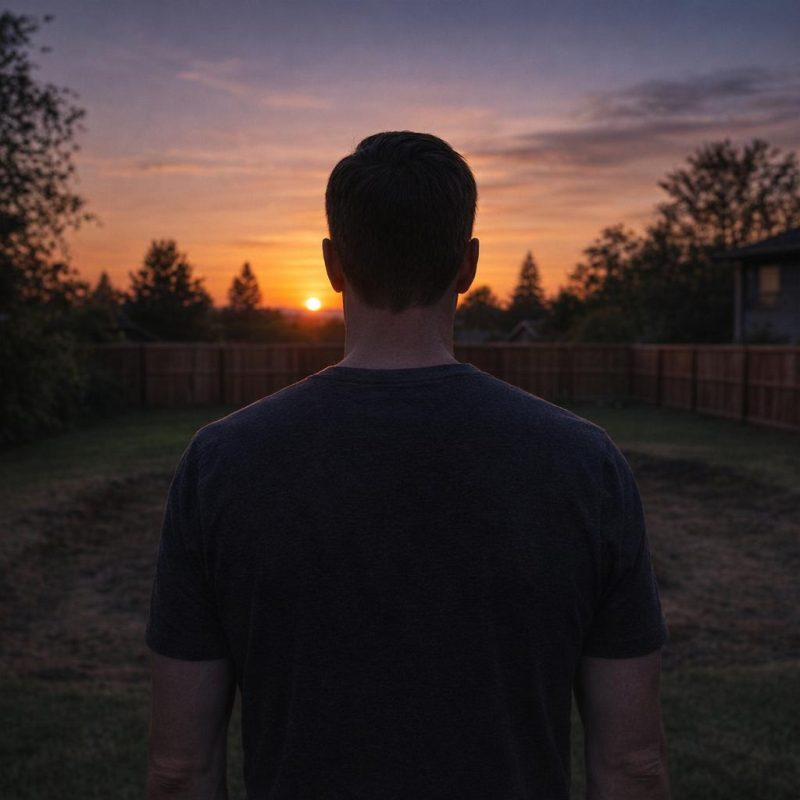 Image by RM AI
Breaking Ground
The excavation equipment rolled up Monday morning right on schedule, and within an hour, Marcus's team had marked the boundaries and begun removing the first layers of sod. I'd taken the morning off to be there when they started, mostly because I wanted to see it actually happen. The excavator rumbled into position, and two crew members walked the perimeter with bright orange spray paint, marking the exact outline of the pool. They worked efficiently, no wasted movement, and by the time I'd finished my second cup of coffee on the back steps, they'd already stripped the grass and started breaking ground. Marcus checked in with me before they went deeper, confirming one last time that I was good with the placement. I nodded, signed off on the start paperwork, and told him I'd be back around five. I had meetings all afternoon, and honestly, there wasn't much for me to do except stay out of the way. As I pulled out of the driveway, I could hear the excavator's engine growling in the backyard, and I felt this quiet satisfaction—things were finally moving. Everything was on track, the crew knew what they were doing, and I'd be home tonight to see real progress. I left for work feeling productive—by the time I came home, the questions would start.
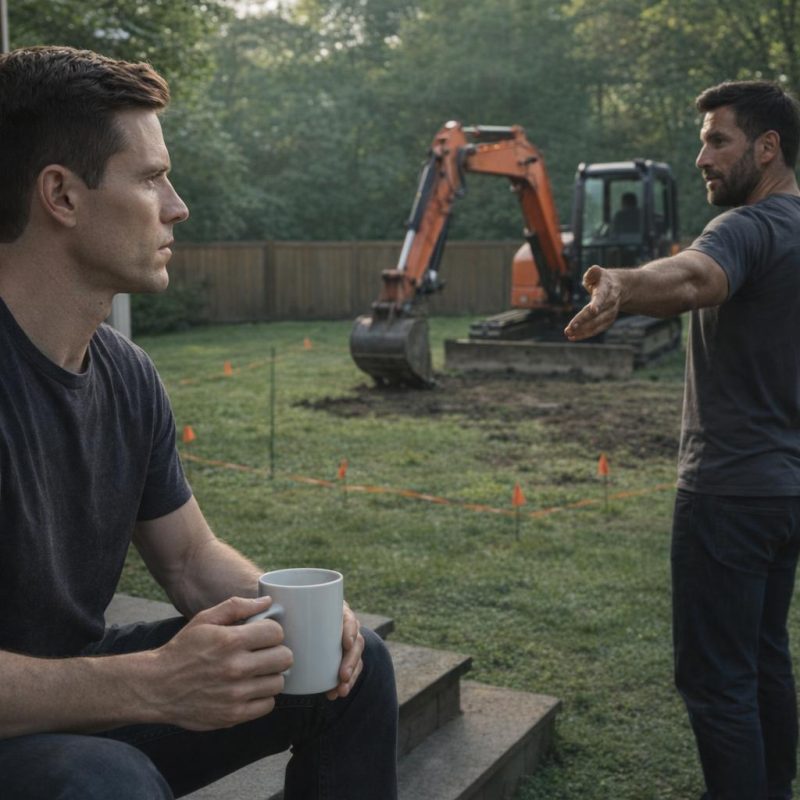 Image by RM AI
The First Signs of Interest
I came home that evening to find the excavation well underway, and I noticed a few neighbors had slowed their usual walking pace as they passed my house. The hole was deeper than I'd expected after just one day—maybe four feet down in the center, with neat piles of dirt stacked along the fence line. Marcus's crew had already packed up for the day, but the evidence of their work was impossible to miss. As I stood there taking it in, I saw a couple I recognized from a few streets over walk past, and they definitely lingered at the edge of my driveway, craning their necks to get a better look. A few minutes later, another neighbor slowed down while walking his dog, pausing just long enough to stare before moving on. I didn't think much of it. Construction always draws attention, right? People are curious when something changes in the neighborhood, especially something this visible. I'd probably do the same thing if someone down the street was putting in a pool. I walked over to the excavation, checked the depth and dimensions against the plans Marcus had left on my porch, and everything looked perfect. The crew had even swept the driveway clean before leaving. I figured construction always drew attention—people were probably just curious.
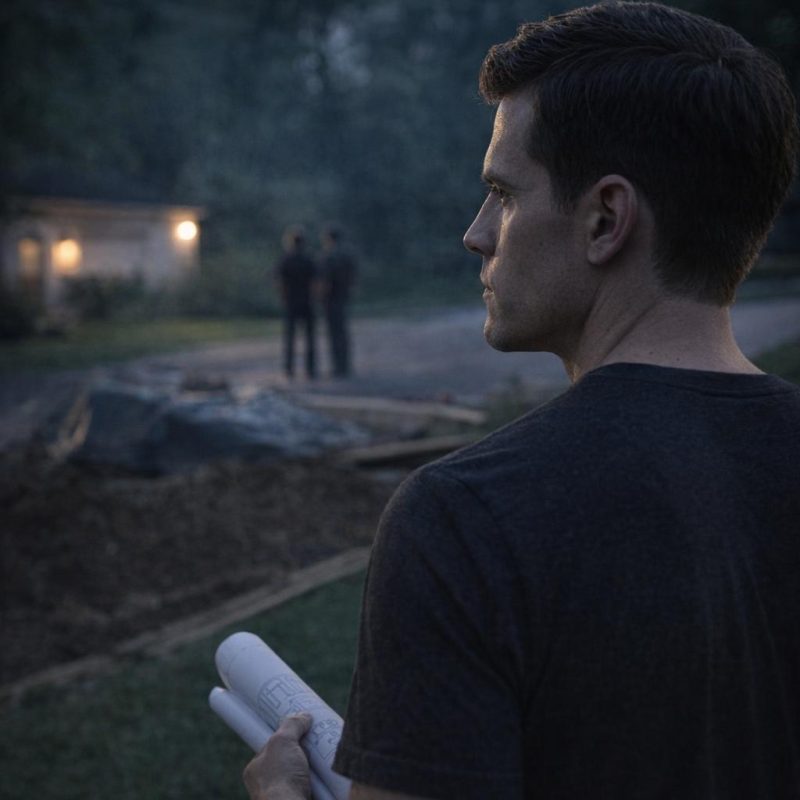 Image by RM AI
The drainage concern
A man I'd only seen in passing knocked on my door Tuesday evening and introduced himself as Tom Sullivan before immediately asking what I thought I was doing to the neighborhood's drainage. I'd just gotten home and was still in my work clothes when the doorbell rang. I opened the door to find this guy in business casual, arms crossed, with this skeptical squint that made it clear he wasn't here to welcome me to some committee. 'Tom Sullivan,' he said, gesturing vaguely down the street. 'Two houses down. I wanted to ask about this pool project.' Before I could even respond, he launched into concerns about water runoff, soil saturation, and whether I'd considered the impact on surrounding properties. I told him everything had been approved by the city, that the drainage plan had been reviewed and signed off on by the planning department. He frowned. 'Just because it's approved doesn't mean it's a good idea,' he said. 'The city doesn't live here. We do.' I felt my shoulders tense. I'd followed every rule, done everything right, and now this guy was implying I was being reckless. I kept my voice even and told him I'd hired a licensed contractor and met all the requirements. He nodded slowly, but his expression didn't change. I told him everything was city-approved, but the frown on his face made it clear he wasn't satisfied.
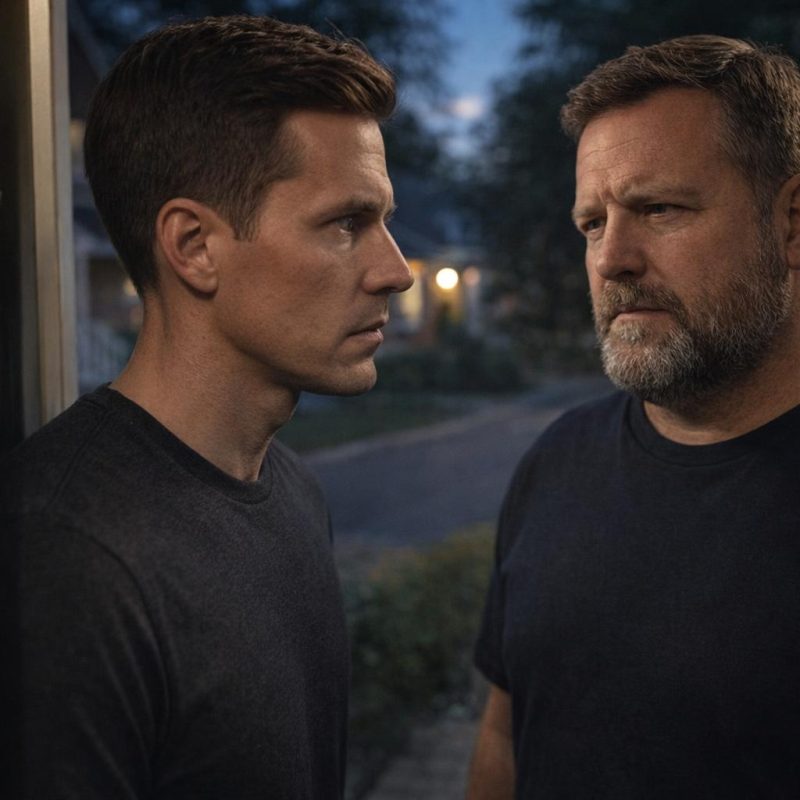 Image by RM AI
By the book
I stood on my porch after Tom left, mentally reviewing every permit document and regulation I'd followed, trying to understand what he thought I'd done wrong. The drainage plan had been reviewed by the city's planning department. The setback measurements had been verified twice. The contractor was licensed and bonded. I'd even paid extra for the environmental impact assessment that wasn't technically required for residential pools. I went inside and pulled out the folder I kept with all the paperwork—permits, approvals, inspection schedules, contractor licenses, everything. I spread it across the kitchen table and went through each document again. Every box was checked. Every signature was in place. The pool design met all local codes. The excavation depth was within limits. The filtration system exceeded minimum requirements. I sat there staring at the papers, trying to figure out what Tom had been implying. Was there something I'd missed? Some neighborhood covenant I didn't know about? I'd done my research before buying the house. There were no HOA restrictions. No easements on my property. Nothing that would prevent a pool. So why did I feel like I needed to defend myself?
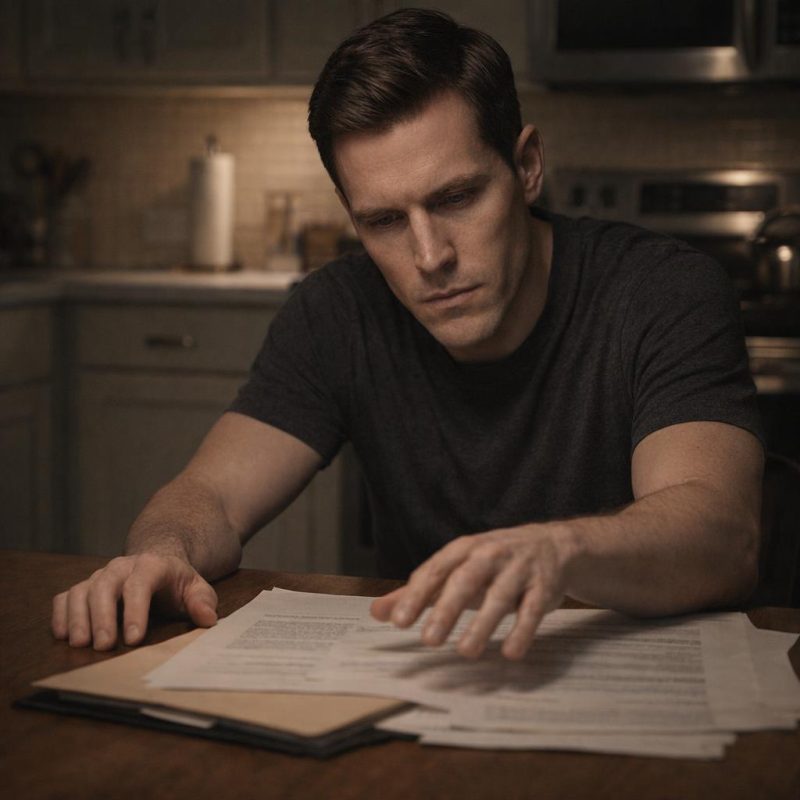 Image by RM AI
Eyes on the Property
Over the next few days, I started noticing curtains shifting in nearby windows whenever I came outside, and people who used to wave now just watched. It was subtle at first—a movement in my peripheral vision when I walked to my car in the morning. A neighbor I'd exchanged pleasantries with the week before now standing on his porch, coffee cup in hand, just staring. I told myself I was being paranoid. People look out their windows. It's normal. But then I noticed it happening every time I stepped into the yard. The curtain two houses down would move. Someone would appear on a porch across the street. A car would slow down as it passed. I started paying attention to who was watching. It wasn't just one person. It was multiple neighbors, at different times, all seeming to take an unusual interest in my property. The woman who used to smile and wave when she walked her dog now just glanced over without acknowledgment. The guy who'd helped me move a heavy package from my porch last month now watched from his driveway without approaching. The attention was shifting from casual to constant.
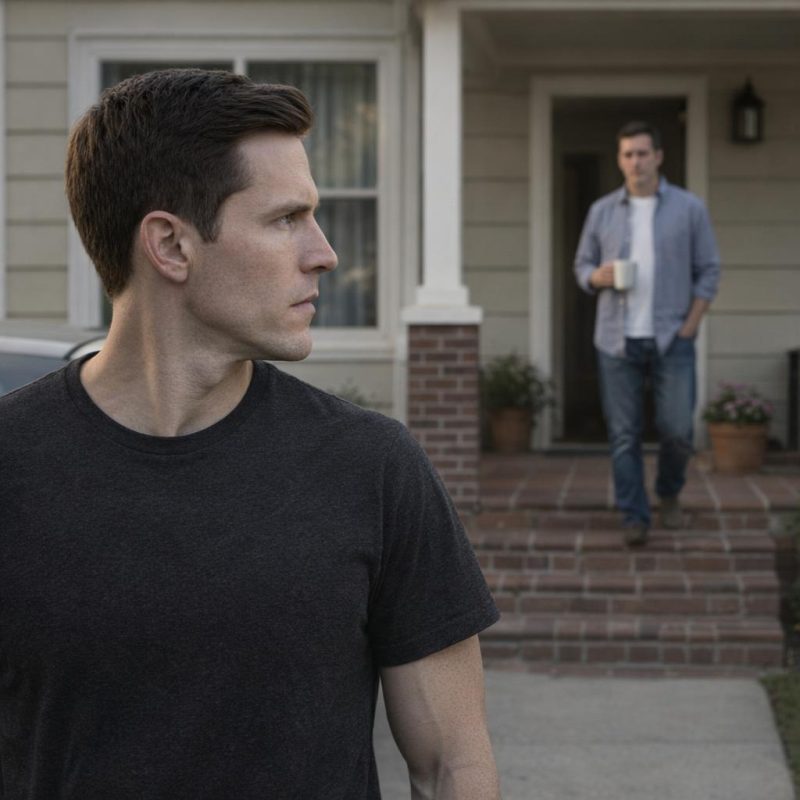 Image by RM AI
The Man Behind the fence
Thursday morning, I glanced out my kitchen window and saw a man standing at the edge of his yard behind mine, staring intently at the construction area. He was maybe fifty, rigid posture, holding what looked like a measuring tape in one hand. I'd never seen him before, which was strange because his property backed directly onto mine. You'd think we would have crossed paths at some point. I stood at the window with my coffee, watching him watch the excavation site. Marcus and his crew hadn't arrived yet, so it was just the empty pit and the equipment sitting idle. The man didn't move. He just stood there at the property line, his gaze fixed on the construction zone like he was studying it. I shifted position, making it obvious I was looking at him. Most people would glance away, maybe offer an awkward wave. He didn't look away when I noticed him—he just kept watching.
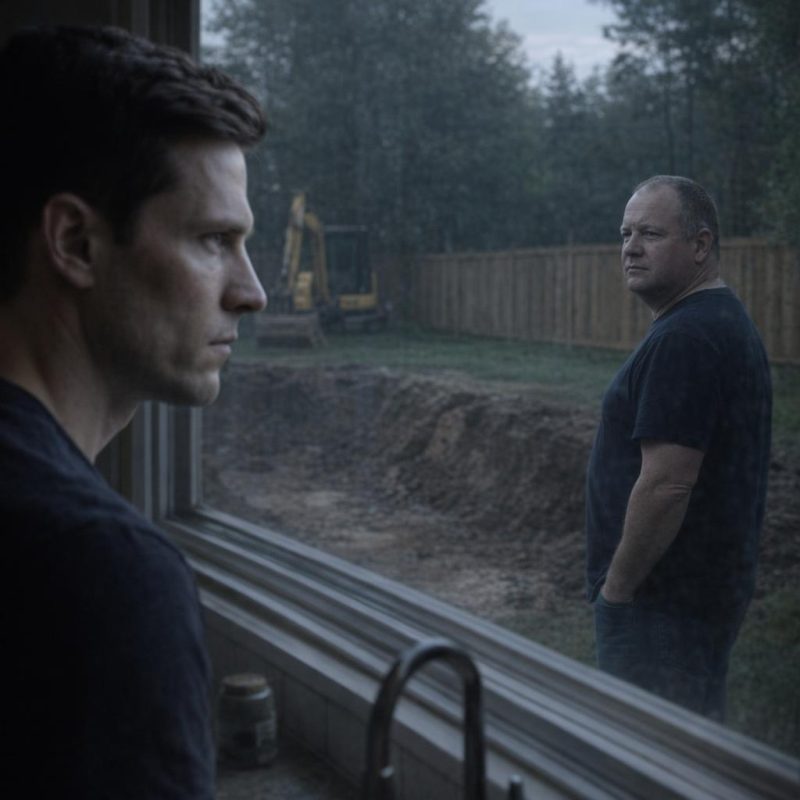 Image by RM AI
The First inspection
A city inspector showed up Friday afternoon with a clipboard and a complaint reference number, checking measurements that had already been approved three months earlier. I was in a work meeting when Marcus called to let me know. I drove home during my lunch break to find Inspector Davis walking the property line with a measuring tape while Marcus stood nearby with the original approved plans. 'Just following up on a complaint,' the inspector said when I introduced myself. He was professional, methodical, reading glasses on a chain around his neck. He measured the setbacks from the property line. He checked the depth markings on the excavation. He compared everything to the plans Marcus had provided. I watched him work, irritation building in my chest. This had all been approved. This had all been inspected. Why were we doing this again? After twenty minutes, he made some notes on his clipboard and nodded. 'Everything checks out. You're in compliance.' Relief mixed with annoyance. 'So we're good?' I asked. He found nothing wrong, but as he left, he mentioned this was the second complaint called in this week.
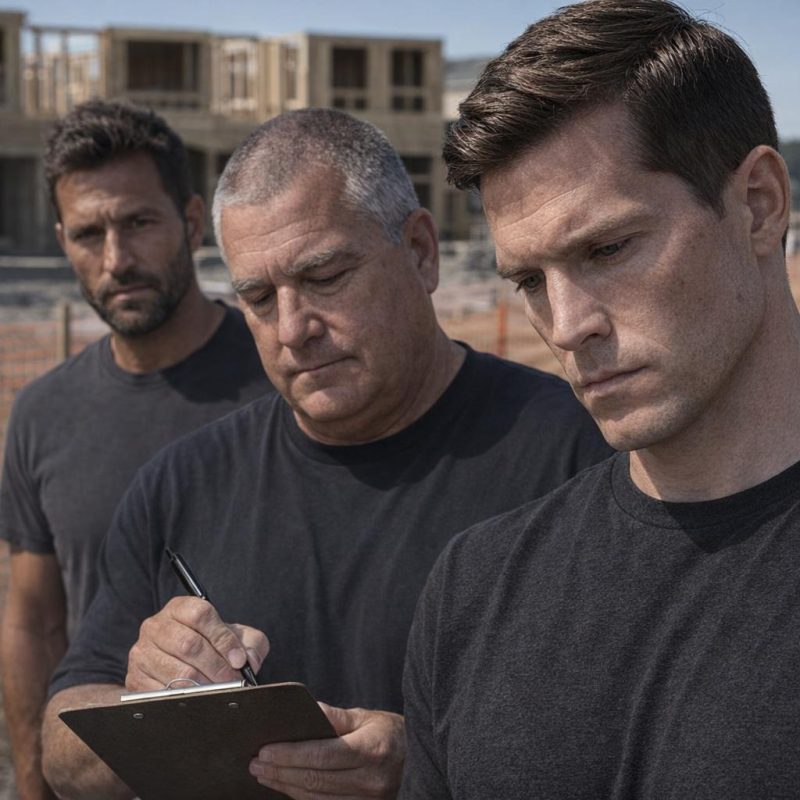 Image by RM AI
Questions at the Work Site
Marcus mentioned over lunch that neighbors had been approaching his crew throughout the morning, asking about timelines, noise levels, and whether we really had all the proper permits. I'd stopped by the site to check on progress and found him eating a sandwich on the tailgate of his truck. 'It's been a weird morning,' he said, shaking his head. 'Had three different people come by asking questions.' I asked what kind of questions. 'One guy wanted to know exactly when we'd be done. Another asked if we had noise permits for the equipment. A woman asked to see the building permits.' He took a bite of his sandwich. 'I told them everything's posted and approved, but they kept pushing.' I felt my jaw tighten. 'Did they say why they were asking?' Marcus shrugged. 'Just concerned neighbors, I guess. But I've been doing this fifteen years, and people don't usually care this much about someone else's pool.' He said it was unusual—people don't normally care this much about someone else's pool.
 Image by RM AI
Taking notes
The man from behind my property was there again Monday morning, and this time he had a small notebook, writing something down while staring at the excavation. I spotted him from the kitchen window while making coffee. Same rigid posture, same intense focus, but now he was documenting something. I watched him for a few minutes, trying to decide what to do. Should I go out there and introduce myself? Ask what he was doing? He'd write something in the notebook, look up at the construction site, then write again. His movements were methodical, deliberate. It didn't look like casual curiosity. It looked like he was gathering information. I thought about walking out there, but something stopped me. Maybe it was the way he stood so still, so focused. Maybe it was the notebook that made it feel official, like he had some authority I didn't understand. After several minutes, he tucked the notebook into his jacket pocket and walked back toward his house. I couldn't tell what he was documenting, but the notebook made it feel official.
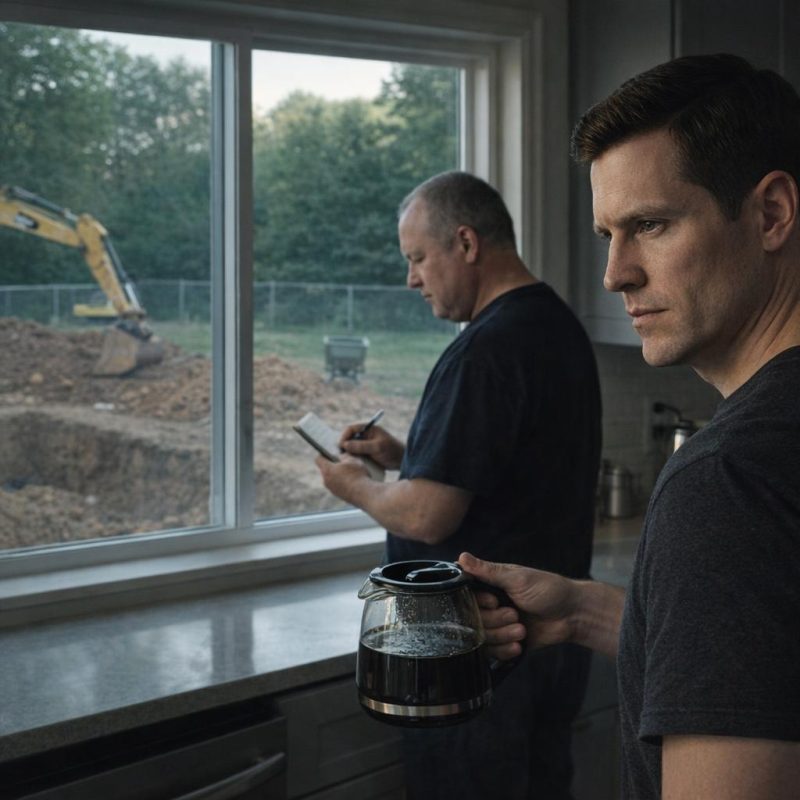 Image by RM AI
A friendly voice
Linda Chen from across the street stopped me while I was getting my mail and asked how the pool was coming along, her tone genuinely friendly in a way that felt like relief. I'd been so used to the watching and the questions that a normal conversation caught me off guard. 'It's going well,' I said, probably sounding more defensive than I meant to. 'Should be done in a few weeks.' She smiled, and it reached her eyes in a way that made my shoulders relax slightly. 'That's wonderful. It'll be nice to have in the summer.' We chatted for a minute about the weather, about her garden, about nothing important. It was the first interaction I'd had with a neighbor in days that didn't feel loaded with suspicion or scrutiny. As she turned to go, she mentioned the neighborhood had been quiet until recently. I paused, my hand on the mailbox. 'Until recently?' I asked. She waved it off with a small laugh. 'Oh, you know how it is. People get curious about new projects.' But her phrasing stuck with me. I wondered what she meant by 'until recently.'
 Image by RM AI
Second Visit from the city
Another inspector arrived Tuesday, this one checking noise compliance during active work hours, and I watched from inside as Marcus patiently explained for the second time that week that everything was permitted. I was working from home when I saw the city vehicle pull up. My stomach dropped. Not again. This inspector had a different badge, a different clipboard, but the same official demeanor. I stood at the window and watched him approach Marcus, who was directing the crew on the pool shell installation. I could see Marcus's body language shift—still professional, but his patience was wearing thin. He walked over to his truck and pulled out the same folder of permits he'd shown the last inspector. They talked for several minutes while the inspector made notes. The crew kept working, the noise well within the permitted hours clearly marked on the posted permits. After fifteen minutes, the inspector left. I went outside. 'Everything okay?' I asked. Marcus nodded, but his expression was tight. 'Yeah. All compliant. Again.' Two inspections in five days felt less like due diligence and more like someone was trying to find something wrong.
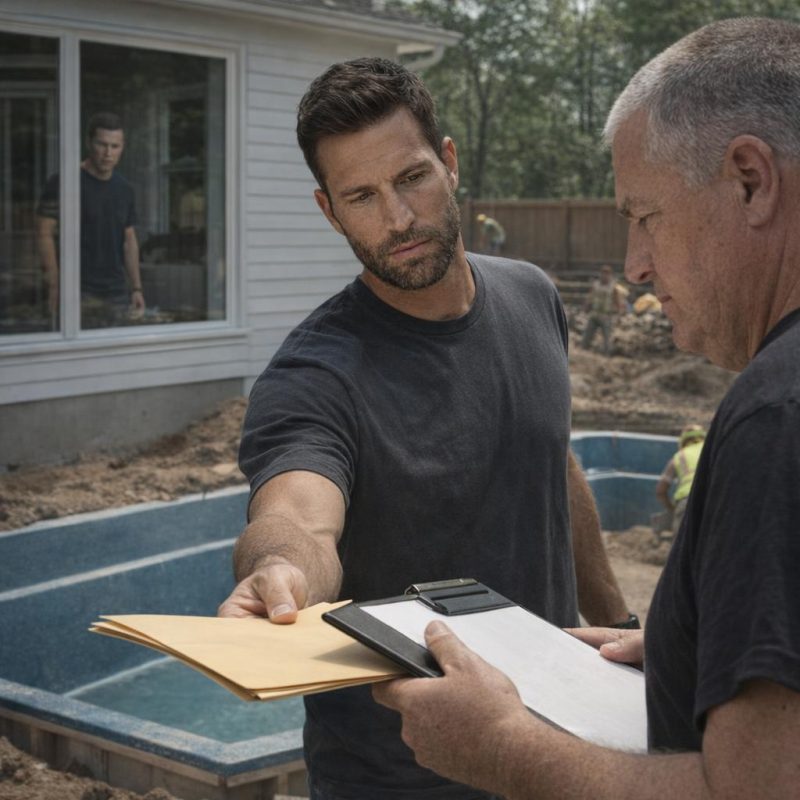 Image by RM AI
The measuring device
Wednesday afternoon, I was working from my home office when movement caught my eye. The man from the back property—Gerald, I'd learned his name was—was standing at the fence line again. But this time he wasn't just watching. He was holding what looked like a small handheld device, pointing it directly toward the construction area. I stood up from my desk and moved closer to the window, trying to get a better look without being obvious about it. The device was black, maybe the size of a TV remote, and he was holding it up at arm's length like he was taking a reading of something. He'd move it slightly left, then right, then back to center. His posture was rigid, focused. He stood there for at least five minutes, occasionally glancing down at the device, then back up at my property. The crew was working on the pool deck forms, well within the permitted hours, doing exactly what they were supposed to be doing. But Gerald kept taking his measurements, whatever they were. When he finally lowered the device and walked back toward his house, I stayed at the window, my coffee going cold in my hand. I decided I needed to know what he was doing.
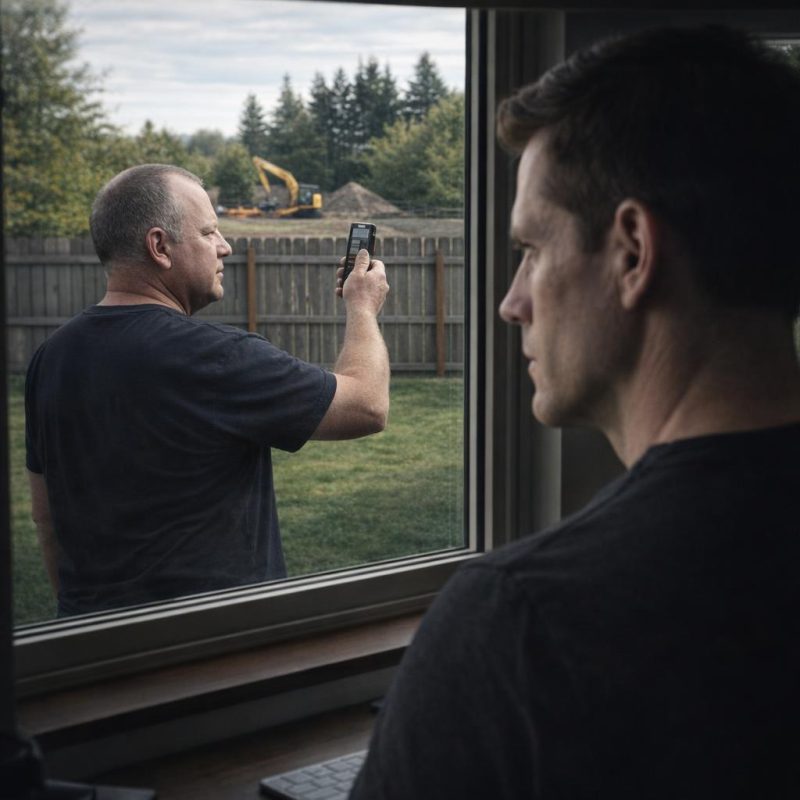 Image by RM AI
The confrontation begins
The next time I saw Gerald at the fence line—Friday morning, same time, same device—I didn't watch from the window. I set down my laptop, walked through the kitchen, and went straight out the back door. My heart was beating faster than I wanted to admit, but I kept my pace steady and my expression neutral. This was my property. I had every right to ask what was going on. Gerald saw me coming and didn't move, just stood there with that device in his hand, waiting. When I reached the fence, I stopped a few feet back, keeping my voice level and reasonable. 'Hey,' I said. 'I've noticed you out here a few times this week. Can I ask what you're measuring?' I tried to sound genuinely curious rather than confrontational, like this was just a normal neighborly conversation. Like I wasn't standing there wondering if this guy was building some kind of case against me. Gerald looked at me for a long moment, his expression completely calm, almost blank. Then his eyes shifted slightly, and I saw something there—not hostility exactly, but a kind of certainty. He looked at me like the answer should be obvious.
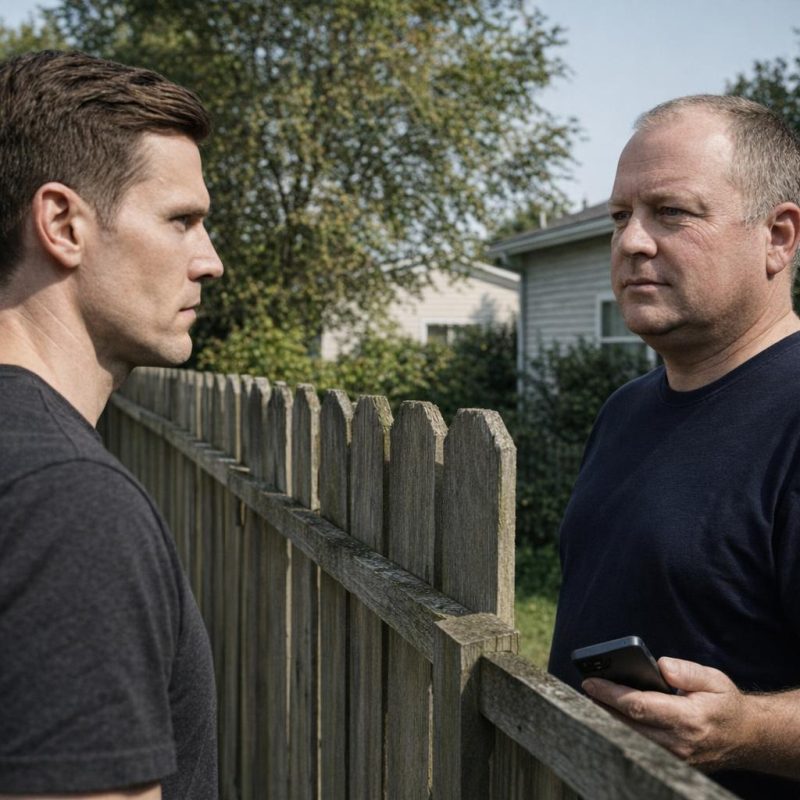 Image by RM AI
noise levels
'I'm measuring noise levels,' Gerald said, his tone matter-of-fact, like he was telling me the weather forecast. He held up the device slightly, as if that explained everything. 'Just keeping track of the decibel readings throughout the day.' I blinked, processing that. 'During construction hours?' I asked, trying to keep the confusion out of my voice. 'Everything's permitted. The crew works nine to five, well within the allowed timeframe.' Gerald nodded slowly, but his expression didn't change. 'I'm aware of the permitted hours,' he said. 'That's not the point.' I waited for him to elaborate, but he just stood there, the device still in his hand, his posture perfectly straight. 'Then what is the point?' I asked, genuinely trying to understand. 'If the work is legal and within the noise ordinances, what are you tracking?' He looked at me like I was missing something fundamental. 'I'm documenting,' he said simply. 'For my records.' My records. Not the city's records. Not a formal complaint. His records. I felt my frustration building but kept my voice steady. 'Right,' I said. 'Well, we're following all the regulations.' Gerald just nodded again, like that was beside the point entirely. When I pointed out it was midday and construction was fully permitted, he said that wasn't the point.
 Image by RM AI
The Morning ritual
Over the following week, Gerald's appearances became routine. Every morning around nine, like clockwork, he'd be standing at the fence line with his device, watching my contractors work. I started to expect it. I'd be at my desk, hear the crew arrive, and within fifteen minutes I'd glance out the window and there he'd be. Same rigid posture. Same handheld device held up at arm's length. Same methodical scanning of my property. Tuesday morning, there he was. Wednesday, same thing. Thursday, I didn't even need to look—I just knew he'd be there, and when I checked, he was. It wasn't casual observation anymore. This was systematic. He'd stand there for ten, sometimes fifteen minutes, taking his readings or whatever he was doing, then walk back to his house. Marcus noticed too. 'Your neighbor's out there again,' he mentioned Friday morning, nodding toward the fence. I just nodded. What was I supposed to say? The guy wasn't technically doing anything wrong. He was on his own property. But the pattern was unmistakable, and the feeling it gave me was getting harder to ignore. It wasn't just curiosity anymore; this was something else entirely.
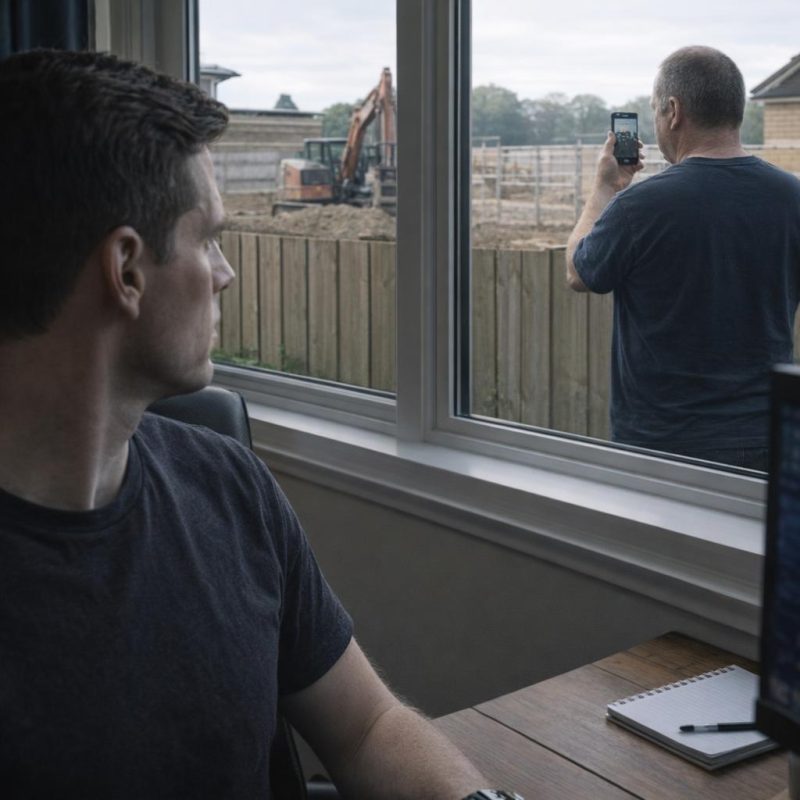 Image by RM AI
The Anonymous Message
I found a printed copy of the municipal noise bylaws in my mailbox Thursday afternoon. Not folded, not in an envelope—just a stack of pages, stapled in the corner, with several sections highlighted in yellow marker. I stood there at the end of my driveway, flipping through the pages, my stomach tightening with each one. Section 4.2: Construction Activity Hours. Section 6.1: Maximum decibel levels for residential zones. Section 8.3: Equipment restrictions during weekday operations. All highlighted. All related to construction noise and timing. I looked up and down the street, but there was no one around. No note. No signature. No explanation. Just the bylaws, highlighted and left for me to find. I walked back inside and spread the pages out on my kitchen counter, reading through each highlighted section carefully. Everything marked was something I was already following. The hours were correct. The equipment was compliant. The noise levels were within limits. Someone had gone to the trouble of printing this out, highlighting specific sections, and putting it in my mailbox—not to inform me of something I was doing wrong, but to let me know they were watching. No note accompanied it, but the highlighted sections all related to construction activity—someone wanted me to know they were watching closely.
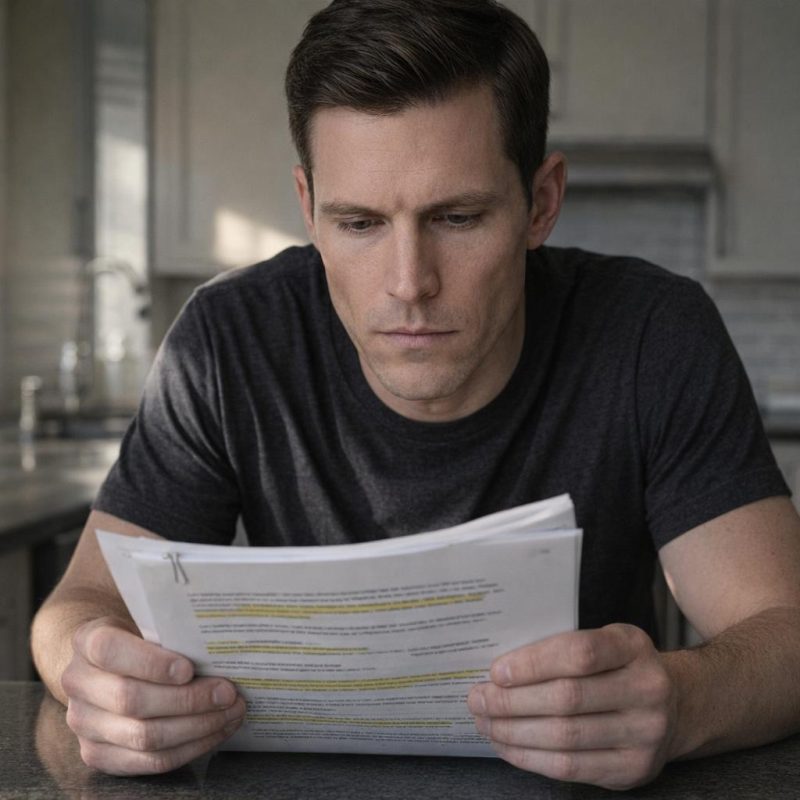 Image by RM AI
By the Numbers
I sat at my kitchen table that evening and cross-referenced every highlighted bylaw against my permits and Marcus's construction schedule. I pulled out the folder I'd been keeping—all the approved permits, the contractor's timeline, the equipment specifications. I went through it line by line, section by section, matching each highlighted passage to my documentation. Construction hours: 9 AM to 5 PM, Monday through Friday. My permits allowed 7 AM to 7 PM. We were well within limits. Maximum noise levels: 65 decibels during daytime hours. Marcus had shown me the specs on his equipment—everything was compliant. Equipment restrictions: no impact hammers before 9 AM. We weren't using impact hammers at all. I checked every single highlighted section, confirming what I already knew in my gut. We were operating completely within regulations. Every box checked. Every rule followed. Every permit in order. I sat back and stared at the papers spread across my table, feeling a strange mix of validation and frustration. Being right should have felt better than this. Being legally compliant should have meant something. But whoever left those bylaws in my mailbox wasn't interested in whether I was following the rules. Being legally right didn't make the harassment feel any less real.
 Image by RM AI
The Second confrontation
Tom Sullivan showed up at my door Saturday morning while the crew was setting up. I heard the knock and opened it to find him standing on my porch, his arms crossed, his expression harder than the last time we'd talked. 'We need to discuss the impact your project is having on the neighborhood,' he said, skipping any pretense of pleasantries. His tone was sharp, accusatory. I took a breath and kept my voice level. 'What specific impact are you concerned about?' I asked. 'The drainage,' he said. 'The noise. The disruption. You're changing the water flow for this entire section of properties.' I'd heard this before, but his delivery was different now—more aggressive, more certain. 'I've had the drainage engineered,' I said. 'Everything's been reviewed and approved. If you have specific concerns, I can show you the plans.' Tom shook his head. 'I don't need to see your plans. I need you to understand that what you're doing affects more than just your property.' I felt my patience wearing thin. 'Then what specifically do you want me to do differently?' I asked. Tom's expression didn't change. 'You'll figure it out,' he said, 'when the lawsuits start.' Then he turned and walked back toward his house, leaving me standing in my doorway. When I asked him what specifically he wanted me to do differently, he said I'd figure it out when the lawsuits started.
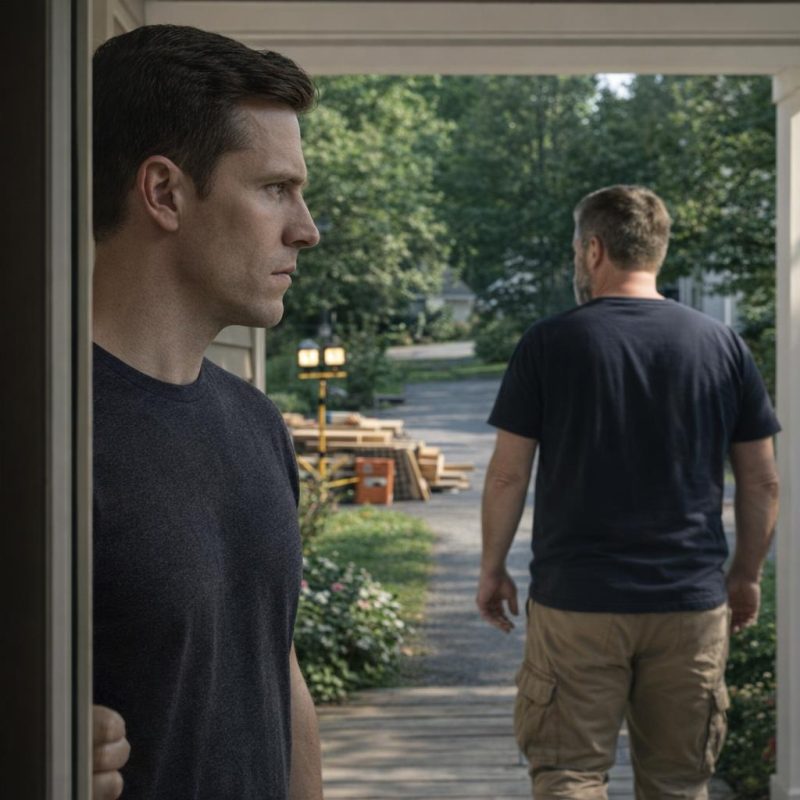 Image by RM AI
The Connection
I glanced out my window Monday afternoon and saw Tom and Gerald standing together at Gerald's fence line. Both of them were looking toward my property, and they were talking. Not just a quick neighborly greeting—this was a conversation. I moved away from my desk and stood where I could see them better without being obvious. Tom was gesturing toward my construction site, and Gerald was nodding, that same rigid posture I'd come to recognize. They stood there for several minutes, both of them occasionally turning to look at the work happening in my yard, then back to each other. Tom said something and Gerald responded, holding up that device he always carried. Tom leaned in slightly, like he was getting a closer look at it. They talked for almost ten minutes, and I couldn't hear a word of it, but I didn't need to. The body language said enough. The shared focus on my property said enough. Finally, Tom clapped Gerald on the shoulder—a familiar gesture, comfortable—and walked back toward his house. Gerald stayed at the fence for another minute, watching my crew work, before he too turned and left. I stood at my window, my coffee forgotten in my hand, replaying what I'd just seen. They spoke for almost ten minutes before Tom walked back toward his house, and I couldn't shake the feeling that I'd just witnessed something coordinated.
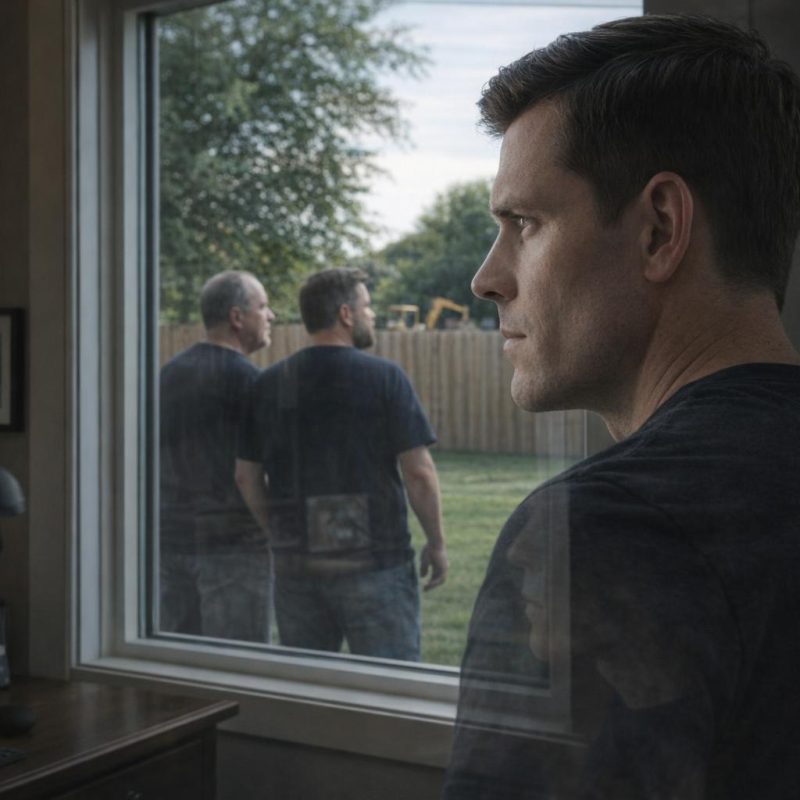 Image by RM AI
The Third Visit
The city inspector showed up Wednesday morning at eight-thirty, and I watched Marcus's jaw tighten when he saw the truck pull up. This was the third inspection in two weeks. The third time Marcus had to stop work, gather the permits, and walk someone through the exact same compliance items we'd already passed twice. Inspector Davis was professional about it—clipboard in hand, reading glasses on that chain around his neck, methodical in his review. He checked the setbacks again. He measured the excavation depth again. He reviewed the drainage plan again. Marcus stood there with his arms crossed, and I could see him working to keep his tone level as he explained, for the third time, that everything was permitted and approved. Davis nodded, made his notes, confirmed everything was in order. When he finished, Marcus walked him back to the truck, and I heard him say something I couldn't quite make out. Davis responded, and Marcus's posture shifted slightly. After the inspector left, Marcus came over to where I was standing. He looked tired. Something felt coordinated now. He said he'd been doing this for fifteen years and had never seen this many complaint-driven inspections on a fully permitted project.
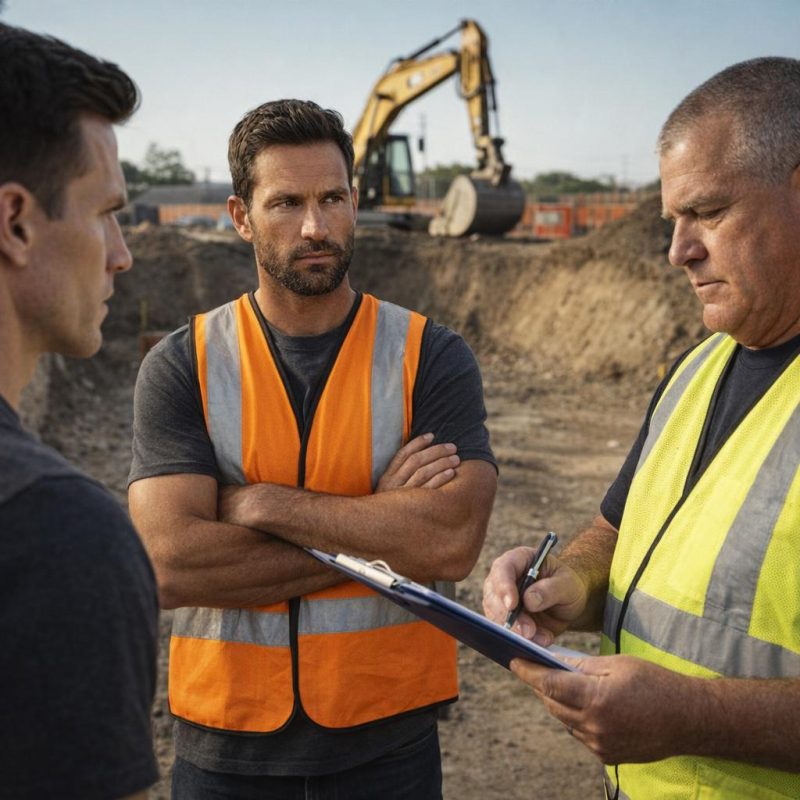 Image by RM AI
The Morning ritual solidifies
Gerald's routine became something I could set my watch by. Every morning at nine o'clock sharp, he appeared at the fence line. Same spot. Same measuring device in his hand. Same rigid posture as he watched my crew work. He'd stand there for exactly twenty minutes, occasionally adjusting whatever he was holding, his eyes tracking the workers as they moved around the site. Then, at nine-twenty, he'd turn and walk back to his house. It happened Monday. It happened Tuesday. It happened Wednesday and Thursday and Friday. I started tracking it without meaning to, glancing at the clock when I saw him appear, noting when he left. The consistency was unsettling in a way I couldn't quite articulate. If he'd shown up randomly, at different times, for different lengths of time, it would've felt like normal neighbor curiosity. But this precision—this exact schedule—made it feel like something else entirely. Like I was being studied. Like my property was a specimen under observation, and Gerald was collecting data according to some methodology I couldn't see. Being watched on a schedule. The precision of his routine made it impossible to dismiss as casual concern.
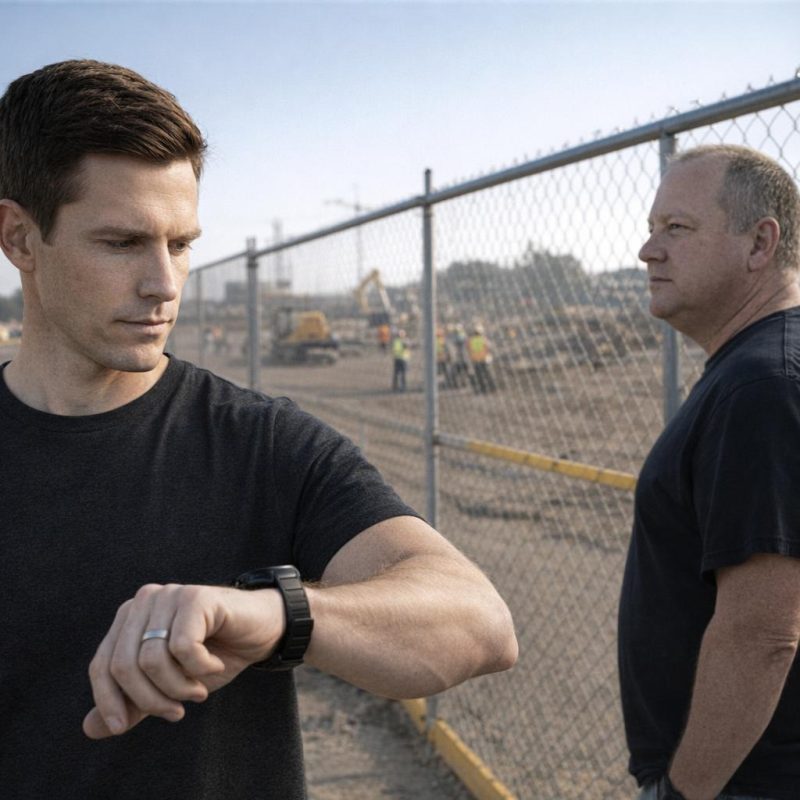 Image by RM AI
Professional Assessment
Marcus pulled me aside Friday afternoon after the crew had packed up for the day. We stood near the excavation site, and he had that look people get when they're about to say something they've been holding back. He told me that in fifteen years of construction work, he'd never seen a neighbor campaign like this against a permitted project. He'd dealt with complaints before—noise concerns, parking issues, the usual stuff—but this was different. The multiple inspections, the systematic interference, the constant surveillance. He said most neighbor disputes either resolved quickly or escalated to obvious confrontation, but this felt sustained in a way that didn't match normal patterns. Then he asked me a question I didn't have an answer for. He asked if I knew what I'd done to make them this determined. I stood there, running through every interaction I'd had with Tom and Gerald, and I came up empty. I'd followed every rule. I'd been respectful. I'd done everything by the book. Marcus nodded slowly when I told him that, like he'd expected my answer but hoped I might have some explanation that would make this make sense. Still searching for reasons. He asked if I knew what I'd done to make them this determined.
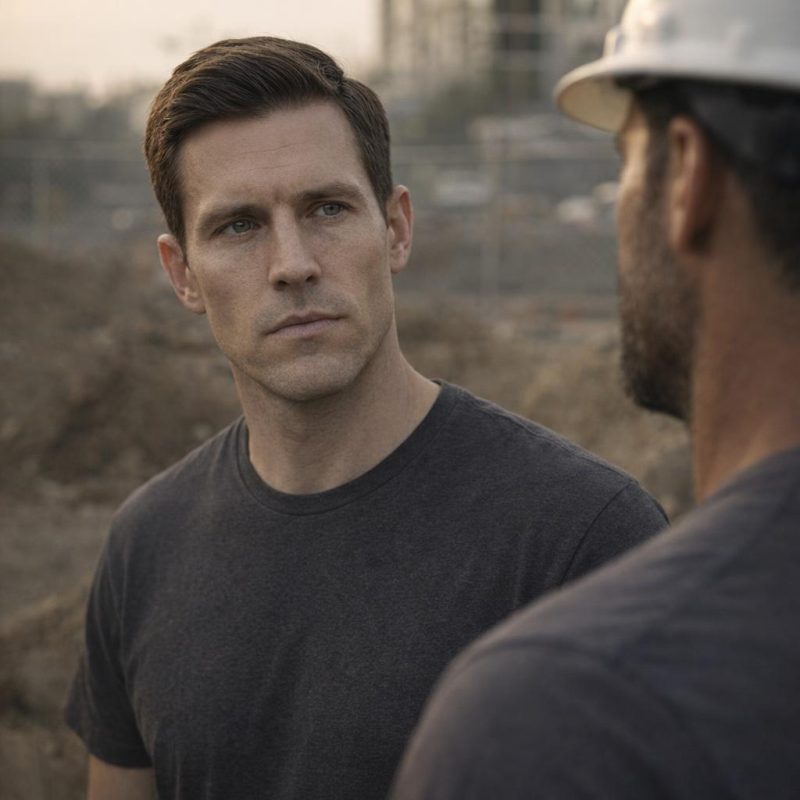 Image by RM AI
Building My Case
I spent Saturday and Sunday at my dining room table with my laptop open, diving into property law and municipal codes. I pulled up the city's noise ordinances and read through every section, confirming what I already knew—construction between seven AM and seven PM on weekdays was completely legal. I researched harassment statutes, trespassing definitions, and nuisance claims. I created a spreadsheet documenting every interaction with Tom and Gerald, every city inspection, every time I'd seen Gerald at the fence line with his measuring device. I noted dates, times, and descriptions of what had happened. I organized all my permits and approvals into a folder, cross-referenced them with the city code, and confirmed that every single aspect of my project was compliant. By Sunday evening, I had a file that proved, beyond any doubt, that I was operating completely within my rights. The law was on my side. The permits were valid. The construction was legal. I sat back and looked at the documentation I'd assembled, and I felt a strange mix of vindication and frustration. Building my defense carefully. I had the law on my side, but that didn't tell me how to make it stop.
 Image by RM AI
The Line crossed
I left work early Tuesday because I had a dentist appointment that got cancelled at the last minute. I pulled into my driveway around three-thirty, earlier than I'd been home in weeks. The construction crew had already left for the day—they usually wrapped up by three. I grabbed my bag from the passenger seat and got out of the car, and that's when I saw him. Gerald was in my backyard. Not at the fence line, not on his property looking over—he was actually in my yard, standing near the excavation site, bent slightly forward like he was examining something. I froze, my car door still open, trying to process what I was seeing. He had that measuring device in his hand, and he was moving it slowly along the edge of the pool excavation. He hadn't heard me pull up. He was completely focused on whatever he was measuring, his back partially to me. I stood there, my keys still in my hand, and my brain struggled to catch up with what my eyes were seeing. He'd climbed over the fence. While no one was home. Unable to believe the violation. For a moment I just stood there, too shocked to process that he'd actually entered my property without permission.
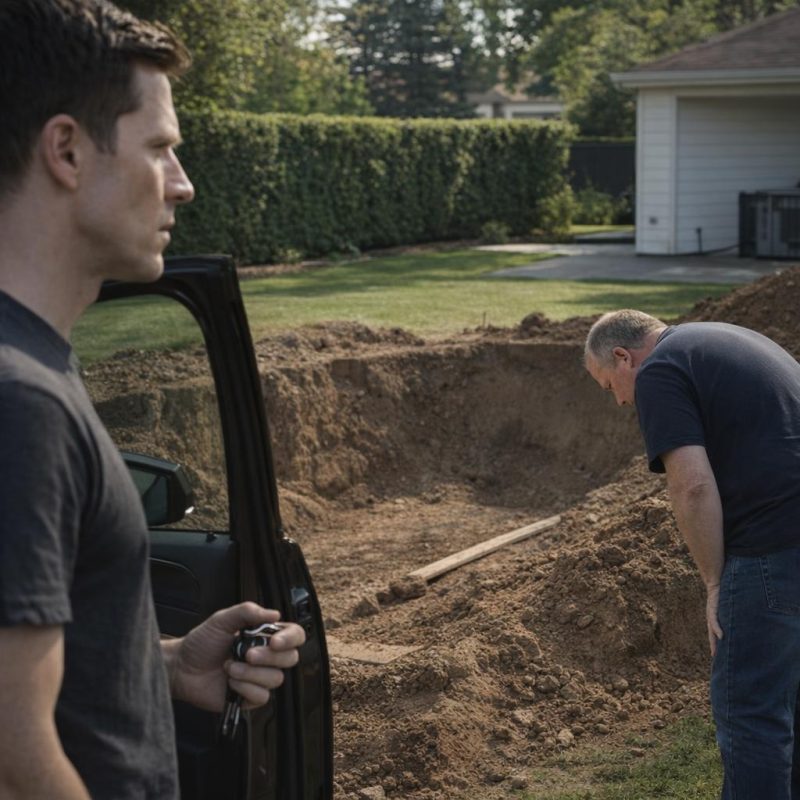 Image by RM AI
The non-apology
I walked toward him, my voice louder than I intended when I asked what he thought he was doing in my yard. Gerald straightened up fast and turned to face me, his eyes wide with surprise, but there was no shame in his expression. No embarrassment at being caught trespassing. He said he'd knocked on my front door and when I didn't answer, he needed to get closer readings. Just like that. Like it was the most reasonable explanation in the world. I told him he couldn't just climb over my fence because I wasn't home. He said the measurements were time-sensitive and he'd tried the proper channels first. His tone was matter-of-fact, almost patient, like he was explaining something obvious to someone who wasn't quite keeping up. I was still trying to formulate a response when a woman's voice called out from Gerald's back porch, asking if everything was okay. Gerald turned and called back that everything was fine. The woman walked closer to the fence, and Gerald gestured toward her, introducing her as his sister Amy. She gave me an apologetic smile and introduced herself more fully—Amy Sullivan. The name hit me immediately. Fighting to stay calm. As he climbed back over the fence, a woman called from his back porch asking if everything was okay—Gerald's sister introduced herself as Amy, and I recognized the last name Sullivan.
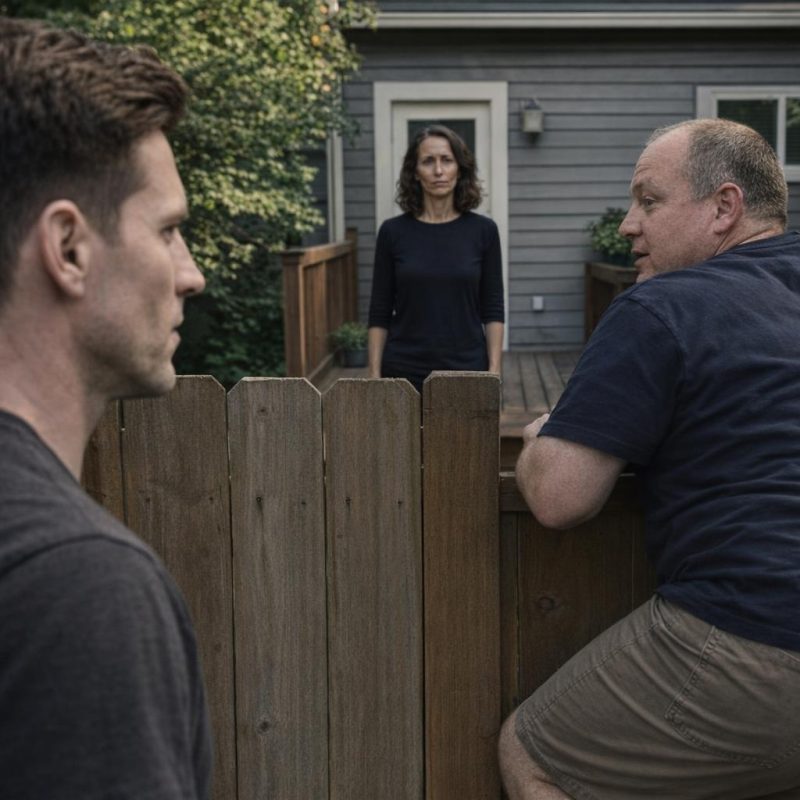 Image by RM AI
Without remorse
Gerald climbed back over the fence with the same calm efficiency he'd used to enter my property, his movements unhurried and unapologetic. He didn't say sorry. He didn't acknowledge that anything he'd done was wrong. He just returned to his own yard like he'd been retrieving a ball that had accidentally gone over, not trespassing on private property to take measurements without permission. Amy stood near their back porch, her shoulders slightly hunched, her smile strained in that way people look when they're uncomfortable but trying to smooth things over. She said something to Gerald I couldn't hear, and they both walked toward his house together. I stood in my own backyard, still holding my keys, feeling like somehow I was the one who'd been unreasonable. Like I'd overreacted to something perfectly normal. The feeling made me angry in a way that was hard to articulate—not just at the trespass itself, but at how Gerald had treated it as justified, as necessary, as something I should understand. Understanding this won't end. I watched him walk into his house with Amy, and I realized that whatever was driving this, it wasn't going to stop on its own.
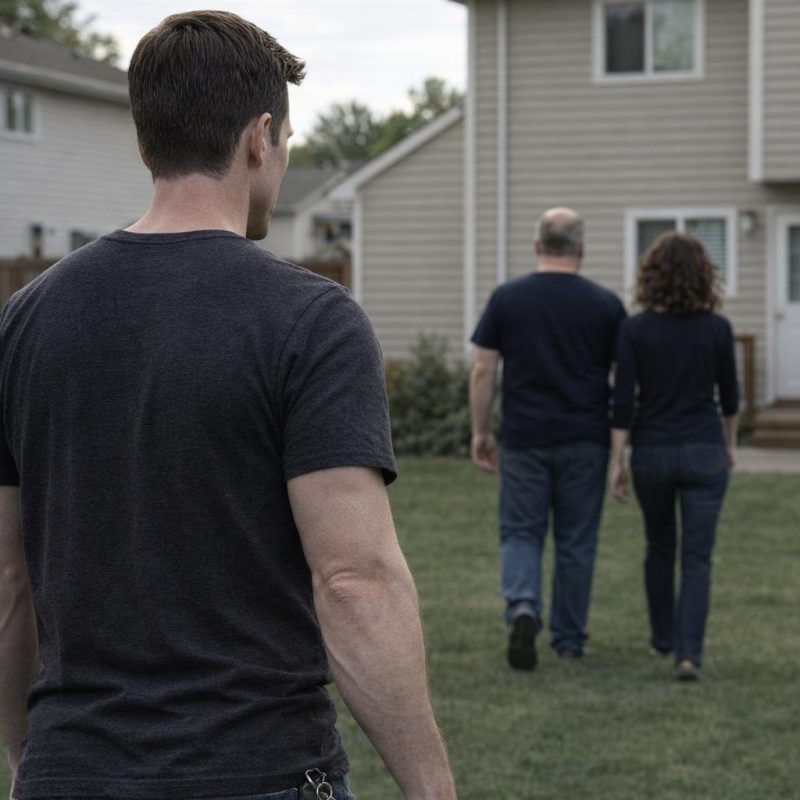 Image by RM AI
Starting the record
I sat down at my computer that night and opened a new document. I titled it 'Timeline' and started typing. I recorded the date of Tom's first complaint about the construction noise, the exact words he'd used when he'd threatened to make my life difficult. I documented the second complaint, the one about property values. I listed all three city inspection visits with dates and the inspector's names. I wrote down Gerald's fence-line watching pattern—every morning at nine, twenty minutes exactly, the measuring device always in his hand. I detailed today's trespass, noting the time I'd arrived home, where Gerald had been standing, what he'd said when I confronted him. I recorded his explanation about knocking and needing closer readings. I noted Amy's appearance and the family connection between the two households. When I finished, I had three pages of documented incidents, all dated and described in as much detail as I could remember. I saved the file and created a folder for it, knowing I'd be adding to it. I didn't know yet what I'd do with this record, or if it would even matter. Creating my evidence trail. If this continued, I wanted a timeline that proved exactly what had been happening.
Research mode
I spent my lunch breaks that week reading about residential security systems, motion detection, and what was legally permissible for monitoring my own property. I sat in my car with my phone, scrolling through articles about camera placement, recording laws, and privacy regulations. I learned that in our state, I could record anything visible from my own property without anyone's consent. I could point cameras at my fence line, my yard, my construction area—anywhere that was mine. I read reviews of different systems, comparing features and prices. Some had motion alerts that sent notifications to your phone. Others stored footage in the cloud or on local hard drives. I bookmarked pages about outdoor-rated equipment that could handle weather and night vision capabilities that would work after dark. I watched installation videos during my afternoon break, learning about cable runs and power requirements. By Thursday, I'd narrowed it down to a four-camera system with a dedicated recording unit and mobile app access. It wasn't cheap, but it was comprehensive. I placed the order Thursday night, paying extra for expedited shipping. If Gerald was going to watch me, I was going to make sure I had a record of what he was actually doing.
The Package arrives
The security camera system arrived Friday afternoon, and I unpacked it that evening, laying out cameras, cables, and the recording unit across my dining room table. The box was heavier than I'd expected, packed with foam inserts protecting each component. I pulled out four weatherproof cameras, each one compact but solid, with mounting brackets and adjustment screws. The recording unit was about the size of a cable box, with ports for each camera and an ethernet connection for network access. I found the power adapters, the bundle of cables in different lengths, the mounting hardware kit with screws and anchors. I opened the instruction manual and read through the setup process, checking each step. The system included motion detection with customizable zones, night vision up to thirty feet, and a mobile app that would let me view live feeds from anywhere. I downloaded the app on my phone and created an account. I tested one camera by plugging it into the recording unit, and the feed appeared on my phone screen immediately—crisp and clear. I spent an hour planning where each camera would go, sketching a rough diagram of my backyard and marking coverage zones. By tomorrow, my property would be monitored—and anyone who crossed the line would be recorded.
 Image by RM AI
Eyes everywhere
I spent Saturday mounting cameras along the back of my house, positioning them to cover the entire backyard, the fence line, and any approach to the construction area. I started early, before the heat set in, with my drill and the mounting hardware spread out on the patio table. The first camera went up near the back corner, angled to capture the main yard and pool excavation. I drilled into the siding, secured the bracket, and adjusted the camera until the view on my phone showed exactly what I needed. The second camera covered the fence line where Gerald always stood, positioned high enough that he couldn't reach it without a ladder. The third monitored the construction zone from a different angle, creating overlap with the first. The fourth covered the side yard approach, catching anyone who might try to enter from that direction. I ran cables along the eaves and through a small hole I drilled into the utility room, connecting everything to the recording unit I'd mounted on a shelf inside. I powered up the system and checked each feed on my phone. Every camera showed a clear view. I configured the motion detection zones, setting them to avoid tree branches but catch any human movement. When I finished and checked the mobile app, I could see every corner of my property in crisp digital clarity.
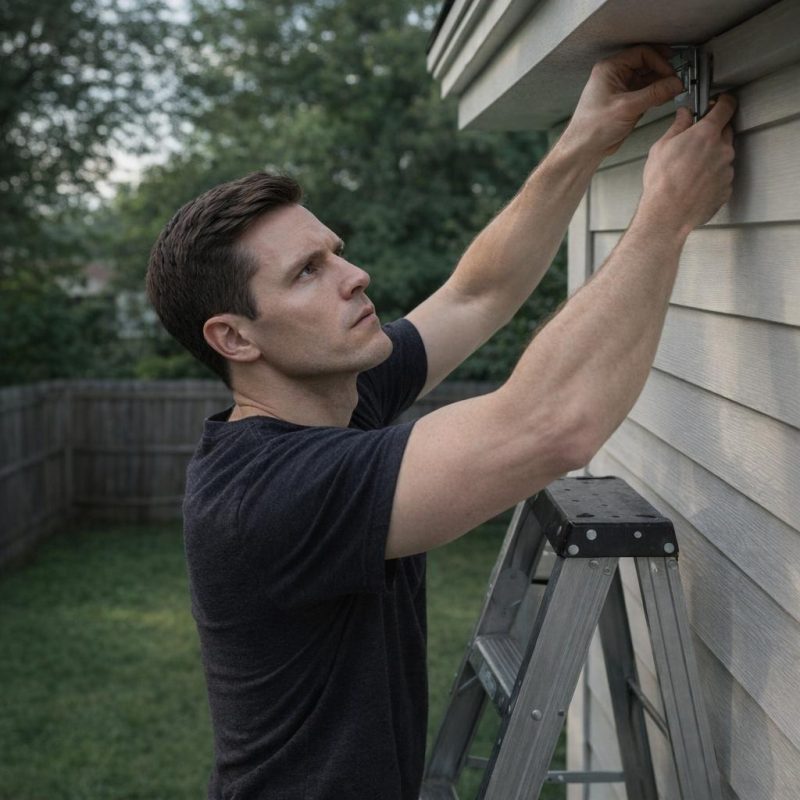 Image by RM AI
Testing the system
Monday morning at nine sharp, Gerald appeared at his fence line again with his device, and this time I watched him through my phone from inside the house, the camera recording every movement. I was sitting at my kitchen table with coffee when the motion alert buzzed. I opened the app and there he was, standing in his usual spot, the measuring device in his hand. The camera angle captured him perfectly—his rigid posture, the way he held the device steady, his unblinking focus on my construction area. I watched him scan slowly from left to right, the same pattern I'd observed before. He stood completely still between measurements, like he was waiting for something to change. The video quality was better than I'd expected. I could see the details of his face, the tension in his shoulders, the deliberate way he moved. I saved the footage to a dedicated folder on my phone, labeling it with the date and time. Gerald stayed for exactly twenty minutes, just like always. He lowered the device, looked at my house for a long moment, then turned and walked back toward his own property. I couldn't tell from the camera angle whether he'd noticed the cameras mounted on my house. He stood there for his usual twenty minutes, and I wondered if he'd noticed the cameras yet.
 Image by RM AI
neighborhood history
Linda stopped me while I was checking my mail Wednesday and mentioned, almost casually, that the neighborhood had been unusually quiet for years until properties started changing hands recently. I was pulling envelopes from my mailbox when she walked over from her driveway, gardening gloves tucked in her pocket like always. We exchanged the usual greetings about the weather, and then she said it—something about how peaceful things had been before the turnover started. I looked at her, waiting for more, but she just smiled that easy, genuine smile of hers. I asked what she meant by that, trying to keep my tone light and curious rather than desperate for information. She glanced down the street, then back at me, and her expression shifted slightly. Not unfriendly, but more careful. She said some people don't handle change well, and left it hanging there between us. I wanted to ask more, to press for details about who she meant and what kind of changes bothered them, but something in her posture told me she'd said as much as she planned to say right then. She mentioned needing to get back to her roses and walked away, leaving me standing there with my mail. When I asked what she meant by that, she just said some people don't handle change well.
 Image by RM AI
Direct Questions
I asked Linda directly Friday afternoon if she knew anything about Gerald or why he might be so focused on my construction, and she paused for a long moment before suggesting we talk away from the street. I'd been watching for her, and when I saw her pulling weeds near her mailbox, I walked over. I didn't want to ambush her, but I needed to know what she'd been hinting at earlier in the week. I said his name—Gerald Mitchell—and asked if she had any idea why he seemed so invested in what I was doing with my property. Linda straightened up slowly, brushing dirt from her hands. She looked at me, then past me toward Gerald's house, then back again. Her expression was thoughtful, maybe a little concerned. She didn't answer right away. Instead, she glanced around the street like she was checking to see if anyone was watching us. Then she said maybe we should talk somewhere less visible. I followed her across her lawn to her front porch, where the angle of her house blocked the view from Gerald's property. She gestured for me to sit on the porch steps. We walked to her front porch, and she told me there was history I should probably know about.
 Image by RM AI
Family ties
Linda told me that Tom Sullivan and Gerald Mitchell were connected by marriage—Tom's wife Amy was Gerald's younger sister, which explained why their complaints seemed so coordinated. She said it quietly, like she was sharing something I should have already known but somehow didn't. I felt something click into place in my head. The timing of Tom's complaints, the way Gerald had shown up right after the second one, the conversation I'd overheard between them in Tom's driveway—it all made sense now. They weren't just neighbors backing each other up. They were family, working together. Linda said she'd noticed them talking more frequently over the past few months, always looking toward my property. She mentioned seeing Gerald at Tom's house multiple times a week, which wasn't unusual for family but felt different given the circumstances. I asked her if she knew why they cared so much about my pool, why they'd go to such lengths to interfere with a project that didn't affect them. Linda's expression shifted, and she said something that caught me off guard. She'd noticed Gerald spending time in his yard measuring things months before I'd even started construction. I asked if she knew why they cared so much about my pool, and she said she'd noticed Gerald spending time in his yard measuring things months before I'd even started construction.
 Image by RM AI
The pattern becomes clear
I went home and reviewed my documentation with the new information about Tom and Gerald's family connection, and suddenly the timing of every complaint, every inspection, and every interaction made sense as a coordinated effort. I opened my timeline file and read through it with fresh eyes. Tom's first complaint about construction noise had come exactly two days after I'd posted about the pool project on the neighborhood Facebook group. His second complaint about property values had happened the morning after the excavation started. Gerald had appeared at the fence line the day after that. The three city inspections had been spaced perfectly to cause maximum delay—each one triggered by a complaint filed within hours of the previous inspection clearing. The conversation I'd overheard between Tom and Gerald hadn't been casual neighbor chat. It had been planning. They'd been coordinating their approach, timing their moves, working together to create problems for me. I added notes to my timeline, connecting the dots between their actions. The pattern was clear now. This wasn't random harassment from two separate neighbors. This was a deliberate campaign run by family members with a shared goal. What I still couldn't understand was why—what about my pool could possibly justify this level of obsession.
 Image by RM AI
City Hall
I drove to city hall Monday morning with a suspicion that whatever was driving Gerald's obsession might be hiding somewhere in public records. The building sat downtown in that generic municipal architecture style—beige brick, tinted windows, American flag out front. I'd been here exactly once before, when I'd submitted my own pool permit application, and I'd barely noticed the records department tucked away on the second floor. Now I was heading straight for it. The clerk at the front desk directed me upstairs without looking up from her computer. The records department was quieter than I expected, just a few people waiting at scattered tables and one woman behind the counter organizing files. I approached and explained I was researching construction history in my neighborhood. She nodded like this was a completely normal request. I asked about permit applications and drainage records for my block, anything that might explain why my neighbor seemed so invested in my construction project. She pulled out a request form and slid it across the counter. I'd need to be specific about what I was looking for, she said, and some older records might take time to retrieve. I filled in my address and the surrounding properties, trying to think like someone searching for answers without knowing what questions to ask. If there was a paper trail, I was going to find it.
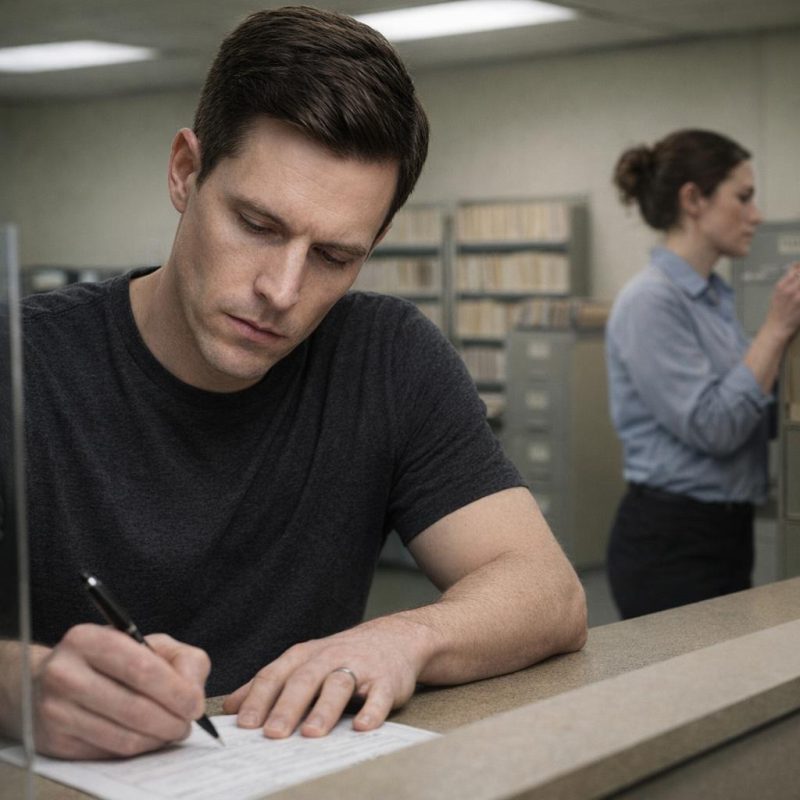 Image by RM AI
The Request
I filled out the records request forms and asked the clerk for anything related to drainage permits and construction applications on my block within the past three years. She reviewed my form, checking that I'd included all the required information—my name, contact details, the specific addresses I wanted records for. I explained I was researching neighborhood construction history, which was technically true even if it left out the part about my neighbor's bizarre surveillance campaign. She didn't ask for more details. She entered my request into her computer system, clicking through several screens while I waited. The process felt routine for her, just another records request in a long line of them. After a few minutes, she looked up and told me that most of what I'd requested was available, but some of the older drainage permits would need to be pulled from the archives in the basement. That would take a couple of days. Could I come back Thursday afternoon? I said Thursday worked fine. She printed a receipt with a reference number and told me to bring it when I returned. I thanked her and headed back to my car, feeling that strange mix of anticipation and uncertainty you get when you've set something in motion but don't know what it'll reveal. The clerk told me some records would need to be pulled from archives and to come back Thursday.
 Image by RM AI
The File
I returned to city hall Thursday afternoon and the clerk handed me a folder of permit applications from my block, and the name on the top document wasn't mine—it was Gerald Mitchell's. I stared at it for a moment, not quite processing what I was seeing. The application was dated six months before I'd even started planning my pool. Six months. I flipped through the attached documents—architectural drawings, engineering surveys, soil composition reports. This wasn't some casual inquiry about maybe building a pool someday. This was a fully developed project with professional designs and detailed specifications. Gerald's proposed pool was actually larger than mine, with an attached spa and custom lighting system. The level of planning was extensive. I took out my phone and started photographing each page, making sure I captured the dates and the scope of what he'd been working on. The engineering reports alone must have cost thousands. I made notes on the timeline, comparing his submission date to when I'd first contacted my own contractor. Gerald had been working on this long before I'd ever thought about a pool. I copied the relevant documents at the self-service machine in the corner, my mind racing through the implications. Gerald had submitted his own application for an in-ground pool, dated six months before I'd even started planning mine.
 Image by RM AI
The Letter
I read through Gerald's permit file more carefully that evening and found a letter from the city dated three weeks after my own permit approval, informing Gerald that his drainage calculations no longer met code due to upstream grading changes. The letter was formal and bureaucratic, the kind of thing that probably gets sent out routinely without anyone thinking much about it. But I could imagine exactly how Gerald must have felt opening it. The city engineer had been specific—the upstream property modifications had altered the drainage flow for the entire block, which meant Gerald's previously approved calculations were now invalid. He'd need to submit revised plans with new engineering surveys before construction could proceed. I read the paragraph three times, looking for any ambiguity. There wasn't any. The letter referenced the specific permit number for the upstream changes, and I recognized it immediately because I'd been staring at that number on my own paperwork for months. My pool. My grading. My excavation had changed the drainage equation for the properties downhill from mine. Gerald's approved plans had been voided not because of anything he'd done wrong, but because I'd legally modified my property in a way that affected his. The upstream changes referenced in the letter were mine.
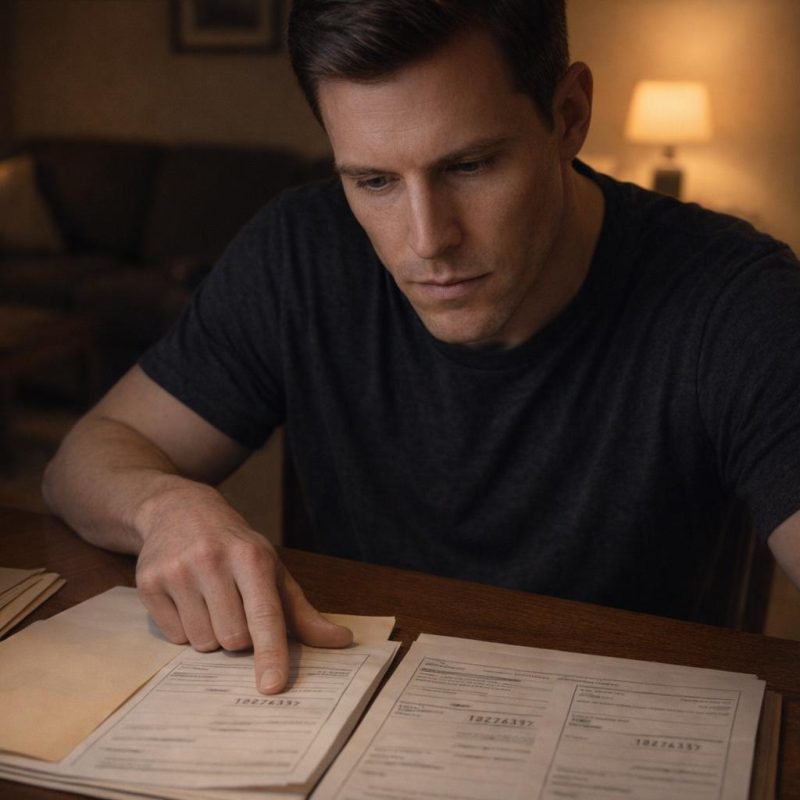 Image by RM AI
The Real Cost
I looked at the itemized cost breakdown attached to Gerald's original application—architectural fees, engineering surveys, pool design, permit fees, contractor deposits—and the total reached nearly forty-three thousand dollars, all of it now worthless because my pool had changed the drainage equation for the entire block. The numbers were right there in black and white. Eight thousand for architectural design. Six thousand for engineering and soil testing. Another twelve thousand in contractor deposits that were probably non-refundable. The permit fees alone were over two thousand. Gerald had invested years of planning and a massive chunk of money into a project that my construction had inadvertently killed. I sat back and looked at my timeline with completely new eyes. The noise measurements weren't about actual noise violations—they were desperate attempts to find anything that might halt my construction before it was too late. The trespassing wasn't random neighbor nosiness—it was a man trying to find grounds to stop the project that was destroying his investment. Tom's immediate drainage complaint the day after excavation started wasn't coincidence—it was family coordination, trying to salvage forty thousand dollars that was slipping away. Everything suddenly made sense: the noise measurements were attempts to find violations, the trespassing was desperation to stop my project, and Tom's coordination was family trying to salvage forty thousand dollars that was slipping away.
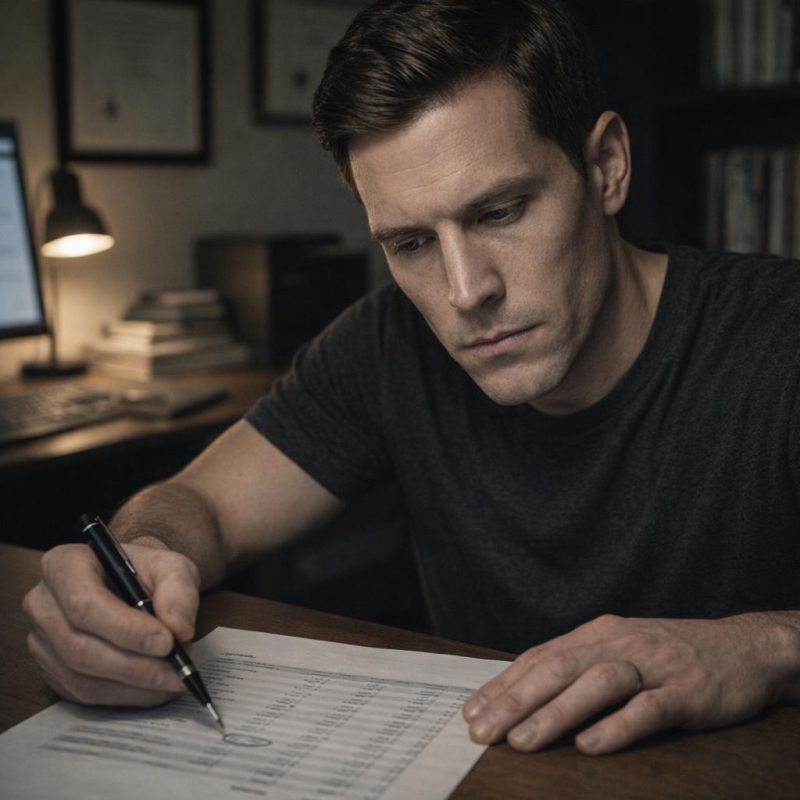 Image by RM AI
The Stakes
I sat in my living room that evening understanding for the first time that Gerald wasn't just a difficult neighbor—he was a man watching forty thousand dollars disappear because of something I had no way of knowing would affect him. The city had approved both our permits. I'd followed every rule, hired licensed contractors, passed every inspection. There was no mechanism in the permit process that would have warned me about Gerald's plans or told him about mine before it was too late. We'd both done everything right, and the system had still created this disaster. I felt a strange mix of sympathy and frustration. Gerald had invested his savings and his dreams into that pool project. I understood why he'd been so desperate, why he'd resorted to increasingly extreme measures to try to stop my construction. But understanding his motivation didn't excuse what he'd done. The harassment, the trespassing, the coordination with Tom to file complaints—those were still choices he'd made. And here's what worried me most: a man who'd already crossed legal boundaries to protect a forty-thousand-dollar investment wasn't going to just accept defeat and walk away. Not with that much money on the line. Understanding his desperation didn't change what he'd done, but it told me exactly what he'd do next.
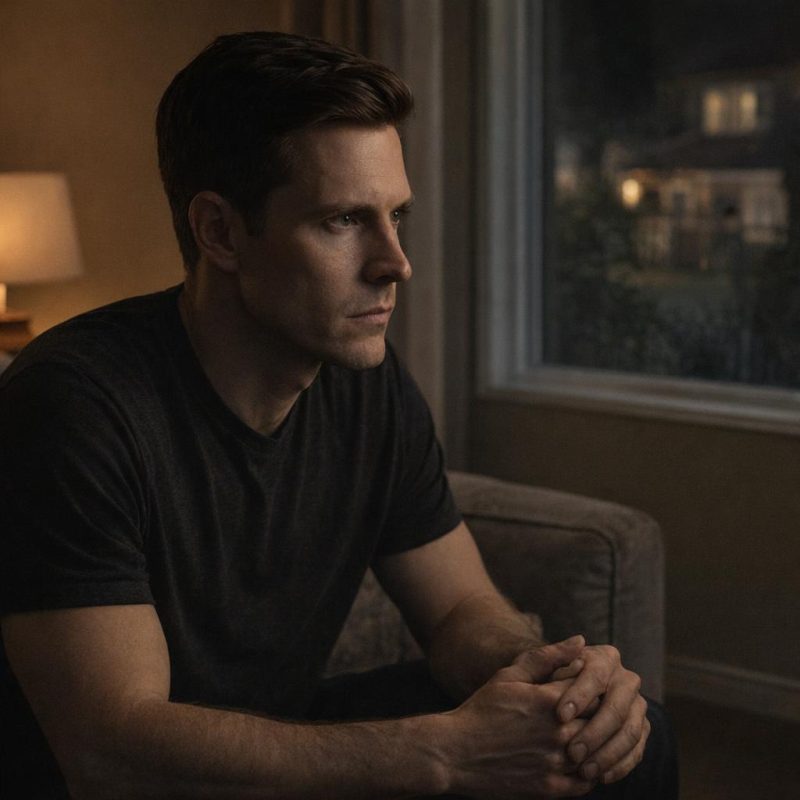 Image by RM AI
Legal Options
I spent the weekend researching legal deterrent systems and discovered that alarm systems, posted warning signs, and motion-activated sprinklers designed for wildlife control were all perfectly legitimate ways to protect private property from uninvited visitors. I went deep into property law forums and home security websites, making sure everything I was considering was completely legal. The alarm systems were straightforward—motion sensors that could trigger audio warnings when someone entered a designated zone. The wildlife deterrent sprinklers were even better. They were commercially sold products, marketed specifically for keeping deer, raccoons, and other animals out of gardens and yards. The fact that they'd also deter human trespassers was just a bonus feature. I read reviews from dozens of homeowners who'd installed them. The systems were effective, humane, and completely legal as long as you posted proper warning signage. I made a list of everything I'd need—motion sensors, a programmable alarm with voice announcement capability, perimeter sprinkler heads, proper no-trespassing signs that met legal requirements. The total cost was reasonable compared to what I'd already invested in cameras and documentation. I bookmarked the products I wanted and started mapping out where each component would go for maximum coverage of my property line. Everything I needed was legal, available, and designed to make one thing absolutely clear: my property was not to be entered without permission.
 Image by RM AI
The Order
I placed the orders Monday evening—a motion-activated alarm with voice announcement capability and a perimeter sprinkler system marketed for wildlife deterrence—all scheduled to arrive by Wednesday. The alarm system had programmable zones and could announce warnings in a clear, automated voice when motion was detected. The sprinkler system came with six adjustable heads that could cover my entire back property line, triggered by the same motion sensors. Both products had excellent reviews and were explicitly sold for residential property protection. I paid extra for expedited shipping. The combined cost was about eight hundred dollars, which felt like a worthwhile investment considering what I was protecting. I printed out the legal requirements for warning signage and added those to my cart—bright yellow signs that clearly stated the property was monitored and protected. Everything would arrive by Wednesday, and I'd planned to install it all that weekend. In the meantime, I kept checking my camera feeds. Gerald was still appearing at the fence line every morning, standing there with his coffee, watching my backyard like he was waiting for something. The pool construction was nearly finished now, just final touches and landscaping left. Whatever Gerald was planning, whatever desperate move he was considering to salvage his investment, he was running out of time. Gerald was still appearing at the fence line every morning, which meant I had time to be ready before he tried anything else.
 Image by RM AI
Installation Day
I spent Saturday morning installing the alarm sensors along the fence line, working methodically from one end to the other. The motion detectors mounted easily on the posts, each one positioned to cover the spots where Gerald had previously entered my property. The audio alarm went up on the back corner of my house with a clear view of the entire backyard. I programmed the voice announcement myself, recording a clear message that stated anyone entering was on monitored private property and authorities might be notified. The sprinkler system took longer—connecting each head to the motion sensor network, adjusting the spray patterns to cover the construction area approach without wasting water on empty lawn. By early afternoon, I was posting the warning signs. Big yellow placards that read "Private Property - Video and Audio surveillance Active" went up every ten feet along the fence line, visible from both sides. I tested everything twice, walking the perimeter and triggering each sensor to confirm the alarm sounded and the sprinklers activated exactly as designed. Everything was legal, everything was disclosed, and everything worked perfectly. Anyone who climbed that fence now would get exactly what they should expect from a clearly marked private property.
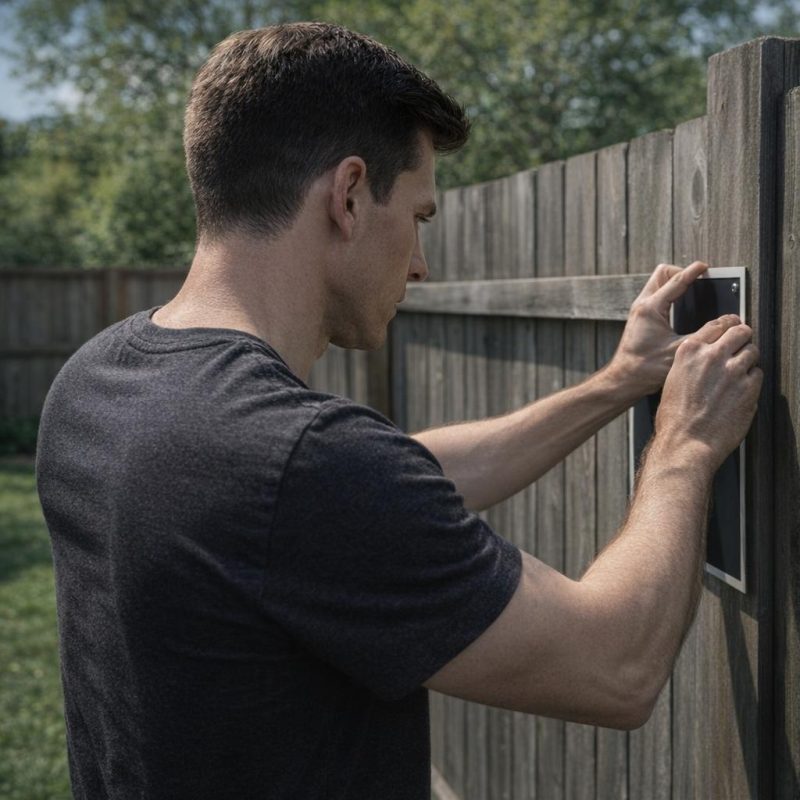 Image by RM AI
The Wait
I spent the rest of the weekend walking the perimeter, triggering sensors, and adjusting camera angles until I was confident that everything would work exactly as designed when it mattered. The voice announcement played clearly each time, loud enough to be heard across the entire backyard. I tested the sprinkler response time—three seconds from motion detection to full spray, which was faster than I'd expected. The camera feeds captured everything in sharp detail, and the mobile notifications came through instantly every time a sensor triggered. Sunday evening I reviewed all the test footage, confirming that every angle was covered and every recording was clear enough to identify faces. I went to bed that night feeling more prepared than I had in weeks. Monday morning I was drinking coffee in my kitchen when I glanced at the camera feed on my phone. Gerald appeared at his fence line right on schedule, coffee mug in hand, staring toward my backyard like he'd done every morning for weeks. But this time I watched him through the camera with something closer to anticipation than anxiety.
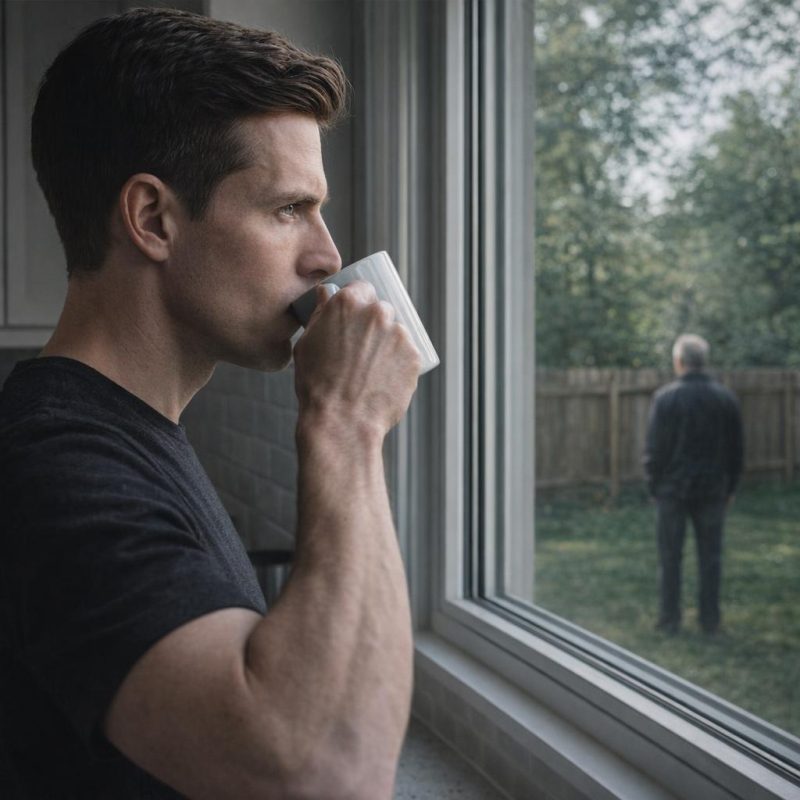 Image by RM AI
Motion Alert
I was eating lunch inside Friday afternoon when my phone buzzed with a motion alert, and when I opened the camera feed, I saw Gerald pulling himself over my fence exactly as I had anticipated. He dropped down into my backyard with the same careful movements I'd seen before, landing in a crouch and then straightening up to look around. He was wearing khaki pants and a polo shirt, completely unprepared for what was about to happen. The camera angle was perfect—I could see his face clearly as he scanned the construction area, probably looking for whatever code violation he'd convinced himself he'd find this time. He took a step forward, then another, moving with the confidence of someone who thought he was still operating in secret. My finger hovered over the screen for a moment, considering whether to rush outside and confront him directly. But I'd installed the system for exactly this reason. I didn't rush outside—I just watched the screen and waited for what came next.
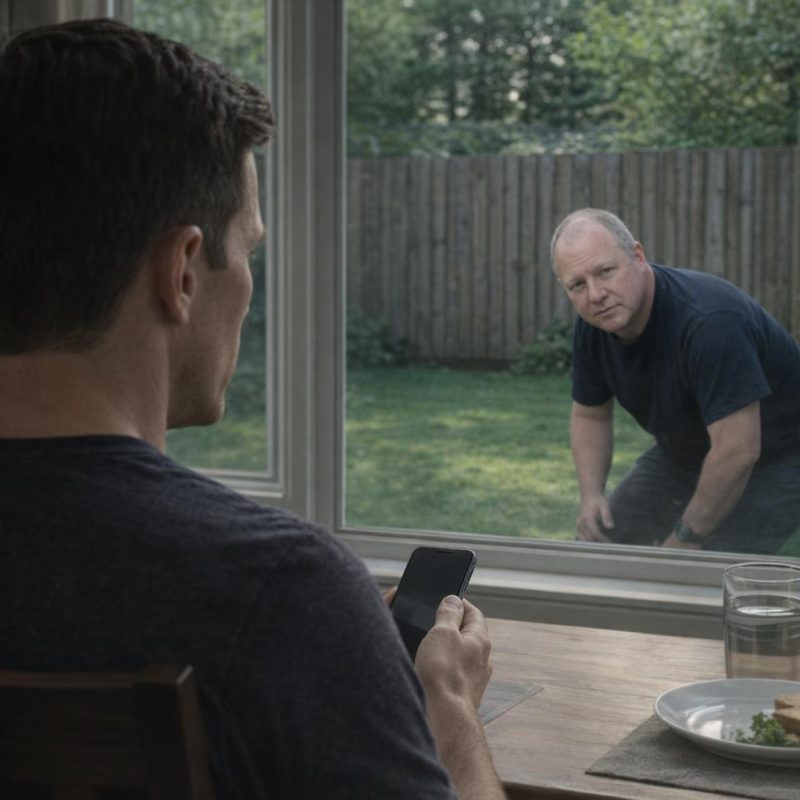 Image by RM AI
System Active
Gerald took three steps toward the construction zone before the alarm triggered, its sharp tone cutting through the afternoon silence followed by the recorded voice announcing that he was entering monitored private property and authorities might be notified. The sound was louder than I'd expected, even through the phone speaker—a piercing electronic tone that would've made anyone jump. Gerald's entire body went rigid, his shoulders jerking up in obvious shock. The voice announcement played clearly: "Warning. You are entering monitored private property. Video and audio surveillance is active. Property owner has been notified. Law enforcement may be contacted." I watched his head whip around, searching for the source of the voice, his expression shifting from confusion to something closer to panic. He'd clearly expected to slip in and out undetected, just like he had before. His hand came up to shield his eyes as he scanned the fence line, probably spotting the yellow warning signs for the first time. He started to turn back toward the fence, his movements jerky and rushed. Gerald froze in place, his head turning to locate the source—and then the sprinkler system activated.
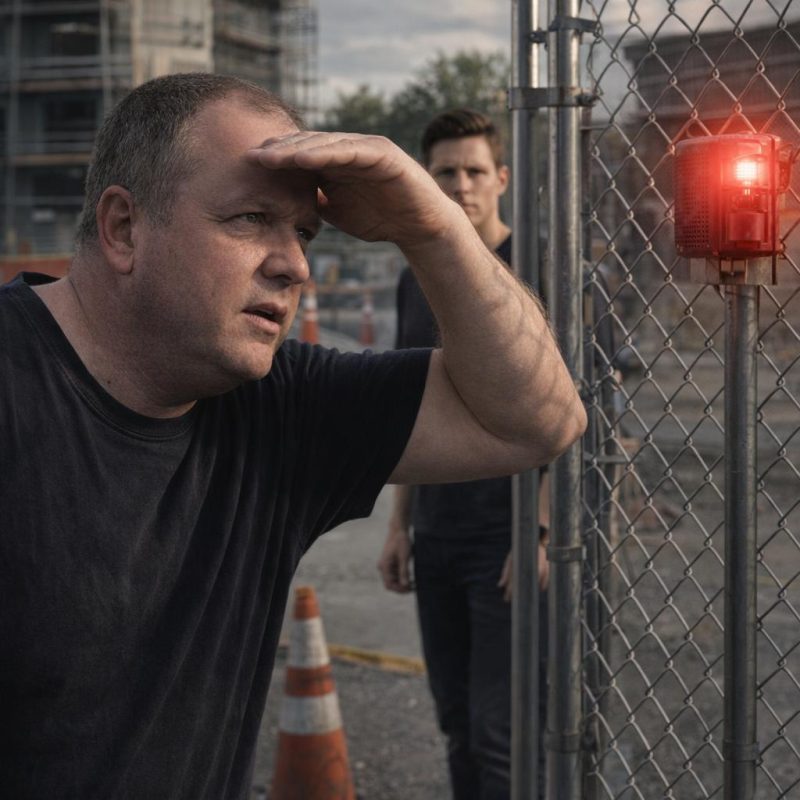 Image by RM AI
The retreat
The sprinkler system burst to life with a spray of cold water that caught Gerald mid-turn, and I watched through the camera as he scrambled toward the fence, soaked and panicked, hauling himself over and dropping back into his own yard. The water hit him directly in the chest and face, and I could see his mouth open in what was probably a shout of surprise. His polo shirt went dark with water immediately, clinging to his frame as he stumbled backward. He recovered quickly enough, but his movements were frantic now—none of the careful precision he'd shown climbing over. He reached the fence and grabbed the top rail, trying to pull himself up, but his wet hands kept slipping on the wood. It took him three attempts to get enough grip to haul himself over, his legs kicking awkwardly as he struggled. He dropped into his own yard with none of the controlled landing he'd managed on the way in, nearly falling before catching his balance. Then he was running toward his back door, water dripping from his clothes, not looking back even once. He disappeared through his back door without looking back, and for the first time in weeks, my backyard was completely quiet.
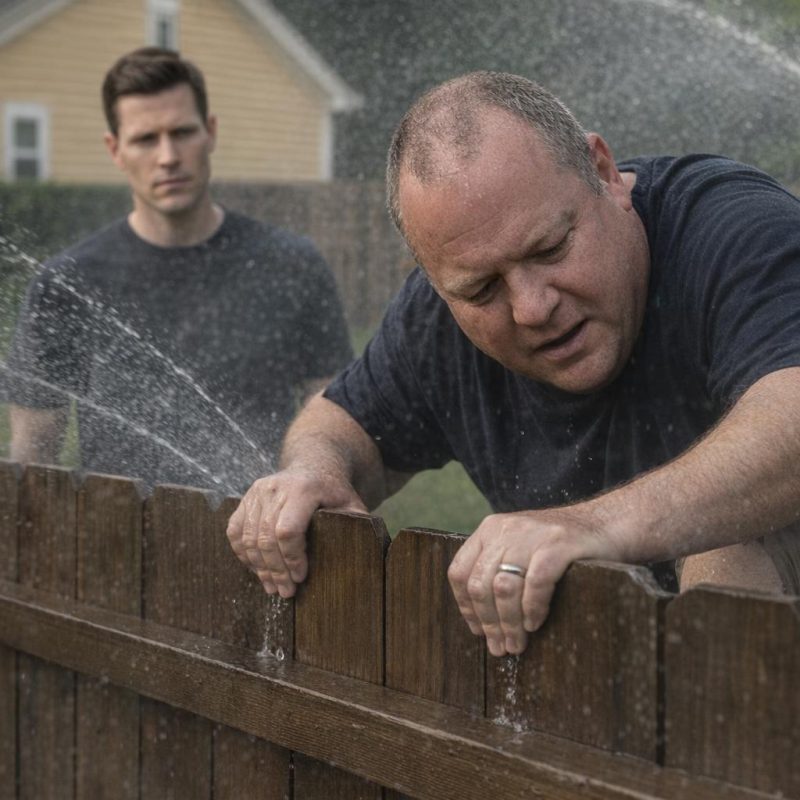 Image by RM AI
Silent afternoon
I watched the camera feed for the rest of the afternoon, but Gerald never reappeared at the fence line, and his house remained quiet with every curtain drawn. I kept my phone nearby, checking the feed every fifteen minutes or so, half-expecting to see him emerge with some new strategy or complaint. But there was nothing. No movement at his windows, no shadow at the fence, no sound from his property at all. The silence felt almost surreal after weeks of constant surveillance and interference. I pulled up the recording of the alarm incident and watched it through twice more, confirming that everything had captured clearly—Gerald's face, the warning signs visible in the background, the timestamp showing he'd entered my property without permission. I saved three backup copies to different devices, just in case. Evening came and the construction area sat undisturbed, the pool excavation exactly as Marcus had left it. The sun set behind Gerald's house and still no lights came on that I could see. For the first time since construction started, I didn't feel watched.
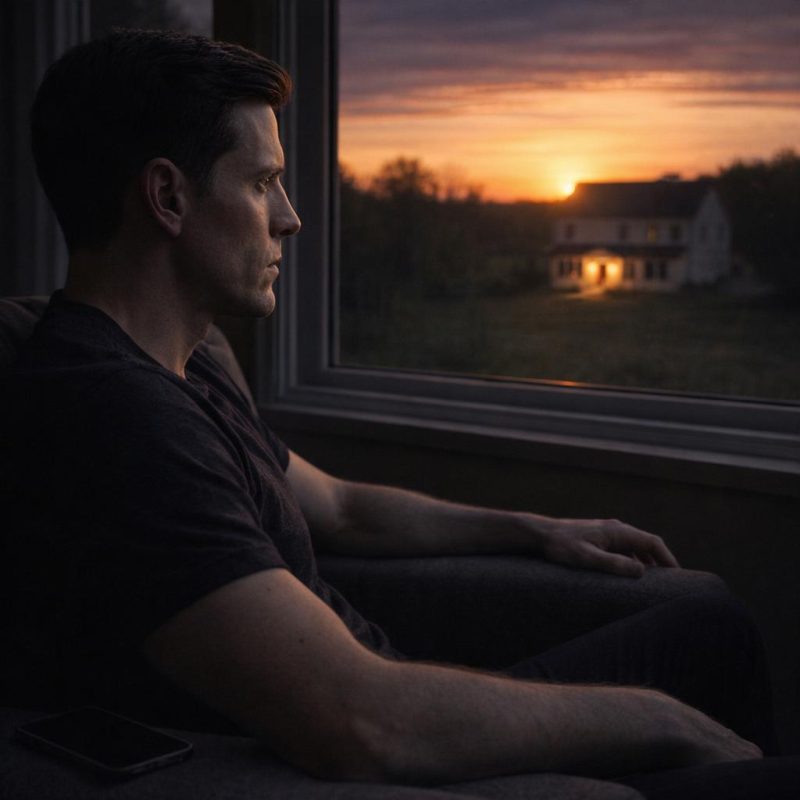 Image by RM AI
No complaint
The weekend passed without a city inspection, without a phone call, and without a single knock on my door—no one filed any complaint about what had happened in my backyard. Saturday came and went with complete silence from Gerald's property. Sunday was the same. No inspector showed up with a clipboard and concerned expression. Tom didn't call to relay some new neighbor concern. My phone didn't ring at all except for normal weekend messages from friends. I kept checking the camera feeds out of habit, but Gerald's house remained quiet, curtains still drawn, no activity at the fence line. By Sunday evening I understood what the silence meant. Gerald couldn't report me without admitting he'd been trespassing on video. Any complaint he filed would require him to explain how he knew about the alarm system, which would mean admitting he'd climbed my fence and entered my property illegally. The warning signs had been clearly posted and visible from both sides of the fence. Everything I'd installed was legal and properly disclosed. The video showed exactly what had happened, with timestamps and clear footage of his face. Gerald couldn't report me without admitting he'd been trespassing on video, which meant he had nothing left to use against me.
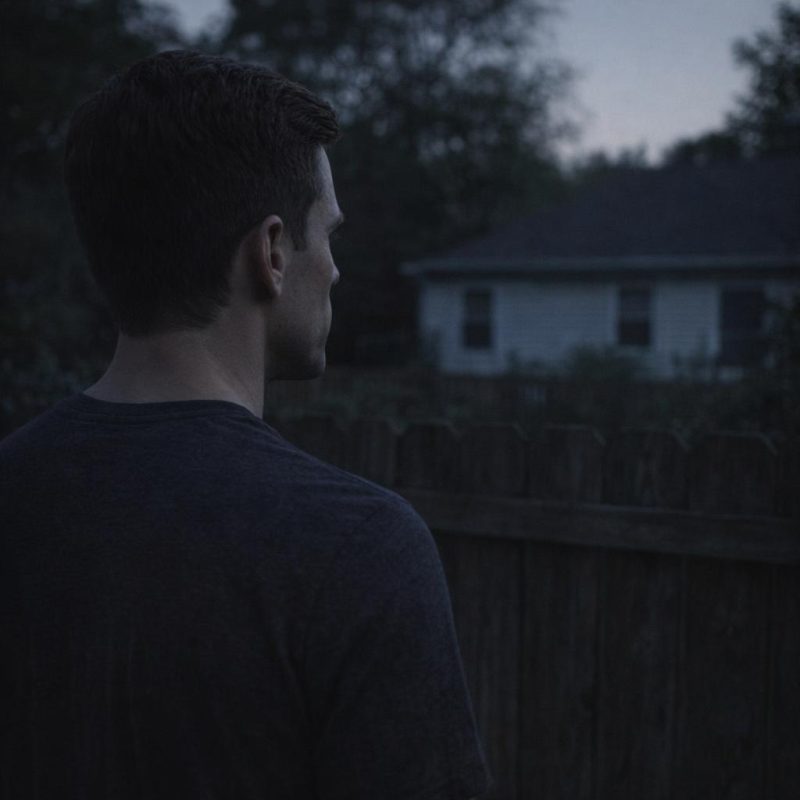 Image by RM AI
Back to Work
Marcus and his crew returned Monday morning, and for the first time since construction began, the entire day passed without a single neighbor approaching with questions, complaints, or measuring devices. I watched from my kitchen window as they unloaded equipment and started work on the pool's finishing touches. The usual sounds of construction filled the air—power tools, voices calling back and forth, the beep of equipment backing up. But there was something different about it now. No Gerald at the fence line with his coffee and clipboard. No neighbors wandering over to ask pointed questions about permits or property lines. Just normal work proceeding at a normal pace. I checked the camera feed periodically throughout the day, more out of habit than concern. The fence line remained empty. Around mid-afternoon, Marcus knocked on my back door during a break. He had that weathered, knowing look contractors get when they've seen enough job sites to recognize when something's changed. He asked what had happened, noting how unusually quiet everything had been compared to previous weeks. Marcus asked what had changed, and I just told him I'd made some property improvements.
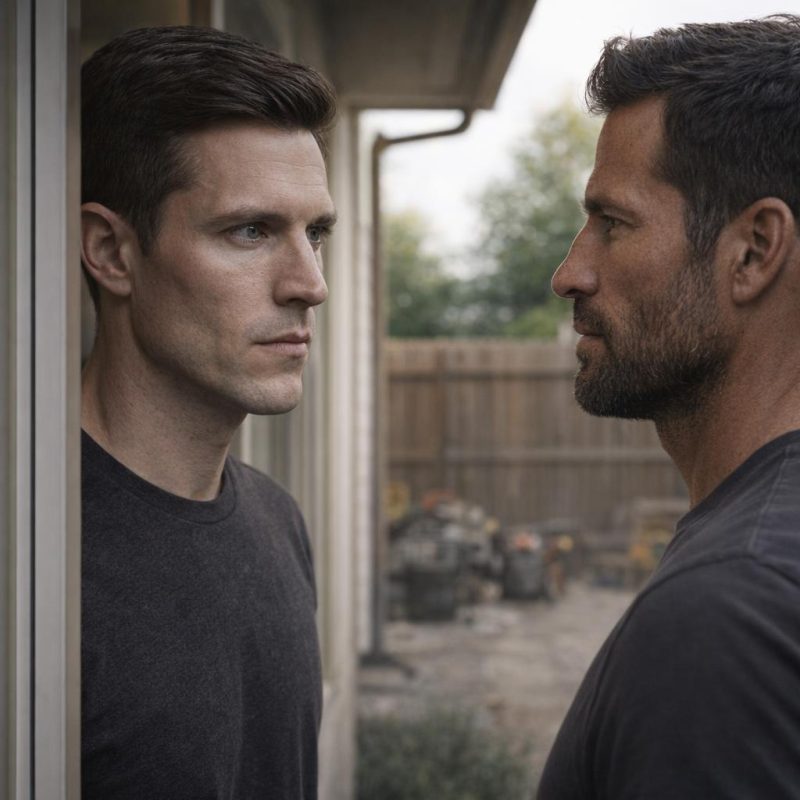 Image by RM AI
Taking shape
Over the next two weeks, I watched my backyard transform in ways I'd honestly stopped believing would happen without drama. Marcus and his crew showed up every morning at seven-thirty, worked through the day with methodical precision, and left each evening without a single interruption. The excavation and framework I'd been staring at for weeks became a finished basin, properly waterproofed and smooth. Then came the tile work—blue and white ceramic that caught the afternoon light exactly how I'd imagined when I first picked out the samples. The interior surfaces got grouted, sealed, inspected by the city inspector who showed up on schedule and signed off without comment. Pool equipment arrived and got installed along the fence line—pumps, filters, the heating system I'd splurged on because why not at this point. I checked my security cameras out of habit those first few days, but the fence line stayed empty. No Gerald with his clipboard. No Tom wandering over with questions. No neighbors suddenly concerned about drainage or permits or property lines. Just construction proceeding exactly as it should have from the beginning. On Thursday of the second week, Marcus knocked on my door during his afternoon break, wiped his hands on his jeans, and told me we were three days from final inspection and filling the pool with water.
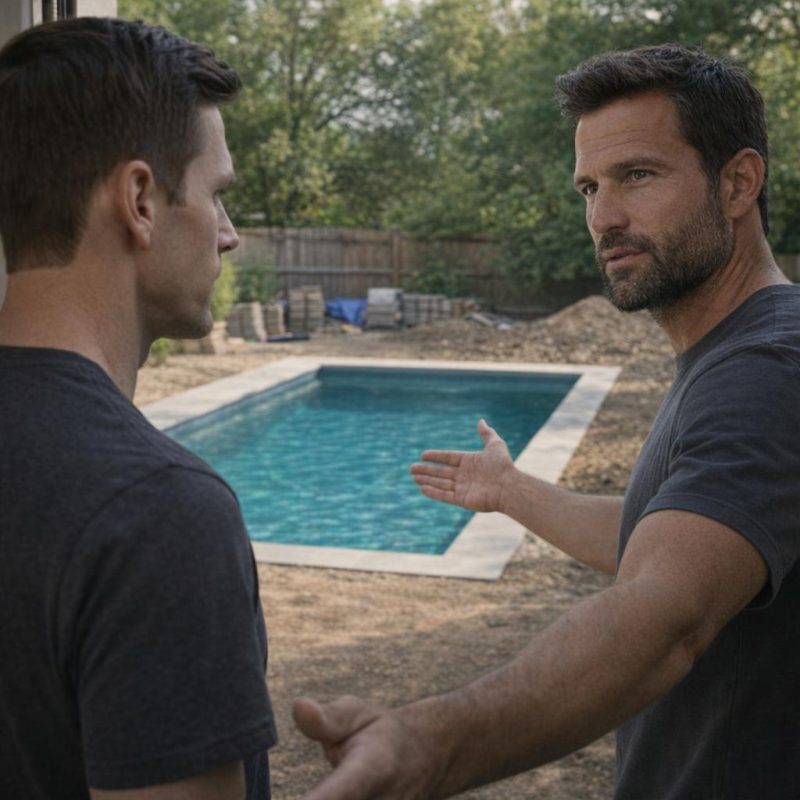 Image by RM AI
First swim
I stood at the edge of my completed pool on a Saturday afternoon in late summer, staring at the clear blue water that reflected the cloudless sky above. The tile work gleamed in the sunlight. The equipment hummed quietly in the background, exactly as Marcus had promised it would. This was it—the quiet backyard retreat I'd imagined three years ago when I first walked through this house and pictured exactly this moment. The temperature had hit eighty-five that day, perfect swimming weather, and I'd taken the afternoon off specifically for this. No grand celebration, no pool party with friends. Just me and the thing I'd built despite everything that had tried to stop it. I dove in without ceremony, letting the cool water close over my head and wash away months of surveillance cameras, permit complaints, and fence-line confrontations. When I surfaced and started swimming laps, the only sound was water moving against tile and my own breathing. No neighbors watching from their yards. No tension crackling in the air. No Gerald measuring distances or Tom making veiled threats about property values. Just me, the pool, and the peaceful backyard I'd fought harder for than I ever expected I'd have to. I floated on my back and stared up at the clear sky, understanding for the first time in months what peace actually felt like.
 Image by RM AI
Looking back
I stayed in the pool that evening as the sky darkened from blue to purple to deep indigo, floating on my back and marveling at the sheer absurdity of everything that had happened. All I'd wanted was a simple backyard improvement—a place to relax after work, maybe swim some laps on weekends. Something as ordinary as thousands of other homeowners do every year without incident. Instead, that simple desire had triggered months of surveillance, trespassing, coordinated complaint campaigns, and a neighbor war over drainage permits and forty thousand dollars I never even knew existed until Gerald's plans fell apart. I understood the desperation, honestly. If I'd invested that much money and time into something, only to have it blocked by paperwork I'd ignored, I'd probably be furious too. But surveillance cameras? Breaking into my yard? Getting family members involved in harassment campaigns? The escalation had been insane, and looking back on it from the calm of my completed pool, I could barely believe it had all been real. Everything that happened—every confrontation, every complaint, every tense conversation—had been over permits and timing and suburban territorial instincts that turned neighbors into adversaries over property lines and drainage requirements. None of it had been necessary, but all of it had happened anyway.
 Image by RM AI
The peaceful backyard
Now when I come home from work, I walk through my house to the backyard where the pool waits exactly as I'd imagined it three years ago. The water stays clear and perfectly balanced. The equipment runs quietly. The tile gleams in whatever light the day offers. I swim laps most evenings when the weather cooperates, and on weekends I float with a book and let the stress of the week dissolve into chlorinated water. If I happen to notice Gerald in his own yard—and I do, occasionally, because we still live directly behind each other—neither of us acknowledges the other. No waves, no nods, no neighborly small talk about weather or lawn care. We exist in the same geographic space while pretending we don't, which suits us both fine. Tom Sullivan maintains the same careful distance. Linda Chen still smiles and waves when our paths cross, bless her. My security cameras stay operational, not because I expect trouble but because I learned my lesson about documentation. Gerald's pool project remains unbuilt, his backyard still just grass and that fence line we both know too well. The lesson I took from all of this: follow the rules, document everything, and defend your boundaries when someone tries to cross them. All I wanted was a quiet backyard and a small pool to unwind after work, and after everything that happened, that's exactly what I have.
 Image by RM AI
KEEP ON READING

The Brutal Realities Of Gladiator Life Beyond the Arena
David Cruz asenjo on PexelsWhen most people think of gladiators,…
By Rob Shapiro Mar 31, 2026
The Volcano Winter That Nearly Toppled Europe
Collin Ross on UnsplashMost people, if asked to name a…
By Cameron Dick Mar 31, 2026
From School Plays To Starting A Cult: 20 Of The…
The Books That Made Us. Many people will tell you…
By Farva Ivkovic Jan 31, 2025
20 Facts About Jane Grey, The Forgotten Queen Of England
A Quick, Messy, and Tragic Reign. Lady Jane Grey never…
By Maria Cruz Jan 31, 2025
20 Priceless Historical Art Pieces Rescued By The Monuments Men
Protecting Human History. While the soldiers on the front lines…
By Sara Springsteen Mar 31, 2026
Almost Every Ancient Statue Has a Missing Nose, And It's…
Gary Todd from Xinzheng, China on WikimediaWalk through the classical…
By Elizabeth Graham Mar 31, 2026