

My Dead aunt Left Me a Flash Drive. What I heard on It Changed Everything I thought I knew About My Family.
My Dead aunt Left Me a Flash Drive. What I heard on It Changed Everything I thought I knew About My Family.
The Call
I was in the middle of answering emails when my phone buzzed with a number I didn't recognize. I almost let it go to voicemail—honestly, who answers unknown numbers anymore?—but something made me pick up. The voice on the other end was formal, measured, the kind of tone that makes you sit up straighter without meaning to. He introduced himself as Mr. Patterson, an attorney handling my aunt Margaret's estate. Margaret. I hadn't thought about her in months, maybe longer. She'd passed away three weeks earlier, and I'd gone to the funeral, stood in the back, paid my respects. It had been quiet, sparsely attended, which felt right for someone as private as she'd been. But now this lawyer was calling me directly, and I felt my stomach tighten for reasons I couldn't quite name. He asked if I had time to discuss some matters related to her affairs, and I said yes, though I had no idea why he'd be reaching out to me specifically. I barely knew Margaret, if I'm being honest. She was family in name, but we'd never been close. And yet here I was, being pulled into something I didn't understand.
 Image by RM AI
Something Left Behind
Mr. Patterson explained that Margaret had made specific arrangements before she died, and that I was named in those arrangements. I remember asking why—why me, of all people? Margaret and I had maybe exchanged a dozen conversations in my entire life, most of them polite and forgettable. He didn't really answer that, just said she'd been very clear about her intentions. There was something in his voice, a carefulness that made me uneasy. He kept emphasizing that this needed to be handled properly, that there were protocols to follow. I asked if he could just tell me what she'd left, but he deflected. He said it was important that I receive this in person, that Margaret had insisted on it. The phrasing stuck with me—insisted. Like she'd known something I didn't. I agreed to come to his office within the next few days, though part of me wanted to push back, to ask more questions. But I didn't. I just said I'd be there. After we hung up, I sat there staring at my phone, trying to remember the last real conversation I'd had with Margaret. I couldn't.
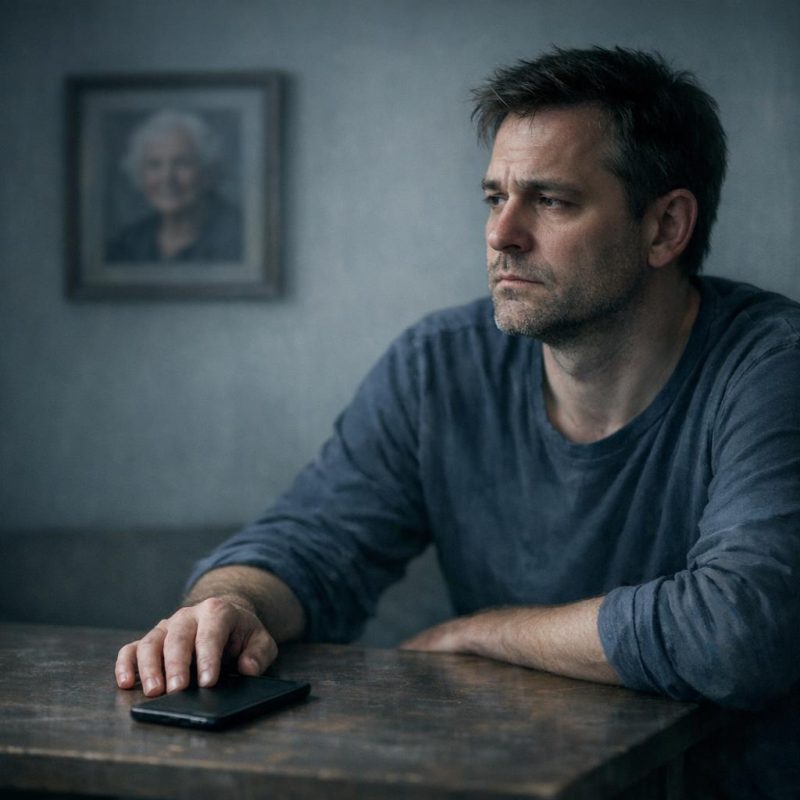 Image by RM AI
The Flash Drive
Mr. Patterson's office was exactly what you'd expect—neat, impersonal, the kind of place where everything has its spot and nothing feels warm. He gestured for me to sit, then slid a sealed envelope across the desk. My name was written on it in Margaret's handwriting, which I recognized from birthday cards she'd sent years ago. I opened it carefully, and inside was a small flash drive and a single piece of paper, folded once. The note was short, just one line in her careful script: You need to hear this before anyone else talks to you. I read it twice, then looked up at Mr. Patterson. He was watching me with that same measured expression, giving nothing away. I asked him what was on the drive, but he just said Margaret had prepared it herself and that he had no knowledge of the contents. He'd been instructed to deliver it to me, nothing more. I turned the flash drive over in my hand, feeling its weight, which was almost nothing. But the note—that phrasing—made it feel heavier than it should have been. Before anyone else talks to you. What the hell did that mean?
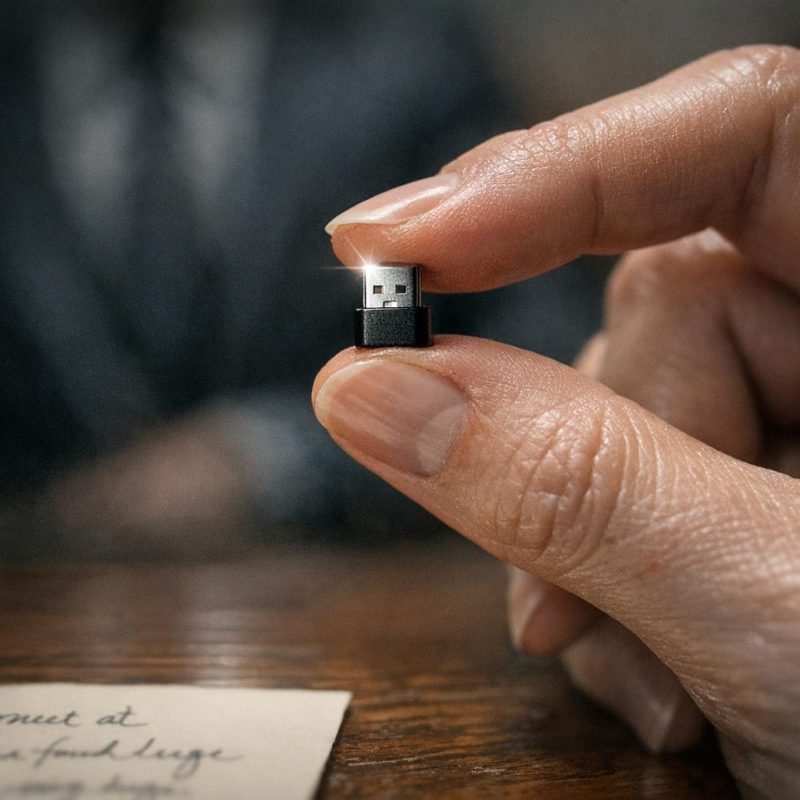 Image by RM AI
The Weight of a Warning
I drove home with the flash drive in my jacket pocket, hyper-aware of it the entire way. When I got inside, I set it on my desk and just stared at it for a while, longer than I want to admit. Sarah noticed I was distracted—she asked if everything was okay, and I gave her some vague answer about estate stuff, nothing important. I didn't mention the note. I'm not sure why. Maybe because I didn't know how to explain the feeling it gave me. I kept pulling the note out and rereading it, like the words might change or clarify themselves. You need to hear this before anyone else talks to you. Who else would talk to me? About what? I thought about waiting, maybe until the weekend when I had more time to process whatever this was. But the longer I sat there, the more the curiosity gnawed at me. It felt like Margaret was in the room, waiting for me to make a decision. I picked up the flash drive, turned it over in my hand one more time, and then I made up my mind. I was going to listen.
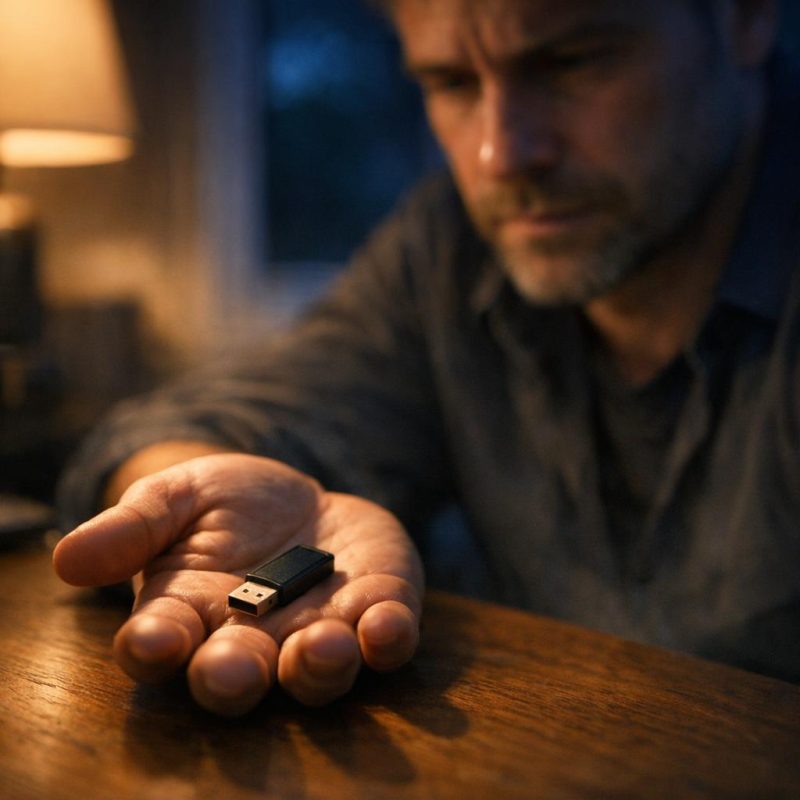 Image by RM AI
Her Voice
I plugged the flash drive into my laptop and opened the folder. There was a single audio file, no label, just a timestamp. I hovered the cursor over it for a moment, then clicked play. Margaret's voice came through my speakers immediately, and it stopped me cold. It was her, unmistakably, but she sounded different than I remembered. More deliberate. More serious. She said my name first—just my name—and then paused, like she was gathering herself. If you're hearing this, she said, it means I didn't get the chance to explain things to you myself. Her tone was calm, almost too calm, like she'd practiced what she was going to say. I felt my stomach tighten. The phrasing was careful, measured, and it carried an implication I didn't want to think about. She'd recorded this knowing she might not be around to have this conversation in person. That alone was unsettling. But it was the way she said it—like there was something specific she needed me to know, something she couldn't trust anyone else to tell me. I leaned closer to the screen, my hand frozen on the mouse.
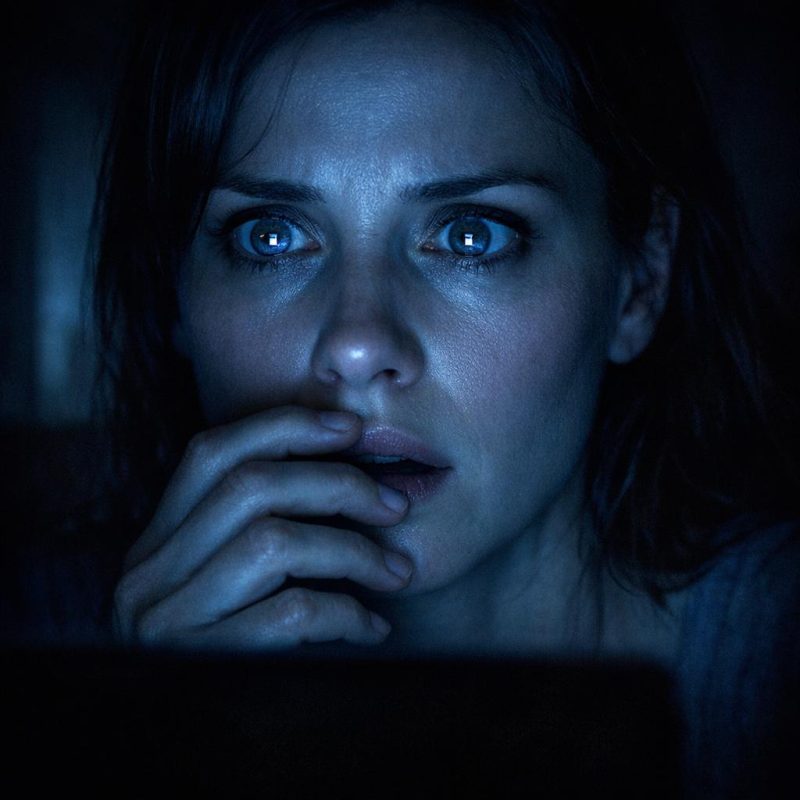 Image by RM AI
Things That Were Never Said
Margaret kept talking, her voice steady and unhurried. She said there were things that had been handled quietly in the family, decisions made behind closed doors that I'd never been told about. She didn't name anyone yet, didn't give specifics, but the way she spoke made it clear this wasn't small talk. She mentioned agreements, arrangements that had been kept private for reasons I wouldn't have understood at the time. I felt my chest tighten. This wasn't the Margaret I remembered—the quiet, distant aunt who showed up to family events and left early. This was someone who'd been paying attention, who'd been holding onto something for years. She said some things had been decided without my knowledge, things that involved people I trusted. Her tone wasn't angry or accusatory, just factual, like she was laying out a case. I realized I was holding my breath. She kept using phrases like handled quietly and kept between certain people, and each one made my skin crawl a little more. I didn't know what she was building toward, but I could feel the weight of it. And then she said something that made my blood run cold. There are decisions that were made long before you could understand them.
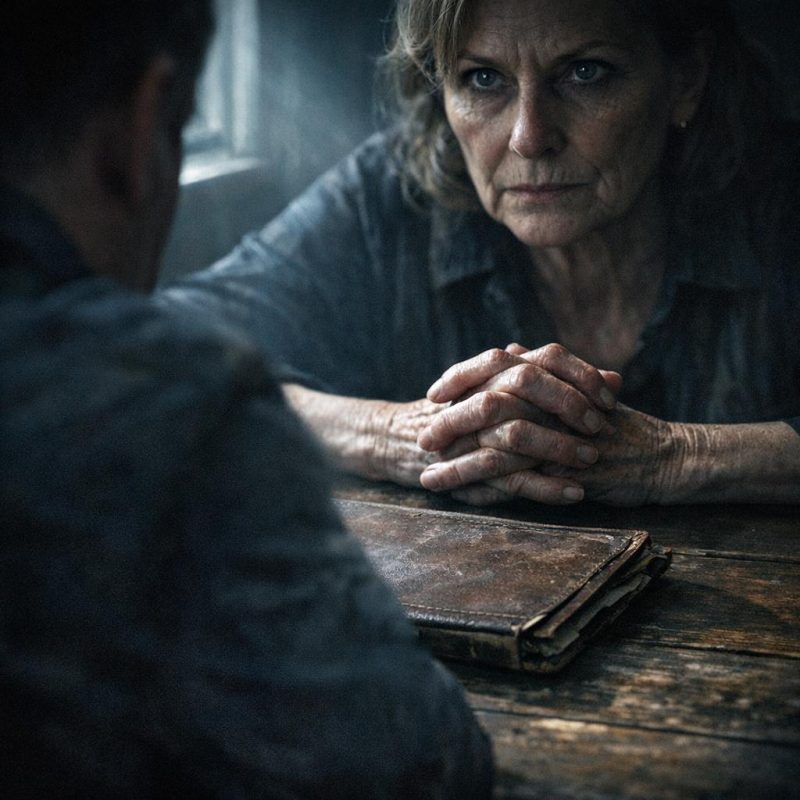 Image by RM AI
Before You Could Know
Margaret's voice continued, and this time she got more specific. She said that when I was a child, certain choices had been made about my life—choices that shaped things in ways I'd never known. She didn't say what those choices were, not yet, but the implication was clear: people had decided things for me, about me, without ever telling me. I felt a cold weight settle in my chest. She mentioned agreements that involved my future, conversations I'd never been part of, decisions made by people I'd trusted my whole life. I thought about my childhood, the memories I'd always taken at face value, and suddenly they felt unstable, like I was looking at them through a warped lens. Margaret said there were people who had information they'd never shared with me, and that she'd kept quiet too, for longer than she should have. Her voice wavered just slightly when she said that, the first crack in her composure. I sat there, staring at the screen, trying to process what I was hearing. My mind was racing, pulling up faces, moments, trying to figure out what she was talking about. And then she started naming specific people and moments.
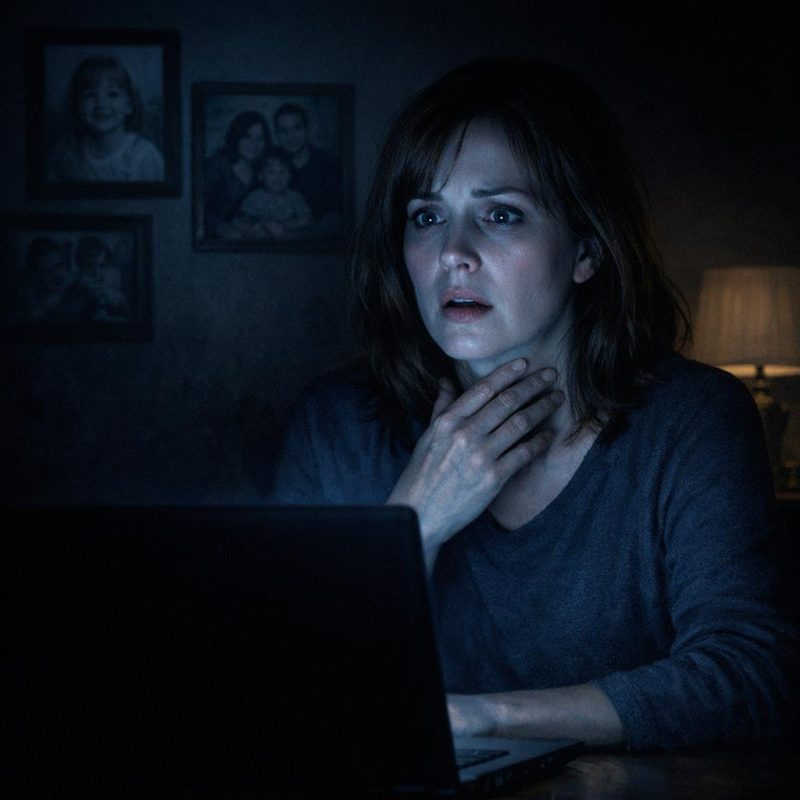 Image by RM AI
Names and Places
Margaret began listing names—people I knew, people I'd grown up around. She mentioned family gatherings I remembered clearly, conversations I'd overheard as a kid but never thought twice about. She described moments that had seemed ordinary at the time: adults talking in low voices in the kitchen, someone leaving a room when I walked in, a phone call that ended abruptly. I remembered all of it. But hearing her describe these same moments, with context I'd never had, made them feel completely different. She talked about interactions between my parents and other family members, tensions I'd been too young to notice or understand. She mentioned specific holidays, specific arguments, specific decisions that had been made while I was in the other room. Every detail she gave, I recognized. But now, with her framing, I could see the hidden currents beneath them—the things that had been happening just out of my view. My understanding of the past was shifting with every sentence, and I felt like I was watching my childhood rearrange itself into something I didn't recognize. I recognized every detail she mentioned, but from a perspective I'd never imagined.
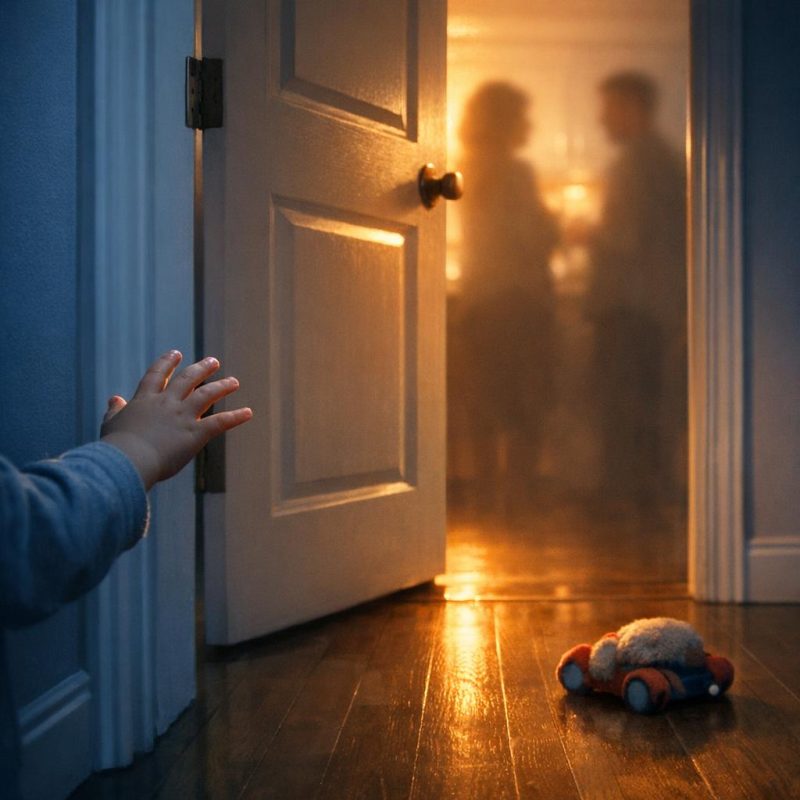 Image by RM AI
The Long silence
The recording ended with a soft click, and I sat there in my office, staring at the flash drive like it might start talking again. I don't know how long I stayed frozen like that—could've been five minutes, could've been an hour. My coffee had gone cold. The cursor on my computer screen blinked at me, waiting. I kept replaying Margaret's words in my head, trying to make them fit with what I knew about my family, about my childhood, about everything. But they wouldn't fit. It was like trying to force puzzle pieces from different boxes together. I thought about Christmas dinners, summer barbecues, all those ordinary moments that suddenly felt like they had another layer I'd never seen. Had everyone else known? Had I been the only one walking around oblivious while the adults exchanged meaningful looks over my head? I pressed my palms against my eyes until I saw spots. My hands were shaking. I realized, sitting there in the dark office with just the glow of my monitor, that I couldn't unhear any of it.
 Image by RM AI
Half-truths
I found Sarah in the living room, curled up on the couch with her laptop. She looked up when I came in, and whatever she saw on my face made her close the computer immediately. "What's wrong?" she asked. I sat down heavily beside her, trying to figure out where to even start. "Margaret left a recording," I said. "On the flash drive. She talked about... family stuff. Things I didn't know." Sarah shifted to face me fully, her expression concerned. "What kind of things?" I rubbed my face, struggling to put it into words without actually saying anything concrete. "Just... secrets, I guess. Things that happened that I never understood. She mentioned people, conversations, decisions that were made." It sounded vague even to my own ears. Sarah reached for my hand. "Are you okay?" she asked gently. I wasn't sure how to answer that. She asked a few more questions—what specifically did Margaret say, who was involved—but I couldn't seem to form coherent responses. Finally, she squeezed my hand and said, "Are you going to talk to your parents about this?" The question hit me like cold water, and I realized I had to.
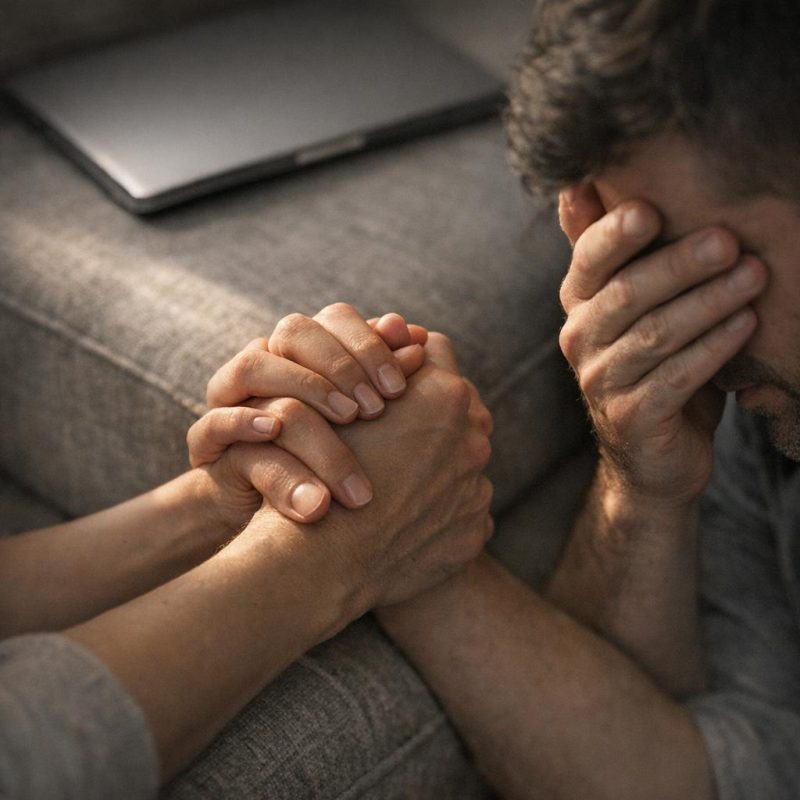 Image by RM AI
First Steps
The next morning, I sat at the kitchen table with my second cup of coffee, trying to think clearly. Sarah had already left for work, but before she went, she'd told me I needed to get answers, that sitting with this alone would drive me crazy. She was right. I grabbed a notepad and started writing down names—family members who might know something, who might be willing to talk. My parents were the obvious choice, but the thought of calling them directly made my stomach clench. They'd deflect, I knew they would. I needed information first, context, something to work with before I walked into that conversation. I thought about aunts and uncles, family friends, people who'd been around during the times Margaret mentioned. Then I thought about Emma. Margaret's daughter. She'd been at the funeral, standing apart from everyone else, and I remembered thinking at the time that she seemed angry about something. If anyone knew what Margaret had been thinking in her final years, it would be her. Plus, she was outside my parents' immediate circle—maybe she'd be more willing to talk. I wrote her name at the top of the list and stared at it, feeling both determined and sick with anxiety about what I might learn.
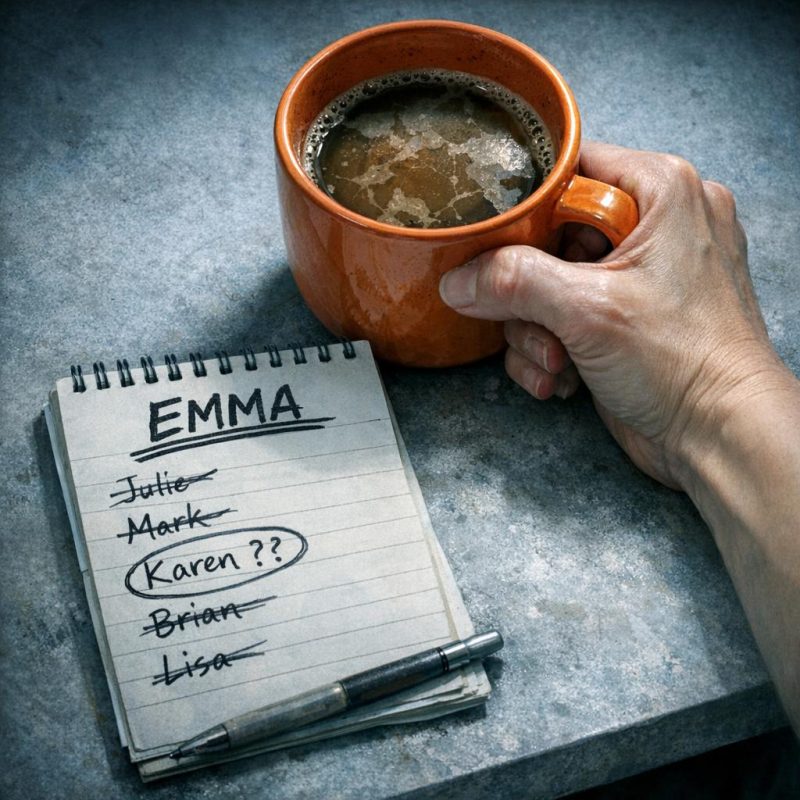 Image by RM AI
A cousin's Distance
I found Emma's number in my phone from a family group chat we'd both been added to years ago and never left. It rang four times before she picked up. "Daniel?" She sounded surprised. "Hey, Emma. I know this is out of the blue, but I wanted to ask you about Margaret." There was a pause. "What about her?" Her tone had shifted, become more guarded. I tried to keep my voice casual. "I've just been thinking about her since the funeral. I realized I didn't know her that well, and I was wondering about your relationship with her. You two were close, right?" Another pause, longer this time. "We were," she said carefully. "At one point." I waited, hoping she'd elaborate. When she didn't, I pressed gently. "At one point? What changed?" I heard her exhale, a sharp sound that might've been a laugh or something harder. "We hadn't really spoken in over a year," she said, and her voice had gone tight, like she was forcing the words through a narrow space.
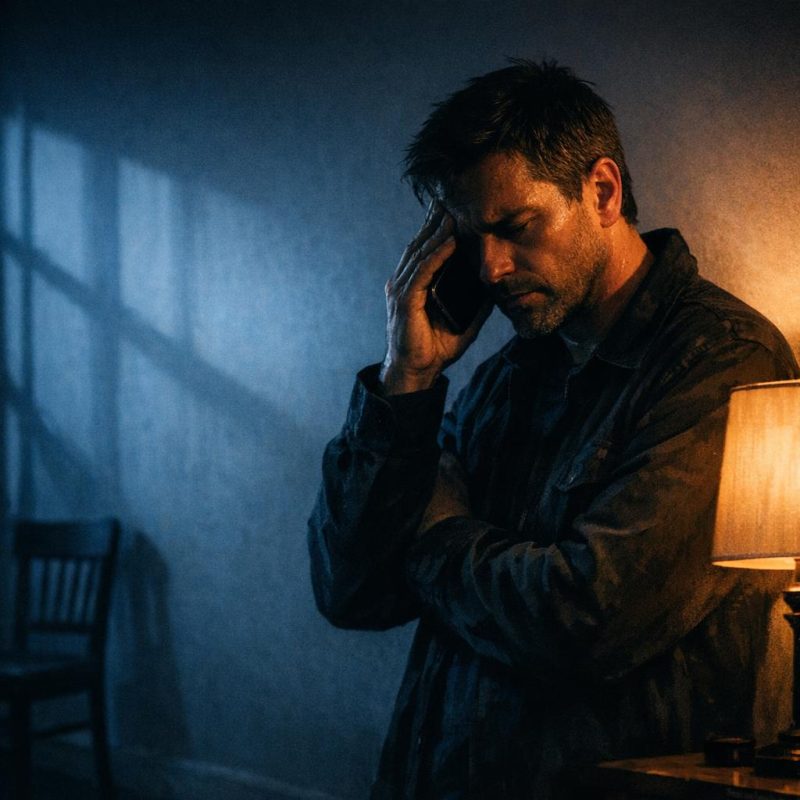 Image by RM AI
The Gap Between Mother and daughter
"A year?" I tried to keep the surprise out of my voice. "I didn't know that. What happened?" Emma was quiet for a moment, and I could hear something in the background—maybe traffic, maybe a TV. "It's complicated," she finally said. "Family stuff." I felt a flash of frustration. Everyone kept saying that. "Can you tell me about it?" I asked. "I'm trying to understand some things about the family, and I think Margaret might've—" "Look," Emma cut me off, her tone sharper now. "My mother made choices. I didn't agree with all of them. We grew apart. That's all there is to it." But it wasn't all, I could hear it in her voice. "Emma, please. If there's something I should know—" "Why are you really calling?" she asked, and there was an edge of bitterness there. "What did she tell you?" The question caught me off guard. Before I could figure out how to answer, she spoke again. "Some things are better left alone, Daniel. Trust me on that. Whatever you're digging into, ask yourself if it's really worth it." Then she hung up.
 Image by RM AI
The Wall
I called my parents that evening, putting them on speaker so I could hear them both. Dad answered, and I heard Mom pick up the extension a moment later. "Hey, it's me," I said. "I wanted to ask you about Margaret." "Oh, honey," Mom said, her voice immediately sympathetic. "I know her passing has been hard. She was a good woman." "I'm trying to understand more about her life," I said carefully. "About her relationship with the family in her later years." Dad cleared his throat. "What do you want to know?" "Did you two stay in touch with her? Did she ever talk about family history, about decisions that were made when I was younger?" "We saw her at holidays," Mom said, but her tone had changed, become more measured. "She kept to herself mostly." I tried a different angle. "Margaret mentioned some things in—" "Daniel," Dad interrupted, his voice firm. "Your aunt was elderly. Sometimes people remember things differently than they happened." Mom jumped in quickly. "Is everything okay with you and Sarah? You sound stressed." I felt the conversation slipping away. "I'm fine. I just want to understand—" "We can talk about this another time," Mom said, and there was an edge in her voice I rarely heard. "When you're not so worked up."
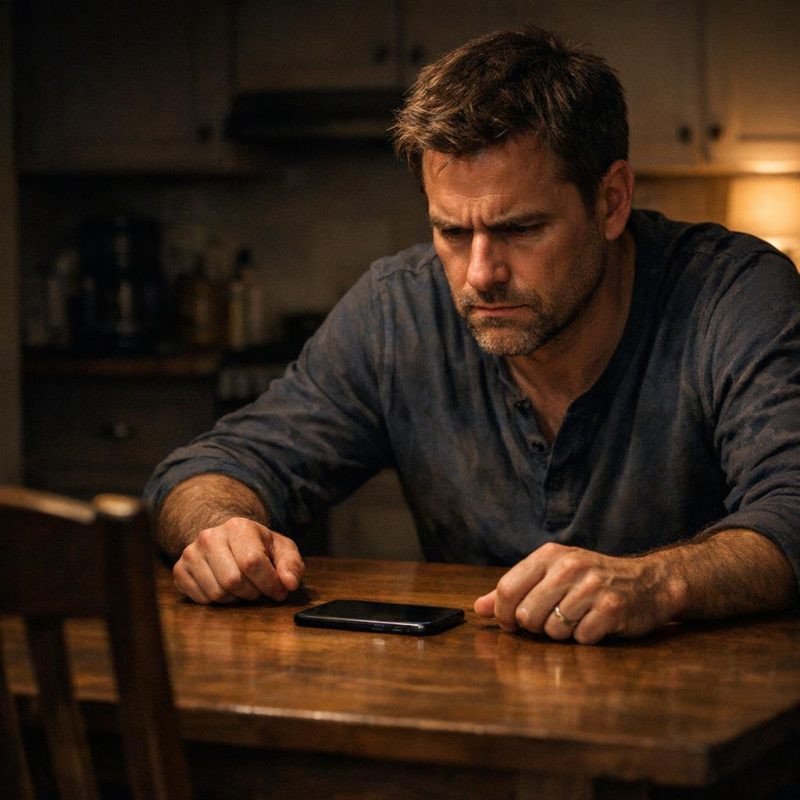 Image by RM AI
Professional Help
I found Mike Harrison through a referral from a colleague who'd used him during a messy divorce. We met at a coffee shop downtown, and he looked exactly like I'd expected—average build, tired eyes, the kind of guy who could blend into any crowd. "Family investigation," he said, pulling out a notebook. "Those can get complicated. What are we looking into?" I explained that I was researching my family history, that I'd received some information suggesting there were things I didn't know about my childhood, about decisions that were made. I mentioned the evasiveness from relatives, the gaps in what people were willing to tell me. Mike took notes, asked for names, approximate dates, any specific events I could remember. "I need to be straight with you," he said, looking up from his notebook. "Family investigations often turn up things people would rather keep buried. Sometimes there are good reasons things stayed hidden. Are you sure you want to know what we might find?" I thought about Margaret's voice on that recording, about my parents' deflections, about Emma's warning. "Yes," I said. "I need to know."
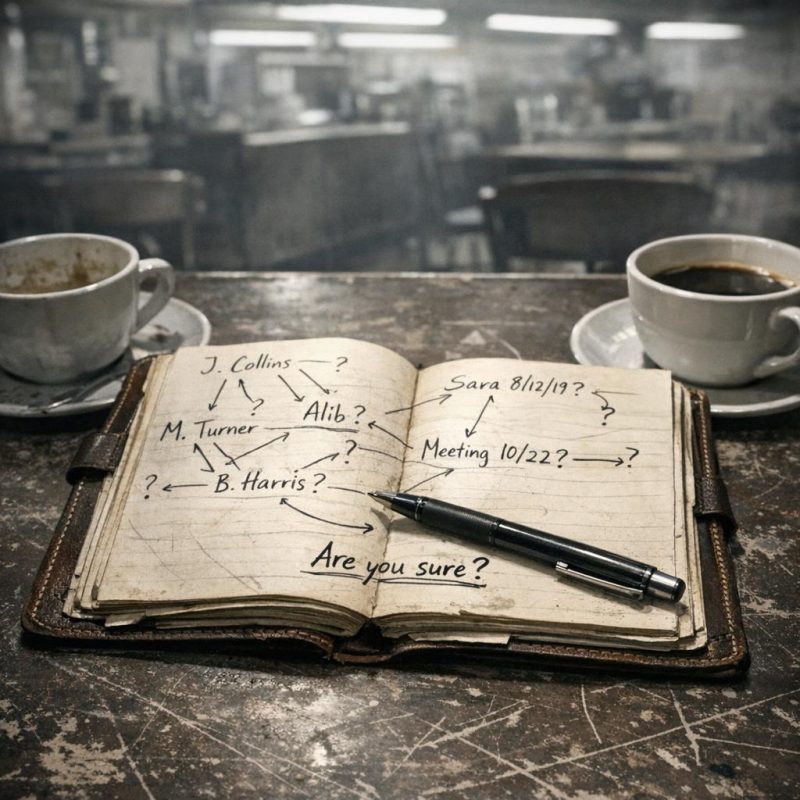 Image by RM AI
Paper trails
Mike called me three days later. I'd been checking my phone obsessively, jumping every time it buzzed. "I've started pulling public records," he said. "Property transfers, business filings, that kind of thing. I'm building a timeline of your family's financial and legal history." "And?" I asked, my heart already beating faster. "There are some gaps," he said carefully. "Documentation that should be there but isn't. References to arrangements that don't have corresponding paperwork. I found some interesting timing around certain property transactions." I waited, gripping the phone tighter. "I also pulled birth records," Mike continued. "Standard procedure for family investigations. And there's something odd about the records from your birth year. Nothing definitive yet, but the filing dates don't quite line up with what I'd expect. I need to dig deeper, maybe request some sealed documents, but I wanted to give you a heads up." My mouth had gone dry. "What does that mean?" "I'm not sure yet," Mike said. "But something about your family's paper trail doesn't add up."}]}{
 Image by RM AI
The Setup
I decided I needed to talk to my parents face-to-face. No more phone calls where they could deflect and hang up. No more letting them control the conversation. I picked up my phone and called my dad's cell, half-expecting it to go to voicemail. He answered on the second ring. "Hey, Dad," I said, trying to keep my voice casual. "I was thinking maybe we could grab lunch this week. Just the three of us." There was a pause, and I braced myself for the excuses. The busy schedule, the prior commitments, the suggestion to do it next month instead. But Robert surprised me. "Sure," he said immediately. "How about Thursday? There's that Italian place on Market Street we used to go to." I blinked, thrown off balance by how easy that had been. "Yeah, Thursday works," I managed. "One o'clock?" "Perfect. We'll see you then." He hung up before I could say anything else. I sat there staring at my phone, feeling more anxious than I had before making the call. The fact that he'd agreed so readily, without even consulting my mom first, without any hesitation at all—it felt wrong somehow. Like they'd been expecting this. Like they were already preparing whatever story they planned to tell me.
 Image by RM AI
Old Names
The restaurant was half-empty when I arrived, the lunch rush not quite started. My parents were already seated in a corner booth, and I noticed my mom had ordered me water. We made small talk for the first twenty minutes—my work, their garden, a cousin's upcoming wedding. It was painfully normal, almost aggressively so. Finally, I couldn't take it anymore. "I've been thinking a lot about Margaret," I said, watching their faces carefully. "About what she wanted to tell me." My dad's expression didn't change, but my mom's hands tightened around her napkin. "She was very sick at the end," Linda said quietly. "Sometimes people get confused." "She didn't sound confused," I pressed. "She sounded like she had something important to say. About family secrets." Linda's face went pale, and she opened her mouth, then closed it. Then, almost like she couldn't help herself, she said, "Thomas Fletcher had no right—" She stopped mid-sentence, her eyes going wide. Robert's jaw clenched so hard I could see the muscle jump. The silence that followed felt like a physical weight pressing down on the table. "Who's Thomas Fletcher?" I asked. Neither of them answered.
 Image by RM AI
researching shadows
I spent that entire evening at my laptop, searching for anything I could find about Thomas Fletcher. The name yielded surprisingly little—a few business records from the eighties, a mention in a local chamber of commerce newsletter, an obituary from six years ago. He'd been around my parents' age, maybe a year or two older than my dad. I expanded my search, trying different combinations, adding my hometown to the query. That's when I found the newspaper archives. The local paper had digitized their society pages going back decades, and there it was—my parents' wedding announcement from 1985. The photo was grainy but clear enough. My mom in her dress, my dad in his tux, surrounded by family and friends. And there, standing just behind my mother's left shoulder, was a man the caption identified as Thomas Fletcher. I clicked through more photos from that era—a charity fundraiser, a company picnic, a New Year's Eve party. Thomas appeared in several of them, always somewhere in the frame with my parents. Then, sometime around 1987, he just vanished from the family photos entirely. Like he'd been erased. I saved every image I could find and made notes to send everything to Mike.
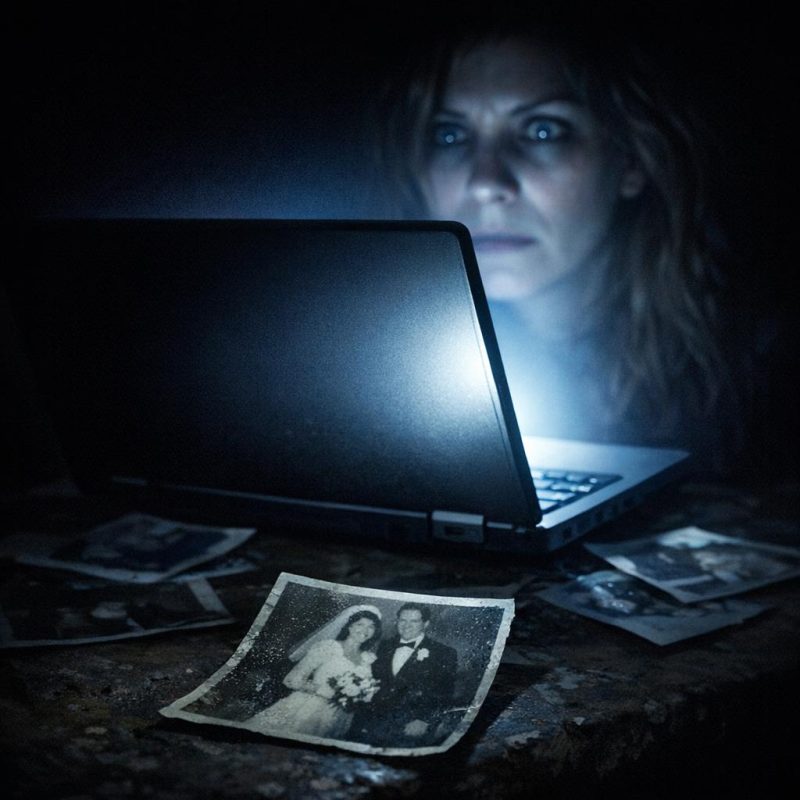 Image by RM AI
wrong Details
Mike called me two days later, and I could hear the careful tone in his voice that meant he'd found something he didn't quite know how to explain. "I've been going through the official records," he said. "Birth certificates, hospital records, that kind of thing. And there are some inconsistencies I can't easily account for." My stomach dropped. "What kind of inconsistencies?" "The filing timeline doesn't match what your parents told you about your birth," he said slowly. "The dates are off by several weeks. And there are some unusual notations in the records that suggest amendments or corrections were made, but I can't access the original documentation without a court order." I gripped the phone tighter. "What does that mean?" "I'm not sure yet," Mike admitted. "But here's the interesting part—Thomas Fletcher's name appears in some legal filings from around that same time period. Property transfers, trust documents. Nothing that directly connects to you, but the timing is suspicious." He paused. "I think we need to dig deeper into the Fletcher family background. Whatever happened back then, someone went to a lot of trouble to obscure the paper trail." I agreed, even though the dread in my chest was growing heavier by the minute.
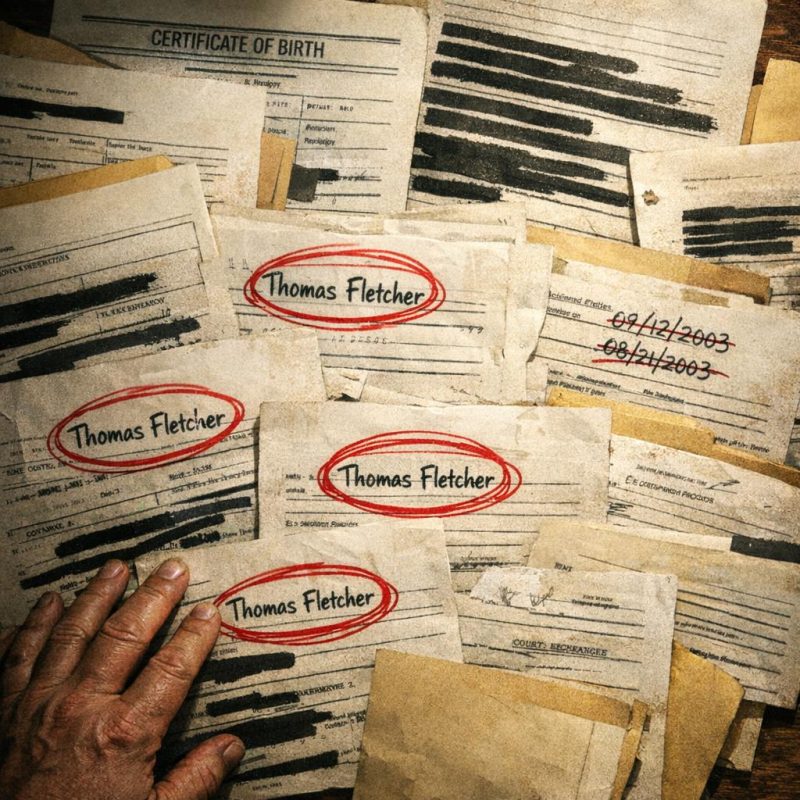 Image by RM AI
The Cost of Looking
Sarah found me at my desk again past midnight, surrounded by printouts and notes I'd been reviewing for the third time that day. "This has to stop," she said quietly from the doorway. I looked up, defensive. "I'm just trying to understand—" "You've been obsessed with this for weeks," she interrupted. "You barely sleep. You're distracted at work. Yesterday you forgot we had dinner plans." I had forgotten. I'd been so deep in research I'd lost track of time entirely. "This is important," I said, but even to my own ears it sounded weak. "I know it is," Sarah said, coming to sit beside me. "But you need to think about what you're doing. What if the answers are worse than you imagine? What if you find out something you can't unknow?" I stared at the papers in front of me, at Thomas Fletcher's face in that wedding photo. "I have to know the truth," I said. "Do you?" Sarah asked. "Or do you just need to prove Margaret wasn't lying to you?" The question hit harder than I expected. "What happens after you know?" she pressed. "What are you going to do with whatever you find?" I realized, with uncomfortable clarity, that I had absolutely no idea.
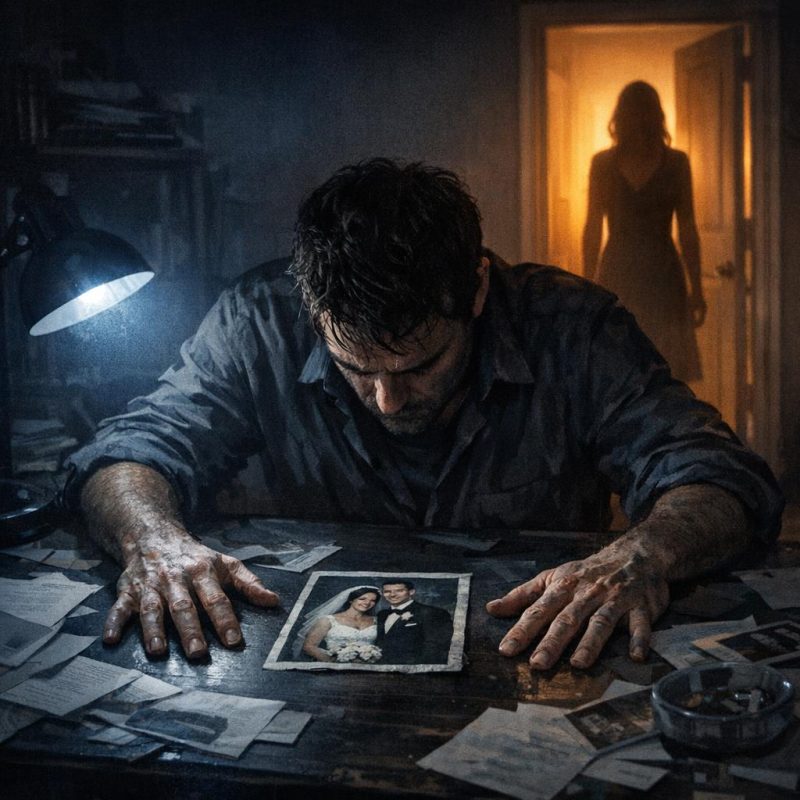 Image by RM AI
An unexpected ally
My phone rang the next afternoon with a number I almost didn't recognize—Uncle James. We hadn't spoken directly in months, maybe longer. "Daniel," he said warmly when I answered. "I hope I'm not catching you at a bad time." "No, it's fine," I said, surprised. "What's up?" "I heard you've been asking some questions about the family," James said. His tone was concerned, almost gentle. "Your mom mentioned you seemed upset after lunch the other day. I wanted to check in, see how you're doing." I hadn't expected this. James had always been the fun uncle, the one who showed up to holidays with expensive wine and entertaining stories, but we'd never been particularly close. "I'm okay," I said carefully. "Just trying to understand some things Margaret wanted to tell me." "I've been thinking about Margaret a lot lately," James said quietly. "She was my sister, and I miss her. I know this must be confusing for you, and I want to help. I want you to understand her better, understand what she was going through." Something in his voice made me relax slightly. "I'd appreciate that," I admitted. "Why don't we meet up?" James suggested. "We can talk properly. I think I can give you some perspective that might help."
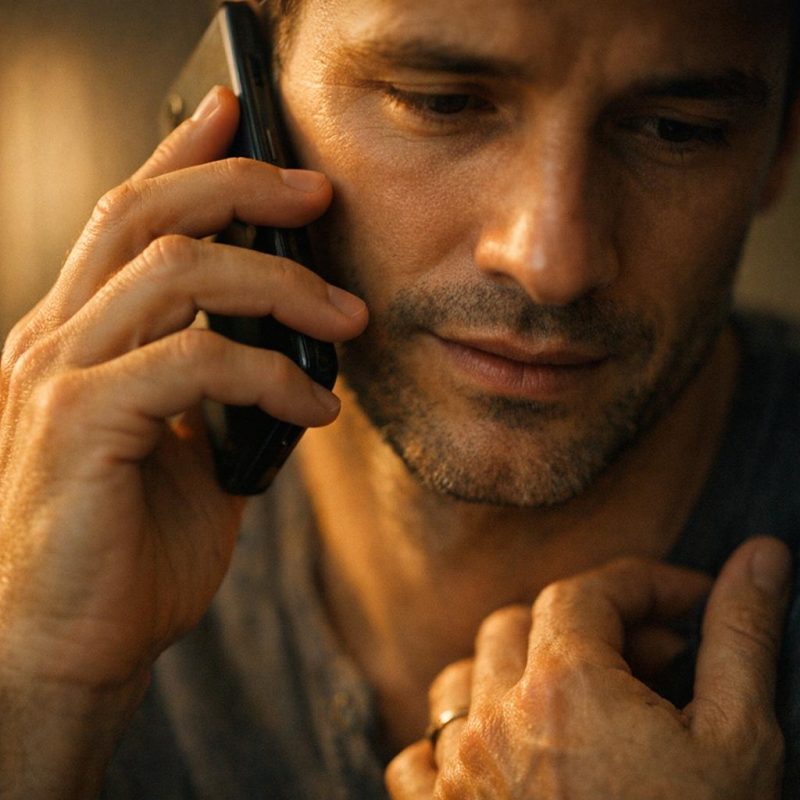 Image by RM AI
The troubled Years
We met at a quiet restaurant across town, the kind of place with cloth napkins and low lighting. James ordered coffee for both of us and settled into his chair with a sad smile. "Margaret changed a lot in her final years," he began. "I visited her regularly, and each time she seemed more withdrawn. More anxious." I listened, watching his face carefully. "She started bringing up old family matters out of nowhere," James continued. "Things from decades ago that none of us had thought about in years. She'd get fixated on them, turn them over and over like she was trying to solve some puzzle that didn't exist." He paused, stirring his coffee. "It was hard to watch, honestly. She'd always been the strong one, you know? The one who kept everyone together. But toward the end, she was carrying these heavy burdens that I don't think any of us fully understood." "What kind of burdens?" I asked. James shrugged slightly. "Old regrets, maybe. Things she wished she'd done differently. She never quite explained, and I didn't want to push her. I just wanted her to know she wasn't alone." His eyes were genuinely sad, and I felt a pang of guilt for suspecting him of anything. Maybe he really was just trying to help.
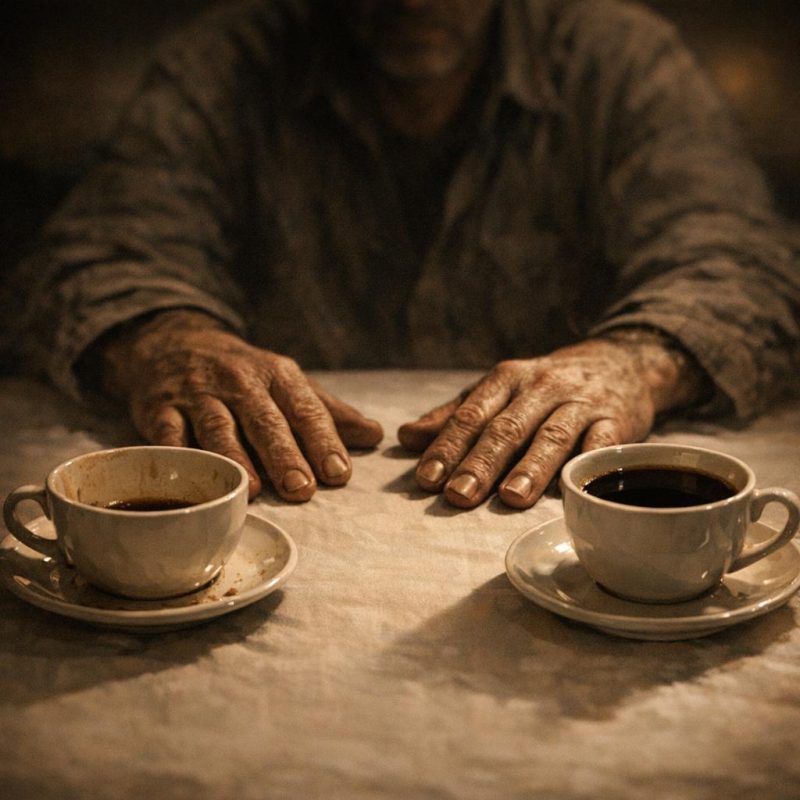 Image by RM AI
Seeds of doubt
James leaned forward slightly, his expression thoughtful. "I need to ask you something, and I hope you won't take it the wrong way," he said. "Have you considered that Margaret might have been confused when she made that recording? That maybe she wasn't entirely well?" I felt myself stiffen. "She sounded completely clear to me." "I'm sure she did," James said gently. "But grief does strange things to people. And age, isolation—they can affect how we perceive things, how we remember them." He sighed. "I remember at your grandmother's funeral, Margaret seemed convinced that someone had moved all the flowers around to send her a message. She was so certain, so specific about it. But it was just the funeral home staff doing their job." I wanted to argue, but something in his tone made me hesitate. "I'm not saying she was lying to you," James continued. "I'm saying she might have believed something that wasn't quite accurate. That her perspective might have been colored by everything she was going through." He reached across the table, his expression earnest. "I just don't want you chasing shadows, Daniel. I don't want you tearing the family apart over something that might not be real." I left the restaurant feeling less certain about everything than I had in weeks. I wanted to believe James was wrong, that Margaret's warning was real and urgent. But I couldn't completely dismiss the possibility that he might be right.
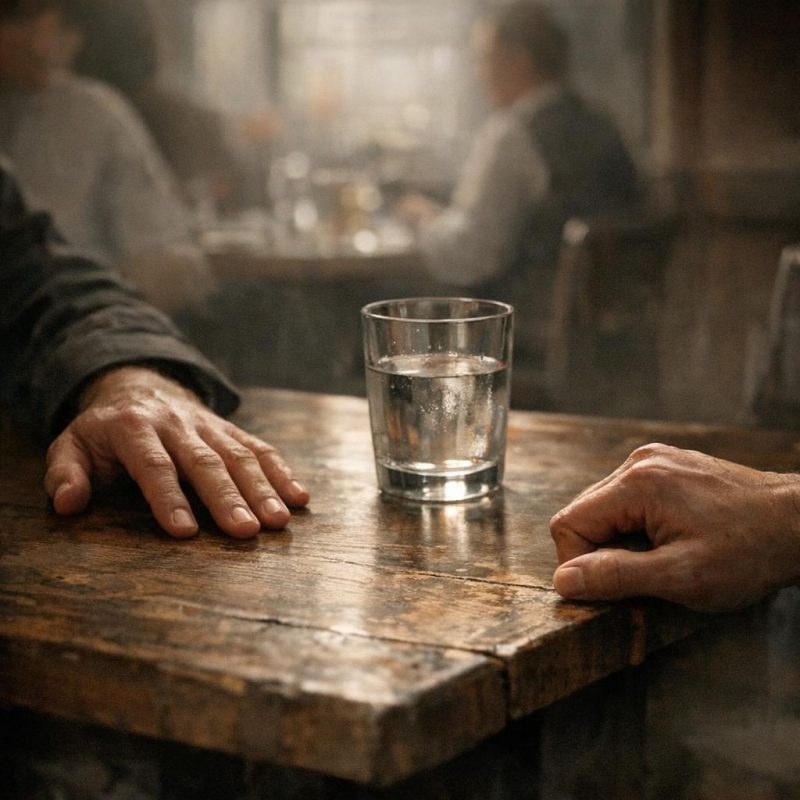 Image by RM AI
The fletcher Name
Mike called three days after my lunch with James. I was sitting at my desk pretending to work when my phone buzzed. "I found something," he said without preamble. "Thomas Fletcher. He shows up in newspaper archives from the late eighties and early nineties." I grabbed a pen. "What kind of mentions?" "Business notices mostly. Estate planning announcements. A few social columns from the country club set." Mike paused. "But here's the thing—his name appears in several legal notices from the year you were born. Property transfers, trust amendments, that kind of thing." My hand tightened on the pen. "That could be coincidence." "Could be," Mike agreed. "But I also found connections between Fletcher family legal matters and Morris family legal matters. Same law firms. Same time periods. Too much overlap to ignore." I thought about James's reassurances, his gentle suggestions that Margaret had been confused. Then I thought about Thomas's name appearing in documents from the exact year I came into the world. "What do you recommend?" "Talk to Fletcher directly," Mike said. "See what he says when you mention your family." I thanked him and hung up, feeling the ground shift beneath me again. Mike had given me facts, dates, documented connections. James had given me explanations and doubt. I didn't know which one to trust, but I knew I couldn't ignore what Mike had found.
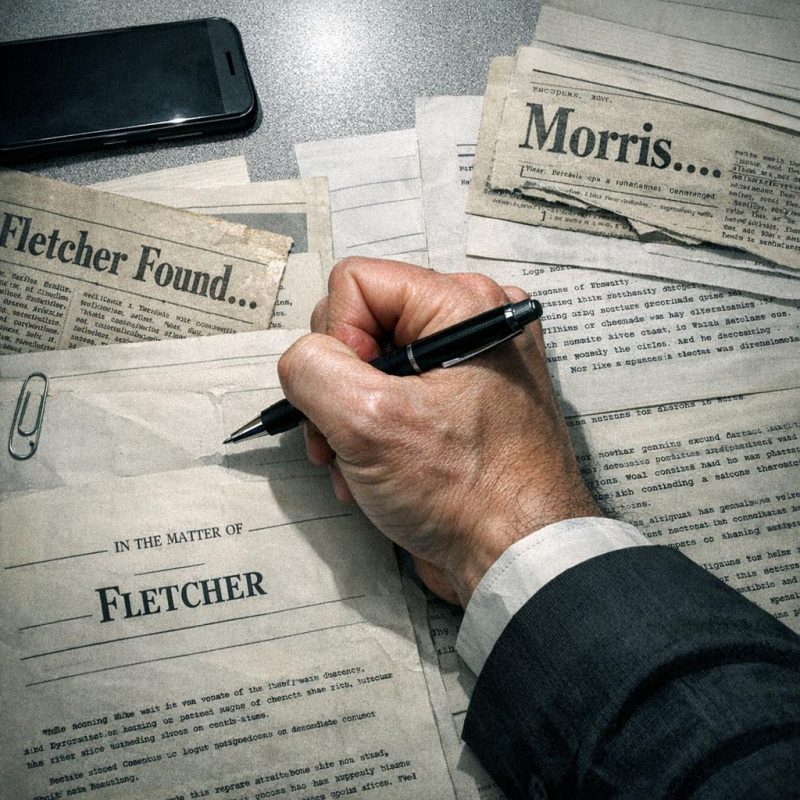 Image by RM AI
facing the past
It took me two days to work up the nerve to call Thomas Fletcher. I found his number through one of those online directory sites that make you feel slightly creepy for using them. My finger hovered over the call button for a full minute before I pressed it. He answered on the third ring. "Fletcher residence." His voice was elderly but clear. "Mr. Fletcher? My name is—I'm calling from the Morris family. I'm looking into some family history and your name came up in connection with my parents' generation." There was a pause. "Morris," he repeated. "Yes, I knew that family. Long time ago." "I was hoping I could ask you a few questions. My aunt Margaret passed recently, and she left me some materials about the family. Your name appeared in some documents from that era." Another pause, longer this time. "I'm sorry for your loss. Margaret was a good woman." His voice had changed, become softer and somehow strained. "Would you be willing to meet with me? Just to talk about the old days, help me understand some things?" "Yes," Thomas said after a moment. "Yes, I think that would be alright. You can come to my home if you'd like." We arranged a time for the following afternoon. But as we were saying goodbye, I heard something in his voice that made my stomach tighten. When I'd mentioned Margaret's name, he'd sounded both willing and worried, like a man agreeing to open a door he'd kept locked for decades.
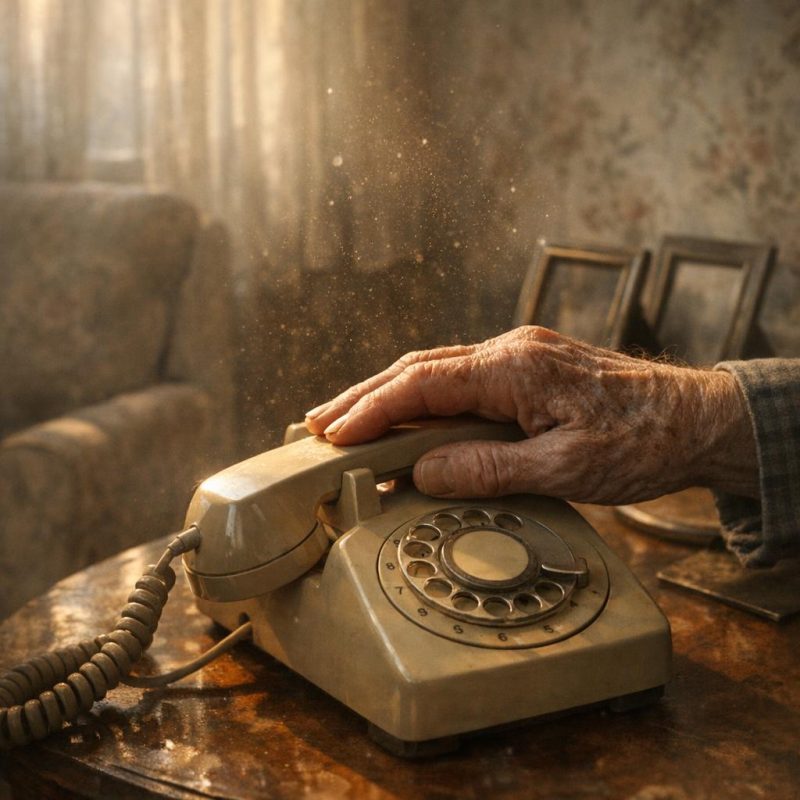 Image by RM AI
Old wounds
Thomas Fletcher lived in a modest ranch house in a neighborhood that had probably been upscale in the seventies. He answered the door himself, a white-haired man in a cardigan who moved with the careful precision of someone aware of their own fragility. "Come in," he said, gesturing me toward a living room that smelled faintly of old books and lemon furniture polish. We made small talk for a few minutes—the weather, the neighborhood, how long he'd lived there. But when I mentioned my mother's name, Linda, his whole demeanor shifted. His hands, resting on the arms of his chair, began to tremble slightly. "Linda," he said quietly. "How is she?" "She's well. Living in Arizona with my father." Thomas nodded, but his eyes had gone somewhere else, somewhere decades in the past. "I knew her when we were young. Before she married Robert." He fell silent for a long moment. "There are choices we make in life," he finally said, his voice thick with emotion. "Things we do because we think they're right, or necessary, or because we're afraid. And some of those choices—" He stopped, his jaw working. I waited, barely breathing. "Some of those choices haunt you forever," Thomas finished, and his voice broke on the last word.
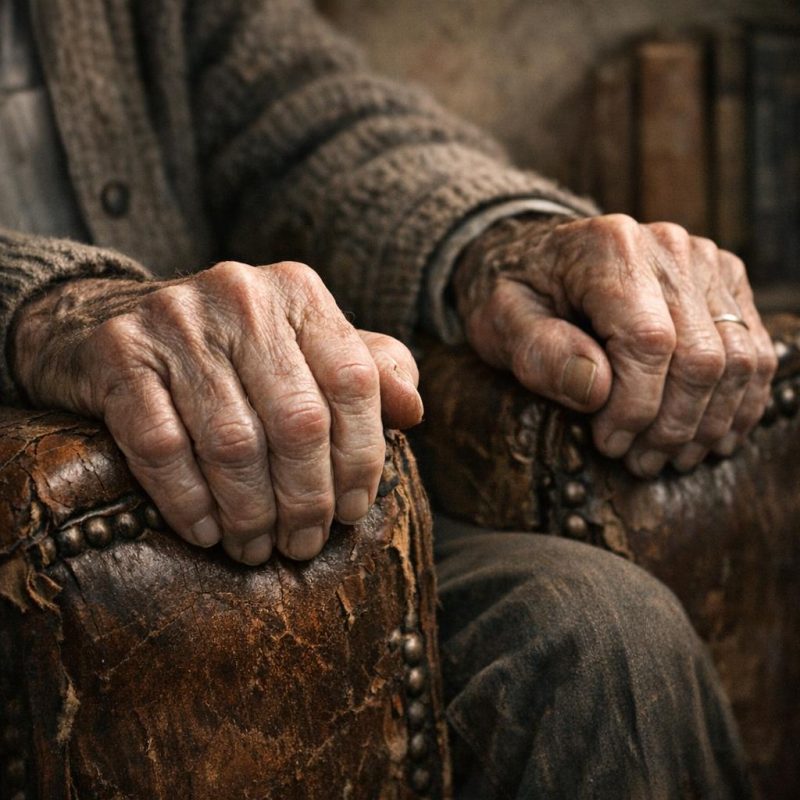 Image by RM AI
The admission
I went back to see Thomas two days later. I couldn't stop thinking about the pain in his voice, the way his hands had shaken. This time I didn't ease into it. "Mr. Fletcher," I said once we were seated. "What exactly was your relationship with my mother?" He looked at me for a long moment, and I saw him making a decision. "I loved her," he said simply. "When we were young, before everything got complicated. We were—we had plans, once." "What happened?" "Life happened. Family expectations. Bad timing." He stared at his hands. "There were circumstances that made it impossible for us to be together. Things I can't fully explain without betraying confidences that aren't mine to break." My heart was pounding. "What kind of circumstances?" "The kind that involve other people's lives and choices," Thomas said. "The kind that, once made, can't be unmade." He looked directly at me then, and something in his expression made my blood run cold. "Some doors, once closed, should perhaps stay that way," he said quietly. "Not every truth makes life better. Sometimes it just makes it more complicated." I left his house with my hands shaking, unable to ask the question that was forming in my mind, terrified of what the answer might be.
 Image by RM AI
The unasked Question
I sat in my car outside Thomas's house for twenty minutes after leaving, replaying every word he'd said. He'd loved my mother. They'd had plans. Something had prevented them from being together. The timing matched—the legal documents Mike had found were from the year I was born. I thought about my parents' evasiveness whenever I'd asked about family history. I thought about Margaret's warning, her insistence that I needed to know the truth. I thought about the way my father had always seemed slightly distant, the way my mother sometimes looked at me with an expression I'd never been able to name. The pieces were there, scattered across decades, and they seemed to point toward one specific, terrible possibility. What if Robert Morris wasn't my biological father? What if Thomas Fletcher was? The thought made me physically ill. Everything I knew about myself, my identity, my place in the family—it all suddenly felt like it might be built on a lie. I started the car and drove home on autopilot, but when I pulled into my driveway, I couldn't make myself go inside. Sarah was in there, probably making dinner, expecting me to walk in and be normal. I sat in the car outside my own house, unable to move, unable to face her with this possibility burning in my chest.
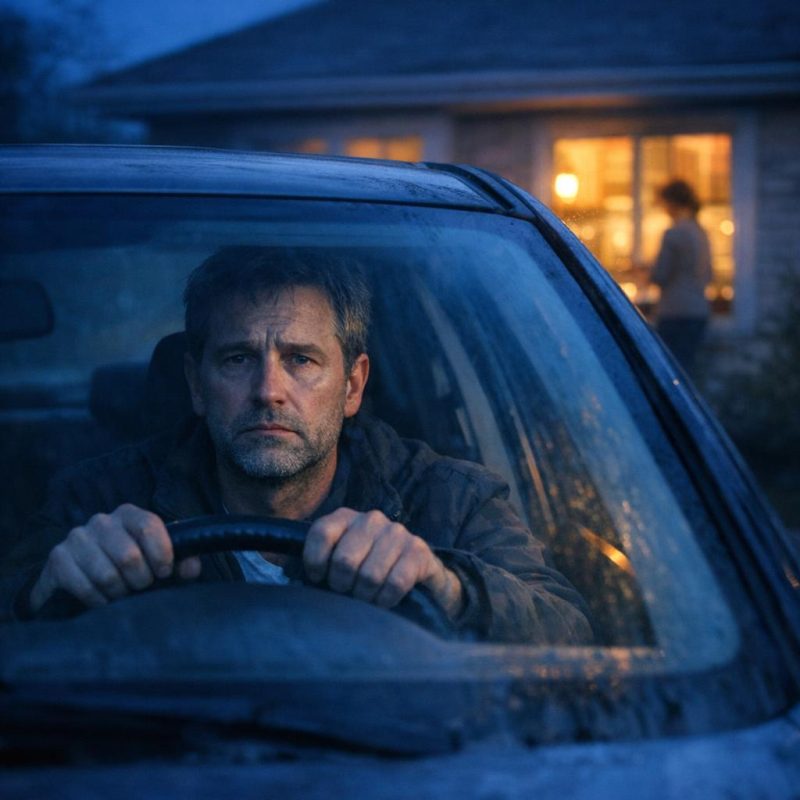 Image by RM AI
seeking reassurance
I called James from the car. I needed someone to tell me I was crazy, that I was seeing patterns that didn't exist. "Hey," I said when he answered. "Can you talk?" "Of course. What's going on?" "I met with Thomas Fletcher." I heard James take a breath. "And?" "He said he was in love with my mother. Before she married Dad. He got really emotional talking about it." I paused, trying to figure out how to say what I was thinking without actually saying it. "James, the timing of everything—the legal documents, the way he reacted, the things Margaret said—" "What are you suggesting, Daniel?" James's voice was careful. I couldn't make myself say it directly. "I'm just trying to understand why everyone gets so weird about the past. Why Thomas looked like he was going to cry. Why there are all these connections between the families that nobody talks about." There was a pause. Just a beat, maybe two seconds, but I noticed it. "Daniel," James said, his voice firm. "Thomas Fletcher was a family friend who had a crush on your mother forty years ago. That's all. You're reading way too much into an old man's nostalgia." The pause had been too long. The dismissal too quick. I wanted to believe him, but something in that brief hesitation made my skin crawl.
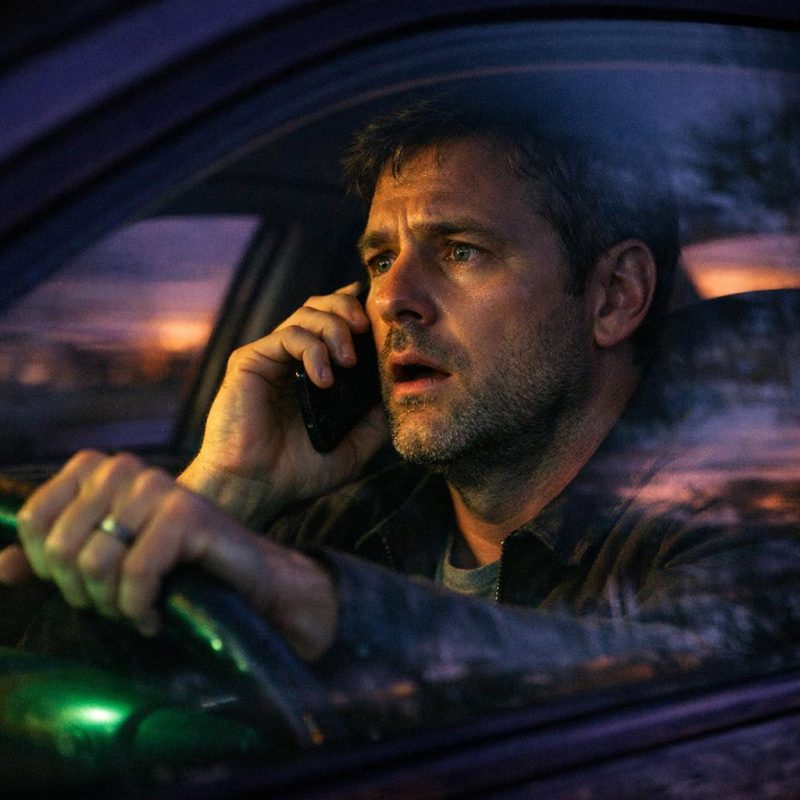 Image by RM AI
alternative explanations
James kept talking, his voice smooth and reasonable. "Look, I remember some of this from when I was a kid. Thomas was around a lot back then—he was friends with the whole family, not just your mom. When she chose Robert, Thomas took it hard and distanced himself. That's why he got emotional. It's old heartbreak, nothing more." It sounded plausible. "What about the legal documents Mike found?" "Thomas was a businessman. The families moved in the same circles. They probably used the same lawyers, attended the same events. That's how it worked in those days." James sighed. "And the timing you're worried about? Thomas was settling his father's estate that year. That's why his name shows up in legal notices. It has nothing to do with you." I wanted to believe him. God, I wanted to believe him. "Margaret seemed so certain something was wrong." "Margaret was isolated and grieving," James said gently. "She saw conspiracies because she was alone with her thoughts for too long. I loved her too, but we both know she wasn't herself at the end." I thanked him and hung up, feeling both reassured and more uncertain than before. Everything James said made sense on the surface. But I couldn't shake the feeling that his explanations were just a little too neat, a little too ready, like he'd been preparing them for years.
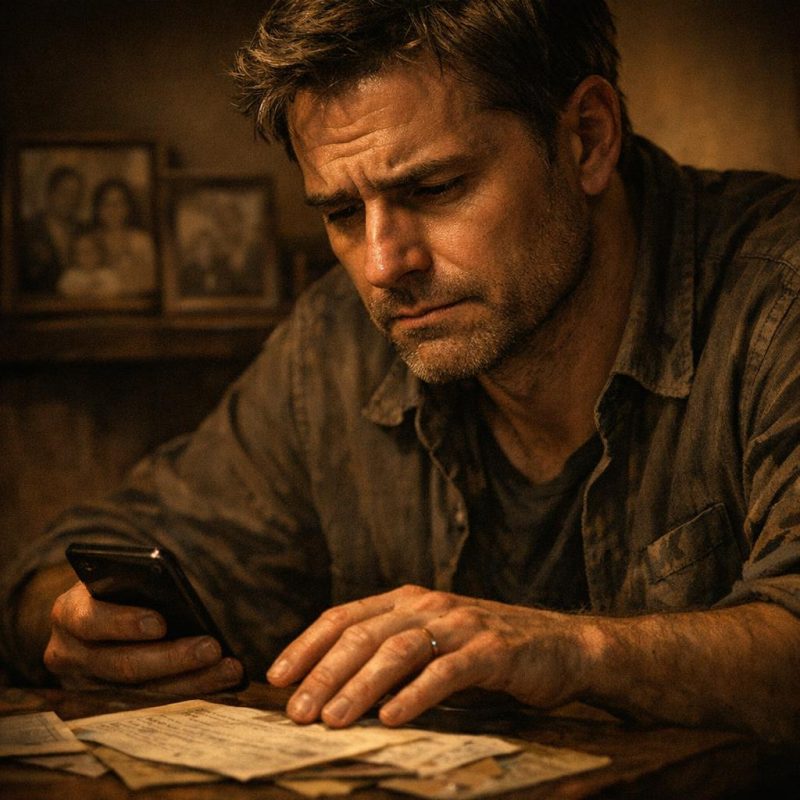 Image by RM AI
The trust
Mike called again a week later. "I found something else," he said. "Old legal documents. A family trust established in 1987." "What kind of trust?" "That's the interesting part. It has unusual stipulations—specific conditions about beneficiaries, restrictions on when funds can be accessed, requirements for disclosure." Mike paused. "Several Morris family members are named. Your uncle James, your aunt Margaret, even some cousins." I waited, sensing there was more. "The thing is," Mike continued, "your name doesn't appear anywhere in the documents. Not as a beneficiary, not as a contingent heir, nothing." "Maybe I was too young when it was established?" "That's what I thought at first. But other family members born around the same time are included. And there are provisions for adding future descendants. You should be in there, but you're not." My mouth went dry. "What does that mean?" "I don't know yet," Mike admitted. "The trust also references Fletcher family connections, but I can't figure out the exact relationship. I need more time to understand the full picture." I thanked him and hung up, staring at nothing. My own family had established a trust that included everyone except me. Either I'd been deliberately excluded, or there was a reason I didn't qualify as a beneficiary. Neither possibility made any sense, and both terrified me.
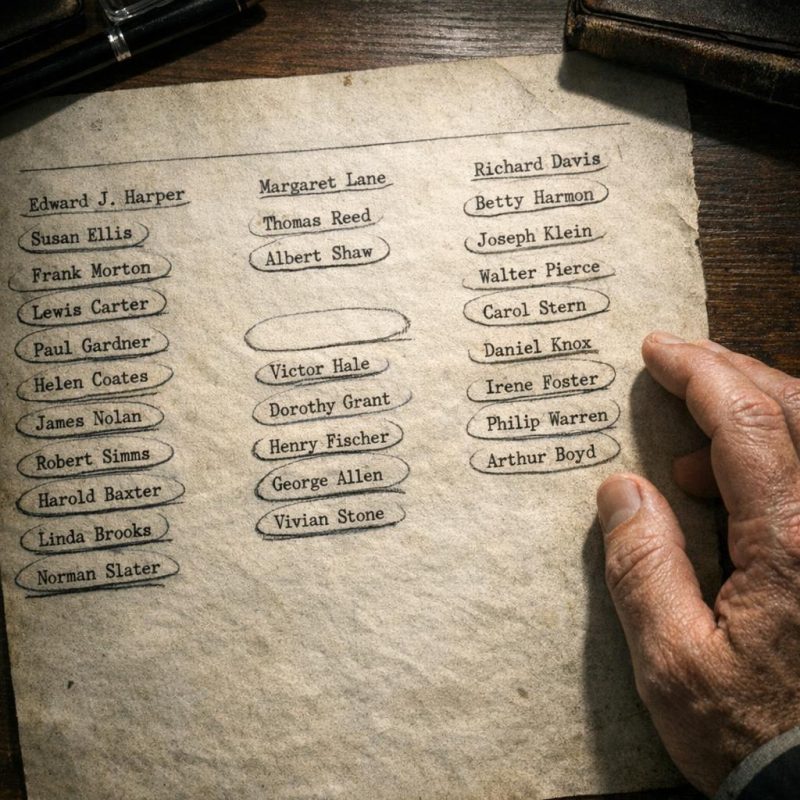 Image by RM AI
excluded
Mike called again two days later. "I've been digging deeper into that trust," he said. "There are specific exclusion clauses I didn't notice at first." I grabbed a pen. "What kind of exclusions?" "Language that prevents certain people from benefiting. It's pretty explicit—anyone with Fletcher family lineage is barred from receiving distributions." My hand stopped moving. "Fletcher family? Why would they need to exclude them?" "That's what caught my attention," Mike said. "The original trust from 1987 didn't have this language. It was added later through an amendment." I waited, my chest tightening. "The amendment is dated 1989," Mike continued. "The year you were born." The room felt smaller suddenly. I stared at my notes, at the date I'd just written down. "That's... that has to be a coincidence." "Maybe," Mike said, but he didn't sound convinced. "The language is very specific though. It's not general estate planning. Someone wanted to make sure Fletcher descendants couldn't inherit, and they wanted it in writing the same year you came into the world." I thanked him and hung up, but I couldn't stop looking at that date. The timing was too precise, too deliberate. Whatever secret my family had been keeping, it had financial teeth—and those teeth had been sharpened the moment I was born.
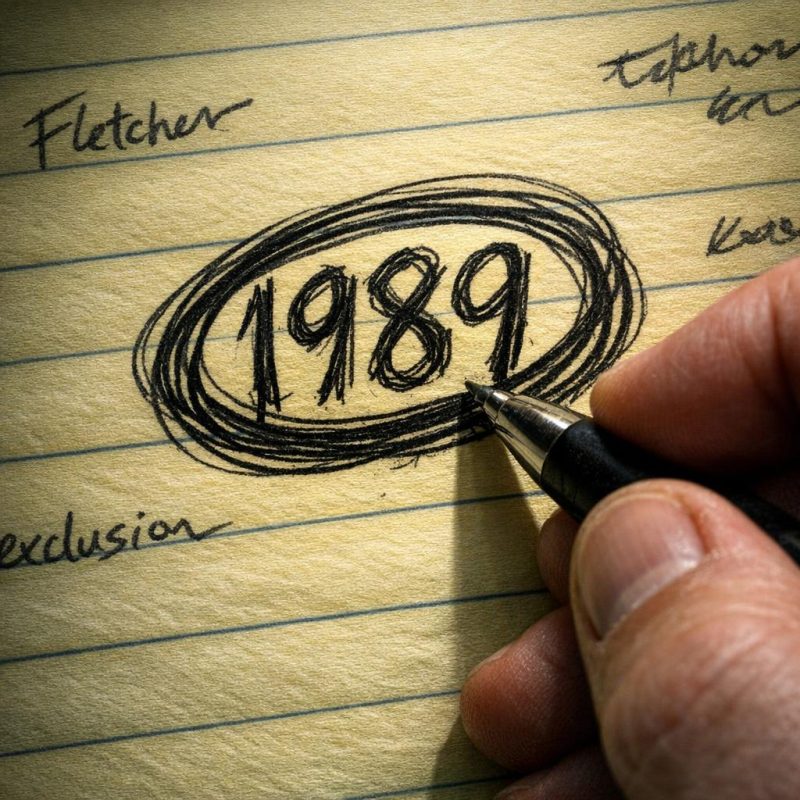 Image by RM AI
family business
I called James that evening and asked if we could meet. He suggested coffee the next morning, and when I brought up the trust, he didn't even blink. "The Morris family had various business interests over the years," he explained, stirring his coffee slowly. "Real estate, some investments. The trust was just a way to protect those assets." He walked me through different arrangements, explaining tax implications and legal structures with the ease of someone who'd studied this extensively. I listened, taking notes, waiting for my opening. "Mike found exclusion clauses," I said finally. "Language about Fletcher family descendants." James nodded like this was perfectly normal. "Estate planning can get complicated. Different family branches, different circumstances." "But why exclude them specifically?" I pressed. "And why add that exclusion in 1989?" James talked about changing family dynamics, about legal advice they'd received, about protecting future generations from complications. He gave me details about business partnerships and dissolved ventures, about cousins who'd moved away and connections that had faded. Everything he said sounded reasonable and well-informed. But when I asked directly why my name wasn't in the documents, he shifted to talking about how trusts evolve over time, how circumstances change, how the past was complicated. I noticed he never actually answered the question. He just kept talking until I forgot I'd asked it.
 Image by RM AI
The softer target
James leaned back in his chair, studying me with what looked like genuine concern. "You're getting lost in paperwork," he said gently. "I think you're missing the real story here." I frowned. "What do you mean?" "Margaret," he said. "Her mental state, her emotional life in those final years. That's where the answers are, not in some dusty legal documents." He had a point, I had to admit. I'd been so focused on financial records that I'd barely thought about what Margaret herself had been going through. "You should talk to people who saw her regularly," James continued. "Her neighbors, her friends. They'd know if something was troubling her, if she was confused or afraid." The suggestion made sense. Documents could only tell me so much. "I can give you some names," James offered. "People who were close to her. They might have insights you won't find in any trust agreement." I found myself nodding, agreeing that this was a better approach. James wrote down three names and phone numbers, people who'd known Margaret well. We talked for another twenty minutes about her final years, about how isolation could affect someone's thinking. It wasn't until I was driving home that I realized we'd never circled back to the trust questions. We'd started there, but somehow we'd ended somewhere completely different. I wondered if that had been intentional.
 Image by RM AI
fear
Emma called me three days later. "I've been thinking about what you asked," she said without preamble. "About my mother." I pulled over to the side of the road, giving her my full attention. "And?" "She changed in that last year," Emma said slowly. "I didn't want to see it at the time, but looking back... she was different. More withdrawn." I waited, sensing there was more. "She stopped coming to family gatherings," Emma continued. "Not all of them, but specific ones. Christmas at Uncle Robert's house. The Fourth of July picnic. She'd make excuses, say she wasn't feeling well." "Maybe she really wasn't," I suggested. "No." Emma's voice was firm. "I asked her about it once. She got this look on her face—I'd never seen her scared before, but that's what it was. Fear." My hands tightened on the steering wheel. "Fear of what?" "She wouldn't say. I pushed, but she just shut down. All I know is she avoided certain events, the ones where someone specific would be there." "Who?" I asked. "I don't know," Emma admitted. "She never told me. But whoever it was, she was afraid enough to stay away from her own family rather than face them." I sat in my parked car long after we hung up, trying to imagine Margaret—strong, sharp Margaret—afraid of someone in our family.
 Image by RM AI
The missing evidence
Mike's call came while I was making dinner. "I've got a problem," he said. "Remember those documents James mentioned? The business partnership papers, the dissolved venture agreements?" "Yeah," I said, turning off the stove. "I can't find them." Mike's voice was careful, professional. "I've checked county records, state archives, even contacted the law firms James said handled the paperwork. Nothing matches what he described." I felt something cold settle in my stomach. "Maybe they're filed under different names?" "I thought that too. I've tried every variation I can think of. Either these documents are buried so deep that no one can access them, or they don't exist." Mike paused. "Have you actually seen any of these papers yourself?" "No," I admitted. "James just told me about them." "Then I have to ask—are you certain he's seen them? Or is he telling you what sounds plausible?" I didn't have an answer. James had been so detailed, so specific about dates and terms and legal language. But Mike was right—I'd taken everything on faith. "I'm not saying he's lying," Mike added quickly. "But something doesn't add up here." After we hung up, I stood in my kitchen, dinner forgotten. James had given me so much information, had seemed so knowledgeable and helpful. But what if none of it was real?
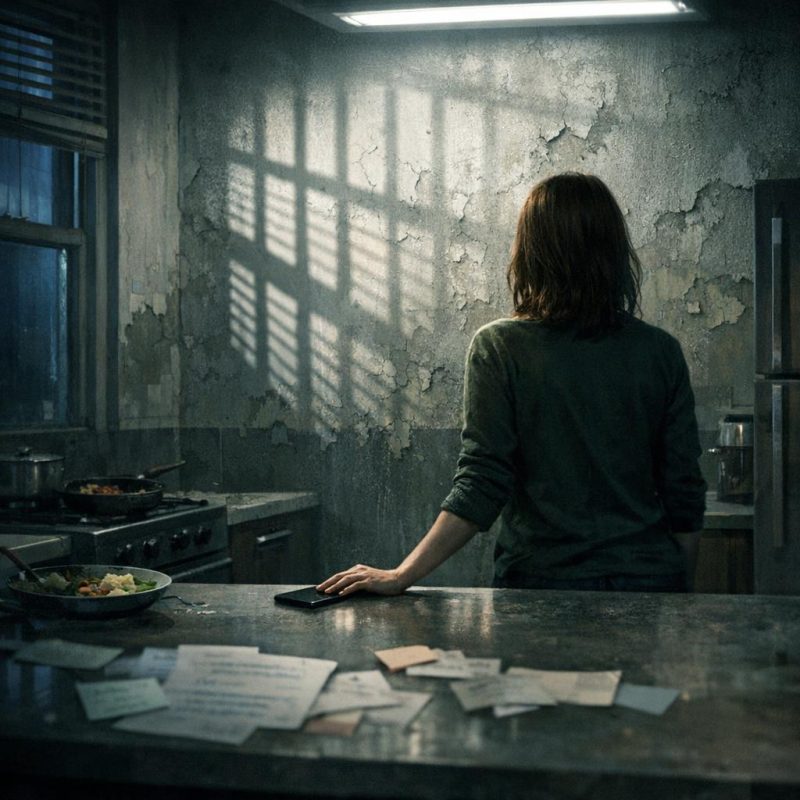 Image by RM AI
The pattern
I spread every note I'd taken across my dining room table that night. Three months of conversations with James, all laid out in chronological order. I started reading through them, looking for... I wasn't sure what. But I found it anyway. Every time I'd asked about Thomas Fletcher, James had shifted the conversation. When I'd pressed about the trust documents, he'd redirected to family history. Questions about the 1989 amendment led to stories about business complications. The pattern was there, clear as day once I looked for it. James had given me hours of information, had seemed eager to help, had offered names and suggestions and context. But he'd steered me away from specific topics with the skill of someone who'd done it before. I couldn't prove he was being deceptive. Maybe he just didn't know those particular details. Maybe the conversations had naturally drifted. Maybe I was seeing conspiracy where there was only coincidence. But the pattern felt too consistent. Too careful. I sat back, staring at my notes, feeling something shift in my chest. James had been my guide through this whole investigation, the person I'd trusted to help me understand. What if that had been a mistake? What if I'd been following someone who was leading me in circles, keeping me just far enough from the truth that I'd never quite reach it?
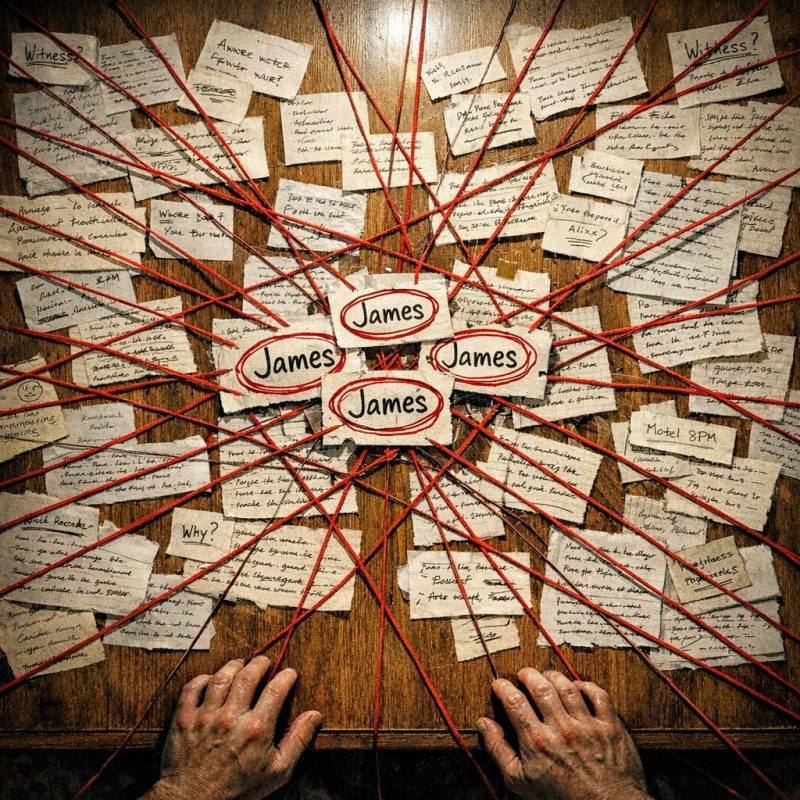 Image by RM AI
The test
I decided to test my suspicions. I called James the next morning with a story I'd carefully constructed. "I found something," I told him. "Documents in Margaret's storage unit. Papers about the Fletcher family connection, dated 1988." I gave him specific details—a supposed agreement between Thomas Fletcher and the Morris family, terms about property transfers, signatures I claimed to have seen. All of it was completely fabricated. "That's interesting," James said, his voice measured. "What exactly did these papers say?" I fed him more invented details, watching how he responded. He asked careful questions, took his time, said he'd need to think about what this meant. "Let me call you back," he said. He called back fifty-three minutes later. I know because I was watching the clock. "I've been thinking about those documents you found," James said, and then he launched into an elaborate explanation. He provided context for the agreement I'd invented, explained why the terms made sense given the business climate of 1988, even offered details about Thomas Fletcher's financial situation that supposedly explained the property transfer. He talked for fifteen minutes about papers that didn't exist. I felt sick listening to him, this man I'd trusted, spinning detailed lies without hesitation. When we hung up, I sat staring at my phone. James hadn't just failed my test—he'd failed it spectacularly, building an entire narrative around documents he'd never seen because they weren't real.
 Image by RM AI
watched
I spent the rest of that day analyzing James's response. The speed bothered me most—less than an hour to construct such detailed explanations. He'd known exactly what to say, had all the context ready, could speak authoritatively about papers he'd never seen. That level of preparation suggested he'd been tracking my investigation far more closely than I'd realized. How much did he actually know about what I'd been discovering? Had he been monitoring my conversations with Mike? Did he have other sources feeding him information about my research? The questions multiplied in my head, each one more unsettling than the last. James had positioned himself as my helpful uncle, the family member who wanted to support my search for truth. But his response to my fabricated documents revealed something else entirely. He was watching me. Not casually, not with the distant interest of a relative checking in. He was paying close attention to every lead I followed, every question I asked, every document I claimed to find. And he was ready—always ready—with explanations that sounded plausible but couldn't be verified. I couldn't confide in him anymore. That much was clear. But I also couldn't let him know I'd figured out his game. I was going to have to be more careful now, more strategic about what information I shared and with whom. The investigation had just become a lot more complicated, because I no longer knew how much James actually knew about what I was uncovering.
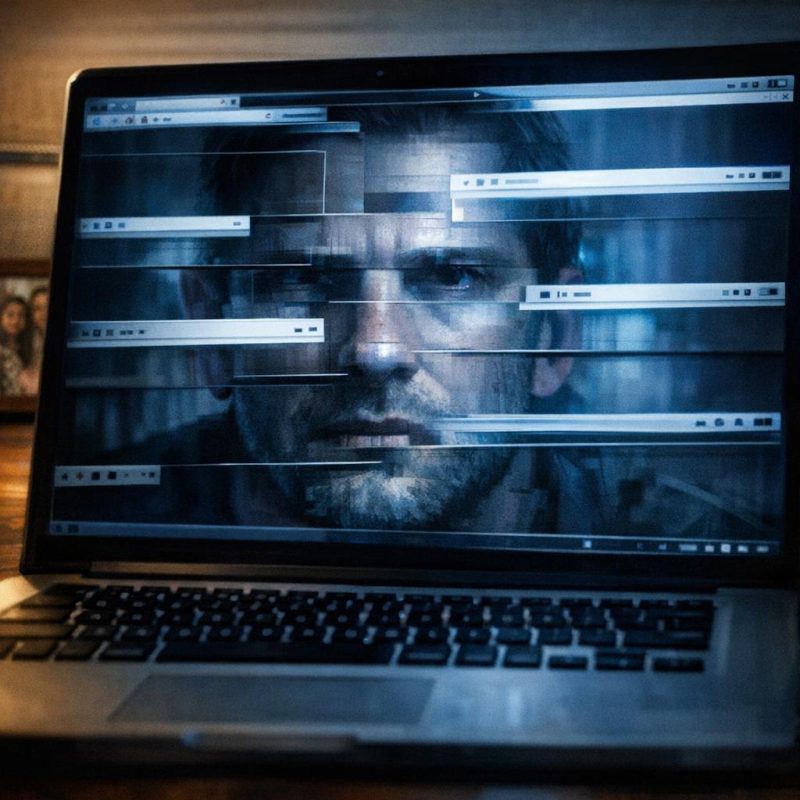 Image by RM AI
The executor
Mike called me three days after I'd sent James the fabricated documents. I could hear something different in his voice—not excitement exactly, but the careful tone of someone who'd found something significant. He'd been digging through court records from decades back, cross-referencing family names against trust filings and estate documents. What he'd found was a family trust I'd never heard of, established about six months before I was born. The trust itself wasn't unusual—wealthy families set them up all the time. But the executor listed on the documents made my stomach drop. James Morris. My helpful uncle who claimed he'd only had peripheral involvement in family business matters. Mike walked me through what he'd found, explaining how the trust predated my birth by just months, how it had been structured with unusual provisions. I asked what kind of provisions. Mike said the executor had broad discretionary authority over distributions—could decide who received funds and who didn't, could block transfers, could essentially control the entire financial structure. I thought about James's quick responses to my questions, his detailed knowledge of family finances he supposedly hadn't been involved with. Mike's voice was measured when he said whoever controlled that trust had complete discretion over who received money—and who never saw a dime.
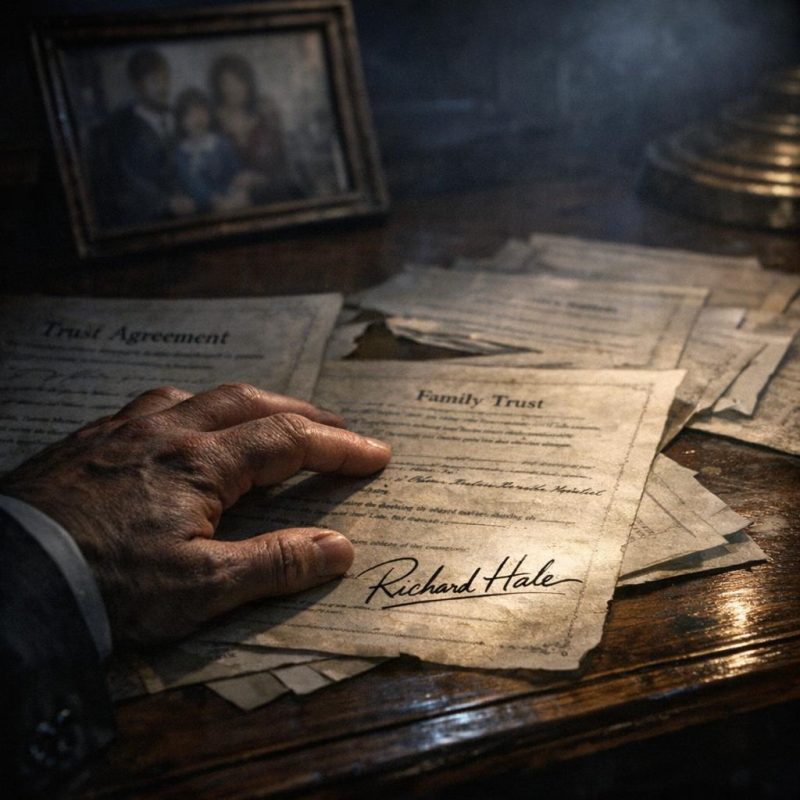 Image by RM AI
The Journal
I called Emma the next morning and asked if I could look through Margaret's belongings. She was quiet for a moment, then agreed to meet me at the storage unit Margaret had rented years ago. We met there on a gray afternoon, the kind where the sky feels like it's pressing down on you. Emma unlocked the unit and we started going through boxes of Margaret's personal effects—old clothes, books, photo albums I'd never seen. I noticed some boxes seemed carefully packed while others looked hastily thrown together, like she'd been sorting things into categories only she understood. There was an old trunk near the back, leather straps worn thin. When I lifted the lid, something about the interior dimensions didn't look right. I pressed against the side panel and felt it give slightly. Emma watched as I worked my fingers around the edge and pulled. Behind the false panel was a worn leather journal, the kind with a clasp that had long since broken. Emma's eyes widened—she seemed genuinely surprised her mother had hidden anything. My hands were shaking as I picked it up. Emma didn't ask what I expected to find, just nodded when I said I needed to take it. The first entry I glimpsed was dated the year of my birth.
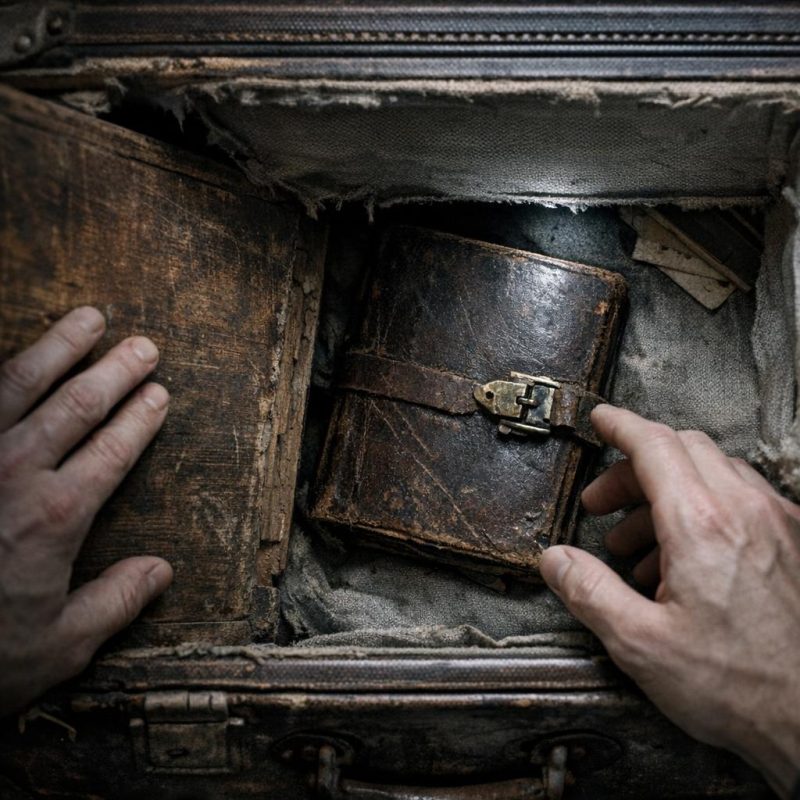 Image by RM AI
Her fear
I sat alone in my apartment that night with Margaret's journal on the table in front of me. For twenty minutes I just stared at it, not ready to open it, knowing I had to. When I finally started reading, her handwriting pulled me into a world I'd never known existed. The early entries were about family gatherings, observations about tensions between relatives, small moments that troubled her. But as I moved through the pages, her tone changed. She wrote about James—her younger brother—and how his involvement in family decisions had started to frighten her. She described conversations where he'd pressured other family members, instances where he'd made veiled threats about what would happen if people didn't cooperate with his plans. Margaret documented warnings she'd received to stay silent about things she'd witnessed. She wrote about specific threats James had made against her, consequences he'd promised if she interfered. My hands were shaking so badly I had to set the journal down several times. This was my aunt—the woman who'd left me the flash drive—writing in her own hand about being afraid of her brother. The brother who'd been helping me investigate. The brother who'd been so concerned about my wellbeing. I kept reading, and her fear became mine.
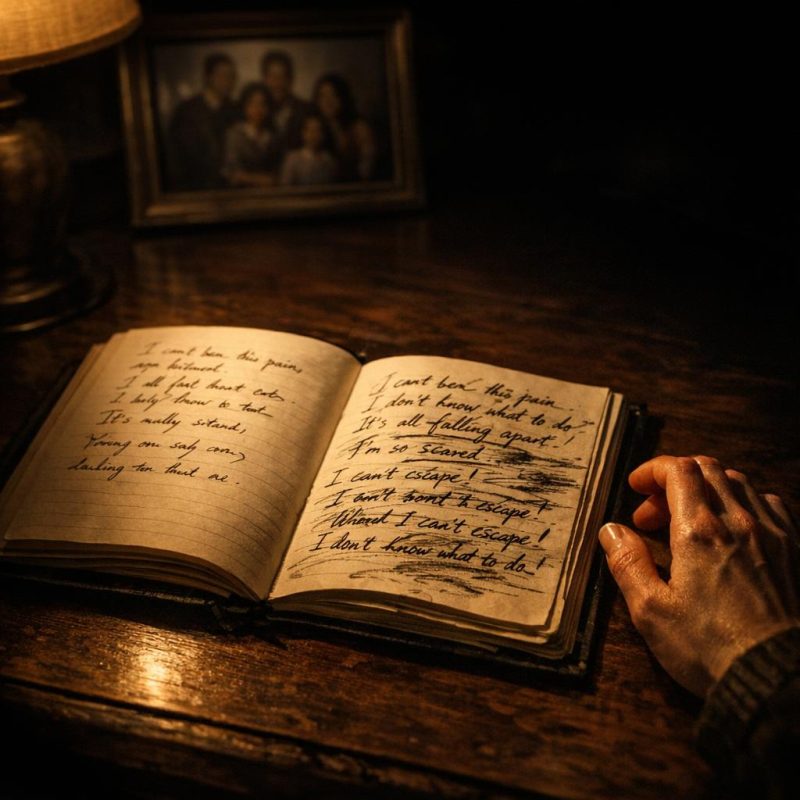 Image by RM AI
The Truth in ink
The later entries in Margaret's journal were more detailed, more urgent. She'd stopped writing about daily life and focused entirely on what she called 'the situation with Daniel.' That's when I saw my own name appearing on the pages, and my chest tightened. Margaret wrote explicitly about James's role in family decisions surrounding my birth and childhood. She described how James had arranged the cover-up of my true parentage, how he'd been the one to convince Robert and Linda to maintain the secret. But it wasn't just about keeping a family scandal quiet. Margaret documented that James had financial reasons for his actions—that the truth about my parentage would have threatened his position as executor, would have changed inheritance structures, would have cost him control over family assets. She explained how James had systematically pressured everyone involved, how he'd made it clear what would happen to anyone who broke ranks. Margaret's guilt poured out across the pages—she'd stayed silent too, and it had eaten at her for decades. She wrote that she hoped I would eventually learn the truth, that she was leaving me the recording because she was too afraid to tell me herself while James was still watching. I felt physically sick reading the final entry. Margaret had written: 'James made them all lie to Daniel because the truth would have cost him everything.'
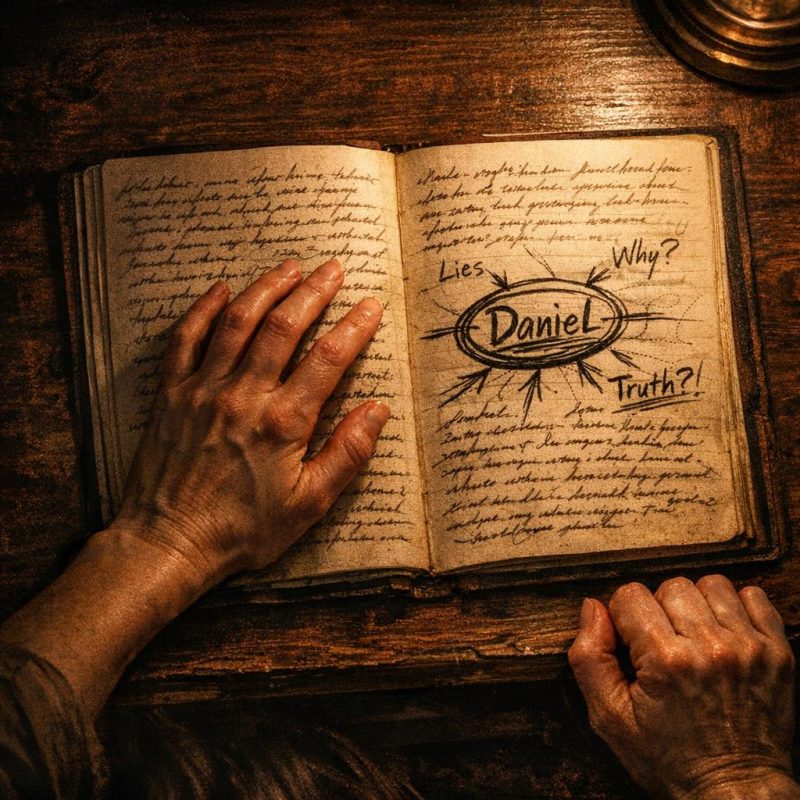 Image by RM AI
The Full Picture
I closed the journal and sat in complete silence. Everything clicked into place with devastating clarity. James hadn't offered to help me out of family loyalty or concern for my wellbeing. He'd positioned himself as my ally specifically to control what I discovered. Every conversation we'd had, every helpful suggestion, every concerned phone call—it had all been designed to steer me away from the truth Margaret had been trying to tell me. I thought about the fabricated documents I'd sent him and how quickly he'd responded with detailed explanations. He'd been tracking my investigation closely because he needed to know what I was finding, needed to stay ahead of me, needed to redirect me whenever I got too close to something real. The trust Mike had discovered, the executor position James had held since before I was born, the financial motivations Margaret had documented—it all formed a picture I couldn't unsee. James had spent decades protecting his position, and when Margaret's flash drive threatened to expose everything, he'd inserted himself into my investigation to manage the damage. Margaret's warning to listen to the recording before anyone talked to me finally made complete sense. She'd known James would try to control the narrative. And I'd let him. I'd trusted him, confided in him, asked for his help. Everything James had said—every helpful suggestion, every concerned conversation, every steering away from difficult topics—had been designed to keep me from discovering what Margaret had been trying to tell me.
 Image by RM AI
Face to Face
The knock on my door came two days later, late afternoon. I wasn't expecting anyone. When I opened it, James stood there with that familiar concerned expression, the one I'd trusted for months. But this time I couldn't control my reaction. My face must have shown everything—the journal, Margaret's accusations, the understanding of what he'd done. I watched his expression shift as he read mine. For just a second, something harder showed through, something calculating. Then he forced the concerned-uncle mask back into place, but we both knew it was too late. He'd seen the truth in my eyes, and I'd seen the recognition in his. I stood frozen in the doorway, caught between wanting to slam the door and knowing I needed answers. James tried to maintain his casual demeanor, asking if he could come in, saying he'd been worried about me. But his voice had changed—there was a careful quality to it now, like he was choosing each word with precision. I couldn't play along anymore. My inability to pretend made the truth obvious to both of us. James's friendly expression slipped again, and this time he didn't try as hard to hide what was underneath. We stood facing each other with decades of lies exposed between us. James's friendly mask slipped for just a moment before he forced his concerned-uncle expression back into place.
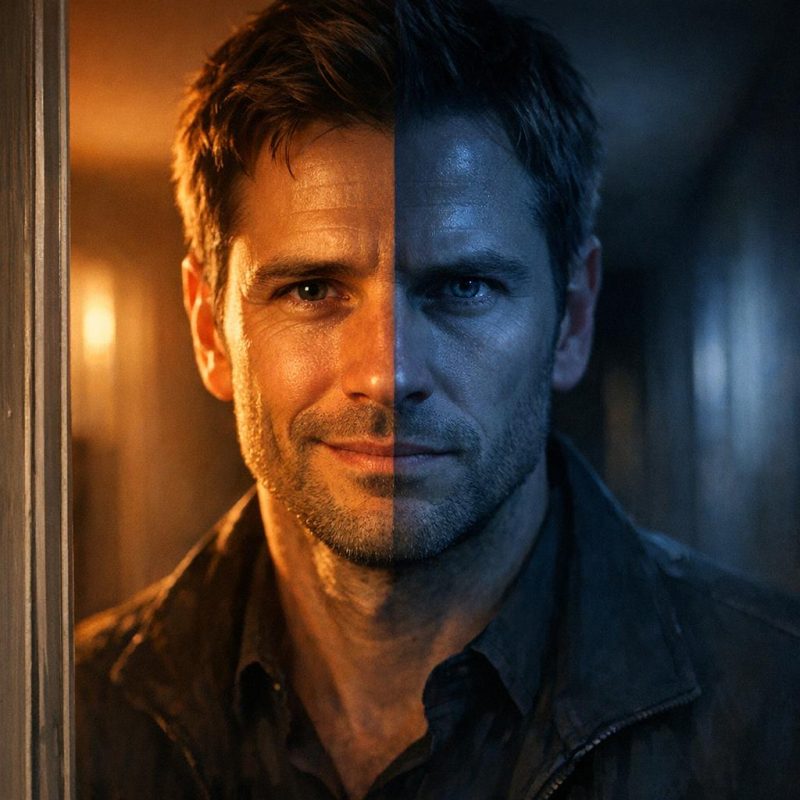 Image by RM AI
The Family Man
James didn't wait for an invitation. He stepped inside and I found myself backing up, letting him in despite every instinct telling me to shut him out. He started talking immediately, his voice taking on that reasonable tone people use when they're trying to make something terrible sound sensible. He said we needed to talk about what I'd been reading, about Margaret's 'version of events.' He framed everything he'd done as necessary protection for the family's stability and reputation. According to James, exposing the truth about my parentage would have destroyed Robert, would have torn the family apart, would have created a scandal that would have followed me my entire childhood. He claimed he'd been thinking of my wellbeing, making the hard choices that no one else had the strength to make. He portrayed himself as the responsible one, the person who'd stepped up when everyone else was paralyzed by emotion and indecision. I listened to his self-serving narrative with growing disgust. He genuinely seemed to believe his own justifications, seemed to think I should be grateful for his 'protection.' He talked about family legacy, about maintaining stability, about doing what was necessary. His words were smooth and practiced, like he'd been rehearsing this speech for years, waiting for the day someone would finally challenge him. James looked at me with something like pity and said he had done what my own parents were too weak to do—he had made the hard choices so everyone else could sleep at night.
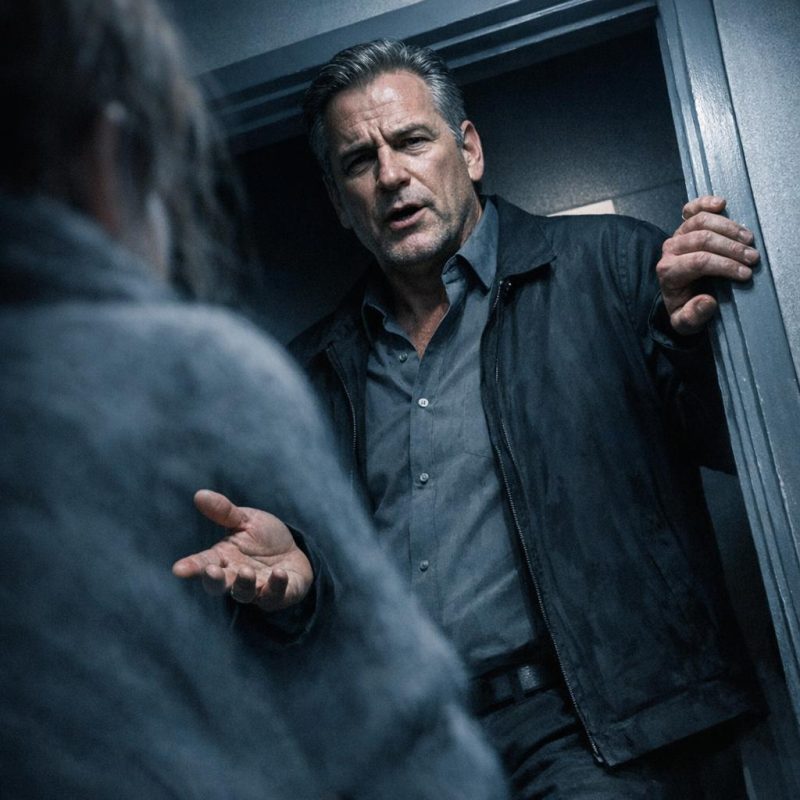 Image by RM AI
No More lies
I cut him off mid-sentence. I told him I'd read Margaret's journal, all of it, and I knew what he'd really been protecting. James's demeanor shifted immediately—the concerned uncle disappeared and something colder took its place. I demanded to know about the Fletcher inheritance, about the trust where he'd been executor, about the financial position he'd been protecting all these years. I told him I was done with his carefully constructed explanations and his family-protection narrative. I'd watched him manipulate my entire investigation, steering me away from anything real, feeding me just enough truth mixed with lies to keep me trusting him. James became defensive, his voice harder now. He said I was oversimplifying, that I didn't understand the complexities of what had been at stake. But when I kept pushing, when I rejected every justification he offered, his tone turned aggressive. He warned me that I was making a mistake, that I didn't truly understand what I was asking for. I told him I wanted the complete truth, no more spin, no more management. James's expression hardened into something I'd never seen before. He looked at me with cold assessment and said I had no idea what I was really asking for.
 Image by RM AI
Building a Case
I called Mike the morning after my confrontation with James. My hands were still shaking when I dialed his number. He agreed to meet me at a coffee shop downtown within the hour, and I could hear the concern in his voice when I told him it was urgent. When I arrived, Mike was already there, sitting in a back corner booth with his tired eyes scanning the room out of habit. I slid into the seat across from him and pulled out everything I'd brought—Margaret's journal, copies of the trust documents, my notes from conversations with James. Mike listened without interrupting as I walked him through what I'd discovered, occasionally making notes on a small pad he'd produced from his jacket pocket. He examined Margaret's journal carefully, reading certain passages twice. When I finished explaining, he sat back and studied me with that weary professional assessment I'd come to recognize. He said the documentation was solid, that Margaret's journal combined with the trust paperwork would likely be enough to pursue fraud charges against James. Then he leaned forward and his expression grew more serious. He told me I needed to understand what pursuing this legally would mean—it would expose everything to the entire family, make it all public record, drag everyone through depositions and court proceedings. Mike said they probably had enough to make a case, but I needed to decide if I was ready for what that would actually cost.
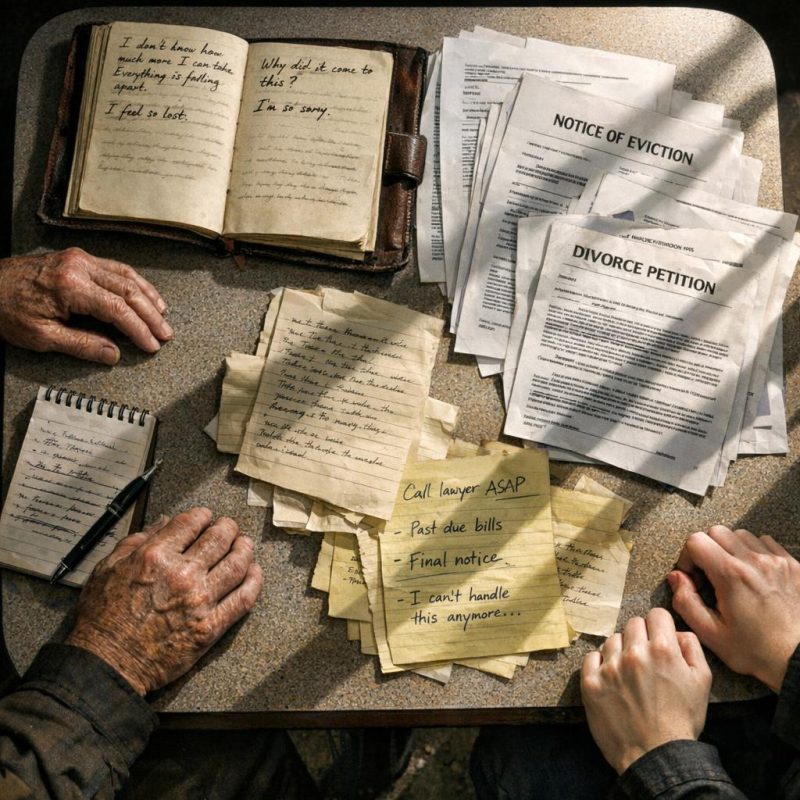 Image by RM AI
The Call
I sat in my car for twenty minutes before I could bring myself to make the call. My parents' number was programmed into my phone, a number I'd dialed a thousand times over the years for ordinary conversations about ordinary things. This call would be different. My father answered on the third ring, his voice steady and familiar. I told him I needed to see them both immediately, that it was about James and about things they'd been keeping from me. There was a pause, then I heard my mother's voice on the extension—she must have picked up in the kitchen. The fear in her tone was immediate and unmistakable. I told them I'd read Margaret's journal, that I knew about the cover-up, about the trust, about all of it. The silence that followed felt like it lasted forever. Then my mother asked a question that made my stomach drop. She wanted to know if James had called them first, if he'd already spoken to them about our confrontation. When I said no, that I was calling on my own, her voice cracked in a way I'd never heard before.
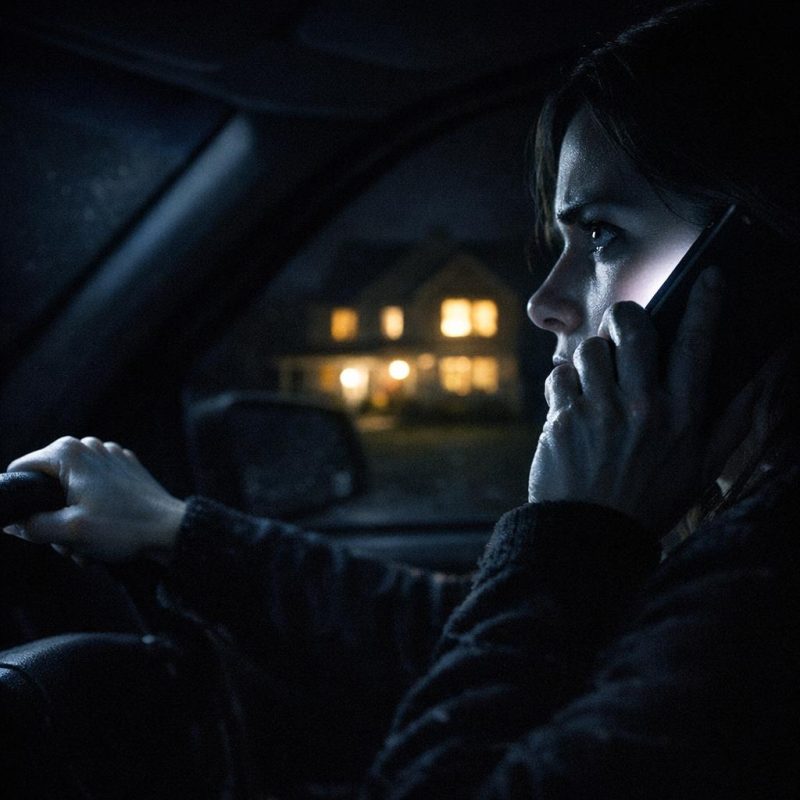 Image by RM AI
The Truth His Parents feared
I arrived at my parents' house as the afternoon light was starting to fade. The same house where I'd grown up, where I'd eaten thousands of meals and celebrated countless holidays. My mother opened the door before I could knock, her eyes red like she'd already been crying. My father stood in the living room, his broad shoulders rigid, his weathered face unreadable. I sat down across from them and laid it all out—Margaret's journal entries about James, the trust documents showing his executor position, the pattern of manipulation and control that had shaped our family for decades. I told them I knew they'd been keeping secrets since before I was born, that I suspected those secrets were about me. My mother's composure crumbled completely as I spoke. She pressed a tissue to her face and her shoulders shook. My father sat frozen in his chair, his hands gripping the armrests, unable to meet my eyes. I asked them directly if they had been lying to me my whole life about who I really was. Neither of them could bring themselves to deny it. They just sat there in their living room, surrounded by family photos that suddenly felt like elaborate props in a performance that had lasted thirty-eight years.
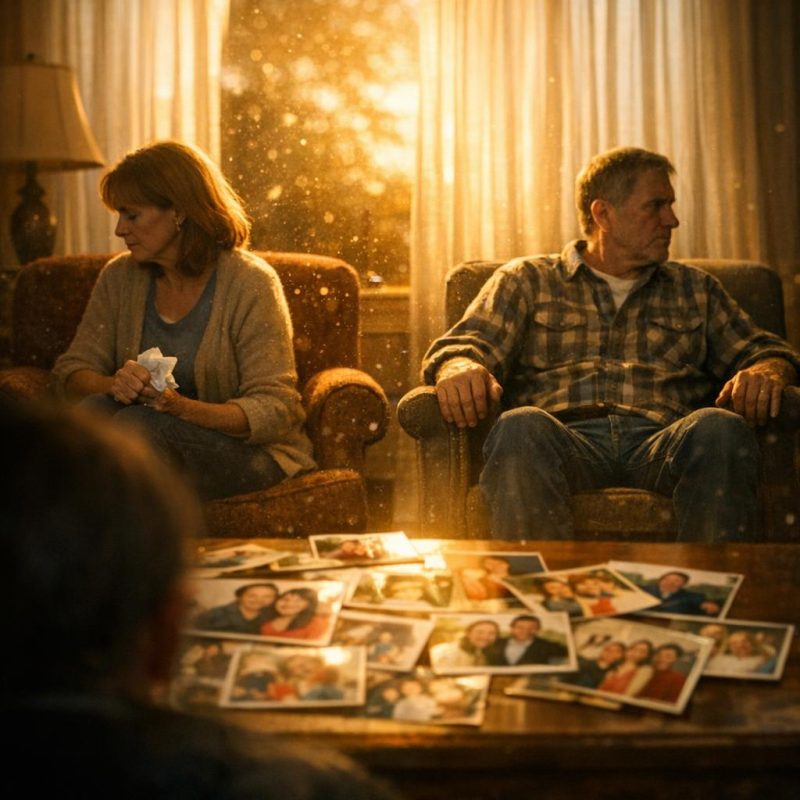 Image by RM AI
The Name of His Father
My mother broke first. She set down the tissue she'd been clutching and looked at me with an expression of such profound pain that I almost told her to stop, that I didn't need to hear it. But I did need to hear it. She said the words slowly, like each one physically hurt. Thomas Fletcher was my biological father. She explained that she and Thomas had been involved before she married my dad, that the pregnancy was discovered after the wedding had already happened. My father had known from very early on that I wasn't his biological son. They had made the decision together to raise me as their own, to never speak of it, to build a life around this central lie. My mother tried to explain the complicated emotions of that time—the shame, the fear, the genuine love she felt for my father and for me. I sat there absorbing the confirmation of what I'd suspected, feeling it wash over me in waves. The family secret that had shaped every aspect of my existence was finally spoken aloud in this quiet living room. My mother reached toward me and said she had always loved me as her son, even if the circumstances of my conception had been complicated.
 Image by RM AI
The Weight of silence
My father finally spoke. His voice was rough, like he hadn't used it in hours. He said he needed me to understand how James had been involved from the beginning. When I was still young, maybe three or four years old, James had approached them with his concerns about the situation. He'd argued that revealing the truth would create a devastating scandal, that it would hurt everyone involved—me most of all. My father admitted that James had been persuasive, and they had already been scared and uncertain about what to do. James had effectively taken control of the family narrative from that point forward, always positioning himself as the voice of reason and protection. My father's hands trembled as he spoke. He said he regretted following James's direction, that he'd spent decades wondering if they'd made the right choice. My mother added that James had made them feel like silence was the only option, that any other path would destroy our family. I understood then that my parents had been victims of James's manipulation too, though they had also made their own choices to go along with it. My father looked at me directly for the first time since I'd arrived. He said James had told them that if I ever found out the truth, it would destroy everything they had built—and they had been too afraid to question whether that was true.
 Image by RM AI
The inheritance
I asked them about the Fletcher family trust. My mother and father exchanged a glance, and I saw my father's jaw tighten. He explained that Thomas had come from a wealthy family, old money that had been carefully managed through generations. The Fletcher family had established trusts to provide for any descendants, a way of ensuring the family legacy continued. As Thomas's biological son, I would have been legally entitled to a substantial inheritance from those trusts. My mother's voice was barely a whisper when she added that James had used his position as executor to manipulate the family documents, to ensure I would never receive what I was entitled to. I asked how much we were talking about. My father told me the number. I had to ask him to repeat it because I thought I'd misheard. The inheritance James had kept from me wasn't just significant—it was genuinely life-changing money. More than I had earned in my entire working life. I sat there trying to process what this meant. James's deception hadn't just been about protecting family reputation or managing scandal. He had clear financial motives for keeping the secret all these years. The amount James had kept from me was more than I had earned in my entire working life.
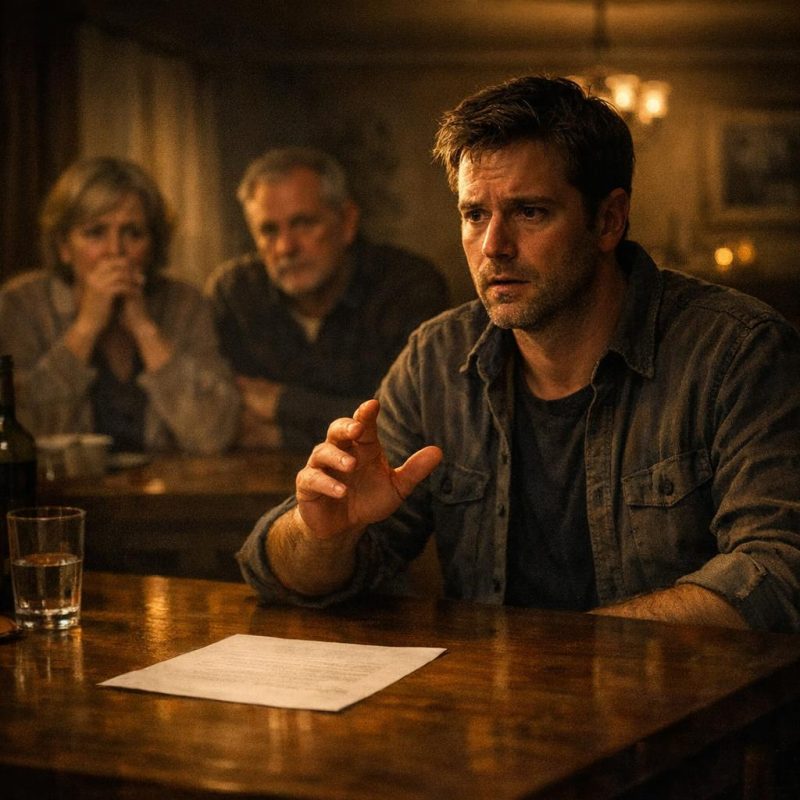 Image by RM AI
Following the money
I met with Mike again the next day to trace the financial connections in detail. He'd spent the night going through the trust documents with a professional eye, and what he showed me made my blood run cold. James hadn't just prevented me from receiving my inheritance—he had positioned himself to benefit directly from it. As executor of the Fletcher family trust, James had collected substantial fees for decades. Mike showed me the paperwork documenting those payments, year after year of compensation for managing assets that should have included provisions for me. But it went deeper than that. James had also made personal investments using trust assets under his control, investments that had funded his comfortable lifestyle and business ventures. Mike traced the money trail with the patience of someone who'd done this kind of work many times before. Every connection he showed me revealed another layer of James's systematic self-enrichment. This wasn't a family member making difficult choices to protect people he loved. This was calculated theft dressed up as concern. Mike looked at me with those tired eyes and said what we were both thinking. James hadn't acted out of family loyalty or concern—he had acted out of pure greed. James hadn't just kept me from my rightful inheritance—he had been living off money that should have been mine for decades.
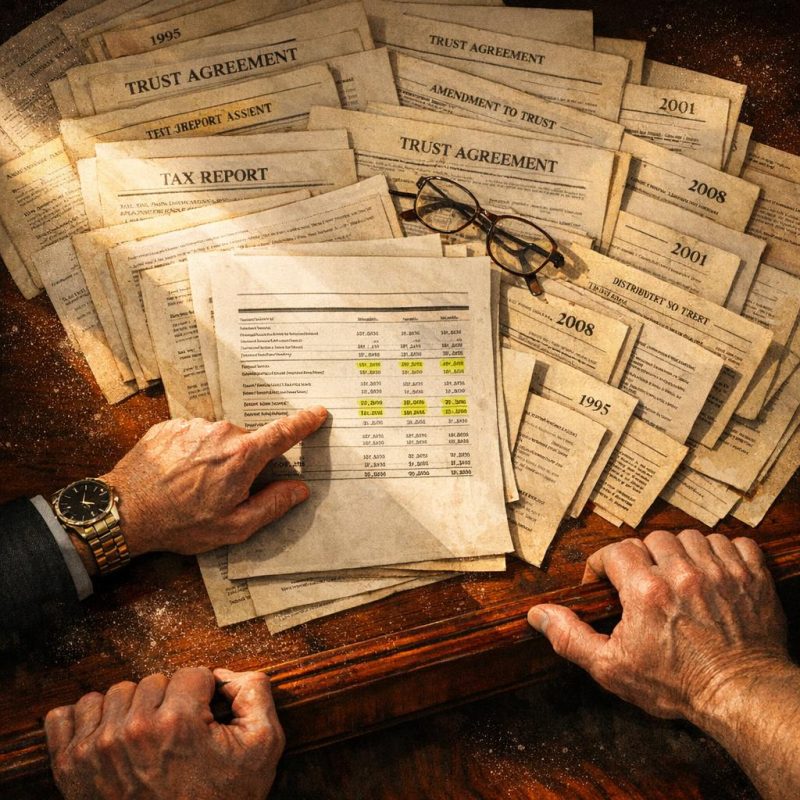 Image by RM AI
The Decision
I went home to Sarah that evening and told her everything. She listened as I explained the complete scope of James's manipulation and the money he'd stolen from me over the years. I laid out my options—pursue legal action and expose everything publicly, or try to resolve it privately within the family. Sarah sat quietly for a long time after I finished talking. Then she asked me what outcome I actually wanted from all of this. Did I want James punished? Did I want the money? Did I want acknowledgment of what had been done to me? I realized I didn't have clear answers to those questions. Sarah took my hand and said she would support whatever I decided, that this was my choice to make. But then she asked me something that stopped me cold. She wanted me to consider what kind of person I wanted to be when this was finally over. Would pursuing maximum legal consequences against James give me peace, or would it just create more damage? Would letting it go mean I was being mature, or just letting myself be victimized again? I sat there with my wife, understanding that I couldn't make this decision until I'd done one more thing. Sarah said she would support whatever I decided, but asked me to consider what kind of person I wanted to be when this was finally over.
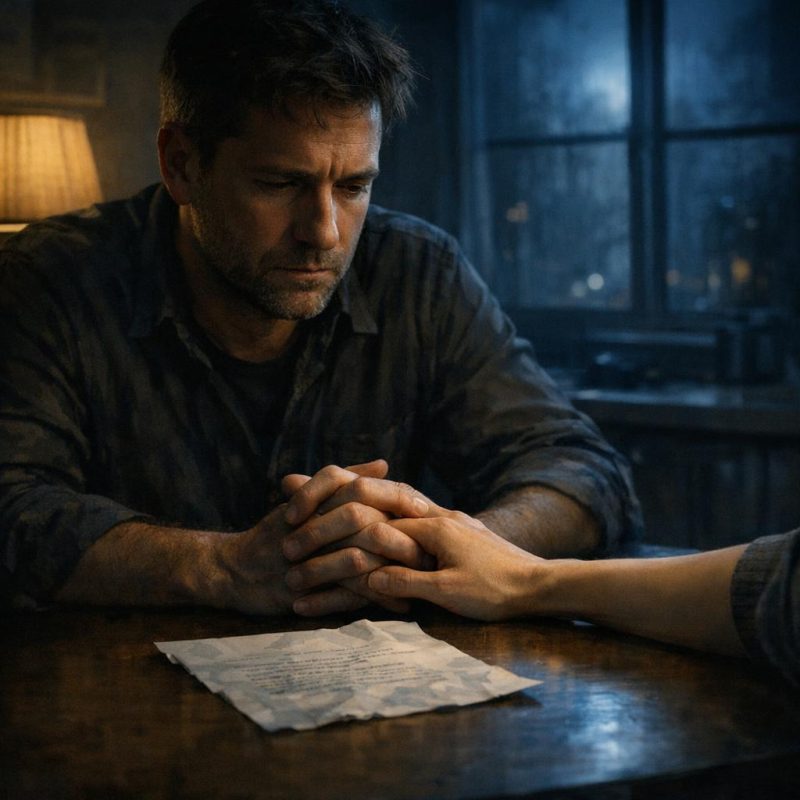 Image by RM AI
Father and Son
I drove to Thomas Fletcher's house three days later, knowing everything now. He lived in a modest colonial on the edge of town, the kind of place that suggested comfortable retirement rather than the wealth his family name implied. He opened the door before I could knock, and I saw immediately that he'd been crying. We sat in his living room surrounded by decades of careful distance, and he told me everything. He'd loved my mother—genuinely loved her—but his family had other plans for him, and he'd been too young and too weak to fight them. When Linda told him she was pregnant, she was already engaged to Robert, already committed to a path that didn't include scandal or complications. Thomas's parents had made it clear that acknowledging the child would mean disinheritance and social ruin. So he'd stepped back. He'd watched me grow up from whatever distance he could manage—at school events where he pretended to be there for other reasons, at Little League games where he sat in his car in the parking lot. He'd sent money anonymously through Margaret when he could. He'd lived an entire shadow life as my father while I called another man Dad. His voice broke when he told me that he'd wanted to tell me the truth a thousand times over the years, but had been convinced it would only cause harm—and he had never forgiven himself for believing that.
 Image by RM AI
Starting Over
I went back to see Thomas four days later, and this time felt different. We didn't talk about the heavy stuff right away. Instead, he made coffee and we sat on his back porch, and he told me about his work as an engineer, about the projects he'd been proud of, about traveling through South America in his thirties. I found myself asking questions, genuinely curious about this man I was just beginning to know. He showed me old photographs—his parents, his siblings, places he'd lived. There were pictures of Margaret too, and he smiled when he talked about how she'd been the only one in his family who'd understood what he'd lost. We discovered we both loved old westerns and terrible puns. Small things, but they mattered. The conversation felt easier, less like an interrogation and more like two people trying to figure each other out. When I got up to leave, Thomas walked me to the door and hesitated before asking if I might call him again sometime. I told him I would. And I meant it.
 Image by RM AI
New boundaries
I met my parents at their house the following week. Sarah had offered to come with me, but I needed to do this alone. We sat at the same kitchen table where I'd eaten thousands of meals growing up, and I told them exactly how things needed to change. No more secrets. No more protecting me from uncomfortable truths. If we were going to have any kind of relationship going forward, it had to be built on honesty. My mother cried and apologized without making excuses, and I could see the genuine remorse in her face. My father—Robert, the man who'd raised me—sat with his hands folded and admitted he'd failed me by choosing silence over truth all these years. I told them I understood James had manipulated them, but they'd still made their own choices. I said I wanted to maintain a relationship, but it would be on different terms now. They both nodded and accepted my conditions without argument. The conversation hurt, but it was necessary. As I stood to leave, Robert looked at me with an expression I'd never quite seen before. He said he didn't know if he deserved my forgiveness, but he hoped to spend however much time he had left trying to earn it.
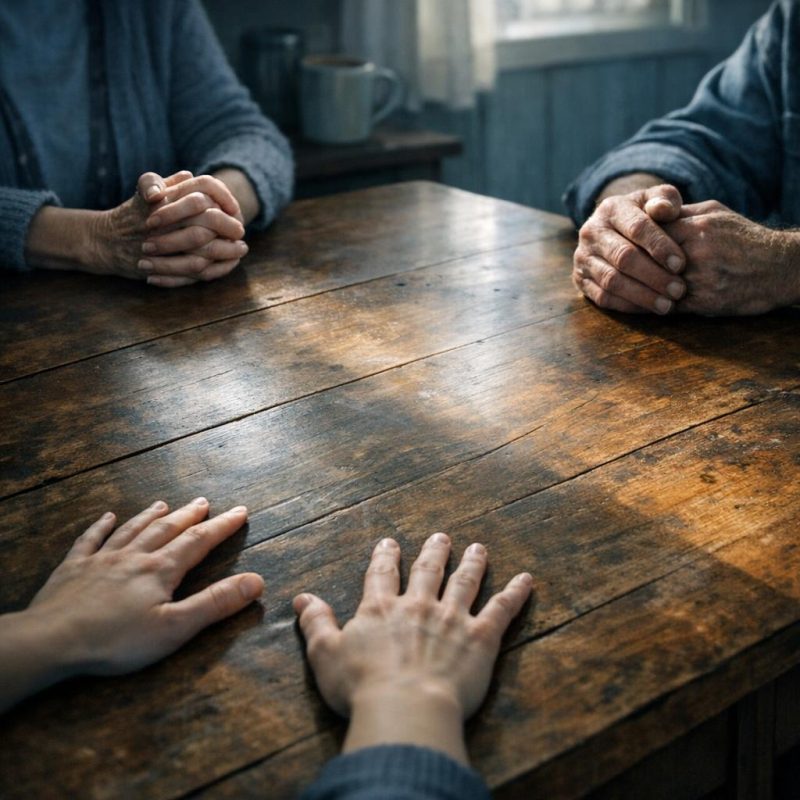 Image by RM AI
What remains
I sat alone in my office last night, the same room where this entire thing had started. The flash drive was still in my desk drawer where I'd kept it all these weeks. I took it out and held it, thinking about Margaret's voice and everything that had unraveled since I first pressed play. My understanding of family had been completely dismantled and rebuilt into something I was still learning to recognize. I had a biological father I was cautiously getting to know, parents I was learning to forgive, and a brother I'd decided to leave behind entirely. I'd chosen not to pursue legal action against James—the family had suffered enough, and I didn't need a courtroom to validate what had been done to me. But I'd also made it clear to everyone that he was no longer part of my life. Margaret's warning echoed in my memory, her voice steady and certain even in death. I understood now why she'd waited until she was gone to tell me. Some truths are too heavy to deliver in person. I felt fundamentally changed by everything I'd learned, but somehow more grounded in who I actually was. The recording had been a warning, but it had also been a gift—because now I finally knew who I was.
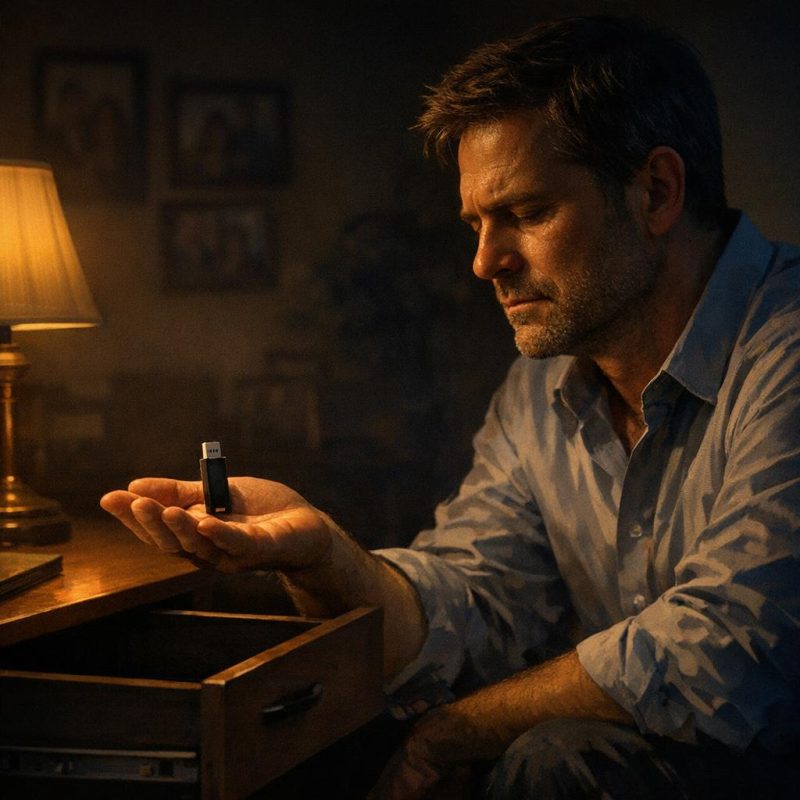 Image by RM AI
KEEP ON READING
The story of Ching Shih, the Woman Who Became the…
Unknown author on WikimediaFew figures in history are as feared…
By Emilie Richardson-Dupuis Dec 29, 2025
Einstein's Violin Just Sold At An Auction—And It Earned More…
A Visionary's Violin. Wanda von Debschitz-Kunowski on WikimediaWhen you hear…
By Ashley Bast Nov 3, 2025
This Infamous Ancient Greek Burned Down An Ancient Wonder Just…
History remembers kings and conquerors, but sometimes, it also remembers…
By David Davidovic Nov 12, 2025
The Mysterious "Sea People" Who Collapsed Civilization
3,200 years ago, Bronze Age civilization in the Mediterranean suddenly…
By Robbie Woods Mar 18, 2025
20 Scientific Frauds That Set Research Back for Years
Ruining The Fun for Everyone. One fake result can do…
By Elizabeth Graham Apr 22, 2026
20 Soldiers Who Defied Expectations
Changing the Rules of the Battlefield. You’ve probably heard plenty…
By Annie Byrd Feb 10, 2026