

I Sold My Childhood Home and the New Owner Sent Me Something That Changed Everything I Knew About My Family
I Sold My Childhood Home and the New Owner Sent Me Something That Changed Everything I Knew About My Family
The House on Hawthorne Lane
I'm sixty-three years old, recently retired from twenty-two years behind a grocery store register, and until about eight months ago, the most important thing I owned was a faded yellow house on a dead-end street in Millhaven, Ohio. My parents bought it in 1968 for thirty-two thousand dollars, which was everything they had. I grew up in that house. I learned to read at the kitchen table, had my heart broken for the first time on the back steps, and stood in the front doorway the morning my father's ambulance pulled away from the curb. He died in the downstairs den, in his recliner, with the television still on. My mother spent her last good years in the backyard tending her roses like they were her second family. My husband proposed to me on the front porch during a thunderstorm in 1987, and even after the divorce, even after everything, I kept that house. It was the last thing that felt like mine. But the property taxes kept climbing, and the furnace needed replacing, and the roof had been patched twice already. I held on as long as I could. Signing those papers at the title office felt like closing a door I'd been standing in front of my whole life, and I drove home that afternoon with the strange, settled weight of someone who had just let go of something they could never get back.
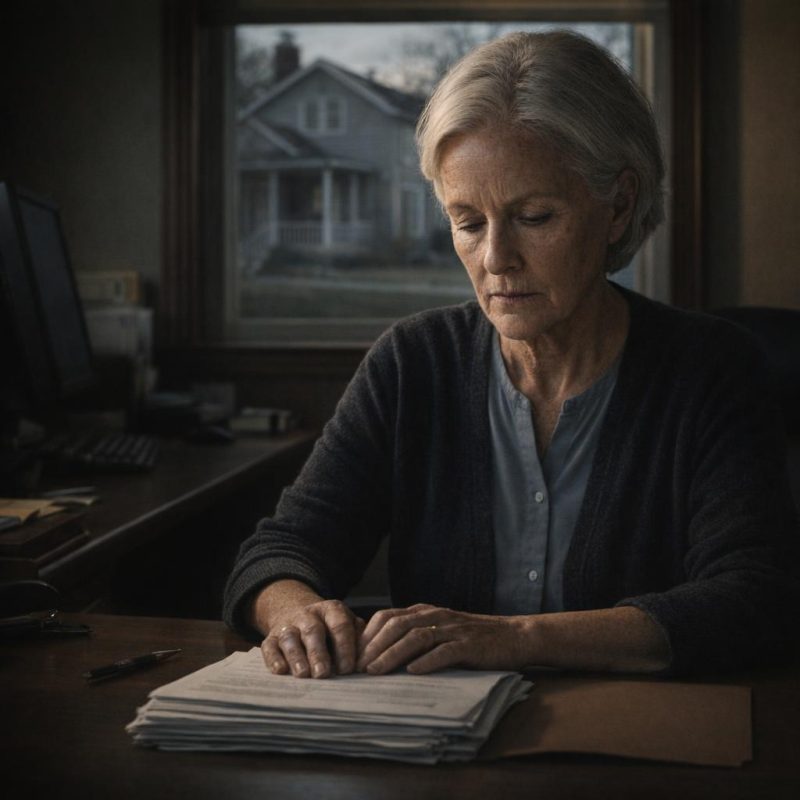 Image by RM AI
The Widow from Chicago
The buyer's name was Elise Whitaker, and she drove down from Chicago for the closing. She was well put-together — blonde hair, good coat, the kind of quiet expensive that doesn't announce itself. She shook my hand and smiled and said she'd been looking for something peaceful, something away from the city noise, and that Millhaven felt right to her. I appreciated that. It helped, a little, to think of someone choosing the house rather than just buying it. The paperwork took about an hour. She was pleasant through all of it, asked the realtor a few questions about the utility history, nothing unusual. But then, while we were waiting for the notary to finish the last page, she turned to me and asked whether my parents had ever done any renovations on the basement. I told her not that I knew of, just the water heater swap in the nineties. She nodded slowly, like she was filing that away. Then she asked if there were any hidden storage spaces in the house — crawl spaces, built-in cabinets, anything like that. I said I didn't think so, that it was a pretty straightforward layout. I figured she was just being thorough, the way some buyers are. I was already thinking about the drive home when she looked at me with those steady blue eyes and asked if I had ever known a girl named Vivian Bell.
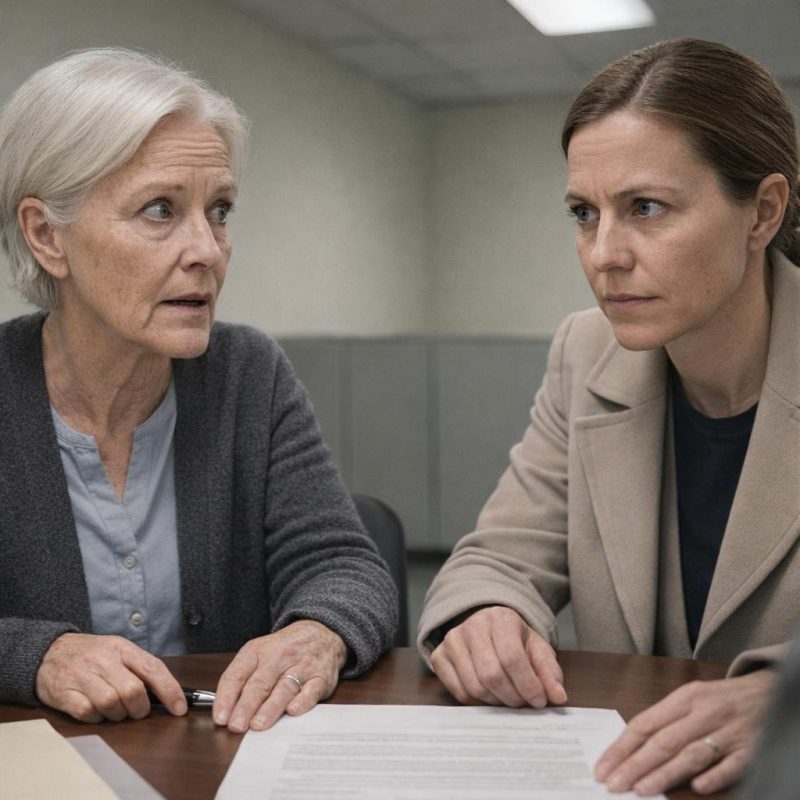 Image by RM AI
Forty Minutes Away
The condo was forty minutes north of Millhaven, on the third floor of a beige building off Route 9 that smelled faintly of carpet cleaner and other people's cooking. I told myself it was practical. One bedroom, low maintenance, no yard to worry about, no furnace to fail on a January night. I unpacked my boxes over the course of a week, arranging things in rooms that were just slightly too small for them. My mother's china cabinet fit, but only if I pushed it against the wall where the window light didn't reach it. The couch looked wrong in every position I tried. I went to the grocery store two towns over because I couldn't bring myself to shop at the one where I'd worked for two decades, and I got turned around in the unfamiliar aisles twice before I found the coffee. I set up a new routine — morning coffee by the window, afternoon news, dinner from whatever was easiest. I told myself I was adjusting. I made a point of not driving past Hawthorne Lane, not even when I had errands in that direction. The walls in the condo were thin enough that I could hear my neighbor's television through the drywall most evenings, the laugh track of some show I didn't recognize. I didn't know his name. I didn't know anyone's name on that floor. The quiet between those sounds was a different kind of quiet than I was used to.
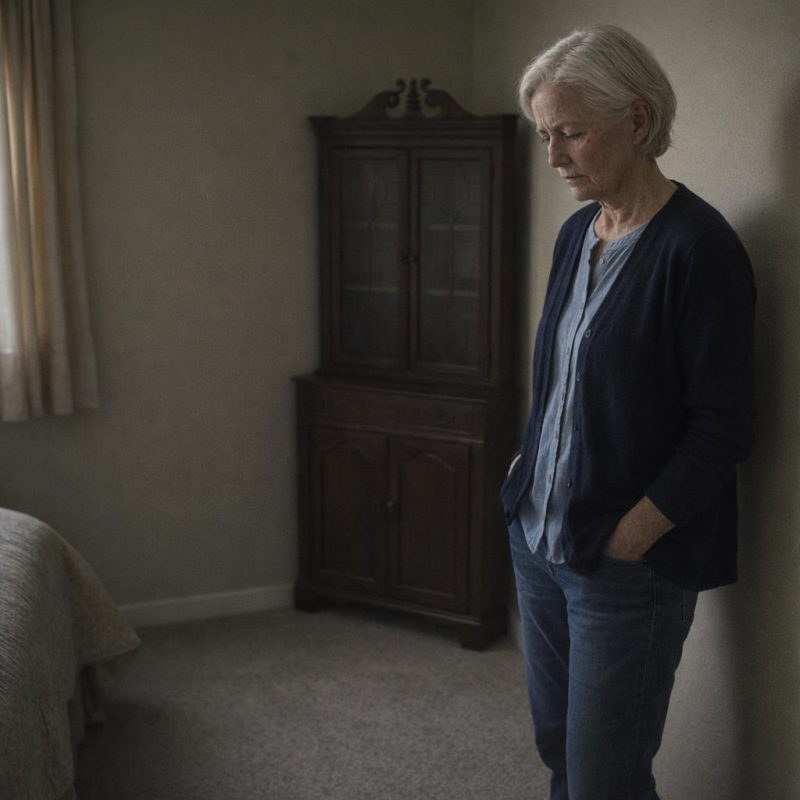 Image by RM AI
The Rhythm of Empty Days
Months went by the way they do when you don't have anywhere you need to be. I started walking in the mornings, just around the block and back, mostly to give the day a beginning. I joined a book club at the Fairfield branch library in October — they were reading a novel about a woman who moves to coastal Maine, which felt a little on the nose — but I only went twice before I stopped. The other women all seemed to know each other already, and I never quite found the opening to become part of the conversation. My old coworkers from the store called less and less, which I understood. We'd been work friends, and without the work, the friendship didn't have much to stand on. I started eating lunch most days at a diner on Clement Street, a booth by the window, the same turkey sandwich, because it was easier than cooking for one and it got me out of the apartment for an hour. I thought about getting a cat. I looked at a few online, even filled out an inquiry form for a tabby at the county shelter, but I never followed through. I'm not sure why. The condo management slipped notices under my door about parking and recycling schedules, and I read them and set them on the counter and forgot about them. Some mornings I'd finish my coffee and sit there and realize I had nothing that required me anywhere.
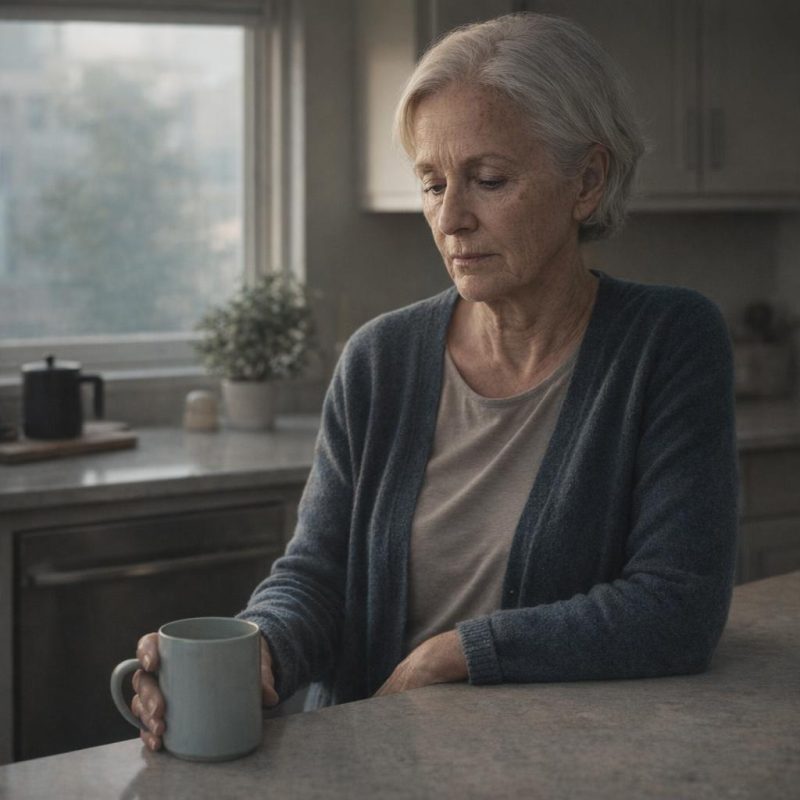 Image by RM AI
The Yellow Walls
I'm not sure what made me finally let myself think about the house again. It was a Tuesday in November, gray outside, nothing on television worth watching. I just sat down with my coffee and let the memories come. Christmas mornings in the living room, my father in his good robe handing out presents with that formal ceremony he brought to everything. The smell of pot roast every Sunday, the whole house warm with it by noon. My father out in the backyard in summer, coaching my brother's Little League team through drills while the neighbor kids leaned on the fence to watch. My mother's roses coming up every June without fail, red and pink along the back fence, and how proud she was of them, how she'd cut a few and put them in a mason jar on the kitchen table like they were something precious. My wedding reception in that same backyard, string lights strung between the oak tree and the garage eave, everyone dancing on the grass. Teaching my son to ride his bike on the dead-end street out front, running alongside him until he didn't need me anymore. The house had held all of it. Every version of my life had happened inside those walls or just outside them. And then I thought of my mother the way I always eventually did — standing at the kitchen window in the late afternoon, looking out at the street, her hands still and her face quiet, watching for something I never thought to ask about.
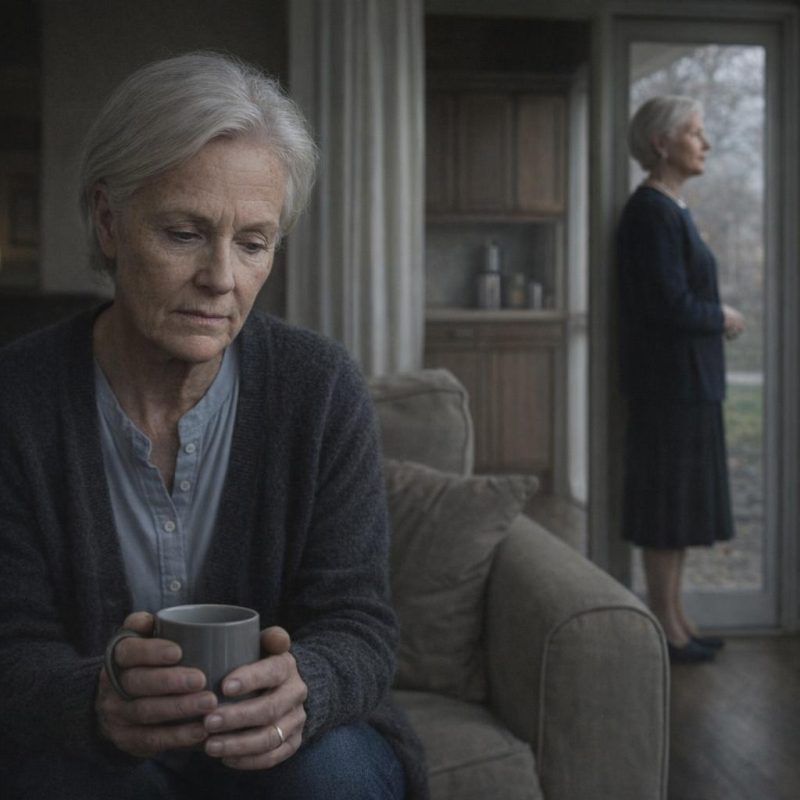 Image by RM AI
The Package with No Return Address
It was an ordinary Wednesday when the package arrived. No return address, just my name and the condo's address in handwriting I didn't recognize, neat and careful. I almost set it aside to open after lunch, but something about the weight of it made me stop. Inside the padded envelope was a small velvet jewelry box, the kind that's been handled so many times the velvet goes thin at the corners. I opened it and my breath left me. A gold charm bracelet, the charms worn smooth — a tiny bicycle, a rose, a small cross, a heart with a hinge that opened. I knew every one of them. I had touched every one of them as a child, sitting on my mother's lap while she let me turn them in my fingers. I had watched them catch the light at church on Sunday mornings. I had stood at a graveside fifteen years ago and watched that bracelet disappear into the ground on my mother's wrist, because she had asked to be buried wearing it and we had honored that. There was a folded note in the box, handwritten on cream paper. It said: I don't think your mother wanted this found. Please call me. It was signed Elise. I sat at my kitchen table for a long time, the bracelet pooled in my open palm, cool and impossibly solid, and I could not make the world make sense around it.
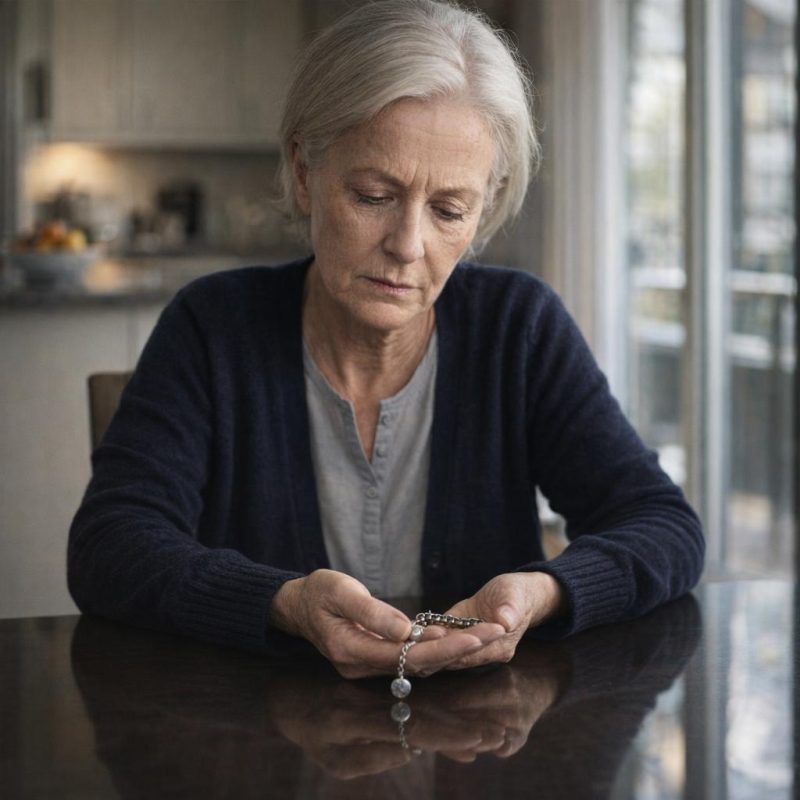 Image by RM AI
The Drive to Hawthorne Lane
I didn't call. I got in my car and drove. The forty minutes felt like ten — I barely remember the highway, just the white lines and the sound of my own breathing. I pulled into the driveway on Hawthorne Lane and sat there for a moment, engine running. The house looked like itself and not like itself at the same time. Elise had put up different curtains, cream-colored ones, and there were potted mums on the porch steps that my mother never would have chosen. I turned off the engine and knocked on the door harder than I meant to. Elise answered quickly, like she'd been expecting someone, and her expression shifted when she saw me — surprise first, then something that looked like concern. I didn't give her time to speak. I held up the bracelet and told her I needed to know where she got it. I told her my mother was buried wearing that bracelet, that I had been there, that I had watched them close the casket. My voice was shaking and I didn't try to stop it. I said the word grave robbery out loud, because it was the only explanation I had, and I watched the color drain out of Elise's face.
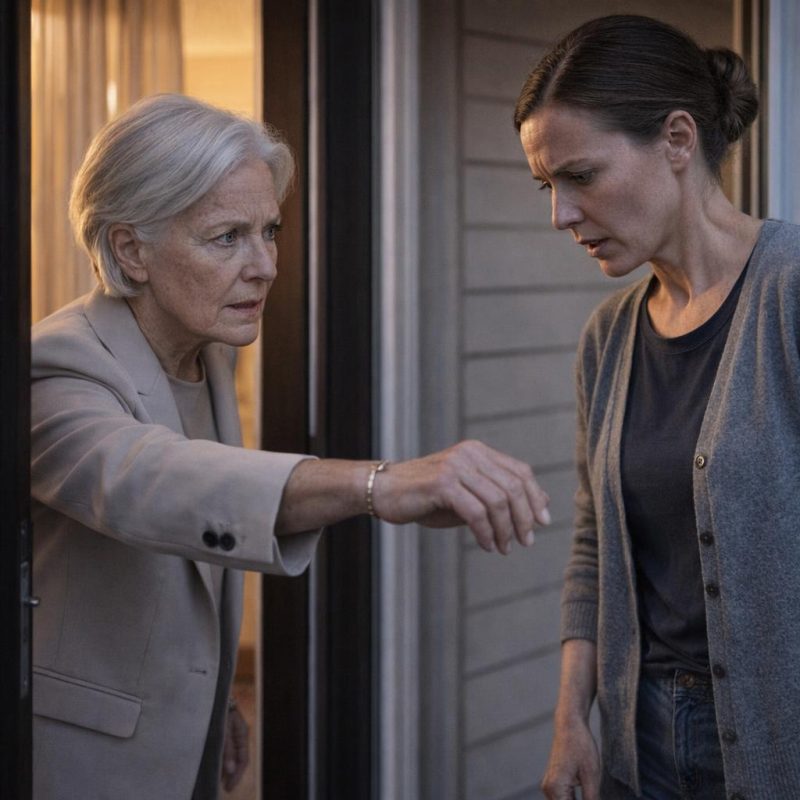 Image by RM AI
Behind the Furnace Wall
She stepped back from the door and asked me to come inside, and something in her voice — pulled tight, careful — made me follow her without arguing. She led me through the living room, which smelled different now, like someone else's candles, and down the basement stairs. The basement looked mostly the same except for a section of exposed wall near the old furnace where the drywall had been cut away and not yet replaced. She told me she'd hired a plumber in September to replace the old galvanized pipes. One of the workers had noticed something behind the furnace wall — a gap that didn't match the framing, sealed up with old mortar and a piece of paneling that had been painted over to match. They'd opened it carefully, she said, because they weren't sure what they were dealing with. Inside, wrapped in old newspaper, were several objects. The bracelet. Some photographs. A few folded letters. She said she'd unfolded one letter before she understood it was personal, and she apologized for that, genuinely, her hands clasped in front of her. She said she'd tried to find the right way to return everything. I wasn't listening to her apology anymore. I was looking at the wall — at the narrow dark opening behind the furnace, maybe eighteen inches wide, sealed up and hidden for God knows how long, right there in the house where I had lived my entire childhood.
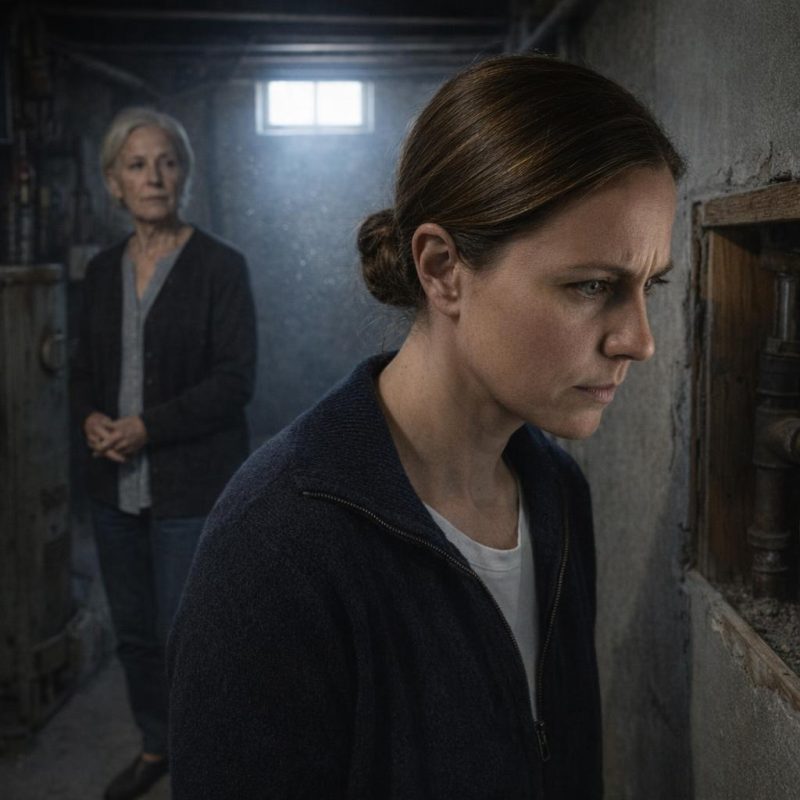 Image by RM AI
The Bundle Tied with Ribbon
Elise retrieved a cardboard box from the kitchen counter and set it down between us on the basement stairs like it was something fragile. Inside, wrapped in old newspaper and tied with a length of faded pink ribbon, was a small bundle of letters. Beside it sat a few photographs tucked into clear protective sleeves. She said she thought I deserved to know what had been hidden in my own family home, and her voice was careful when she said it, not unkind. I thanked her stiffly, the way you thank someone when you don't quite know what you're thanking them for. I carried the box up the stairs and out to my car without looking inside it. The whole drive home I kept telling myself it was nothing dramatic — old love letters between my parents, maybe, the kind of private things people sealed away and forgot. My mother had been a sentimental woman. It made sense she would have saved something like that. I set the box on my kitchen table and made myself a cup of coffee before I sat down. I untied the ribbon slowly, unfolded the first letter, and looked at the salutation at the top of the page — and the name written there was not my father's.
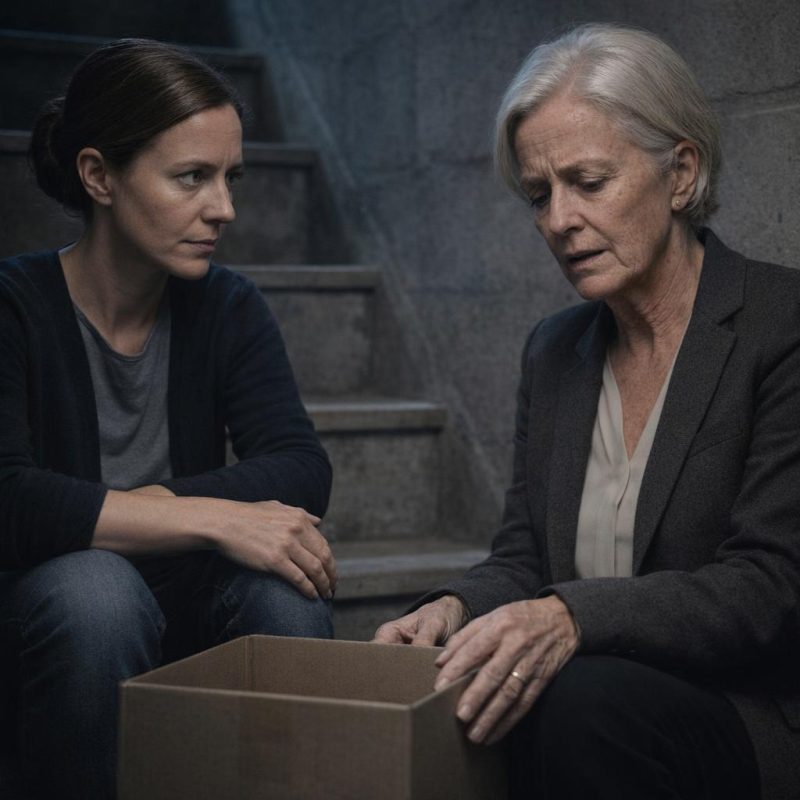 Image by RM AI
Letters to a Stranger
I spread all the letters across the kitchen table and just stared at them for a moment before I could make myself read. The handwriting was unmistakably my mother's — I would have known those looping g's and the way she crossed her t's anywhere. The dates in the upper corners spanned several years, the earliest from the mid-1960s, the latest from what looked like 1972. They were addressed to someone named Thomas. I read the first one through twice, then a third time, because I kept hoping I'd misread the tone of it. I hadn't. My mother wrote about longing. About stolen afternoons. About a feeling she said she couldn't explain to anyone who hadn't felt it themselves. The words were tender and private in a way that made my face go hot just reading them, like I'd walked in on something I was never supposed to see. She wrote about my father too, but only in the margins of things — a reference here, an obligation there. Thomas was the center of every page. I sat back in my chair and looked at the ceiling for a long time. My mother had been dead for eleven years. She had tended her roses and gone to church and made Sunday pot roast every week of my childhood. I thought I had known her completely. The ache of reading her words to another man settled somewhere deep in my chest, and I couldn't shake it loose.
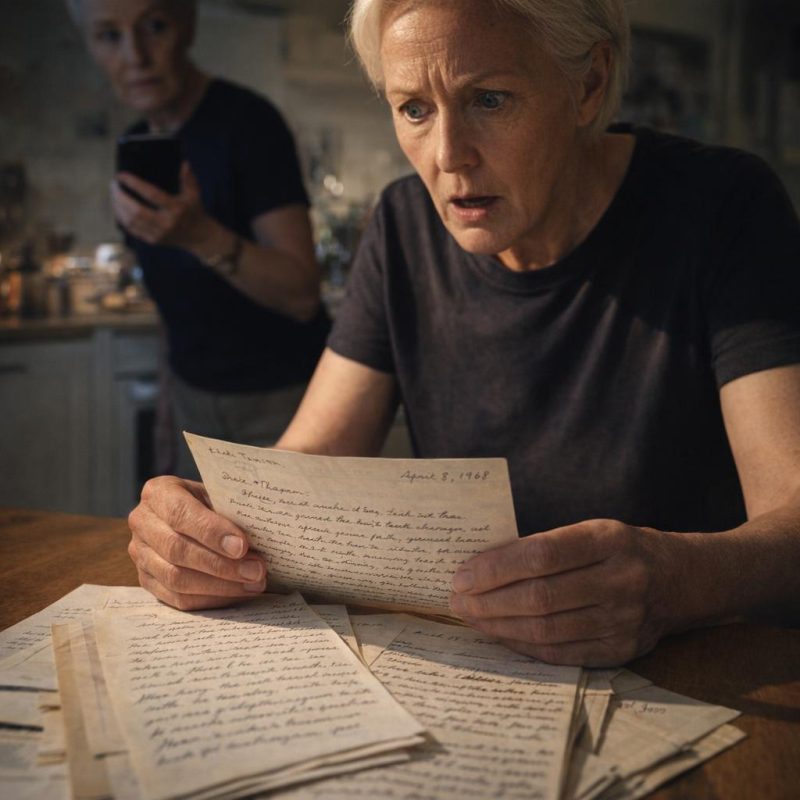 Image by RM AI
What Happened to Vivian
I went back to the letters the next morning, thinking maybe I'd misread the worst of it. I hadn't. Partway through the stack I started finding a name I didn't recognize at all — Vivian. The first mention was almost offhand, tucked into a paragraph about the house feeling too quiet. My mother wrote: I still hear her crying downstairs, and I don't know what to do with that sound. I read it three times. I had no memory of anyone named Vivian ever living in our house or even visiting regularly. The next letter was worse. My mother wrote that what happened to Vivian haunts me, that she couldn't get through a week without thinking about it. There was no explanation of what had happened, no context, just that phrase sitting there like a stone. I kept reading. Near the bottom of the stack I found the line that stopped me cold. My mother had written, in her careful looping hand: if Lorraine ever learns the truth she'll hate us both forever. I set the letter down on the table. My own name, written by my mother's hand, attached to a secret I didn't understand and couldn't yet name. I sat there in the kitchen with the letters spread around me, the morning light coming through the window, and those words just burned.
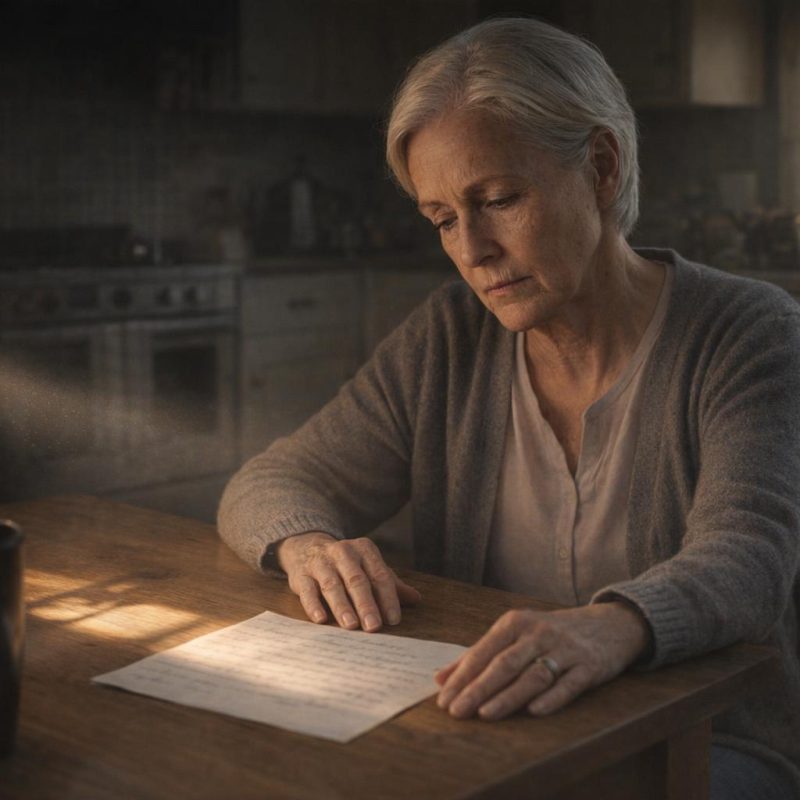 Image by RM AI
The Sleepless Night
I didn't sleep that night. I lay in bed with the ceiling fan turning slowly overhead and my mother's handwriting cycling through my mind like something I couldn't switch off. I kept trying to build an innocent version of it — Thomas was an old friend, maybe, someone she'd had feelings for before she married my father, and the letters were just the private record of something that had never gone anywhere. Vivian could have been a neighbor girl, a troubled teenager my mother had tried to help. The line about me learning the truth could have meant anything. I told myself that over and over. Around three in the morning I gave up on sleep and went to the kitchen and made tea I didn't really want. I stood at the window and looked out at the dark yard and thought about the house on Hawthorne Lane — about all the years I'd spent in those rooms believing I understood the life that had been lived there. The letters had been sealed behind a wall. Not tucked in a drawer, not stored in a box in the attic. Behind a wall. That detail kept snagging on something I couldn't name. By the time the sky started going gray at the edges, I had made up my mind. My cousin Janet had been the keeper of every family story since before I could remember, and at first light I picked up the phone to call her.
 Image by RM AI
The Call to Janet
Janet answered on the third ring, sounding groggy and a little alarmed the way people do when the phone rings early. I apologized for the hour and she said never mind that, what was wrong. I told her I'd found some old letters at the house — my mother's letters — and that I needed to ask her about someone. I said the name carefully, the way you say something you're not sure how to pronounce: Vivian Bell. The line went quiet. Not the quiet of someone thinking, but the quiet of someone who has just heard something they weren't expecting and needs a moment to decide what to do with it. I could hear Janet breathing. I counted the seconds without meaning to. I asked again, softer this time, whether she remembered anyone by that name. Janet didn't answer right away. When she finally spoke, her voice had changed — tighter, more careful. She said she needed to think about how to answer that question. That was all. Not that she didn't know, not that the name meant nothing. Just that she needed to think about how to answer. I sat at my kitchen table with the phone pressed to my ear and the letters still spread out in front of me, and the silence that had come before those words felt heavier than anything she could have said.
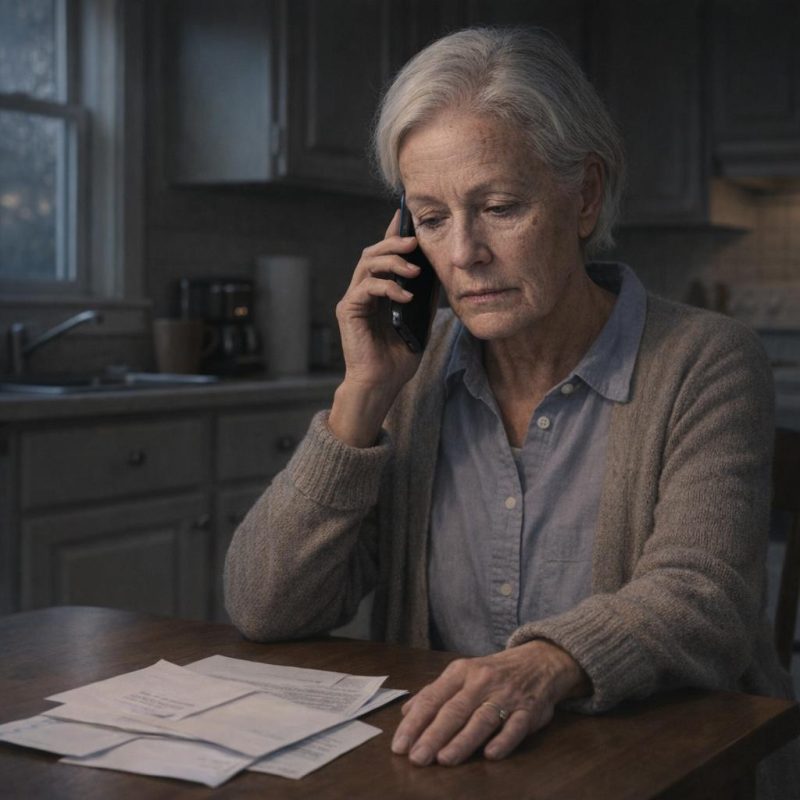 Image by RM AI
The Babysitter Who Vanished
Janet called me back that same afternoon. She said she'd been sitting with it all morning and she supposed I had a right to know what she knew, which wasn't everything, but was enough. Her voice had that careful quality it gets when she's choosing words the way you choose footing on ice. She told me that Vivian Bell had been a young woman in the neighborhood back in the early 1970s. Nineteen years old, she said, emphasizing it like the age mattered. Vivian had babysat for several families on our street and the ones nearby. She was well-liked, Janet said, pretty and quiet and reliable. Then in 1974 she was simply gone. No goodbye, no forwarding address, no word to the families she worked for. Janet said the town talked about it for a while the way small towns do, and then it faded, the way things do when there are no answers to keep the conversation going. The case was never officially resolved, she said. Nobody ever found out what happened to her. I asked Janet what year the letters in my mother's bundle started. She didn't know, of course — she hadn't seen them. But I already knew the answer. The earliest date I'd found was 1968. The latest was 1973. Vivian Bell had vanished in 1974. I sat with the phone in my hand after Janet said goodbye, and the weight of that timeline settled into me like something cold.
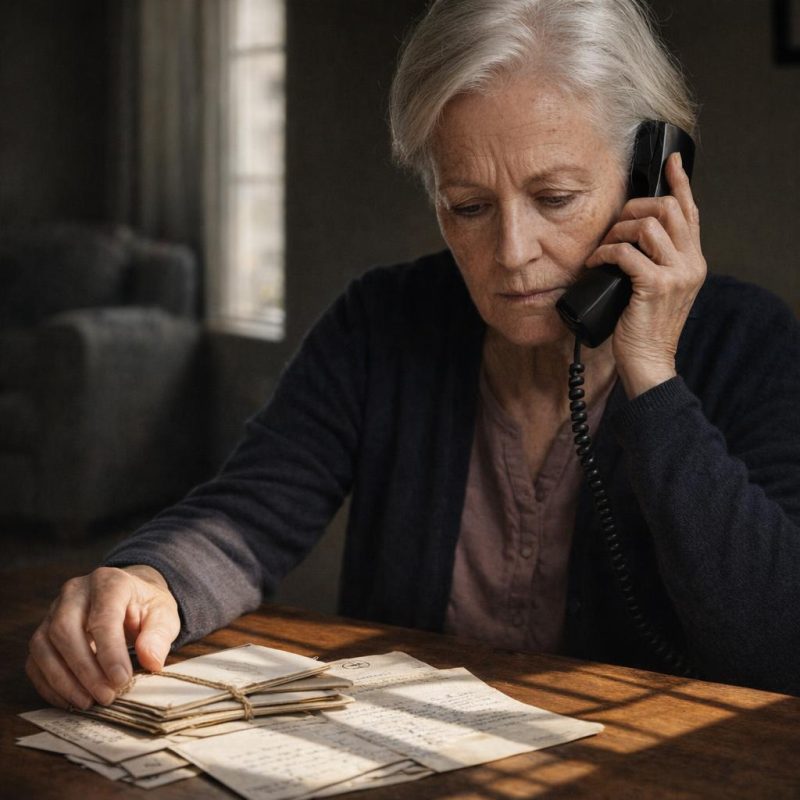 Image by RM AI
The Girl Who Accused
I waited about an hour before I called Janet back. I told her I was sorry to keep pushing but I needed to understand more. She sighed, the long kind that means someone is deciding how much to give you. She told me that before Vivian disappeared, there had been talk. Vivian had confided in at least one friend that she was pregnant. She'd told this friend the father was a married man — someone older, someone with standing in the community. According to what Janet had heard, Vivian had threatened to say his name out loud, to go public with it. And then, not long after that, she was gone. I asked Janet if anyone had ever said who the man was. Janet was quiet for a moment. She said the rumors never settled on a name, not officially. But she said the talk at the time pointed toward someone that people in town genuinely looked up to. Someone they trusted with their families, with their children. Someone, she said, whose reputation nobody wanted to believe could be touched by something like that.
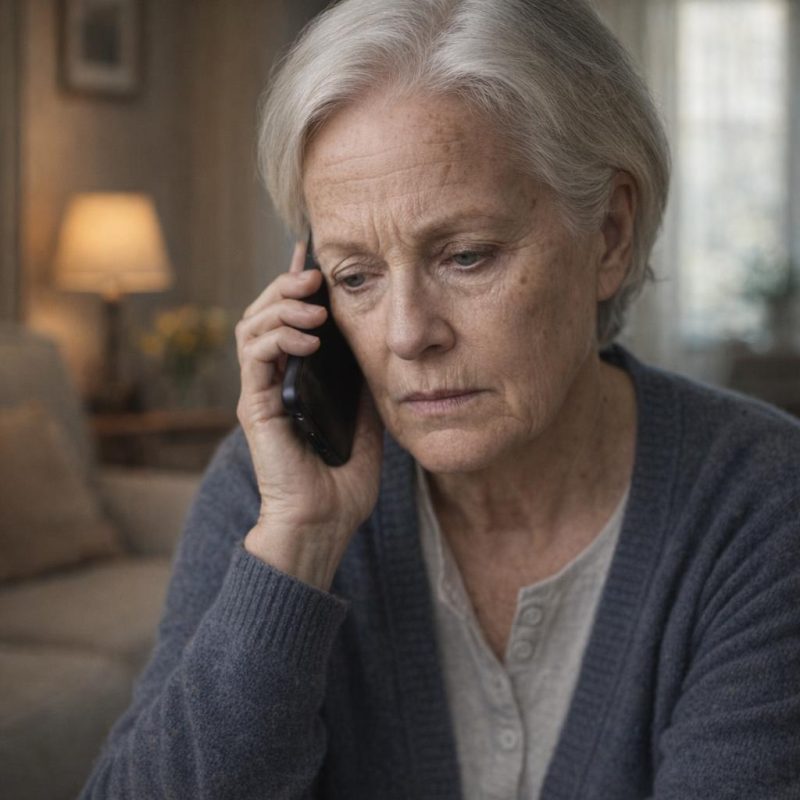 Image by RM AI
The Respected Man
I hung up and sat at the kitchen table for a long time without moving. I told myself it was impossible. My father had been a stern man, yes, exacting in the way of men who believe they carry the weight of other people's moral lives — but he had also been good. That was the word I kept coming back to. Good. He had been a church elder for over twenty years, the kind of man who led the Wednesday night Bible study and knew every family's name and every child's birthday. He coached Little League two summers running when I was in grade school. He volunteered at the fire department. People brought him their problems. They trusted him with their kids, with their marriages, with their fears. I had never once seen him be cruel. I told myself that small towns run on gossip and that gossip needs a target, and respected men make easy targets because the fall is more satisfying. I told myself that the timeline was a coincidence, that the letters were about something else entirely, that I was connecting things that had no business being connected. But then I thought about standing beside him in the third pew on Sunday mornings, and the weight of his hand on my shoulder, and the way every head in that congregation turned toward him when he spoke.
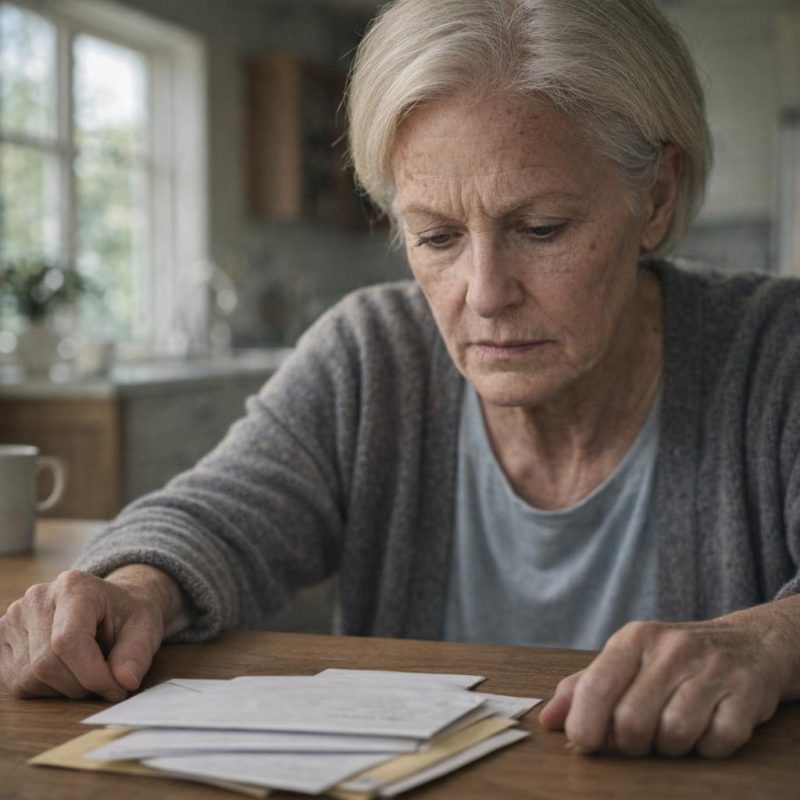 Image by RM AI
The Second Package
The second package arrived on a Tuesday, about a week after my phone call with Janet. I almost didn't open it. The return address was Elise's — that same neat handwriting on the label — and I stood at my kitchen counter holding it for a long time before I finally pulled the tape loose. There was no note inside. No explanation, no card, nothing. Just a cassette tape in a cracked plastic case, the kind you'd find in a junk drawer or a shoebox in someone's attic. The label was handwritten in faded ink, the letters slightly uneven, like whoever wrote it had been in a hurry or maybe just very tired. It said: For insurance. That was all. I turned it over in my hands twice, trying to make sense of it. The tape looked old — the kind of old that meant decades, not years. I dug through my hall closet until I found the little cassette player I'd kept for no good reason, the one that used to sit on my mother's kitchen windowsill. I plugged it in. My hands were shaking badly enough that I dropped it once before I got it seated on the counter. I sat down on the kitchen stool, pressed my thumb against the play button, and heard it — first static, then voices.
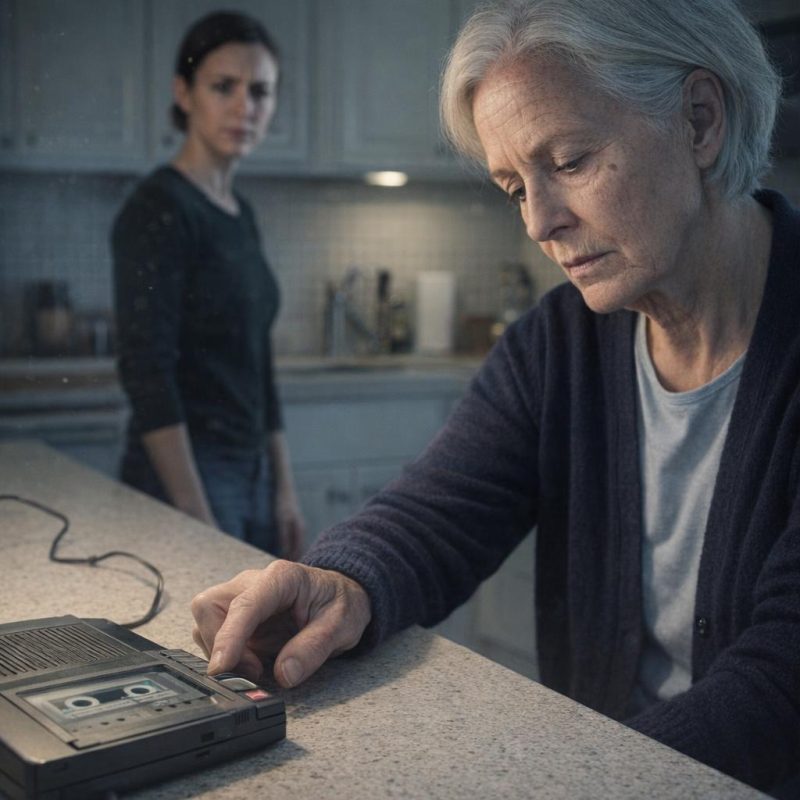 Image by RM AI
The Argument on Tape
I sat completely still and listened. The recording was muffled, like it had been made from across a room, or maybe through a wall — the kind of sound that makes you lean in even though leaning in doesn't help. My father's voice came through first, low and tight, the way it got when he was trying to keep his anger contained and failing. He told my mother to stop digging up the past. He said it more than once, each time a little harder. Then my mother's voice, and I hadn't heard it in years, and the shock of it nearly undid me before I even registered what she was saying. She was screaming. My mother, who never raised her voice at the dinner table, who hummed hymns while she weeded the rose beds — she was screaming at him that the girl deserved better. That burying secrets in the basement wouldn't keep them dead forever. The argument escalated in a way that felt ugly and old, like something that had been fought before and never resolved. Then there was a loud crash — something heavy hitting the floor — and the tape clicked off. I sat there in the silence of my condo with the player still running, the soft hiss of blank tape filling the room where my parents' voices had just been.
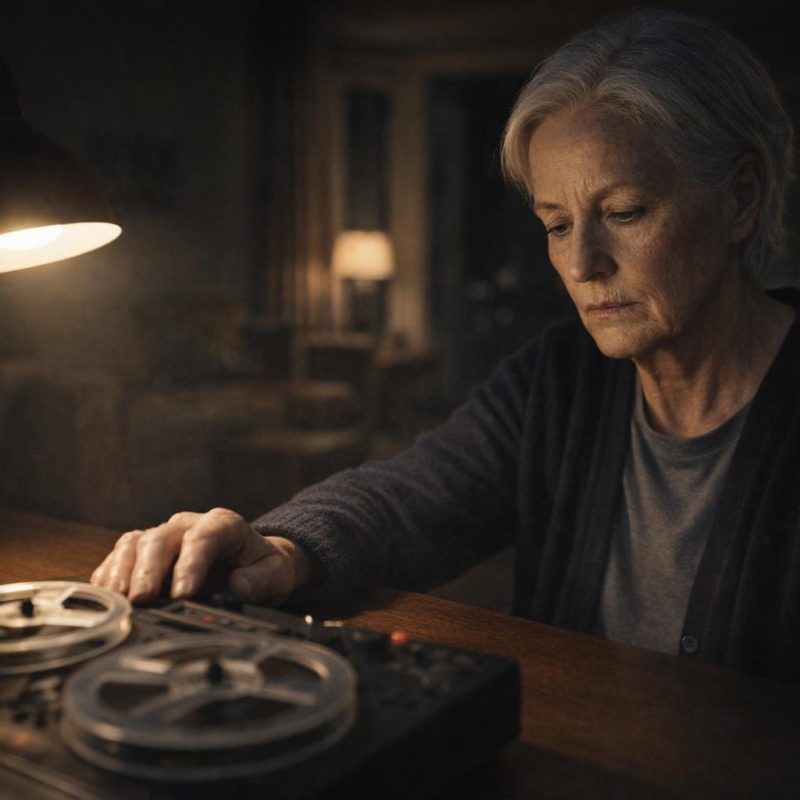 Image by RM AI
Poisoned Memories
I played it three more times. I don't know what I was hoping to find on the fourth listen that I hadn't found on the first three. Maybe I thought the words would rearrange themselves into something less terrible. They didn't. I set the player down and sat at the kitchen table and let the memories come, and every single one of them felt different now. Christmas mornings in the house on Hawthorne Lane — my father reading scripture before we opened gifts, my mother in her housecoat with her coffee, the tree lights reflected in the front window. I used to think of those mornings as the purest thing I owned. Now I kept hearing her voice on that tape, raw and breaking, saying the girl deserved better. Family dinners where my father said grace and my mother passed the rolls and everything looked exactly the way a family was supposed to look. I wondered what was underneath all of it. What they were carrying to the table every night and setting down quietly beside the bread basket. My father's gentleness with the neighborhood kids, the way he'd ruffle their hair and remember their names — it all felt like it had a shadow behind it now that I couldn't unsee. My mother's roses, which she tended like they were sacred. Every ordinary thing from my childhood sat differently in my chest, heavier than it had any right to be.
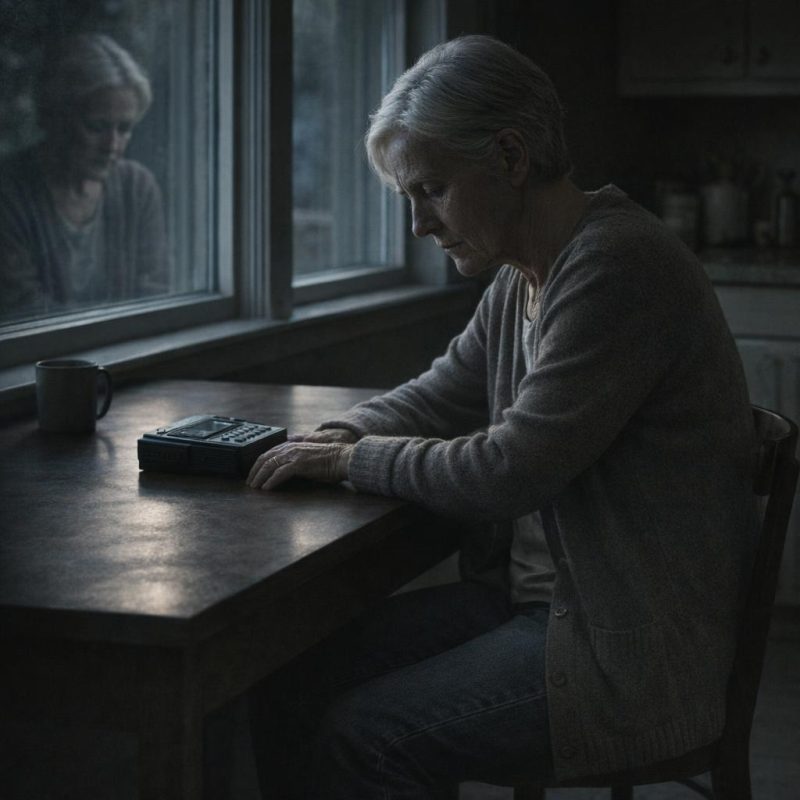 Image by RM AI
The Search Begins
I couldn't just sit with it anymore. I'd spent enough nights staring at the ceiling, replaying the tape in my head, turning the same questions over until they wore grooves. I needed something solid — a name, a date, a fact I could hold in my hands. So I drove back to the old neighborhood, to the branch library on Clement Street that I used to walk to as a kid, the one with the squeaky third step and the smell of old carpet. The librarian at the reference desk was younger than I expected, but she knew exactly what I was asking for when I mentioned newspaper archives from the seventies. She brought out two boxes of microfilm and pointed me toward the reader in the back corner. I worked through the 1974 editions methodically, week by week, squinting at the gray columns of text. Most of it was ordinary — school board meetings, church socials, a bad winter storm in February. I found a few brief mentions of a missing girl, two or three sentences buried near the back pages, the kind of coverage that suggested the town had already decided it wasn't a story worth telling. Then I turned to a later edition and found a longer piece, and there was a photograph — a young woman with long dark hair and wary eyes staring back at me from fifty years ago, and the headline above her read: Local Teen Missing.
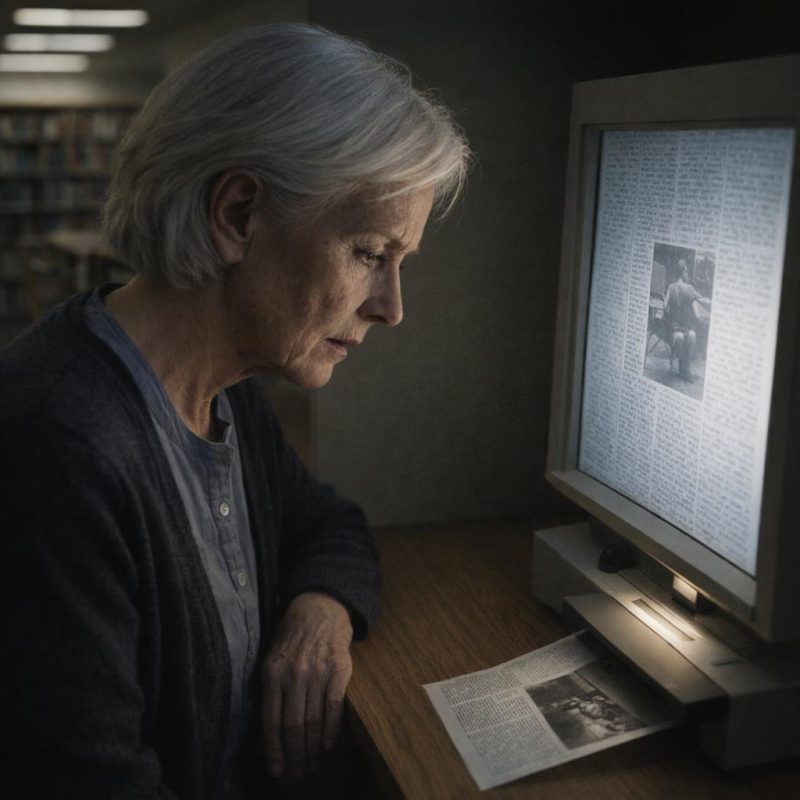 Image by RM AI
The Archives
I fed more microfilm through the reader and kept going. The coverage of Vivian Bell's disappearance was thin — thinner than I expected for a girl who had simply vanished from a small town where everyone knew everyone. The early articles said police had interviewed neighbors and family members. They described Vivian as quiet, kept to herself, not the type to cause trouble. There were no suspects named publicly, no arrests, no persons of interest mentioned by anything other than vague implication. By the third month, the articles had shrunk to a single paragraph, and then they stopped altogether, crowded out by a county election and a factory closure and all the ordinary machinery of a town moving on. I printed what I could and made notes on a legal pad, but the picture I was assembling had too many gaps in it. The investigation had gone cold fast — faster than felt right to me, though I couldn't have said exactly why. I sat back in the hard library chair and looked at the stack of printouts in front of me, the fluorescent hum overhead, the faint sound of a child asking a question somewhere in the stacks. The quiet of that room settled around me, and I sat in it, holding pages that told me almost nothing about a girl who had mattered enough for someone to keep a tape for fifty years.
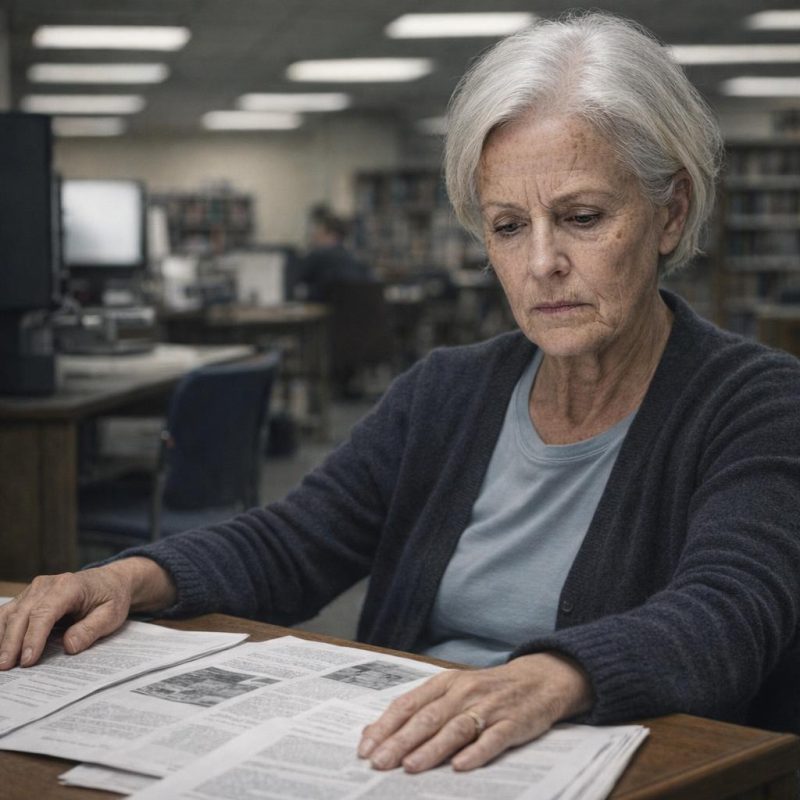 Image by RM AI
The Married Man
I almost missed it. It was tucked into an edition from two weeks after Vivian vanished, a longer piece than the others, and whoever wrote it had actually talked to people who knew her. Two of her friends were quoted, unnamed, described only as classmates. They said Vivian had been seeing someone. Older, they said. Someone with a reputation in the community. One of the quotes used the phrase respected married man, and I had to read it twice before the words fully landed. The article didn't name anyone. It was careful in the way that small-town journalism sometimes is when the subject is someone people still have to see at the hardware store or the church potluck. I sat with that phrase for a long time. Respected married man. In a town the size of ours, that description could have fit a dozen people — the bank manager, the school principal, the doctor on Fairview, the men who ran the volunteer fire department. My father had been one of the most respected men in that community for thirty years. I knew that. I had always known that, and been proud of it. I set the printout down on the table and looked at the water stain on the ceiling above the microfilm reader, and the weight of what I couldn't rule out settled over me like something I'd been carrying without knowing it had a name.
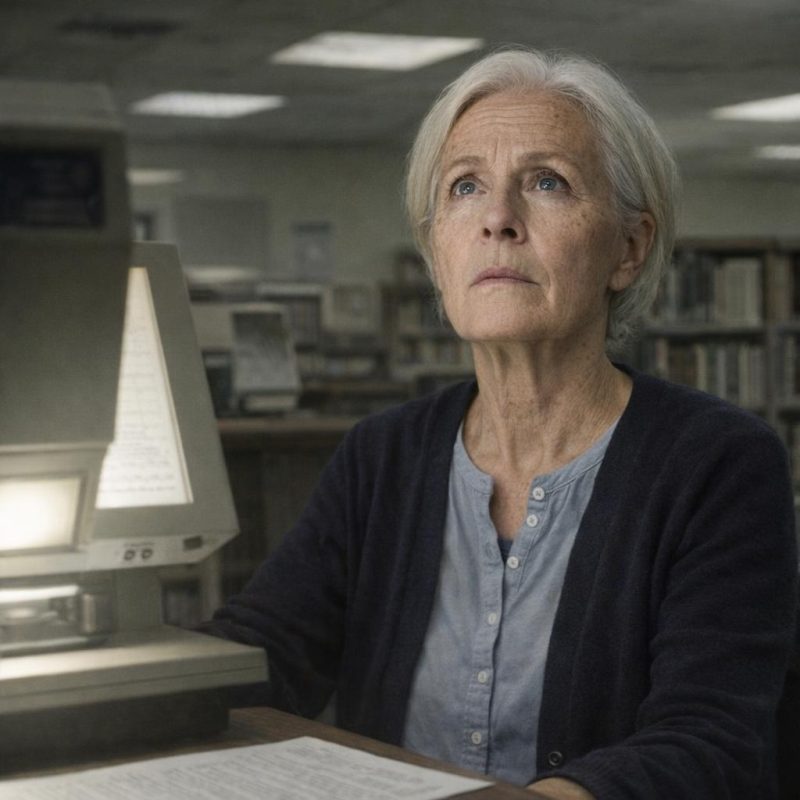 Image by RM AI
The Neighbors Who Remember
I drove through the old neighborhood the next morning, going slowly, the way you do when you're looking for something you're not sure you'll recognize. A few of the houses had changed hands, new paint and different cars in the driveways, but enough of the old faces were still there. I recognized Mrs. Hartwell's hydrangeas before I recognized her — she was out by her mailbox, white-haired now, moving carefully. She used to live three houses down from us. I pulled over and got out, and she looked at me for a moment before her face settled into recognition. We exchanged the usual pleasantries, the kind that fill the first thirty seconds of any unexpected reunion. Then I asked her if she remembered Vivian Bell. The change in her expression was immediate. Something closed behind her eyes, quick and deliberate, the way a window shutter snaps shut in a wind. She said she didn't want to get into old gossip. I started to say it wasn't gossip, that I had real questions, that I just needed to understand something — but she had already turned toward her front door, and before I could finish the sentence, she stepped inside and the door swung shut behind her.
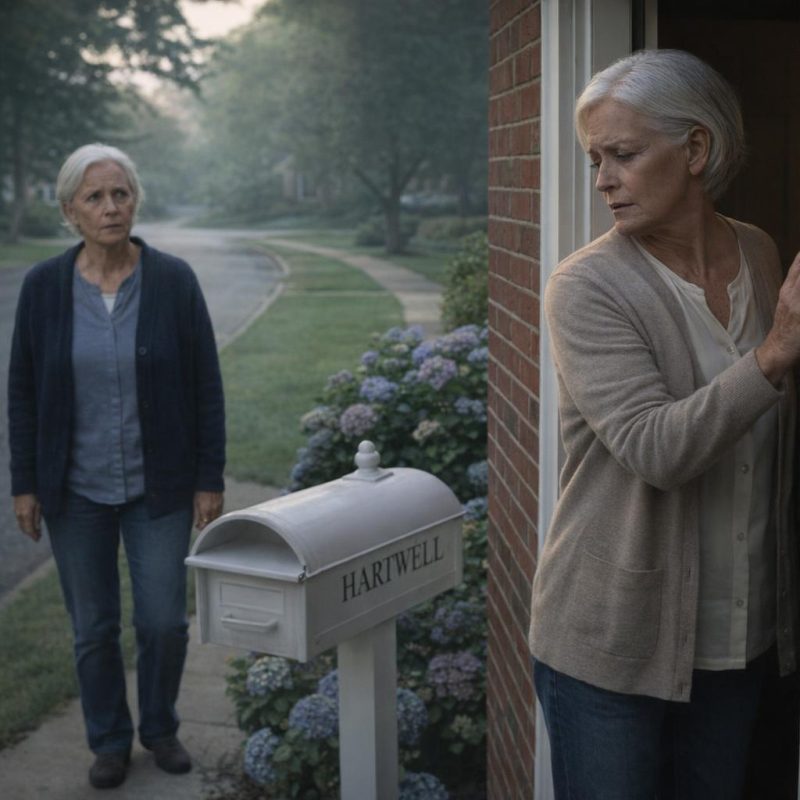 Image by RM AI
The Pattern of Silence
I didn't stop after Mrs. Hartwell. I drove two streets over to where Mr. Dempsey used to live — he'd coached alongside my father in the Little League summers, and I remembered him as a talker, the kind of man who never needed much prompting. He answered the door and looked at me with a blank, careful expression and said he didn't recall anyone by that name. I watched his jaw tighten when I said Vivian Bell a second time, but he held the line. After that I tried the woman who had run the church nursery for years, a Mrs. Calloway, who said it was simply too long ago and she couldn't be expected to remember every young person who passed through the congregation. A third man, on the corner of Clement and Birch, told me he hadn't moved to the area until 1977 — but earlier in the same conversation he'd mentioned attending the 1974 church picnic, and I caught it, and he saw that I caught it, and neither of us said anything about it. Each door I knocked on produced the same careful discomfort, the same measured retreat. The refusals didn't feel random. They felt like people reciting from the same unwritten page — four different voices, four different porches, the same practiced stillness behind every pair of eyes.
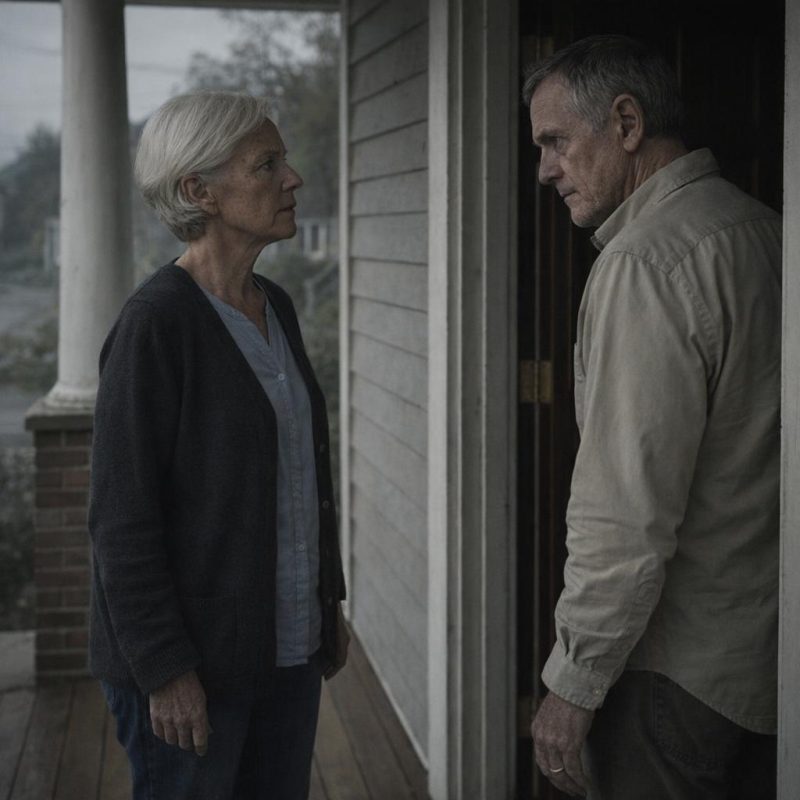 Image by RM AI
The Mailman's Memory
I almost missed him. I was cutting through the hardware store parking lot on my way back to the car when I spotted the old man loading a small bag into the back of a rusted Buick — and something about the way he moved, that careful deliberate shuffle, pulled at a memory I couldn't quite place. Then it clicked. Mr. Kowalski. He'd been our mailman for what felt like my entire childhood, the kind of fixture you stop seeing after a while because he was always just there. I called out to him and he turned, squinting, and then his face opened up with recognition. We talked about the neighborhood for a minute, about how much had changed, and I could feel myself circling the real reason I'd stopped him. When I finally said Vivian Bell's name, his hands went still on the car door. He looked around the parking lot the way people do when they're checking whether anyone can hear. I told him I wasn't trying to cause trouble, that I just needed to understand what had happened. He stared at the pavement for a long moment. Then he said the rumors back then weren't really rumors — people whispered it plain enough. He said they whispered it was William.
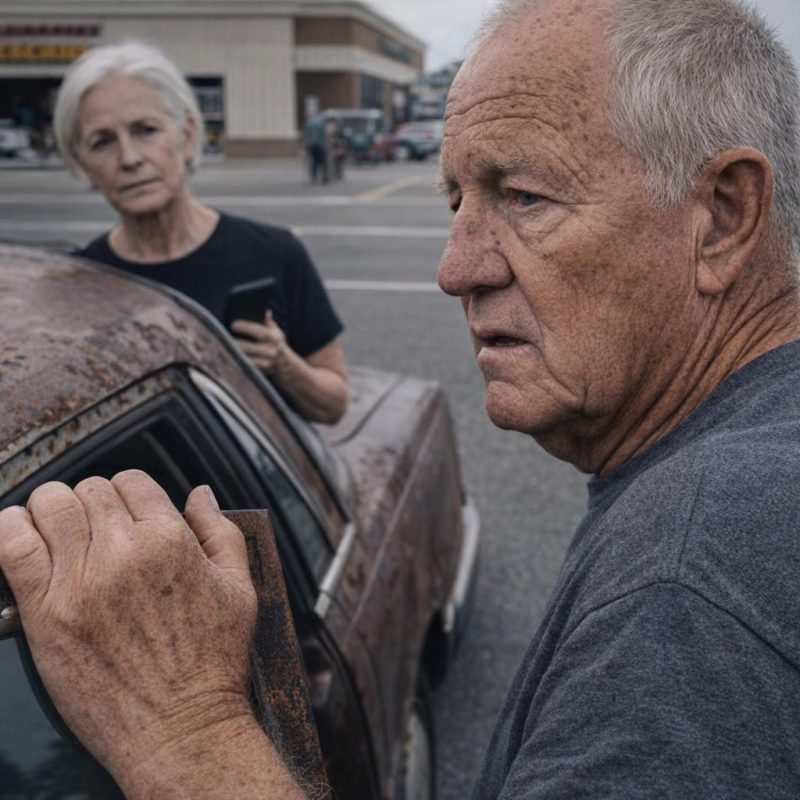 Image by RM AI
The Church Elder
I drove away from that parking lot without any memory of getting into the car. My father's name in that old man's mouth — spoken in that low, careful voice — kept replaying in a loop I couldn't shut off. I turned onto Route 9 and just kept driving, not toward anything, just away. My father led Bible study every Wednesday night for twenty-three years. I could still picture him at the head of that folding table in the church basement, his reading glasses low on his nose, his voice steady and unhurried as he walked people through scripture. He organized the Thanksgiving food drive every single year — sorted cans himself, loaded boxes himself, drove deliveries himself. Parents handed their sons over to him on Little League Saturdays without a second thought. The mayor asked him to speak at the centennial celebration. Neighbors called him when they needed someone to mediate a dispute, when they needed someone they could trust. He was the kind of man a whole town builds its idea of decency around. I kept trying to hold that man next to what Mr. Kowalski had said, to make the two things occupy the same space. They wouldn't. The man I remembered in his Sunday suit, standing at the front of that congregation with his shoulders squared, simply refused to become anyone else.
The Timeline
That night I spread everything across the kitchen table again — the letters, the newspaper clippings, the notes I'd been keeping in a spiral notebook. I wrote the dates down in a single column on a clean sheet of paper. Vivian Bell was reported missing in late October 1974. The newspaper said she'd last been seen on the twenty-eighth. I went back through my mother's letters and found the one where she mentioned hearing crying downstairs late at night — it was dated October nineteenth, 1974. Nine days before Vivian vanished. Then there was the letter where my mother wrote about something being settled, about things going back to normal — that one was postmarked November fourteenth. I lined them up and stared at them. The letters didn't explain anything on their own. They didn't name names or describe events in plain language. But the dates sat there on the page in my own handwriting, and they didn't leave much room for coincidence. Whatever my mother had been writing around, whatever she'd been carefully not saying, it had happened in that same narrow window of weeks. My parents had been connected to something in that house during exactly the time Vivian Bell disappeared. I sat with the column of dates for a long time, the kitchen quiet around me.
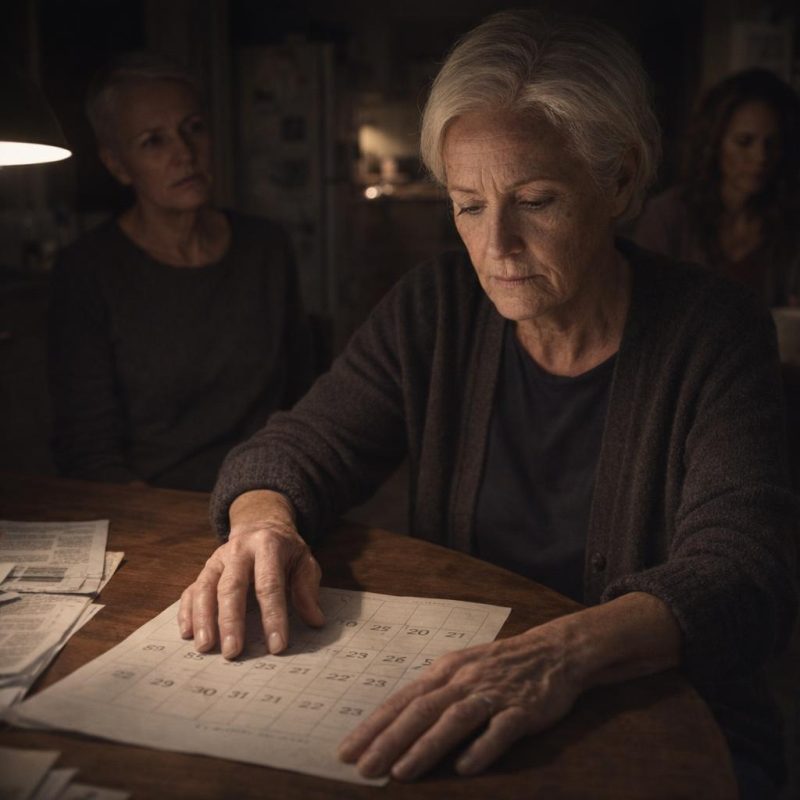 Image by RM AI
Returning to Elise
I didn't call ahead. I told myself it was because I didn't want to give her time to prepare, but honestly I wasn't sure what I was preparing for either. I just got in the car and drove to Hawthorne Lane. I parked across the street and sat there for a minute looking at the house — the yellow walls, the new flower boxes under the front windows, the way someone else's life had settled into the bones of the place I grew up in. It looked peaceful. It looked like it had nothing to hide. I rang the bell and Elise answered in a cardigan and reading glasses, a mug in her hand, and the surprise on her face looked genuine. I asked if I could come in and she stepped back without hesitating. We sat in the living room — my old living room, with different furniture and different curtains but the same afternoon light coming through the west window — and I tried to figure out how to say what I'd come to say. I told her I'd been doing a lot of thinking since we last spoke. I told her some things hadn't been adding up for me. Then I looked at her directly and asked her why she had really bought this house.
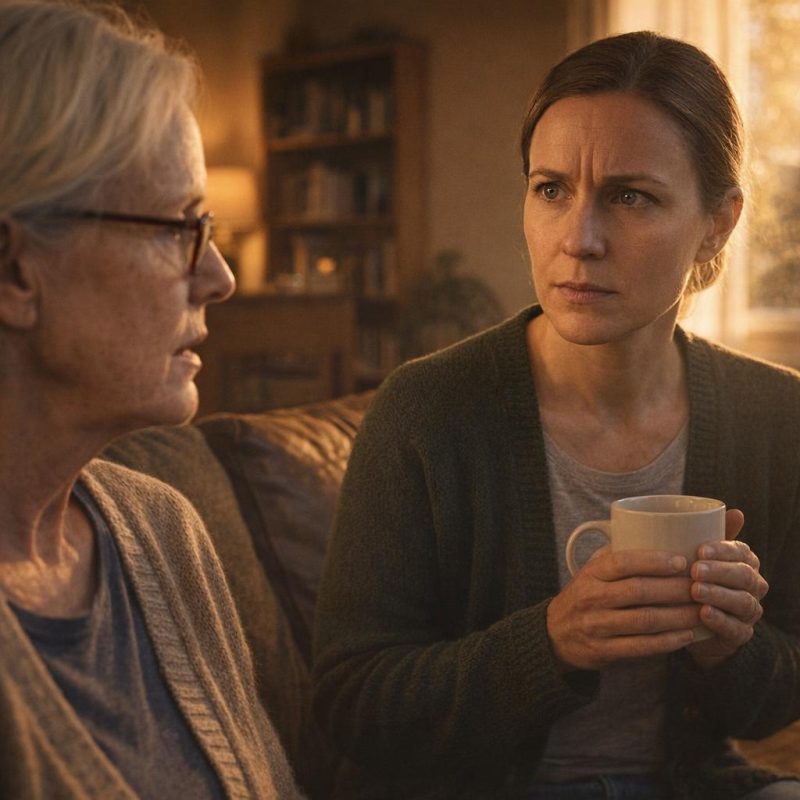 Image by RM AI
The Deliberate Search
Elise set her mug down on the coffee table and didn't pick it up again. She took her reading glasses off and folded them slowly, and I watched her decide something. She said she owed me an honest answer. She said she hadn't found the listing by accident — she'd been looking for this specific address. She'd had a real estate agent on alert for years, she said, with instructions to contact her the moment the property on Hawthorne Lane came on the market. When my listing went up, she made an offer the same day. I sat very still while she said all of this. She told me her late mother had spent years talking about a girl named Vivian Bell — bringing her up at odd moments, returning to the story the way you return to something unfinished. Her mother had mentioned this house specifically, had said something happened here involving that girl. Elise said she'd wanted to understand what her mother had been carrying all those years. She thought seeing the house might help. She apologized for not being honest at closing, and the apology sounded real, but I barely heard it. I was sitting with the fact that she had come looking — that my selling the house hadn't been chance at all, and I didn't know yet what that meant.
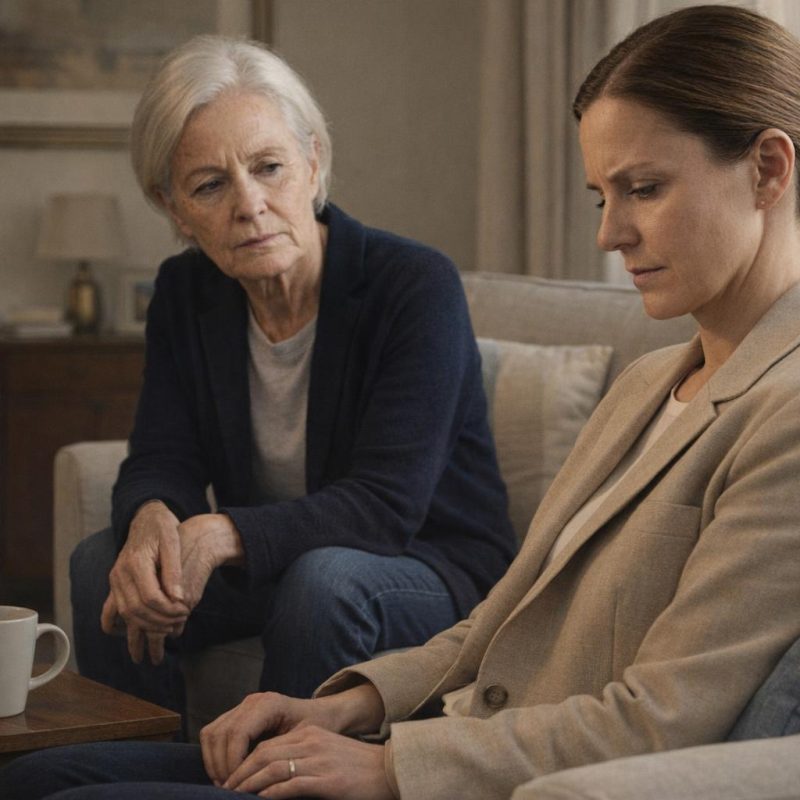 Image by RM AI
The Mother's Obsession
I asked her to tell me more about her mother. Elise leaned back and seemed to gather herself, like she was sorting through which parts to say out loud. Her mother had been a private woman, she said, not given to talking about the past — but in her final years something had loosened in her, and the name Vivian Bell kept surfacing. She'd bring it up over dinner, or in the middle of a conversation about something else entirely, and then go quiet again like she'd said too much. Elise said her mother seemed to feel responsible for something, though she never explained what. She'd mention the house on Hawthorne Lane in the same breath, always the same address, always the same girl's name. Elise had assumed it was old grief, the kind that attaches itself to a story you heard once and never let go of. She'd thought buying the house might give her some kind of answer, or at least some kind of peace. Instead she'd found the hidden compartment, and the letters, and the jewelry, and now she said she wished she'd left it all alone. The afternoon light shifted in the room. I sat across from her thinking about a woman I'd never met, carrying a name from my hometown like a wound she couldn't close.
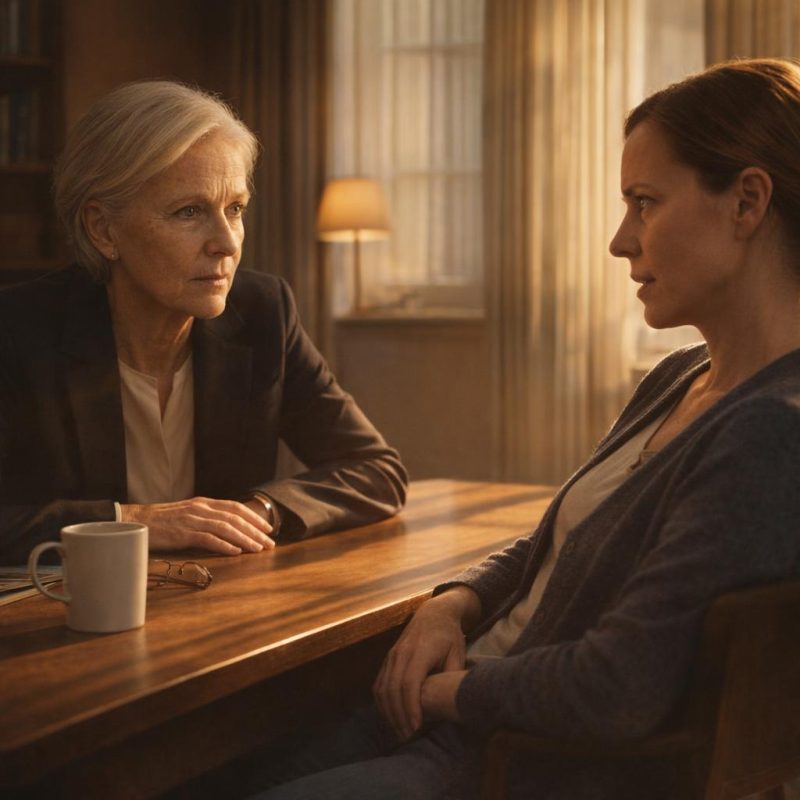 Image by RM AI
The Photograph
Elise got up without saying anything and went to the small writing desk in the corner — my mother's old desk, still in the same spot by the window. She opened the top drawer and took out something in a clear plastic sleeve, the kind you'd use to protect an old document. She held it for a moment before she crossed the room and handed it to me. It was a photograph. The colors had that warm faded quality of early seventies film, slightly overexposed in the way of backyard snapshots taken on a bright day. I recognized the yard immediately — the rose beds along the fence, the old oak at the back corner. A young woman stood near the center of the frame, dark hair past her shoulders, wearing a sleeveless blouse. I had seen that face in the newspaper clipping enough times to know her. Off to the left, slightly apart from the others, my mother stood with her arms at her sides and her chin lifted, her expression flat in a way I'd never seen in any family photo. And there was my father, standing close beside the young woman, his hand resting on her shoulder.
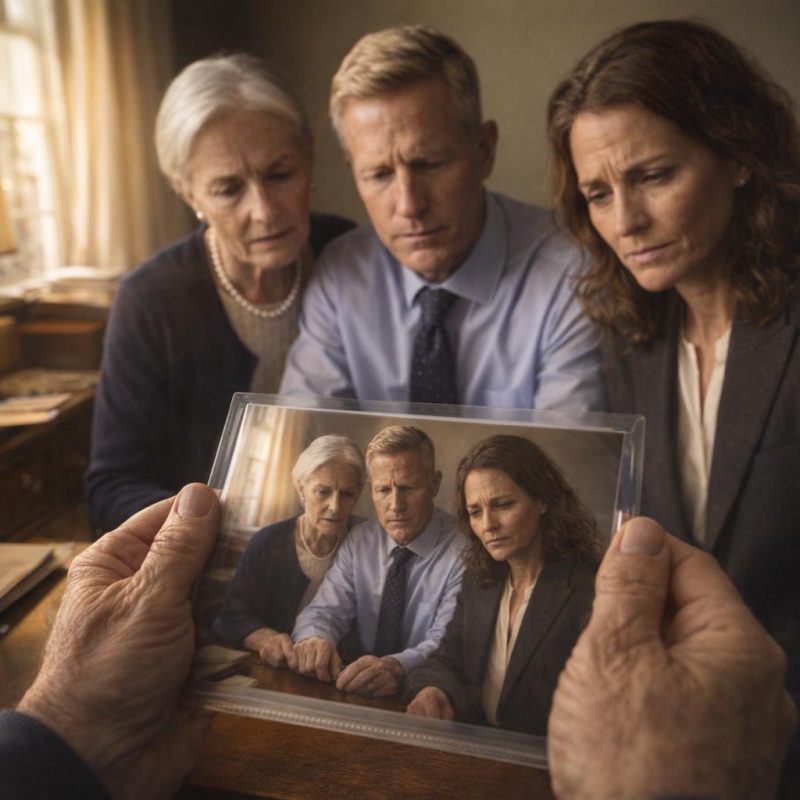 Image by RM AI
The Day Everything Started
I turned the photograph over. My mother's handwriting was on the back in blue ballpoint, small and careful the way she always wrote. It said: the day everything started. That was all. No date, no names, no explanation — just those four words in her neat, unhurried script. I turned it face-up again and looked at the image, then face-down again and read the words, and I did that several times like the repetition might produce something new. I thought about what day she could have meant. The day my father met Vivian Bell, maybe. Or the day something shifted between them. My mother's posture in the photograph — that rigid, arms-at-sides stillness — looked different to me now. She hadn't been standing apart by accident. She'd been standing apart because she already knew something, or suspected it, or was trying to hold herself together in front of whoever was holding the camera. The fact that she had kept this photograph at all, hidden away in that compartment, felt like its own kind of confession. I asked Elise, my voice coming out quieter than I intended, whether there had been anything else in the compartment when she found it.
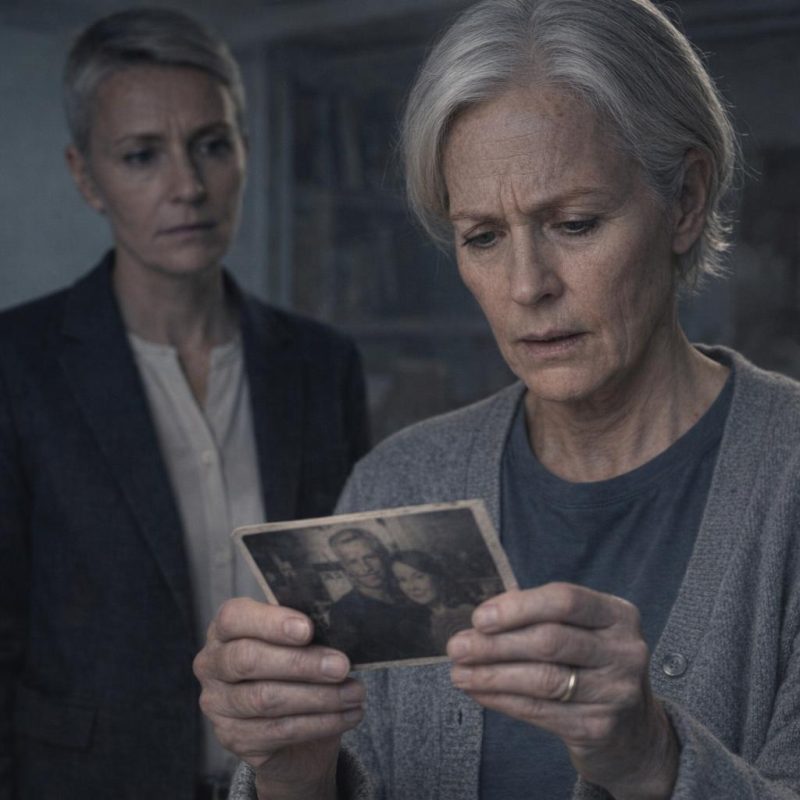 Image by RM AI
The Podcast
I was standing at my kitchen counter sorting through a stack of old mail when my phone rang. It was a woman named Cheryl who used to live two doors down from my parents' house — we hadn't spoken in maybe three years. She asked me right away if I'd heard the podcast. I told her I didn't know what she was talking about. She got quiet for a second, then said she was going to send me a link and that I should probably sit down first. I almost laughed. I didn't sit down. I pulled up the link on my laptop and found a true crime podcast called Cold Hollow, and the latest episode was titled The Respected Man and the Missing Babysitter. My father's name was in the first two minutes. Not hinted at, not obscured — just said out loud, plainly, by a man with a smooth radio voice who talked about Vivian Bell's disappearance like it was a Netflix series he was recapping for his audience. He mentioned the hidden letters. He mentioned the age gap. He speculated, in that careful way people do when they want to imply something without technically saying it, about what a man like my father might have done to protect his reputation. I sat down eventually. I listened to the whole thing. My family's most private wounds had become someone's weekly content, and there was nothing I could do about that.
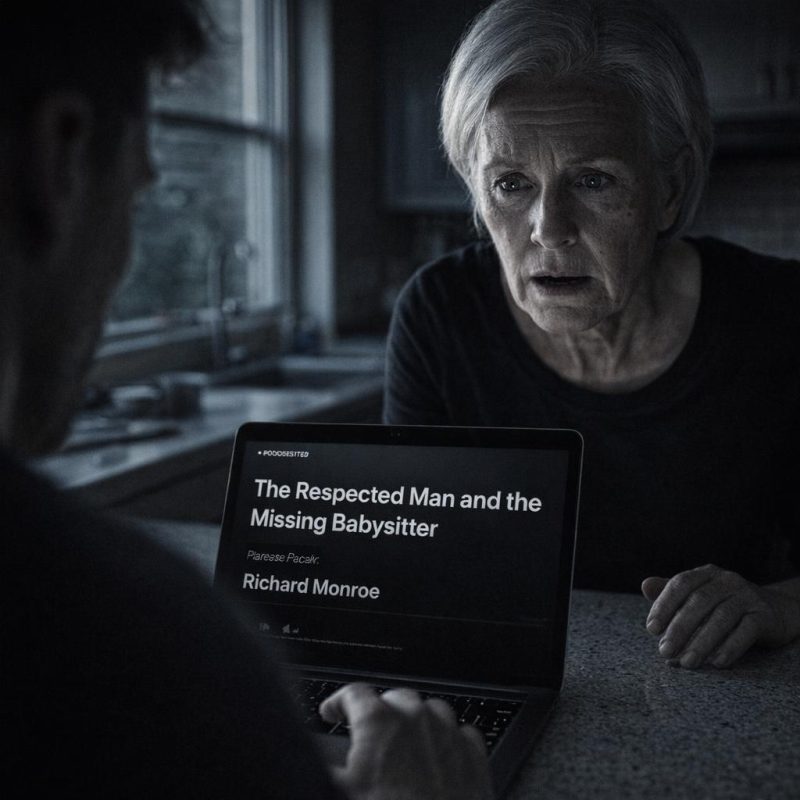 Image by RM AI
Accusations Online
After I closed the podcast tab I made the mistake of searching my father's name online. I don't know what I expected — maybe a handful of comments, maybe a small forum thread. What I found was something else entirely. There were discussion boards with hundreds of posts. There were Facebook groups that had formed overnight. People I had never met and would never meet were typing my father's name in all capitals and calling him a murderer with the same casual certainty they'd use to describe the weather. Some of them claimed to have inside knowledge — one person said they had a source close to the family, which was impossible, because there was no source. Others were sharing the podcast episode with little captions like finally someone is talking about this and he got away with it for decades. My name appeared in several threads. People were asking whether I had known, whether I had helped cover things up, whether the whole family was in on it. I tried to find a way to respond, to correct something, to say that none of this had been proven — but there was no correcting it. The threads kept multiplying faster than I could read them. One comment near the top of the longest thread read, in plain text, no punctuation: she probably helped him hide the body and her kids are probably just as guilty.
The Whispers
I told myself the online comments were just strangers, people who didn't know me or my family, people who lived nowhere near here. That was easier to believe until I went to the grocery store on a Tuesday morning and felt it in person. A woman I had worked alongside at the hardware store for six years was standing in the cereal aisle. She looked up, saw me, and turned her cart around. Not subtly — she just turned it around and went the other way. At the library, the woman at the front desk who used to ask about my grandchildren gave me my books back without a word and looked past my shoulder the whole time. I ran into two neighbors from my old street near the parking lot and they stopped talking the moment they saw me coming. One of them gave me a tight smile. The other looked at the ground. I went to the diner where I'd been eating breakfast on Saturdays for fifteen years and the waitress seated me at a table in the back corner near the restrooms, a table I had never once sat at before. I could feel people glancing over. I kept my eyes on my coffee. I paid and left early. On the walk back to my car, I saw a woman I had known since our children were in elementary school together step off the curb and cross to the other side of the street before she reached me.
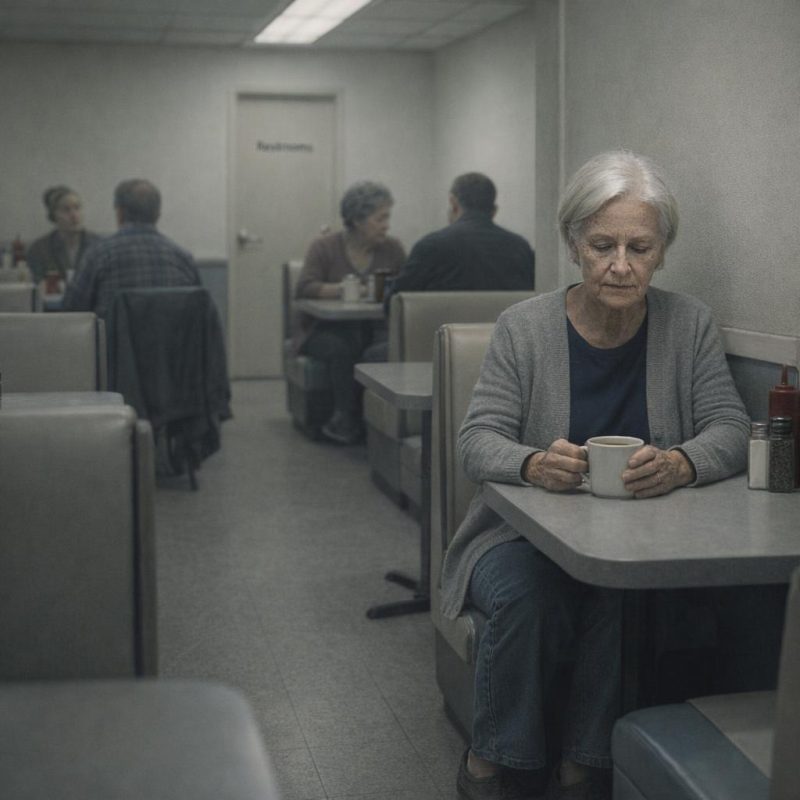 Image by RM AI
The Garage Door
I had been out running errands most of the afternoon — pharmacy, post office, the dry cleaner on Maple that closes early on Wednesdays. I pulled into my condo parking lot just after four o'clock and I saw it before I even got out of the car. My garage door, which is white, had large red letters spray-painted across it. KILLER FAMILY. The letters were uneven, rushed-looking, the paint still running in thin lines down toward the concrete. I sat in the car for a moment with the engine still on. Then I turned it off and got out slowly. A woman from the unit at the end of the row was standing in her doorway with her arms crossed. A man I recognized from the second floor was on his small balcony looking down. Nobody said anything. Nobody came over. I walked up to the door and stood in front of it and the smell of the paint was sharp and chemical in the cold air. I had lived in this condo for eleven years. I had shoveled the walk in front of it and planted a small pot of geraniums by the entrance every spring and paid my association fees on time every single month. I stood there looking at those two words while the red paint dripped slowly down the white door, and the people around me watched from a careful distance and said nothing at all.
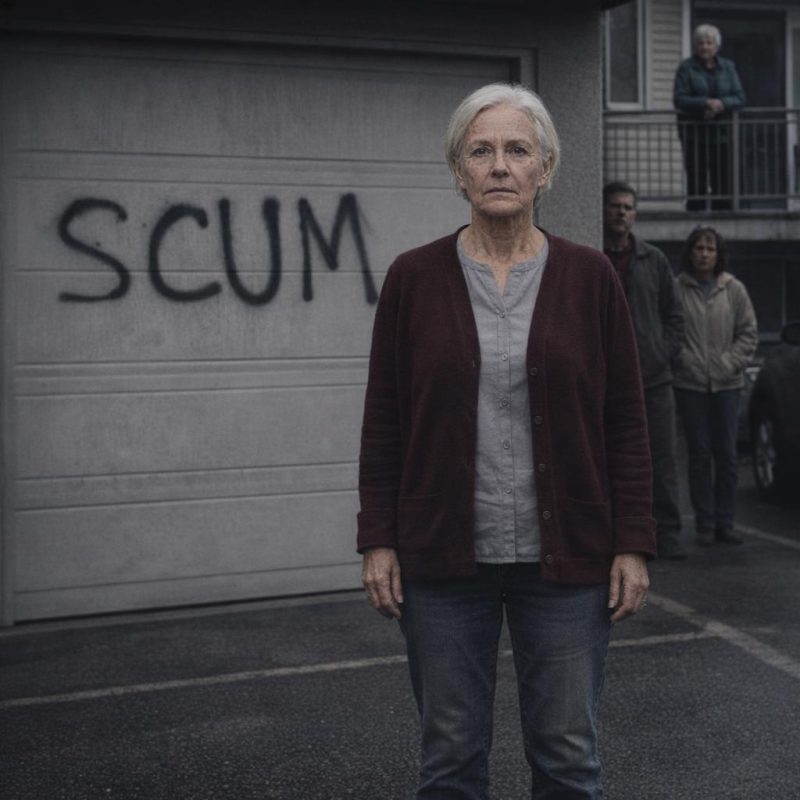 Image by RM AI
David's Call
David called the next morning. I saw his name on the screen and answered before the second ring because something in me already knew the call wasn't going to be easy. He sounded like he hadn't slept. His voice was flat and tight in a way I hadn't heard since his divorce, and he got to the point fast. He said his daughters were being bullied at school. He said other kids had found the podcast and were sharing it around, and that someone had created a social media account specifically to post about our family. His older daughter had come home the day before in tears and locked herself in her room for three hours. He said he didn't know what to tell her. He asked me, not unkindly but with a kind of exhausted desperation, to please stop talking to Elise, to stop engaging with any of this publicly, to let it go quiet. He said he understood I had questions but that I was tearing apart what was left of the family. I tried to explain that I hadn't gone to the podcast, that I hadn't asked for any of this — but he wasn't wrong that I had kept pulling at the thread. I didn't have a good answer for him. I just held the phone and listened to the steadiness he was working hard to maintain, and underneath it, the weight of everything he wasn't saying.
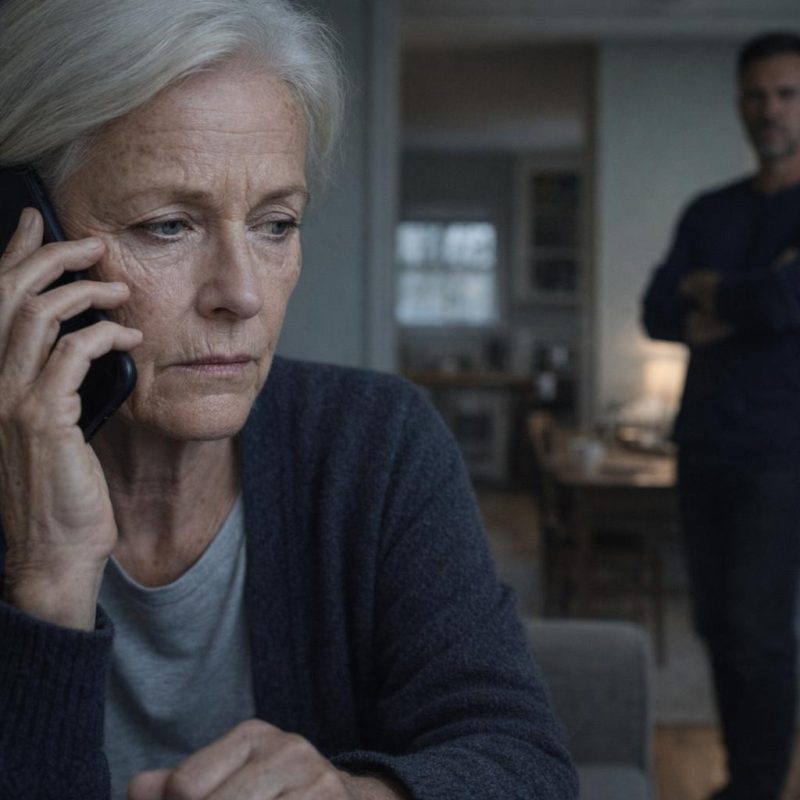 Image by RM AI
The Harassment
He kept talking and I kept listening and each thing he described landed somewhere I couldn't quite reach. Someone had written on his older daughter's locker in marker — he said the words were murderer's blood and that the school had painted over it but that she had seen it first. The younger one's friends had stopped sitting with her at lunch. A boy in her class had asked her, in front of other kids, whether she was related to the killer from the podcast. David said the teachers knew but didn't know what to do, that it wasn't the kind of thing that had a clear policy. His older daughter had asked him about transferring schools. He said he was considering it. I kept thinking about those two girls, who had done nothing, who were twelve and fourteen years old and had never heard of Vivian Bell until a stranger with a microphone decided to make her disappearance into entertainment. I wanted to say something that would help. I couldn't find the words. There was a pause on the line and then David said, in a voice that had gone very quiet, that his younger daughter had come to him the night before with a question he didn't know how to answer — she had asked him if her great-grandfather was a monster.
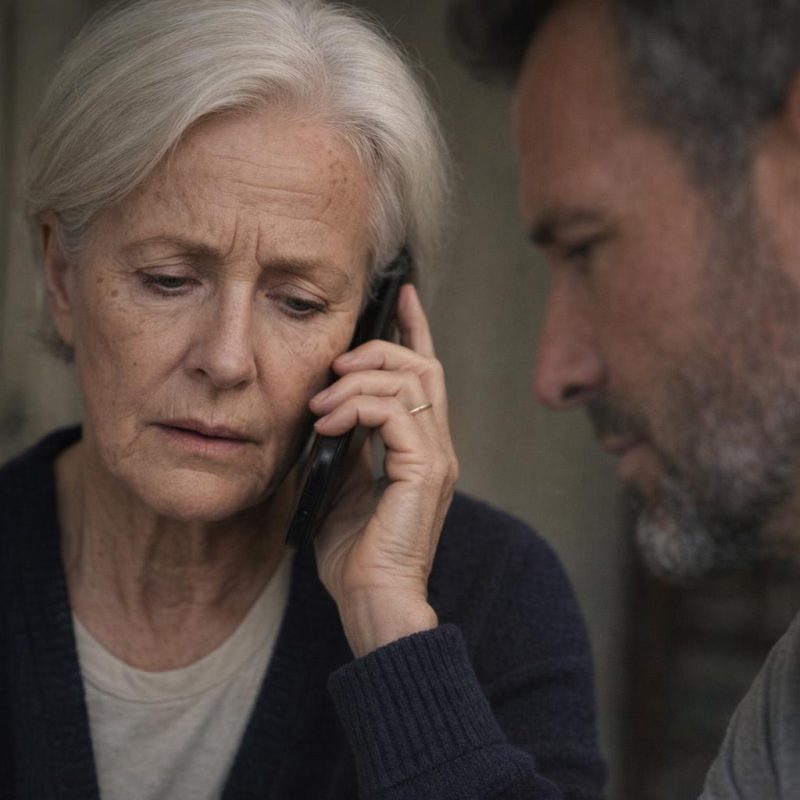 Image by RM AI
Paula's Blame
Paula called late that same night, after ten, which she almost never did. I answered and she started talking before I could say hello. She was furious — not the sharp, focused kind of angry but the shaking kind, the kind that sounds like it's been building for a while. She said I was destroying our parents' memory. She said I was selfish and that I was doing this for attention, that I had always needed to make everything about myself. I tried to tell her that wasn't what this was, that I had found things — letters, photographs, a hidden compartment — that I couldn't just ignore. She said I should have left it buried. She said some things were buried for a reason and that digging them up didn't make me brave, it made me reckless. I asked her if she didn't want to know the truth about what happened to Vivian Bell, about what our father had done. She said our father was a good man who had been dead for years and didn't deserve to be tried by strangers on the internet. Her voice cracked when she said it. I noticed that — the crack in it, the way she said he was a good man with a kind of fierceness that went beyond grief or loyalty. She hung up before I could respond. I sat with the phone in my lap for a long time, turning over the way she'd sounded, that anger of hers that felt less like outrage and more like something raw I couldn't name.
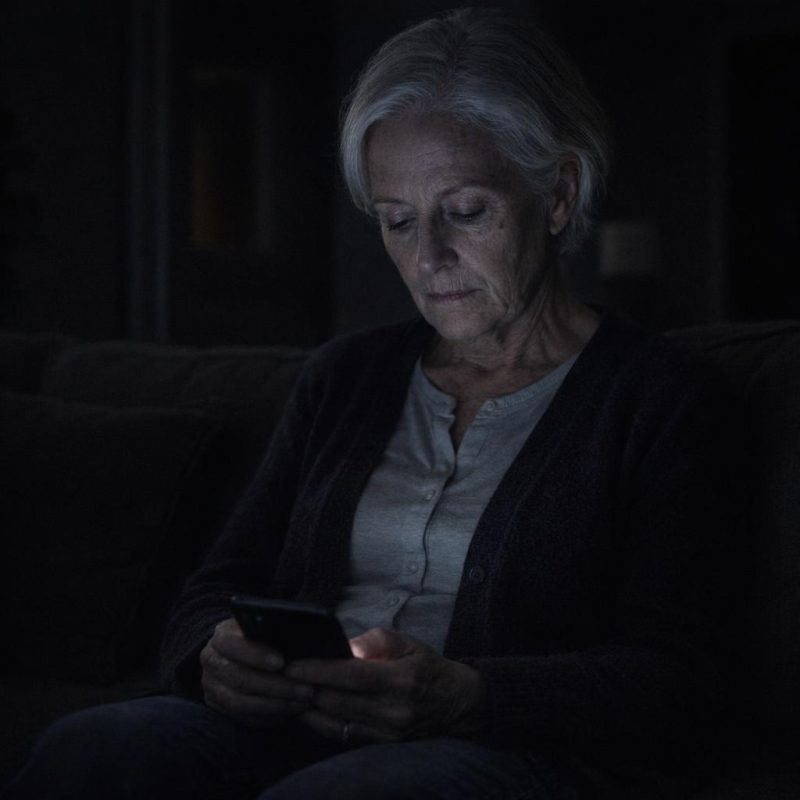 Image by RM AI
The Choice
I sat in the dark for a long time after Paula hung up. I didn't turn on a lamp. The condo was quiet and the street outside was quiet and I just sat there in the chair by the window with my hands in my lap. I thought about David's voice on the phone, the exhaustion in it. I thought about his daughters — twelve and fourteen, eating lunch alone, finding words on their lockers that they hadn't earned. I thought about the graffiti on my garage door and the woman who had crossed the street to avoid me and the librarian who wouldn't meet my eyes. I knew what continuing would cost. I wasn't pretending otherwise. But then I thought about my mother's handwriting on the back of that photograph — the day everything started — and the letters she had kept hidden, and the compartment Elise had found, and Vivian Bell, who had been nineteen years old and was now just a name in a podcast episode title. I thought about all the years that story had been pressed down under the weight of my family's silence, and how that silence had shaped everything I thought I knew about where I came from. I could stop. I understood that stopping was a choice I was allowed to make. But the not-knowing had settled into me like something permanent, and I understood, sitting there in the dark, that I was not going to be able to put it down.
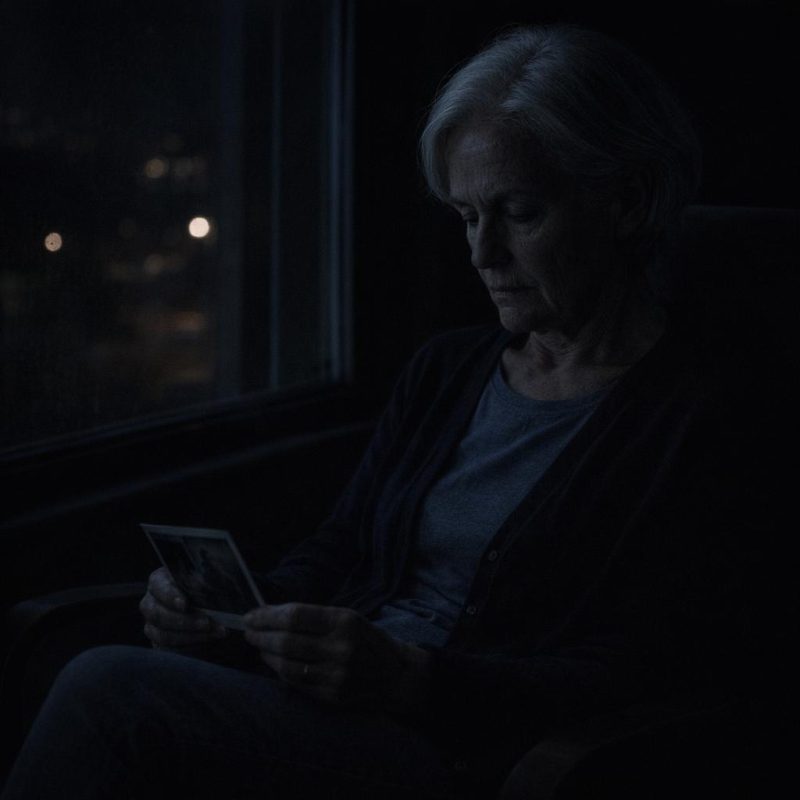 Image by RM AI
The Second Compartment
Elise had called me the morning after I made my decision, like she already sensed something had shifted. I drove back to Hawthorne Lane without letting myself think too hard about it. The house felt different in the daylight — quieter, more cooperative somehow, like it had been waiting. We started in the basement, the way you do when you're looking for things that were meant to stay hidden. Elise moved along the walls with her knuckles, tapping in slow steady rows, listening for the change in sound. I watched the floor instead. The concrete was old and uneven in most places, but the boards beneath the basement stairs caught my eye — they looked newer than everything around them, the grain less weathered, the edges too clean. I crouched down and ran my fingers along the seam of the lowest one. It gave slightly under pressure, just a fraction, but enough. I worked my fingers under the edge and pulled. The board came free with a dry crack that made Elise spin around. We both went still. The space underneath was narrow and dark, and I couldn't see the bottom of it. I reached in slowly, feeling along the rough edges of the opening, and my fingers found something cold and solid wedged deep into the darkness — a rusted metal lockbox, heavier than I expected.
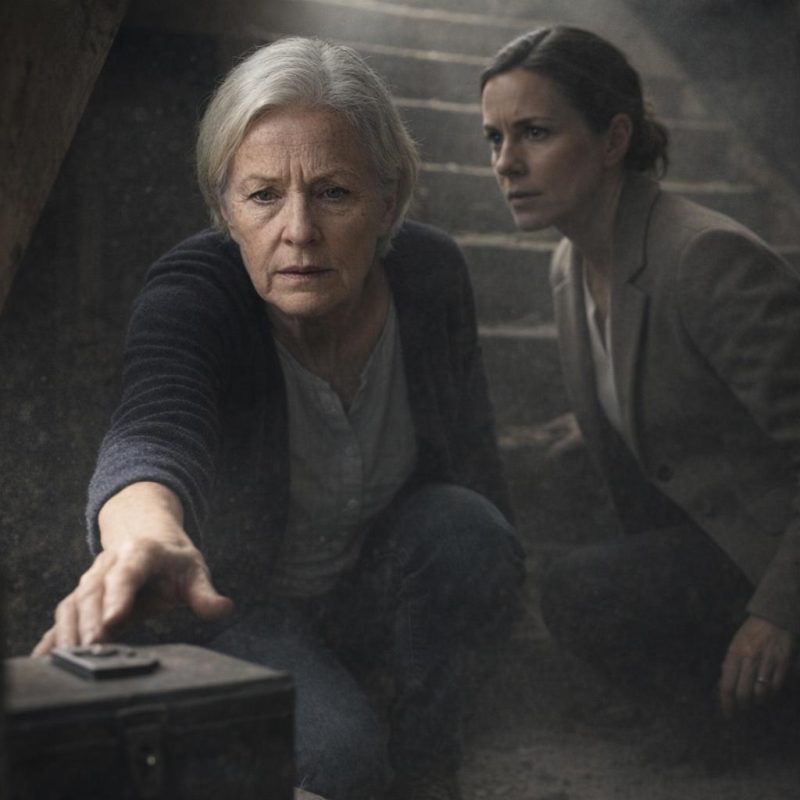 Image by RM AI
The Lockbox
We carried the lockbox upstairs to the kitchen table because neither of us wanted to open it in the dark. The rust had eaten through the locking mechanism almost completely — Elise found a flathead screwdriver in a kitchen drawer and it only took a few minutes of careful prying before the lid gave way with a sound like a held breath releasing. Inside, three or four folded documents sat sealed in plastic sleeves, the kind you'd use to protect something you meant to keep. My hands were shaking badly enough that Elise had to steady the box while I reached in. The first thing I pulled out was hospital admission paperwork, the header reading a county hospital I recognized, dated 1975. The second was thicker, printed on heavier paper — official state paper, the kind used for vital records. I unfolded it slowly. It was a birth certificate. I read the first line and my breath stopped somewhere in my chest. Mother: Vivian Bell. The father line was blank, just an empty space where a name should have been. At the bottom of the box, beneath the plastic sleeves, sat a sealed envelope with my mother's handwriting on the front — the same careful cursive I had known my whole life.
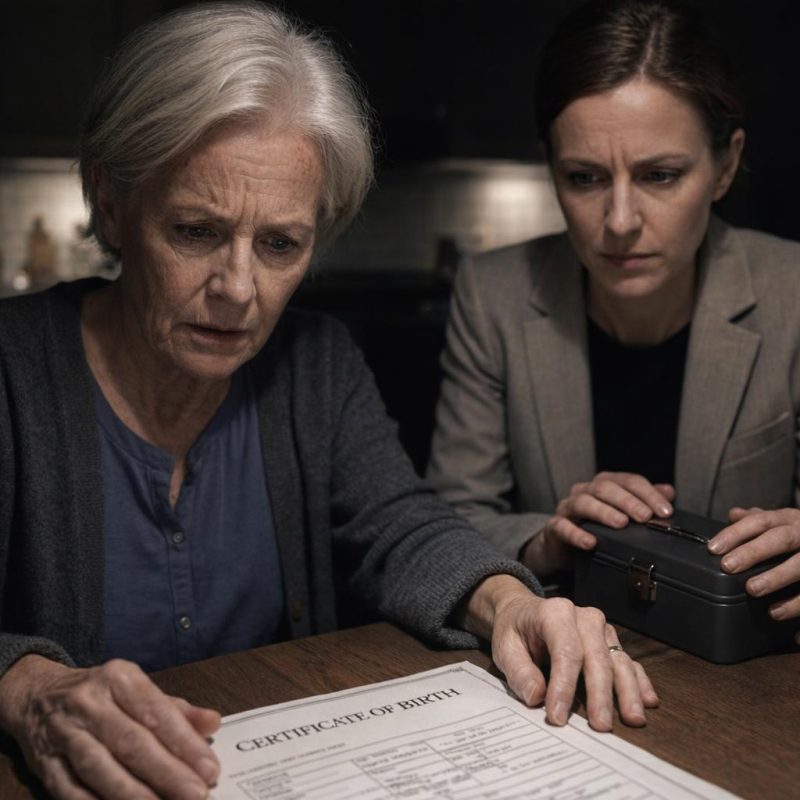 Image by RM AI
The Sealed Letter
I sat down before I opened the envelope. My legs just decided that on their own. The letter inside was two pages, dated two weeks before my mother died, the handwriting shakier than I remembered but still unmistakably hers. She wrote that she had carried this for a long time and couldn't leave without putting it somewhere it might eventually be found. She wrote that my father had been involved with a young woman named Vivian Bell when Vivian was nineteen years old. She wrote those words plainly, without softening them. Vivian had become pregnant, and when she came to my father with the news, he panicked — not about Vivian, my mother wrote, but about his reputation, his standing at the church, everything he had spent his life building. He made arrangements to send Vivian somewhere quiet until after the baby came. My mother wrote that she had known and said nothing, that she had told herself it was the only way to hold the family together. Then Vivian disappeared before any of those arrangements could happen, and my mother wrote that she had helped him remove anything from the house that might connect Vivian to them — papers, a few photographs, things she wouldn't name specifically. She wrote: I helped him make sure no one would look too closely at us.
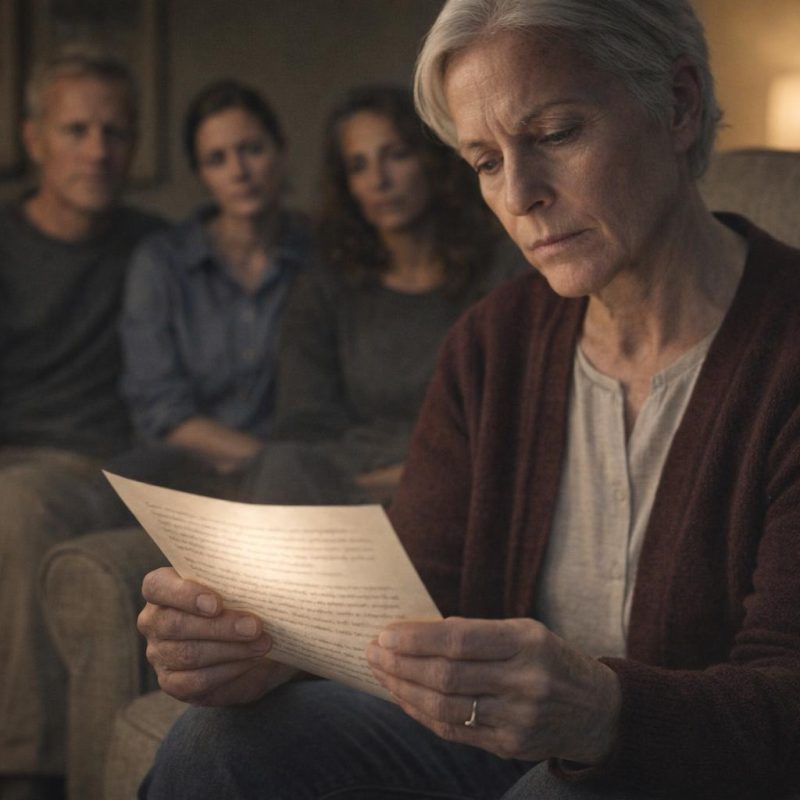 Image by RM AI
The Night Vivian Came
I read the letter a second time, slower. Elise sat across from me and didn't speak. My mother described the night Vivian came to the house in detail — a Thursday in late October 1974, a hard rain, Vivian arriving at the back door angry and frightened and demanding money to leave town and start somewhere new. My mother wrote that she had stayed upstairs, that she could hear Vivian's voice rising in the kitchen below, that my father kept telling her to be quiet, to calm down, that they would work something out. She wrote that she had pressed her ear to the floor and listened to the whole thing. And then she wrote: I never saw her again after that night. That was it. That was where the account ended. There was no sentence explaining how Vivian left, no mention of a car or a door closing or footsteps on the porch. My mother described Vivian arriving at that house in a rainstorm, desperate and pregnant and furious — and then simply wrote that she never saw her again, as though the story had a middle and a beginning but the ending had been carefully removed. I set the letter down on the table. The blank space where the explanation should have been sat there between us like something with weight.
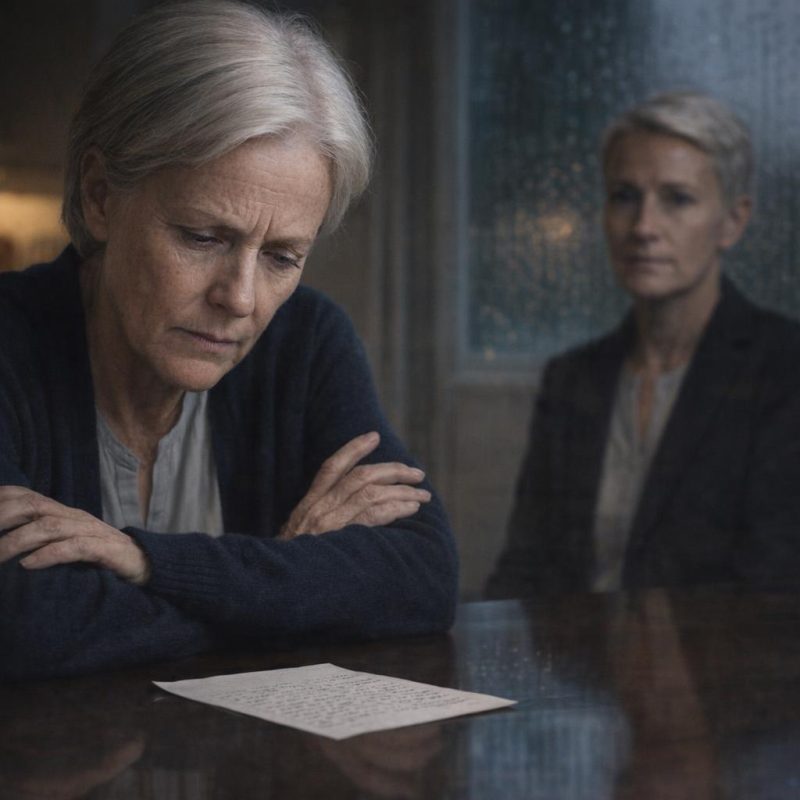 Image by RM AI
Paula's Name
I picked up the birth certificate again. I don't know why — I think I needed to hold something concrete while the room rearranged itself around me. I read every line this time, slowly, the way you read something when you already suspect it's going to change you. Mother: Vivian Bell. Father: blank. Infant: Paula Marie. Date of birth: March 14, 1975. I sat with that for a moment. Paula Marie. My sister's full name, the one my mother had embroidered on a baby blanket I still remembered touching. I thought about the spring of 1975, my parents announcing a late-in-life pregnancy to a family that accepted it without a single hard question. My mother had been forty-three. My father had stood in the church hall and called it a blessing. I had been twenty-six and newly married and I had believed every word of it because why wouldn't I. Paula had looked nothing like either of them, but I had chalked that up to the randomness of genetics, the way babies sometimes just arrive looking like no one in particular. Now I understood. My parents had taken Vivian Bell's baby — the baby my father had fathered — and brought her home and told the whole town she was theirs, and for fifty years not one person had looked closely enough to see the seam.
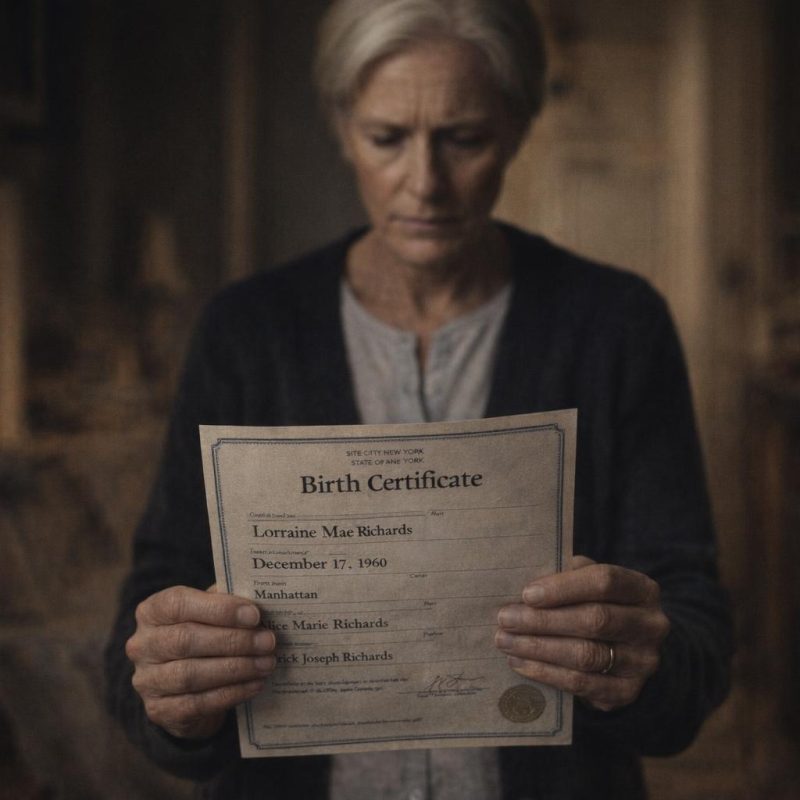 Image by RM AI
The Late-Life Surprise
I stayed sitting on the basement steps for a long time after that, even though we'd moved back upstairs. My mind kept pulling me back to 1975 — the way my mother had looked that spring, tired in a way I had put down to age, quieter than usual, moving through the house like she was carrying something she couldn't set down. I had visited when Paula came home from the hospital. My mother had been in the rocking chair by the window, the baby wrapped in that yellow blanket, and I had stood in the doorway and thought she looked exhausted but happy. Everyone had said the same thing — what a miracle, what a blessing, God's timing is mysterious. My father had shaken hands at church and accepted congratulations with that particular smile of his, the one that sat on his face like a mask fitted just slightly wrong. Paula had been small and dark-haired and had cried constantly for the first few months, and my mother had rocked her through all of it without complaint. I had thought it was love. I had thought it was simply what mothers did. Now I sat with the memory of my mother's face in that rocking chair — the tenderness in it, and underneath the tenderness, something else I had never had a name for until now.
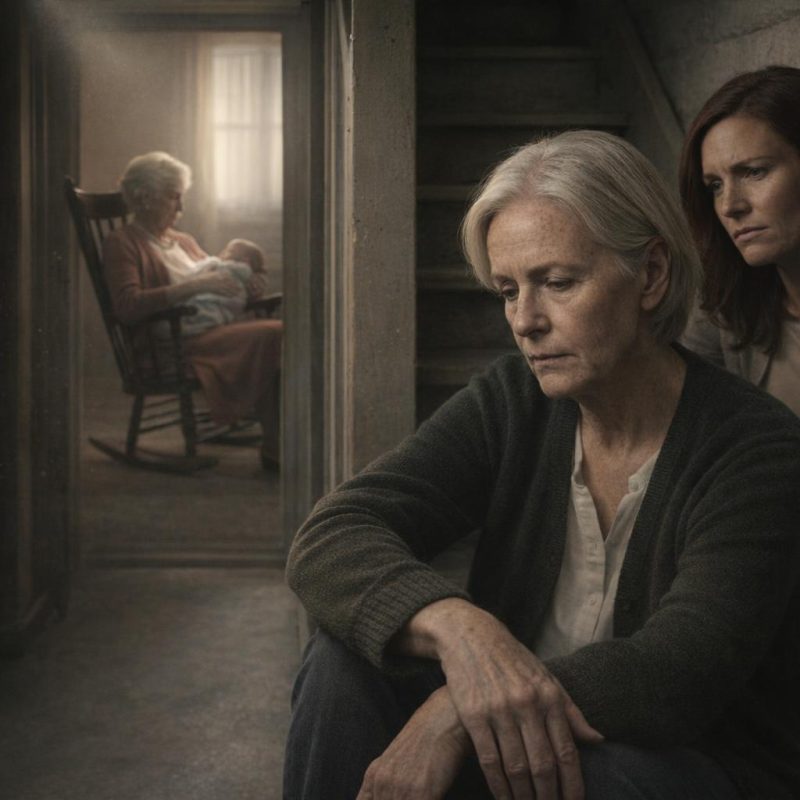 Image by RM AI
The Evidence in Her Hands
Elise helped me slide the documents back into their plastic sleeves without either of us saying much. I found a manila folder in a kitchen drawer and put everything inside — the birth certificate, the hospital papers, the letter, all of it. My hands had stopped shaking, which surprised me. I felt very calm in the way you sometimes feel calm when the worst thing has already happened and your body has simply run out of alarm. Elise asked if I wanted her to come with me when I talked to Paula. I told her no, that this was something I needed to do alone. She nodded like she understood, though her expression said she was worried. She asked me to call her afterward, and I said I would. I carried the folder out to my car and set it on the passenger seat. I sat behind the wheel for a minute before starting the engine, looking at the house on Hawthorne Lane one more time through the windshield. I had grown up inside those walls believing I knew exactly who my family was. I drove away from the curb with the folder beside me, rehearsing sentences in my head — ways to begin, ways to soften it, ways to say what I had found — and every version I tried felt like something that would break a person, no matter how carefully I arranged the words.
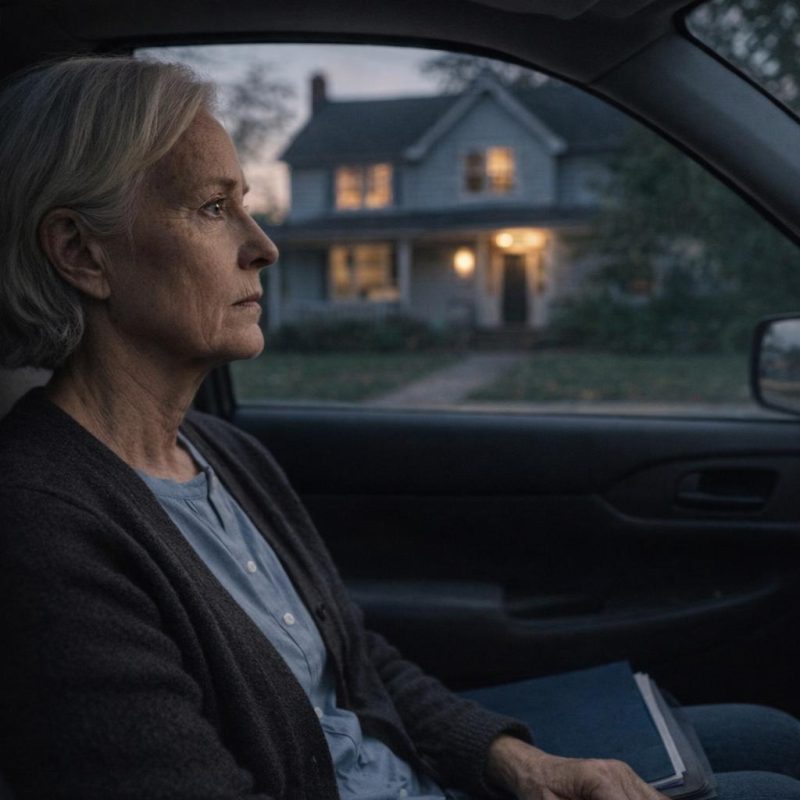 Image by RM AI
Paula's Door
Paula lived in a small ranch house on the east side of town, the kind of neighborhood where the yards are tidy and the driveways are short and everyone knows which cars belong. I parked at the curb and sat in the car for longer than I should have, the folder on the seat beside me, watching a sprinkler arc back and forth across the lawn next door. I had driven twenty minutes telling myself I was ready. Sitting there, I was less sure. Eventually I got out, walked to the front door, and knocked three times. I heard movement inside, then quiet, then the sound of the deadbolt turning. Paula opened the door and her face went pale the moment she saw me — not surprised exactly, but something closer to braced. Her eyes dropped to the folder in my hands and stayed there for a second before coming back up to my face. She didn't ask what I wanted. She didn't ask why I had come. She just looked at me with an expression I couldn't quite read — not shock, not confusion — and stepped back from the door and said we should sit down.
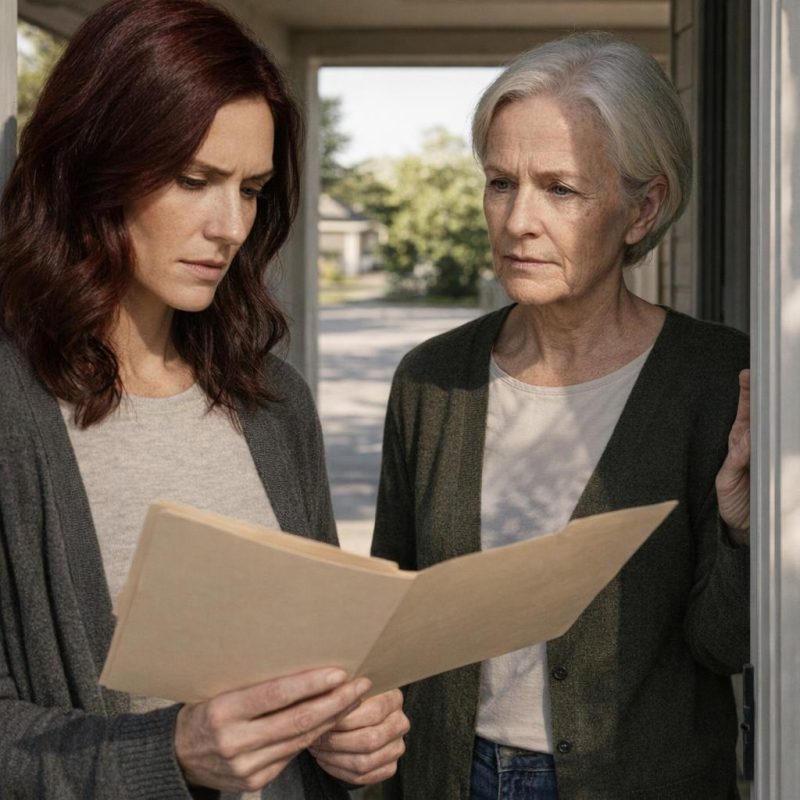 Image by RM AI
She Already Knew
I sat down on Paula's couch and opened the folder across my knees, smoothing the edges like that would somehow make what was inside easier to say. I started to explain — the hidden compartment, the bracelet, the photograph, the name Vivian Bell — and Paula held up one hand and stopped me. Just like that. Quiet and flat, like she was stopping traffic. She said, "I know, Lorraine." I stared at her. I asked her what she meant, she knew. She looked down at her hands in her lap and said that Mom had told her. Years ago. Right before she died, she'd asked Paula to come to the hospital alone one afternoon, and she'd told her everything. That Paula was Vivian Bell's biological daughter. That Dad had arranged it all. That the family had kept it buried for decades. Paula said it in the same tone you'd use to describe a weather forecast — not cold exactly, but resigned, like she'd rehearsed this moment so many times it had worn smooth. She wasn't sorry. She wasn't relieved. She just sat there with her hands folded and let the words land. And I sat across from her in that tidy little living room, the folder open on my lap, and felt something settle into me that I didn't have a name for yet — heavier than anger, quieter than grief.
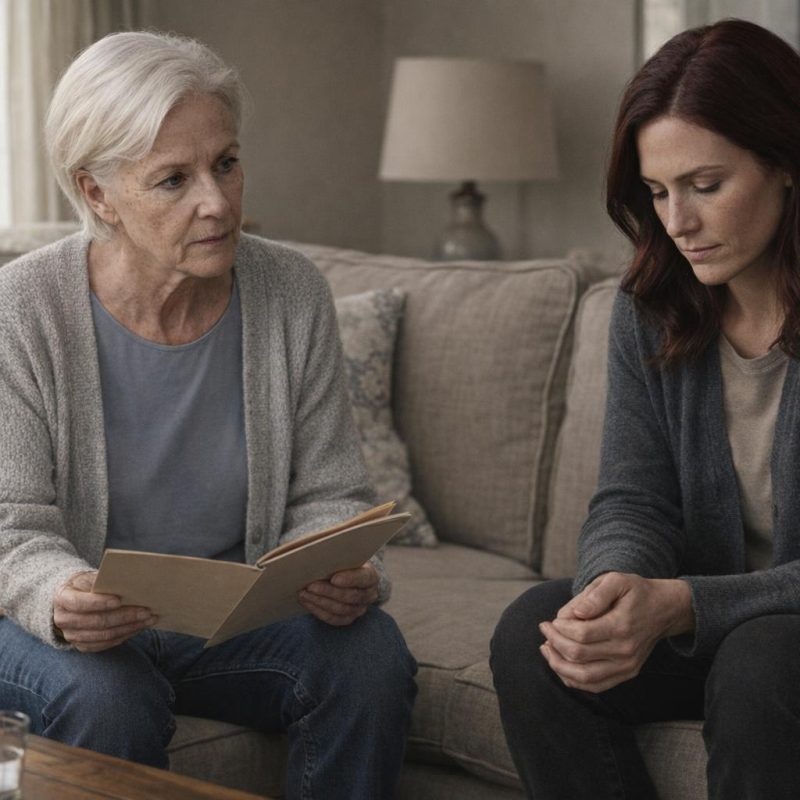 Image by RM AI
The Deathbed Confession
I asked her to tell me everything, and she did, slowly, like she was pulling it up from somewhere deep. She said it was fifteen years ago, maybe a few weeks before Mom passed. Mom had been weak but clear-headed in those last days — the kind of lucid that sometimes comes right at the end, like the body gives you one last window. She'd asked the nurses to give them privacy and she'd taken Paula's hand and started talking. She told Paula that she and Dad had taken the baby after Vivian gave birth at a private facility Dad had arranged. She said Vivian had agreed to it — signed papers, accepted money, walked away. And then Mom looked at Paula and said she'd never told me because she believed I was too rigid. Too worried about what people would think. She said she was afraid I'd reject Paula, or worse, that I'd feel compelled to expose everything. So she chose Paula to carry it. She made her promise to keep it buried forever. Paula's voice didn't waver much when she said that part, but her jaw tightened. I understood then that she hadn't just been keeping a secret from me — she'd been carrying our mother's judgment of me for fifteen years, and our mother had handed Paula the truth and handed me nothing.
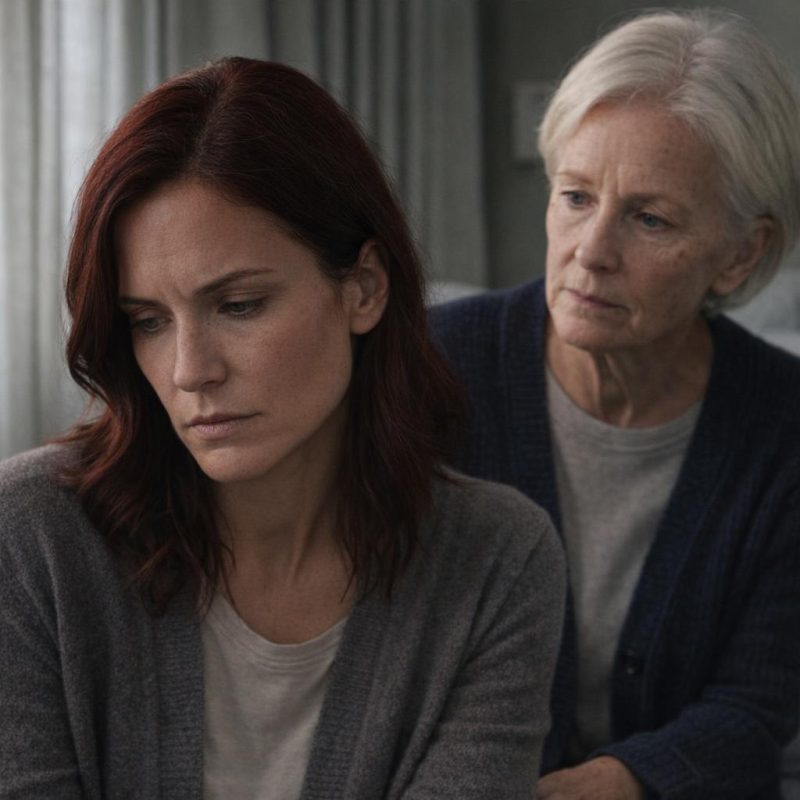 Image by RM AI
Not a Murderer
I asked Paula what happened to Vivian after the baby was born, and she was quiet for a moment before she answered. She said Mom had been clear about that part too. Vivian gave birth at the private facility, recovered for a few weeks, signed the papers, took the money, and left. She didn't disappear the way people in town had whispered about — no foul play, no shallow grave somewhere off Route 9. She just left. She packed whatever she had and started over somewhere else, somewhere nobody knew her name or her story. Paula said Mom had always insisted on that. That whatever else their father had done, he hadn't hurt Vivian. He'd paid her to go away and she'd gone. I sat with that for a long moment. I thought about all the years I'd carried a low, sick dread that my father might have been capable of something monstrous, and here was Paula telling me he was just a coward with a checkbook instead. It wasn't absolution exactly. A grown man and a nineteen-year-old girl, a secret baby, a paid silence — none of that was clean. But Vivian had survived. She'd walked out of that facility and into some other life entirely. The relief of that sat strangely alongside everything else, complicated and quiet, like light coming through a window you didn't expect to find open.
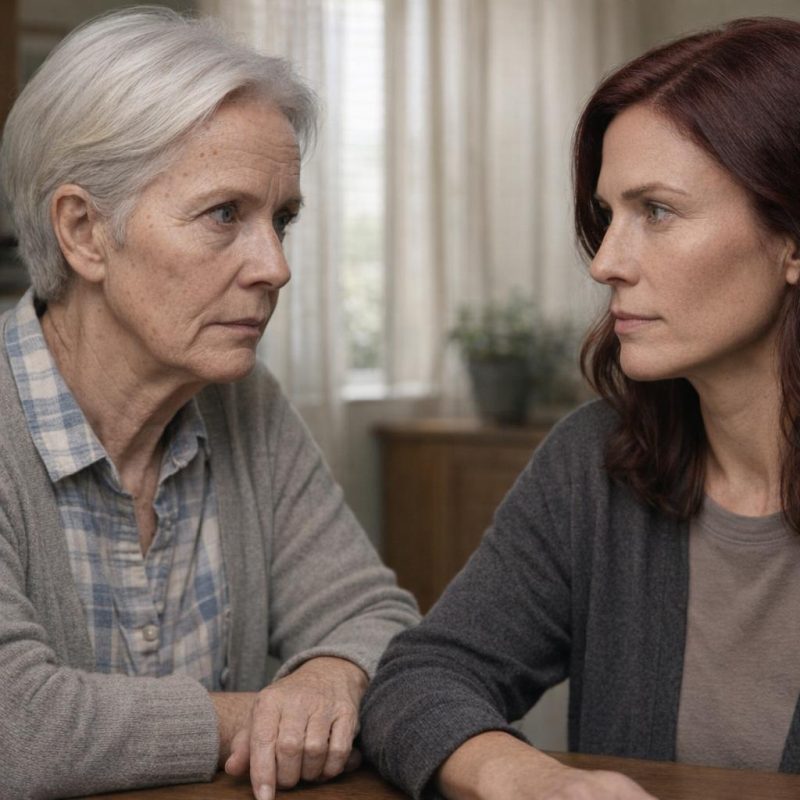 Image by RM AI
The Letters for Money
Paula told me the silence hadn't come cheap or easy. She said Mom had described letters — actual handwritten letters — that started arriving maybe a year after Vivian left. Different postmarks each time, different cities, but always the same demand. Money, or she'd come back and tell everyone about the baby. About Paula. Dad had paid. Money orders, sent to whatever address Vivian gave, regular as a bill. Paula said Mom described it as living with a slow bleed — every few months, another envelope, another amount, another reminder that their secret had a price. It went on for nearly a decade. Then sometime in the mid-1980s, the letters just stopped. No explanation, no final demand, no goodbye. They stopped and Dad never knew why. Mom had assumed Vivian either died or finally decided she was done. Paula said Mom used to wonder about it sometimes, out loud, in those last weeks — whether Vivian had found some peace somewhere, or whether something had happened to her. I didn't say anything for a while after that. I just sat there thinking about my father at his desk in that house I'd just sold, writing out money orders in his careful block handwriting, sealing envelopes, carrying that weight every few months for years, and the image of it settled into me like something I'd never be able to fully put down.
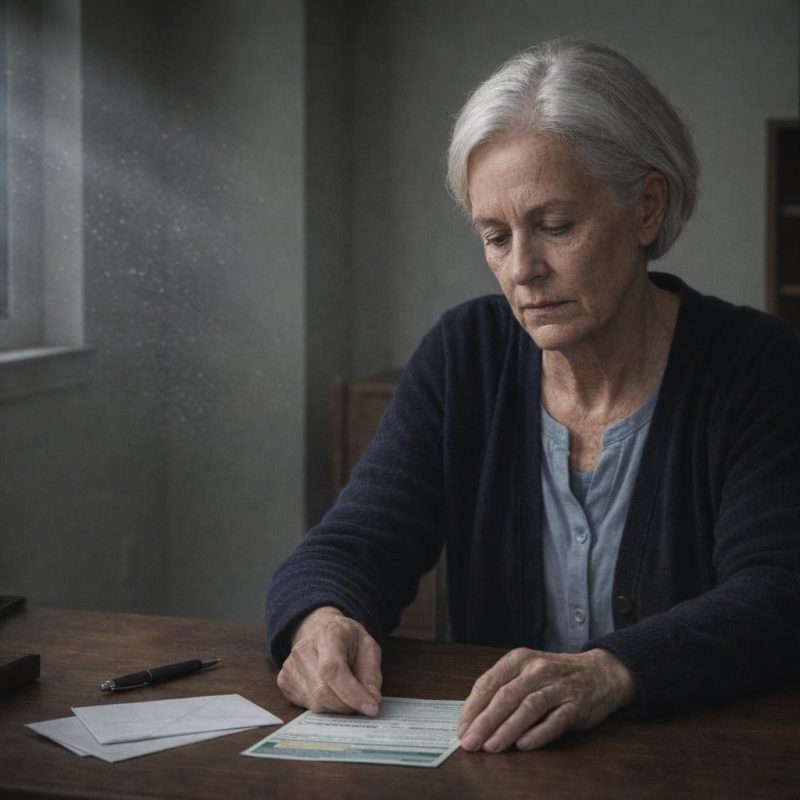 Image by RM AI
Elise's Connection
I sat in my car outside Paula's house for a few minutes before I could make myself drive. My hands were on the wheel but I wasn't going anywhere. I kept turning it over — Vivian alive, Vivian paid off, Vivian walking out of some private facility and into a life nobody in Harding County knew about. Eventually I picked up my phone and called Elise. She answered on the second ring and I just started talking. I told her everything Paula had said — the deathbed confession, the money orders, the letters that stopped in the mid-eighties. I told her Vivian hadn't been murdered. She'd left willingly and started over. Elise was quiet on the other end for long enough that I checked to make sure the call hadn't dropped. Then she said, slowly, that she needed to tell me something. She said she'd been going through more of her mother's papers and had found documents she hadn't looked at closely before. Personal journals. She said there were references in them to someone named Vivian — not the missing girl from the news, but someone her mother seemed to have known. Her voice was unsteady when she said it. Then she said she needed to tell me something about her mother-in-law.
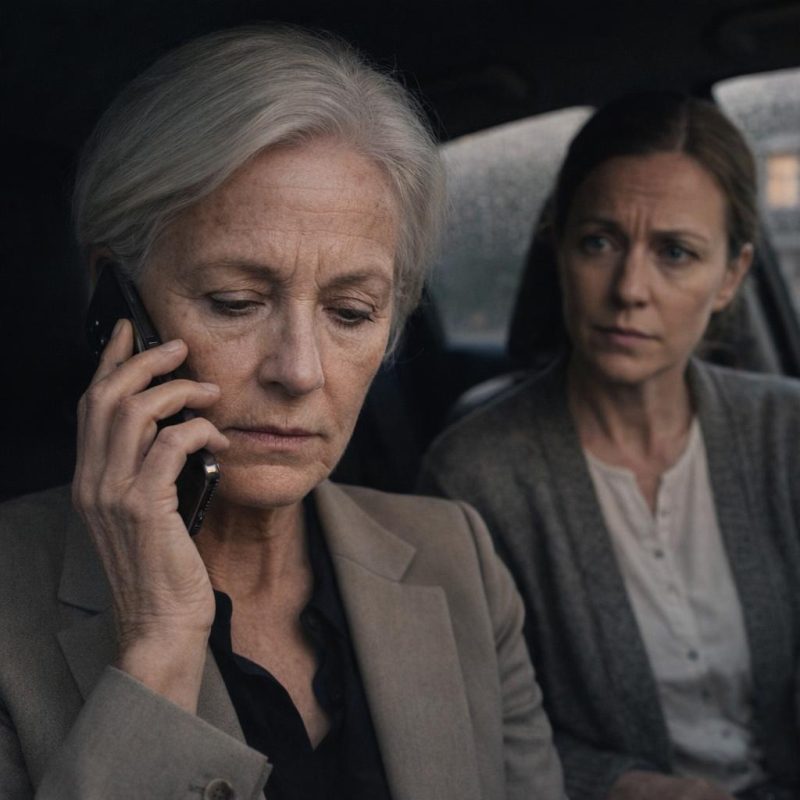 Image by RM AI
The Woman Who Survived
I drove back to the house — my old house — faster than I should have. Elise met me at the door and brought me straight to the kitchen table where a family photo album was already open. She pointed to a photograph near the back. An elderly woman, maybe late seventies in the picture, with dark careful eyes and a guarded expression, the kind of face that had learned not to give too much away. Elise said that was her late husband's mother. She'd died five years ago. Her name, as far as Elise had ever known, was Victoria Brennan. But Elise had found documents in her mother's papers — a legal name change filed in 1975, a birth record attached to it. Victoria Brennan had been born Vivian Bell. Elise said it quietly, like she was still testing whether the words were real. Vivian had left Harding County, changed her name, rebuilt her life from nothing, eventually married, and become part of Elise's family without Elise ever knowing who she really was. Elise's mother must have found out somehow, or suspected — that was the obsession, the clippings, the years of quiet digging. I looked back down at the photograph. The woman in it looked out from the page with those dark, wary eyes, and I recognized nothing and everything all at once.
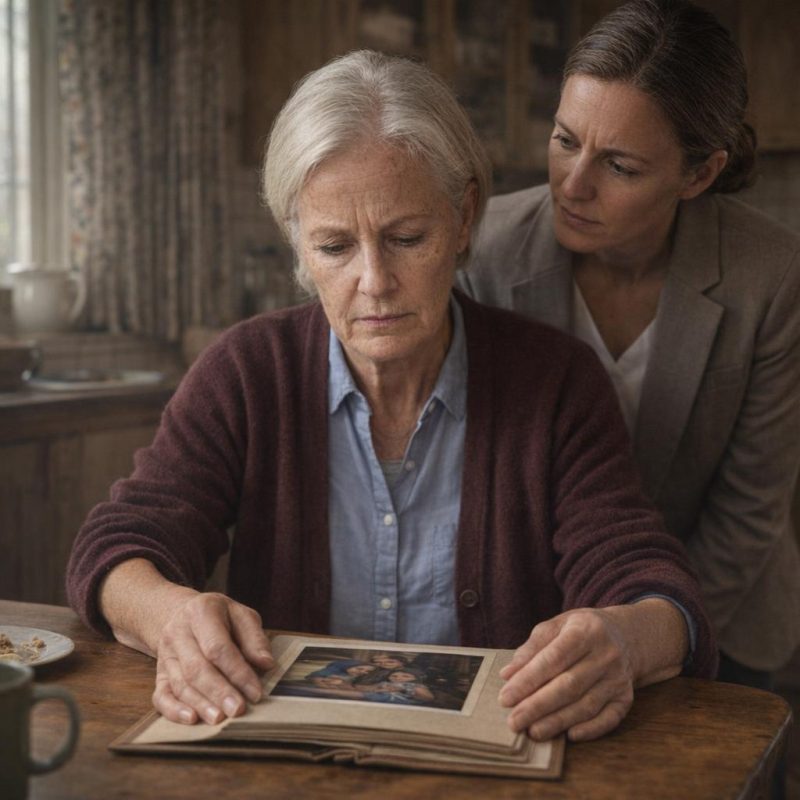 Image by RM AI
The Unknowing Search
We sat at that kitchen table for a long time without saying much. The photograph was still open between us. Elise said her mother had never told her — had spent years apparently piecing together the truth about Victoria's past and never once said a word to Elise directly. Which meant Elise had gone looking for answers about a missing girl from 1963 without understanding that the missing girl had been sitting at her own family's holiday table. She'd bought my childhood home. She'd sent me my mother's bracelet. She'd pulled every thread she could find — and the whole time, the answer had been inside her own marriage, her own family photographs, her own mother's silence. She looked at me across the table and said she was sorry. Not in a defensive way, just quietly, like someone who had finally understood the full weight of what their searching had cost. I thought about David pulling away, about the podcast, about Paula's face at the door. All of it had started because one woman changed her name in 1975 and kept her secret until she died, and another woman spent years searching for answers about her own mother-in-law's past without ever knowing it — and somehow the wreckage had landed entirely on me.
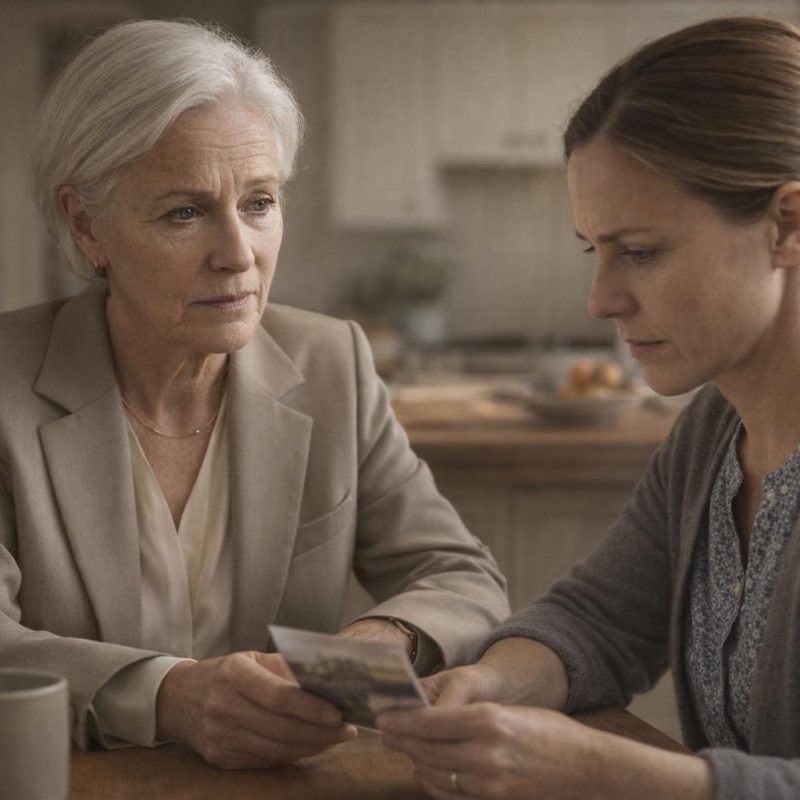 Image by RM AI
The Fracture
I went back to Paula's the next morning. I told her what Elise had found — that Vivian had changed her name, built a new life, become someone's mother-in-law in a town not far from where she'd started. Paula listened without much surprise, and that was what broke something open in me. She said Mom had always thought Vivian might have managed it, might have gotten clear. I asked Paula how she could have known all of this — known who she was, known what our parents had done — and said nothing to me for fifteen years. She said she was protecting what was left of the family. Protecting her own sense of who she was. I told her that wasn't her decision to make alone. She said I would have burned everything down. I told her she'd let me live inside a lie my whole life and called it kindness. Her voice went hard then. She said my obsession with the truth had already destroyed what little we had left, and that whatever I'd been looking for, I'd found it, and I should think about whether it was worth it. I didn't have an answer for that. We were both crying by the end, not the kind that brings relief but the kind that just empties you out. I drove home and the quiet in the car felt like something that wouldn't lift.
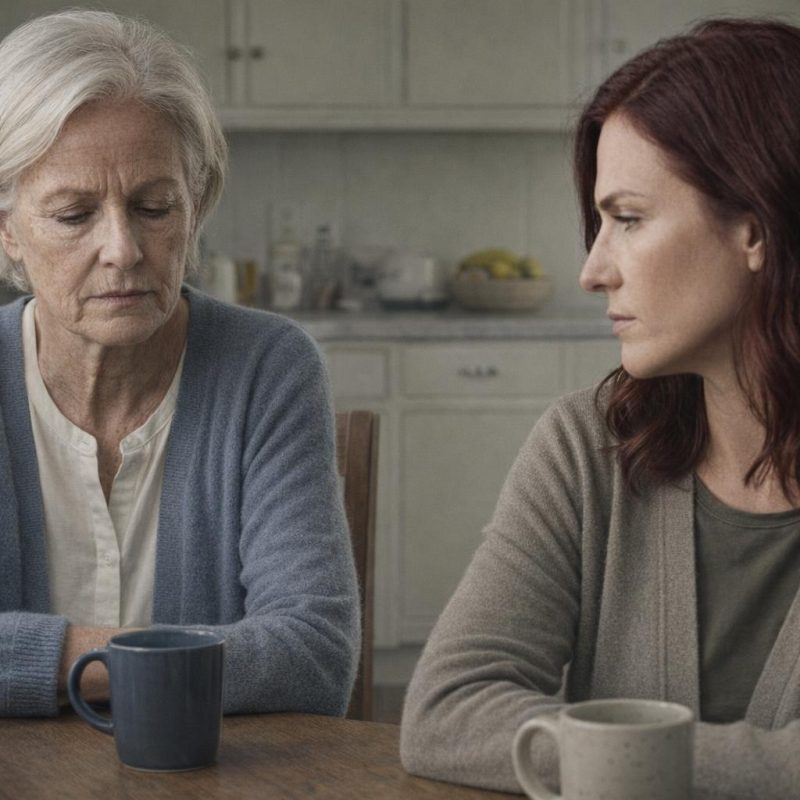 Image by RM AI
David's Distance
David called on a Tuesday, three days after my fight with Paula. I almost didn't answer. I'd been sitting with my phone face-down on the kitchen counter, not ready for anyone, and then I saw his name on the screen and picked up before I could talk myself out of it. He sounded tired in a way I hadn't heard since his father left. He told me he'd accepted a job transfer to Colorado. He said the girls had been getting messages at school — kids repeating things they'd heard from parents, things about our family, about what my father had done. He said Emma had come home crying twice in one week. His voice was steady but tight, the way it gets when he's already made up his mind and doesn't want a fight. He said he wasn't angry at me. He said that more than once, like he needed me to believe it. I asked if I could come visit once they were settled. He said maybe someday, but not for a while. He said he loved me. He said he couldn't watch me keep pulling at things that hurt everyone around me. I told him I understood. I'm not sure I did. Then he said goodbye, and the word landed with a weight that felt nothing like the ones before it.
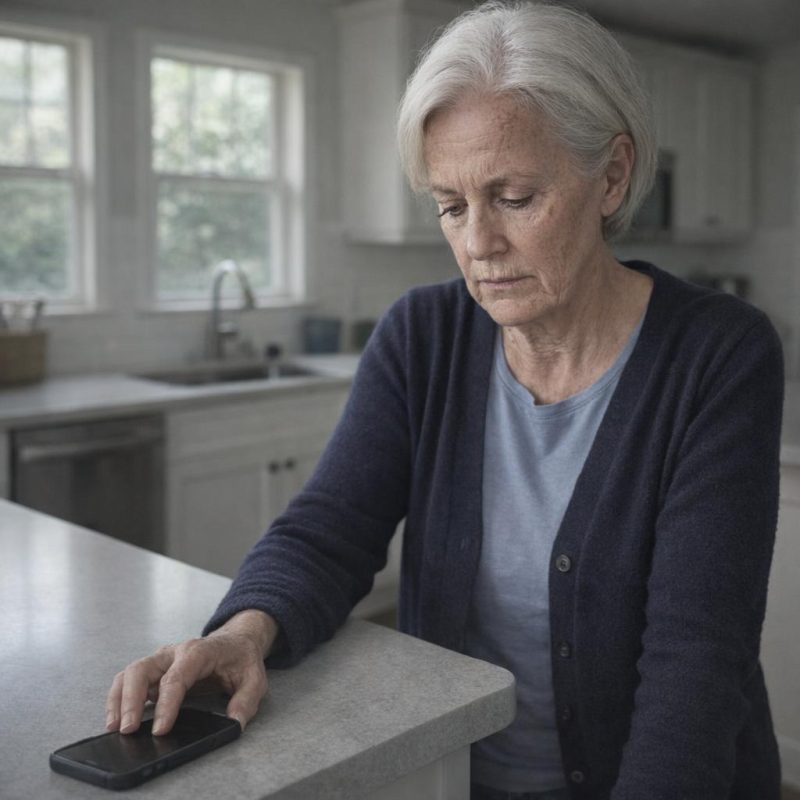 Image by RM AI
The Ostracized
The weeks after David's call had a texture I hadn't expected — not sharp, just flat. I went to the grocery store on a Wednesday morning thinking the early hour would mean fewer people, but Donna Marsh was there by the bread aisle and she turned her cart around the moment she saw me. Not quickly enough to pretend it was anything else. At the library, the woman at the desk who used to save me the new Jodi Picoult releases was polite in the way strangers are polite — clipped, careful, eyes already moving past me. I called three people I'd known for twenty years. None of them called back. The book club I'd joined two winters ago sent a short email asking me not to return, citing the comfort of the group. Someone left a note under my windshield wiper outside the diner that said my family was trash and I should be ashamed. I sat inside anyway and ate my soup while the couple two tables over whispered without bothering to lower their voices much. I started spending most days in my condo with the television on for noise. I wasn't watching it. I was just filling the silence with something that didn't require anything from me. After a while, the quiet stopped feeling like punishment and started feeling like weather — just the condition of my days now.
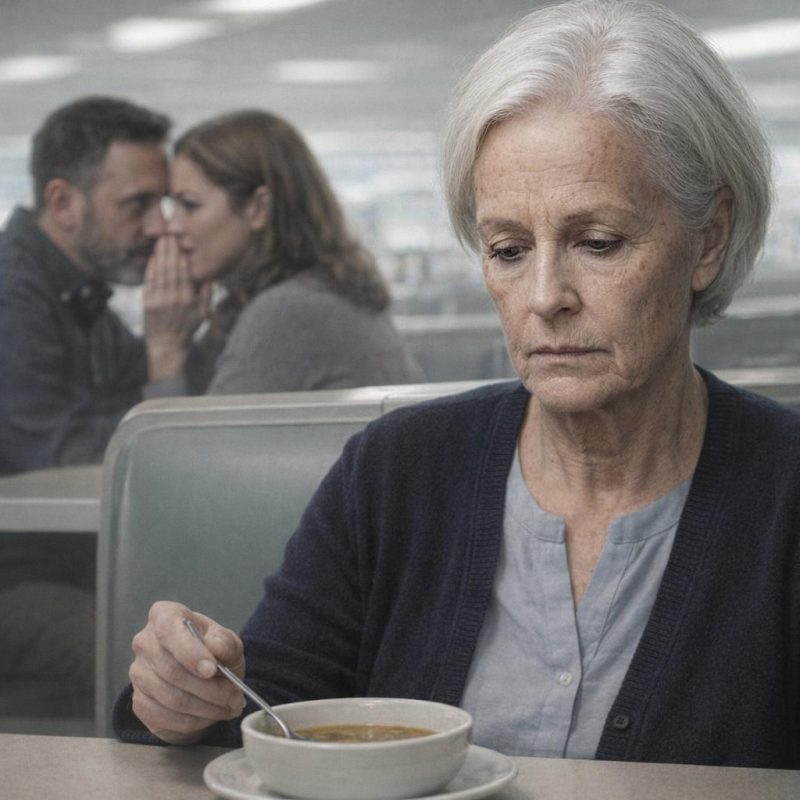 Image by RM AI
The Wrong Sister
Elise called about six weeks after David left for Colorado. She asked if I'd meet her, somewhere away from the old neighborhood, and I said yes before I'd thought it through. We sat in a coffee shop off Route 30 that neither of us had any history with. She looked like she hadn't been sleeping well. She wrapped both hands around her mug and didn't drink from it. She said she'd been carrying something since the beginning and she needed to say it out loud. She told me the first package — the bracelet, the note — had never been meant for me. She'd found Paula's name in the property documents as a secondary contact from years back, and she'd intended to reach out to Paula first, thinking Paula might already know pieces of the story and be easier to approach. But she'd had two addresses written on two envelopes and she'd mixed them up. She sent the bracelet to me by accident. She said she was sorry in a way that sounded like she'd been rehearsing it and still couldn't get it right. I sat with that for a long moment. Paula had known the truth for fifteen years. If that package had reached her, she might have quietly returned it and the whole thing would have ended before it started. Everything — my son in Colorado, my empty phone, my father's name in the papers — had turned on one wrong address.
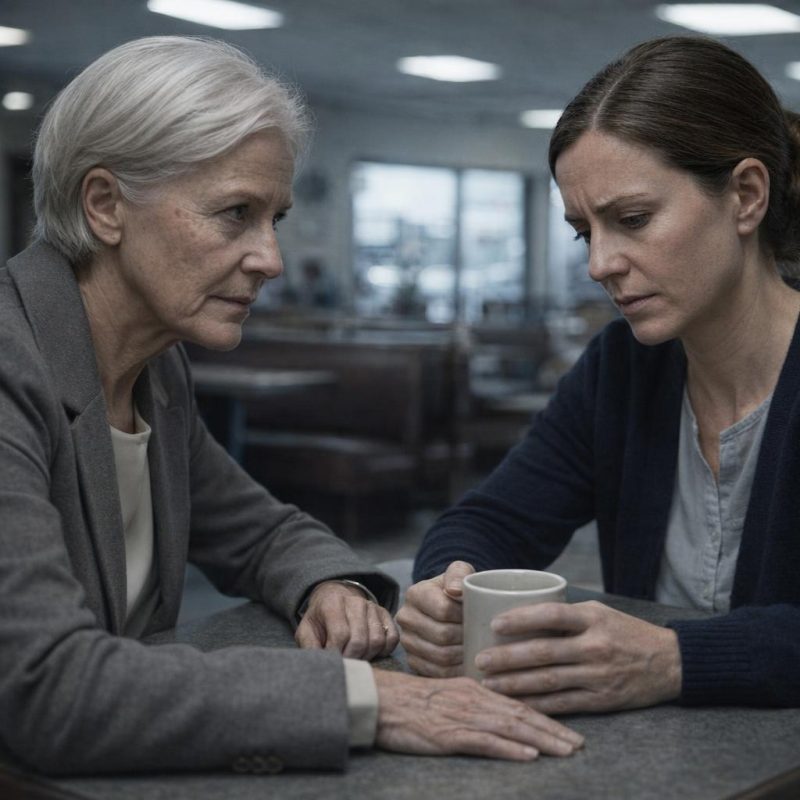 Image by RM AI
What Homes Bury
Months later I was still in the condo, still waking up to the same square of morning light on the ceiling. I thought about the house on Hawthorne Lane more than I expected to. My parents had built something careful there — a lawn that stayed edged, a kitchen that always smelled like coffee, a family that looked right from the outside. They'd buried what didn't fit. A nineteen-year-old girl named Vivian Bell, a baby handed over and never spoken of, a sister I'd loved my whole life without knowing who she really was. All of it pressed down under thirty years of Sunday dinners and Christmas cards and the particular silence of people who have agreed not to look too closely. Vivian had survived it. She'd gone somewhere else and made herself into someone new, and her son had married a woman named Elise who came looking for the past without knowing she was standing in the middle of it. Paula had known and carried it alone. I had known nothing and lost everything finding out. I had the truth now. I kept it in the same way you keep something that cost more than you meant to spend — not with pride, not with peace, just with the knowledge that it was yours and the price was final. Houses hold what families put in them. They hold it longer than anyone plans. And sometimes what they bury stays buried, and sometimes it finds its way out — and either way, the walls don't care what it costs you.
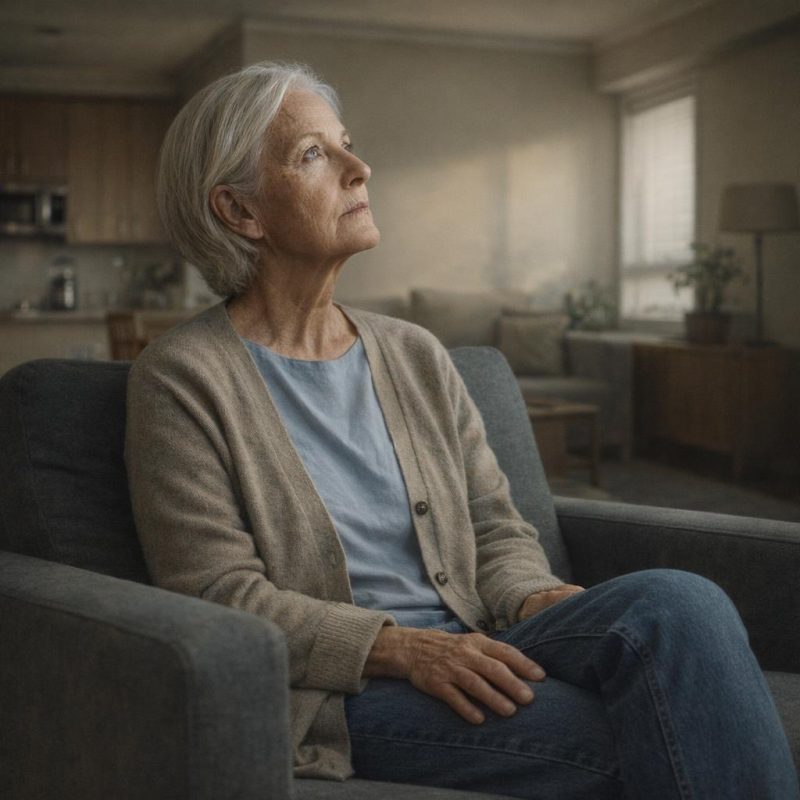 Image by RM AI
KEEP ON READING
The 20 Most Recognized Historical Figures Of All Time
The Biggest Names In History. Although the Earth has been…
By Cathy Liu Oct 4, 2024
10 of the Shortest Wars in History & 10 of…
Wars: Longest and Shortest. Throughout history, wars have varied dramatically…
By Emilie Richardson-Dupuis Oct 7, 2024
10 Fascinating Facts About Ancient Greece You Can Appreciate &…
Once Upon A Time Lived Some Ancient Weirdos.... Greece is…
By Megan Wickens Oct 7, 2024
20 Lesser-Known Facts About Christopher Columbus You Don't Learn In…
In 1492, He Sailed The Ocean Blue. Christopher Columbus is…
By Emilie Richardson-Dupuis Oct 9, 2024
20 Historical Landmarks That Have The Craziest Conspiracy Theories
Unsolved Mysteries Of Ancient Places . When there's not enough evidence…
By Megan Wickens Oct 9, 2024
The 20 Craziest Inventions & Discoveries Made During Ancient Times
Crazy Ancient Inventions . While we're busy making big advancements in…
By Cathy Liu Oct 9, 2024