

I Inherited My Grandmother's Victorian Mansion and Found a Hidden Room That Explained Why Our Family Never Stayed the Night
I Inherited My Grandmother's Victorian Mansion and Found a Hidden Room That Explained Why Our Family Never Stayed the Night
The Weight of Silence
I drove out to the house three days after the funeral, which had been a quiet, sparsely attended thing — a handful of neighbors, my father Daniel, and me. My grandmother Evelyn had lived alone for so long that most people had simply forgotten she existed. The brass key I'd found tucked inside her sewing kit sat on the passenger seat the whole drive, catching the afternoon light every time I rounded a curve. I'd never been inside the house before. Evelyn had never invited us, and my father had never pushed. When I finally pulled up the gravel drive and saw the place — three stories of dark Victorian timber and peaked gables, wrapped in overgrown wisteria — I understood, in some vague way, why she might have wanted to keep it to herself. The key turned in the lock with almost no resistance, like it had been waiting. Inside, the air was thick with old paper and dried lavender, and every surface held some evidence of a life lived entirely inward: stacked books, folded correspondence, a fountain pen resting on the desk blotter as though she'd only just set it down. Her photographs lined the study mantle — a younger Evelyn, bright-eyed and unguarded in ways the woman I'd barely known never seemed to be. I stood there in the silence, and the silence stood back.
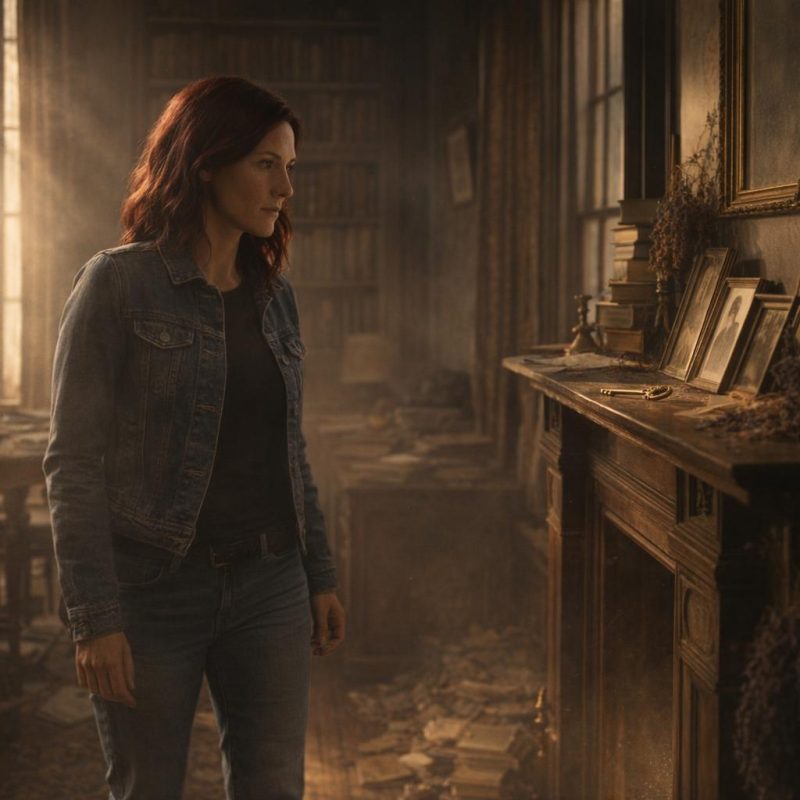 Image by RM AI
The First Night
I hadn't planned to stay the night, but by the time I'd hauled in my bag and found sheets that didn't smell of must, the sun was already gone. The house felt different in the dark — not threatening exactly, just enormous in a way it hadn't been during the day. Every room seemed to breathe at its own pace. I found a tin of crackers in Evelyn's pantry and ate standing at the kitchen counter, listening to the heating pipes knock and shudder through the walls. Old houses settle, I told myself. Old houses make noise. I chose a guest bedroom on the second floor, the one that felt least like I was intruding, and spent an hour arranging my things with more care than the situation required — anything to feel like I had some claim on the space. I turned off the lamp around eleven and lay in the dark, cataloging sounds: the wind against the eaves, the tick of a radiator, the occasional groan from somewhere above me that I filed under Victorian architecture and tried to let go. I was almost asleep when I heard it — a slow, deliberate rhythm from the hallway just outside my door, like footsteps crossing the floor.
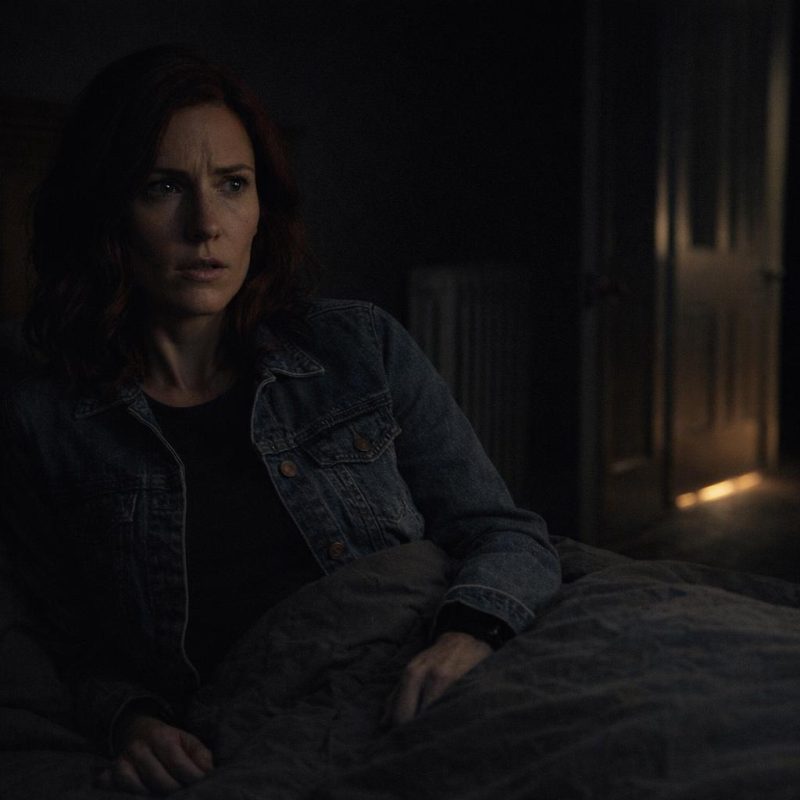 Image by RM AI
Cataloging the Past
I told myself it had been the pipes. By morning, with gray light coming through the lace curtains and a cup of instant coffee in my hand, that explanation felt reasonable enough to hold. I gave myself a task to focus on: the desk. Evelyn's study desk was a massive walnut piece, its surface clear except for the pen and a small ceramic dish of paper clips, but the drawers were another matter entirely. I worked through them methodically, making three piles — keep, donate, discard — and a running inventory list in a notebook I'd brought for exactly this purpose. Most of what I found was mundane: utility bills going back fifteen years, receipts from a local grocery, correspondence with a solicitor about property taxes. Her reading glasses were folded neatly in the top right drawer beside a bottle of dried-out ink. The will, which I'd already seen a copy of, named me as sole heir with a plainness that still felt strange — no explanation, no letter, just my name on a legal document. I found myself pausing over small things longer than I should have: a grocery list in her handwriting, a birthday card she'd never sent. By afternoon, the piles had grown and the notebook was half full, and the weight of what I'd taken on had settled somewhere between my shoulder blades and quietly made itself at home.
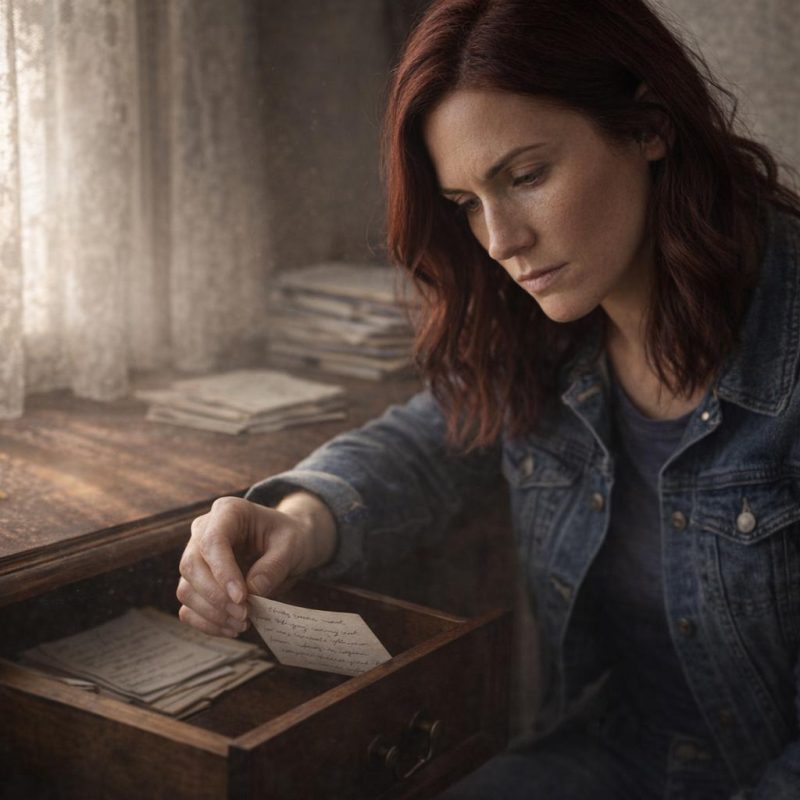 Image by RM AI
Faces in Silver Frames
I found the cedar chest on the third day, pushed against the upstairs hallway wall beneath a window that looked out over the wild garden. It wasn't locked. Inside, wrapped in tissue paper that crumbled at the edges, were the photograph albums — six of them, leather-bound, arranged in chronological order as though Evelyn had always intended someone to read them this way. The early ones were almost painful in their ordinariness. There was Evelyn on her wedding day, laughing at something off-camera, her whole face open in a way I'd never seen in any photograph I'd known of her. Richard stood beside her, dark-haired and warm-looking, the kind of handsome that photographs from that era somehow captured better than modern ones. Then came the children — five of them in the earliest family portraits, then six, then seven, filling the frame in various combinations of formal clothes and reluctant smiles. Margaret was the eldest, dark braids and a wide grin. Thomas stood beside her in most shots, serious-faced even as a small boy. I turned pages slowly, watching the family contract. One album, then the next. Fewer faces. Daniel appearing as a toddler in the later ones, often alone with Evelyn, whose expression by then had gone somewhere far away. The last photograph in the final album showed just the two of them — Evelyn and my father as a young boy — standing in front of this house, neither of them smiling, the garden already beginning to go untended behind them.
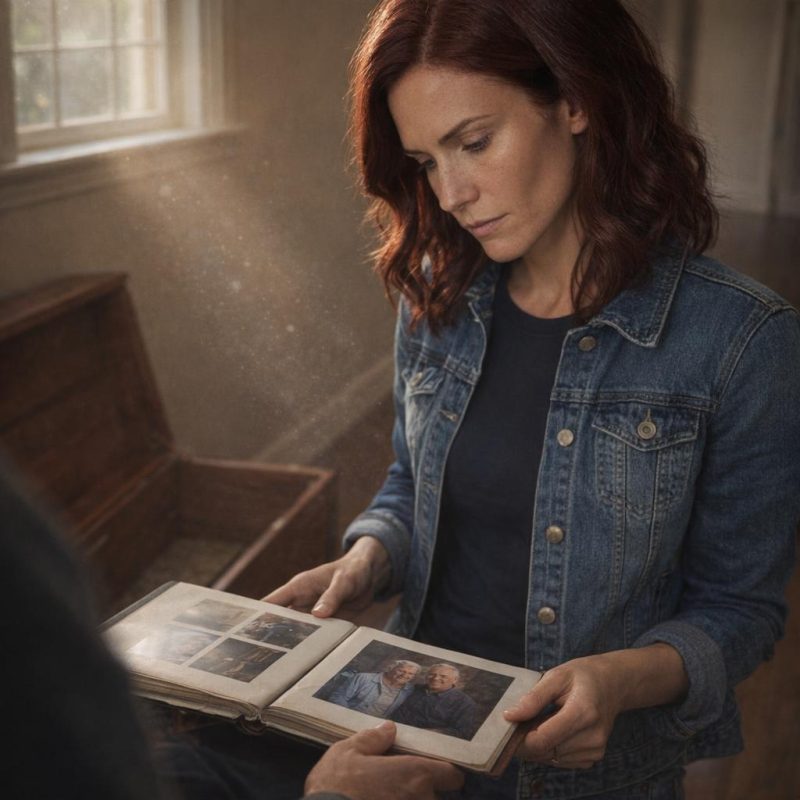 Image by RM AI
The Dutiful Visit
My father Daniel made the three-hour drive on a Thursday, arriving just after noon with a thermos of coffee he'd brought from home and a look on his face I recognized from childhood — the one that meant he was managing something he didn't want to talk about. He didn't come past the foyer. I offered to take his coat and he said he was fine, he wasn't staying long. I showed him the inventory notebook and he nodded at it without really looking. When I suggested we walk through the rooms together, he said he could see everything fine from where he was. His breathing was odd — shallow and careful, like a man trying not to smell something. I asked if he wanted coffee and he held up his thermos. I mentioned the photograph albums and something moved across his face that I couldn't quite read before he said that was good, that was good, I should keep those. He asked twice whether I'd looked into estate sale companies, and once whether I'd considered just listing the property as-is. He was kind about it, the way he's always kind — measured and gentle and somehow still completely unreachable. He left before four, said he wanted to beat the traffic, kissed my forehead at the door. I stood on the porch and watched his car move down the long gravel drive, and it didn't slow at the gate the way it usually did — it just kept going, faster than it needed to.
 Image by RM AI
The Scholar's Collection
The library took up most of the house's east wing, and I hadn't fully appreciated its scale until I pushed open the double doors and stood in the doorway with my notebook hanging forgotten at my side. Floor-to-ceiling mahogany shelves covered every wall, and the shelves were full — not decoratively full, the way some people arrange books for effect, but densely, practically full, with volumes pressed together and stacked horizontally on top of rows where space had run out. I pulled a few at random: a first edition of a nineteenth-century European history text, a scholarly genealogy of Flemish noble families, a beautifully preserved volume of Norse mythology with hand-colored plates. The collection had clearly been assembled with intention and real money over a very long time. I started at the south wall and worked my way around, running my fingers along spines, pulling things out to check publication dates. The middle shelves held folklore and mythology, which made sense for someone with Evelyn's apparent scholarly temperament. But when I reached the north wall and began reading the titles there, I stopped. The spines were uniform in their subject: ritual practice, esoteric tradition, occult history — dozens of volumes, arranged as carefully as everything else, filling the entire wall from floor to ceiling.
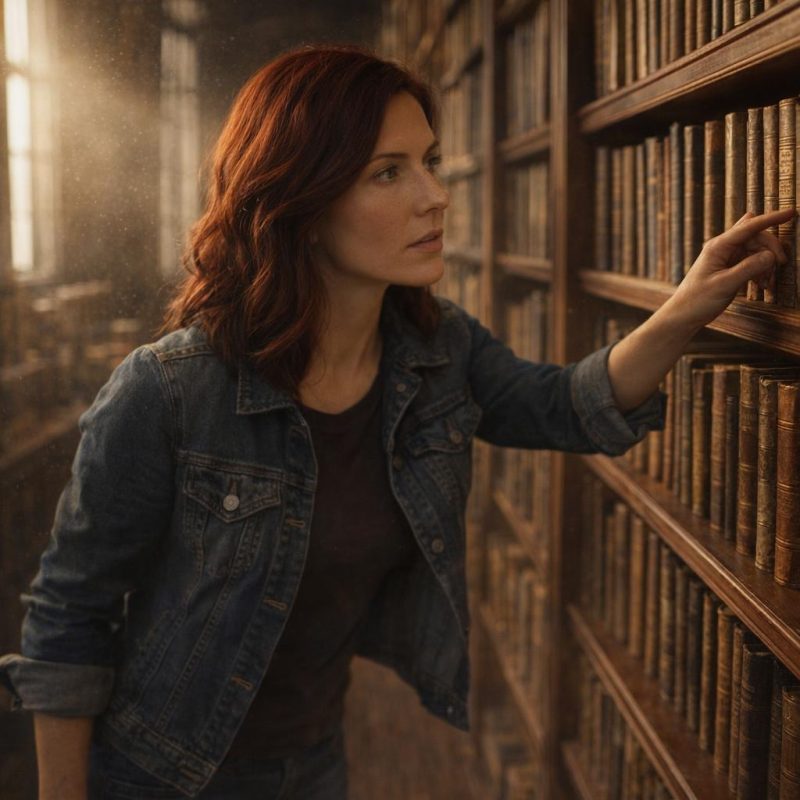 Image by RM AI
The Inventory Begins
I started the formal catalog the next morning with a spreadsheet open on my laptop and a cup of tea going cold beside me. The work was slow and specific: pull the book, check the title page, note the edition, the condition, any distinguishing marks. An appraiser friend had told me that marginalia could add value or subtract it depending on the collector, so I was flagging anything annotated. By midmorning I'd worked through roughly forty volumes and found three that were probably worth having professionally assessed. The library had a rhythm to it once I settled in — the smell of old paper and something faintly herbal, the particular quiet of a room full of books, the soft thud of each volume going back onto the shelf. Some of the occult history titles on the north wall showed heavy use: cracked spines, pages soft from repeated handling. I kept my notes neutral. Evelyn had been a scholar of some kind, clearly. People studied unusual things. Around noon I reached a slim volume near the end of the third shelf, dark green cloth cover with no title on the spine. When I pulled it free, it fell open in my hands to a page near the middle, held there by a dried sprig of lavender pressed flat between the leaves.
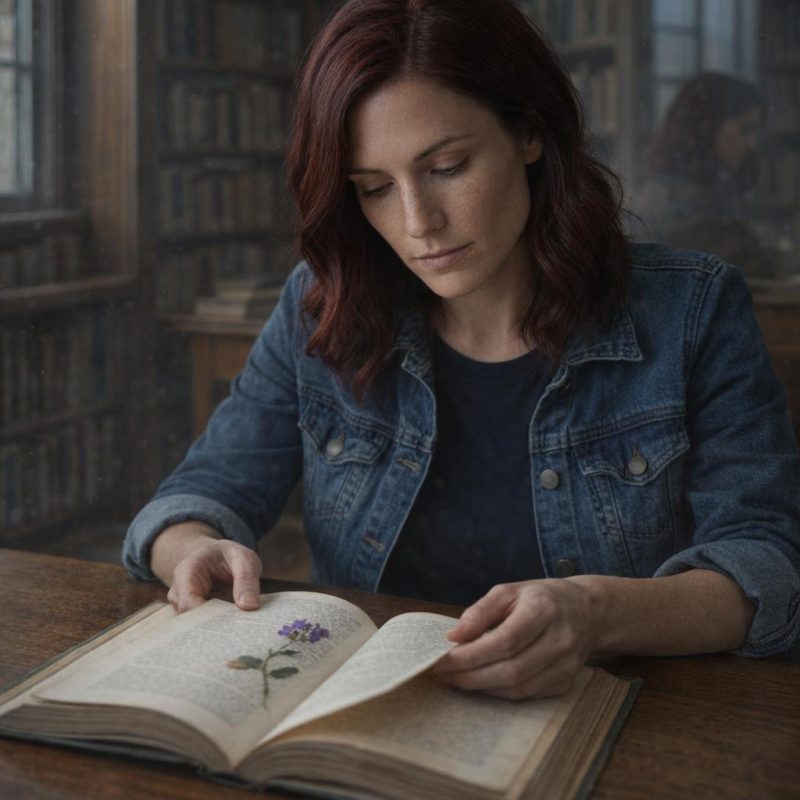 Image by RM AI
Patterns in the Margins
I set the green volume aside and kept working, but I kept coming back to it in my mind. By late afternoon I'd cataloged another thirty books, and I'd noticed something I hadn't registered at first: the marginalia wasn't scattered. In the occult history section especially, book after book contained the same handwriting — Evelyn's, I was almost certain, the same looping script I'd seen on the grocery lists and the unsent birthday card. But here it was dense. Purposeful. She'd written in the margins in at least two different ink colors, which suggested she'd returned to the same passages over years. Some annotations were in English, cross-referencing other volumes by title and page number. Some were in Latin, careful and precise. She'd underlined passages about blood lineages and ancestral obligation with a single firm stroke, and beside several of these she'd written dates — specific ones, not approximate. I pulled four books from the shelf and laid them open on the reading table side by side, and the cross-references connected them like a web. Whatever Evelyn had been working through in these pages, she'd been working through it for a very long time. I sat with the open books around me, the late light coming flat through the east windows, and the thought that settled over me — quiet and without alarm, the way a cloud moves across the sun — was that my grandmother had not been dabbling.
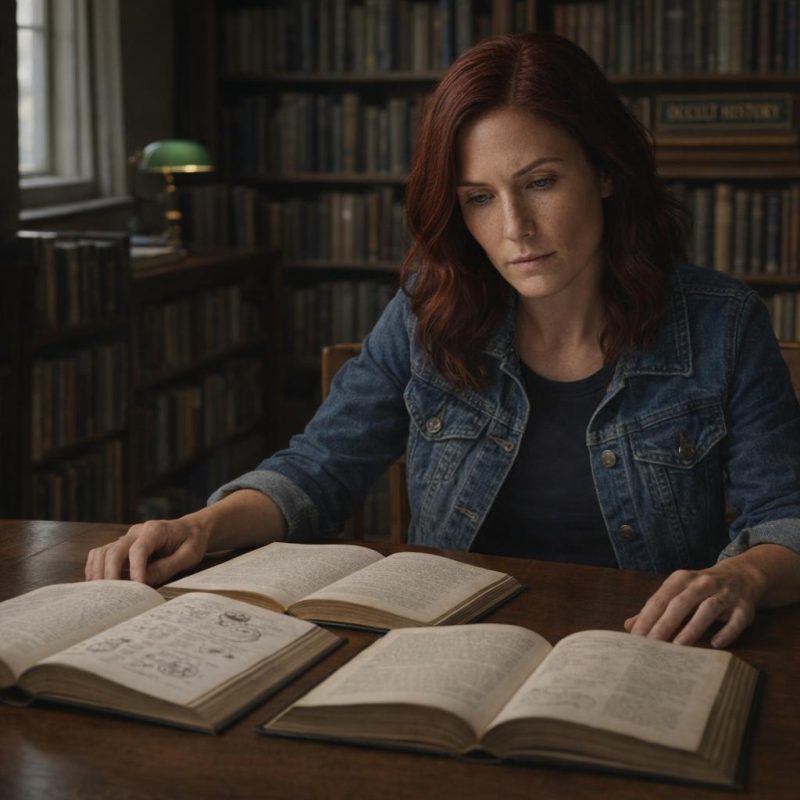 Image by RM AI
Questions Without Answers
I kept returning to the same cluster of volumes — the ones Evelyn had annotated most heavily — and the more I read, the more the pattern unsettled me. These weren't books about the history of folk belief or the anthropology of ritual. They were practical texts, or at least they were written as though they were: step-by-step accounts of how ancestral debts were said to form, how they passed through bloodlines, and — this was the part that made me set the book down twice — how they might be dissolved. Evelyn had underlined the dissolution sections with a different pen than the rest, a darker ink, pressed harder into the page. Beside one passage about transferring an obligation away from a living line, she'd written a single word in the margin: possible? The question mark was hers. So was the exclamation point two pages later, next to a paragraph I had to read three times before I understood what it was describing. Several annotations referenced 'the ledger' by name, as though it were a document she kept nearby, something she consulted the way you'd consult an index. I didn't know what ledger she meant. I sat there in the fading light with four open books around me, and the question I couldn't shake wasn't whether Evelyn had believed any of this. It was how long she had been trying to find a way out of something I didn't yet have a name for.
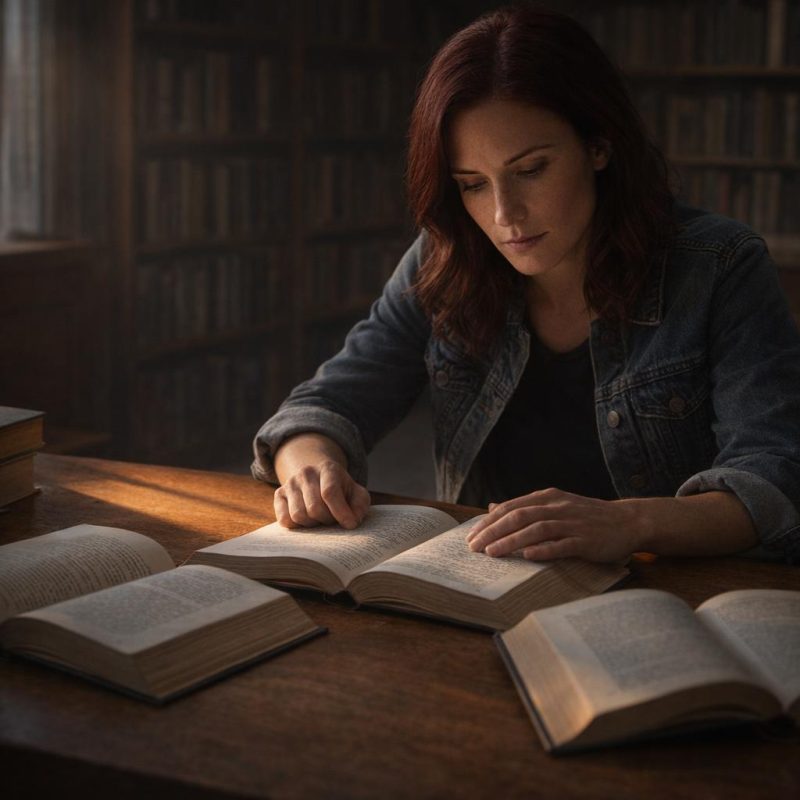 Image by RM AI
The Departure
My father called that evening while I was still at the reading table, the annotated books spread around me. He asked the usual things — was the roof holding, had I found the deed, was I eating. I told him the cataloging was going slowly because the library was larger than I'd expected, and that Evelyn had organized it in a way that made a certain kind of sense once you understood her system. He made a sound that might have been approval. Then I mentioned, without thinking much of it, that a significant portion of the collection was occult history — folklore, ritual practice, that kind of thing. The silence on his end lasted long enough that I checked my phone to see if the call had dropped. It hadn't. When he spoke again his voice was different. Shorter. He asked how much of it there was, and when I said probably a third of the library, he told me I should think about bringing in an estate professional to finish the work. I said I was fine doing it myself. He said he wouldn't be able to come out after all — something had come up, he'd explain later. I asked if everything was okay. He said yes, of course, and then said he had to go. The call ended before I could ask anything else, and his voice in those last few exchanges — clipped, pulled flat — stayed with me long after I set the phone down.
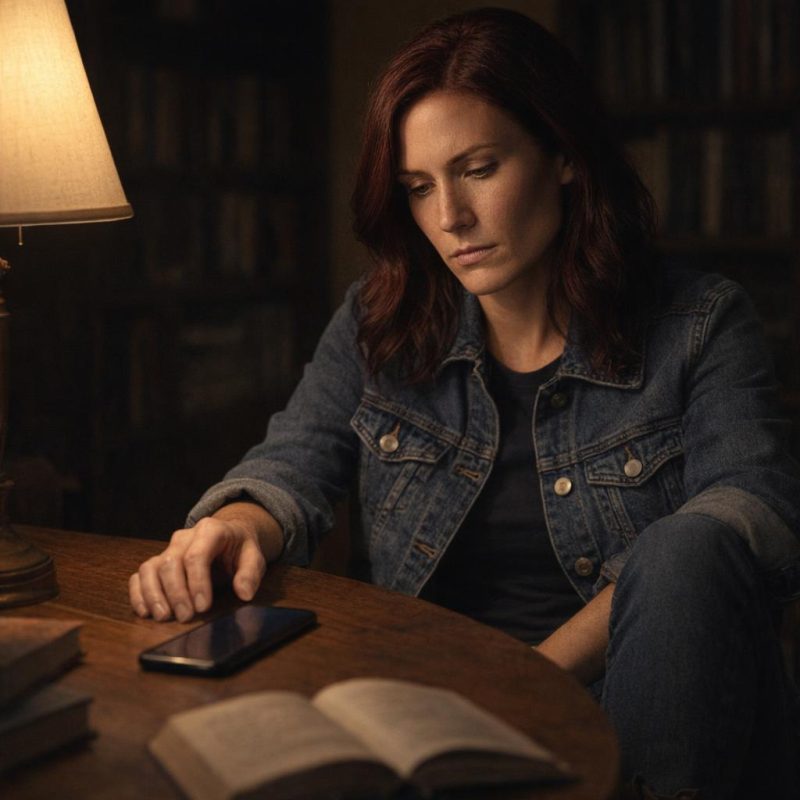 Image by RM AI
Alone in the Dark
Autumn was shortening the days faster than I'd expected, and by six o'clock the library was dark except for the lamp on the reading table. I'd told myself I would leave before nightfall, but there was always one more shelf to document, one more annotation to photograph, and then the light was simply gone and I was still there. The house changed after dark in ways that were hard to describe precisely. The heating system ran through old pipes that knocked and hissed in rhythms that almost sounded intentional, though I knew they weren't. The shadows in the corners of the library seemed to pool rather than simply gather — deeper than the lamp's reach should have allowed. I wasn't frightened, exactly. I was aware. There's a difference, though that night the gap between the two felt narrower than usual. I'd been working with my back to the hallway door, and at some point I noticed I'd stopped doing that — I'd shifted my chair without consciously deciding to, so that the doorway was in my peripheral vision. The hallway beyond it was completely dark. I hadn't turned on any lights out there, and the darkness in that rectangle of open door had a quality to it that I couldn't explain away with tired eyes or an overactive imagination. I sat with the lamp behind me and the dark hallway ahead, and the feeling of something just beyond the edge of the light settled over me and did not lift.
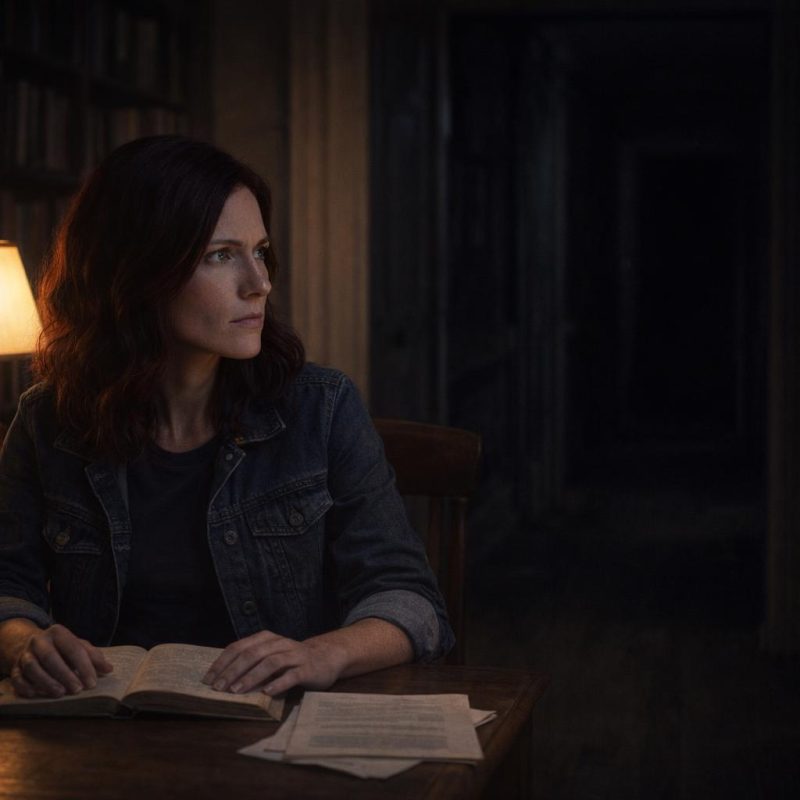 Image by RM AI
The Scratch Marks
The next morning I went back to the north wall, where the densest section of the occult collection was shelved. The autumn sun came through the east window at a low angle, and it caught the floor in a way the afternoon light never did — raking across the hardwood at almost no elevation, throwing every imperfection into sharp relief. That's when I saw them. Circular scratches in the floor, faint but unmistakable, describing an arc that began at the left edge of the bookshelf and swept outward in a smooth curve. I crouched down and ran my fingers along the marks. They weren't fresh. The wood had darkened slightly in the grooves, the way old scratches do when they've had years to collect dust and oxidize. But there were layers to them — newer lines over older ones, the same arc traced again and again over what must have been a long time. I stood and looked at the bookshelf. It was a massive piece, floor-to-ceiling, built from dark walnut that matched the room's paneling. It looked as though it had been there since the house was built, as though it had grown out of the wall. I pressed my palm flat against the side panel and pushed experimentally. Nothing moved. But the scratches on the floor didn't lie — that shelf had been moved, and moved more than once, and I needed to understand why.
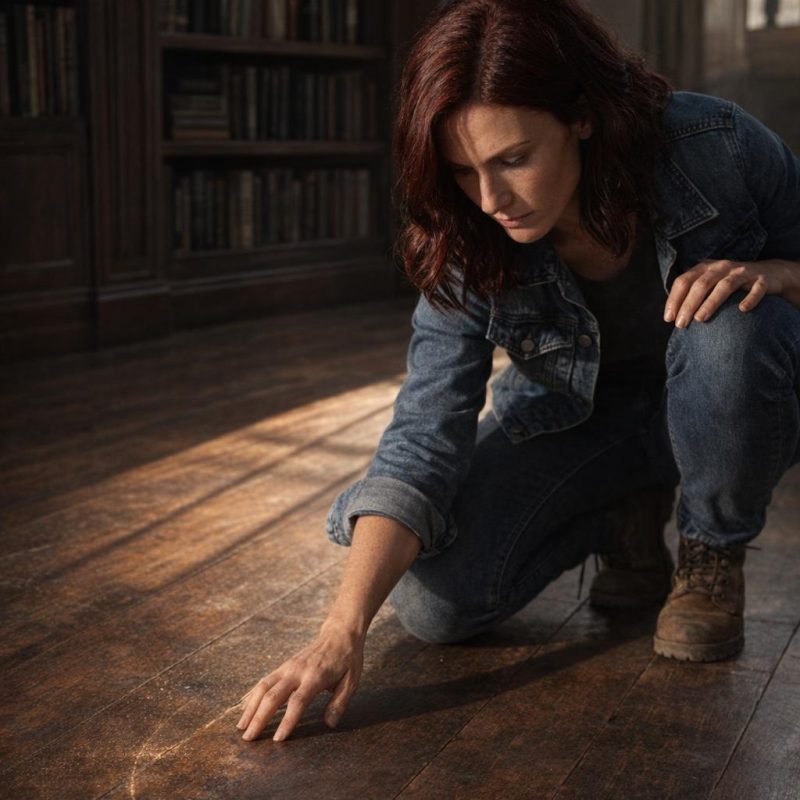 Image by RM AI
The Search
I spent the better part of the afternoon going over every inch of that bookshelf. I started at the top, running my fingers along the crown molding where it met the ceiling, checking for anything that didn't belong — a button, a recessed lever, a panel that gave slightly under pressure. Nothing. I worked my way down shelf by shelf, pulling books out in groups of three and four to check the back panel behind them. The panel was solid everywhere I tested it, the same dark walnut as the frame, no seams I could find with my fingernails or a flashlight beam. I checked the floor along the base, looking for a foot pedal or a pressure plate. I checked the ceiling again. I pressed on the decorative rosettes at the corners of each shelf divider, on the carved molding along the sides, on the small wooden finials at the top. I tried pushing the whole unit from different angles. By the time the light started going I had a fine layer of dust on my hands and nothing to show for it. I sat on the floor with my back against the opposite shelving and looked at the north wall unit and felt the particular frustration of knowing something is there and being completely unable to find it. I wasn't giving up. But I was done for the day, and the shelf stood exactly as it always had, giving nothing away.
 Image by RM AI
The Poetry Volume
I came back to the north wall the next morning with the kind of deliberate calm that only comes after a night of thinking about something too much. I decided to go through every volume on the shelf individually — not pulling them out in groups, but taking each one by the spine, testing its resistance, and replacing it before moving to the next. Most of them came free easily, the way old books do when they've been handled regularly. A few were stiff from disuse, requiring a firm pull before they released. I was three-quarters of the way through the middle shelves when I reached a small leather-bound volume, narrow enough that I'd almost skipped it — a collection of Victorian poetry, the spine stamped in faded gilt. I hooked two fingers over the top and pulled. It didn't move. I tried again, more deliberately, and felt something that wasn't quite resistance — it was more like the book was part of the shelf itself, connected to it in a way the others weren't. The spine looked identical to any other book. The cover showed the same age and wear. But it would not come free, and the harder I pulled, the more certain I became that I wasn't dealing with a stuck book. I stood there with my fingers still resting on the spine, not pulling anymore, just holding it, and the feeling that moved through me in that moment was quieter and stranger than excitement — more like recognition, though of what, I couldn't yet say.
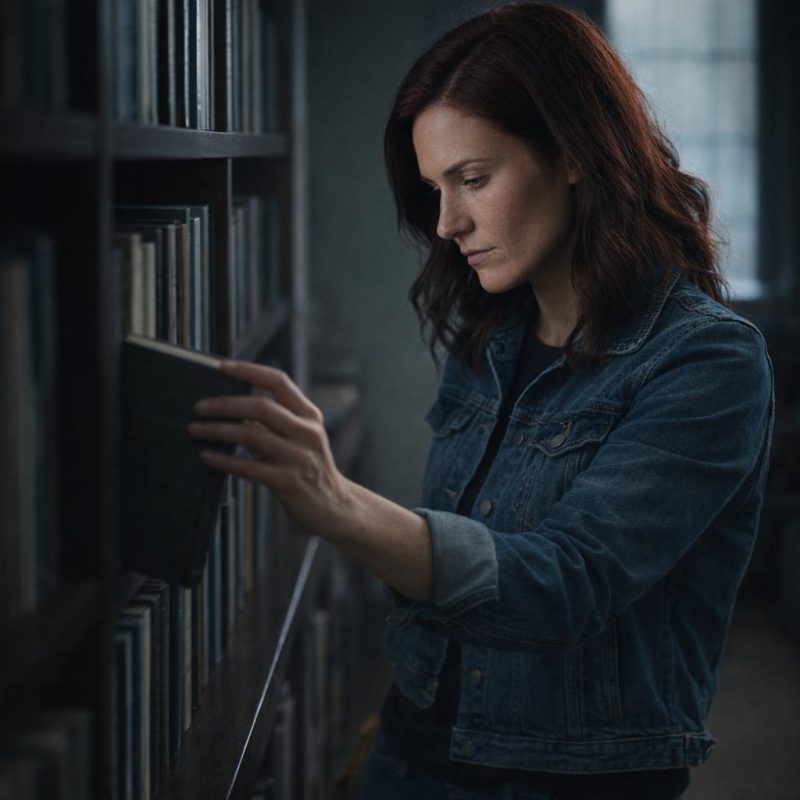 Image by RM AI
The Hidden Passage
I pressed the poetry book inward instead of pulling, just a gentle push against the spine, and felt it give — not like a book settling on a shelf, but like a switch completing a circuit. The click that followed came from somewhere deep inside the bookshelf, a mechanical sound, deliberate and solid, the kind that belongs to something built to last. For a moment nothing else happened, and then the entire left section of the north wall began to move. It didn't swing fast. It groaned on hidden hinges, slow and heavy, the walnut frame shuddering slightly as decades of stillness gave way. The gap it revealed was narrow — barely wide enough to walk through sideways — and from it came a smell I wasn't prepared for: ozone, sharp and electric, layered underneath with something dry and floral that took me a moment to place as lavender, very old lavender, the kind that's lost its color but kept its ghost. I stood in the library and looked at the dark passage beyond the shelf and understood, in a practical way, that I needed a flashlight before I did anything else. I found one in the desk drawer, clicked it on, and pointed the beam into the passage. Dust motes rose in the light like slow snow. The passage ran straight back into the interior of the house, into a space that shouldn't have existed according to any floor plan I'd seen, and I stepped inside.
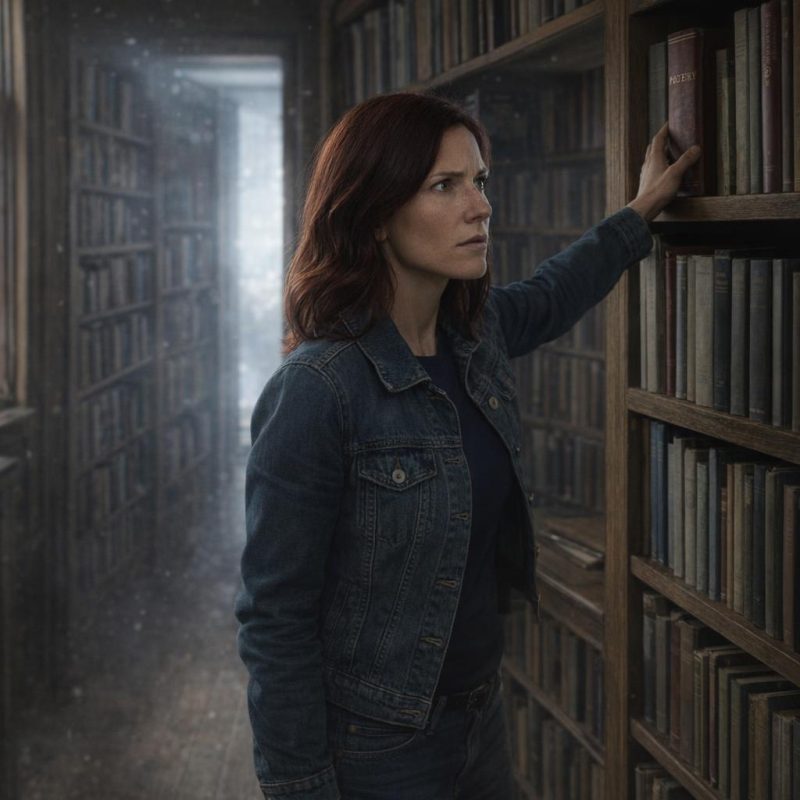 Image by RM AI
The Room That Shouldn't Exist
The passage was short — maybe fifteen feet — and it ended at a door that stood slightly ajar, as though someone had left in a hurry and not quite pulled it shut. I pushed it open with my shoulder and swept the flashlight across the room beyond. It was small, maybe ten by twelve, with no windows and no obvious connection to any exterior wall. The air inside was stale in a way that suggested years of sealed stillness, thick with the smell of old paper and something faintly metallic I couldn't identify. A desk sat at the center of the room, and on it were journals — six or seven of them, stacked in two careful piles, their covers dark with age. But it was the walls that stopped me. Every surface was covered: charts, diagrams, pages pinned or pasted directly to the plaster, some overlapping others, some connected by lines drawn in pencil or ink. My flashlight moved across them slowly. The handwriting was Evelyn's — I recognized it immediately, the same looping script from the library margins — but here it was everywhere, dense and meticulous, covering columns of names and dates that ran from one sheet to the next in an unbroken sequence, filling the walls of this hidden room from floor to ceiling.
 Image by RM AI
The Ledger
I pulled the nearest journal from the top of the stack and set it aside, then turned my attention to the wall charts. Up close, they were even more unsettling than they'd looked from the doorway. Each sheet listed a name at the top, followed by columns of information — dates, ages, brief notations in Evelyn's cramped script. Some entries had a single red mark beside the date. I counted them slowly, moving my flashlight from sheet to sheet. Seventeen. Seventeen names with that same red mark, spanning what looked like multiple generations, the dates stretching back decades. My stomach turned in a way I couldn't quite explain. I went back to the desk and looked at the journals more carefully. The earliest ones were cracked and faded, but the most recent sat on top of the second pile, its cover less worn than the others. I checked the date on the inside cover — it was from only a few months before Evelyn died. My hands weren't entirely steady when I opened it to the first page. The handwriting was hers, but tighter than usual, more controlled, like she'd been choosing every word carefully. The first line read: 'The debt has not been satisfied. I must record everything before it is too late.'
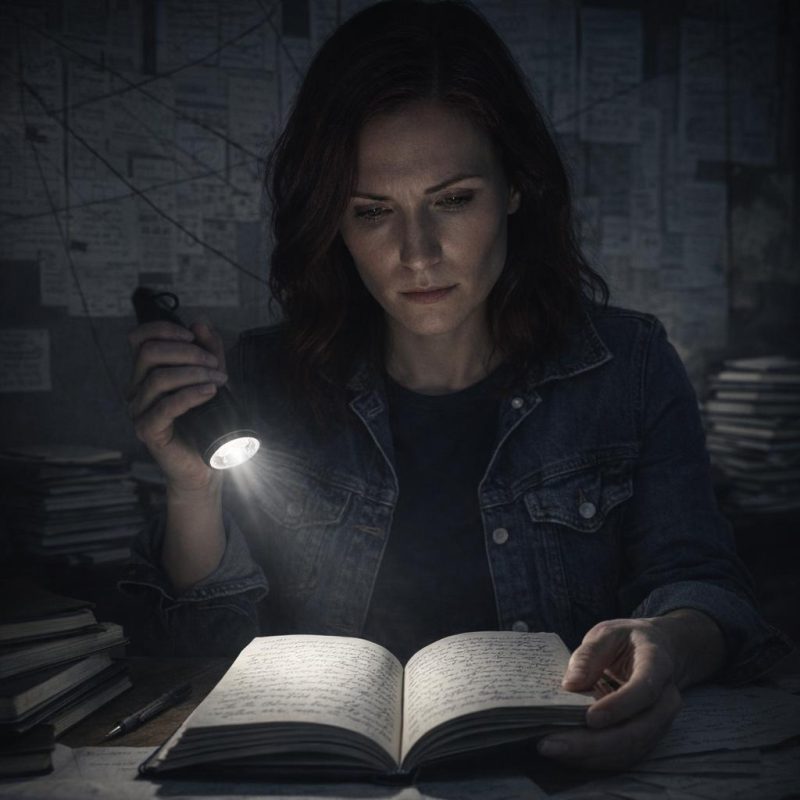 Image by RM AI
The First Hours
I sat down at the desk chair — a stiff wooden thing that creaked under my weight — and started from the beginning. The earliest journal was dated the year of Evelyn's marriage to my grandfather Richard, and the first entries read like something from a different life entirely. She wrote about the house with genuine warmth, about Richard's laugh, about learning to manage a household that size. There was happiness in those pages, real and uncomplicated, and it made what came after harder to read. The tone shifted after Edmund died. Evelyn's entries grew longer, more careful, like she was trying to work something out on paper. She started referencing 'the arrangement' without explaining what it was — just that Edmund had made one, and that she'd found mention of it in his study, and that she didn't yet understand what it meant. I kept reading. Hours passed. The flashlight batteries held. I moved from journal to journal without stopping, barely aware of the stiffness spreading through my back and shoulders. The handwriting changed across the years — looser in some entries, jagged in others — and the weight of all those pages pressed down on me in a way I couldn't shake. Whatever Evelyn had been carrying alone in this house, she had carried it for a very long time.
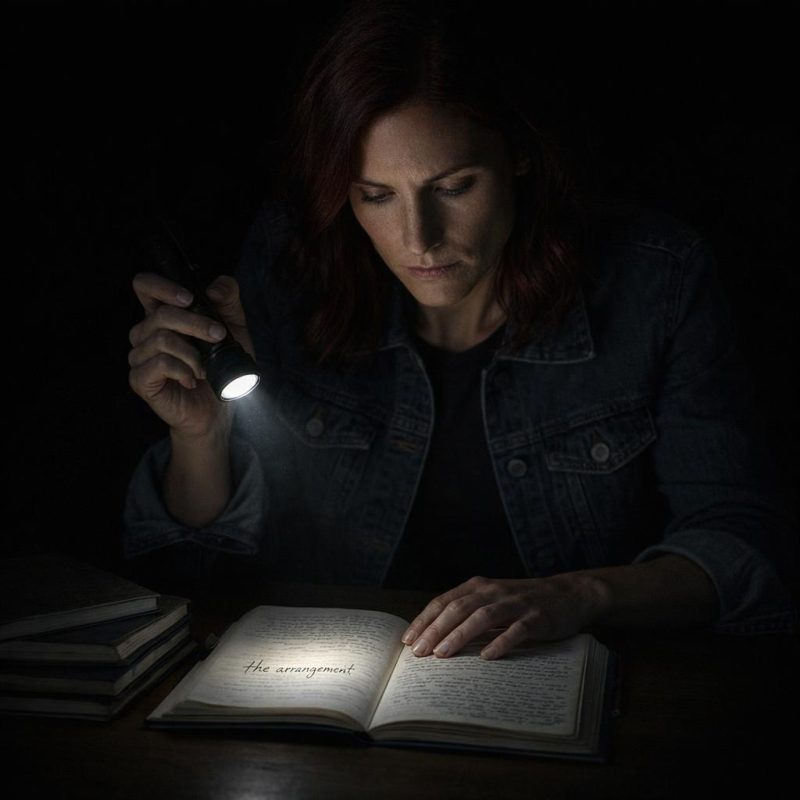 Image by RM AI
The Young Bride's Discovery
The journals from Evelyn's early married years painted a picture I hadn't expected. She and Richard had been genuinely happy — she wrote about him with a tenderness that made me feel like I was reading something private, something not meant for anyone else's eyes. Edmund had still been alive then, a stern presence in the background of her entries, formal and distant but not unkind. When he died, Evelyn wrote that she'd felt mostly relief, and then immediately guilt for feeling it. But it was what came after Edmund's death that changed everything. She'd gone into his study to help settle his affairs, and she'd found documents tucked inside a locked box she'd had to pry open. She didn't describe them in detail — not yet — only that they referenced arrangements Edmund had made during the worst years of the Depression, agreements with language she didn't recognize, terms she couldn't find in any ordinary legal reference. She wrote that she'd tried to bring it to Richard, had sat him down and shown him the papers. He'd looked them over and told her it was old business, settled business, nothing to worry about. She wrote that she'd nodded and said nothing more. But she hadn't believed him. The entry ended there, and I sat for a moment with the image of a young Evelyn alone at that desk, holding papers she didn't understand, with no one willing to take her fear seriously.
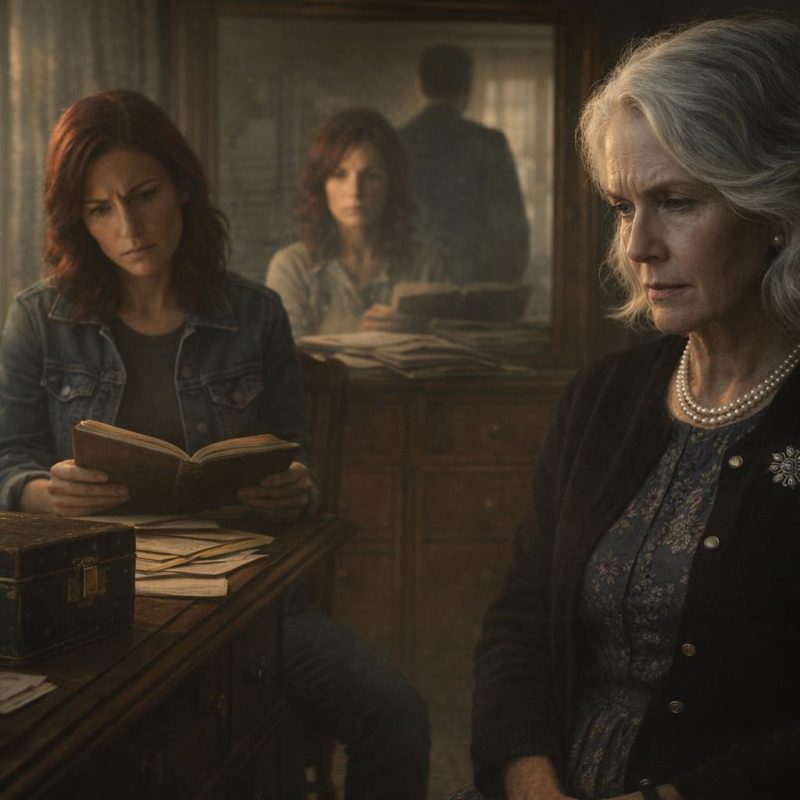 Image by RM AI
The First Loss
Margaret's entries came a few journals later, and I slowed down when I reached them. Evelyn's handwriting was steadier than I'd expected — almost too steady, like she'd forced herself to write calmly about something that was anything but. Margaret had been eight years old. The illness came on fast, Evelyn wrote, a sudden fever that the doctors couldn't explain, a decline so rapid that by the time anyone understood it was serious, there was almost no time left. She described sitting at Margaret's bedside, holding her daughter's hand, watching her sleep. Richard had been devastated. The whole household had been. Evelyn wrote about the funeral in a single sentence and then stopped for several pages. When the entries resumed, her tone had changed. She'd gone back to Edmund's documents. She'd started looking at dates — the date of Edmund's arrangements, the date of Margaret's first symptoms — and she'd noticed something she couldn't dismiss. She didn't write what the connection was, not directly. She wrote only that the timing felt wrong in a way she couldn't explain to anyone who hadn't seen the papers. The entry that stopped me was near the bottom of the page, the handwriting pressing harder into the paper than anything else I'd read. It said: 'This was not illness. This was payment.'
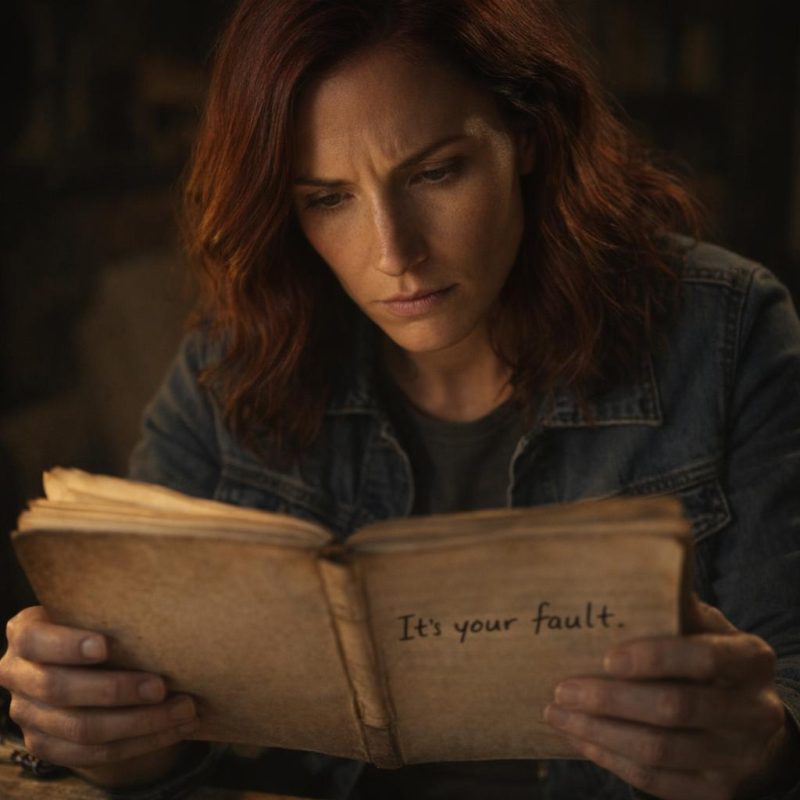 Image by RM AI
The Pattern Emerges
Thomas's entries began two years after Margaret's, and I almost didn't want to keep reading. But I did. Evelyn described the same sequence with a precision that felt deliberate — like she was building a record, not just grieving. Thomas had been ten. The first signs appeared on a Tuesday. By Friday the doctors were baffled. By the following week he was gone. She wrote about trying to reach Richard before it was too late, trying to make him look at the papers again, trying to get him to see what she saw in the timing. He'd held her while she cried and told her she was exhausted, that grief did strange things to the mind. She hadn't pushed further. The entry describing Thomas's last day was only four lines long. After that, several pages were left blank. When the writing resumed, Evelyn had stopped trying to explain herself to Richard. She was writing only for herself now, working through the details methodically — the age of each child, the interval between, the symptoms that matched so precisely it made my chest tighten just reading the list. I set the journal down for a moment and looked at the wall charts across the room. The red marks sat there in the dim light, seventeen of them, and the similarity between what I'd just read and what I was looking at settled over me like something cold and heavy.
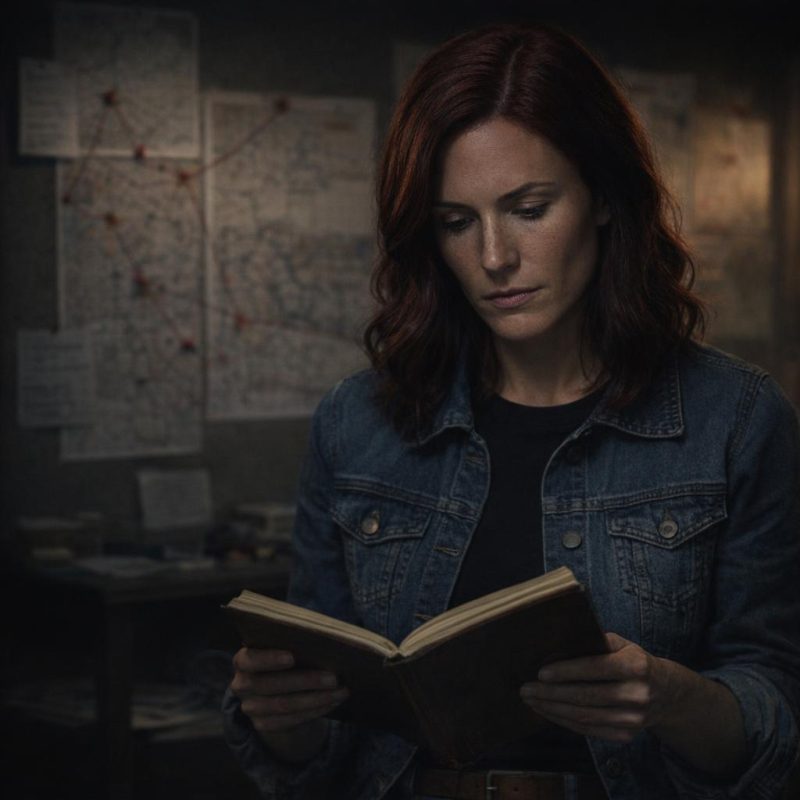 Image by RM AI
The Grieving Mother
The entries that followed Thomas's death were some of the hardest to read. Not because of what Evelyn wrote, but because of what she couldn't. She described attending a neighbor's dinner party three weeks after the funeral, sitting at a long table while people offered their condolences in the careful, well-meaning way people do when they don't know what else to say. Natural causes, everyone agreed. A terrible tragedy. Evelyn wrote that she'd smiled and thanked them and eaten her soup. She wrote that she'd felt completely alone in a room full of people who thought they understood her grief. She couldn't tell them what she suspected. She couldn't tell Richard. She couldn't tell anyone. So she'd come home and gone back to Edmund's papers and kept working. The journal entries from that period were dense with research — references to documents she'd tracked down, names she'd cross-checked, dates she'd mapped against each other. Her handwriting in those pages was small and controlled, almost mechanical, like she'd learned to keep the feeling out of it. I read through them slowly, and somewhere in the middle of a long entry about a document she'd found in the county records office, I had to stop and just sit with what I was reading. She had spent years carrying this alone, in this house, surrounded by people who saw only a grieving mother and nothing more.
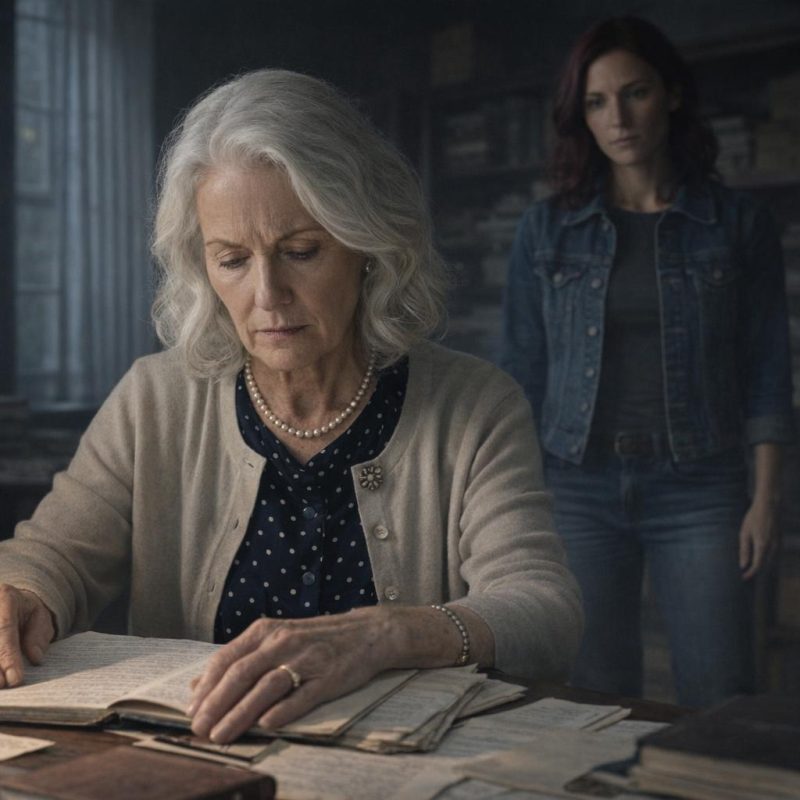 Image by RM AI
The Third Child
The third death came two years after Thomas, and by the time I reached those pages I was reading with my jaw clenched. Evelyn's account was brief — almost clinical — as though she'd run out of room for grief and was operating on something else entirely. A third child, the same rapid decline, the same baffled doctors, the same terrible week. After the funeral she'd gone straight back to Edmund's study. She wrote that she'd pulled everything out — every drawer, every shelf, every box she hadn't already opened — and gone through it all piece by piece. Three days, she wrote. She described the smell of old paper, the dust, the way her hands shook by the second day. She wrote about finding letters she didn't understand, ledgers with columns that didn't correspond to any business she recognized, documents in languages she had to have translated. The entry broke off mid-sentence after that, the ink trailing slightly at the end of the line. I turned the page. The next line, written in a steadier hand as though she'd set the pen down and picked it up again, read: 'I searched his study for three days and found the contract.'
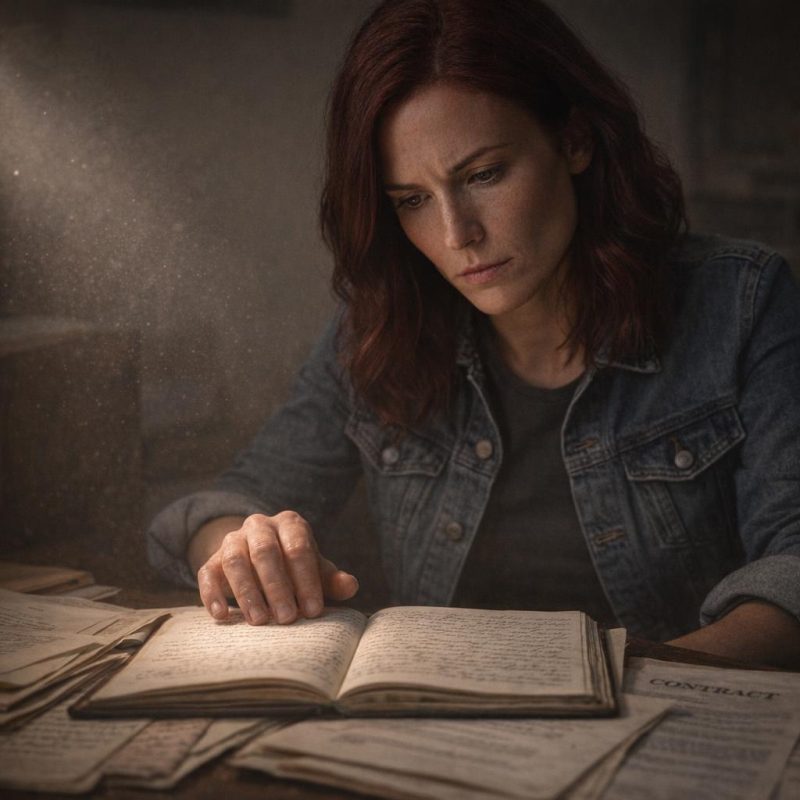 Image by RM AI
The Missing Pages
I turned the page expecting to find what came next, and instead found nothing. The page after that entry was gone — not missing the way a page falls out, but torn, the ragged edge still caught in the binding. Then another. Then another. I counted the stubs: six pages, removed cleanly enough that someone had taken their time about it. The removal didn't look accidental. I checked the floor around the desk, the other journals, the stacks of papers pinned to the walls. Nothing. Wherever those pages had gone, they weren't in this room. The next intact entry was dated several weeks later, and Evelyn's handwriting had changed. The careful control I'd come to recognize was still there, but underneath it something had shifted — the letters pressed harder into the paper, the lines less even. She wrote about acceptance in that entry, about understanding something she wished she didn't understand, about making decisions she hadn't wanted to make. She didn't name what she'd accepted. She didn't describe the decisions. I went back to the torn binding and held the journal up to the flashlight, as though the light might somehow recover what had been taken. The torn edges caught the beam — six clean stubs, nothing left on any of them.
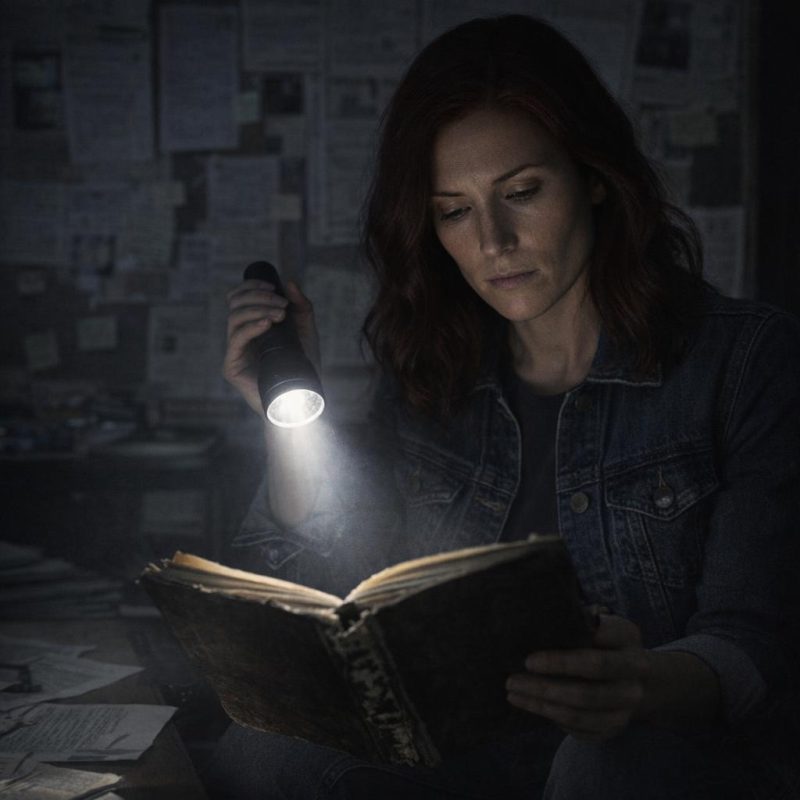 Image by RM AI
The Watcher in the House
I don't know how long I'd been sitting at that desk before my body finally demanded I stop. My back ached, my eyes burned, and the flashlight beam had started to feel like it was pressing directly into my skull. I stood and stretched, rolling my shoulders, and that's when I noticed it — the room felt smaller than it had an hour ago. Not literally, I told myself. Just the walls, the low ceiling, the smell of old paper and something underneath it I couldn't name. I moved toward the open bookshelf passage and stood in the gap, breathing the slightly cooler air from the hallway beyond. That helped, for about thirty seconds. Then the feeling came back, slow and certain, starting at the base of my neck and spreading upward. The particular sensation of being watched. I turned around. The room was empty. The journals sat exactly where I'd left them, the flashlight propped against the desk leg, shadows pooling in the corners. Nothing moved. I stood there long enough to feel foolish about it, and then I heard it — a sound from somewhere inside the library, past the open passage.
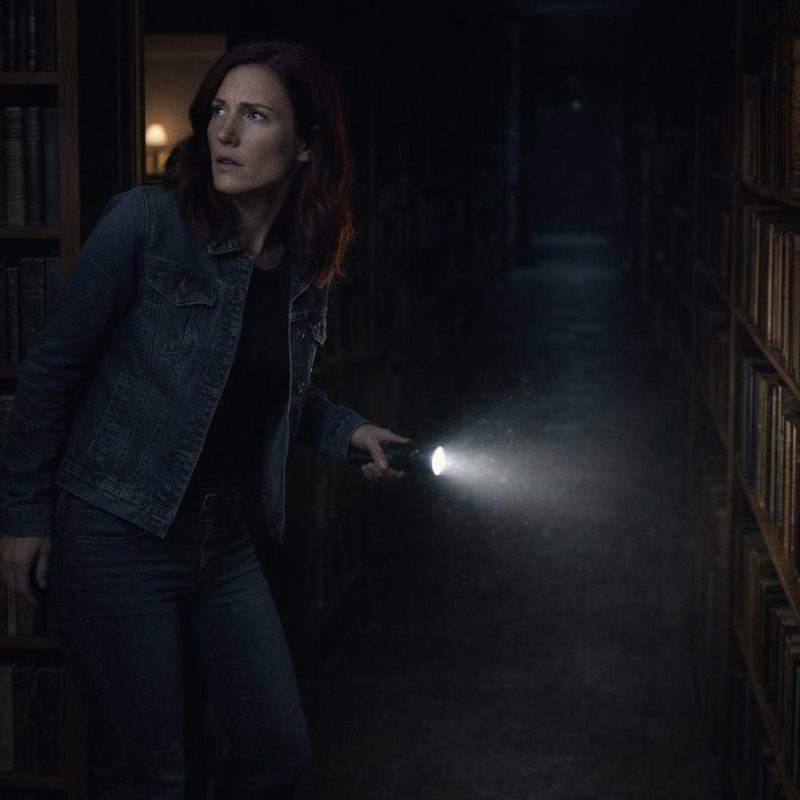 Image by RM AI
Returning to the Journals
I told myself it was the house settling. Old houses do that — beams contracting, pipes ticking, a hundred small mechanical complaints. I stood in the passage for another minute, listening, and when nothing followed I went back to the desk and picked up the next journal. Whatever was out there could wait. The journals couldn't. Evelyn had kept records of every death with the same careful handwriting she used for everything else, which somehow made it worse. A fourth child, unnamed in the entry, gone before Daniel was old enough to walk. A fifth, three years after that. Each entry was brief — a date, a few lines, the kind of language you use when you've run out of ways to say the same unbearable thing. Richard's death appeared between two of them, a single paragraph, quieter than the children's entries in a way that felt like its own kind of grief. She wrote that she had been unable to stop any of it. She wrote that she had understood, by then, what she was dealing with, though she still didn't name it plainly. I read through those pages slowly, and by the end I wasn't horrified anymore so much as hollowed out, sitting with the accumulated weight of all those careful, devastating records.
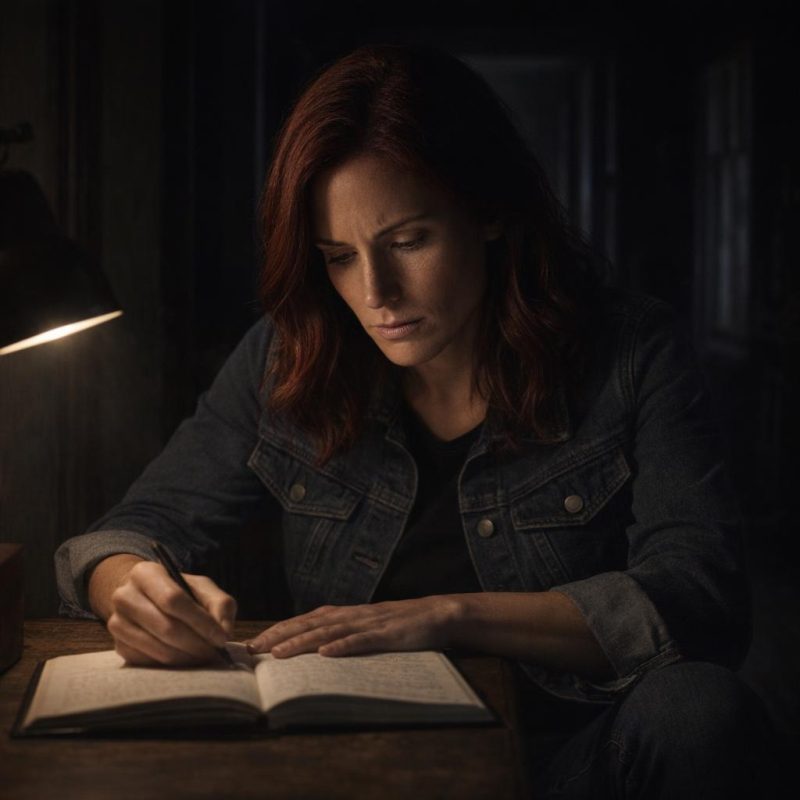 Image by RM AI
The Cryptic References
The entries that followed were harder to parse. Evelyn's handwriting stayed controlled, but the language shifted — she stopped writing about events and started writing around them, circling something she seemed unwilling to put directly on the page. She referred to 'the arrangement' the way you'd refer to something sitting in the room with you that you'd rather not look at directly. She wrote about 'what Edmund promised them' without ever specifying who 'them' was. I read that phrase four times, turning it over, and came up empty each time. Creditors? Business partners? I had no way to tell. She wrote about obligations, about terms, about the weight of something she called a debt that predated her marriage by years. She wrote about trying to understand the full scope of what had been agreed to, as though she'd come to the arrangement secondhand and was still working out its edges. The more I read, the more I felt like I was trying to see something through frosted glass — the shape was there, but the details kept sliding away. I understood that she was afraid to write plainly. What I couldn't work out was whether she was afraid of someone reading it, or afraid of the words themselves.
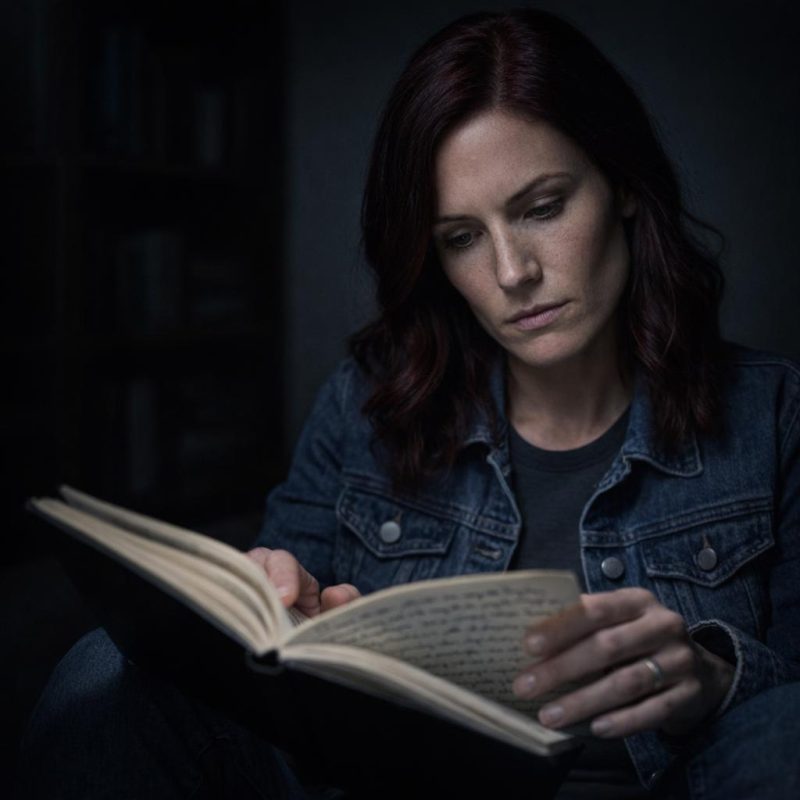 Image by RM AI
Edmund's Shadow
I found the section about Edmund in the fourth journal, tucked between entries about household accounts and a pressed flower that had gone brown and brittle against the page. Evelyn had done her own research — that much was clear. She'd gone back through Edmund's papers, through records she must have found in the house, and what she'd assembled was a picture of a man under serious pressure. The Depression had hit the family hard. There were references to creditors, to properties sold off, to a period when bankruptcy had seemed not just possible but imminent. And then, sometime in the mid-1930s, the financial pressure had eased. Evelyn wrote about the timing with the careful neutrality of someone who had already drawn a conclusion she wasn't ready to commit to paper. She'd been young then, newly married, and she'd noticed the visitors without being told to notice them. She wrote that she had asked Edmund about his guests once, and he had told her they were business associates and changed the subject. I turned the page and found the line she'd copied from her own memory, still sharp decades later: 'He met with them in the parlor, men in dark suits who left no names.'
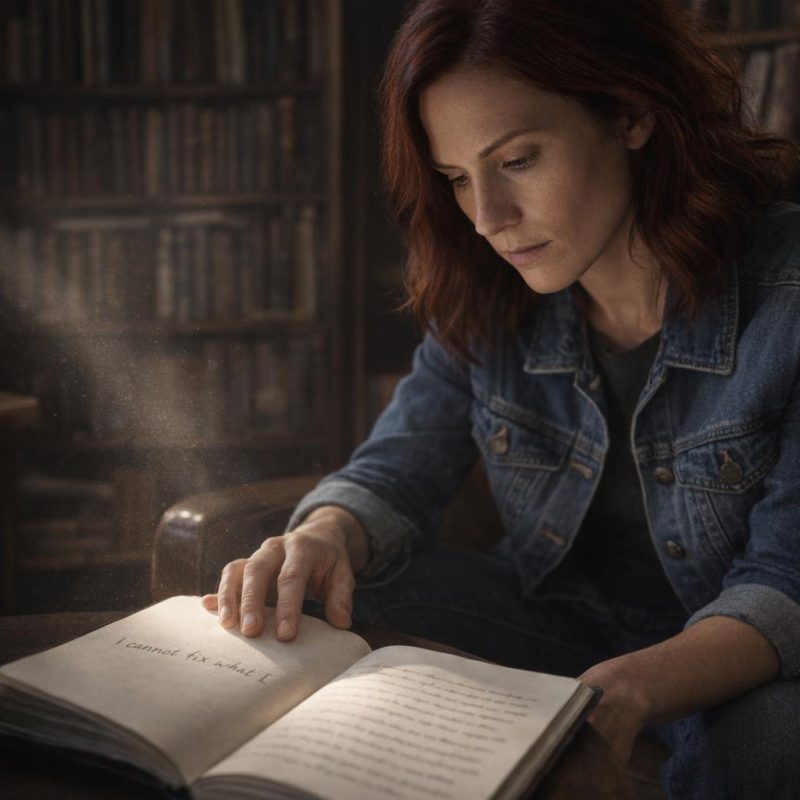 Image by RM AI
The Fringe Society
Evelyn hadn't stopped at what she'd witnessed herself. She'd gone looking for more, and the next several pages documented what she'd found. She'd tracked down references to an organization — she never used a proper name for it, only 'the society' or occasionally 'Edmund's associates' — that had apparently operated quietly during the worst years of the Depression, moving through certain circles, approaching men whose finances had reached a particular kind of desperation. She'd found what she described as membership records among Edmund's papers, though she didn't reproduce them in the journal, only noted their existence and what they implied. The society's practices, she wrote, were not advertised. She'd found a few oblique references in other sources — a letter, a clipping she didn't identify further — but nothing that explained their methods or what membership actually required. She wrote that their reputation, such as she could piece it together, was for delivering on their promises. That was the phrase she used: delivering on their promises. She'd underlined it once, lightly, and then written nothing else on that page. I sat with that for a moment, looking at the underline, thinking about what it meant to seek out an organization specifically because it was known to follow through, and what kind of desperation would drive a man there.
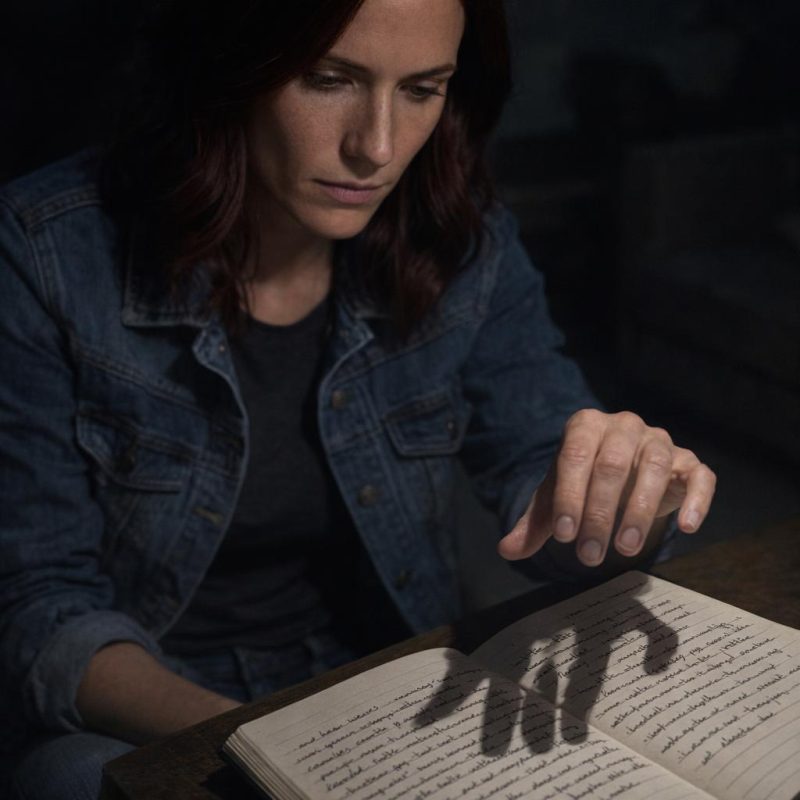 Image by RM AI
The Price of Survival
The document Evelyn described finding was in a locked box in Edmund's study — she'd found the key years after his death, tucked inside the lining of a coat she was finally clearing out. She wrote about opening the box with her hands shaking, about the formal legal language that covered the single page inside, about reading it twice before she trusted herself to make sense of what she was looking at. Edmund had agreed to something in exchange for the family's financial rescue. The terms were written in the kind of language that sounds precise until you try to pin down exactly what it means — obligations, considerations, future interests. Evelyn had copied several phrases into her journal, her handwriting tighter than usual, as though she were trying to get them exactly right. She wrote that she had sat with the document for a long time before she could bring herself to copy the last phrase — that she had set down her pen twice before she finally wrote it out. I read it in her handwriting, four words she'd set apart from the rest of the entry, underlined twice: 'payment in kind across generations.'
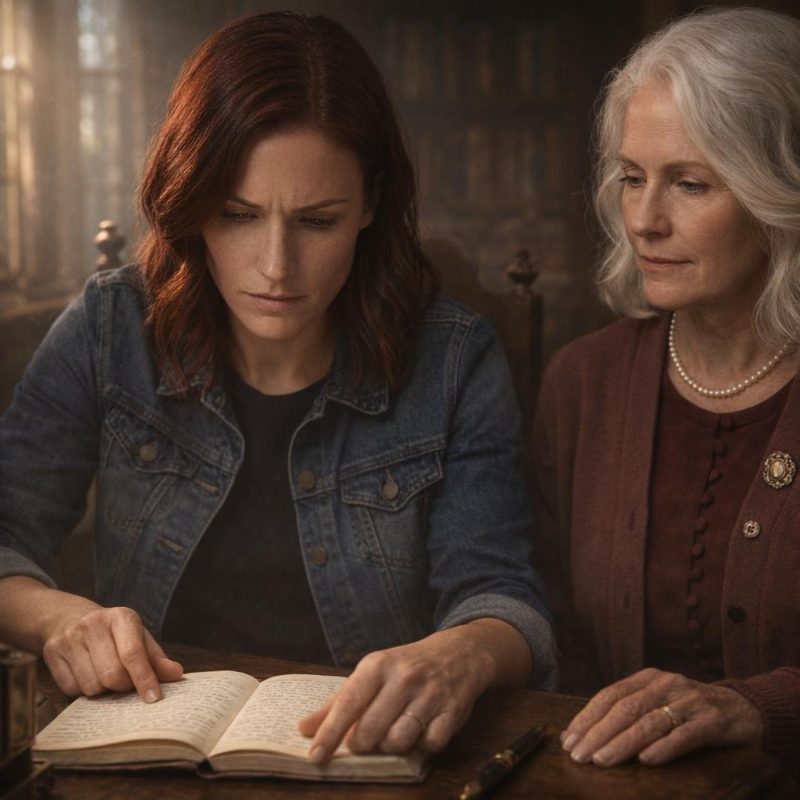 Image by RM AI
The Impossible Choice
Evelyn had not accepted what she'd found quietly. The entries that followed were the most active in all the journals — she'd gone to lawyers, two of them, presenting the document in terms vague enough that she wasn't sure they understood what they were actually looking at. Neither had found grounds to void it. She'd researched historical precedents for agreements made under financial duress, filled pages with notes in a cramped hand that was nothing like her usual careful script. She'd looked for loopholes in the language, for ambiguities she could argue, for any thread she could pull. Every avenue she documented ended the same way — a wall, a dead end, a legal or practical impossibility. She wrote about the sleepless nights in short, flat sentences, the kind of writing you do when you're too tired for anything more. She wrote that she had come to understand she could not undo what Edmund had set in motion, and that understanding had not arrived all at once but in pieces, each one worse than the last. Reading it, I felt the distance between us collapse — decades, the fact that I'd barely known her, all of it. What came through the pages was simply a woman who had tried every door she could find and found them all locked, and had to keep living inside that knowledge anyway.
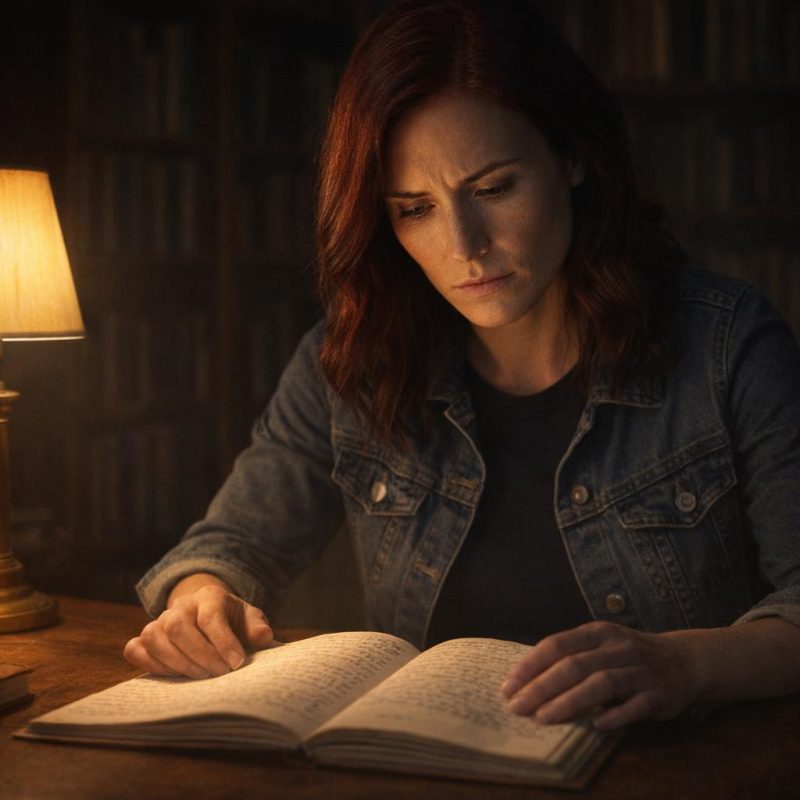 Image by RM AI
The First Hints of the Supernatural
The rational explanations ran out somewhere in the middle of the fifth journal. I could track the exact point where Evelyn's research shifted — the legal notes stopped, the historical precedents stopped, and in their place came something else entirely. She'd begun consulting different sources. She wrote about texts she'd found, some in the house's own library, some she'd apparently acquired through channels she didn't specify. The language in her entries changed with them: references to forces outside ordinary understanding, to debts that operated by different rules, to the idea that some agreements might outlast the people who made them. She documented things she'd read about — protections, countermeasures, methods others had supposedly tried — without committing to whether she believed any of it would work. Her tone had shifted too — the careful skepticism she'd maintained through the legal research was gone. She wasn't writing like someone exploring a hypothesis anymore. She was writing like someone who had run out of other places to look. I read those entries with the particular discomfort of not knowing what to do with them — not ready to follow her there, not able to dismiss what she'd documented. The last line on that page simply read: 'I have stopped looking for another explanation.'
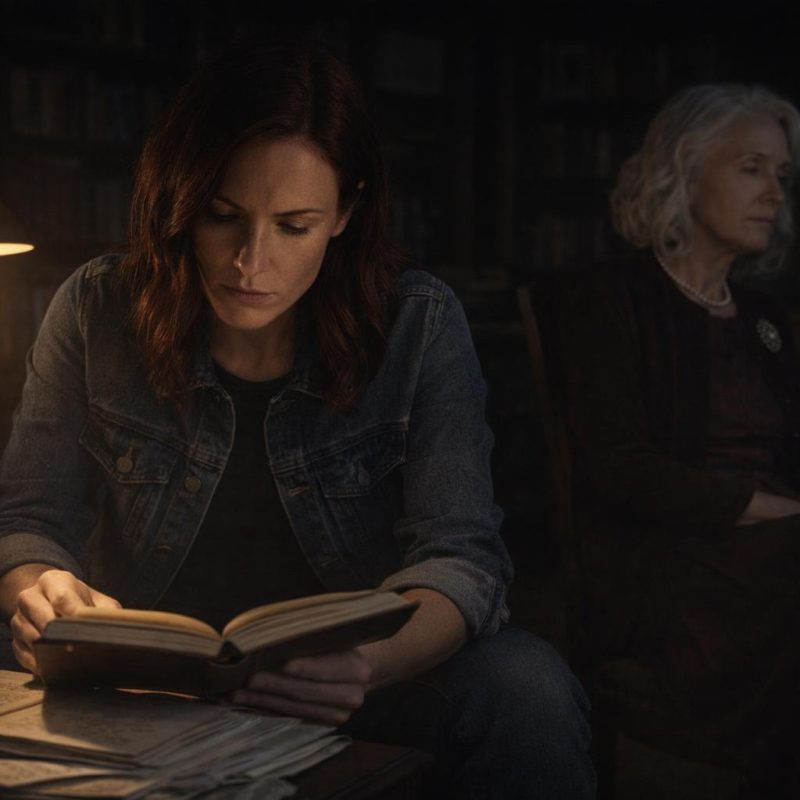 Image by RM AI
The Blood Records
I stood up from the desk and moved closer to the wall charts, close enough to read the small notations Evelyn had made beside each name. I'd assumed they were medical records at first — the kind of thing a careful person might keep. But the longer I looked, the more deliberate the organization seemed. Each child listed on the charts had a blood type recorded in Evelyn's precise handwriting, and she'd drawn connecting lines between them, color-coded in a way I couldn't immediately decode. I traced the lines with my finger without touching the paper. Margaret's entry was at the top. Thomas's below hers. Then the others, name after name, each with their type noted and a small symbol I didn't recognize. I stepped back and tried to take in the whole chart at once. The sequence of deaths ran left to right across the bottom margin, numbered. And when I matched those numbers to the blood type notations, something cold moved through me. The types weren't random — each blood type corresponded directly to a position in the death sequence, A to the first, B to the second, AB to the third, repeating across all seventeen names with a precision that made my hand press flat against the wall and my breath go very still.
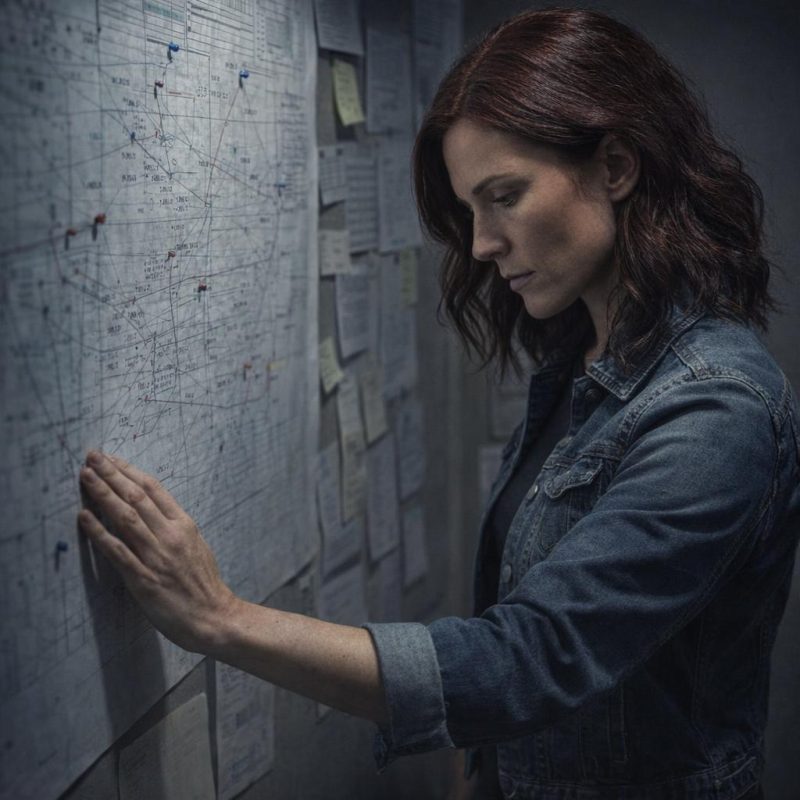 Image by RM AI
The Dates Don't Match
The folder was tucked beneath the charts, thin and brown with age, and I almost missed it. Inside were death certificates — official ones, stamped and signed, the kind that get filed with county clerks and stored in courthouse basements. I spread them across the desk and started matching names to the wall chart. Evelyn had recorded two dates beside each entry on the chart: one she'd labeled 'departure' in her careful script, and one that matched the official certificates exactly. I checked the first name. The departure date was eleven days earlier than the death certificate. I checked the second. Three weeks earlier. I went through all seventeen, one by one, and my hands had gone very still by the time I reached the last page. Every single departure date came before the official date of death. The gaps varied — days in some cases, weeks in others — but the direction never changed. Whatever Evelyn meant by 'departure,' it wasn't the same event the death certificates recorded. I set the final certificate down and looked at the two columns of dates side by side: the chart's dates in Evelyn's ink, the official dates in institutional black type, and not one of them matched.
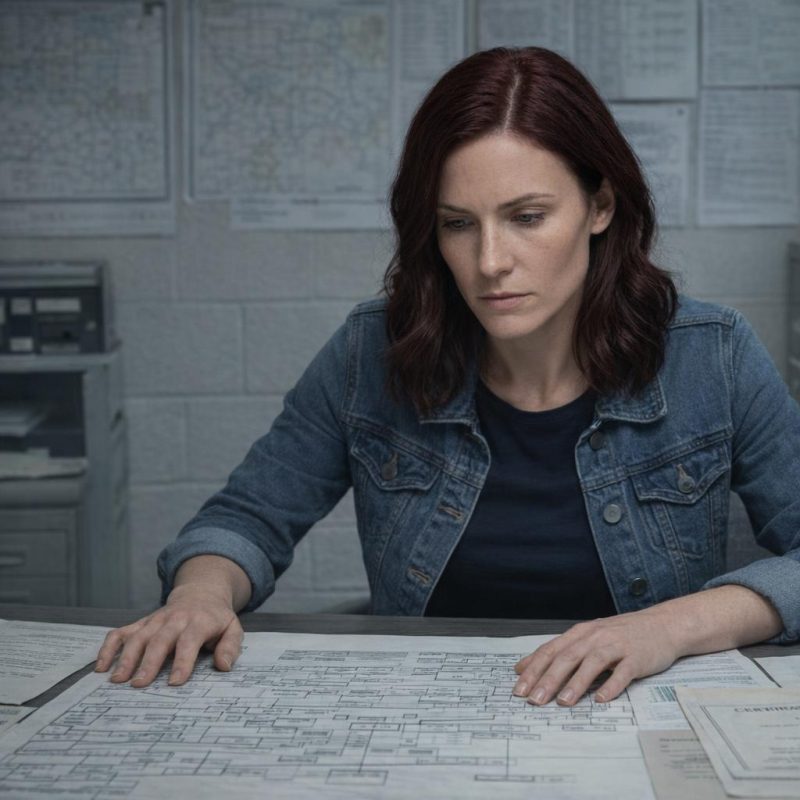 Image by RM AI
The Ledger Revealed
The ledger was sitting on the corner of the desk, and I don't know how I'd missed it before — it was small, leather-bound, dark red, the kind of book that looks like it belongs in a solicitor's office from another century. I opened it carefully, the spine cracking with the particular sound of something that hadn't been touched in years. Evelyn's handwriting filled the pages in columns, and the first thing I saw was the names. Seventeen of them, listed in order, the same names from the wall charts and the death certificates. Beside each one, pressed into the paper with what looked like a stamp or a seal, was a circle of dark red wax. I recognized Margaret's name near the top. Thomas's a few lines below. The others I'd come to know from the photographs and the journals, faces I could now match to entries. Each seal sat flush against its name like a period at the end of a sentence — final, deliberate, closed. I turned to the last page with a name on it and ran my thumb along the edge of the wax without pressing down. The seal was smooth and unbroken, identical to all the others, and the name beside it sat there in Evelyn's careful hand with the same terrible completeness as every name above it.
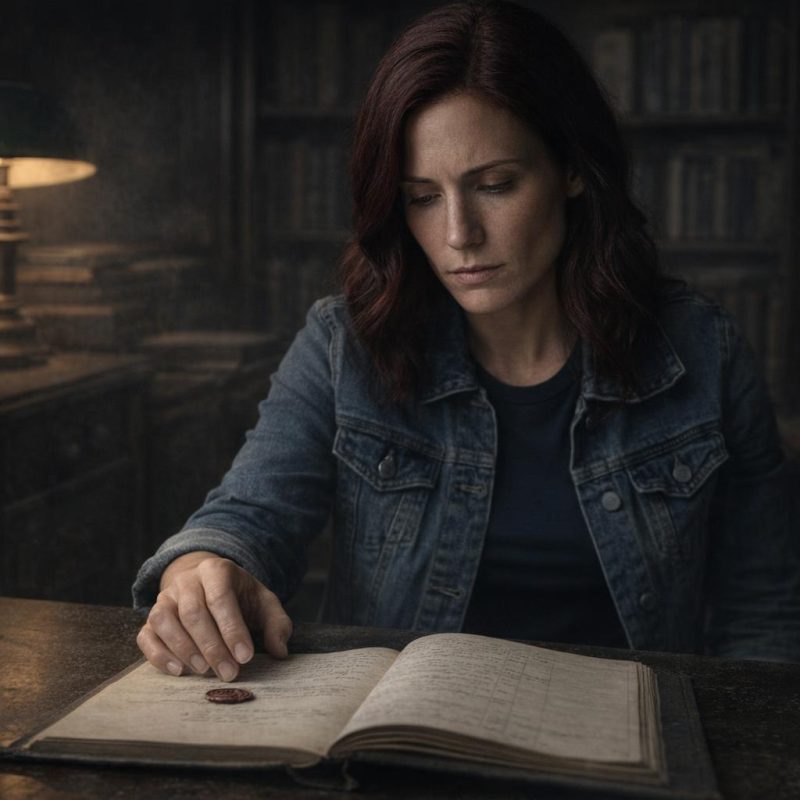 Image by RM AI
The Scholar's Mission
The journals from the middle decades were different in texture — the paper thinner, the handwriting more compressed, as though Evelyn had been trying to fit more onto every page. She documented her research the way a scholar documents fieldwork: methodically, without editorializing, with citations I couldn't always follow. She'd taught herself to read Latin from a grammar she'd ordered by post. Then ecclesiastical Greek. Then something she referred to only as 'the older script,' which she never named. She wrote about archives she'd visited — a library in Edinburgh, a private collection in Prague, a monastery in southern France that had allowed her access to materials she described only as 'pre-Reformation contractual theology.' She documented failed attempts without self-pity: a protective arrangement she'd constructed from three separate sources that produced no measurable result; a counter-ritual she'd performed twice, once in the house and once at the family plot, that changed nothing. The library downstairs, I understood now, wasn't a gentleman's collection assembled for appearance. Every volume in it had been a working document. Every margin note had been part of an ongoing argument she was having with a problem she couldn't solve. She had given her entire adult life to this room and these pages, and the weight of that — the sheer, quiet enormity of it — settled over me and didn't lift.
 Image by RM AI
The Strategy of Distance
Daniel's name appeared for the first time in the journals around the entry dated 1961, and Evelyn's tone shifted the moment she wrote it. She described his birth as something she hadn't expected — not the pregnancy itself, but the particular terror that came with it, the way she'd sat in the hospital and counted names on the ledger in her head. She wrote that she'd noticed something in the pattern, a possible gap, a variable she hadn't accounted for before. She didn't explain it fully — she wrote around it the way she wrote around things she wasn't certain of — but she wrote that she wondered whether proximity might be part of what sustained the connection, and that she intended to test the idea. She sent my father to boarding school when he was six. She wrote about the morning he left, the small case he carried, the way he'd looked back at her from the car. She couldn't bring herself to wave. She documented every subsequent visit with the same clinical restraint she used for her research notes, recording his hurt as observable data, his confusion as a variable she was monitoring. She wrote about the pain of it in a single line, buried between two research entries, as though she hadn't trusted herself to say more: 'Distance is the only protection I can give him.'
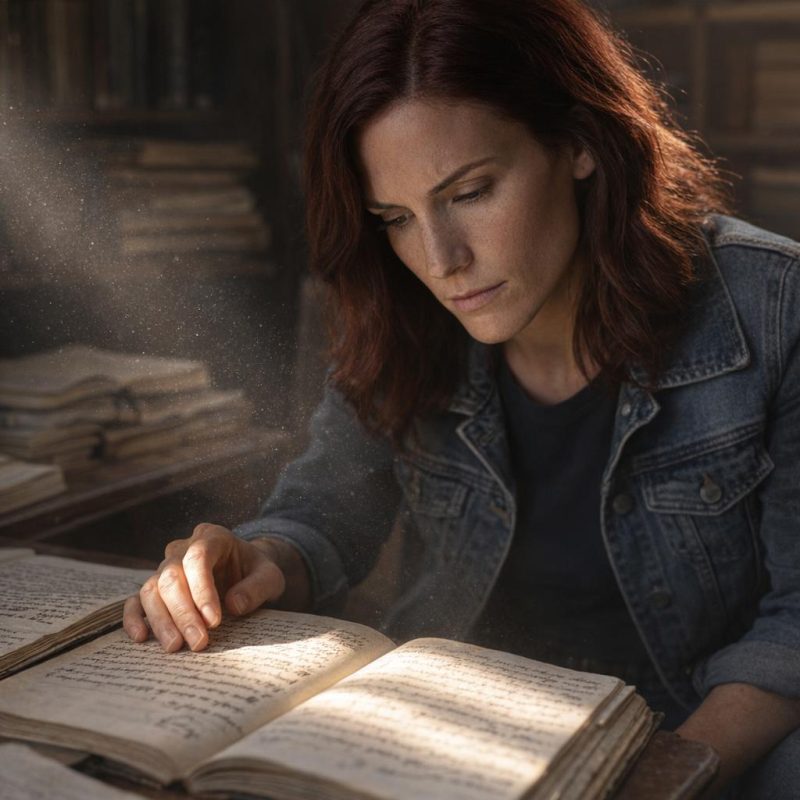 Image by RM AI
The Mother's Grief
She saved every letter my father sent her. She documented that in the journals too — not the contents of the letters, just the fact of them, the dates they arrived, the postmarks. She wrote about reading them alone in the study after the household had gone quiet, and then filing them in a box she kept locked. She never described writing back warmly. She recorded the responses she sent as brief, formal, appropriate — the word she used was 'appropriate,' and I had to stop reading for a moment when I saw it. There was an entry from the summer my father turned twelve where she wrote that he'd visited for a week and spent most of it trying to make her laugh. She documented his attempts the way she documented everything else, precisely and without embellishment, and then at the bottom of the page, in smaller handwriting than the rest, she wrote that she had cried for an hour after his car left the drive. She hadn't let herself do it while he could see. She'd stood at the window and watched the road long after the car was gone, and then she'd gone upstairs and let herself feel it where no one could witness it. I sat with the journal open in my lap, and the ache of it — for her, for my father, for all the years between them that had looked like coldness — settled into me like something permanent.
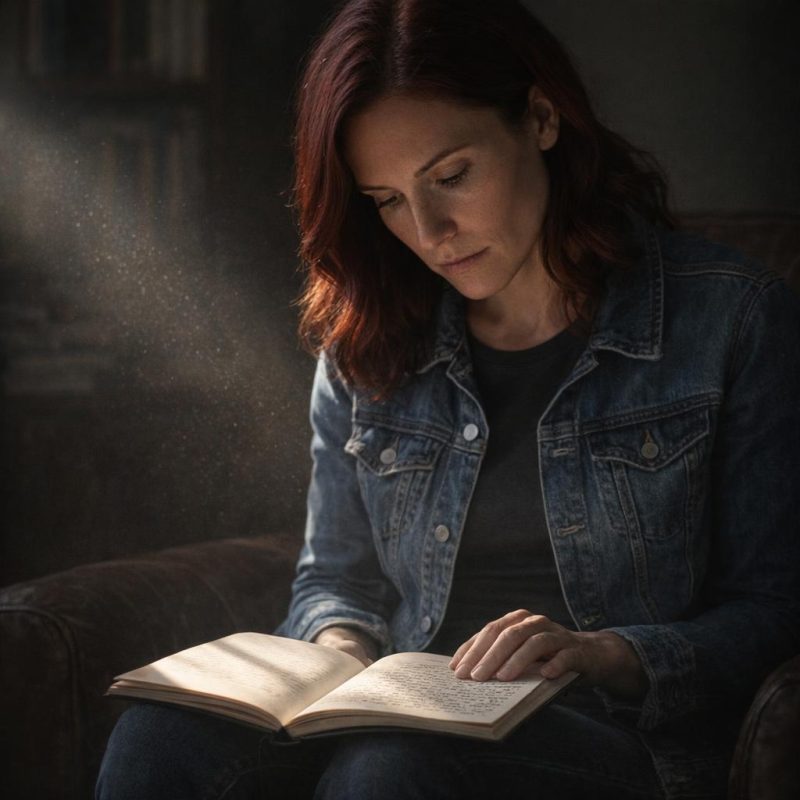 Image by RM AI
The Explicit Terms
The entry I'd been circling without knowing it was dated 1947, written in the months after Thomas died. Evelyn had finally committed to paper what she believed she understood about the ledger's requirements — not as theory, not as research notes, but as a plain accounting of what she had come to think was true. Edmund's agreement, as she described it, had specified a number. She didn't write where she'd learned this or how she'd come to believe it, only that she had, and that the number was seventeen. The debt, as she understood it, would be satisfied through descendants — not through any single generation, but across them, in the sequence the ledger recorded. She wrote about the mathematical quality of it with a kind of exhausted precision, the way someone writes about a disease after they've stopped hoping for a cure. Each name, she wrote, marked a portion of what was owed. The conditions were specific in ways she documented carefully but that I couldn't fully follow — there were terms around proximity, around bloodline, around what she called 'the line of inheritance.' She had spent years trying to find a gap in those conditions, some clause or exception that might hold. The journal entry ended mid-page, the remaining space left blank, and I sat in the quiet of the hidden room with the weight of what she'd written pressing down on me like something physical, immovable, and very old.
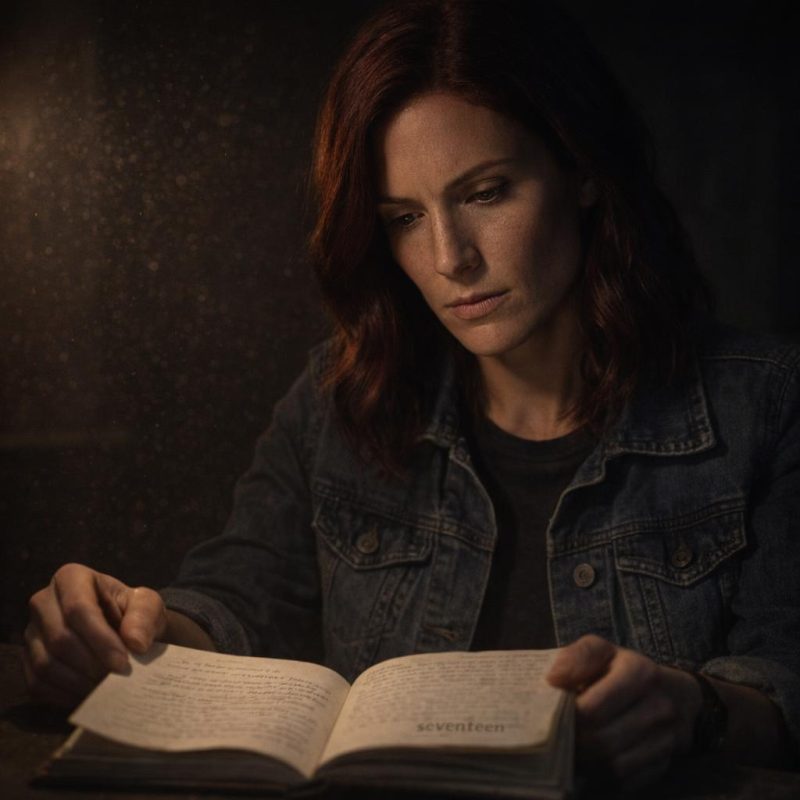 Image by RM AI
The Final Count
The final journals were thinner than the earlier ones, the handwriting looser in a way that suggested age or exhaustion or both. Evelyn had dated these entries carefully, and I could see from the timestamps that she'd written them in the last year of her life. She wrote about the ledger with a different quality than before — less like a researcher documenting an ongoing problem and more like someone tallying a column of figures they'd been adding for decades. She noted each name with the same spare language she'd used throughout, no elaboration, no grief visible on the surface of the words. She wrote about her life's work in terms of what remained rather than what had been lost, as though the accounting had become the only frame she had left. The entries grew shorter as the months passed. The handwriting steadied again near the end, as though she'd found some kind of equilibrium. And then I turned to an entry from eight months before she died, and I read it twice before I let myself believe what it said: 'Seventeen names in the ledger, and only one remains.'
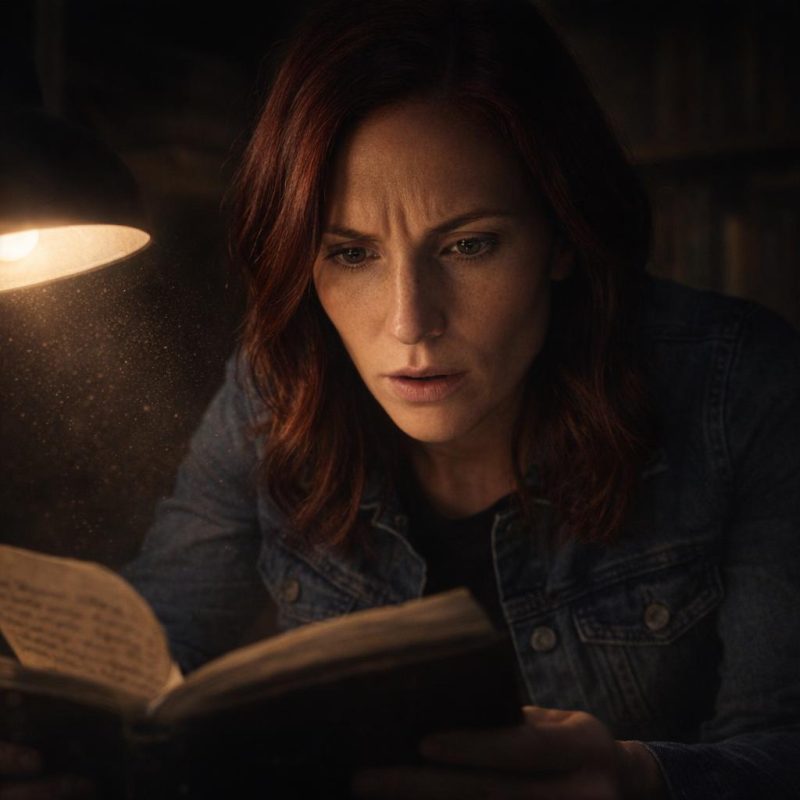 Image by RM AI
Seventeen Seals
I set the ledger flat on the worktable and made myself go through it name by name. Margaret was first — her name written in Evelyn's careful hand, a red wax seal pressed beside it like a period at the end of a sentence. I'd seen her face in the photograph albums, those dark braids and that wide, trusting smile, and now here she was reduced to an entry with a seal. Thomas came second, the serious-eyed boy in the formal clothes, his name carrying the same red mark. I kept going. Some names I recognized from other photographs tucked into the albums — children I'd assumed were cousins or distant relations, faces I'd glanced at without understanding what I was looking at. Others I didn't recognize at all, children who had apparently passed through this family and left no image behind, only this entry, only this seal. I counted as I went. Seven. Eleven. Fourteen. By the time I reached the final page my throat had closed entirely. Seventeen names. Seventeen red seals, each one pressed with the same deliberate weight, each one marking a life that had ended and been recorded and filed away. I sat with the ledger open in my lap, and the silence of the room pressed in around every one of those names.
 Image by RM AI
The Most Recent Entry
The final journal was the smallest of the set, its cover worn soft at the corners from handling. The first entry was dated four months before Evelyn died, and her handwriting had changed — still legible, still precise in its way, but slower, the letters pressing harder into the page as though each one cost something. She wrote about her hands aching. She wrote about the stairs being difficult. She wrote about the view from the upstairs window and how the light came through the oak trees in the afternoon, and I had to stop and breathe before I could keep reading, because she was describing the house I was sitting in right now. The entries grew shorter as the weeks passed. She wrote less about the ledger and more about fatigue, about sleep that didn't restore her, about a heaviness she'd carried so long she'd stopped noticing its weight until it began to lift. That phrase stopped me. Until it began to lift. She wrote about being ready. She wrote about the debt being nearly satisfied, about the end of a long accounting, and there was something in the language — not peace exactly, but the particular exhaustion of someone who had held a terrible thing upright for decades and could finally see the ground coming up to meet them. The weariness in those last pages settled over me like something physical.
 Image by RM AI
The Confession
Near the middle of the journal I found a single entry set apart from the others. Evelyn had drawn a line across the top of the page and written two words beneath it: The Truth. Her handwriting steadied here, as though she'd gathered herself before beginning. She wrote that she had kept this account for decades and that she owed it to whoever came after her to say plainly what she had never been able to say aloud. She wrote about Edmund — her father-in-law, Richard's father — and about the years before she married into the family, when the Hargrove name still carried weight and money and a kind of cold confidence she had mistaken for stability. She described a meeting Edmund had attended in the winter of 1931, a gathering of men she called a fringe society, men who dealt in things she had spent her life trying to understand and could still not fully explain. She wrote about documents she had found in Edmund's study after his death, contracts written in language that was not quite legal and not quite anything else. She wrote that she had read them three times before she accepted what they said. My hands were shaking by the time I reached the line she had underlined twice at the bottom of the page: Edmund made a pact with forces beyond our understanding.
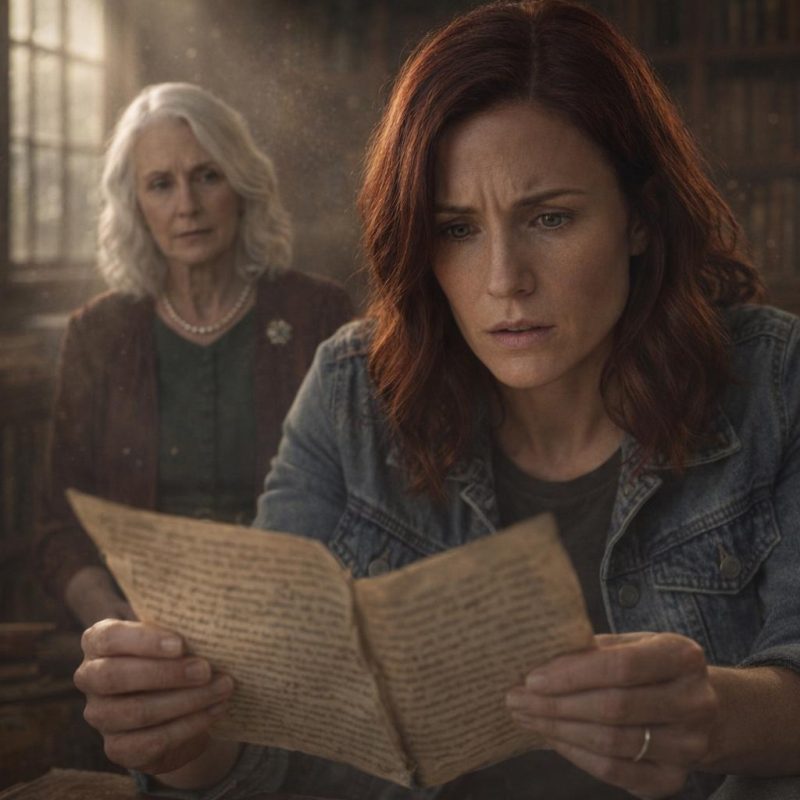 Image by RM AI
The Price Revealed
I turned the page and kept reading, even though some part of me wanted to close the journal and put it back on the shelf and walk out of this room and never return. Evelyn had written the mechanics out in plain language, as though she'd rehearsed the explanation so many times it had worn smooth. Edmund had agreed to a tally. That was the word she used — tally — and she used it without flinching, the way you use a word when you've made yourself say it enough times that it stops feeling like what it is. He had agreed to a number of lives drawn from his bloodline, each one satisfying a portion of the obligation he had signed into existence in that winter of 1931. The deaths would appear natural. The timing was not random. She wrote that she had tried to find a pattern, some logic she could interrupt or redirect, and that she had found the pattern but could not interrupt it. She had watched each death come the way you watch weather move across a flat landscape — visible from a distance, inevitable on arrival. The ledger, she wrote, was her way of bearing witness, because there was nothing else she could do. She could not prevent the payments. She could only record them. I sat with that sentence for a long time, the journal open across my knees, the weight of what she had documented pressing down through every page.
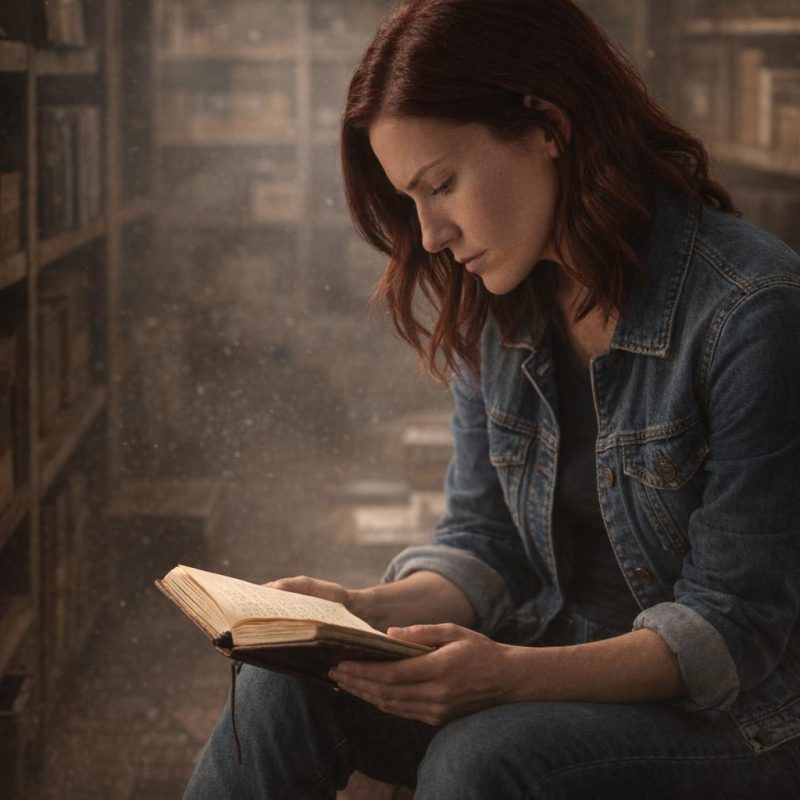 Image by RM AI
The Gatekeeper's Burden
The next entry was the longest Evelyn had ever written. She must have known it would be the one that mattered, because she started at the beginning — the real beginning. Edmund Hargrove had joined a society in December of 1931, men who gathered at the edge of what she called legitimate scholarship and practiced something older and less forgiving. The family was facing ruin. Edmund had signed a contract, a binding supernatural agreement, trading a blood debt against his line in exchange for the family's financial survival. Seventeen lives. That was the number specified. Drawn from his descendants, collected across generations, each death a payment against the original sum. Evelyn had discovered the contract as a young bride, tucked inside a false panel in Edmund's study, and she had spent the next fifty years trying to find a way to void it. She had filled the library with occult history, folklore, contract law both legal and otherwise. She had corresponded with scholars on three continents. She had found no loophole that held. So she had done the only thing left to her: she had become the gatekeeper. She documented every death. She managed what she could not stop. She pushed everyone she loved to the edges of her life to keep them out of the debt's reach. I set the journal down on the table and stared at the wall of charts, and the full shape of my grandmother's life finally came clear — every cold year of it, every closed door, every silence that had looked like indifference and was something else entirely.
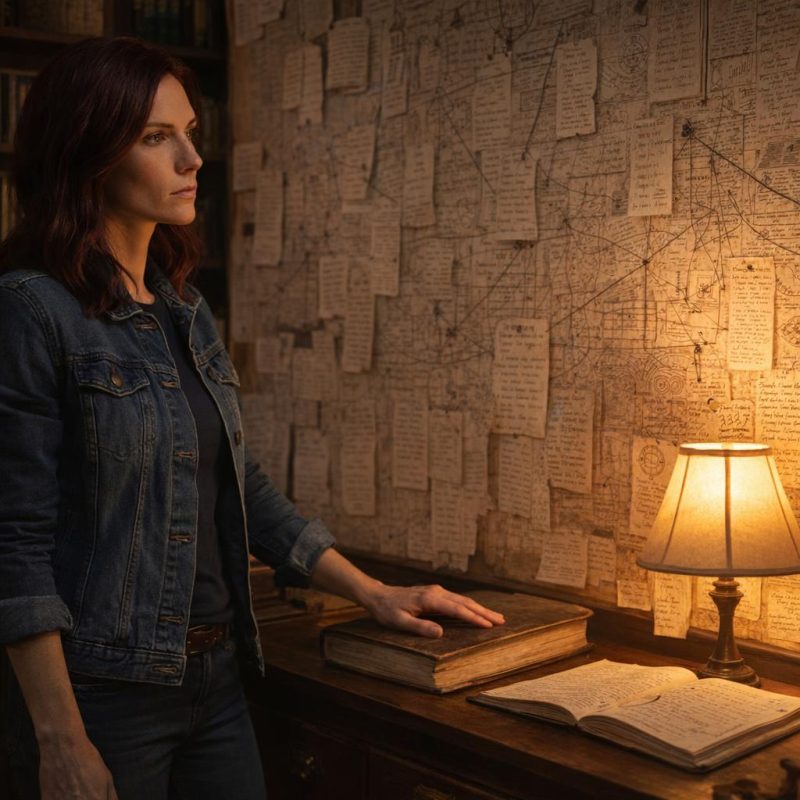 Image by RM AI
Reframing the Past
I stayed in the hidden room for a long time after that, not reading, just sitting with what I now knew. I looked around at the shelves — the occult texts, the folklore collections, the bound correspondence — and I saw them differently now. This hadn't been a scholar's library. It had been a research station, a decades-long desperate attempt to find a door out of a locked room. The wall charts I'd spent days trying to decode were case files. The ledger was evidence. Every object in this room had been a tool in a fight Evelyn had been losing slowly and winning in the only way she could. I thought about the house itself — the oppressive weight of it, the way every room felt like it was holding its breath, the atmosphere I'd attributed to age and isolation and grief. I thought about Evelyn's watery eyes in the few photographs I had of her, the formal posture, the expression that had always read to me as coldness. I thought about the friends she'd apparently never kept, the social invitations she'd declined for decades, the way she'd held everyone at arm's length. She hadn't been cold. She'd been protecting people. She had spent her entire adult life managing something monstrous, and she had done it alone, and now I was sitting in the room where she'd done it, and I had no idea what I was supposed to do next.
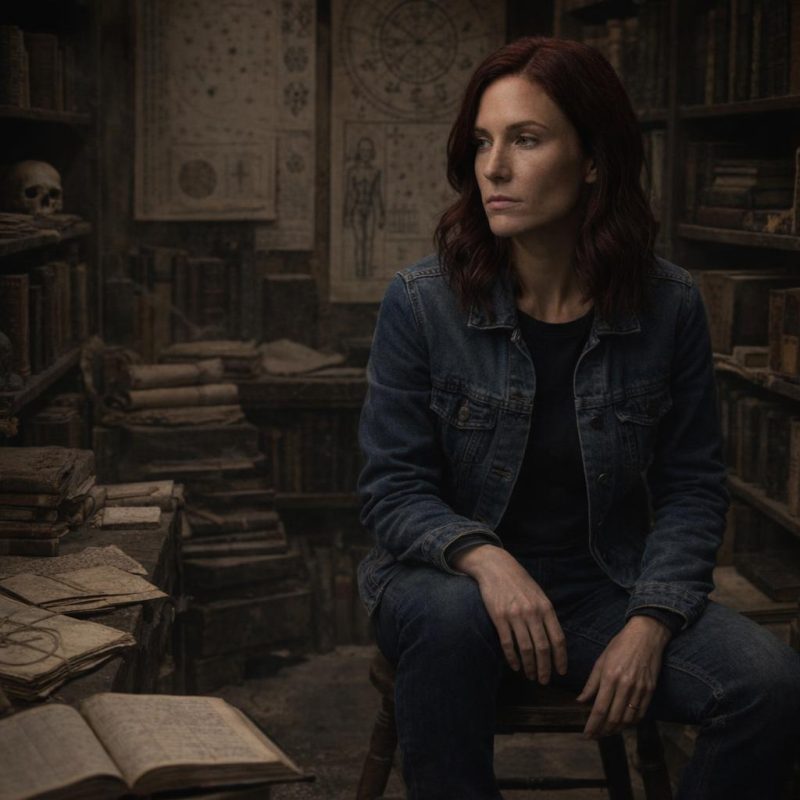 Image by RM AI
The Sacrifice of Motherhood
I went back to the entries about my father. I'd read them before without understanding them, and now I read them again with everything I knew sitting behind my eyes. Evelyn had sent Daniel away when he was nine years old — boarding school first, then university, then a quiet but firm insistence that he build his life elsewhere. I had always understood, from the little my father had told me, that he'd grown up feeling unwanted. That his mother had been distant and formal on the rare occasions they were together, that her letters had been brief and correct and never warm. Reading those entries now, I could see what those interactions had cost her. She had written about each visit in private, in language she would never have used to his face — how tall he was getting, how he laughed like Richard, how she had to be careful not to hold on too long when they said goodbye because she was afraid she wouldn't let go. She had saved every letter he sent her. She had read them until the paper softened at the folds. She had let him believe she didn't love him because she believed that distance was the only thing keeping him alive, and she had paid for that choice in the currency of his confusion and her own private grief. The love she had hidden from him was right there in the pages, enormous and unspoken and entirely his.
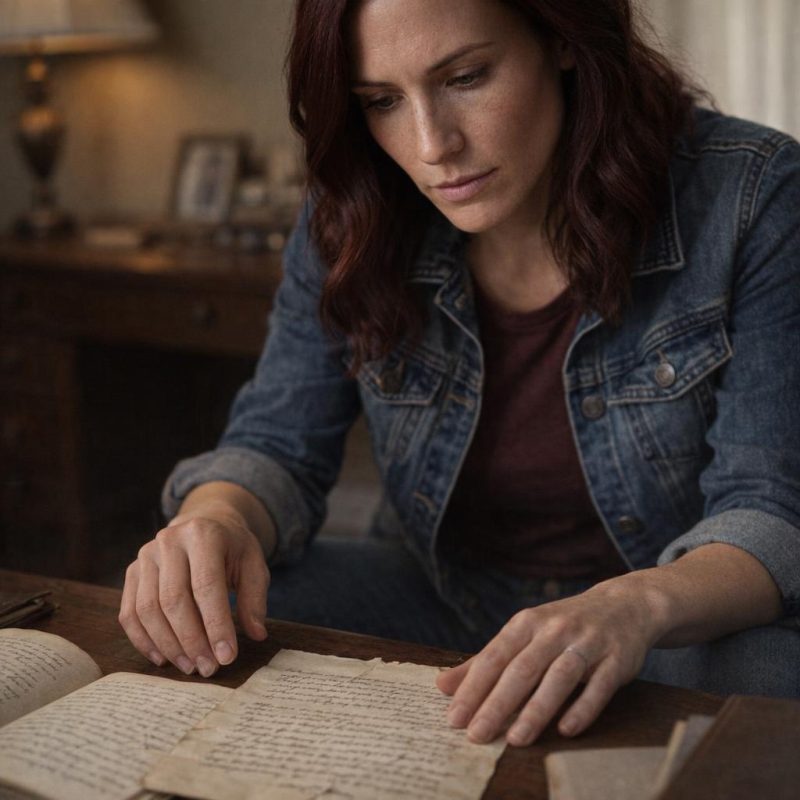 Image by RM AI
The Green Circle
I got up from the chair and crossed to the wall charts, running my finger along the columns until I found my father's name. Daniel. It was there among the others, listed in Evelyn's careful hand in the same column as Margaret and Thomas and all the rest. But beside his name, instead of a red seal, there was a circle drawn in green ink — the only green mark on the entire chart. Inside the circle, in handwriting slightly smaller than the surrounding entries, Evelyn had written one word: Exempt. I stood there looking at it for a long time. The red seals were everywhere else on that chart, seventeen of them, each one a closed account. And here was Daniel's name inside its green circle, untouched, carrying that single word in his mother's hand. She had done it. Whatever the mechanism, whatever the logic of distance and separation she had worked out across decades of research, it had held. She had found the one thing that worked and she had applied it to the one child she had left, and it had been enough. The green circle sat quiet on the page, surrounded by all that red, and it was the most hopeful and most heartbreaking thing I had seen in that room.
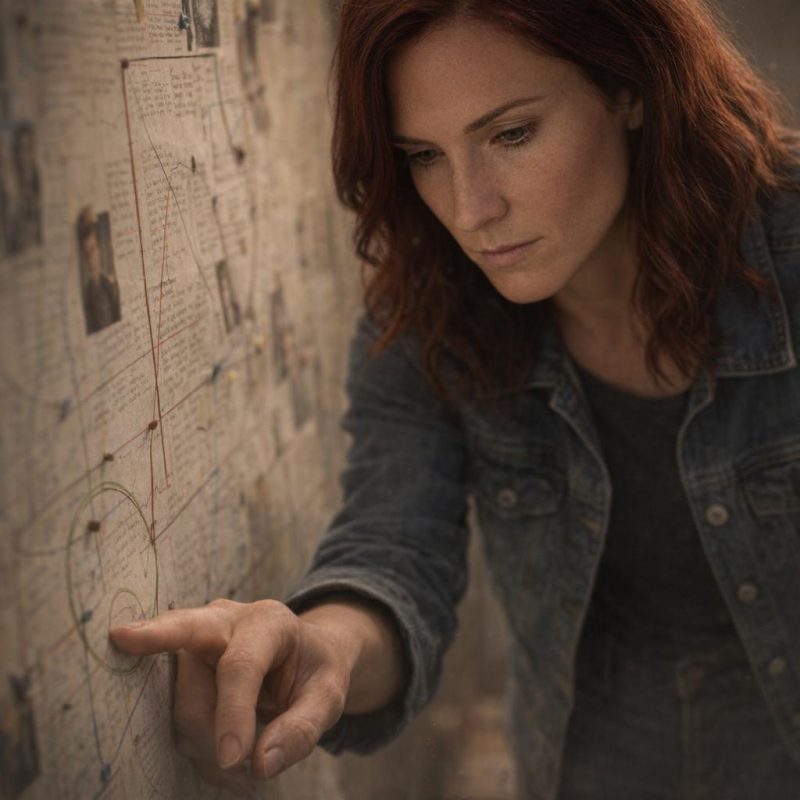 Image by RM AI
My Name in Pencil
I turned back to the ledger. I don't know what made me do it — some instinct, some pull I couldn't name — but I flipped to the very last page, past all the red seals and the careful columns, past the green circle with my father's name inside it. The page was almost blank. Just the faint texture of old paper and the smell of dust and something older underneath. I had to tilt the ledger toward the lamp to see it at all. Down at the bottom, in handwriting I recognized as Evelyn's but lighter than anything else in the book, written in pencil rather than ink, was a single name. My hands went still. The letters were faint enough that I had to lean in close, close enough that my breath fogged the page. No red seal beside it. No green circle. No notation of any kind. Just the name, sitting there at the bottom of everything, unfinished and unresolved, like a question Evelyn had not yet answered. My own name, written in my grandmother's hand.
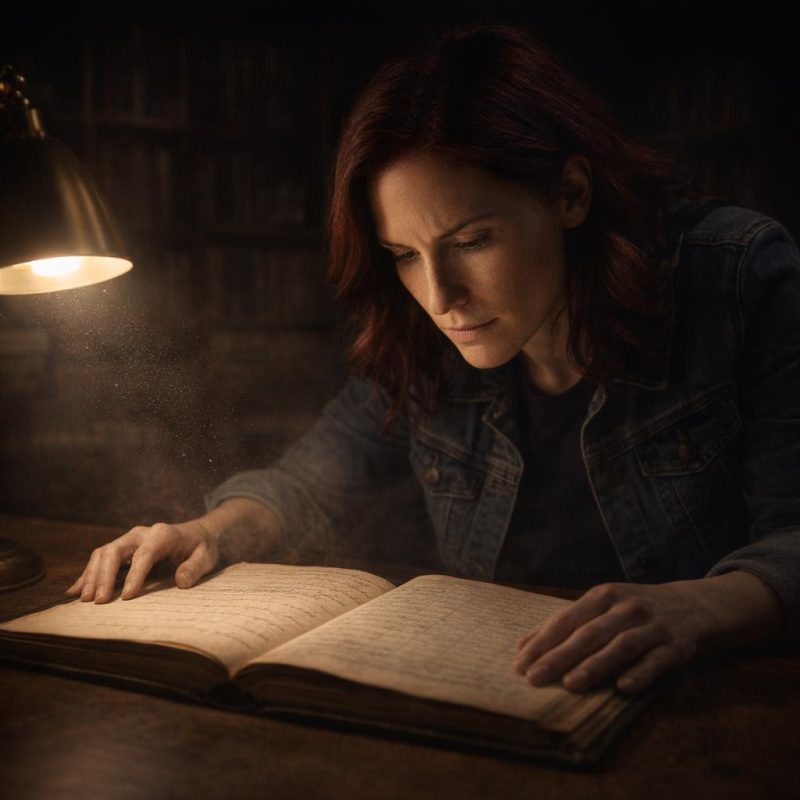 Image by RM AI
The House as Anchor
I set the ledger down carefully and reached for the last journal — the one I had left closed because something about its cover felt final. The entry near the end was dated only three years ago, and Evelyn's handwriting had grown smaller and more compressed, as though she were trying to fit everything into the space she had left. She had written about the house itself. Not as a home, not as a burden, but as a mechanism. She had spent years testing the boundaries of the debt, mapping where its reach ended and where it held, and what she had found was this: the ledger was the record, but the house was the anchor. The supernatural debt Edmund had created was geographically bound — tied to this land, these walls, this foundation. As long as the ledger remained inside the house, the curse stayed here too. It could not follow anyone who left and stayed gone. That was why she had sent my father away as a child and never called him back. That was why she had never left herself — because someone had to stay with it, to keep it contained. The last line of the entry read: *The house holds it. The house is the lock.*
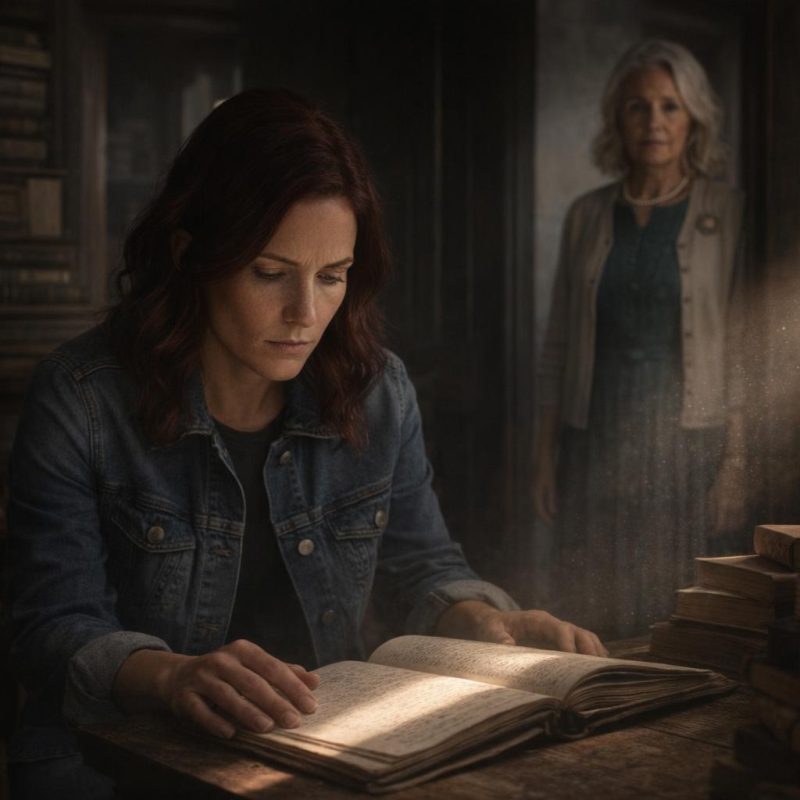 Image by RM AI
The Weight of Choice
I sat on the floor of the hidden room for a long time after that, my back against the cold stone wall, the journals spread around me like the aftermath of something. I understood now. I could walk out of this house, get in my car, drive until the Victorian roofline disappeared from my mirrors, and never come back. The debt would stay here. It couldn't follow me. That was the exit Evelyn had found and documented and left for me like a key under a mat. But the house would still be standing. The ledger would still be inside it. And eventually someone else would buy it — some family who saw the high ceilings and the original woodwork and the price that reflected a dead woman's estate — and they would move in without knowing what lived in the walls. I thought about Margaret. I thought about Thomas. I thought about seventeen names in red ink and a woman who had spent her entire life in this house so the thing inside it wouldn't get out. The weight of what I had to decide pressed down on me in the silence, and I sat with it, and I did not move.
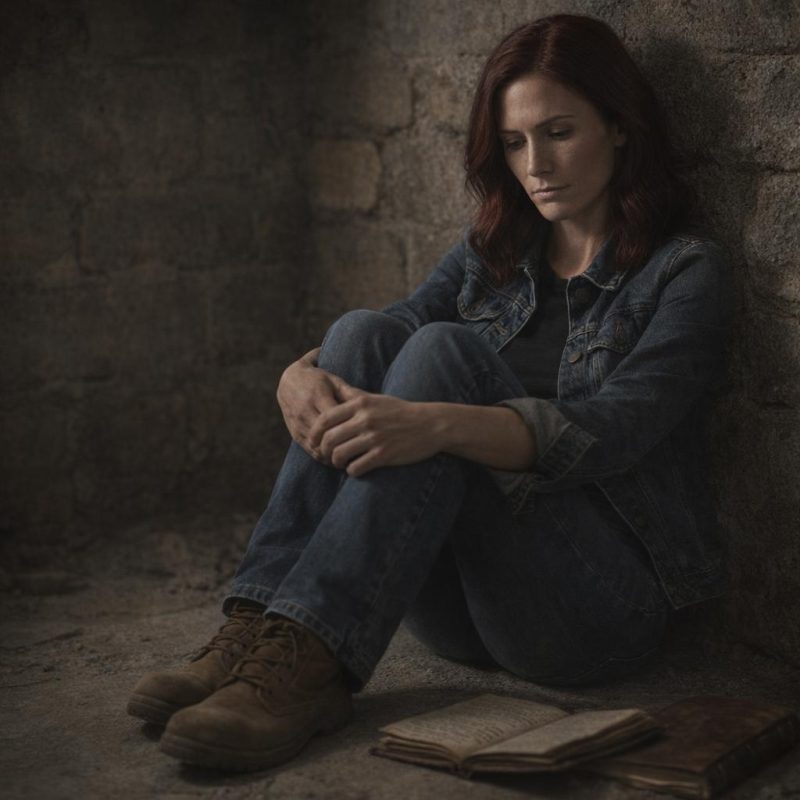 Image by RM AI
Evelyn's Final Gift
I found the entry near the back of the last journal, on a page that had been left slightly apart from the rest, as though Evelyn had folded the corner down and then smoothed it flat again. At the top, in her most careful hand, she had written: *To my grandchild, who will find this room.* She had known. She had known I would come, that curiosity or grief or some inherited stubbornness would bring me through the bookcase and into this space she had kept sealed for decades. She wrote that she was sorry for the distance, that keeping me away had been the only protection she could offer. She wrote about Margaret and Thomas without flinching, calling them by name, saying she had loved them completely and that loving them had not been enough to save them. She called herself the first and last Queen of this house, and she said she did not want to be mourned for it. Then, near the end, she wrote: *You owe this house nothing. You owe Edmund nothing. Walk away and do not look back. That is not abandonment. That is the only victory left.* I sat holding the journal in both hands, and the room was very quiet around me.
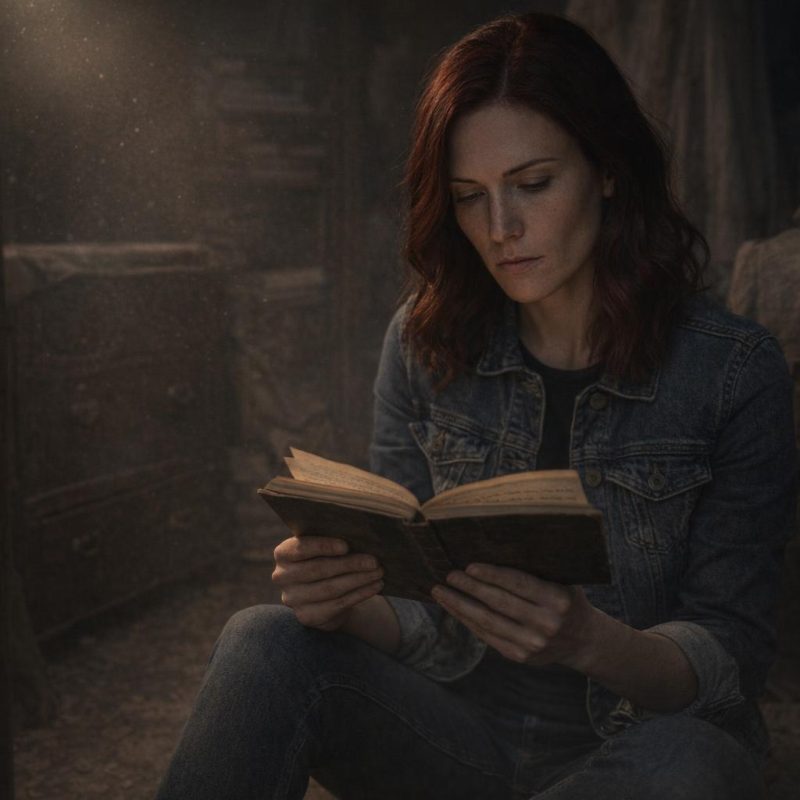 Image by RM AI
The True Inheritance
I had come here thinking the inheritance was the house — the Victorian bones of it, the library, the furniture, the weight of a family name attached to something old and solid. I had imagined selling it, or restoring it, or at least understanding it before I decided. None of that was the real gift. I could see that clearly now, sitting on the floor of a hidden room with a dead woman's journals in my lap. Evelyn had spent sixty years in this house so that I would not have to spend sixty minutes afraid in my own. She had buried two children and outlived her husband and refused every comfort that would have required her to leave, and she had done all of it so that the thing Edmund had built would stop with her generation and not reach mine. She had paid seventeen times over for my freedom and then written me a letter telling me to take it without guilt. The house, the books, the estate — those were just the wrapping. What she had actually left me was a life that the debt could not touch. I understood that now, and the understanding settled into me like something that had always been true and was only now being named.
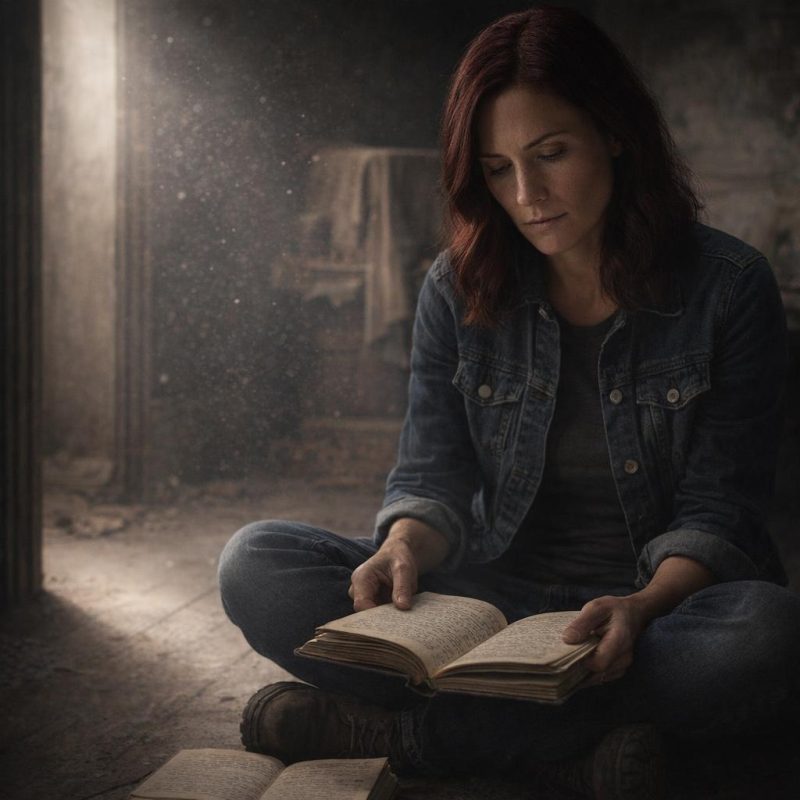 Image by RM AI
The Decision
I stood up. It wasn't a gradual thing — one moment I was sitting on the stone floor with the journal in my hands, and the next I was on my feet and the decision was already made, solid and complete, like it had been waiting for me to catch up to it. I was not going to sell this house. I was not going to walk away and leave the ledger inside it for the next family to inherit without knowing what they were taking on. The anchor had to go. The ledger had to go. The wall charts and the journals and the hidden room and the Victorian bones of the whole structure — all of it had to go, because as long as any of it stood, the debt had a place to live. Fire would do what sixty years of research and sacrifice had not been able to do. It would take the ledger and the anchor together, and whatever Edmund had built would have nothing left to cling to. Evelyn had contained it. I was going to end it. I picked up the last journal, set it back on the shelf with the others, and walked out of the hidden room toward the kitchen.
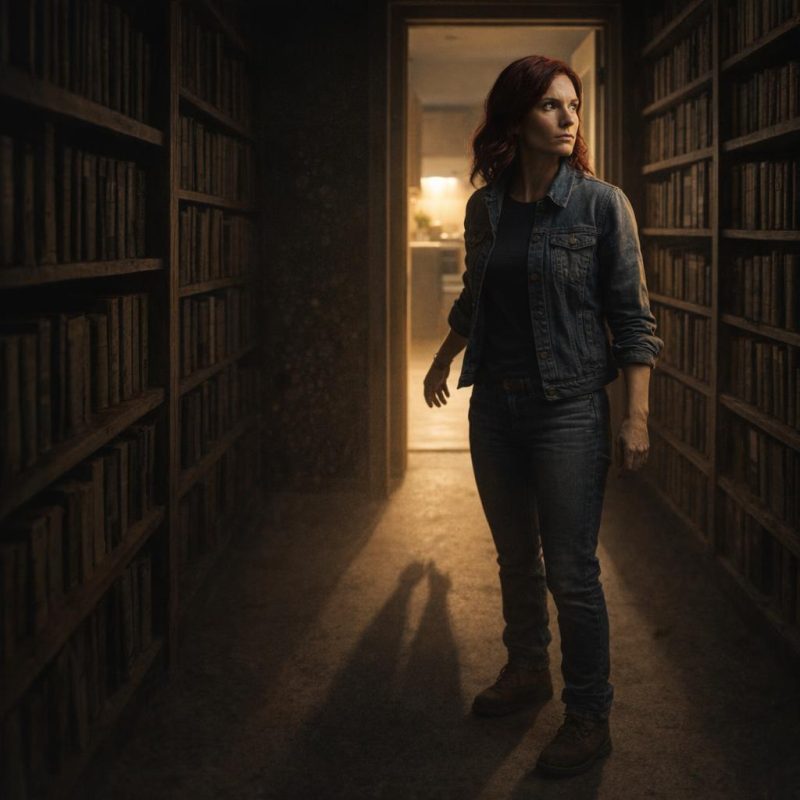 Image by RM AI
Gathering the Accelerant
The kitchen was bright after the dimness of the hidden room, and I stood in it for a moment letting my eyes adjust. I knew what I was looking for. Under the sink, behind the cleaning supplies, there was a gallon jug of kerosene — I had noticed it the first week, when I was still cataloguing the house's contents and writing everything down in a notebook like any of it was going to matter. I pulled it out and set it on the counter. It was nearly full. I went to the garage next, moving through the side door off the hallway, and found two more jugs on the metal shelving unit along the back wall, both sealed, both heavy when I lifted them. I carried them back inside one at a time and lined them up on the kitchen floor. Three gallons. The house was large but the rooms were close together and the wood was old and dry. Three gallons would be enough to start what the structure itself would finish. I looked at the jugs sitting in a row on the tile, and I felt nothing that resembled doubt. The three containers sat on the kitchen floor, each one full, each one waiting.
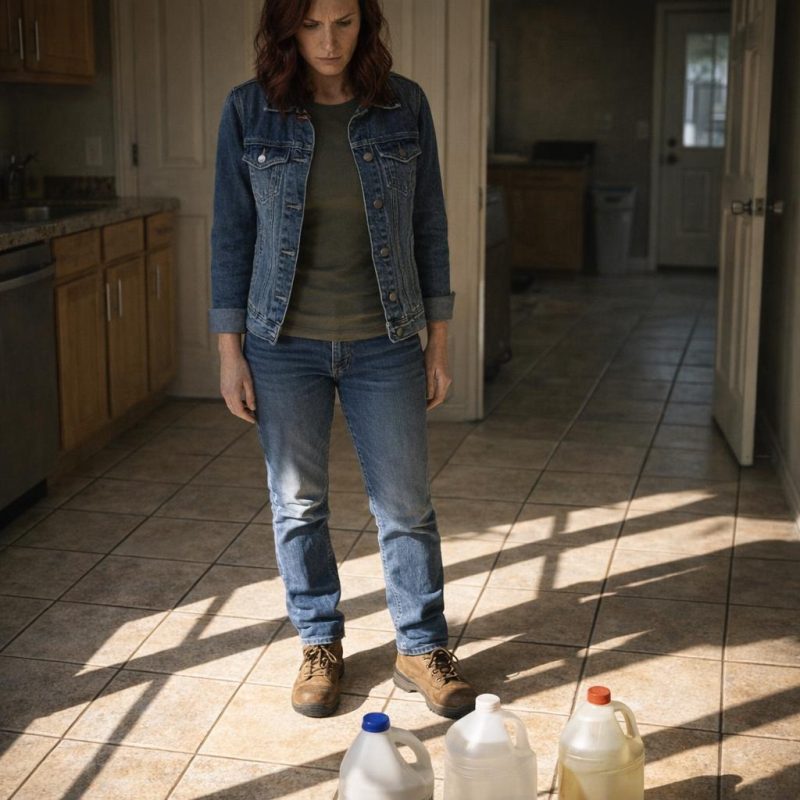 Image by RM AI
Dousing the Rooms
I started in the library. It felt right to start there — all that knowledge, all those rare spines Evelyn had collected across decades, and underneath it the rot that had made the collecting necessary. I tipped the first jug and walked the shelves slowly, letting the kerosene run down the mahogany and pool on the floor, soaking into the spines of books that had never been meant to be read by anyone but her. The smell hit immediately, sharp and chemical, cutting through the old-paper smell that had defined the house since I arrived. I moved to the study, then the parlor, then the upstairs hallway, working methodically, room by room, the way I had catalogued the house in those first weeks — the same patience, the same attention, pointed now at a different end. By the time I reached the bookcase, the second jug was nearly empty. I pressed the mechanism, stepped through into the hidden room, and uncapped the third. The journals lined the shelves in their careful order. The wall charts hung where Evelyn had pinned them. The ledger sat on the table where I had left it, my name still faint in pencil at the bottom of its last page. I upended the jug and walked the room until the floor ran dark and the pages of the ledger darkened with it.
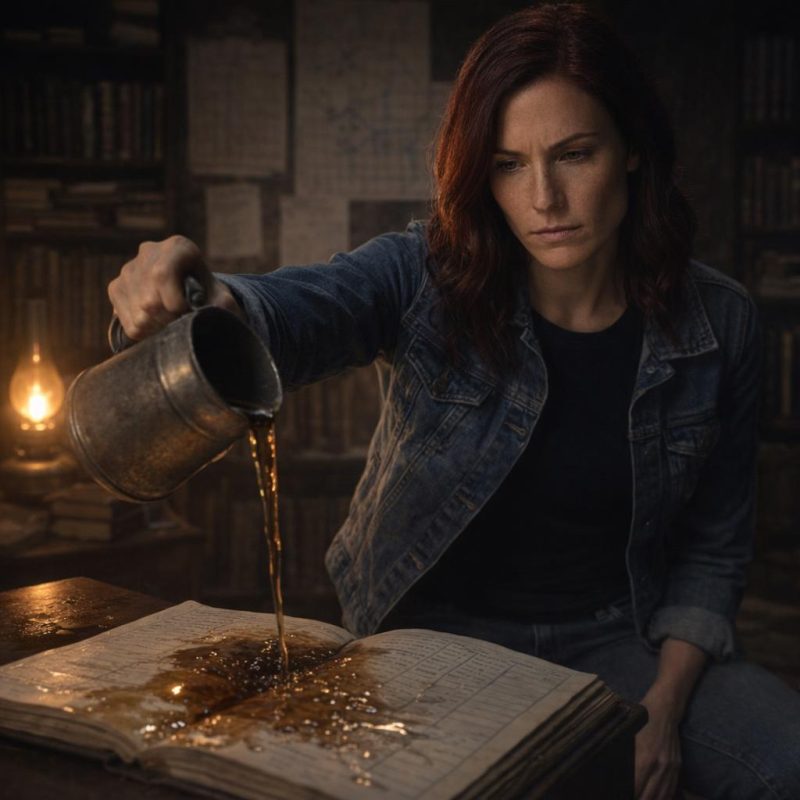 Image by RM AI
The Cleansing Fire
I struck the match in the library doorway, where the kerosene had pooled thickest along the baseboard. The flame touched the floor and the fire didn't creep — it ran. It moved the way something does when it has been waiting, racing along the trail I had laid through the shelves, climbing the mahogany in sheets of orange and blue. I walked backward toward the hallway, watching it take the spines of those books one by one, and then all at once. The heat pushed against my face before I had even reached the stairs. I didn't run. I walked the way I had walked every room of this house — deliberately, with my eyes open — down the front hall, past the parlor already roaring behind its closed door, and out through the front entrance onto the porch steps. I turned at the bottom of the lawn. Every window on the ground floor was lit from inside, and as I watched, the fire found the hidden room. The wall where the bookcase had stood blew outward in a single bright pulse, and the night opened up around the house like something exhaling.
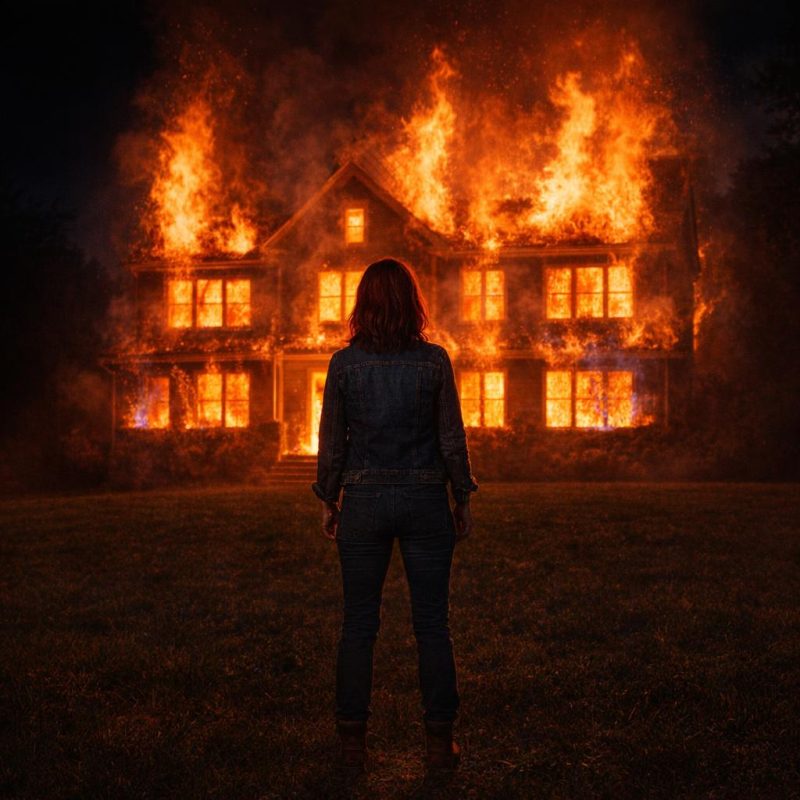 Image by RM AI
The Collapse
I stood on the lawn and let it burn. The heat reached me even at that distance, pressing against my skin in waves, and the flames had climbed past the second-floor windows and were working on the roofline before the first spire went. It didn't fall dramatically — it listed, groaned somewhere deep in the timber, and then folded inward, swallowed by the fire before it could hit the ground. The second spire followed within minutes. I watched the Victorian silhouette I had catalogued in photographs, the one that had loomed over every family story I had never been told, reduce itself to a bright, collapsing outline against the dark sky. Somewhere in there the ledger was ash. The wall charts, the journals, the careful handwritten record of every name Edmund had traded away — all of it gone. The hidden room, which had held those secrets for decades, caved in with a sound like a long breath finally let out. I had expected to feel something sharp — grief, or guilt, or the particular vertigo of destroying something irreplaceable. What came instead was quieter than that, and it settled into my chest like the first full breath I had taken since I walked through that front door.
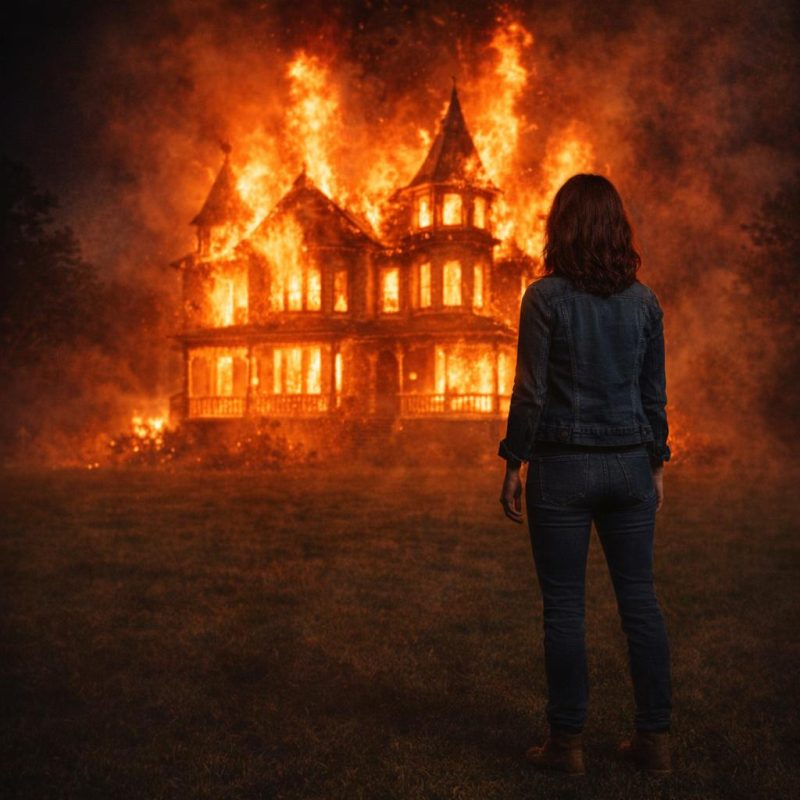 Image by RM AI
The Weight Lifted
The fire burned through most of the night. I didn't leave. I sat on the cold grass with my knees pulled up and watched the house become a skeleton, then embers, then a low orange glow that pulsed when the wind shifted. At some point the pressure I had been carrying — the one I hadn't had a name for until I found the ledger, the one that had sat behind my sternum since the moment I first stepped into that house — simply wasn't there anymore. It didn't lift dramatically. It didn't announce itself. It was more like setting down a bag you've carried so long you forgot it was in your hand. The air smelled of smoke and wet grass and something underneath both of those things that I couldn't identify, something clean. I thought about Evelyn spending sixty years in that house, tending the debt, keeping the ledger, making sure no one she loved came close enough to be written into it. I thought about what it had cost her to live that way, and what it had cost my father to be sent away from it, and what it had cost Margaret and Thomas before either of them had a chance to understand why. The smoke drifted upward and thinned against the stars, and I sat with all of it, and the night held still around me.
 Image by RM AI
A Future Without Price
When the glow had faded to gray and the foundation was cooling, I stood up, brushed the grass from my jeans, and turned my back on it. I had come to this house with a car full of cataloguing supplies and a folder of estate paperwork, expecting to spend a few weeks sorting through an eccentric grandmother's belongings before listing the property. I was leaving with none of that. No inventory. No photographs saved. No heirlooms wrapped in tissue paper for the drive home. The only thing I was carrying was the understanding of what Evelyn had done — what she had spent her entire life doing — so that I wouldn't have to. She had never told me she loved me. She had kept me at a distance so careful it had felt, for most of my life, like indifference. Standing at the edge of the ruined lawn in the early gray light, I understood that the distance had been the love. She had given me the one thing Edmund's ledger had never allowed her to keep for herself. I pulled my keys from my jacket pocket, walked to my car parked at the end of the drive, and started the engine. The road ahead was empty and pale in the dawn, and I drove toward it.
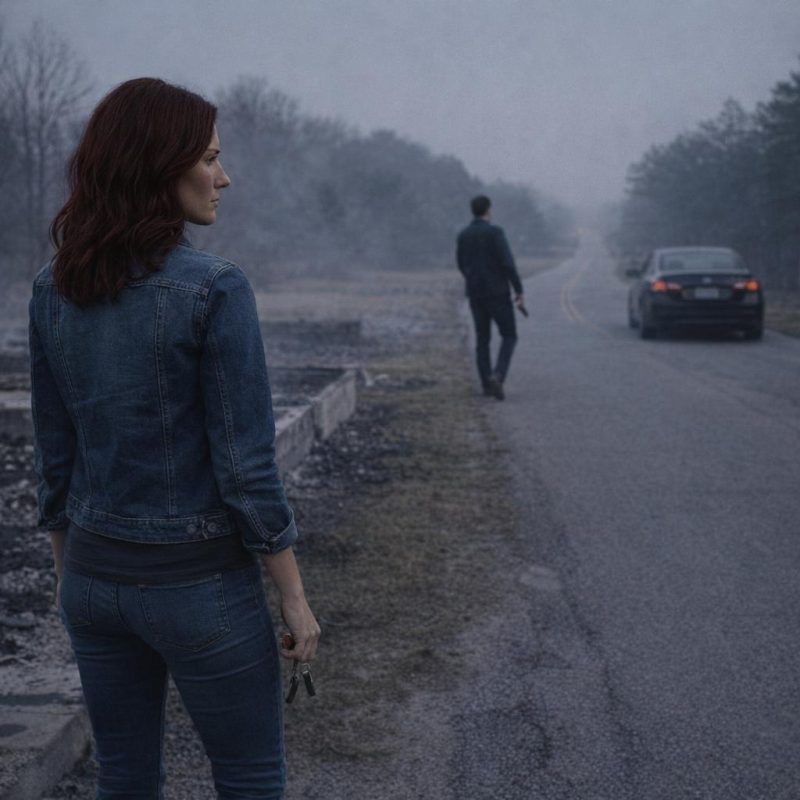 Image by RM AI
KEEP ON READING
The 20 Most Recognized Historical Figures Of All Time
The Biggest Names In History. Although the Earth has been…
By Cathy Liu Oct 4, 2024
10 of the Shortest Wars in History & 10 of…
Wars: Longest and Shortest. Throughout history, wars have varied dramatically…
By Emilie Richardson-Dupuis Oct 7, 2024
10 Fascinating Facts About Ancient Greece You Can Appreciate &…
Once Upon A Time Lived Some Ancient Weirdos.... Greece is…
By Megan Wickens Oct 7, 2024
20 Lesser-Known Facts About Christopher Columbus You Don't Learn In…
In 1492, He Sailed The Ocean Blue. Christopher Columbus is…
By Emilie Richardson-Dupuis Oct 9, 2024
20 Historical Landmarks That Have The Craziest Conspiracy Theories
Unsolved Mysteries Of Ancient Places . When there's not enough evidence…
By Megan Wickens Oct 9, 2024
The 20 Craziest Inventions & Discoveries Made During Ancient Times
Crazy Ancient Inventions . While we're busy making big advancements in…
By Cathy Liu Oct 9, 2024