

I House-Sat My Son's Perfect Home and Found a Letter That Revealed His Wife Is a Monster—Or So I Thought
I House-Sat My Son's Perfect Home and Found a Letter That Revealed His Wife Is a Monster—Or So I Thought
The Perfect Favor
When Leo called to ask if I'd house-sit for ten days while he and Claire vacationed in the Swiss Alps, I jumped at it. My son has always been careful with his requests—methodical, even—so when he said they needed someone to care for Winston, their golden retriever, I felt genuinely honored. The drive over took forty minutes through neighborhoods that got progressively nicer, and I found myself feeling that familiar swell of maternal pride. Leo had done so well for himself. The Victorian house on Elmwood Avenue was everything you'd expect from a successful pharmaceutical consultant and his interior designer wife: pristine hardwood floors, crown molding that probably cost more than my annual property tax, and rooms that looked like they belonged in Architectural Digest. Claire greeted me at the door with her usual warmth, her blonde hair pulled back in a casual ponytail that somehow still looked elegant. She walked me through everything—Winston's feeding schedule, the thermostat quirks, where they kept the good coffee. Leo hugged me goodbye and reminded me to make myself at home. 'Treat it like your own place, Mom,' he said with that smile I've known since he was six years old. As I unpacked my suitcase in their guest room, I noticed the bedroom door had a lock on the outside.
 Image by RM AI
The Golden Boy and His Domain
The first few days passed in a pleasant blur of domesticity. I walked Winston three times a day around the neighborhood, waving to the other dog owners who seemed to recognize him. The house itself was a joy to be in—sunlight streamed through the original leaded glass windows, and every room had been decorated with such thoughtful care that I found myself just sitting and appreciating it. Claire's design work was everywhere: the perfectly curated bookshelf in the living room, the vintage botanical prints in the hallway, the kitchen with its marble countertops and copper fixtures. I cooked simple dinners for myself and ate them at their dining table, feeling like I was playing house in someone else's perfect life. Winston was good company, following me from room to room with his tail wagging. He seemed to know the routine better than I did, sitting by the back door exactly when it was time for his evening walk. I settled into a comfortable rhythm, watching their television, reading their books, watering their plants. It felt like a little vacation, honestly. But on the third night, Winston refused to go upstairs, whining and backing away from the library door.
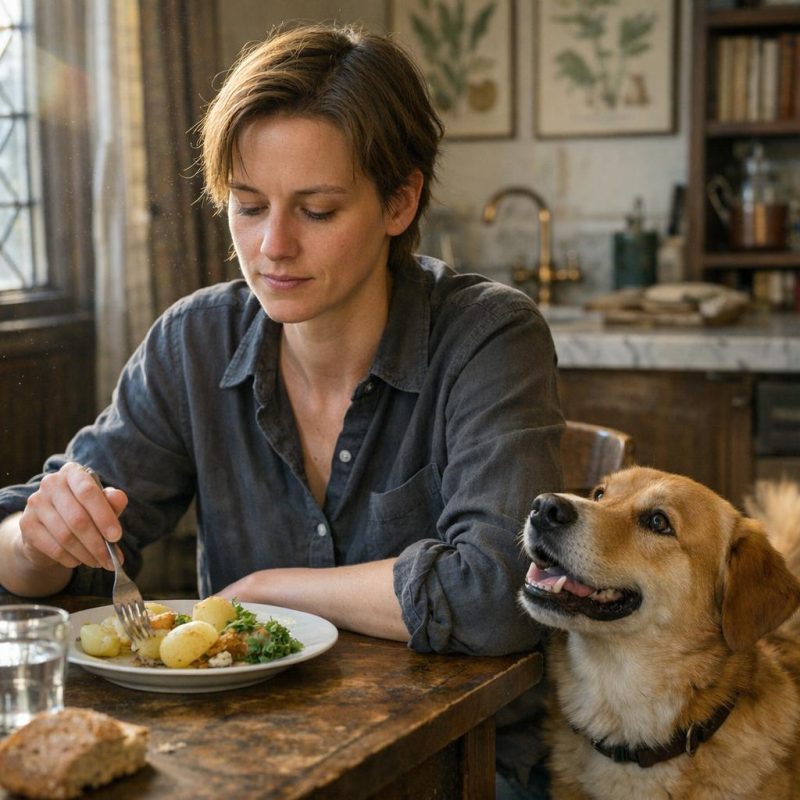 Image by RM AI
Thursday's Storm
Thursday brought the kind of storm that makes you grateful to be indoors. I was reading in the living room when the first crack of thunder rattled the windows, and Winston immediately pressed himself against my legs. The rain came down in sheets, hammering against the roof with such force that I could barely hear the television. Then I heard it—a distinct dripping sound coming from upstairs. My stomach dropped. I rushed up to the second floor and found water seeping through the library ceiling, right above Leo's collection of rare books. The antique Persian rug was already darkening with moisture. I ran for towels, my heart pounding, trying to move the books away from the leak. These weren't just any books—Leo had shown them to me once, explaining their value with that professorial tone he sometimes used. First editions, signed copies, things he'd spent years collecting. I grabbed armfuls and stacked them on the desk, on chairs, anywhere dry. The thunder crashed again, and the lights flickered. Winston barked from the doorway, refusing to come in. As I reached for a first edition of Poe, a heavy leather-bound volume tumbled from the top shelf and struck my shoulder.
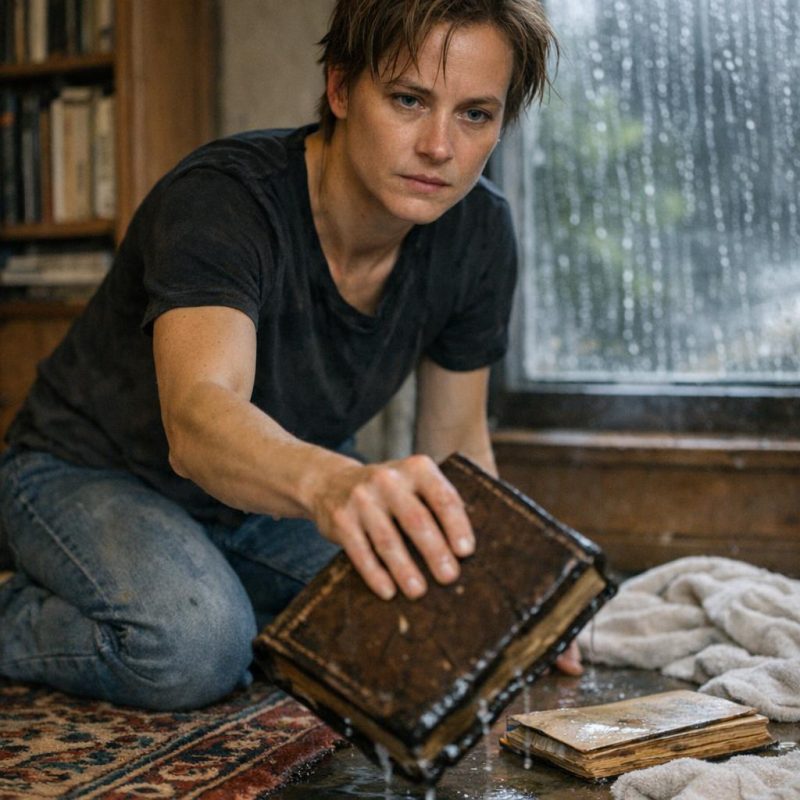 Image by RM AI
The Hollowed Book
The book hit hard enough to make me yelp, and I rubbed my shoulder as I bent to pick it up. It felt wrong immediately—too light, the weight distributed strangely. The leather binding was beautiful, aged to a deep burgundy, but when I opened it, I understood why. The pages had been carved out, creating a hollow space inside. I'd seen these in movies but never in real life. Inside the cavity was a single piece of paper, folded carefully and yellowed with age. My hands trembled as I unfolded it. It was a letter, handwritten in careful script on what looked like institutional stationery. The paper felt thin and fragile between my fingers. I shouldn't be reading this, I thought. This was private, hidden deliberately in a secret compartment. But my eyes had already scanned to the top of the page, and what I saw there made my breath catch. The letter was addressed to Claire—not Claire Whitmore, my son's wife, but Claire Patterson, which I vaguely remembered was her maiden name. And the return address made my blood run cold: Brookhaven Maximum Security Psychiatric Facility.
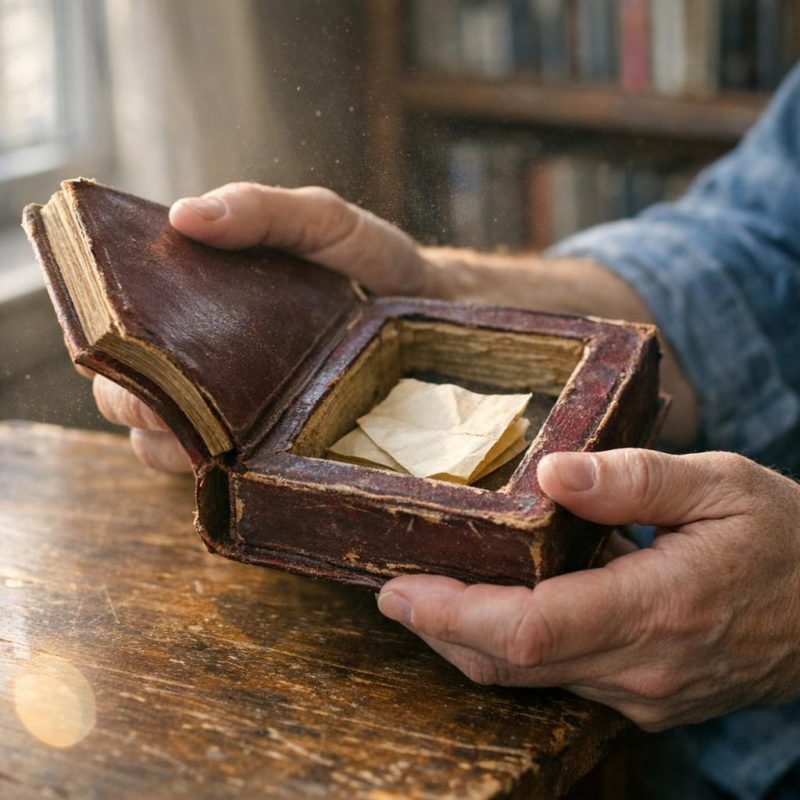 Image by RM AI
The Words That Changed Everything
I sat down right there on the library floor and read it. The letter was from someone named Marcus Holt, dated eight years ago, and the words seemed to burn themselves into my brain. He wrote about 'what we did' and 'the life we took together.' He mentioned a child—a daughter—that Claire had abandoned after their crime. He begged her to visit, to at least send photos of the girl. The handwriting was educated but erratic, sometimes pressing so hard the pen had torn through the paper. I read it three times, each time hoping I'd misunderstood. But there was no misunderstanding phrases like 'they'll never prove you helped me kill Robert' and 'you got away clean while I rot in here.' Robert. Claire had been married before Leo—she'd told us her first husband died of a sudden heart condition when she was twenty-five. She'd seemed so broken up about it when the topic came up, so genuinely sad. But this letter painted an entirely different picture. This letter suggested she'd murdered him. That she was a killer who'd reinvented herself, married my son, and was now living in this beautiful house built on lies. I thought of Leo sleeping beside this woman every night, and my hands began to shake.
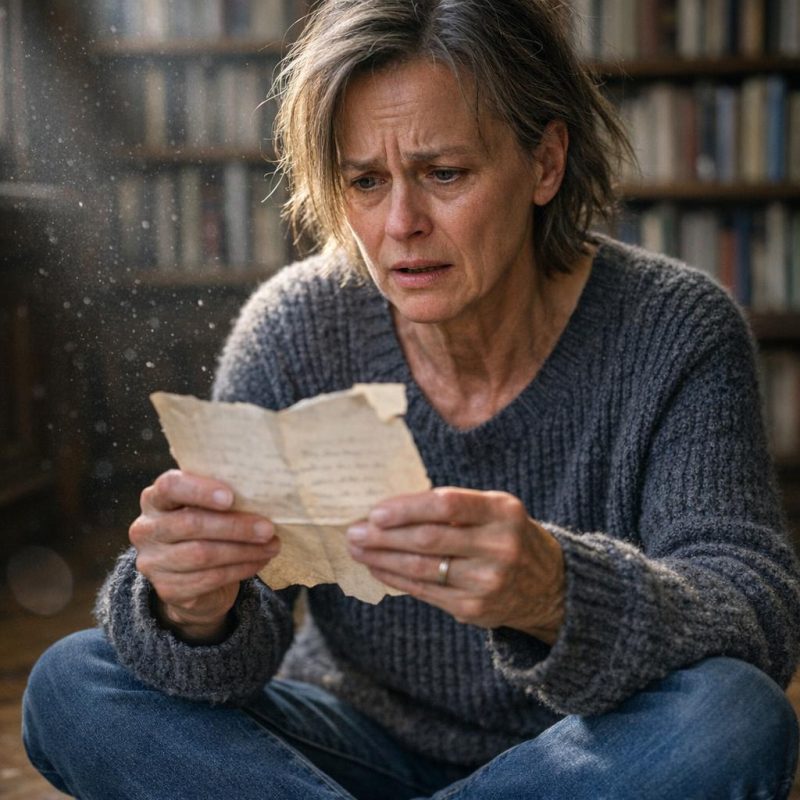 Image by RM AI
Memories of Motherhood
I'd raised Leo alone after Howard died. My husband had been gone for twenty-four years now—a brain aneurysm that came without warning when Leo was just twelve. I'd worked two jobs to keep Leo in good schools, had sat through every parent-teacher conference, had taught him to drive and balance a checkbook and treat people with kindness. He'd grown into exactly the kind of man I'd hoped he would be: educated, successful, thoughtful. He called me every Sunday. He remembered my birthday. He'd held my hand at Howard's grave last Memorial Day and told me how much he missed his father. This was my son—the boy who'd cried when his goldfish died, who'd volunteered at the animal shelter in high school, who'd sent me flowers after every difficult day. I knew him. I knew his heart. There was no way he could know about Claire's past. No way he'd knowingly married someone capable of murder. She must have fooled him the same way she'd fooled me, with that warm smile and those thoughtful touches around the house. She'd played the role of the perfect wife, and we'd both believed it. But even as I remembered his childhood sweetness, I couldn't ignore the fact that he'd chosen Claire.
 Image by RM AI
The Decision to Snoop
I spent an hour pacing the living room, trying to talk myself out of what I was about to do. Snooping through someone's house is wrong—I'd taught Leo that privacy was sacred, that trust was the foundation of any relationship. But this wasn't normal circumstances. If my son was in danger, if he was living with someone who'd killed before, didn't I have a responsibility to find out? Wouldn't any mother do the same? Winston watched me from his bed by the fireplace, his head tilted like he was trying to understand my internal debate. I thought about calling Leo directly, but what would I say? 'I found a letter from a psychiatric facility'? He'd ask why I was going through their things. He'd be hurt. And if Claire was there when he answered, if she could hear the conversation, she might do something drastic. No, I needed more information first. I needed to be sure before I made accusations that could destroy my relationship with my son. The guilt sat heavy in my stomach, but I'd already crossed a line by reading the letter. I might as well see what else there was to find. I started with the most obvious place: Claire's meticulously organized home office.
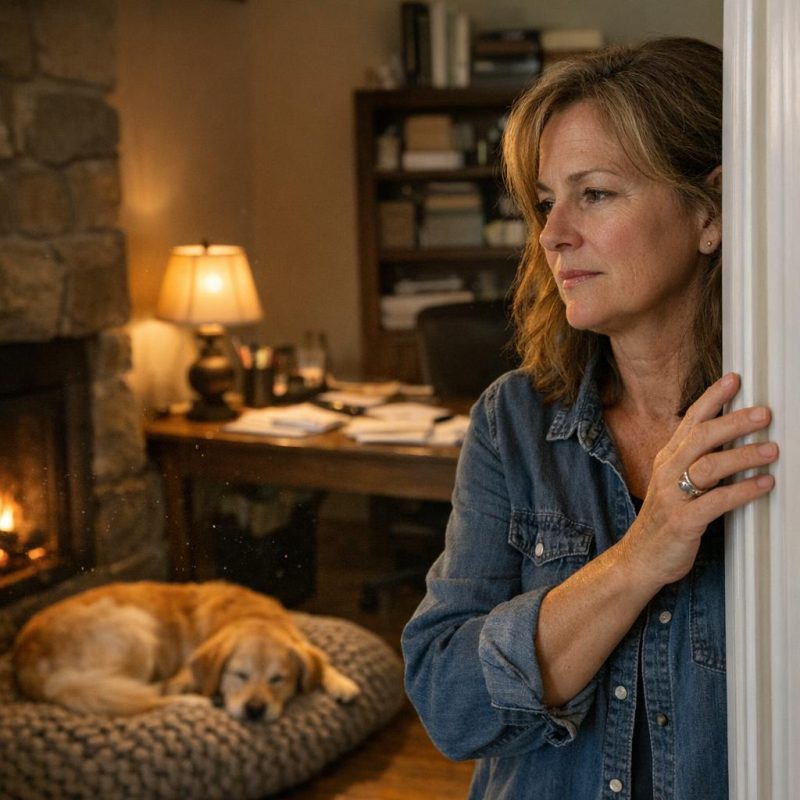 Image by RM AI
Claire's Perfection
The office was on the first floor, just off the kitchen, and it was as beautiful as the rest of the house. Claire's design aesthetic was everywhere: a vintage desk with brass hardware, floating shelves displaying fabric samples and paint chips arranged by color, a mood board covered in images of furniture and room layouts. I felt like an intruder as I opened desk drawers, finding only the usual office supplies and business receipts. Her filing cabinet was color-coded—green folders for current projects, blue for completed ones, red for business expenses. I flipped through them carefully, trying not to disturb the perfect order. Client portfolios showed living rooms and kitchens she'd transformed, all beautiful, all innocent. Receipts from furniture stores and fabric suppliers. Tax documents. Everything was exactly what you'd expect from a successful interior designer. Nothing suspicious. Nothing dark. I was almost relieved. Maybe the letter was old, from before she'd turned her life around. Maybe Marcus Holt was delusional, and the whole thing was fabricated. But in the back of the filing cabinet, behind all the color-coded perfection, I found a folder labeled 'Brookhaven—Do Not Open.'
 Image by RM AI
Breaking Locks
I stared at that folder for what felt like an hour but was probably thirty seconds. 'Brookhaven—Do Not Open.' The label was handwritten in Claire's perfect script, the same neat cursive she used for dinner party place cards. My hands were shaking as I pulled it out. The lock on the filing cabinet drawer was flimsy—just one of those little metal tabs—and I used a brass letter opener from the desk to pry it loose. It snapped with a satisfying click that made me flinch. Inside the folder were newspaper clippings, yellowed at the edges, all neatly organized with paper clips. 'LOCAL MAN DIES IN HOUSE FIRE,' read the first headline from the Brookhaven Register, dated eleven years ago. David Rousseau, age thirty-four. Survived by his wife, Claire Rousseau (née Patterson). The article mentioned an investigation into the cause of the blaze, suspicious burn patterns, possible accelerant use. A follow-up piece three months later noted the case had been closed due to insufficient evidence. Claire's maiden name, Patterson, was circled in red pen. Someone—Claire herself?—had saved these articles and hidden them behind a warning label. Inside were newspaper clippings about a house fire that killed a man named David Rousseau—Claire's first husband.
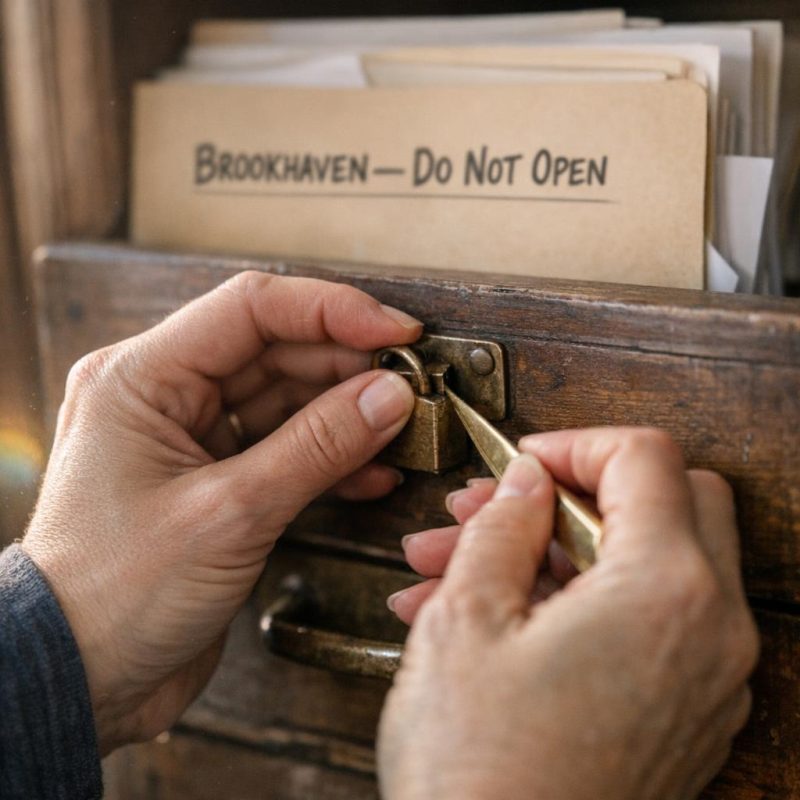 Image by RM AI
The Unasked Questions
I sat there on the plush office carpet, surrounded by the evidence of Claire's carefully curated life, and tried to remember what Leo had told me about her first marriage. He'd mentioned it once, maybe twice. 'She was married before, Mom, but he died. It was really hard for her to talk about.' That's all I knew. He'd never said how. Never mentioned a fire. Never said the word 'suspicious.' What kind of son doesn't tell his mother that his wife's previous husband died under questionable circumstances? Unless he didn't know. Unless Claire had fed him some sanitized version of the truth, and he'd never thought to dig deeper because why would you? You trust the person you love. You take their trauma at face value. But what if there was another reason he'd never mentioned it? What if he knew exactly what had happened and was protecting her? Or worse—what if he was involved somehow, complicit in whatever Claire was planning now? I pulled out my phone to call him, then stopped—what if he was in on it?
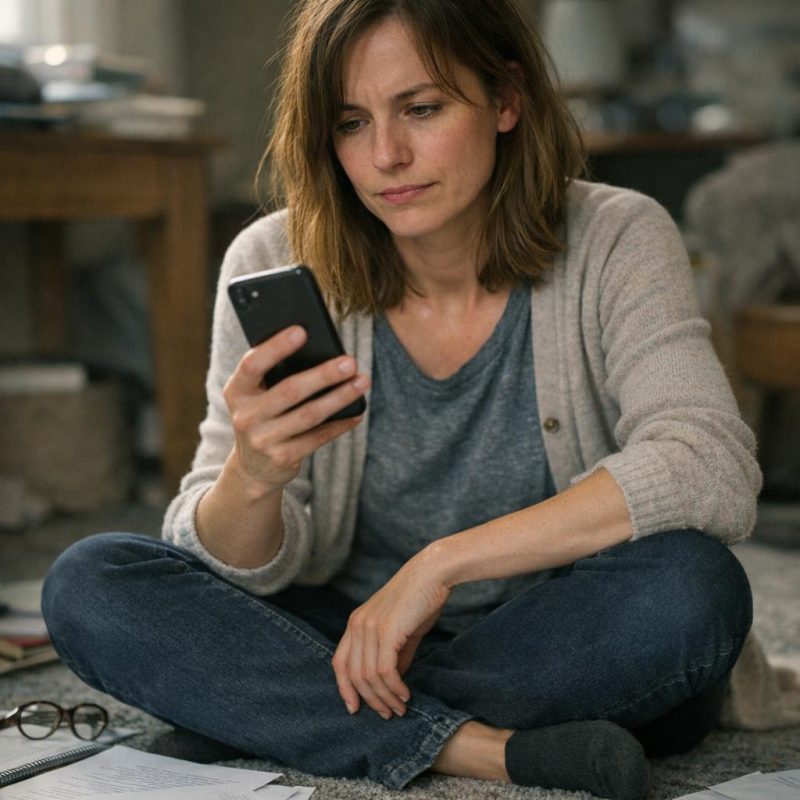 Image by RM AI
The Master Suite
I put the Brookhaven folder back exactly where I'd found it and closed the filing cabinet. My heart was racing, and I needed to think, but thinking required information, and information was apparently locked away in every corner of this perfect house. I found myself standing outside Leo and Claire's bedroom door, my hand on the brushed nickel handle. This felt different from searching the office. The office was semi-public space, where Claire conducted business. But their bedroom? That was private in a way that made my stomach clench with guilt. I'd raised Leo to respect boundaries, to value privacy. And here I was about to violate the most intimate space in his home. But if Claire really was dangerous—if she really had killed her first husband and was planning something terrible—then boundaries didn't matter anymore. I was his mother. Protecting him overrode everything else. I pushed open the door. The room was beautiful, of course. A king-sized bed with cream linen sheets. Claire's side had a stack of design magazines on the nightstand. Leo's had his reading glasses and a biography of Teddy Roosevelt. Claire's vanity had three locked drawers, and I had a hairpin in my pocket.
 Image by RM AI
The Burner Phone
I'd learned to pick simple locks as a teenager—don't ask why, it was the seventies and we were bored—and apparently it's like riding a bike. The hairpin slid into the first lock, and after some wiggling, I felt the mechanism give. Inside was jewelry: expensive pieces, neatly organized in velvet compartments. Nothing suspicious. The second drawer held scarves and sunglasses. But the third drawer, the bottom one, was different. Heavier. When I finally got it open, I understood why. There was a small black phone I'd never seen before, the cheap kind you can buy at a gas station with cash. A set of keys on a plain metal ring, no labels, no identification. And underneath those, a stack of hundred-dollar bills bound with a rubber band. I counted quickly—at least three thousand dollars. Who keeps that kind of cash hidden in their bedroom? Someone who doesn't want transactions traced. Someone who needs to move fast if things go wrong. Someone who's planning something they can't let anyone discover. The phone was off, but when I pressed the power button, it buzzed to life with seventeen unread messages.
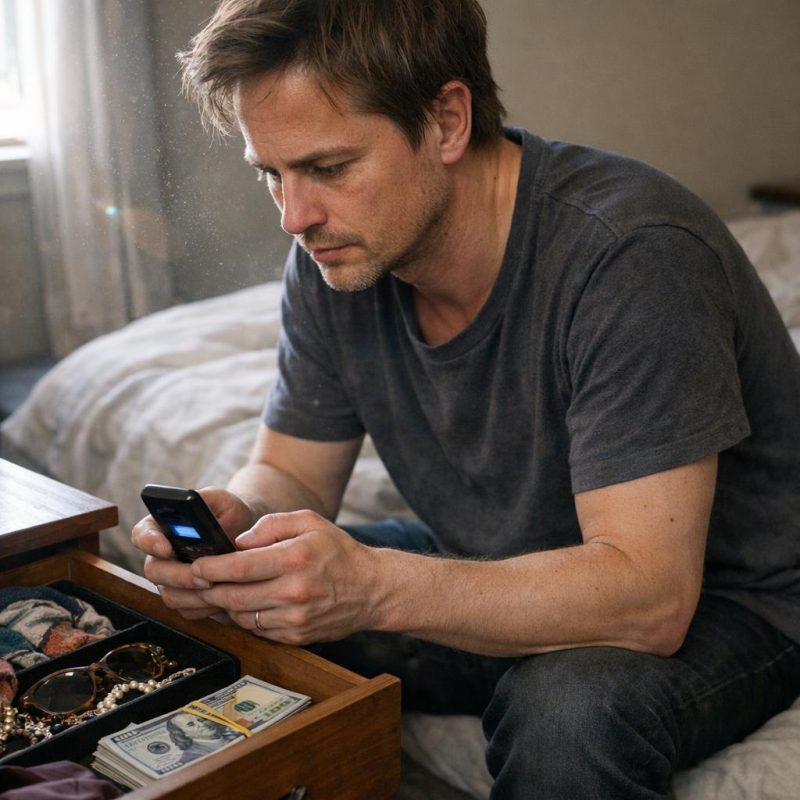 Image by RM AI
Messages from the Shadows
My hands were sweating as I scrolled through the messages. They were all from the same number, no name attached. 'Package arriving Friday. Confirm receipt.' 'Timeline moved up. Adjust accordingly.' 'Windows closing. Need decision by Tuesday.' The language was deliberately vague, the kind of thing that could mean anything or nothing depending on context. But in context—hidden phone, hidden cash, hidden past involving a dead husband—the messages read like instructions for something terrible. I kept scrolling, my breath coming faster. 'Loose ends need to be tied. No room for error.' 'Trust issues resolved?' 'Final prep complete. Awaiting your signal.' They were dated over the past three weeks, a steady stream of communication between Claire and whoever was on the other end. Business associates? Fellow criminals? Someone helping her plan whatever came next? The most recent messages were from the past few days. 'Everything in place. He suspects nothing.' And then, sent just two days ago, the one that made my blood run cold: 'He suspects nothing. Proceed as planned.'
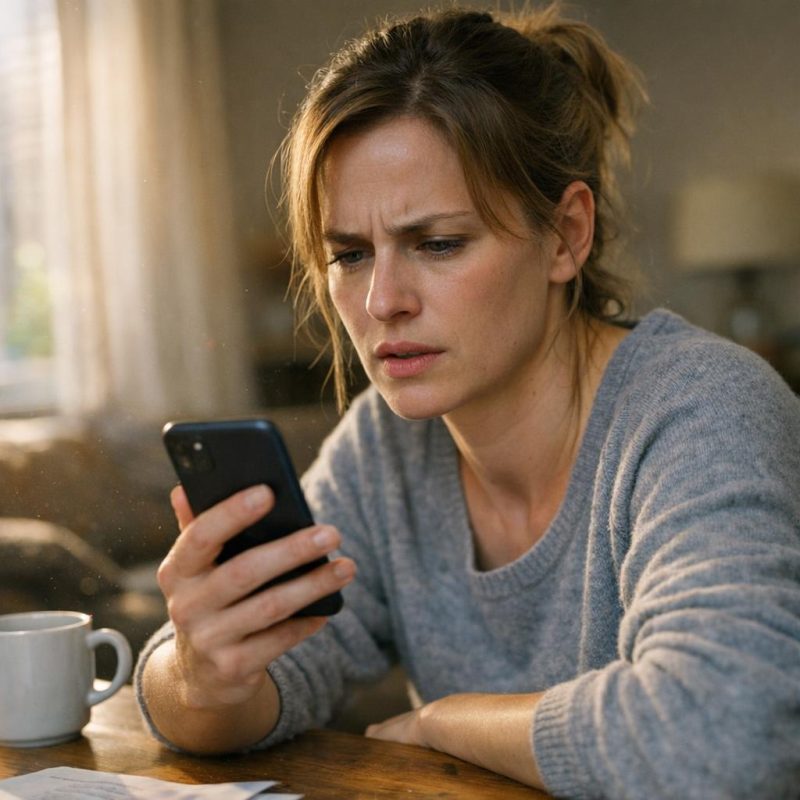 Image by RM AI
The Insurance Policy
I put the phone down like it had burned me and looked at what else was in the drawer. Beneath the cash was a manila envelope, unsealed. Inside was a life insurance policy from Midwest Life & Casualty. Policy holder: Leonardo Wainwright. Beneficiary: Claire Wainwright. I'd known Leo had life insurance—he'd mentioned it years ago, something about being responsible now that he was married. But this policy was dated three months ago. Recent. And the coverage amount made me gasp out loud: two million dollars. Two million. With a triple-indemnity clause for accidental death. Six million if he died in an accident. I flipped to the signature page, and that's when I felt like I might throw up. The signature looked exactly like Leo's—the same confident scrawl, the same loop on the 'L'—but something was off. I'd watched my son sign his name on birthday cards, mortgage papers, Christmas checks for his whole adult life. This signature was perfect. Too perfect. No variation, no natural hesitation. The signature looked exactly like Leo's, but I'd seen him sign documents a thousand times—this was traced.
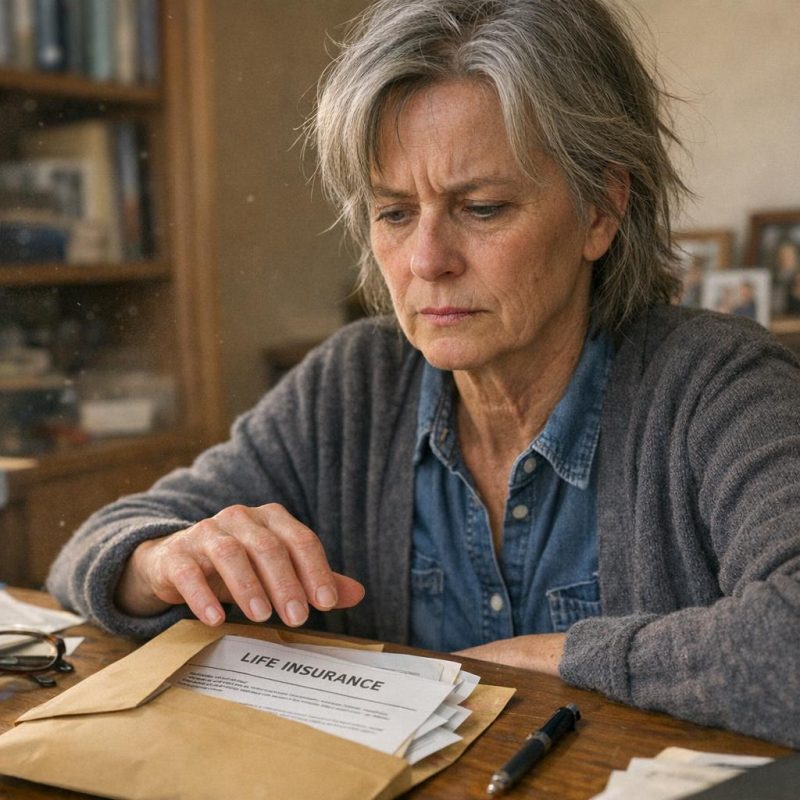 Image by RM AI
The Keys to What?
I photographed everything with my phone—the policy, the cash, the burner phone screen with its messages. Evidence. If something happened to Leo, if Claire went through with whatever she was planning, someone needed proof. My hands were steadier now, moving with purpose. Fear had crystallized into something harder, more focused. I turned my attention back to the keys I'd found in the drawer. They were ordinary enough: three keys on a plain silver ring. No house keys, no car keys. These were meant for something specific, something off-site. I held them up to the light, looking for any identifying marks, and that's when I noticed the small paper tag attached with a thin wire loop. The kind of tag you get at a storage facility. The address was printed in tiny letters: StorLock Self-Storage, 4829 Industrial Parkway. A storage unit across town, rented under god-knows-what name, paid for with that hidden cash probably. Whatever Claire was hiding, it was important enough to keep completely separate from her normal life. Whatever Claire was hiding, it was important enough to keep off-site.
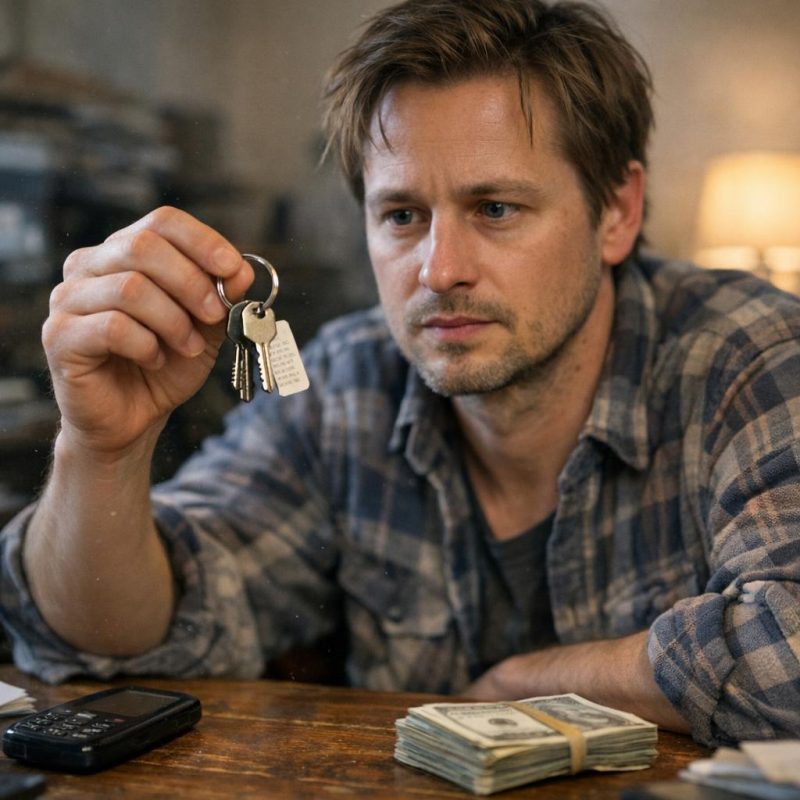 Image by RM AI
Winston Knows
I put everything back exactly as I'd found it and locked the drawer again. My hands were shaking worse now, the adrenaline starting to wear off and leave me hollow. I needed to sit down, needed to think clearly about what to do next. But when I came back downstairs, Winston was standing in the foyer, rigid and alert in a way I'd never seen him. His ears were pinned back, and a low growl rumbled in his throat. 'What's wrong, buddy?' I asked, but he didn't look at me. His eyes were fixed on the front door, and the growl deepened. I looked where he was looking, but I couldn't see anything through the frosted glass panel. No shadow, no movement. Winston pressed against my leg, trembling. He'd been such a friendly, goofy dog since I'd arrived—sleeping sprawled on his back, begging for belly rubs, tail always wagging. This was different. This was primal fear from an animal that knew something I didn't. Animals sense things humans miss, and Winston was terrified of something.
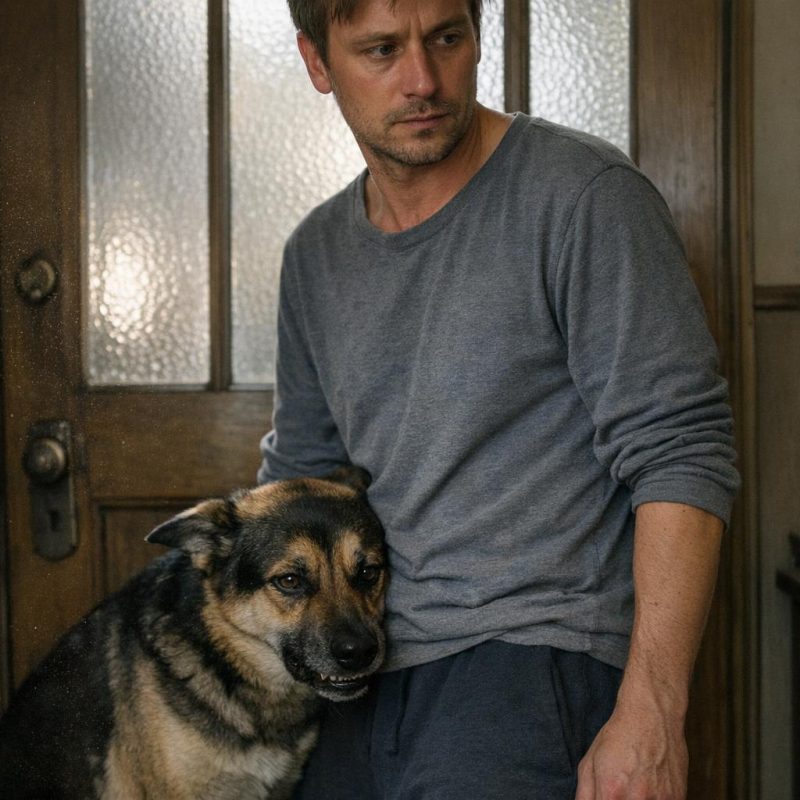 Image by RM AI
The Midnight Drive
I couldn't sleep. Couldn't even pretend to lie still in that guest bed while Winston snored on the floor beside me. The keys to the storage unit felt like they were burning a hole through my purse downstairs. At one-forty in the morning, I gave up trying to rest and got dressed in the dark. I told myself I was being ridiculous, that I should wait until morning, call Leo, maybe even contact the police. But some other part of me—the part that had already broken into that locked drawer—was already pulling on my shoes and creeping down the stairs. The drive to the facility took twenty minutes through empty streets. I'd Googled the address, and it sat on the industrial edge of town, surrounded by chain-link fencing and security cameras with blinking red lights. My headlights swept across row after row of identical orange doors as I wound through the complex. I parked near building C and sat there for a full minute, gripping the steering wheel, asking myself what the hell I was doing. Then I got out. The unit was number 247, at the very end of a dark, concrete corridor.
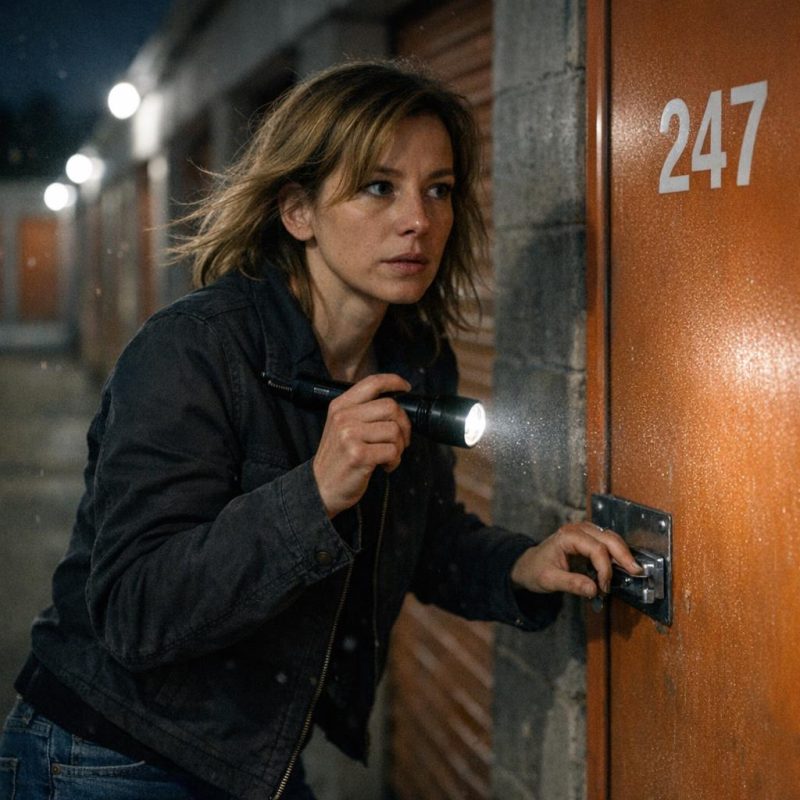 Image by RM AI
What's in the Unit
The lock turned smoothly, and the door rolled up with a metallic screech that made me flinch. I fumbled for the light switch just inside, and a bare bulb flickered to life overhead. The unit was maybe ten feet square, and it was packed. Not with furniture or holiday decorations or the normal stuff people store. Boxes. Dozens of cardboard file boxes, the kind with lids, stacked three high against both walls. I pulled the nearest one down and opened it with shaking hands. Manila folders. Medical records. Patient intake forms with Leo's clinic letterhead. I opened another box. More files. And another. Every single box was full of patient records, all neatly labeled and organized by year. In the back corner, on a folding table, sat a silver laptop and a stack of external hard drives. My stomach dropped. This wasn't just a few files Claire had stolen. This was years' worth of documentation, carefully archived and hidden away. I pulled a file at random and opened it. The files were all marked 'Deceased,' and every patient had been under Leo's care.
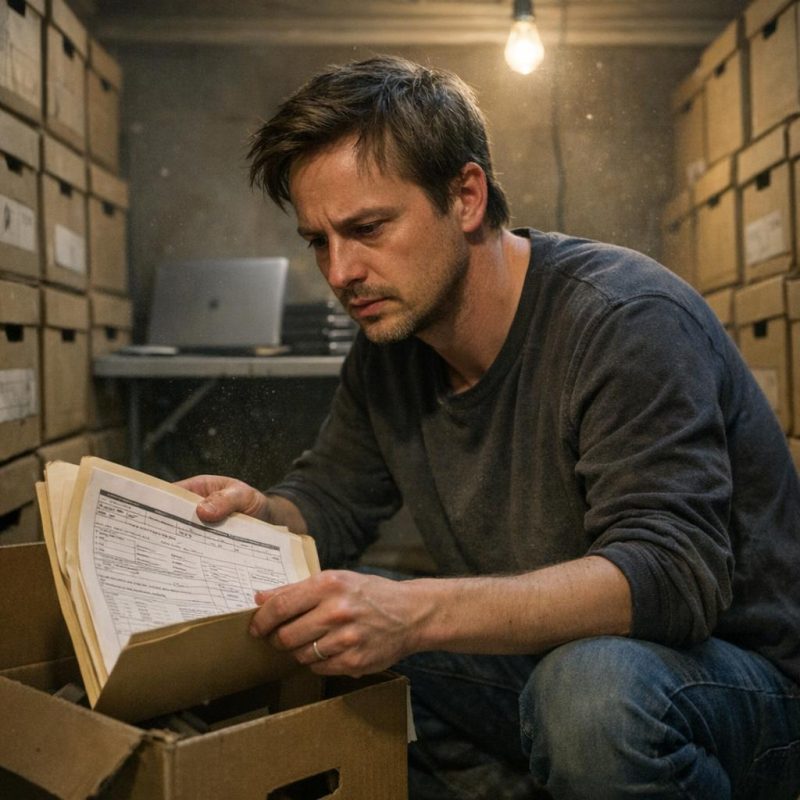 Image by RM AI
The Doctor's Pattern
I stood there under that bare bulb, flipping through file after file, and a pattern started to emerge. Every patient was elderly. Every single one had died within six months of their first appointment with Leo. And every file had a photocopied insurance document clipped to the front—policies worth hundreds of thousands of dollars, sometimes millions. I checked the emergency contact sections. Blank, or marked 'None,' or listing care facilities that had probably closed years ago. No children. No siblings. No one to ask questions when they died. I felt sick. My hands were shaking so badly I almost dropped the folder I was holding. This couldn't be what it looked like. Leo was a good doctor. He'd gone into geriatric medicine because he genuinely cared about the elderly, about giving them dignity in their final years. That's what he'd always told me. But here was the evidence, boxed and cataloged and hidden in a storage unit rented under a fake name. It felt wrong, but I couldn't tell if Claire had compiled this to destroy Leo or if she'd helped him do something unspeakable.
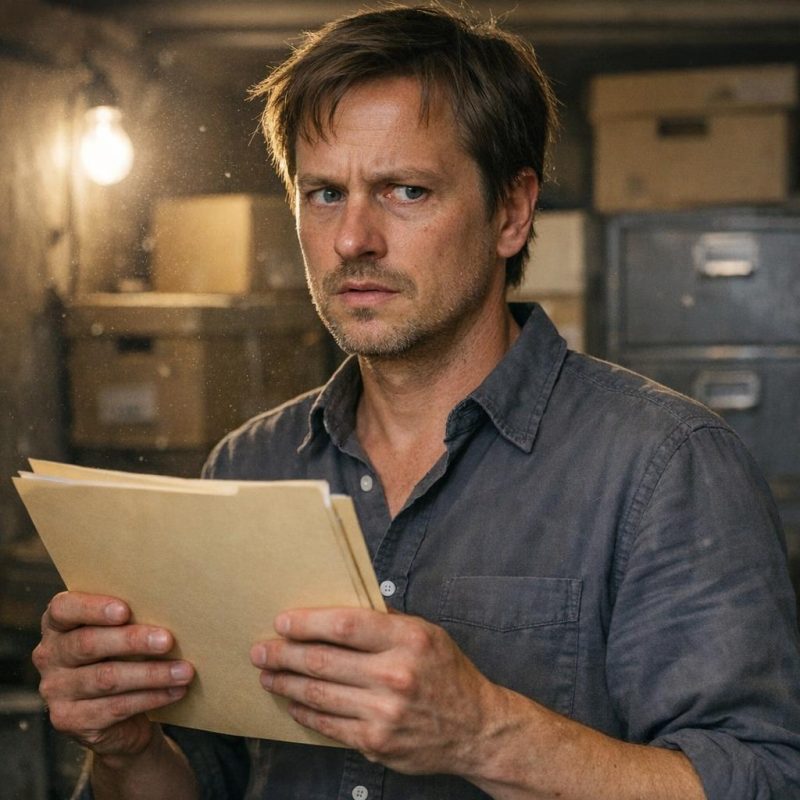 Image by RM AI
The Laptop's Lock
I moved to the laptop, my heart pounding. If there was something on here—emails, spreadsheets, anything that could explain what I was looking at—maybe I could understand. Maybe I could prove Claire had fabricated all of this, or maybe I'd find proof that Leo was innocent. I flipped it open. The screen glowed to life, showing a login prompt. Password required. Of course. I tried a few obvious combinations—Leo's birthday, their anniversary, Claire's name. Nothing worked. After the third failed attempt, a warning popped up threatening to lock the system. I stopped, breathing hard. I couldn't risk it. But I also couldn't leave it here, not when it might contain the answers I desperately needed. I looked around the storage unit one more time, at all those boxes of dead patients, at the careful organization that suggested deliberation, planning, years of secrets. Then I made a decision that probably made me a criminal. I took the laptop with me, shoving it into my purse as the fluorescent lights flickered overhead.
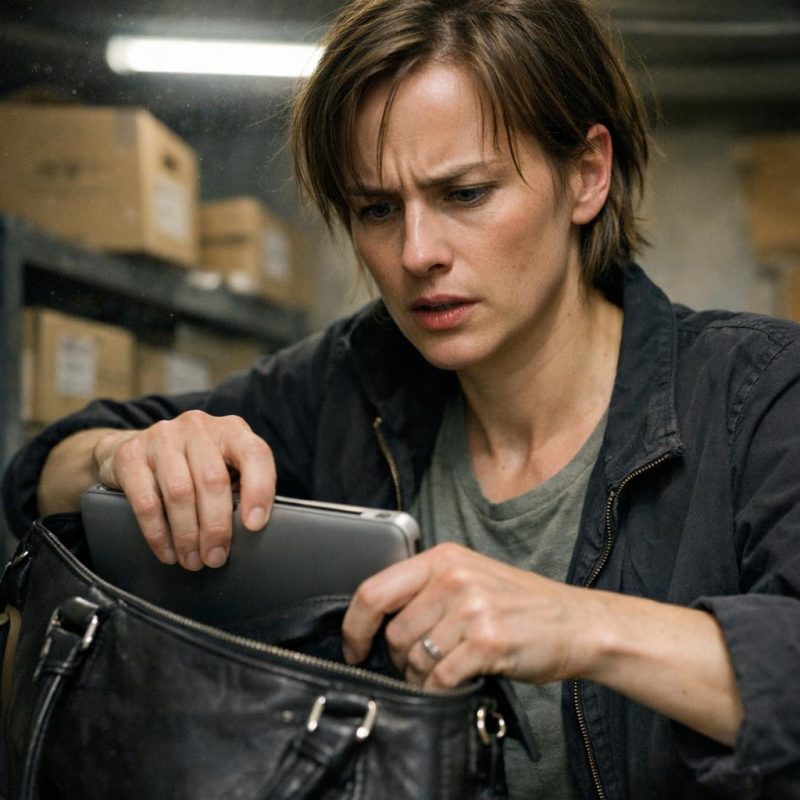 Image by RM AI
A Mother's Blind Spot
The drive back to the house felt endless. Every pair of headlights in my rearview mirror looked like a cop car. The laptop sat heavy in my purse on the passenger seat, like evidence of a crime I didn't fully understand yet. I kept trying to construct a narrative that made sense, that let me keep believing in my son. Maybe Claire had set all this up. Maybe she'd forged documents, created fake patient files, planted evidence to frame Leo for something he didn't do. But why? For money? For control? Or maybe—and this thought made my chest tight—maybe Leo had made mistakes. Bad judgment calls. Poor record-keeping. Things that looked suspicious but weren't actually criminal. Doctors got sued all the time for things that weren't their fault. Except those files didn't look like mistakes. They looked like a pattern. Like something deliberate and calculated and monstrous. And if that was true, then what did it mean that Claire had hidden the evidence instead of turning it over to authorities? What did it mean that she'd kept it locked away in a storage unit like leverage? I had to accept that either my son was a victim or a monster, and I wasn't ready for either answer.
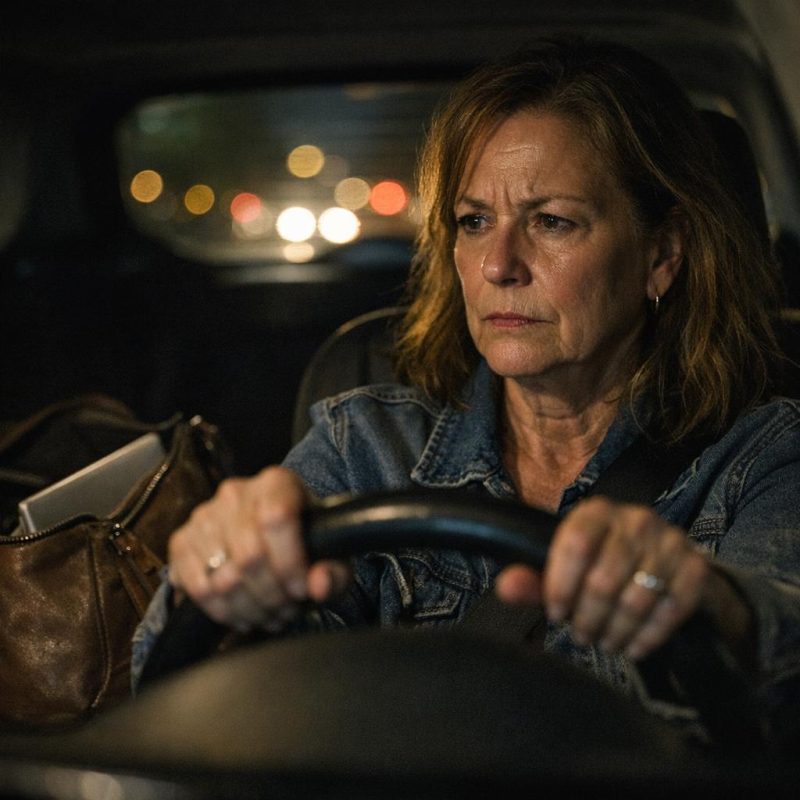 Image by RM AI
The Woman at the Door
I pulled into the driveway at four-thirty in the morning, exhausted and wired and desperate for coffee. The porch light was on—I was sure I'd turned it off before I left—and as I got closer, I saw her. A woman sitting on the top step, wearing a dark suit despite the hour, looking like she'd been waiting a while. She stood as I approached, and I saw the badge clipped to her belt. My blood went cold. Had someone seen me at the storage unit? Was this about the laptop in my purse? She was maybe forty, with short dark hair and the kind of tired eyes that said she'd seen too much. 'Mrs. Patterson?' she asked, and her voice was calm, professional. 'I'm sorry to catch you so early. Or late, I suppose.' I just stared at her, my hand tight on my purse strap, feeling the weight of the stolen laptop. She held up her badge so I could read it. She said her name was Detective Sarah Brennan, and she needed to talk about my son.
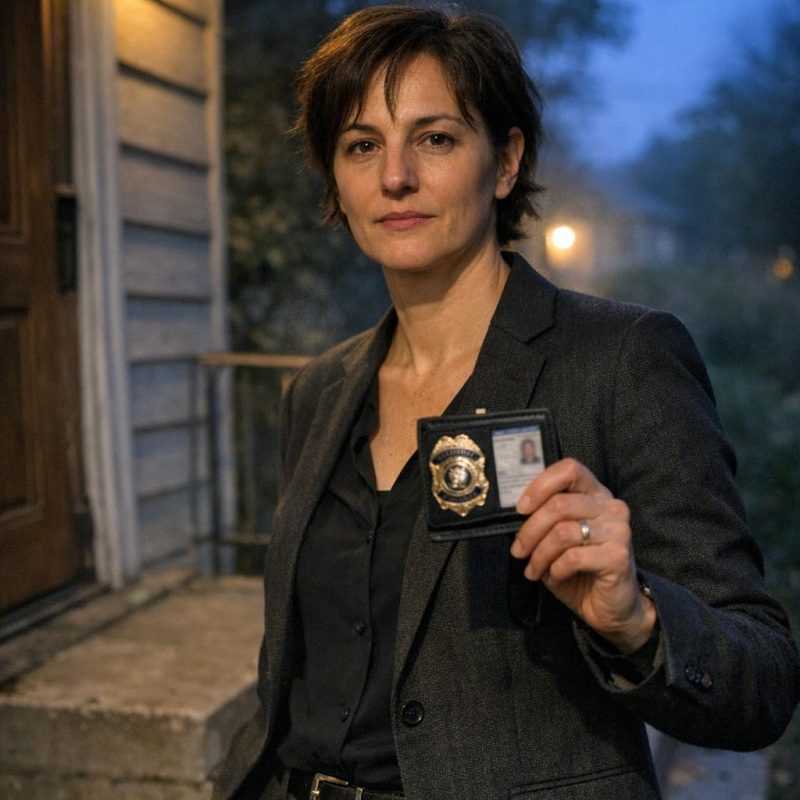 Image by RM AI
Questions Without Answers
I let her in because what else could I do? Refusing would have looked suspicious, and I was already drowning in guilt over the laptop hidden in my purse. Brennan sat on the living room sofa like she'd done this a thousand times before, declining my offer of coffee with a slight shake of her head. She asked how long I'd been house-sitting. She asked about Leo and Claire's marriage, whether they seemed happy, whether Claire had mentioned any problems. Every question felt like a trap. I answered carefully, keeping my voice steady, giving her nothing. 'What's this about?' I finally asked. 'Is Leo in trouble? Is Claire?' Brennan studied me for a long moment. 'I can't discuss an ongoing investigation,' she said. 'But I need you to understand that your son's household is of interest to us. Have you noticed anything unusual while you've been staying here? Anything that seems out of place?' I thought of the locked drawer, the burner phone, the storage unit keys, the boxes of dead patients. My face must have stayed neutral because Brennan leaned forward slightly. When I asked if Leo was in danger, Brennan said, 'That depends on what you've found in this house.'
 Image by RM AI
Trust No One
She left twenty minutes later, handing me a business card and telling me to call if I 'remembered anything important.' I watched her drive away from the front window, then immediately carried the laptop upstairs to the guest room. I shoved it under the mattress—ridiculous, like I was hiding drugs from my parents—then went back down for the burner phone and the storage keys. I tucked those into a shoebox in the closet, buried under old sweaters. My hands were still shaking. Brennan had been too vague, too careful with her words. She could have been legitimate law enforcement, or she could have been working for Claire, or for someone else entirely. I didn't know who to trust anymore. Calling Leo felt impossible—what would I even say? 'Hi honey, I broke into your wife's locked drawer and found evidence you might be a serial killer'? And going to the police was out of the question now that the police had come to me. I was sitting on stolen evidence from what might be an active investigation. I couldn't call Leo, couldn't call the police, and couldn't leave—I was trapped in my own son's house.
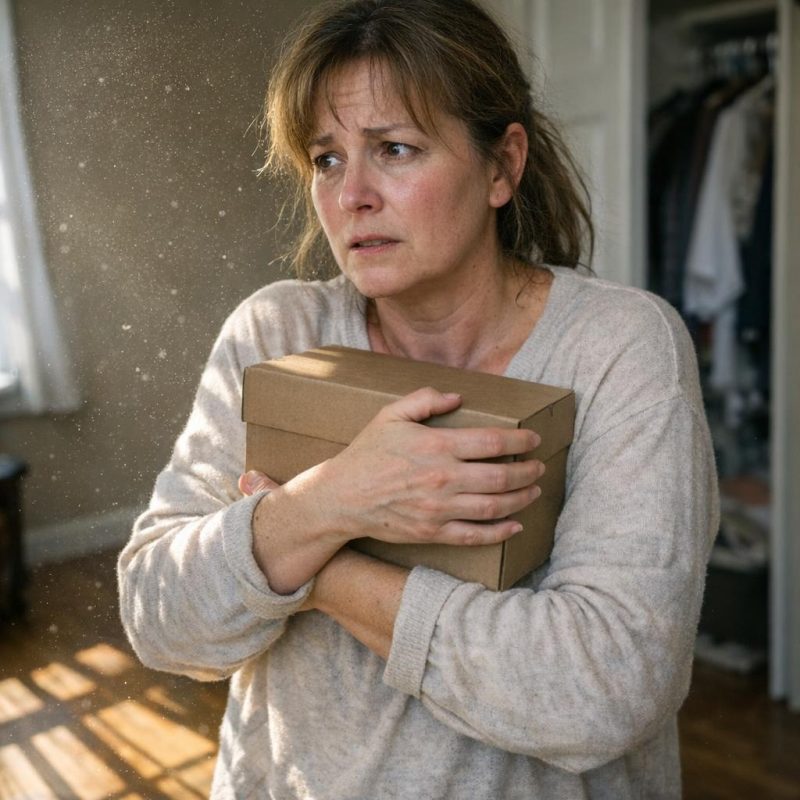 Image by RM AI
The Ransacked Office
I woke up at three in the morning to Winston barking downstairs—sharp, aggressive barks I'd never heard from him before. My heart was already racing as I grabbed my phone and crept down the stairs, turning on lights as I went. The front door was still locked. The back door, locked. But when I reached Claire's office, I froze in the doorway. Every drawer hung open. Files were scattered across the floor like someone had yanked them out and tossed them aside. The filing cabinet stood wide open, folders pulled halfway out and dangling. I'd locked this room. I was certain I'd locked it after hiding the laptop under the guest room mattress. The window was closed, no broken glass, no signs of forced entry anywhere. Winston stood in the doorway beside me, growling low in his throat at the empty room. I backed away slowly, checking every window, every door, finding them all secured. Whoever had done this had a key. They'd been in the house while I slept upstairs, just feet away from me, searching through everything. Someone had been in the house while I slept, and I had no idea if they'd found what they were looking for.
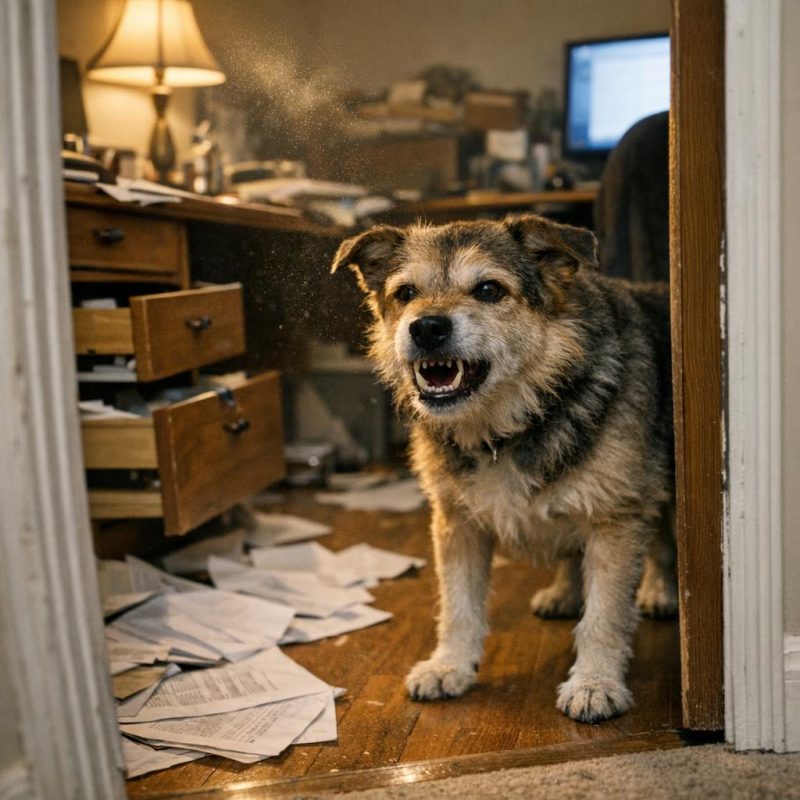 Image by RM AI
Cameras in the Corners
I didn't sleep the rest of that night. I sat in the living room with all the lights on, Winston at my feet, jumping at every creak and groan of the house settling. When dawn finally came, I started making coffee and that's when I noticed it—a tiny black dot in the crown molding near the kitchen ceiling. I pulled a chair over and stood on it, squinting. It was a camera, no bigger than a shirt button, tucked into the decorative trim. My stomach dropped. I started looking everywhere. There was one in the living room, hidden in a smoke detector. Another in the hallway, tucked behind a picture frame. One in the dining room, concealed in an air vent. I found six total on the first floor, and I stopped looking after that because my hands were shaking too badly. These weren't cheap nanny cams you buy at Target. They were professional, discreet, expensive. I had no idea how long they'd been there—had Claire installed them? Leo? Someone else? I thought about everything I'd done in this house over the past week, every drawer I'd opened, every file I'd read. Someone had been watching me this entire time.
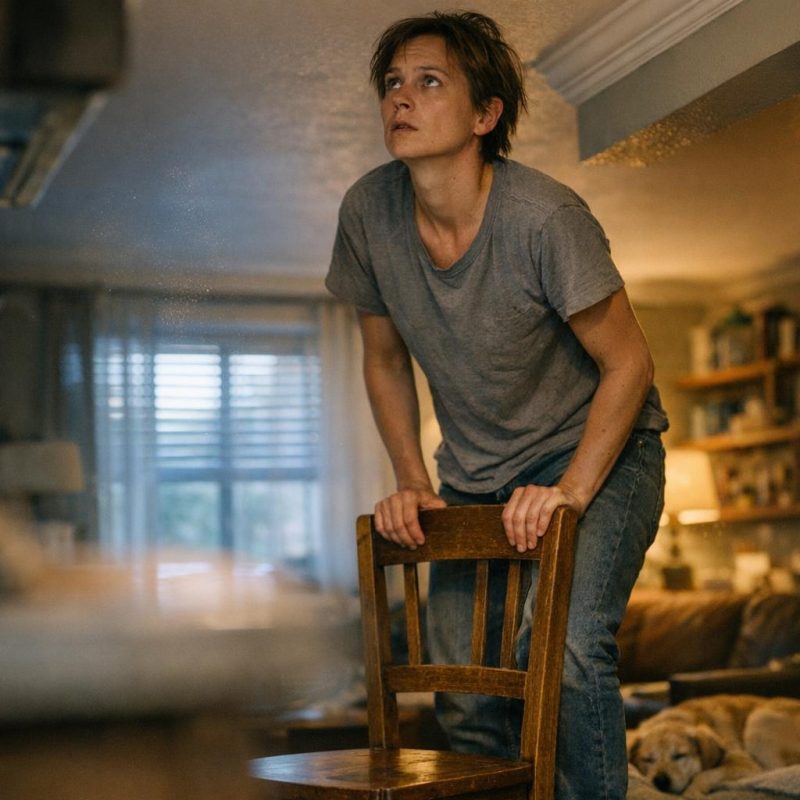 Image by RM AI
The Call from Switzerland
Leo called that afternoon while I was still reeling from finding the cameras. His voice was bright, cheerful, exactly like it always was. 'Hey Mom, just wanted to check in! How's Winston? How's the house?' I tried to sound normal, tried to match his energy, but my voice came out strained. 'Everything's fine, honey. How's Switzerland?' He launched into a story about skiing in the Alps, about the resort, about the fondue he'd had for dinner. It all sounded so ordinary, so Leo. For a moment I wanted desperately to believe him, to believe I'd imagined everything—the files, the letters, the ransacked office. Then I heard it in the background of the call: a distinct echo, like he was in a large empty space. Not the ambient noise of a resort or restaurant. Something industrial, hollow. 'Where are you right now?' I asked, trying to keep my voice light. 'Just stepped outside for some air,' he said smoothly. 'The view here is incredible.' But I could hear an echo in the background that sounded nothing like a European resort.
 Image by RM AI
The Woman Who Survived
The email came two hours after Leo's call. The sender was Rebecca Chen, and the subject line read: 'You deserve to know the truth about your son.' My first instinct was to delete it—obviously spam, obviously some scam targeting me because my information had been leaked somehow. But something made me open it. 'Mrs. Martha,' it began, 'I don't know if you'll believe me, but I'm a former patient of your son's. Three years ago, I went to him for a routine surgery and nearly died on the operating table. The complications weren't accidental.' My hands went cold. She included details—dates, hospital names, medical terminology I didn't understand but that sounded sickeningly specific. 'I've tried to tell people what happened, but I have no proof, only my survival. Your son is not who you think he is. Please, if you've found anything unusual in his home, if you've seen things that don't add up, I need to talk to you.' At the bottom, one more line made my breath catch. Rebecca wrote, 'Your son tried to kill me, and Claire knows exactly why.'
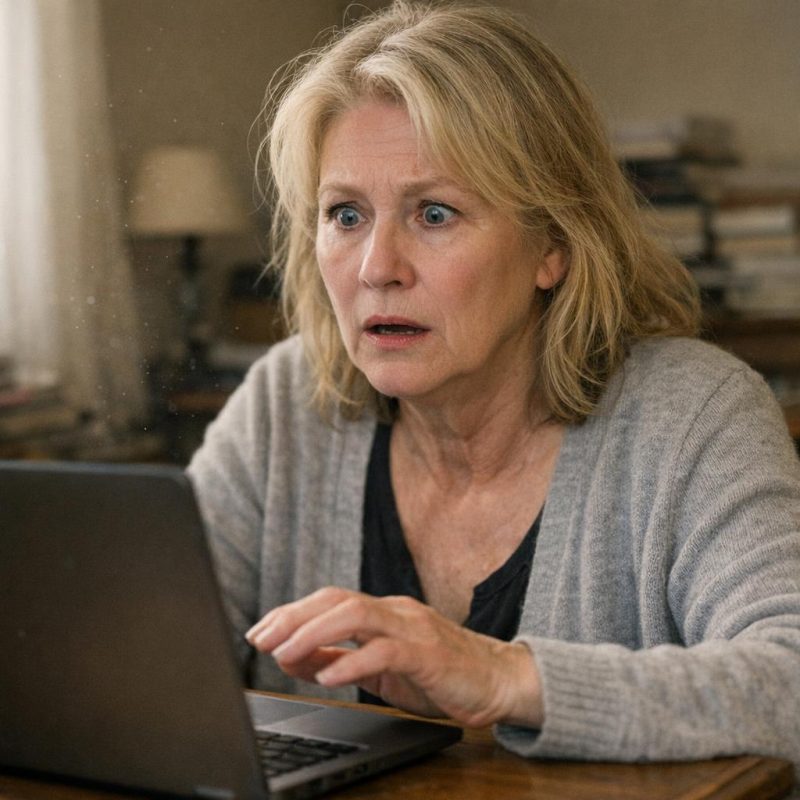 Image by RM AI
The Meeting in the Park
I agreed to meet Rebecca the next day at a park three miles from Leo's house—public, busy, safe. I almost didn't go. Part of me was convinced this was a setup, that Rebecca was working with whoever had ransacked the office, or with Detective Brennan, or with someone else I hadn't even identified yet. But I was drowning in questions and she was offering answers. She was waiting on a bench when I arrived, a slight woman with dark hair pulled back in a ponytail, maybe late thirties. She stood when she saw me, extending her hand nervously. 'Thank you for coming,' she said. 'I wasn't sure you would.' We sat, and she pulled out a folder from her bag. Inside were medical records with Leo's signature, hospital discharge papers, bills marked 'adjusted' and 'forgiven.' Then she showed me a photograph—Leo standing beside a man I'd never seen before, both of them in what looked like a hospital corridor, both smiling. 'Who is that?' I asked, pointing to the stranger. 'I don't know,' Rebecca admitted. 'But I saw them together the day before my surgery.' Rebecca showed me her medical records and a photograph of Leo with a man I'd never seen before.
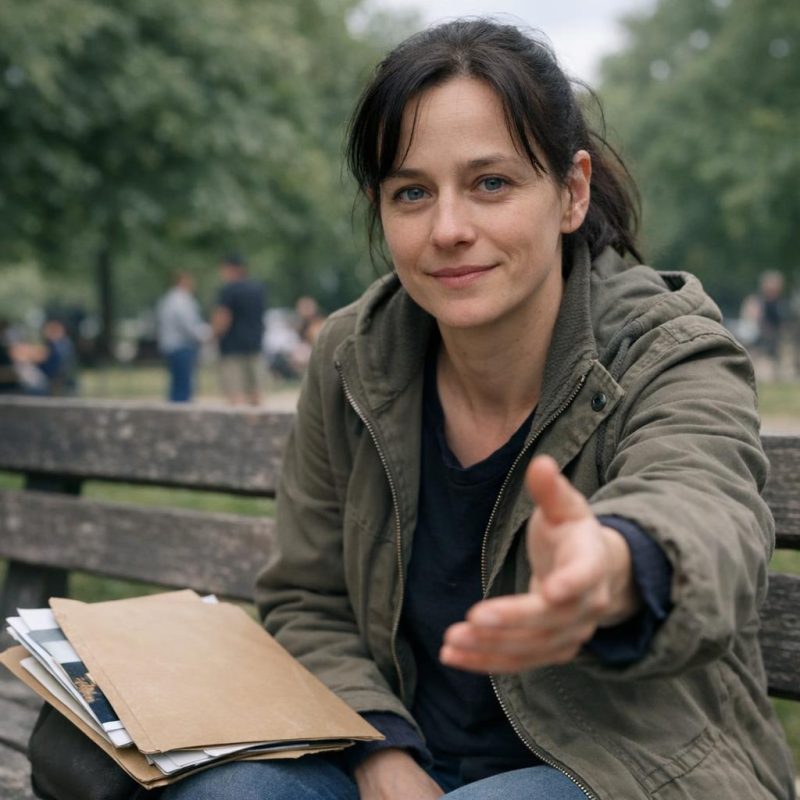 Image by RM AI
Rebecca's Survival
Rebecca's hands shook as she described what happened. 'I went in for gallbladder removal, routine laparoscopic surgery. When I woke up, I was in ICU with sepsis, internal bleeding, organ damage. They told me there had been complications, but the attending physician—not your son—he looked terrified when he explained it to me. Like he knew something was wrong but couldn't say it.' She'd spent three weeks in the hospital, nearly died twice. 'Claire came to visit me,' Rebecca continued, her voice dropping. 'I'd never met her before. She sat beside my bed and asked how I was feeling, very calm, very composed. Then she leaned in close and whispered something I'll never forget.' I gripped the edge of the bench. 'What did she say?' Rebecca's eyes met mine. 'She said, 'If you talk, you'll disappear like the others.' Then she stood up, smiled at the nurse, and left. I didn't know if she was threatening me or warning me, if she was part of it or trying to help. I was too scared to find out.' She said Claire whispered, 'If you talk, you'll disappear like the others,' but Rebecca couldn't tell if it was a threat or advice.
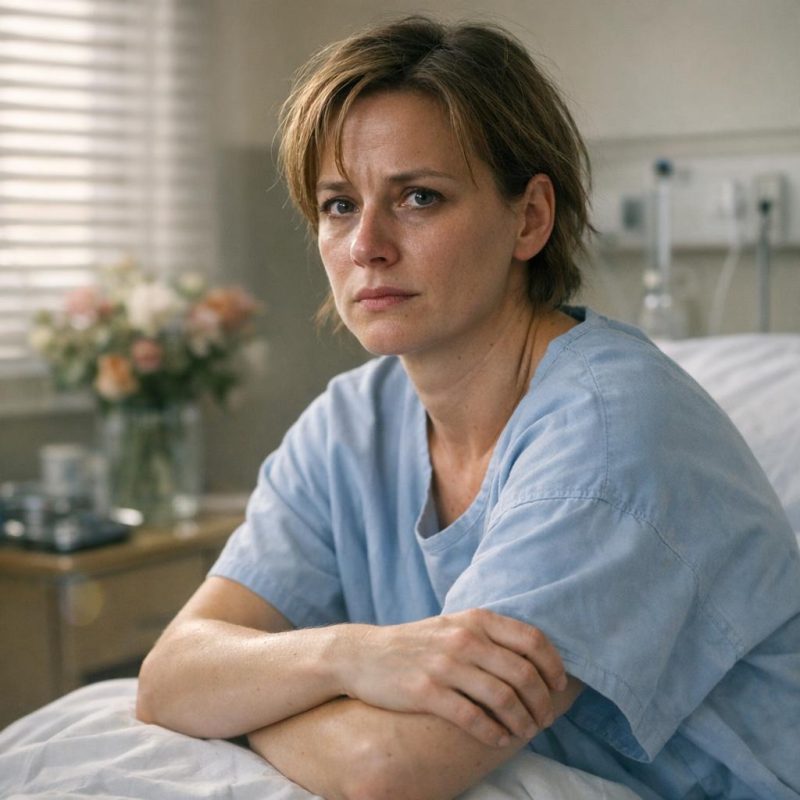 Image by RM AI
The Tech-Savvy Neighbor
I needed to see what was on that laptop, but I'm sixty-two years old and barely know how to attach photos to emails. The password screen mocked me every time I tried obvious combinations—Claire's birthday, Leo's birthday, their anniversary. I thought about the neighbor kid, Tyler, who'd helped me set up my new phone last year. His mom mentioned he was studying computer science. I walked over that afternoon with the laptop in my bag, feeling ridiculous and desperate. Tyler answered the door, headphones around his neck. 'Mrs. Martha! What's up?' I fed him some story about finding an old work laptop and forgetting the password, needing to recover some photos. He didn't question it, just invited me in and got to work. I watched him type things I didn't understand, run programs with names I couldn't pronounce. Twenty minutes passed. Then he went very still, his eyes fixed on the screen. The color drained from his face. After twenty minutes, he looked up at me with wide eyes and said, 'Mrs. Martha, you need to see this.'
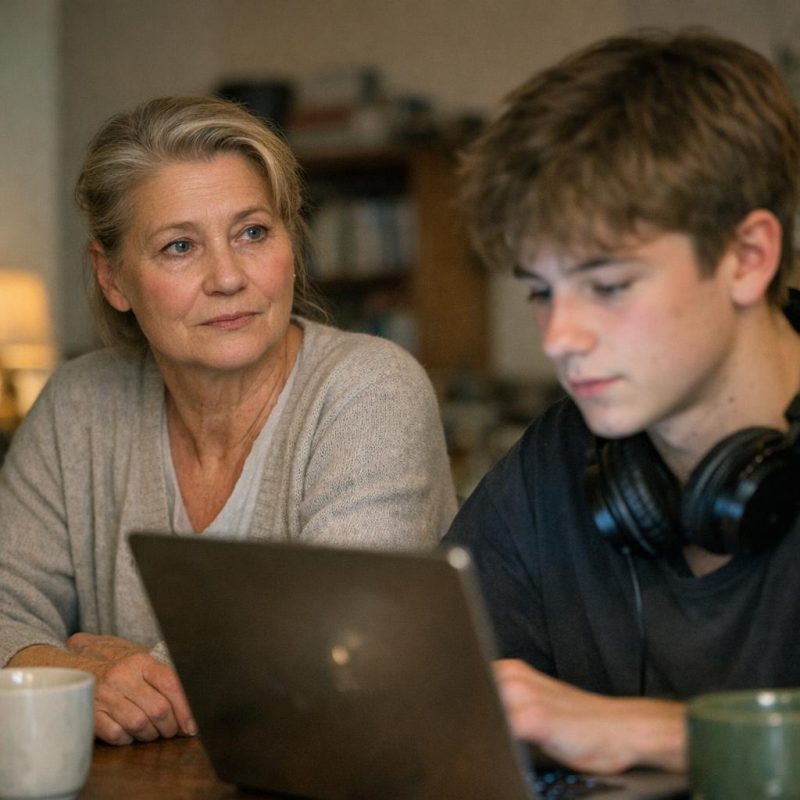 Image by RM AI
The Spreadsheets of Death
Tyler practically shoved the laptop at me and made an excuse about having to meet friends, leaving so fast he forgot to close his front door. I carried it back to Leo's house, sat down at the kitchen table, and opened the first file. Spreadsheets. Dozens of them, meticulously organized by year, then by quarter. Each one listed patient names, dates of procedures, complications, and outcomes. Beside each death was a dollar amount—insurance payouts, settlement figures, amounts marked 'transferred' and 'distributed.' The numbers were staggering. Hundreds of thousands per case, sometimes millions. My son's name appeared throughout, along with procedure codes and timestamps. There were profit margin calculations, projections, risk assessments for 'high-value targets.' I felt sick. This wasn't medical malpractice. This was murder for money, systematic and calculated, tracked like a business ledger. I scrolled to the bottom of one sheet, then another, finding the same thing on each. At the bottom of each sheet was a notation: 'Approved by LC' and 'Executed by LM.'
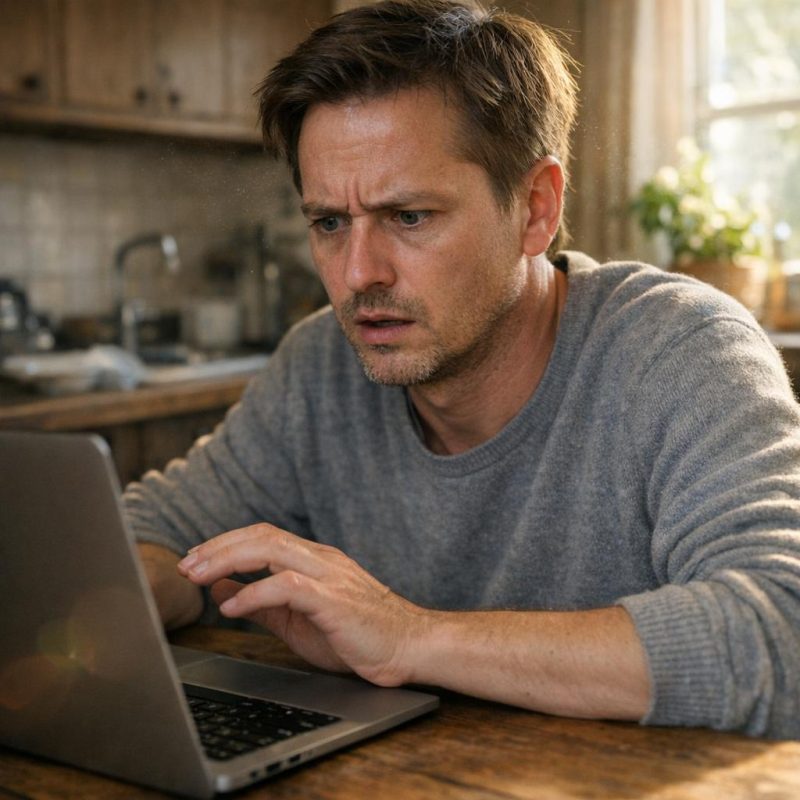 Image by RM AI
Mother's Illusion Shattered
I sat there at that kitchen table for what felt like hours, clicking through those spreadsheets, trying to find evidence that would prove what I desperately wanted to believe—that my son had been corrupted, that he'd been a good man who'd somehow been twisted into this. I checked dates obsessively, cross-referencing the earliest files against my memories. Leo and Claire married in 2019. I remembered the wedding, remembered thinking how formal and careful she seemed, how polished. But the spreadsheets. God, those spreadsheets. The first entries dated back to 2014, maybe earlier. Procedures marked 'high-value,' patients with massive life insurance policies, complications that looked routine on paper but resulted in death. All tagged with 'LM'—Leo Martinez. My son's initials. He'd been doing this for years before he even met Claire. I wanted to believe she'd made him worse, that maybe he'd done one bad thing and she'd turned it into a system, but I couldn't lie to myself anymore. The pattern was already established when she came into his life. I wanted to believe Claire had corrupted him, but the oldest entries on the spreadsheet predated their marriage.
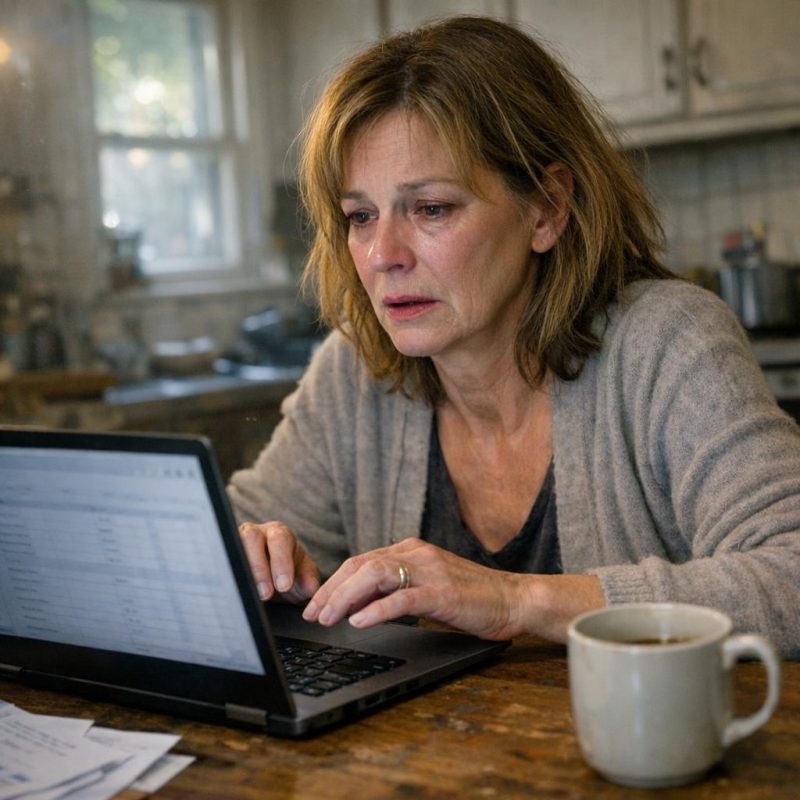 Image by RM AI
The Second Letter
I couldn't sleep that night. By morning I was back at the library, pulling books off shelves like a woman possessed. If there was one letter, maybe there were more. I worked systematically this time, checking every single volume in the psychology and true crime sections. It took me three hours. I found it tucked inside a hardcover about prison reform, same type of envelope, same institution header. This one was addressed to Leo too, but it wasn't threatening. The tone was almost grateful, businesslike. It confirmed receipt of his 'monthly contribution' and assured him that the funds were being properly allocated to inmate Marcus Holt's commissary account and legal defense fund. Monthly contributions. For how long? The letter was dated six months ago, but it referenced 'continued support,' suggesting this had been going on for years. Who was Marcus Holt? Why would my son be sending him money? I photographed the letter with shaking hands, my mind spinning with possibilities. Was this blackmail? Payment for silence? Something worse? This letter didn't threaten—it thanked him for his 'generous monthly contributions' to an inmate named Marcus Holt.
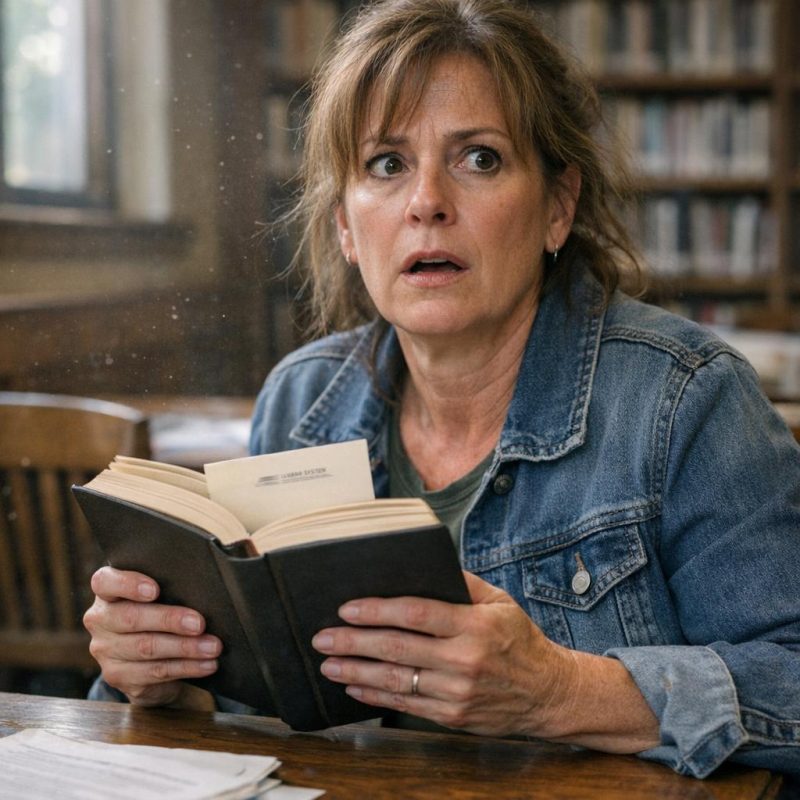 Image by RM AI
Who Is Marcus Holt?
I went straight to Tyler's apartment and used his laptop because I was terrified of leaving any search history on my own phone. 'Marcus Holt prison conviction' brought up dozens of results. He'd been sentenced to twenty-five years for murder and insurance fraud back in 2016. The articles laid out the whole sordid story—a business partnership that went wrong, a life insurance scam, a suspicious death that investigators eventually proved was homicide. Holt and his partner had taken out policies on each other, standard business practice, except Holt had increased his partner's coverage without telling him, then staged what looked like an accident. The case had been famous for a while, a real cautionary tale about greed. I scrolled through the coverage, looking for any connection to Leo, to Claire, to anything that made sense. Then I saw the victim's name in one of the older articles. David Rousseau. I had to read it three times before it sank in. The business partner's name was David Rousseau—Claire's first husband.
 Image by RM AI
The Blackmail Theory
The pieces fell together in my mind, forming a picture that made terrible sense. Claire's first husband had been murdered by his business partner. She'd collected the insurance money—I remembered Leo mentioning she'd been 'comfortable' when they met. What if she'd been involved? What if Marcus Holt hadn't acted alone, and Leo somehow found out? Maybe he'd investigated her background before they married, discovered her connection to the murder, and used it to control her. That would explain why she seemed so careful, so contained. She was trapped. But then why would Leo be paying Holt? To keep him quiet about Claire's involvement? To maintain leverage? It made a sick kind of sense, except it didn't explain the spreadsheets, didn't explain why Leo had started killing patients years before he met her. Maybe they'd both been criminals all along and recognized each other. Maybe it was mutual blackmail, a marriage built on shared secrets and threats. But if that were true, why would Claire stay? Unless she had no choice—or unless she was blackmailing him back.
 Image by RM AI
Brennan Returns
Detective Brennan showed up two days later while I was pretending to water plants. She didn't bother with pleasantries this time, just stood in the doorway with her arms crossed, looking exhausted. 'Mrs. Martinez, I need to ask you something directly. Have you found any electronics in this house? Laptops, tablets, phones that don't belong to you?' Her eyes were intense, searching my face. I felt my throat go dry. The laptop was hidden in my bedroom upstairs, the burner phone in my purse. 'I don't know what you mean,' I said, which was a lie and we both knew it. She stepped closer. 'We have reason to believe there's evidence in this house that could prevent more deaths. If you're protecting your son, if you're hiding something, you need to understand the stakes.' I wanted to tell her everything. I wanted to hand it all over and let someone else carry this horrible weight. But something stopped me—maybe the need to understand it myself first, maybe maternal instinct, maybe just cowardice. When I hesitated, Brennan said, 'Your silence is going to get someone killed, Mrs. Martinez.'
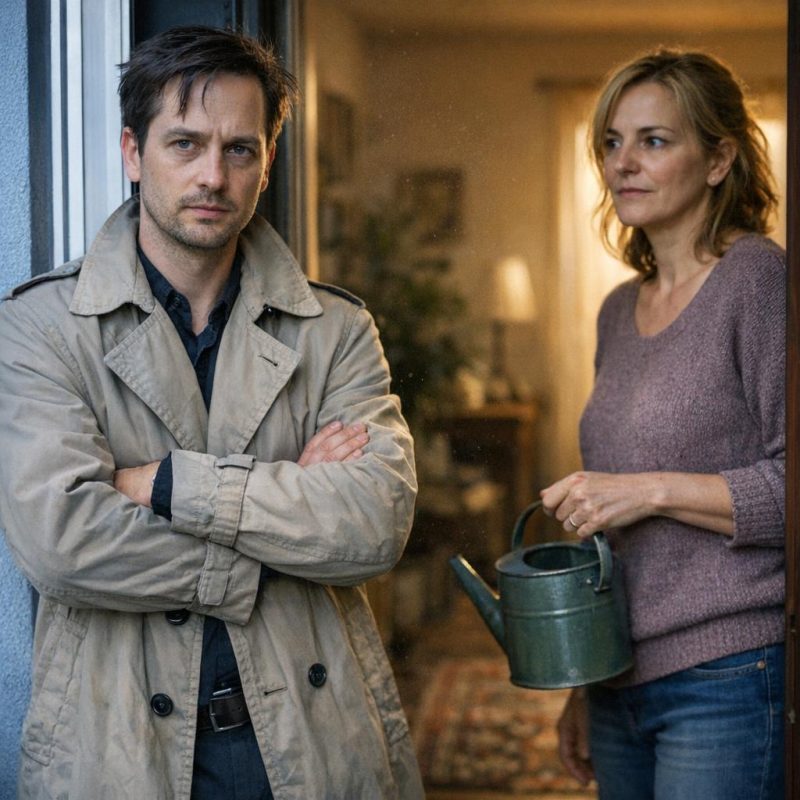 Image by RM AI
The Anonymous Tip
She left angry, and I spent the rest of the day pacing the house, trying to decide what to do. Turn everything over to the police? Confront Leo? Run? I was standing in the kitchen around eight PM when my phone buzzed with a text from a number I didn't recognize. No caller ID, just digits. The message was short: 'They're coming home early. Get out now.' My first thought was that it was spam, some random scam. But something about the timing, the specificity, made my stomach drop. I rushed to the front window and peeked through the curtains, saw nothing but empty street. Maybe it was a wrong number. Maybe I was being paranoid. I turned back toward the kitchen, trying to calm my racing heart, telling myself I was overreacting. That's when I heard it—the low rumble of an engine, growing louder, closer. I ran back to the window just in time to see headlights swing into the driveway. Leo's car. They weren't supposed to be back for three more days. Before I could respond, I heard a car engine in the driveway.
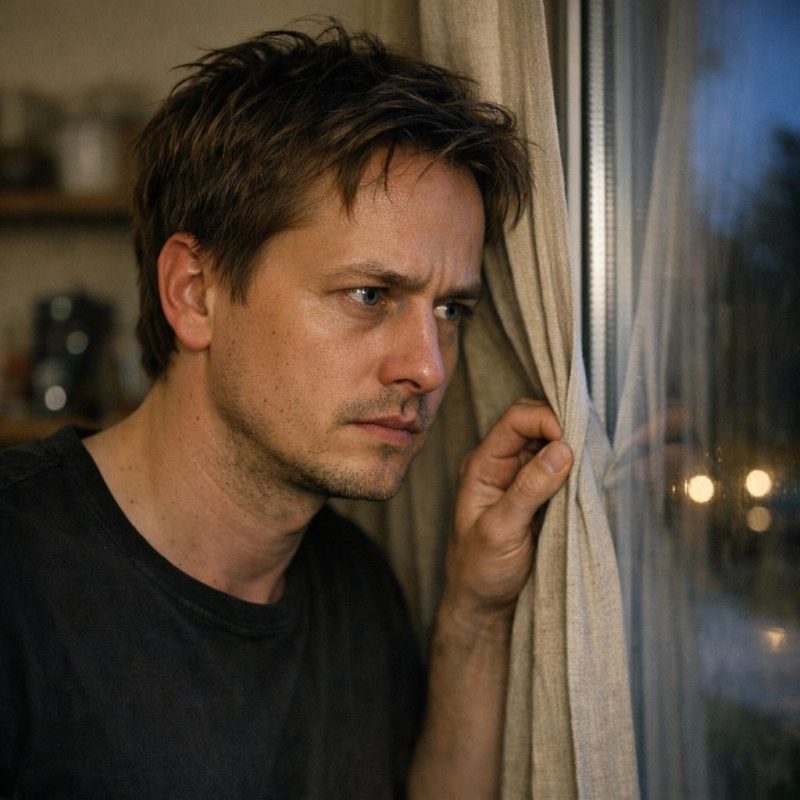 Image by RM AI
The Lights Go Out
I grabbed the laptop and phone from my bedroom, hands shaking so badly I almost dropped them. Where could I hide them? Where could I hide myself? I heard car doors slamming outside, voices I couldn't make out. I was halfway down the stairs when every light in the house went out at once. Not a gradual dimming—instant, complete darkness. The hum of the refrigerator died. The digital clock on the microwave went black. Either the power grid had failed at the worst possible moment or someone had cut the electricity deliberately. I froze on the stairs, gripping the railing, trying to let my eyes adjust. I could hear my own breathing, loud and ragged in the sudden silence. Then I heard the front door open, the familiar creak of the hinges. Footsteps in the entryway, deliberate and unhurried. I backed up slowly, trying not to make a sound, and slipped into the kitchen, then into the walk-in pantry. I pulled the door almost closed, leaving just a crack to see through. I pressed myself into the shadows of the pantry, phone clutched in my hand, as footsteps echoed on the hardwood.
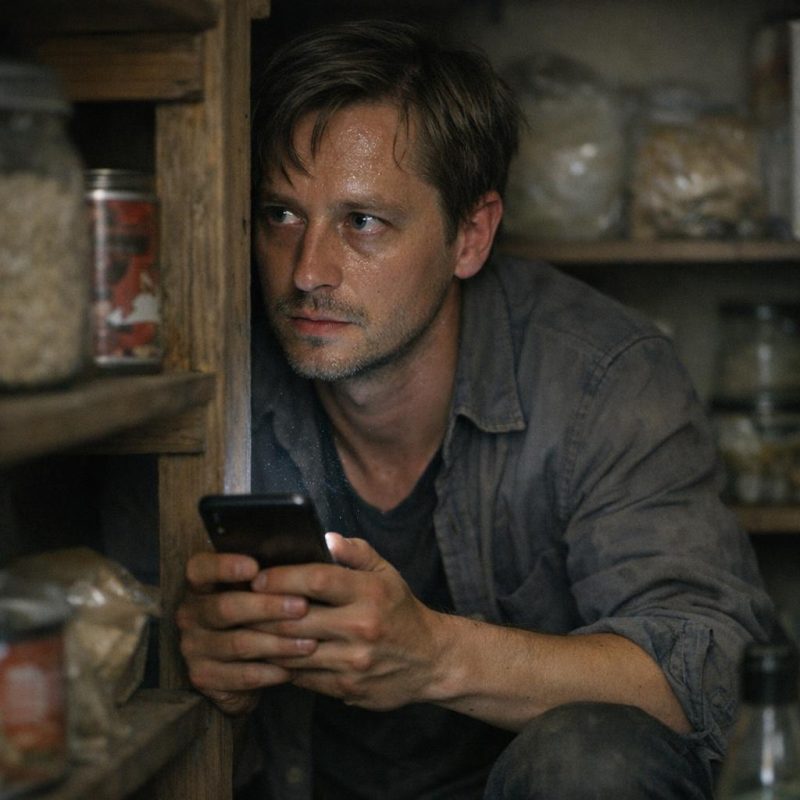 Image by RM AI
The Cold Voices
The footsteps moved through the house with eerie confidence, like whoever it was knew the layout by heart. Of course they did. This was their home. I heard Leo's voice first, but it didn't sound like my son. The warmth was gone, the animated energy he usually carried. He sounded flat, clinical. 'Check upstairs first,' he said. Then Claire responded, and her voice was just as cold, just as empty. 'Already on it.' These weren't the people I knew. Not the careful, polished daughter-in-law or the charismatic surgeon son. These were strangers wearing their faces, speaking in voices stripped of anything human. I heard them moving around, opening doors, checking rooms. My heart hammered so hard I thought they'd hear it. I tried to slow my breathing, tried to think. Then they were in the kitchen, just feet away from my hiding spot. Their footsteps stopped. The silence stretched out, unbearable. Leo said, 'She found it, didn't she?' and Claire replied, 'I told you the library was a careless hiding spot.'
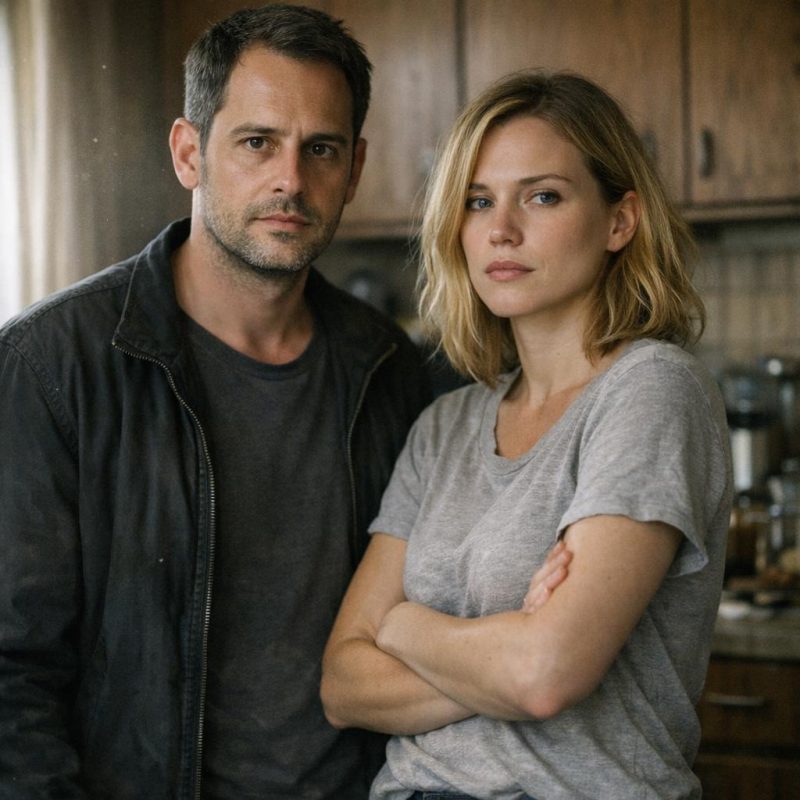 Image by RM AI
The Partnership Revealed
They kept talking, and I kept listening, barely breathing in that cramped pantry space that smelled of flour and old cardboard. Leo said something about 'the loose end' being handled, and Claire responded with coordinates or numbers—I couldn't make sense of it. My legs were cramping from staying so still. Then Claire laughed, this cold little sound, and said, 'I still can't believe you told her we were in Switzerland.' Leo's response was casual, almost amused: 'She needed to think we were unavailable. It bought us the time.' Switzerland. They'd never gone to Switzerland. They'd been here, or nearby, orchestrating something I still couldn't grasp. The realization felt like ice water down my spine. Everything I'd assumed about their trip, their absence, their trust in me—lies. Carefully constructed lies. I pressed my hand against the shelf to steady myself, and a can shifted slightly under my palm. I froze. The sound seemed deafening. They went quiet. My heart was beating so hard I thought I'd pass out right there among the canned tomatoes and pasta boxes. Then Leo said something that made my heart stop: 'Did you check if she found the phone?'
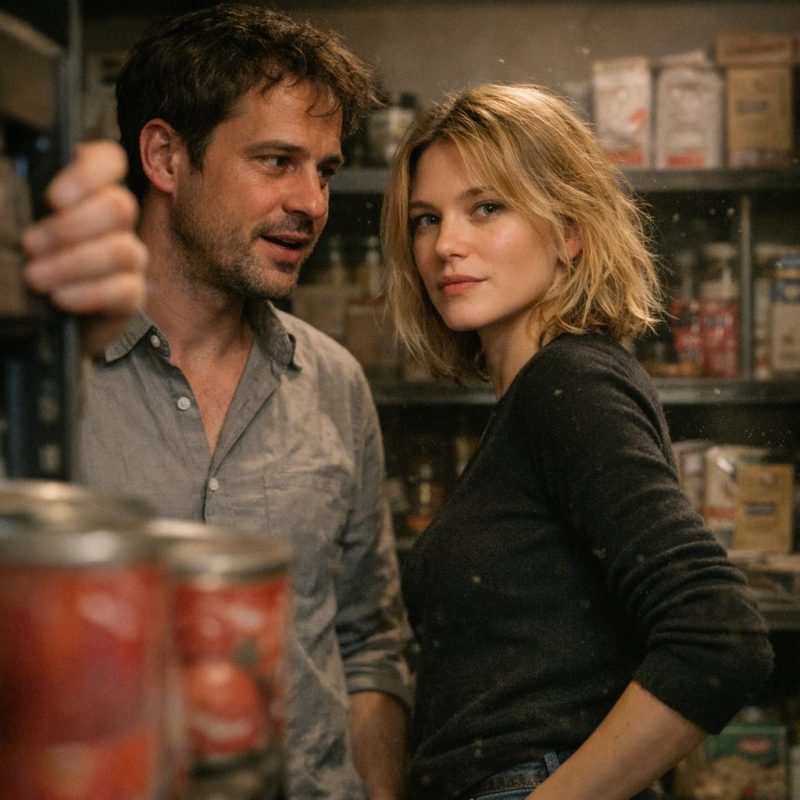 Image by RM AI
The Phone Buzzes
The phone. God, the phone. It was still in my cardigan pocket, pressed against my ribs. I didn't dare move. Didn't dare breathe. Claire said something about checking the library again, and I heard her footsteps move away. Leo stayed in the kitchen. I could hear him opening cabinets, drawers, that methodical searching sound. And then—I swear my soul left my body—the phone in my pocket vibrated. It was set to silent, but that buzz, that distinctive mechanical purr, echoed in the tiny pantry like a scream. I clamped my hand over the pocket, as if that would somehow undo what had just happened. Leo's footsteps stopped. 'What was that?' he called out. Claire's voice came from somewhere upstairs: 'What was what?' I fumbled for the phone with shaking hands, desperate to silence it completely, and saw the screen light up with a new message. The number was unfamiliar. My hands were shaking so badly I could barely read it. The message read: 'The perimeter is set, Martha. You did exactly what we hoped you'd do.'
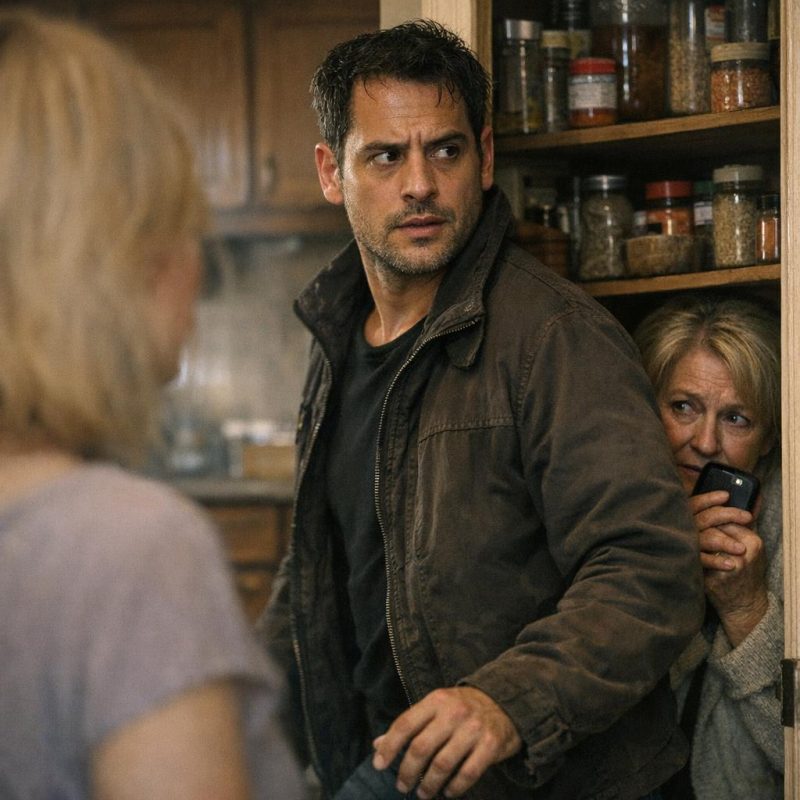 Image by RM AI
The Truth Fractures
I stared at those words until they blurred. This wasn't from Leo. It wasn't from Claire. Someone else knew I was here, knew I had the phone, knew my name. The thought made my skin crawl. Leo was moving closer to the pantry—I could hear him just on the other side of the door. My mind raced through impossible scenarios. Who had given me this phone? Who was watching? Had I been set up from the very beginning? The whole investigation, the evidence I'd found, the letter about Markus—was any of it real? I felt like the floor was tilting beneath me. Everything I thought I understood was fracturing, breaking apart into pieces I couldn't recognize. Then the phone buzzed again. I almost dropped it. Leo said, 'Claire, I'm checking the pantry,' and I heard his hand on the doorknob. My breath caught in my throat. The screen lit up my face in the darkness. A second message appeared: 'Stay in the pantry. Do not reveal yourself. Help is two minutes away.'
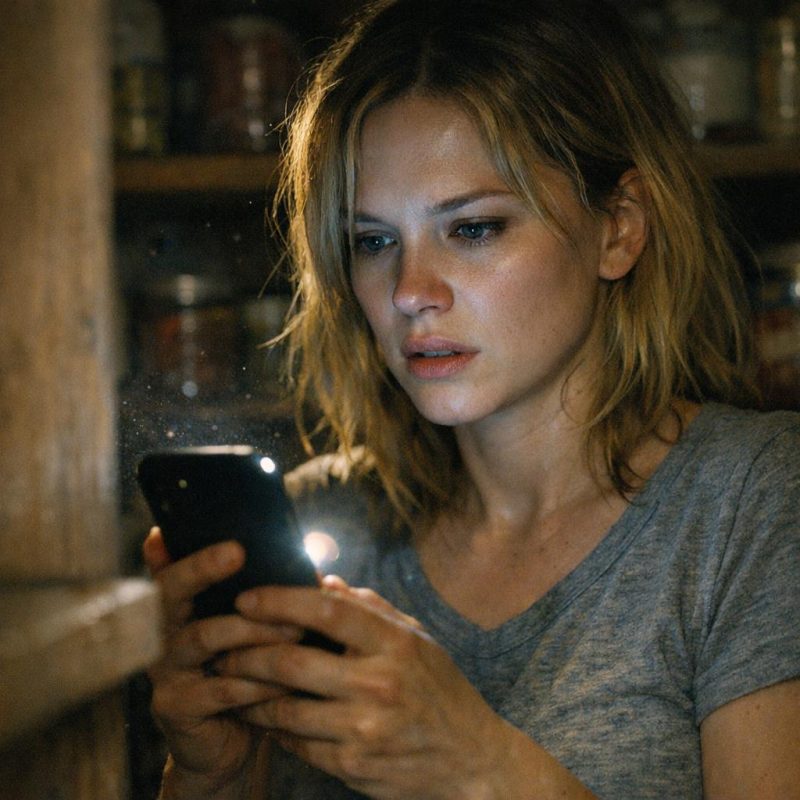 Image by RM AI
Sirens in the Distance
Two minutes. That's an eternity when you're hiding in a pantry waiting to be discovered. Leo's hand was still on the doorknob—I could see it turning slightly through the crack. Then, faint but unmistakable, I heard sirens. They were far away at first, but growing louder. Leo heard them too. He stopped. 'Claire!' he shouted, his voice sharp now, losing that clinical calm. She came running down the stairs. 'What did you do?' she demanded. 'What did YOU do?' he shot back. Their voices were overlapping, urgent, no longer coordinated. The sirens were getting closer, multiple vehicles from the sound of it. 'We need to go,' Claire said. 'Now.' But Leo wasn't moving. 'The evidence,' he said. 'We can't leave the evidence.' They were arguing now, really arguing, and I could hear the panic creeping into both their voices. The sirens were right outside. I heard car doors slamming, footsteps on the gravel driveway. Claire's voice finally cracked with emotion, something raw and desperate breaking through that composed mask: 'You should have told me she was this smart!'
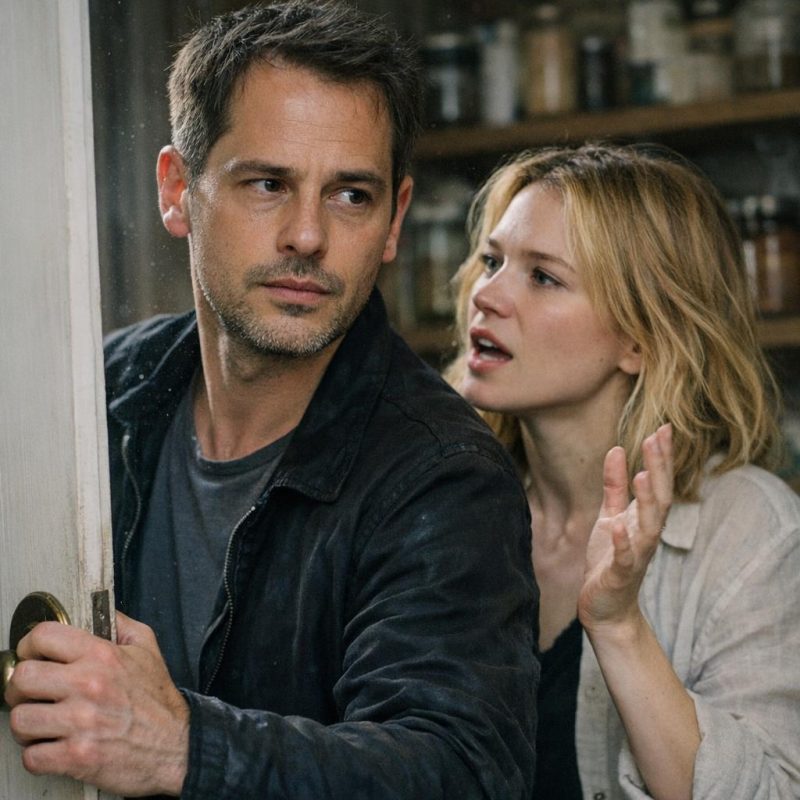 Image by RM AI
The Raid
The front door exploded inward with a crash that shook the whole house. Voices shouted commands—'Police! Get on the ground! Hands where we can see them!'—overlapping and echoing through the rooms. I heard Leo and Claire both yelling, trying to explain or protest, but the commands just got louder. 'On the ground NOW!' Heavy footsteps thundered through the house, multiple people, moving with purpose. Through the crack in the pantry door, I could see figures in tactical gear sweeping through the kitchen. Someone shouted 'Clear!' from upstairs. My whole body was shaking. I wanted to come out but I was terrified, frozen in place, unsure if I should reveal myself or wait. The message had said help was coming, but this felt like chaos, like the world was ending. I heard the distinctive sound of handcuffs clicking, Claire crying or maybe screaming, Leo's voice raised in anger. Then the pantry door opened slowly, carefully. A woman in a police jacket stood there, her expression kind but serious. Detective Brennan appeared in the pantry doorway and said, 'Mrs. Martha, you can come out now. You're safe.'
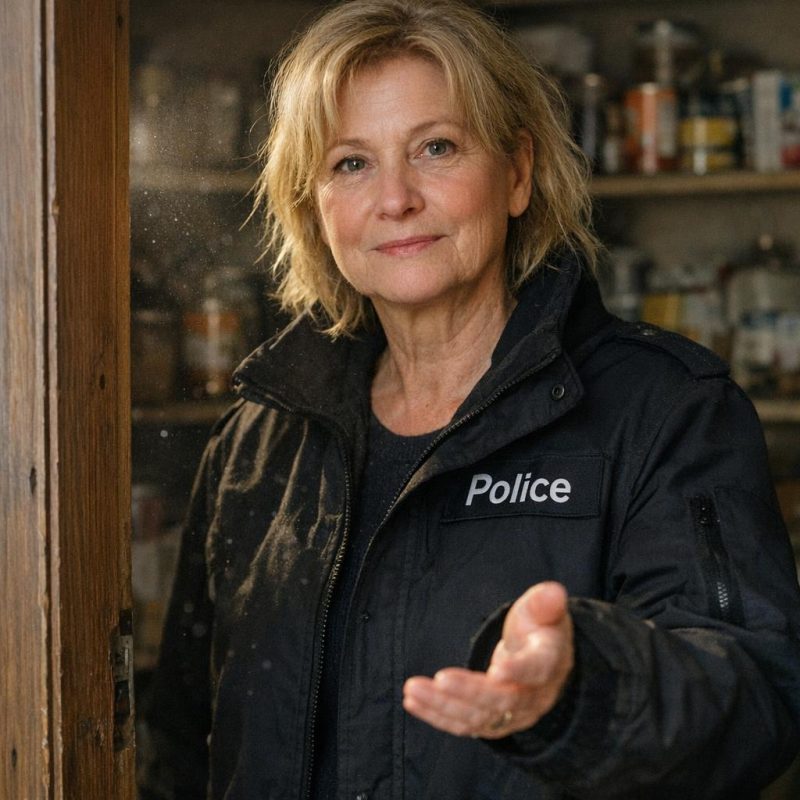 Image by RM AI
The Interrogation Room
They took me to a police station, not the local one but some kind of regional office with fluorescent lights and gray walls that made everything feel unreal. Brennan sat across from me in a small room with a table between us, offering me water and apologizing for the shock of it all. My hands wouldn't stop shaking. She started explaining in this calm, methodical voice: Leo had been under investigation for months. Medical fraud, insurance schemes, falsified research data. They'd been building a case, gathering evidence, waiting for the right moment. I kept nodding, trying to process, but my mind felt foggy. 'Why didn't you tell me?' I asked. 'Why let me stumble into all of this?' Brennan's expression was sympathetic but firm. 'We needed someone inside who wouldn't raise suspicion. Someone he trusted completely.' The words stung. I'd been used. My son was a criminal, and I'd been turned into an unwitting spy. Then I thought about Claire, about that letter, about Markus. 'What about Claire?' I asked. 'What was her role in all of this?' But when I asked about Claire's role, Brennan's expression shifted: 'Claire isn't a suspect, Mrs. Martha. She's been working with us.'
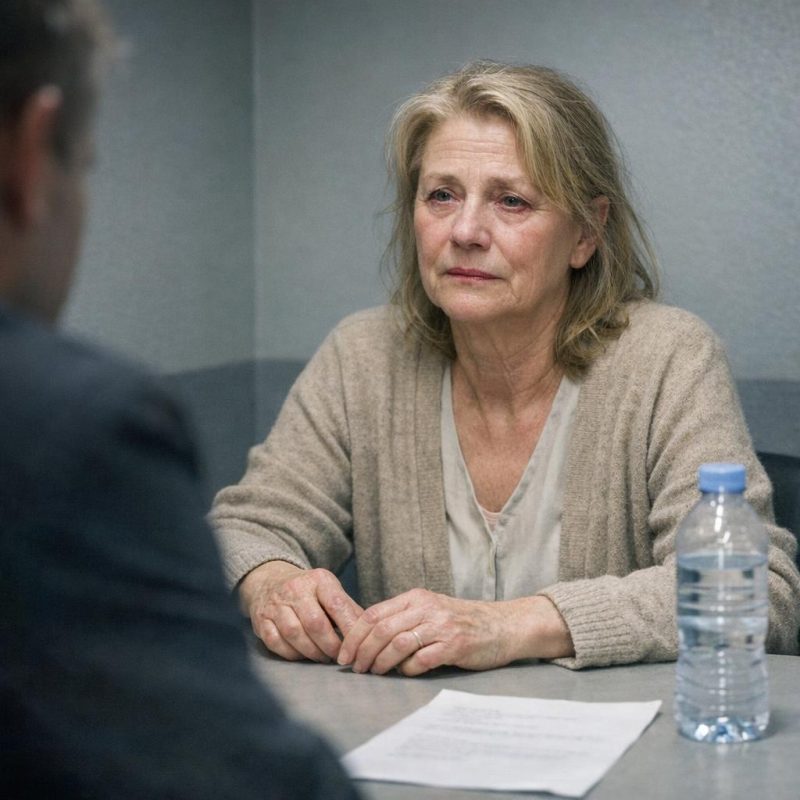 Image by RM AI
The Victim Who Wasn't
The room tilted. Claire. Working with the police. Brennan kept talking, explaining how Leo had discovered something about Claire's first husband, Markus, about his death in that climbing accident. It had been an accident—truly just a terrible accident—but Leo had twisted it, created 'evidence' suggesting Claire had caused it somehow. He'd been blackmailing her for years, controlling her, threatening to destroy her if she didn't comply with his schemes. Six months ago, Claire had finally broken. She'd gone to the authorities, told them everything, agreed to cooperate. 'The letter you found?' Brennan said. 'Claire wrote it as evidence. She knew Leo kept documentation of his leverage over her. She needed us to find it.' I thought about Claire's face, always so composed, so careful. I'd thought she was a monster. But she'd been a victim, trapped, surviving the only way she knew how. 'So everything I found,' I said slowly, 'the offshore accounts, the phone, the files—' Brennan nodded. 'Partially real, partially staged.' Then Brennan said the words that shattered everything: 'Claire came to us six months ago. Everything you found was planted to make you act.'
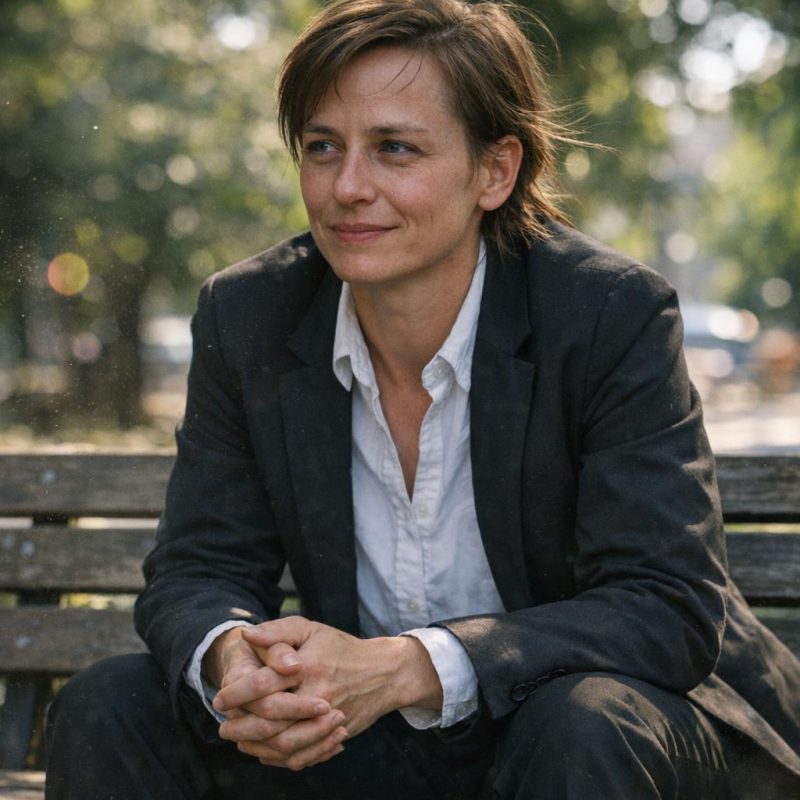 Image by RM AI
The Bait Was Me
Brennan laid it out for me piece by piece, and each revelation felt like a knife. The house-sitting invitation hadn't been Leo's idea—Claire had suggested it, knowing I'd be curious, knowing I'd snoop. The letter had been placed in that obvious hiding spot on purpose. The burner phone had been loaded with just enough real evidence to be convincing, mixed with breadcrumbs that would lead me exactly where they needed me to go. 'Leo's operation used biometric encryption,' Brennan explained. 'We couldn't access his real files without triggering alerts. But you—his mother, in his house, using his systems—you could move through his digital life without raising flags.' They'd counted on my concern. My maternal instinct. My desperate need to protect my son, even from himself. Every step I'd taken, every discovery I'd made, had been carefully orchestrated. I wasn't the detective. I was the key. The unwitting operative who'd authenticated access to evidence they could never have obtained legally. 'We're sorry,' Brennan said, but her voice sounded distant. I wasn't protecting my son—I was the key to destroying him, and they'd counted on my blind maternal love every step of the way.
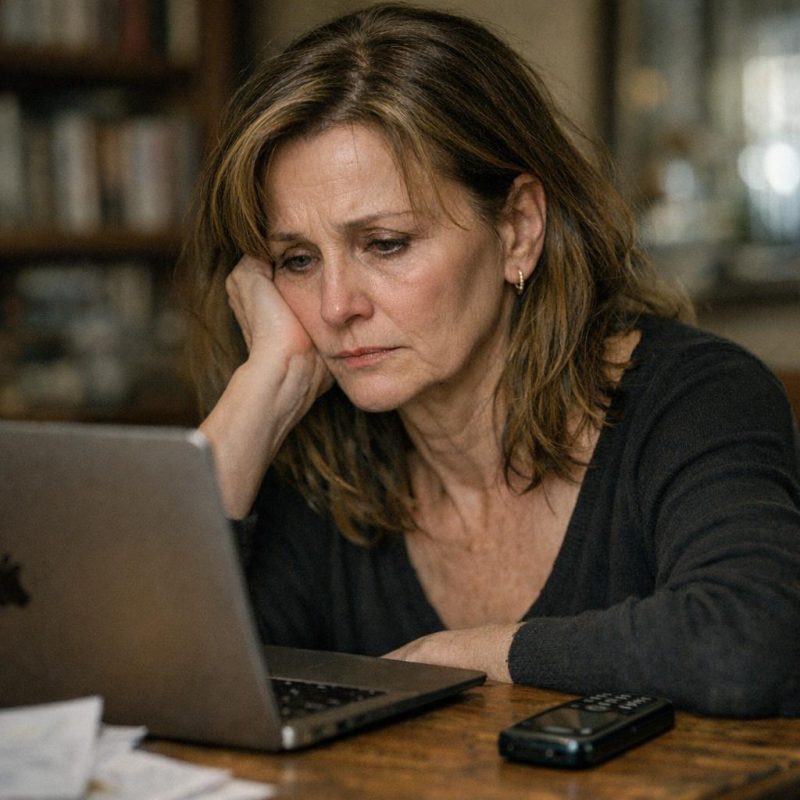 Image by RM AI
The Encrypted Phone
Brennan pulled out a tablet and walked me through the technical details, speaking slowly like she knew each word was landing like a punch. The burner phone I'd found wasn't just evidence—it was the evidence, encrypted with layers of biometric security Leo had designed specifically to keep law enforcement out. 'We've known about Leo's operation for eighteen months,' she said. 'But we couldn't crack his systems. Every attempt triggered alerts that would've destroyed evidence and warned his network.' The phone required fingerprint authentication, location verification from inside the house, and behavioral patterns consistent with someone searching desperately, emotionally, without the careful precision of a trained investigator. Someone exactly like me. 'The encryption was designed to unlock only for family members accessing it from his home network,' Brennan explained. 'Specifically, it was calibrated for you.' My hand shook as I held my coffee cup. Claire had placed that phone knowing I'd find it. Knowing I'd pick it up with bare hands. Knowing I'd be desperate enough to dig through its contents without considering the technical footprint I was leaving. My fingerprints, my location data, my desperate search for answers—I had been the authentication key they needed.
 Image by RM AI
Claire's Testimony
Brennan left me alone in the conference room with a laptop and a pair of headphones. 'This is Claire's initial testimony,' she said. 'We think you need to see it.' I didn't want to watch, but I owed Claire that much. The video showed her sitting in this same room, makeup-free, hands trembling, looking absolutely shattered. She described years of psychological torture—how Leo had systematically isolated her from friends, monitored her communications, used David's death as a weapon to keep her compliant. 'He made me help him identify patients,' she said on the screen, her voice barely above a whisper. 'Wealthy ones with complicated families. He'd say it was for financial planning, but I knew. I always knew.' She described the pills he made her deliver, the records she falsified under his direction, the constant threat hanging over her head. 'After David died, I wanted to leave him,' she continued. 'I tried once. He showed me a file he'd constructed—false evidence, manipulated emails, doctored photos. He'd built an entire case that would prove I'd murdered David deliberately.' My throat tightened as I watched her wipe away tears. Claire's voice broke as she said, 'He told me if I didn't help him, he'd make sure I went to prison for David's death—even though it was an accident.'
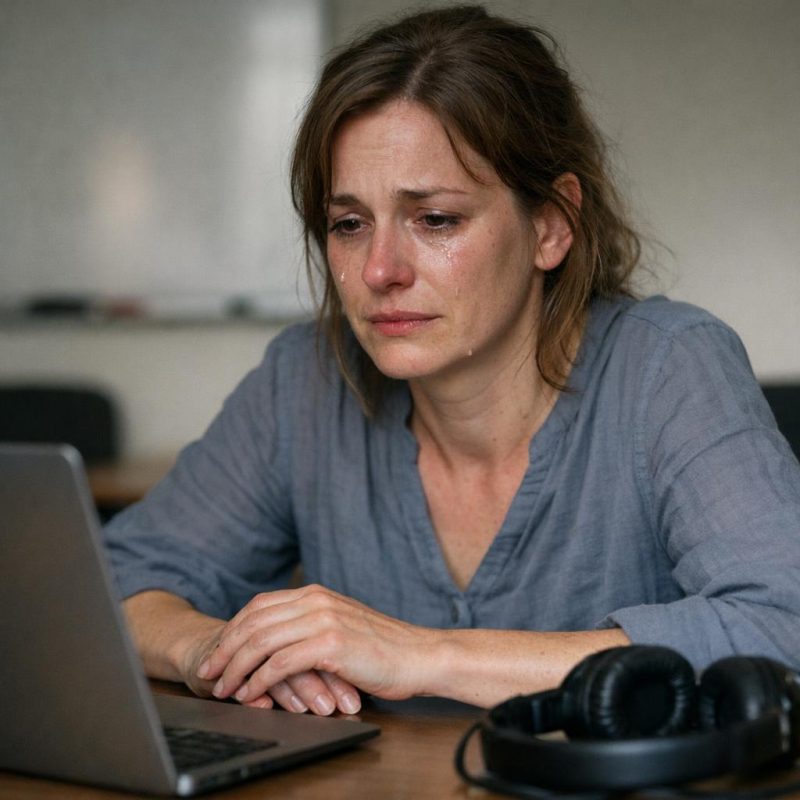 Image by RM AI
Confronting the Monster
I demanded to see him. Brennan tried to talk me out of it, but I insisted—I needed to look my son in the eye and understand what he'd become. They led me down a corridor to an interrogation room where Leo sat in an orange jumpsuit, hands cuffed to the table. He looked up when I entered, and his expression was completely blank. Not surprised, not ashamed, not even particularly interested. 'Hello, Mother,' he said calmly. I sat down across from him, searching his face for some trace of the boy I'd raised. 'Why?' I asked. 'Why would you do this? Kill innocent people? Destroy Claire? Use me?' He tilted his head slightly, like he was considering an academic question. 'I thought you'd figured it out by now,' he said. 'You always were slower than you thought.' My hands clenched under the table. 'I want to understand,' I said. 'I need to know how my son became this.' Something flickered in his eyes then—not guilt or pain, but something colder. Amusement, maybe. Contempt. When I asked him why, he smiled and said, 'Because I could, Mother. Because no one ever suspected the perfect son.'
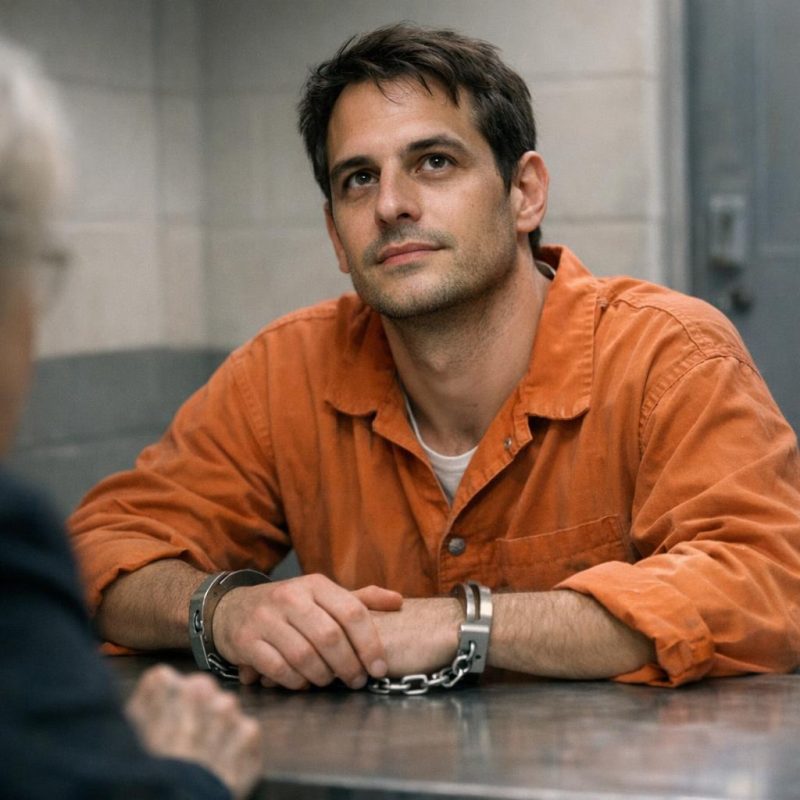 Image by RM AI
The Son I Never Knew
He leaned back in his chair, still wearing that terrible smile, and started talking like he was describing a successful business venture. 'I killed my first patient during my residency at Johns Hopkins,' he said casually. 'Elderly woman, terminal diagnosis, family fighting over her estate. I adjusted her medication and she coded within hours. The family was so grateful she didn't suffer longer—they gave me a Rolex as thanks.' My stomach turned. 'I realized then that I'd found the perfect crime. Doctors are expected to have patients die. We're trusted implicitly. And desperate families don't ask questions when we deliver them from suffering.' He'd been doing this for thirteen years. Longer than his marriage to Claire. Longer than I'd been widowed. He described his system with pride—how he'd refined his techniques, expanded his network, built layers of protection. 'Claire was perfect,' he continued. 'Vulnerable, guilty about her brother, desperate to believe in redemption. I could manipulate her completely.' Then he looked at me with those dead eyes. 'And you, Mother—you were even easier. So predictable in your concern.' He said, 'I picked Claire because her past made her controllable. I picked you to house-sit because I knew you'd snoop. I'm always three steps ahead.'
 Image by RM AI
The Mothers of the Dead
After that conversation, I couldn't speak for hours. Brennan found me in the conference room, staring at nothing, and she sat down beside me with a folder. 'Martha,' she said gently, 'I need to show you something. It's hard, but I think you need to see the people Leo hurt.' She opened the folder, and there were photographs—not of bodies, but of lives. A young man graduating from college. An elderly woman surrounded by grandchildren. A middle-aged father coaching Little League. Each photo was paired with a letter from their families. I read every single one, forcing myself not to look away. One mother described her son's final hours, how grateful she'd been for Dr. Mason's compassionate care, how she'd had no idea she was watching her child be murdered. A daughter wrote about her father's 'peaceful passing' that she later learned was anything but peaceful. The amounts varied—$200,000, $380,000, $150,000—but the grief was universal. These families had trusted Leo with their most vulnerable moments, and he'd exploited their pain for profit. The letters blurred as tears filled my eyes. One mother had written, 'I trusted Dr. Mason with my son's life, and he murdered him for $200,000.'
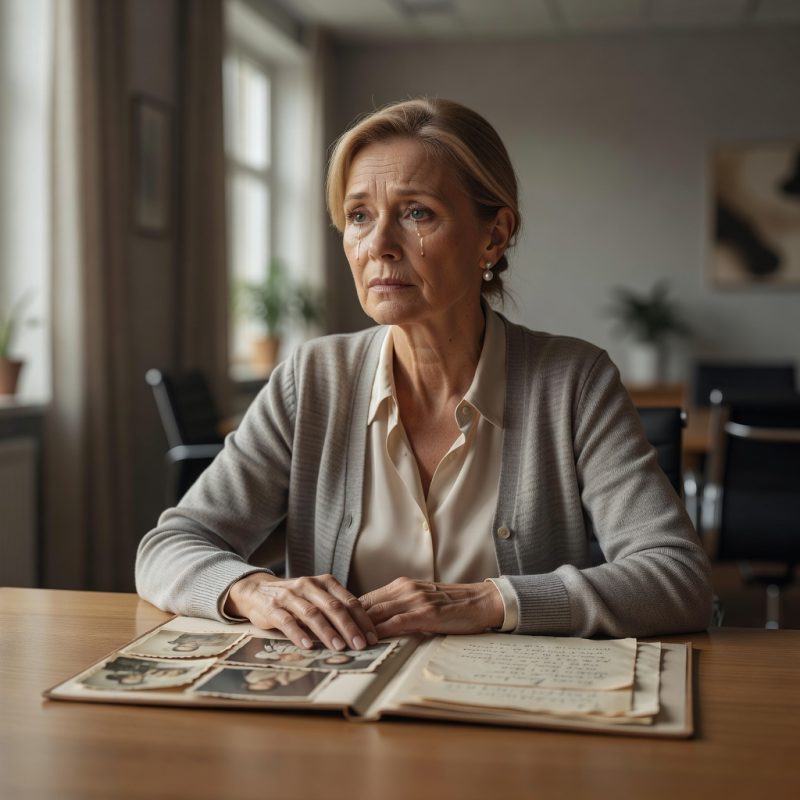 Image by RM AI
Claire's Forgiveness
Brennan arranged the meeting at Claire's request. I almost didn't go—what could I possibly say to this woman I'd suspected, judged, and unwittingly helped imprison through my son's manipulation? But Claire had asked specifically to see me, so I went. She was waiting in a small office at the DA's building, looking tired but somehow lighter than she'd been in that house. When I walked in, I started to apologize, but she stood and wrapped her arms around me. I froze, shocked by the gesture. 'I'm so sorry,' I whispered. 'I thought terrible things about you. I believed—' 'You believed what he wanted you to believe,' Claire interrupted. 'That's what he does. What he did.' We sat together for over an hour, two women who'd loved the same monster in different ways. She told me about the early days of their marriage, before she understood what he was. 'I keep wondering if there were signs I missed,' she said. 'But he was so good at being exactly what I needed.' I understood that completely. We cried together, not just for ourselves but for all the people Leo had destroyed. When it was time to leave, Claire took my hand and said, 'You gave me my freedom, Martha. You saved my life, even if you didn't know it.'
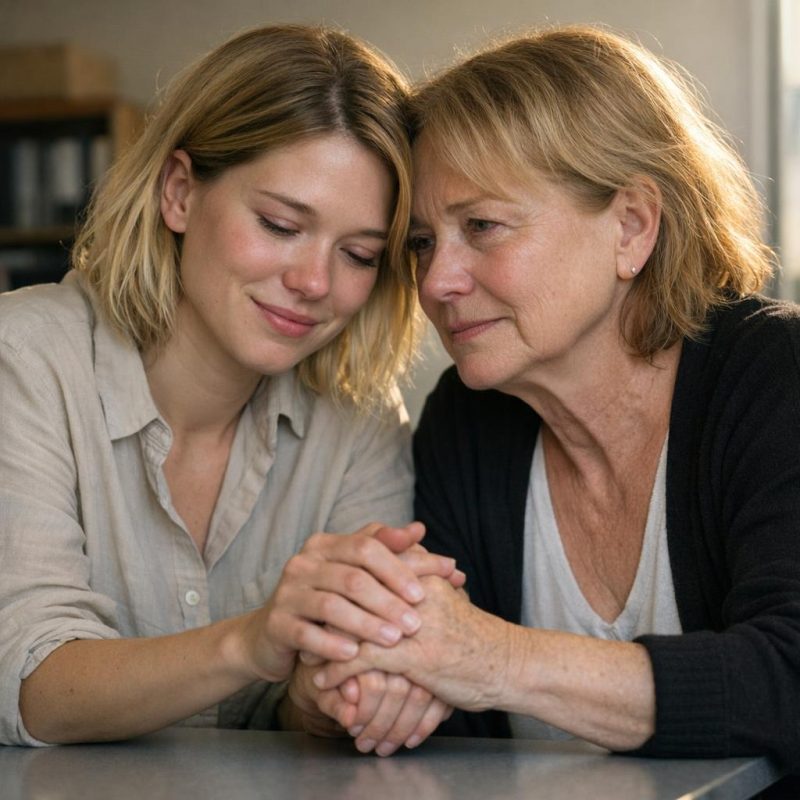 Image by RM AI
The Trial Preparation
The DA's office wanted me to testify. My lawyer—a kind woman named Patricia who specialized in cases involving family members of criminals—laid out what that would mean. 'Your testimony will be national news,' she explained. 'Your son's crimes, your role in the investigation, your family history—it'll all become public. People will judge you, blame you, question how you raised him.' She wasn't wrong. I'd already seen the online speculation, the true crime forums dissecting my life. Some people called me a hero for helping catch him. Others blamed me for creating a monster. Most just wanted the salacious details. Patricia gave me an out—I could provide a deposition instead, avoid the public spectacle, protect what remained of my dignity. I thought about those letters from the victims' families. I thought about Claire's broken voice on that video. I thought about my son's cold smile as he described his crimes. 'The families deserve to see justice served,' I said. 'They deserve to know someone in Leo's family acknowledges what he did.' My lawyer said, 'Are you sure you want to do this?' and I answered, 'Those families deserve justice more than I deserve dignity.'
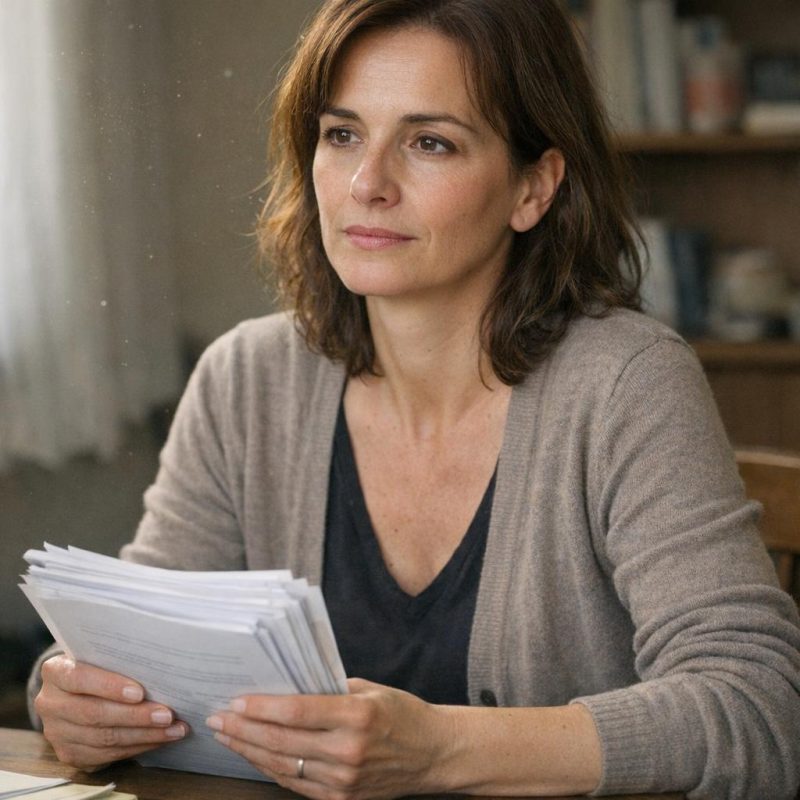 Image by RM AI
The Courtroom
The courtroom was packed with journalists, victims' families, and people who'd just come to watch the spectacle. I'd been warned about the cameras, the attention, but nothing prepared me for the weight of all those eyes. The prosecutor walked me through my testimony—how I'd agreed to house-sit, found the letter, discovered the phone, contacted Detective Brennan. I described watching my son's perfect life unravel, piece by piece. 'Did you suspect your son was capable of these crimes?' the prosecutor asked. 'No,' I answered honestly. 'I suspected his wife. I believed he was the victim. That's how good he was at deception.' I talked about the moment I realized I'd been used, how my maternal love had been weaponized against me. Several family members in the gallery were crying. I looked at them directly. 'I'm so sorry,' I said. 'I wish I'd known sooner. I wish I'd been able to stop him before he hurt your families.' The prosecutor had more questions, then the defense had their turn, trying to paint me as a bitter mother seeking revenge. I didn't take the bait. I just told the truth. As I stepped down, I looked at Leo one last time, and he looked away—the first time he'd ever shown shame.
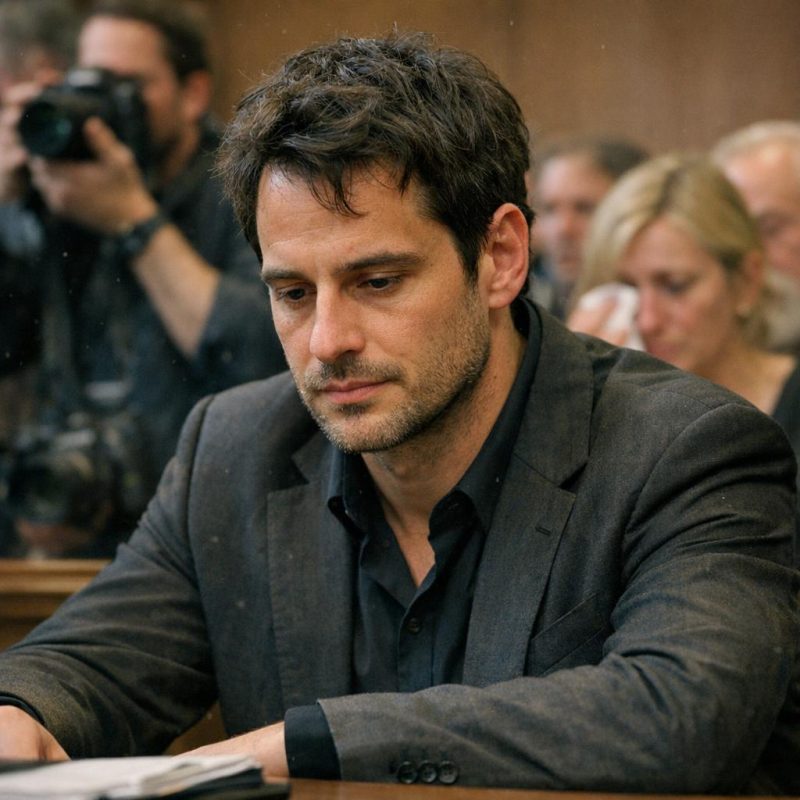 Image by RM AI
The Verdict
The jury came back after eight hours. When the foreman said 'guilty' the first time, I held my breath. Then he said it again. And again. Guilty on all counts—twenty-three murders, attempted murder, fraud, conspiracy. The judge set sentencing for two weeks later, but we all knew what was coming. Life without parole. When the day arrived, the courtroom was even more packed than before. The judge read the sentence without emotion: consecutive life sentences, no possibility of parole. Leo stood there in his orange jumpsuit, his hands cuffed, and just nodded. No outburst. No tears. Just that same blank acceptance, like he'd already moved on to the next chess game in his head. The bailiffs took him by the arms to lead him out. As they passed my row, he turned his head slightly, and for a split second, our eyes met. I wanted to feel something—anger, relief, vindication. Instead, I just felt hollow. As they led him away in chains, I realized I was crying—not for him, but for the son who never really existed.
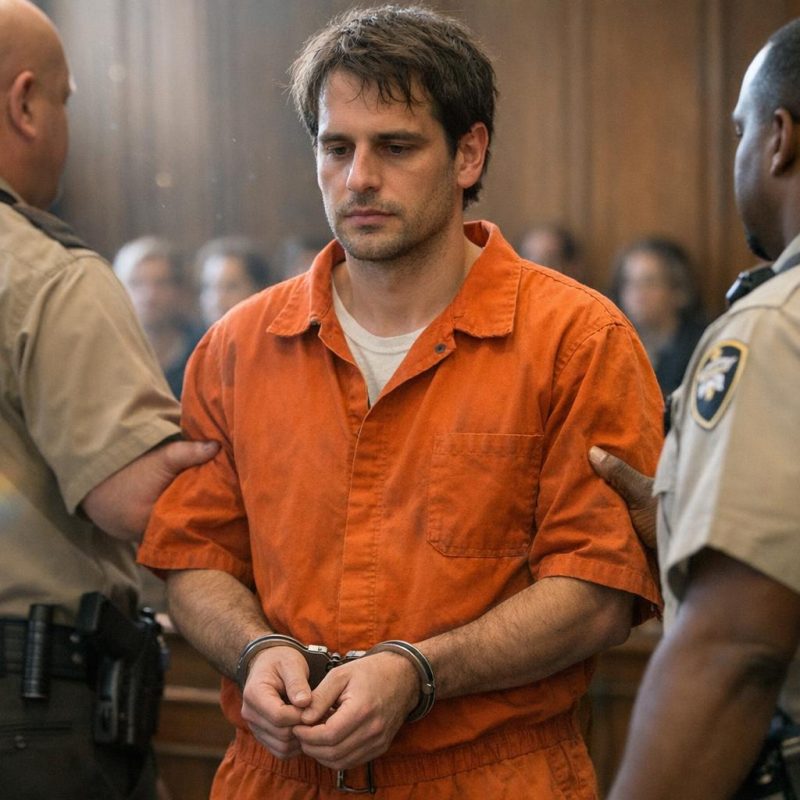 Image by RM AI
The Aftermath
Six months after the trial, I'd settled into a small one-bedroom apartment across town—nothing fancy, but it was mine, paid for with what little savings I had left after the legal fees and chaos. I'd started volunteering with a victims' advocacy group that pushed for tighter regulations on medical professionals and better oversight of pharmaceutical access. It gave me something to do besides replay the nightmare in my head. Tuesdays and Thursdays, I answered phones and helped families navigate the legal system. Sometimes I shared my story at conferences, warning other parents about the signs they might miss. It wasn't much, but it felt like penance. Like maybe I could prevent another Leo from happening. The group held monthly meetings where family members could share their grief and anger. I expected them to hate me, to blame me for not seeing what my son was. Instead, they welcomed me with an understanding that still breaks my heart. The mothers of Leo's victims had become my new family, bound by grief and the fight for medical reform.
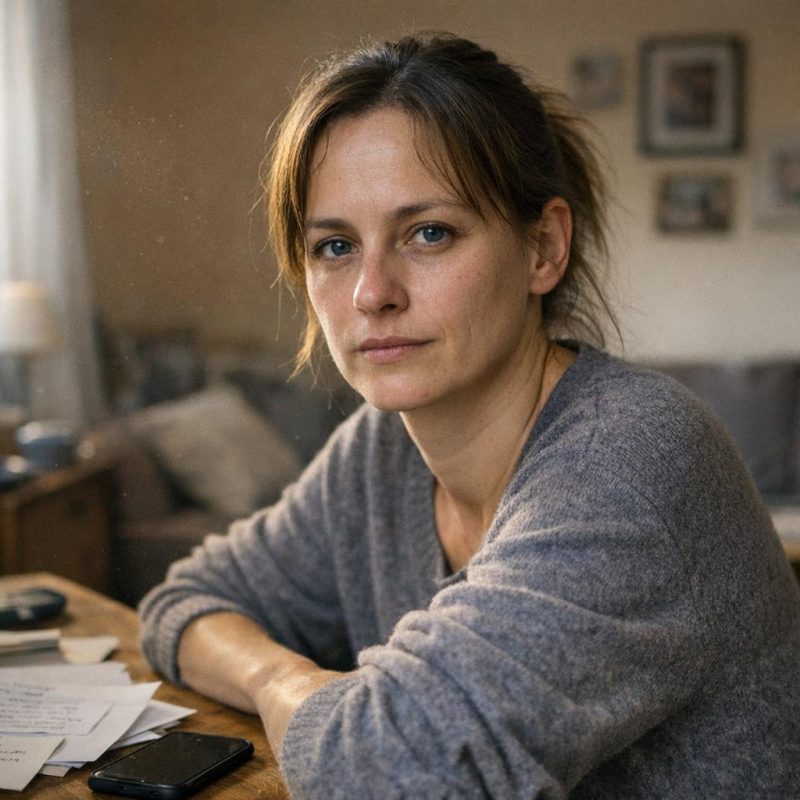 Image by RM AI
Coffee with Claire
Claire and I started meeting for coffee once a month, usually at a quiet café near the waterfront where nobody recognized us. The first few meetings were awkward—two women trying to build something real from the wreckage of shared trauma. But slowly, we found our rhythm. She'd tell me about her new design projects, how she was rebuilding her business from scratch with a completely different approach. I'd update her on the advocacy work, on the small victories and frustrating setbacks. We never talked about Leo unless one of us needed to—and sometimes we did, because who else could understand what we'd survived? One afternoon, she showed me photos of a community center she was designing, her eyes bright with genuine excitement. 'It's for families affected by violent crime,' she said. 'A place where they can find resources and support.' I grabbed her hand across the table. 'That's beautiful.' She squeezed back. Claire was rebuilding her design business, and I was learning that family isn't always about blood—sometimes it's about who survives the fire with you.
 Image by RM AI
The Letter I'll Never Send
I sat at my small kitchen table one Sunday morning and wrote a letter I knew I'd never send. 'Dear Leo,' it began. I told him about the life I was building, about the people I was helping, about how I'd finally learned the difference between loving someone and enabling them. I wrote about the mother I'd been—so desperate to believe the best that I'd ignored every red flag, every quiet warning. I forgave myself for that, right there in ink. I also told him I forgave him, not because he deserved it, but because carrying that rage was like drinking poison and expecting him to die. He'd already taken enough from me. I wasn't giving him my future too. When I finished, I read it once, then folded it carefully. I placed it in a cardboard box along with his childhood photos—the little boy on the swing, the teenager at graduation, all those frozen moments of a person who never really existed. Then I called the victims' fund and arranged a donation: the photos for their archive, the box for whatever purpose they saw fit. I folded the letter and placed it in a box with his childhood photos, then donated it all to the victims' fund—letting go of the past to build a different future.
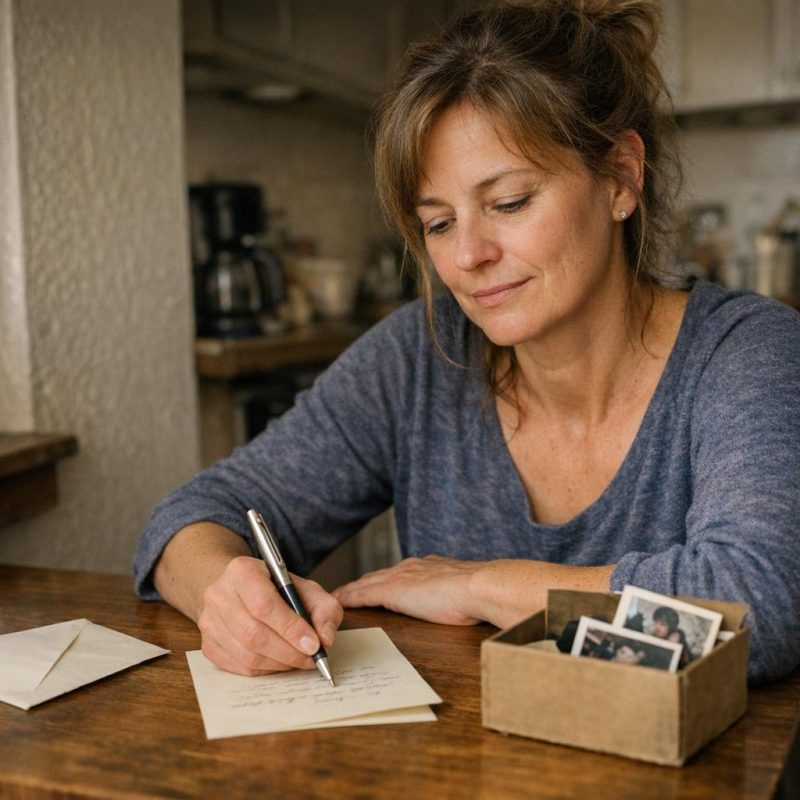 Image by RM AI
KEEP ON READING

20 Old Hollywood Actors With Dark Secrets
The Silver Screen Was Lying. Golden Age Hollywood always looked…
By Sara Springsteen Mar 6, 2026
20 Famous Siblings Who Changed History
Family Values. History loves a good lone genius story. One…
By Elizabeth Graham Mar 6, 2026
20 Battles That Shouldn’t Have Been Won (But Were)
When the Impossible Victory Actually Happened. History is full of…
By Rob Shapiro Mar 6, 2026
Nikola Tesla’s Last Days: The Tragic End Of The Man…
Unknown authorUnknown author on WikimediaIf you’ve ever flipped a light…
By Sara Springsteen Mar 5, 2026
These Three Ordinary Moments Quietly Altered History
Official photographer on WikimediaHistory books love big scenes: speeches, battles,…
By Emilie Richardson-Dupuis Mar 5, 2026
No Whistling, No Bananas: The Weird Rules of Old Sailors
commons.wikimedia.org on GoogleBefore GPS, before weather satellites, before anyone could…
By Cameron Dick Mar 5, 2026