

I Got a Locked Phone While My Sister Inherited Millions—Then One Call Exposed Her 'Empire' as a Complete Fraud
I Got a Locked Phone While My Sister Inherited Millions—Then One Call Exposed Her 'Empire' as a Complete Fraud
The Locked Phone
My twenty-seventh birthday dinner was the kind of event that looks generous from the outside and feels like a slow bleed from the inside. Sarah had chosen the restaurant — of course she had — all white tablecloths and wine lists nobody actually reads. She gave a toast that spent four minutes on her own achievements and about twelve seconds acknowledging it was my birthday. Then came the inheritance reveal. Our father had left me a locked phone. No charger. No passcode. No explanation. Sarah held it up like a punchline, smiling at the table with that practiced warmth she saves for audiences. 'At least it's vintage,' she said, and Aunt Patricia laughed first, which meant everyone else felt safe to follow. I sat there pressing random combinations under the table — birthdays, anniversaries, the year our parents met — while the conversation moved on without me. Then the phone buzzed. The screen lit up on its own. A voice, flat and precise, gave me an address in the industrial district and said three words I couldn't unhear: the game is live. I stood up. Sarah told me to sit down. I didn't. I walked out into the cold night air, and the restaurant noise faded behind me like something I was finally allowed to leave.
 Image by RM AI
The Warehouse Door
The industrial district at night looks like the kind of place people describe in police reports. I followed the GPS coordinates anyway, because what was the alternative — go back and let Sarah finish her toast? I parked outside a warehouse that gave nothing away: no signage, no visible windows, just a single light burning over a side door like it had been left on specifically for me. The phone screen showed a four-digit code: 1024. I typed it into the keypad beside the door. The lock disengaged with a sound that was heavier and more mechanical than I expected, like something serious was on the other side. A man was waiting just inside. He introduced himself as Marcus, no last name, no handshake, no explanation of what this place was or why I'd been summoned to it. He turned and walked, and I followed because standing still felt worse. The corridors were clean and lit and lined with security cameras that tracked movement. Every door we passed required a badge or a code. This wasn't abandoned. This wasn't improvised. Whatever this place was, it had been running for a long time. Marcus stopped at a reinforced door at the end of a corridor, pressed his palm to a biometric panel, and the lock released — and beyond it, the room opened up into something I had no category for.
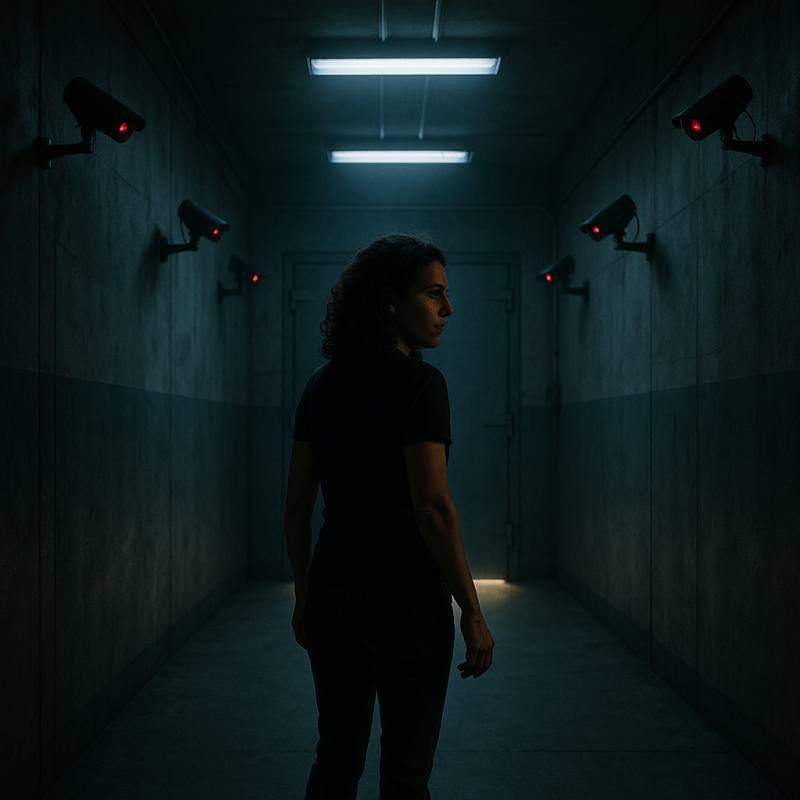 Image by RM AI
The Control Room
Dozens of monitors covered the far wall, floor to ceiling, each one live. I stood in the doorway and tried to count them before giving up. There were feeds from office buildings, parking structures, private residences — and then I saw one I recognized. Sarah's corporate office. The conference room where she'd held her first board meeting after our father stepped back. Another screen showed the lobby of a property I'd been to twice for family events. A third showed what looked like real-time financial data scrolling in columns I couldn't parse fast enough to read. A man I hadn't met yet stepped out from behind a workstation — Vincent, Marcus introduced him, and Vincent looked at me the way customs agents look at people they've already decided to search. He asked Marcus, not me, whether I was actually ready for this. Marcus said that was what they were going to find out. I asked why my father had built something like this, and Marcus said the answer to that question would take time. The timestamps on every monitor were current. The data streams were live. Whatever this room was tracking, it wasn't tracking the past — it was tracking right now, across more locations than I could count, with a precision that made the locked phone feel like the smallest piece of something much larger.
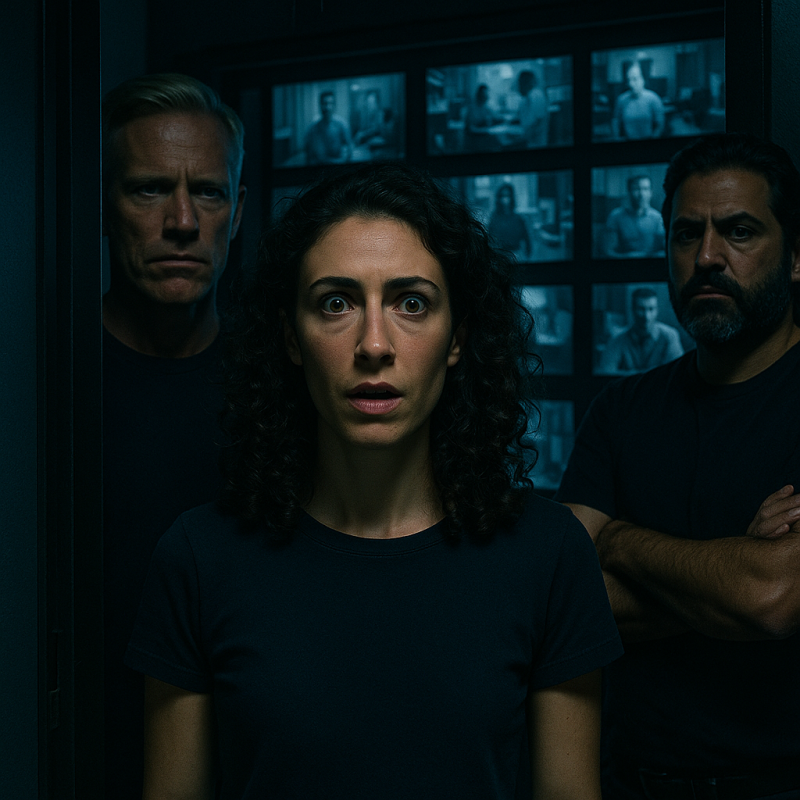 Image by RM AI
The Dual System
Marcus led me away from the monitors into a small conference room that felt deliberately plain — a table, four chairs, a whiteboard with nothing written on it. He sat across from me and took a breath like someone who had rehearsed this conversation and still wasn't sure it would land. He said there were two systems — one visible, one not. Sarah had the corporate structure, the public assets, the name on the letterhead. I had access to what my father had called the real board of directors. Marcus said the locked phone worked like a filter. Someone who gave up on it after an hour wasn't the right fit. Someone who sat at a birthday dinner pressing combinations under the table while their sister performed for an audience — that was closer to what the phone was meant to find. I asked why my father hadn't just given me the company outright, and Marcus said the test was never about business skills. It was about whether I could see what other people walked past. He slid a single sheet of paper across the table and told me I could walk out tonight and none of this would follow me. I looked at the paper. I looked at the door. Outside this room, the monitors were still running, the data was still scrolling, and somewhere across the city my sister was probably still at the restaurant, accepting congratulations for an inheritance she believed was the whole story. I sat with that for a long moment, the paper in front of me, the weight of both options pressing down equally.
 Image by RM AI
The Data Analyst
Lena came into the conference room like she had somewhere more important to be and was doing us a favor by stopping. She set a tablet on the table without preamble, introduced herself as the facility's primary data analyst, and looked at me with the particular skepticism of someone who has watched a lot of people fail at things they thought would be easy. She pulled up financial records first — years of them, organized by entity, cross-referenced by date. Then communication logs. Then location tracking across a list of properties and business addresses that kept scrolling longer than I expected. The volume of it was staggering — not months of data but years, stacked in careful rows. Lena showed me how the system mapped meeting patterns, flagged unusual transactions, and logged travel itineraries against calendar data. It was meticulous in a way that felt almost personal. I asked what my father had done with all of it, and Lena said that was the question I needed to answer for myself. Marcus stood near the door, watching my face more than the screen. I kept scrolling. The database had a timestamp on its earliest entry that stopped me — it predated Sarah's takeover of the company by almost a full year. I didn't know what that meant yet. I just sat there with the sheer accumulated weight of it, years of data stacked in quiet rows, and felt something shift in the room that I couldn't quite name.
 Image by RM AI
The Hidden Oversight
Lena opened a folder labeled Corporate Decision Archive and stepped back like she wanted to watch my face when I saw it. The records went back years — every major move Sarah had made since taking control of the company, documented in detail I wouldn't have thought possible. Board meeting transcripts. Financial projections with handwritten annotations in the margins. Acquisition timelines with outcome assessments attached. My father's handwriting was in the margins of dozens of entries, small and precise, marking certain decisions with a single word: concern. I scrolled through a record of a real estate acquisition Sarah had announced as her own strategic vision. My father's notes on that entry were three lines long. I couldn't tell from the notes alone what he'd done with the information, only that he'd had it, and that he'd been paying close attention. I asked Lena if Sarah had known any of this existed. Lena said no. The monitoring had begun the day Sarah took the chair, and it had never stopped. I sat back and looked at the screen. The records showed every significant decision Sarah had made — annotated, filed, preserved in silence. Whatever had driven him to keep all of this, the records themselves gave no clear answer. But they were undeniable — page after page of documented decisions, each one observed, each one measured, each one quietly kept.
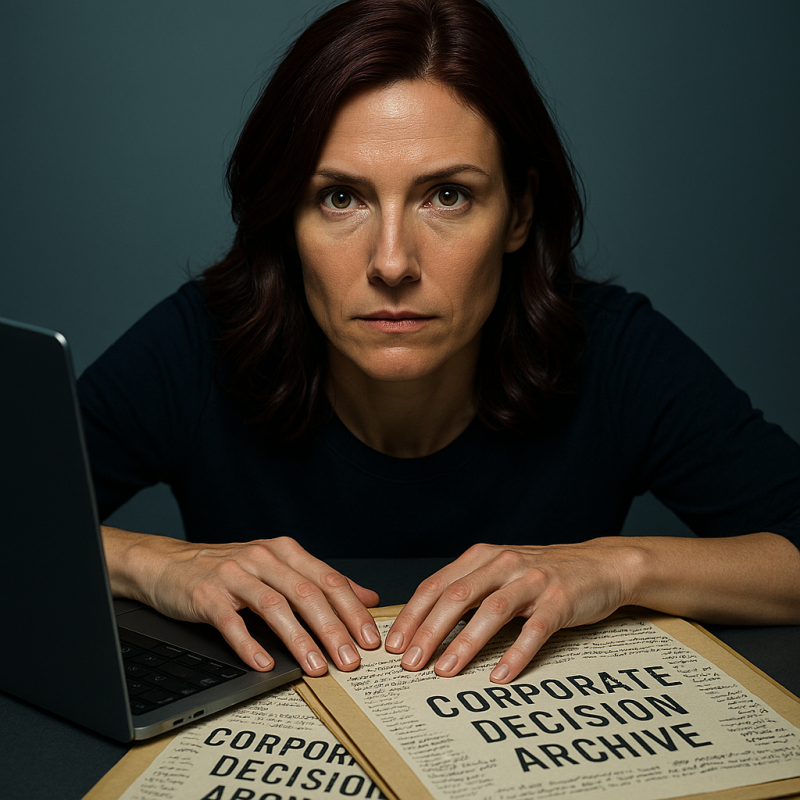 Image by RM AI
The First Test
Marcus set a folder on the table in front of me and said I had four hours. The scenario involved a mid-sized acquisition that had stalled — on paper, the target company looked solid, but the deal had gone quiet and nobody in the official record could explain why. He gave me access to the warehouse databases and left me alone with Lena, who made it clear she would answer technical questions about the system but wasn't going to tell me what to look for. I started with the financials. The reported valuations were clean, almost too clean, the kind of numbers that look like they've been tidied rather than calculated. I cross-referenced the communication logs against the timeline and found a gap — a three-week window where meeting activity dropped to almost nothing right before the deal stalled. I pulled location data for the key principals and found two of them had been in the same city during that window, at a time when no meeting appeared in any official record. I built the picture piece by piece, and by hour three I was fairly sure I knew what had happened. I wrote it up and slid it across to Lena, who read it without expression and walked it into the next room. I sat in the silence, second-guessing every conclusion, until the door opened and Marcus came back in holding my analysis — and told me I'd identified the problem correctly.
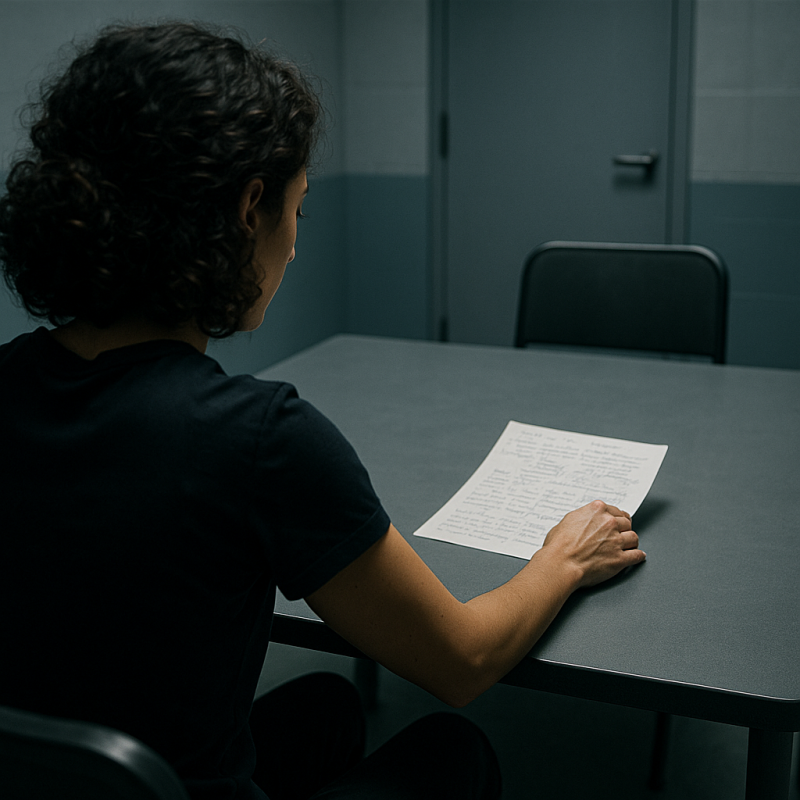 Image by RM AI
Earning Respect
Marcus said I'd found it faster than he expected. He said it in the same flat tone he used for everything, but coming from him, I understood it was the closest thing to a compliment the room was going to produce. Vincent came in a few minutes later, and I braced for another round of skepticism. Instead he looked at my printed analysis on the table, then at me, and said most people missed the gap in the communication logs entirely. He said it like a fact, not a compliment, which somehow made it land harder. Lena admitted, without quite looking at me, that my approach to cross-referencing the location data was not what she'd anticipated. Marcus said I had earned the right to continue if I chose to. Vincent asked if I understood what I was signing up for. I told him honestly that I didn't, not fully, but that I wanted to learn. He nodded once, which felt like it meant something. Then Marcus turned to Lena and began talking through an operational detail — a data pull from one of the monitored properties, a timeline, a decision that needed to be made — and neither of them paused to ask me to leave the room.
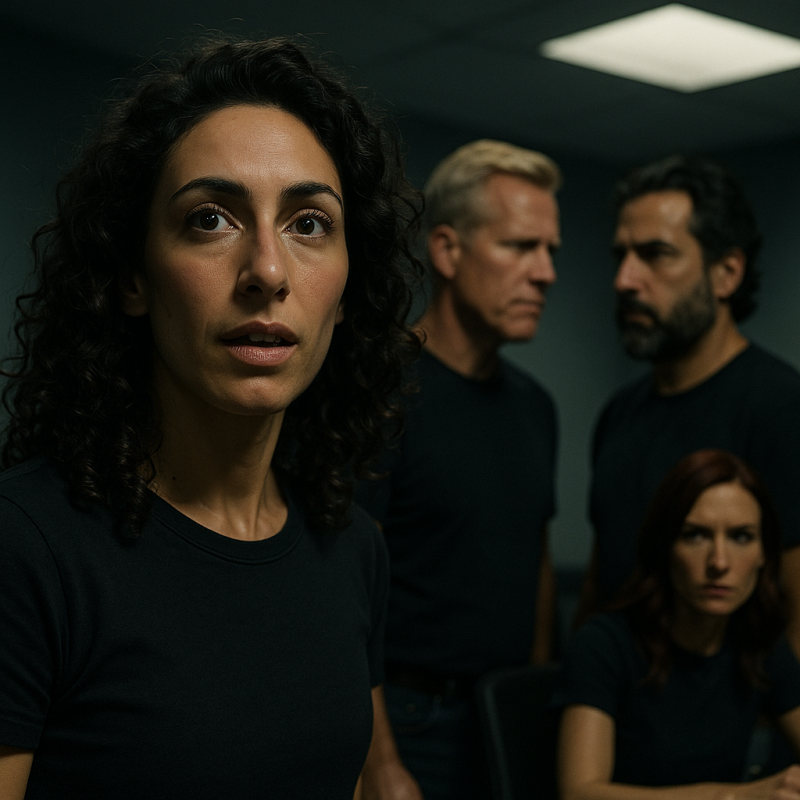 Image by RM AI
Fifteen Years Running
Marcus pulled out a binder I hadn't seen before — thick, worn at the edges, the kind of document that had been handled a lot over a long time. He set it on the table without ceremony and told me to look at the construction records. The facility had been built fifteen years ago. I had to read the date twice. Fifteen years ago I was finishing my sophomore year of college, worrying about a painting critique and whether I could afford new brushes. My father was here, apparently, overseeing the installation of server racks and security systems and whatever else filled this place. Marcus told me the facility had been fully operational before Sarah ever took a seat in the boardroom. I asked him why my father never said a word about it — not once, not even a hint. Marcus said my father made choices based on what he observed in both of us over many years. He said it carefully, like he was measuring each word before releasing it. I wanted to push harder, to ask what exactly my father had observed, but something in Marcus's expression told me that answer wasn't coming today. He showed me a log of site visits — my father's name, again and again, spanning more than a decade. I turned to the first page and checked the original construction date stamped in the corner.
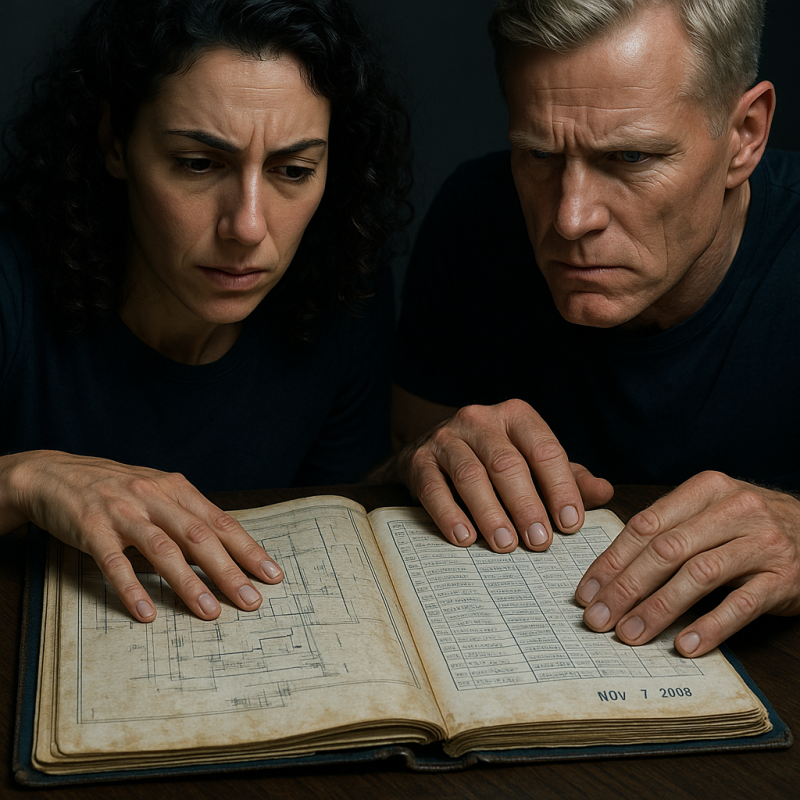 Image by RM AI
Formal Acceptance
The documents Marcus slid across the table weren't dramatic — just clean, formal pages with my name printed at the top and a series of access levels listed below it. Vincent stood near the door while I read through them, arms crossed, not hovering exactly but present in the way a person is when they want you to understand the weight of something. I signed. Lena had a workstation set up for me within the hour — a monitor, a login, a folder of credentials she walked me through with the efficiency of someone who had done this before and had no patience for people who needed things explained twice. Then Marcus set the second test in front of me. It was a packet of interconnected business scenarios, layered in a way that made the first test look like a warm-up. Multiple entities, overlapping timelines, financial data that referenced other financial data. He said I'd be working through it independently, and that my results would determine what level of access came next. I told him I understood. He nodded and left the room. Lena followed. Vincent followed. And I sat alone at my new workstation in the quiet of a facility I still didn't fully understand, with a test I wasn't sure I could pass, and something in the stillness of that moment felt more serious than anything I'd signed.
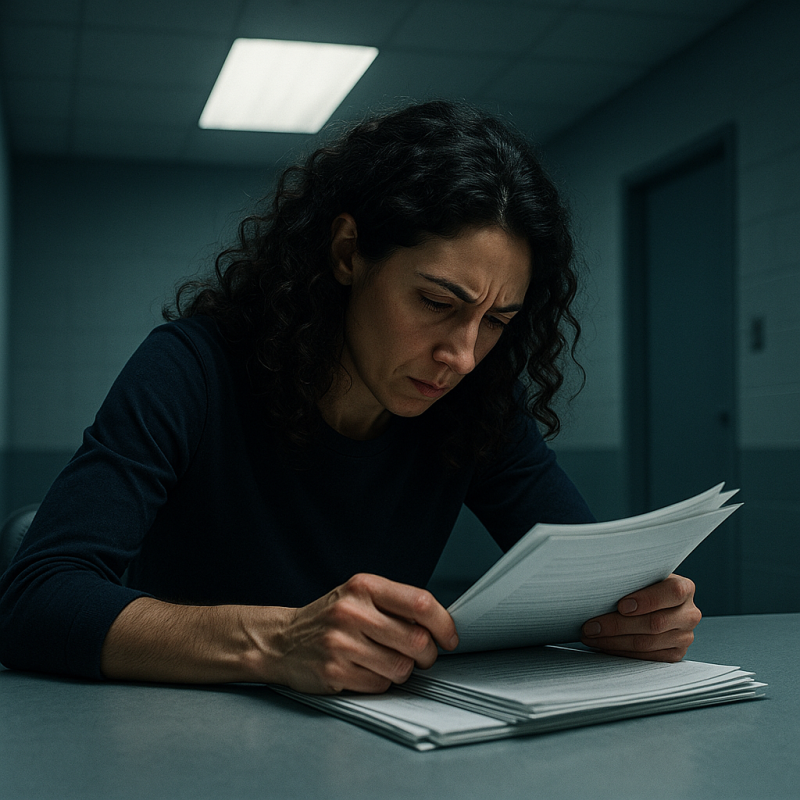 Image by RM AI
Financial Systems Training
Lena didn't ease me in. She pulled up the first set of transaction records and told me to start tracing. When I moved too slowly she said so. When I flagged the wrong account she told me why I was wrong and moved on without softening it. I learned to read cash flow patterns the way you learn to read sheet music — slowly at first, then in larger chunks, then all at once. She showed me how shell companies nested inside each other like Russian dolls, how ownership structures could be buried three or four layers deep in public filings that looked perfectly ordinary on the surface. I learned to cross-reference financial data against communication logs, to look for timing gaps between when money moved and when announcements were made. Lena pushed me to work faster, then faster again, and somewhere in the fourth or fifth hour I stopped feeling overwhelmed and started feeling something closer to focused. She pulled up a set of public financial reports I recognized — the kind that showed up in business news — and asked me to run the same analysis I'd been practicing. I worked through it methodically. The patterns I found there were small, easy to miss if you weren't looking for them. But I was looking now, and the gap between what those reports showed and what the underlying data suggested sat quietly in the back of my mind long after Lena closed the files.
 Image by RM AI
The Attorney's Visit
Jordan called on a Tuesday morning, his voice easy and warm in the way that expensive lawyers learn to make their voices sound. He suggested coffee, said Sarah had been thinking about me, that the family wanted to make sure I was doing okay after everything. We met at a place near my apartment — neutral ground, I thought, though I noticed he'd chosen it. He asked about my birthday dinner, whether I'd had a good time before I slipped out early. I told him I'd been overwhelmed, that big family gatherings hit differently now that my father was gone. He nodded like he understood completely. Then he mentioned, almost as an aside, that Sarah had noticed I seemed distracted lately, that she was a little worried. I said I'd been taking long drives, trying to clear my head, the way people do when they're grieving. He asked if I'd been in touch with any of my father's former business associates — anyone from the old days. I said no, kept my voice flat and a little tired, which wasn't entirely a performance. He stirred his coffee. The conversation drifted to other things, and I thought maybe I'd gotten through it. Then he set down his spoon, looked at me directly, and asked where exactly I'd been on the night of my birthday after I left the restaurant.
 Image by RM AI
Family Performance
Sarah's brunches always looked effortless and never were. The table was set like a magazine spread, Aunt Patricia already positioned in her usual chair with her usual expression — the one that said she was prepared to be disappointed by me and had dressed accordingly. Sarah asked within the first ten minutes whether I'd found any direction yet, the word 'yet' doing a lot of work in that sentence. I said I'd been doing some freelance design work, keeping it vague, keeping it boring. Aunt Patricia said something about how creative people needed structure, that talent without discipline was just a hobby. I agreed with her, which seemed to confuse her slightly. Sarah brought up the phone — my father's locked phone — and asked, almost casually, whether I'd ever managed to get into it. I said I'd tried a few things, nothing worked, and eventually I put it in a drawer. I watched her face while I said it. She nodded, moved on, refilled her coffee. The conversation shifted to a charity event she was organizing, and I asked questions about the venue and the guest list like someone who had nothing else going on. By the time I drove home, my jaw ached from holding the same mild, slightly unfocused expression for two hours straight, and the silence in my car felt like the first honest thing I'd experienced all day.
 Image by RM AI
The Irregularity
It started as a routine review — Lena had assigned me a set of recent corporate transactions to analyze as part of my ongoing training, nothing flagged, nothing marked urgent. I was working through Sarah's latest acquisition deal when the payment timing stopped making sense. The transfers were structured in a way that didn't line up with the public announcement schedule — money moving before certain disclosures, in amounts that didn't match the figures in the official documentation. I pulled comparable deals from the database and ran the same cross-reference. The pattern didn't appear in any of them. I flagged it and showed Lena, half-expecting her to tell me I'd misread something. She looked at it for a long time without speaking. Then she said the irregularities were real and that I'd documented them correctly. I asked what discrepancies like this usually indicated. She said it depended on context, that they needed more data before drawing any conclusions, and that she was going to notify Marcus. I went back to the records after she left the room. The payments kept pulling my attention — not because I knew what they meant, but because the more I looked at the structure of them, the more the spacing stood out, each transfer timed just far enough apart to avoid a certain threshold, the same interval repeated across four separate entities.
 Image by RM AI
Hidden Contract Terms
Marcus asked Lena to pull the complete contract documentation, not just the public filings. She retrieved files from sources I didn't fully understand — databases I hadn't been given access to yet, document repositories that apparently held versions of agreements that never made it into official records. I sat with the full contract on one side of my screen and the public filing on the other and started comparing them section by section. Most of it matched. Then it didn't. I documented everything, cross-referenced the clause numbers, built a report that laid out the discrepancies as clearly as I could. Marcus read through it and asked what I thought should be done. I said someone needed to tell Sarah about the risk — that if these terms triggered, the exposure could be serious. Marcus asked, quietly, whether I was certain Sarah didn't already know. I turned back to the screen. There, buried four pages into the complete version, were clauses that created liabilities the public filing never mentioned — obligations tied to performance benchmarks that, if missed, would expose the company to penalties significant enough to affect the balance sheet in ways the shareholders had no way of knowing about.
 Image by RM AI
Offshore Connections
I traced the irregular payments as far as the domestic records would take me, and then Lena showed me where they went next. The transfers connected to a network of offshore banking entities — accounts held through structures in jurisdictions I recognized from the financial training as places where ownership was designed to be difficult to trace. Lena helped me map it, pulling up a diagram that spread across the screen like a web, each node a shell company or holding entity, each line a transfer. The offshore structure hadn't been assembled recently. The formation dates on the entities went back months before the acquisition was publicly announced. I documented every connection I could verify, cross-referenced the account names against the parties listed in the contract, and found overlaps that weren't explained anywhere in the official documentation. I asked Lena whether this kind of structure was normal for a deal of this size. She said it depended entirely on the purpose, and that the purpose wasn't something the data alone could tell us. I sat with that answer for a moment. The diagram on the screen showed fourteen distinct entities, four jurisdictions, and a formation timeline that started long before any public record of the deal existed.
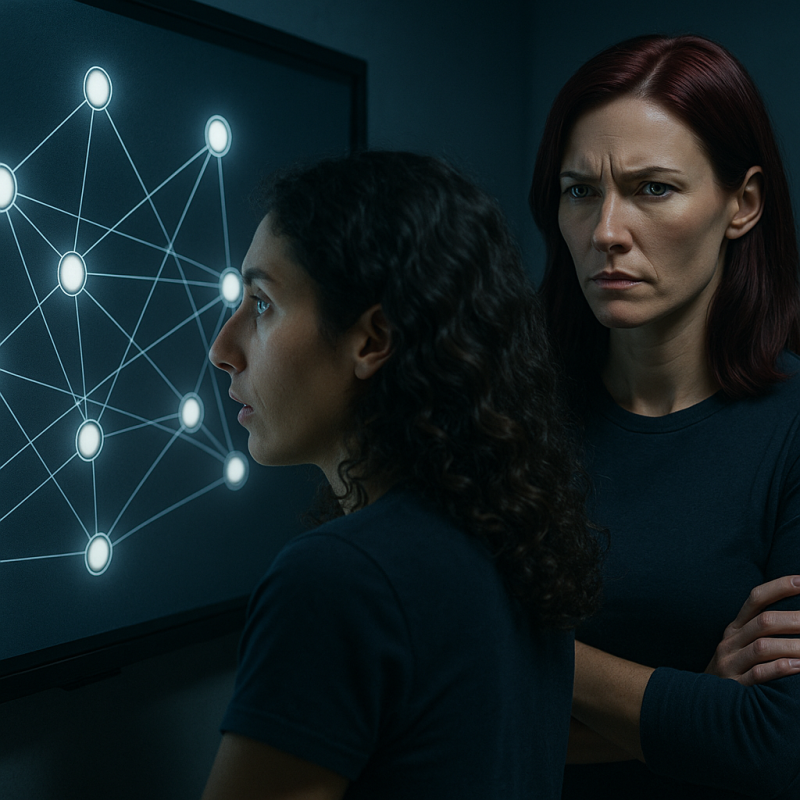 Image by RM AI
The Intervention Decision
Marcus called me into the back office just after noon, and Vincent was already there when I arrived, standing near the wall with his arms crossed like he'd been waiting a while. Marcus didn't waste time. He said I'd gathered enough information to make a decision, and that the warehouse had capabilities for acting on what I'd found — not just watching. I asked him what intervention actually looked like in practice. He said it depended on the situation, that there were several channels available, and that the right approach varied. Vincent added that there were systems in place I hadn't been trained on yet, and that I didn't need to understand all of them to authorize their use. That part sat uncomfortably with me. I asked whether they'd intervened in Sarah's decisions before. Marcus said yes, when circumstances warranted it. He didn't elaborate, and I didn't push. He told me the current deal — the offshore merger I'd spent two weeks mapping — was the kind of situation that warranted a decision from me. Not from him. From me. He said I could choose to act or choose to wait, and that both choices had consequences. Then he slid a card across the table with a twelve-digit code printed on it and told me those were my authorization credentials for the intervention systems.
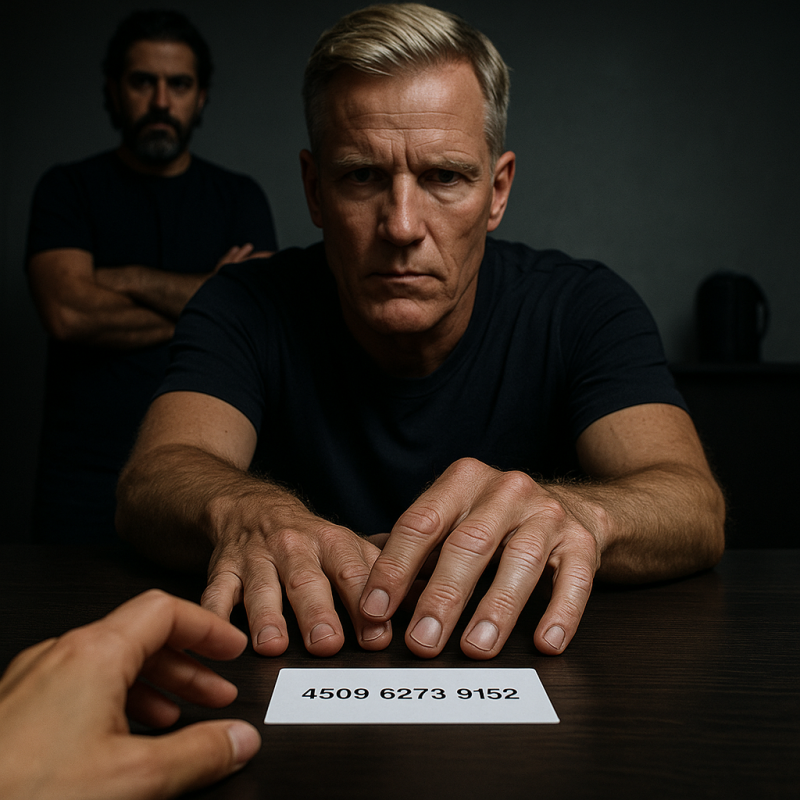 Image by RM AI
First Intervention
I looked at the evidence one more time before I said anything — the offshore diagram, the formation dates, the overlapping account names — and then I told Marcus I wanted to proceed. He nodded once and turned to Lena and Vincent, and the two of them moved to separate terminals without another word to me. I watched them work and understood almost none of it. Lena typed in long command strings I didn't recognize. Vincent made two phone calls in a low voice with his back turned. Marcus stood beside me and explained that the intervention would unfold over the next forty-eight hours, that it wouldn't look like interference from the outside, and that Sarah's merger would encounter complications that made it impossible to close. I asked what kind of complications. He said regulatory, financial, and logistical — enough of each that no single party could be blamed. I nodded like that made sense to me, even though the specifics were still a blur. What I understood was that I had said yes, and now something was moving because of that. The authorization code I'd entered was already gone from the screen. The room hummed with quiet, purposeful activity, and I sat in the middle of it feeling like someone who had just signed a document in a language they hadn't fully learned.
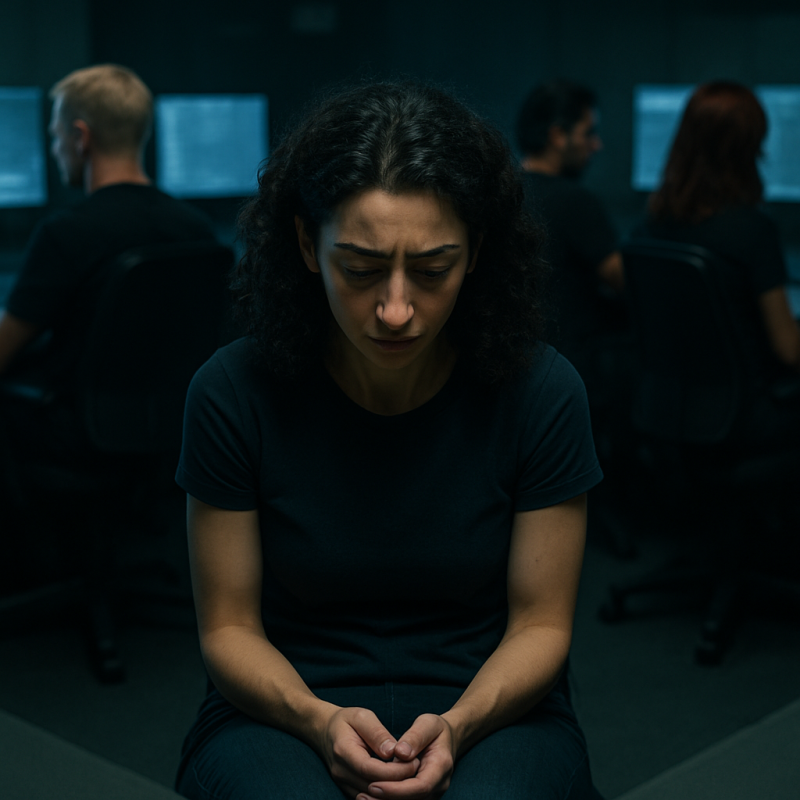 Image by RM AI
Public Collapse
The news broke on a Tuesday morning. I was at the warehouse when Lena pulled it up on the main monitor — a financial wire service headline about Sarah's merger falling through due to regulatory complications and last-minute opposition from a competing consortium. I watched Sarah's press conference on the same screen an hour later. She stood at a podium in a charcoal blazer, composed and precise, and she talked about market volatility and coordinated interference from rival interests. She didn't look rattled. She looked like someone who had settled on a story and had no reason to look elsewhere. Lena walked me through how the intervention had moved — a filing here, a communication there, pressure applied through channels that looked entirely unconnected. Marcus confirmed the deal was neutralized and that the offshore structure I'd mapped would dissolve without ever becoming public. I asked if Sarah would dig into what actually happened. Marcus said she'd look in the directions that made sense to her, and that those directions wouldn't lead back to us. I had no reason to doubt that. What I felt wasn't quite relief and wasn't quite guilt — it was something in between, sitting heavy and unresolved, because Sarah was still out there explaining a failure she didn't understand, and I was the only person in the room who knew why.
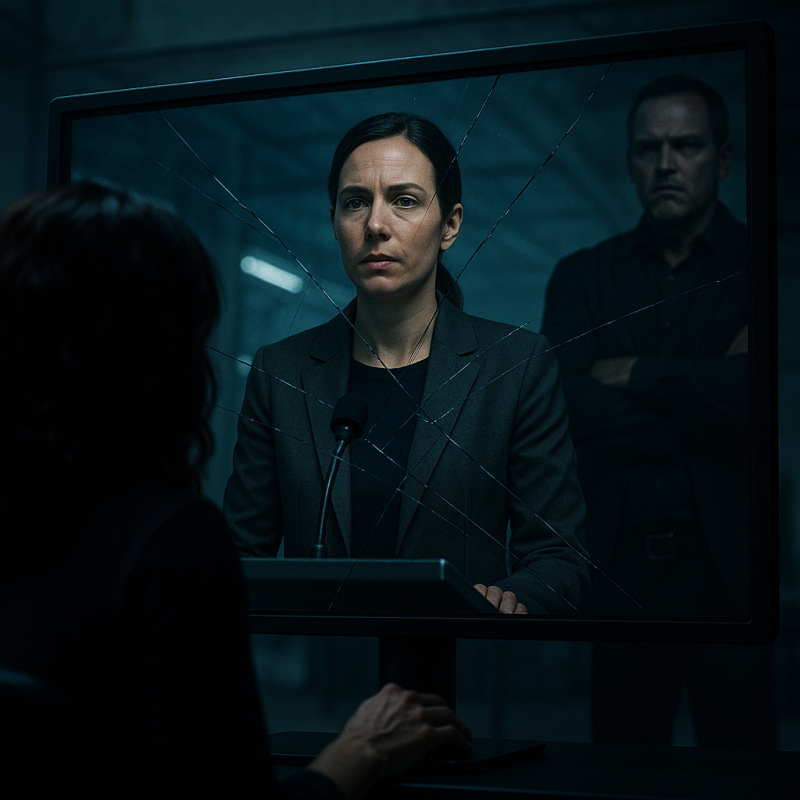 Image by RM AI
The Full Picture
Marcus said I was ready to see the full picture, and then he opened a database I hadn't known existed. It filled three monitors. Properties across six countries. Private companies in industries I hadn't associated with my father at all — logistics, agriculture, a small pharmaceutical distributor. Investment portfolios with eight-figure valuations. Real estate holdings in cities I'd never heard him mention. Lena stood beside me and explained that the warehouse monitored all of it continuously, that every entity on the screen had a corresponding data feed, and that the system had been running this way for years. I kept scrolling and the list kept going. Marcus told me my father had built this over four decades, piece by piece, and that most of it had never appeared in any public filing. I asked how much of it Sarah knew about. Marcus said very little. The corporate empire she ran — the one that had been in every newspaper profile, the one she'd accepted at the reading of the will with that practiced, gracious smile — was only a portion of what was actually there. I stood in front of those three monitors for a long time without speaking. Then Lena quietly opened the master asset database to its first page, and the total figure at the top of the screen stopped me cold.
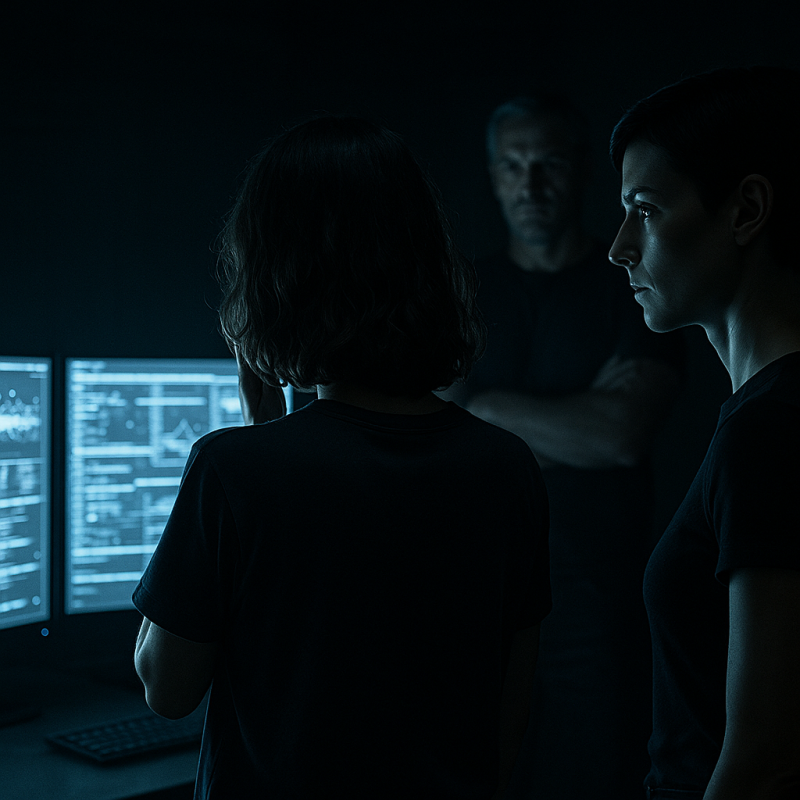 Image by RM AI
Dual Worlds
The days started blurring together in a way that made me nervous. I'd spend six or seven hours at the warehouse learning intervention protocols and advanced monitoring techniques from Lena, and then I'd drive across town to meet a cousin for dinner and spend two hours pretending I'd been job hunting. I told my aunt I had some freelance design work keeping me busy. I told a family friend I was taking time to figure out my next move. The stories weren't complicated, but keeping track of which version I'd told to whom was starting to take real effort. At a family dinner midway through the month, I sat across from people who thought they knew exactly what my life looked like, and I smiled and answered questions and felt the distance between what I was saying and what was true like a low-grade hum behind everything. Marcus warned me one afternoon that the dual life would only get harder to maintain, not easier, and that I should think carefully about how long I could sustain it. I didn't have a good answer for him. What I noticed was that I was getting better at the deception — quicker with the cover stories, smoother in the transitions — and that getting better at it didn't feel like progress. It felt like something quietly shifting in me that I wasn't sure I wanted shifted.
 Image by RM AI
The Corporate Offer
Sarah's office was exactly what I'd expected — floor-to-ceiling windows, a desk that cost more than my car, Jordan sitting off to the side with a folder already open on his knee. She didn't open with small talk. She said it was time I contributed something real to the family business, and that she'd arranged a junior analyst position in the corporate office. She framed it as an opportunity, a chance to build experience and demonstrate that I took the family's legacy seriously. Jordan slid the employment documents across the desk before I'd said a word. I looked at the paperwork and then at Sarah, who was watching me with that careful, measuring expression she used when she wanted to seem generous and was actually taking inventory. I recognized the offer for what it was — part surveillance, part loyalty test — but I also thought about what Marcus would say when I told him I'd be getting access to internal company systems. I signed the documents. Sarah's expression shifted into something that looked like satisfaction. Jordan collected the folder without comment. On the drive home, I sat with the particular weight of having agreed to something on two completely different sets of terms simultaneously, and neither version of my yes had felt entirely like my own.
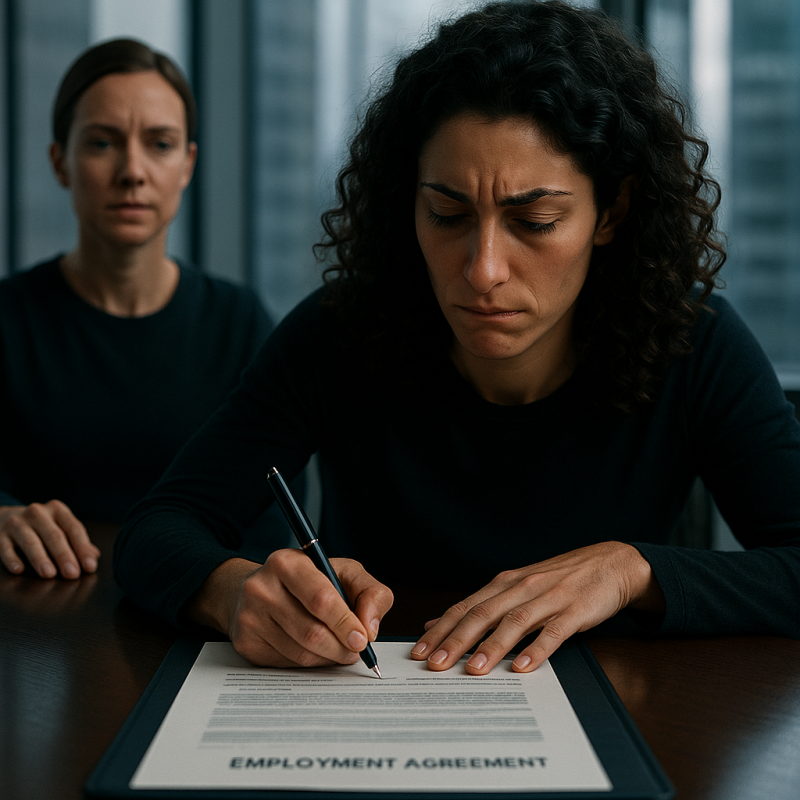 Image by RM AI
Inside Access
My first week in the corporate office was mostly orientation — badge access, system logins, a tour of the floor that Jordan conducted with the enthusiasm of someone fulfilling an obligation. I was given a workstation near the junior analysts and access to the internal financial databases, which I was told I'd use for routine reporting tasks. I played the role carefully: asked basic questions, took notes on things I already understood, acted grateful for explanations I didn't need. The expense reporting system was where I spent most of my time, and it didn't take long to notice that something was off. Line items that didn't match the external data I'd seen at the warehouse. Vendor payments with no corresponding contracts in the system. Budget categories that had been reclassified in ways that weren't flagged anywhere in the audit trail. I documented everything quietly, copying nothing to external drives, keeping my notes in a format that looked like standard onboarding work. Jordan stopped by my desk twice to ask how I was settling in, and both times I gave him the same answer — that I was still getting oriented, still learning the systems. He seemed satisfied with that. On my fourth day, I ran a search that wasn't part of my assigned work, and the results returned a column of expense reports filed under Sarah's executive account that didn't appear in any of the standard reporting summaries I'd been given.
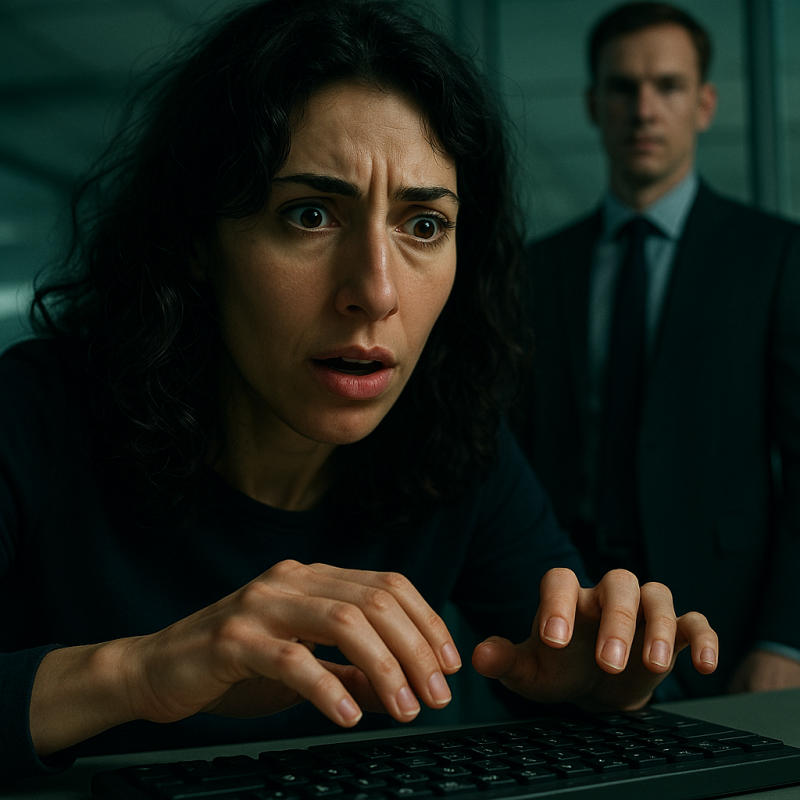 Image by RM AI
The Pattern Emerges
I brought everything to the warehouse on a Thursday evening — printed summaries, screenshots organized by date, the expense categories I'd flagged. Lena spread it across the worktable and started building a timeline while I talked her through what I'd found. It took about an hour before the shape of it became visible. Personal charges running through business accounts. Spending that had increased steadily over six months, not in one jump but in a slow, consistent climb. Lena cross-referenced the figures against Sarah's public statements about fiscal discipline and the board presentations I'd pulled from the internal archive. The gap between what Sarah said publicly and what the numbers showed was significant. Marcus came in partway through and reviewed the timeline without speaking for a long time. He asked me what I thought it meant. I said the numbers showed poor judgment, maybe worse, but I couldn't point to a motive — I could only point to what was documented. Lena nodded and kept working. Then she highlighted a section near the end of the timeline and told me to look at the date the acceleration started. The spending had increased sharply in the weeks following my birthday dinner — the one where Sarah had announced her inheritance in front of the whole family — and the timeline Lena had built showed the jump in a single unbroken line across the screen.
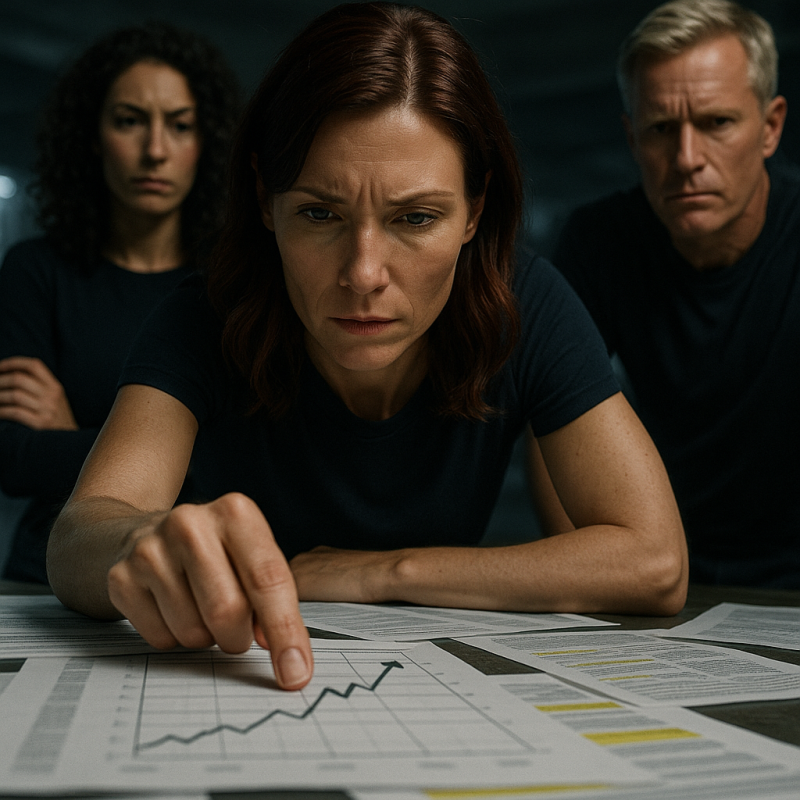 Image by RM AI
Family Pressure
Sarah called it a family gathering, but it felt more like a summons. She'd rented out the private dining room at the club Aunt Patricia favored — the kind of place with cloth napkins folded into swans and staff who pretended not to hear anything. About a dozen relatives filled the room, and the mood was careful, the way it gets when everyone knows something is wrong but nobody wants to be the first to say it. Sarah stood at the head of the table and talked about market volatility and strategic patience, and I watched relatives nod along like they understood. Then Aunt Patricia leaned toward me and said, quietly but not quietly enough, that the family needed to show a united front right now, that any doubt from inside the family would only feed the rumors. I knew what was coming before Sarah even looked at me. She asked me, in front of everyone, to say a few words about my confidence in her leadership. I stood up. I said the company was in capable hands and that I'd seen Sarah's commitment to the business up close. The words came out smooth and even, and I hated how easy they were to say. Relatives smiled. Sarah thanked me with a warmth that felt like a door closing. I sat back down and kept my hands flat on the table so nobody could see them shaking.
 Image by RM AI
The Discovery
The security training that week was supposed to be routine — access protocols, log review, incident documentation. Vincent walked me through the system methodically, the way he did everything, and I followed along taking notes. Then he pulled up the historical incident log to show me how flagged entries were categorized, and I saw it. An unauthorized access attempt, timestamped fourteen months ago, almost a full year before my father died. The name attached to the failed entry was Sarah's. I made myself read it twice before I said anything. I asked Marcus, who'd come in partway through, what it meant. He confirmed it without hesitation — Sarah had attempted to enter the facility and the system had denied her. Vincent added that the security protocols had flagged her credentials as unauthorized and logged the attempt automatically. I asked if my father had known. Marcus said he'd been notified the same day. I waited for more, but Marcus just looked at me steadily and said my father had reviewed the report and made no move to grant her access. The log entry sat on the screen in front of me — Sarah's name, the date, the denial code — plain and factual and completely at odds with everything I thought I'd understood about how my father had divided his world between us.
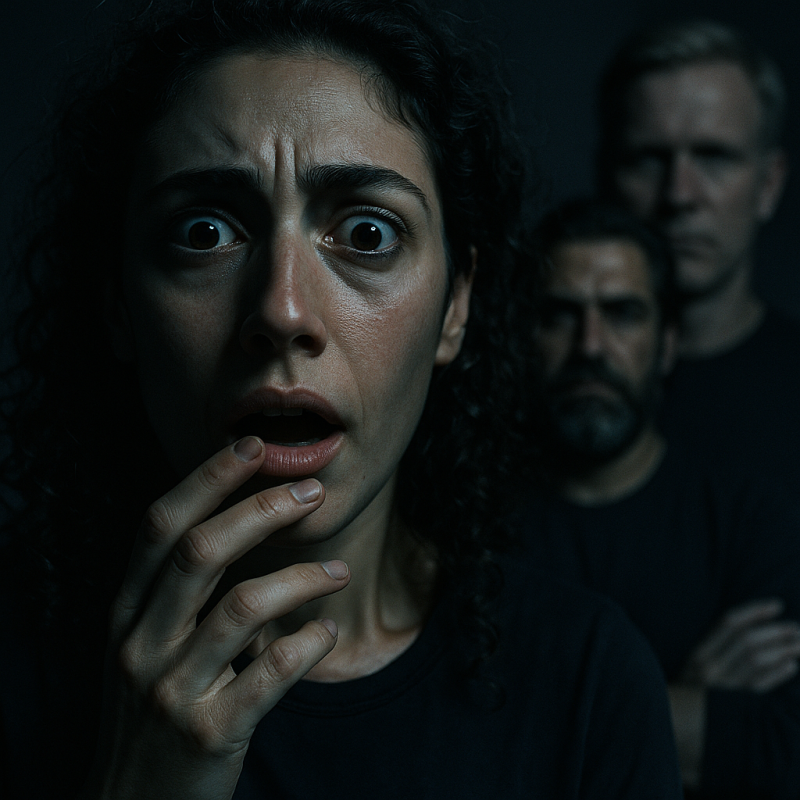 Image by RM AI
Final Months Investigation
I asked Lena to pull my father's warehouse activity from his final year, and she did it without asking why. The records came up in layers — meeting logs, protocol adjustments, internal correspondence flagged for review. He'd met with legal advisors four times in a six-month window, which wasn't unusual on its own, but the financial consultants he'd brought in weren't connected to any of the corporate accounts I recognized. Marcus sat with me while I went through it and confirmed that the meetings had happened here, at the warehouse, not at the corporate offices. I found handwritten notes scanned into the archive — my father's handwriting, which I hadn't seen in months, and it hit me somewhere I wasn't prepared for. The notes were brief and careful. Words like verification and contingency and trust as a mechanism, not a feeling. Lena pointed out that the surveillance logs from that same period showed a significant increase in monitoring activity directed at the corporate side of the business. I asked Marcus if my father had known he was dying. Marcus was quiet for a moment, then said the timeline of his decisions suggested he did. I sat with that for a long time after Lena stepped away, looking at my father's handwriting on the screen — the careful, deliberate loops of a man who seemed to have been building something he never got to explain to me.
 Image by RM AI
The Prior Attempt
I went back to the security incident from fourteen months ago and started pulling the surrounding files. Lena found archived correspondence attached to the flagged entry that hadn't been part of the standard log — a secondary folder, cross-referenced but not immediately visible. Inside it was a series of emails between warehouse security and an outside firm, and then a document I had to read slowly to understand. Sarah had hired a private investigator. The report was thorough — dates, addresses, photographs of the building exterior, notes on staff movement patterns. The investigator had located the warehouse months before my father died and had documented multiple visits to the surrounding area. Vincent, reading over my shoulder, said the investigator had been detected on the third visit and formally warned off through legal channels. I asked what the report said Sarah was looking for. Vincent said the notes referenced a facility connected to the family's holdings, and that Sarah had made repeated inquiries about its purpose and what it contained. I flipped to the last page of the investigator's report, where the summary section listed the client's stated objective in a single clipped sentence — and the folder beneath it held a second document I hadn't opened yet, stamped with a legal firm's letterhead and dated three weeks before my father's first meeting with his financial advisors.
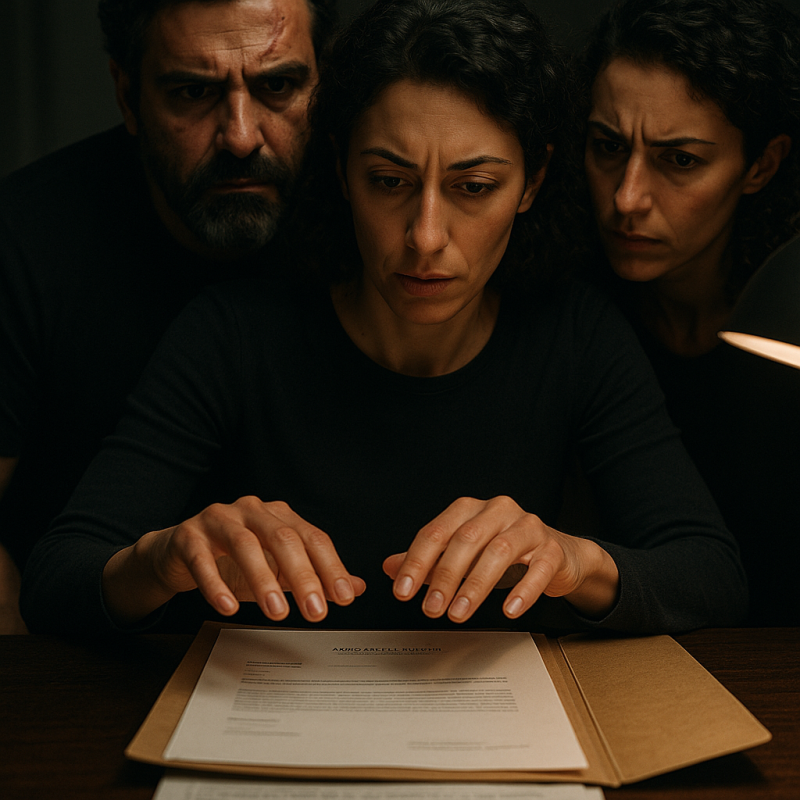 Image by RM AI
The Aggressive Move
The acquisition announcement broke on a Tuesday morning, and I saw it first on my corporate desk monitor before anyone said a word to me directly. Sarah had moved on a mid-sized competitor — a company about a third the size of ours, but the deal structure was leveraged in a way that made the numbers look much larger than the actual cash position justified. By the time I got to the warehouse that evening, Lena had already pulled the financial details and laid them out across two screens. The exposure was significant. Sarah was using company assets as collateral in a way that stretched the risk profile well past anything in the previous two years. Marcus asked me to assess whether the situation warranted intervention. I went through the deal structure carefully — the debt ratios, the collateral arrangements, the timeline for closing — and I couldn't call it clearly improper, but it was aggressive in a way that made me uncomfortable. I told Marcus it was moving faster than it should, that the due diligence window looked compressed. He told me to monitor it closely over the next seventy-two hours and to flag anything that shifted. I drove home that night with the deal structure still running through my head, and the house was quiet when I got in, and the quiet felt like the pause before something tips.
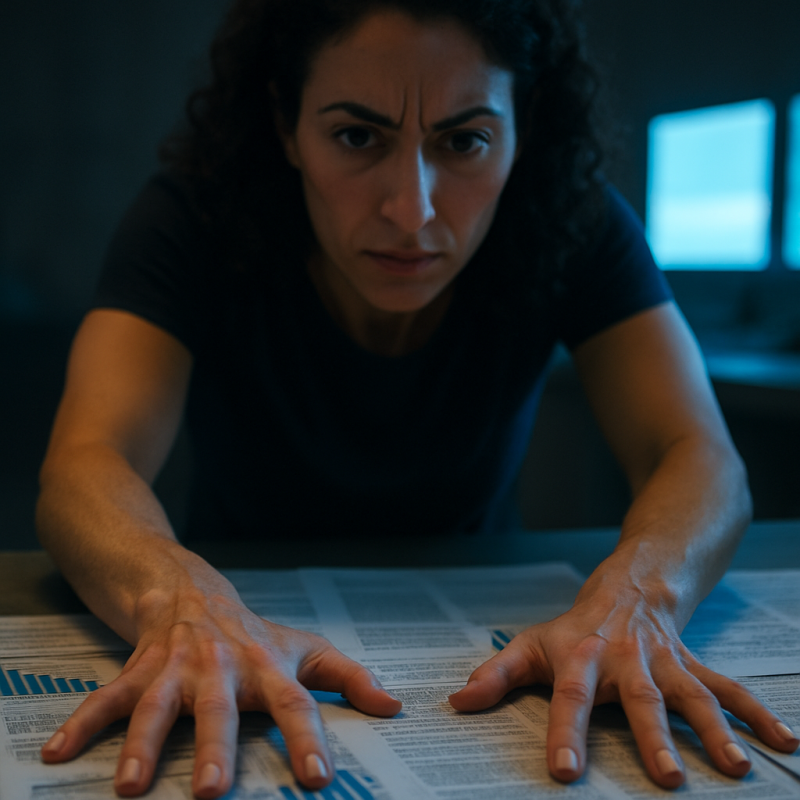 Image by RM AI
Coordinated Response
I presented my analysis to Marcus the next morning — the compressed timeline, the collateral exposure, the points where the deal structure created the most risk. He listened without interrupting, then said the intervention was approved and began assigning tasks before I'd fully processed what that meant. Lena moved immediately to her station and started working through financial countermeasures I could follow in outline but not in detail — she used terminology I recognized from the documents I'd been studying, but the execution was several layers deeper than anything I'd been cleared to access yet. Vincent made two phone calls from the far side of the room, speaking quietly, and I caught fragments about timing and third-party contacts but nothing I could piece together into a complete picture. I asked Marcus what exactly was being done. He told me some of the intervention mechanisms were still above my current clearance level, and that my job right now was to monitor the corporate side and maintain my normal routine. I watched the three of them work with the kind of efficiency that comes from having done something many times before, and I felt the strange double weight of being both inside this and not fully inside it — trusted enough to trigger the response, but not yet trusted enough to see all of it. By midnight the intervention was in motion, and the warehouse hummed around me with a focused, purposeful quiet.
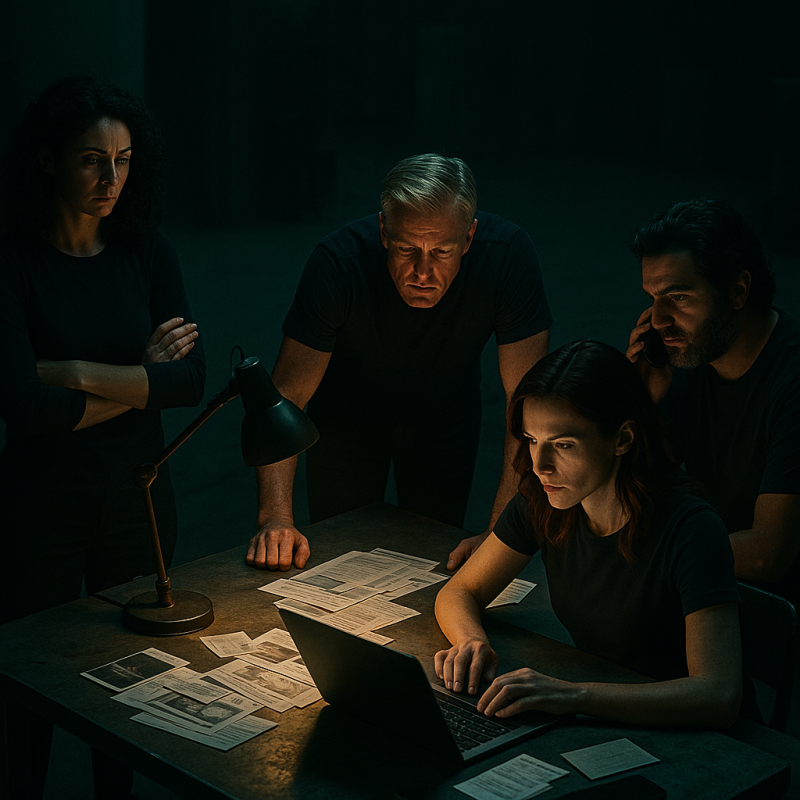 Image by RM AI
Public Failure
The financing collapse made the business news by Thursday morning. I was at my corporate desk when the alerts started coming in, and I watched Sarah's calendar fill with emergency blocks within the hour. Lena had shown me the night before how the countermeasures had worked — pressure applied at specific points in the financing chain, nothing traceable back to us, nothing that looked like anything other than ordinary market friction. Knowing that didn't make it easier to watch. Sarah called an all-hands meeting at noon and stood at the front of the room in a suit that probably cost more than my monthly rent, and she was composed, almost impressively so, but there were edges showing that I hadn't seen before. She attributed the collapse to market conditions and what she called coordinated competitor interference, and Jordan stood to her left and nodded at the right moments. I sat in the third row and kept my expression neutral and supportive, the same face I'd been practicing since the family dinner. After the meeting I stayed at my desk and worked through the afternoon like nothing had happened. I was still there at six when my phone buzzed on the desk — a message from Sarah's assistant, flagged urgent, telling me Sarah wanted to see me in her office first thing tomorrow morning.
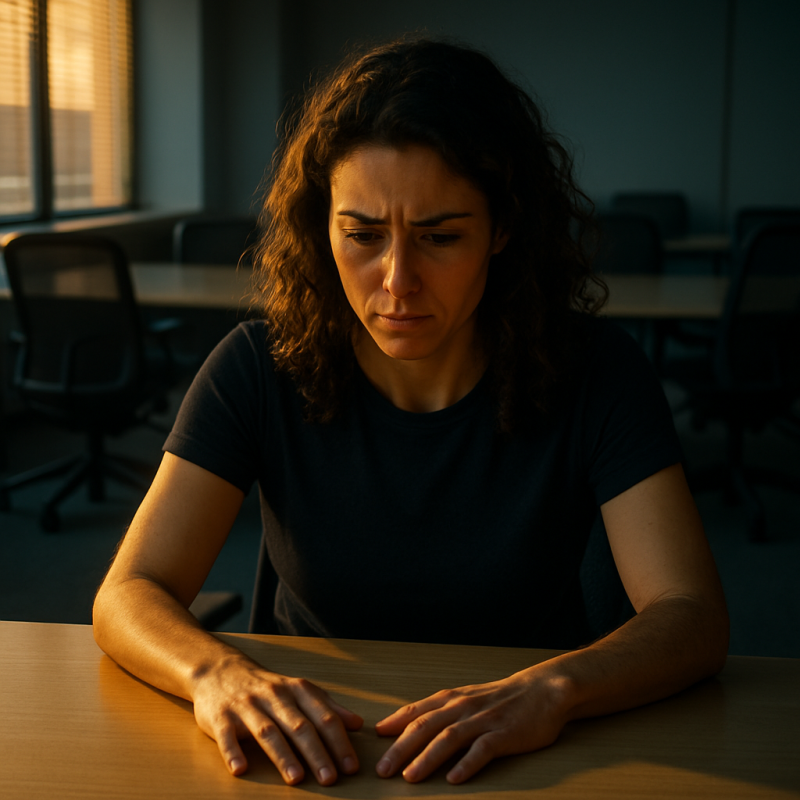 Image by RM AI
Paranoia Sets In
Sarah didn't wait for the dust to settle. Within a week she'd brought in outside security consultants — not the corporate kind who check badge access and review parking logs, but the kind who ask careful questions and take notes they don't share with you. I watched them move through the office in pairs, and I kept my expression the same as everyone else's: mildly curious, mildly inconvenienced. Jordan held private meetings with Sarah that ran long and ended with him carrying folders I wasn't meant to see. I heard fragments — competitor interference, internal leak, communication audit — and I reported all of it to Marcus at the warehouse that evening. He told me to stay calm and keep my routine exactly as it was, nothing added, nothing removed. Sarah started reviewing board communications personally, pulling correspondence that would normally go through her assistant, and I noticed her watching certain people in meetings with a new kind of attention. She hadn't turned that attention toward me yet. I was still the quiet one, the unremarkable sister who'd said the right things at the family dinner and kept her head down since. I sat with that knowledge on the drive home, the city moving past the windows, and the particular loneliness of watching someone come apart while standing close enough to feel the heat of it.
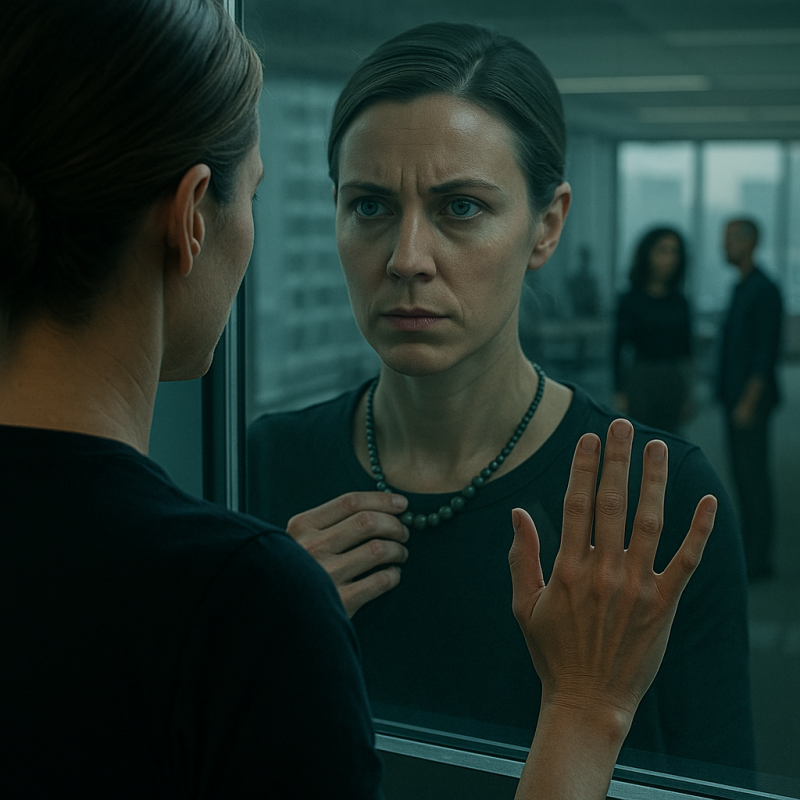 Image by RM AI
The Accusation
The dinner invitation came with two days' notice and no explanation, which was already unusual. Sarah didn't do casual. When I walked into Aunt Patricia's dining room and saw the table set for three — just the three of us — something tightened in my chest before anyone said a word. We made it through the salad course on pleasantries, and then Sarah set down her fork with the particular precision of someone who had been waiting. She said she'd been reviewing the timeline of the failed deals, and that certain disruptions seemed to track with my arrival at the company. I kept my face neutral and asked her what exactly she was suggesting. She said she wasn't suggesting anything — she was observing. Aunt Patricia made a soft noise that was supposed to sound like mediation but landed closer to agreement. I told Sarah that if she had evidence, she should present it, and if she didn't, she should say so plainly. She admitted she had no proof. Just instincts, she said, and twenty years of knowing how people move when they're hiding something. I told her that sounded like paranoia dressed up as intuition. She didn't like that. Aunt Patricia touched Sarah's arm and gave me a look that said I'd gone too far, even though I hadn't. The drive home was quiet, and the silence in the car felt like something that had been building for a long time.
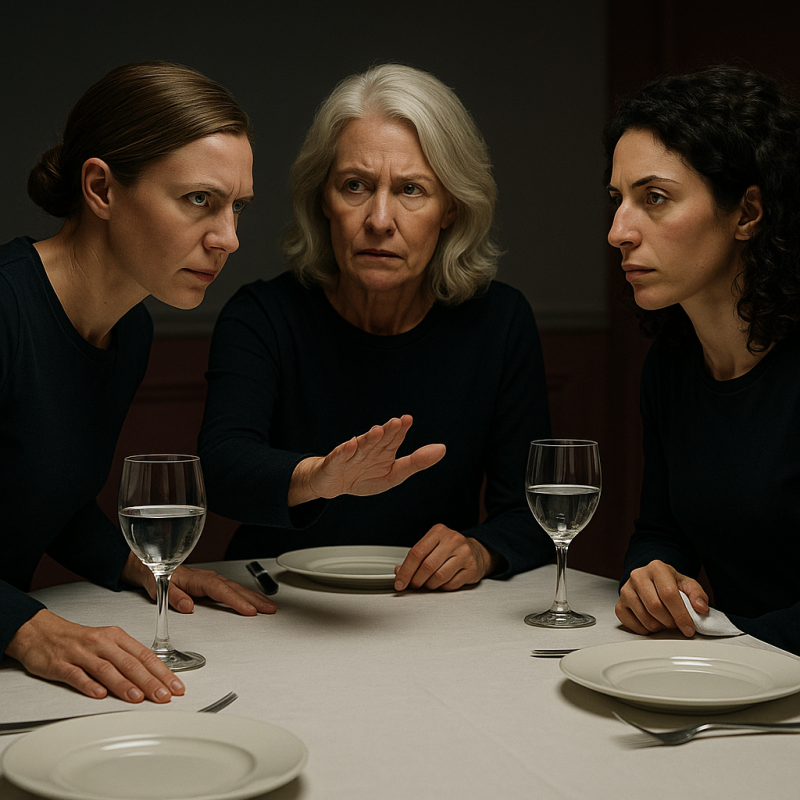 Image by RM AI
The Investigation Begins
I first noticed it on a Tuesday — Jordan lingering near the desk of a colleague who had no reason to talk to him, asking questions in that easy, conversational way that doesn't look like an interview until you replay it later. By Thursday I'd caught him twice more, once near the copy room and once in the break room, and both times the conversation ended when I walked in. He stopped by my desk that afternoon with a smile that didn't reach his eyes and asked how I'd been spending my evenings lately, whether I'd picked up any freelance work since joining the company. I told him I'd been job-searching on the side, keeping options open, the way anyone would in an uncertain market. He nodded and wrote something down, which people don't usually do during small talk. I called Marcus from my car in the parking garage that evening and told him everything. He was quiet for a moment and then said Jordan was methodical — that if he was already asking questions, he'd been building a picture for longer than I'd noticed. He told me Vincent was adding protocols at the warehouse, restricting access windows and varying entry routes. I sat in the car after I hung up, the garage humming around me, and then I looked down at my bag and saw the corner of a manila folder Jordan had left on my desk — with my name printed across the tab.
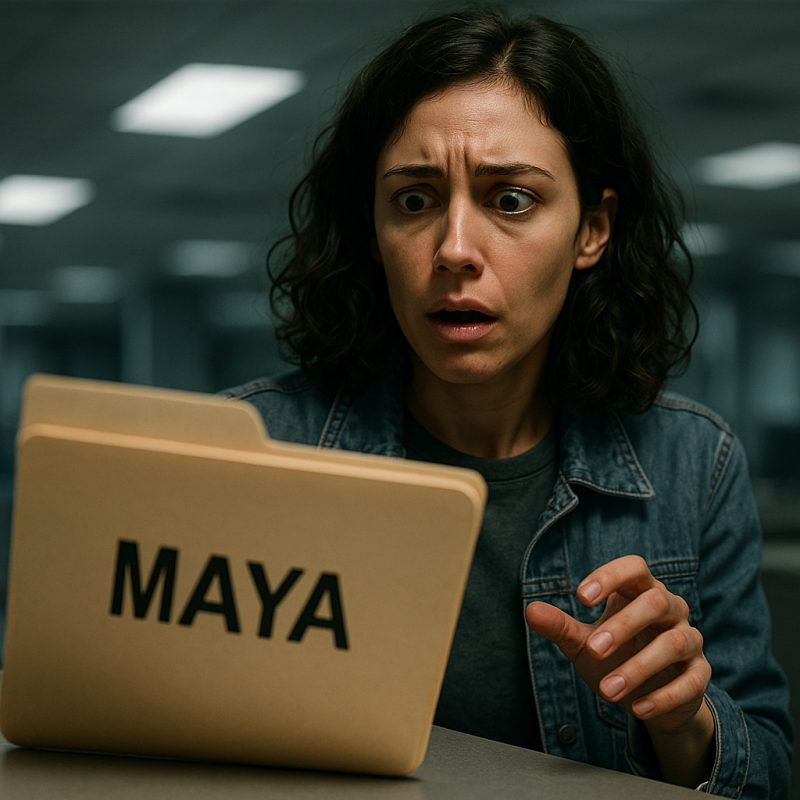 Image by RM AI
The District Connection
Marcus pulled up the footage on a laptop at the warehouse table without preamble — just turned the screen toward me and let me watch. Jordan moved through the industrial district with the unhurried confidence of someone who had done this before, stopping at loading docks, talking to people outside warehouses, writing things down. Lena had tracked his digital footprint and found property record searches, zoning filings, utility account lookups — all centered on a six-block radius that included us. Vincent reported that Jordan had brought in outside help, a private investigator with a background in corporate surveillance. I watched the footage loop and tried to keep my breathing even. Marcus said Jordan was narrowing it systematically, eliminating locations one by one, and that the team had discussed relocating but decided against it — moving now would create a trail of its own. Vincent was adding external cameras and varying the shift schedules. Lena was compartmentalizing the most sensitive data behind additional authentication layers. I asked Marcus how long we had. He didn't soften it. He said days, not weeks, and then he turned the laptop back around and showed me the map — a printed aerial grid with Jordan's confirmed search radius marked in red, and our block sitting just inside the outer edge.
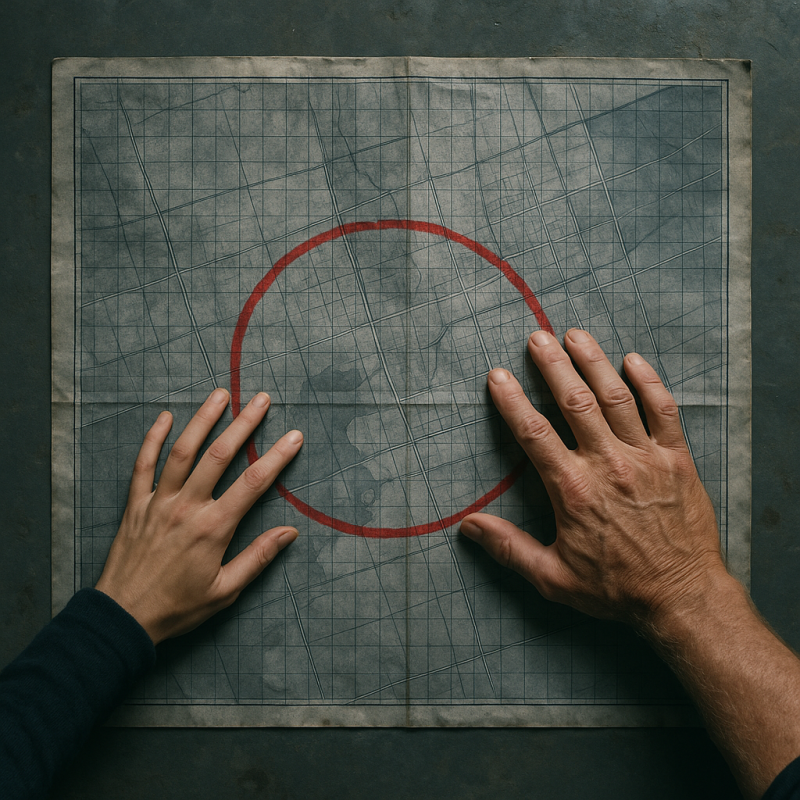 Image by RM AI
The Private Investigator
Vincent found it first. He came to me before the morning briefing with the kind of stillness that meant the news was already bad, and he walked me through what his external cameras had caught over the past eight days — a gray sedan parked at different angles on different streets, always with a sightline to the warehouse entrance. He'd run the plates. The car belonged to a licensed private investigator, and the investigator worked for a firm Sarah had retained before. Marcus spread the photographs across the table without comment. They were sharp and well-framed: me arriving on foot, me at the side entrance, me leaving after dark with my bag over one shoulder. Seven separate visits documented with timestamps. Vincent said the investigator had stayed far enough back that I'd never had reason to look twice. Marcus told me Sarah would have these photos within forty-eight hours if she didn't already, and that we needed to stop reacting and start preparing. The team talked through options — legal documentation, controlled disclosure, timing. I listened and took notes and said the right things. But I kept coming back to one image: me, mid-stride, caught in the frame of a telephoto lens, walking through a door I'd thought no one was watching.
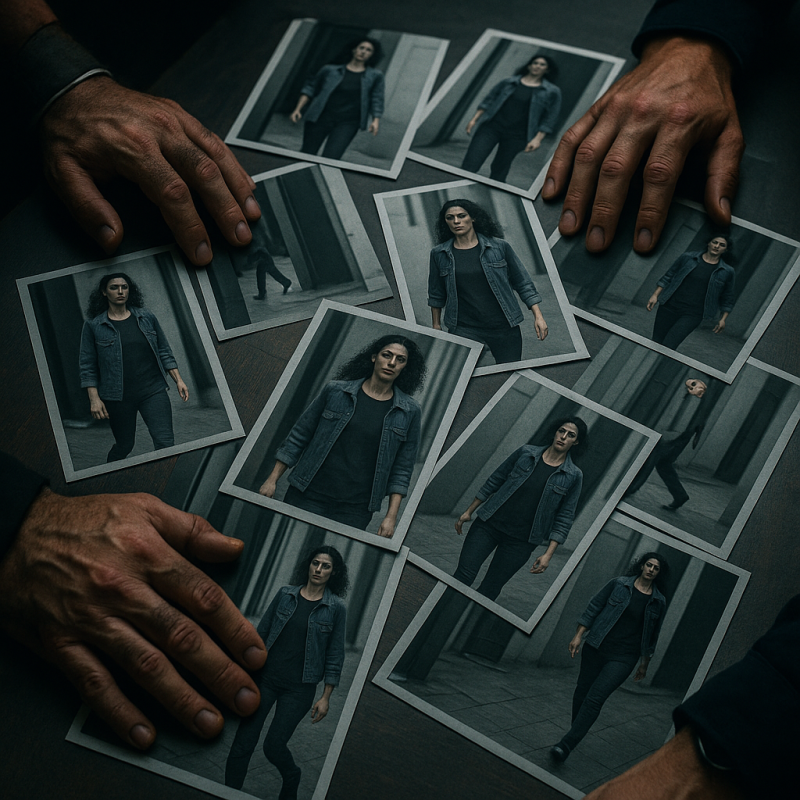 Image by RM AI
Security Protocols
By the next morning the warehouse felt different — quieter in a deliberate way, the kind of quiet that comes from people moving carefully rather than casually. Vincent had locked down external system access before dawn and posted additional personnel at both entry points. Lena worked through the morning backing up critical data to off-site servers, her movements quick and efficient, narrating what she was doing in short technical bursts that I tried to follow. Marcus sat with me for an hour and walked me through what I could say and what I couldn't — what was legally mine to claim, what was protected under the terms of my father's will, and where the lines were. He told me to let Sarah present her evidence first, to ask questions rather than make statements, and to remember that having been somewhere is not the same as having done something wrong. I reviewed the inheritance documents again that afternoon, the phone sitting on the table beside them like it had always been the center of this. Vincent told me the confrontation would likely come within forty-eight hours. I nodded and said I understood. That evening I sat alone in the warehouse after everyone else had gone, the hum of the servers the only sound, and the weight of what was coming settled into me like something that had always been there, waiting for me to stop moving long enough to feel it.
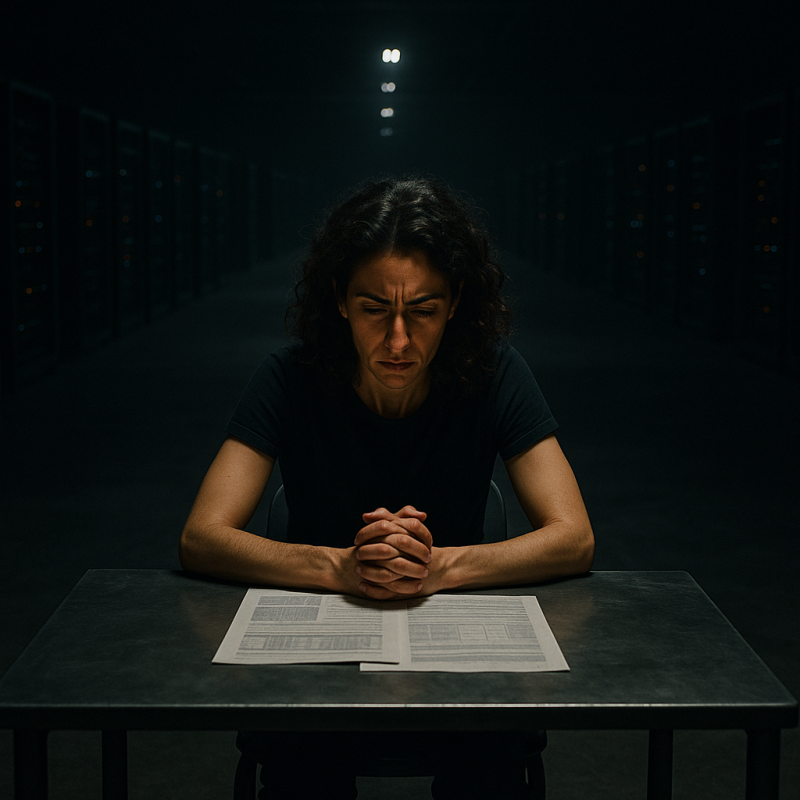 Image by RM AI
The Summons
The email arrived at 7:14 in the morning, formatted like a legal notice — subject line reading 'Required Meeting,' no greeting, just my name and a time and an address. Sarah had cc'd Jordan and Aunt Patricia. The tone was the kind of cold that takes effort to produce, every sentence stripped of anything that might read as personal. I read it twice and then called Marcus. He picked up on the first ring, which told me he'd been expecting it. He said to stay calm, to remember the documents, to let her go first. I pulled the inheritance paperwork out of the folder I'd been keeping it in and laid it on the kitchen table, just to look at it — the will, the phone's chain of custody, the warehouse access authorization, all of it in order. I drove to Sarah's office building in the late morning with the folder on the passenger seat. The lobby was the kind of place designed to make you feel small before you'd said a word — marble floors, high ceilings, a receptionist who looked at me the way people look at someone they've been told to expect. I took the elevator up and stood outside the conference room door for a moment, the folder in my hands, the fear and the strange relief of it tangled together in a way I couldn't separate, and the quiet of the hallway held me there for just a breath longer.
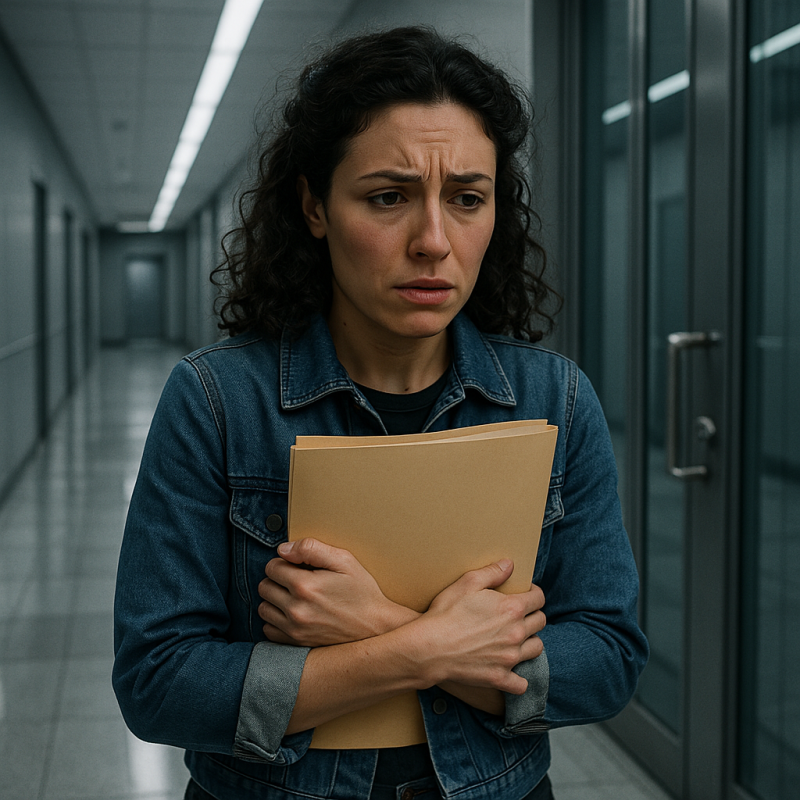 Image by RM AI
The Photographs
Aunt Patricia was already seated when I walked in, her hands folded on the table, her expression arranged into something between concern and judgment. Jordan stood near the window with his arms crossed, watching me the way he'd been watching me for weeks. Sarah was at the head of the table, and she waited until I sat down before she opened the folder. The photographs were printed large — eight by tens, sharp and clear. She laid them out one by one without speaking, each image a different day, a different angle, all of them showing me at the warehouse. When she finished she asked me what I had been doing there and why I had lied about it. Aunt Patricia made a small sound. I told Sarah yes, I had been visiting that location regularly, and I wasn't going to pretend otherwise. Sarah said the word espionage, hard and flat, and Jordan nodded slightly, and Aunt Patricia looked at me with something that might have been grief. I let the word sit in the room for a moment. Then I asked Sarah, calmly, how she had obtained photographs of her own sister — whether she'd like to explain to Aunt Patricia exactly what kind of surveillance operation she'd been running, and how long she'd been doing it.
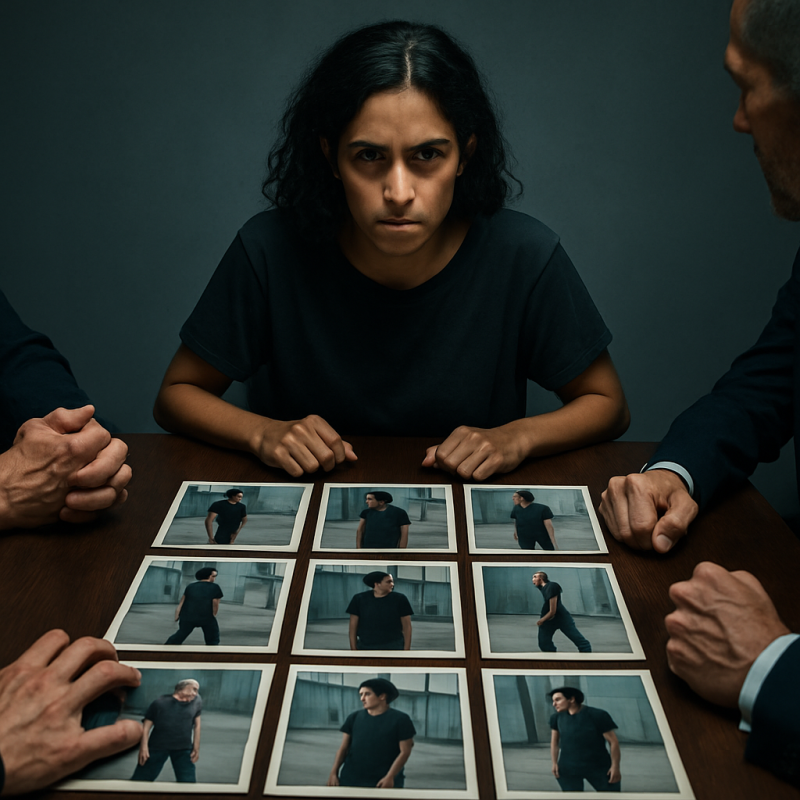 Image by RM AI
The Tables Turn
The question landed and nobody answered it right away. Sarah recovered first, pivoting to say that my activities had warranted investigation, that she had a responsibility to protect the company. I let her finish and then I started asking different questions — specific ones. I asked about the Meridian contract and what the liability terms actually said. I asked about the Singapore filing and the discrepancy in the reported figures. I mentioned the offshore account structure by name, not all of it, just enough. Sarah's composure didn't shatter — it was more like watching something shift beneath the surface, a change in the quality of her stillness. Aunt Patricia turned to her and asked, quietly, what I was talking about. Jordan's pen stopped moving. Sarah said I was pulling fragments out of context, that none of it meant what I was implying, but her explanations came out faster than they should have, each one stepping on the last. I didn't argue. I just kept asking questions, one after another, and let the gaps in her answers do the work. By the time the meeting ended, nothing had been resolved and nothing had been admitted, but the room felt different than it had when I walked in — the weight of it no longer sitting entirely on my side of the table.
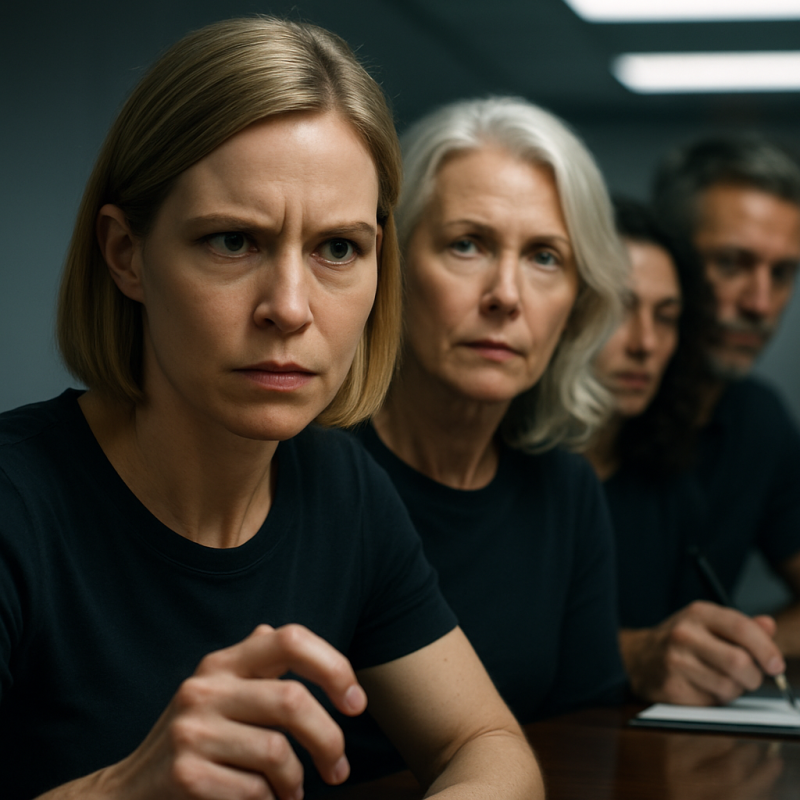 Image by RM AI
The Ultimatum
Jordan slid the documents across the table before Sarah even finished speaking. Preliminary injunction, theft of trade secrets, corporate espionage — the words sat there in clean legal font like they were nothing. Sarah folded her hands and told me I had twenty-four hours to provide a full accounting of my activities at the warehouse, or they would file. Aunt Patricia leaned forward and said she wanted answers too, that this family had been through enough, that someone needed to start talking. I looked at the papers and then at Sarah's face, that practiced stillness she wore when she thought she'd already won. I told them the warehouse was part of our father's estate and that my access was entirely legal. Jordan asked for documentation proving that claim. I said I had it, but that the full picture required someone else in the room — someone who could verify what I was about to tell them. Sarah said she wasn't waiting for a witness I'd hand-selected. I said that wasn't her choice to make. The room went quiet after that, and I sat with the weight of knowing I couldn't keep the secret much longer — and that telling the truth was going to cost me something I hadn't fully counted yet.
 Image by RM AI
Marcus Arrives
Marcus walked in twelve minutes later, and I watched the room recalibrate around him. There was something about his presence — people straightened without quite knowing they had. He set a leather portfolio on the table, introduced himself as the facility director appointed by Daniel Chen, and slid incorporation documents toward Jordan without being asked. Sarah demanded to know why she had never been told about this facility. Marcus said the warehouse was established fifteen years ago with specific succession protocols, and that notification was not part of those protocols. Aunt Patricia looked between the two of them like she was trying to find the seam in a story that didn't quite fit together. Jordan examined the documents carefully, turning pages slowly, and said they appeared legitimate. Sarah's jaw tightened. She asked what the warehouse actually did — what it was for. Marcus looked at her steadily and said it managed certain assets and operations that Daniel Chen had chosen to keep separate from the corporate structure. The silence that followed was different from the silences before it. Then Marcus said, evenly, that the warehouse managed the real assets.
 Image by RM AI
The Documentation
Marcus opened the portfolio and started laying pages out in a row, and I watched Sarah's expression change as she recognized what she was looking at. Her own meeting notes. Financial projections with handwritten margins she'd made herself. Internal memos from closed-door sessions. All of it annotated, dated, cross-referenced. Aunt Patricia asked how the warehouse had obtained any of this. Marcus said the monitoring systems were established under Daniel Chen's full authority, built into the operational charter from the beginning. Jordan picked up a page, read it, set it down, and picked up another. He didn't say anything for a long moment. Sarah asked why her father had been spying on her, and her voice came out harder than she probably intended. I pointed to a flagged section — a series of decisions from three years ago, each one marked with a notation in the warehouse records. I said the records showed concerns had been logged about those specific choices. Marcus confirmed the warehouse had documentation of every major corporate action since Sarah took control. Sarah stared at the pages spread across the table, and something in her face shifted — not collapse, not yet, but the first crack in the certainty she'd carried into the room.
 Image by RM AI
The Failed Deals
I laid the timeline out flat on the table — the Meridian acquisition, the Singapore collapse, the three distribution partnerships that had dissolved inside eighteen months. Each one had a warehouse annotation beside it, and each annotation referenced a due diligence report Sarah had received and not acted on. Marcus set the corresponding reports next to the timeline without comment. Sarah said the Meridian deal fell apart because of market conditions, that no one could have predicted the regulatory shift. Marcus slid a document toward her — a risk assessment dated four months before the deal closed, flagging exactly that regulatory exposure. Aunt Patricia picked it up and read it. She asked Sarah if she had seen this before signing. Sarah said the advisors had told her the risk was manageable. Marcus said the warehouse records showed the same advisors had revised that assessment downward two weeks later and that the revision had been forwarded to Sarah's office. I asked Sarah to walk us through why she had moved forward anyway. Jordan put his hand on Sarah's arm and said she shouldn't answer without counsel present. But Aunt Patricia was still holding the risk assessment, reading it again, and Sarah was looking at the table instead of any of us — and I watched her search for an explanation that the documents had already closed off.
 Image by RM AI
The Crumbling Defense
Aunt Patricia set the risk assessment down and asked about the offshore accounts — specifically, why they weren't disclosed in the estate filings. Sarah said they were a standard treasury structure, that her legal team had reviewed everything. Jordan shifted in his seat. Aunt Patricia asked again, more slowly this time, and Sarah's answer came out slightly different from the first one — different enough that Marcus wrote something on the edge of his notepad. I slid another document across the table, a transfer record with dates that didn't align with what Sarah had just described. Sarah said I was presenting things out of context. Marcus offered to bring in independent auditors to verify the full record. Aunt Patricia looked at Sarah and said she wanted to understand what their father had actually been doing — and what Sarah had known about it. Jordan leaned toward Sarah and said quietly that he needed a private consultation before this went any further. Sarah looked around the table and I could see it register — that the room had shifted, that Aunt Patricia's questions were no longer softened by loyalty. Nobody was automatically on her side anymore. I didn't feel triumphant about it. I just sat there watching the certainty drain out of her face, and the quiet that settled in its place felt heavier than anything I'd expected.
 Image by RM AI
The Final Demand
Sarah pushed back from the table and said she was done with partial answers. She looked at Marcus and said she wanted to know exactly what authority the warehouse held — not in general terms, not in legal language, but plainly. She said she had a right to know what her father had built. Aunt Patricia said she agreed, that everyone in the room deserved complete transparency, that the time for managing information was over. Jordan said the legal structure needed to be fully understood before anyone made another move. I looked at Marcus. He met my eyes and waited. I nodded. Marcus asked the room, quietly, whether they were certain they wanted the complete truth — not as a warning exactly, but as something close to one. Sarah said yes, without hesitating. I told Marcus to show them everything. He opened a second section of the portfolio I hadn't seen him prepare, and began laying out a different set of documents — ones with a different header, a different seal. The room went very still. I sat with the strange calm of someone standing at the edge of something that couldn't be undone, breathing slowly, waiting for the moment to break open.
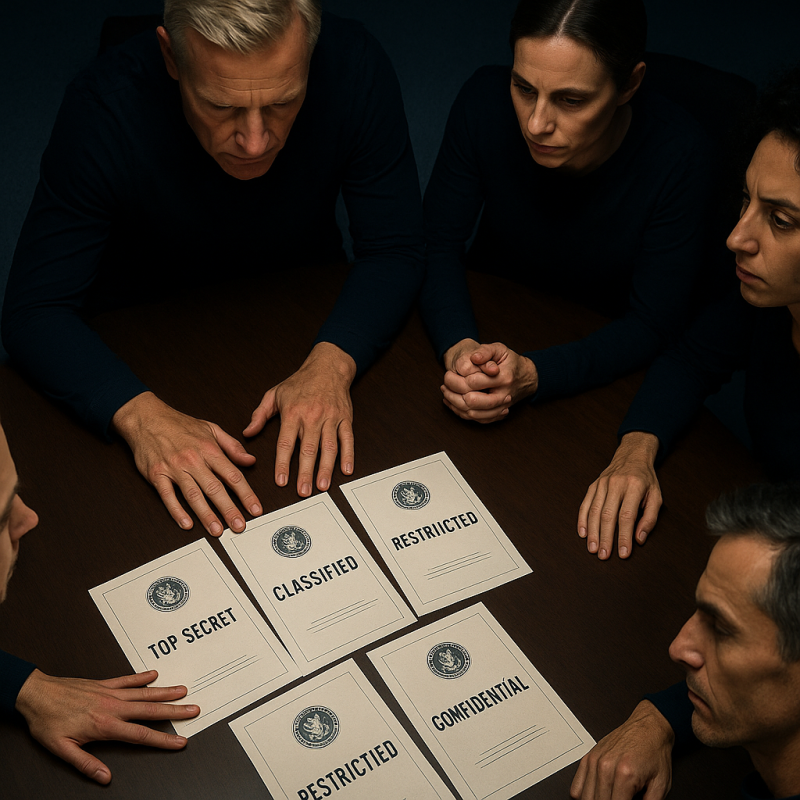 Image by RM AI
The Real Board of Directors
Marcus spoke for eleven minutes without interruption, and by the end of it the room felt like a different room. He explained that the warehouse was the actual control center for all of Daniel Chen's assets — not a satellite operation, not a monitoring function, but the origin point. Sarah's corporate structure, the offices, the board, the brand — all of it had been designed as a public-facing layer with real but bounded authority. The warehouse had been making or approving every major decision for fifteen years. He showed the control mechanisms: approval chains, veto protocols, spending thresholds that Sarah's accounts had never been permitted to exceed without warehouse sign-off she hadn't known to look for. He explained that our father had created two systems — one visible, one real — and that the warehouse held the actual ownership structures and decision-making authority over all of it. Sarah's face had gone completely still. Aunt Patricia said something under her breath that I couldn't hear. Jordan was writing fast, not looking up. I had known pieces of this, had felt the shape of it in the dark, but hearing it laid out plainly was something else entirely. Then Marcus said it directly: every success Sarah had claimed, every deal she had closed, every appointment she had made — the warehouse had permitted it all.
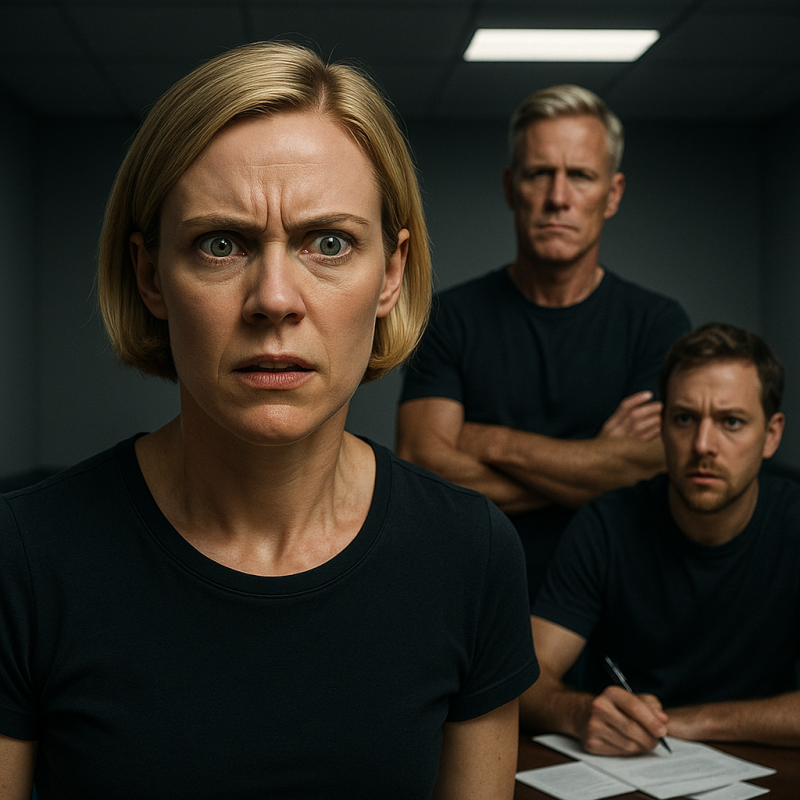 Image by RM AI
The Hollow Empire
Marcus kept going. He showed the expenditure approval records — every transaction above a threshold Sarah hadn't known existed, routed through warehouse protocols before it cleared. He showed the board appointment files: each name Sarah had put forward, each one carrying a warehouse review notation beside it. He showed the instances where her decisions had been quietly redirected — not blocked outright, but adjusted at the edges, steered. Jordan set his pen down and said the legal structure was ironclad, that there was no mechanism to challenge it. Aunt Patricia asked why Daniel Chen would build something this elaborate, and Marcus said it wasn't deception — it was a test of character and judgment, designed to run until one of his daughters demonstrated she understood what the assets were actually for. I felt something complicated move through me watching Sarah absorb all of it. I hadn't wanted this for her, exactly. I had wanted the truth, and the truth had its own weight. Sarah sat very still, and I could see her working through it — every deal she'd celebrated, every room she'd commanded, every time she'd looked at me like I was nothing — and I watched her face as the full shape of it landed.
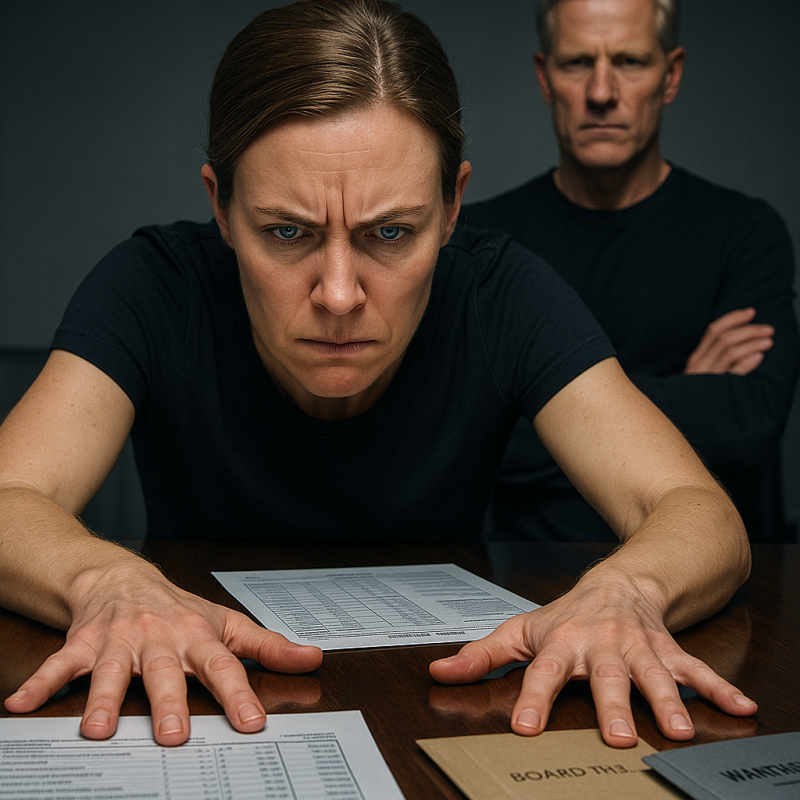 Image by RM AI
Maya's Inheritance
Marcus set the final document on the table — Daniel Chen's warehouse succession provision, notarized and dated three years before he died. Jordan picked it up without being asked, read it twice, and set it back down with the careful deliberateness of someone who already knew what it said. The locked phone wasn't just a keepsake. It was the authentication key to the warehouse's primary control systems, and the moment I'd completed the test sequence, the protocols had logged my acceptance as binding. Jordan confirmed it out loud: my authority over the warehouse — and through it, every major decision the corporate structure had ever routed through those systems — was legitimate and enforceable. Sarah asked why. Not shouted it, not demanded it — just asked, in a voice I'd never heard from her before, small and stripped of everything she usually wore. Marcus said our father had watched both of us for years, and what he'd valued wasn't credentials or ambition. It was curiosity. Judgment. The willingness to ask what something was actually for before deciding what to do with it. Aunt Patricia looked at me like she was seeing a stranger wearing my face. I didn't say anything. I just sat with the weight of it — the authority, the responsibility, the years of being overlooked — all of it settling into place at once.
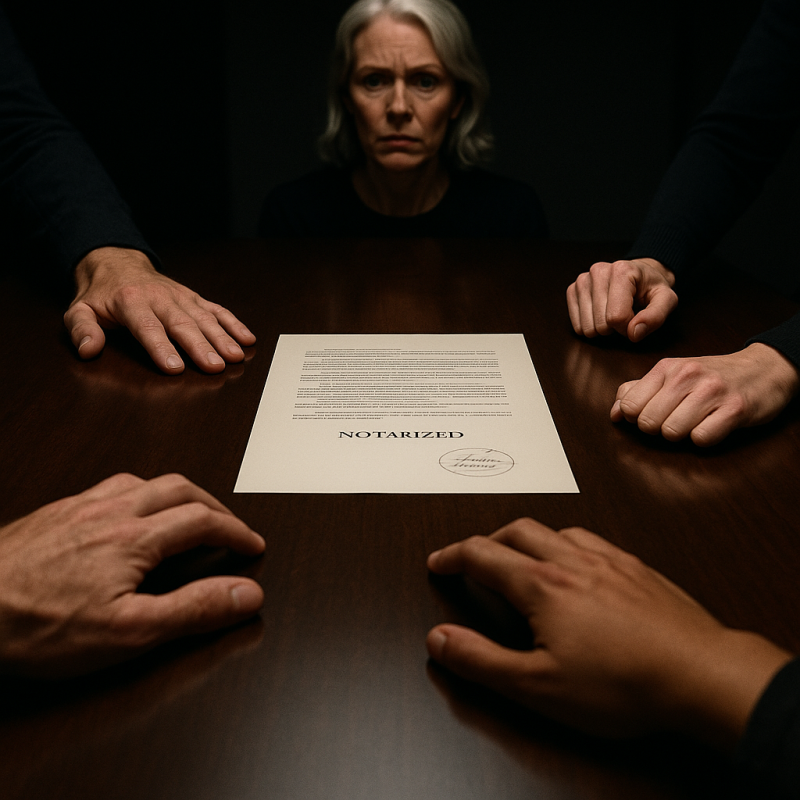 Image by RM AI
Family Chaos
Sarah pushed back from the table like the chair had offended her. She said the whole thing was a setup — that Marcus and I had manufactured the documentation, that the warehouse protocols were a fiction designed to strip her of what she'd built. Aunt Patricia turned to Jordan and asked him directly whether any of this could be challenged, and Jordan chose his words the way you choose footing on ice. He said the documents appeared binding and the legal structure was sound, but that Sarah had options she could pursue. That was all Sarah needed. She said she would take it to court, every piece of it, and that no warehouse protocol was going to override a decade of her running the company. I told her quietly that a legal fight would put her financial decisions in front of a judge — all of them, including the ones she wouldn't want examined. Aunt Patricia asked me what I intended to do with the authority I'd inherited, and I said I hadn't decided yet, that I wanted to stabilize things first. Sarah looked at me across the table with something that had moved past anger into something colder and said she would not step down, she would not acknowledge my authority, and she would not surrender what was hers.
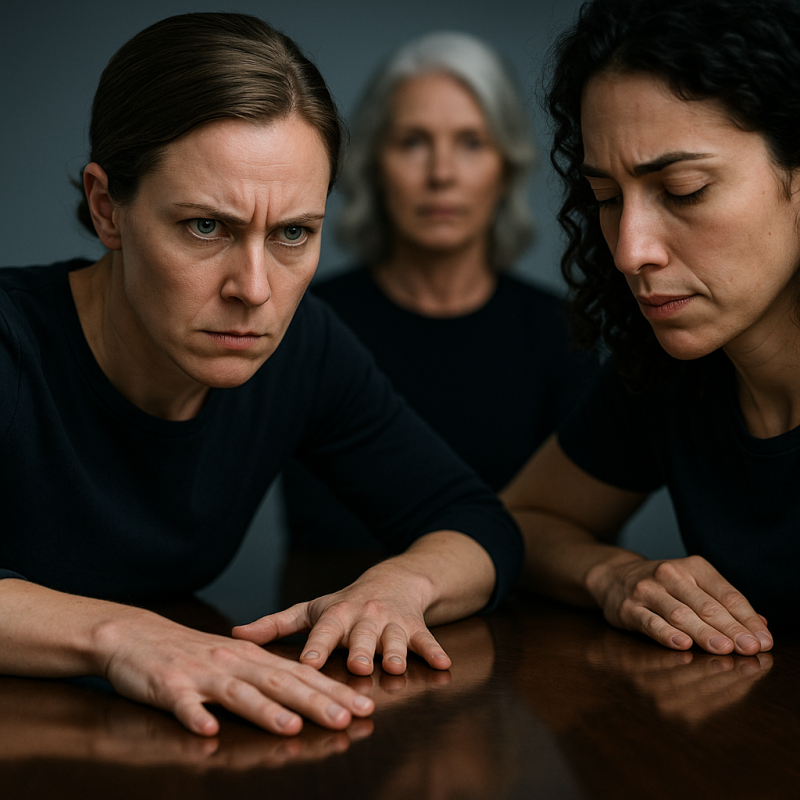 Image by RM AI
The Corporate Coup
I found out about the emergency board meeting from a warehouse alert, not from Sarah. Lena pulled up the notification on the monitoring system — Sarah had called it for that afternoon, framed as a crisis session, and the agenda item was a motion to freeze all corporate assets pending legal review. There was a second item: a formal accusation that I had been conducting corporate espionage against the company. Jordan had filed supporting documentation before I even knew the meeting existed. Marcus told me I needed to move, that this was exactly the scenario the warehouse protocols had been built to handle, and that waiting would cost me the window. I authorized the intervention. Lena's hands moved across the system interface with the efficiency of someone who had rehearsed this, and within minutes the protocols were active — blocking the asset freeze at the authorization layer before it could execute. Vincent locked down the warehouse systems against any external legal challenge, logging every action with timestamps and verification signatures. The board meeting was still happening somewhere across the city, Sarah presenting her case to people who didn't yet know the ground had already shifted. I sat in the warehouse and listened to the hum of the servers, and the silence around me felt like the particular quiet that follows a decision you can't take back.
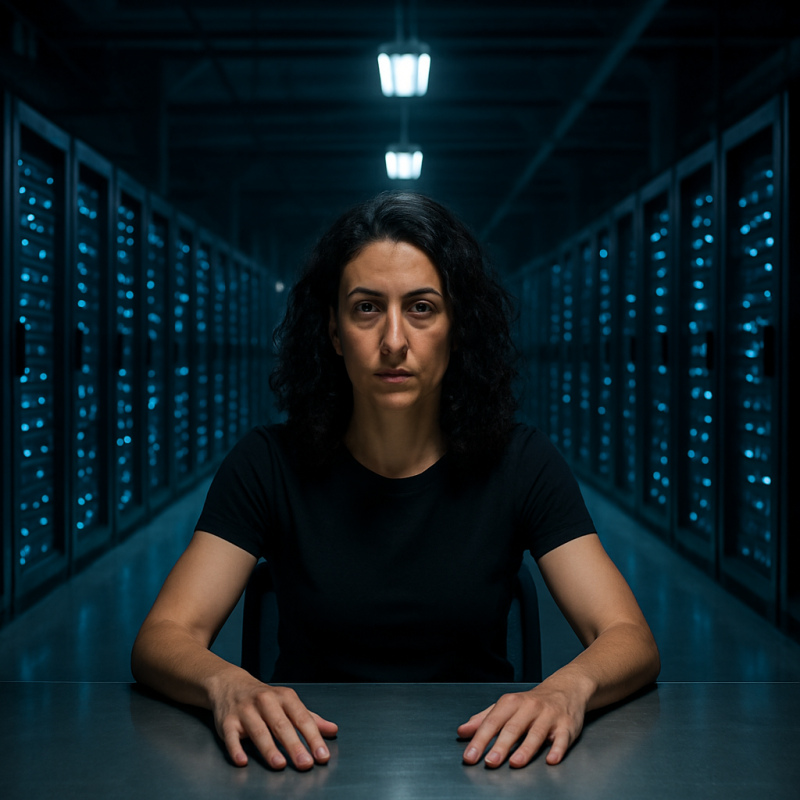 Image by RM AI
Countermeasures
Lena had the board meeting on a monitor — a live feed from the warehouse's internal systems, audio and all. I watched Sarah stand at the head of the table, composed and precise, presenting her motion like she was delivering a quarterly report. She had slides. She had talking points. She had Jordan's legal summary printed and distributed before anyone sat down. Marcus stood beside me and walked me through each intervention step as it became available, his voice low and even, like a navigator reading coordinates. I authorized each one. The asset freeze request hit the warehouse authorization layer and stopped there, flagged and suspended. The board members' tablets updated in real time — Lena had pushed the succession documentation directly to their devices, timestamped and verified. I watched one board member lean over to another and point at his screen. Sarah was mid-sentence when the room's energy shifted. She kept talking, but the board had stopped following her. Vincent logged every action as it executed, building a legal record in real time. By the time Sarah finished her presentation, the resolutions she'd prepared had already been rendered invalid by the systems she hadn't known existed. The warehouse hadn't raised its voice. It had simply done what it was built to do, and the quiet efficiency of it settled over the room like something that had always been true.
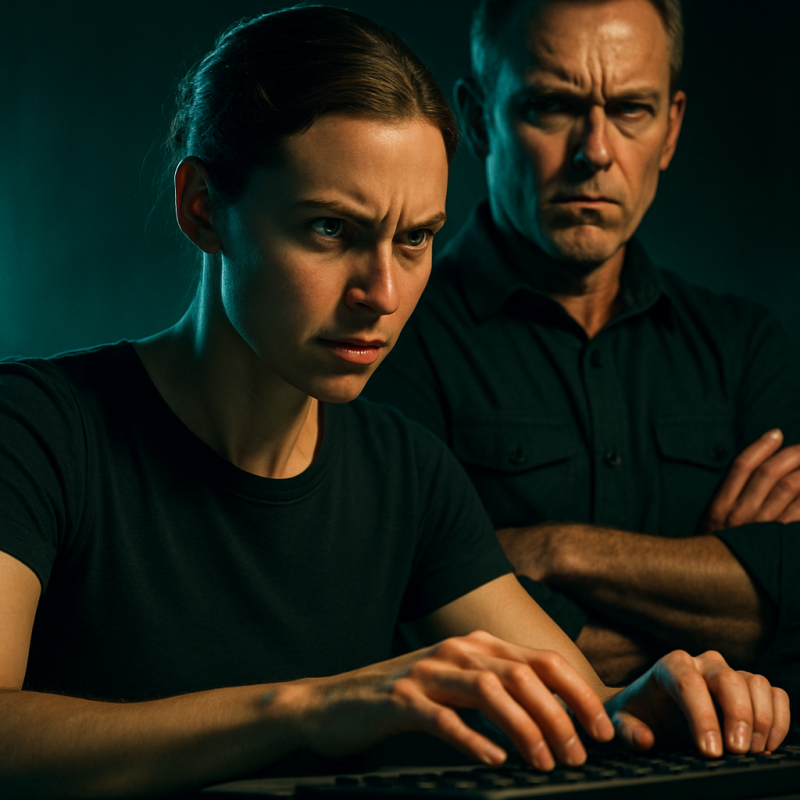 Image by RM AI
Public Battle
By the next morning it was everywhere. A financial news outlet ran the headline first — Chen Family Power Struggle: Hidden Heir Challenges Corporate Empire — and within two hours it had been picked up by four more. Sarah had given a statement to a reporter the night before, and her framing was clean: she was the victim of a hostile internal takeover orchestrated by a sibling with no corporate experience and a group of warehouse operatives acting outside their authority. My phone rang eleven times before nine a.m. I didn't answer any of them. Marcus sat across from me with a legal pad and walked me through what I could say, what I couldn't, and what would happen to the company's position if I said the wrong thing publicly. Lena had a second monitor running social media sentiment alongside the stock ticker, and neither one was moving in a direction I liked. Sarah's version of events was spreading faster than any correction could. Marcus said I needed to make an official statement — not a rebuttal, a statement — and that I needed to do it before the afternoon news cycle locked in the narrative. I was still deciding what that statement would say when Lena turned the monitor toward me, and there was my own face on the screen under the chyron: *The Hidden Heir — Who Is Maya Chen?*
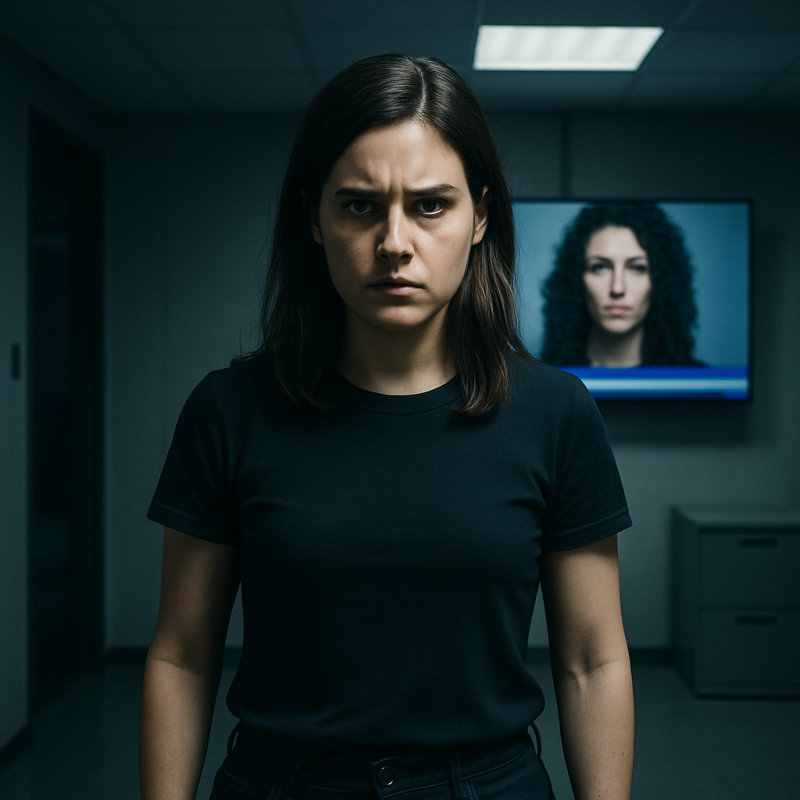 Image by RM AI
The Board Presentation
I presented to the full board three days later. Marcus and Lena flanked me, and I had spent those three days doing nothing but preparing. I didn't lead with the warehouse. I led with the numbers — Sarah's numbers, pulled from the monitoring records and cross-referenced against the company's official filings. The unauthorized expense approvals. The acquisition that had lost thirty percent of its value in eighteen months. The offshore account structure that three of the board members hadn't known existed until they saw it on the screen in front of them. Sarah sat at the far end of the table and tried to contextualize each item as I presented it, and for the first two she almost managed it. By the third, Jordan put his hand on her arm and she stopped. Lena demonstrated the monitoring system live — showed the board exactly how the warehouse had flagged and redirected decisions in real time, showed them the log of interventions that had prevented four separate transactions from executing. Board members asked me direct questions and I answered them directly. When I finished, the room was quiet for a long moment. Then the board chair looked down the table at Jordan and asked whether Sarah's legal challenge had any remaining basis, and Jordan said, in a voice pulled flat and careful, that he would be advising his client to reconsider her position.
 Image by RM AI
Sarah's Last Stand
Sarah called the family meeting herself, which surprised me. She chose the house — our father's house, the one she'd been using as her base of operations since the funeral — and she asked Aunt Patricia to be there. I came because Marcus said I should, that refusing would look like fear. Sarah didn't start with accusations this time. She started with memory — the years she'd spent building the company, the decisions she'd made alone, the weight she'd carried while I was living my quiet life on the margins of everything. She said I had gone behind her back, used systems she hadn't known existed, and called it inheritance. She asked Aunt Patricia to see it for what it was. Aunt Patricia listened to all of it with her hands folded in her lap, and when Sarah finished, she asked one question: what about the financial documentation? Sarah said the documentation was being taken out of context. Aunt Patricia asked her to explain the offshore accounts specifically. Sarah shifted to talking about loyalty, about family, about what our father would have wanted. Marcus set a single page on the coffee table — a summary of the board's findings, printed that morning. Sarah looked at it and didn't touch it. Aunt Patricia picked it up, read it, and set it back down. She told Sarah, quietly and without drama, that she needed to accept what the evidence showed.
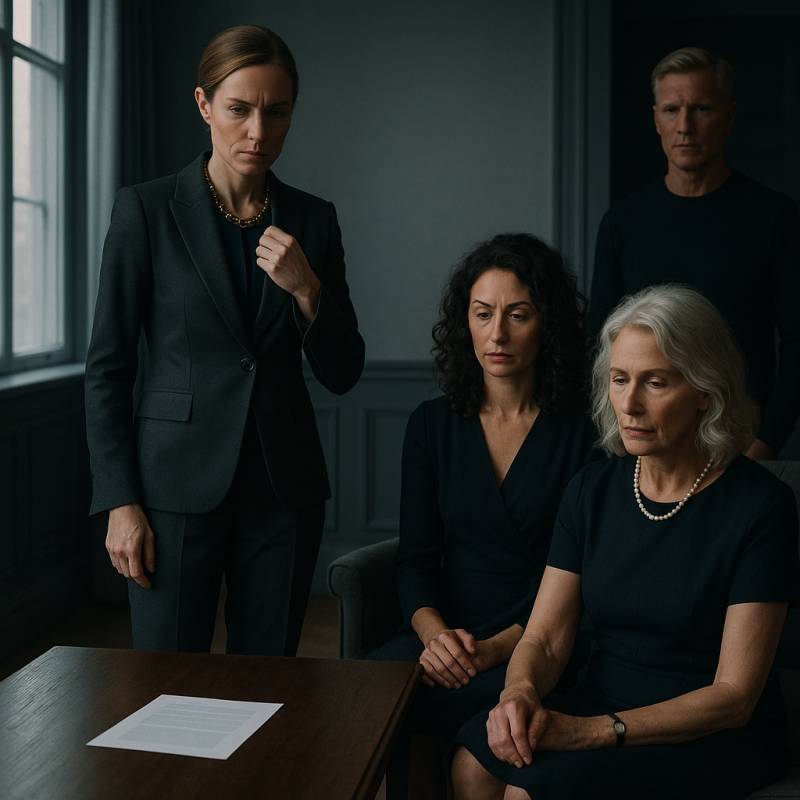 Image by RM AI
Real-Time Control
I brought the board to the warehouse on a Thursday morning. Not a presentation — a demonstration. Lena walked them through the monitoring systems first, showing the live feeds tracking corporate operations in real time: transaction approvals, flagged anomalies, the intervention log going back years. Vincent ran them through the security and verification protocols, and I watched board members take notes with the focused attention of people recalibrating everything they thought they understood. Then I sat down at the primary terminal and showed them what the authority actually looked like in practice. I pulled up a pending transaction — a routine one, already cleared — and walked them through the approval pathway, showing exactly where the warehouse sat in the chain and what it could do. Sarah stood near the back of the room with Jordan beside her. I didn't look at her directly, but I could see her in my peripheral vision, arms crossed, jaw set. Jordan leaned down and said something close to her ear. She didn't respond. When the board chair formally acknowledged my authority on the record, Jordan uncapped his pen, made a note on his legal pad, and capped it again. The room held the particular stillness of something that had finally been decided, and I sat with it — not triumphant, not relieved, just certain, the way you feel when a long question has finally been answered.
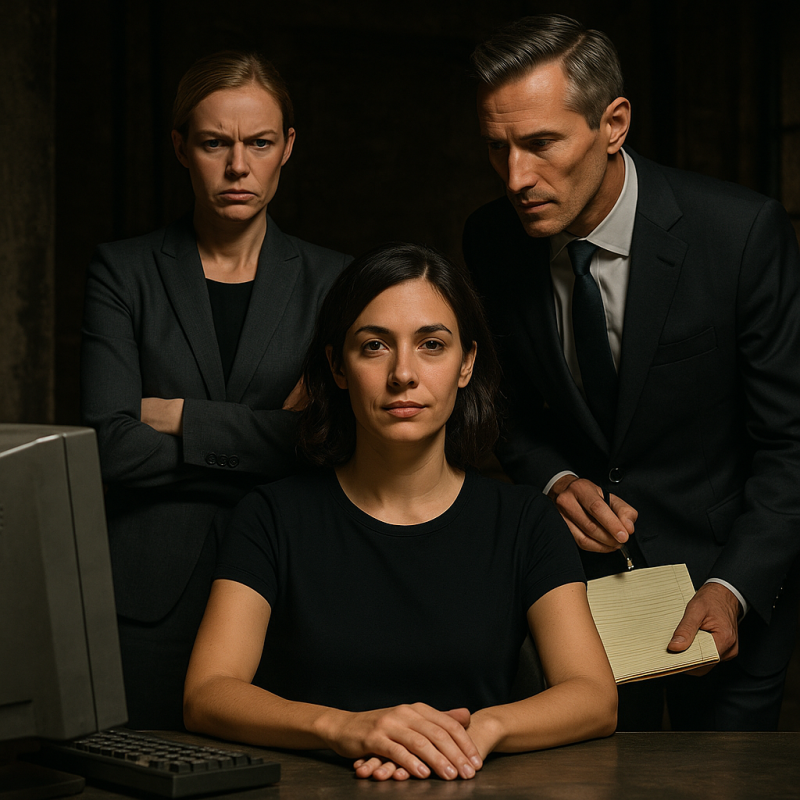 Image by RM AI
Recognition
The vote wasn't close. Seven to one, with Jordan abstaining on Sarah's behalf — which told me everything I needed to know about where his loyalties had finally landed. The board chair read the resolution aloud, and I sat at the head of the table and listened to my name attached to words like 'full authority' and 'operational control' and felt the weight of them settle into my chest like something permanent. Marcus stood near the door with his arms at his sides, and when the chair finished reading, he gave me a single nod. Aunt Patricia was the one who surprised me. She crossed the room after the vote, took both my hands in hers, and said, 'I didn't see you. I should have.' It wasn't an apology that fixed anything, but it was real, and I accepted it. Sarah stood apart from everyone, and when Jordan confirmed that all legal challenges had been formally withdrawn, she didn't flinch. She just said, quietly, that she wouldn't be taking the limited operational role — that she needed to do something that was actually hers. I understood that more than she probably expected. I picked up the pen, signed the transfer documents one by one, and set it down on the last page.
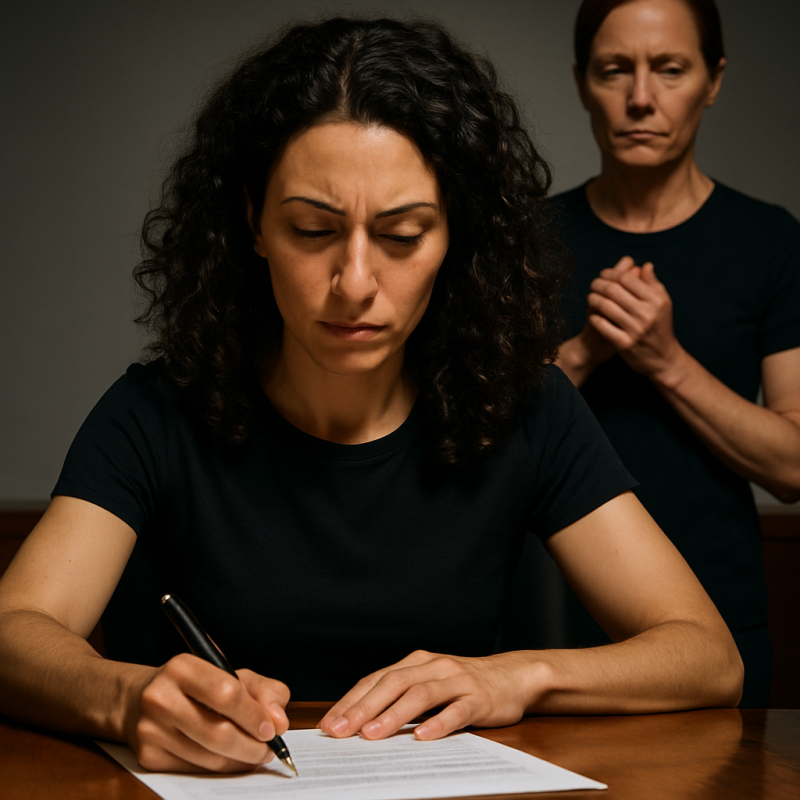 Image by RM AI
Restructuring
The first thing I did was call a company-wide meeting and tell everyone the warehouse existed. Not a memo, not a filtered announcement through department heads — I stood in front of the full staff and explained what the monitoring systems were, what they had been doing, and what they were going to become. The silence in the room was the kind that comes from people recalibrating, not from shock. Lena had spent the previous week converting the surveillance architecture into a compliance and oversight framework, and she walked through the changes with the same efficient precision she brought to everything. Vincent had rewritten the security protocols so that access was logged, audited, and visible to the board on a rolling basis. Marcus helped me sketch out the new organizational structure — one where the warehouse wasn't a shadow operation but a named division with a defined mandate and regular reporting obligations. My father had built something extraordinary and then hidden it, and I understood why he'd felt he had to. But I wasn't going to run it that way. I created accountability measures he'd never implemented: external review, employee feedback channels, a clear escalation path for anyone who had concerns. It was slower and more complicated than what he'd built. Standing in the warehouse that evening, looking at the restructured monitoring boards, I felt the particular heaviness of something being built right instead of just built fast.
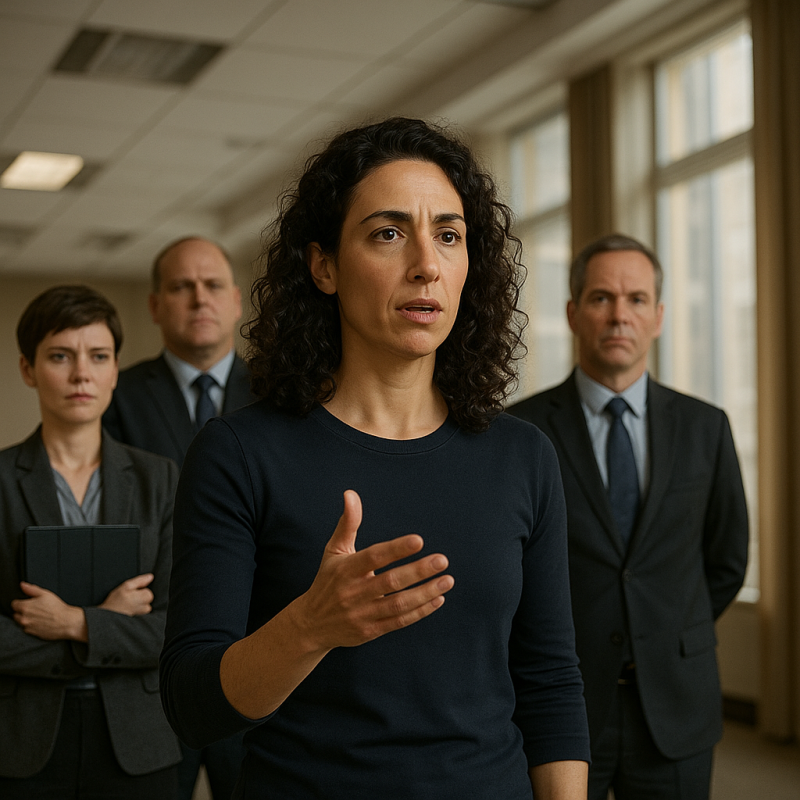 Image by RM AI
Final Conversation
Sarah asked to meet at a coffee shop near her apartment — neutral ground, which I appreciated. She looked tired in a way that expensive clothes couldn't cover, and she got straight to it. 'I never understood what he was actually measuring,' she said. 'I thought it was performance. Revenue. Results.' I told her I hadn't understood it either, not at first. She asked if I'd ever felt guilty — about the warehouse watching everything, about knowing things I wasn't supposed to know. I told her honestly that I'd felt conflicted for months, that there were nights I'd wanted to walk away from the whole thing. She nodded like that was the answer she'd expected. Then she said she resented the surveillance, that it felt like being graded on a test she didn't know she was taking. I didn't argue with that. It wasn't wrong. I told her there was a consulting arrangement available if she ever wanted it — defined scope, clear boundaries, no ambiguity. She shook her head. 'I need to build something that's mine from the start,' she said. 'Not something I inherited and lost.' We sat with that for a moment. We agreed, without making it dramatic, that we'd keep our distance while staying family — whatever that meant now. When I walked out into the afternoon, the conversation felt finished in a way that most things between us never had.
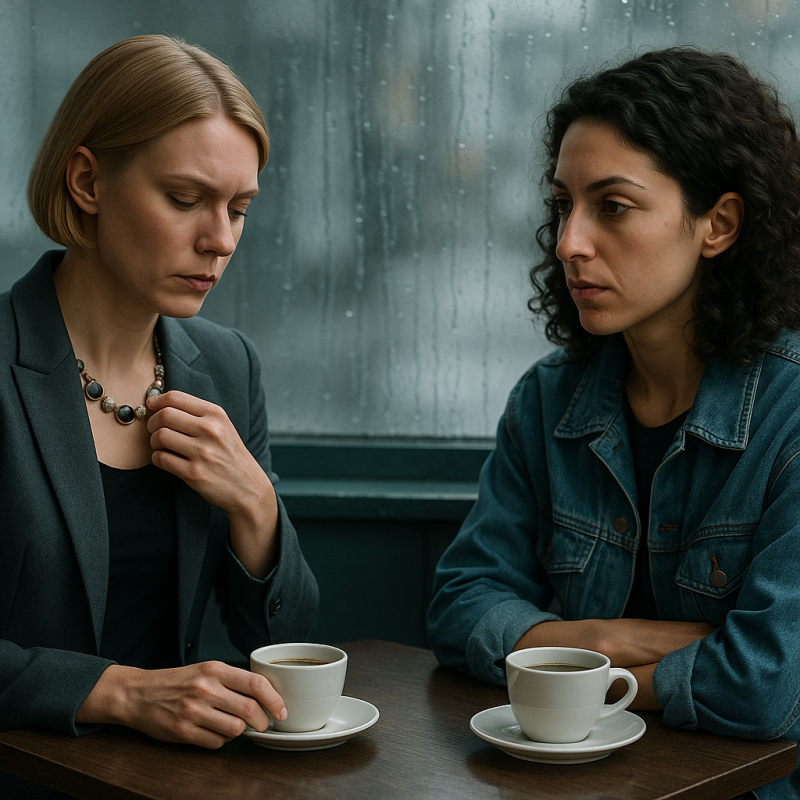 Image by RM AI
The Real Legacy
Marcus found me in the warehouse on a Tuesday morning, standing at the primary terminal with the locked phone in my hand. I'd been thinking about the birthday dinner — Sarah's speech, the room full of people who'd already decided what I was worth, the moment I'd turned the phone over and found nothing but a locked screen and a question I didn't know how to ask yet. 'He didn't pick you over her,' Marcus said, reading something in my face. 'He picked the question. He needed someone who would pull the thread instead of accepting the pattern.' I turned the phone over once more, then set it on the console. Lena had finished the final migration that morning — the last of the shadow systems converted to transparent infrastructure, documented and auditable. Vincent had signed off on the new security protocols the day before. The succession framework I'd written didn't rely on secrecy or locked devices or tests that only made sense in retrospect. It relied on people who understood what the operation was for and were willing to be accountable to it. I'd visited my father's grave the previous weekend and stood there long enough to feel like I'd actually said something, even though I hadn't spoken aloud. Now I powered the phone down for the last time and slid it into the archive drawer. Lena looked up from her station. 'Ready?' she asked. I logged into the primary terminal under my own credentials, and the dashboard opened clean and full.
 Image by RM AI
KEEP ON READING

From Heroes To Zeroes 20 Historical Figures Whose Heroism Was…
History is full of legends, but not every hero lived…
By Noone Feb 25, 2026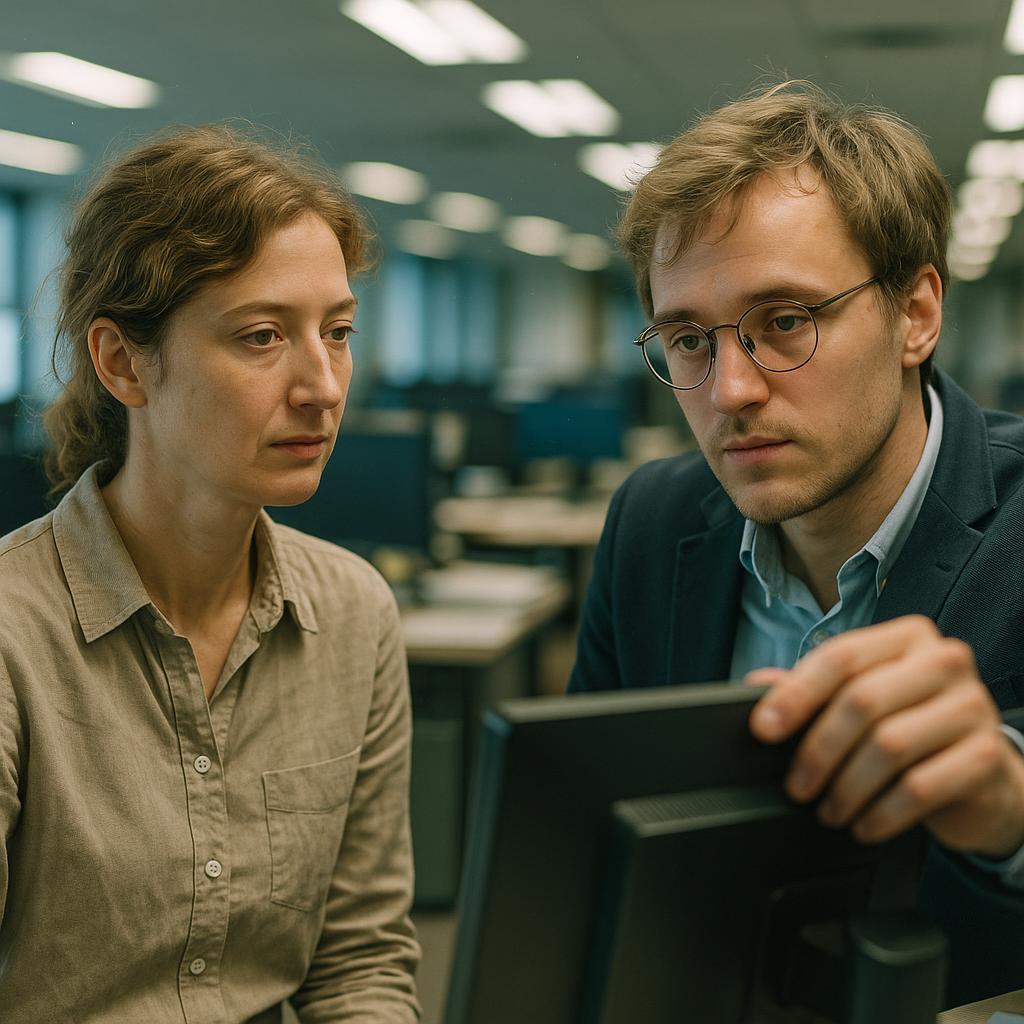
The Clueless Crush: How I Accidentally Invited a Hacker Into…
Fluorescent Lights and First Impressions. My name is Tessa, I'm…
By Ali Hassan Nov 4, 2025
This Infamous Ancient Greek Burned Down An Ancient Wonder Just…
History remembers kings and conquerors, but sometimes, it also remembers…
By David Davidovic Nov 12, 2025
Einstein's Violin Just Sold At An Auction—And It Earned More…
A Visionary's Violin. Wanda von Debschitz-Kunowski on WikimediaWhen you hear…
By Ashley Bast Nov 3, 2025
The Mysterious "Sea People" Who Collapsed Civilization
3,200 years ago, Bronze Age civilization in the Mediterranean suddenly…
By Robbie Woods Mar 18, 2025
20 Historical Figures Who Went by Fake Names
Famed Pseudonyms. Here's a fun fact for you: Pablo Picasso's…
By Christy Chan Jun 1, 2026