

I Buried 17 Children and Ruled a Kingdom While My Best Friend Plotted My Destruction
The Weight Before the Crown
I came into the world weeping, and for a long time I thought that was simply what the world was — wet and blurred and relentless. From my earliest memory, my eyes ran constantly. Not from sadness, not from grief, though there would be plenty of both in time. They simply ran, the way a tap runs when no one has thought to close it properly. The servants had a name for it — defluxion, they called it, though the word explained nothing and helped even less. What it meant in practice was this: there was always a cloth nearby. Always someone stepping forward to press linen against my cheeks before I could be presented to anyone of consequence. I learned very young to hold still for it, to tip my chin up and let them work, the way a horse learns to accept the bridle. Other children stared. I saw them through the shimmer of it, their faces wavering like reflections in disturbed water. I did not cry about the staring. I could not have told you, then, where the condition ended and the crying began. I simply endured it, day after day, the constant press of wet linen against my cheeks.
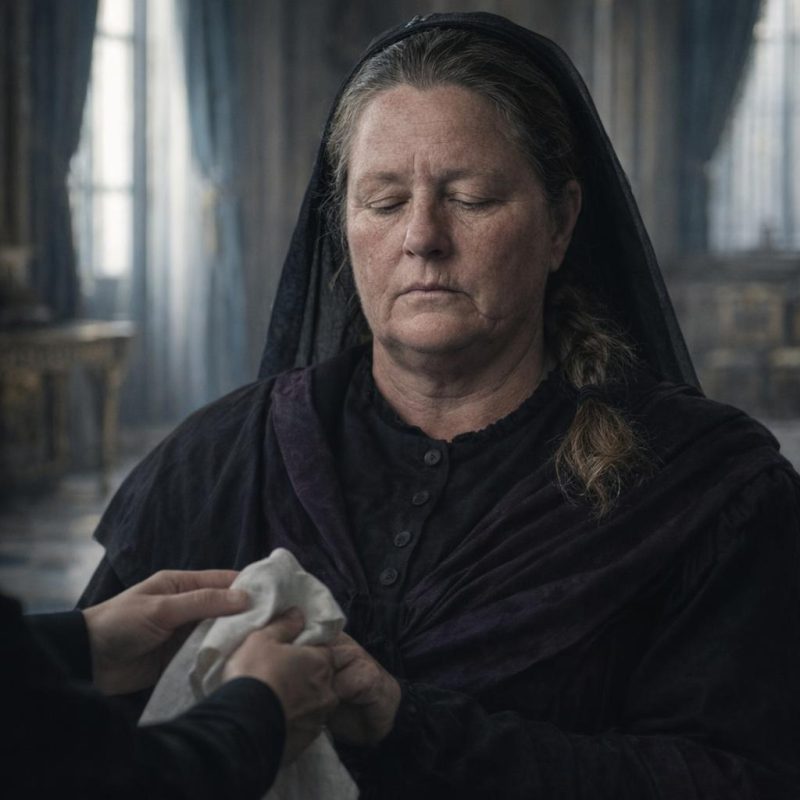 Image by RM AI
The Channel Crossing
I was six years old when they told me I was going to France. They said it was for my health — the English air was bad for my eyes, the physicians had suggested a change of climate. I believed them, because I was six and had not yet learned to read the spaces between what adults say and what they mean. The servants packed my things without meeting my gaze. My father came to say goodbye in the formal way he had, with a hand briefly on my shoulder and words that sounded like they had been prepared in advance. My mother kissed my forehead. Neither of them wept. I clutched a small wooden horse I had carried since I could remember — its paint worn smooth where my thumb had rubbed it a thousand times — and I walked up the gangplank because there was nothing else to do. The crossing was rough. I was sick over the side twice and spent the rest of the journey curled on a narrow bunk, the ship groaning around me. When I finally came up on deck, the French coast was already visible ahead. I turned to look back the way we had come, and I watched the grey line of England grow thinner and thinner until the sea swallowed it whole.
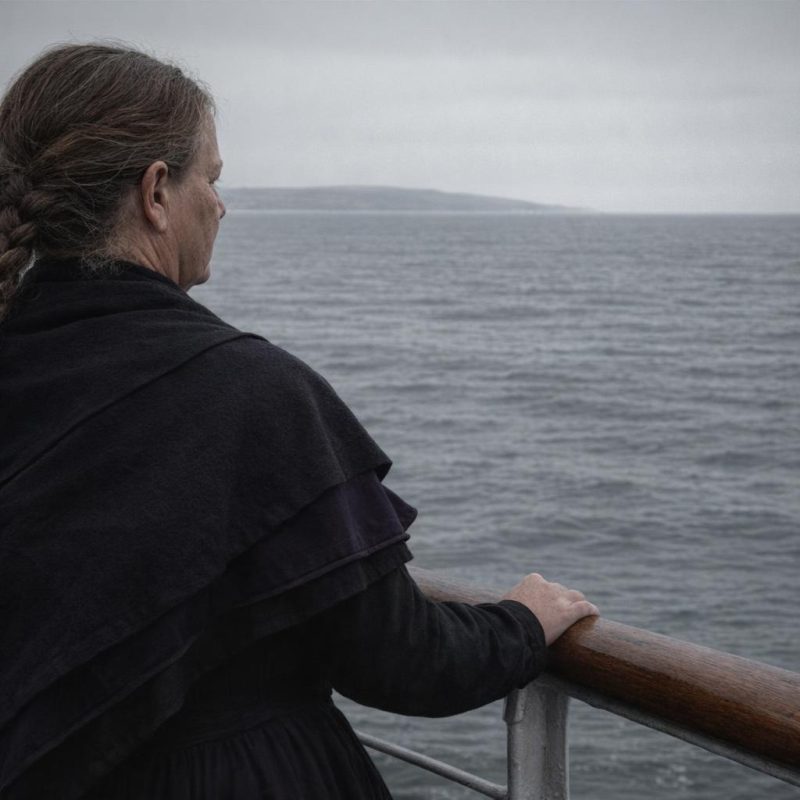 Image by RM AI
The Duke's Cold Palace
My father was not a man who held his daughters. I understood this the way children understand weather — not as a judgment, simply as a fact of the world they inhabit. When I returned briefly to England before my longer exile, he greeted me in a receiving room at Whitehall, formal and correct, his hand extended as though I were a minor dignitary rather than his child. He kept us at Richmond, Mary and me, while he lived at Whitehall, and the distance between those two palaces felt much greater than the miles. That winter, one of the younger ones died — a boy, barely two years old, whose name I had only just learned to say properly. The household went into mourning. I remember the small coffin, pale wood with brass fittings, carried out through a side door so as not to disturb the main corridors. Mary held my hand. Our father did not come. I waited for him, standing at the nursery window with Mary's fingers laced through mine, watching the courtyard below. He did not come that day, or the next. I asked one of the nurses, once, why Father never visited. She straightened the blanket on my bed and smoothed it very carefully, and then she said nothing at all, and the silence that followed was the only answer I ever received.
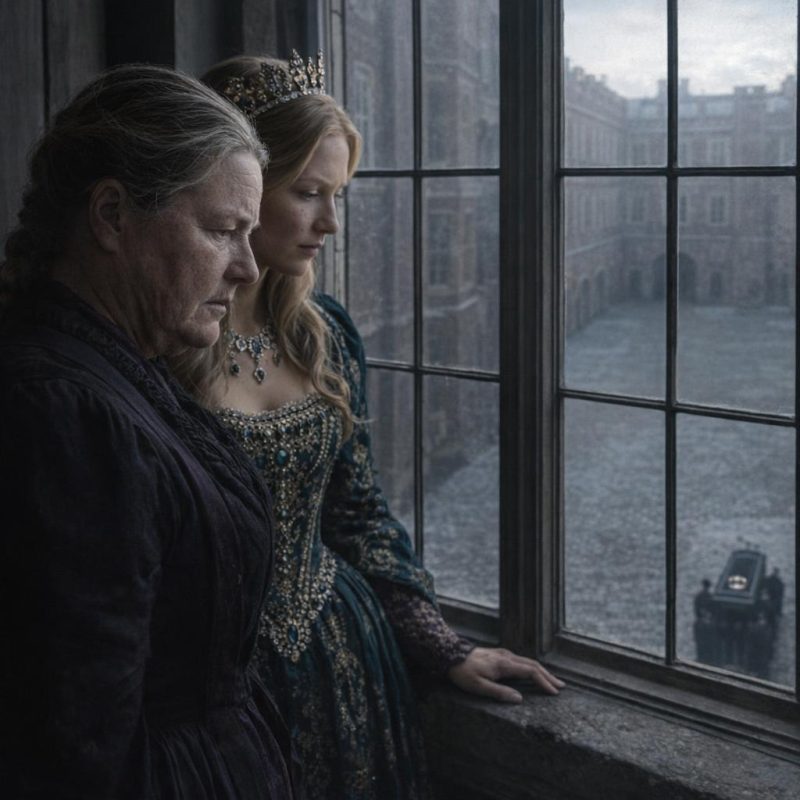 Image by RM AI
Two Survivors
By the time I was old enough to count properly, I had counted six small graves. Six brothers and sisters who had come and gone before I was old enough to know them, or had slipped away while I was too young to hold the memory. Mary was older than me by four years, and she carried that seniority like a responsibility — she was always the one who stood straighter, who dried her face first, who reached for my hand before I thought to reach for hers. We shared a bedchamber at Richmond, and at night, when the candles were out and the palace settled into its creaking quiet, we would whisper. We whispered about the ones we barely remembered — a brother with dark hair, a sister who had laughed loudly and then stopped. Mary taught me to curtsy properly, correcting the angle of my knee with patient hands. We made a pact, the way children do, solemn and absolute in the dark: we would always protect each other. I believed it completely. Lying there in the narrow space between our beds, with the nursery wing echoing around us and six absences pressing in from every corner, the weight of being the only two left settled over us both like a second blanket, heavier than wool.
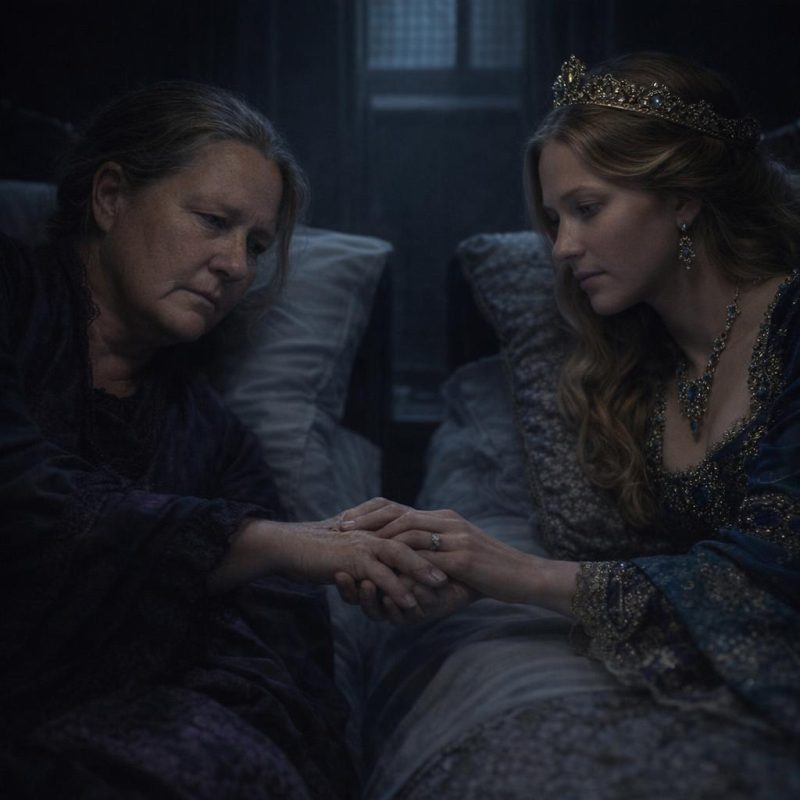 Image by RM AI
The Widow's House
My grandmother's house smelled of incense and something older underneath it — beeswax, perhaps, or the particular cold of stone rooms that never quite warm through. She was regal in the way that people are regal when they have lost everything and decided that bearing is the only thing left worth keeping. She received me in a high-backed chair, her rosary already in her hands, her eyes moving over me with an assessment that was not unkind but was not warm either. The household was full of exiled English Catholics, people who spoke French with English vowels underneath and prayed with a particular intensity, as though God owed them something and they intended to collect. Grandmother prayed constantly. She told me, in the matter-of-fact tone she used for everything, that she had watched my grandfather die. Not that he had died — that she had watched it. The block, the axe, the crowd. She said it the way someone describes weather they have survived. I was old enough to understand what an execution was. I was not old enough to understand how a person continued to exist afterward, how they rose each morning and worked their rosary beads and received small granddaughters in high-backed chairs. One evening I went looking for her and found her standing before a portrait hung in the far corridor, perfectly still, her fingers motionless on the beads for once, her eyes fixed on the painted face of the executed king.
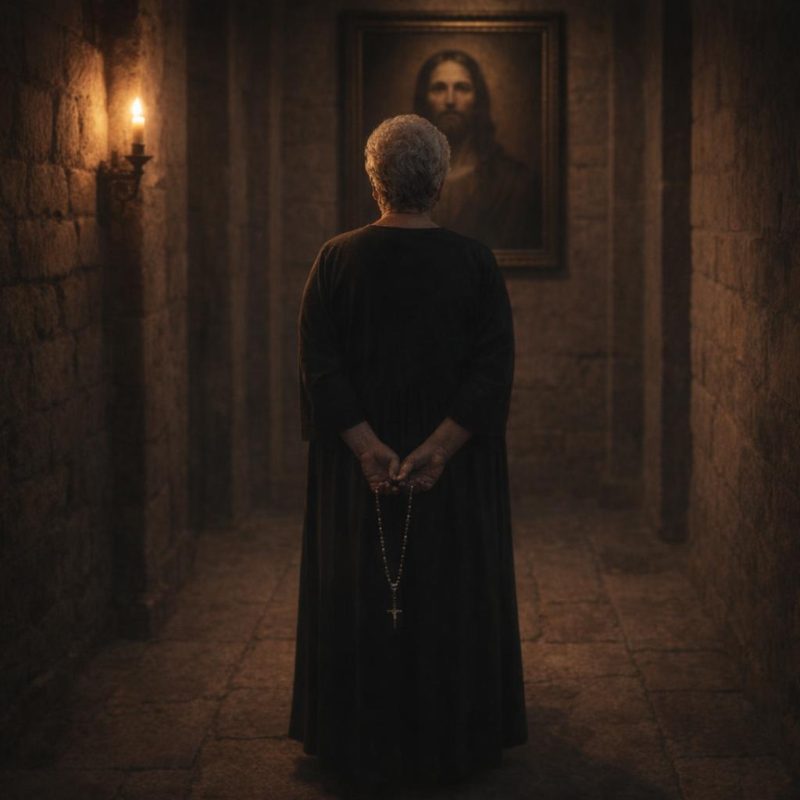 Image by RM AI
The Blur That Would Not Clear
The French climate did not help my eyes. If anything, the damp of the winters made them worse, and Grandmother, who approached every problem as though it were a matter of sufficient will and sufficient expenditure, summoned a physician from Paris who came with a leather case and an air of great confidence. He examined me for the better part of an afternoon, pressing at the skin around my eyes, holding candles close to make me blink, asking questions through an interpreter that Grandmother answered on my behalf as though I were not present. He prescribed poultices that smelled of vinegar and something floral I could never identify. He prescribed herbal teas that tasted of mud. I endured the poultices for three weeks, sitting still each morning while a servant pressed warm cloths against my face, and the tears ran just the same beneath them. The other children in the household had taken to calling me la pleureuse — the weeping one — in the particular way children have of naming what they cannot understand. I learned to read despite the blur, holding the page close, squinting through the shimmer. I was becoming accustomed to working around the condition rather than waiting for it to resolve. The physician returned for a final visit, examined me again, and then turned to Grandmother and said, in careful French, that there was nothing more he could do.
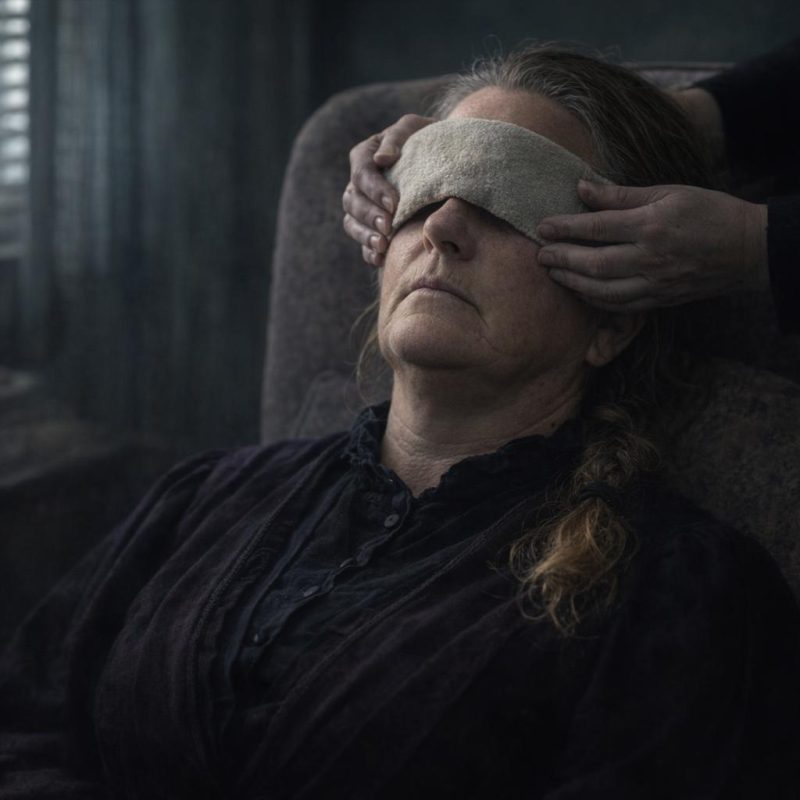 Image by RM AI
Letters Edged in Black
Letters from England came sealed with black wax, and I learned to feel the dread before I even broke the seal. The color told you everything. A normal letter was red or plain. Black meant the household was in mourning, which meant someone else had died, which meant I would spend the next several days trying to remember a face I had never known well enough to properly grieve. The first one that winter announced a death I had to ask Grandmother about — I could not remember which sibling this was, whether I had ever been in the same room with them. She crossed herself and murmured something in Latin and told me to pray for the soul. I prayed, though I was not entirely sure what I was praying for. Weeks later, another letter arrived with the same black seal. Grandmother took it from the messenger before I could reach it, read it herself first, then handed it to me with her face already arranged into the expression she wore for bad news — composed, remote, slightly elevated, as though grief were a thing that happened at a distance. I had begun to expect it, the black wax, the way the household would go quiet. I had begun to wonder, in the small hours, whether the dying would ever stop. Then I broke the seal on a third letter, and read the name inside.
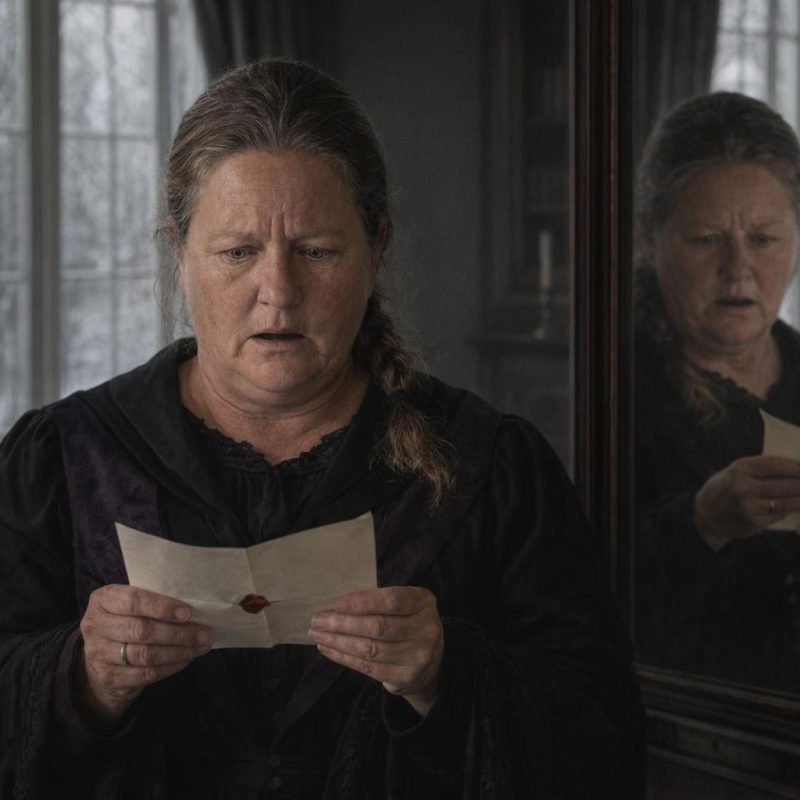 Image by RM AI
The Spare's Education
My tutors were thorough and my grandmother was exacting, and between them they made certain I could speak French without an accent that embarrassed anyone, curtsy at the correct angle for every rank, and sit through a three-hour Mass without fidgeting. They also taught me, with the matter-of-fact efficiency of people conveying practical information, exactly where I stood. My uncle the king first, then my father, then Mary, then me. Fourth. There were healthier heirs ahead of me, older ones, ones who had not spent their childhoods in French exile with weeping eyes and a grandmother who prayed for the dead. Grandmother explained it plainly one afternoon over needlework: I would likely marry a foreign prince, manage a household somewhere on the continent, and live quietly. No one expected anything more of me, and no one was watching to see if I delivered it. I turned this over in my mind for several days, waiting to feel the sting of it. It did not come. What came instead was something closer to relief — a loosening, a sense of the harness going slack. Mary would carry the weight of expectation. Mary would be scrutinized and prepared and positioned. I would learn my French verbs and imagine a quiet life somewhere with a garden, and no one would particularly care whether I managed it gracefully. I was fourth in line, and the line ahead of me looked long.
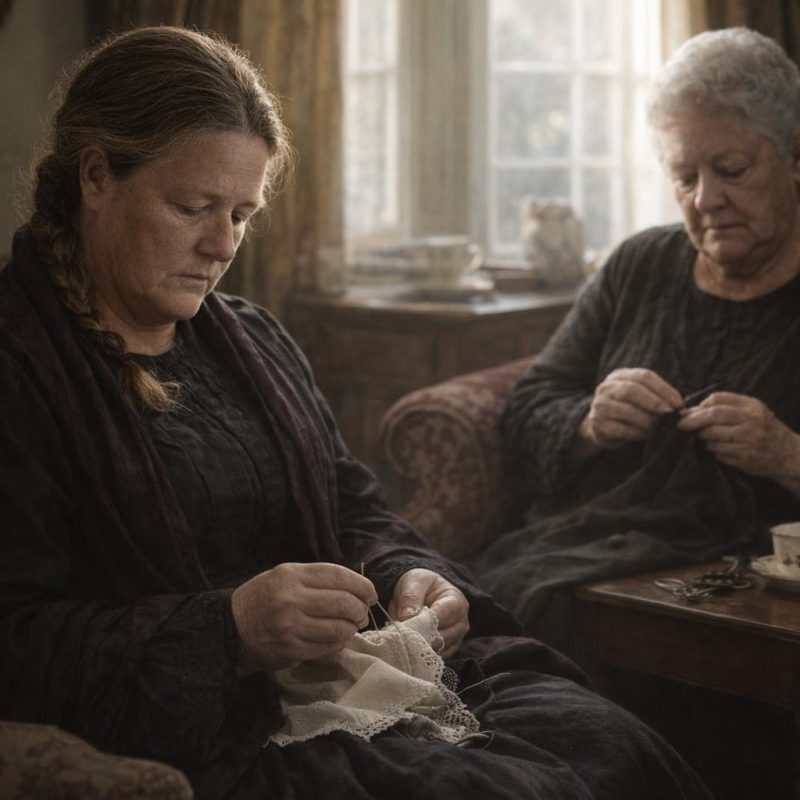 Image by RM AI
The Channel Beckons Again
The letter arrived on a Tuesday, which I remember because Grandmother had been drilling me on English irregular verbs all morning and the interruption felt like a reprieve. It was not. The summons was formal, brief, and left no room for negotiation: I was old enough now, and I was to return to England. I sat with it in my lap for a long time before I said anything. Grandmother helped me pack with the same brisk efficiency she brought to everything, folding my gowns with hands that did not tremble even when her voice did. She told me courts were dangerous places, that I should trust slowly and speak carefully, and that a smile could be a weapon in someone else's hands as easily as a kindness. I practiced my English in the evenings, stumbling over words that had gone soft from disuse, and I tried to picture my father's face — not the stern portrait that hung in the corridor, but the real one, the one I had been too young to memorize before they sent me away. I imagined him opening his arms. I imagined the crossing would be smooth. I said goodbye to the French household, to the smell of beeswax and cold stone, to the life where no one expected anything of me. The ship moved steadily through the Channel, but something in my chest churned with it — equal parts longing and dread, and no way to separate one from the other.
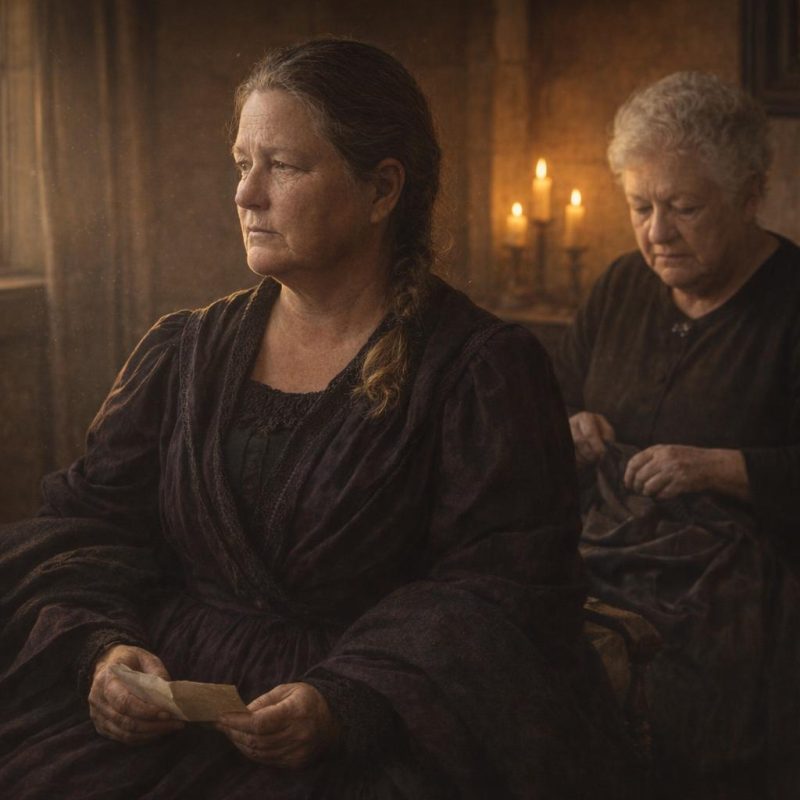 Image by RM AI
The Embrace That Never Came
I had rehearsed it so many times on the crossing that by the time I was announced and walked into the receiving room, I half believed it would happen exactly as I had imagined. He would cross the room. He would take my hands. He would say something — anything — that acknowledged the years. Instead, my father stood at the far end of the room and waited. When I curtsied, he gave a slight bow in return, the kind you offer a visiting dignitary from a country you have no particular interest in. His face was older than I remembered, more settled into its severity, and it told me nothing. He asked about my health. He asked whether my French tutors had been satisfactory. He asked if the crossing had been rough. I answered each question in turn, watching his eyes for something that was not there. Mary was standing to one side, and at some point her hand found mine and pressed it, just once, quickly, the way you press a bruise to confirm it is real. Father concluded the audience with a few words about arrangements and dismissed us. I walked back out into the corridor with my spine straight and my face composed, the way Grandmother had taught me. It was only later, sitting in the room they had assigned me, that I let myself feel the full weight of it — the particular silence of a welcome that was never going to come.
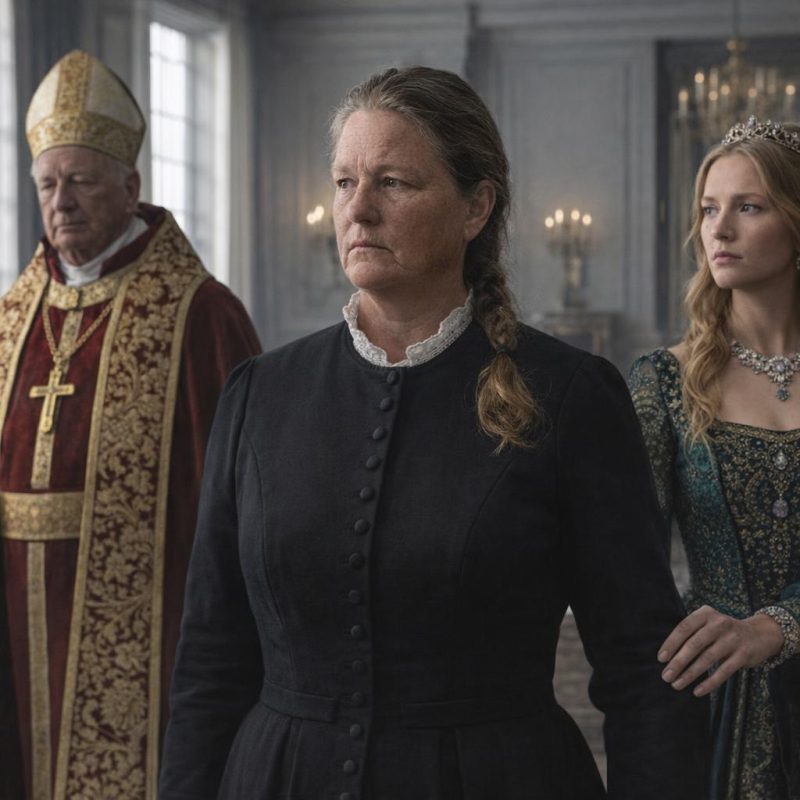 Image by RM AI
Mrs. Freeman and Mrs. Morley
Richmond Palace was quiet in the way that places are quiet when they have been deliberately forgotten. Mary and I were installed there with a small household and a schedule that no one at court seemed particularly invested in. The days had a sameness to them that I was learning to endure rather than enjoy when Sarah Jennings arrived as a lady-in-waiting, and everything shifted. She was older than me by a few years, sharper in the way she moved through a room, and she had a way of speaking that assumed you were worth speaking to — which was not something I had encountered often. She sat beside me one afternoon and simply began talking, not performing, not managing me, just talking, about politics and people and the absurdity of our situation, and I found myself answering in kind. She was the first person since Grandmother who made me feel like my thoughts had weight. It was Sarah who suggested the nicknames — Mrs. Freeman for herself, Mrs. Morley for me — so that between us, at least, we could set rank aside and simply be two women in a room. I agreed immediately, with a warmth I did not bother to conceal. I had been lonely for so long that I had stopped noticing it the way you stop noticing a draft. Sarah noticed me, and in that quiet palace, that felt like everything.
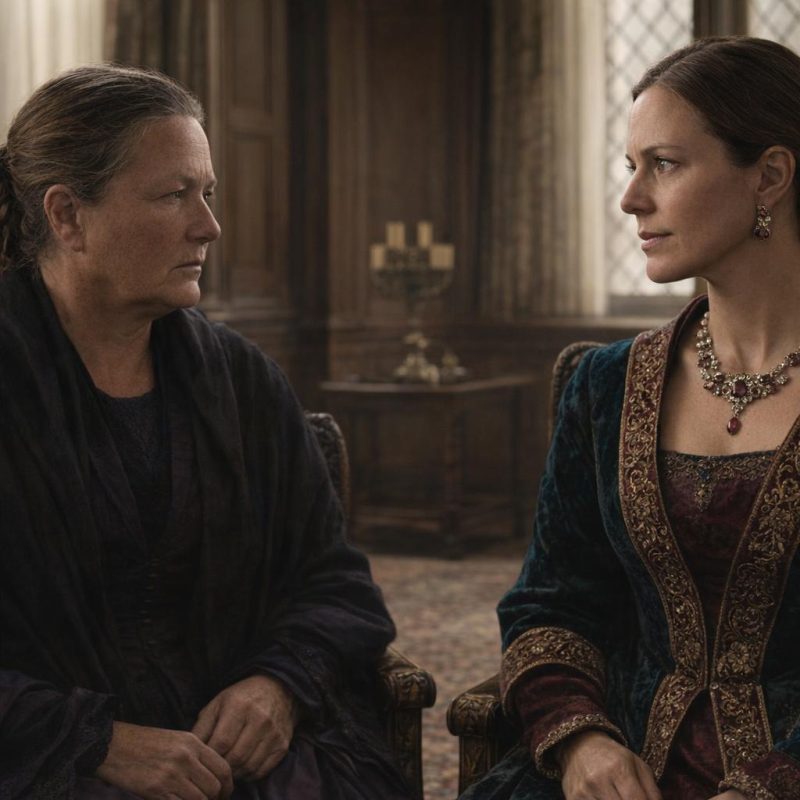 Image by RM AI
The Sisterhood of Richmond
We made a small world of it, the three of us. Sarah would read aloud in the evenings while Mary and I worked at our needlework, and the sound of her voice filling the room felt like proof that we existed, that someone was paying attention even if that someone was only us. We walked the gardens in the mornings and talked about everything — court gossip that Sarah seemed to gather from thin air, the political maneuverings happening at Whitehall that we were never invited to witness, the books we were reading, the people we had met and found wanting. Mary was quieter than Sarah and me, more careful with her words, but she laughed at the right moments and her presence steadied us both. I told myself this was enough. I told myself that a small life with good company was not a diminished life. I believed it, mostly, on the days when the sun came through the garden windows and Sarah was in the middle of a story that made Mary press her lips together to keep from laughing. Then one afternoon I stepped into the corridor just as two of the visiting courtiers passed, and I heard one of them say something low to the other — and they both laughed at the forgotten princesses, tucked away at Richmond like furniture no one wanted to move but couldn't quite bring themselves to throw out.
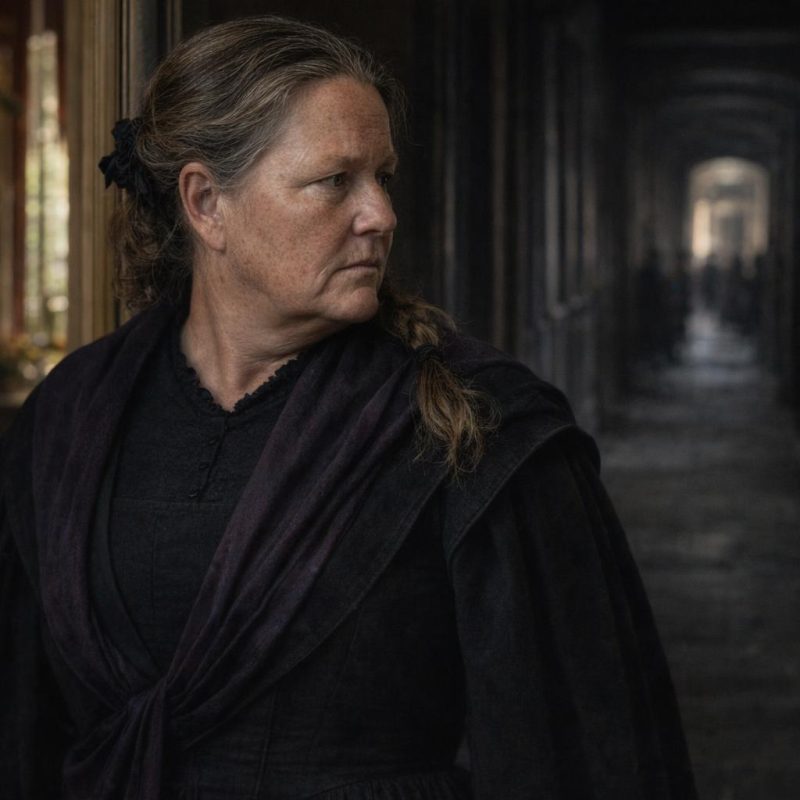 Image by RM AI
Separate Palaces, Separate Lives
Weeks passed, and no summons came. I knew my father was at Whitehall because the servants mentioned it in passing, the way they mentioned the weather — as a simple fact of the world that required no particular comment. He was hosting audiences. He was receiving ambassadors. There were banquets, I was told, and Mary and I were not at them. Sarah was the one who said it plainly, one morning in the garden, that this was not ordinary. Princesses were not typically kept at arm's length from their father's court without reason. I tried to find the reasons. Perhaps he was occupied with matters of state. Perhaps our presence complicated something I did not yet understand. I wrote him letters that were careful and dutiful and received back replies that were brief and formal and told me nothing about whether he had actually read them. Mary grew quieter as the weeks accumulated, turning inward in the way she did when something troubled her that she did not want to name aloud. Sarah encouraged me to feel angry, and I tried, because anger at least had some warmth in it. But mostly what I felt was a dull, spreading bewilderment — the particular confusion of someone who has done nothing wrong and cannot understand why they are being punished. Another week ended without a word from him, and the silence settled over Richmond like weather.
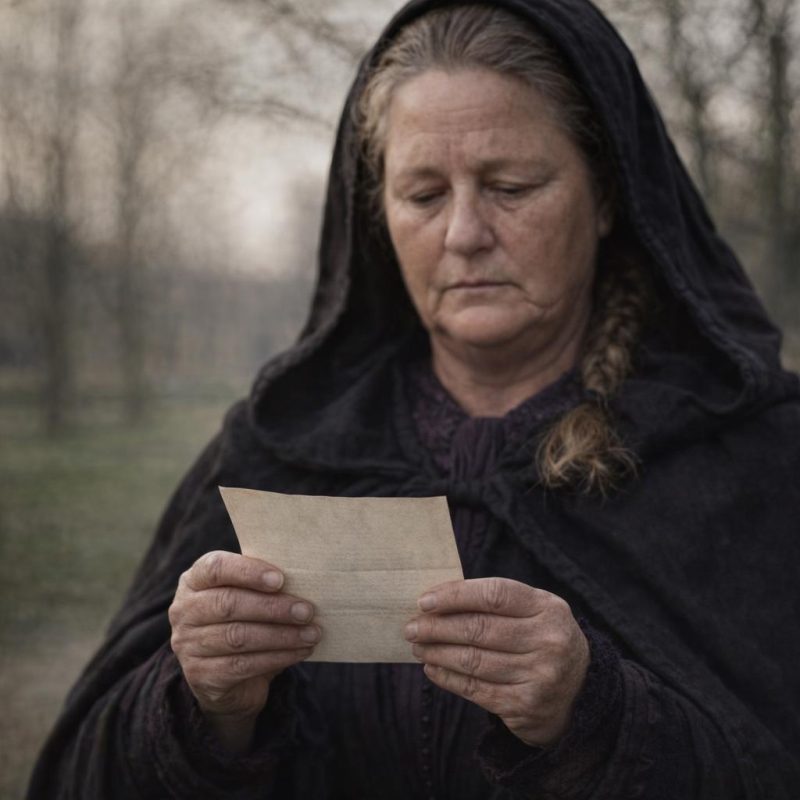 Image by RM AI
The Young Stepmother
The news of my father's remarriage arrived before any formal introduction was arranged, which told me something about how much he valued our feelings on the matter. His new wife was Mary of Modena — Italian, Catholic, and barely older than I was, which was the detail that lodged in my chest and stayed there. Mary and I were summoned to meet her, and I spent the carriage ride trying to compose my face into something appropriate, which was difficult because I was not entirely sure what was appropriate. She was beautiful in the way that made you understand immediately why a man might make a complicated decision. She was also visibly nervous, her hands folded too carefully in her lap, her eyes moving between us with something that looked like genuine anxiety. My father stood to one side and watched the introduction with the same expression he brought to most things — present, correct, and entirely elsewhere. I did not know what to call her. Mother was impossible. Her name felt too familiar. I settled on a curtsy and a few words about being pleased to make her acquaintance, which was not entirely true but was not entirely false either. She was already pregnant, which I noticed and did not remark upon. Standing there in that formal room, looking at this young woman who was somehow my stepmother, I felt something I had not expected — not resentment, exactly, but a quiet, uncomfortable pity that I did not know what to do with.
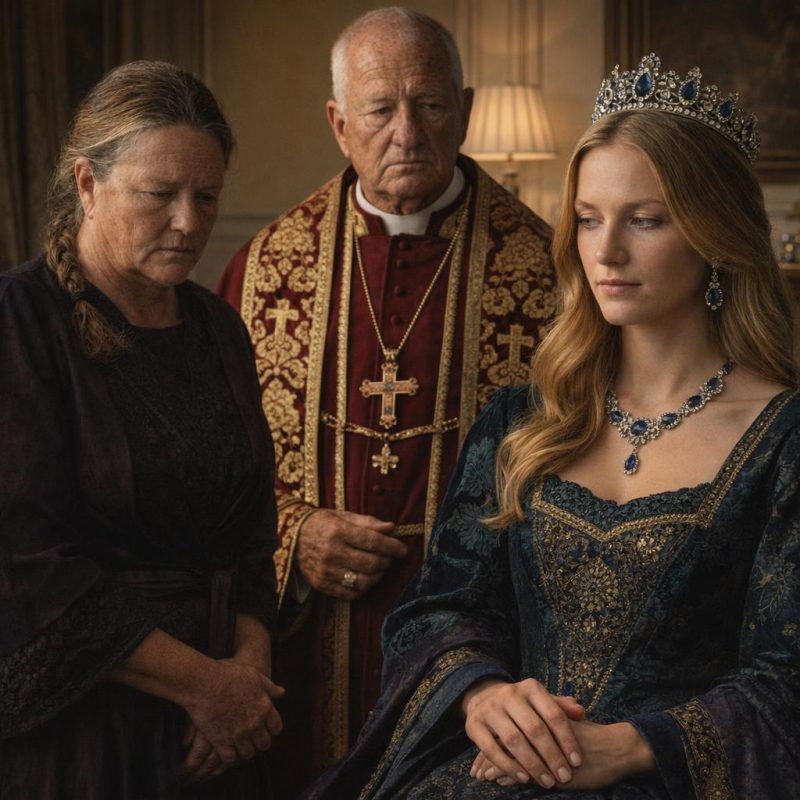 Image by RM AI
The Nursery Fills Again
The first child was a boy, and the household celebrated with the particular fervor of people who needed something to celebrate. Mary and I were brought to see him — small and red and wrapped in linen, with the fragile, provisional look of something not yet certain it intended to stay. I stood over the cradle and felt a coldness move through me that had nothing to do with the temperature of the room. I had seen this before. Not this child, not this room, but this exact quality of hope — the way it filled a space completely, leaving no room for doubt, as if certainty itself could keep a small body breathing. Sarah stood beside me and said nothing, which was unusual enough that I noticed it. Within the week, the infant was gone, and the nursery was cleared and draped in mourning cloth. My stepmother was pregnant again within months, and the whole machinery of hope and preparation began turning once more. Sarah remarked quietly one evening that this family had a particular difficulty keeping its children, and I did not answer her because there was nothing to say that would not make it worse. The new pregnancy was announced. The cradle was brought back out, the same cradle, still smelling of the cedar they used to line it. Then one night, from somewhere down the corridor, came the thin cry of a newborn — and then nothing.
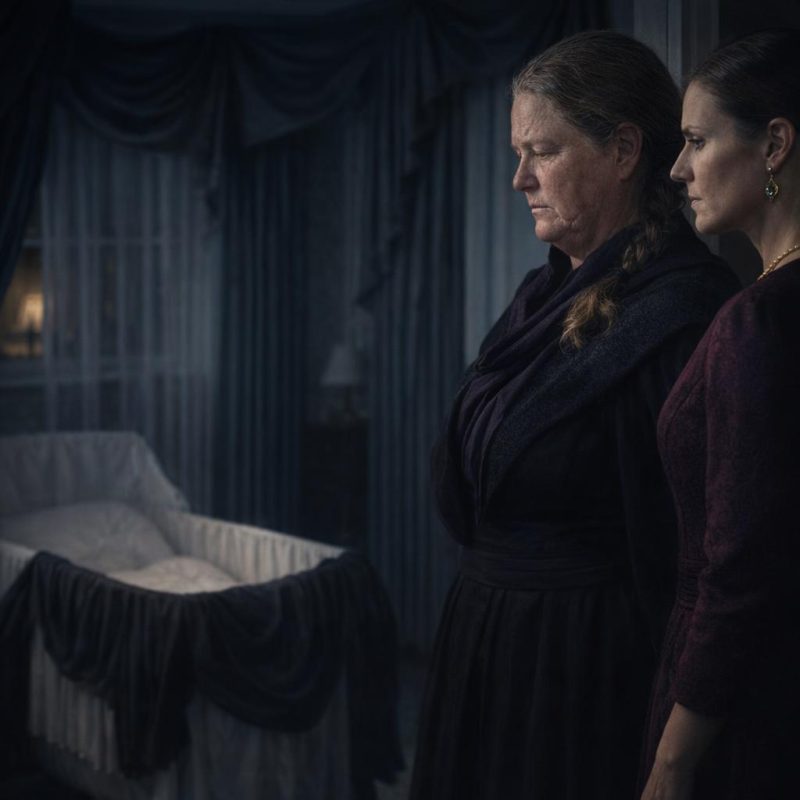 Image by RM AI
Ten Small Coffins
Ten. I counted them because no one else seemed to be counting, or perhaps because everyone was counting and no one wanted to say the number aloud. My stepmother endured pregnancy after pregnancy with a quiet endurance that I found both admirable and terrible to witness. Her face changed over those years — not aged, exactly, but hollowed, as if something essential had been slowly removed and not replaced. My father attended the funerals with the same expression he brought to everything: correct, contained, and giving nothing away. He did not hold her hand that I ever saw. He did not sit with her afterward. The household grew numb to the mourning rituals in the way that people grow numb to anything repeated often enough, and that numbness frightened me more than the grief had. Mary whispered to me once, after the seventh or eighth small coffin had been carried out, that our family was cursed. Sarah said it was God's judgment on Catholics, which was the kind of thing Sarah said when she wanted to make sense of something that had no sense in it. I did not say what I was thinking, which was simpler and more frightening than either of their explanations: that whatever had taken my mother's children had not stopped with her. The nursery wing stood empty again, its silence the same silence it had always been, and I looked at my own hands and wondered what they would one day be asked to carry.
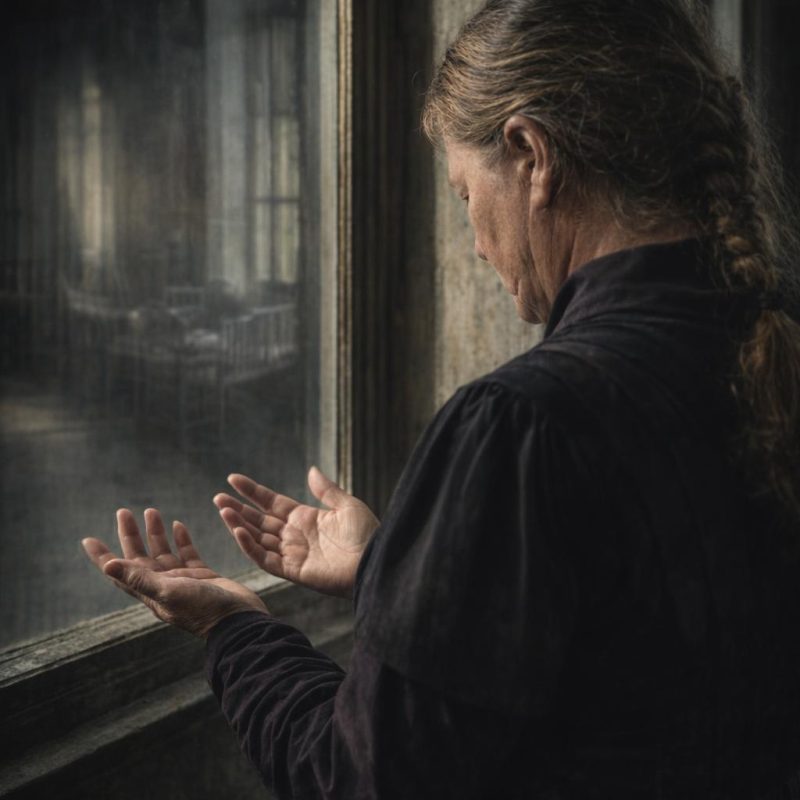 Image by RM AI
Sarah's Fire
Sarah never sat still when she could be moving, and she never spoke quietly when she could be certain. I spent hours in her company during those years — long afternoons that stretched into evenings, the two of us tucked into window seats or walking the gardens while she talked and I listened and slowly, without quite noticing it happening, began to feel like a person again. She understood the court in a way that I did not, could read a room the way some people read a page, and she shared that knowledge with me as though it were a gift she was genuinely pleased to give. She told me that being overlooked was not the same as being powerless — that people said things in front of women they dismissed, and that information was its own kind of currency. She said I was smarter than anyone gave me credit for, and I believed her because I needed to, because the losses had carved out so much of me that I had very little left to stand on. She taught me to watch, to listen, to notice what was not said as much as what was. I had nothing else to hold onto then, no title that meant anything, no child, no clear future. And then she looked at me one afternoon with those sharp, certain eyes and said that I would matter someday — that she was sure of it.
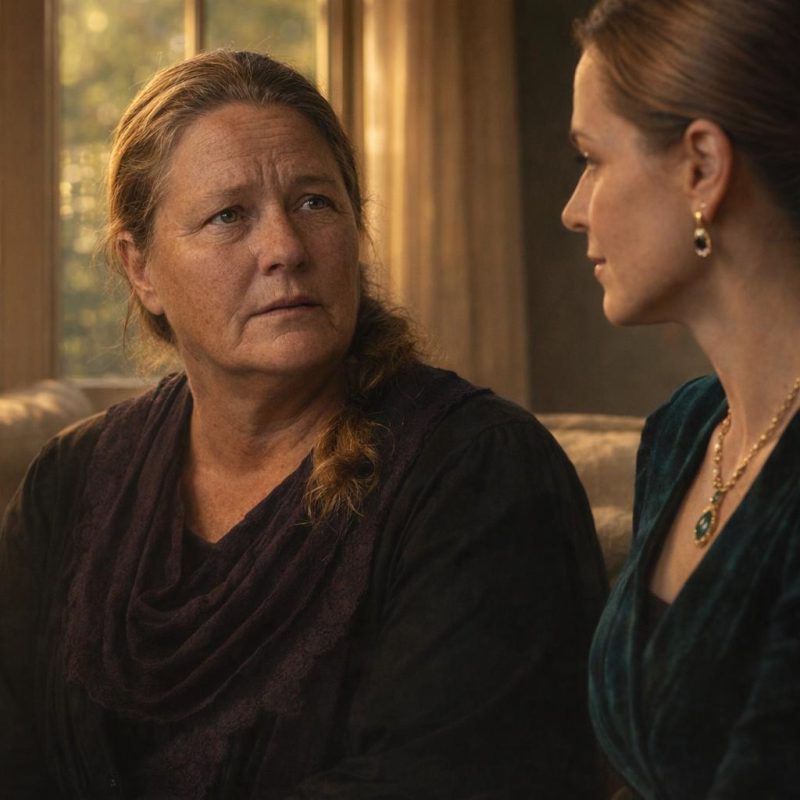 Image by RM AI
The Catholic Question
My father had never been a quiet man about his faith, but there was a difference between private devotion and what he began doing in those years — attending Mass openly, making no effort to soften the edges of his Catholicism for a country that had not forgotten what Catholic rule had cost it. Mary and I watched from a careful distance, both of us Protestant, both of us aware that the distance between his faith and ours was not merely theological. Sarah was the one who put it plainly, as she always did. She told me that England would not accept a Catholic king, that the people had long memories and short patience, and that my father was making enemies faster than he could count them. I watched him at dinner one evening — his bearing still correct, still rigid, still giving nothing away — and I thought about how a man could be so certain of his righteousness and so blind to what that certainty was costing him. Mary was more openly critical than I was; she said things to me in private that I would not have dared say aloud. I said nothing, mostly. I attended my own Protestant services and kept my head down and told myself it was not my place to intervene. But I could feel the ground shifting beneath all of us, slow and steady as a tide, and I knew that whatever was coming would not spare any of us simply because we had stayed quiet.
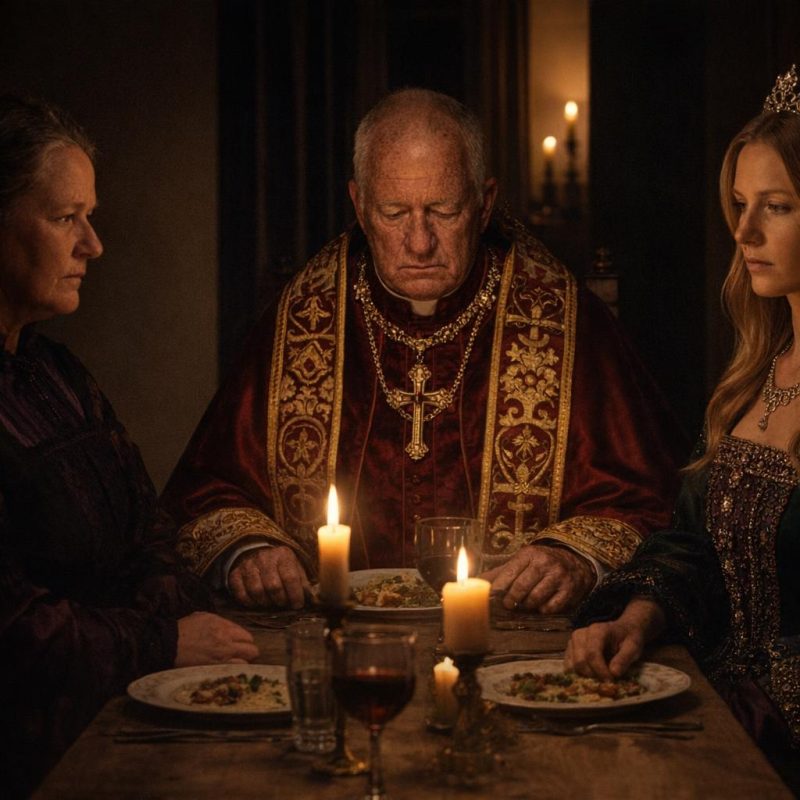 Image by RM AI
The Marriage Market
I was not consulted. That was the first thing I understood about my own marriage negotiations — that they were happening around me the way weather happens, something to be endured rather than shaped. I overheard courtiers discussing my dowry in a corridor once, their voices carrying the same tone they might use to appraise a horse, and I stood very still and let the words wash over me until they moved on. Sarah found me afterward and did not pretend she hadn't known it was coming. She explained the political logic with her usual brisk clarity — that my marriage would be used to balance my father's Catholicism, that whoever I married would send a message to Protestant England, that I was, in this particular calculation, a symbol before I was a person. Mary told me, more gently, that her own marriage had been the same, that she had not chosen William any more than I would choose whoever they selected for me, and that the best one could hope for was a man who was not unkind. I did ask Sarah, once, if there was any way to insist on a Protestant match at minimum. She said that was already decided, that much at least was in my favor. It was a small mercy. I sat with it that evening, turning it over — not a choice, not a voice, but a single condition met on my behalf, and the strange, hollow gratitude that came with it.
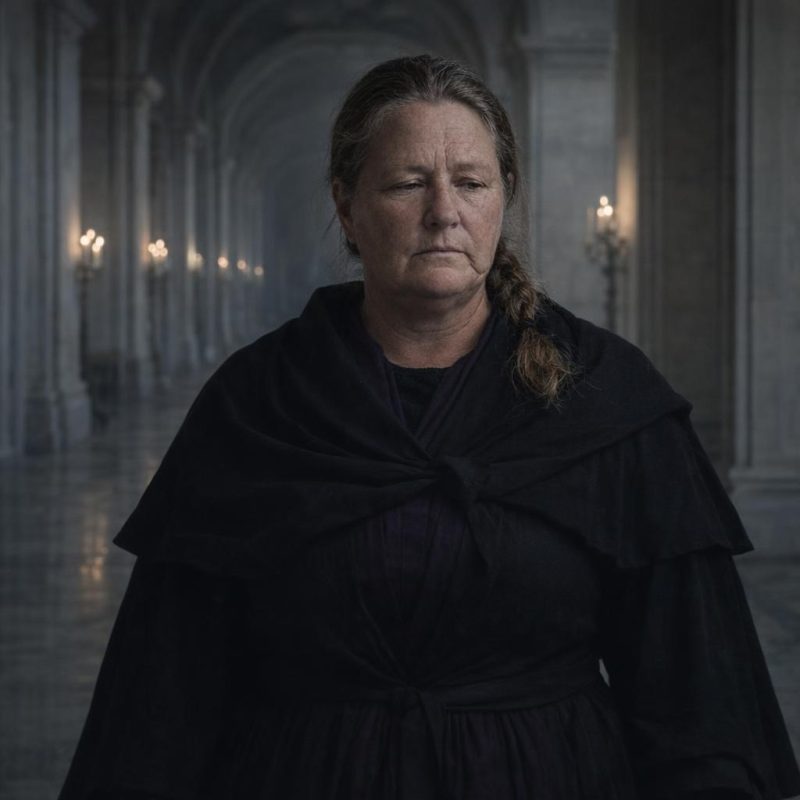 Image by RM AI
The Protestant Prince
The decision came down through the usual channels — not from my father directly, not in any conversation that included me, but through Mary, who told me with a careful expression that the match had been made. Prince George of Denmark. Protestant, which was the first thing Sarah confirmed when she came to find me, her eyes already busy with the business of gathering information. She had spoken to people who had spoken to people, and within a day she had assembled a portrait of him for me: unremarkable in appearance, she said, not a man who would set a room alight, but steady, and by all accounts genuinely kind. I told her that kindness was not nothing. She agreed, which surprised me. Mary said the same thing she had said before — that kindness in a husband was rarer than it should be, and that I ought not to dismiss it. My expectations were not high. I had watched enough of court life to know that warmth was not guaranteed in any arrangement, and I had made a kind of peace with the idea of a marriage that was functional rather than tender. I was fitted for new gowns. I was given instruction in Danish customs that I absorbed without enthusiasm. Sarah helped me practice conversation, drilling me on topics that might interest a Danish prince. And then the word came, quiet and certain as everything in court life: George would arrive within the week.
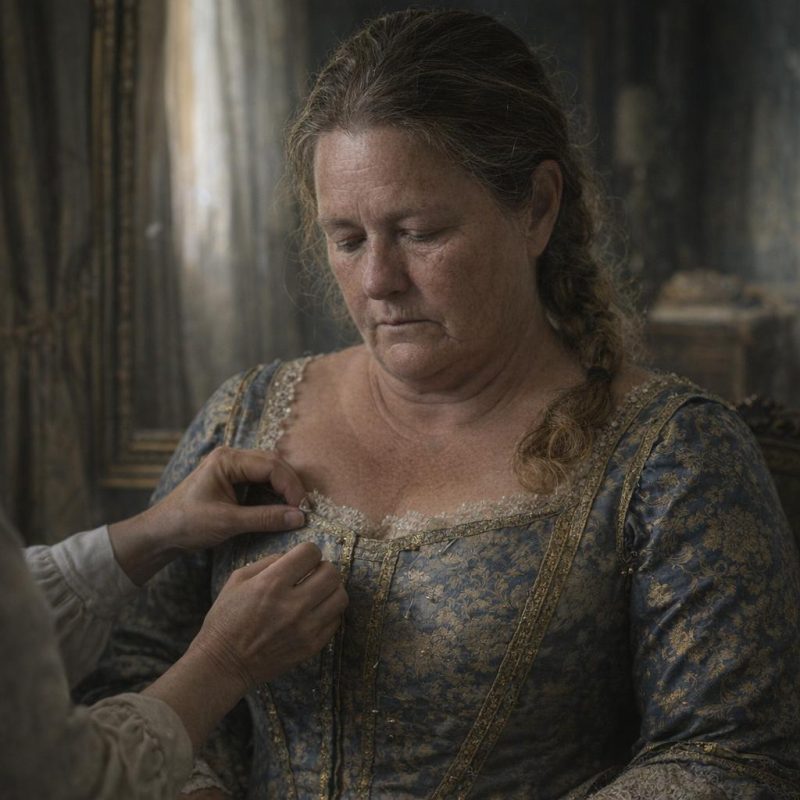 Image by RM AI
The Gentle Dane
He was not what I had pictured, which is to say he was less than I had feared and more than I had expected, and those two things together made something I had not anticipated: relief. George of Denmark arrived at court with a broad, unhurried manner and eyes that were genuinely kind — not performing kindness, not deploying it, just carrying it the way some people carry their height or the color of their hair. The formal reception was stiff and ceremonial, as these things always were, but he moved through it without pretense, without the calculating watchfulness I had grown so accustomed to reading in the faces around me. When he spoke to me, he asked about my interests and then waited for the answer, actually waited, which was not something I was used to. His English was careful and accented and occasionally required a moment's patience, and I found I did not mind giving it. Sarah observed the whole meeting from a few feet away with her sharp, assessing eyes, and told me afterward that she approved, which from Sarah was not a small thing. What stayed with me, though, was not the formal exchange or Sarah's verdict. It was a moment near the end, when the ceremony had loosened slightly and he said my name — just my name, nothing attached to it — and his voice carried something in it that I could not quite name, only that it felt like being seen rather than appraised, and I held that feeling carefully on the walk back to my rooms.
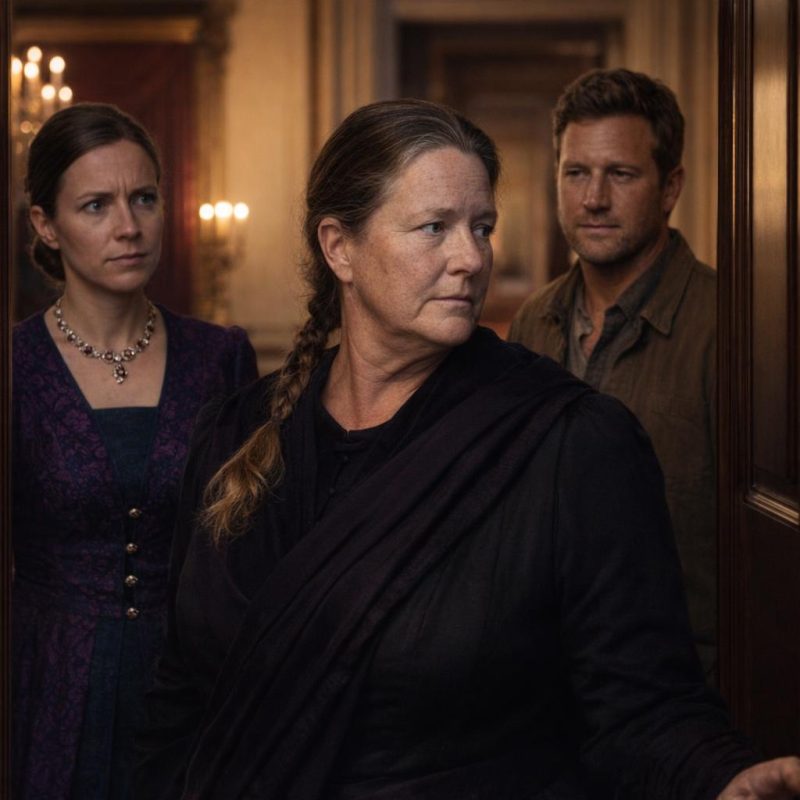 Image by RM AI
The Wedding and the Hope
The chapel was full and the ceremony was correct in every particular, and I remember very little of it — the words, the candles, the weight of the gown, Mary squeezing my hand before I walked forward. Father was there, present in the way he was always present: physically correct, emotionally elsewhere. Sarah had dressed me that morning with unusual quietness, her hands steady and her commentary minimal, which was its own kind of tenderness. George's hand did not shake when he placed the ring. I noticed that. I had half-expected my own hands to shake, but they didn't either, and I took that as a sign of something, though I couldn't have said what. The feast afterward was elaborate and long and I ate almost none of it, too aware of what came after, too aware of the eyes that tracked me across the room with the particular interest that wedding nights attract in courts. But the night itself — I had braced for duty, for the cold mechanics of a political arrangement, and what I found instead was patience. George was patient and quiet and careful with me, and at no point did I feel like a transaction being completed. I fell asleep with his hand still loosely holding mine, and the feeling that settled over me in the dark was one I had not felt in so long I had almost forgotten its name: safety, plain and unadorned, asking nothing of me in return.
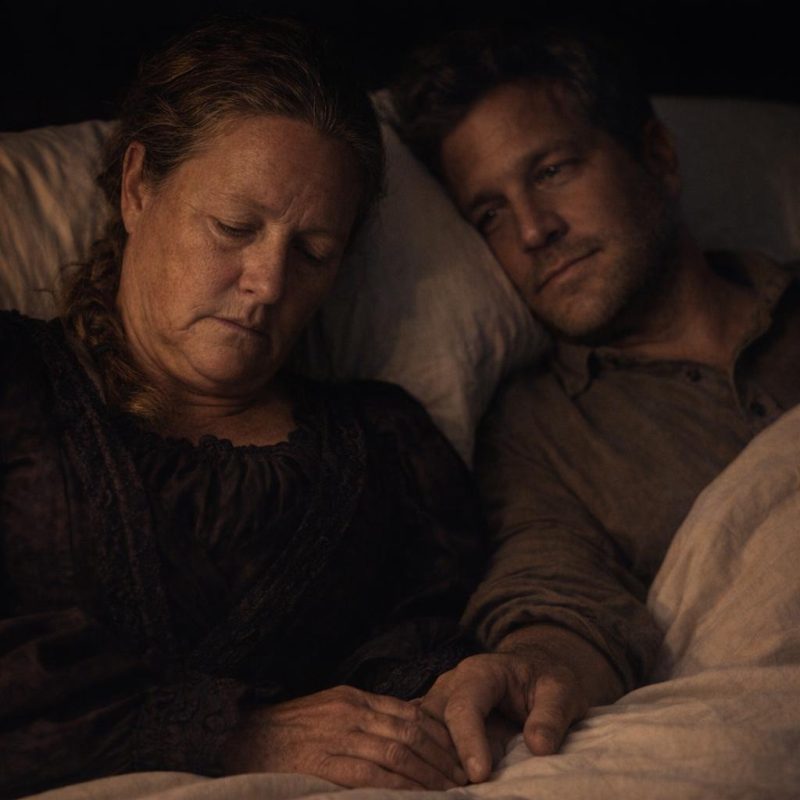 Image by RM AI
The First Quickening
I knew before I told anyone. My body had changed in ways I recognized from watching my stepmother, from watching the women around me, and I sat with the knowledge for three days before I said a word, turning it over in the quiet of my own rooms, not quite ready to make it real by speaking it aloud. When I told George, his face did something I had not seen it do before — it opened, completely, all the careful steadiness giving way to something unguarded and bright. He held both my hands and could not seem to stop smiling. Sarah was practical about it, as she was practical about everything, and began making lists almost immediately — the nursery, the preparations, the things that would need to be arranged. I tried not to think about the ten small coffins. I tried not to count my stepmother's losses or my mother's losses or the particular silence that had lived in the nursery wing for as long as I could remember. I told myself that I was different, that this was different, that the pattern was not a prophecy. George was attentive in those months in a way that made me feel held even when he wasn't in the room. My body grew and changed and I watched it with a kind of wondering attention. And then one afternoon, lying still in the early light, I felt it — a flutter, faint and unmistakable, low and interior, like a small hand opening inside me.
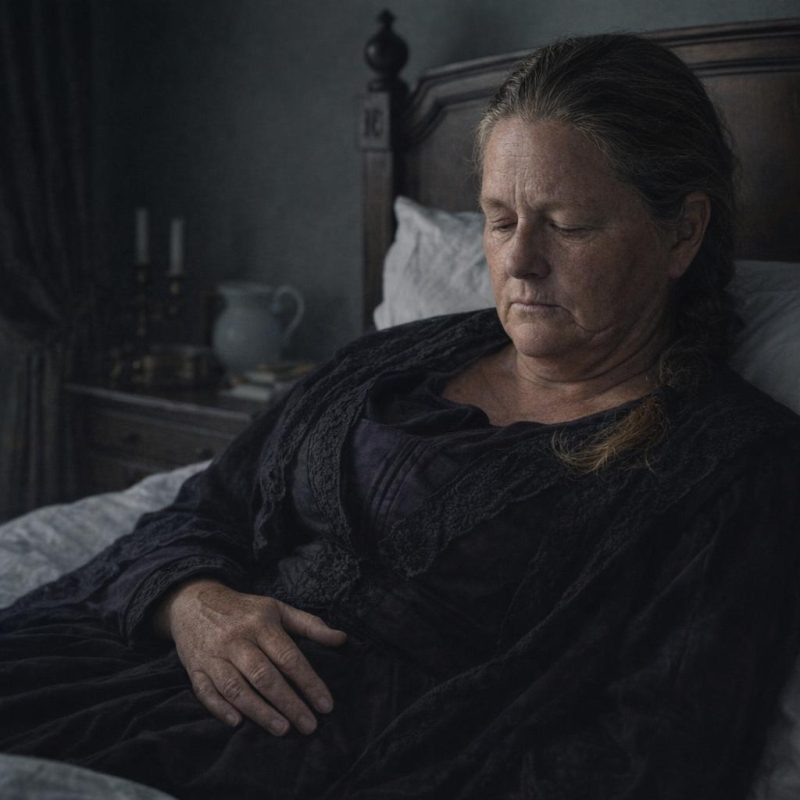 Image by RM AI
The First Small Coffin
The labor was long and I will not dress it in anything softer than what it was: hours of pain that stripped away every pretense until there was nothing left of me but the animal fact of it. She arrived in the early morning, small and red and breathing, and they placed her in my arms and I looked at her face — her actual face, her particular face — and felt something so large I had no word for it. George wept beside the bed without making any sound. Sarah stood near the door, and for once she had nothing to say. The baby's breathing was uneven from the start, a wet, effortful sound that the midwife's expression told me more about than her words did. I held her and talked to her and told her things I cannot now remember, only that I meant every word. George put his hand over both of ours. The hours passed the way hours do when you are waiting for something you cannot stop. By midmorning the breathing had grown shallow. By early afternoon it had changed again. Sarah came and sat beside me on the bed and did not try to speak. I held my daughter and felt the moment her chest stopped its small, labored rising — and then the room was simply quiet, a silence so complete it seemed to press against the walls, and George's hand tightened over mine, and neither of us moved.
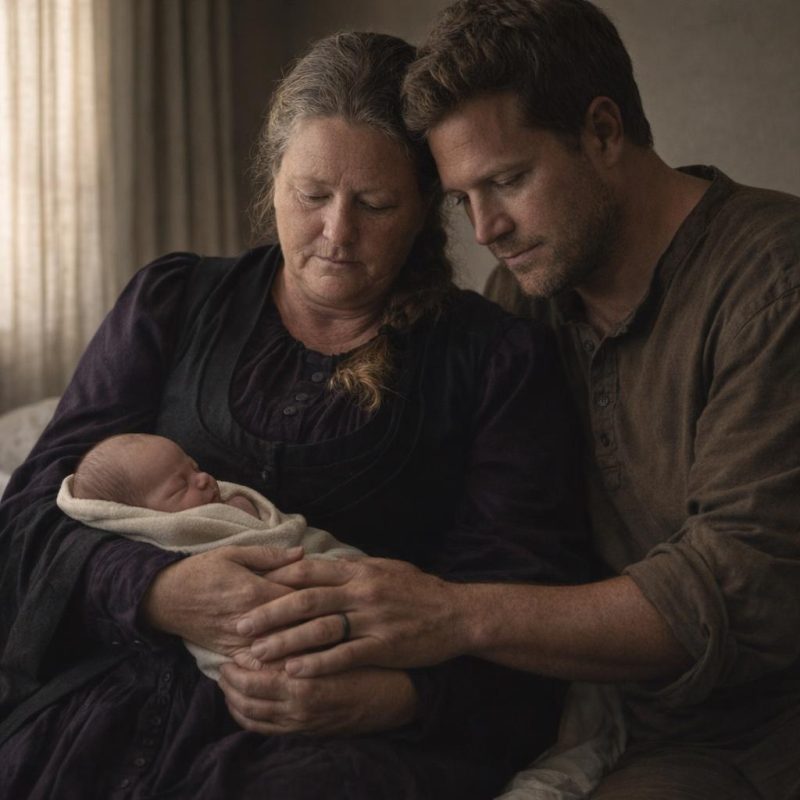 Image by RM AI
The Physician's Ignorance
They came in their long robes with their leather satchels and their Latin phrases, and I sat upright in bed and watched them move around the room as though the answers were somewhere in the furniture. George stood near the window, arms folded, saying nothing. The physicians pressed my wrists and peered at my tongue and asked me what I had eaten in the weeks before the birth. One told me my womb ran cold and that this was the source of my trouble. Another disagreed and said the bile was out of balance, that my constitution was too wet, too melancholic. They prescribed bloodletting and a tincture of herbs I cannot now name, and they spoke to each other in the careful tones of men who believe their confidence is itself a form of medicine. George finally asked the question I had not been able to form: would the next pregnancy be safer? The room went quiet. The eldest physician cleared his throat and said that with proper management, there was every reason for hope. I asked him plainly why my daughter had died. He looked at his hands. He said he could not say with certainty.
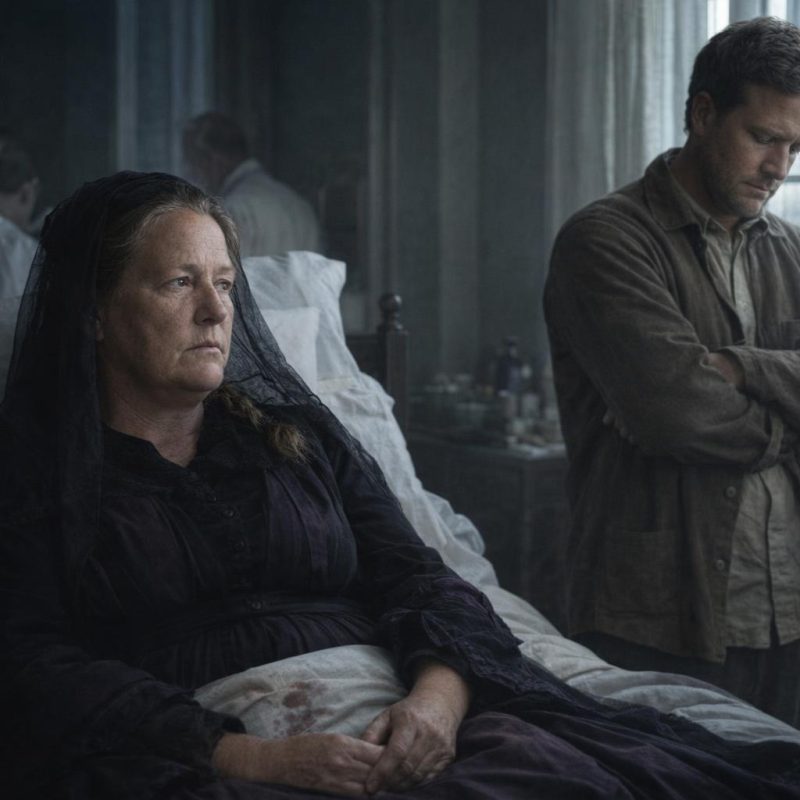 Image by RM AI
The Weight of Two
The second pregnancy came within months, and I told myself that speed was a kind of courage. It ended at four months — not with drama, but with a quiet, terrible bleeding that the midwife managed with brisk efficiency, as though grief were a thing to be tidied away. I was back on my feet within a fortnight because there seemed no alternative. The third pregnancy lasted seven months and gave us a boy, small and translucent as a candle flame, who lived one day and part of a night. George held him. I held him. We passed him between us in the dark as though holding him longer might change something. It did not. Sarah came and sat beside me on the bed after, and she did not speak, and I was grateful for that more than I can say. Three losses in less than two years. I stopped counting the hours I had spent weeping because the counting itself felt like a kind of madness. George held me each night with a steadiness that cost him more than he ever showed, and I could feel the effort of it in the tension of his arms. The grief did not leave. It simply settled, pressing down on my chest like a stone I had agreed, without being asked, to carry.
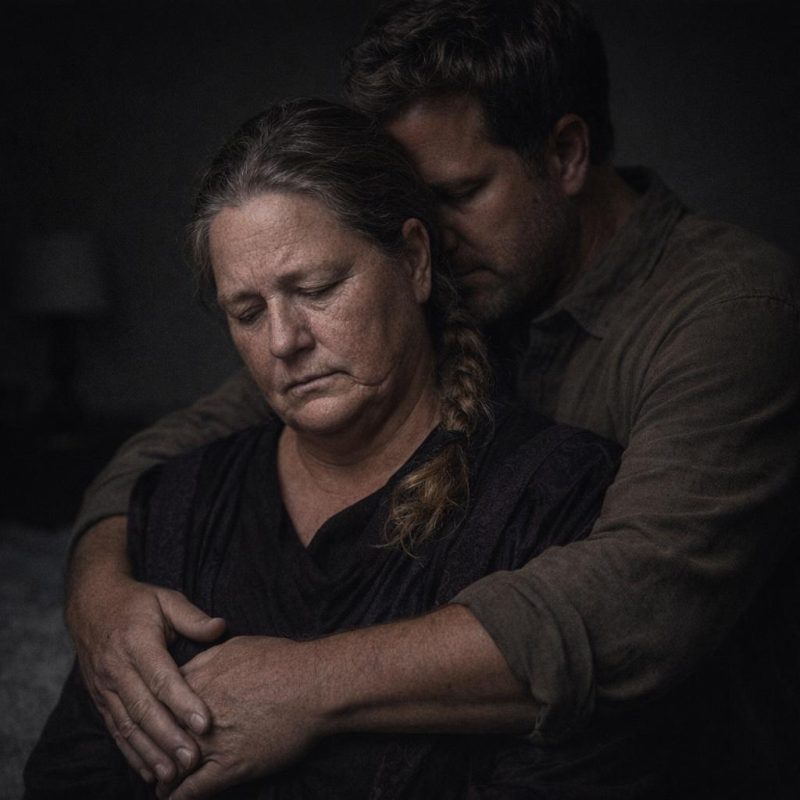 Image by RM AI
Two Daughters, Two Days
They were born together on a grey October morning, and they were both breathing, both pink, both furious with the world in the way that healthy infants are, and I wept with something I had almost forgotten the shape of — relief, pure and unguarded. George laughed, actually laughed, the sound of it strange and wonderful in that room that had known so much silence. We named them Mary and Sophia. For two days the household felt different. I nursed them and watched them sleep and counted their fingers and told George that perhaps the worst was behind us. Sarah brought flowers. The wet nurse sang to them. On the third morning, Mary developed a fever that moved through her small body with a speed that left the physicians useless. She died that evening. I was still sitting with that fact, still trying to fit it into any shape that made sense, when the nurse came to me the following morning with an expression I already knew how to read. Sophia had been restless through the night. Her breathing had changed. I went to her and put my hand on her chest and felt it — the shallow, effortful rise and fall that I recognized now, that I would always recognize — and then, in the grey morning quiet, I heard it stop.
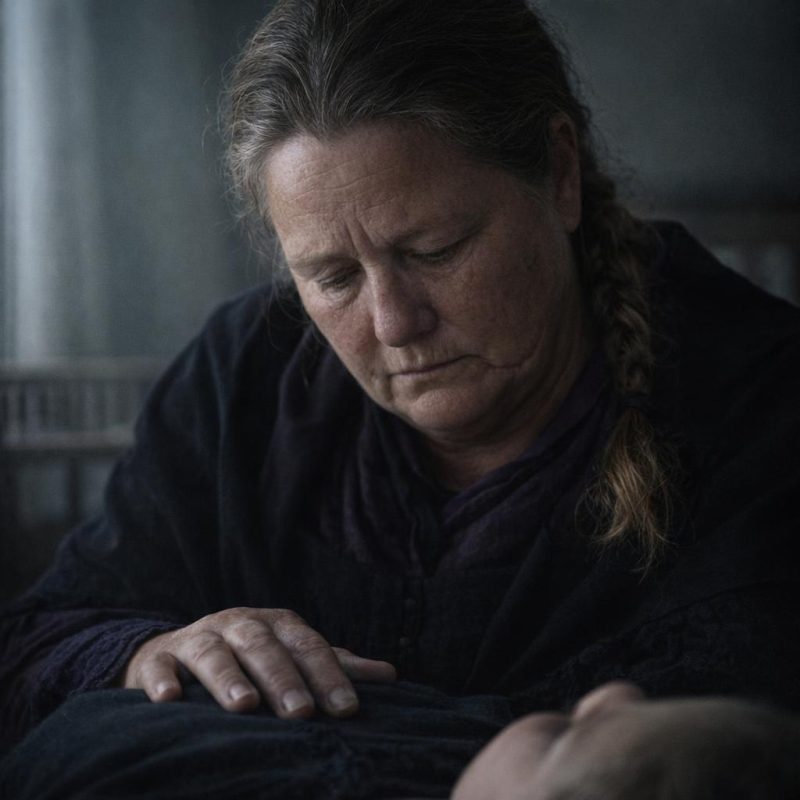 Image by RM AI
The Pain in My Joints
It began in my hands. I woke one morning and my knuckles were swollen and burning, a deep, insistent heat that sat beneath the skin and would not be reasoned with. By midday it had moved to my feet and ankles, and by evening I could not cross the room without George's arm to lean on. The physicians came again with their robes and their certainty and diagnosed gout, which they said was a condition of excess, of rich food and idle living, and I nearly laughed at that because I had spent the better part of two years in grief so heavy it had flattened me. They prescribed rest and a plainer diet and a poultice that smelled of vinegar and did nothing. Sarah read to me on the days when the pain was too sharp for sleep, her voice steady and even, moving through pages I could not have told you the content of afterward. George helped me dress in the mornings without making it feel like help. The pain did not leave. It became instead a permanent resident, something I woke to and carried through the day and set down only in the deepest part of sleep. I had buried five children. My body had now found a new way to remind me that it was not finished with me yet, and I lay in the dark with my swollen hands folded on my chest, and the weight of all of it simply rested there.
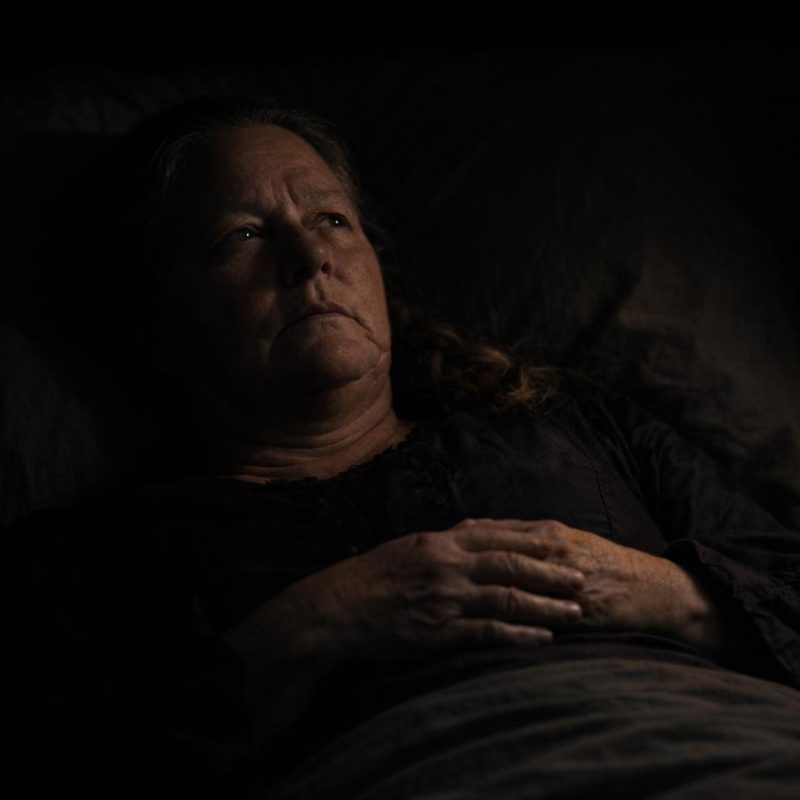 Image by RM AI
The Sixth and Seventh
The sixth pregnancy ended at six months with a stillbirth — a boy, perfectly formed, his face composed in an expression of such complete peace that it seemed almost deliberate, almost chosen. I held him and felt something I could not name, something beyond grief, a kind of hollow stillness where feeling used to be. I asked the nurse to take him and I turned toward the wall. The seventh came within the year and miscarried at three months, and I remember the morning of it with a strange, flat clarity — the light through the window, the sound of the household going about its business below, the ordinary world continuing without pause. George's face had aged in ways that had nothing to do with years. The lines around his eyes had deepened into something permanent, and he moved through our chambers with a quietness that told me he was carrying his grief the same way I was carrying mine — carefully, so as not to spill it. Sarah no longer offered words of hope. She simply came and sat, and her presence was its own kind of language. I had stopped praying for living children. I prayed instead for the pain to end, for some mercy I could not specify, and when even that felt like too much to ask, I stopped praying altogether and simply endured, one day folding into the next, each one much like the last.
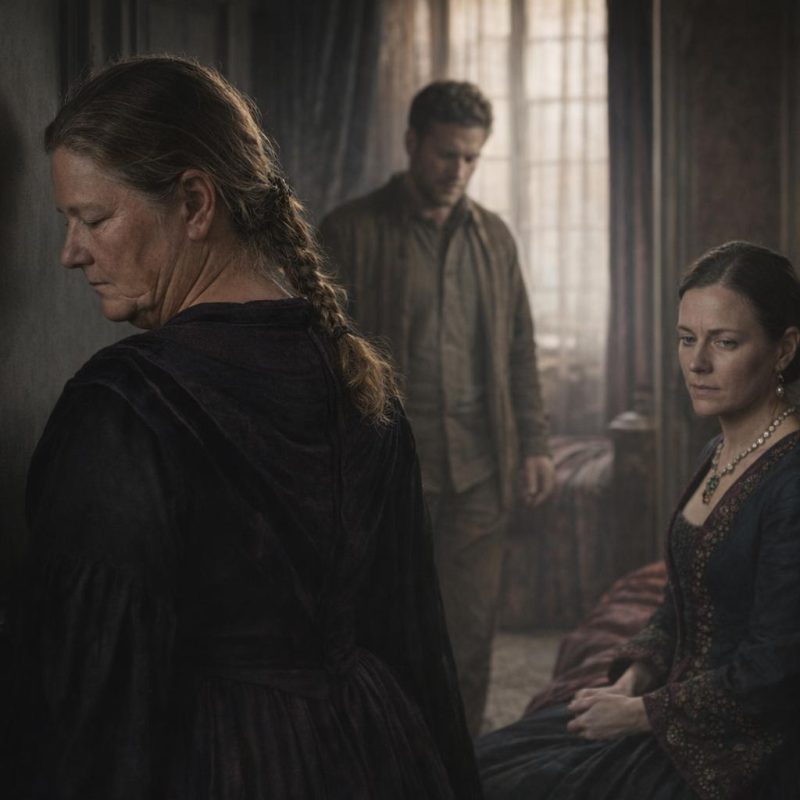 Image by RM AI
The Ninth Grave
The ninth pregnancy ended the way the others had, and afterward my body did not return to itself. I had expected the familiar slow recovery, the gradual reassembly of ordinary life. Instead something different happened. The weight came on rapidly and would not shift — not the weight of carrying a child, but something else, a swelling in my face and limbs that the physicians attributed to grief and inactivity and prescribed walking for, which was almost comical given that the gout had made walking a negotiation with pain. My gowns had to be let out, and then let out again. Sarah managed this with a practical efficiency that I was grateful for and could not quite look at directly. George treated me with the same tenderness he always had, but I had learned to read the small adjustments people make when they are trying not to show you something, and I saw them. One morning I passed the long glass in my dressing chamber and stopped. The woman looking back at me had my eyes, my general arrangement of features, but the rest of her was unfamiliar — the broad, swollen face, the heaviness of her, the way she stood as though the floor required effort. I stood there for a moment, and then I moved on, because there was nothing else to do.
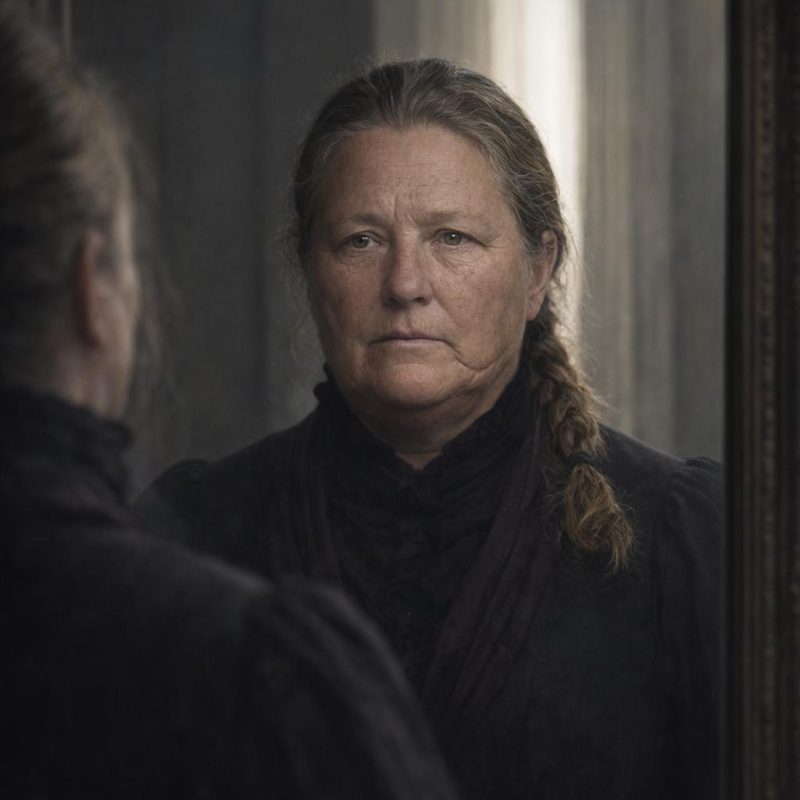 Image by RM AI
The Protestant Succession
The news from Parliament arrived in pieces, each one worse than the last, and Sarah brought them to me with the careful precision of someone who understood that information, delivered correctly, was its own form of power. My father's Catholicism had become more than a private matter of faith — it had become a national emergency, the thing Protestant England had been dreading since before I was born. Courtiers who had spoken of him with deference now spoke of him in the past tense, as though his removal were already accomplished and they were simply waiting for the paperwork. Mary wrote to me — her letters had grown shorter and colder over the years, but this one was direct: she stood with the Protestant succession, and she expected I understood what that meant. George said nothing openly, but I watched him read the dispatches and I saw the small, careful nod he gave when he thought I wasn't looking. Sarah told me plainly that my father's position was no longer tenable, that England would not accept a Catholic king, and that my own survival depended on where I was seen to stand. I felt the pull of it — the logic of it — and beneath that, something older and less rational, the memory of a man who had kept me at a distance my entire life but was still my father. The conflict had not yet broken open into something irreversible, and I held onto that fact the way you hold onto the last quiet moment before a storm arrives.
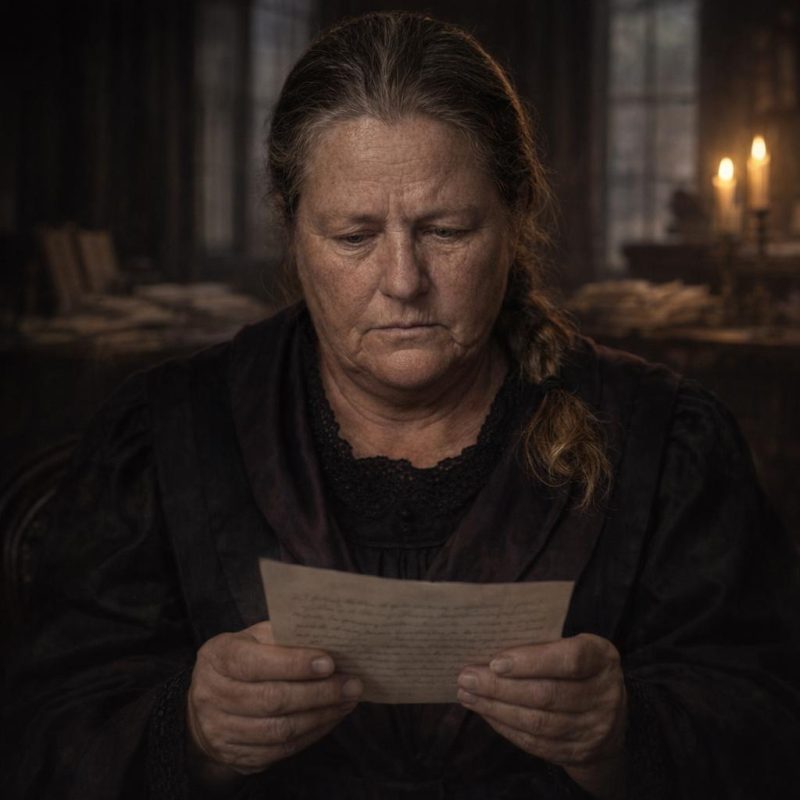 Image by RM AI
The People's Hatred
I heard them before I saw anything — a low, rhythmic sound that built as the morning went on, rising from somewhere beyond the palace walls until it was impossible to ignore. Sarah came to my chamber with her jaw set and her eyes bright with something that was not quite fear. The crowds in the streets had grown overnight, she said. Effigies were burning. The chants were specific and loud and left no room for interpretation. George stood at the window and looked out without speaking, and I watched his shoulders and could not read them. Sarah told me that some in the crowd were calling for exile, others for worse, and that my father's name was in every mouth. I felt sick in a way that had nothing to do with my body's usual complaints — a cold, nauseating fear for a man who had never once made it easy to love him, and yet. Mary had sent word again that morning: she stood firm, and I should do the same. George turned from the window and said, quietly, that I needed to think about my own safety now, that the time for waiting was ending. Sarah nodded. I said nothing. And then, through the thick walls and the heavy glass, I heard the crowd's voice rise into something unified and enormous, my father's name inside it like a stone, and they were calling for him to go.
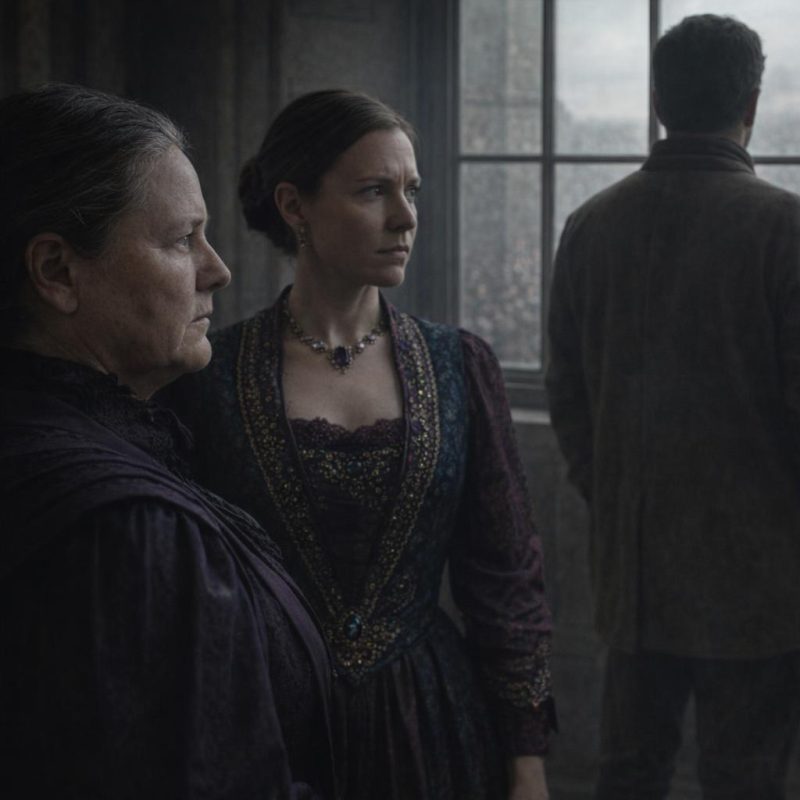 Image by RM AI
William's Invitation
The news came on a grey morning, carried in by a courier whose face told me everything before his mouth opened. Protestant lords — English lords, men I had sat near at dinner, men who had bowed to my father — had sent a formal invitation to William of Orange to bring an army to England's shores. I sat with that word for a long time. Invasion. They were dressing it in the language of salvation, of Protestant deliverance, but the bones of it were plain enough. Sarah was at my side within the hour, her voice low and certain, telling me that I had to declare myself, that silence would be read as loyalty to my father and that loyalty would cost me everything. George said much the same, more gently, his hand over mine. Mary had already made her choice — her husband was the instrument of it, and she had not written to warn me or soften the blow. I thought about my father waking to find the world had turned against him, his own daughters among those who had let it happen. I thought about what I owed him, and what he had never given me in return. The candle on my writing desk burned down to nothing while I sat there, and the room grew cold around me, and I still had not moved.
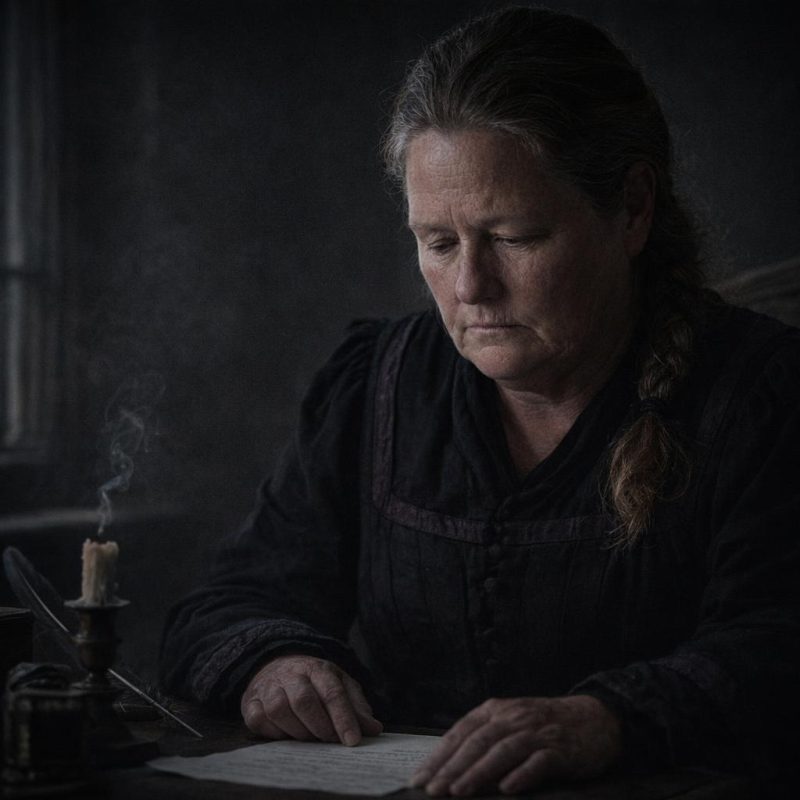 Image by RM AI
The Midnight Flight
Sarah came to my chamber at two in the morning with a cloak over her arm and her eyes already at the door. There was no ceremony to it, no long farewell — she had arranged everything, she said, and we needed to move before the household stirred. George was already dressed, waiting in the corridor with a single bag between us, and I remember thinking how strange it was that a life could be reduced to so little in a single night. I took one last look at my rooms — the fireplace, the chair by the window where I had sat through so many sleepless hours, the small portrait on the mantle that I left where it hung. We went down the back stairs in the dark, Sarah ahead, George's hand at my elbow, and the cold outside hit me like a judgment. The carriage was waiting in the lane without lanterns. No one spoke as we moved through the streets. I kept thinking my father would wake, that someone would raise an alarm, that the whole thing would collapse around us — but nothing came. By the time the city was behind us, I understood that there would be no going back, no explanation I could send that would undo what I had done. The silence of that carriage ride settled into me like something permanent.
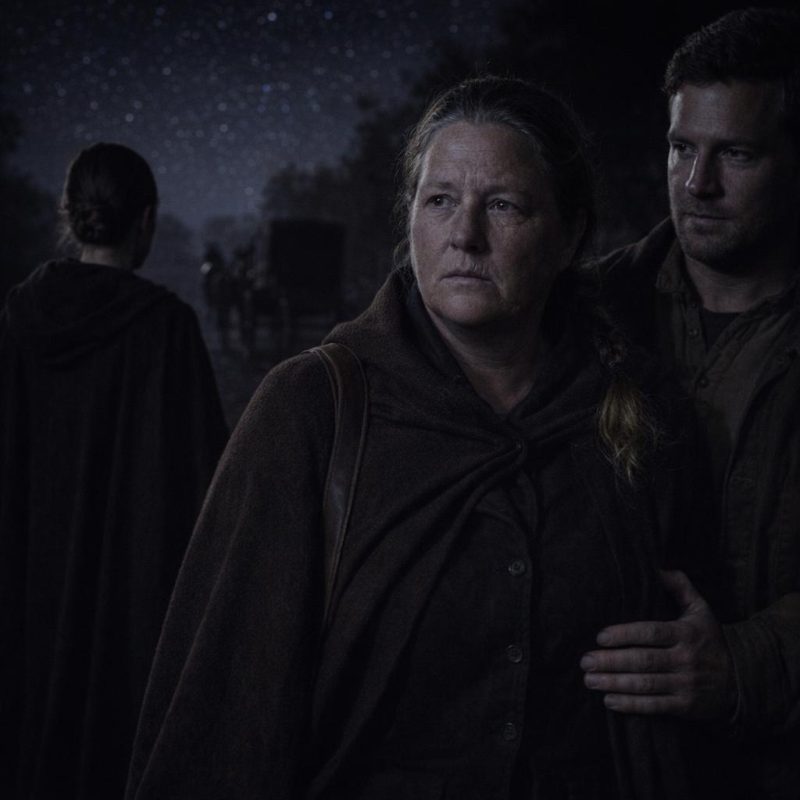 Image by RM AI
The Glorious Revolution
My father fled to France before the snow had fully melted, and the court moved on from his absence with a speed that turned my stomach. William and Mary were crowned joint monarchs in a ceremony that the broadsheets called glorious, and I stood among the assembled nobility and told myself that I had done the right thing, that this was the outcome I had chosen and I should stand in it without flinching. Sarah stood beside me, George on my other side, and the hall was full of music and candlelight and the particular brightness of people who have won something. I waited for Mary to look at me the way a sister looks at someone who has given up everything for her cause. William did not greet me at all. Sarah noticed — I could feel it in the stillness that came over her — and George pressed my arm and said quietly that these things took time, that Mary was overwhelmed, that it would be different once the ceremony was done. I nodded and said nothing. The music swelled and the crowd cheered and I stood in the middle of it feeling like a woman who had sold everything she owned and arrived at the market to find it closed. Then Mary turned to receive another guest, and the look on her face as she did — easy, warm, entirely present — was nothing like the face she had shown me.
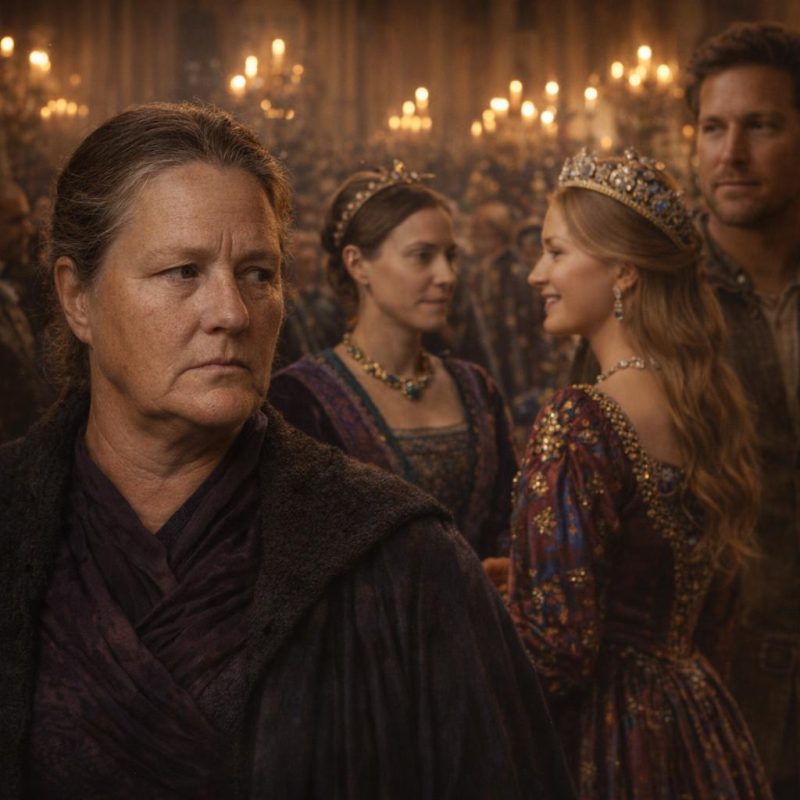 Image by RM AI
Frozen Out
The invitations stopped first. I noticed it the way you notice a sound that has gone quiet — not all at once, but in the accumulating absence of it. Dinners I had always attended, councils where my presence had been assumed, private gatherings that simply no longer included my name. Sarah brought me the news of each one with a fury she barely contained, and George went twice to speak with members of the household on my behalf and was turned away both times with polite, immovable regret. My apartments were reassigned — a quieter wing, smaller rooms, a view of the garden wall instead of the park. My allowance was reduced without explanation or apology. William passed me in a corridor once and looked through me as though I were a piece of furniture he had not chosen. Mary granted me one brief audience in which she spoke of the demands of governance and said nothing of substance and ended the meeting before I had finished speaking. I told myself it was William's influence, that Mary was being managed, that underneath the coldness my sister was still there. Sarah said the same, though her jaw was tight when she said it. Then one afternoon a page delivered a folded document to my door — a formal schedule of court functions for the season, with a handwritten note attached indicating that my attendance was not required at any of them.
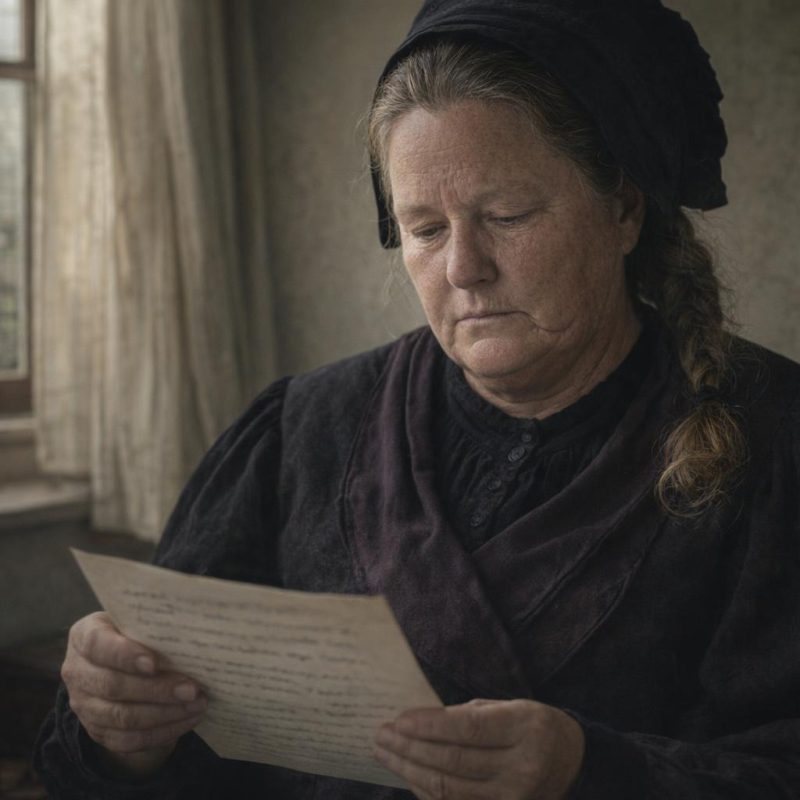 Image by RM AI
Sarah's Anchor
There were days when the only voice that felt real to me was Sarah's. George was steady and kind — he always was — but kindness without strategy felt like a warm coat in a burning house. Sarah understood the court in a way that George simply did not, and she moved through it on my behalf with a sharpness I could not have managed myself. She brought me intelligence, she tracked the shifting alliances, she told me plainly when I was being slighted and by whom and what it likely meant. She sat with me through the long evenings when the isolation pressed in from every side, and she did not offer me false comfort — she offered me something harder and more useful, which was her absolute certainty that I would outlast this. Mary's health was not strong, she reminded me. William had enemies of his own. The succession still ran through me, and no amount of cold shoulders could change the arithmetic of it. I told her once, in a low voice, that I did not know what I would do without her — that she was the only true friend I had ever had in this life. She looked at me steadily and said that I would not have to find out. And then she said something I held onto for a long time after: that I would still be standing when all of this was over, that I would outlast every one of them.
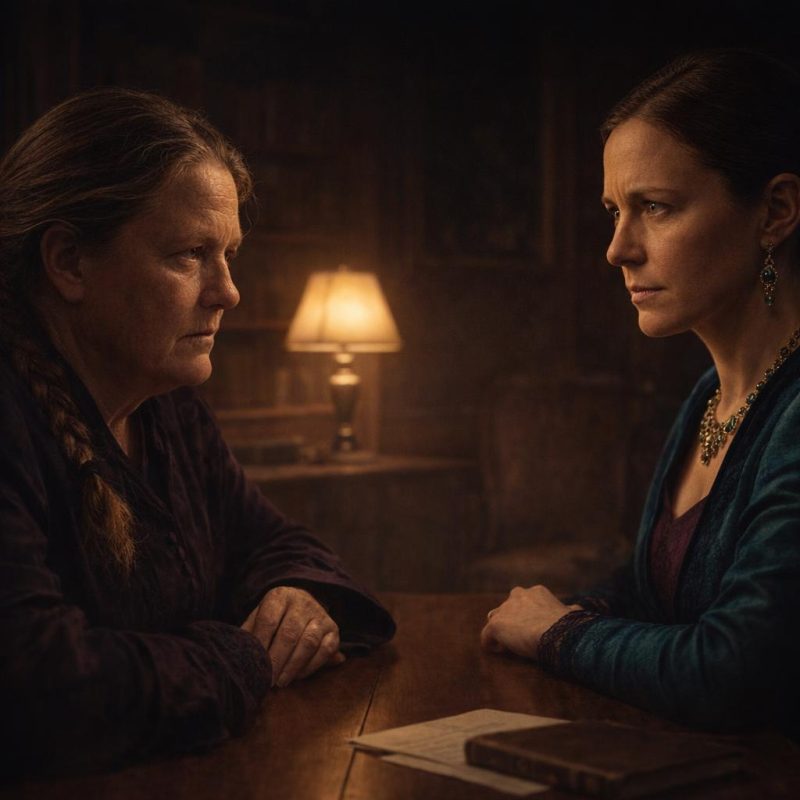 Image by RM AI
The Seventeenth Loss
The seventeenth time, I already knew before the physicians confirmed it. There is a particular quality to the silence in a room when the news is what everyone expected and no one wants to say. George sat beside me on the bed and held both my hands in his, and neither of us spoke for a long while. The physician told me, carefully, that my body had endured more than most women survive, and that it would be unwise — he chose that word, unwise — to attempt another pregnancy. I understood what he was not saying. Seventeen. I counted them sometimes in the dark, not their names, because most of them had never had names, but the weight of each one, the particular hope that had preceded each loss. Sarah sat in the chair by the window and said nothing, which was the right thing. George wept quietly, and I held his hand while he did, because I had no tears left for this particular grief — I had spent them all, over years, until the well had simply run dry. I thought about the succession, about the empty nursery, about what it meant to be a royal woman who could not produce an heir. I thought about all of it, and then I stopped thinking, and just sat in the quiet of that room with George's hands around mine, and let the stillness be what it was.
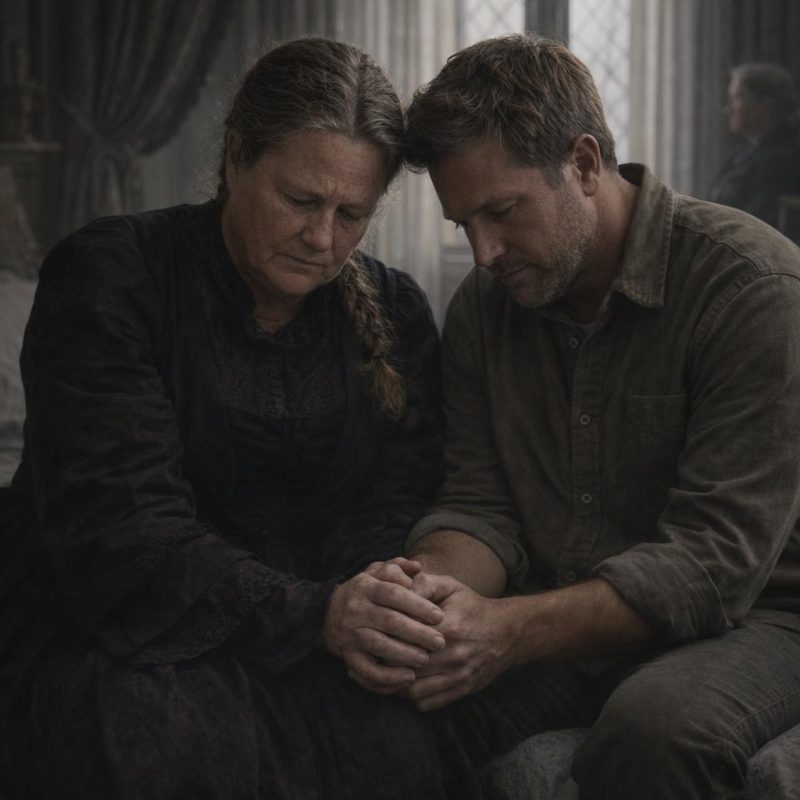 Image by RM AI
A Shift in the Air
It started with small things, the kind you talk yourself out of noticing. A sigh when I asked her to repeat something. A pause before she answered that lasted a beat too long. Sarah had always been direct — it was one of the things I had loved about her — but there was a new quality to the directness, something with an edge to it that I could not quite name. She made a comment about my appetite one afternoon, light enough in tone that I could not have objected to it without seeming foolish, but it landed somewhere tender. Another time she sighed when I moved slowly across the room, my legs aching, and then caught herself and said something kind, and the kindness felt like a correction rather than a comfort. George noticed nothing — or if he did, he said nothing, which with George amounted to the same thing. I told myself I was being oversensitive, that grief and isolation had made me read shadows into ordinary moments, that Sarah had given me years of loyalty and I owed her better than suspicion. She was still there. She still came every day. She still sat with me and spoke plainly and managed the things I could not manage myself. And yet. I could not shake the feeling that something in her presence had shifted, some warmth that seemed to have dimmed — or perhaps I was only noticing its absence now, in the way you notice a sound once it stops.
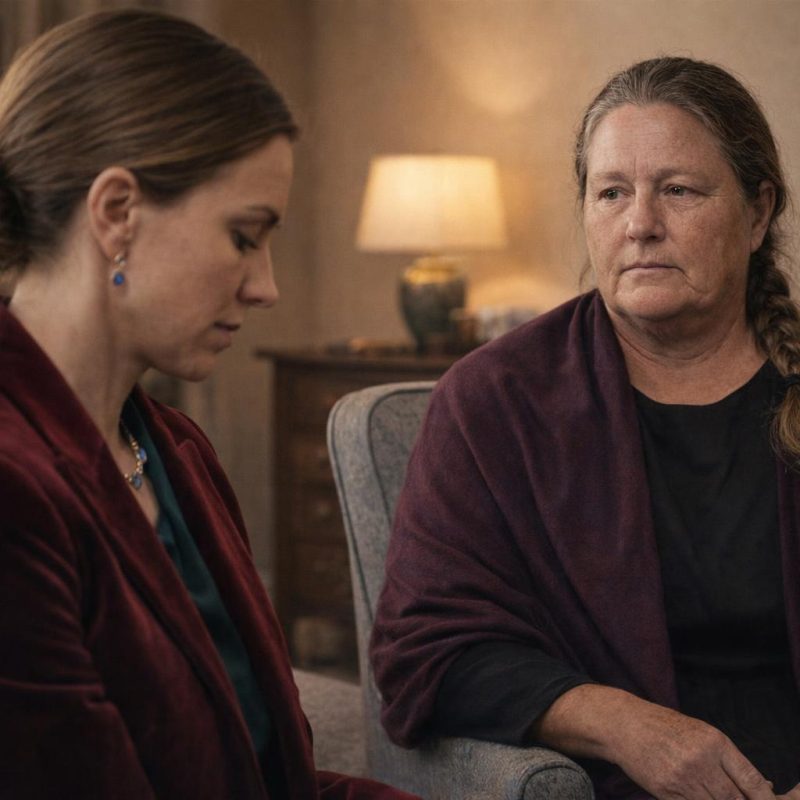 Image by RM AI
The Gout's Grip
The morning came when I put my feet to the floor and my legs simply refused. Not the familiar grinding ache of the gout, which I had learned to move through — this was something beyond that, a failure of the body to perform the most basic negotiation between will and weight. George was there, and he caught me before I went down, and the look on his face was the one I had been dreading for months. The physicians came and spoke in careful language about inflammation and fluid and the cumulative damage of years, and I lay in the bed and listened and understood that they were describing a permanent condition, not a temporary one. Servants were assigned to carry me in a chair — a wide, cushioned thing built for the purpose, as though someone had anticipated this moment before I had. I was lifted and moved from room to room like a piece of furniture, and I felt the humiliation of it in a way that was almost physical, separate from the pain. Sarah was present the first time they carried me through the corridor. I saw her watching from the doorway as the servants bore me past, and something moved across her face that I could not read — not pity exactly, not the warmth I was used to seeing there. George held my hand through the afternoon, steady as always. But lying there that evening, staring at the ceiling, I understood with a cold and settling certainty that I would never cross a room on my own feet again.
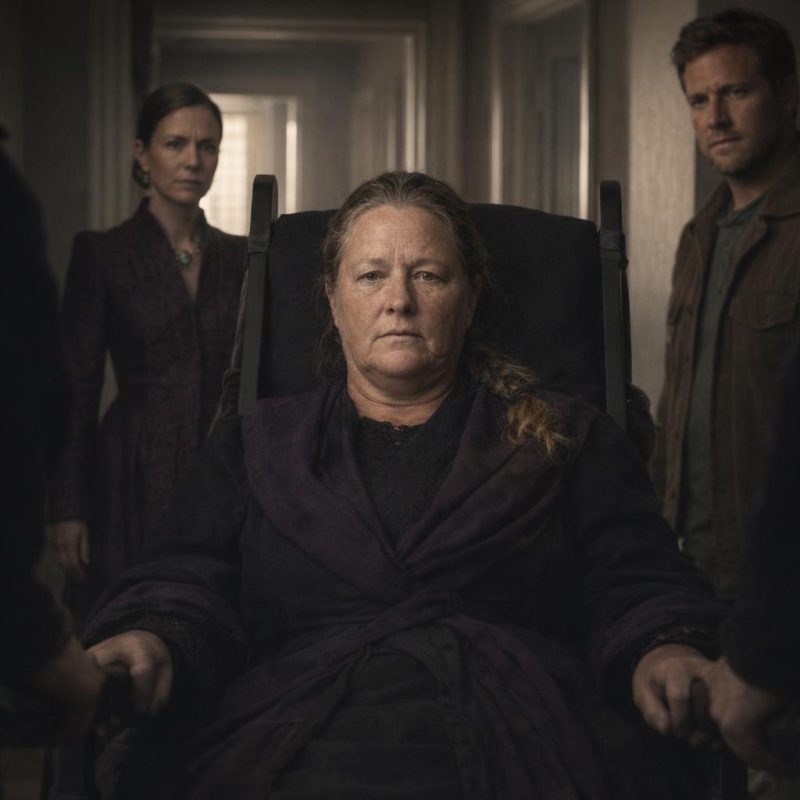 Image by RM AI
The Unexpected Heir
The messenger arrived on a Tuesday, and I knew from the way he held himself — that particular stillness of a man carrying news he does not want to deliver — that something had broken in the world. Mary was dead. Smallpox, they said, moving through her in days rather than weeks, her body offering no resistance. She was thirty-two years old. I sat with George's hand in mine and tried to locate the grief I expected to feel, and it was there — it was genuinely there — but it was tangled up with something else I could not name cleanly. We had been strangers to each other for years, my sister and I, political creatures circling the same throne from opposite sides. I had not stopped loving her. I had simply stopped knowing her. Within hours, the corridors outside my chambers filled with faces I had not seen in months — courtiers who had found reasons to be elsewhere suddenly finding reasons to be near me. Sarah watched them come with an expression I could not read, and said quietly that everything had changed now. George said nothing, only pressed my hand. I sat in the chair they had built to carry me, and felt the strange, settling weight of a future I had never truly let myself imagine.
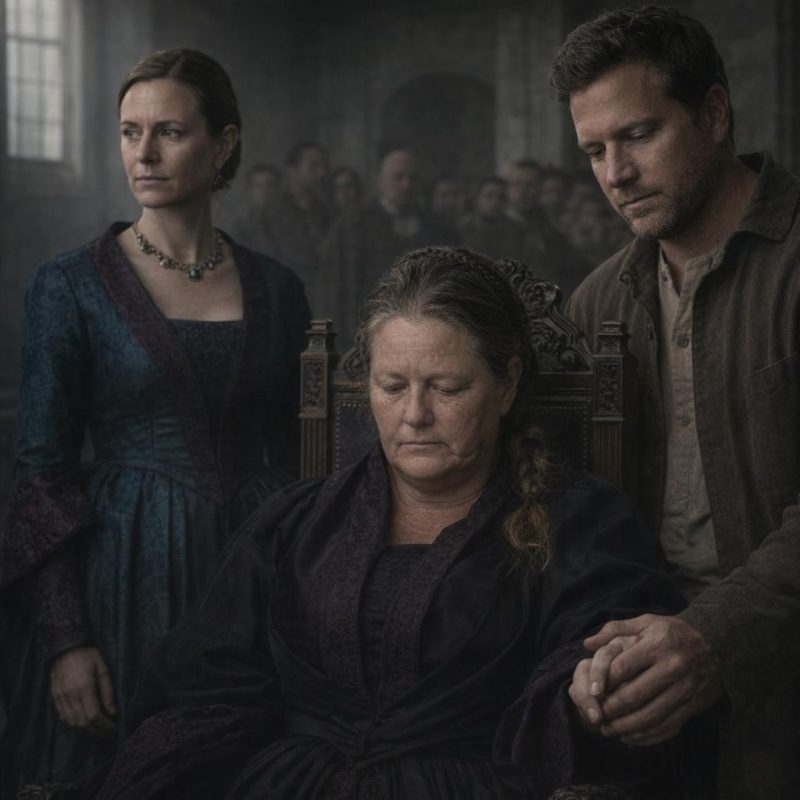 Image by RM AI
The Accession
William lasted eight years after Mary, and when he went it was almost quiet — a fall from a horse, a broken collarbone, a body already worn thin that simply declined to recover. I was thirty-seven years old and could not walk unaided to the window. They came to tell me I was queen, and I remember thinking that the word sounded different than I had always imagined it would. Sarah dressed me in the coronation robes herself, her hands efficient and certain, pulling the laces tight while I sat and breathed through the pain in my joints. They carried me to Westminster Abbey in a chair, and I felt every eye in that vast space tracking the spectacle of it — a queen who had to be lifted like cargo. George walked beside me the entire way, his hand resting on the arm of the chair. The crown was heavier than I had expected. My neck ached under it within minutes, and I held myself upright through the oaths by concentrating on George's face in the crowd. When it was done and the cheering rose around me, I did not feel triumph. I felt the particular solemnity of a thing that cannot be undone, settling over me like the crown itself.
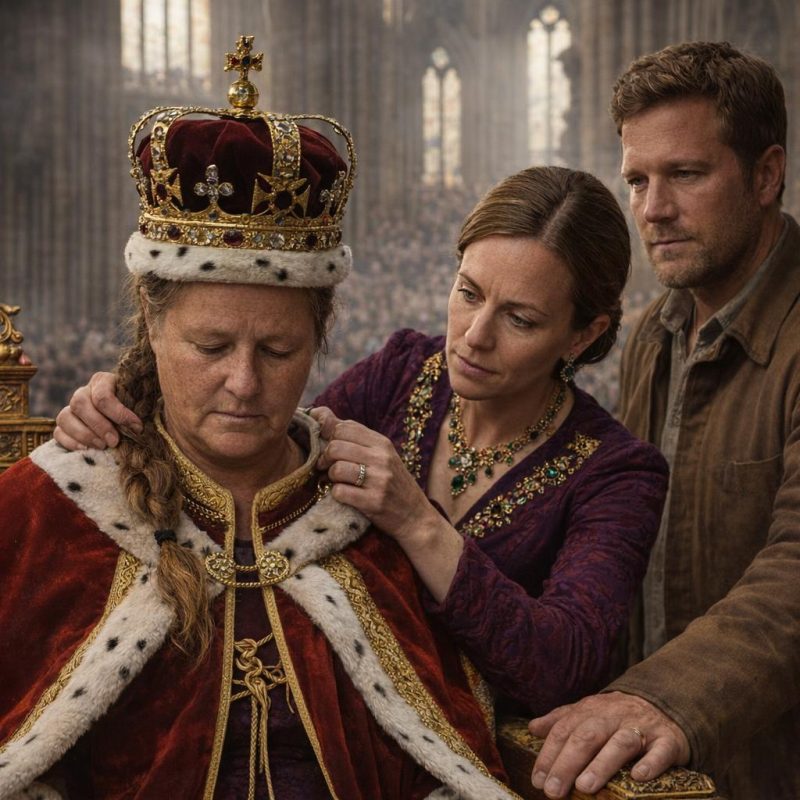 Image by RM AI
The Final Pregnancy
I was thirty-eight and already queen when I understood I was pregnant again. I told George in the evening, in our private rooms, and we looked at each other across the candlelight with the same expression — not hope exactly, more like the recognition of something familiar and terrible returning. Neither of us spoke of names. Neither of us allowed ourselves that. I continued to attend council meetings, continued to sign documents and receive ministers, because the work did not pause for the body's private negotiations. Sarah brought me ginger tea in the mornings without being asked, and said nothing about it, which was its own kind of kindness. I was perhaps three months along when I woke one night to a particular wrongness — not pain exactly, not at first, but a shift in the body's interior weather I had no name for. George was asleep beside me. I lay still for a moment in the dark, my hand pressed flat against my abdomen, and then the cramping began.
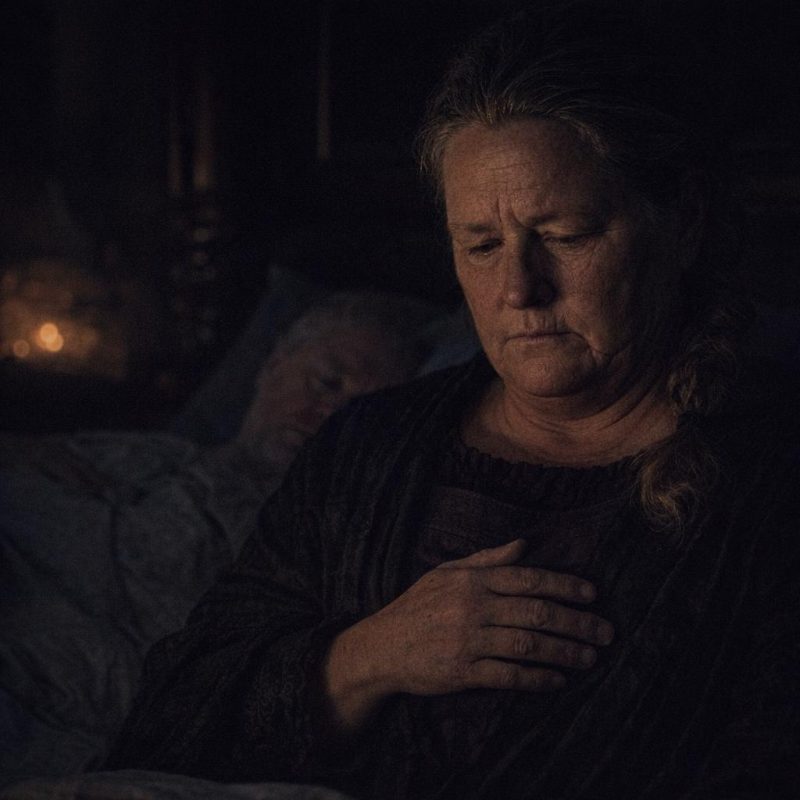 Image by RM AI
The Quiet Companion
Abigail came into my household quietly, the way certain people do — without announcement, without the performance of arrival that most courtiers considered essential. She was a lady-in-waiting, modest in dress and manner, with a soft face and hands that moved without hurry. I noticed her first because she did not speak unless spoken to, which in my experience was a quality almost impossible to find in a royal household. She helped me with small tasks — adjusting a shawl, steadying a cup — without commentary, without the particular expression some attendants wore that communicated their awareness of my condition. Sarah was present the afternoon I asked Abigail to read to me, and I caught something shift in Sarah's face — a tightening around the eyes, quickly smoothed. Later, Sarah remarked that Abigail was pleasant enough but lacked the sophistication the position required. I felt something rise in me at that — a protectiveness I had not expected. George said, simply, that Abigail seemed to do me good. That evening Abigail sat beside my chair as the light faded, reading without inflection or performance, and I felt my shoulders drop in a way they rarely did anymore. Sarah's company sharpened me. Abigail's simply let me rest.
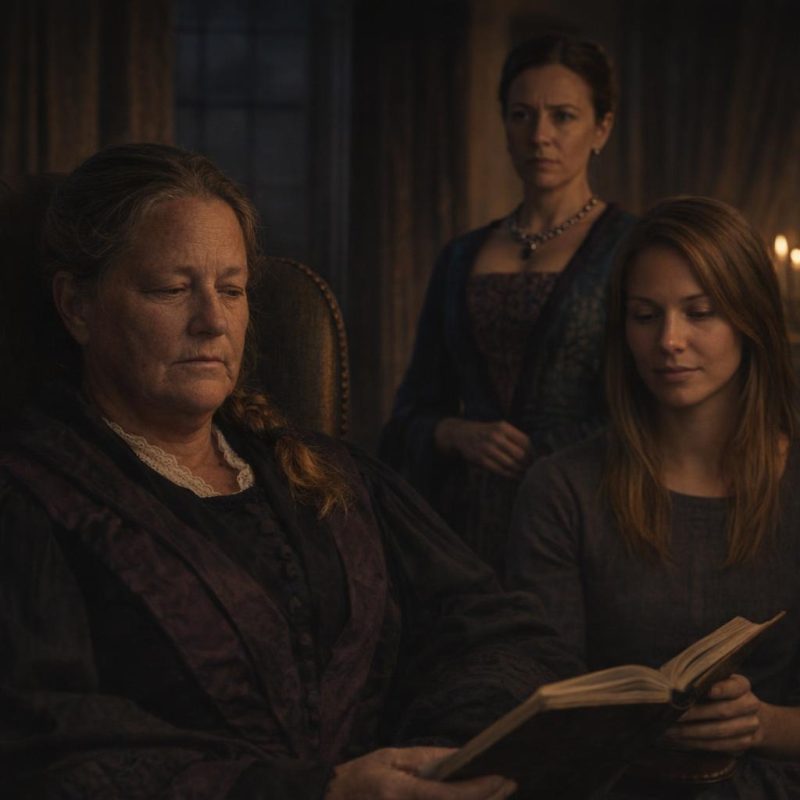 Image by RM AI
The Physician's Truth
The physician was younger than I expected, and he came with a reputation for looking at the whole of a patient's history rather than the presenting complaint. He reviewed everything — the seventeen losses, the gout that had crippled me, the childhood eye condition that had sent me to France, the recurring fevers. He asked questions no physician had ever thought to ask, connecting symptoms across decades as though reading a single document rather than separate misfortunes. George sat beside me and held my hand. Sarah stood near the window. The physician spoke carefully, in language he clearly chose to make comprehensible, about the body's defenses turning against its own tissue — attacking what it should protect, expelling what it should nurture. He said my immune system had likely treated each pregnancy as a threat, something foreign to be destroyed. The watering eyes, the joint inflammation, the losses — he believed they were all expressions of the same underlying condition, my own blood waging war against itself. Not a curse. Not a punishment. Not a failure of character or faith or worthiness. George made a sound beside me that I had never heard from him before. Sarah went very still. I sat with the physician's words settling through me like cold water through stone, and then he said the phrase I had never heard before in my life: autoimmune condition.
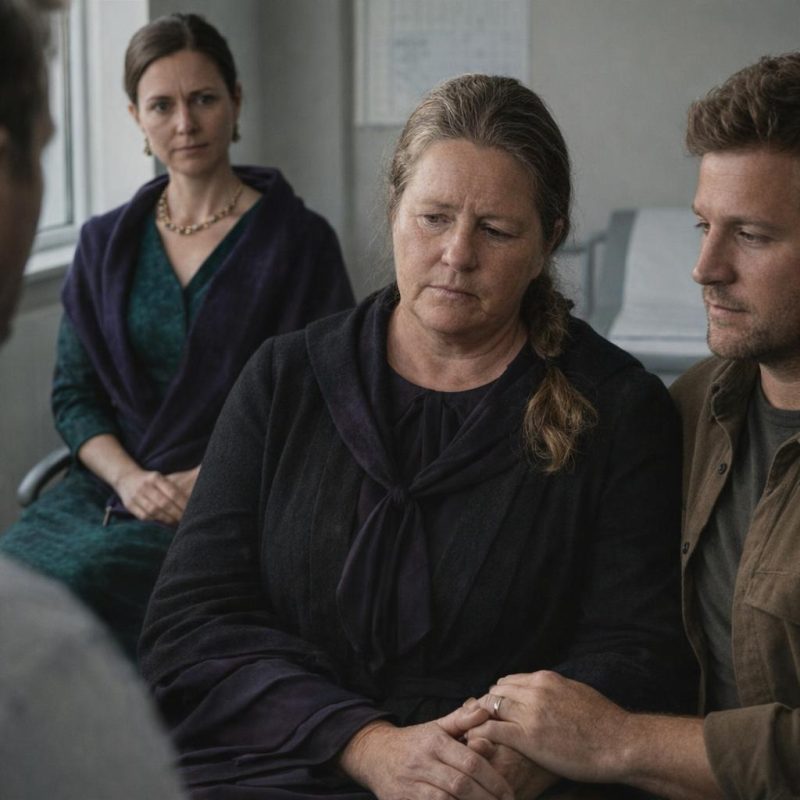 Image by RM AI
Not a Curse
I spent three days barely speaking. George brought me food I did not eat and sat with me in the evenings without requiring conversation, which was the greatest kindness he knew how to offer. I turned the physician's words over and over, holding them up against every memory I carried — the first loss at eighteen, the second before I had fully recovered from the first, the years of trying and bleeding and trying again. My father's ten dead children rose in my mind unbidden. The same blood, the same invisible war, passed down through generations and dressed up in the language of divine judgment. We had called it a curse. We had called it God's will. We had called it punishment for sins we could not identify. It had been none of those things. It had been biology, indifferent and mechanical, doing what it was built to do. The guilt I had carried for twenty years — the quiet, corrosive certainty that I had somehow failed those children — began to loosen its grip, and the sensation was so unfamiliar I did not know at first what to call it. George told me I had never been a failure. Sarah sat nearby and said little, her attention somewhere I could not follow. The guilt was lifting. But underneath it, the grief was still there, unchanged, waiting — and I understood then that knowing why had not brought them back.
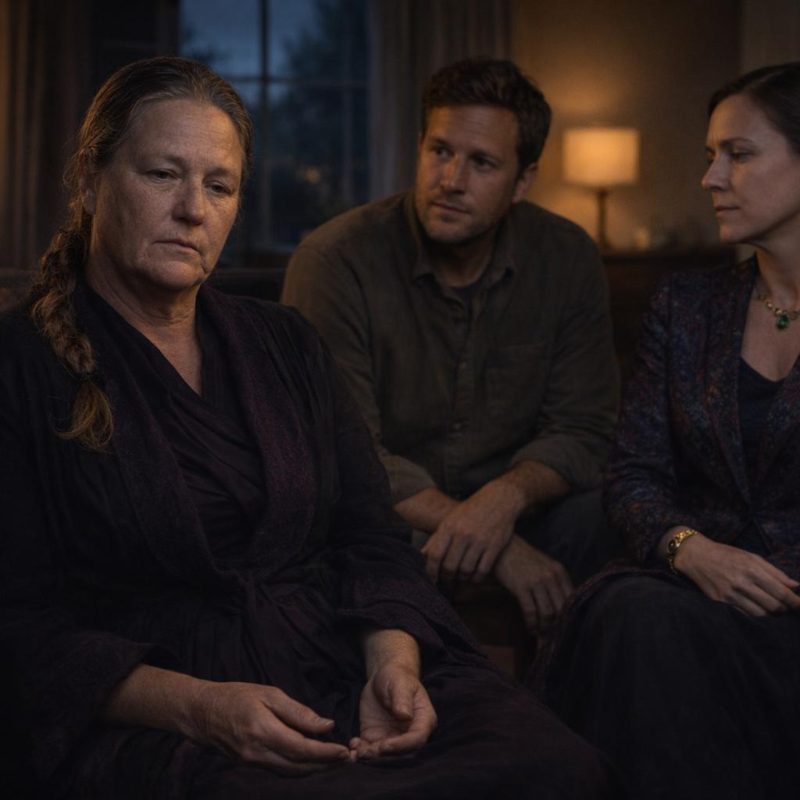 Image by RM AI
Seventeen Names
It was George who suggested we name them. We were alone in our private chambers, the fire low, the household settled for the night, and he said it simply — that they deserved to be spoken aloud, at least once, by the two people who had wanted them. I began with the first, the one I had lost at eighteen before I had fully understood what I was losing. Some had been given names in the hours before we understood they would not survive. Some I had only ever called 'the child' in my own mind, because naming them had felt like a cruelty I could not bear. I counted them aloud, one by one, and George added what he remembered — the season, the room, the particular quality of the grief that had followed each one. By the twelfth, his voice had broken entirely. By the fifteenth, mine had too. We did not stop. We counted all seventeen, and when I spoke the last name the room was very quiet, the fire settling into embers, and George held both my hands in his and did not let go. I had mourned them for decades in silence and in shame. This was different. This was just grief, plain and clean, without the weight of blame beneath it.
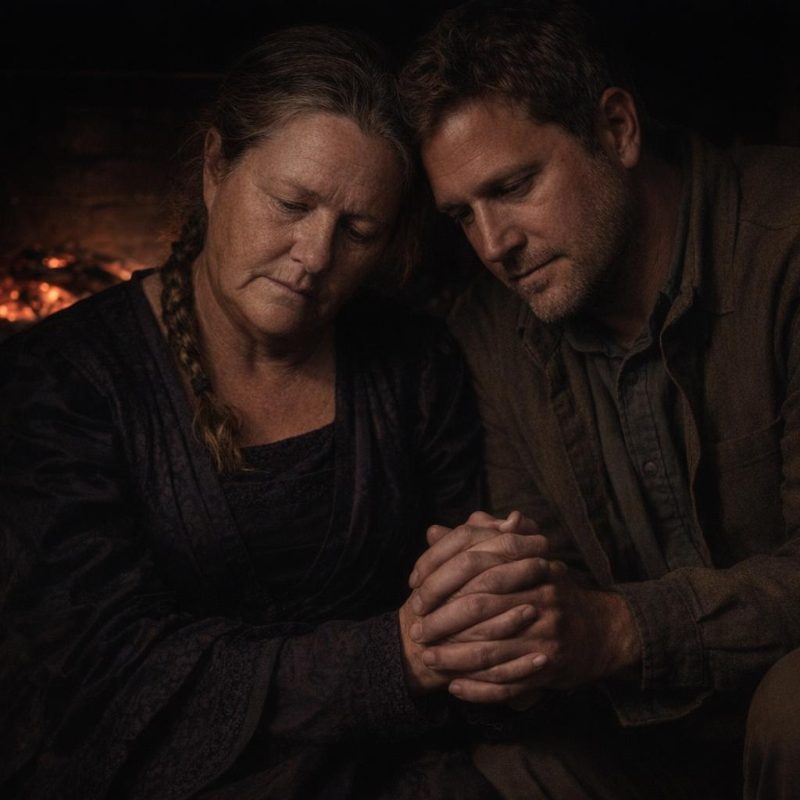 Image by RM AI
The Weight Remains
I had expected the physician's explanation to function like a key — to open something locked inside me and let the pain drain away. It did not work like that. The guilt had lifted, yes, and that was not nothing. But the chairs in the nursery that had never been used were still empty. The succession was still uncertain. I was still a queen with no heir of her body, ruling a kingdom that would pass to someone else's line when I was gone. Abigail sat with me on the afternoons when the weight of it pressed hardest, and she did not try to reframe it or find the lesson in it or remind me of what I still had. She simply stayed. George's grief was visible now in a way it had not been before the naming — as though speaking the children aloud had made them real to him again in a way that required mourning. I watched him carry it and felt the particular tenderness of two people bearing the same loss from slightly different angles. I had wanted the truth to heal me. I had believed, somewhere beneath the grief, that understanding would be enough. But understanding is not the same as having, and knowing why my children died did not fill a single one of the spaces they had left behind.
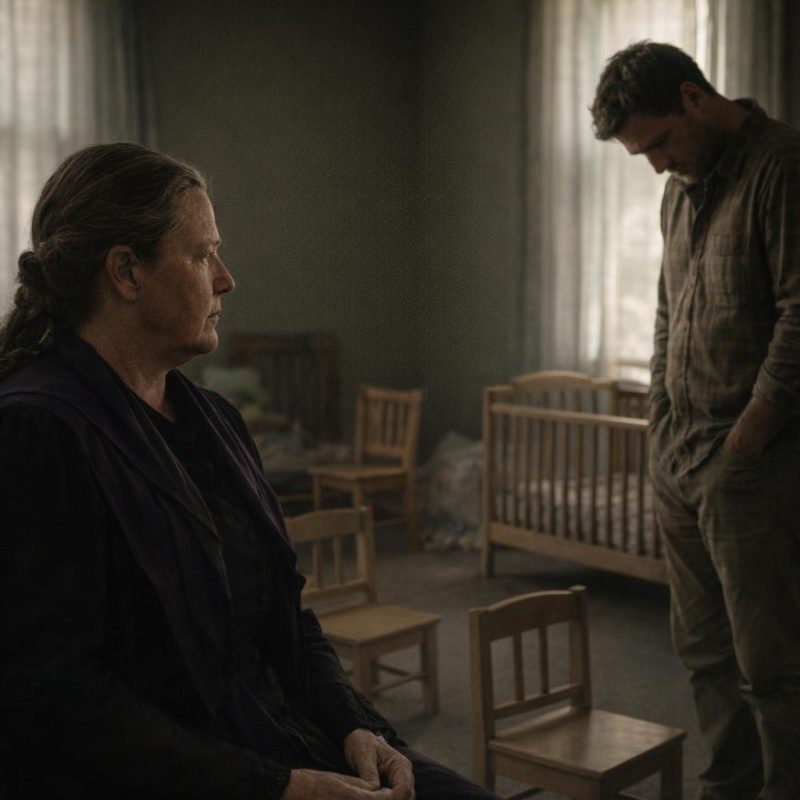 Image by RM AI
Sarah's Resentment
I had watched Sarah's moods shift before — she was a woman of strong weather, always had been — but what began that autumn was something different. The comments about Abigail started small. A remark about her accent. A question, posed with exaggerated innocence, about whether someone of her background truly understood the demands of royal service. I let the first few pass, telling myself it was Sarah's way, that she would settle once she felt secure again. She did not settle. The remarks sharpened. She began requesting private audiences to discuss what she called the Abigail problem, as though my companion were a pest infestation rather than a person who had given me nothing but quiet kindness. She told me Abigail was manipulating me, playing on my grief to secure her position. I defended Abigail, and I watched something harden in Sarah's face each time I did. George said nothing publicly, but he squeezed my hand one evening and told me I had every right to choose who sat beside me. Abigail herself never once responded to Sarah's attacks — she simply continued to be present, steady, and gentle. The whole court could see it by then. And then Sarah sat across from me, her eyes flat and certain, and told me I had to send Abigail away.
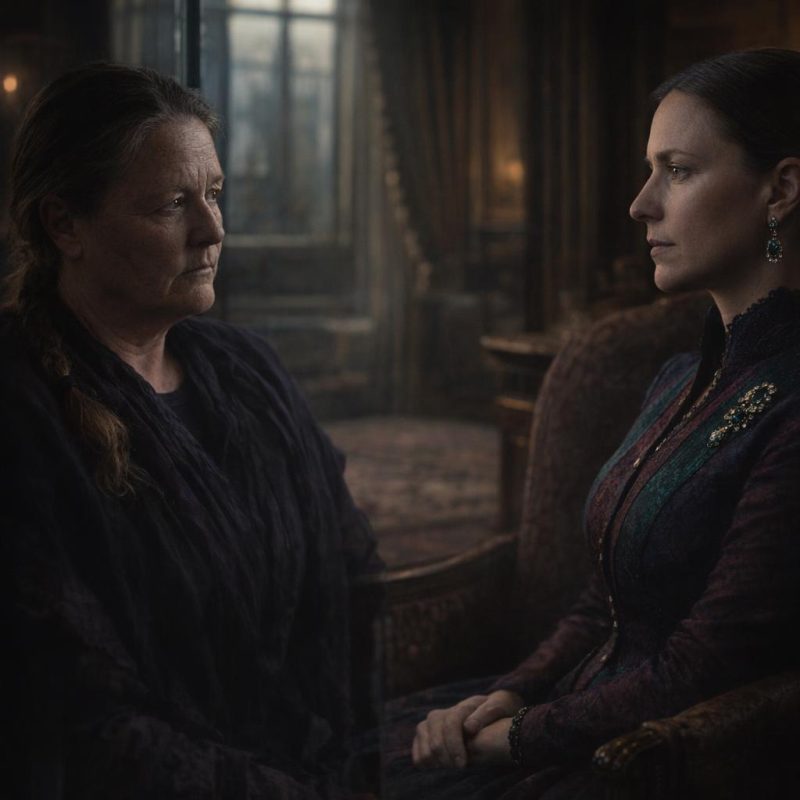 Image by RM AI
The Choice
I summoned Sarah the next morning and asked her to sit. She arrived with the particular composure of someone who expects to win, smoothing her skirts and folding her hands as though the matter were already settled. I told her, as plainly as I knew how, that I would not be sending Abigail away. The composure cracked immediately. She called me ungrateful. She reminded me of every letter she had written on my behalf, every political battle she had fought, every year she had given to my service. I did not deny any of it. I told her I remembered all of it, and that I was grateful, and that none of it changed my answer. Her face went through several things in quick succession — disbelief, then fury, then something colder than either. She told me I would regret this. She told me I was weak and that Abigail was making me weaker. George was standing near the window and said nothing, but his presence was steady and deliberate. Abigail had withdrawn to the far end of the room and kept her eyes down. I felt the friendship tearing as clearly as I had ever felt anything — decades of letters and laughter and shared grief, pulling apart at the seam. Sarah stood, gathered herself, and walked out without curtseying. I sat with the wreckage of it and did not call her back.
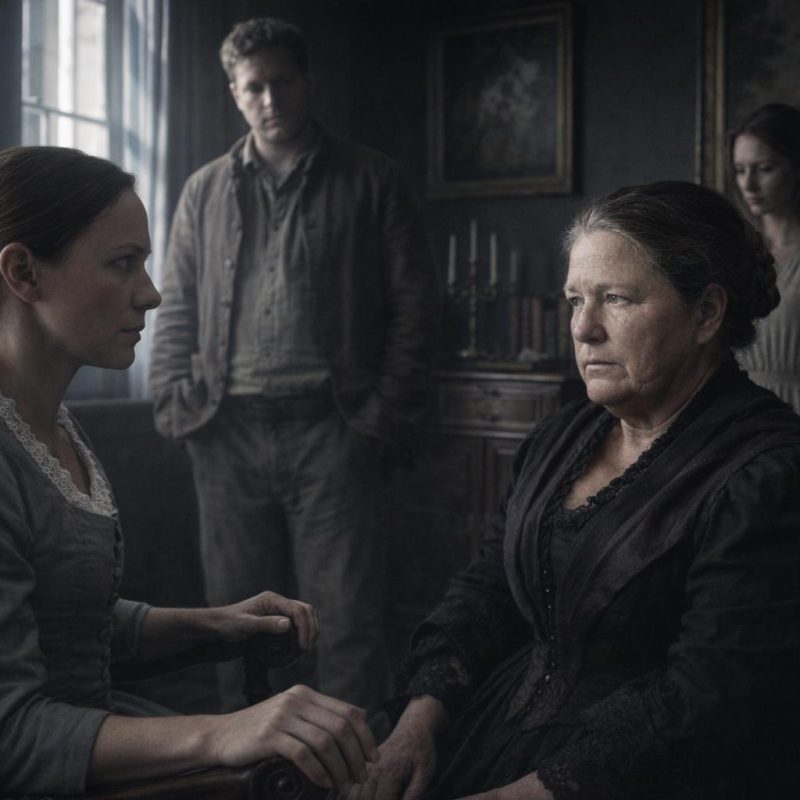 Image by RM AI
The Final Argument
She came back once more. I had agreed to see her, I think because some part of me still hoped she would arrive as Mrs. Freeman rather than as whatever she had become. She did not. She walked in without warmth, without the old ease that had once made her presence feel like coming home, and she told me that dismissing her was political suicide. I listened. She told me I was too stupid to rule without her guidance. I kept listening. She said I had no political instinct, no real intelligence, that everything I had ever accomplished had been built on her labor and her mind. I had loved this woman for thirty years. I had written her letters from the depths of my grief. I had trusted her with every secret I possessed. And she stood in my chamber and told me I had never been anything without her, that I should get on my knees and beg her to stay. I told her to leave. She paused at the door and delivered her final words with the precision of someone who had been saving them — something about my body, my failures, my smallness. Then she was gone. The room felt very quiet after, and the quiet had a different quality than silence usually does — it was the sound of something that had been alive for a very long time finally going still.
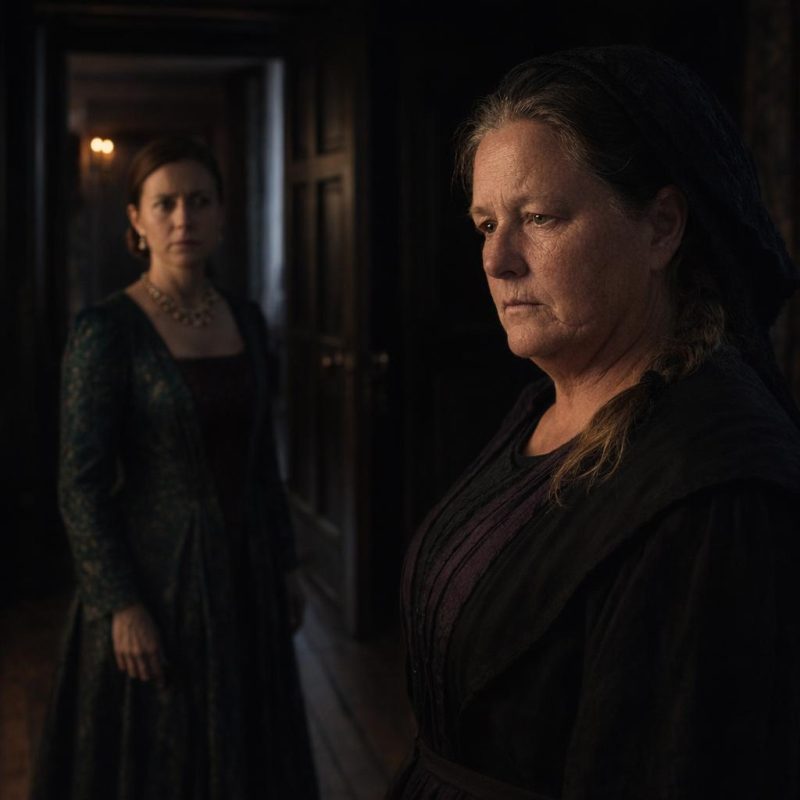 Image by RM AI
The Dismissal
I signed the documents on a Tuesday morning, which felt like the wrong kind of day for it — too ordinary, too grey. Sarah was removed from her positions as Mistress of the Robes and Keeper of the Privy Purse. Her apartments in the palace were reassigned. Her formal access to my person was revoked. The court watched all of it with the careful attention courtiers give to anything that might affect their own standing. George sat beside me when I read the final draft, and he did not try to soften it or suggest I reconsider. He simply read it with me and said it was right. Abigail moved quietly into some of the duties that had been Sarah's, without ceremony or comment, as though she understood that the moment required stillness rather than triumph. A letter arrived from Sarah within the week. It was not a letter of farewell. It threatened my reputation, my legacy, my name. She said she had kept records. She said she had letters. She said the world would know exactly what kind of queen I had been. George told me she was frightened and lashing out. I wanted to believe him. I read the letter twice and then set it down on the table, and I sat there for a long time with the weight of thirty years reduced to a threat on a page.
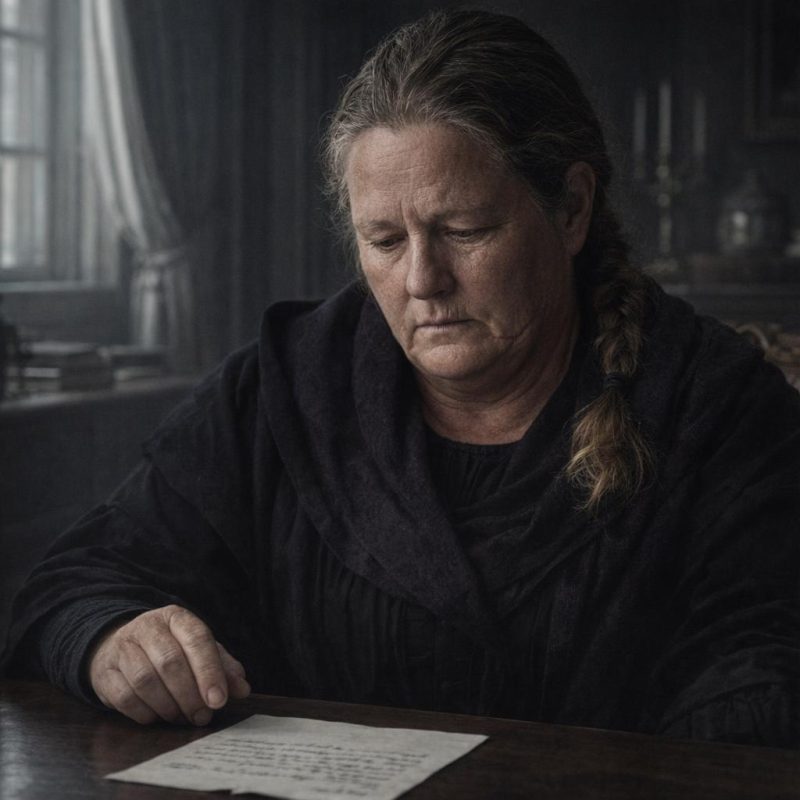 Image by RM AI
The Threat
The word came through channels, as these things do — not directly, not cleanly, but in the way that bad news travels at court, arriving already half-known before anyone says it plainly. Sarah was writing her memoirs. She intended to publish them. George heard it first and came to me with the careful face he wore when he was trying to protect me from something he knew he could not protect me from. I understood immediately what it meant. Sarah knew everything. She had been in my rooms during the worst years of my grief. She had read my letters, heard my fears, watched me fail and recover and fail again. She knew which losses had broken me and which had merely bent me. She knew the names I had given the children who had not survived. She knew the moments when I had doubted myself most completely. All of that was now material. Abigail sat with me that evening and said, quietly, that the truth of my reign would speak for itself — that what I had actually done as queen could not be unmade by what Sarah wrote about it. I held onto that. George was worried in the practical way he worried about things, turning the problem over for solutions. I had no solutions. I could not stop her. I could only continue, and let the weight of that knowledge settle into something I could carry.
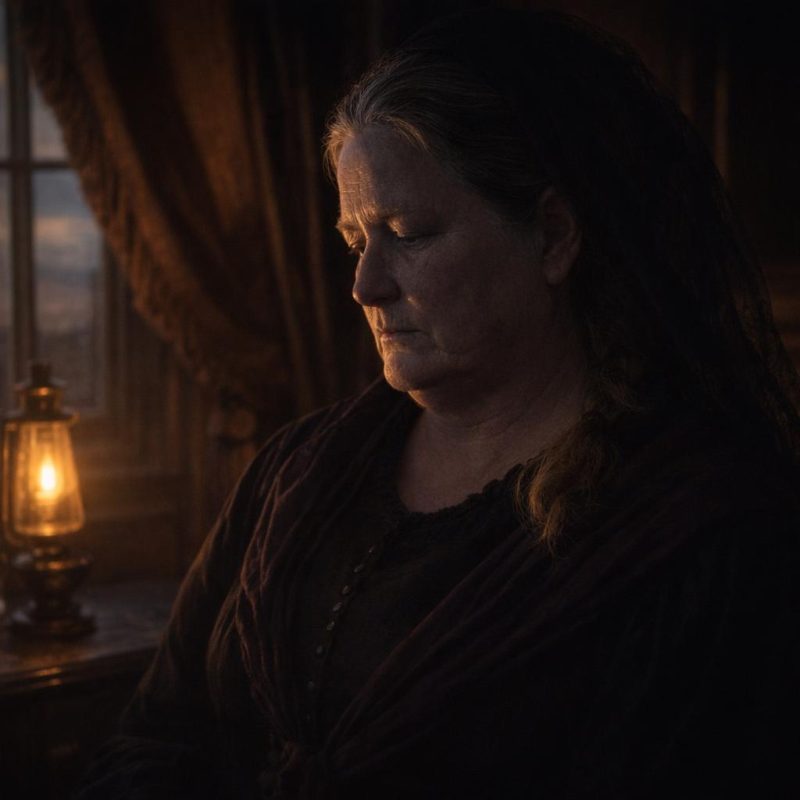 Image by RM AI
The Memoir
A copy reached me through Abigail, who had obtained it quietly and set it on my table without comment. I read it alone, which was probably a mistake. Sarah had a gift for language — I had always known that — and she had used every bit of it. She described me as ignorant of the most basic political realities, as a woman who had stumbled into a crown she lacked the mind to wear. She wrote that my decisions had been hers, that my successes had been her architecture, that without her steady hand I would have been nothing more than a sickly woman in a large chair. She mocked my body. She described my ailments with a clinical precision that felt designed to humiliate. She wrote about my grief in a way that made it seem like weakness rather than the simple human cost of burying seventeen children. George came in while I was still reading and I watched his expression change as he understood what was in my hands. Abigail said nothing, only moved to stand closer. I turned the page and found the passage where Sarah described my understanding of statecraft as that of a child who had memorized a few phrases without grasping their meaning, and I sat very still with the book open in my lap.
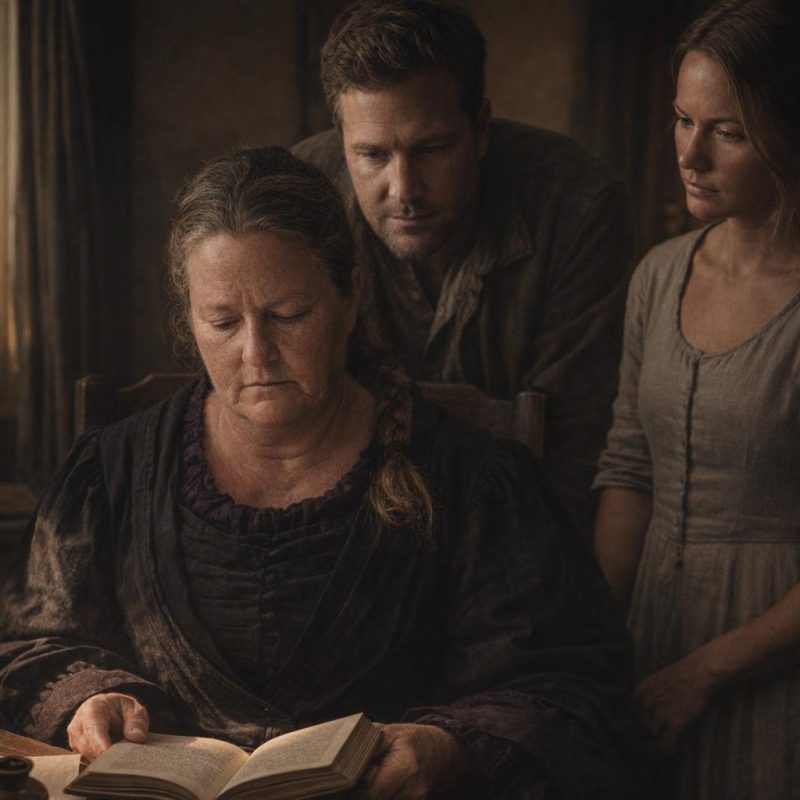 Image by RM AI
The Court's Whispers
The court had read it, or enough of it to have opinions. I could feel the shift in the rooms I walked into — the slight recalibration of eyes, the conversations that paused a half-beat too long before resuming. Some of them believed her. I could see it in the way certain faces arranged themselves when I entered, that particular blankness that means a person is deciding how much deference is still owed. I attended every council meeting. I read every document placed before me. I made decisions and I explained my reasoning and I did not flinch or apologize or give anyone the satisfaction of watching me falter. George stood beside me at every public occasion, solid and unhurried, as though the gossip were weather and we had simply dressed for it. Abigail kept her usual quiet, never drawing attention, never giving the court anything to use. One afternoon, after a particularly long session with the council, I sat in my chair and understood something clearly: I could not answer Sarah's words with more words. Every rebuttal would only confirm that her account had wounded me. My reign was the only answer that would last. What I did from this chair, in these rooms, with the power I had been given — that was the argument. I picked up the next document on the table and began to read.
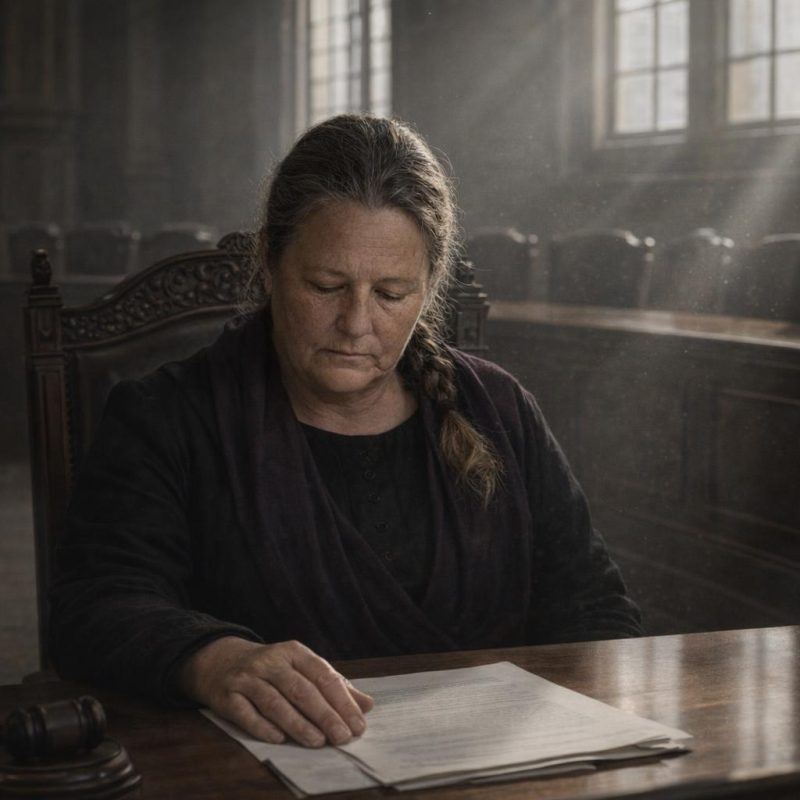 Image by RM AI
The Union
The negotiations had taken years. I do not think people who were not inside them can fully understand what it cost — the fractious Scottish parliament, the English lords who wanted union on their terms and no others, the competing interests that had to be coaxed and pressured and occasionally simply outlasted. My body was failing me in new ways by then. I was carried to some of the sessions. My legs would not always cooperate. But my mind was clear, and I knew what I wanted, and I had learned over a long reign that wanting something clearly and refusing to release it is most of what governing actually requires. George was there for the final stages, watching with the quiet pride he had always shown in my work. Abigail managed the physical demands of the day with her usual unobtrusive efficiency, making sure I had what I needed without drawing attention to the fact that I needed it. And then it was done. The Act of Union passed. England and Scotland became Great Britain, a single kingdom under a single crown — my crown — and whatever Sarah had written about my intelligence and my competence and my fitness to rule, she had not written it yet when I began this work, and she could not unwrite what I had just made.
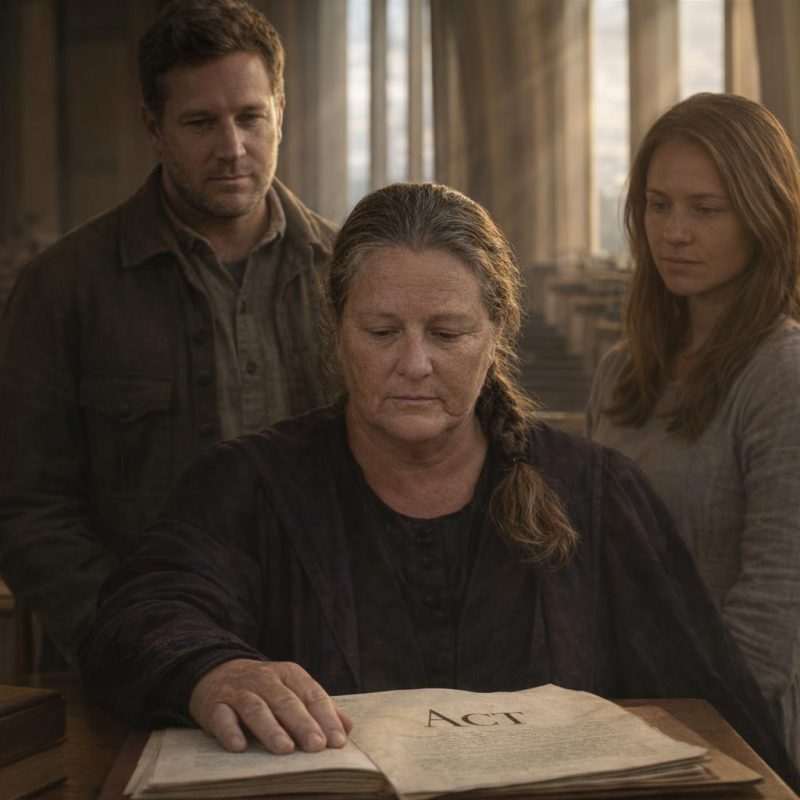 Image by RM AI
Ruling Through Pain
The fevers came and went like tides, and I learned to govern around them the way a sailor learns to read weather — not by stopping, but by adjusting. There were mornings I could not lift my hands without help, and I signed documents anyway, Abigail steadying the paper while I pressed my name into the page. George never said I should rest. He knew better. He would sit near the window during council sessions held in my bedchamber, quiet and watchful, and his presence was its own kind of medicine. The lords who came to me expecting a diminished queen left unsettled, I think, by how clearly I still saw through them. I had been managing men who underestimated me since I was a girl in my grandmother's French exile. A fever was not going to change that. But the body keeps its own accounts, and eventually it collects. I was in the middle of dictating a letter — something routine, a matter of appointments — when the words stopped arriving. My right hand went strange and heavy. Abigail's face swam at the edge of my vision, her mouth moving, and I could not make the sounds resolve into meaning. I understood, in the part of me that had always understood things I did not want to, what was happening. The left side of my face had gone entirely still.
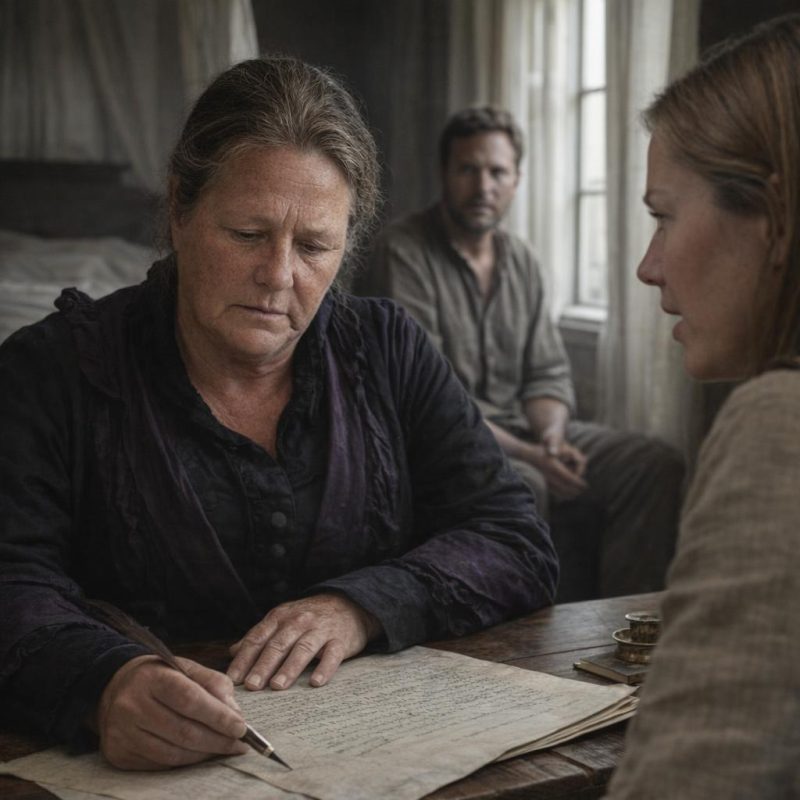 Image by RM AI
The Final Days
They moved me to my bed and did not move me again. The physicians came and went with their grave faces and their careful language, and I had enough experience of physicians to know that careful language means there is nothing left to do. George sat beside me and held my hand, and I could feel the warmth of him even when I could not always find the words to say so. Abigail kept the room quiet and the light soft, and I was grateful for her in the way you are grateful for someone who understands what you need without requiring you to ask. I thought about my children. All seventeen of them. I had carried guilt about those losses for so long that I had almost forgotten what it felt like to set it down, but lying there I found I could. They had not died because I failed them. I had simply been given an impossible task by a body that did not know how to stop fighting itself. I thought about Sarah, too — not with anger, not anymore, just with the particular sadness of something that was once very good and became something else entirely. I thought about the Act of Union, and the wars I had managed, and the kingdom I was leaving in better shape than I had found it. George squeezed my hand and told me I had been a great queen. The room was very still, and I believed him.
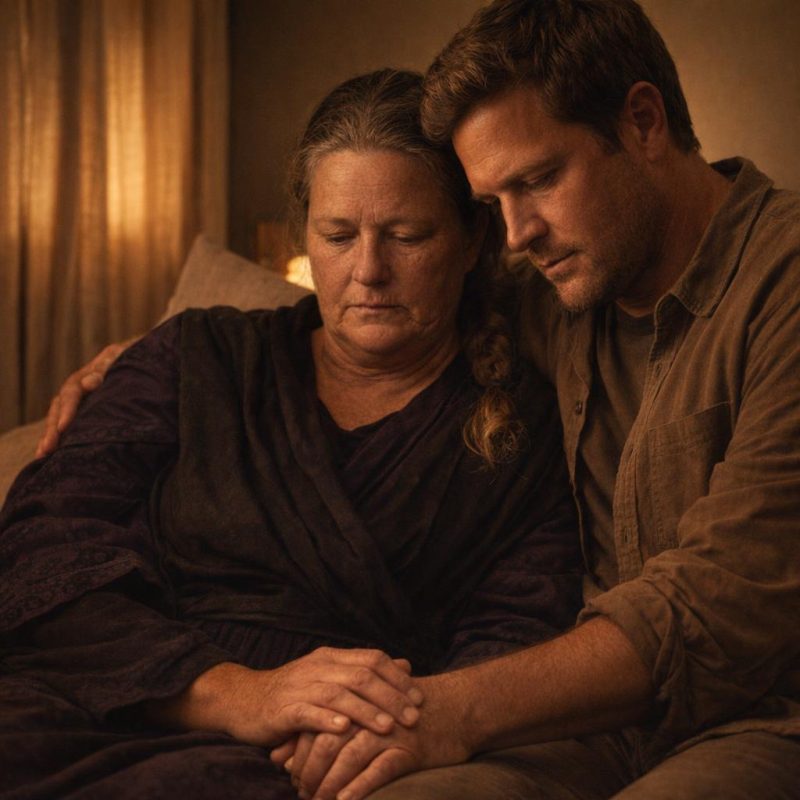 Image by RM AI
Fourteen Men
I died on the first of August, 1714, forty-nine years old, and it took fourteen men to carry my coffin. I know that detail has followed me through history the way certain details do — attached to my name, repeated in the margins of accounts that might otherwise have noted the Act of Union or the management of Marlborough or the years I governed through pain that would have stopped most people entirely. The coffin was almost square, they say, because my body had swollen so severely by the end that a standard shape would not contain me. I find I do not mind the telling of it, from this distance. A body that has fought as hard as mine did earns the right to take up space. The funeral was elaborate and well-attended, as funerals for monarchs tend to be, and the people who came were not only there for ceremony — there had been genuine affection between me and the country I ruled, and I had felt it even in the difficult years. Sarah's memoir would come later, with its sharp edges and its portrait of a woman too simple to deserve the throne she sat on. But the Union stood. The wars ended on terms I had shaped. The kingdom I left behind was larger and more stable than the one I inherited. Fourteen men carried the weight of what my body had become, and the records carried everything else.
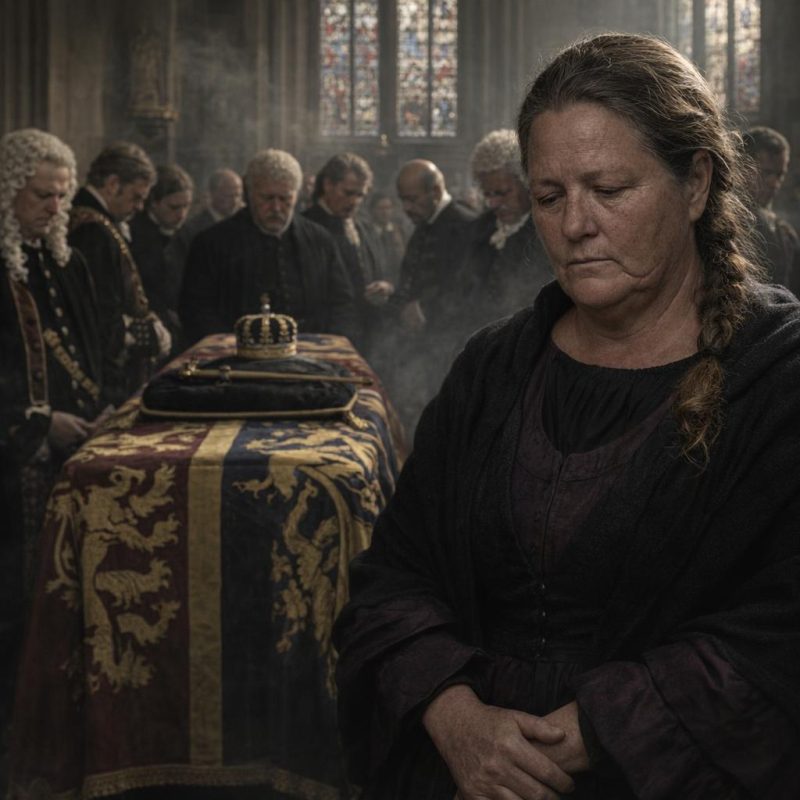 Image by RM AI
The Truth Centuries Late
Centuries after they buried me, physicians sat down with the historical record and gave my suffering a name. Hughes syndrome, some said. Lupus, said others. An autoimmune condition — a disease in which the body identifies its own tissue as the enemy and attacks without ceasing. The recurrent miscarriages, the joint pain, the fevers, the strokes, the eye troubles that had plagued me since childhood in my grandmother's house in France — all of it consistent, all of it explicable, all of it the signature of a single invisible war my immune system had been waging against me from the beginning. My pregnancies had not failed because I was weak or cursed or unworthy. My body had treated each child as a threat to be eliminated. There was no remedy in 1714. There was no name for it. There was only the experience of losing, again and again, and being required to continue. Sarah wrote that I was led by others because I lacked the wit to lead myself. She wrote it with the confidence of someone who had watched me closely and understood nothing essential about what she saw. I ruled a kingdom while my immune system dismantled me from the inside. I signed legislation and managed parliaments and held a fractious nation together through a body that was, in the most literal medical sense, destroying itself. The condition is called antiphospholipid syndrome in its most precise modern form — and every symptom I ever suffered maps onto it exactly.
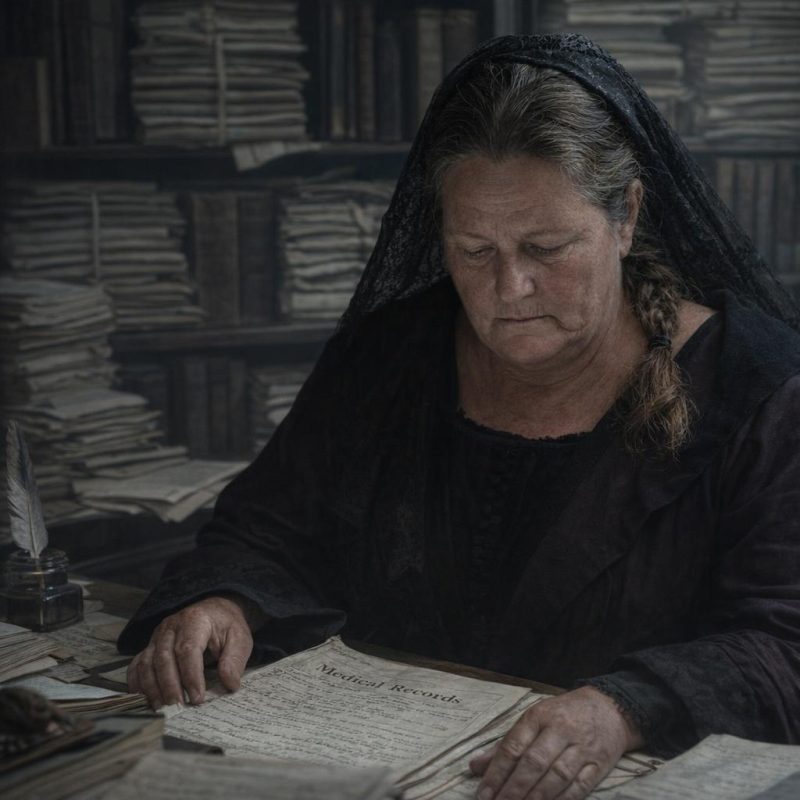 Image by RM AI
KEEP ON READING
10 Greatest Quarterbacks Of All Time & 10 That Are…
Do You Disagree?. Few topics in sports generate as much…
By Farva Ivkovic Dec 2, 2025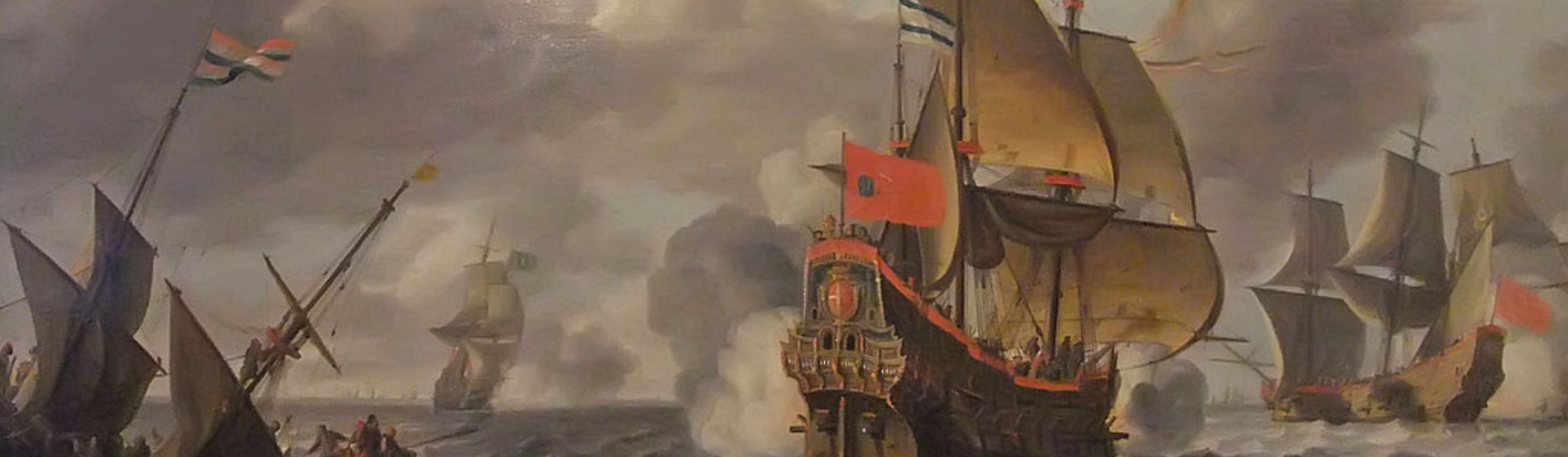
The story of Ching Shih, the Woman Who Became the…
Unknown author on WikimediaFew figures in history are as feared…
By Emilie Richardson-Dupuis Dec 29, 2025
20 Shakespearean Words, Translated For A Modern Audience
What’s In A Word?. Shakespeare was a wordsmith of the…
By Breanna Schnurr Dec 17, 2025
20 Inspiring Stories From Native American History
Incredible Stories Of Resilience And Endurance. Many of us didn't…
By Ashley Bast Dec 17, 2025
You Think You Have Problems? These Royal Families Were Cursed
Boasson and Eggler St. Petersburg Nevsky 24. on WikimediaHeavy is…
By Ashley Bast Dec 5, 2025
MH370: The Plane That Can't Be Found
Anna Zvereva from Tallinn, Estonia on WikimediaEleven years after Malaysia…
By Christy Chan Dec 10, 2025