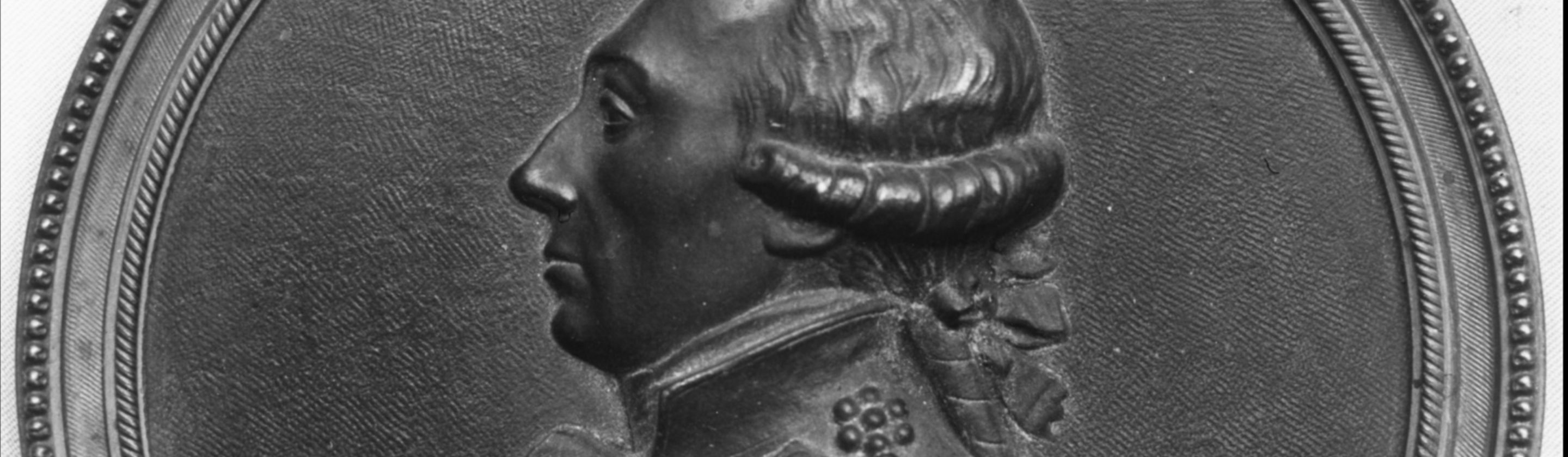
Was The Marquis de Lafayette “The Hero Of Two Worlds”? Kind Of.
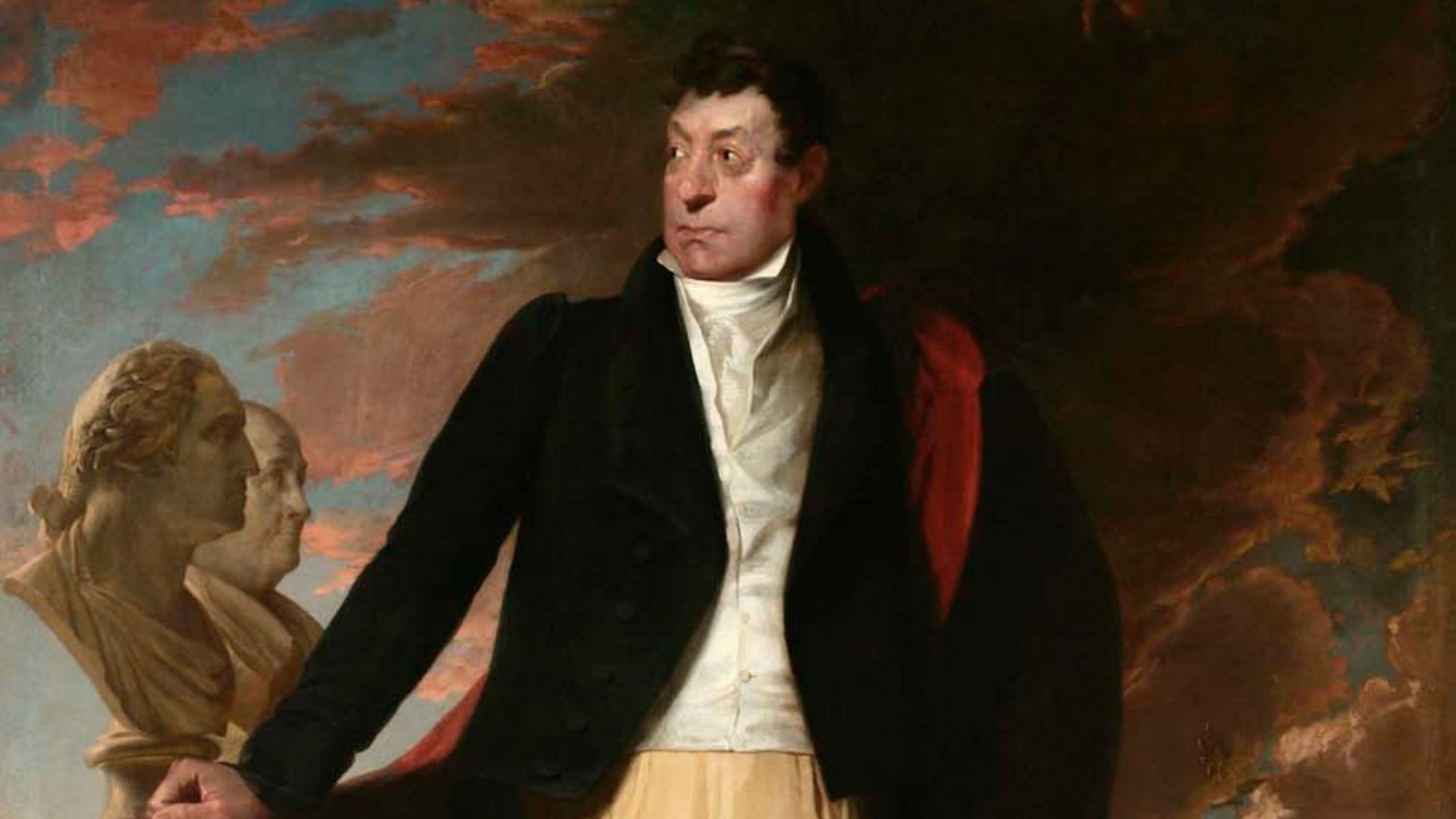 Samuel Finley Breese Morse on Wikimedia
The Marquis de Lafayette is a celebrated political and military figure of the revolutionary era, spearheading pivotal moments in both the United States and France. He is dubbed “The Hero of Two Worlds” for his lifelong work, but this title glosses over the latter half of his life.
Despite his successes in America, Lafayette went from the face of liberation to a pillar of royalism due to a singular mistake, which he spent the rest of his life trying to atone for. As the French Revolution shifted toward increasingly liberal ideals, Lafayette’s belief in constitutional monarchy became outdated. While he is an international hero today, he was widely hated by both the French people and their government during the late revolutionary period.
Some Background
Gilbert du Motier was born on September 6, 1757, in the Auvergne Province of the Kingdom of France. His parents, Marie Louise Jolle de La Rivière and Michel du Motier, both died before Gilbert turned 13, leaving him as the Marquis de Lafayette, and sole heir to the family’s vast fortune.
Lafayette spent his early years in school, training at the Collège du Plessis and the Académie de Versailles with a focus on military tactics. He was recruited to the Musketeers, an elite team that served the King directly (think Kingsguard from Game of Thrones), at just 13. He was a captain in the French cavalry by the age of 16.
Lafayette’s “golden age” was between 1777 and 1790. He was celebrated by Americans for his belief in their right to self-govern and became quite close to then-General George Washington. He visited America twice in three years, the second time bringing a fleet of French aid to help the American cause. He also commanded a troop during the Battle of Yorktown—the decisive battle that helped Americans gain their independence.
His relationship with America continued upon his return to France, where he joined the Society of the Friends of the Blacks, advocating for emancipation in France, America, and the other colonies.
Lafayette played a crucial role in the National Assembly, drafting the 1789 Declaration of the Rights of Man and of the Citizen alongside Thomas Jefferson. In that same year, he was appointed commander-in-chief of the Parisian National Guard.
The Hero Of Two Worlds?
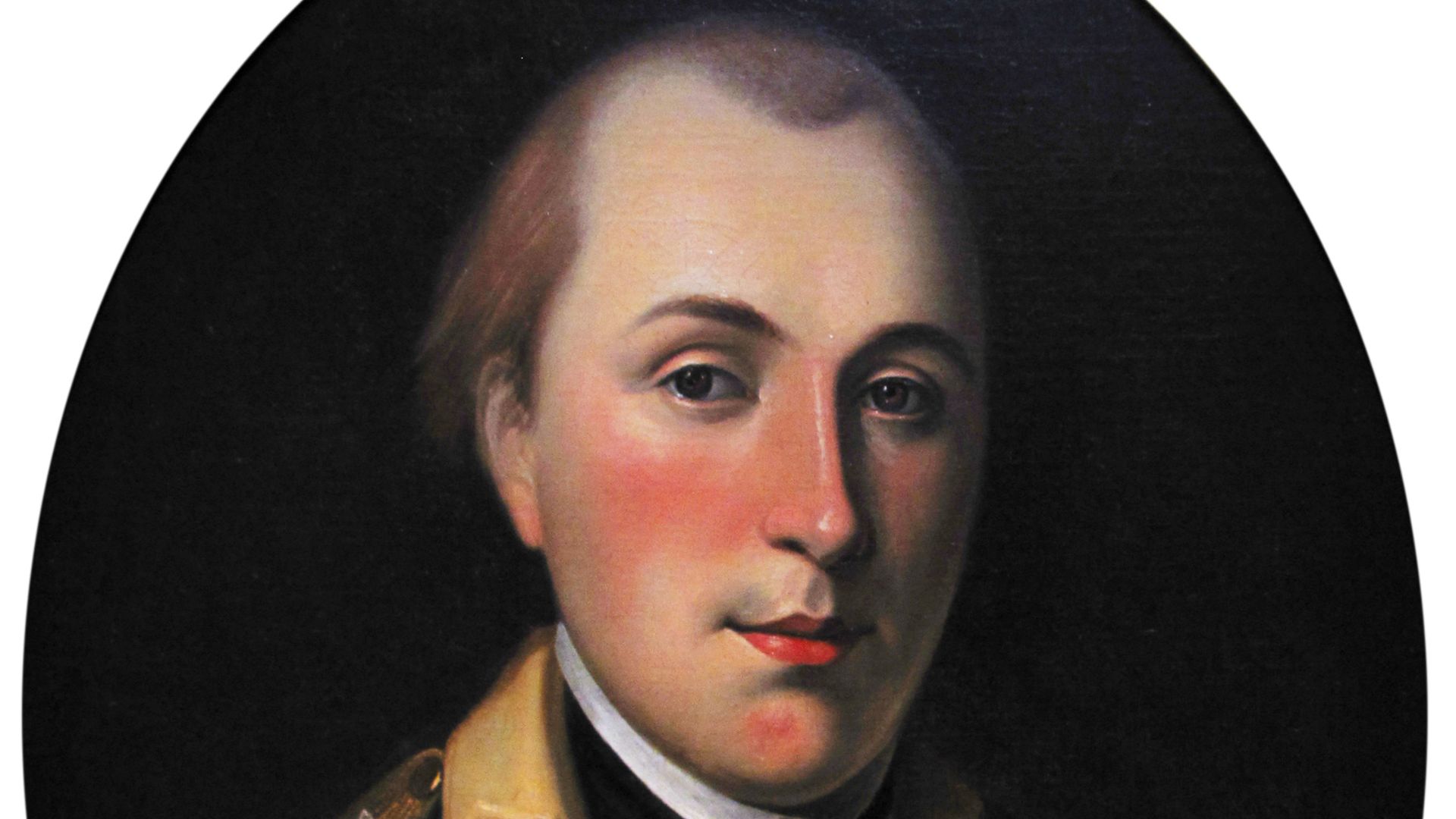 Charles Willson Peale on Wikimedia
Lafayette played a major role in both the American and French Revolutions. His lineage, education, drive, and charisma served him well as he fought for liberty on both sides of the Atlantic. Wherever he went, he was celebrated and welcomed with open arms.
His notoriety was two-sided, however. Being the face of liberation meant also becoming the scapegoat when things went sideways. His political prowess shifted almost overnight after the infamous Flight to Varennes, during which the king and queen attempted to escape under Lafayette's nose.
Extremists blamed Lafayette for this attempted escape. As with everything else during the Revolution period, Lafayette was soon called a royalist and a traitor to the people. This decline in reputation was furthered after the Champs de Mars massacre, where he was blamed for the murders of Cordeliers club members, despite entering the crowd to restore order.
Lafayette realized that his and his family’s safety was at stake, and he resigned from the National Guard in October 1791.
After the royal family was imprisoned, a warrant for Lafayette’s arrest spread throughout France. He was taken prisoner by the Austrians in 1792, primarily out of fear that he would attempt to incite revolution in yet another country. He and his family were held in captivity for 5 years, only being freed by a young Napoleon Bonaparte in 1797.
Aftermath
Despite being celebrated during his third and final trip to America in 1824, it was clear that Lafayette’s influence had been greatly reduced in his home country. He pushed back against the Bourbon Restoration, now as a political figure rather than a military man.
He spent his final years as a chamberlain and mayor of the village of La Grange, most of his time spent arguing with the duc d’Orleans, Louis-Philippe. He died on May 20, 1834, at 76, and was buried at Picpus Cemetery next to his wife. He received a military funeral in France and was given memorial honors in the United States.
Above all else, it is clear that Lafayette was the personification of liberty, freedom, and justice for all. He spent his years speaking out against slavery and absolute monarchy, and championed the long-lasting relationship between France and the United States.
Hindsight is 20/20, and while today we recognize this man as a great political and military figure, it is understandable that in the throes of revolution, he was branded as a traitor to his people. He may not have died a hero, but he lives on as one today.
KEEP ON READING