

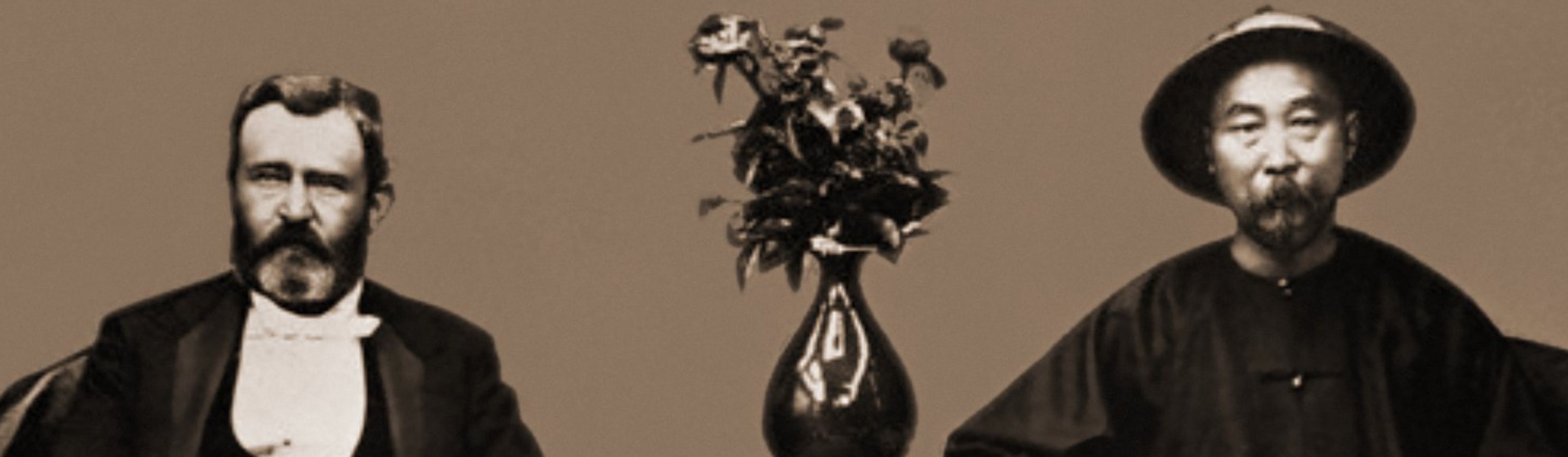
Ulysses S. Grant, The General Who Would Have Rather Been A Poet
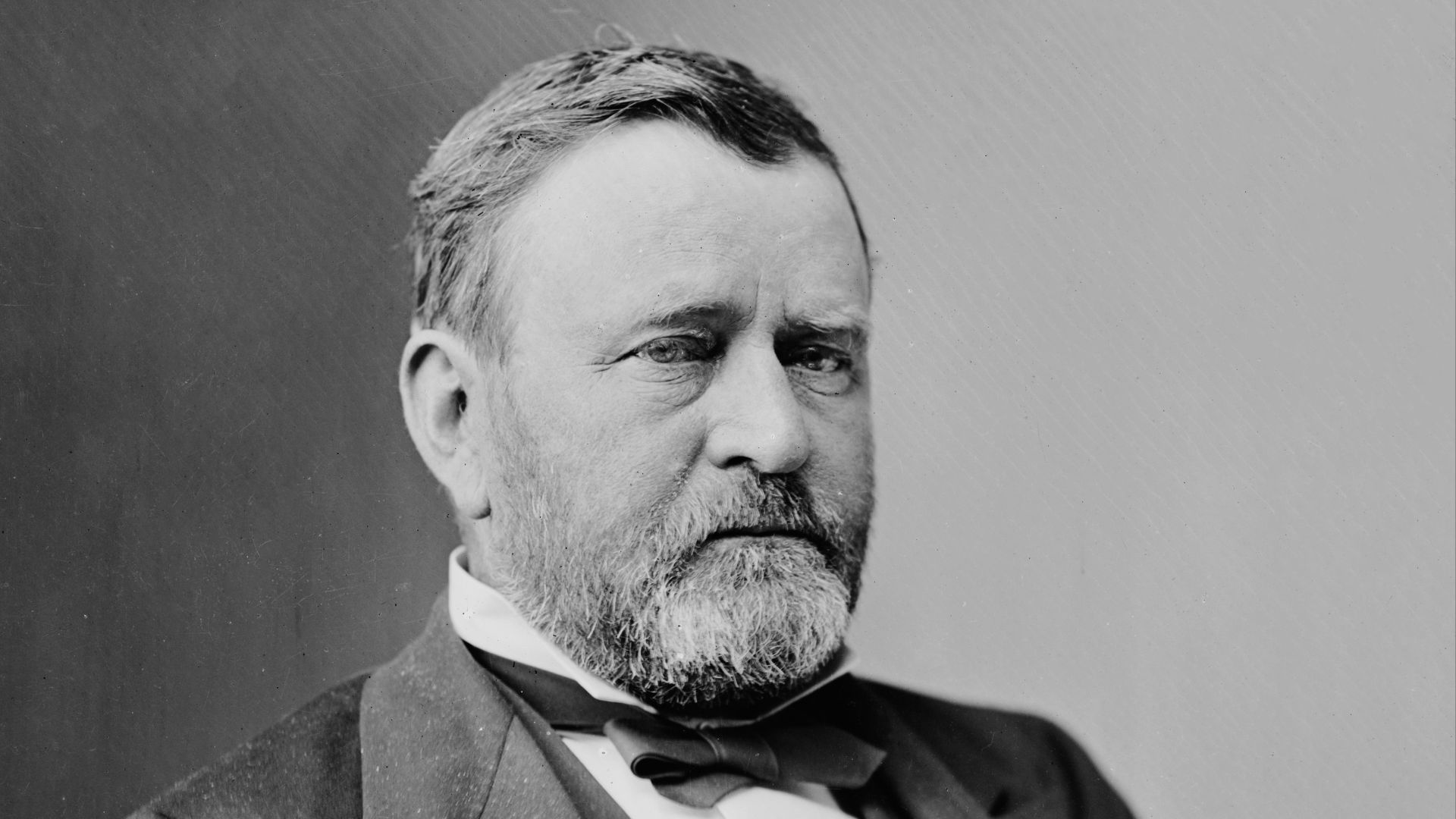 Brady-Handy Photograph Collection, Library of Congress on Wikimedia
We often picture Ulysses S. Grant as the fierce, cigar-chomping military commander who grimly led the Union army to victory during the American Civil War. His stern gaze looks out from historical photographs, projecting the image of a man born exclusively for the brutal realities of the battlefield. If you dig a little deeper into his personal journals and letters, however, you discover a deeply sensitive soul who actually detested the violence of warfare. He never harbored grand ambitions of military glory, nor did he find any joy in the strategic movements of massive infantry regiments.
Instead, Grant possessed a quiet, introspective temperament that was far more aligned with the artistic sensibilities of a writer or poet. He found his true peace in the quiet company of horses, the beauty of the natural landscape, and the rhythmic flow of the written word. Circumstances and financial necessity repeatedly dragged him back into public service, forcing him to become the sword of his fracturing nation. Looking closely at his private life reveals a fascinating paradox of a gentle man who achieved historical immortality through the very profession he despised.
The West Point Outcast and Literary Soul
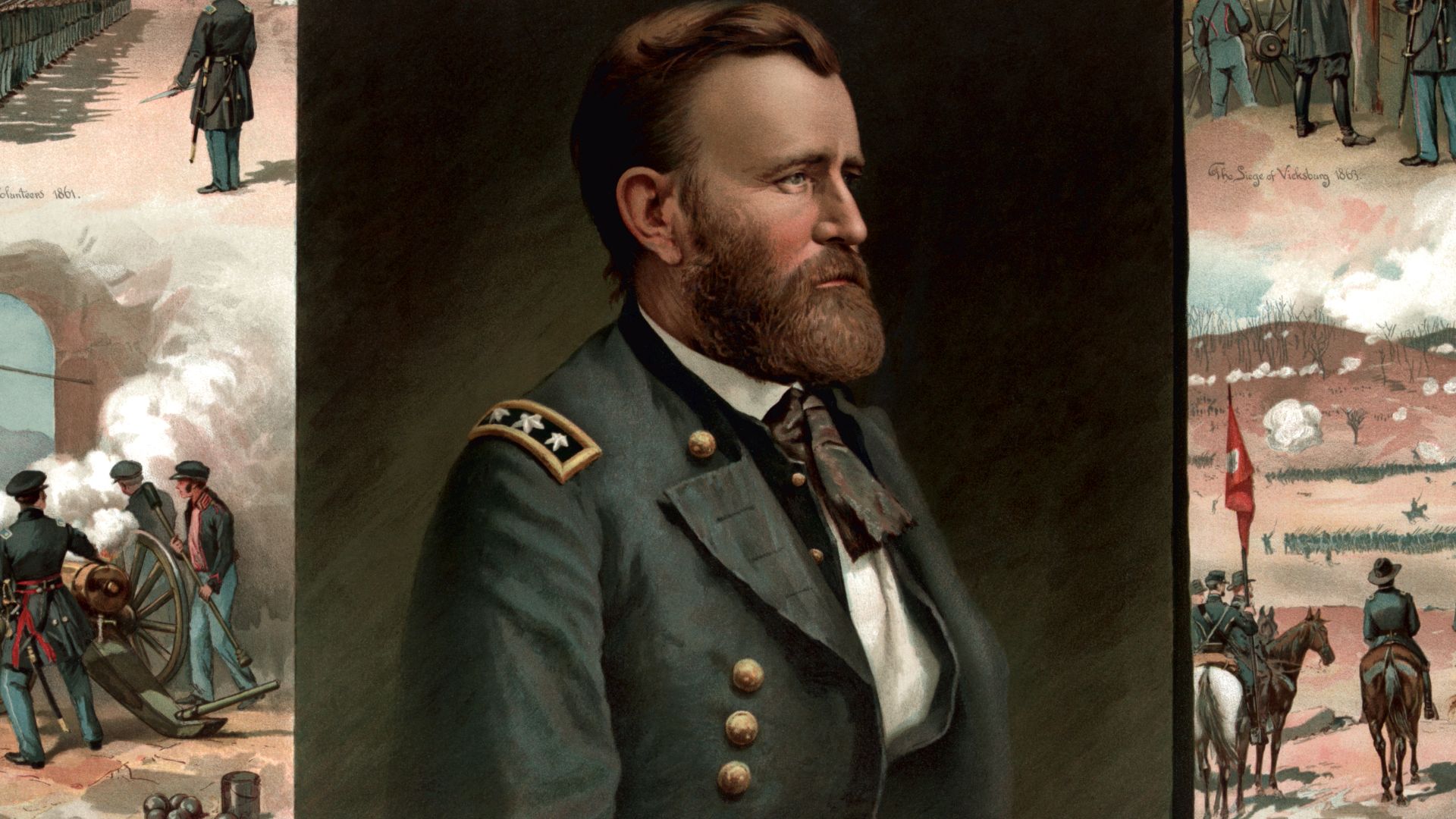 Thure de Thulstrup / Adam Cuerden on Wikimedia
When Grant's ambitious father secured him an appointment to the United States Military Academy at West Point, the young man was completely devastated by the news. He openly admitted in his personal memoirs that he secretly hoped the train taking him to New York would derail so he could return to his peaceful home life. Military discipline felt utterly suffocating to his artistic nature, and he quickly became famous among his classmates for his poor posture and untidy uniforms. He spent as much time as possible hiding away in the academy library, eagerly devouring classic literature and romantic poetry rather than studying tactical manuals.
His true salvation during those miserable cadet years came in the form of the academy's drawing and painting classes. Grant possessed an extraordinary, highly refined talent for watercolor landscapes that surprised his instructors and allowed his creative mind to escape the rigid military environment. He viewed the world through an intensely visual and emotional lens, noting the subtle beauty of a sunset rather than the strategic advantages of a hill. While his peers spent their free evenings debating artillery trajectories, he preferred to compose thoughtful letters and sketch the rolling hills of the Hudson River Valley.
Graduation brought little excitement for the young officer, who viewed his mandatory military service as a temporary prison sentence to be endured. He openly planned to complete his required four-year term in the army and then immediately apply for a position as a mathematics or literature professor at a quiet college. The thought of spending his days grading papers and discussing classical texts sounded infinitely superior to the chaotic noise of an active army post. Unfortunately, the shifting tides of American history completely derailed his academic dreams and set him on a much bloodier path.
The Sensitive Pen in a Bloody Conflict
When the Civil War finally erupted, Grant felt a profound moral obligation to defend the Union despite his deep-seated hatred for the mechanics of war. Unlike many of his contemporaries who wrote bombastic, self-aggrandizing battle dispatches, his official military orders were celebrated for their absolute clarity, elegance, and poetic economy of language. He possessed a rare ability to translate complex tactical situations into simple, beautifully structured prose that left absolutely no room for dangerous misinterpretation. His literary sensibilities shine through the dark fog of war, as he used words with the precision of a master craftsman.
The staggering loss of human life during his massive campaigns weighed heavily on his sensitive conscience, often causing him physical illness before major engagements. He famously could not stand the sight of raw meat or blood on his dinner plate, insisting that all his meals be cooked completely to a crisp to hide any resemblance to a living creature. After the brutal, exhausting Battle of Shiloh, he chose to sleep outside in a torrential downpour under a tree rather than stay inside a warm field hospital where he would have had to hear the agonizing cries of wounded men.
His natural inclination toward empathy and grace showed brightest during the historic surrender of General Robert E. Lee at Appomattox Court House. Instead of gloating over his total victory, Grant drafted incredibly generous, poetic surrender terms that focused on healing the fractured country rather than punishing his defeated enemy. He silenced his own celebrating troops by gently reminding them that the rebels were their countrymen once again, demonstrating a profound moral depth that many warriors rarely exhibited. His victory was achieved through relentless strategy, but his peace was authored with the gentle hand of a statesman.
The Final Masterpiece of an Unsought Career
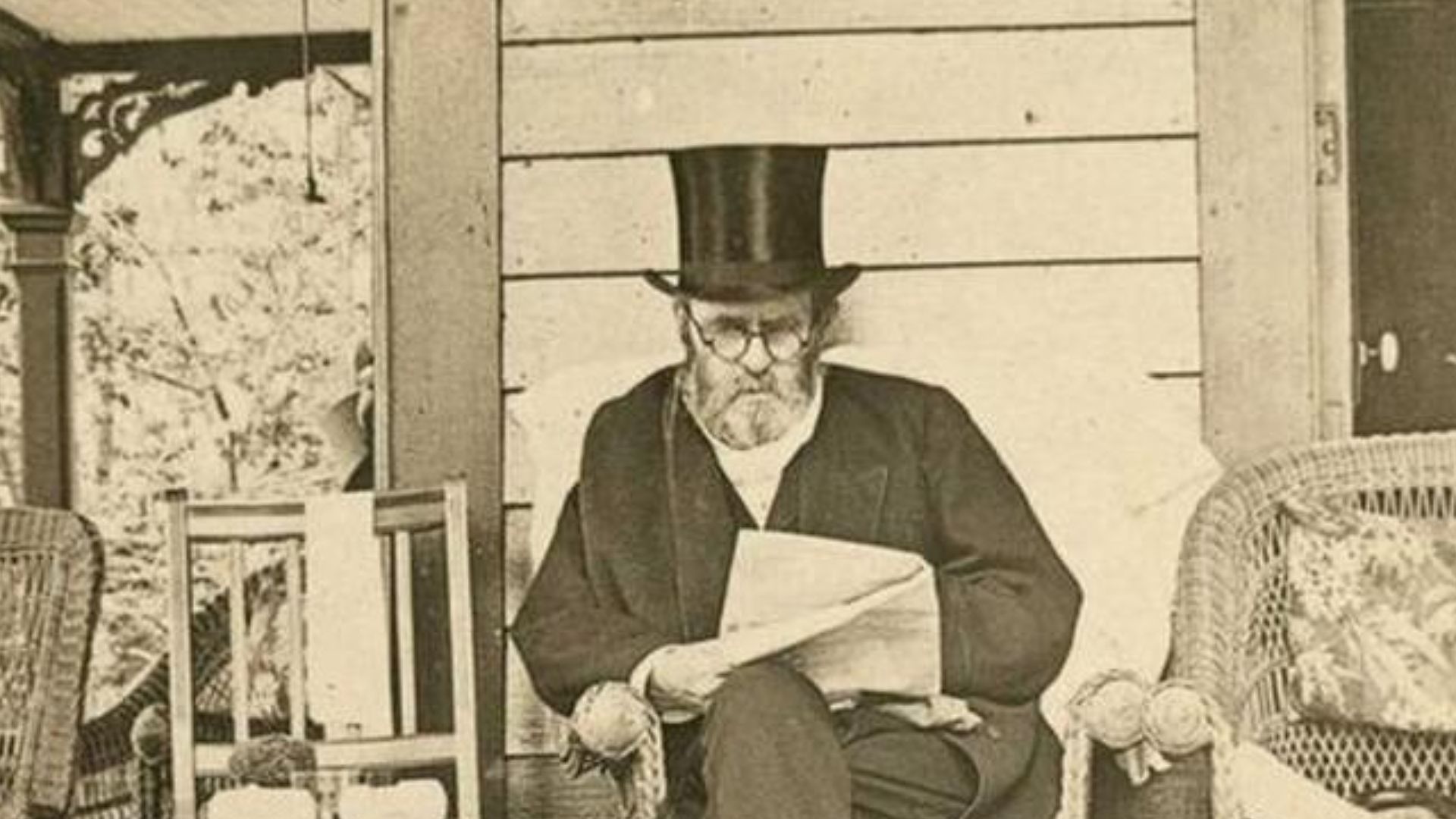 John G. Gilman, of Canajoharie, New York on Wikimedia
Long after his presidency ended and his financial fortunes completely vanished due to a corrupt business partner, Grant faced his final and most daunting battle against a terminal disease. Determined to secure financial stability for his beloved wife, Julia, he embarked on the monumental task of writing his personal memoirs from his front porch. This final endeavor allowed him to finally embrace his true calling as a full-time writer, pouring his remaining physical energy into a massive literary project. He raced against the ticking clock of his own mortality, writing page after page in excruciating pain while wrapped in heavy blankets.
The resulting two-volume work, completed just days before his passing, is widely considered by modern historians to be one of the greatest masterpieces of American non-fiction literature. His writing style was brilliantly clear, completely devoid of vanity, and filled with a quiet, elegiac beauty that captured the immense tragedy of the war. Mark Twain himself enthusiastically published the books, praising Grant's natural literary voice and comparing his narrative power to the ancient epic poets. He did not write to glorify his own achievements, but rather to honestly document the profound sacrifices of the ordinary soldiers who fought by his side.
In a beautiful twist of historical irony, the man who spent his entire life fleeing military life achieved his ultimate peace through the power of his pen. He proved to the world that a great commander did not need to possess a cold, unfeeling heart to secure a historic victory. Through his beautiful memoirs, he left behind a literary legacy that allows readers to look past the brass buttons of his general's uniform. The figure emerges as he truly wanted to be remembered: a quiet observer who captured the turbulent spirit of his age with unforgettable grace.
KEEP ON READING
The story of Ching Shih, the Woman Who Became the…
Unknown author on WikimediaFew figures in history are as feared…
By Emilie Richardson-Dupuis Dec 29, 2025
Einstein's Violin Just Sold At An Auction—And It Earned More…
A Visionary's Violin. Wanda von Debschitz-Kunowski on WikimediaWhen you hear…
By Ashley Bast Nov 3, 2025
This Infamous Ancient Greek Burned Down An Ancient Wonder Just…
History remembers kings and conquerors, but sometimes, it also remembers…
By David Davidovic Nov 12, 2025
The Mysterious "Sea People" Who Collapsed Civilization
3,200 years ago, Bronze Age civilization in the Mediterranean suddenly…
By Robbie Woods Mar 18, 2025
20 Greatest Ancient Athletes In History
Ancient Olympics. Long before modern stadiums and multimillion-dollar endorsements, athletes…
By Sara Springsteen May 1, 2026
20 Soldiers Who Defied Expectations
Changing the Rules of the Battlefield. You’ve probably heard plenty…
By Annie Byrd Feb 10, 2026