


The Woman Who Survived Siberia's Arctic Alone for Eighty-Nine Years
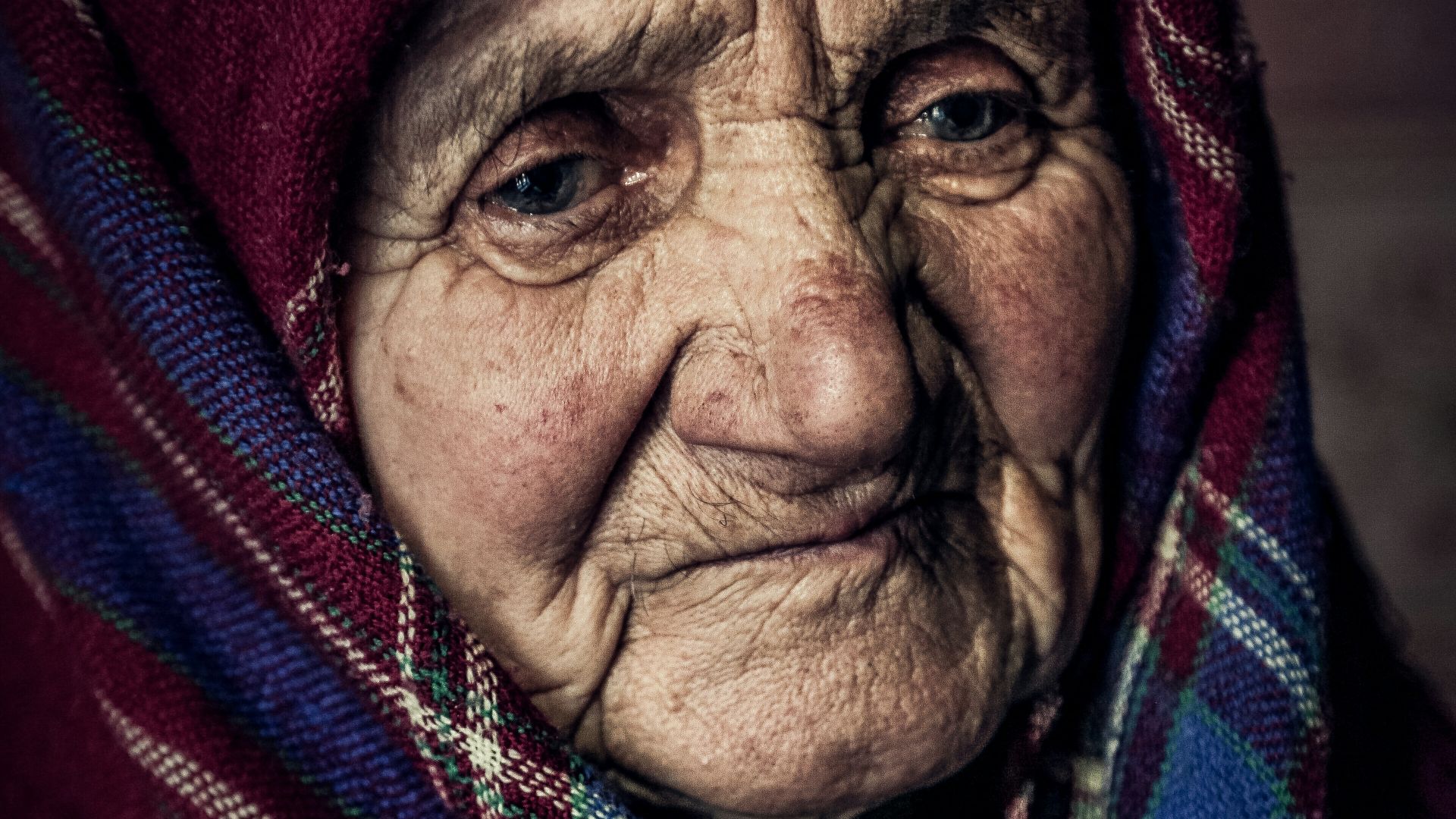
Agafia Lykova achieved what was previously thought impossible. When Soviet geologists flew over the Siberian taiga in 1978, they spotted a small clearing with a crude dwelling in one of the most remote places on Earth, hundreds of miles from the nearest settlement. The family they discovered had been living there since 1936, completely cut off from the outside world.
Agafia was the youngest daughter, and after her family members died one by one, she chose to stay. Alone. In conditions that would break most people in a matter of days.
The Isolation Was Chosen, Not Imposed
Agafia's family were Old Believers, a fundamentalist Russian Orthodox sect that fled religious persecution under the Soviets. Her father Karp led his wife and children deep into the Abakan Range to escape what he saw as a godless regime. They walked for weeks until they found a spot so remote that nobody would follow.
When the geologists found them four decades later, the Lykovs had missed World War II entirely, Stalin's death, the space race—everything. Agafia was 34 years old and had never seen another human being outside her immediate family. Her mother had died in 1961 from starvation after a failed harvest forced them to survive on tree bark and old leather shoes boiled into broth.
By 1988, Agafia's father and both siblings had died from various causes, leaving her completely alone in a place where winter temperatures regularly hit minus 40 degrees Fahrenheit. She stayed anyway.
Survival Required Obsessive Preparation

Agafia's daily routine revolved entirely around gathering enough resources to survive the next brutal winter, which lasts roughly eight months in that region. Summer meant frantically planting potatoes and other vegetables in the short growing season, gathering berries, catching fish from the nearby Yerinat River, and collecting firewood.
Occasionally volunteers and journalists visit her, bringing supplies like salt, grain, and batteries for her radio. She accepts these gifts but refuses to leave. Multiple times officials have offered to relocate her to a village where she'd have electricity, running water, neighbors, but she always declines.
Mental Resilience Came From Faith
How does someone endure that level of solitude without losing their mind? For Agafia, the answer is prayer. She spends hours each day in devotion, following a strict liturgical calendar, observing fasts and feast days with the same rigor as when her family was alive. The structure helps mark time in a place where days would otherwise blur into a meaningless cycle.
Psychologists who study extreme isolation note that people need purpose to maintain sanity in trying circumstances. Viktor Frankl wrote about this in Nazi concentration camps; those who found meaning survived, whereas those who didn't often succumbed. Agafia's faith gives her that framework. She's not just surviving; she's fulfilling what she believes is God's plan for her life.
Physical Adaptation Happened Over Decades
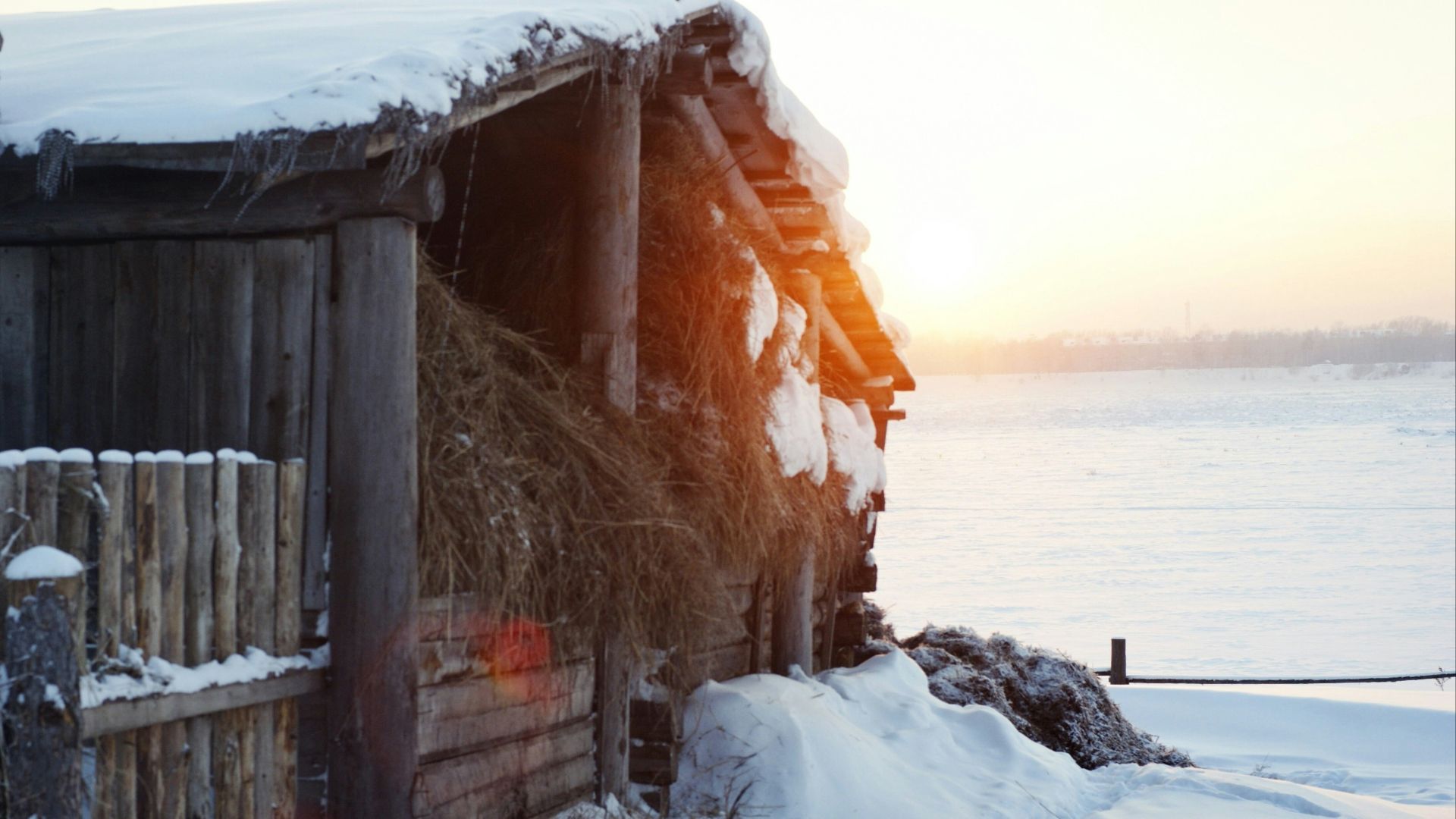
Agafia's hands are gnarled from decades of manual labor, and she navigates through the forest with an efficiency born from a lifetime of practice.
She's also developed an almost superhuman tolerance for cold. Winter temperatures in her region can drop to minus 60 degrees Fahrenheit during the worst stretches. Her cabin has no insulation beyond logs and moss and is heated only by a wood stove. She survives by sleeping in multiple layers of homemade clothing and waking multiple times per night to feed the fire so it doesn't go out.
Diet-wise, she lives on what she can grow, catch, or gather. She hasn’t enjoyed coffee or tea in recent years after her supplies ran out—just spring water and whatever the forest provides.
The Question of Legacy Remains Unanswered
Agafia has no children or disciples to carry on her way of life. When at last she succumbs to old age or illness, the clearing will be reclaimed by the forest within a few years, and it'll be as if the Lykovs never existed. Documentaries have been made about her, articles written, but most of the world has no idea she's out there.
There's something both admirable and tragic about her commitment. She's preserved a way of life and set of beliefs that the modern world has completely abandoned, living proof that humans can survive with almost nothing if they're determined enough.
Whether she lives another year or another decade, her story stands as testament to human resilience and the lengths people will go to live according to their convictions.
KEEP ON READING

From Heroes To Zeroes 20 Historical Figures Whose Heroism Was…
History is full of legends, but not every hero lived…
By Noone Feb 25, 2026
The Clueless Crush: How I Accidentally Invited a Hacker Into…
Fluorescent Lights and First Impressions. My name is Tessa, I'm…
By Ali Hassan Nov 4, 2025
This Infamous Ancient Greek Burned Down An Ancient Wonder Just…
History remembers kings and conquerors, but sometimes, it also remembers…
By David Davidovic Nov 12, 2025
Einstein's Violin Just Sold At An Auction—And It Earned More…
A Visionary's Violin. Wanda von Debschitz-Kunowski on WikimediaWhen you hear…
By Ashley Bast Nov 3, 2025
The Mysterious "Sea People" Who Collapsed Civilization
3,200 years ago, Bronze Age civilization in the Mediterranean suddenly…
By Robbie Woods Mar 18, 2025
20 Environmental Mistakes That Took Decades To Clean Up
The Damage Was Fast. The Recovery Was Not.. Environmental disasters…
By Cameron Dick Jun 5, 2026