 After Justus Sustermans on Wikimedia
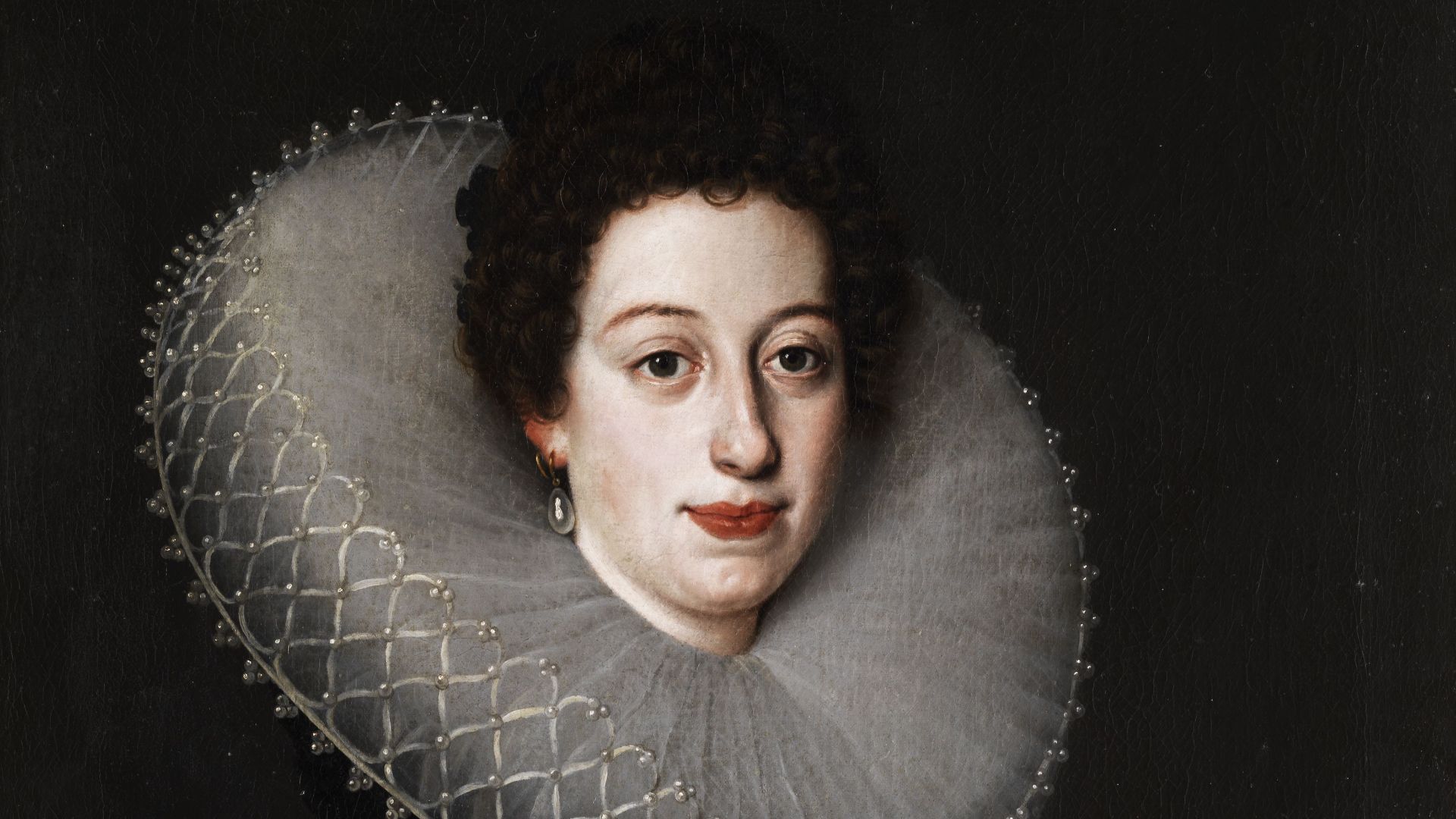
Catherine de' Medici arrived in France in 1533 as a 14-year-old bride, bringing with her an entourage that included chefs, artists, and a personal perfumer named Renato Bianco. The Italian noblewoman would eventually become one of the most powerful women in European history, serving as Queen of France and later regent for three of her sons. She would also earn a reputation, deserved or not, as one of history's most cunning poisoners. The legend claims she wielded scented gloves, perfumed handkerchiefs, and fragrant powders as weapons, turning the luxury goods of the French court into instruments of murder.
Separating fact from fiction in Catherine's story requires wading through centuries of propaganda, political rivalry, and the tendency to attribute any suspicious death to the most convenient villain. Yet the persistence of these poison allegations reveals something true about Renaissance court politics, even if the specific stories prove false. Power operated through intimate objects and trusted servants, making perfume an eerily plausible delivery system for those willing to kill.
The Medici Poison Cabinet
The tales surrounding Catherine's supposed poison arsenal grew more elaborate with each retelling. According to various accounts, she maintained a secret cabinet in her apartments filled with vials of toxins disguised as cosmetics and perfumes. Her perfumer Bianco allegedly operated a shop in Paris that served as a front for creating poisoned accessories. Scented gloves given as gifts would slowly kill their recipients as the poison absorbed through the skin. Perfumed letters released deadly fumes when opened. Face powders laced with arsenic or mercury compounds promised beauty while delivering death.
The most famous alleged victim was Jeanne d'Albret, Queen of Navarre and mother of the future King Henry IV. Jeanne died in Paris in 1572, shortly after examining gloves and other accessories prepared for her son's wedding to Catherine's daughter. The timing seemed damning, and whispers immediately circulated that Catherine had orchestrated the murder to remove an obstacle to her plans. Historical accounts from the period, particularly those written by Protestant authors hostile to Catherine, presented this as established fact.
Modern toxicologists and historians have cast serious doubt on these stories. The poisons available in the 16th century, primarily arsenic, mercury, and plant-based toxins like belladonna or aconite, didn't work the way the legends suggest. Transdermal absorption through scented gloves would be unreliable at best, requiring sustained contact and dosages that would make the items obviously dangerous. Jeanne d'Albret more likely died of tuberculosis or another illness common in the era. Yet the myth persisted because it fit the narrative people wanted to believe about the foreign queen and her suspicious Italian ways.
Renaissance Realpolitik and Female Power
The poison allegations against Catherine must be understood within the context of how European society viewed powerful women, particularly foreign ones. Male rulers who eliminated rivals through execution, assassination, or battlefield death were practicing statecraft. Women who achieved the same ends faced accusations of witchcraft, sorcery, and poison. Poison carried specific gendered associations as the weapon of the weak, the devious, and the feminine.
Catherine's Italian heritage made her doubly suspect. The French court viewed Italy as the source of Machiavellian cunning and political treachery. The fact that several suspicious deaths occurred during her decades of influence wasn't surprising given the violence of the era. The French Wars of Religion that dominated her regency killed tens of thousands through openly sanctioned massacres, including the St. Bartholomew's Day Massacre of 1572, in which Catherine was certainly complicit. Attributing additional deaths to secret poisoning added a layer of exotic menace to actions that were already brutal enough.
Historical records from her household accounts show that Catherine did indeed spend lavishly on perfumes, cosmetics, and the services of perfumers and alchemists. So did every other monarch and noble of the period. Scent served crucial social functions in an era before regular bathing, when strong perfumes masked body odor and the smell of decay that permeated cities. Elaborate perfumed accessories signaled wealth and refinement. The presence of perfumers in her household proved nothing except that she participated in the luxury consumption expected of her rank.
The Legacy of Lethal Luxury
Whether Catherine actually poisoned anyone remains historically unresolved and probably unresolvable. What endures is the cultural fascination with the idea that she might have. The image of poisoned gloves and deadly perfumes has appeared in countless historical novels, films, and popular histories. Alexandre Dumas depicted her poison cabinet in his novel "La Reine Margot," cementing the legend in popular imagination. The association between Catherine de' Medici and poison has become one of those historical "facts" that people know even when scholars have debunked it.
This persistence says something about how we process stories of female power operating in male-dominated spheres. Catherine wielded real political authority for decades, navigating religious civil war and managing fractious nobles while maintaining her sons on the throne. These accomplishments required intelligence, ruthlessness, and political skill. Yet the stories that capture popular imagination focus on secret murders and exotic poisons rather than the documented massacres and political maneuvering that characterized her actual reign.
The perfumed poison narrative also reflects anxiety about luxury goods and their potential dangers. Renaissance Europe was experiencing an explosion of consumer culture, with new products flowing in from global trade routes. Perfumes, cosmetics, and exotic accessories promised transformation and status while also carrying risks. Some cosmetics did contain toxic ingredients like lead and mercury. The fear of poisoned gifts tapped into broader unease about objects that crossed boundaries between public and private, gift and threat, beauty and death. Catherine de' Medici became the perfect villain for these anxieties, whether she ever actually mixed poison with perfume or not.