

The 20 Most Socially Awkward People In History
Brilliant, Famous, & a Little Painfully Uncomfortable
History tends to remember people for genius, power, talent, or influence, but it doesn’t always mention how odd they could be at an ordinary human level. Plenty of major historical figures were famously uneasy in conversation, bad at small talk, awkward in company, or just exceptionally ill-suited to most social situations. That doesn’t make them any less fascinating. If anything, it makes them feel a bit more real, especially when you realize that some of history’s biggest names probably would’ve been absolute disasters at a dinner party. Here are 20 such people.
 Joseph Karl Stieler on Wikimedia
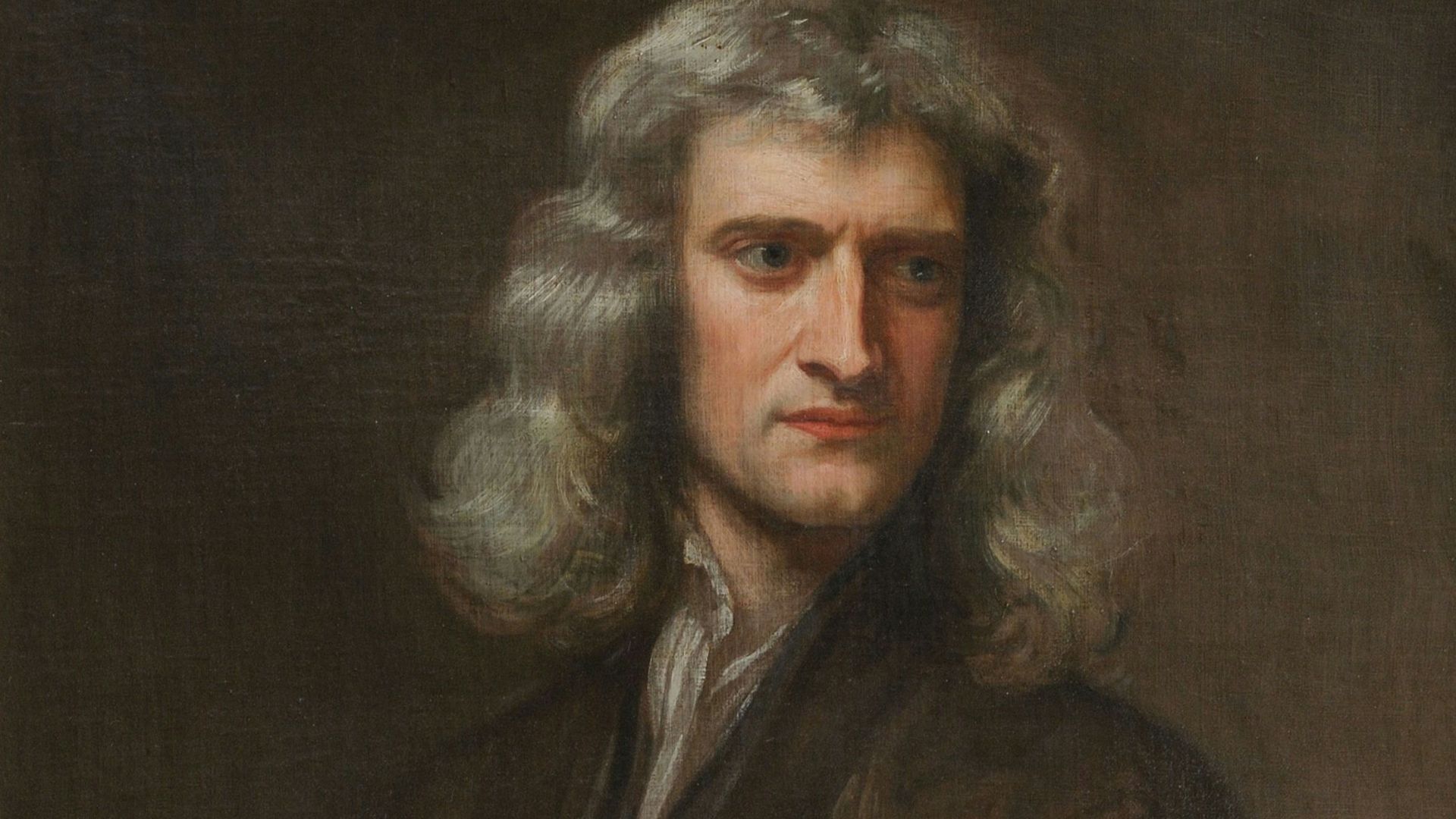
1. Isaac Newton
Isaac Newton was one of the greatest scientific minds ever, but socially, he seems to have been operating on a very different set of laws. He was intensely private, deeply suspicious, and not exactly known for warm, easy interaction. If you’d tried to make casual conversation with him, there’s a good chance you would’ve gotten a cold stare and a long silence.
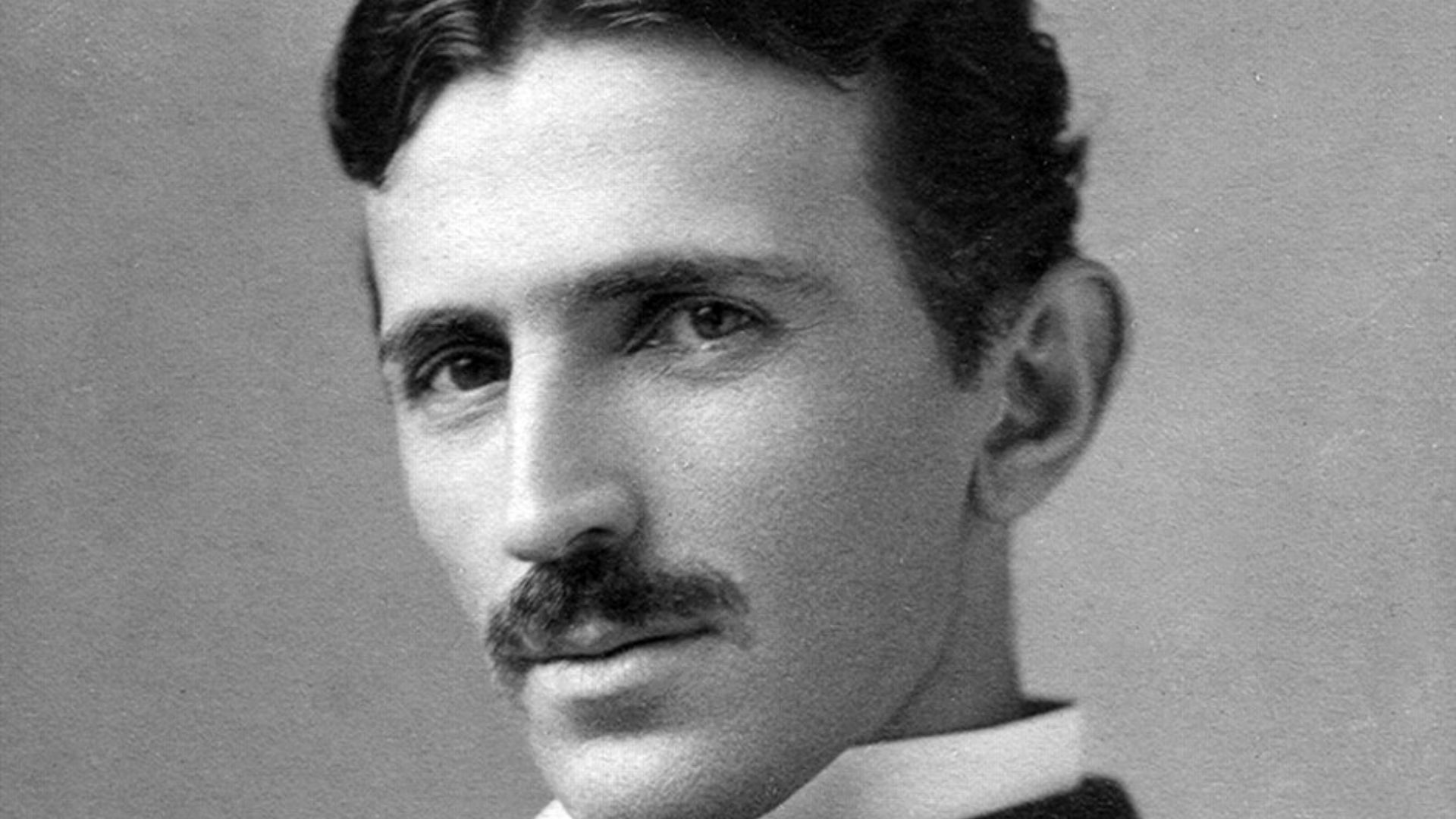
2. Nikola Tesla
Nikola Tesla was brilliant, visionary, and by most accounts not the easiest man to relax around. He had strong personal fixations, unusual habits, and a tendency to come across as distant in everyday interactions. Even people who admired him often seemed to understand that he lived a little outside ordinary social rules.
3. Emily Dickinson
Emily Dickinson is one of history’s most famous examples of someone who clearly did not care for ordinary social life. She became increasingly reclusive and preferred a world of letters, poetry, and limited contact over the demands of public interaction. That kind of withdrawal gives her an almost legendary level of social awkwardness, even if it was tied to a much richer inner life.
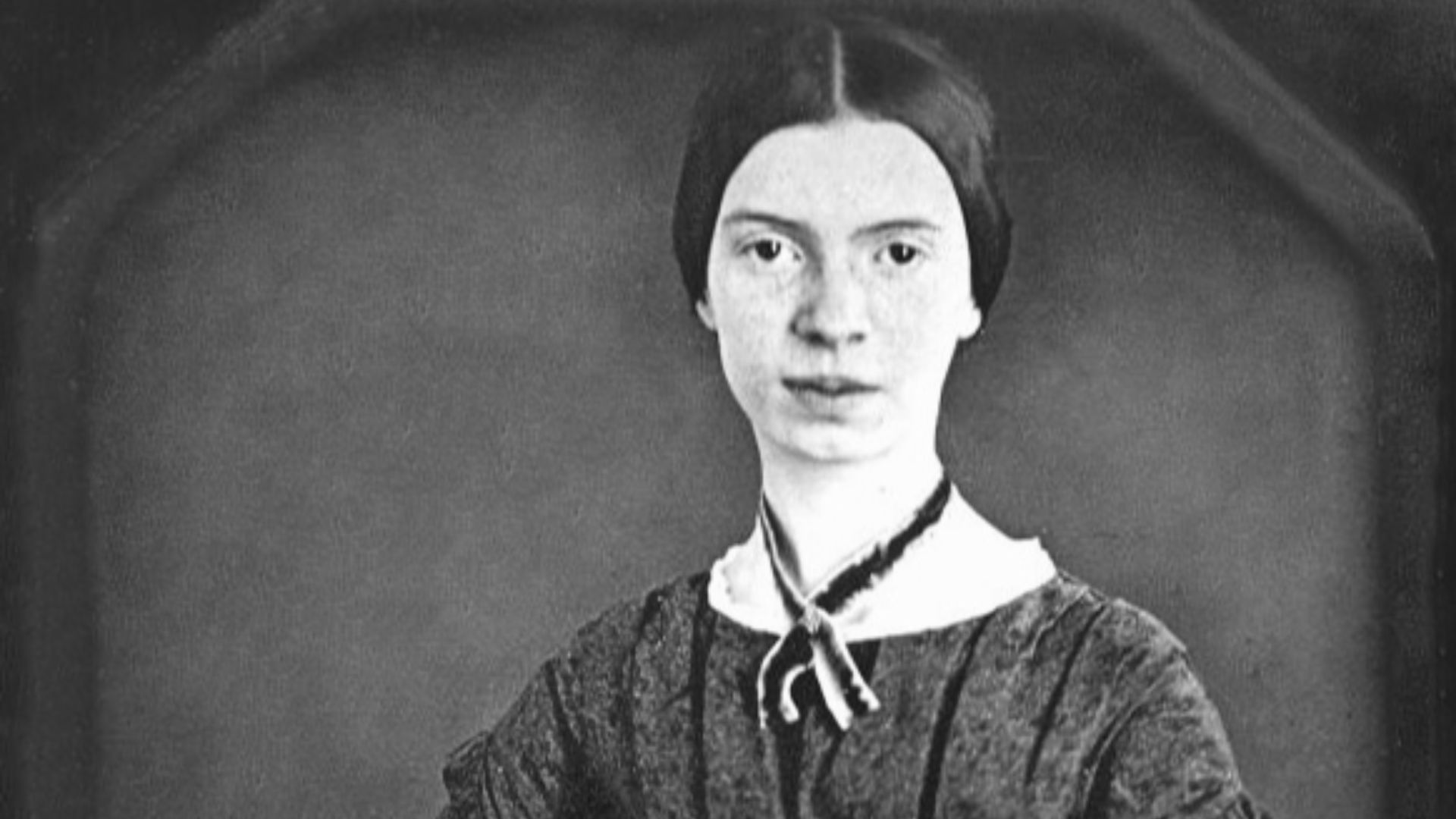
4. Immanuel Kant
Immanuel Kant was famously structured to a degree that makes most organized people look spontaneous. His daily routines were so rigid that even his walks became a local legend, which doesn’t exactly suggest a carefree social butterfly. He could function in society, of course, but he seems like the kind of person who would make a conversation feel like a scheduled obligation.
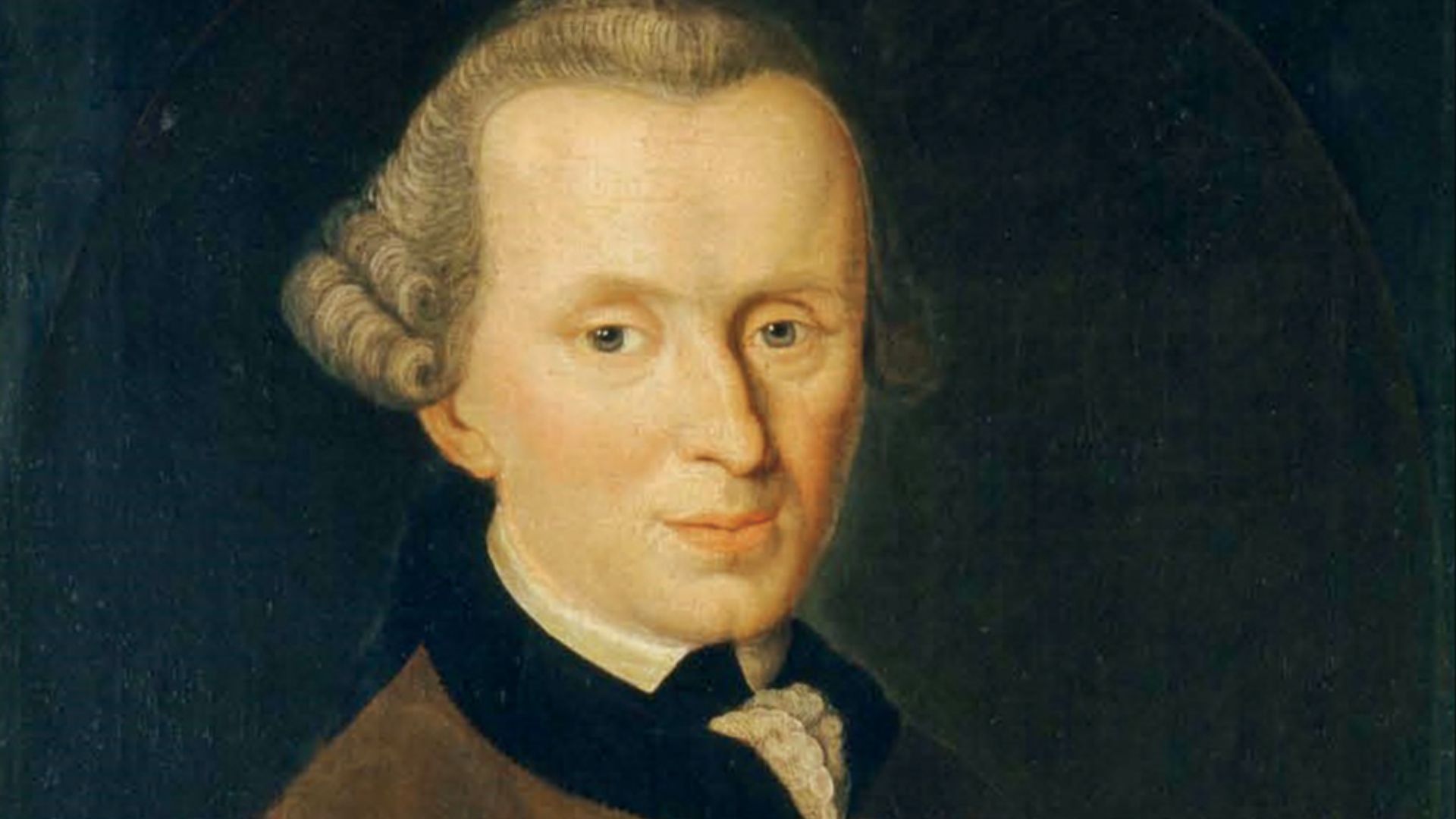 Johann Gottlieb Becker (1720-1782) on Wikimedia
5. Ludwig Wittgenstein
Ludwig Wittgenstein had a reputation for intensity that could make social situations feel less like chatting and more like surviving a philosophical weather event. He was sharp, demanding, and not especially gifted at making other people feel comfortable. That doesn’t mean he lacked emotional depth, because he clearly had plenty, but smooth interpersonal warmth wasn't his forte.
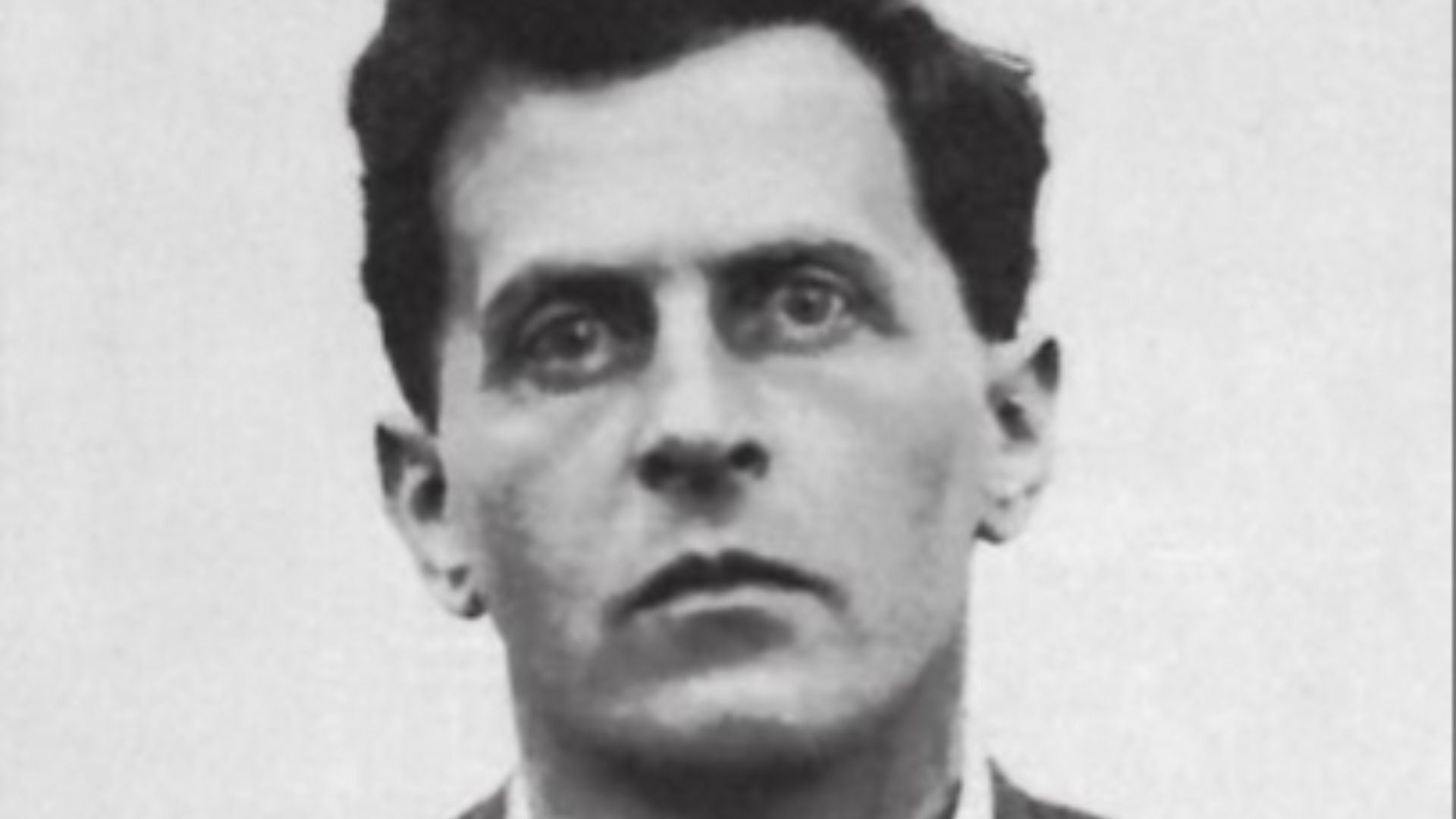
6. Howard Hughes
Howard Hughes had wealth, fame, and influence, yet he also became famous for extreme discomfort with ordinary human contact. His later life, in particular, has become shorthand for a person retreating so far into himself that regular social life practically disappeared. Even before that, he had a reputation for eccentricity that could make interactions feel strained. It’s hard to seem socially effortless when the whole room is worried they’re in your way.
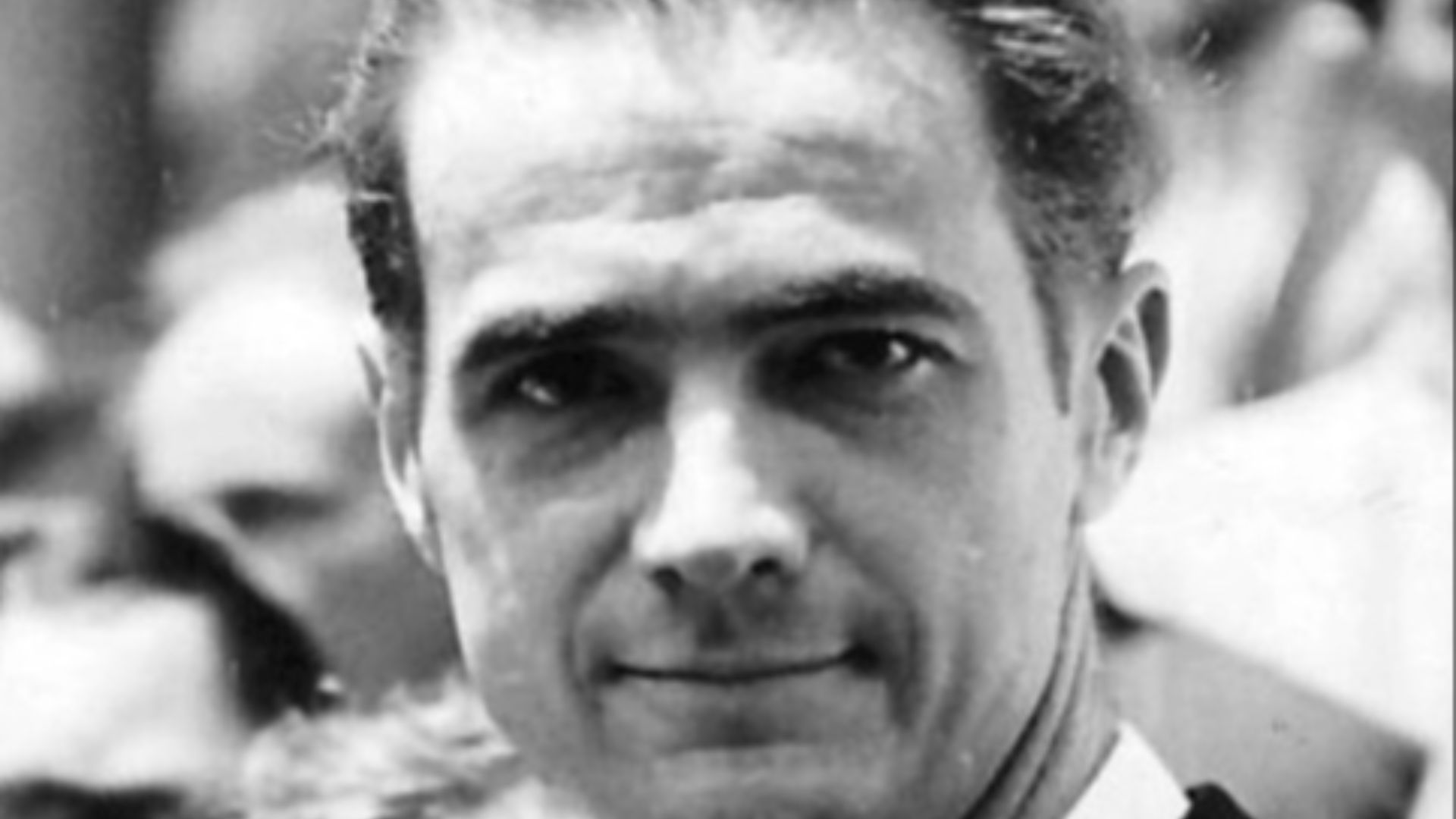 Acme Newspictures on Wikimedia
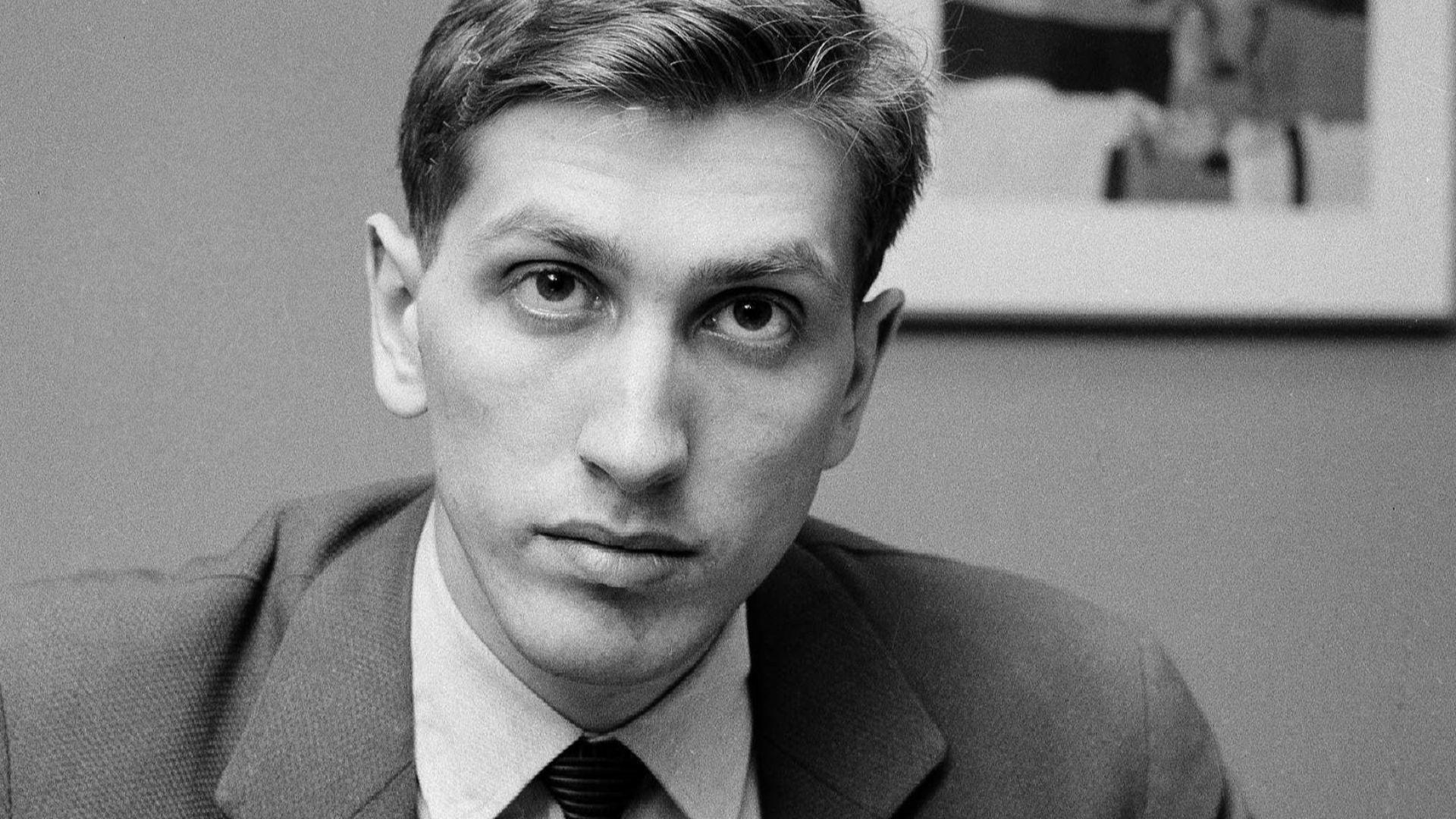
7. Bobby Fischer
Bobby Fischer’s genius at chess didn't translate neatly into graceful dealings with people. He was prickly, suspicious, and famously difficult in public and private life, often making tension feel unavoidable wherever he went. There’s a certain kind of awkwardness that comes from being so brilliant you stop trusting almost anyone around you, and Fischer seemed to live there full-time.
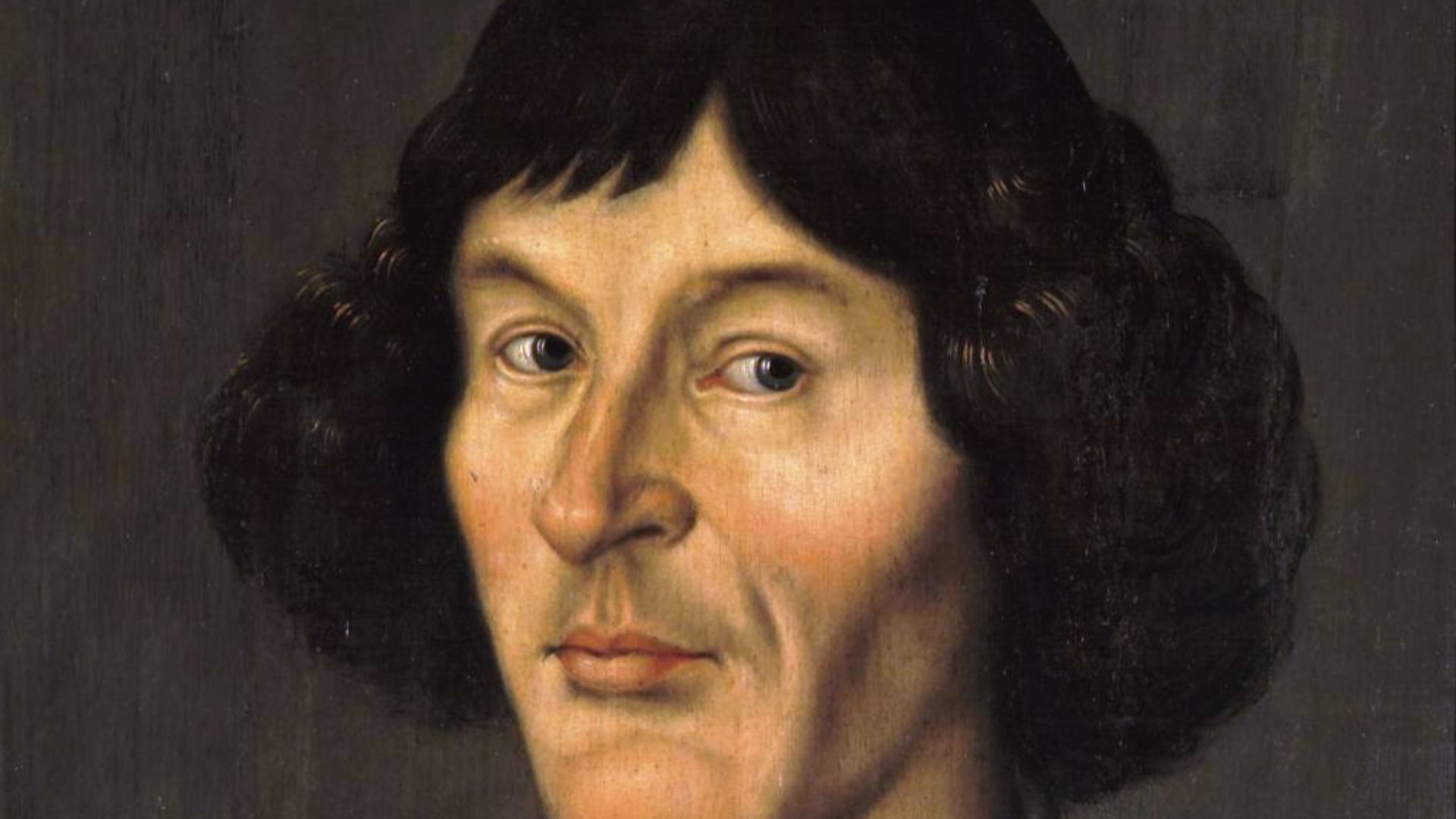
8. Nikolaus Copernicus
Copernicus is remembered for changing humanity’s view of the universe. He also seems to have been cautious, reserved, and much more comfortable with ideas than with personal exposure. That kind of personality doesn’t always produce obvious public awkwardness, but it often shows up in a reluctance to step into social or professional conflict.
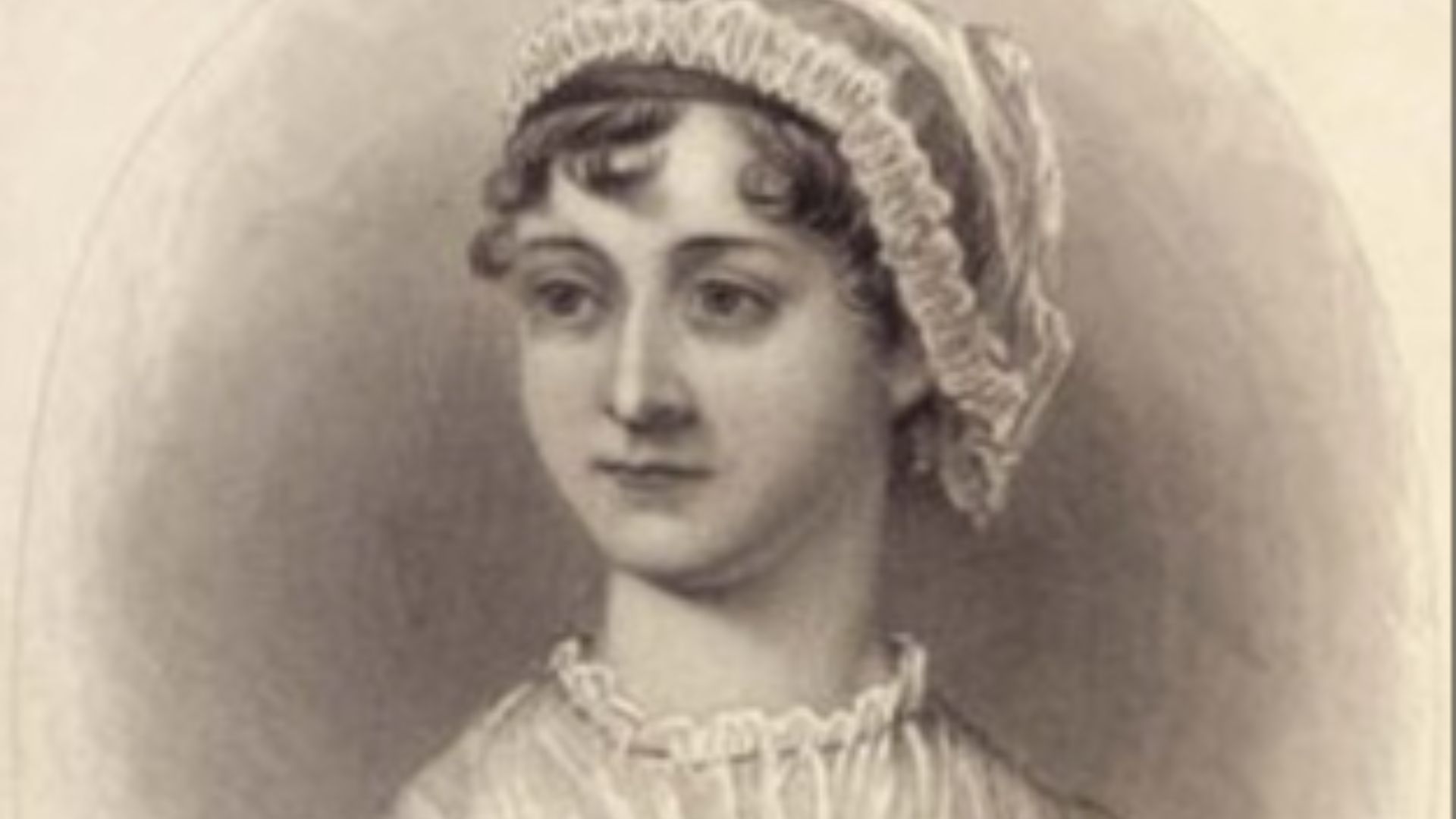
9. Jane Austen
From her books, you can see that Jane Austen understood social behavior, which may lead you to assume that she was effortlessly charming in person. In reality, she could be shy and sharply observant, which is not always the same thing as socially easy. People who notice everything are often not the most relaxed participants in a gathering, and Austen seems like someone who could read a room while feeling slightly out of place in it.
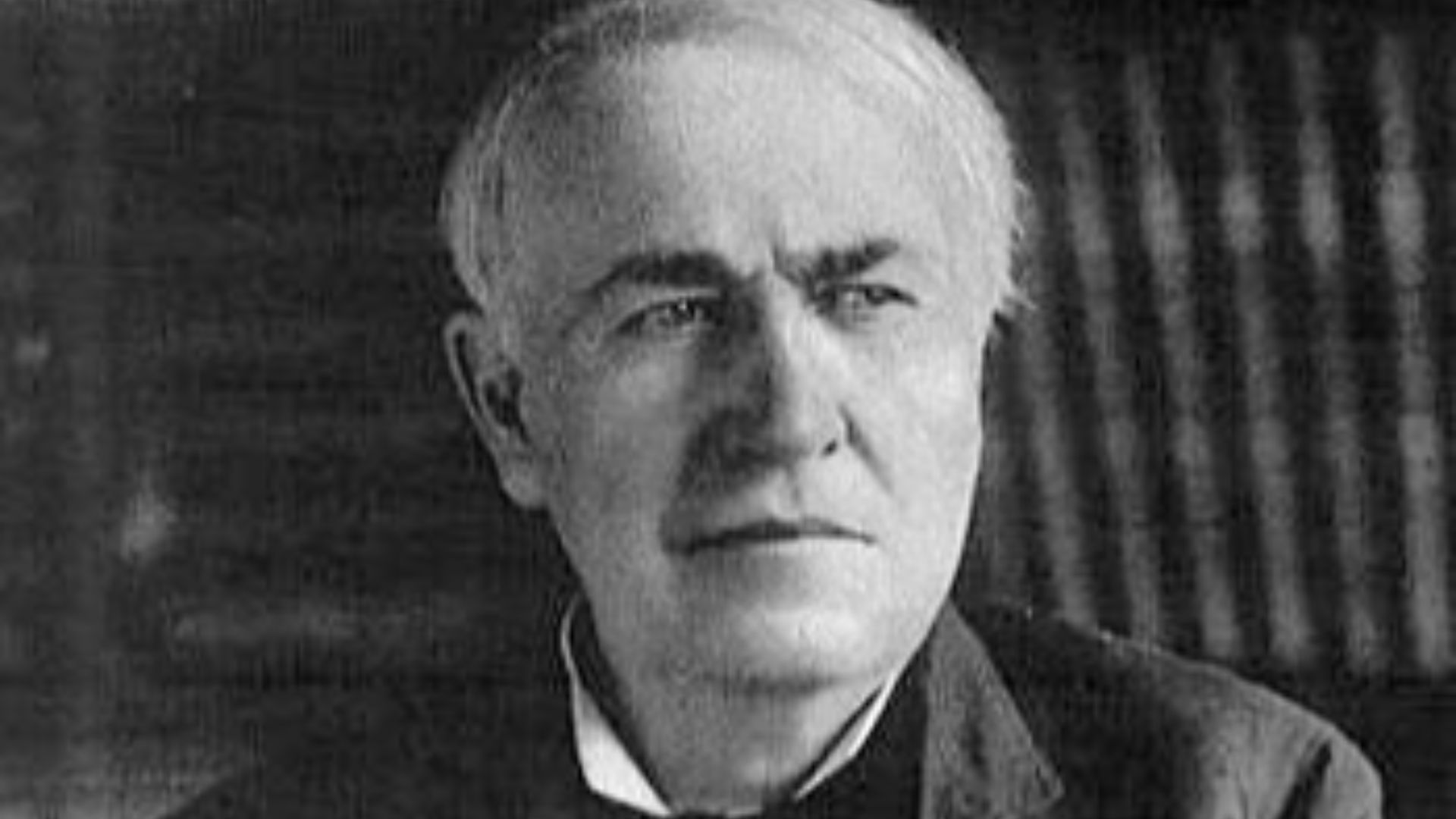
10. Thomas Edison
Thomas Edison was a relentless inventor, but he wasn’t exactly famous for soft, easygoing personal dynamics. He could be intense, competitive, and so wrapped up in work that ordinary warmth sometimes took a back seat. That sort of personality often creates a particular kind of awkwardness where the person isn’t shy, just not especially smooth or easy to be around.
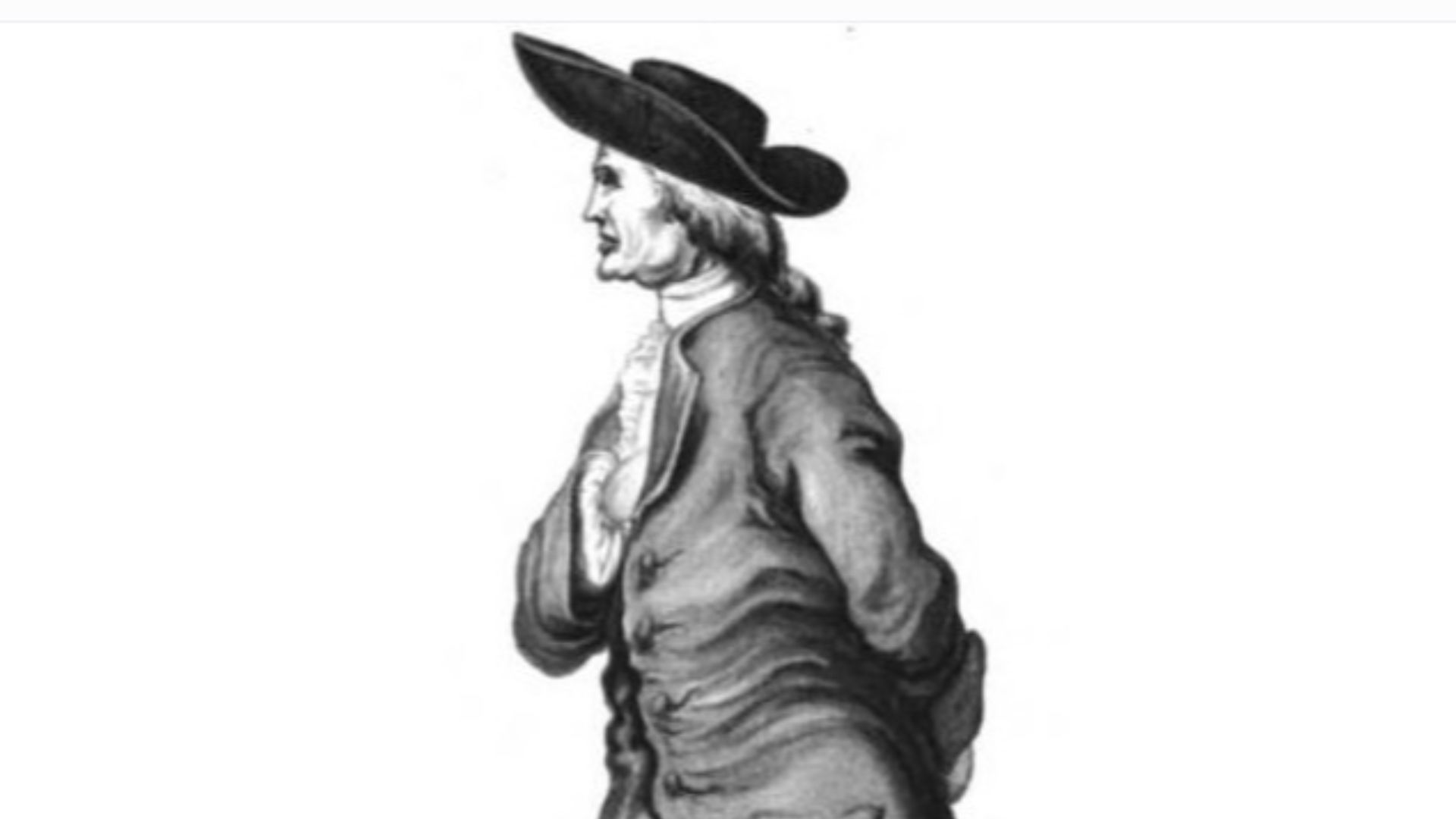
11. Henry Cavendish
Henry Cavendish might be one of the strongest candidates on this entire list. He was famously shy, avoided people whenever possible, and reportedly communicated with servants through notes to avoid direct interaction. That's an all-time commitment to social discomfort. If there were an award for making life harder just to avoid talking to someone, Cavendish would be in the running.
12. Franz Kafka
Franz Kafka was about as weird as his books. He had the sort of inward, uneasy personality that makes the phrase “socially awkward” feel almost too casual. He was self-conscious, anxious, and often seemed to experience ordinary existence as a slightly distressing administrative error.
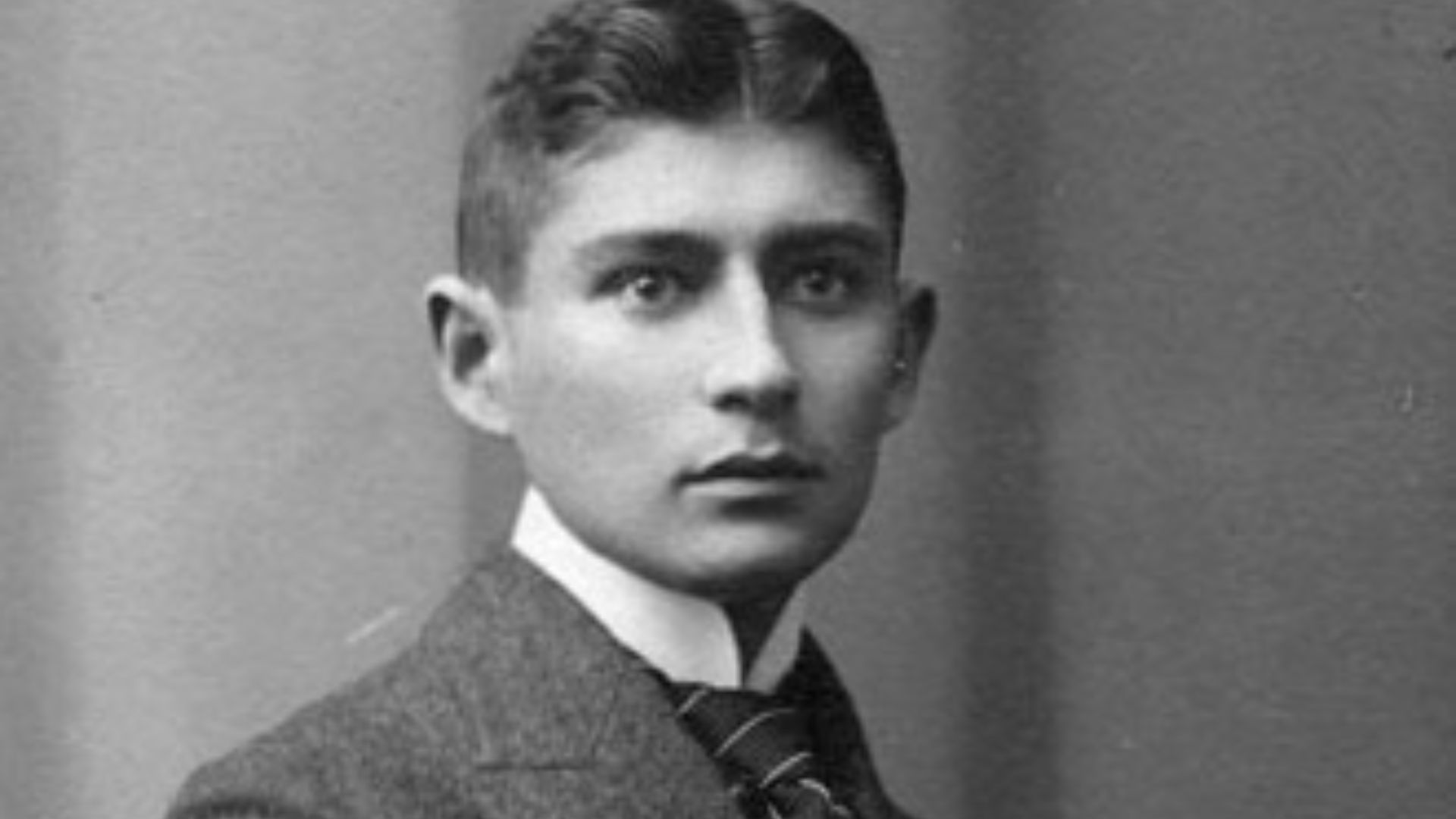 Atelier Jacobi: Sigismund Jacobi (1860–1935) on Wikimedia
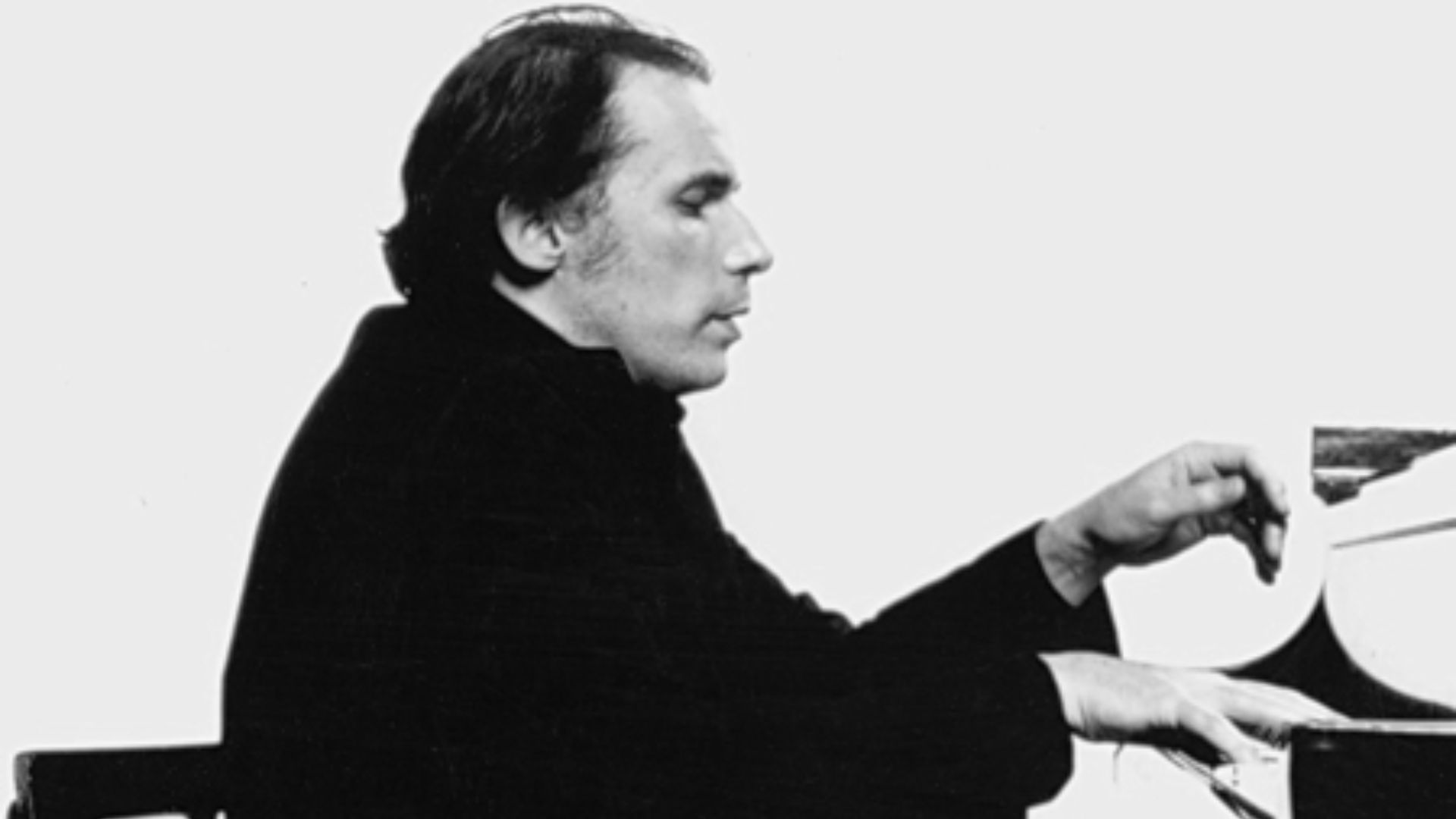
13. Glenn Gould
Glenn Gould was a musical genius with a wonderfully strange public presence that could make even simple situations feel idiosyncratic. He had strong opinions, unusual habits, and a tendency to do things his own way, whether or not that made social life smoother. Some people come across as eccentric in a charming manner, while others seem to have wandered in from an entirely different reality. Gould definitely leaned toward the second category.
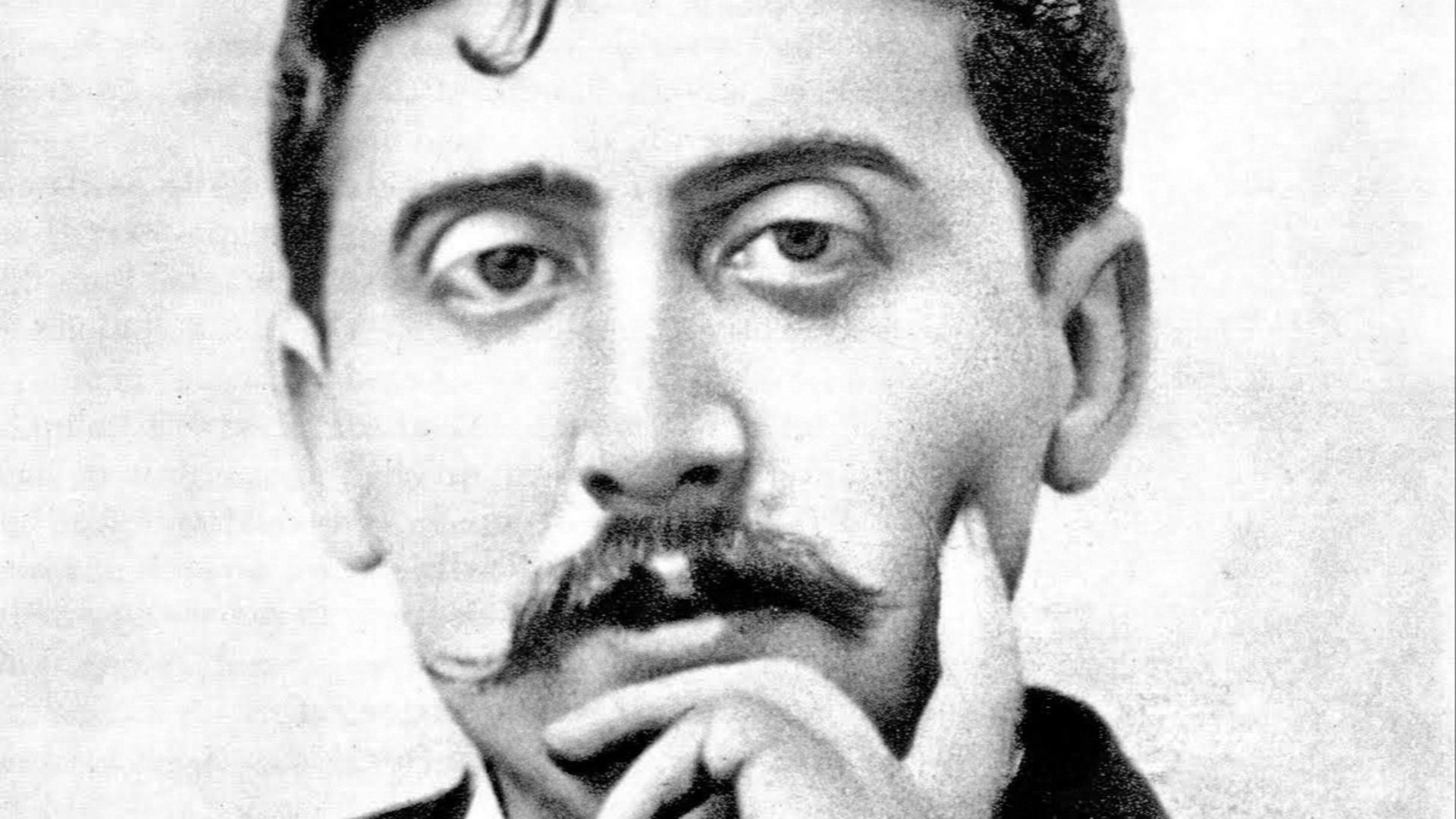
14. Marcel Proust
Marcel Proust spent a great deal of time analyzing memory, society, and human behavior, which doesn’t automatically mean he moved through social life with ease. In fact, he often seems like the kind of person who could observe a room brilliantly while suffering through the actual experience of being in it. He could write the party beautifully, but attending it was another matter.
15. Abraham Lincoln
Abraham Lincoln might seem like an unusual entry here because of his reputation for being a great storyteller and speaker, but many accounts describe him as awkward in body language and personal manner, despite his gifts. He could be funny, eloquent, and deeply moving in the right context, yet still come across as physically uncomfortable, "geeky," and somewhat out of place in more refined social settings. He was also reportedly shy, especially around women.
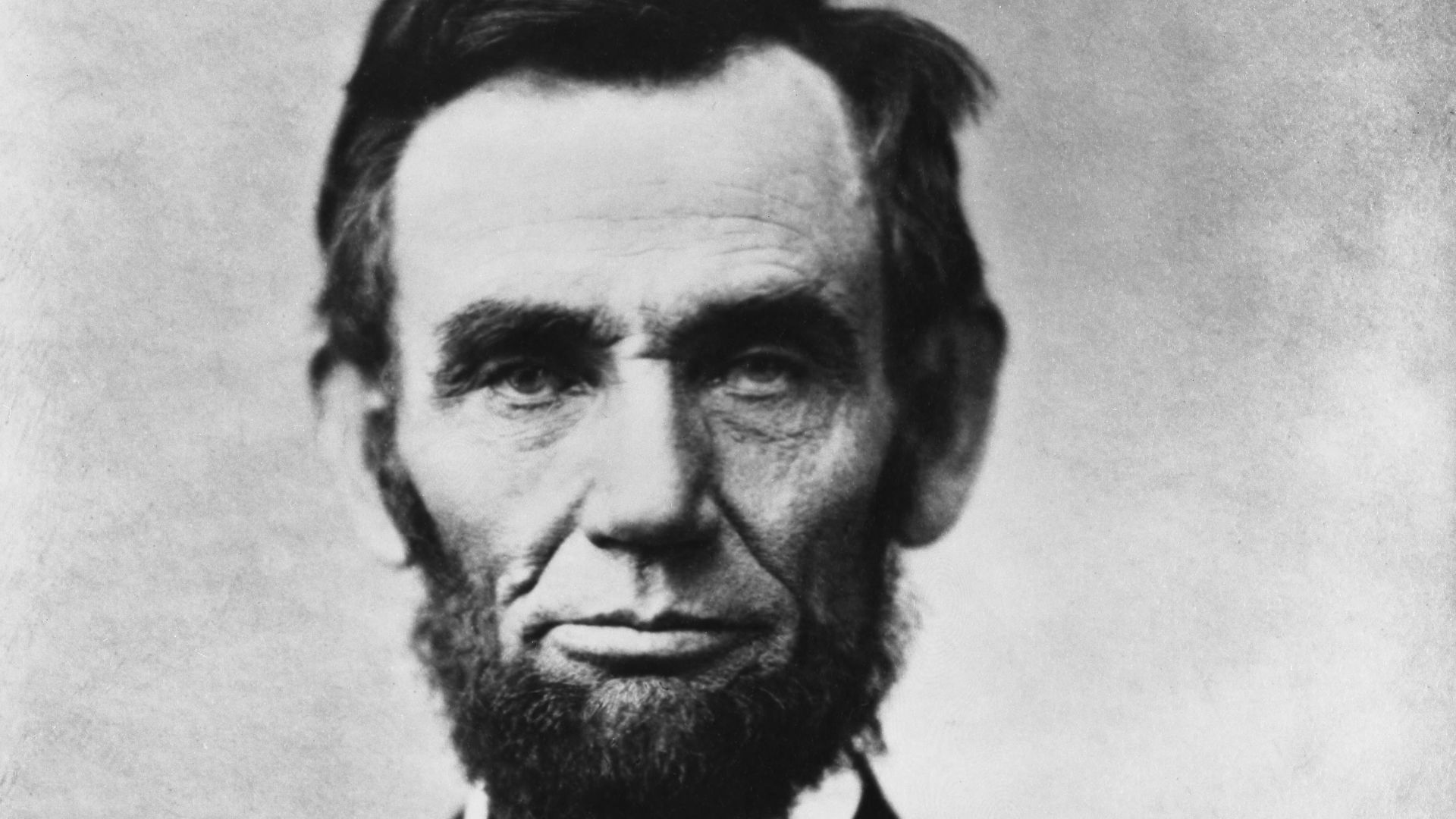 Alexander Gardner on Wikimedia
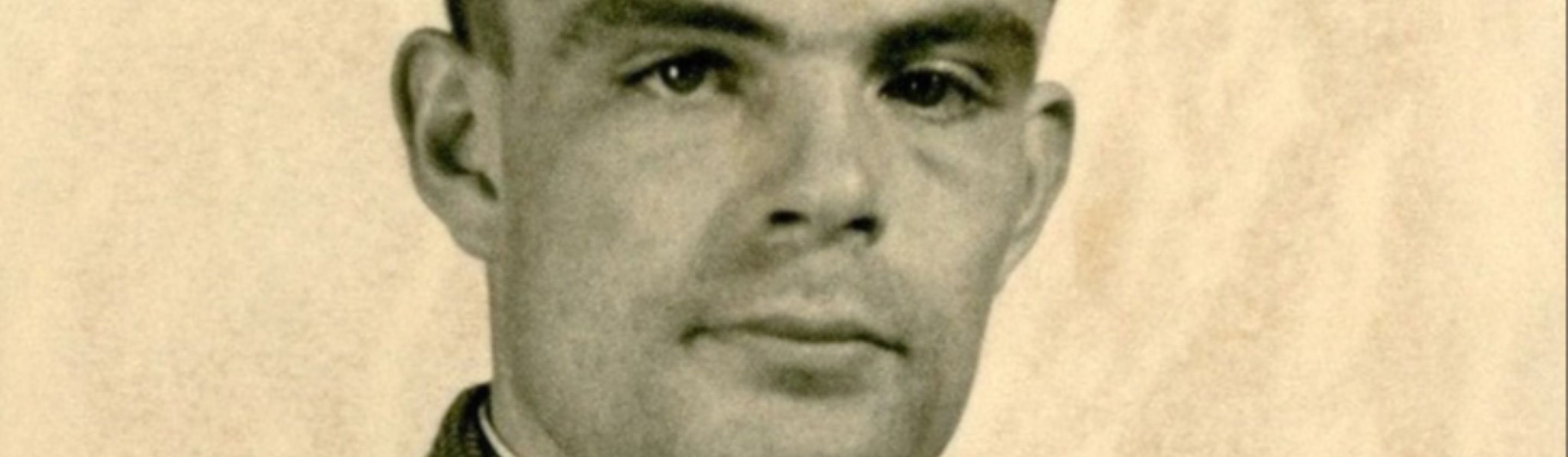
16. Alan Turing
Alan Turing was one of the most important minds of the 20th century, and he also had a reputation for being a bit socially unconventional. He could be direct, singularly focused, and not especially interested in performing ordinary social polish for other people’s comfort. That doesn’t make him rude so much as gloriously unbothered by certain expectations.
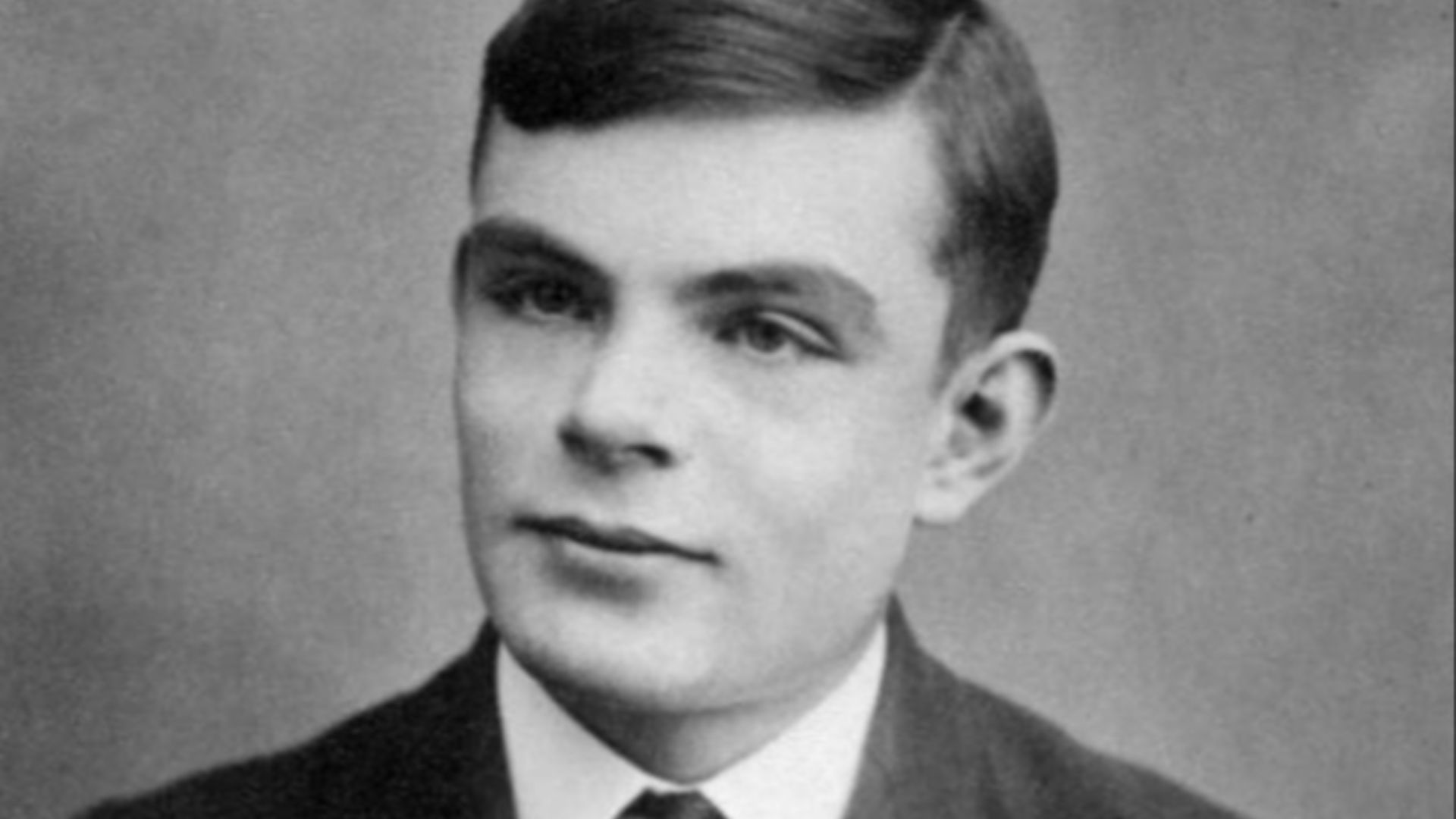 Possibly Arthur Reginald Chaffin (1893-1954) on Wikimedia
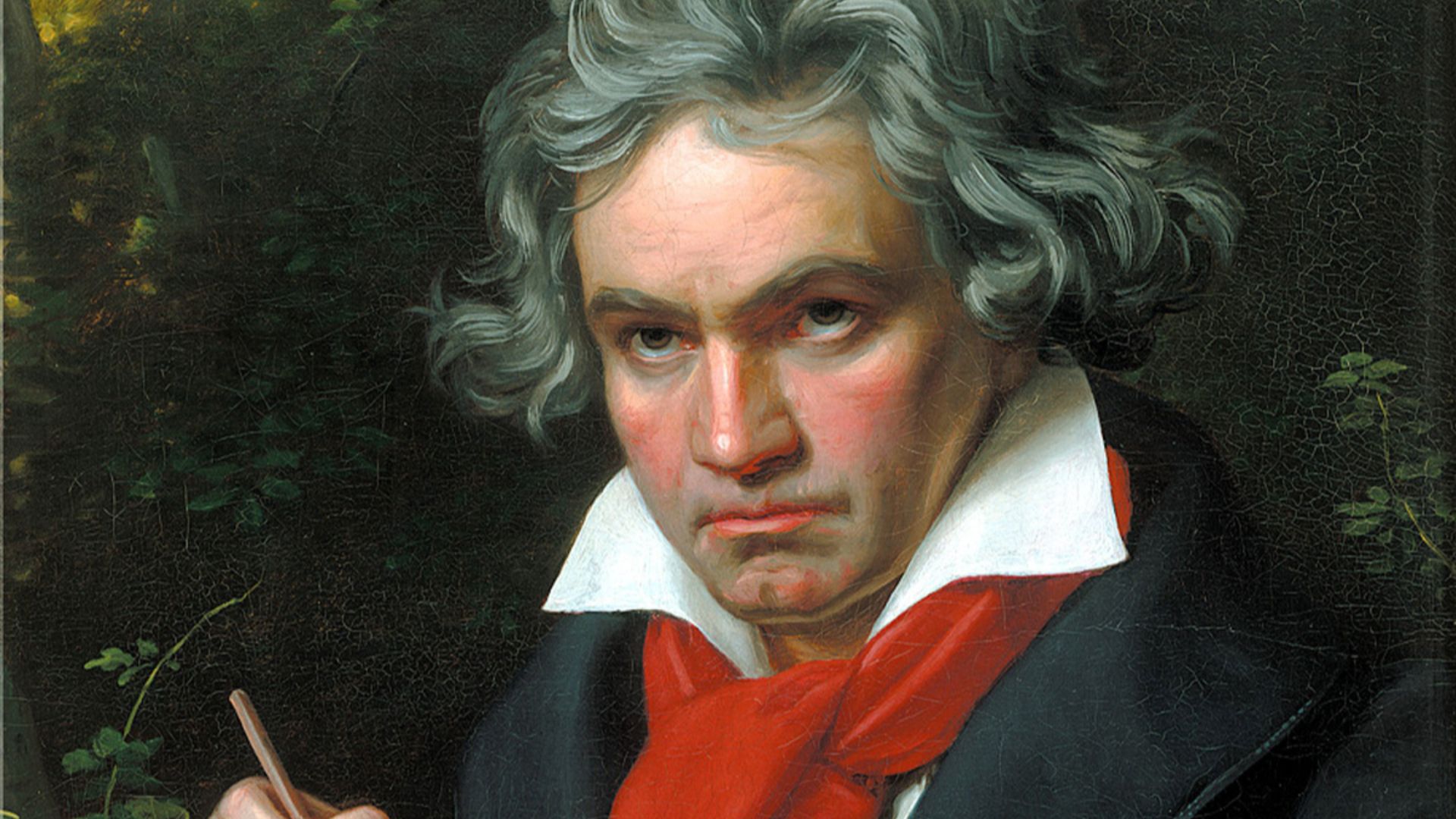
17. Beethoven
Beethoven’s musical brilliance is beyond argument, but his personal interactions could be rough, intense, and sometimes just plain uncomfortable. He had a difficult temperament, struggled in relationships, and often seemed too consumed by his own force of feeling to make social ease a priority. That kind of personality can produce unforgettable art and very tiring dinner company.
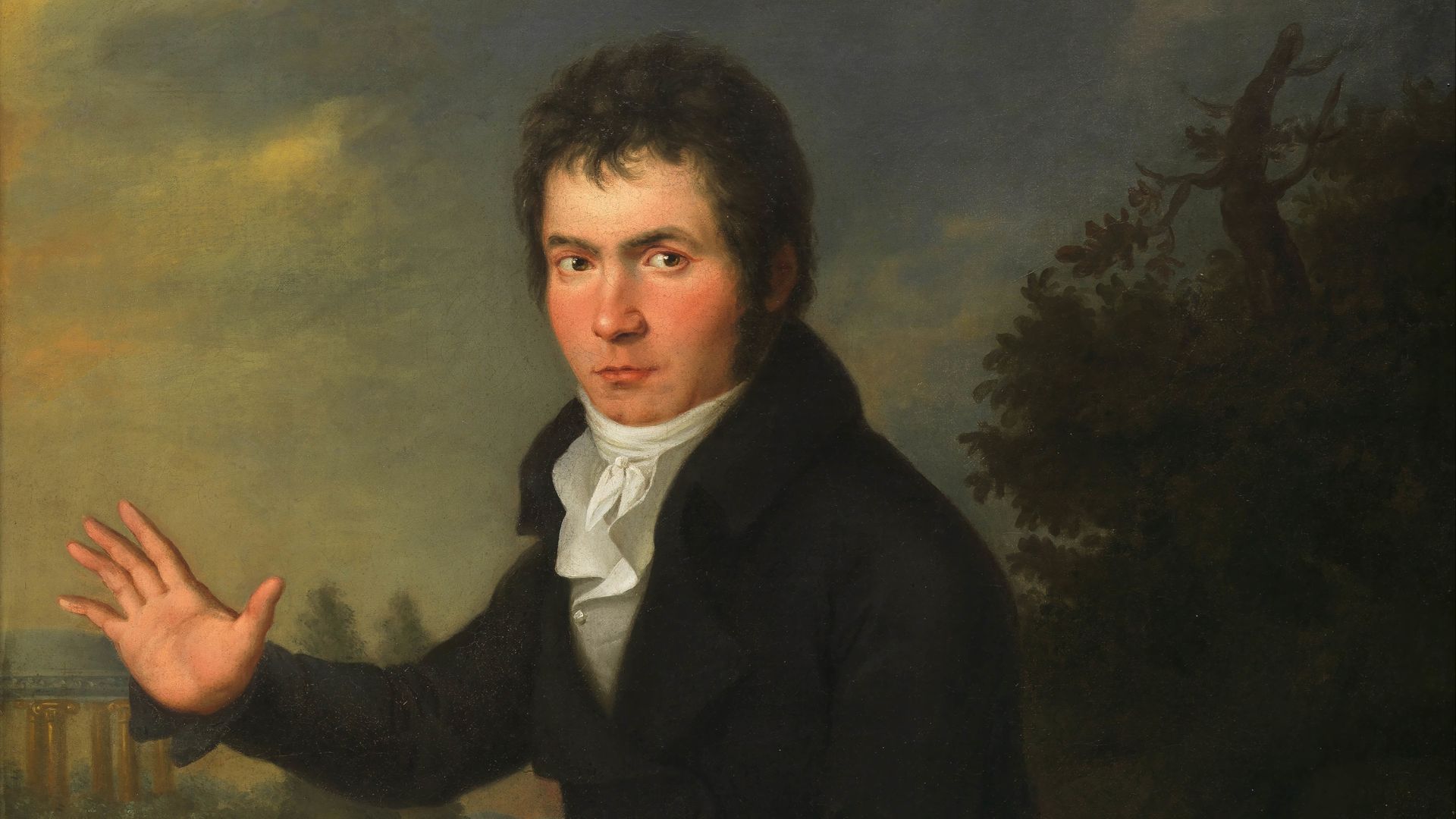 Joseph Willibrord Mähler on Wikimedia
18. Sir Isaac Pitman
Sir Isaac Pitman, the creator of shorthand, had the kind of specialized intellectual focus that often comes with a somewhat peculiar public manner. He wasn’t notorious in a theatrical sense, but he fits the long tradition of serious reformers and system-builders who seem far happier with structure than with spontaneous human interaction.
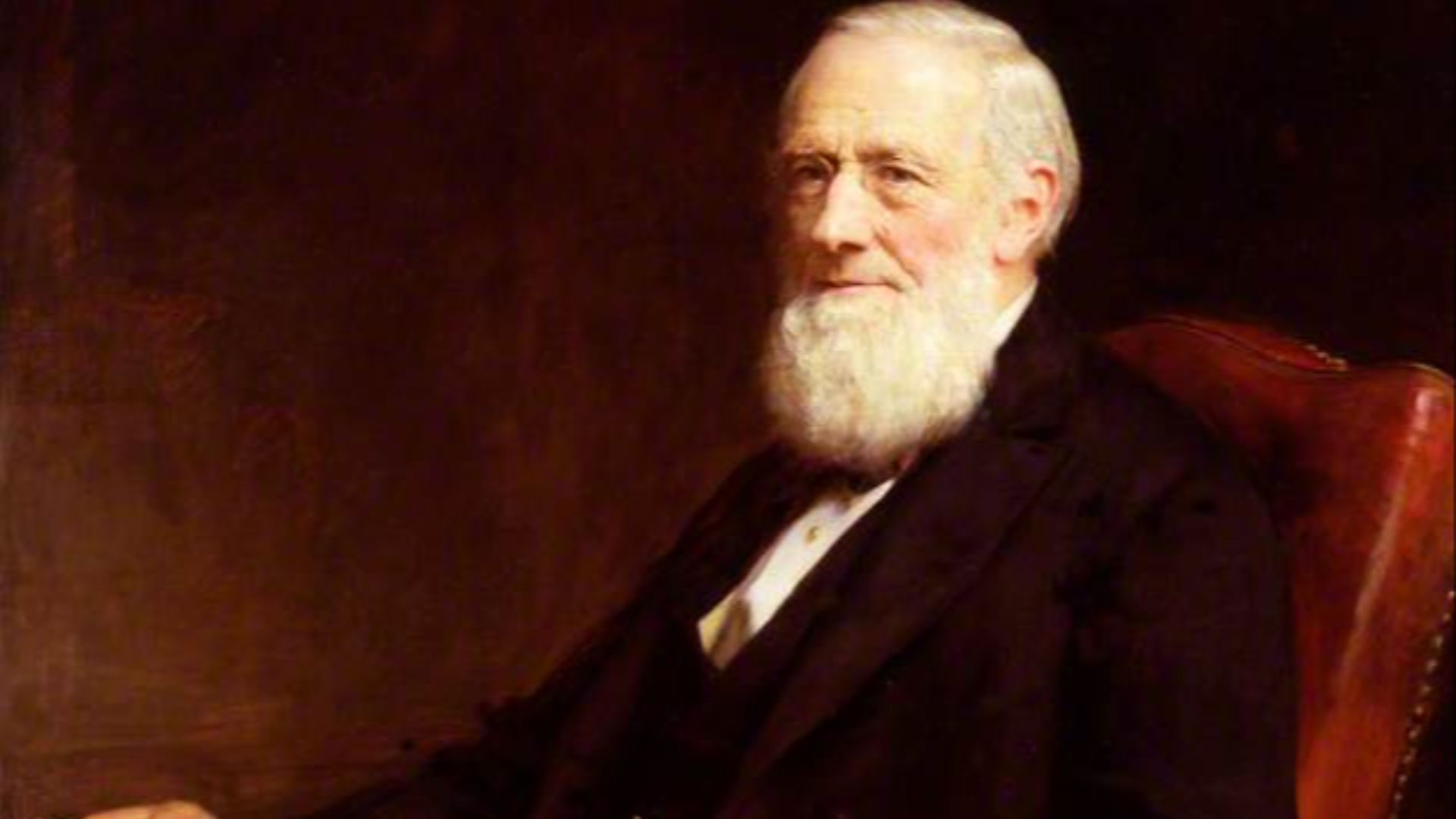 Arthur Stockdale Cope on Wikimedia
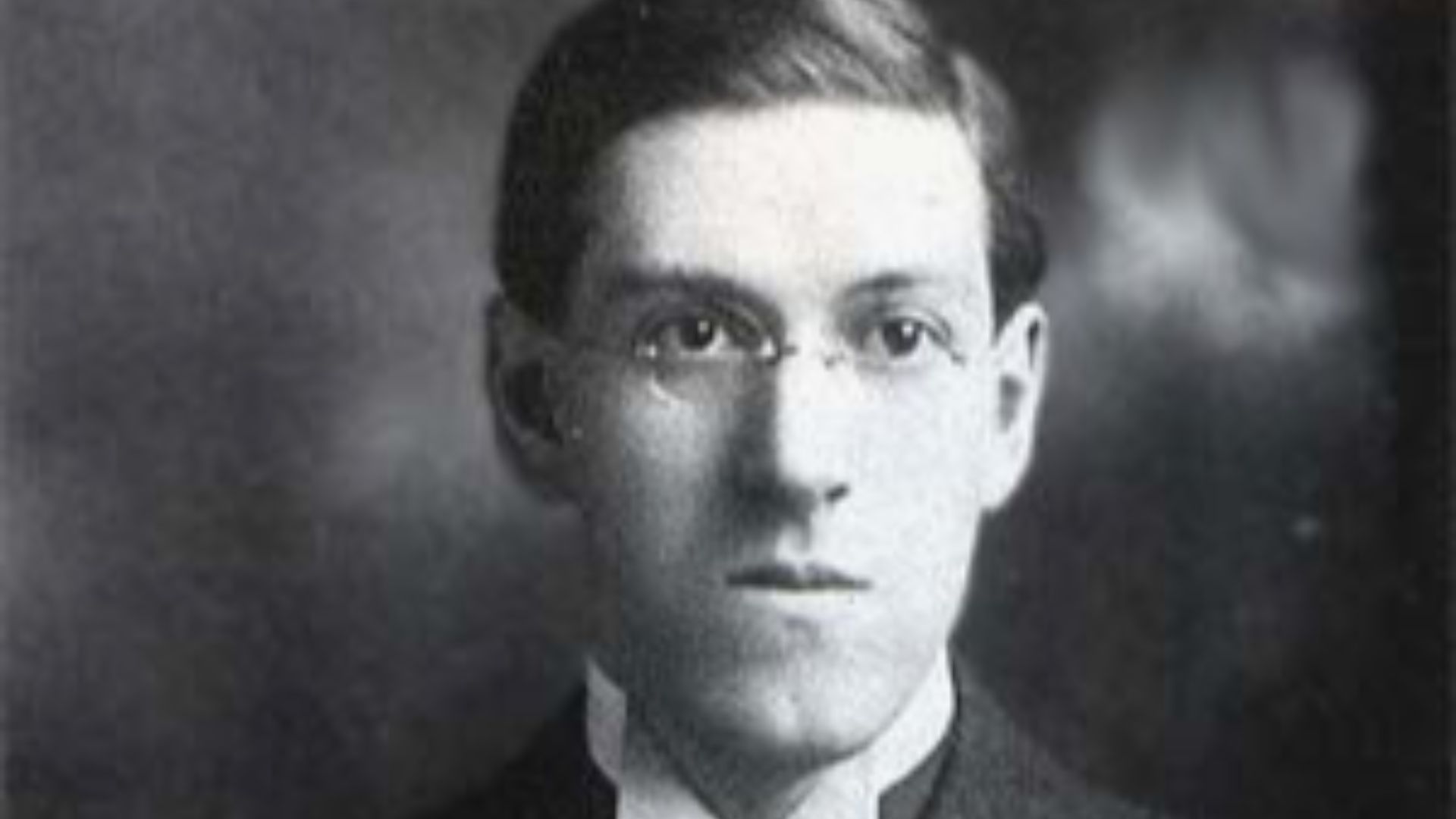
19. H. P. Lovecraft
Lovecraft had a famously uneasy relationship with the world around him, and that didn't stop at his writing. He could be withdrawn, stiff, and deeply uncomfortable with difference, change, and ordinary social flexibility. None of that made him pleasant, but it certainly made him socially awkward in a lasting and very recognizable way.
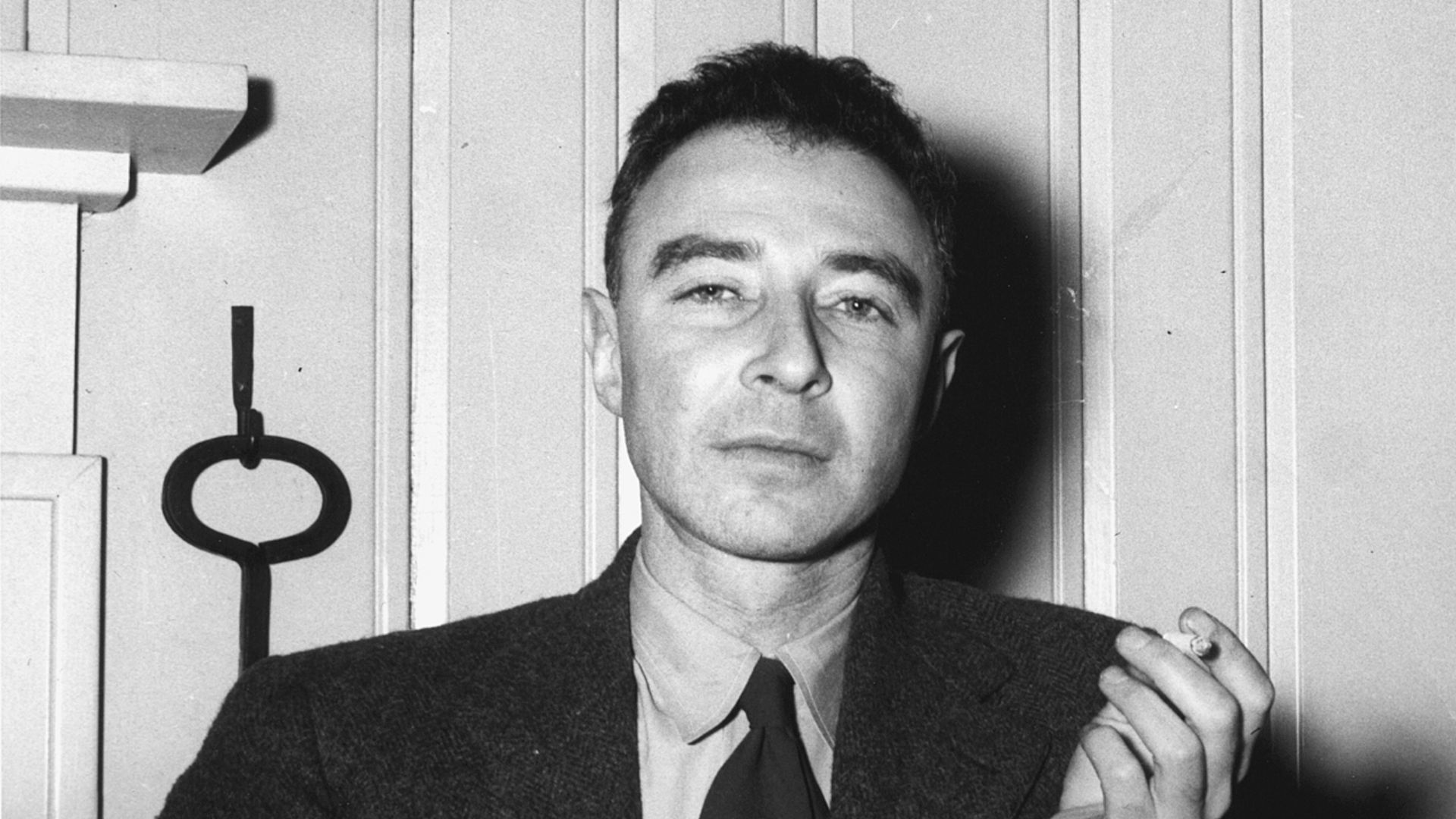
20. J. Robert Oppenheimer
J. Robert Oppenheimer could be magnetic, but that doesn’t mean he was socially relaxed. He was intense, cerebral, and capable of making even ordinary exchanges feel charged with too much thought and not quite enough ease. Some people are awkward because they shrink from attention, while others are awkward because their minds never seem to leave the stage, and Oppenheimer was the latter.
KEEP ON READING

20 Greek Gods We Don't Often Talk About
Step Aside, Zeus. Greek mythology isn’t only about Zeus and…
By Elizabeth Graham Jan 16, 2026
10 Historic Courtship Practices That Should Be Brought Back &…
Old-School Dating Was a Mix of Charming & Unhinged. Historic…
By Emilie Richardson-Dupuis Jan 20, 2026
Pooches Of The Past: Extinct Dog Breeds
Unknown authorUnknown author on WikimediaDogs have been showing up in…
By Elizabeth Graham Jan 27, 2026
The 20 Craziest Silent Films Ever Made
When Silence Let the Madness Speak. Silent cinema didn’t just…
By Chase Wexler Jan 5, 2026
Legendary Tales: 20 Most Fascinating Mythical Creatures from Folklore
Mythological Beasts. Stories about mythical creatures endure for a simple…
By Christy Chan Jan 16, 2026
The three most expensive historical artifacts ever sold at auction
Attributed to Leonardo da Vinci on WikimediaAuctions are where history…
By Emilie Richardson-Dupuis Jan 9, 2026