

The First Ever Nobel Peace Prize Was Split Between These Two Gentlemen
When we think of the Nobel Peace Prize today, images of grand ceremonies and global heroes come to mind. But its story began over a century ago with a surprisingly humble start. In 1901, the first Peace Prize was awarded—not to one person, but to two remarkable men.
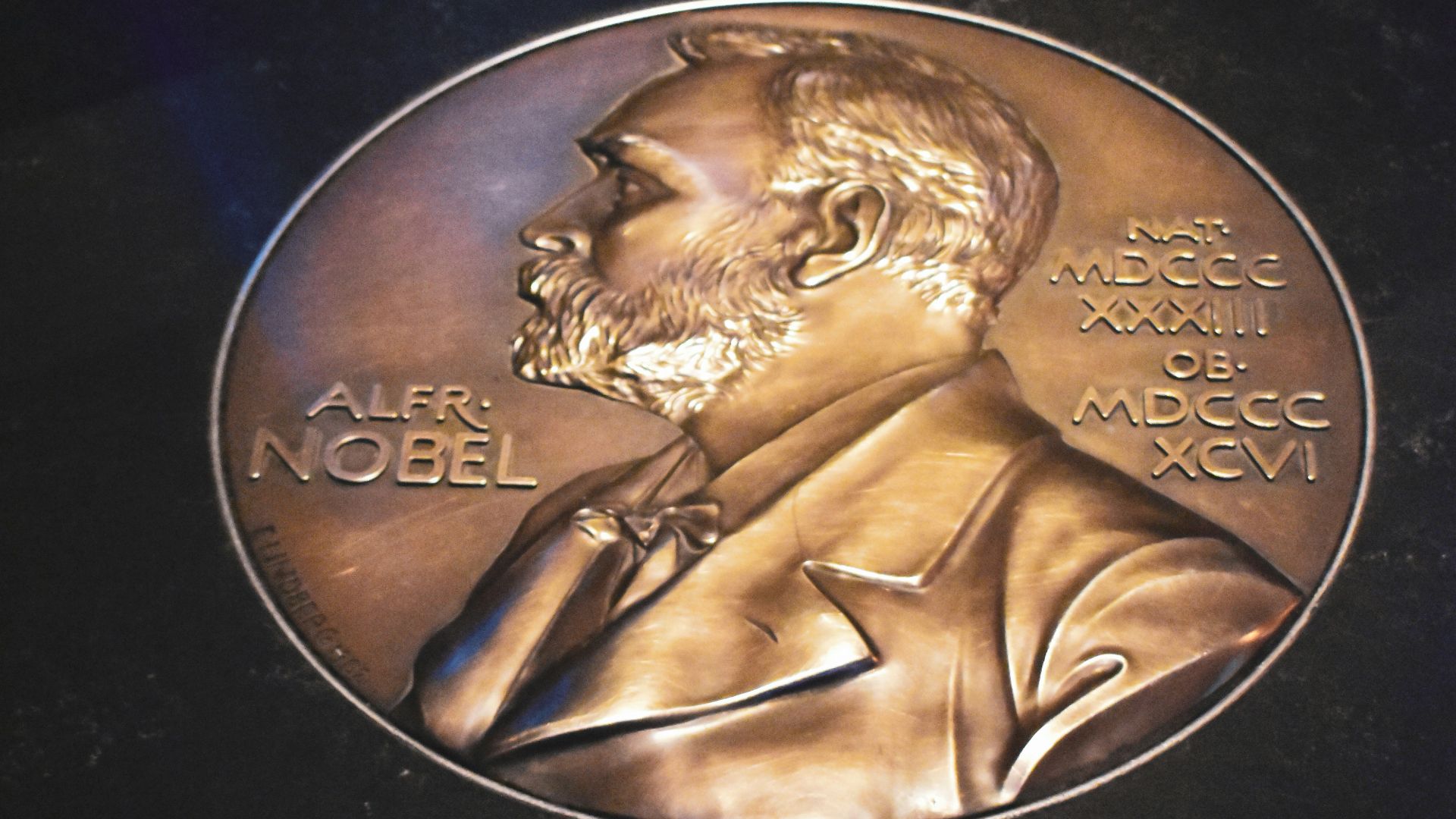
The prize itself was born from the unusual vision of Alfred Nobel, a Swedish inventor best known for dynamite. Despite creating something with the power to destroy, he wanted to leave a legacy that built instead of broke. In his will, he dedicated most of his fortune to prizes that would celebrate human ingenuity and hope, with the Peace Prize aiming to honor those who conferred the greatest benefit on mankind in the field of peace.
That vision came to life with the very first laureates, whose work set the stage for more than a century of inspiring peace efforts.
The Gentlemen Who Shared The Honor
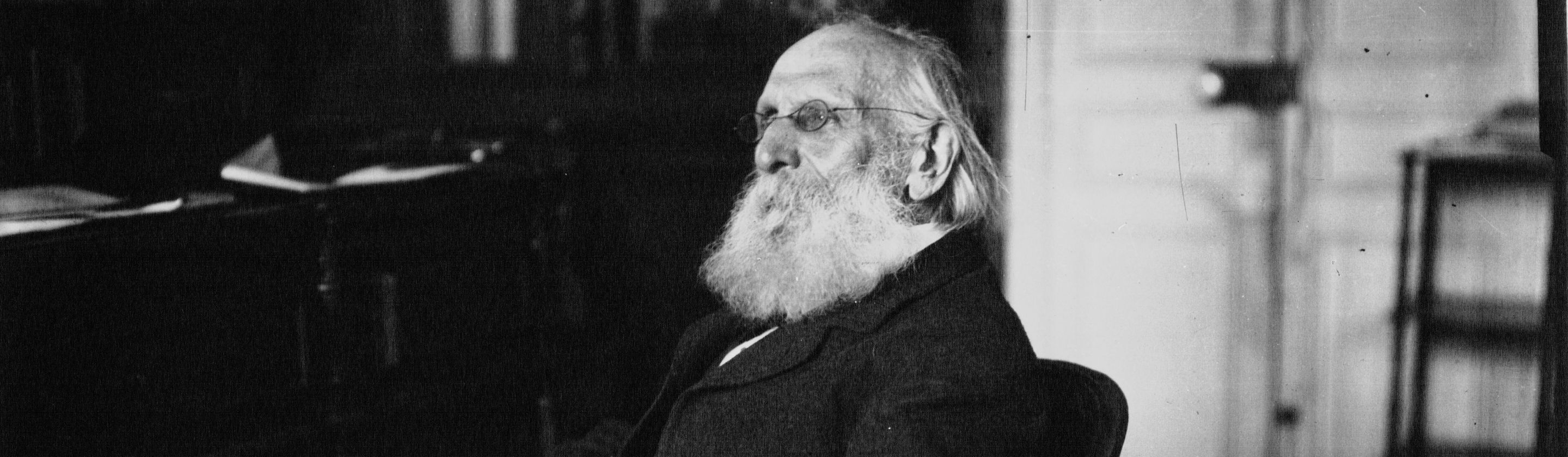
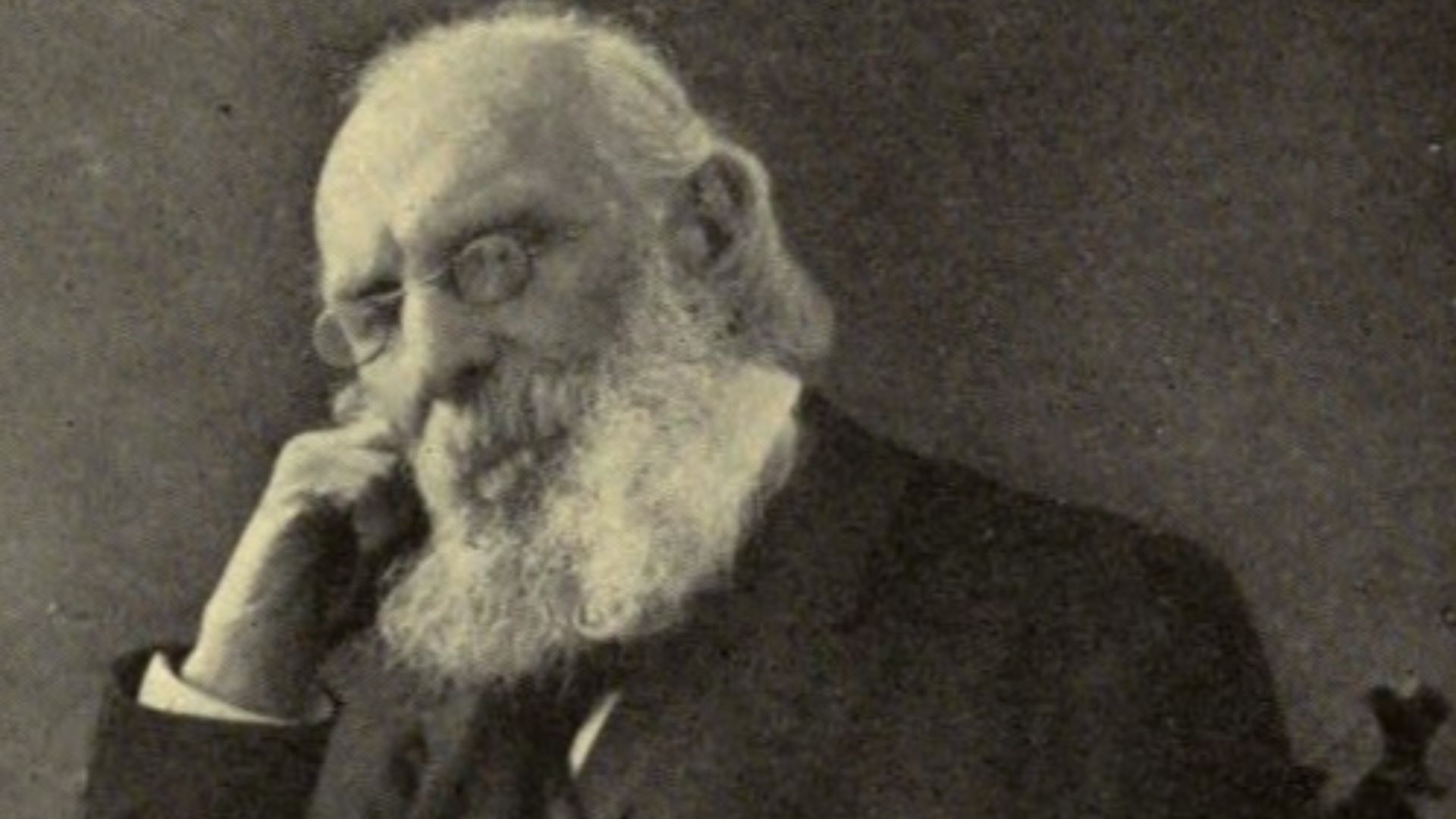
The inaugural Nobel Peace Prize went to Jean-Henri Dunant and Frédéric Passy. Jean-Henri Dunant was a Swiss businessman who witnessed the Battle of Solferino in 1859. Seeing wounded soldiers left unattended on the battlefield moved him deeply.
He organized local volunteers to care for them, and this experience inspired him to establish the International Committee of the Red Cross. His work emphasized compassion, organization, and humanity, and it laid the foundation for modern humanitarian aid during conflicts.
Frédéric Passy, on the other hand, was a French economist and politician who devoted his life to diplomacy and arbitration. He advocated tirelessly for international peace conferences and the creation of organizations dedicated to resolving disputes without war.
Passy believed that careful negotiation and education could prevent armed conflict. His vision for systematic peacebuilding complemented Dunant’s hands-on humanitarian approach, showing that peace required both action and advocacy.
Why The Prize Was Shared
 Unknown authorUnknown author on Wikimedia
The decision to split the prize reflected the idea that peace could take many forms. Dunant demonstrated the power of practical help and organization during crises, while Passy showed the importance of long-term strategy and political engagement. Together, their recognition highlighted the multifaceted nature of peace. It was not just about stopping wars after they began, but also about creating systems and movements that could prevent them altogether.
The first Nobel Peace Prize set a precedent for the awards that followed. Every recipient since has carried forward the same spirit of innovation and hope. Dunant and Passy proved that meaningful change can come from witnessing suffering or envisioning solutions, and that small acts of dedication can ripple outward to create global impact.
Looking back over a century later, the story of these two gentlemen shows that the Nobel Peace Prize has always been about more than fame. It celebrates humanity at its best and reminds us that peace is an ongoing effort, shaped by those willing to act and those willing to think ahead.
KEEP ON READING
20 Powerful Ancient Egyptian Gods That Were Worshipped
Unique Religious Figures in Ancient Egypt. While most people are…
By Cathy Liu Nov 27, 2024
The 10 Scariest Dinosaurs From The Mesozoic Era & The…
The Largest Creatures To Roam The Earth. It can be…
By Cathy Liu Nov 28, 2024
The 20 Most Stunning Ancient Greek Landmarks
Ancient Greek Sites To Witness With Your Own Eyes. For…
By Cathy Liu Dec 2, 2024
10 Historical Villains Who Weren't THAT Bad
Sometimes people end up getting a worse reputation than they…
By Robbie Woods Dec 3, 2024
One Tiny Mistake Exposed A $3 Billion Heist
While still in college, Jimmy Zhong discovered a loophole that…
By Robbie Woods Dec 3, 2024
30 Lost Treasures That Vanished From History
Buried treasure, missing artefacts, legends of ancient gold in them…
By Robbie Woods Dec 3, 2024