Intelligence Has Always Had More Than One Form
Calling anyone one of the “smartest” people in history is tricky because brilliance doesn't come in only one shape. Some women changed science with equations, discoveries, and experiments, while others reshaped politics, literature, philosophy, medicine, or technology with uncommon vision, all while working around sexism, limited education, stolen credit, or institutions that didn't exactly roll out a welcome mat. These women stand out because their minds left a mark that outlived the unfair rules around them. Here are 20 of the most intelligent women in history.
 Unknown authorUnknown author on Wikimedia
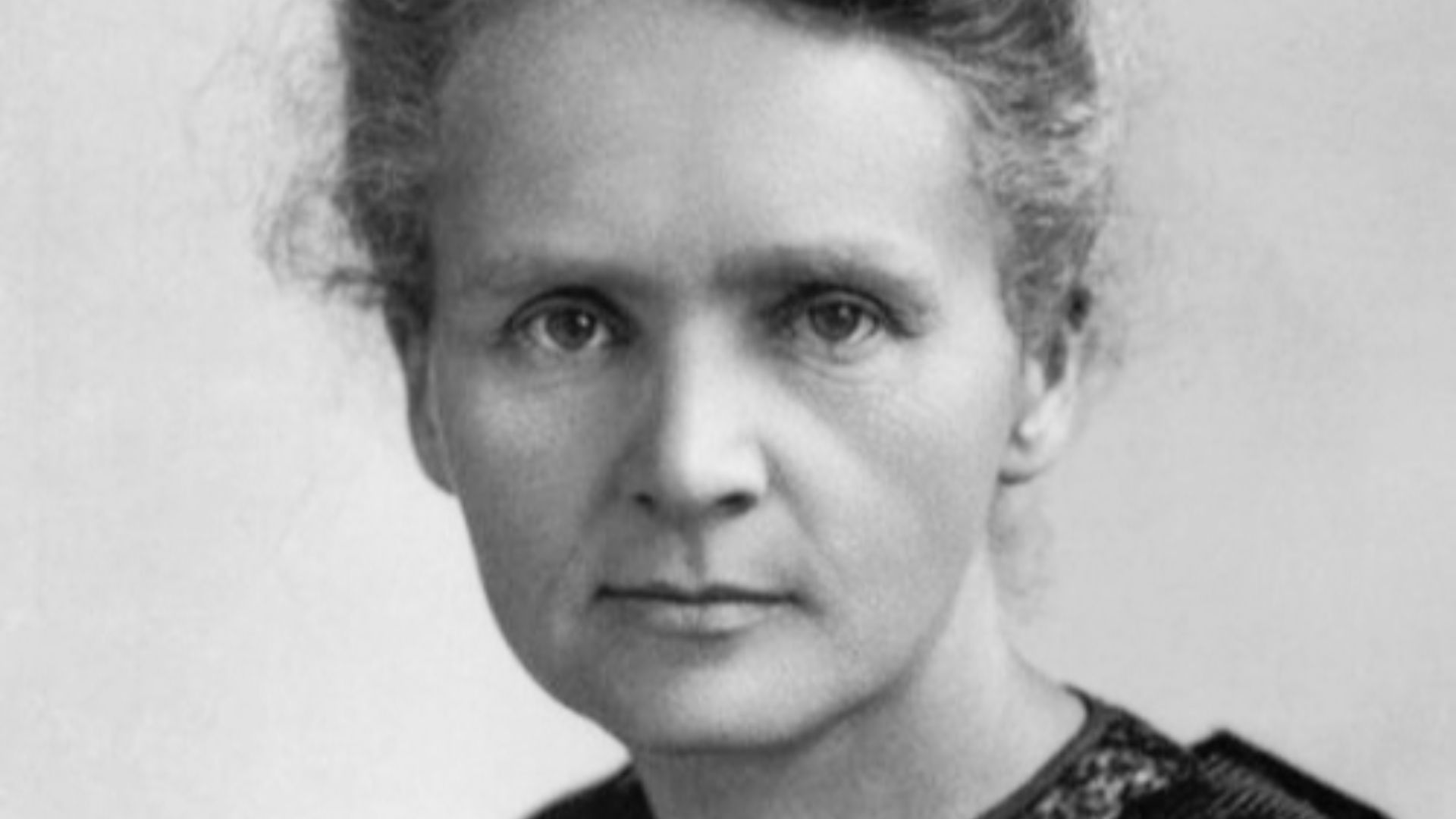
1. Hypatia
Hypatia of Alexandria was a mathematician, astronomer, and philosopher in the late ancient world. She taught advanced ideas at a time when intellectual life in Alexandria was deeply political and dangerous. Her reputation for learning made her one of the most respected thinkers of her era.
2. Hildegard of Bingen
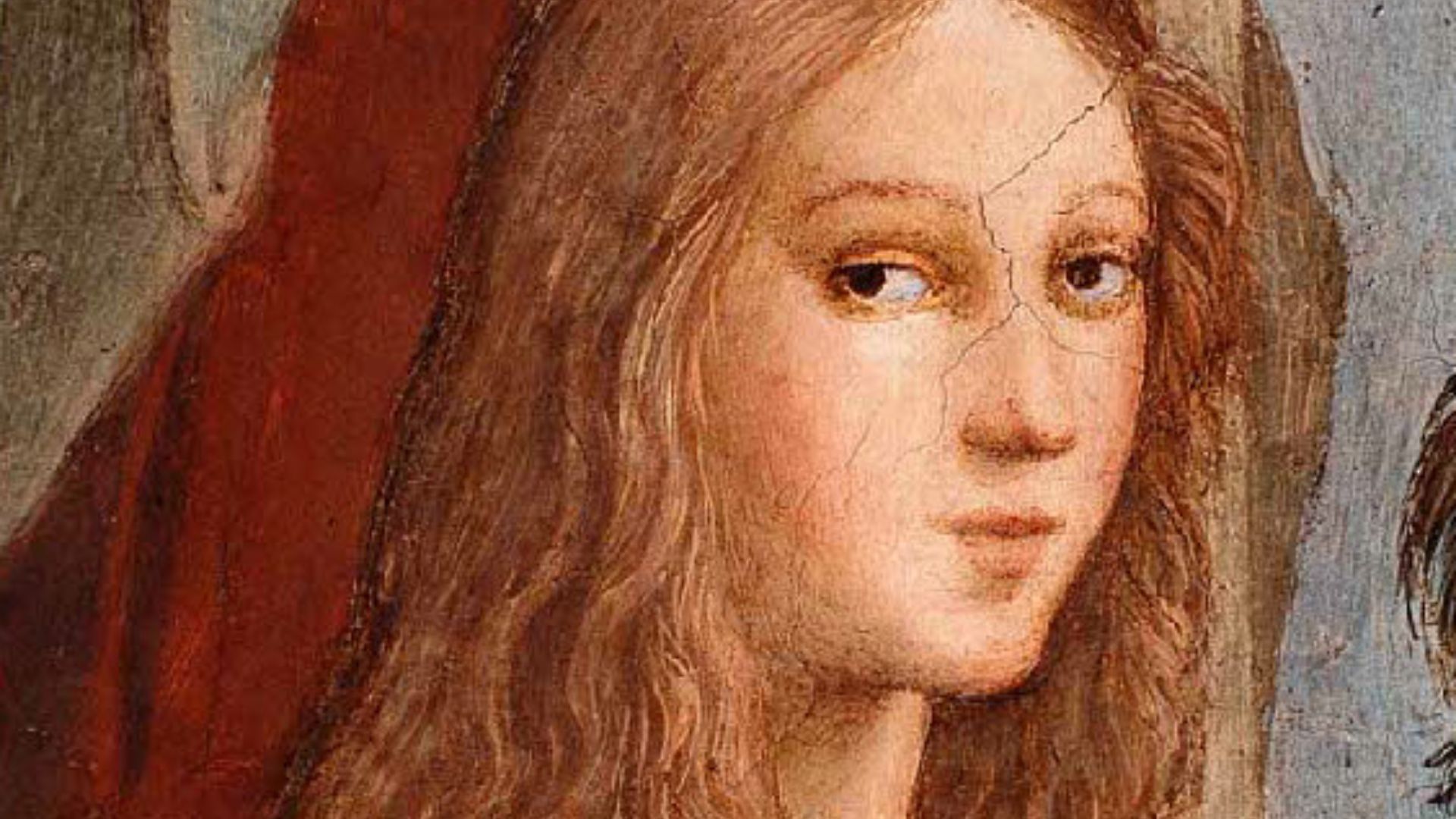
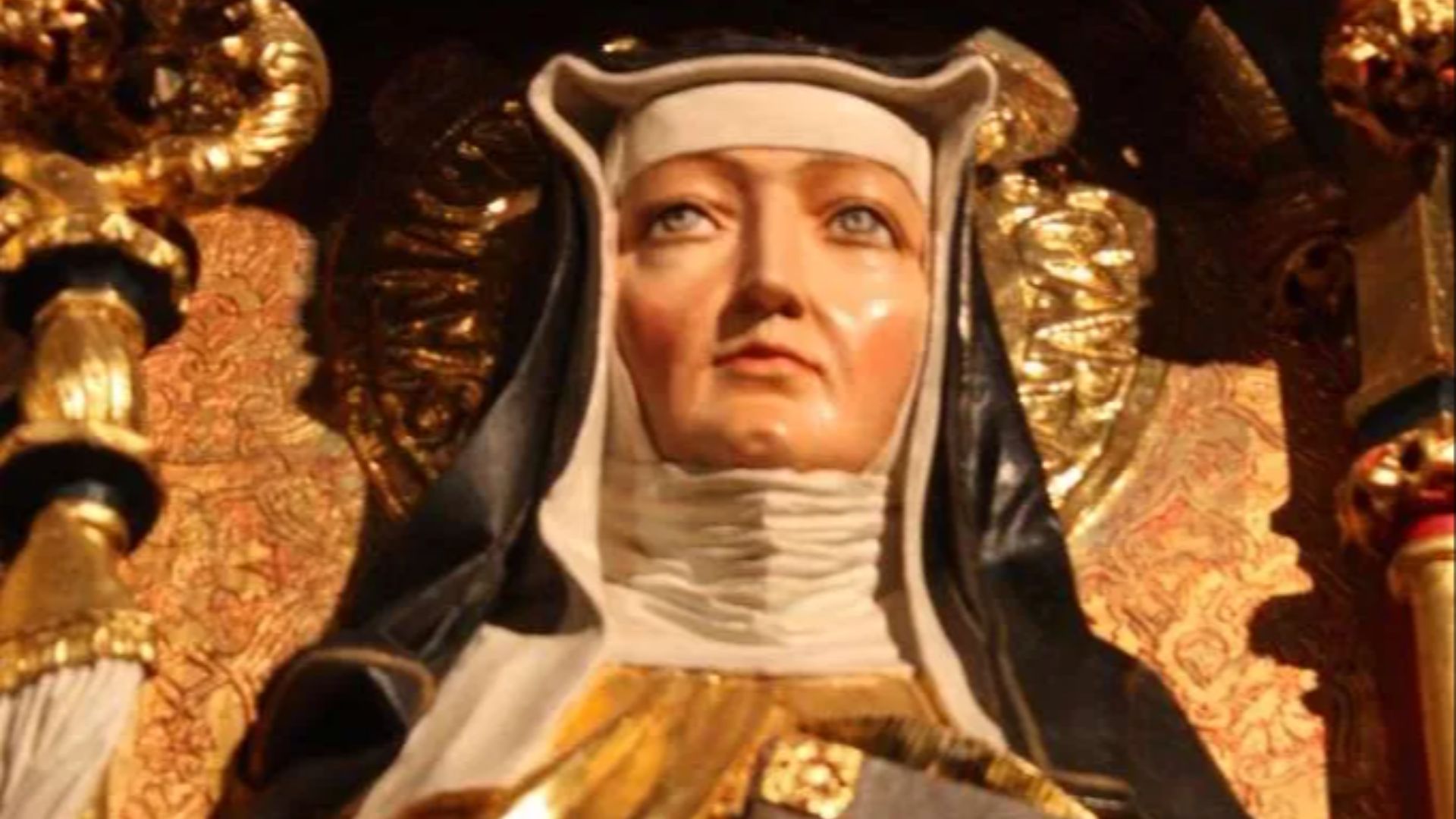
Hildegard of Bingen was a medieval abbess, composer, writer, theologian, and natural philosopher. She wrote about medicine, nature, music, spirituality, and the human body with a range that still feels astonishing. In an era when women had very limited public authority, she advised powerful figures and built a serious reputation for wisdom.
 Beloved female saints on Wikimedia
3. Christine de Pizan
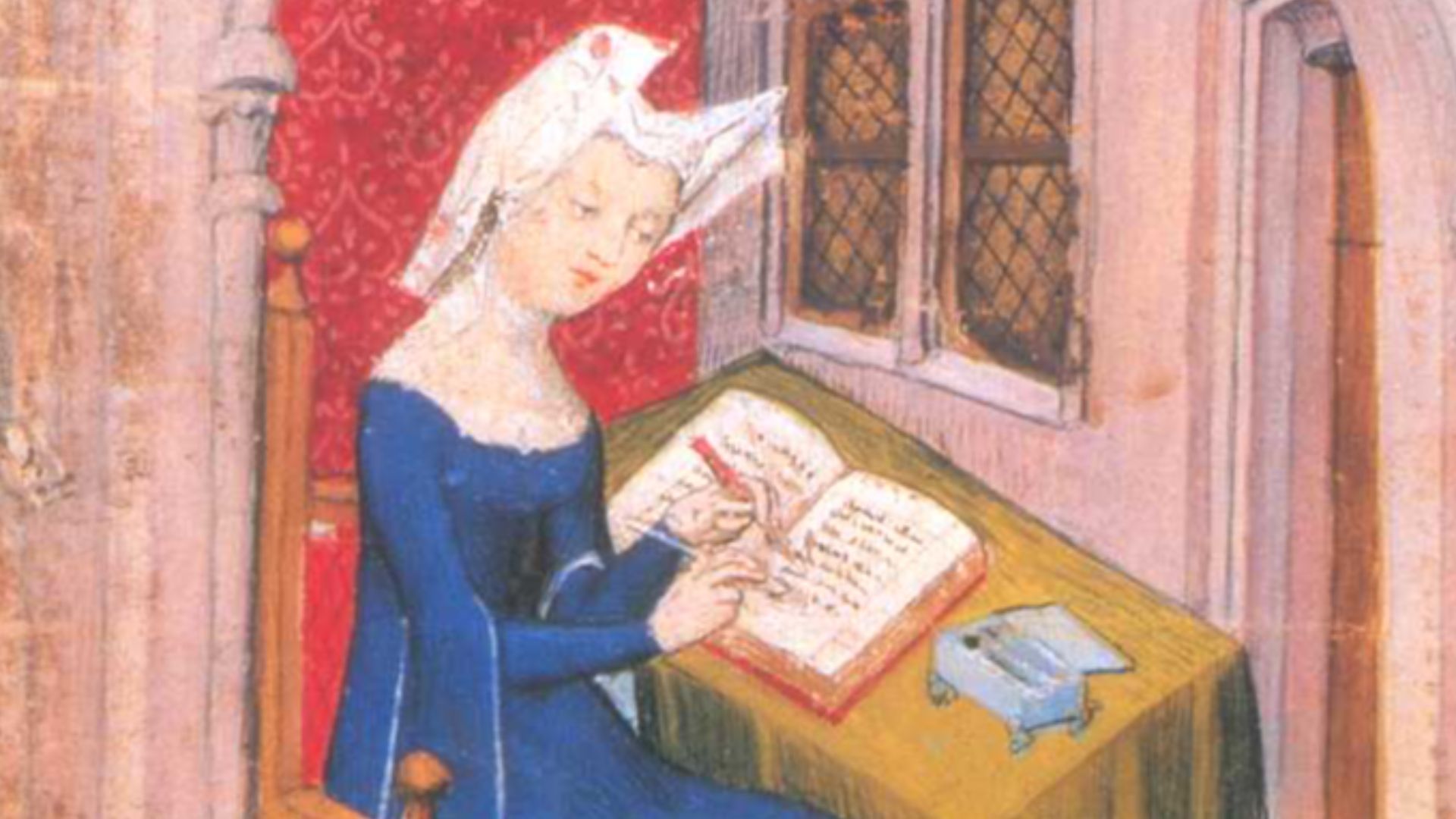
Christine de Pizan was one of the first women in Europe to earn a living as a professional writer. She wrote poetry, political works, biographies, and defenses of women’s intelligence at a time when misogynistic arguments were everywhere. Her book The Book of the City of Ladies challenged popular ideas about women’s supposed inferiority.
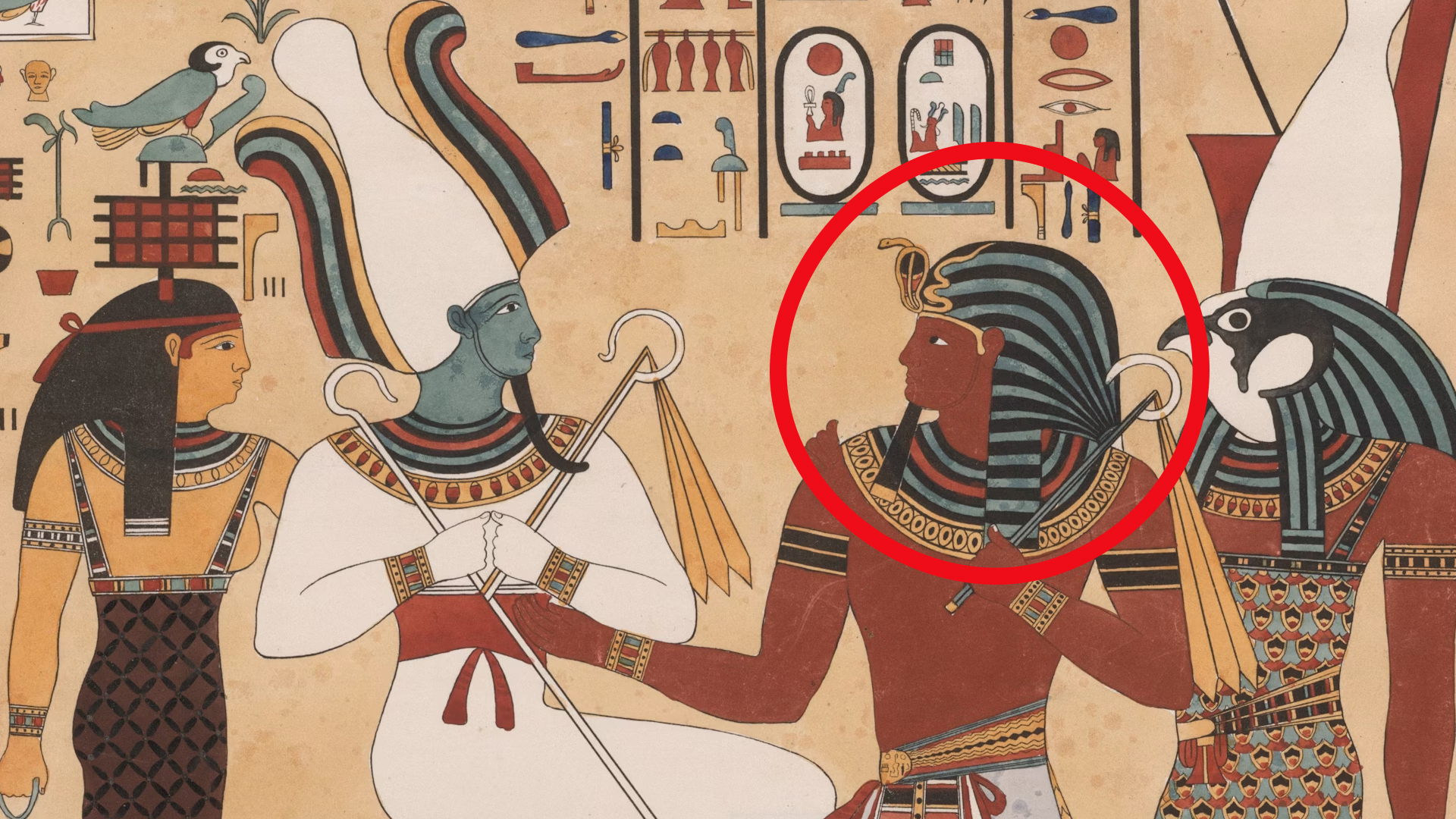
4. Cleopatra VII
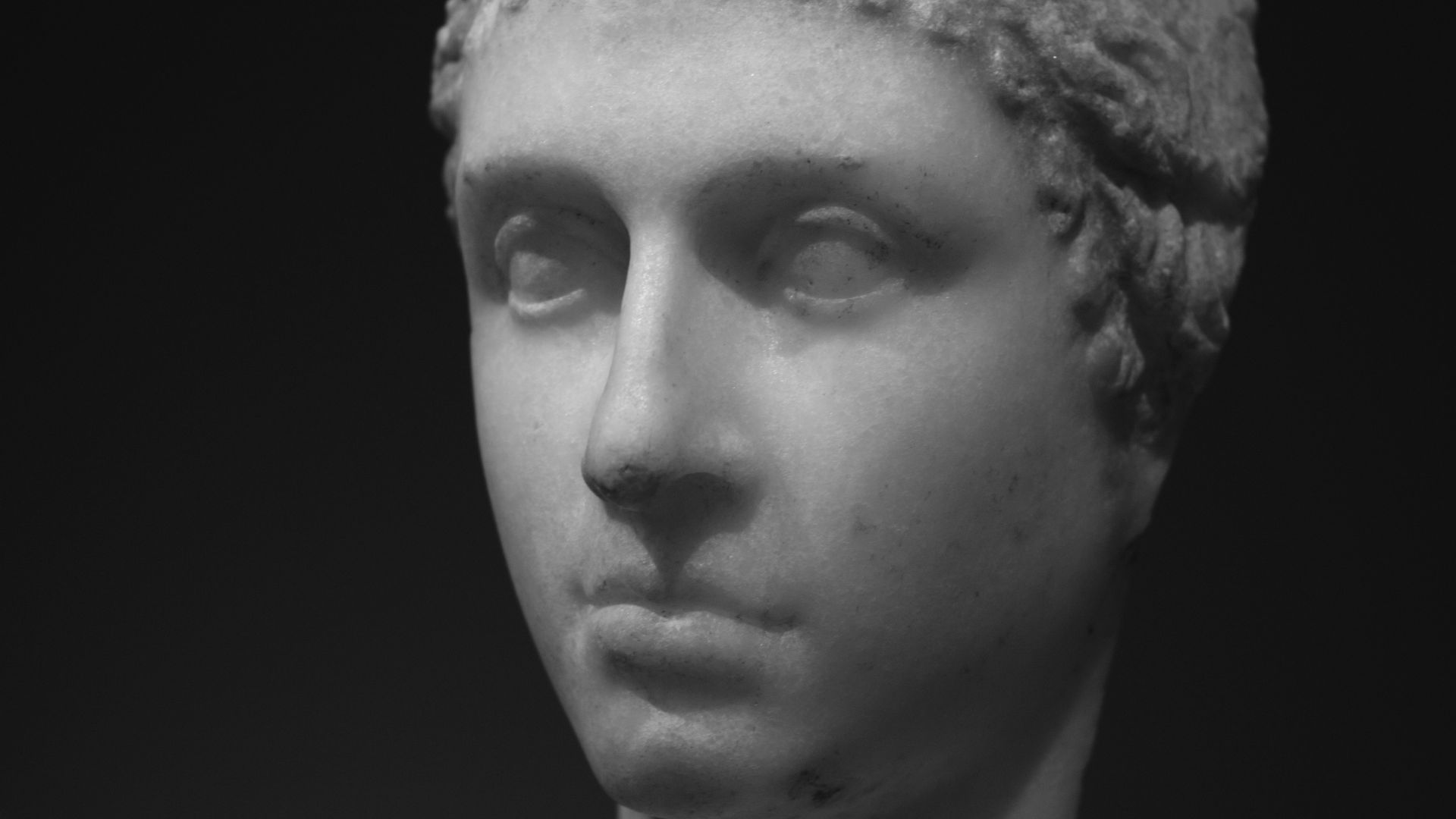
Cleopatra VII is often remembered for romance and drama, but that sells her political intelligence far too short. She ruled Egypt in a dangerous period, spoke multiple languages, and understood diplomacy as well as survival. Managing Rome’s power while trying to protect Egypt required strategy, charm, and nerve.
5. Elizabeth I
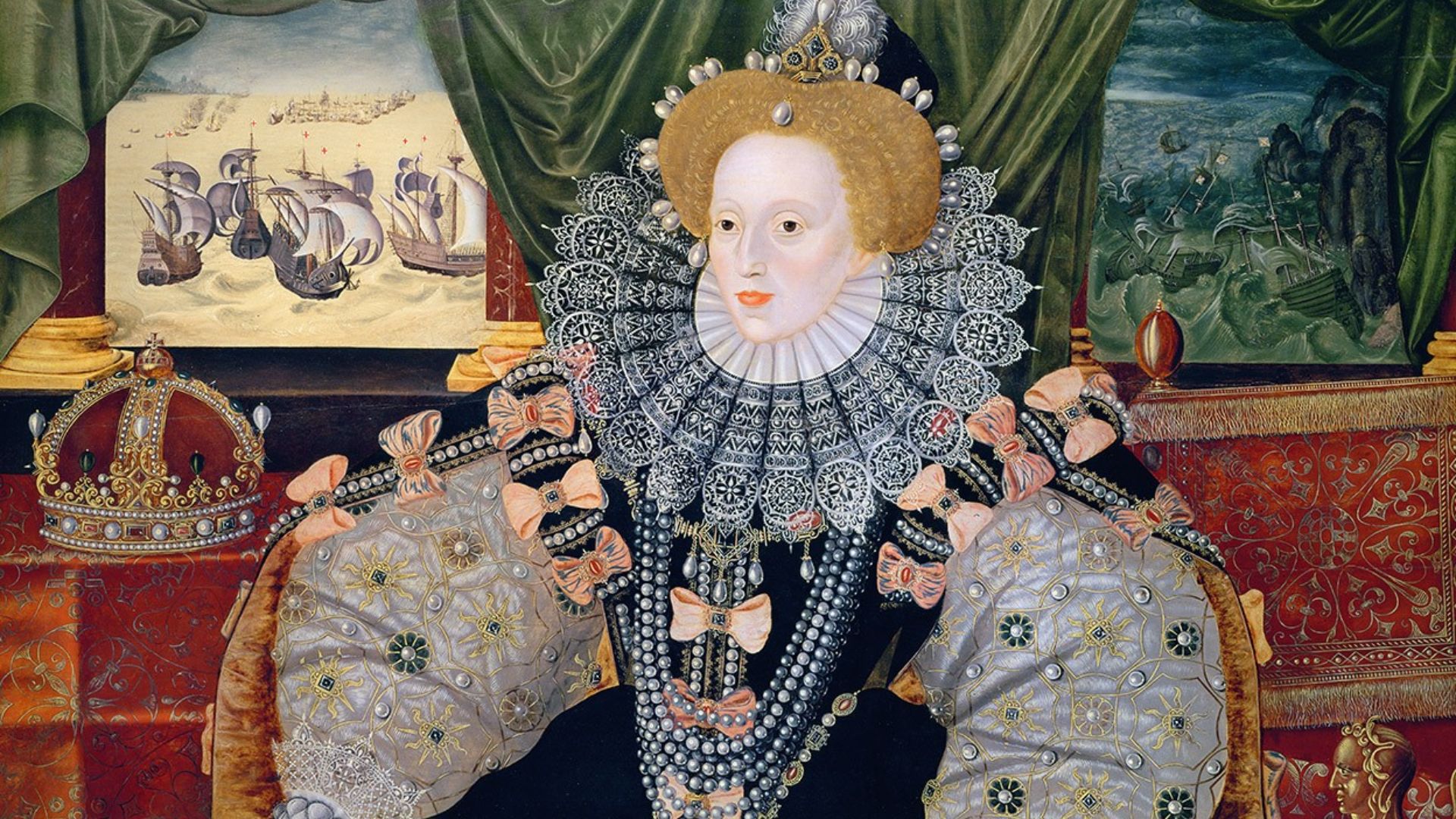
Elizabeth I ruled England for more than four decades and proved to be one of history’s sharpest political operators. She managed religious tension, foreign threats, court rivalries, and the pressure to marry without surrendering control. Her speeches and statecraft showed a mind that understood timing, image, and authority.
 Formerly attributed to George Gower on Wikimedia
6. Sor Juana Inés de la Cruz
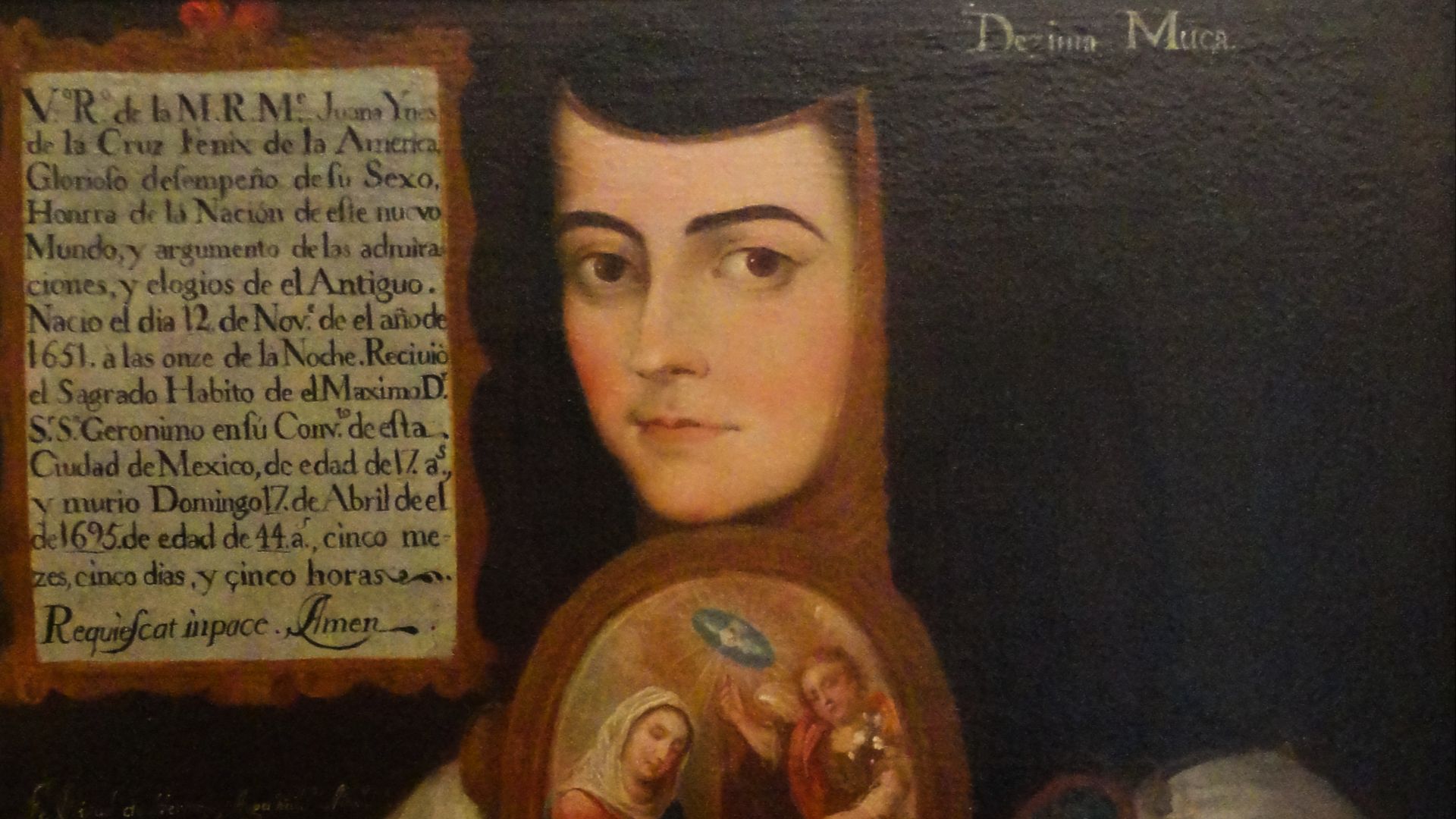
Sor Juana Inés de la Cruz was a Mexican nun, poet, philosopher, playwright, and scholar with a hunger for learning that couldn't be contained. She built an impressive library and wrote about theology, literature, science, and women’s right to education.
 Fray Miguel de Herrera on Wikimedia
7. Émilie du Châtelet
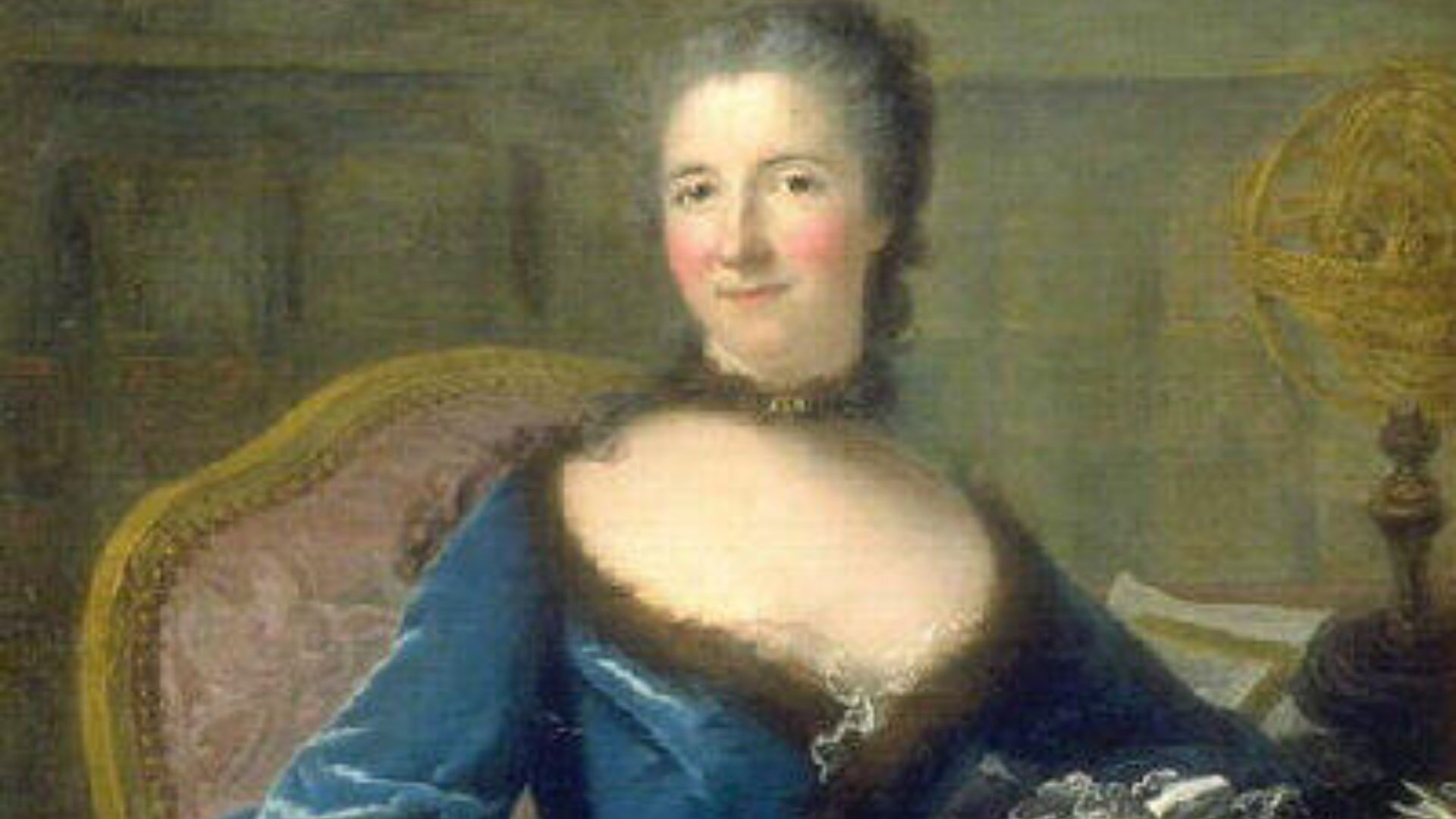
Émilie du Châtelet was a brilliant French mathematician and physicist who helped bring Newton’s ideas to a wider European audience. Her translation and commentary on Newton’s Principia remain historically important. She also worked on energy, motion, and natural philosophy at a level that demanded serious technical skill.
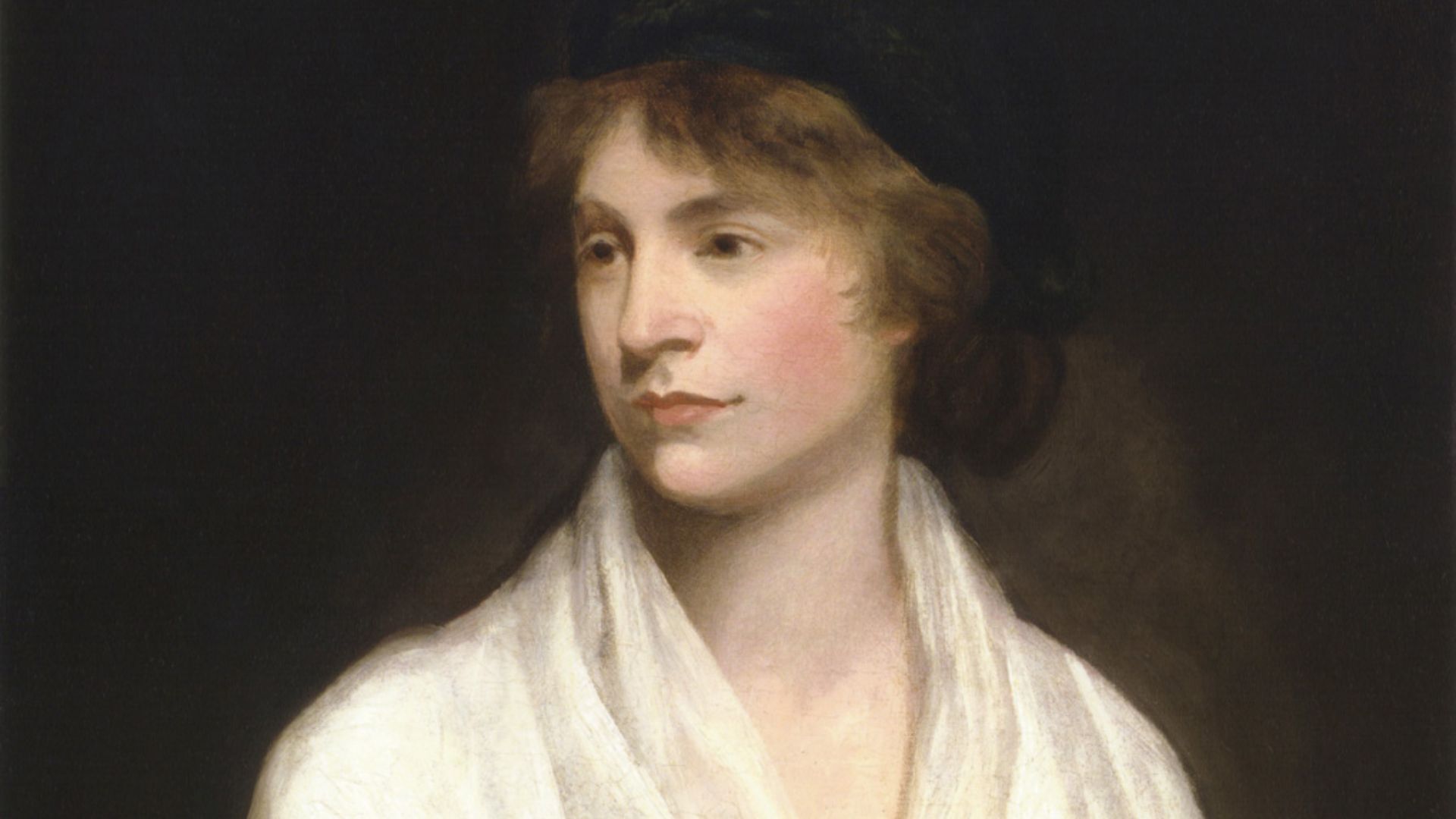
8. Mary Wollstonecraft
Mary Wollstonecraft was a philosopher and writer whose ideas helped shape modern feminist thought. In A Vindication of the Rights of Woman, she argued that women weren't naturally inferior but were denied proper education. That argument was bold, clear, and deeply influential.
9. Ada Lovelace
Ada Lovelace is often associated with early computing because of her work on Charles Babbage’s Analytical Engine. She understood that such a machine could do more than basic arithmetic, which was a remarkably forward-looking idea. Her notes included an algorithmic approach that helped make her a symbol of computer programming history.
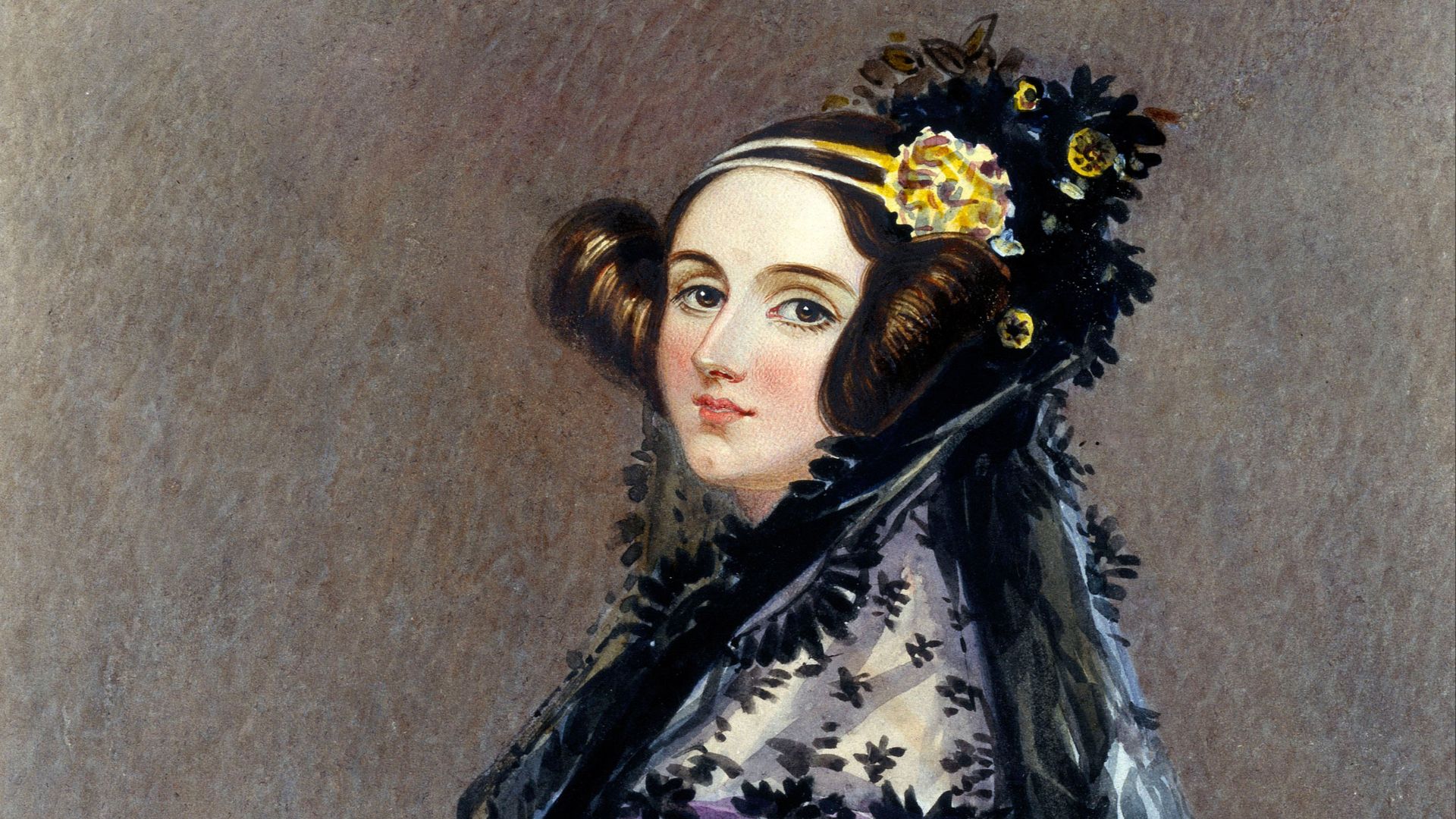 Alfred Edward Chalon on Wikimedia
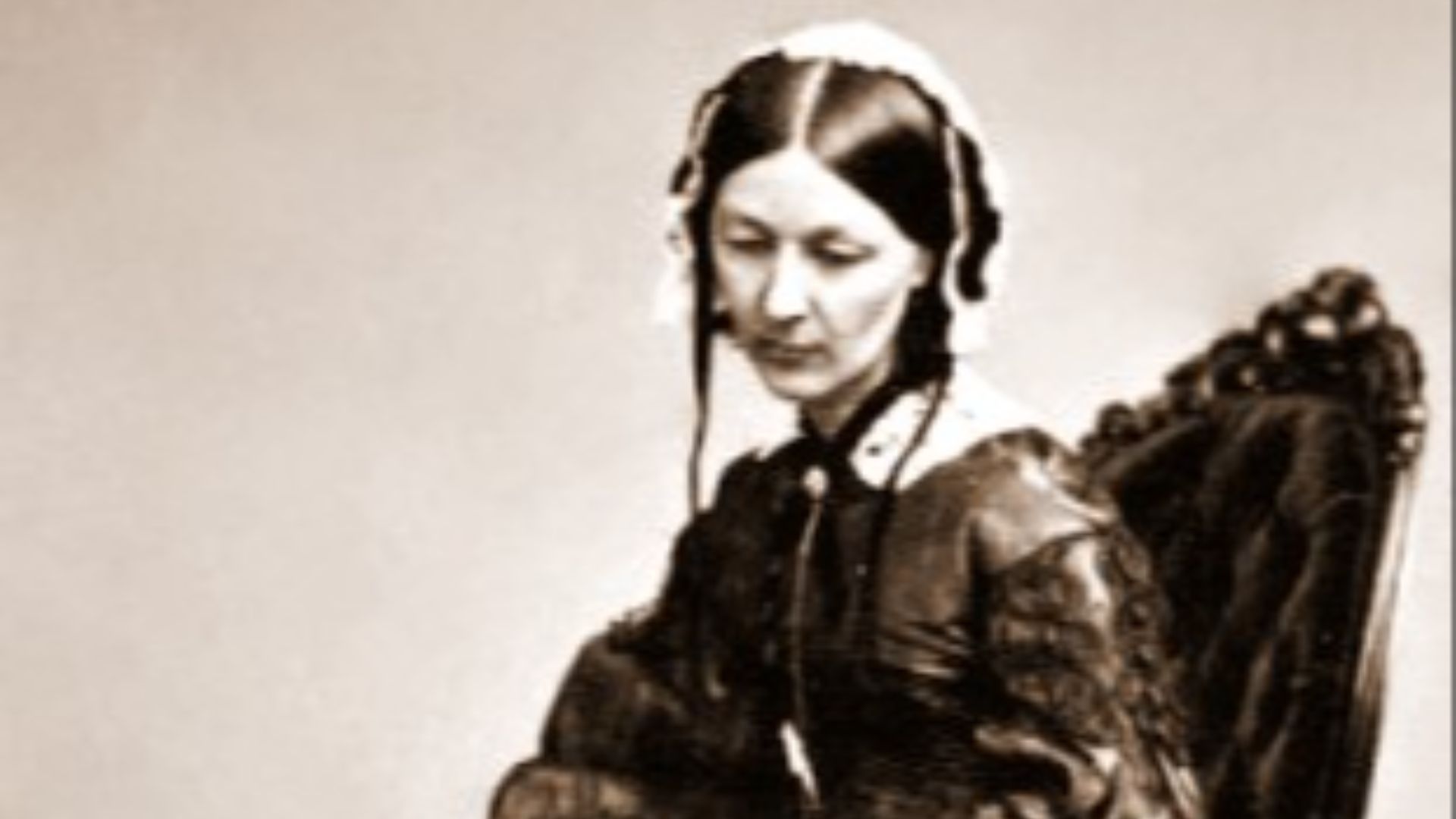
10. Florence Nightingale
Florence Nightingale was more than the compassionate nurse people picture from school lessons. She was a skilled statistician who used data to argue for sanitation, hospital reform, and better medical care. Her charts and analysis helped persuade officials who might have ignored emotional appeals alone.
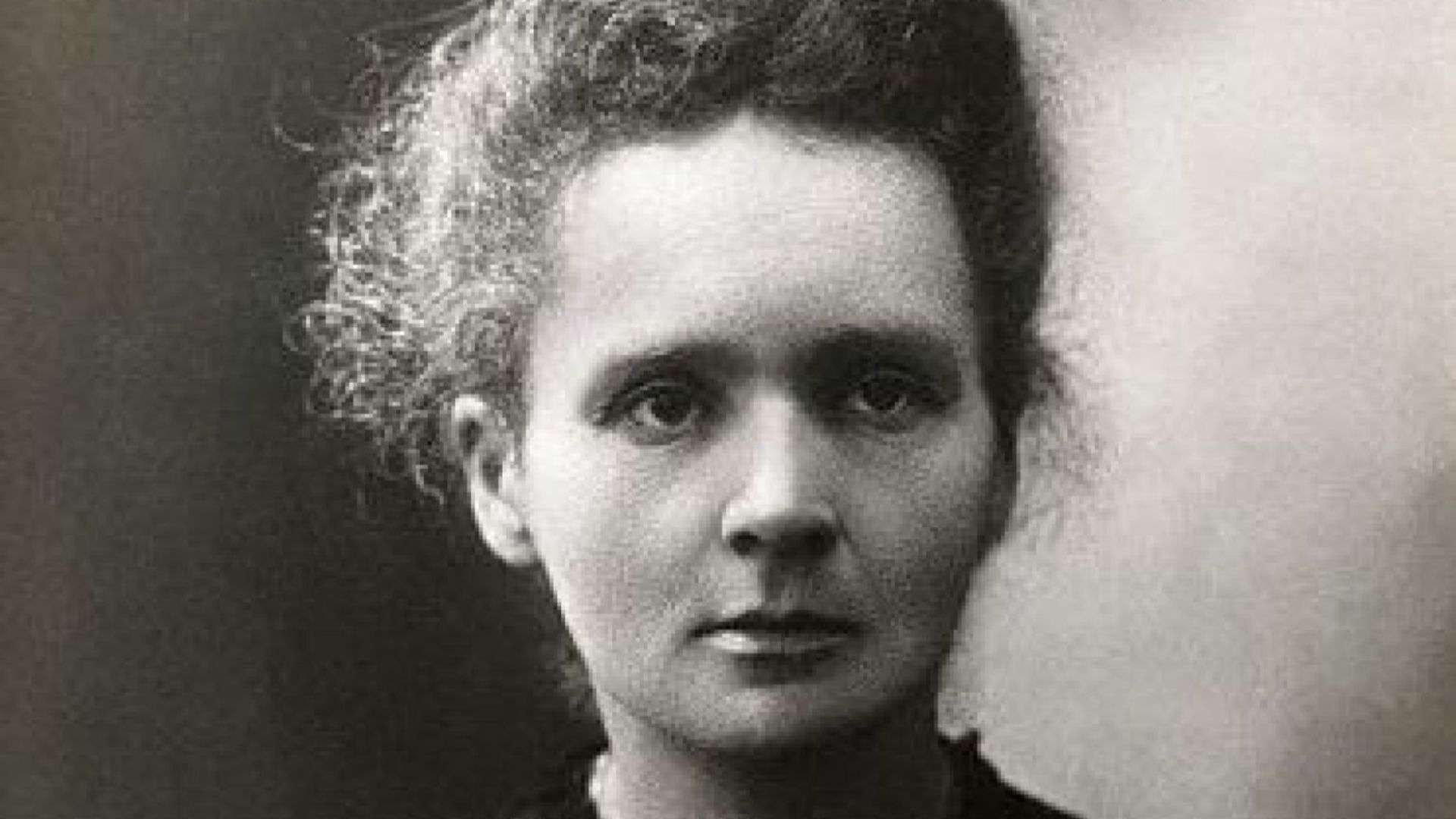
11. Marie Curie
Marie Curie changed science through her groundbreaking work on radioactivity. She became the first woman to win a Nobel Prize and later won a second Nobel Prize in a different scientific field. Her research required patience, precision, and remarkable courage in a field whose dangers were not yet fully understood.
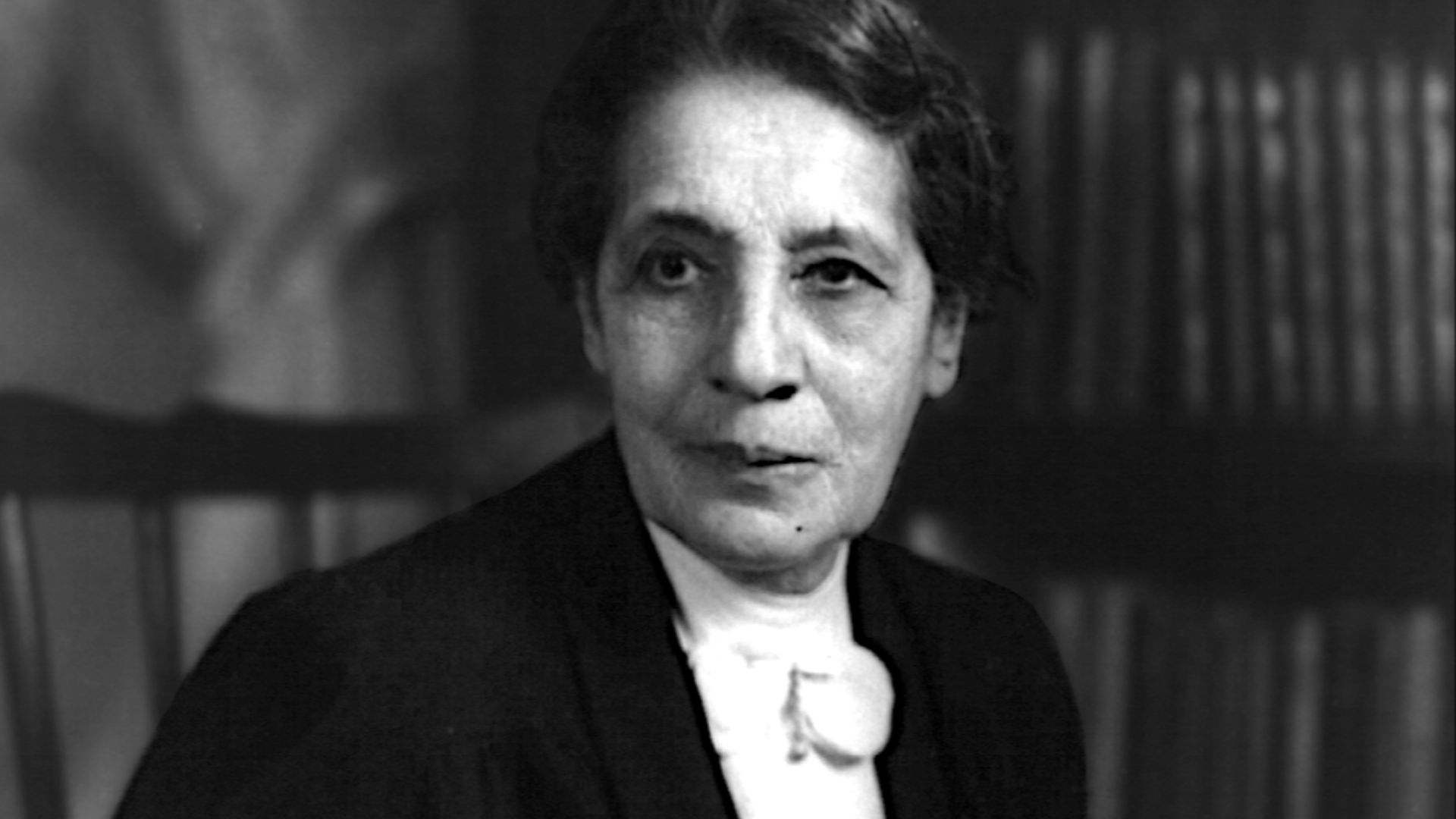
12. Lise Meitner
Lise Meitner was a physicist whose work helped explain nuclear fission. Although she didn't receive the Nobel Prize that went to Otto Hahn, many historians and scientists recognize her essential role in the discovery. She combined deep theoretical understanding with persistence through exile and discrimination.
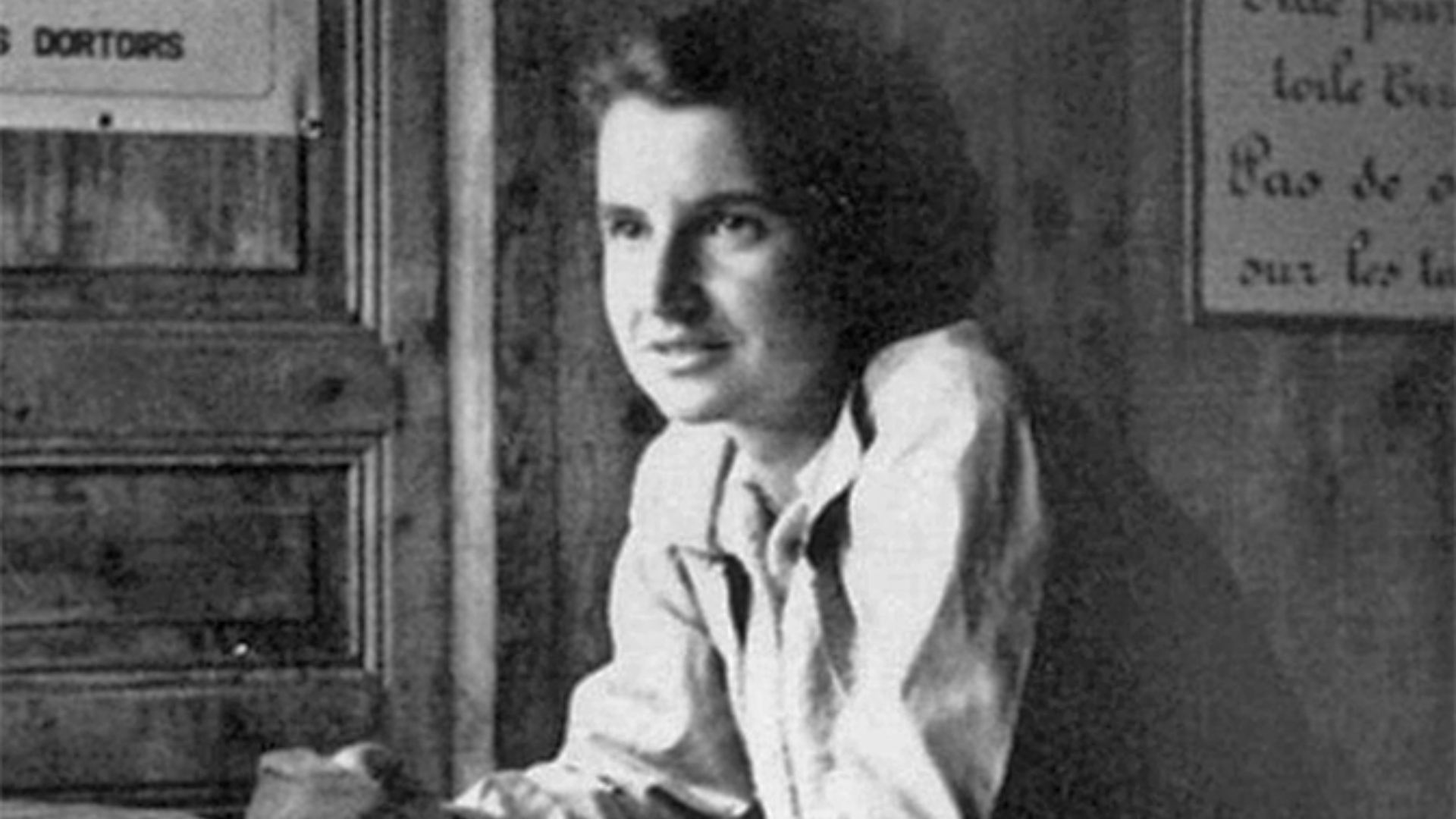
13. Rosalind Franklin
Rosalind Franklin’s X-ray crystallography work was crucial to understanding the structure of DNA. Her famous Photograph 51 helped reveal the double-helix shape, although she did not receive the recognition she deserved during her lifetime. Franklin was precise, rigorous, and deeply skilled in experimental science.
 CSHL, derivative work Lämpel on Wikimedia
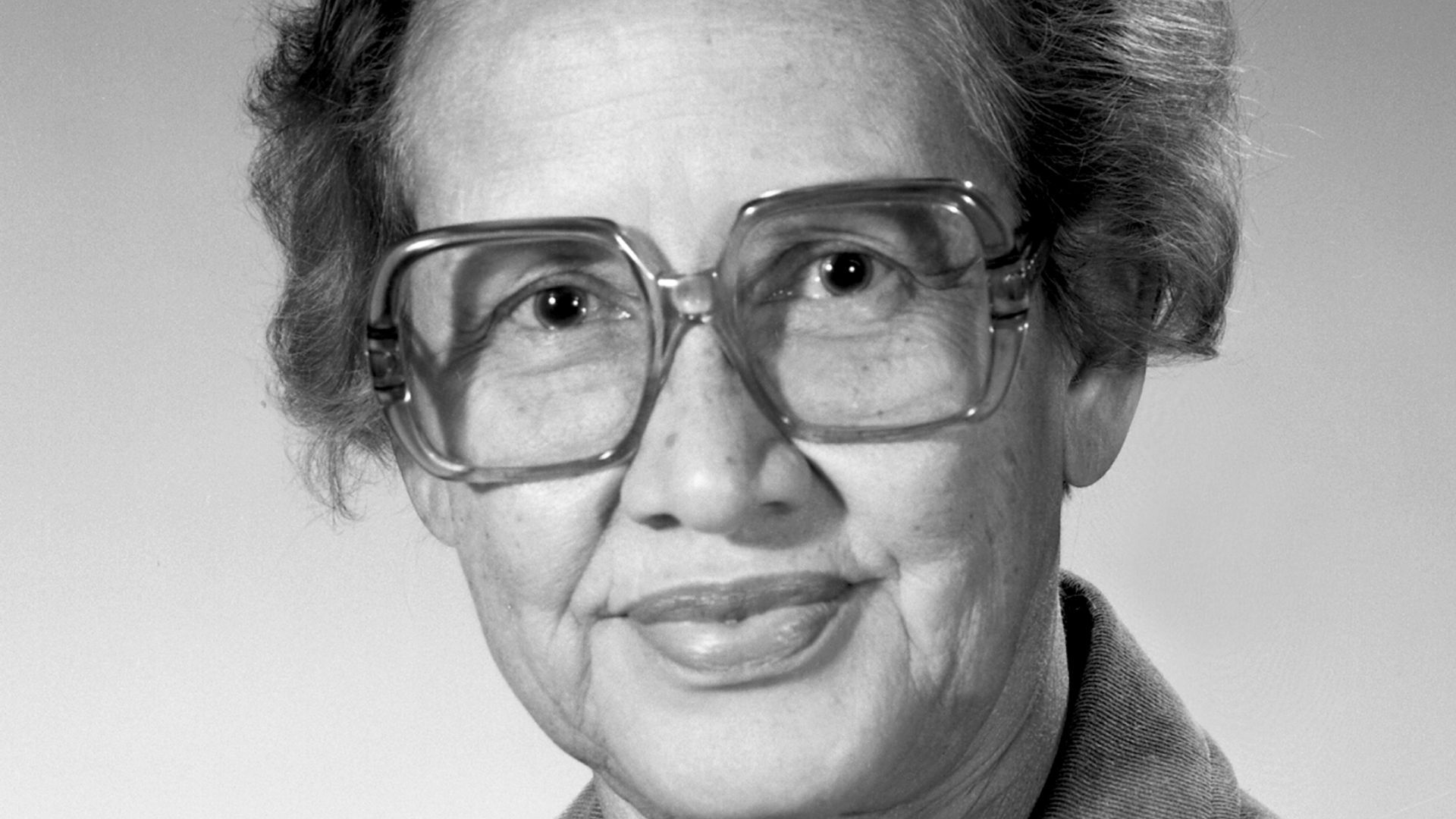
14. Katherine Johnson
Katherine Johnson was a mathematician whose calculations helped make early American spaceflight possible. At NASA, her work contributed to missions involving Alan Shepard, John Glenn, and Apollo. John Glenn famously trusted her to check the computer calculations before his orbital flight.
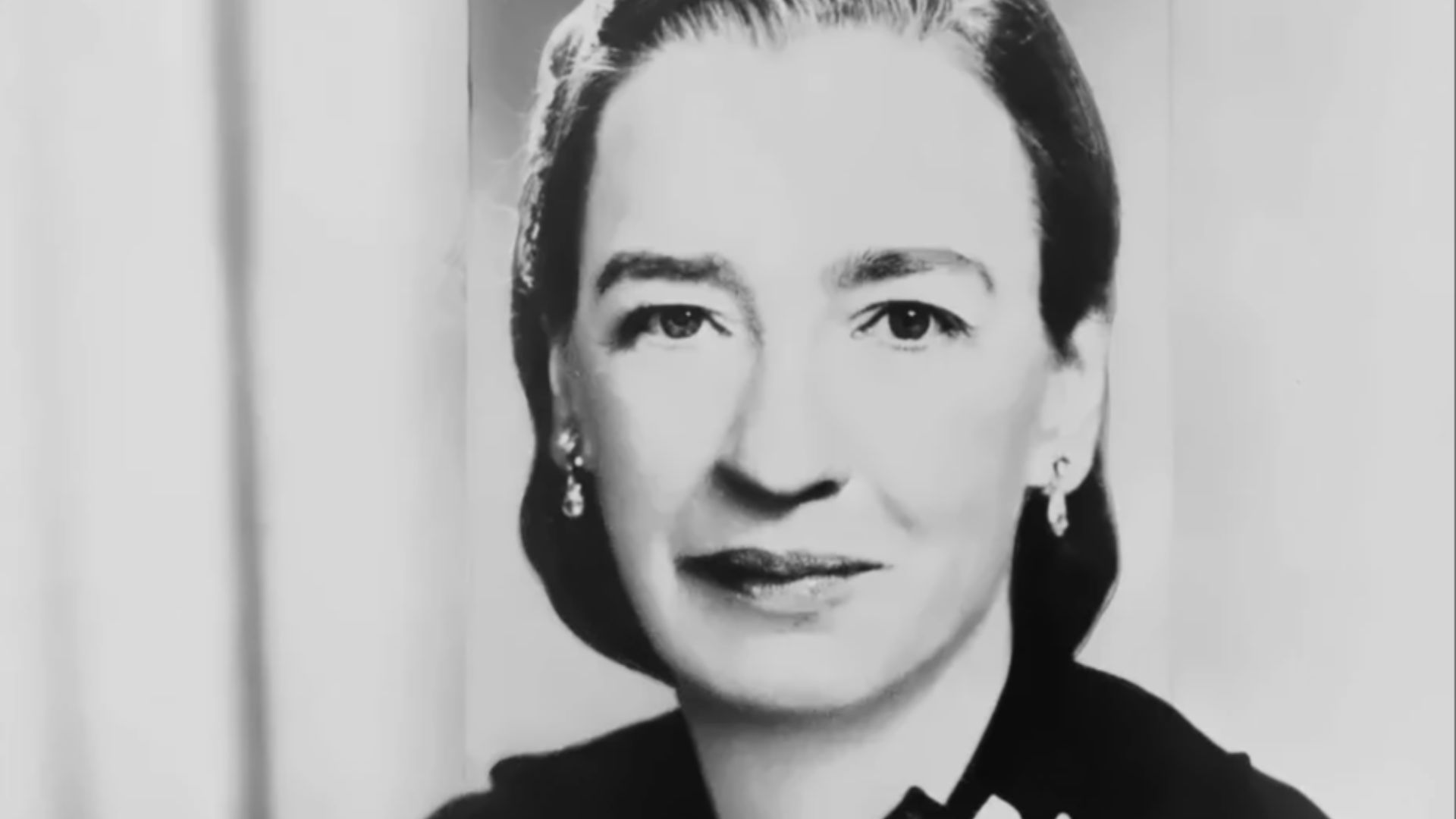
15. Grace Hopper
Grace Hopper was a computer scientist and naval officer who helped shape modern programming. She worked on early computers, helped develop compiler technology, and influenced the creation of COBOL. Hopper was brilliant not just because she understood machines, but because she wanted more people to communicate with them.
16. Chien-Shiung Wu
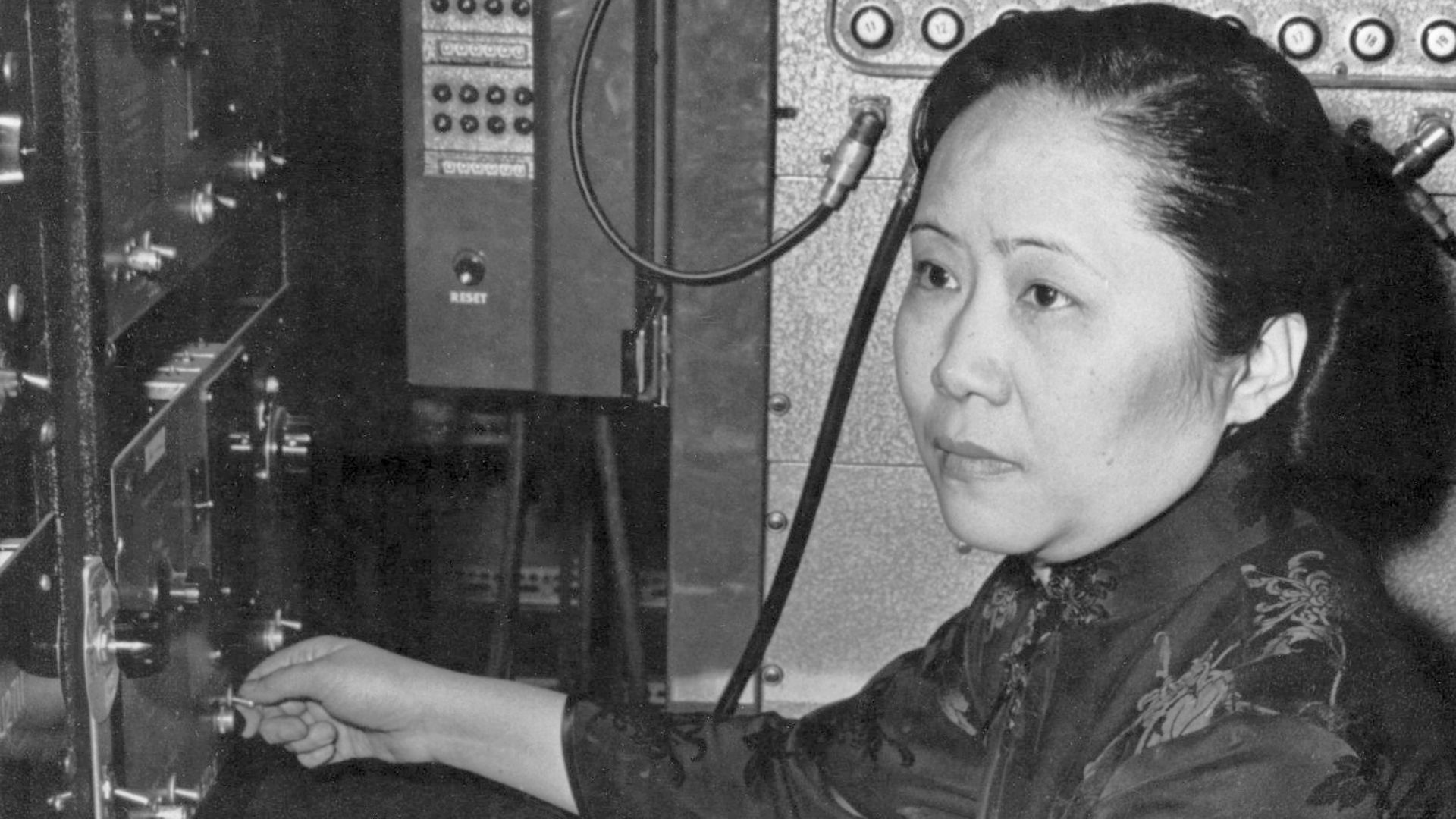
Chien-Shiung Wu, nicknamed the “First Lady of Physics,” was an experimental physicist whose work changed the understanding of particle physics. Her famous experiment helped disprove the law of parity conservation, a major scientific shift. Although male colleagues received the Nobel Prize for the theory, Wu’s experimental skill was essential.
 Smithsonian Institution on Wikimedia
17. Dorothy Hodgkin
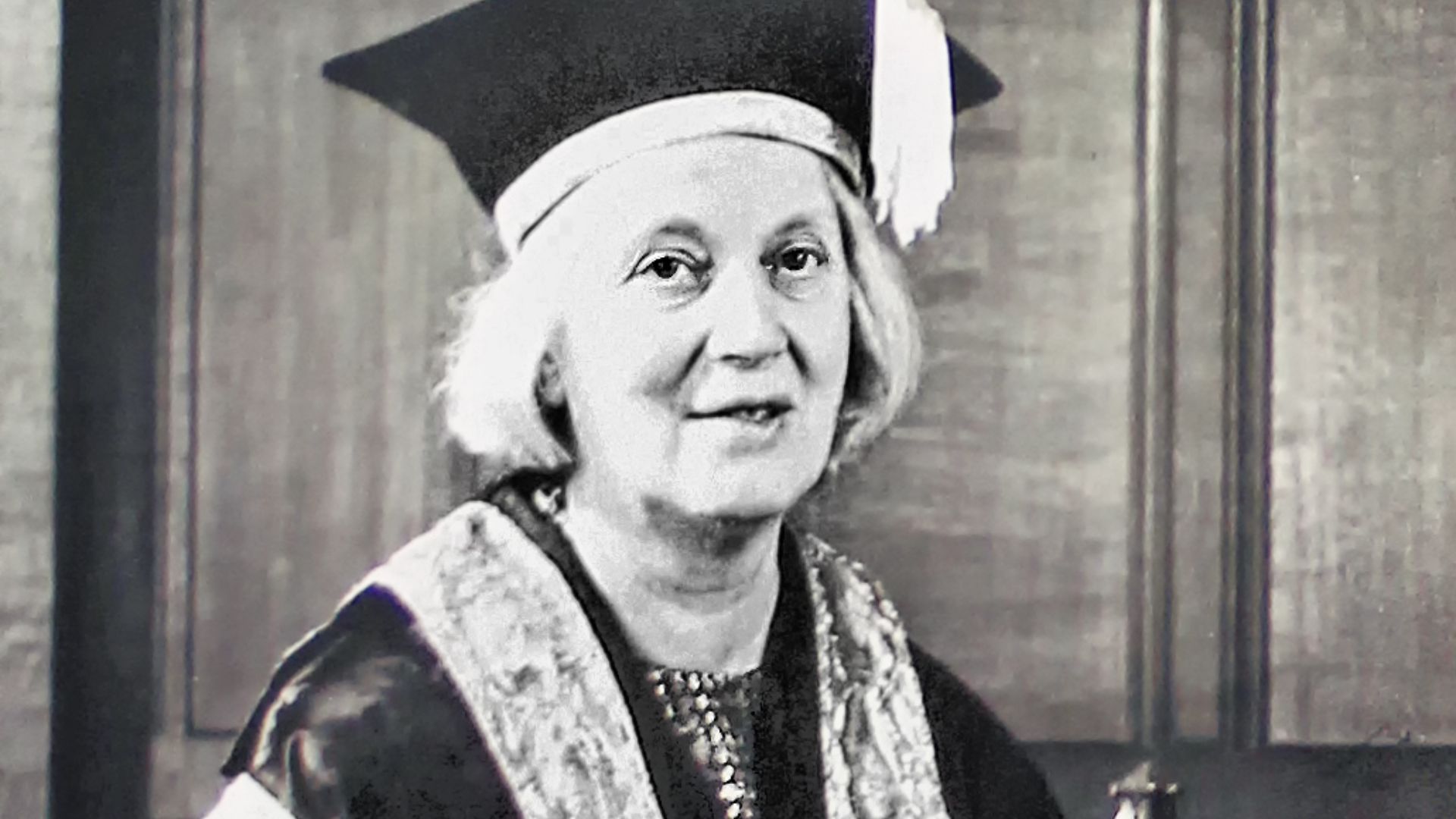
Dorothy Hodgkin used X-ray crystallography to determine the structures of important biological molecules. Her work on penicillin, vitamin B12, and insulin helped transform chemistry and medicine. She won the Nobel Prize in Chemistry in 1964 for her achievements.
 University of Bristol on Wikimedia
18. Barbara McClintock
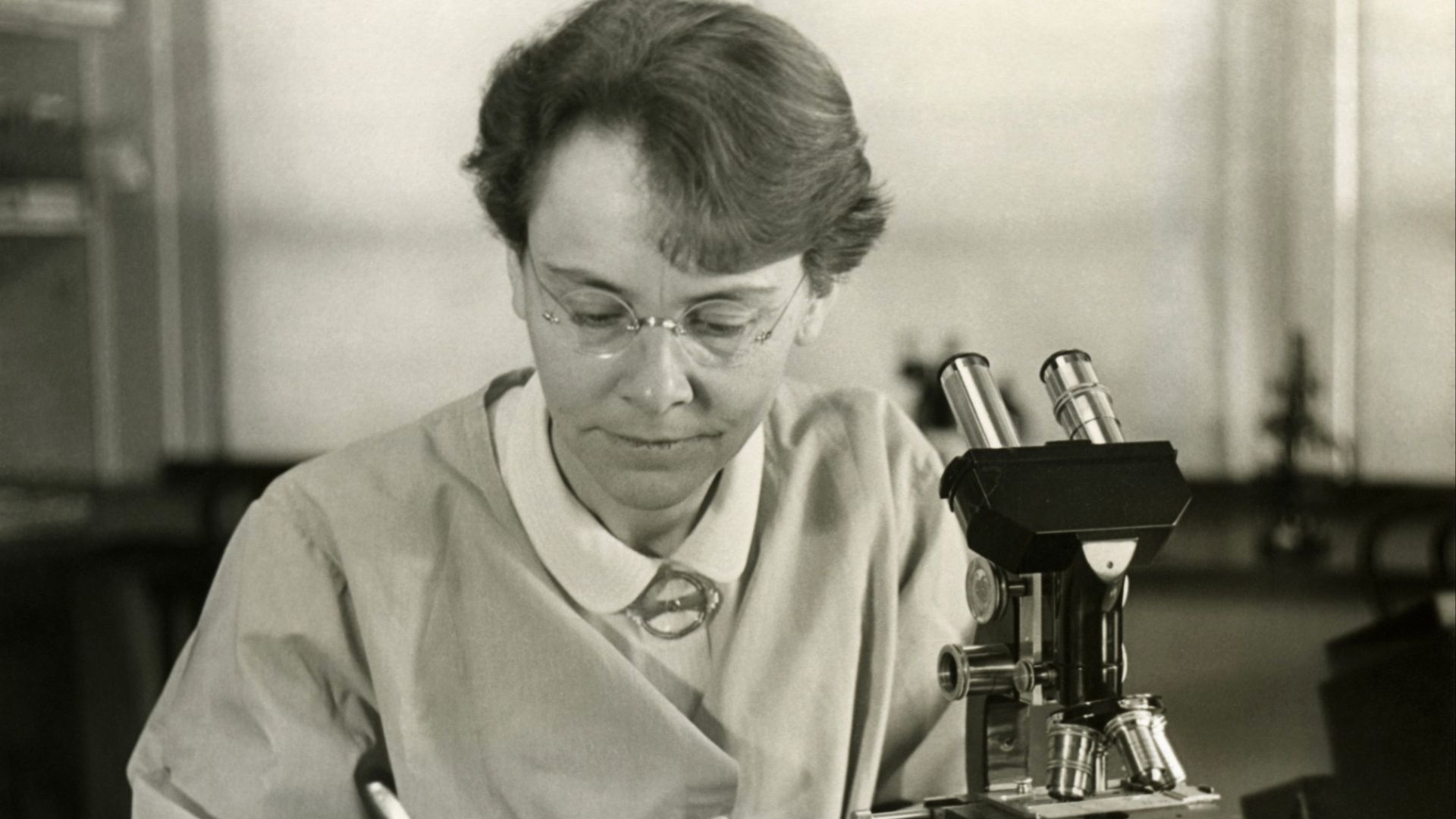
Barbara McClintock was a geneticist who discovered “jumping genes,” or transposable elements. Her findings were initially resisted because they challenged established ideas about the genome. Years later, science caught up with her, and she received the Nobel Prize in Physiology or Medicine.
 Smithsonian Institution on Wikimedia
19. Hannah Arendt
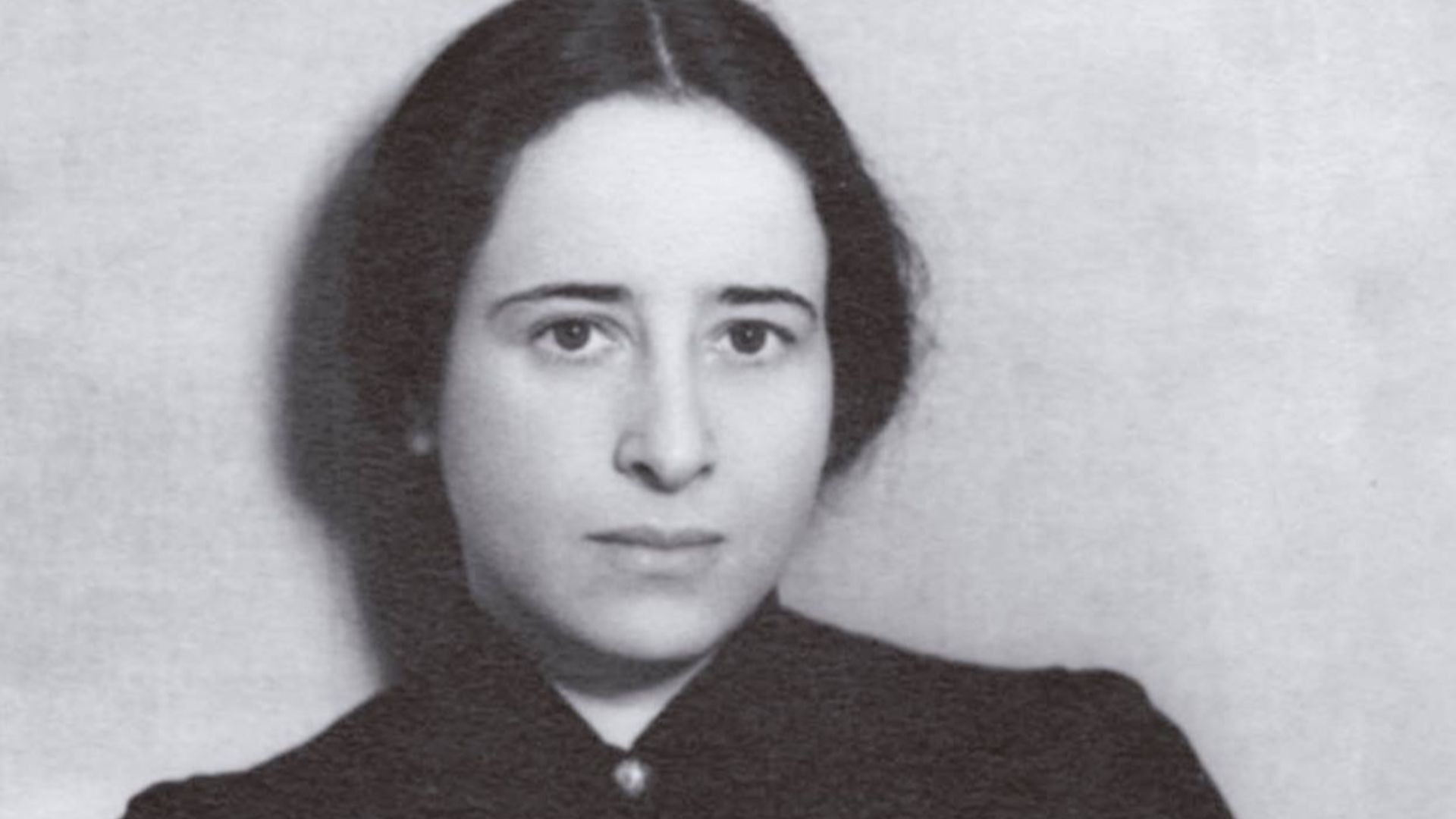
Hannah Arendt was a political theorist who examined power, totalitarianism, responsibility, and public life with unusual depth. Her writing on authoritarianism and moral judgment remains widely discussed. She wasn't afraid of difficult questions, even when her conclusions made people uncomfortable.
20. Jane Goodall
Jane Goodall transformed the study of chimpanzees and challenged long-held assumptions about humans and animals. Her fieldwork showed that chimpanzees use tools, form complex relationships, and have rich social lives. She brought patience, observation, and empathy into science without losing seriousness.