

The Big Ones We Remember
Leadership shows in what gets done, not just what's said. Some presidents made outstanding moves, and their choices shaped what came next. While not every move was loud or dramatic, the lasting ones are hard to ignore, so let's look at the 20 most memorable things they actually did.
 White House Photo Office on Wikimedia
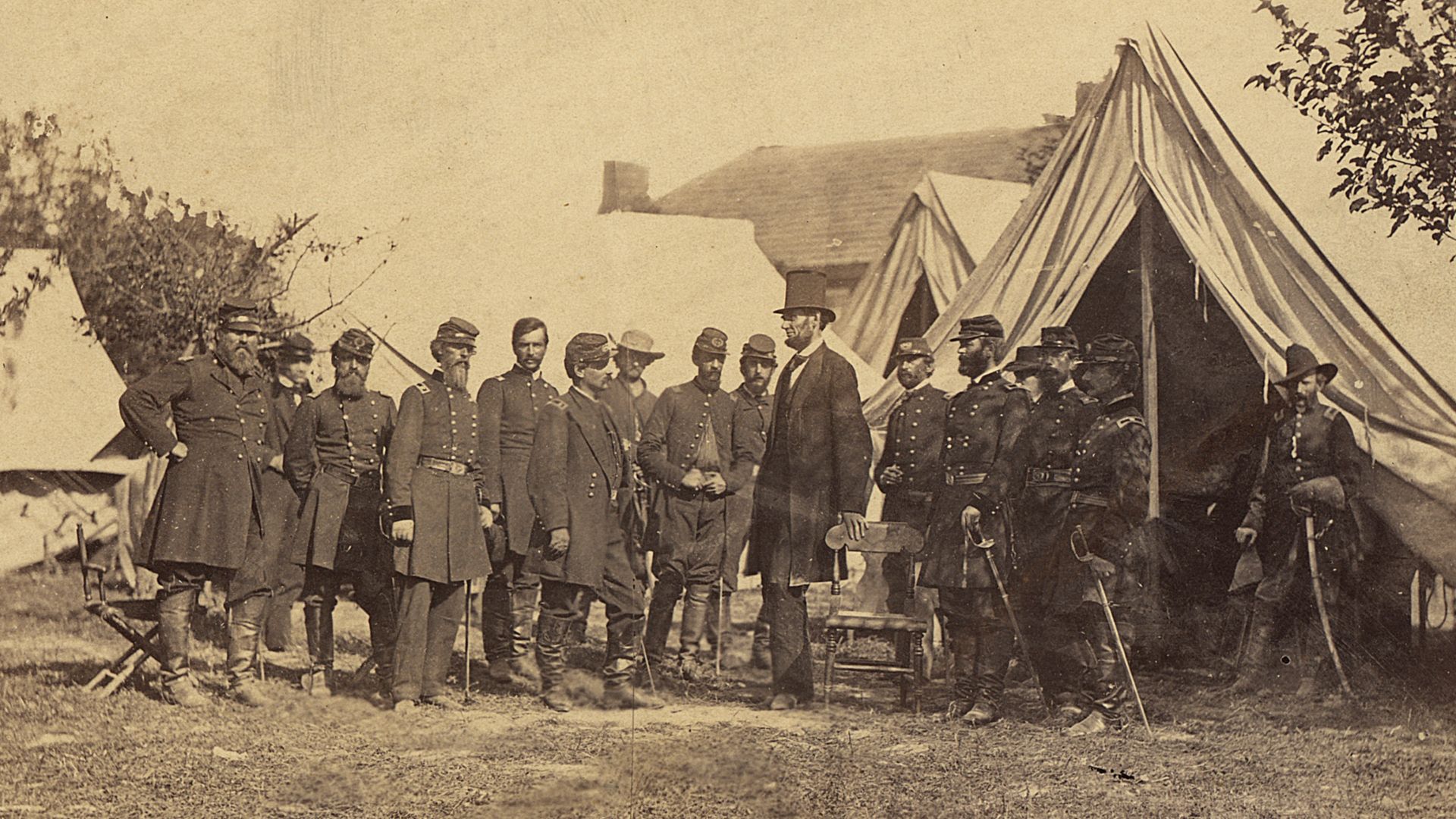
1. Abraham Lincoln Led Through The Civil War
Lincoln stepped into office in 1861 as the nation fractured. Southern states were leaving, conflict was unavoidable, but he refused to accept disunion and committed to preserving the Union. After four exhausting years, the Union stood—fractured but intact.
 Unknown authorUnknown author or not provided on Wikimedia
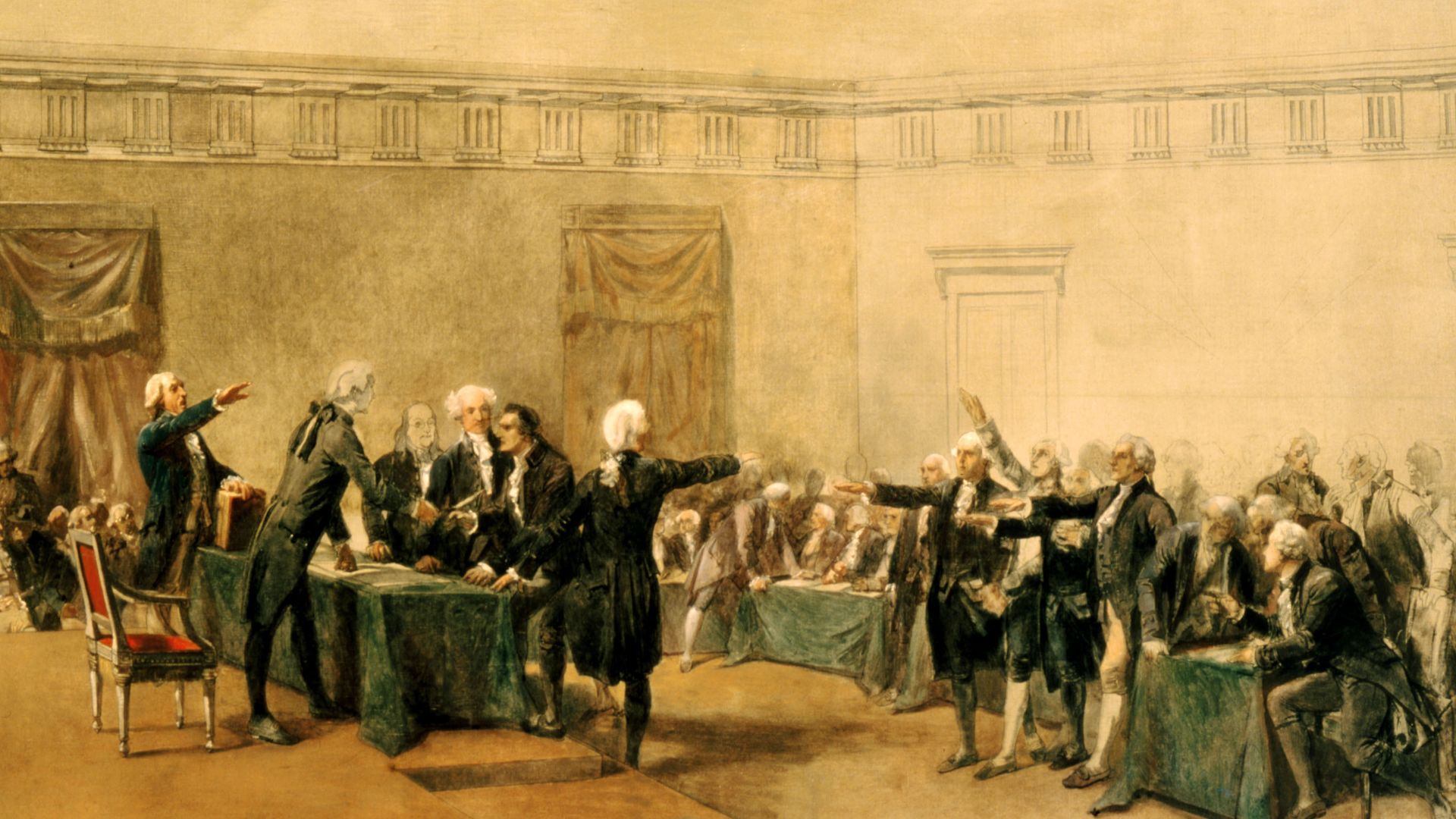
2. George Washington Declared American Independence From British Rule
Although Jefferson drafted the Declaration, Washington made it stick. In 1775, he took command of the Continental Army, leading an under-equipped force through years of war. His leadership kept the revolution alive. When it ended, he declined absolute power.
 Charles Édouard Armand-Dumaresq on Wikimedia
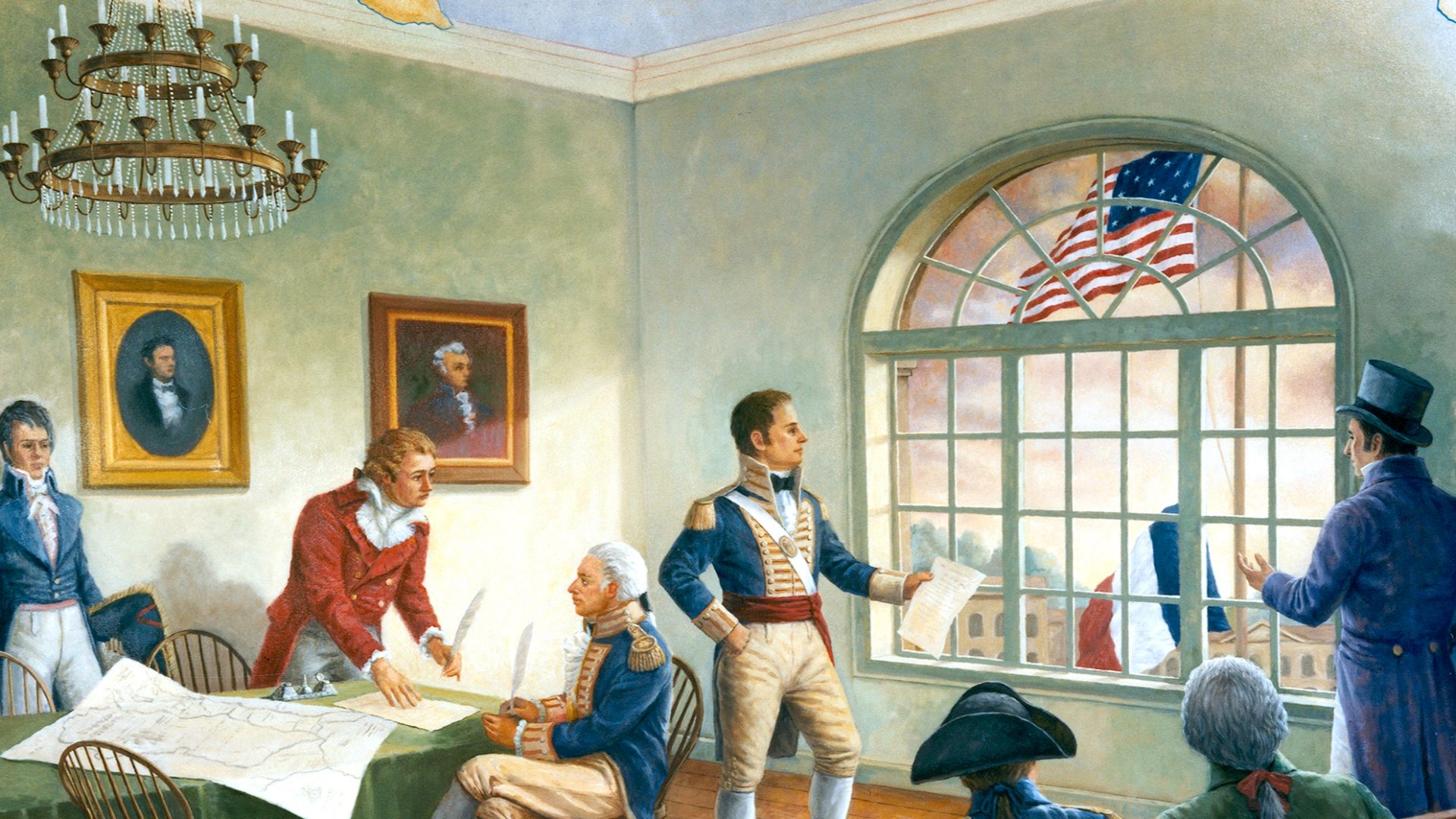
3. Thomas Jefferson Authorized the Louisiana Purchase
In 1803, Jefferson negotiated the Louisiana Purchase with France. This doubled the size of the United States and opened vast new lands for growth and exploration. Though it tested his strict views on government power, he made the call anyway.
4. Theodore Roosevelt Broke Up Corporate Monopolies
At the turn of the century, monopolies ran unchecked. Roosevelt saw the threat to fair markets and took action. Using the Sherman Antitrust Act, he targeted giants like Northern Securities. His efforts curbed corporate power and earned him the nickname "trust buster."
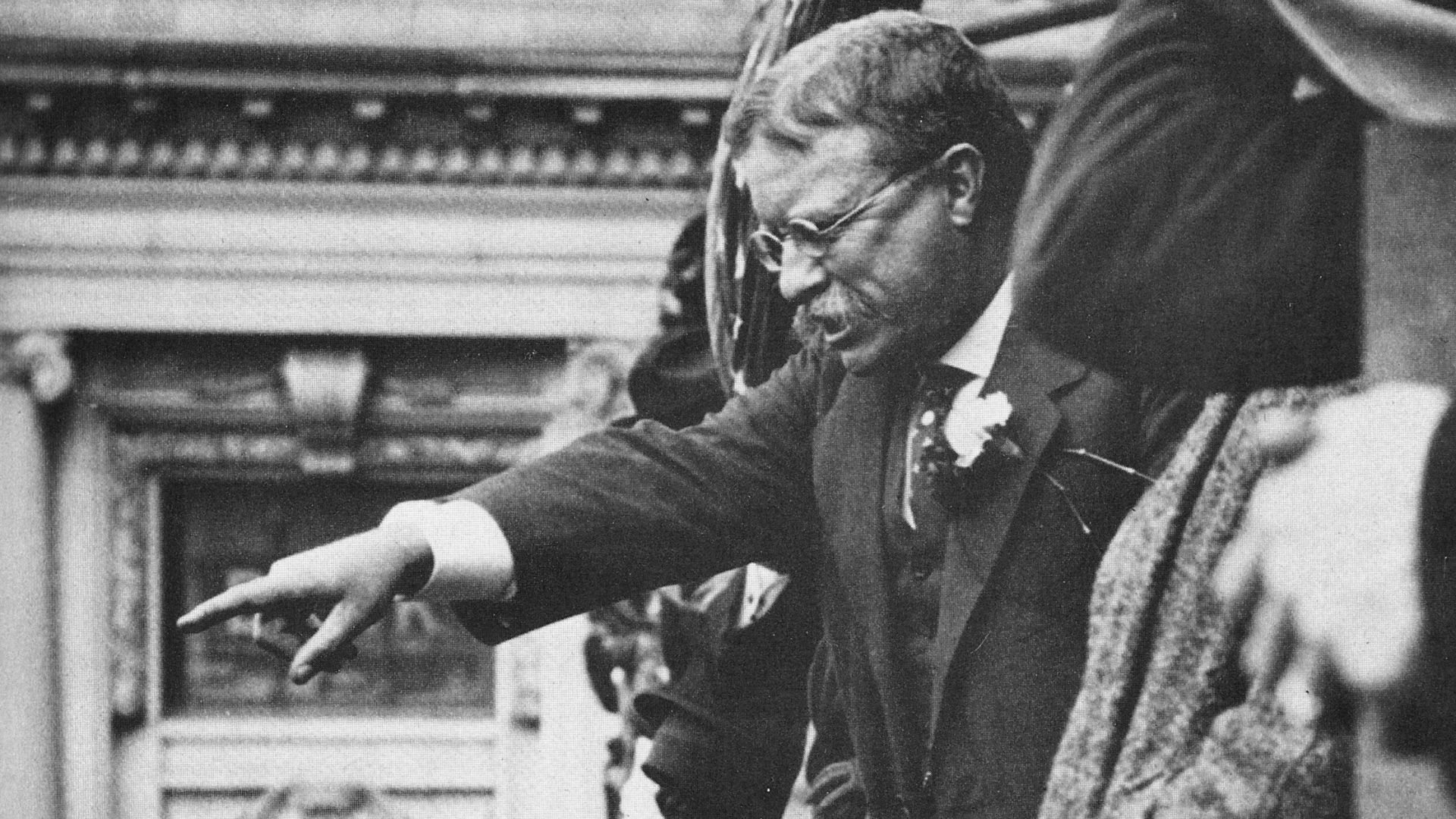 Unknown Photorapher on Wikimedia
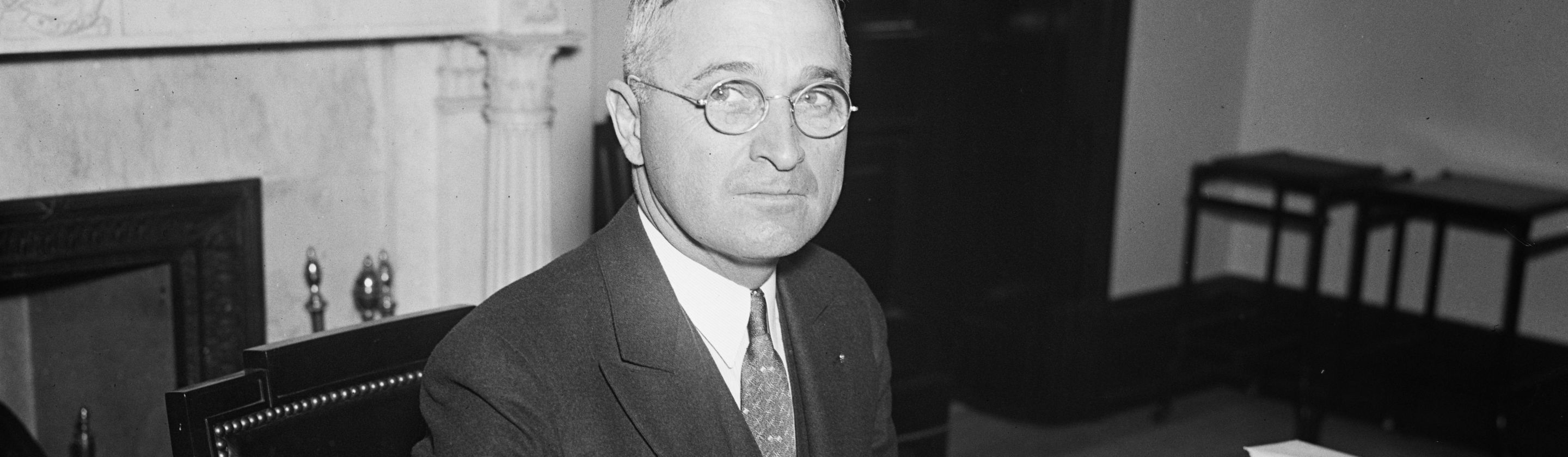
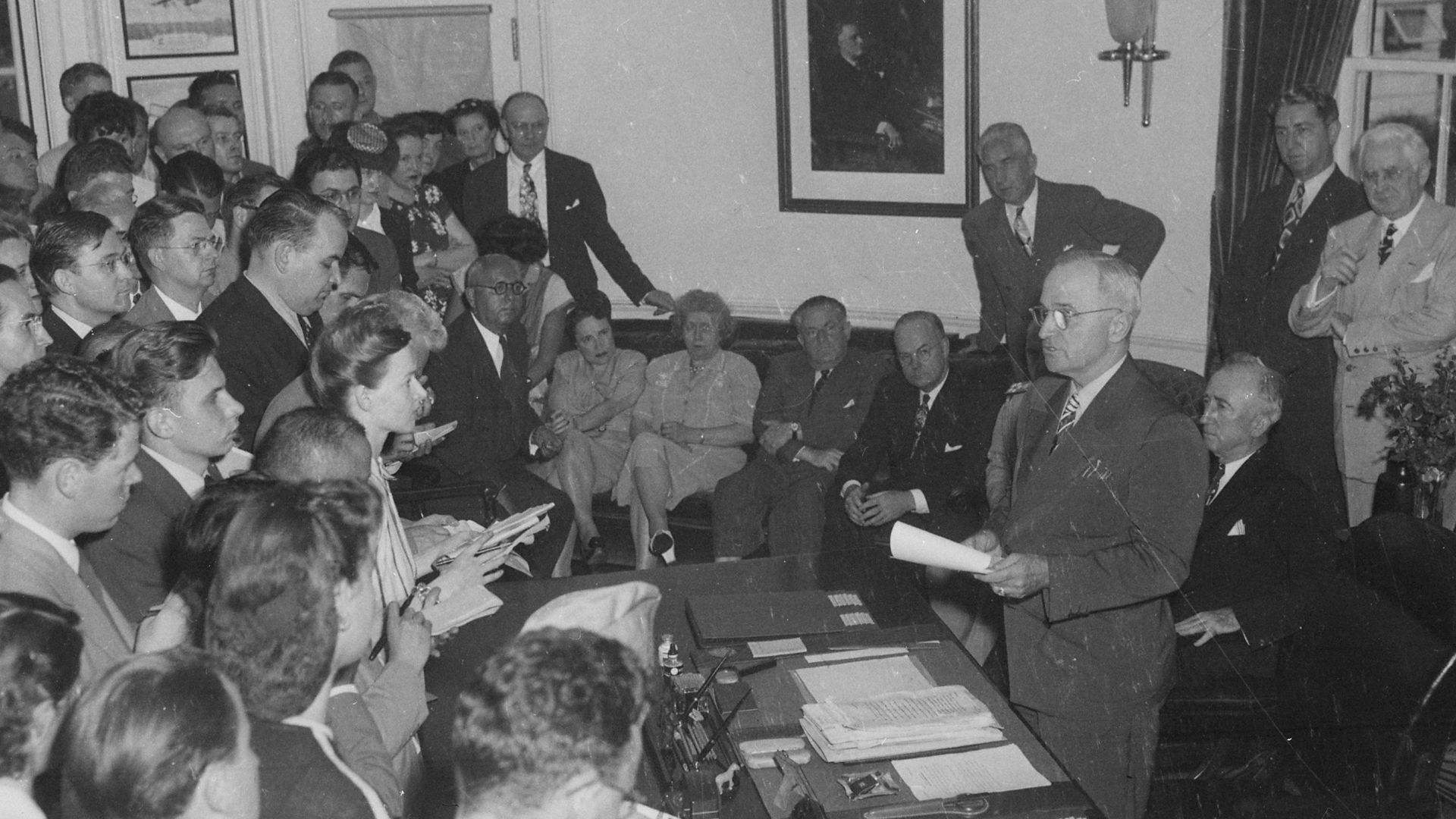
5. Harry Truman's Nuclear Attacks
When Roosevelt passed in 1945, Truman inherited a brutal war. Faced with a costly invasion of Japan, he authorized attacks on Hiroshima and Nagasaki. The devastation was massive, but Japan surrendered soon after, and the decision began the nuclear era overnight.
6. Lyndon B. Johnson Signed the Civil Rights Act
By 1964, civil rights protests had pushed segregation to the national spotlight. Johnson took a stand and signed the Civil Rights Act, outlawing discrimination in public spaces and employment. He rallied bipartisan support to pass it.
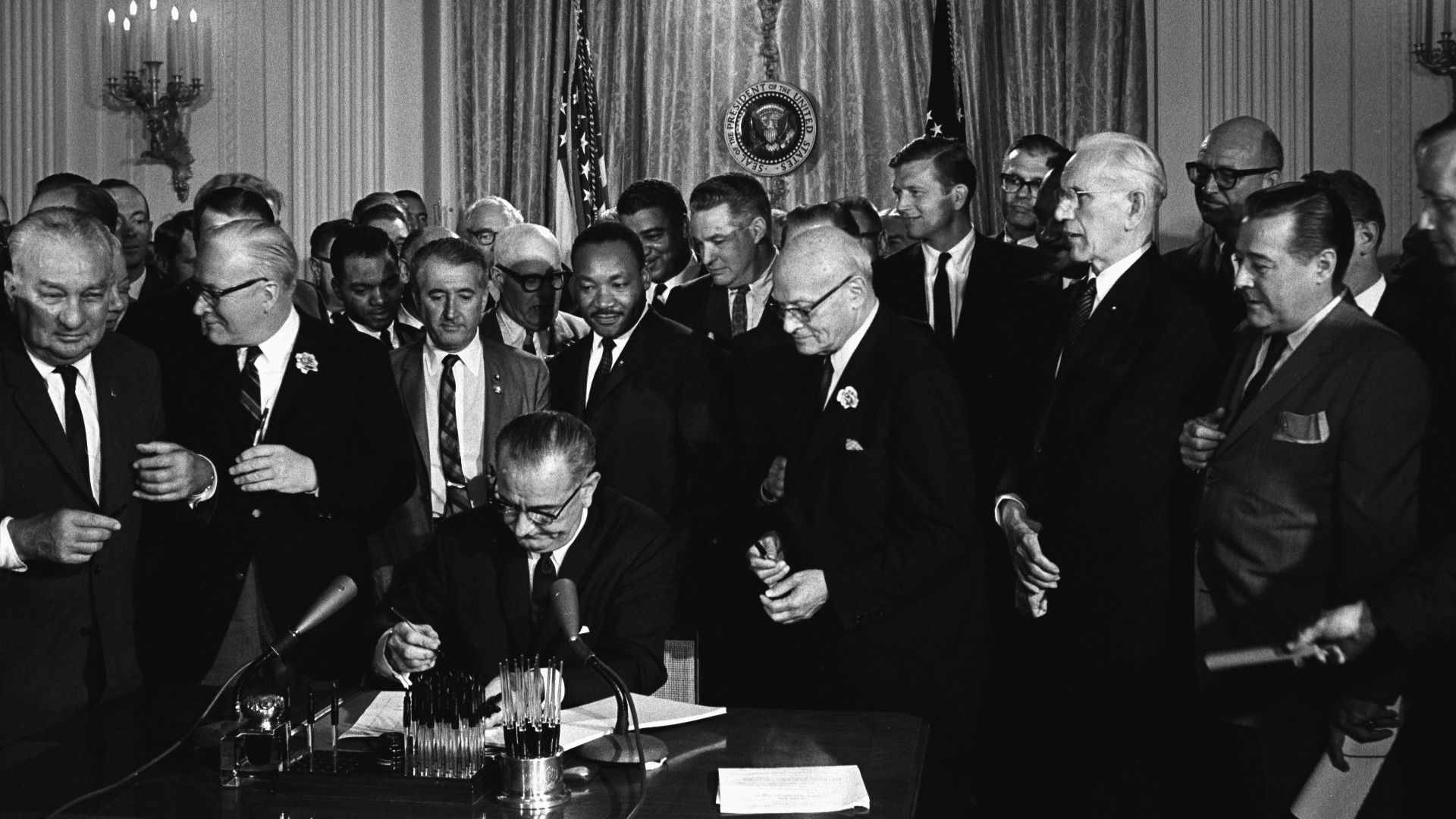 Cecil Stoughton, White House Press Office (WHPO) on Wikimedia
7. Theodore Roosevelt Created the National Parks System
Roosevelt went out of his way to protect nature with the Antiquities Act. He signed it in 1906, allowing him to preserve landmarks, forests, and wildlife. He also designated national parks and monuments across the country. His vision shaped the system that still lets you explore America's wildest places today.
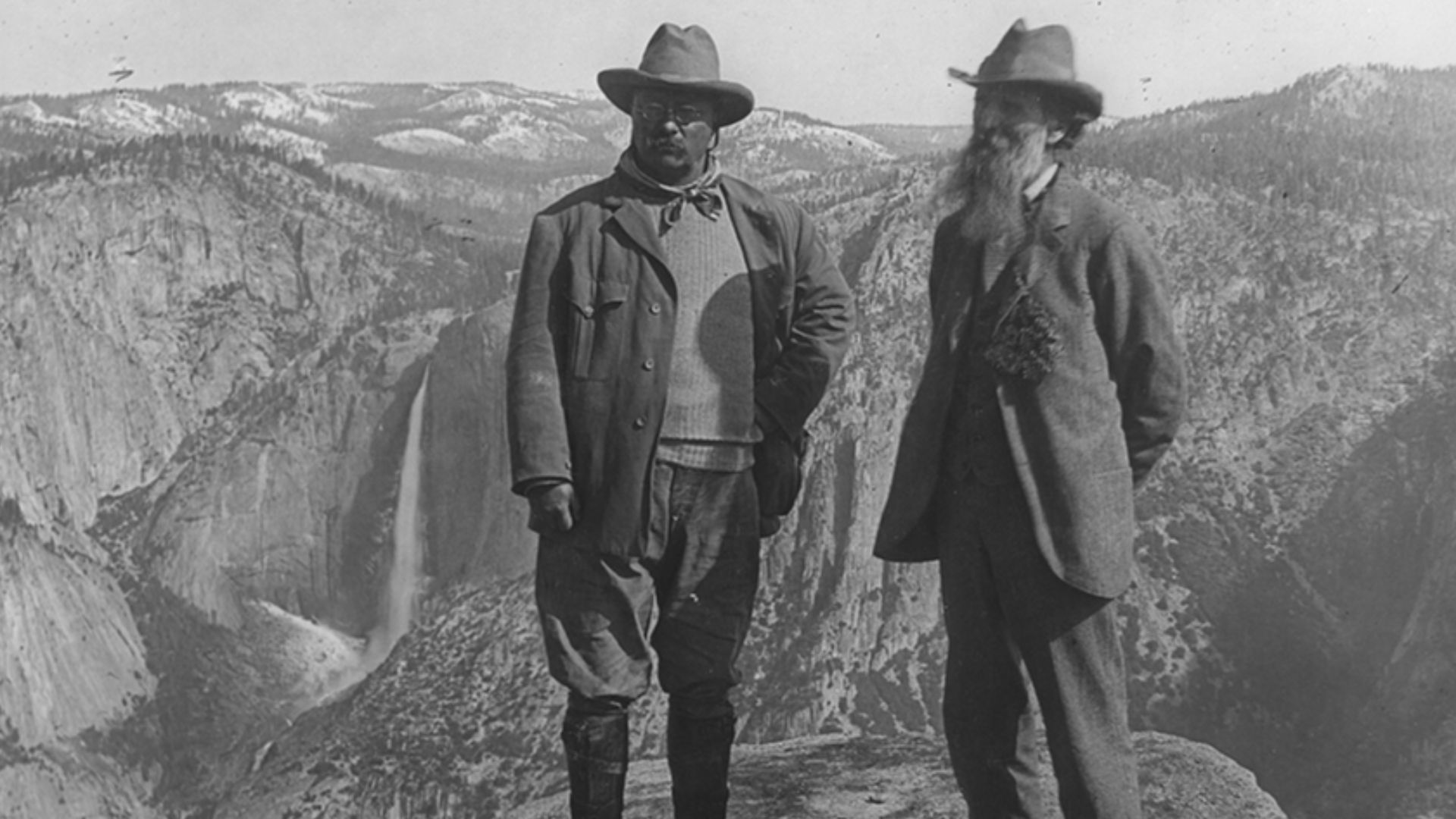 Underwood & Underwood on Wikimedia
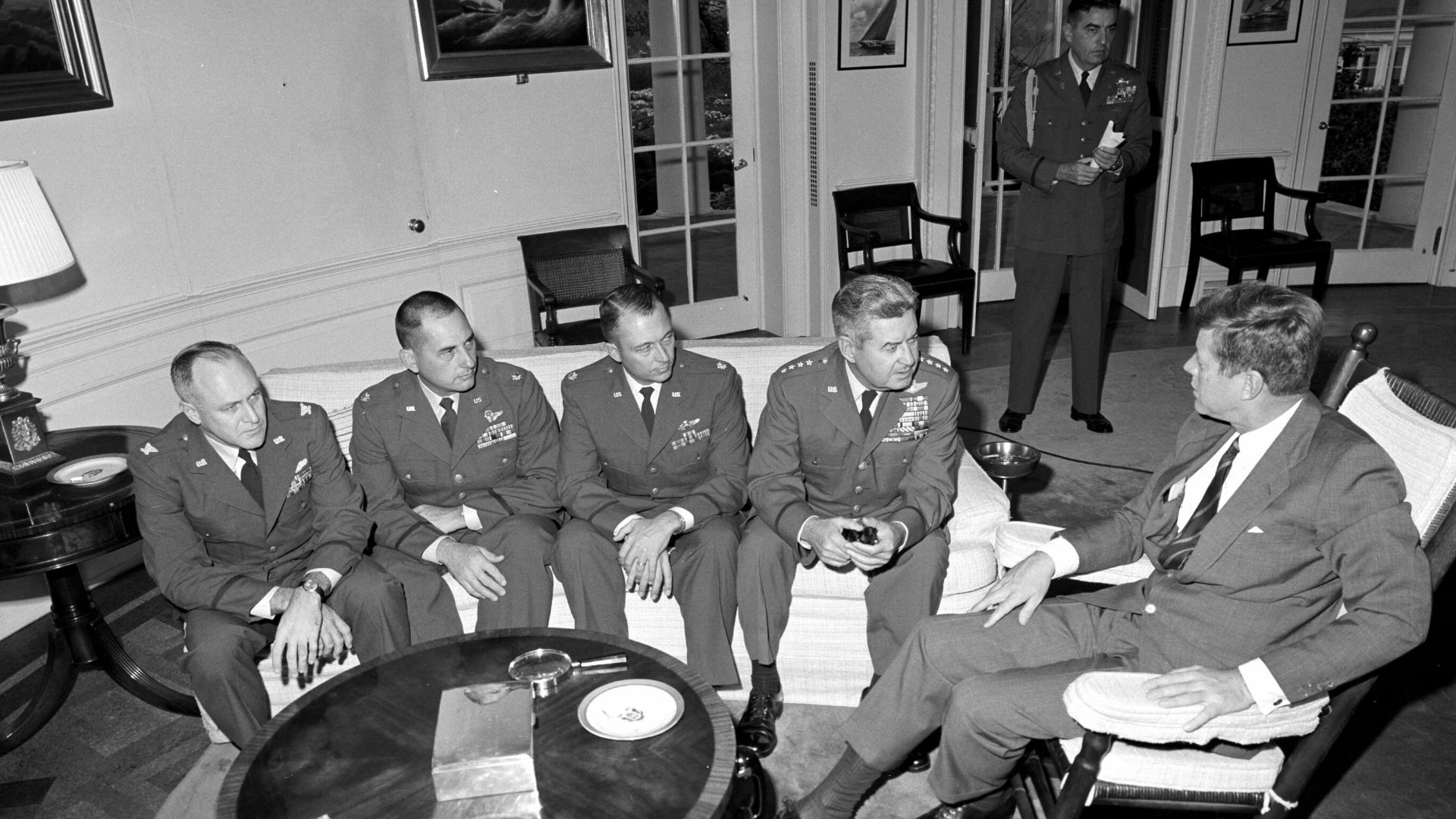
8. John F. Kennedy Managed the Cuban Missile Crisis Peacefully
In 1962, U.S. spy planes found Soviet missiles in Cuba. Tensions soared, and nuclear war seemed near. Kennedy responded with a blockade and secret negotiations, and after thirteen tense days, both sides backed down.
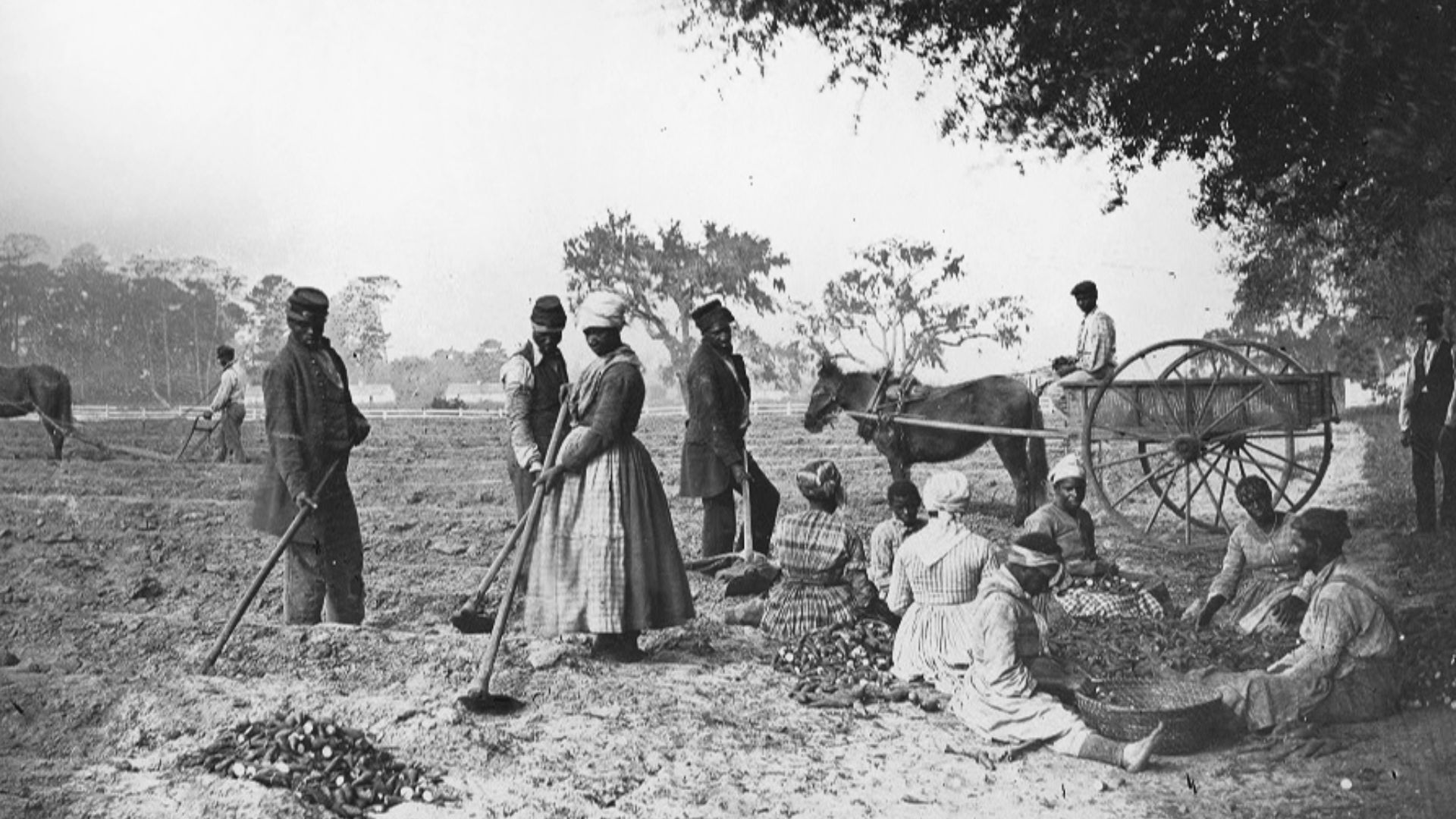
9. Abraham Lincoln Ended Slavery
Winning the war wasn't enough for Lincoln—he wanted slavery gone for good. He pushed hard for the 13th Amendment, knowing the Emancipation Proclamation wasn't permanent. In January 1865, Congress passed it. Just months later, the amendment was ratified, and slavery was officially abolished.
10. Franklin D. Roosevelt Launched the New Deal Programs
When the Great Depression crushed the economy, Roosevelt acted fast. In 1933, he introduced the New Deal—public works, banking reform, and job creation programs designed to help struggling Americans. These actions set long-term economic foundations.
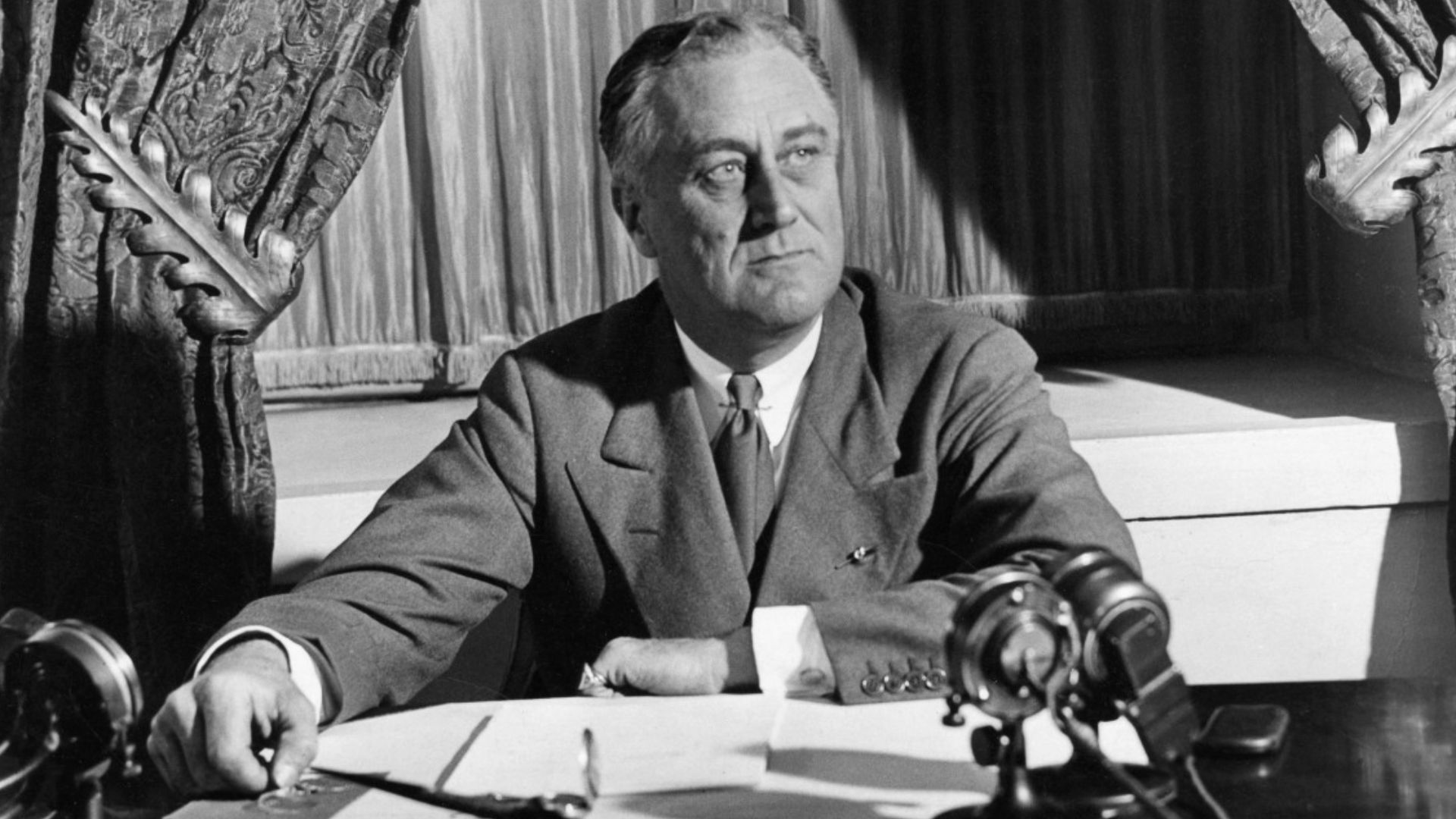 Unknown or not provided on Wikimedia
11. George Washington Delivered the Anti-Party Farewell Address
After two terms, Washington chose to walk away from power. Before leaving, he gave a farewell address that warned against divisive political parties and entangling foreign alliances; it was advice rooted in experience and meant to help future leaders avoid chaos and conflict.
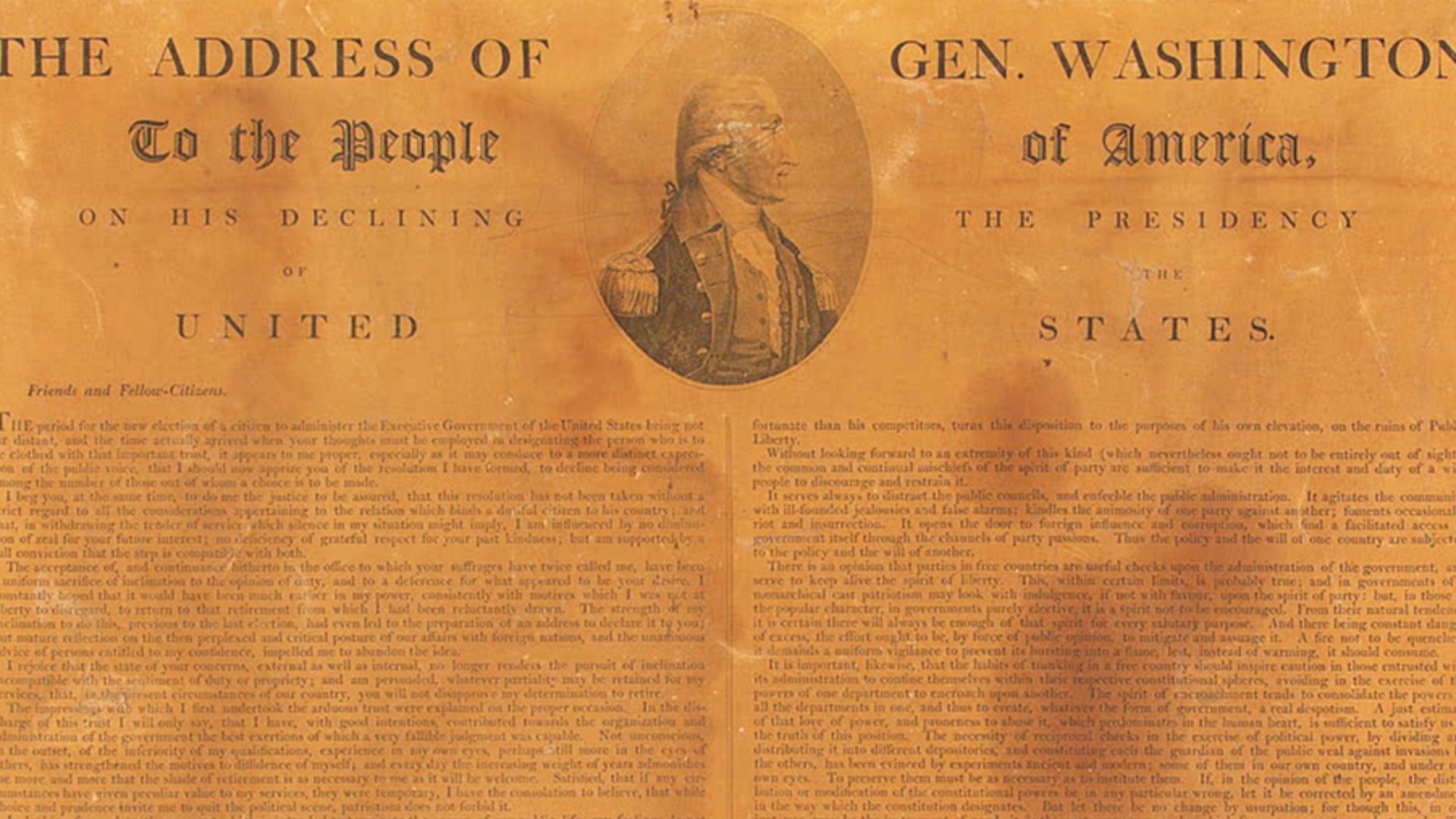 George Washington on Wikimedia
12. Andrew Johnson Secured Alaska From Russia
In 1867, Secretary of State William Seward struck a deal under Johnson's presidency to buy Alaska for $7.2 million. Critics called it "Seward's Folly," thinking the land was useless, but they were wrong. The territory became a valuable part of America.
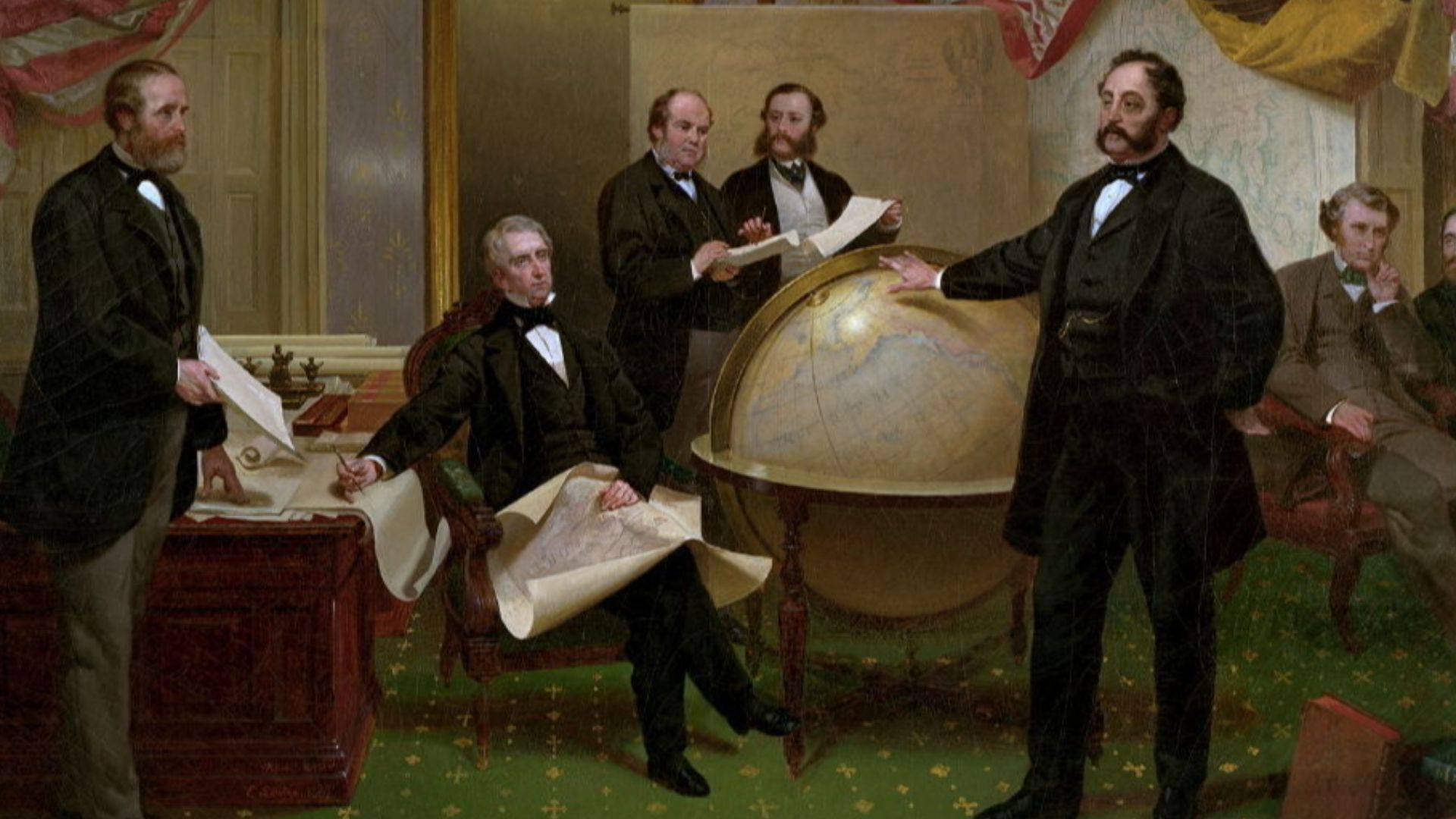 Emanuel Leutze (d. 1868) on Wikimedia
13. Dwight D. Eisenhower Built the Interstate Highway System
Eisenhower saw what good roads could do while serving in WWII. As president, he prioritized highways and even signed the Federal-Aid Highway Act. 41,000 miles of interstate roads followed, creating a network that transformed travel and the economy.
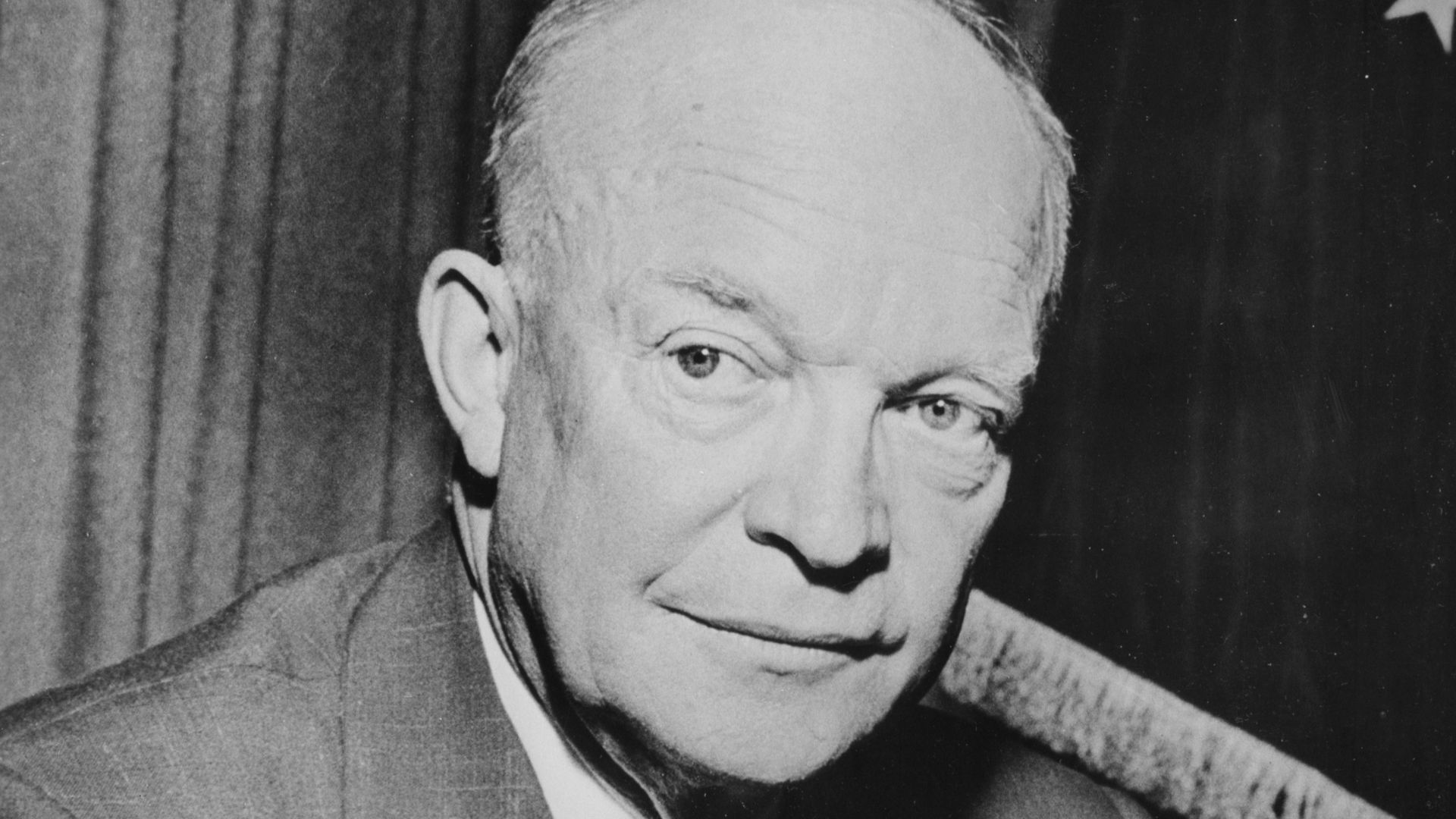 Unknown authorUnknown author or not provided on Wikimedia
14. Franklin D. Roosevelt Delivered the Four Freedoms Speech
In January 1941, with war looming, Roosevelt outlined what every person should enjoy: freedom of speech, freedom of worship, freedom from want, and freedom from fear. The Four Freedoms speech helped define the U.S. role in defending democracy and human rights.
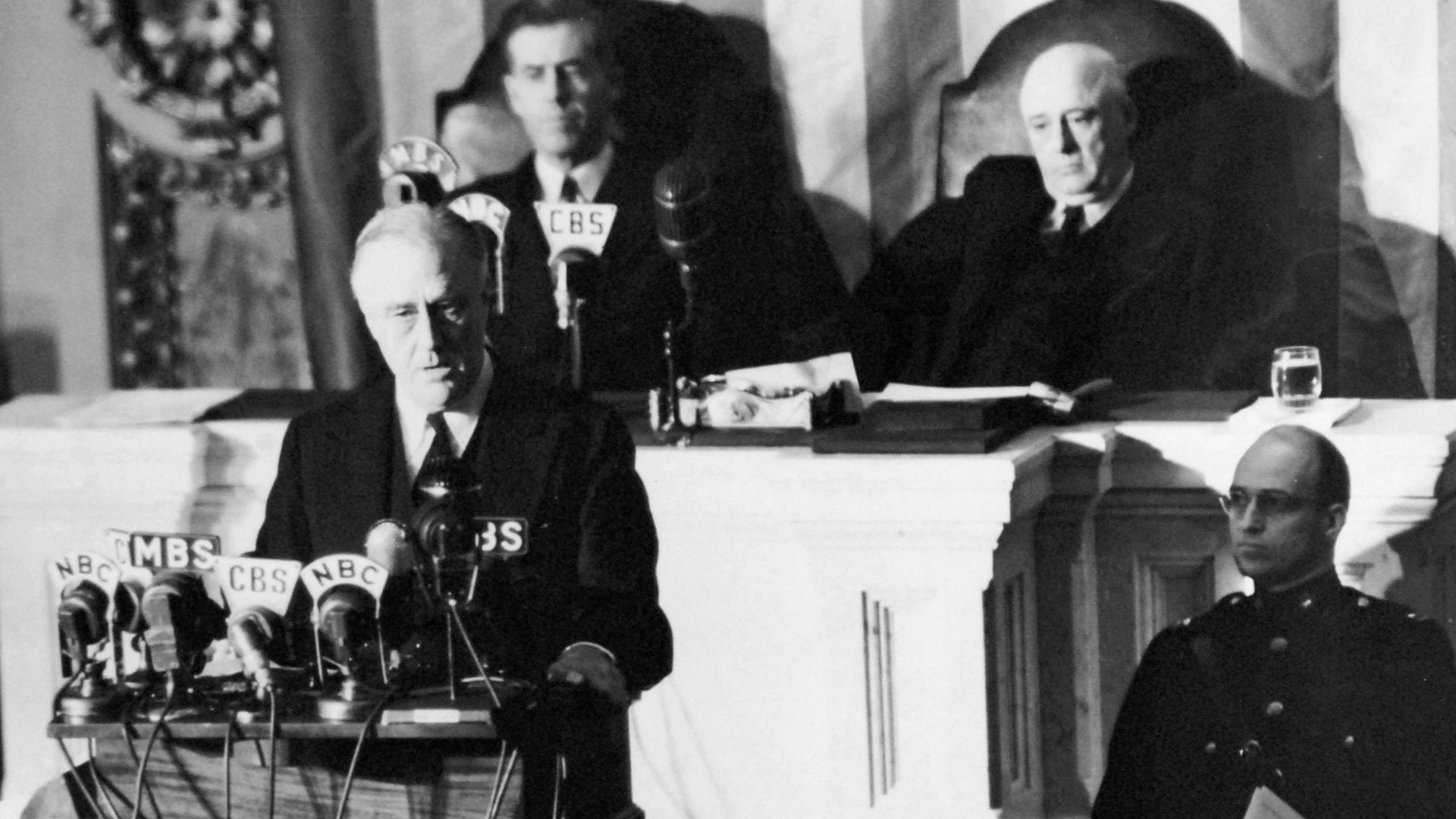 United States Government. on Wikimedia
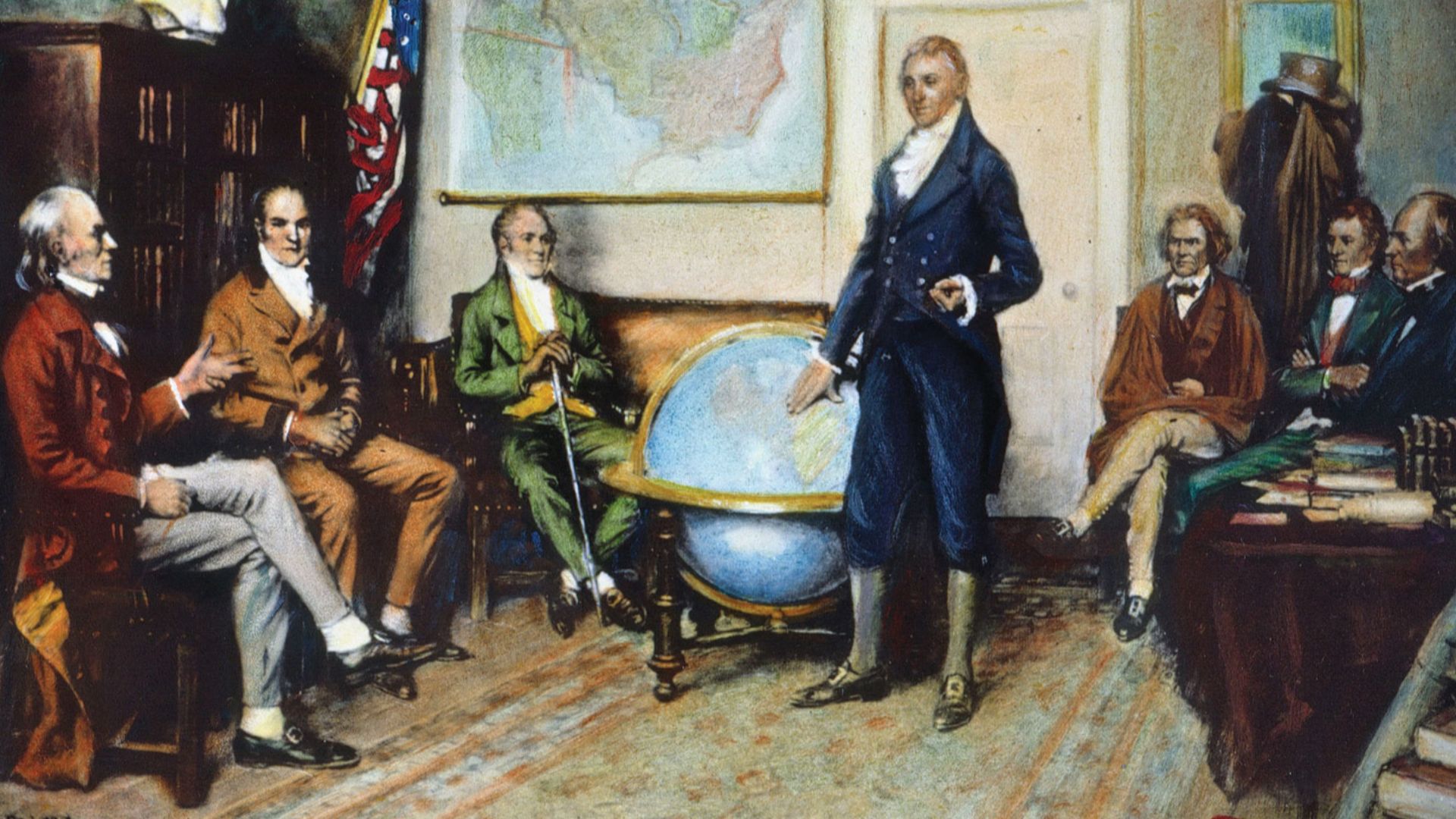
15. James Monroe Issued the Monroe Doctrine
Monroe made a bold statement in 1823: European powers had no business interfering in the Americas. His message, known as the Monroe Doctrine, shaped foreign policy for decades and told the world the U.S. would defend its hemisphere.
 After Clyde O. DeLand on Wikimedia
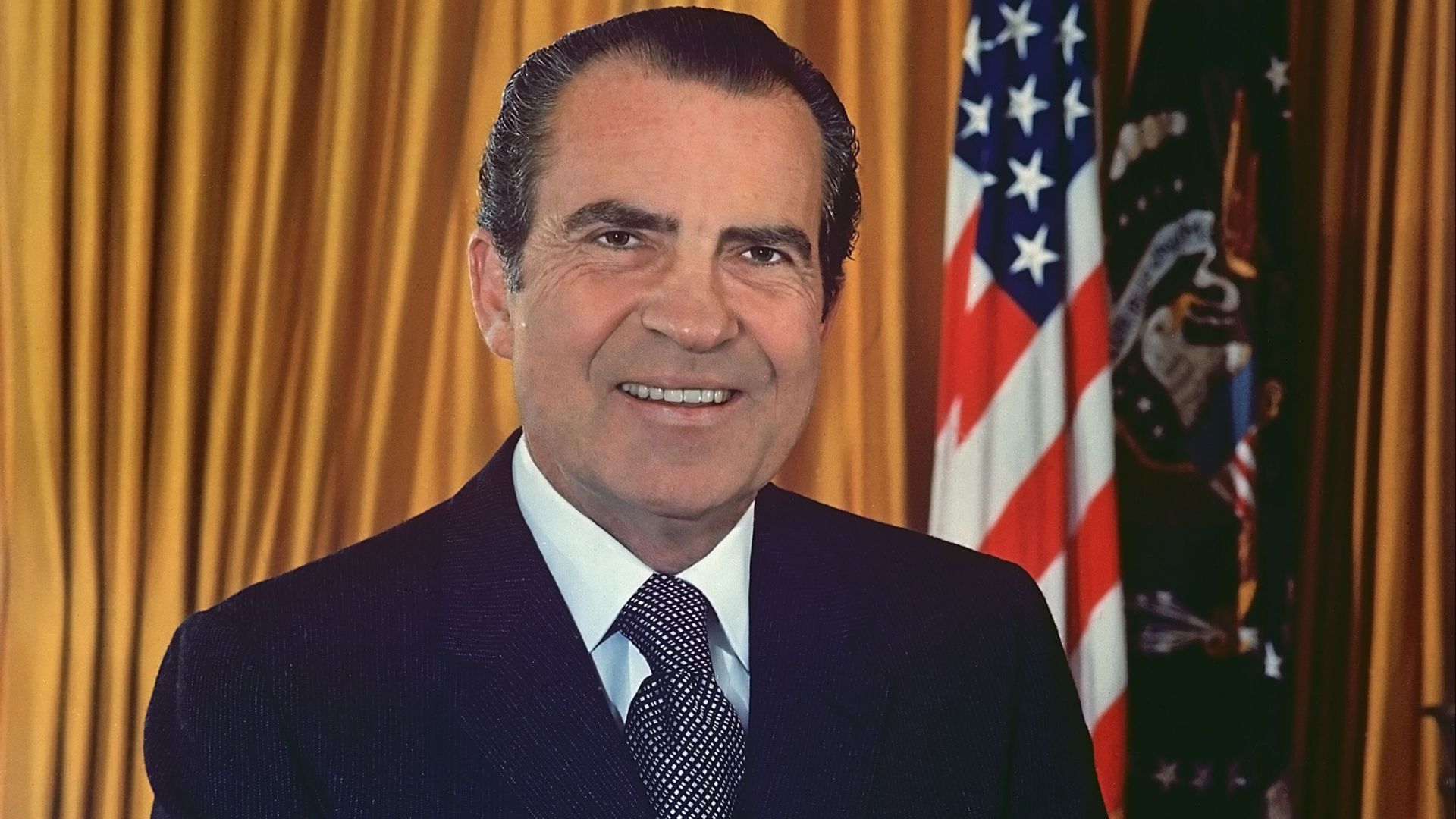
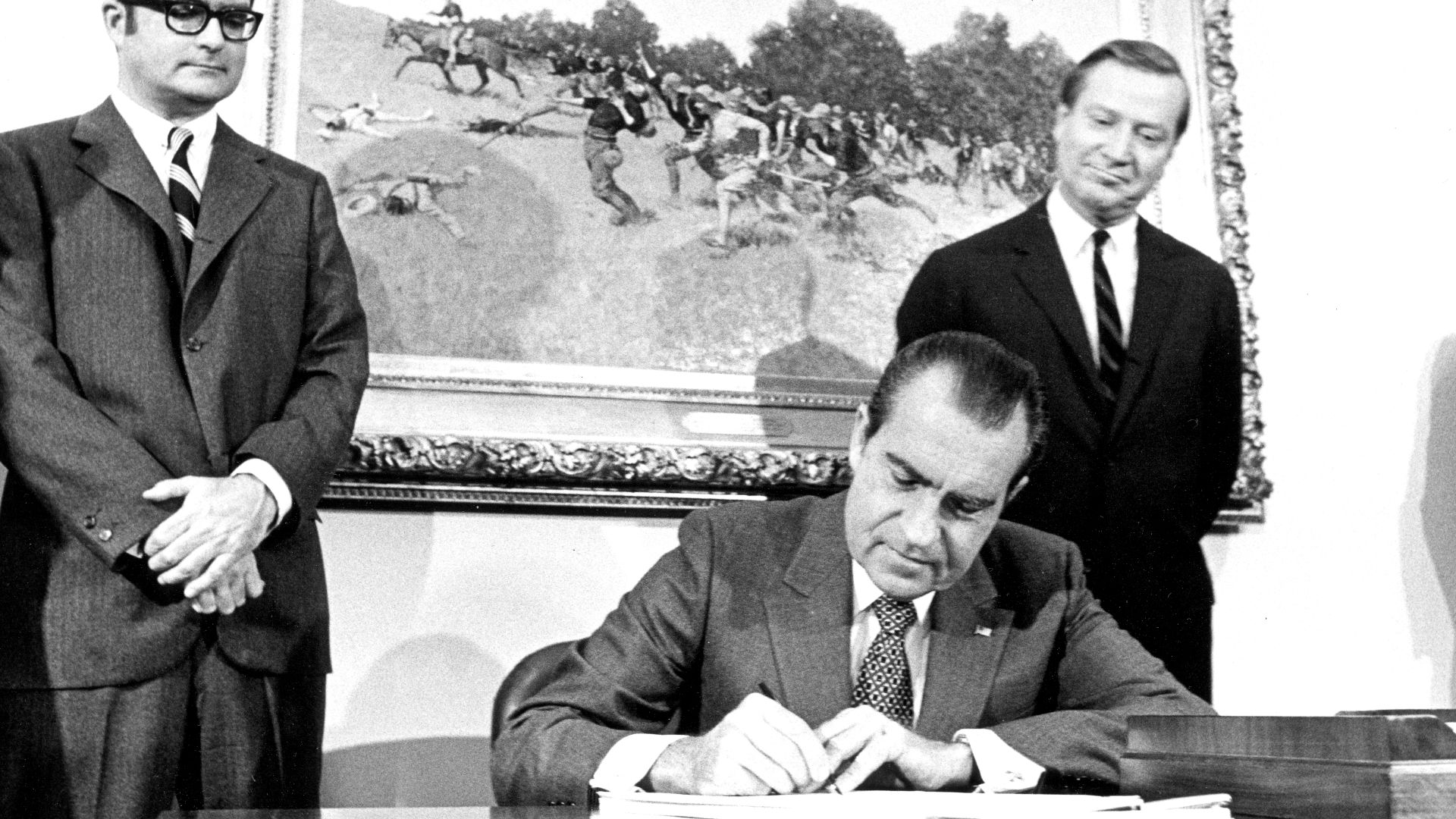
16. Richard Nixon Championed Environmental Protection
Pollution was rising fast in the 1970s, and public concern grew louder. Nixon responded by creating the Environmental Protection Agency in 1970. This was the first federal body to regulate air, water, and industrial waste—a move that gave us lasting tools to protect natural resources.
 White House Photo Office on Wikimedia
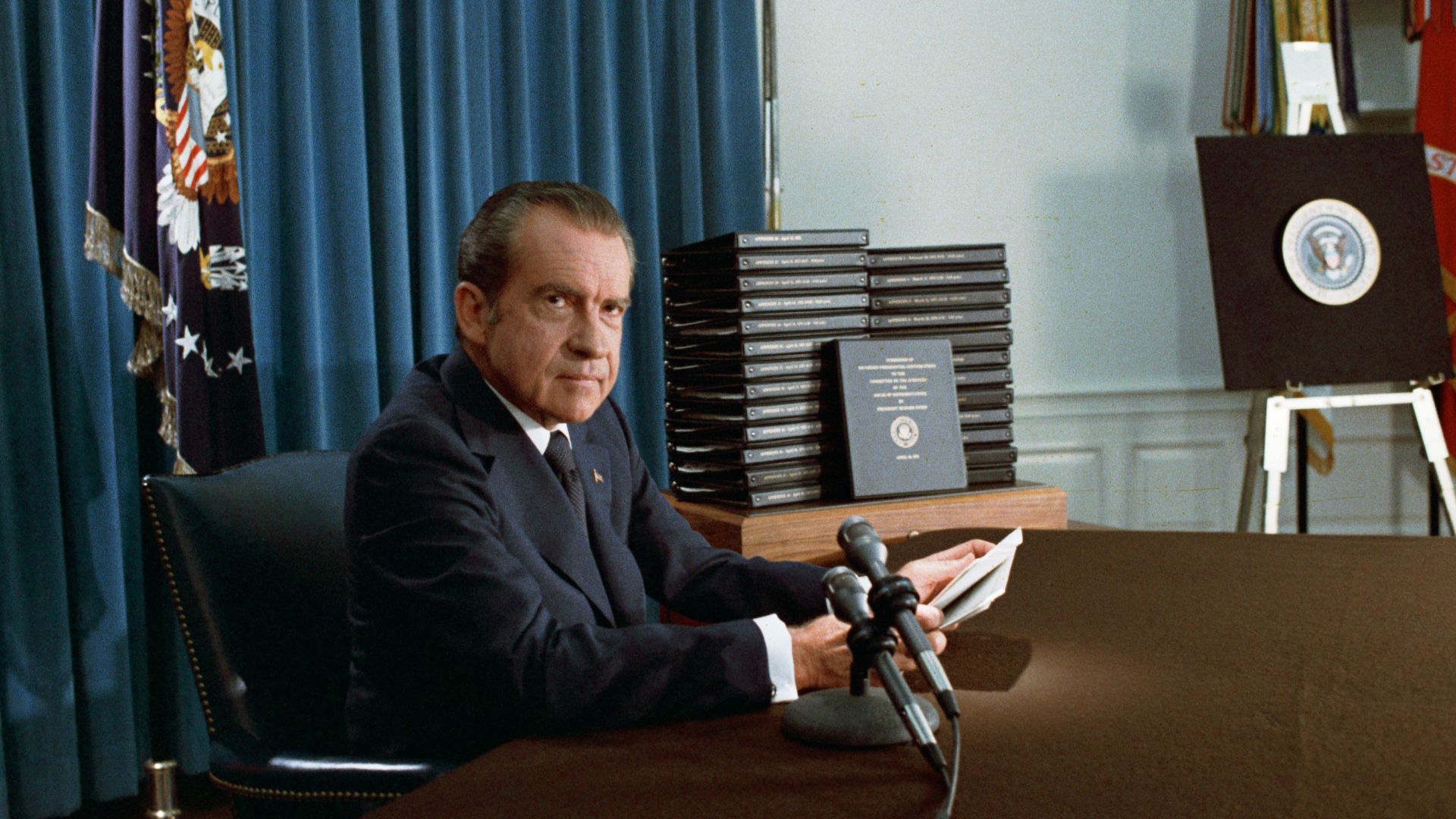
17. Richard Nixon Resigned Amid the Watergate Scandal
After a break-in at the Democratic headquarters, Nixon's administration faced growing scrutiny. The investigation uncovered abuse of power, leading to televised hearings and released tapes. In August 1974, Nixon resigned. It was the first—and only—presidential resignation in U.S. history.
 National Archives & Records Administration on Wikimedia
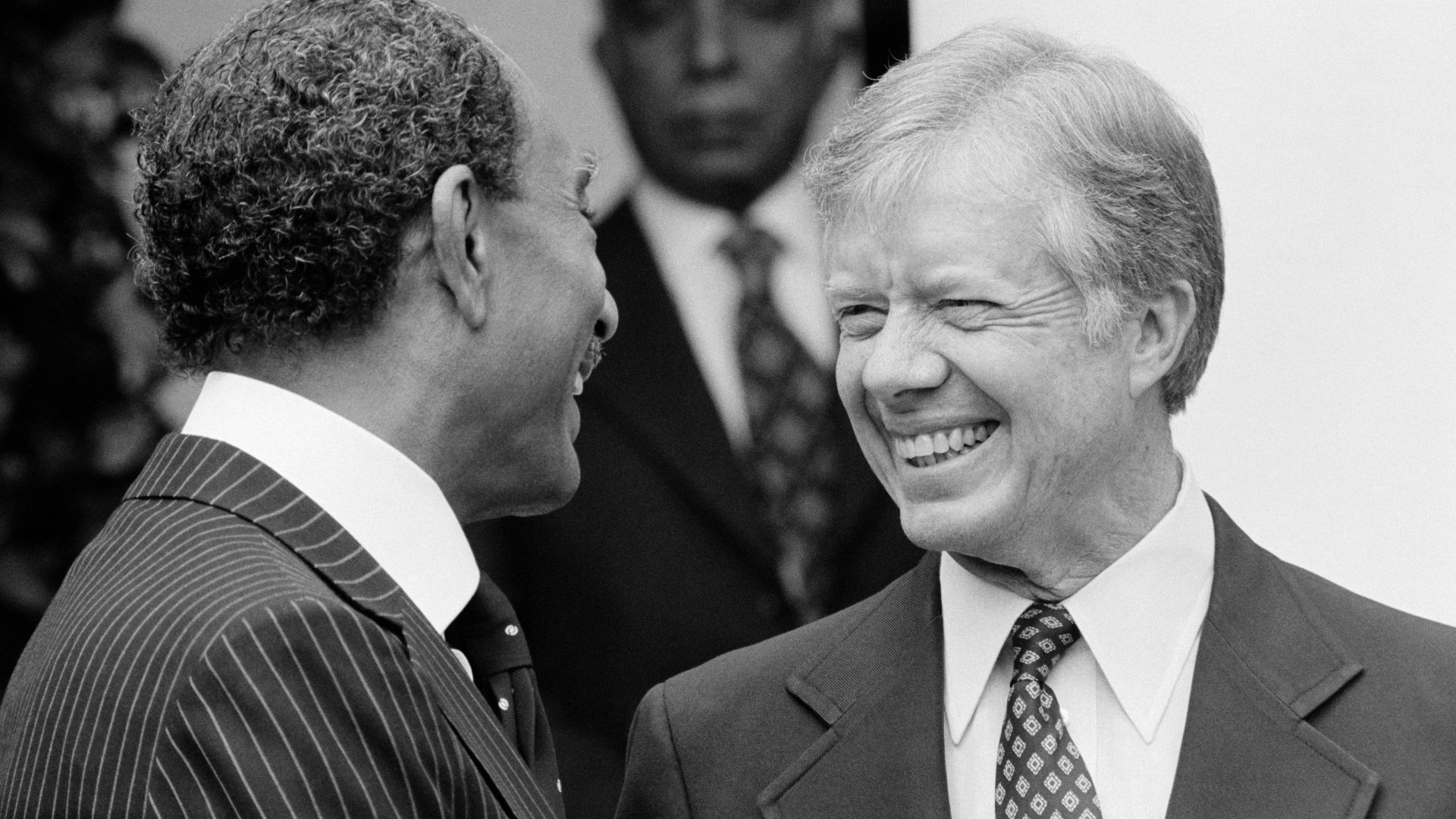
18. Jimmy Carter Pioneered the Camp David Accords
Middle East peace seemed impossible until Carter brought Egypt's Anwar Sadat and Israel's Menachem Begin to Camp David in 1978. After tense negotiations, they signed a historic peace agreement, and Carter's behind-the-scenes diplomacy made it one of the most enduring U.S.-brokered accords.
19. Ronald Reagan Ended the Cold War
Reagan entered office during peak U.S.-Soviet tensions, but by his second term, he shifted gears. He built trust with Soviet leader Mikhail Gorbachev through face-to-face summits, and in 1987, they signed a major arms reduction treaty.
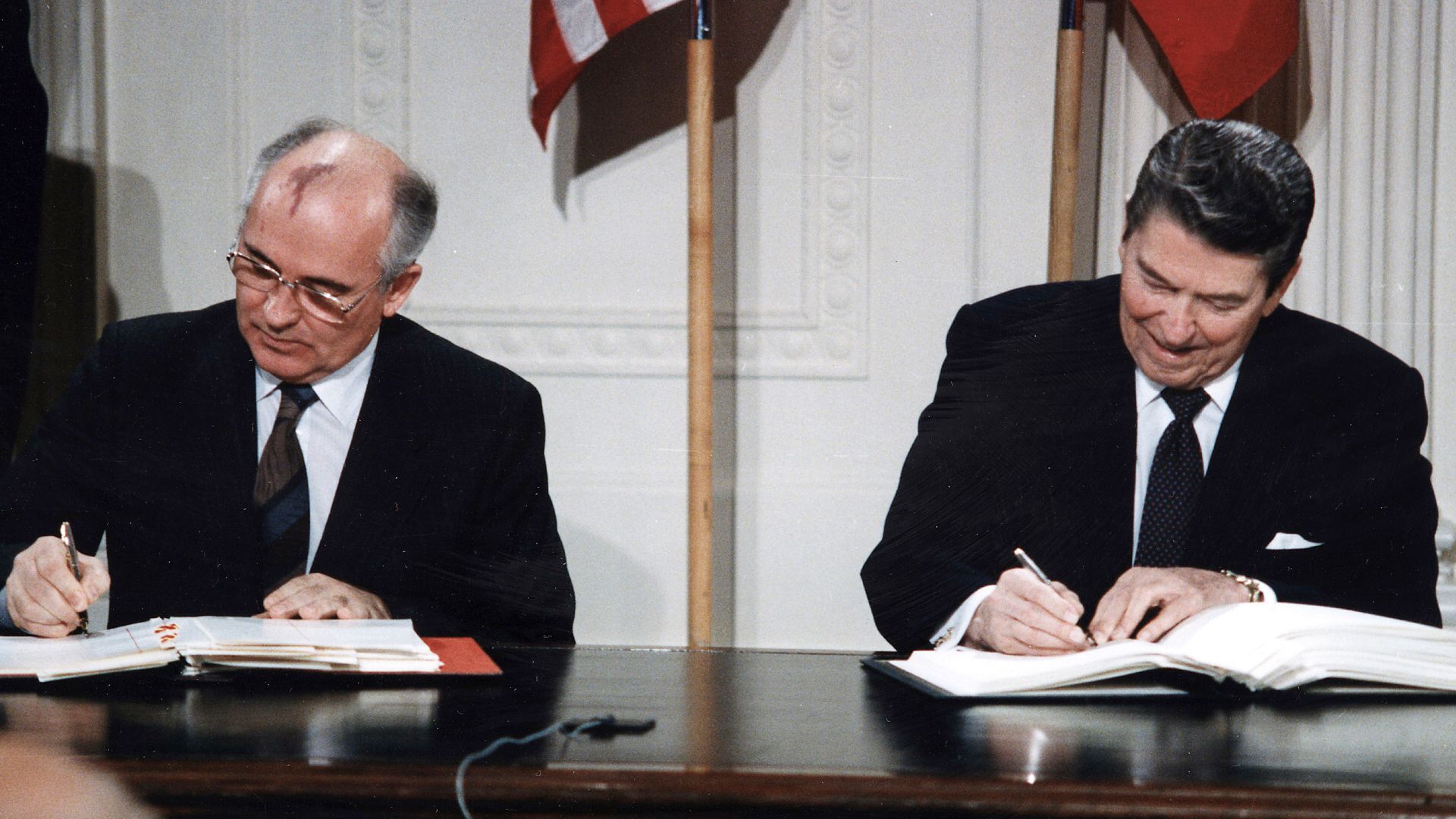 White House Photographic Office on Wikimedia
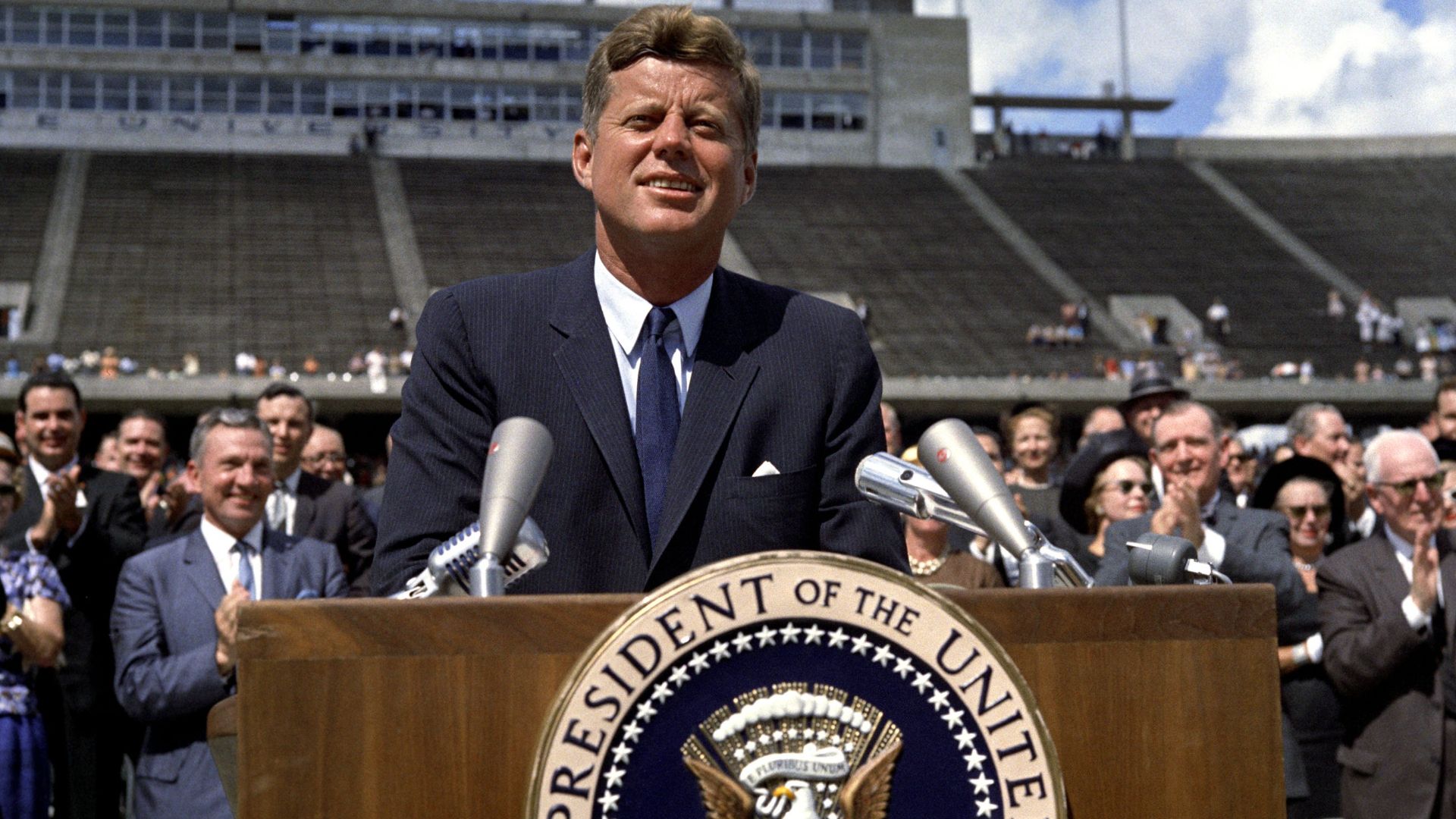
20. John F. Kennedy Set the Apollo Moon Landing Goal
In 1961, Kennedy told Congress the U.S. would land a man on the moon before the decade's end. That single challenge launched a decade of innovation and fierce space competition. In 1969, Apollo 11 touched down, but Kennedy didn't live to see it.
KEEP ON READING

20 Strangest Beauty Trends Throughout History
Beauty Has Always Had Strange Rules. History is full of…
By Christy Chan Jun 12, 2026
10 Tiny Decisions That Changed History & 10 Tiny Mistakes…
The Small Moments That Moved the World. History gets taught…
By Cameron Dick Jun 10, 2026
20 First Class Meals Served On The Titanic's Final Night
The Ultimate Final Feast. When the wealthiest passengers gathered in…
By Sara Springsteen Jun 12, 2026
20 Facts About The Library of Alexandria
More Than Just A Room. The Library of Alexandria has…
By Elizabeth Graham Jun 12, 2026
The 20 Creepiest People In History
Truly Uncomfortable. History isn’t only made by kings, reformers, and…
By Annie Byrd Jun 12, 2026
10 Ships That Made History & 10 That Disappeared Without…
Voyages That Changed The Record. Ships have carried explorers, soldiers,…
By Rob Shapiro Jun 9, 2026