The Story of the Night Witches, the Soviet Women Who Flew Combat Missions
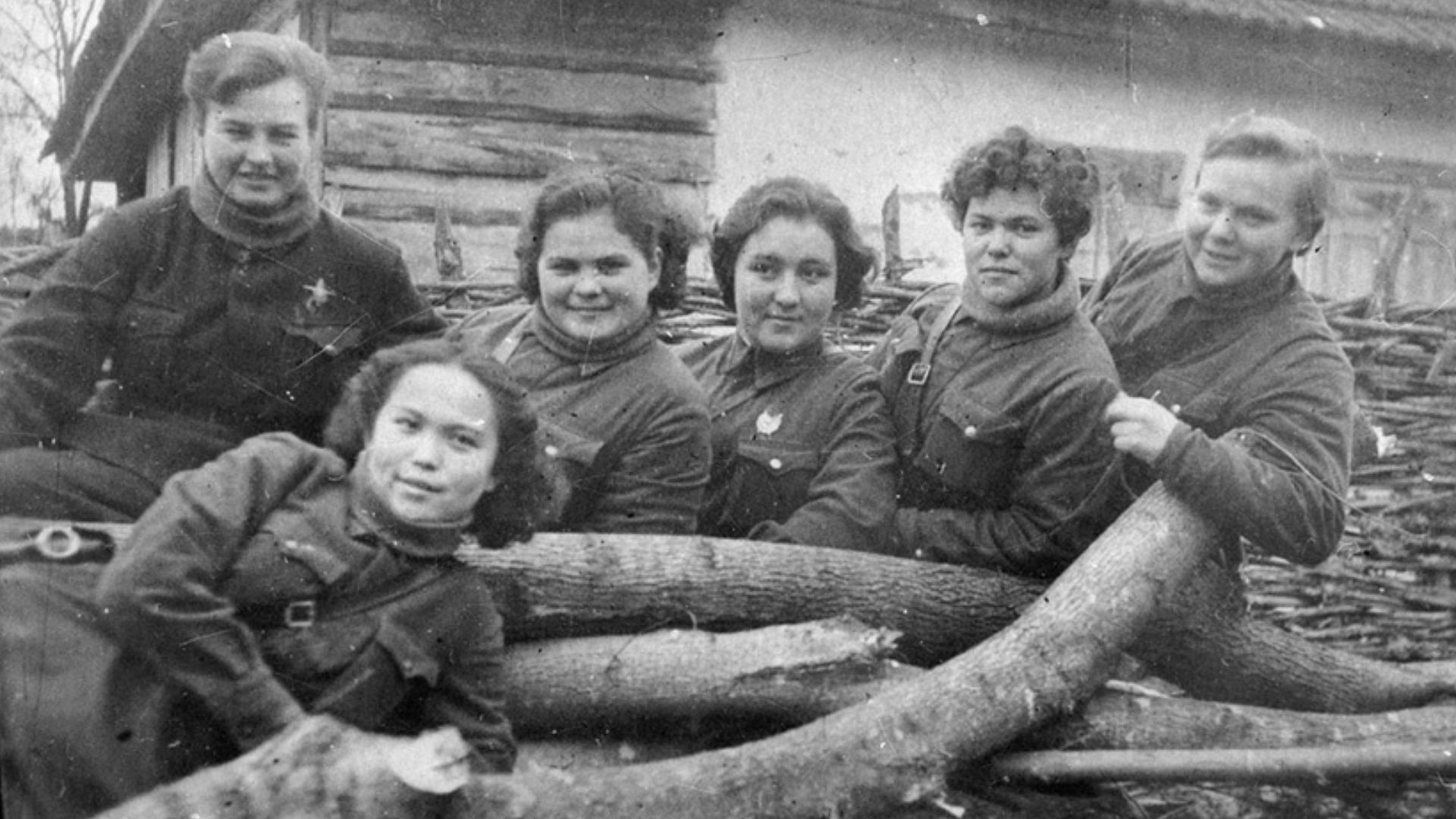
During World War II, thousands of women in the Soviet Union wanted to do more than watch from the sidelines as their country fought Nazi Germany. Among them were trained pilots who volunteered for military service, eventually becoming members of an extraordinary all-female aviation unit. Known as the Night Witches, these women flew dangerous nighttime bombing missions in aircraft that were hardly the picture of modern military technology.
Their story combines determination, clever tactics, and a remarkable chapter in aviation history. Operating under difficult conditions on the Eastern Front, the Night Witches demonstrated that effective combat flying depended on more than having the newest aircraft or the loudest engines.
How the Night Witches Took to the Skies
 Unknown authorUnknown author on Wikimedia
When Germany invaded the Soviet Union in June 1941, women who wanted to serve as military pilots faced significant barriers. Although women had participated in Soviet flying clubs before the war, opportunities to fly combat missions were limited. Marina Raskova, a celebrated Soviet aviator, used her influence to advocate for the formation of women's aviation regiments.
Three women's regiments were formed by the Soviet government in 1941, one of them being the 588th Night Bomber Regiment. They were organized with Raskova's help, and the head of the 588th Regiment was Yevdokiya Bershanskaya. The women served as pilots and navigators and helped ground crews prepare their aircraft. The regiment consisted entirely of women.
Some of these women may have been trained as pilots or known how to fly before joining. However, they now had to learn how to attack and work with others to fight the Germans. These women weren't going to be there just to show off.
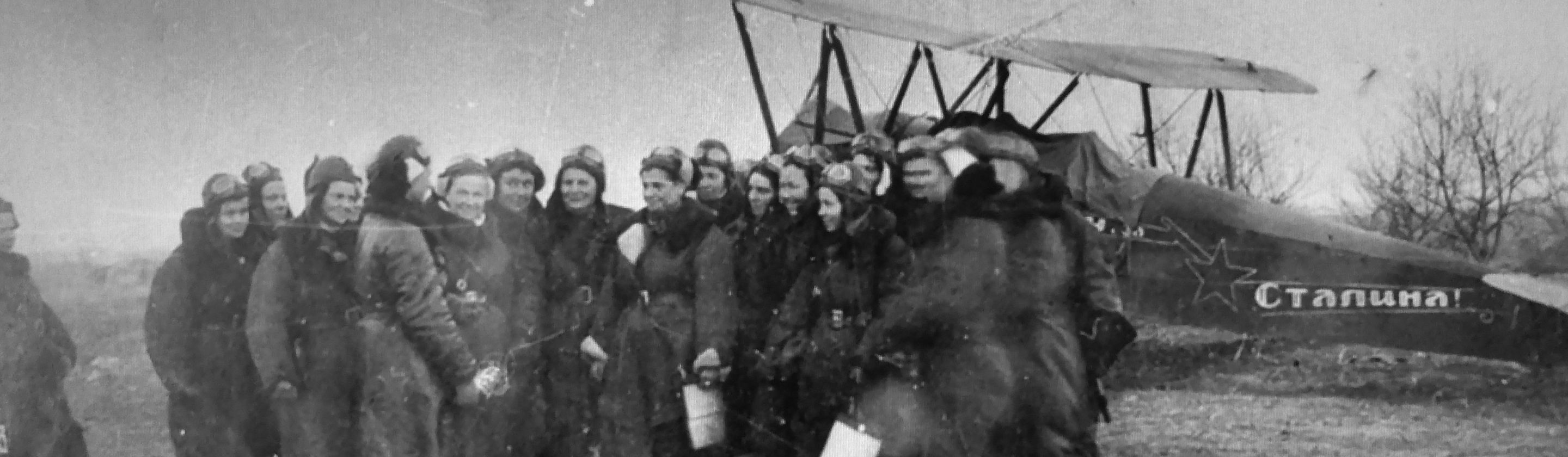
The 588th flew the Polikarpov Po-2, a lightweight biplane originally designed for training and other practical tasks rather than modern combat. Built largely from wood and canvas, it was slow, relatively simple, and capable of taking off from small, rough airfields. Its modest design might not have impressed anyone expecting a sleek fighter, but the women learned to make the most of what they had.
Because they had relatively few bombs available, the women had to make many trips per night. There were two members in each crew: one was the pilot, and the other was the navigator, who helped locate the target for the pilot to bomb. Once back on the ground, the women could refuel their planes and load more bombs to make additional flights that night.
This tactic helped compensate for the planes' disadvantages. When flying toward their targets, the pilots would shut off their engines and glide toward the target. The Germans reportedly thought the planes sounded like witches riding their brooms, which led to the women being called the “Night Witches.” The women embraced the name.
Their Legacy Reached Far Beyond the Night Sky
The Night Witches targeted military objectives such as supply depots, transportation links, and positions supporting German forces. Their repeated nighttime attacks disrupted enemy operations and could deprive soldiers of rest, adding psychological pressure to the practical damage caused by the bombs. Although their aircraft were basic, the regiment's effectiveness came from persistence, careful coordination, and the ability to exploit darkness
The work remained dangerous, and the women faced serious risks from enemy defenses, difficult weather, and flying in open cockpits. Their equipment offered little protection from cold air, while their missions demanded concentration during hours when most people would ordinarily be asleep. Their achievements shouldn't be overshadowed by those hardships, but neither should the danger be the only thing remembered about their service.
During the course of the war, the regiment gained fame and became known as the 46th Guards Night Bomber Aviation Regiment in 1943. It has been credited with flying more than 23,000 missions during the war, a figure cited by many historical sources. The Night Witches were just one example of women taking part in aerial warfare during the Soviet war effort, which also included many female fighter and bomber pilots.
Stories like those of the Night Witches show us that battles aren't always decided by powerful generals and machines. Success can also come from those who learn how to use what they have to their advantage, even when the odds are against them. Many women contributed to the Soviet war effort by becoming military pilots, and their achievements deserve recognition in history.
Today, the Night Witches are remembered for their flying skill, teamwork, and contribution to the Soviet war effort. Their story offers a fuller picture of World War II by recognizing women who fought directly in the air rather than serving only in supporting roles. The nickname may sound like something from a legend, but the women behind it were real pilots and navigators whose achievements deserve to be remembered.
KEEP ON READING