


Rube Waddell, The Eccentric Hall-Of-Famer Who Couldn’t Stay On The Mound
Talent Without an Instruction Manual
Baseball often prefers tidy careers—and this guy defied all odds. The story ahead follows a pitcher whose talent bordered on unbelievable, while his life constantly veered off script. Records piled up alongside interruptions, distractions, and strange turns that never fully separated from the game. Even today, he's an excellent reminder that brilliance and unpredictability sometimes arrive together, and what happens when the sport tries to hold both at once.
 Unknown authorUnknown author on Wikimedia
1. Rube Waddell's Instant Nickname
Born on Friday the 13th in 1876, Waddell grew up in a rural Pennsylvania oil town with little schooling. The nickname “Rube” stuck early, reflecting a country-boy image. That unpolished upbringing built strength and instinct, yet clashed badly with baseball’s rigid expectations.
 Doug Kerr from Albany, NY, United States on Wikimedia
2. A Fastball Forged Far From Baseball
Coaches came later. Rocks came first. Waddell sharpened his arm by throwing at birds on the family farm, building serious velocity through repetition. Precision followed (along with strikeouts), while discipline lagged behind, shaped by freedom rather than routine.

3. Fire Engines Entered the Story Almost Immediately
At three years old, he wandered away from home and spent days at a local fire station. It's already a cool experience when you're a kid, but the whole adventure stuck. Sirens fascinated him, engines distracted him, and years later, those same sounds could still pull him off a professional mound without warning.

4. Physical Endurance Came Early and Easily
His teenage years spent mining and drilling oil hardened his body and built stamina that few pitchers could match. Complete games became routine. Mental restraint, however, never kept pace, leaving a gap between what his arm could handle and what his temperament allowed.

5. The Majors Arrived Before Maturity Did
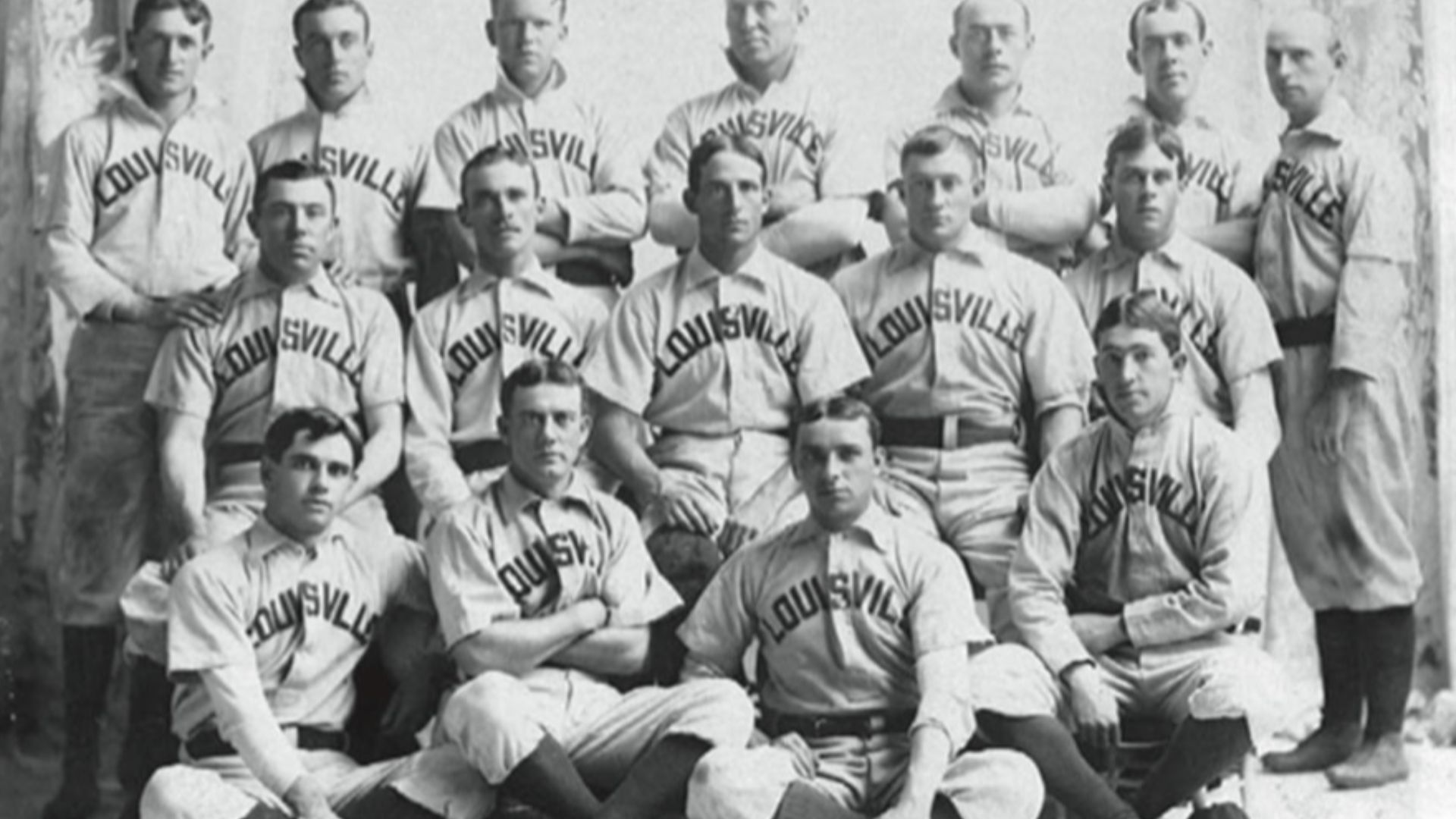
In 1897, Rube Waddell made his Major League Baseball debut with the Louisville Colonels at age 20. But he immediately spent his signing bonus on alcohol. Drinking problems followed, leading to suspensions, missed games, and ongoing conflict with teams despite his elite pitching ability.
 Unknown authorUnknown author on Wikimedia
6. Early Dominance Came With Instability
He led the National League in 1903 with a 2.37 ERA while pitching for Pittsburgh. The performance also proved he could dominate top competition. Off the field, however, erratic behavior led the club to loan him to semi-pro teams, which interrupted momentum.
7. Fire Engines Repeatedly Pulled Him Off The Mound
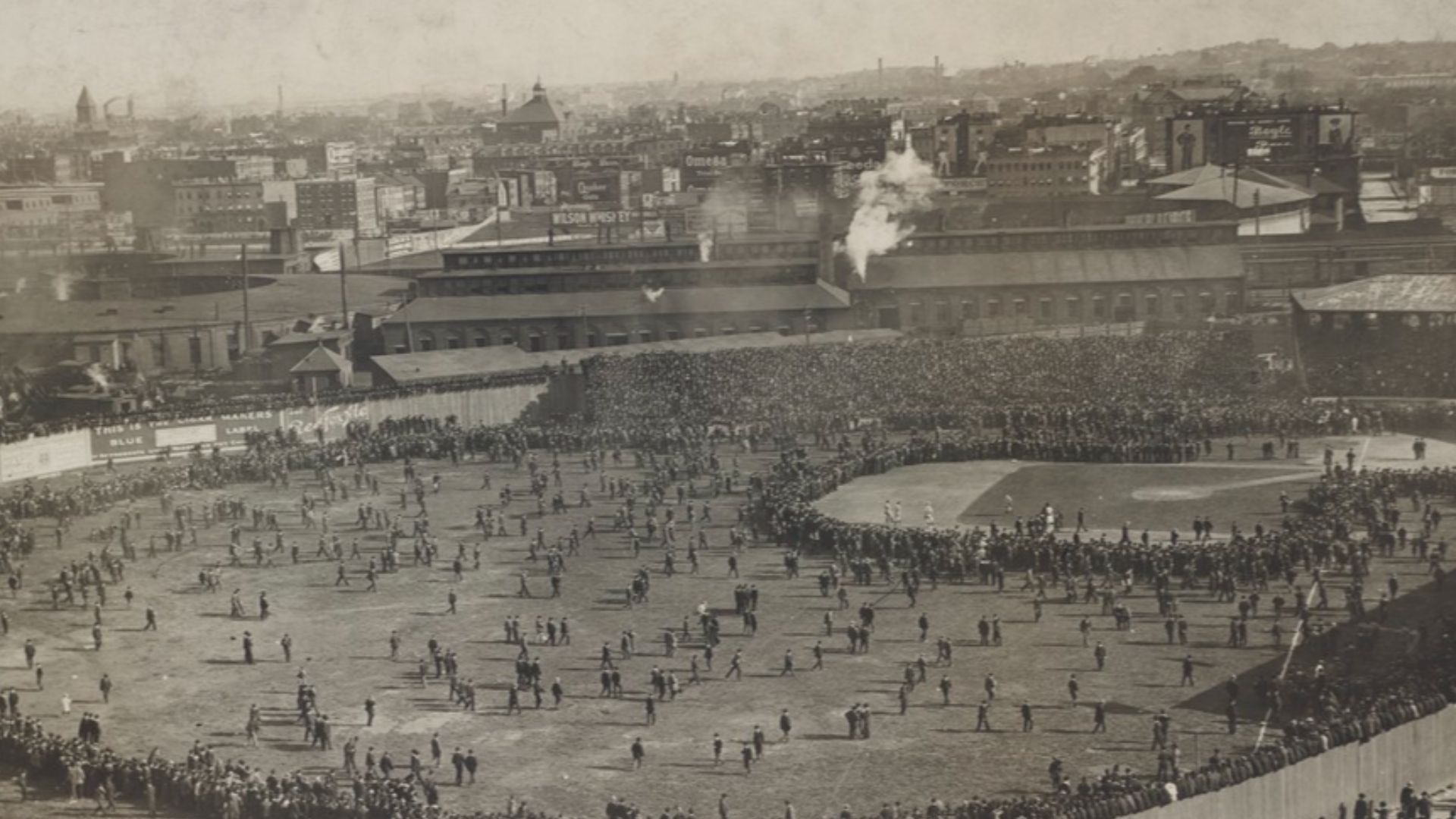
During games, passing firetrucks sometimes caused him to leave the field mid-inning. Managers grew frustrated as games stalled or collapsed entirely, and teams even assigned handlers to watch him during play.

8. Opponents Learned How to Distract Him
Fans exploited his attention issues by holding puppies or shiny objects near the field. The sad part is, that strategy worked, and he occasionally stopped pitching to engage with them. Incidents like these turned games into spectacles and provided opponents with an unconventional advantage against one of the era’s most overpowering pitchers.

9. Offseasons Often Meant Disappearing Acts
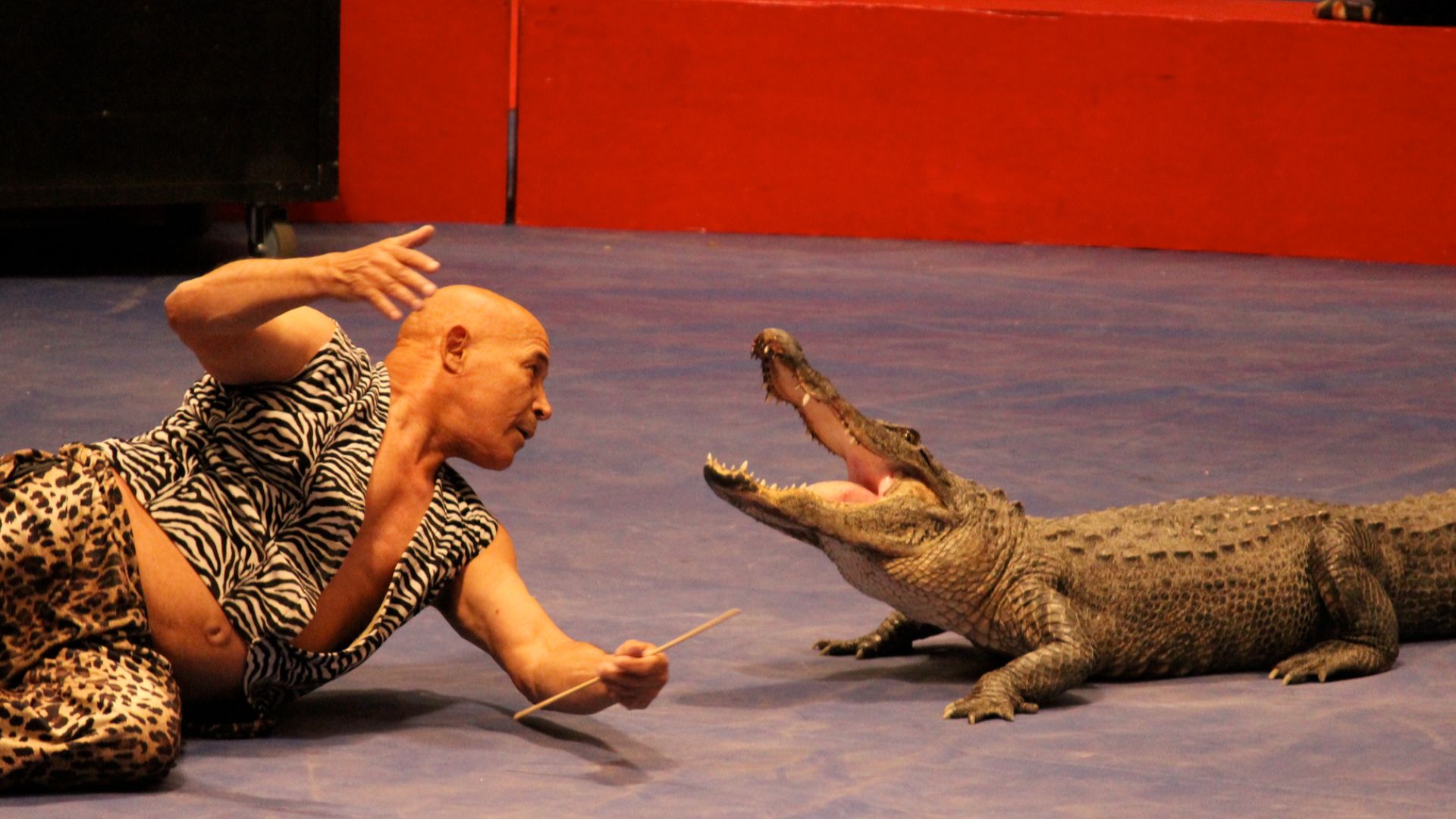
Between seasons, he sometimes vanished for months without notifying teams. One absence ended with him resurfacing as an alligator wrestler in a traveling circus. Such disappearances delayed conditioning and preparation, and it created a lot of recurring tension between his natural ability and basic professional expectations.
10. Recklessness Extended Beyond Baseball
In 1903, he punched a lion during a theater dispute and was bitten on his pitching hand. Although no permanent damage followed, the incident alarmed teams. It reinforced concerns that impulsive decisions away from baseball consistently placed his career at unnecessary risk.

11. Acting Pulled Focus Away From Baseball
Believe it or not, the stunts didn't stop there. Waddell also joined a national theater tour in The Stain of Guilt. He struggled with memorization, improvised heavily, and also threw a fellow actor during a performance.

12. Control Showed Up in Rare, Perfect Moments
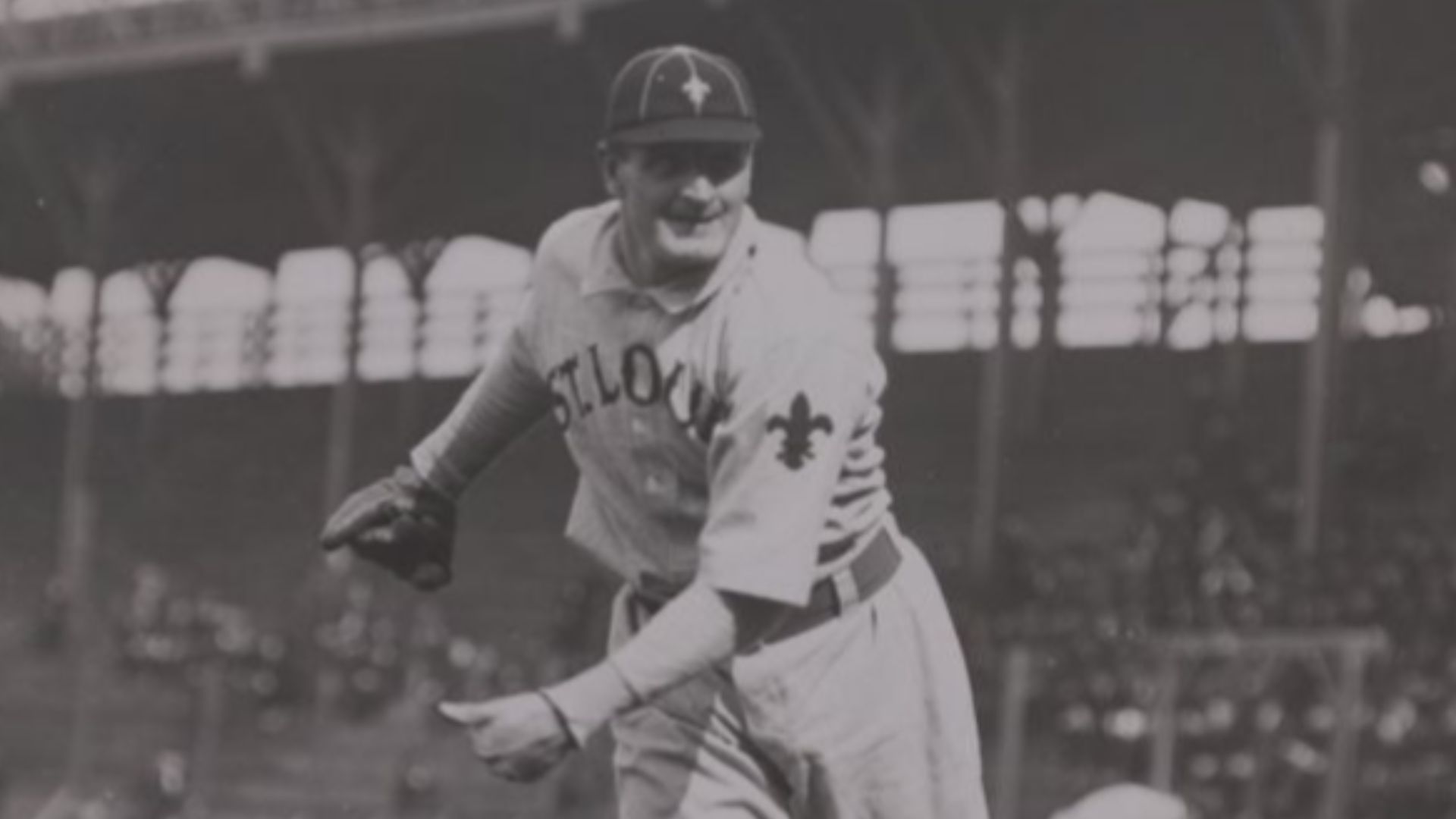
Despite the eccentricities, inpoint precision occasionally broke through the chaos. One game featured an immaculate inning, with three batters struck out on nine pitches. The feat showed just how sharp his command could be, even as surrounding habits prevented that level of control from becoming routine.
 Unknown authorUnknown author on Wikimedia
13. Strikeouts Defined His Peak Years
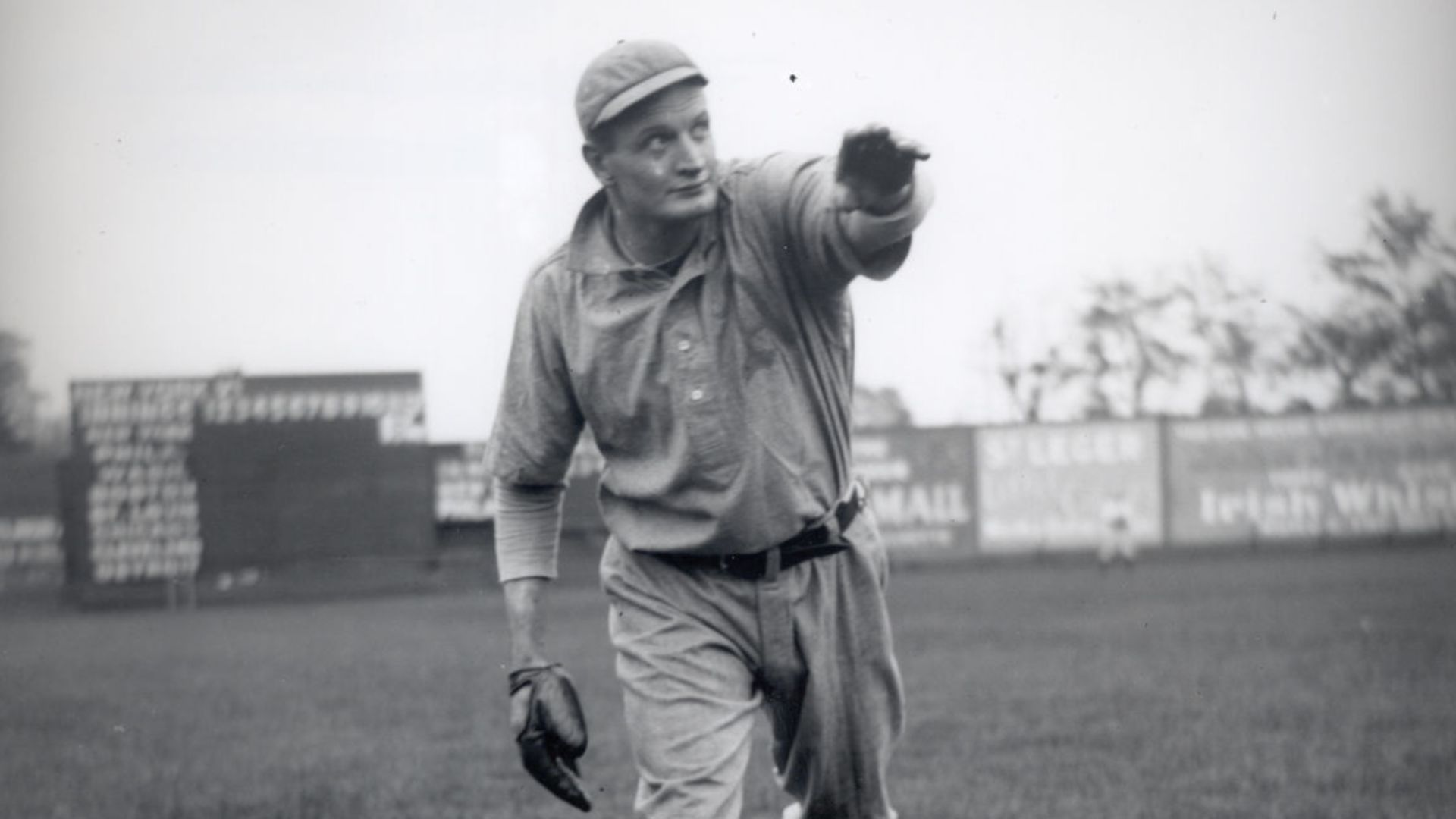
For six straight seasons, league hitters had no answer. His fastball, curve, and screwball produced yearly strikeout titles, confirming elite status. Teams benefited from the dominance, yet still struggled with reliability issues that complicated rotation planning and long-term trust.
 Charles M. Conlon on Wikimedia
14. A Record Season Arrived Despite Distractions
One season produced a strikeout total so high it stood untouched for decades. The number also cemented his place among baseball’s most overpowering pitchers. However, at the same time, ongoing distractions forced managers to work around unpredictability instead of building fully around consistency.
 uploaded by KV5 (Talk • Phils) on Wikimedia
15. Historic Success Came With Unresolved Doubts
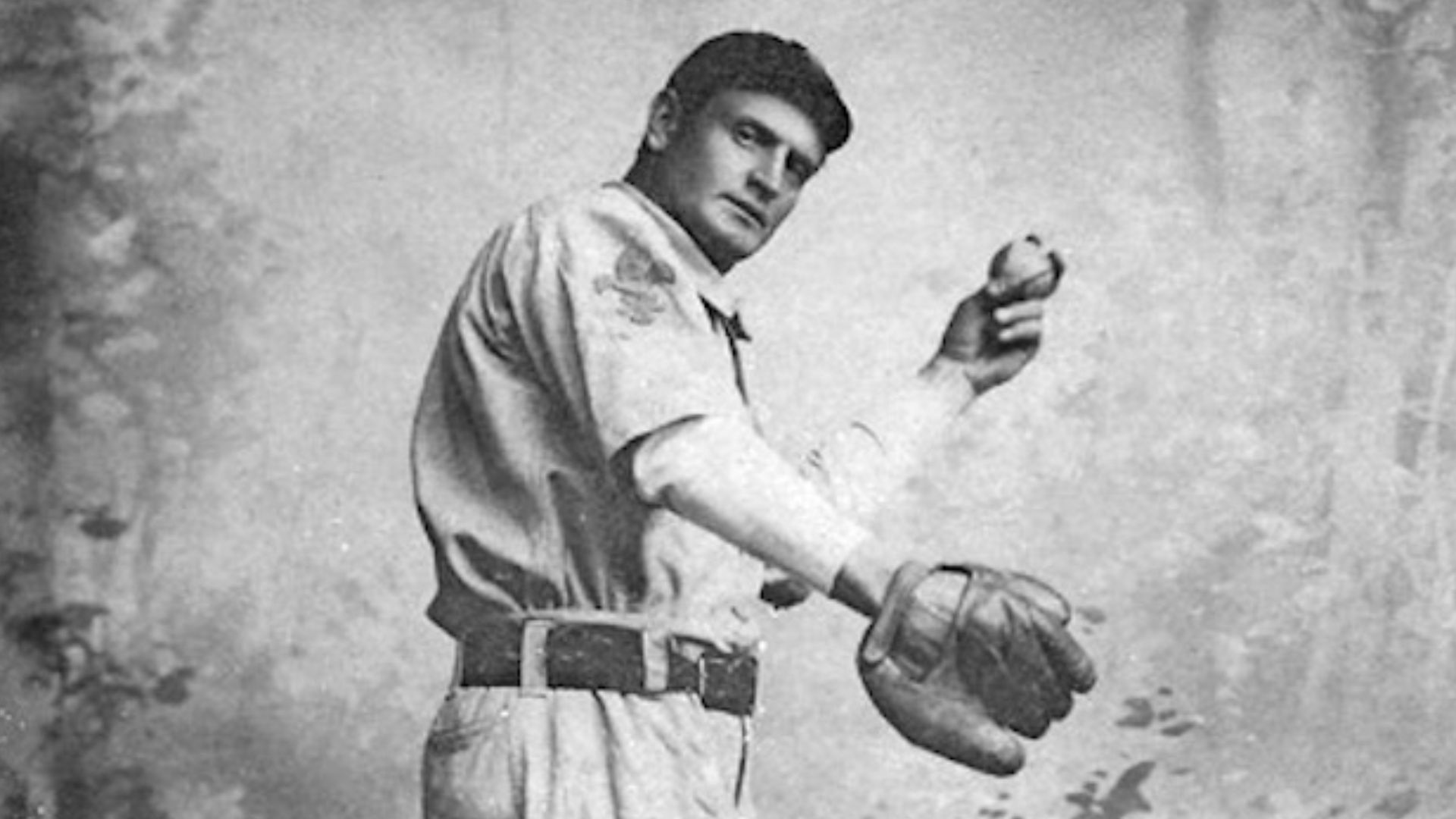
A pitching Triple Crown capped one of the era’s greatest seasons. Wins, ERA, and strikeouts all led the league. Even so, rumors and absences followed, reinforcing a familiar pattern where historic performance existed alongside lingering concerns about dependability.
 Unknown authorUnknown author on Wikimedia
16. Alcohol Finally Caught Up With Him
Eventually, his vices narrowed on in him. Absences mounted, preparation suffered, and patience wore thin. Teams no longer saw charm in the behavior, especially when trust weakened despite occasional reminders of his rare talent.

17. The Collapse Became Public
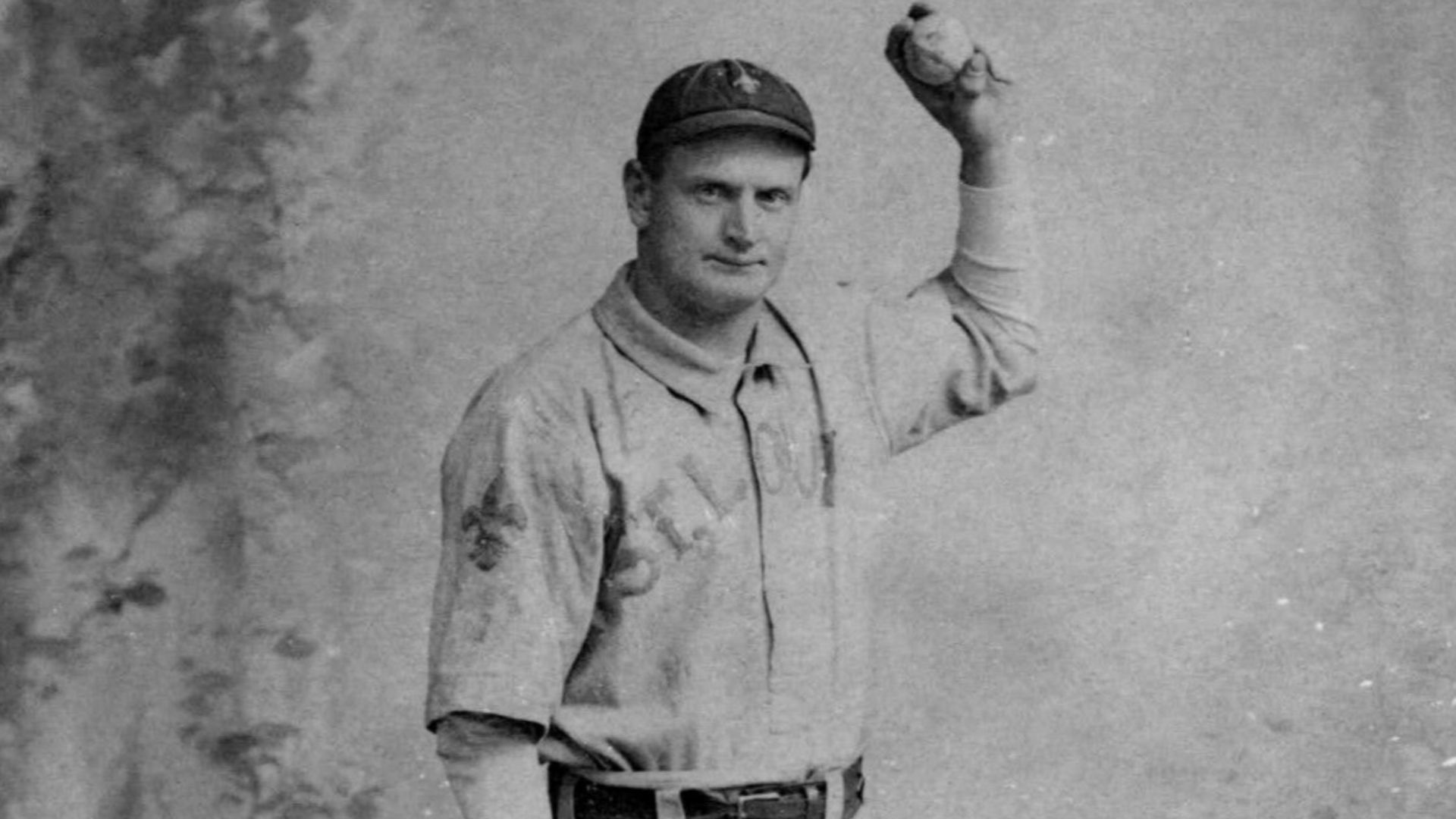
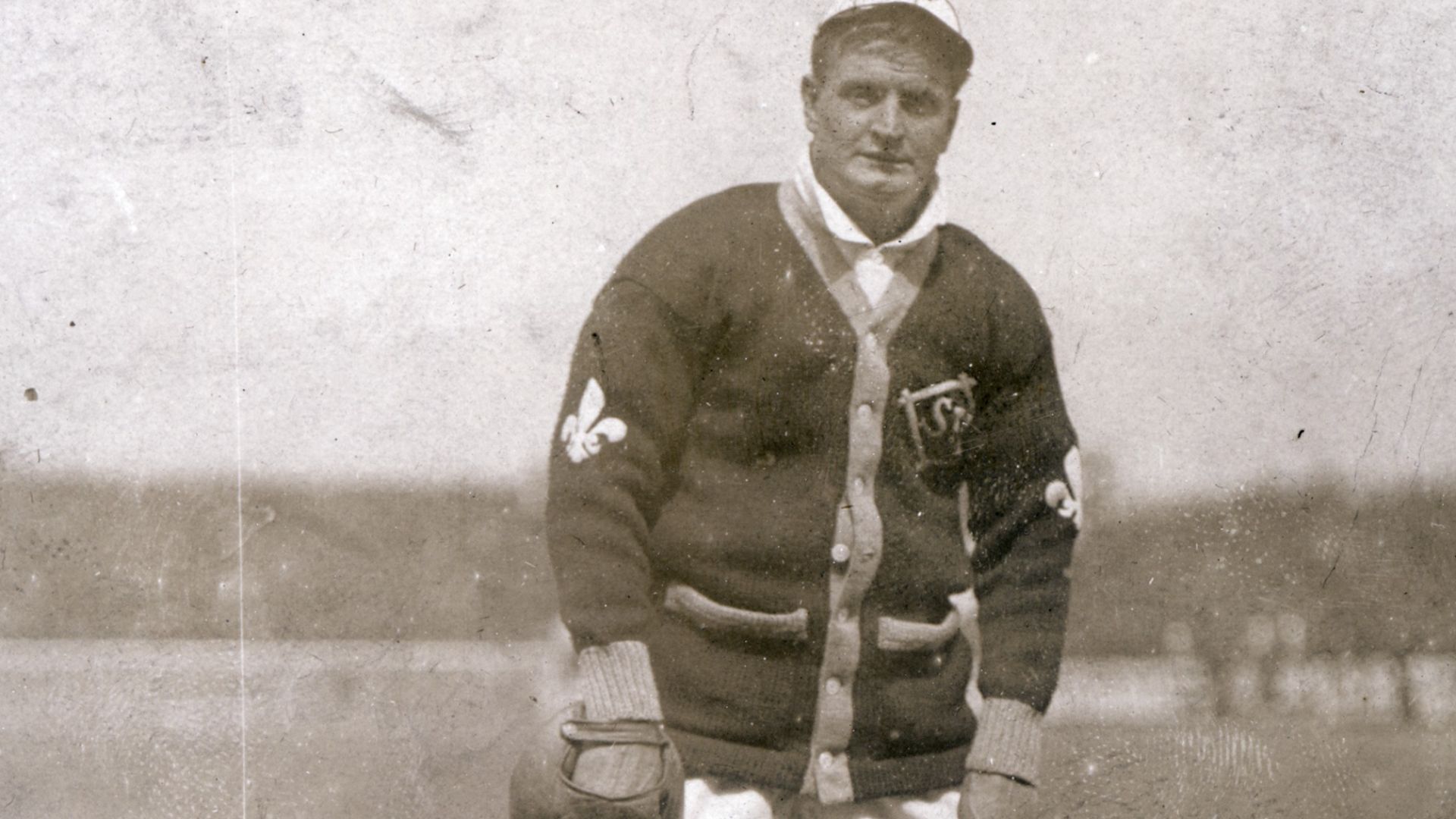
During a game with St. Louis, he passed out on the mound after drinking the night before. The incident forced his removal and accelerated his release. From that point, teams viewed him as unreliable, which marked the sharpest break between reputation and remaining opportunity.
 William H. Trefts Jr. on Wikimedia
18. Raw Talent Never Fully Disappeared
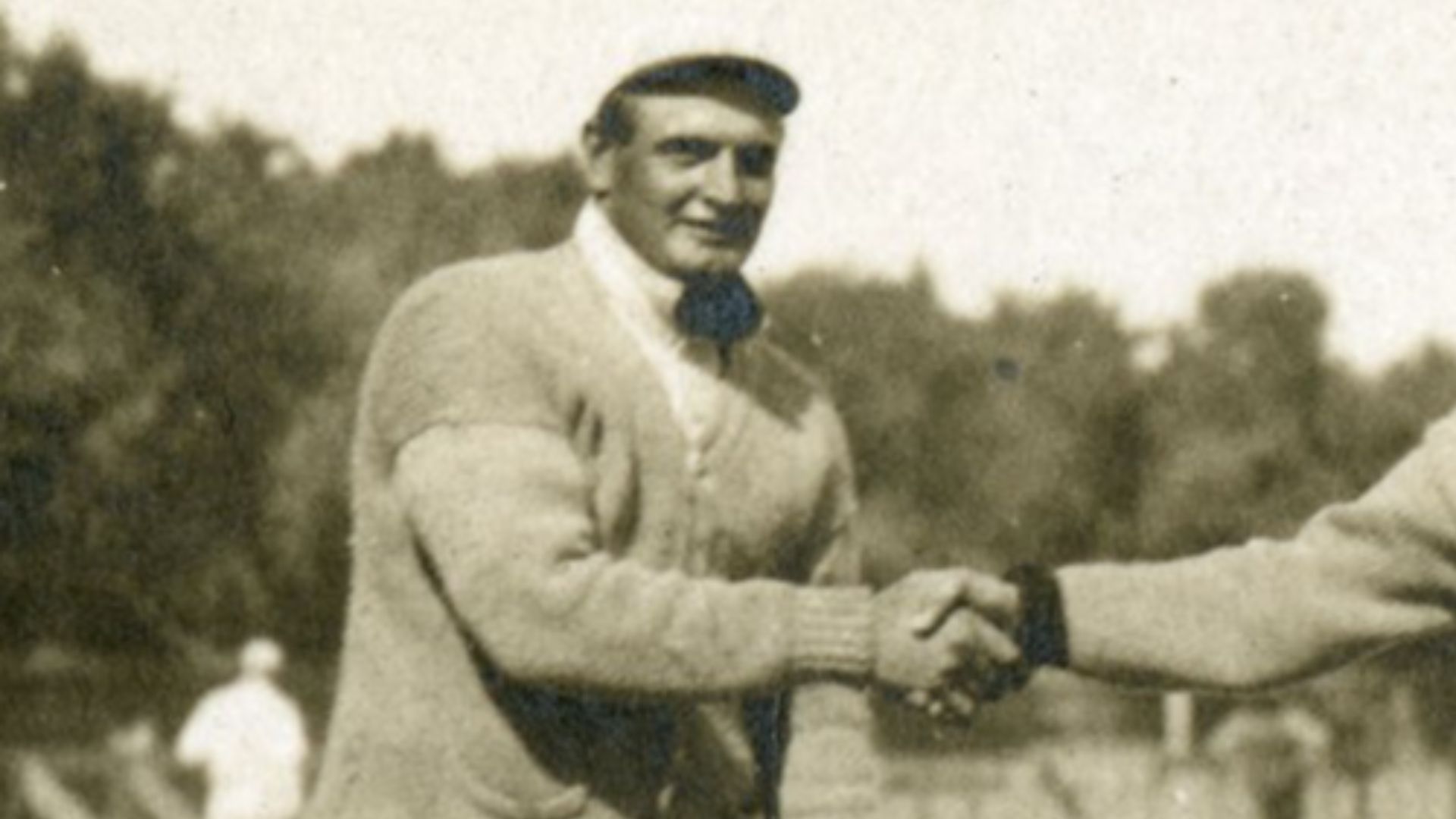
Even after leaving the majors, he continued winning games in the minors, including a strong season with Minneapolis. The arm still worked. What failed was sustainability, as health issues and long-standing habits prevented any meaningful return to top-level competition.
 Unknown authorUnknown author on Wikimedia
19. Heroics Off the Field Damaged His Health
During flood relief efforts, he carried heavy sandbags to protect a town until, unfortunately, the strain led to pneumonia and permanently reduced his strength. Still, the same impulsive courage that defined his life outside baseball removed what little physical margin his career still had.
 Sgt. Brandon Banzhaf on Wikimedia
20. A Legend Remembered For Brilliance and Chaos
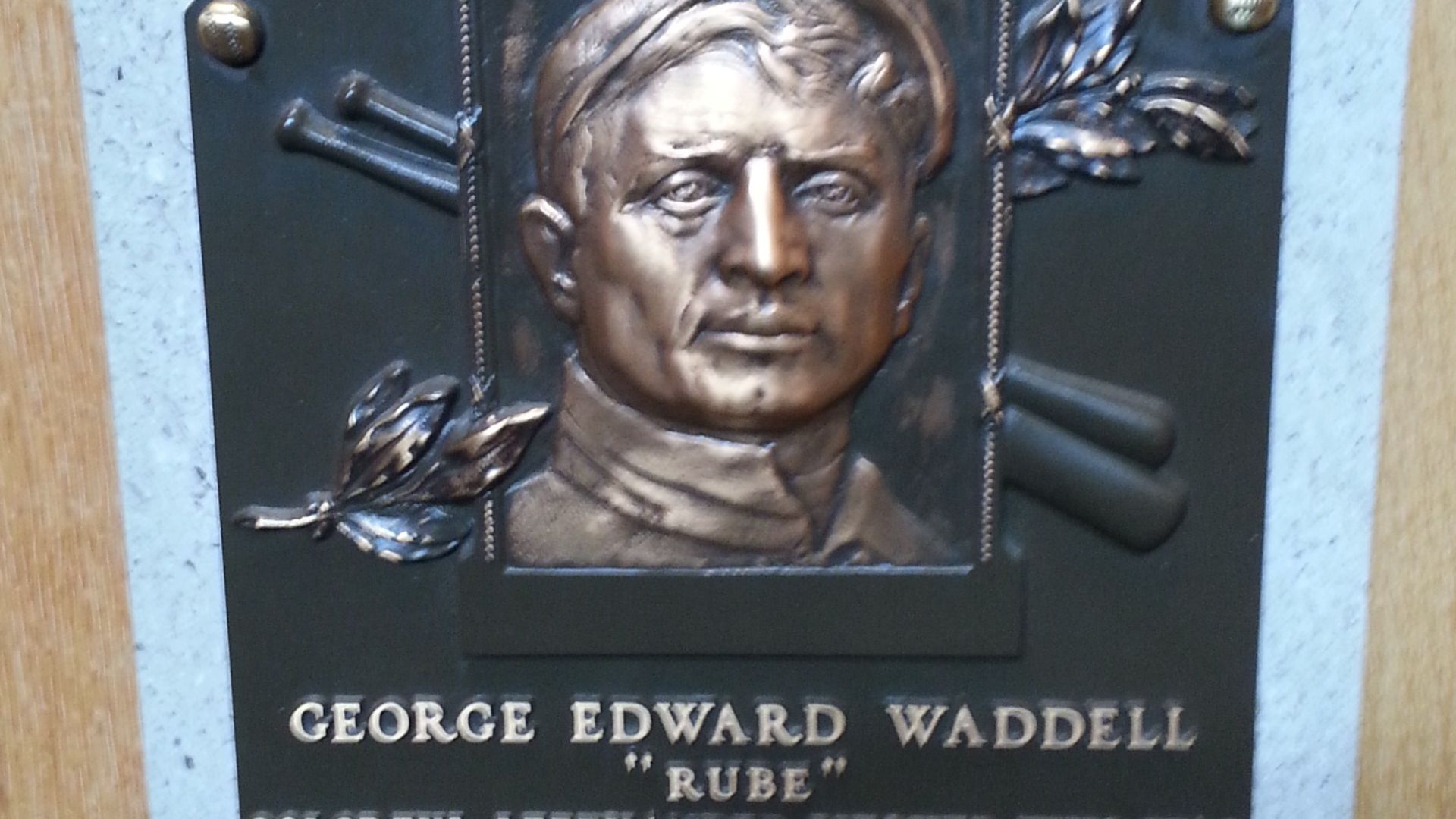
Inducted into the Hall of Fame in 1946, his legacy rests on dominant numbers and unforgettable behavior. Few pitchers reshaped strikeouts the way he did. Fewer still became symbols of how extraordinary talent can thrive, falter, and fascinate all at once.
KEEP ON READING

10 Greatest Quarterbacks Of All Time & 10 That Are…
Do You Disagree?. Few topics in sports generate as much…
By Farva Ivkovic Dec 2, 2025
The story of Ching Shih, the Woman Who Became the…
Unknown author on WikimediaFew figures in history are as feared…
By Emilie Richardson-Dupuis Dec 29, 2025
20 Shakespearean Words, Translated For A Modern Audience
What’s In A Word?. Shakespeare was a wordsmith of the…
By Breanna Schnurr Dec 17, 2025
20 Inspiring Stories From Native American History
Incredible Stories Of Resilience And Endurance. Many of us didn't…
By Ashley Bast Dec 17, 2025
You Think You Have Problems? These Royal Families Were Cursed
Boasson and Eggler St. Petersburg Nevsky 24. on WikimediaHeavy is…
By Ashley Bast Dec 5, 2025
MH370: The Plane That Can't Be Found
Anna Zvereva from Tallinn, Estonia on WikimediaEleven years after Malaysia…
By Christy Chan Dec 10, 2025