

Nikola Tesla’s Last Days: The Tragic End Of The Man Who Invented The Future
Nikola Tesla’s Last Days: The Tragic End Of The Man Who Invented The Future
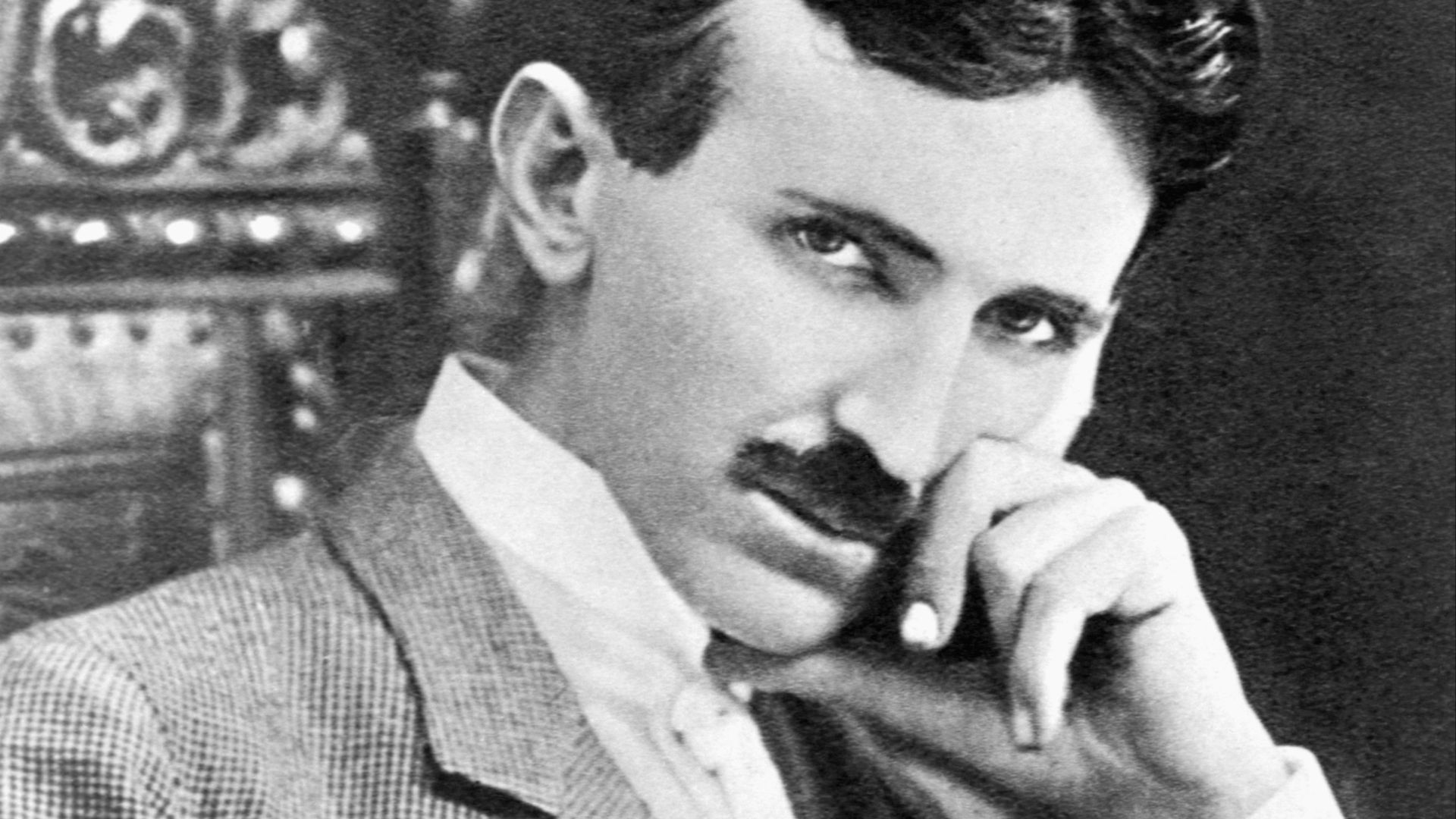 Unknown authorUnknown author on Wikimedia
If you’ve ever flipped a light switch or used your favorite cordless gadget, odds are you owe Nikola Tesla a great debt of gratitude. A certified wizard during the Gilded Age, Tesla dueled with Thomas Edison during the legendary “Current Wars” and imagined practically every modern technology the world has come to know. But Nikola Tesla didn’t spend his twilight years working in a state-of-the-art laboratory. Instead of endless accolades and cash flow, the man who helped light up the world ended up alone in a modest two-room suite. If you’ve never heard of Nikola Tesla’s living situation during his later years, don’t feel bad. It’s…unique.
Nikola Tesla is perhaps one of history’s greatest reminders that even the most brilliant among us are still prone to lonely deaths and dwindling retirement funds. By the early 1940s, Tesla’s isolation from society had developed into something oddly sinister, coupled with various obsessions and little money in his pocket. Though many outside of his remaining inner circle couldn’t understand how the world’s most recognizable scientist became a bum wandering New York City in a worn-down coat, even his minimal surroundings told the tale of a man whose mind had far transcended his small New Yorker Hotel apartment.
A Suite at the New Yorker
 Rennier Ligarretto Feo on Unsplash
For the last ten years of his life, Tesla called Room 3327 of the New Yorker Hotel his home, a residence paid for in part by a modest "consulting fee" from the Westinghouse Electric & Manufacturing Company. You can almost picture him there, surrounded by dusty notebooks and the hum of a city that he helped build but no longer quite understood. He followed a strict, almost ritualistic daily routine that involved polished silverware and a very specific vegetarian diet to maintain his health. Despite his financial struggles, he maintained a certain formal dignity, always appearing impeccably groomed when he chose to venture out into the lobby.
Living in a hotel allowed Tesla to manage his many eccentricities and germaphobic tendencies without the burden of maintaining a private household. He was famously obsessed with the number three, insisting that his room number be divisible by it and requiring eighteen napkins to be delivered with every meal. These quirks weren't just random habits; they were the outward manifestations of a mind that saw patterns and mathematical significance in every corner of existence.
The Secret Life of Pigeons
Tesla’s relationship with the pigeons of New York City may be one of the saddest and strangest stories about his later years. He would feed pigeons in Bryant Park or in front of the New York Public Library every single day, regardless of the weather. Tesla not only fed them crumbs but took care of them like many humans he didn’t take care of. He’d meticulously nurse injured birds he’d find back to health in his hotel room and spend thousands of dollars he didn’t have taking care of them.
He once claimed to love one white pigeon “as a man loves a woman.” He told many stories about this bird, but my favorite was when she came to his hotel window one night and “told” him that she was dying. As she leaned into his hand, her eyes put out such a blinding light that Tesla could no longer see, and she passed away. He wasn’t hallucinating. He took this as a sign that his life’s work was over and that there was nothing more for him here on Earth. Feel free to cry a little now at how these birds helped him find meaning that other humans couldn’t.
The Cold Case of the Missing Files
On January 7, 1943, a hotel maid discovered Tesla’s body in his bed; he had passed away quietly at the age of eighty-six from a heart blockage. Because the world was in the middle of World War II, his death immediately triggered a high-stakes response from the United States government. Within hours, representatives from the Office of Alien Property seized all of his trunks, notebooks, and scientific papers, fearing that his designs might fall into enemy hands. You have to wonder what secrets were buried in those folders that the FBI deemed so dangerous they needed to be classified as top secret.
The government even enlisted Dr. John G. Trump, a distinguished MIT professor and uncle to the future president, to analyze the inventor's technical writings for any viable military applications. After a thorough review, Trump concluded that Tesla's later work was primarily speculative and philosophical, lacking the "sound, workable principles" needed for modern weaponry. However, this didn't stop the conspiracy theories from swirling, as many believed the government kept the most revolutionary files for its own secret projects. To this day, the whereabouts of some of Tesla's original trunks remain a subject of intense debate and mystery among historians.
KEEP ON READING
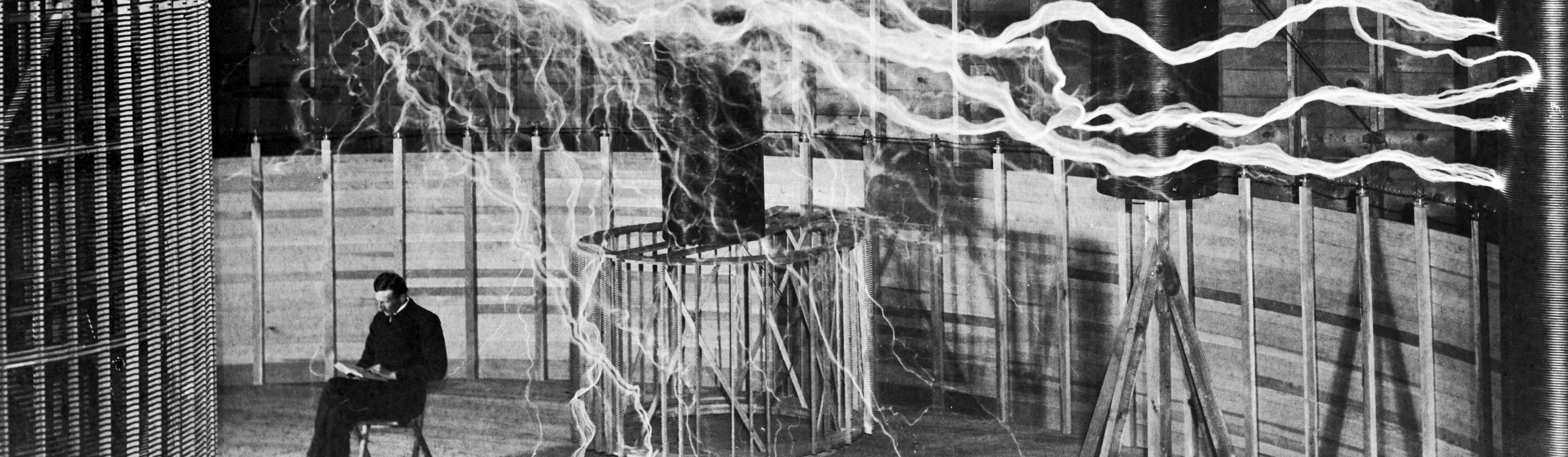
Nikola Tesla’s Last Days: The Tragic End Of The Man…
Unknown authorUnknown author on WikimediaIf you’ve ever flipped a light…
By Sara Springsteen Mar 5, 2026
These Three Ordinary Moments Quietly Altered History
Official photographer on WikimediaHistory books love big scenes: speeches, battles,…
By Emilie Richardson-Dupuis Mar 5, 2026
No Whistling, No Bananas: The Weird Rules of Old Sailors
commons.wikimedia.org on GoogleBefore GPS, before weather satellites, before anyone could…
By Cameron Dick Mar 5, 2026
20 Stolen Objects That Sparked International Chaos
Small Things, Big Fallout. A stolen object can turn into…
By Cameron Dick Mar 5, 2026
Exploring The Earliest Legal Cases In U.S. History
Virginia Commonwealth University Libraries on UnsplashThe early years of the…
By Rob Shapiro Mar 5, 2026
The Dark History Of Charles Dickens
The Complicated Life of this Famous Author. Arguably the greatest…
By Cathy Liu Dec 5, 2024