Nellie Bly’s Harrowing Expose Revealed Just How Bad Asylums Were In The 1800s
Nellie Bly’s Harrowing Expose Revealed Just How Bad Asylums Were In The 1800s
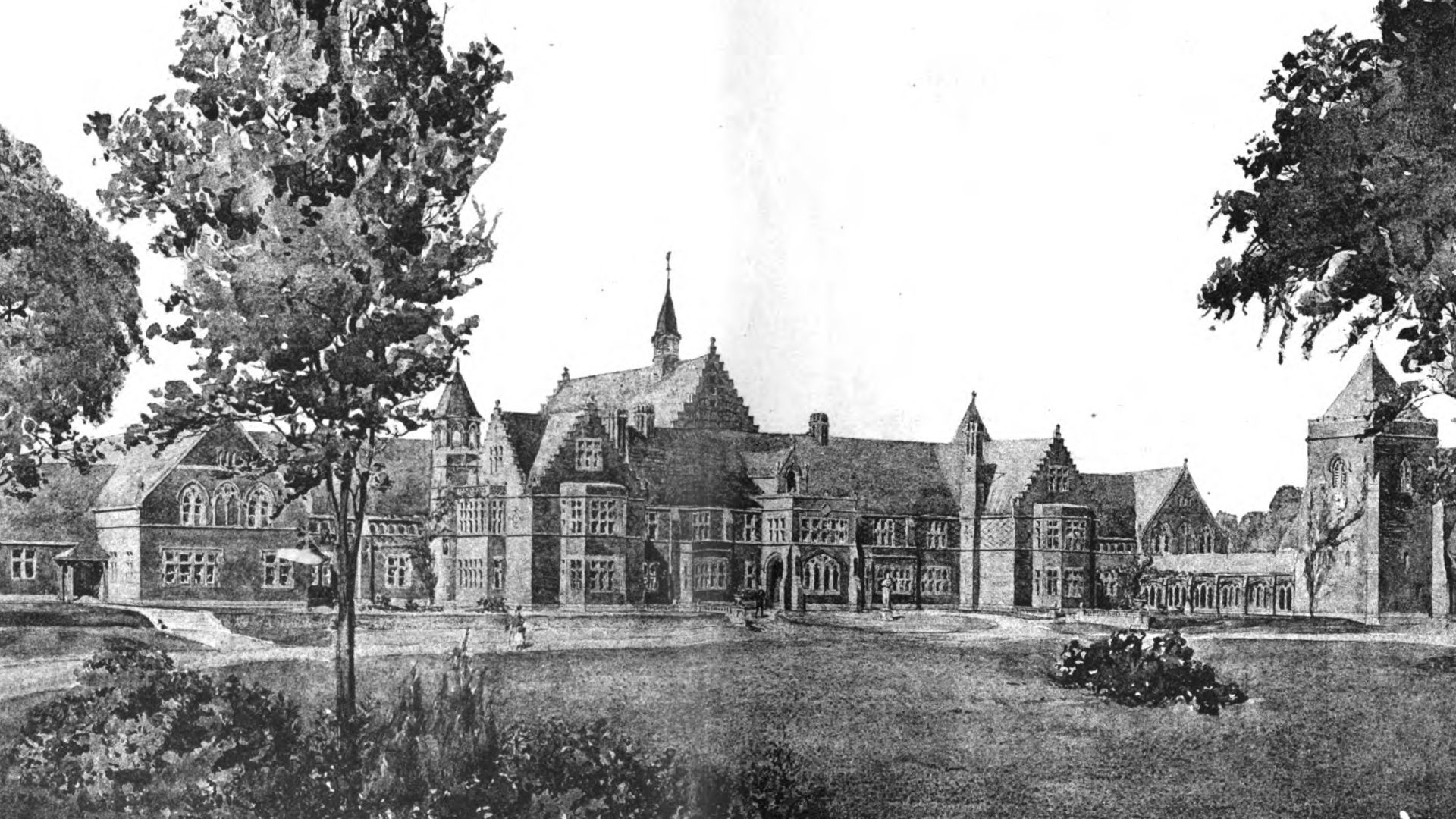 Herbert Langford Warren on Wikimedia
During the late 1800s, mental health care was a dark and often terrifying world hidden behind the walls of asylums. Few dared to question what went on inside, but Nellie Bly, a courageous journalist, took a bold step to uncover the shocking reality. Pretending to be insane, she committed herself to a notorious women’s asylum, exposing conditions so cruel they shone a harsh light on the failures of the system.
So, let’s find out what she experienced and why her courage remains a turning point in journalism and reform.
Inside the Asylum: A World Of Neglect And Abuse
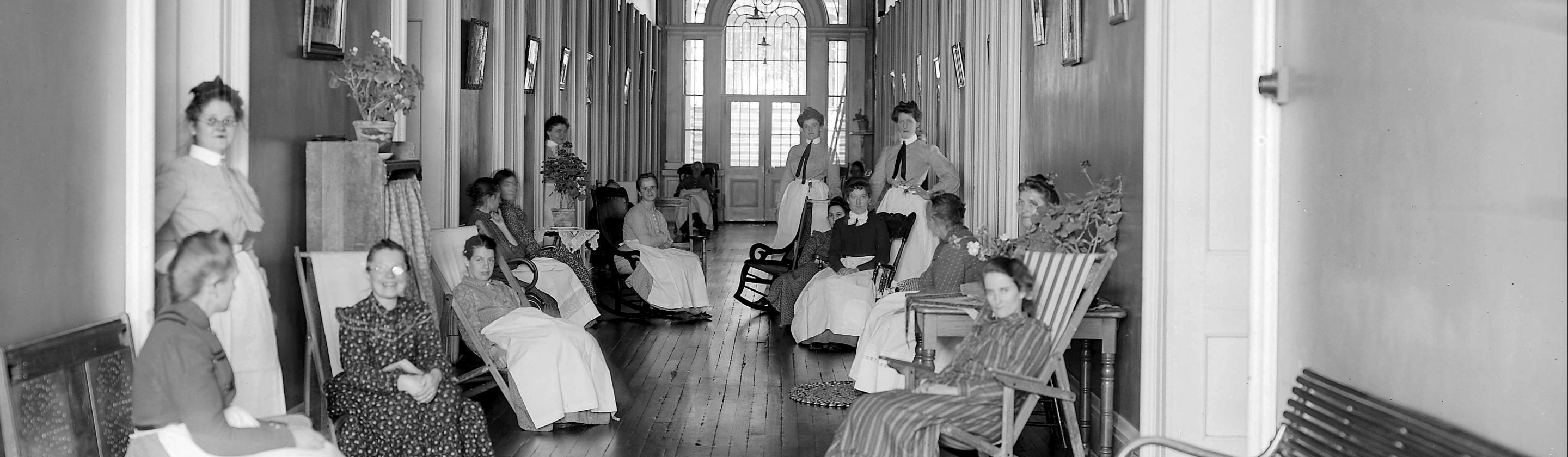
Nellie Bly’s undercover assignment began when she checked into a boarding house, acting erratically until her strange behavior led others to call the police. In court, she feigned memory loss and confusion to convince doctors she was mentally unwell. Without proper scrutiny, she was sent to the Women’s Lunatic Asylum on Blackwell’s Island, now Roosevelt Island in New York. Once inside, Bly dropped the act and behaved normally, but staff misinterpreted her routine actions as symptoms of mental illness.
What Bly saw shocked her to the core. Patients were treated more like prisoners than people, often restrained with ropes and forced to sit motionless for hours on hard benches. The food was barely edible—cold gruel, spoiled meat, and stale bread accompanied by dirty water. The halls were infested with vermin, and sanitary conditions were deplorable. Bathing was no relief; patients were doused with icy water in dirty tubs reused by others, sometimes sharing towels with patients suffering from open sores.
Bly described the brutal effects of this environment on mental health. She argued that such treatment would drive anyone to madness, noting how the combination of neglect and cruel discipline could “produce insanity quicker than anything.”
Breaking The Silence Through Courageous Journalism
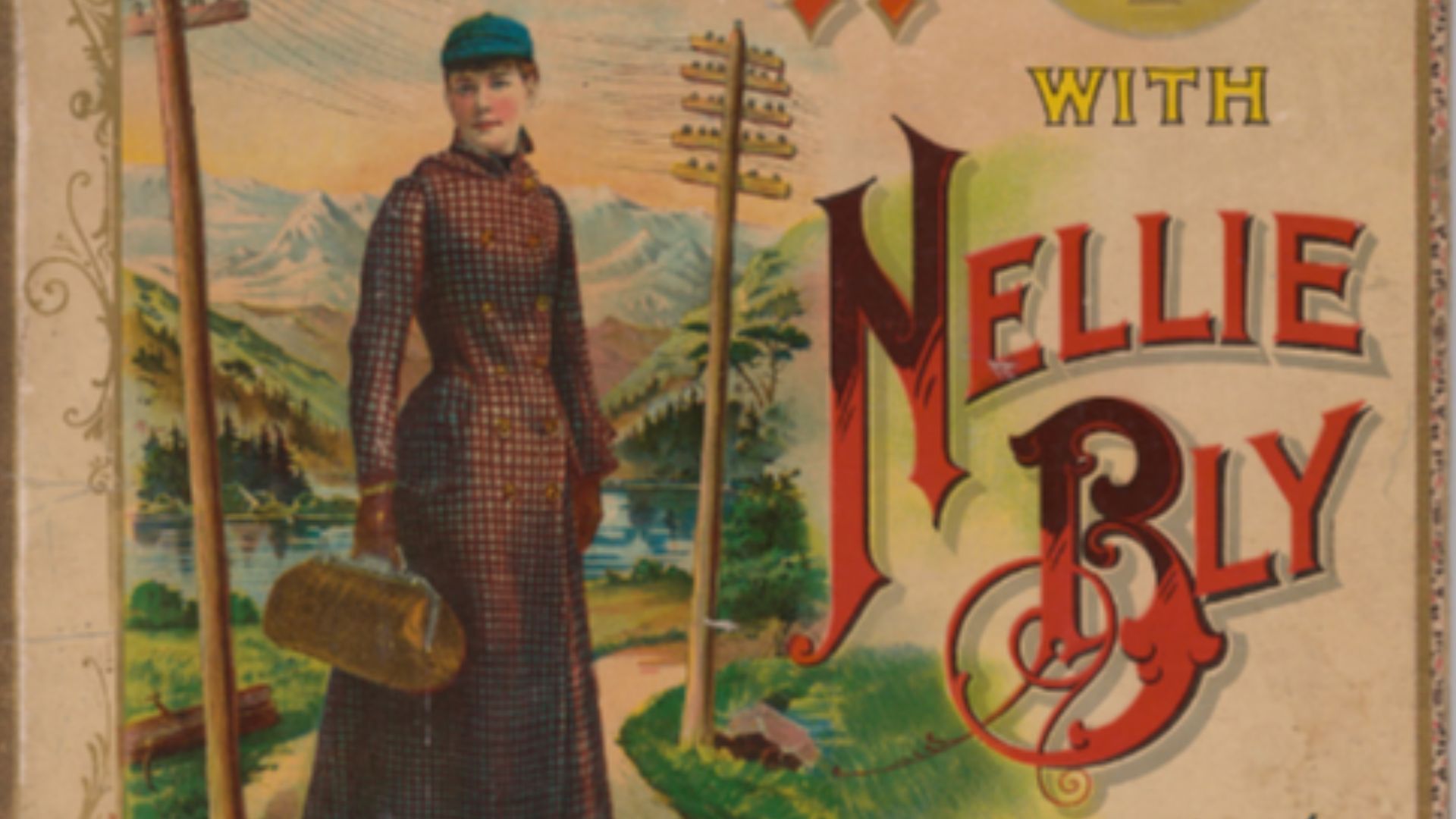 Unknown authorUnknown author on Wikimediaasyl
After ten days, Bly’s newspaper secured her release, and she published her findings in a series of articles for the New York World. Her vivid, firsthand account stirred public outrage. People were horrified to learn that sane women were being trapped in conditions that were tantamount to torture. Her work didn’t just expose neglect; it sparked a grand jury investigation that compelled authorities to allocate more resources toward mental health services and improve oversight.
Bly’s report also revealed how easily the system could imprison the innocent. She discovered that physicians often performed superficial examinations, sometimes distracted or indifferent. One of her examiners appeared more focused on a nurse than on her symptoms, highlighting how carelessness allowed innocent people to be labeled insane. Her expose led to reforms ensuring patients received more thorough evaluations before commitment.
Nellie Bly’s ten days in the asylum not only brought attention to the appalling conditions in mental health institutions but also transformed investigative journalism. The story has inspired numerous movies, stage adaptations, operas, and graphic novels to keep her legacy alive and remind us why transparency matters in health care.