


How John Howard Griffin’s Undercover Mission Exposed Racism In The South
In 1959, a white journalist from Texas did something almost unthinkable: he darkened his skin and spent six weeks traveling through the segregated Deep South as a Black man.
What John Howard Griffin discovered would shake America to its core and become one of the most controversial social experiments in history. His journey was dangerous, enlightening, and would change how millions of Americans understood racism.
A Radical Experiment Born From Curiosity
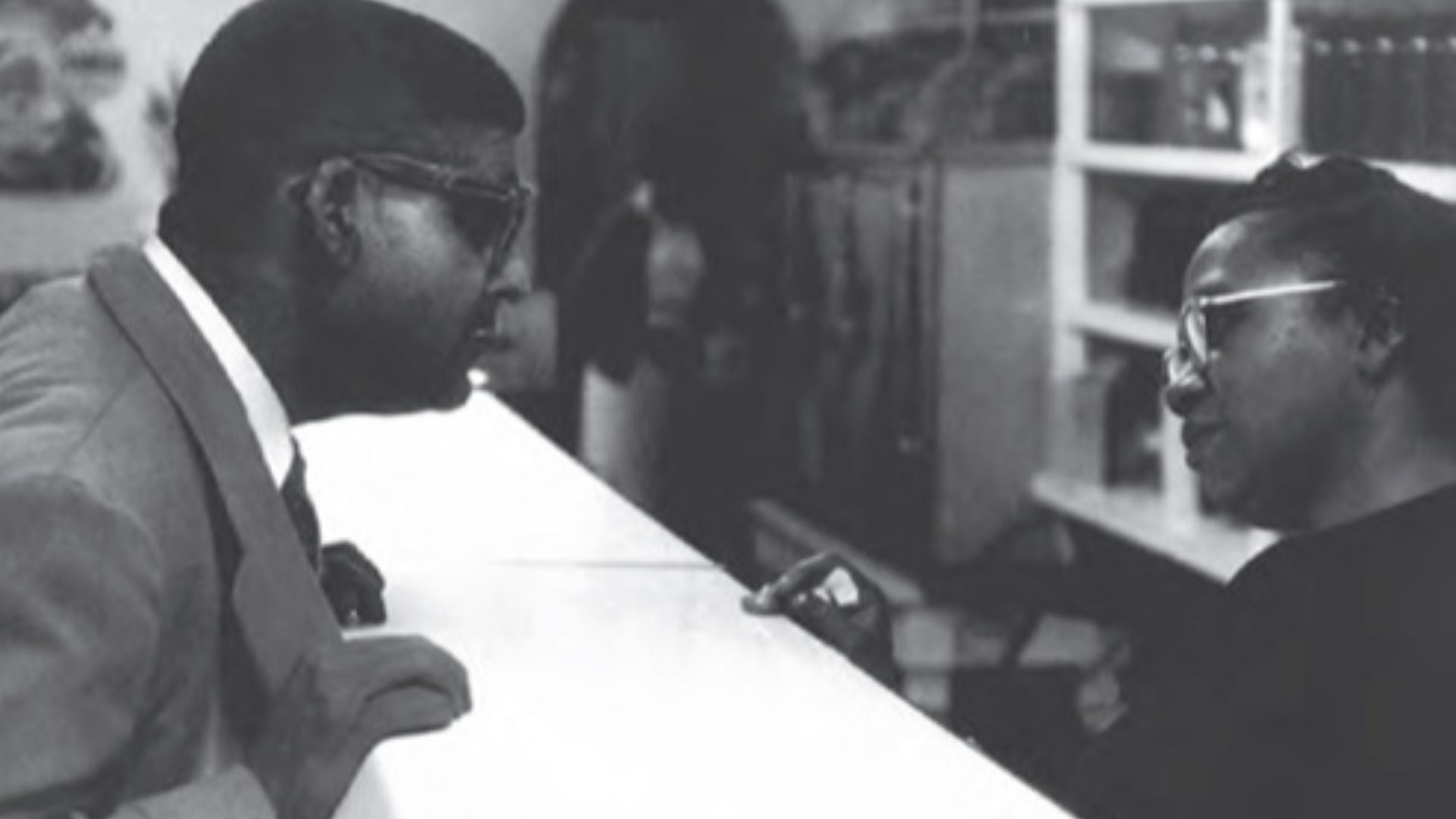
John Howard Griffin wasn't your typical journalist. He was a novelist and magazine writer who'd spent years wondering what it truly felt like to be Black in America. But Griffin didn't want to just interview people or observe from a distance—he wanted to experience it firsthand. After consulting with a dermatologist, Griffin underwent a radical transformation. He took oral medication, used darkening dyes, and spent hours under ultraviolet lamps to change his skin color.
The physical transformation took about a week, but the psychological shift happened the moment he first looked in the mirror. Griffin later wrote that he felt like he was staring at a stranger, and in many ways, he was about to become one. Starting in New Orleans and traveling through Mississippi, Alabama, and Georgia, Griffin carried nothing but a small bag and whatever money he could earn doing odd jobs. He wanted an authentic experience, which meant sleeping where Black travelers could sleep, eating where they could eat, and facing whatever discrimination came his way.
What happened next was both predictable and shocking. The same stores that would have welcomed him as a white customer now refused him service. White strangers who would have nodded politely now glared with open hatred. He was denied access to bathrooms, water fountains, and restaurants. The constant humiliation wasn't just about segregation laws—it was the everyday cruelty, the casual dehumanization that cut deepest.
The Book That Changed Everything

Griffin's experience became Black Like Me, published in 1961. The book became an immediate bestseller, but the reaction was explosive. While many readers, particularly in the North, were horrified by Griffin's accounts, others, especially in the South, were furious. Griffin received death threats, his hometown of Mansfield, Texas, turned against him, and he was burned in effigy. His family faced harassment so severe that they temporarily moved to Mexico for safety.
Yet the book accomplished something remarkable: it gave white Americans an insider's perspective on racism they couldn't dismiss or ignore. Griffin wasn't a Black activist they could disregard—he was one of them, reporting back from behind enemy lines. The impact was undeniable. Black Like Me became required reading in schools, sold over ten million copies, and helped build momentum for the Civil Rights Movement.
Griffin spent the rest of his life lecturing on racial equality, though he always maintained he couldn't truly understand the Black experience—he could only glimpse it. He died in 1980, but his courageous experiment remains a powerful proof of the systemic racism that once ruled the South and the extraordinary lengths one man went to expose it.
KEEP ON READING
Was Caligula The Most Ruthless Roman Emperor?
Artur Matosyan on UnsplashRoman Emperor Caligula is one of ancient…
By Rob Shapiro Dec 18, 2025
1 Weird Fact About Every President
Washington, Lincoln, FDR. Most people know something about the lives…
By Robbie Woods Dec 3, 2024
10 Actors Who Perfectly Played a Historical Figure & 10…
Which Performance is Your Favorite?. Playing the role of a…
By Rob Shapiro Sep 15, 2025
10 Actors Who Perfectly Played a Historical Figure & 10…
Portraying a real person from history is one of the…
By Noone Dec 17, 2025
10 Actors Who Weren't Up To Playing A U.S. President…
Who Wouldn't Vote Woody Harrelson for President?. Actors who sign…
By Rob Shapiro Oct 22, 2025
10 Amazing Facts About Claude Monet & 10 Of His…
The Man Behind The Masterpieces. Claude Monet's name sits comfortably…
By David Davidovic Jan 30, 2026