History Repeats: 10 Lessons We Still Haven't Learned From History & 10 Times We Learned Our Lesson
History Repeats: 10 Lessons We Still Haven't Learned From History & 10 Times We Learned Our Lesson
Because Humanity's Track Record Is a Mixed Bag
George Santayana's famous line about those who cannot remember the past being condemned to repeat it gets quoted so often that we've basically turned it into a cliché. Meanwhile, we keep making the same mistakes our great-grandparents made, occasionally with better technology but identical results. The thing about historical lessons is that knowing them intellectually and actually implementing them are completely different beasts. Here are ten catastrophic habits we keep doubling down on, and ten times we actually learned from our collective mistakes.

1. Appeasement Doesn't Work With Aggressors
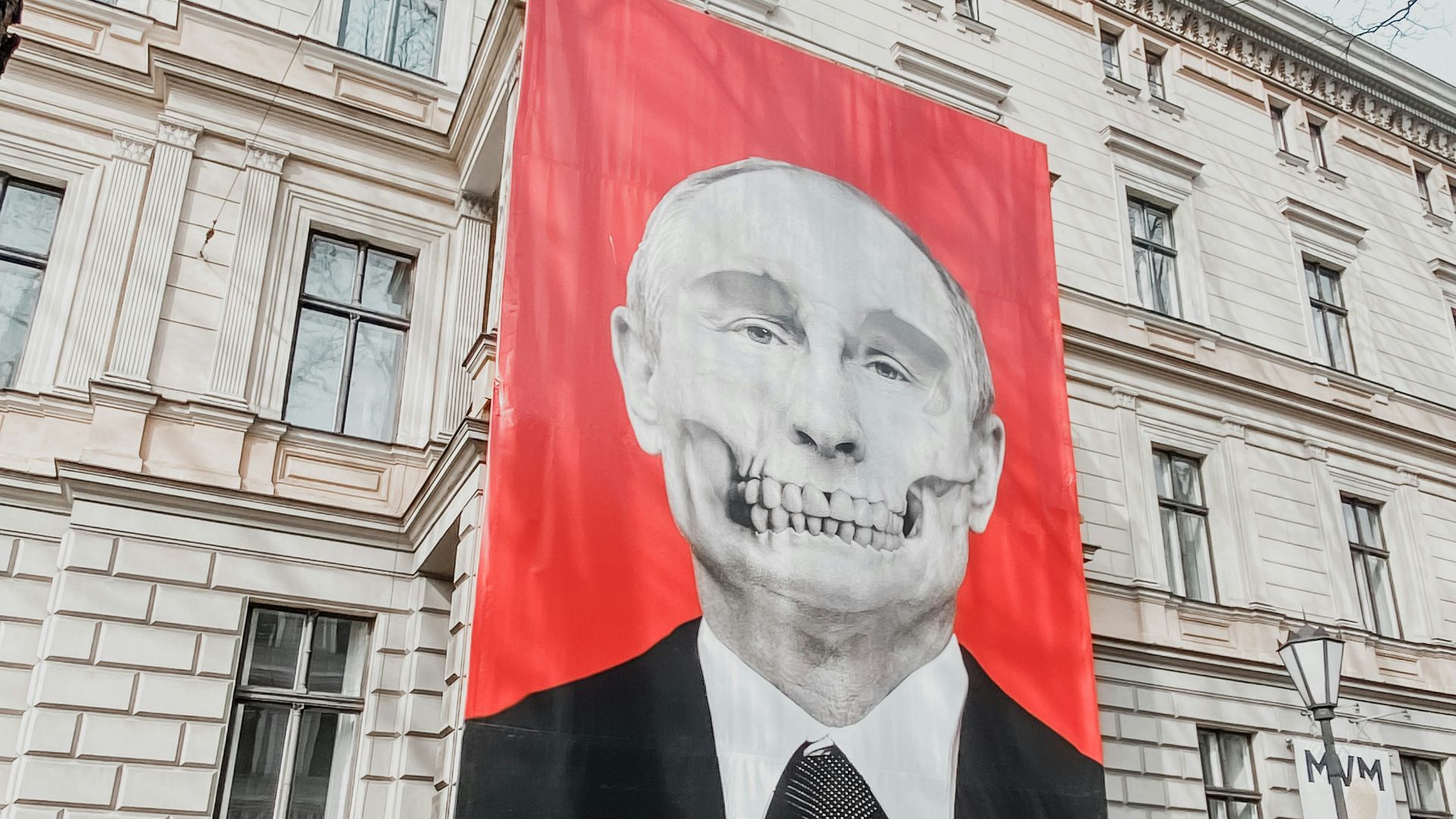
In 1938, Neville Chamberlain declared "peace for our time" after handing Hitler chunks of Czechoslovakia. A year later, World War II started anyway. You'd think we'd have internalized this lesson, but instead, we watched Putin take Crimea in 2014 with minimal consequences, which apparently emboldened the 2022 full-scale invasion of Ukraine.
2. Inflation Spirals Destroy Economies and Governments
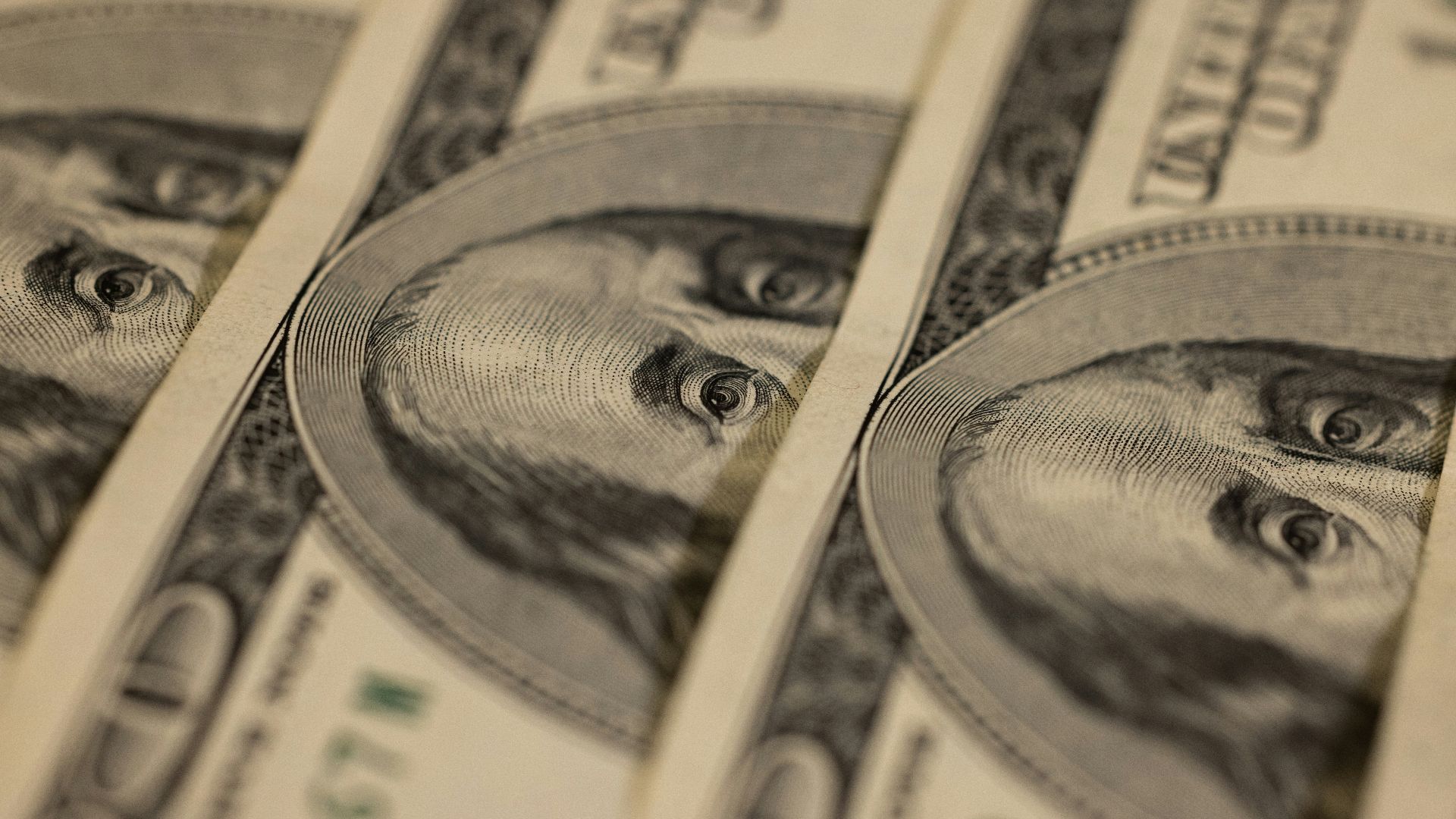
Weimar Germany's hyperinflation peaked in November 1923 when prices doubled every 3.7 days. That economic catastrophe paved the way for extremist politics and everyone knows how that ended. Zimbabwe printed a 100 trillion dollar note in 2008. Venezuela's inflation hit 1,000,000% by 2018, turning a once-prosperous country into a humanitarian crisis.
3. Pandemics Require Early Action and Public Trust
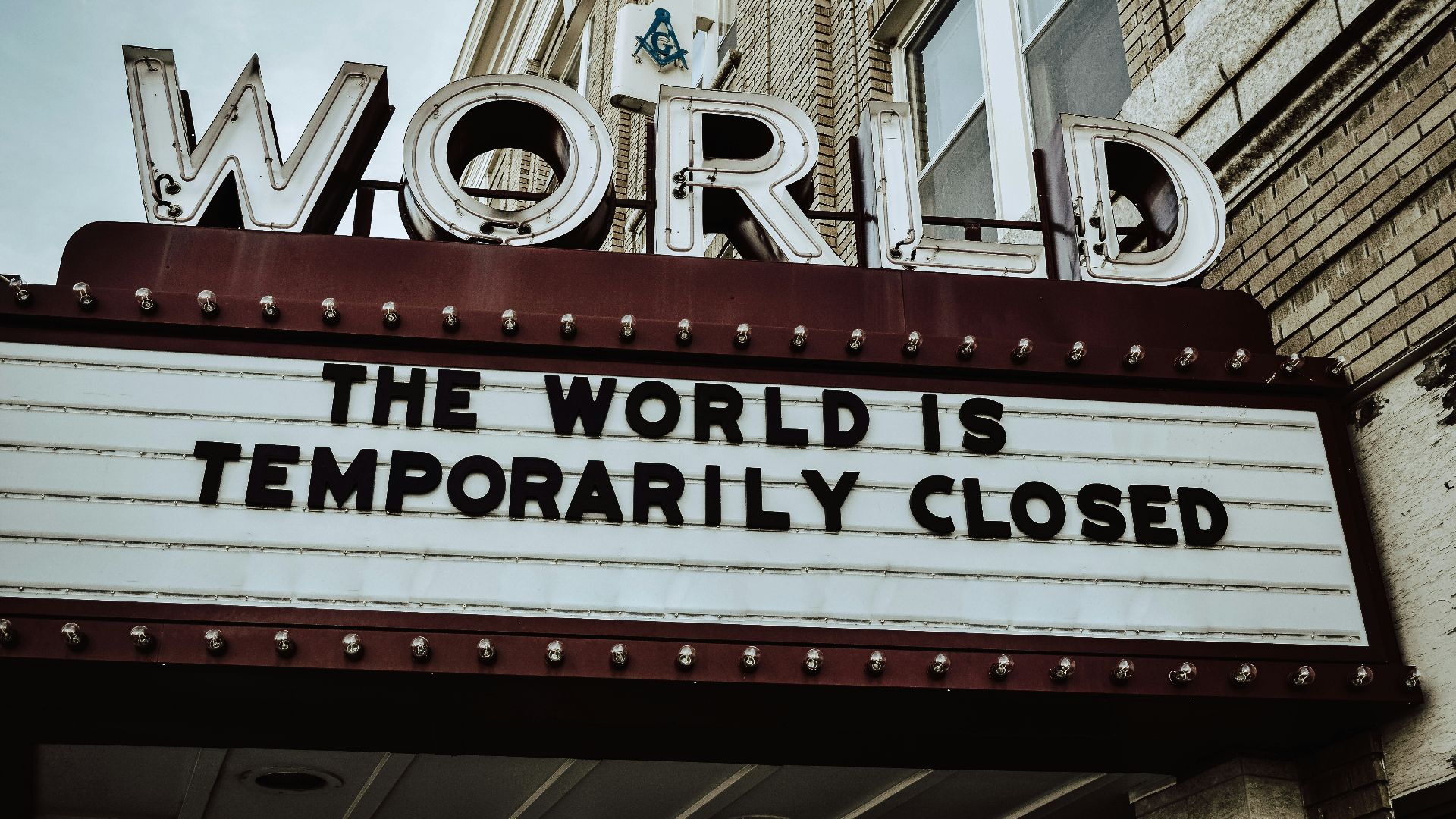
The 1918 Spanish flu killed 50 million people worldwide. Philadelphia held a massive Liberty Loan parade on September 28, 1918, despite warnings, and 2,600 people died within a week. Come 2020, health measures were politicized, and we watched the same outcomes play out in real-time.
4. Ignoring Intelligence Warnings
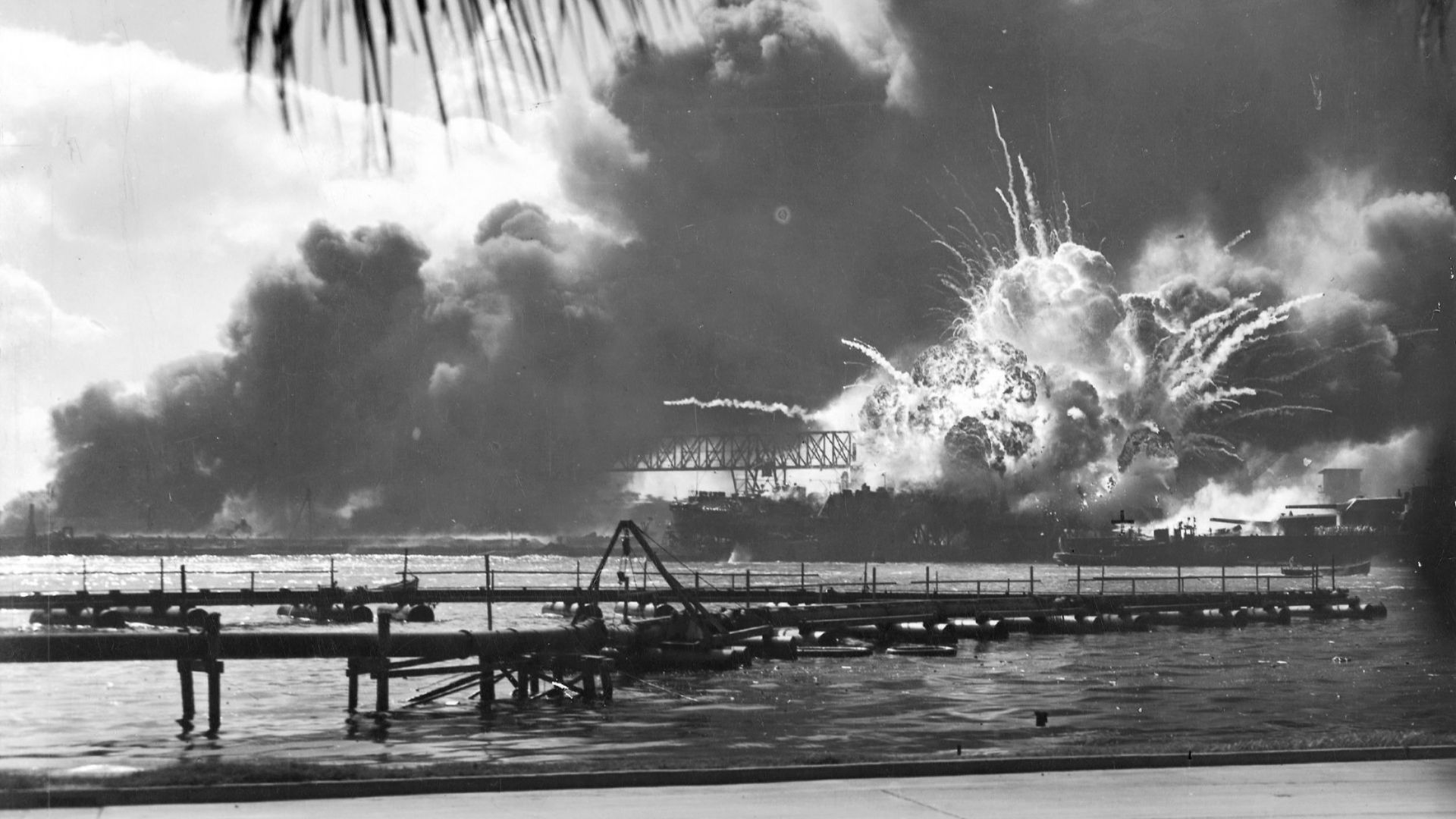
Pearl Harbor had warning signs, as did the attack on 9/11. Nothing changed because the warnings didn't fit existing assumptions or immediate political priorities. Before the 2008 financial crisis, analysts at the FBI, the Federal Reserve, and various banks sounded alarms about mortgage fraud and housing bubbles. Nobody paid attention.
 Unknown navy photographer on Wikimedia
5. Prohibition Creates Black Markets
U.S. Prohibition on alcohol successfully created a massive criminal enterprise run by Al Capone and associates while not actually reducing drinking. Then we launched the War on Drugs in 1971, and here we are, decades later, with Mexican cartels operating billion-dollar enterprises, American prisons overflowing, and drug use rates largely unchanged.

6. Authoritarians Consolidate Power
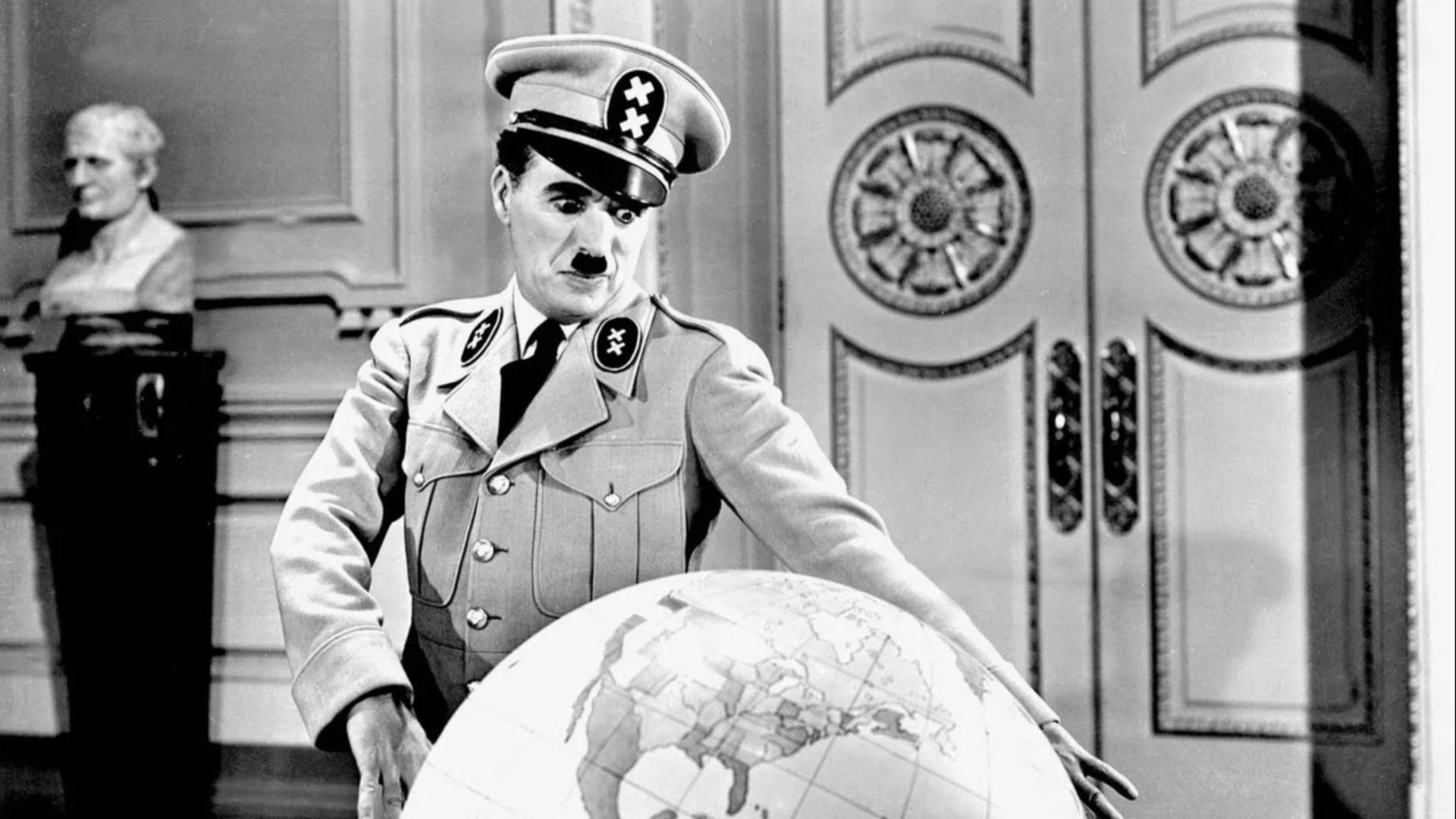
Matthias Rákosi, Hungary's communist leader, coined the term "salami tactics" to describe taking power one thin slice at a time so each individual step seems small. First you control the media, then you pack the courts, discredit opposition voices, and change electoral rules. Countries still slide into authoritarianism using the exact same sequence, and outside observers act surprised every time.
7. Pyramid Schemes Always Collapse
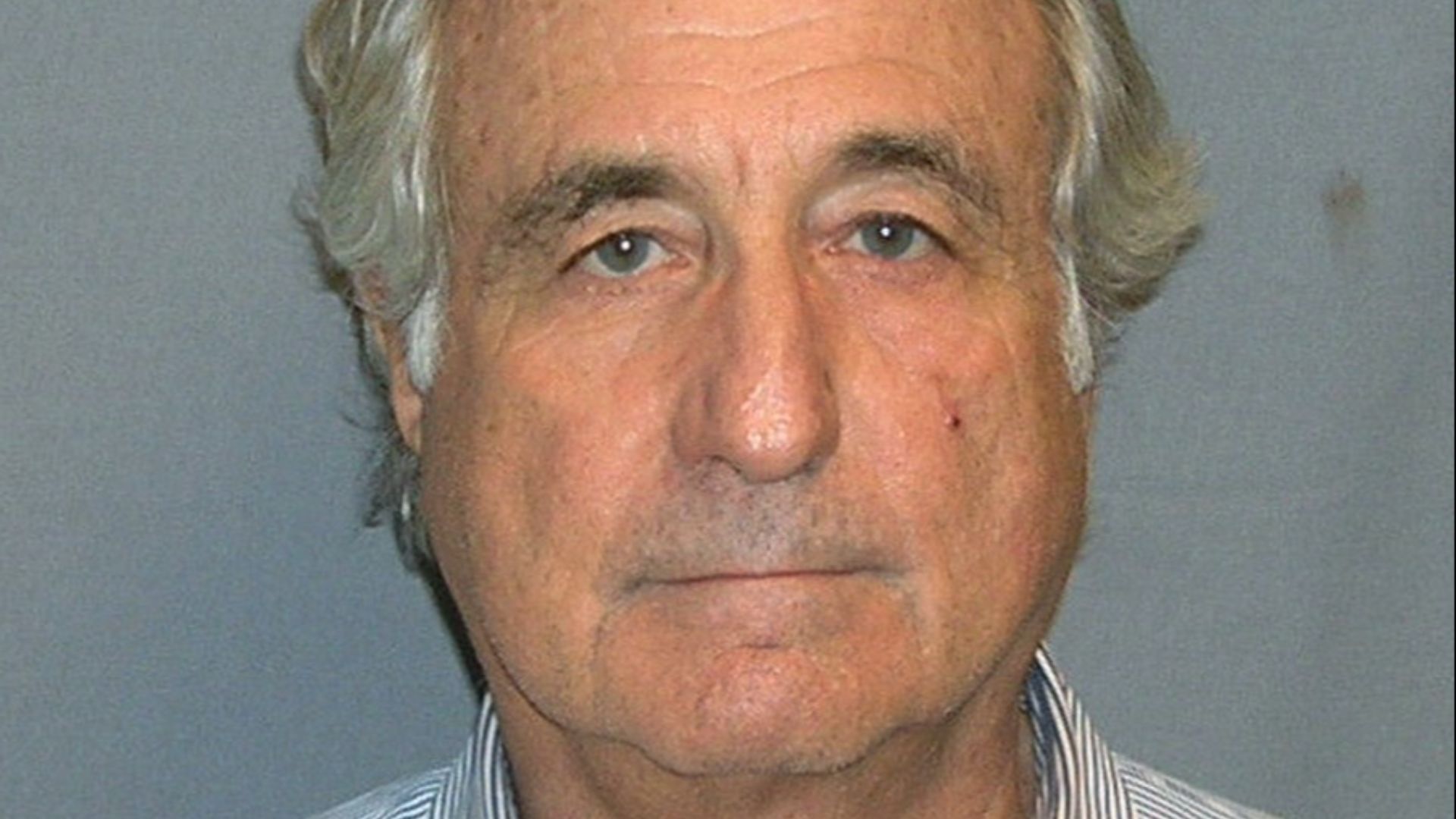
Charles Ponzi ran his scheme in 1920, promising 50% returns in 45 days. It collapsed within a year. Bernie Madoff ran essentially the same con from the 1990s until 2008, stealing $65 billion from investors. Cryptocurrency scams and multi-level marketing companies use identical structures today.
 U.S. Department of Justice on Wikimedia
8. Infrastructure Neglect Leads to Catastrophic Failures
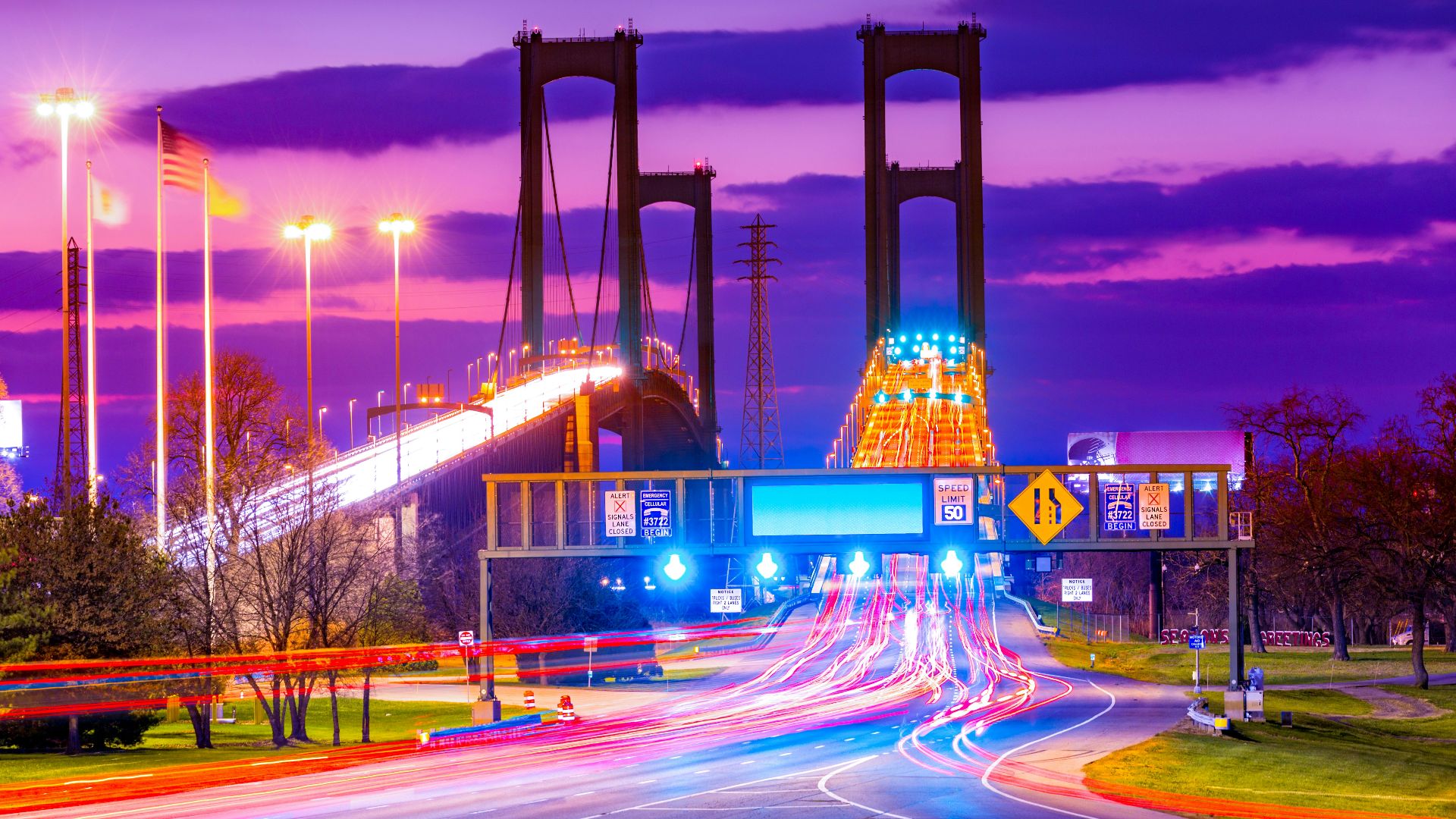
Rome's aqueducts and roads fell into disrepair as the empire declined, contributing to its inability to maintain itself. The American Society of Civil Engineers has given U.S. infrastructure a D+ grade for years, warning about aging bridges, dams, and water systems. Maintenance is cheaper than disaster recovery, but we still underfund it.
9. Totalizing Ideologies Require Enemies to Function
Whether it's Robespierre's Terror in 1793, Stalin's purges in the 1930s, Mao's Cultural Revolution starting in 1966, or Pol Pot's Cambodian genocide from 1975–1979, revolutionary movements consistently end up devouring their own. When external enemies run low, they manufacture internal ones.
 Unknown authorUnknown author on Wikimedia
10. Resource Depletion Topples Civilizations
The Mayans collapsed partly because they deforested their lands, leading to soil erosion and crop failures. The Dust Bowl of the 1930s turned American prairies into wastelands through over-farming. Despite the warning signs, we continue extracting resources faster than they regenerate.
And now, here are ten times we actually learned our lesson.
1. International Cooperation Prevents World Wars
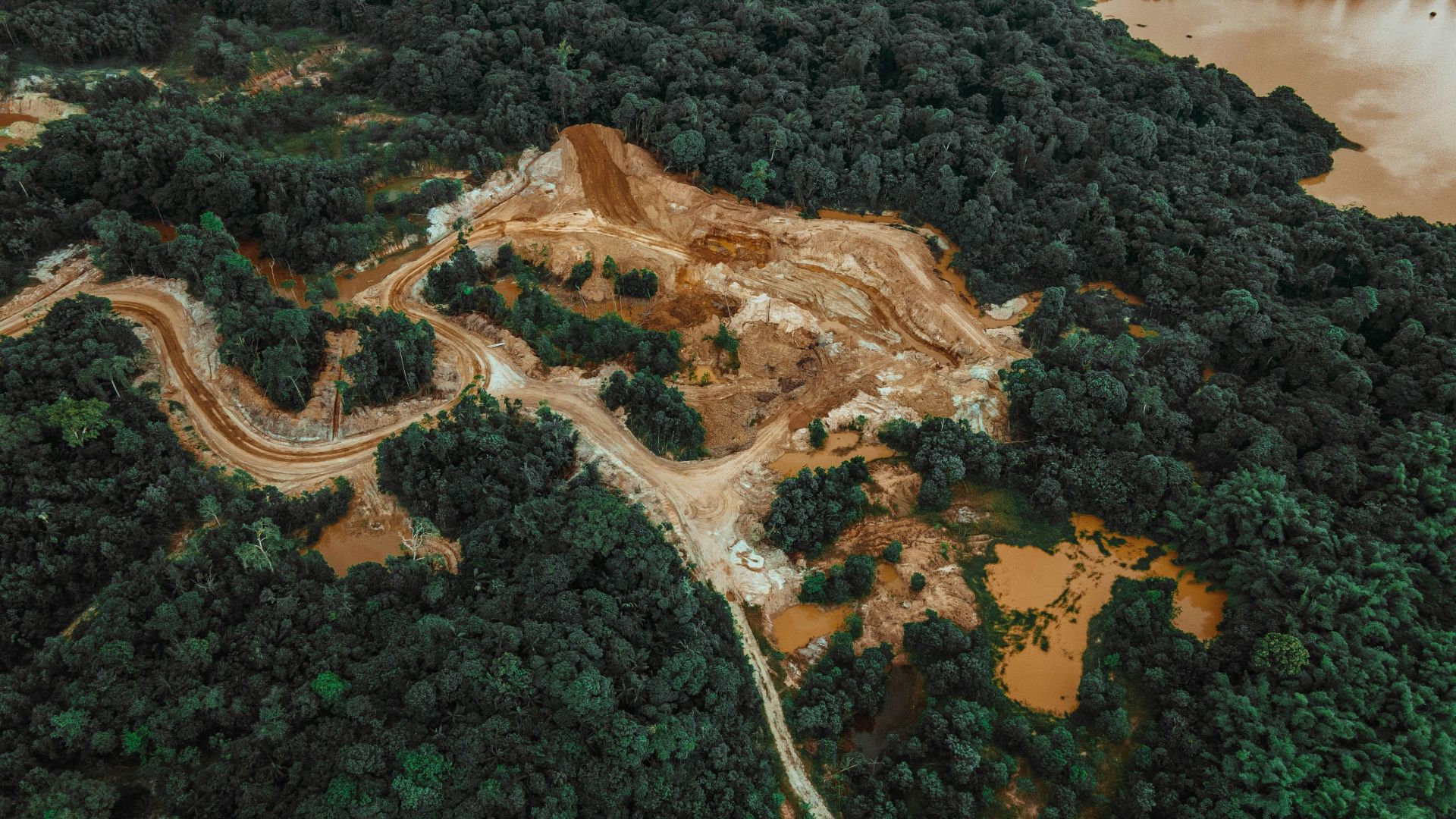
After World War I, the League of Nations failed because it had no enforcement mechanism and the U.S. didn't join. After World War II, we tried again with the United Nations, NATO, the EU, and a web of international institutions. While these organizations are far from perfect, they’ve prevented another world war between major powers.
2. Worker Safety Requires Regulation and Enforcement
The Triangle Shirtwaist Factory fire in 1911 killed 146 garment workers in New York City, mostly young immigrant women. The public outcry led to sweeping reforms in building codes, workplace safety regulations, and labor laws. As a result, workplace fatality rates in the U.S. have dropped significantly.

3. Financial Crises Need Government Intervention
The Great Depression taught us that letting banks fail in cascading waves destroys economies. After 2008, despite ideological resistance to bailouts, governments intervened aggressively. The recovery was slow and uneven, and people can reasonably debate the fairness of who got bailed out. What didn't happen was a decade-long depression with 25% unemployment.
 Marcus Reubenstein on Unsplash
4. Seatbelts and Drunk Driving Laws Save Lives
In 1960, only about a quarter of Americans regularly wore seatbelts, and traffic fatalities were at their peak. Mandatory seatbelt laws started passing in the 1980s and by 2019, the fatality rate had dropped by 80%. MADD (Mothers Against Drunk Driving) was founded in 1980, and within two decades, drunk driving deaths fell by half.

5. Antibiotics Require Careful Use
For decades, doctors prescribed antibiotics for viral infections (where they do nothing), and factory farms used them as growth promoters. By the 2000s, resistant bacteria were spreading. The CDC now tracks resistance patterns, hospitals have stewardship programs, and the FDA restricted agricultural antibiotic use in 2017.

6. Disaster Preparedness Actually Works
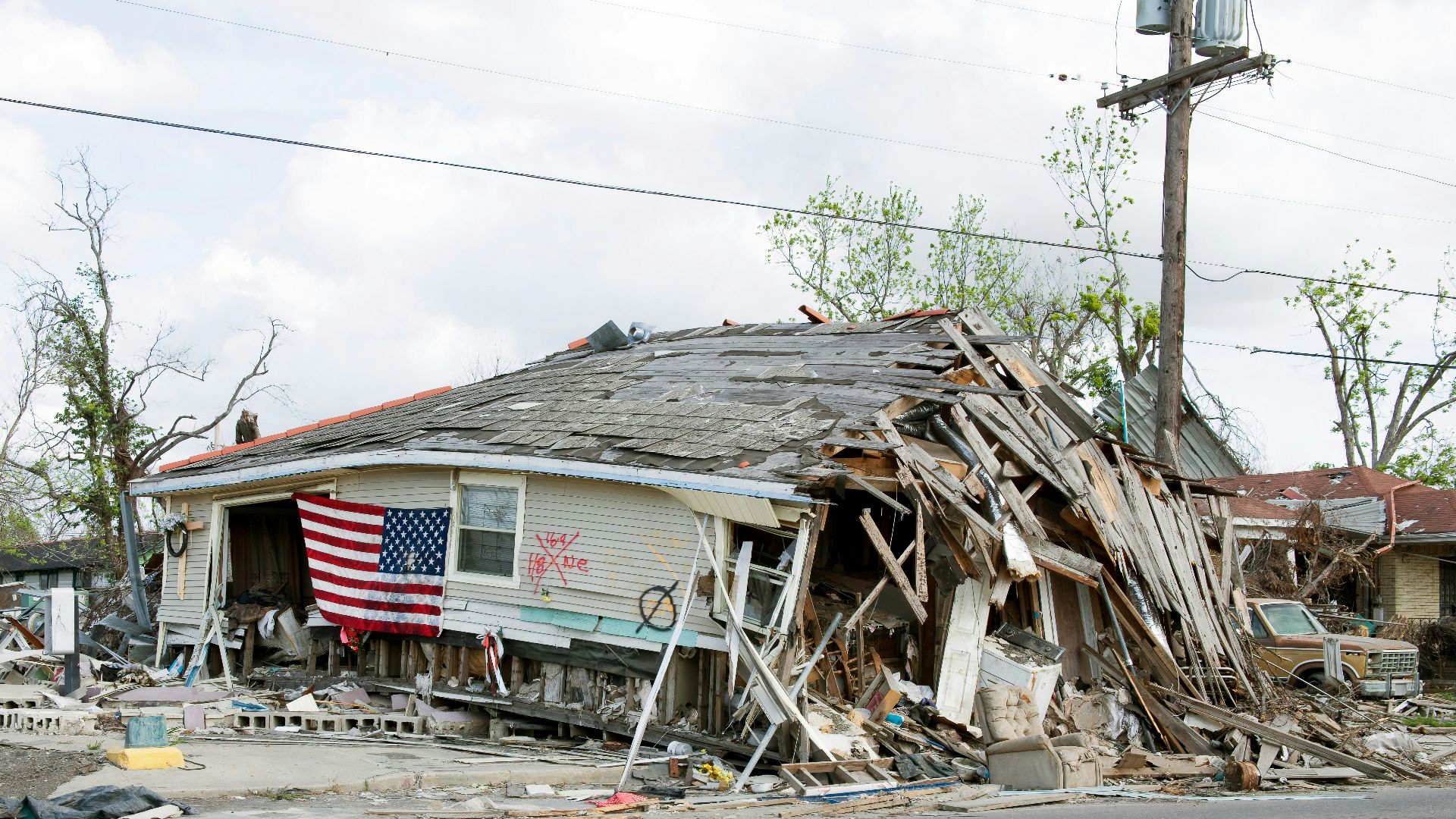
After Hurricane Andrew devastated Florida in 1992, the state overhauled everything with stricter construction standards, better evacuation plans, and improved forecasting coordination. When Hurricane Irma hit in 2017 as a Category 4 storm, the death toll was 92 instead of the thousands it could have been.
 Library of Congress on Unsplash
7. Food Safety Regulations Prevent Mass Poisoning
Upton Sinclair's "The Jungle" exposed meatpacking conditions in 1906, leading to the Pure Food and Drug Act the same year. The FDA was established to enforce standards. Before these regulations, contaminated food and fraudulent medicines killed people regularly.

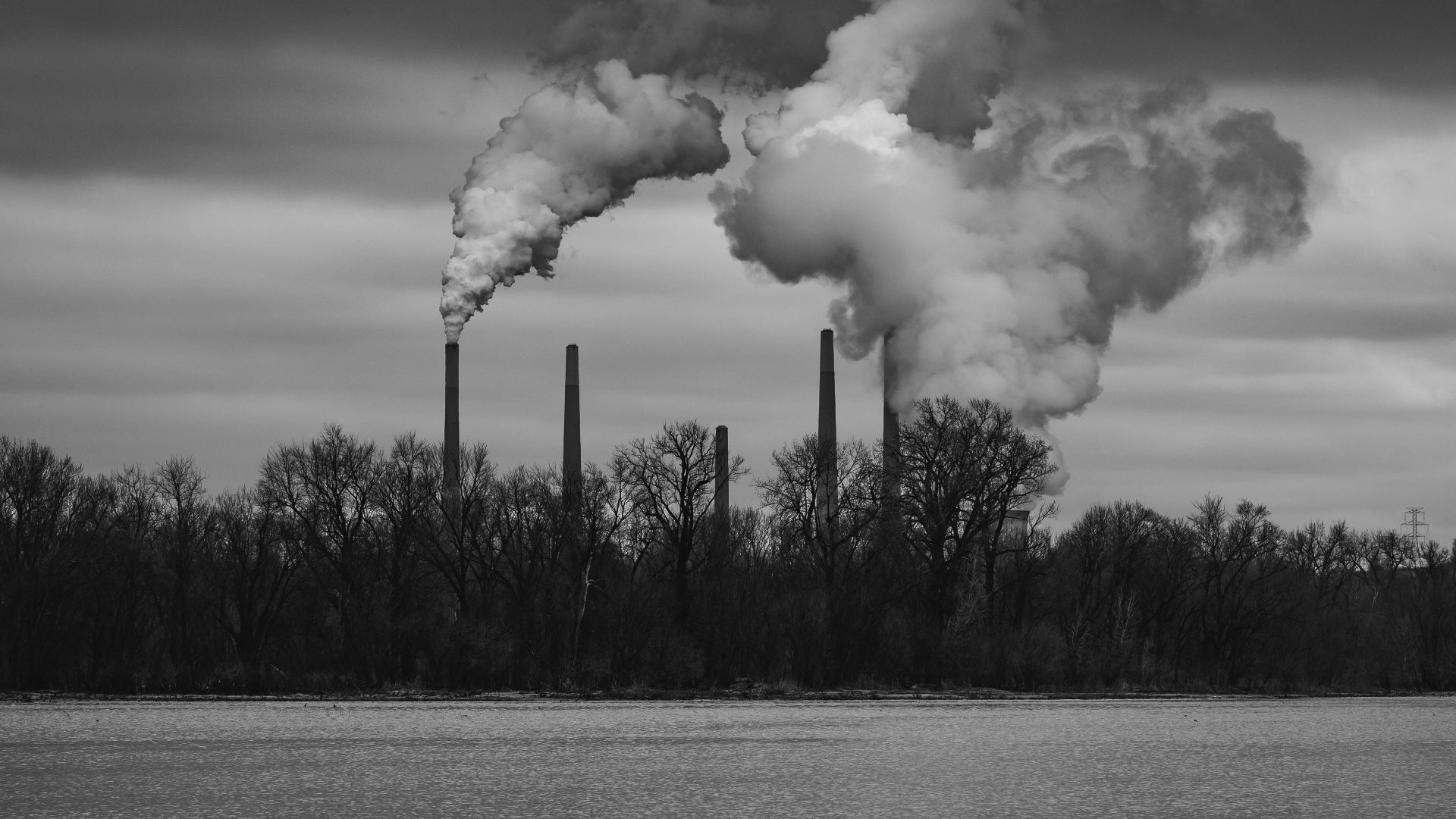
8. Environmental Regulations Can Reverse Damage
The Cuyahoga River in Cleveland caught fire in 1969 because it was so polluted with industrial waste. That image of a burning river sparked the environmental movement and led to the Clean Water Act of 1972. Sometimes we actually fix things.
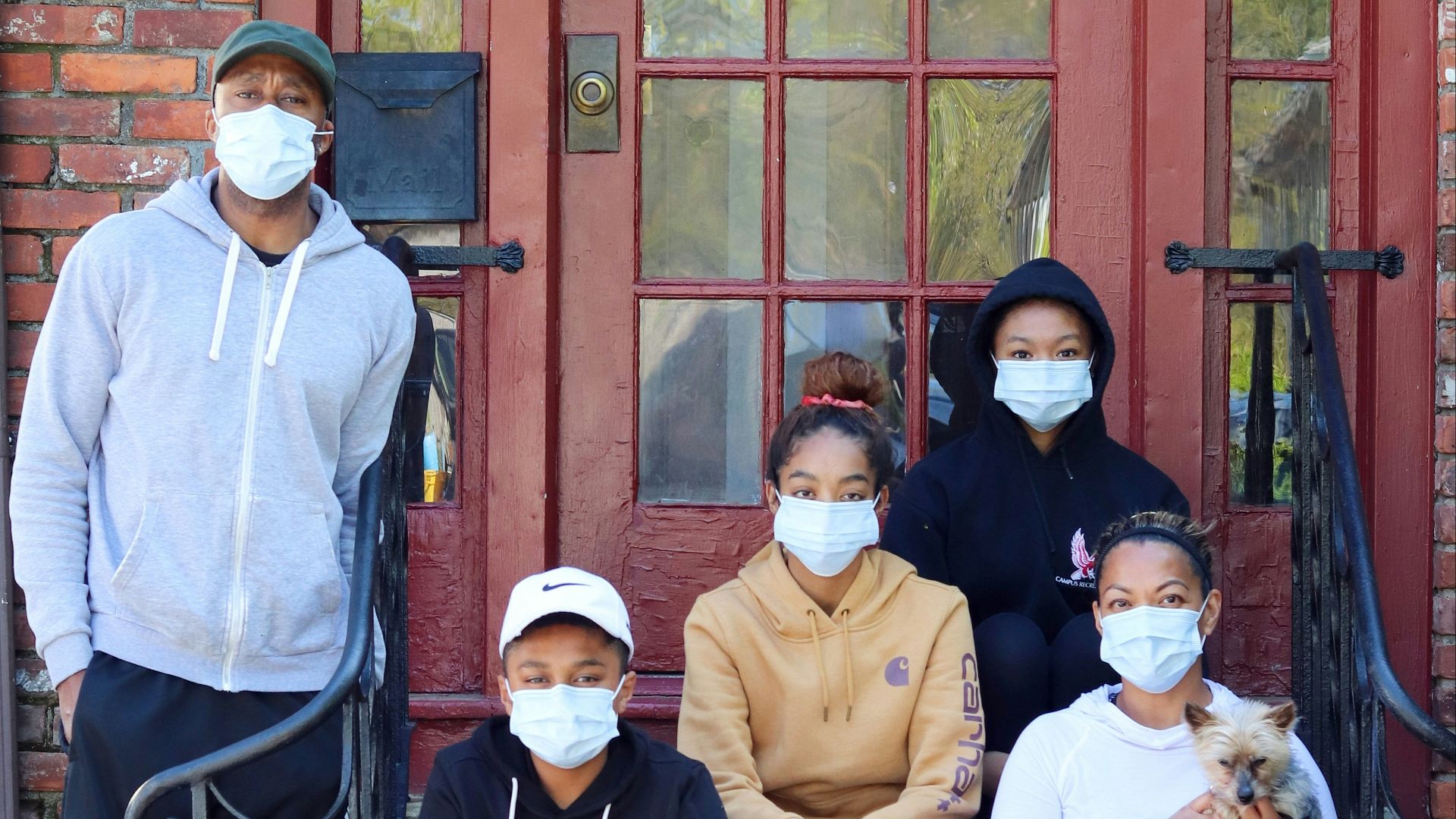
9. Health Measures Eliminate Diseases
Smallpox killed 300 million people in the 20th century alone until the WHO launched an eradication campaign in 1967. Through systematic vaccination and quarantine of cases, smallpox was declared eradicated in 1980. Polio has been eliminated from all but two countries through similar efforts.
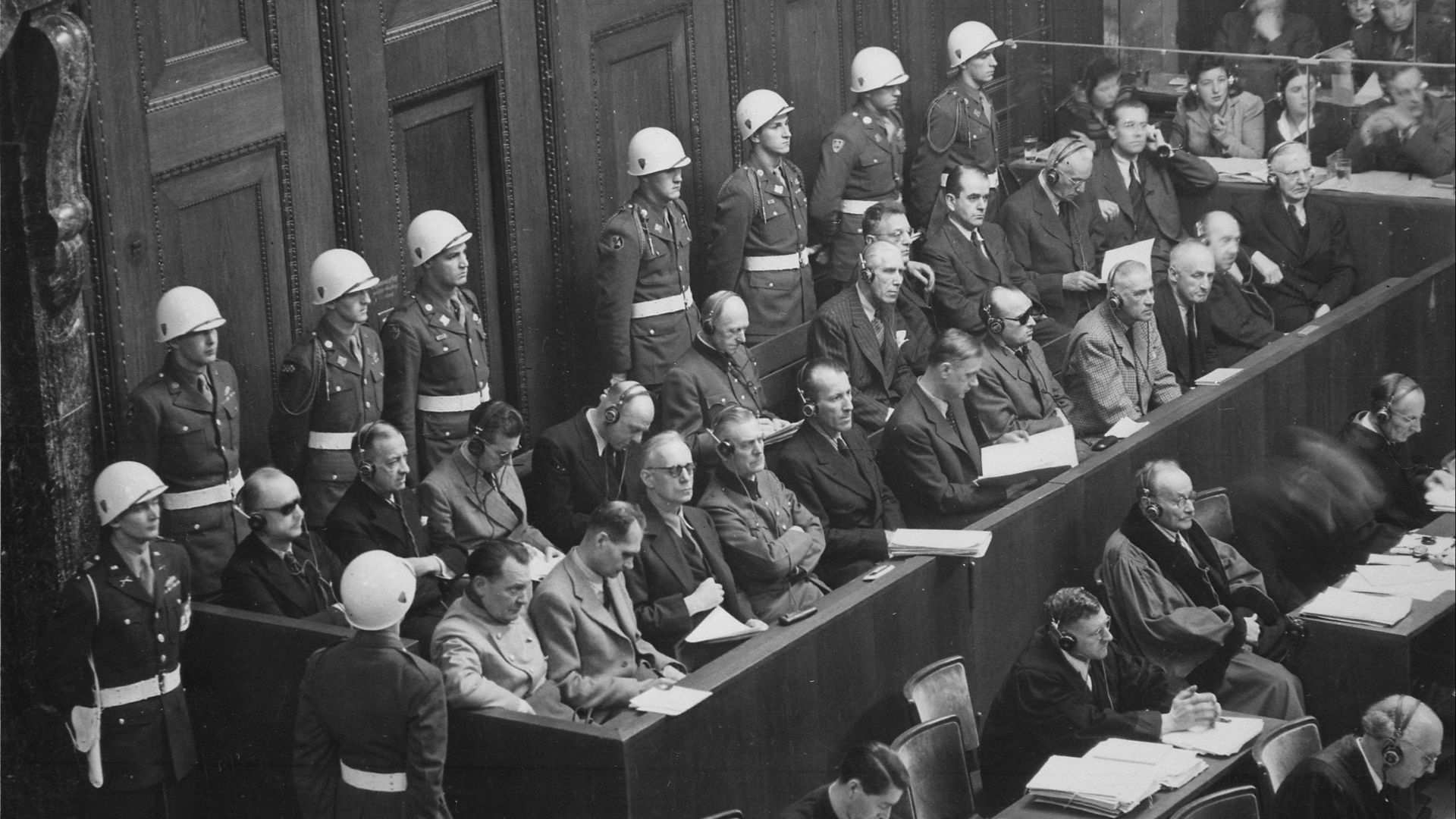
10. War Crime Tribunals Establish International Norms
During the Nuremberg Trials, the concept that "following orders" doesn't excuse atrocities became enshrined in international law. The International Criminal Court, established in 2002, continues this work. Accountability for war crimes wouldn't exist without the framework we built after learning from the horrors of World War II.
KEEP ON READING