The American Revolution Was a Turning Point in History
Throughout history, monarchs have ruled with an iron fist and absolute authority. That is, until their subjects got sick of it and decided that enough was enough. Subjects took a stand when economies collapsed or when they felt they were experiencing injustice or abuse of power. These rebellions shaped history and toppled dynasties. Here are 20 times subjects turned on royals.
1. The English Civil War (1642-1651)
The people rebelled against King Charles I after years of political strife and religious tension. Many felt that he was abusing his royal power and violating their liberties. The war divided the country and temporarily replaced the monarchy.
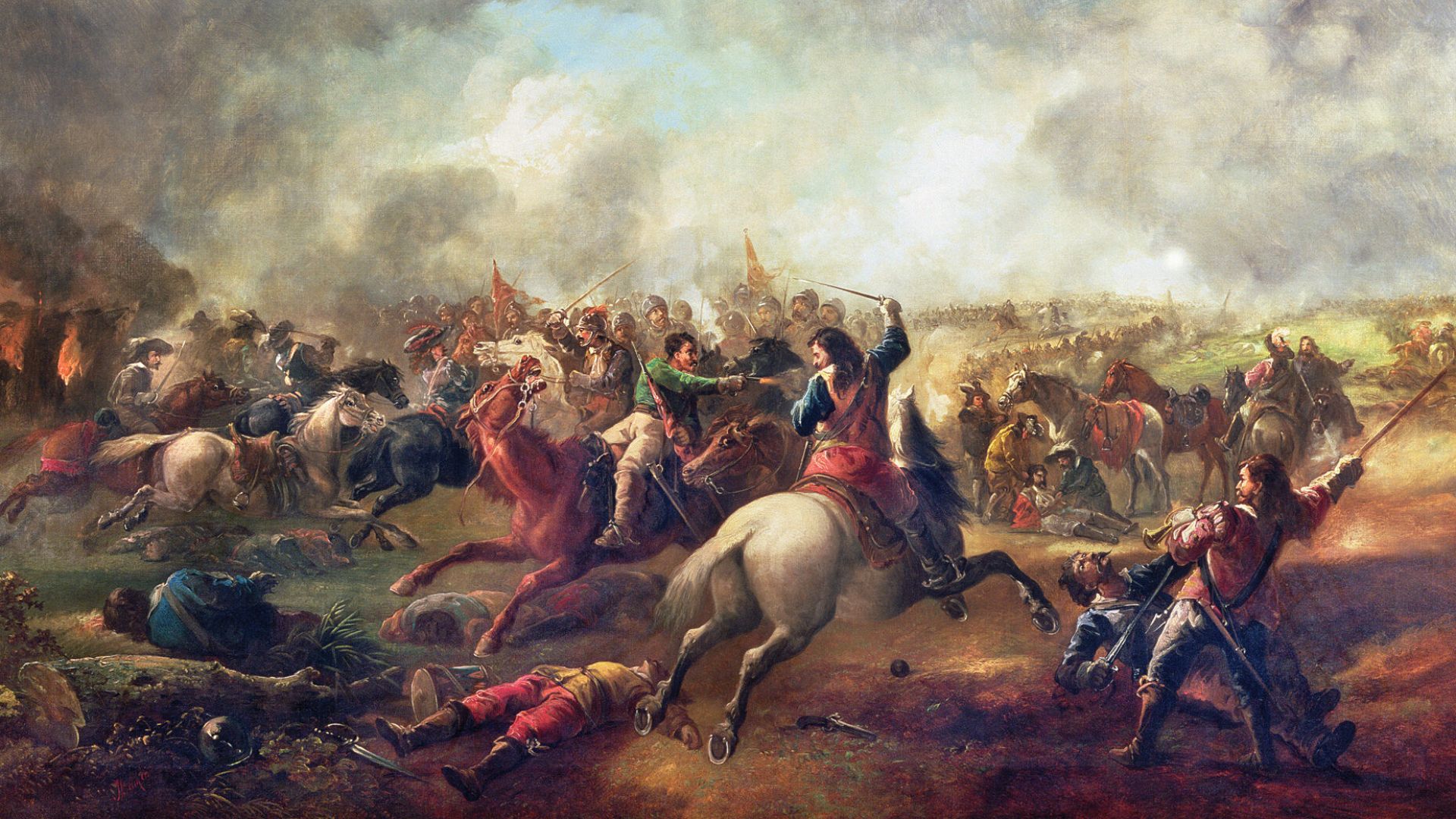 John Barker (1811-1886) on Wikimedia
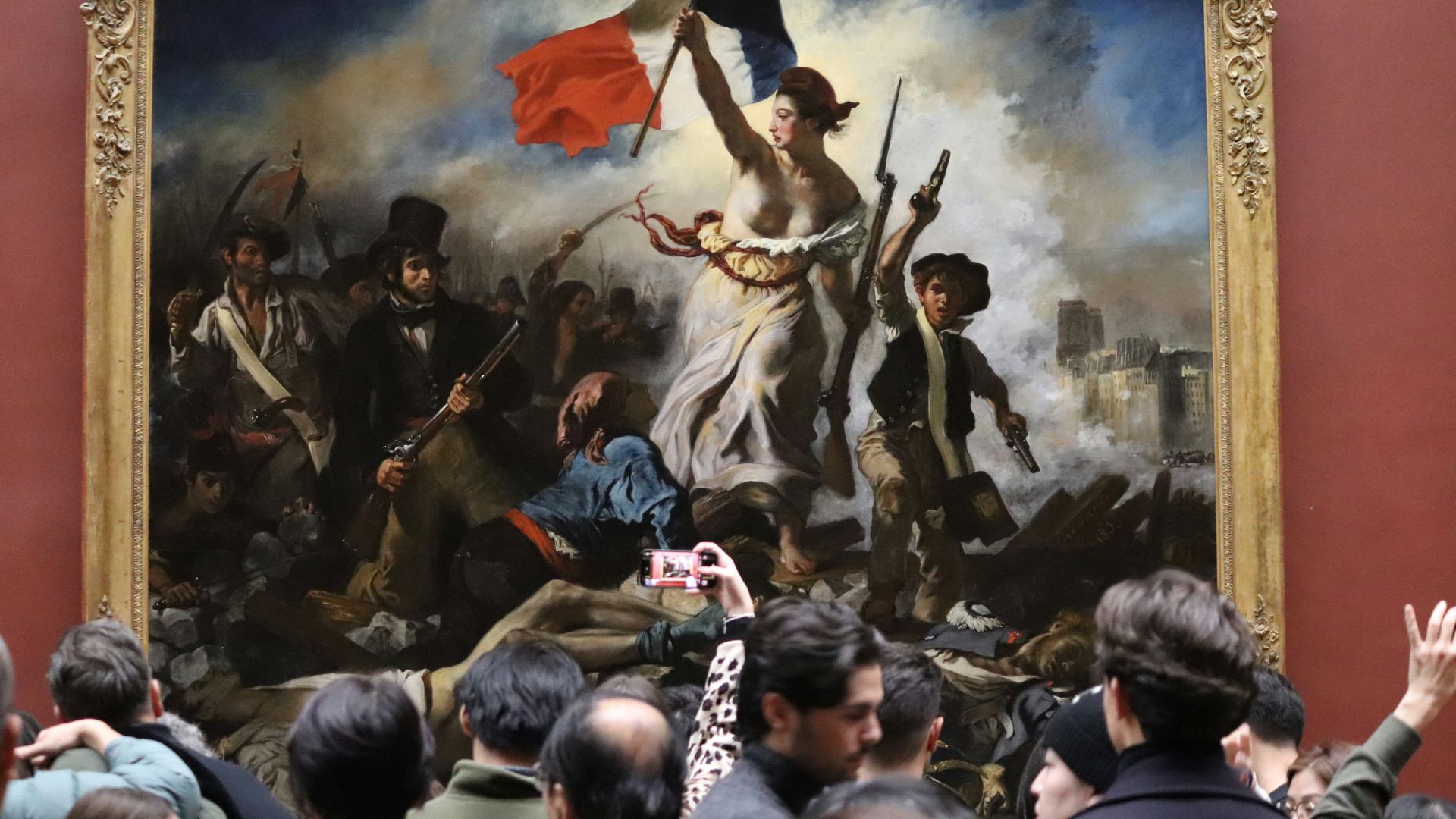
2. The French Revolution (1789)
France's subjects revolted against King Louis XVI because of his tax policies and the famine and debt they were experiencing. They resented the aristocratic privilege. The storming of the Bastille symbolized the people's rejection of the monarchy and its authority.
3. The Russian Revolution (1917)
Centuries of Romanov Rule and the nation's involvement in WWI led Russians to rise against Tsar Nicholas II. There were strikes, protests, and mass mutiny, which forced him to abdicate.
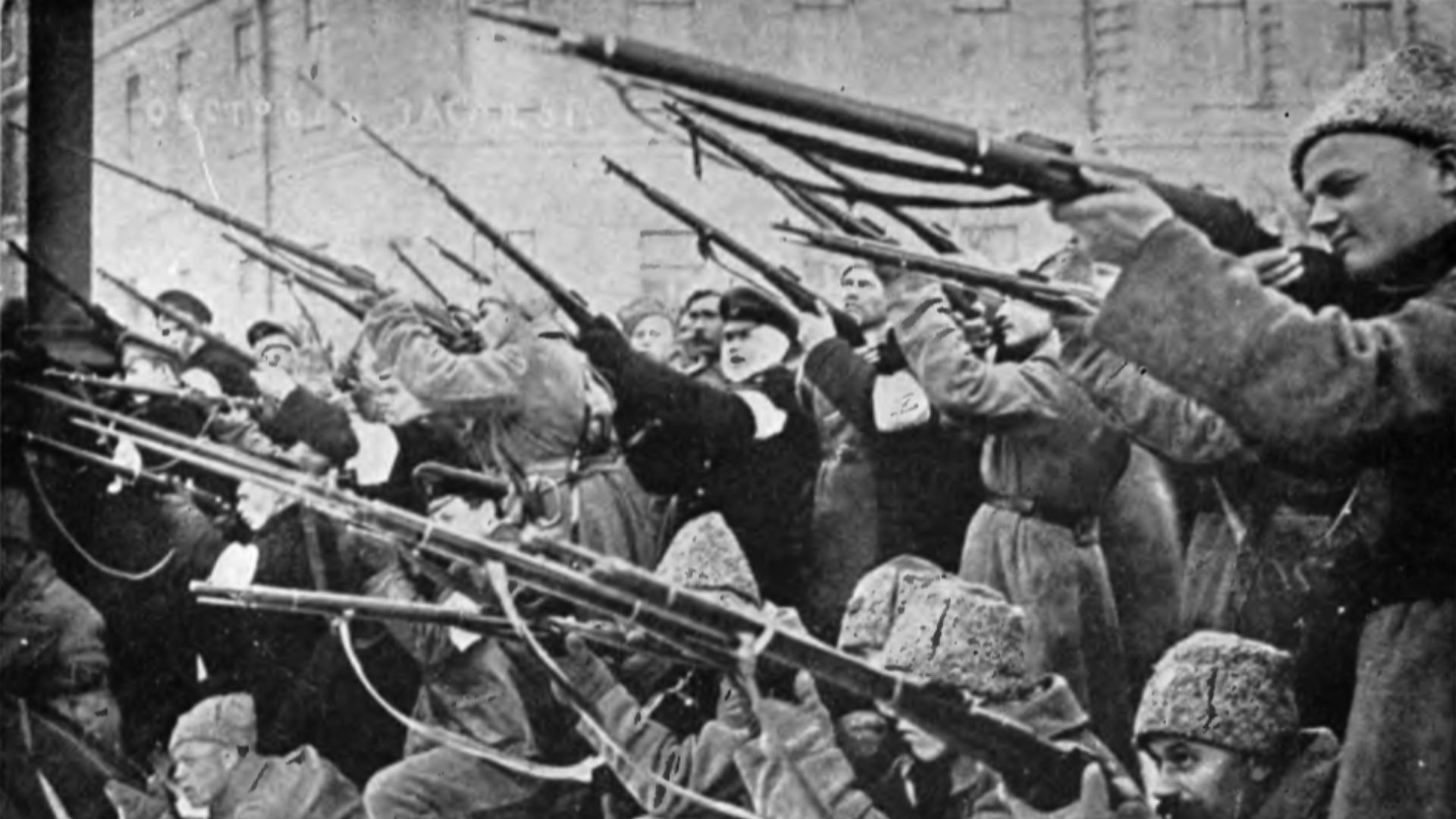 Unknown authorUnknown author on Wikimedia
4. The Spanish Revolt Against Charles V (1520-1521)
Spanish towns rebelled against King Charles V after he imposed harsh taxes and appointed foreign advisors. The chief complaint was that he neglected domestic affairs in favor of his larger empire.
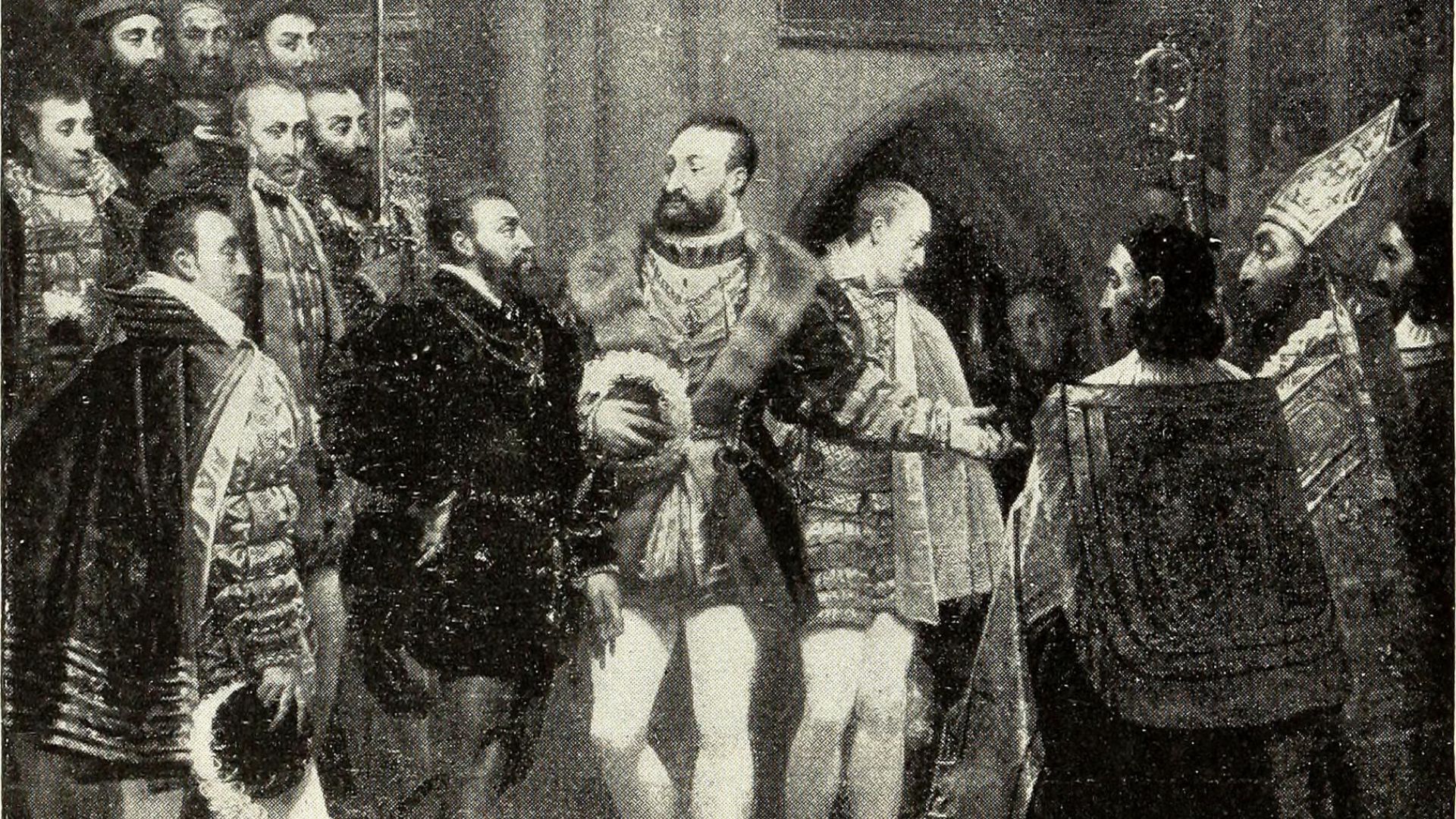 Internet Archive Book Images on Wikimedia
5. The Dutch Revolt Against Philip II (1568-1648)
Dutch subjects revolted against King Philip II due to religious persecution, high taxes, and the lack of local autonomy. This uprising turned into an 80-year war for independence, as subjects dismantled Spanish control one city after another.
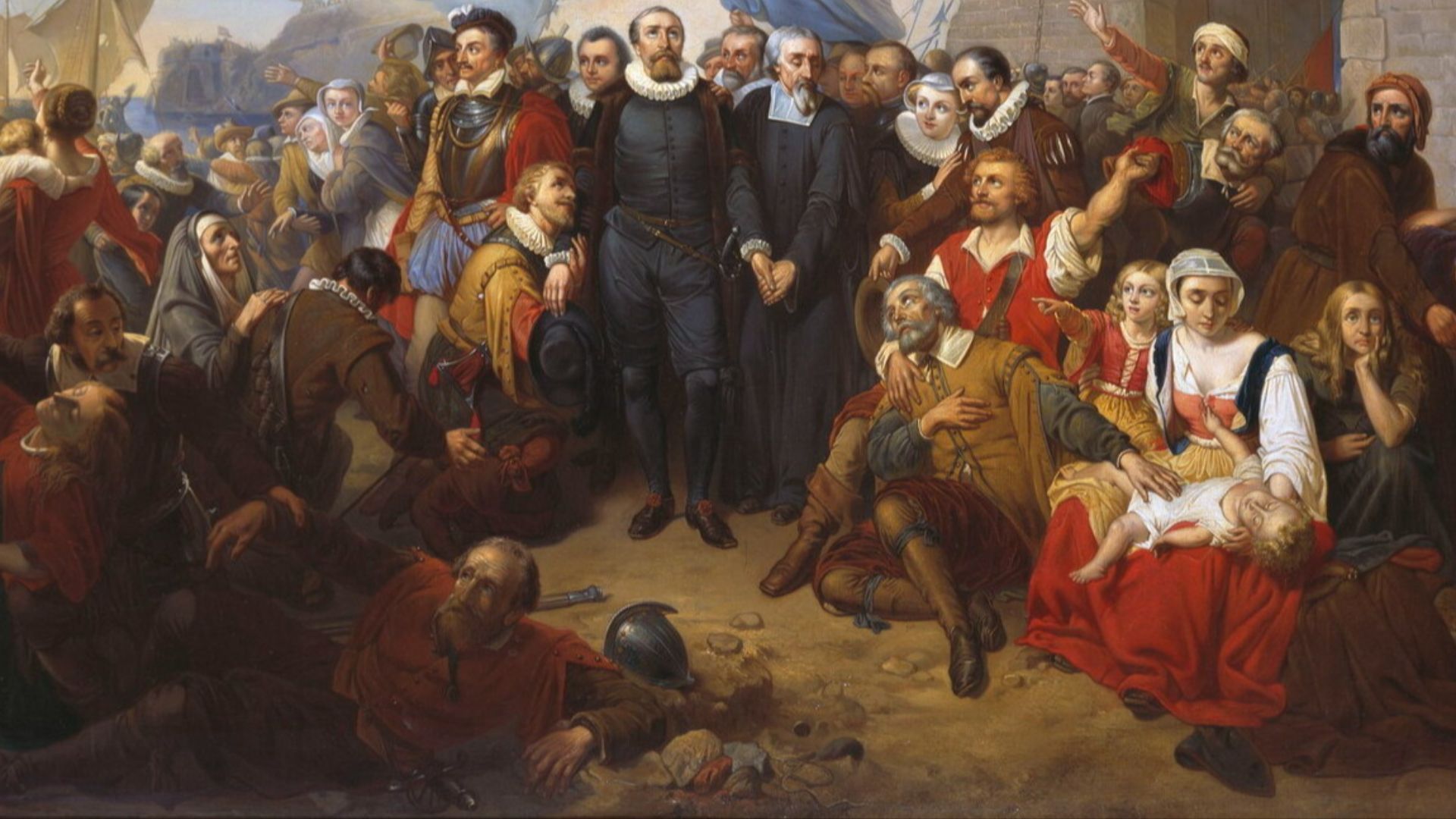 JOHAN BERNARD WITTKAMP on Wikimedia
6. The Glorious Revolution (1688)
English subjects rejected King James II's attempt to return Catholic influence in an effort to give himself more royal authority. A group of nobles invited William of Orange to invade and then capture the throne, which forced James to flee and ended the potential for an absolute monarchy in England.
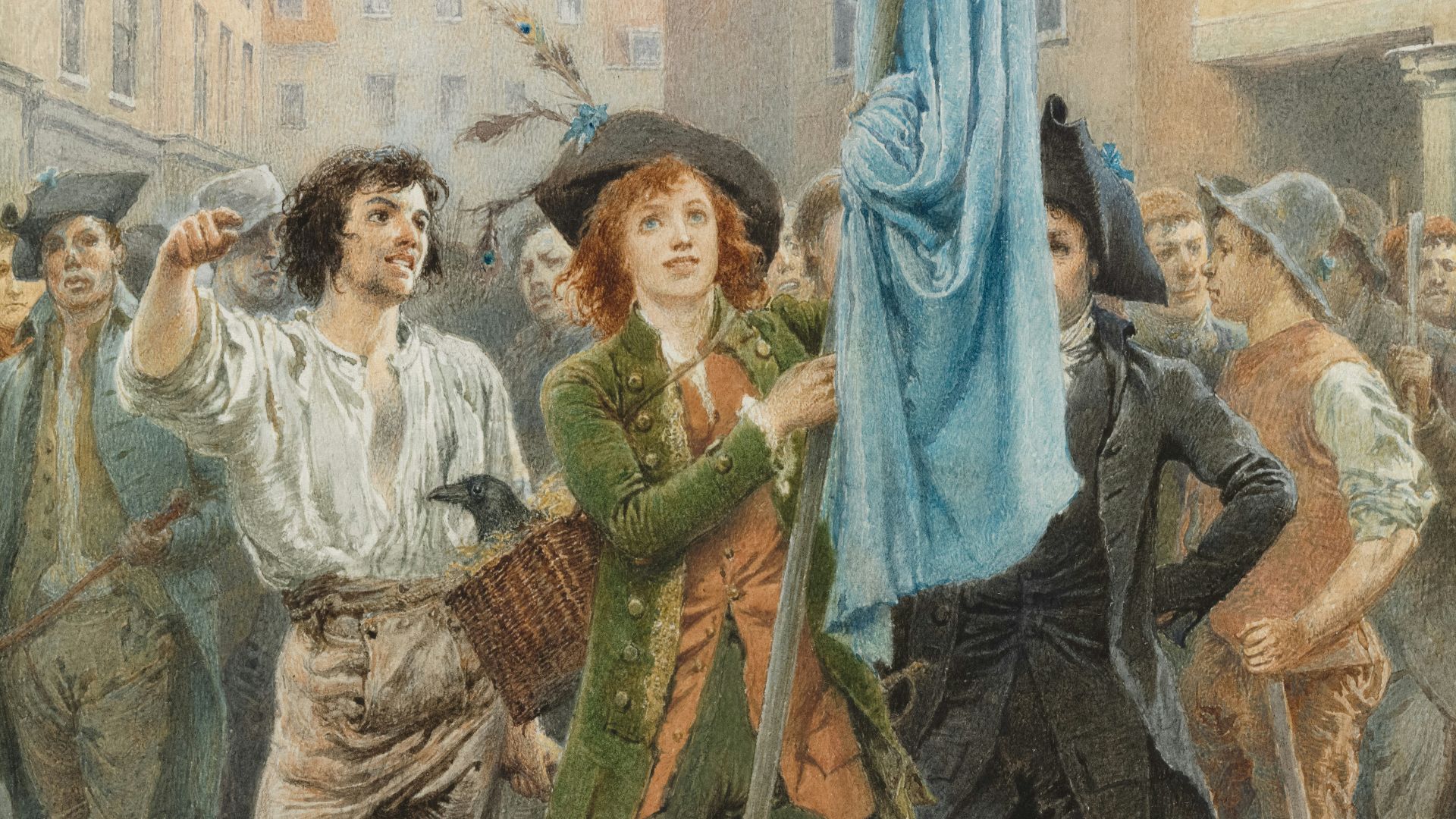 The Cleveland Museum of Art on Unsplash
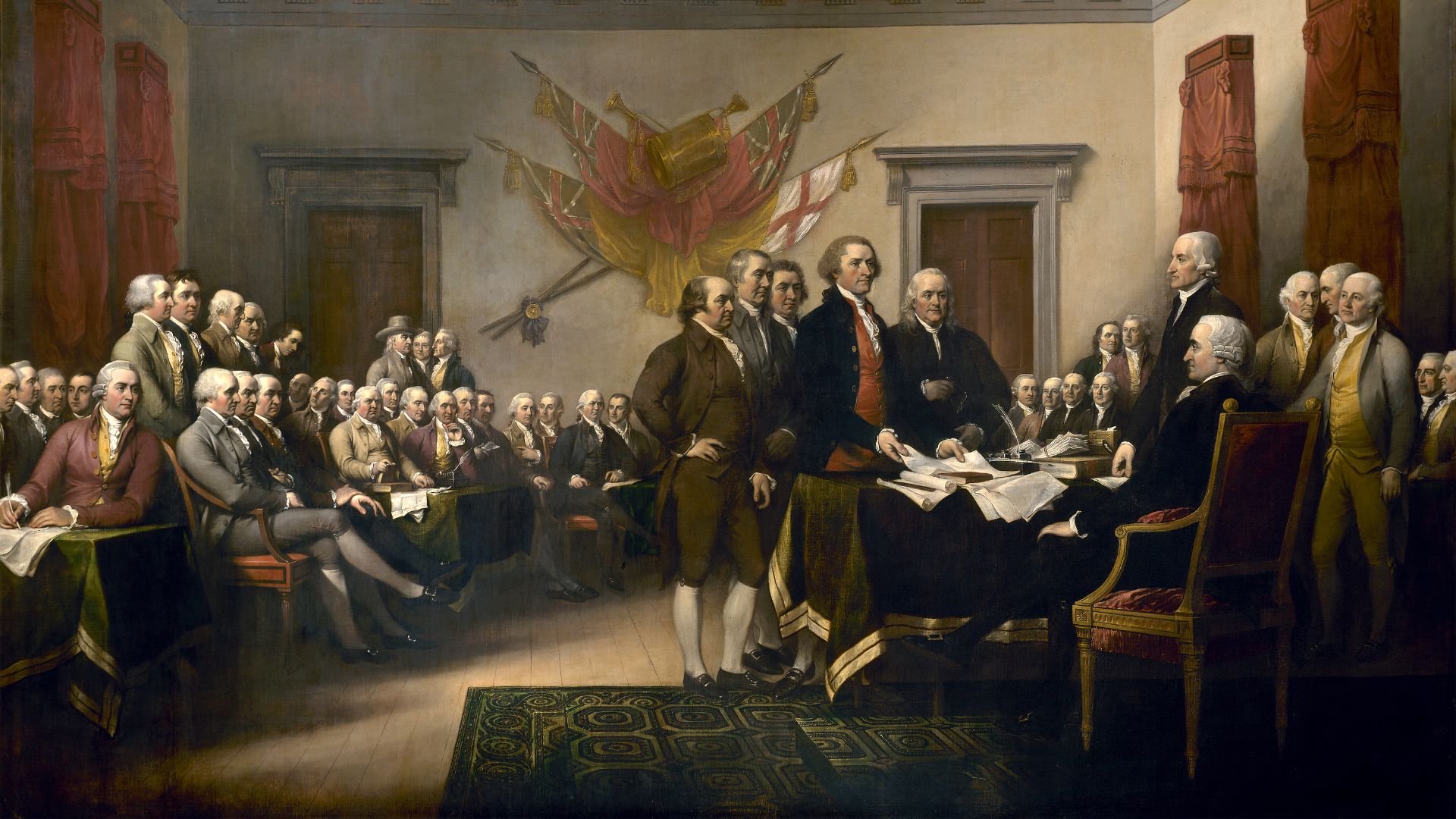
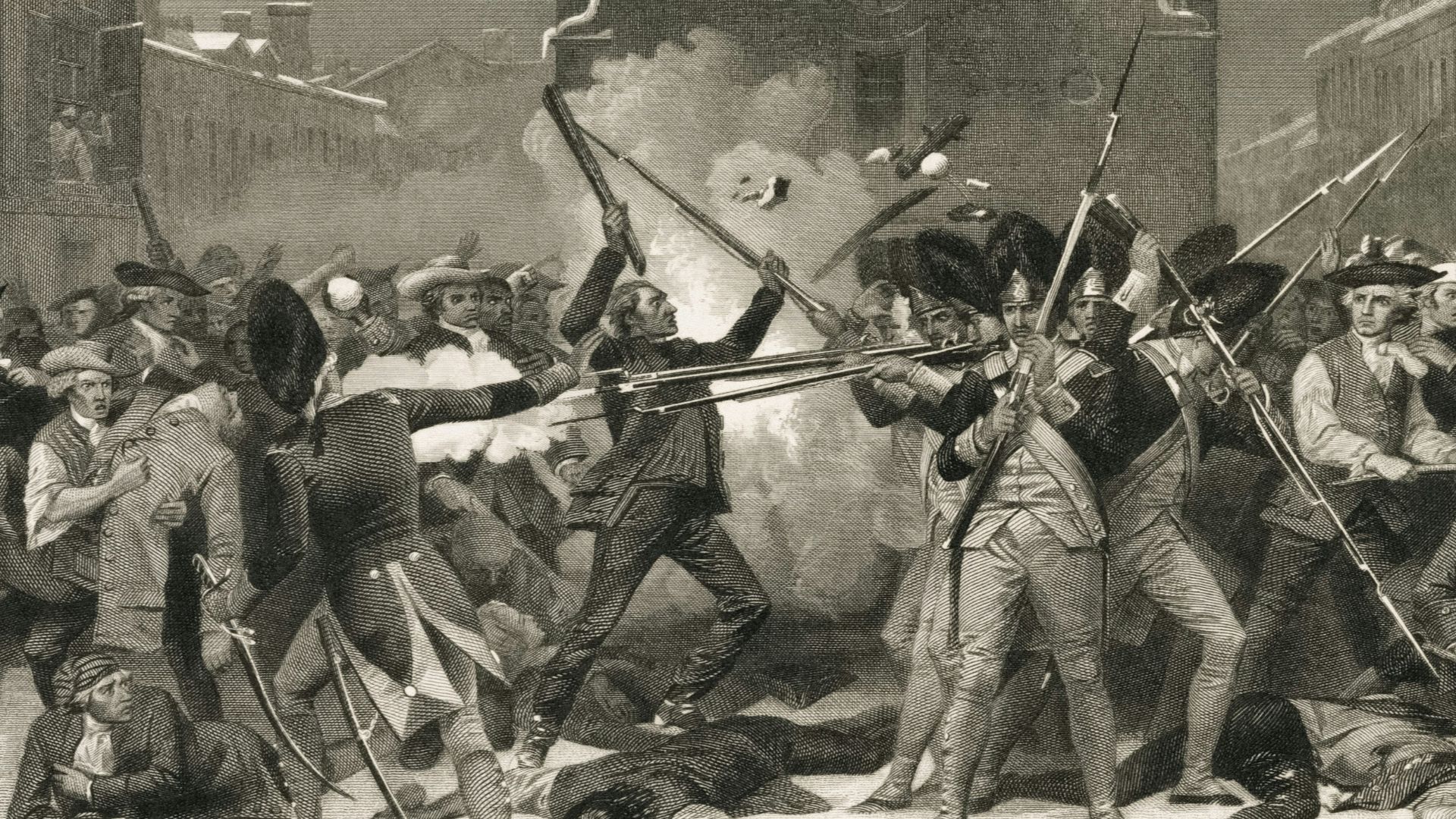
7. The American Revolution (1775-1783)
American colonists were the subjects of King George III, and eventually revolted over taxation without representation, among other issues. While it was not a complete overthrow, it is one of the most dramatic examples of subjects turning violently against a king.
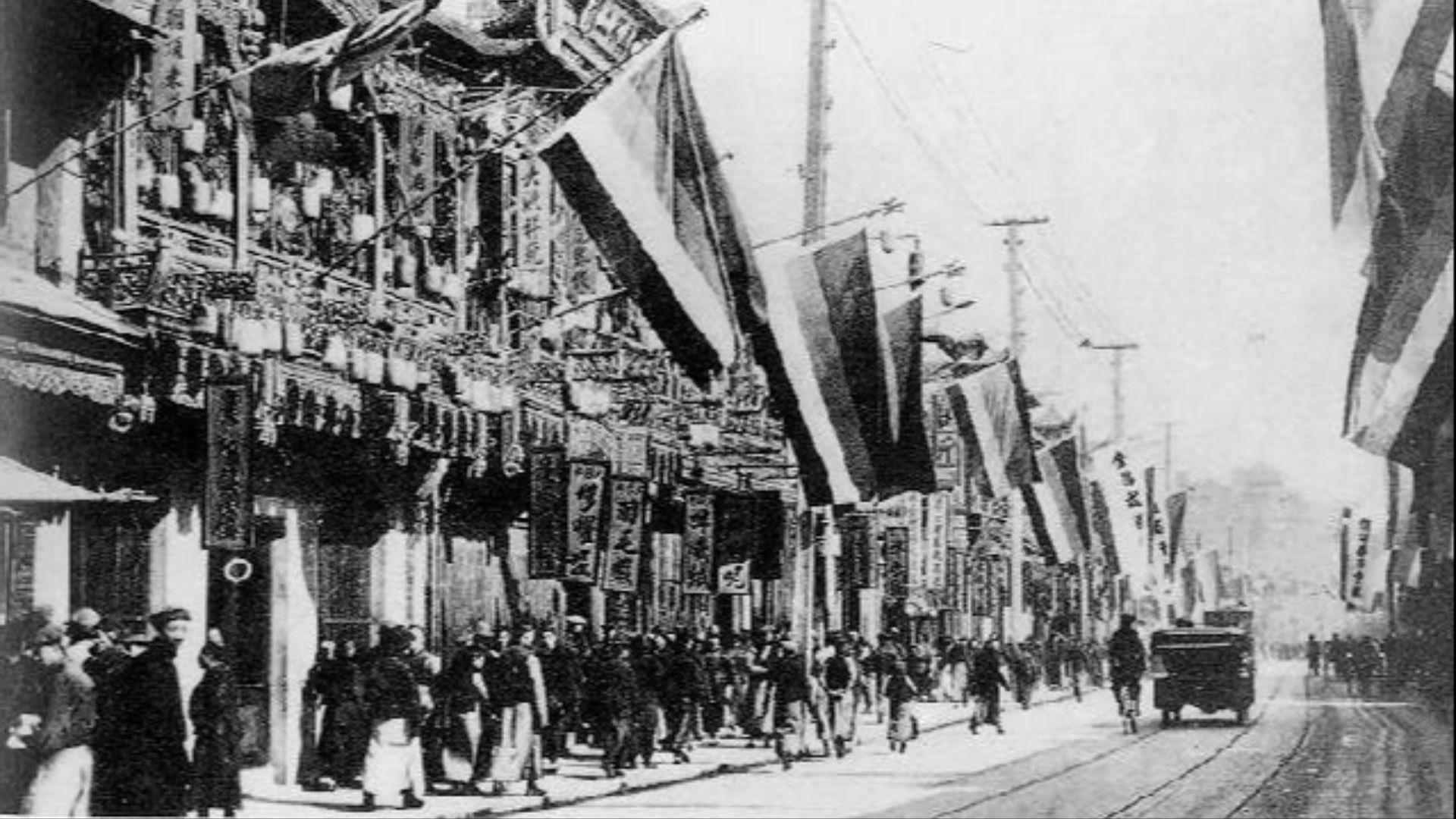
8. The Chinese Xinhai Revolution (1911)
Chinese subjects overthrew the Qing Dynasty after years of corruption and economic turmoil. Military leaders partnered with intellectuals to rally support for a republic, ending over 2000 years of imperial rule.
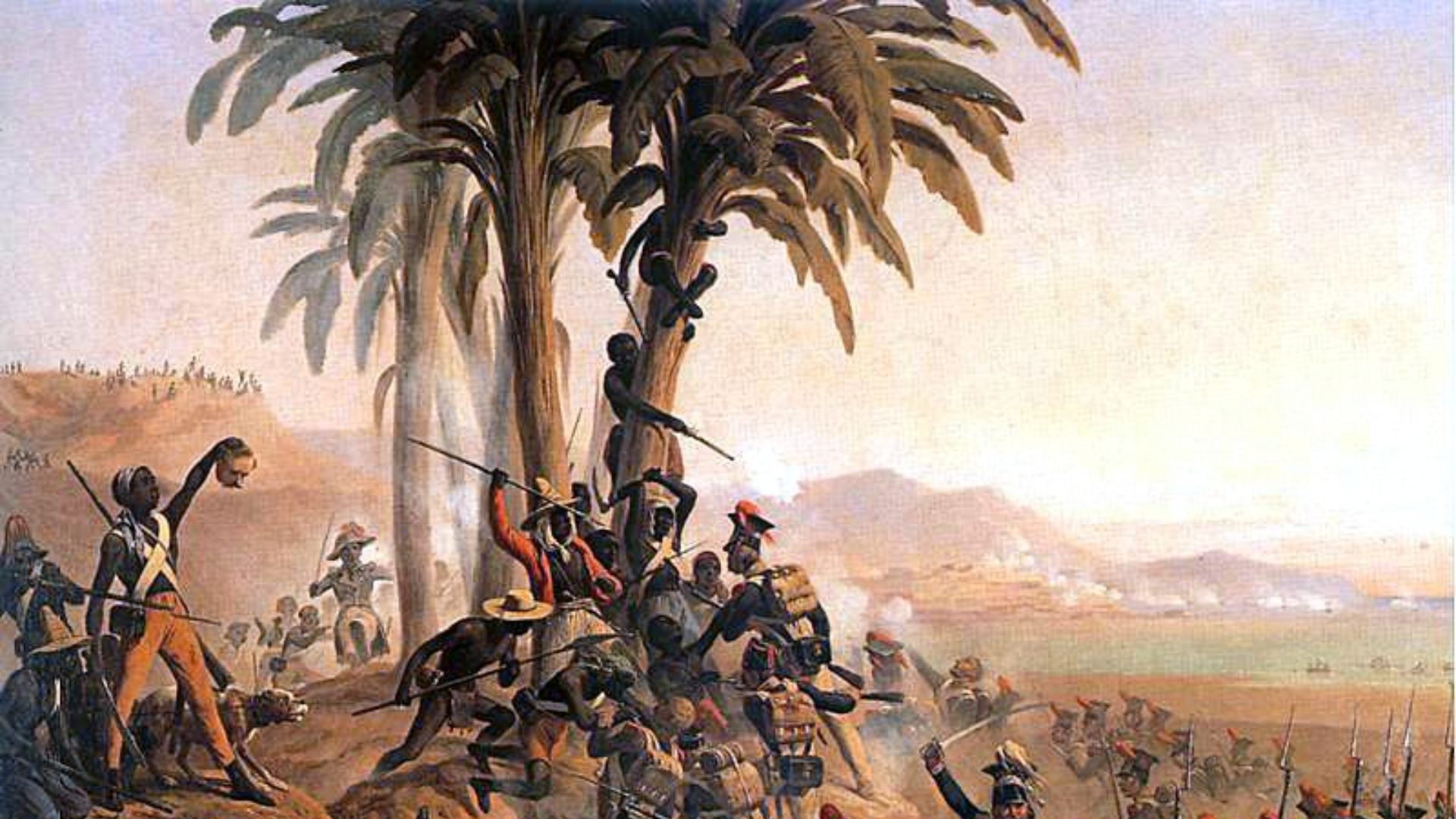
9. The Haitian Revolution (1791-1804)
Enslaved subjects joined free people of color to revolt against French colonial rule and the monarchy's racial hierarchy. This event was partly inspired by the French Revolution, and they overthrew plantation elites and defeated European armies.
 January Suchodolski on Wikimedia
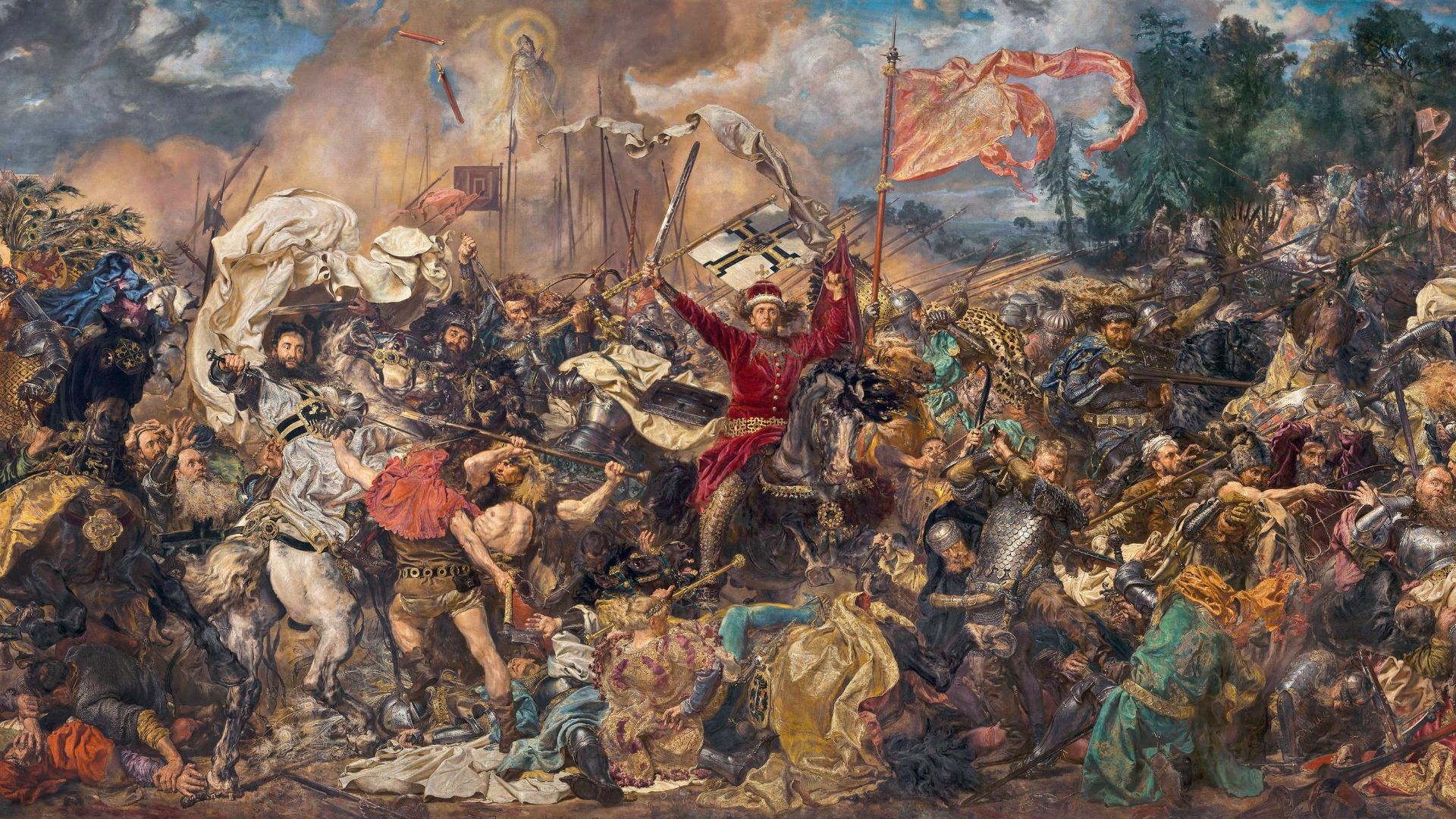
10. The German Peasants' War (1524-1525)
Millions of peasants took a stand against princes and the nobility during a time of intense economic hardship and social inequality. The target was feudal oppression, and they demanded tax relief and an end to forced labor.
11. The Jacobite Risings (1689-1746)
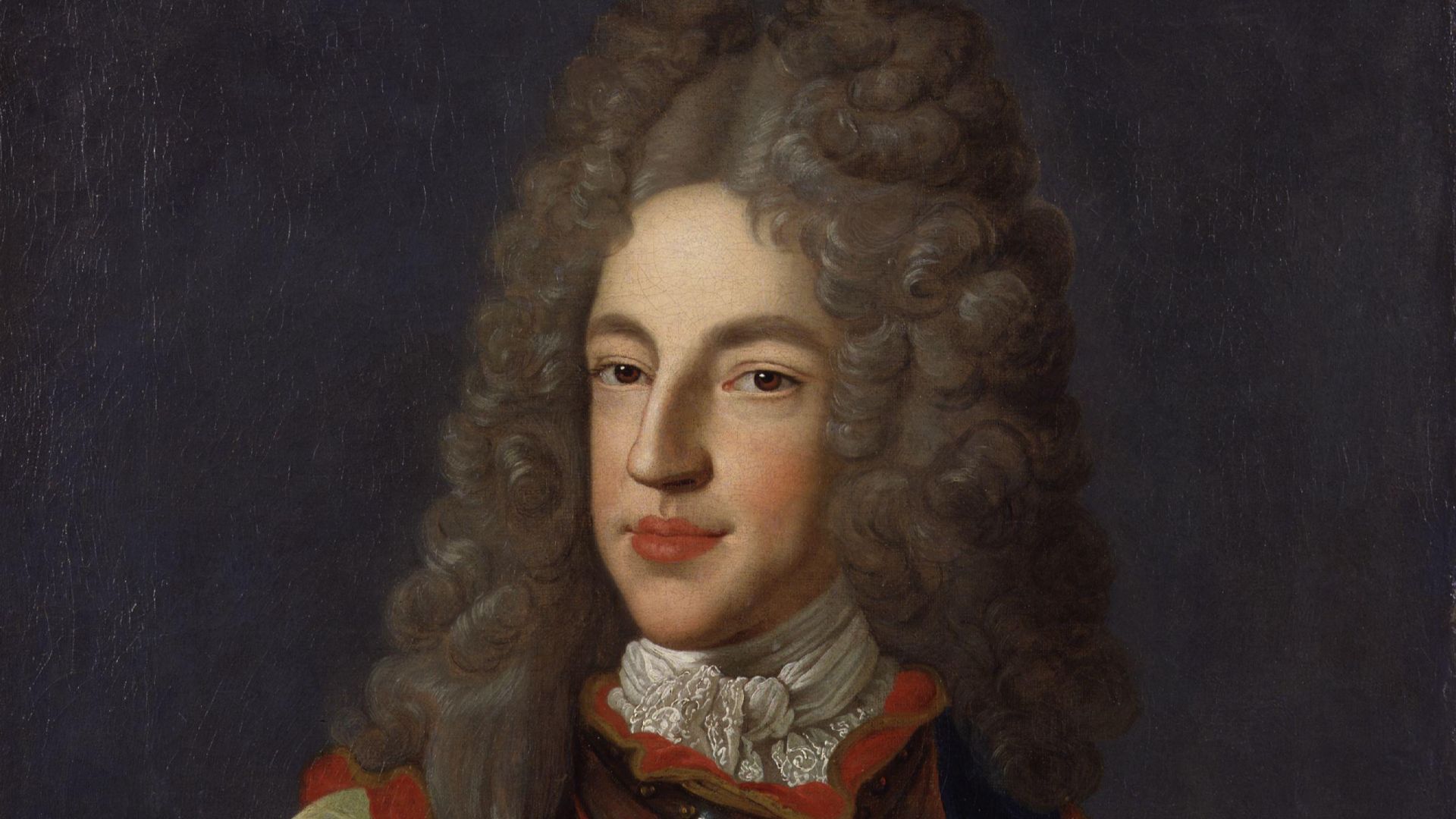
A mix of Scottish and English subjects fought against the new monarchs after James II's removal during the Glorious Revolution. Jacobite supporters wanted to restore the Stuart line, which led to a series of major uprisings.
 Alexis Simon Belle on Wikimedia
12. The Hungarian Revolution Against the Habsburgs (1848)
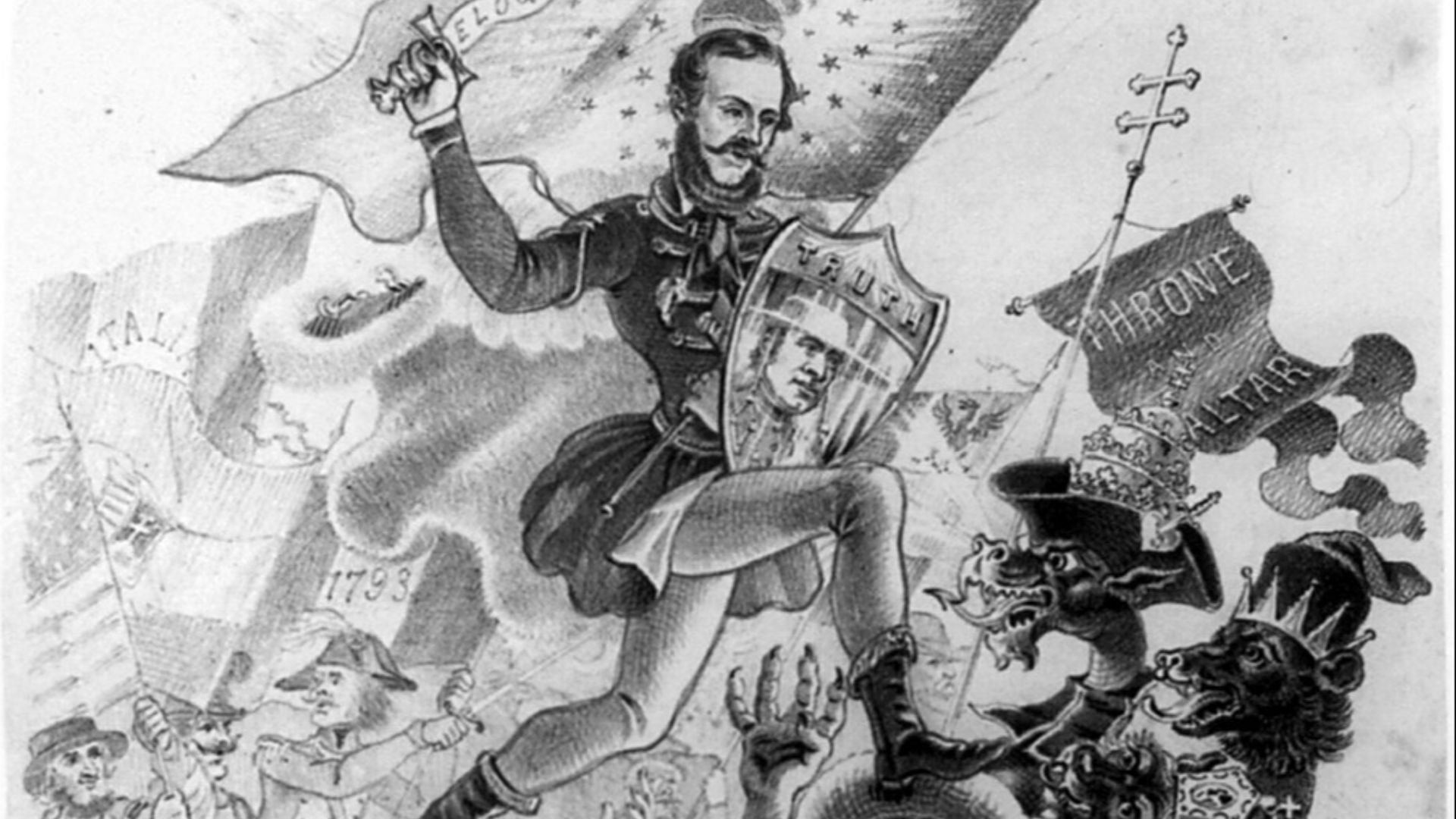
Hungarians turned on the Habsburg Emperor Ferdinand I, seeking autonomy, civil rights, and national independence. The revolution established a short-lived separate Hungarian government before Austrian and Russian forces crushed it.
 The New York Public Library on Unsplash
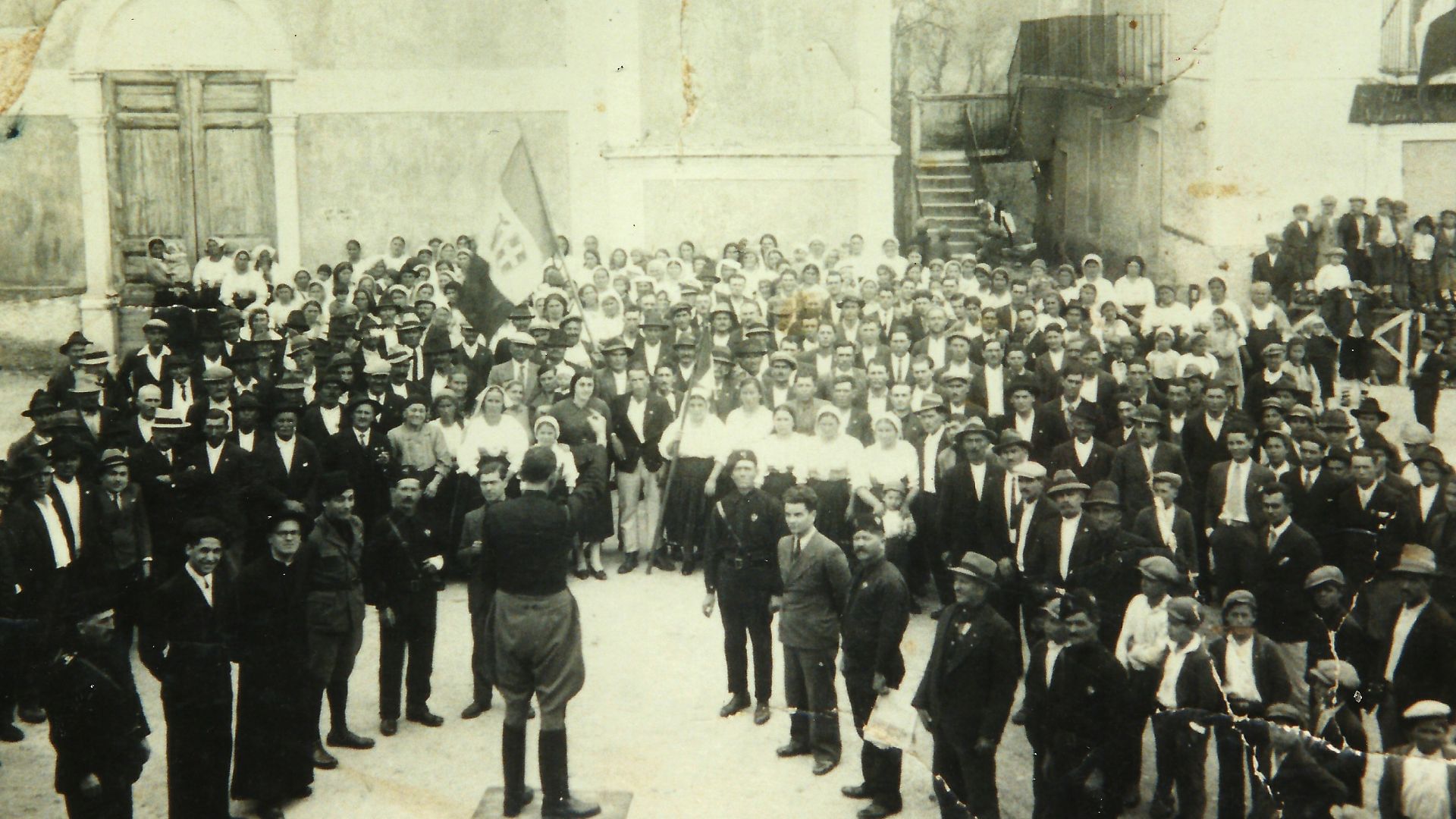
13. The Portuguese Revolution of 1910
Growing frustration with King Manuel II's poor leadership, economic troubles, and political turmoil ignited a military-backed uprising. Subjects wanted the monarchy abolished and to establish a republic. The royal family had no choice but to flee into exile.
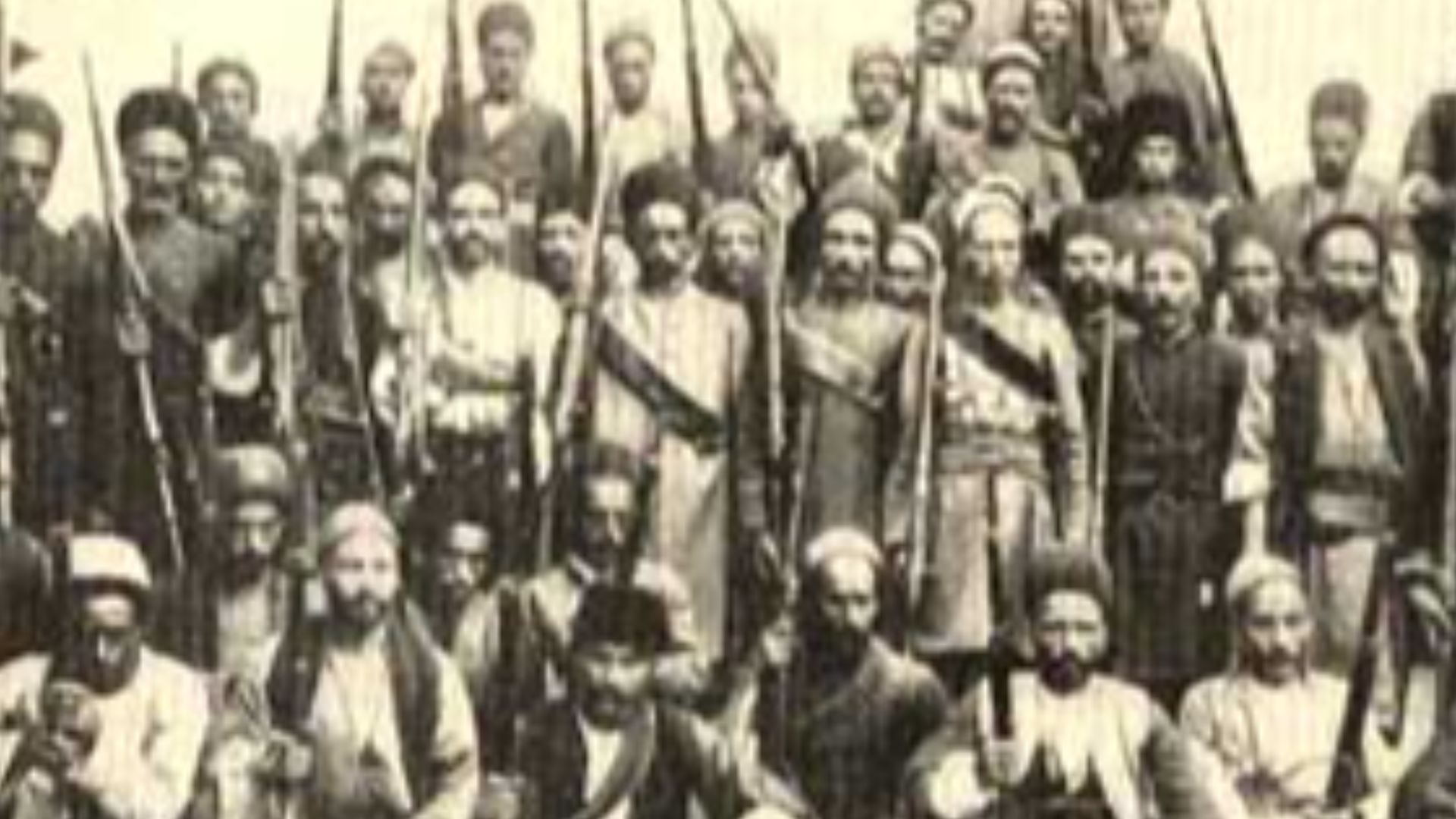
14. The Iranian Constitutional Revolution (1905-1911)
Iranians rose against the Qajar monarch, demanding reduced corruption and the rule of law. There were mass protests and civil resistance, which forced the shah to accept a constitution and form a national assembly.
 Original uploader: Tototom on Wikimedia
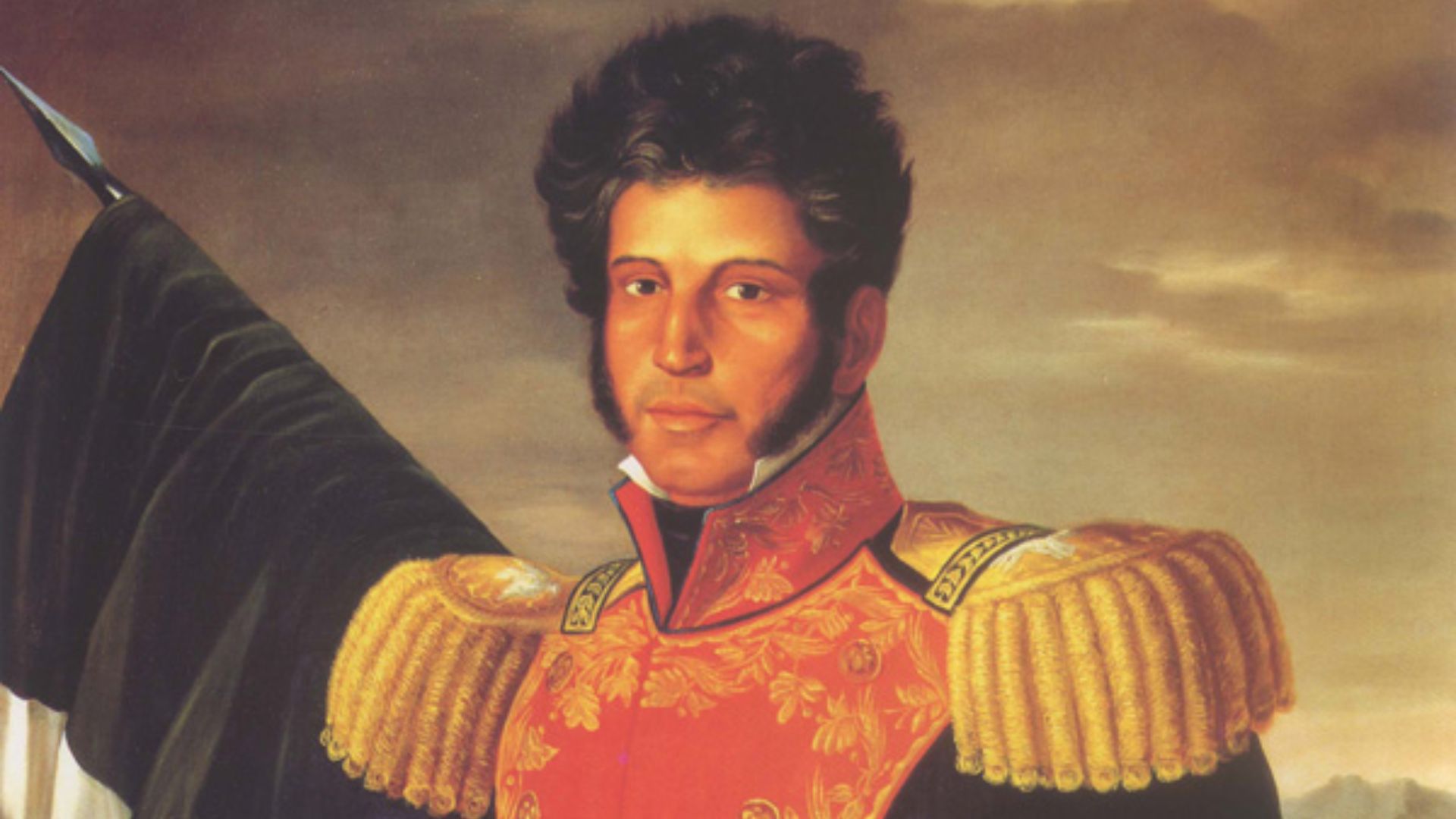
15. The Mexican War of Independence (1810-1821)
Mexicans rebelled against King Ferdinand VII's power and were motivated to end his policies of racial inequality and economic exploitation. Massive support was mobilized, and after years of war, Mexico achieved independence.
 Creator:Anacleto Escutia on Wikimedia
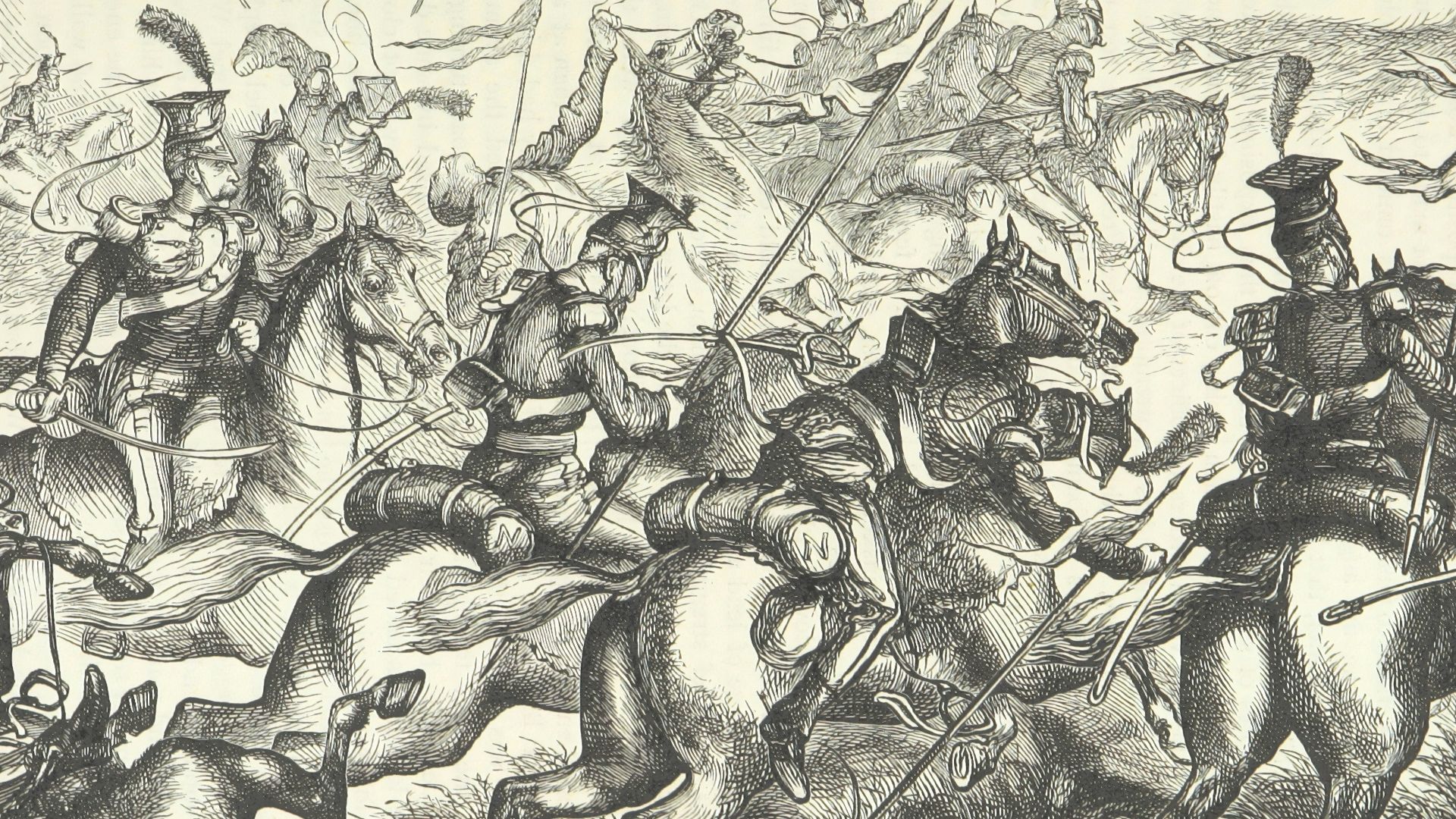
16. The Revolt of the Maccabees (167-160 BCE)
Jewish subjects revolted against the Seleucid King Antiochus IV after he outlawed religious practices and desecrated the Temple. The Maccabean revolt expelled imperial rule and restored Jewish autonomy. It is one of anyitquity's most successful rebellions.
 National Museum of Denmark on Unsplash
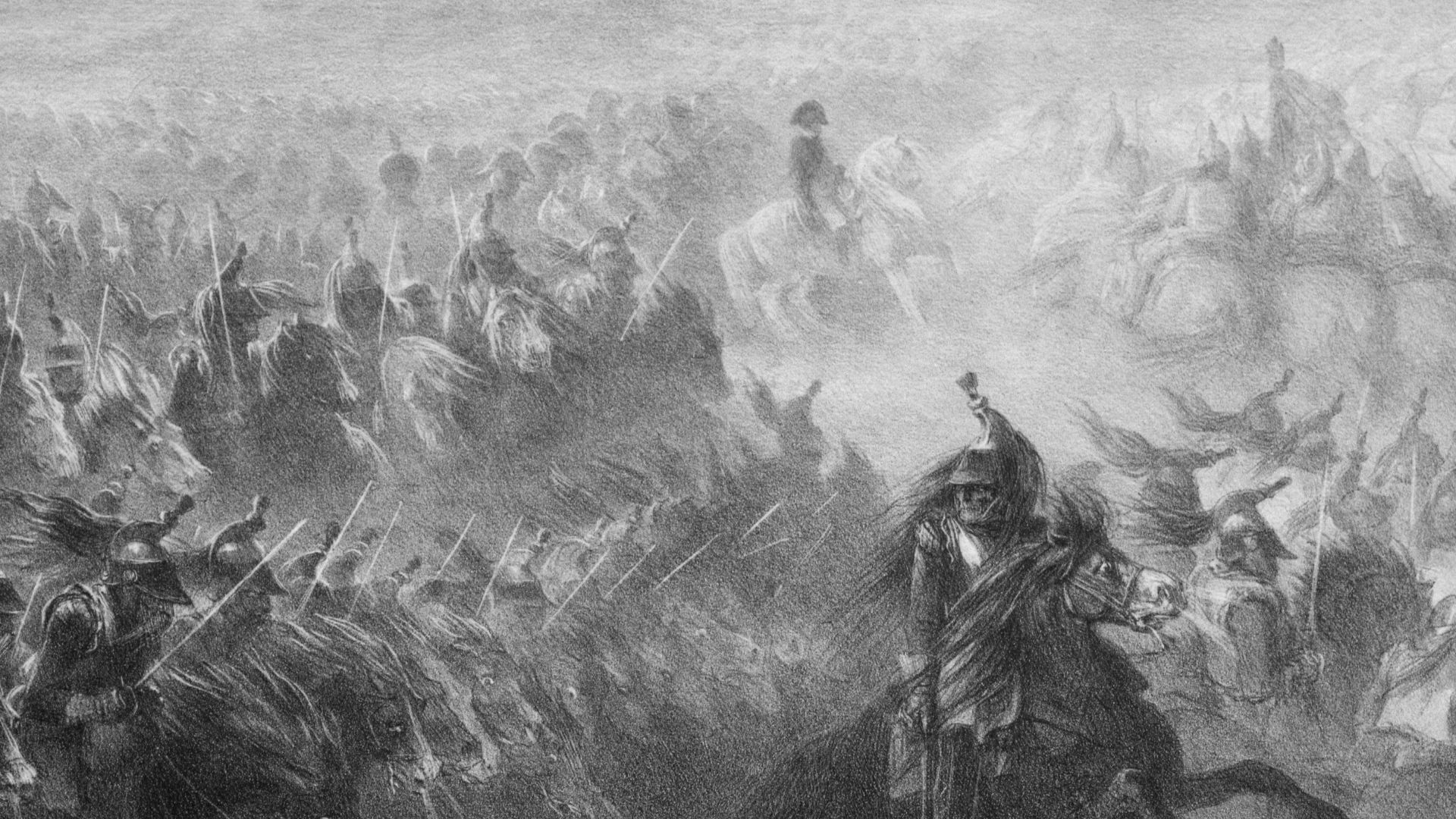
17. The English Revolt Against King Richard II (1399)
Richard II faced widespread dissatisfaction thanks to his taxation policies, favoritism, and tyranny. He left England to suppress unrest in Ireland, only to be deposed and murdered soon after.
 The Cleveland Museum of Art on Unsplash
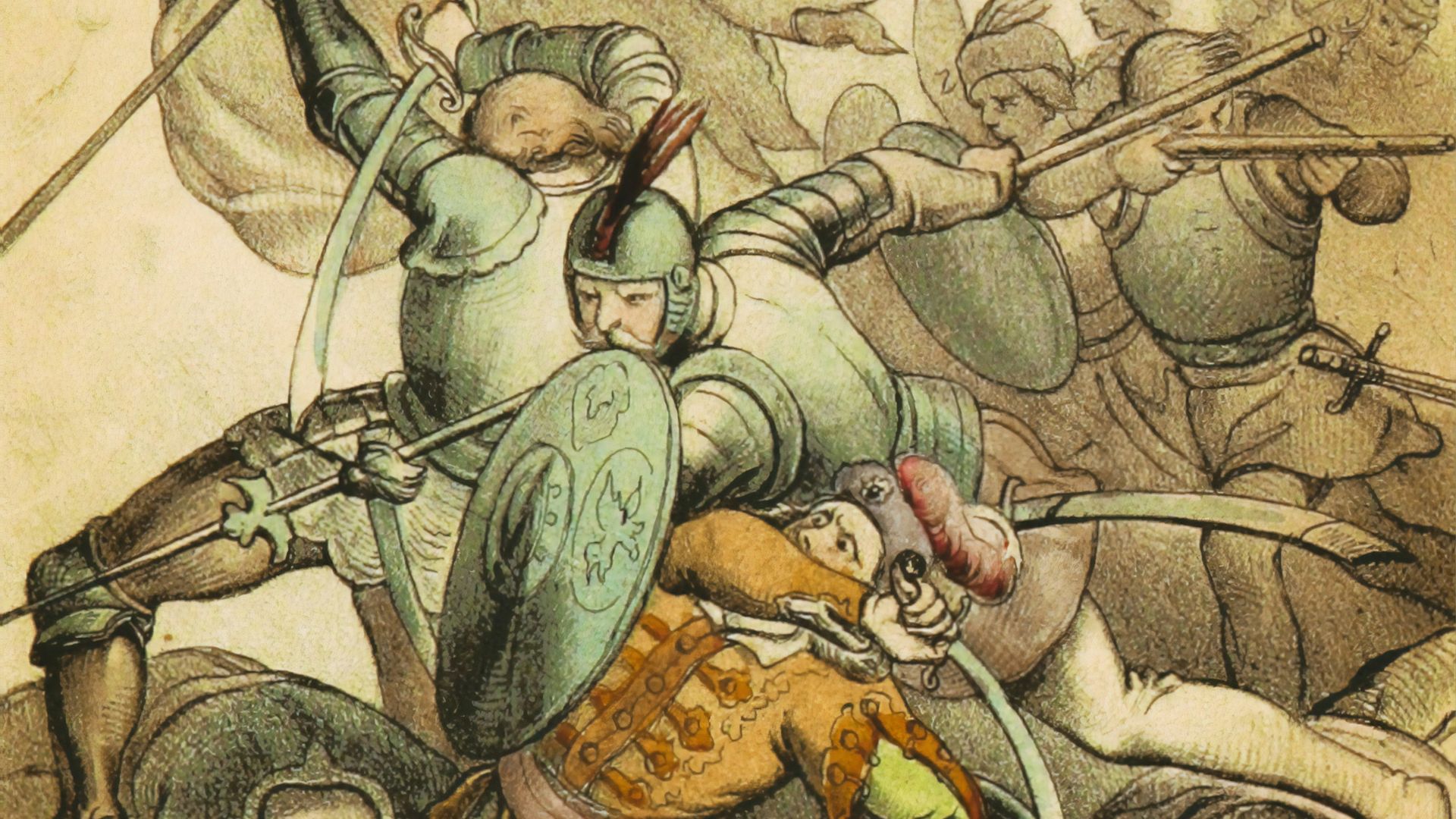
18. Revolt Against Caliph Uthman (656 CE)
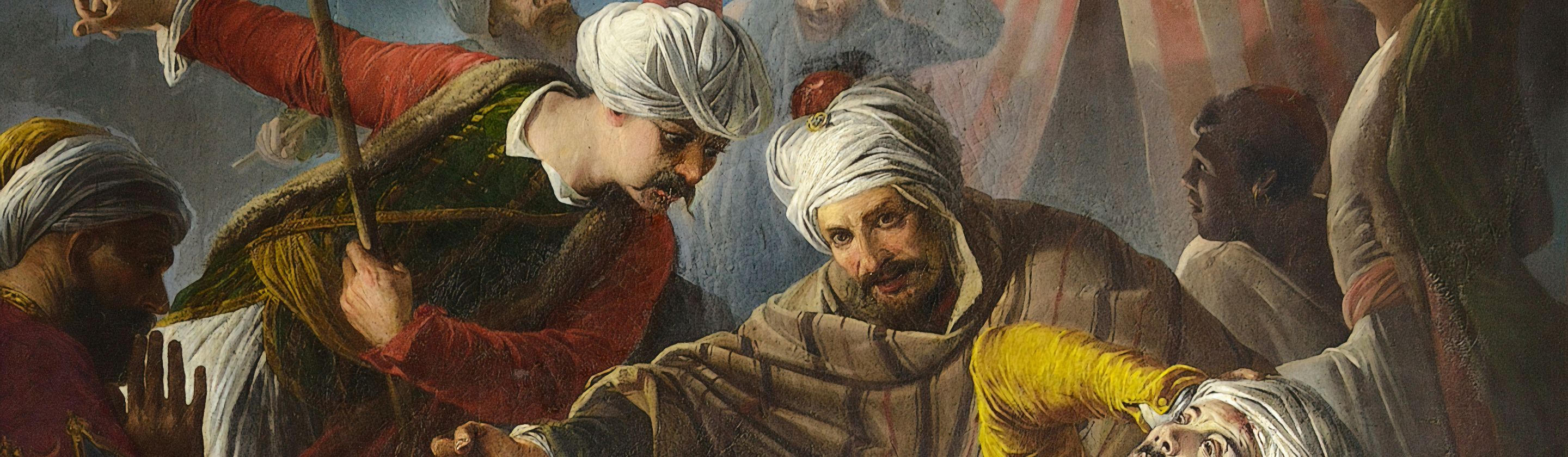
Uthman ibn Affan was the head of the Islamic empire and was accused by Egyptian and Iraqi subjects of nepotism and abuses of power. Rebels stormed his home and assassinated him. These events plunged the empire into civil war.
19. The Assassination of Julius Caesar (44 BCE)
While Caesar was not an official king, he wielded king-like power as a dictator for life. Many Roman senators and citizens were concerned that he endeavored to end the republic. Led by Brutus and Cassius, Caesar was assassinated in the Senate. This revolt backfired and led to civil war.
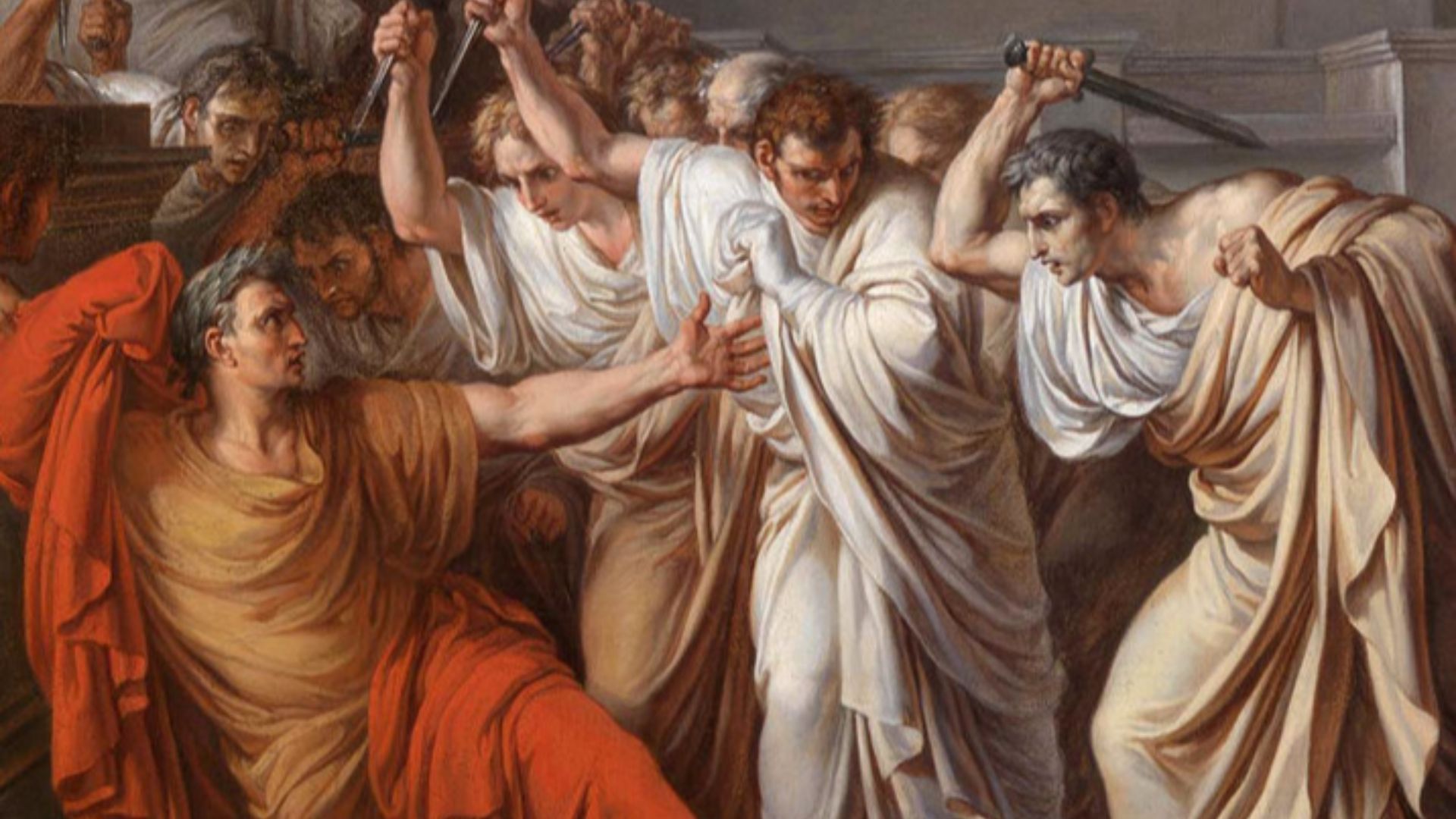 Vincenzo Camuccini on Wikimedia
20. The Korean Donghak Peasant Revolution (1894)
Korean peasants revolted against the Joseon monarchy to end their reign of corruption. They sought justice, tax reform, and an end to official abuses. Although this revolt was eventually suppressed, royal authority was effectively weakened.