

How George Orwell's Time As A Policeman Influenced One Of The Most Powerful Voices In Literature
How George Orwell's Time As A Policeman Influenced One Of The Most Powerful Voices In Literature
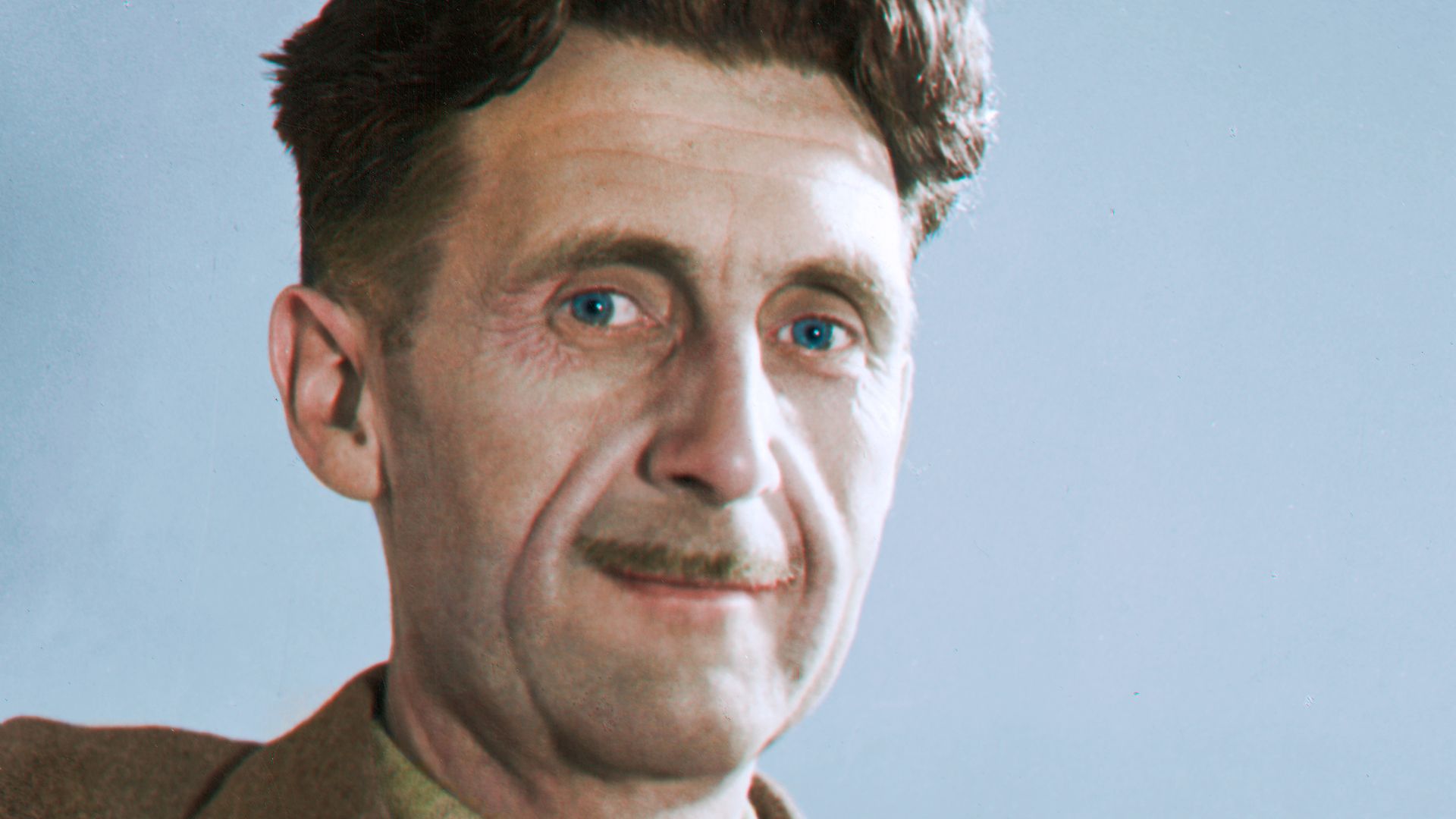 Cassowary Colorizations on Wikimedia
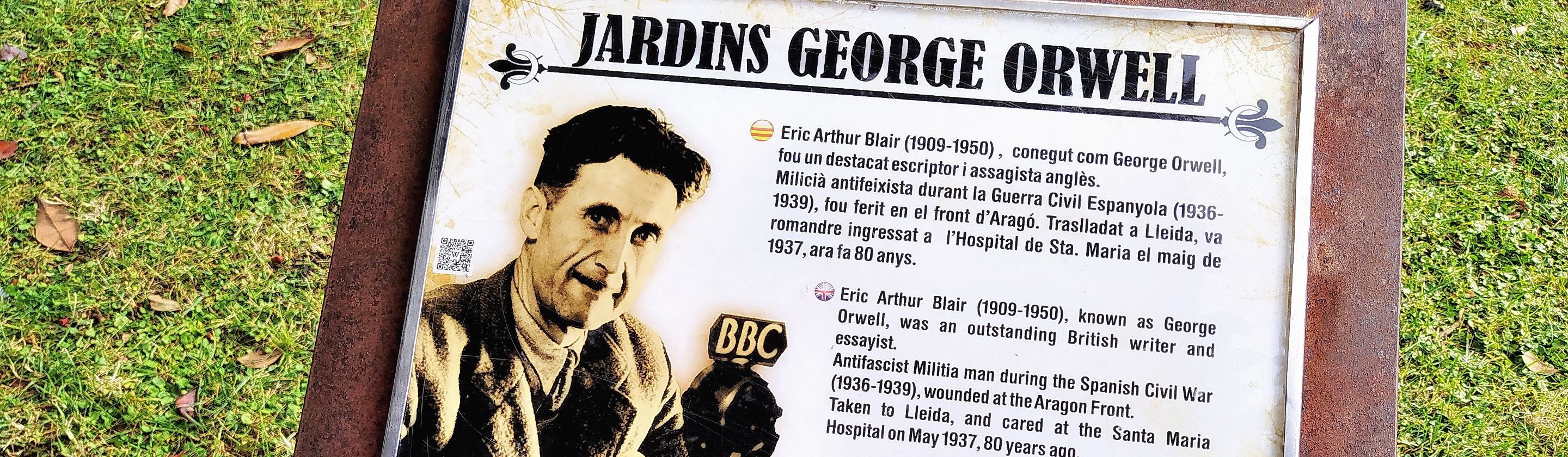
Before the world knew George Orwell as the writer who could peel back the layers of truth and power, he was Eric Blair, a young British officer stationed in Burma from 1922 to 1927. He joined following family tradition and a romantic notion of the East, initially seeing it as a fitting path. But the harsh reality of working as part of an imperial system began to change him.
If you’ve ever wondered where Orwell’s deep honesty came from, the answer rests in his years wearing a uniform and watching people face authority they never asked for.
The Job That Opened His Eyes
Serving in the Indian Imperial Police placed Orwell at the center of a world built on hierarchy. He stood on the side of colonial authority, expected to enforce rules that didn’t always sit right with his conscience.
Day after day, he watched locals treated with suspicion and casual cruelty, and he began to question the structure that allowed it. The longer he stayed, the clearer it became that he didn’t belong to that system at all.
It was during this period that Orwell developed the sharp inner conflict that would appear in nearly all his writing. He felt both guilt and power—two forces that shaped his moral perspective. It’s this tension, the awareness of what it means to hold control over others, that later made his stories about political oppression feel so real.
Turning Experience Into Truth
After leaving Burma, Orwell chose to live among working‑class communities in England and France, hoping to understand life from the other side of power. But his time as a policeman never left him.
The experience taught him how systems could twist ordinary people into tools of authority. That memory surfaced again and again, most famously in his autobiographical essay Shooting an Elephant. In it, he describes how he shot a rampaging elephant not because he wanted to, but because crowd pressure left him no choice.
Those years also helped him write with empathy for the powerless. In novels like 1984 and Animal Farm, that empathy translates into raw honesty about the ways governments and institutions manipulate truth. The clarity in his prose and his distrust of political doublespeak all trace back to what he witnessed during his service.
From Guilt To Clarity
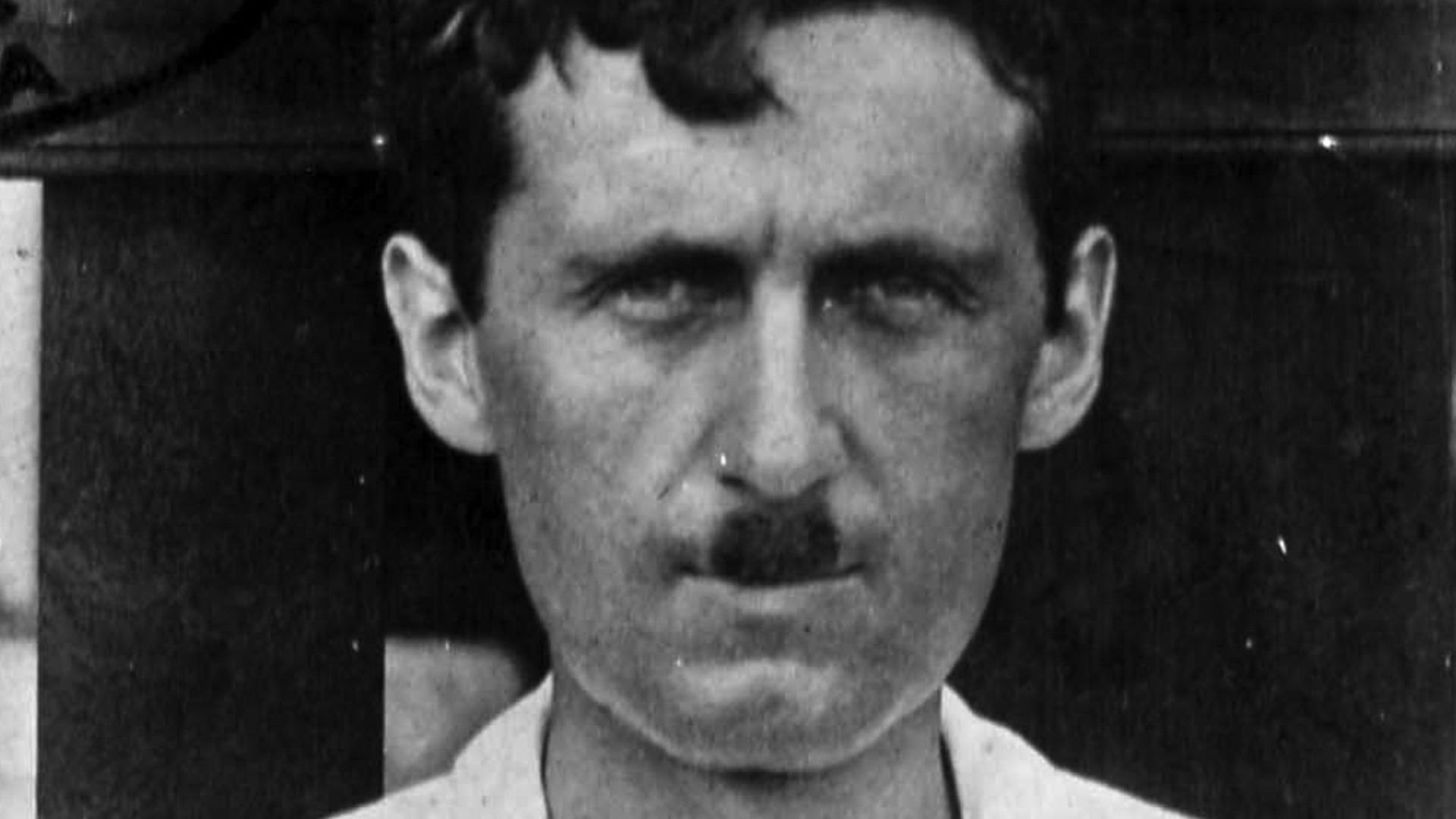 Unknown authorUnknown author on Wikimedia
By stepping away from a system he no longer believed in, Orwell transformed guilt into purpose. His writing became a form of reckoning, not only with the world’s injustices but with his part in understanding them. The observations from his police years met the conscience of the writer he became to create a voice both fearless and compassionate.
Orwell learned early that authority can silence others, yet he spent the rest of his life proving that words, when honest, can speak louder than any rulebook.
KEEP ON READING

10 Greatest Quarterbacks Of All Time & 10 That Are…
Do You Disagree?. Few topics in sports generate as much…
By Farva Ivkovic Dec 2, 2025
The story of Ching Shih, the Woman Who Became the…
Unknown author on WikimediaFew figures in history are as feared…
By Emilie Richardson-Dupuis Dec 29, 2025
20 Shakespearean Words, Translated For A Modern Audience
What’s In A Word?. Shakespeare was a wordsmith of the…
By Breanna Schnurr Dec 17, 2025
20 Inspiring Stories From Native American History
Incredible Stories Of Resilience And Endurance. Many of us didn't…
By Ashley Bast Dec 17, 2025
You Think You Have Problems? These Royal Families Were Cursed
Boasson and Eggler St. Petersburg Nevsky 24. on WikimediaHeavy is…
By Ashley Bast Dec 5, 2025
MH370: The Plane That Can't Be Found
Anna Zvereva from Tallinn, Estonia on WikimediaEleven years after Malaysia…
By Christy Chan Dec 10, 2025