The Greatest Historical Love Story That Never Actually Happened
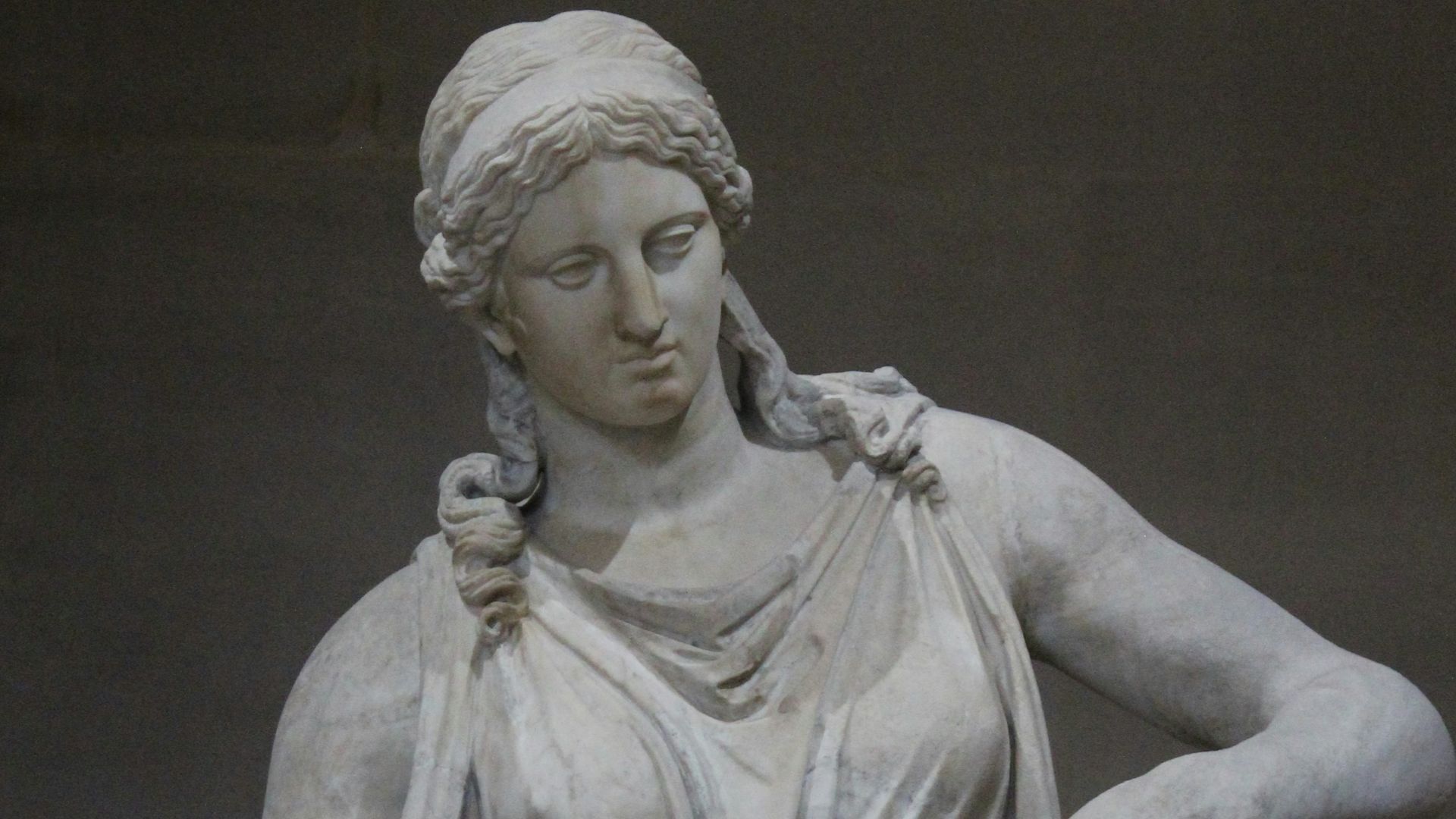 Amir Arsalan Shamsabadi on Unsplash
Helen’s beauty made her the most wanted woman, even by goddesses. She was the wife of King Menelaus of Sparta. She was the immediate cause of the Trojan War because she left with (or was taken by) Paris of Troy. Different sources say different things about her. Homer, Hesiod, Euripides, Virgil, Ovid, and others variously tell her story, from her early abduction by Theseus to her later life, when she returned to her husband Menelaus after the sack of Troy. In other versions, Helen never made it to Troy, but instead stayed in Egypt for the duration of the war. Cults and stories grew up around her, not least her assimilation to a wider variety of deities, which in turn led to works of art and literature that variously depicted her as the tragic victim of fate, the fallen woman, the romantic heroine, or the faithless woman.
The Mythical Trojan War
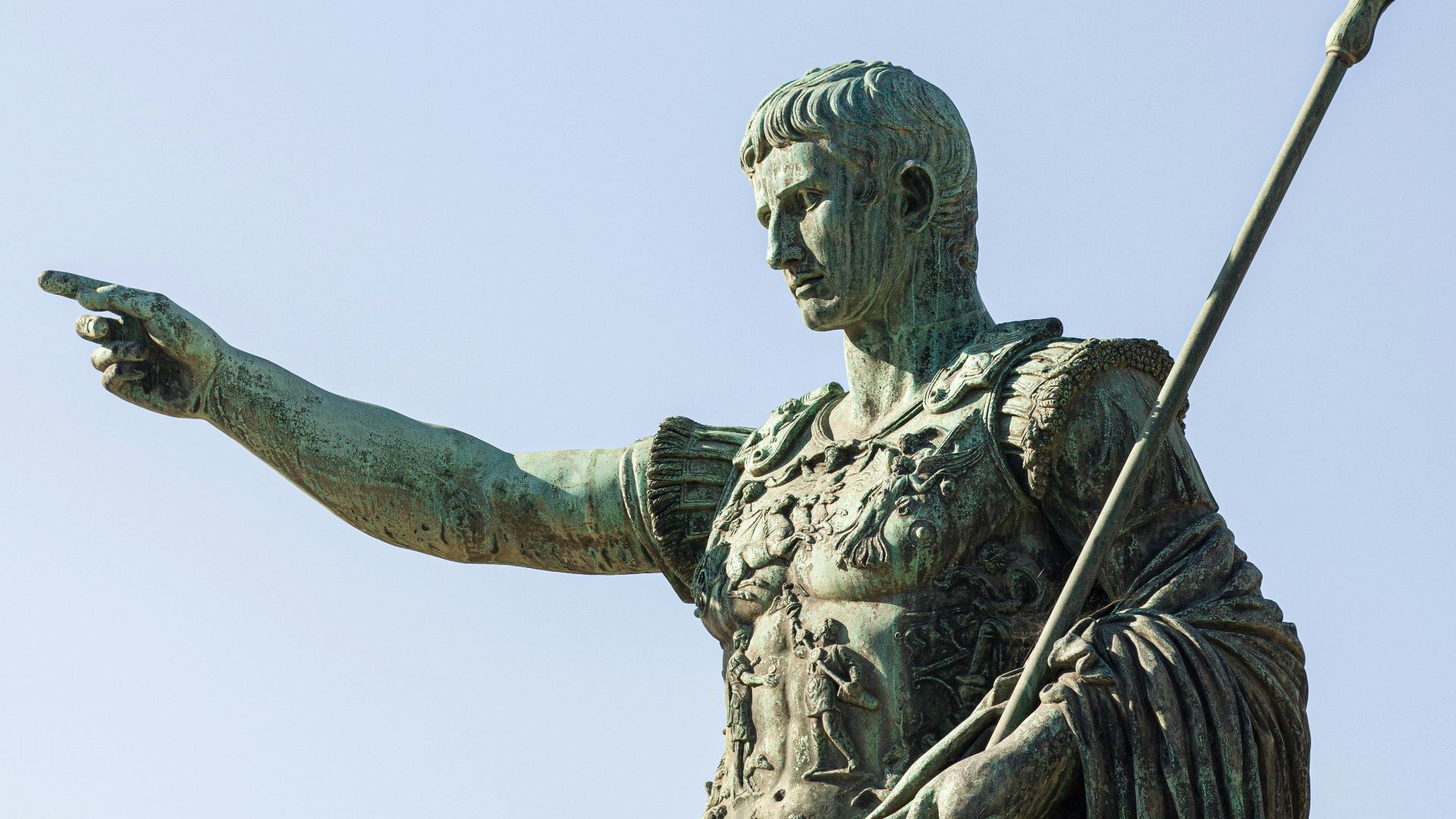
Literary and artistic sources for the Trojan War are many and varied; there is no single source, or single set of sources, that provides a comprehensive, complete, and authoritative account. By far the most important are the Iliad and Odyssey, attributed to Homer and dated to between the ninth and sixth centuries BC. The Iliad deals with only a portion of the war, the final year of the siege of Troy; the Odyssey is a largely separate epic, concerning Odysseus's journey home to Ithaca, and not strictly part of the Trojan War cycle at all. There are also a number of other stories, mostly lost, which were collected in a work known as the Epic Cycle.
In particular, the Cypria, Aethiopis, Little Iliad, Iliou Persis, Nostoi, and Telegony were later assumed to have made up the other major elements of the Trojan War story and have survived in outline in such works as the Chrestomathy of Proclus. These works are fragmentary and ultimately all appear to be based on far older oral traditions, which indicate that the Trojan War was a pre-existing story even before any such works were written.
Greek oral tradition still played a significant role in the creation and dissemination of stories about the Trojan War in the centuries immediately following the composition of the Homeric epics. Accounts of the Trojan War continued to be told in poetry, performed in plays, and painted on vases. Some of the plays of Aeschylus, Sophocles, and Euripides feature episodes from the Trojan War, and in later times there are accounts from Roman poets such as Virgil in the Aeneid. Helen and the story of Troy remained a significant part of the Western literary tradition for centuries, but the events of the Trojan War are now effectively unknowable, and all that is left of Helen's story is myth and legend.
The Judgment of Paris
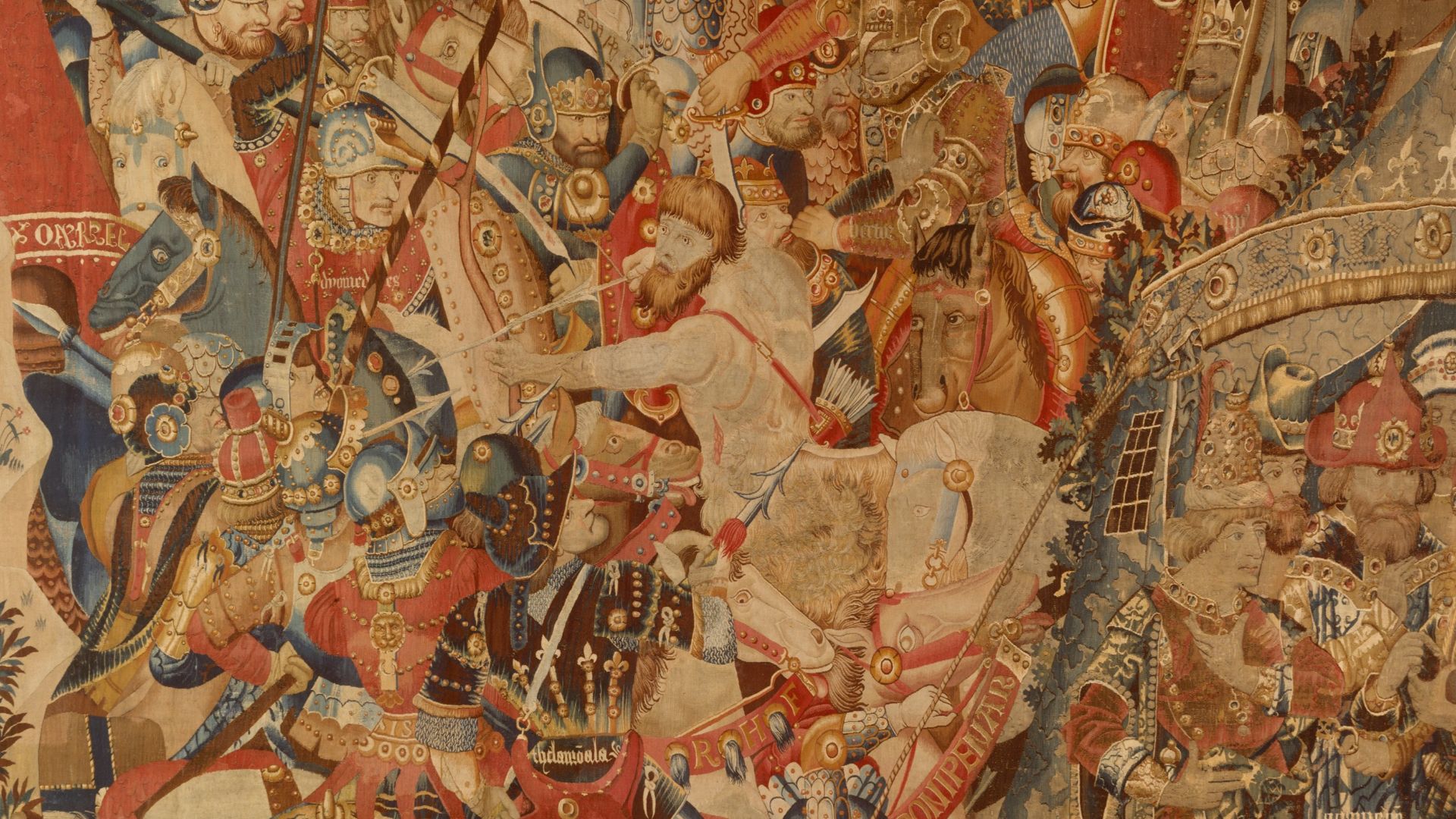 Creator:Jean or Pasquier Grenier on Wikimedia
Helen’s flight from Sparta begins with an argument between goddesses. Eris, goddess of discord, was not invited to the wedding of Peleus and Thetis. In revenge, she rolled a golden apple among the guests inscribed with the words “for the fairest.” Hera, Athena, and Aphrodite all claimed the apple for themselves, and Paris, a Trojan prince raised as a shepherd, was chosen to make the decision. Each goddess offered Paris a bribe: power, wisdom, or the love of the most beautiful woman in the world. Paris chose love and awarded the apple to Aphrodite, who in return arranged for Helen to fall in love with him.
Helen’s decision, or abduction, provoked the ire of her husband and the Greek world. As part of the Oath of Tyndareus sworn to Menelaus when he and Helen were married, every king and prince of Greece had promised military assistance to the winner of Helen’s hand. When Helen left with Paris, the kings and princes went to war against Troy. The result was ten years of siege, countless acts of heroism, and the near-complete destruction of the city of Troy. Helen is sometimes shown as regretful, sometimes treacherous, and sometimes a mere pawn in the hands of the gods, but her name became an archetypal example of love as both potent and deadly.
KEEP ON READING