

Everyone Is Equal: How Edith Cavell Saved Lives In World War I
It's 1914, and Brussels has just fallen to German forces. Most people are fleeing, trying to get as far from the front lines as possible. But not Edith Cavell. When the 49-year-old British nurse heard about the invasion while visiting family in Norfolk, she immediately declared something that would define her legacy: "At a time like this, I am needed now more than ever." She packed her bags and headed straight back into occupied Belgium.
Edith had been working as matron of Belgium's first nursing training school since 1907, essentially founding modern nursing education in that country. When war broke out, her school transformed into a Red Cross hospital, and wounded soldiers started pouring through the doors.
Here's where Cavell's philosophy became revolutionary for its time. She instructed her nurses to treat every patient the same way, regardless of which uniform they wore. "Each man is a father, husband, or son," she told them. "The profession of nursing knows no frontiers." In a world torn apart by hatred, she saw only human beings who needed help.
A Secret Underground Network
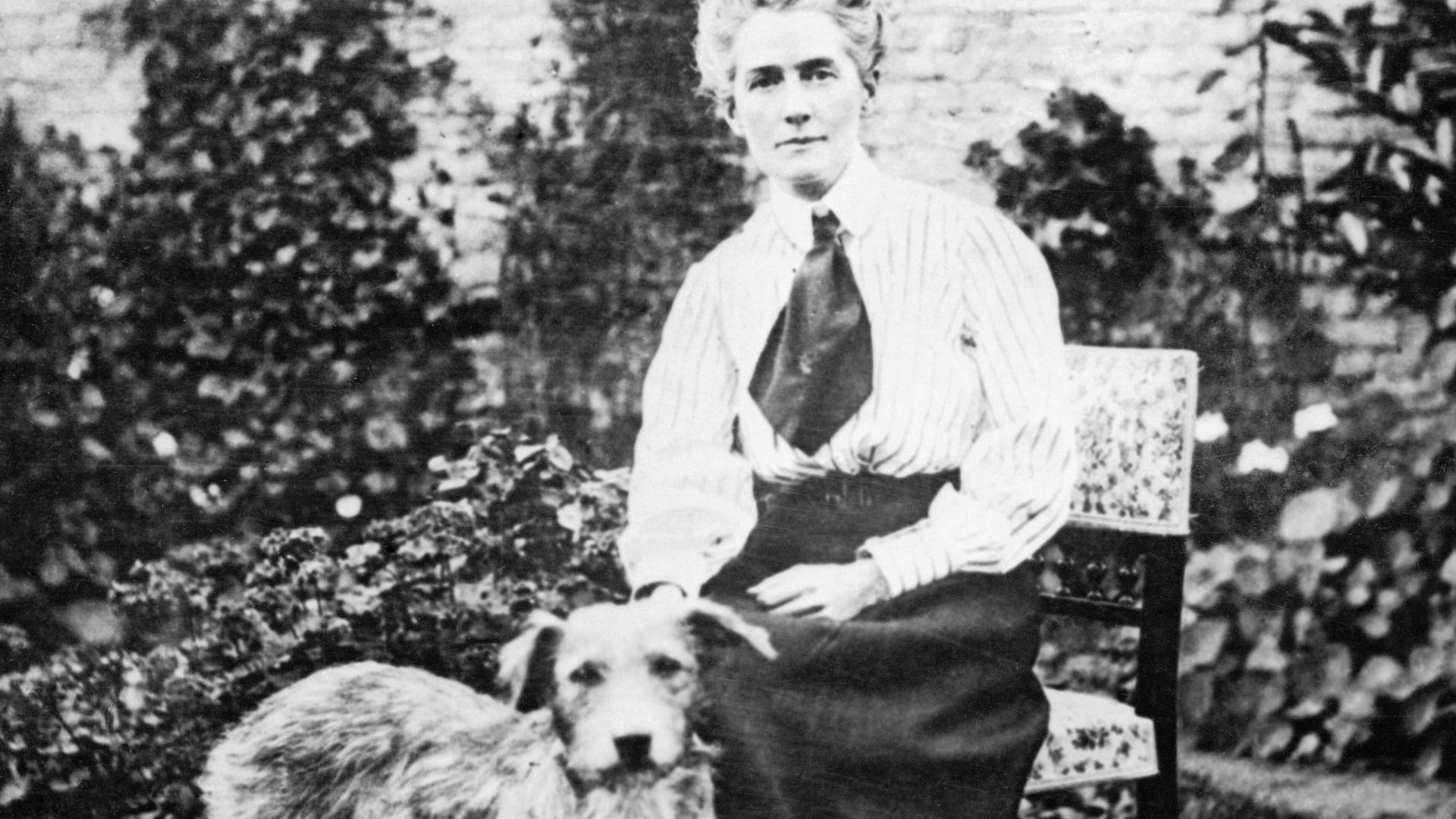 Unknown authorUnknown author on Wikimedia
But Cavell did something far more dangerous than just healing wounds. After the Battle of Mons in September 1914, when 150,000 British troops retreated and left wounded soldiers behind, two British soldiers were brought to her hospital. She didn't just nurse them back to health—she helped them escape. This marked the beginning of her quiet resistance against German occupation.
Over the next eleven months, Cavell became part of an underground network. She sheltered around 200 British, French, and Belgian soldiers in her hospital, arranging guides to smuggle them across the border into neutral Netherlands. The secrecy was important. She kept this dangerous work hidden even from the nurses who worked under her, knowing the risk everyone faced.
It is alleged that she once hid a British soldier in a barrel of apples to avoid detection by a German officer. Her motivation was simple and profound: "I can't stop while there are lives to be saved." The Germans eventually caught on. After a lengthy investigation, Cavell was arrested in August 1915 and tried for treason alongside 34 to 35 others.
A Legacy Written In Courage
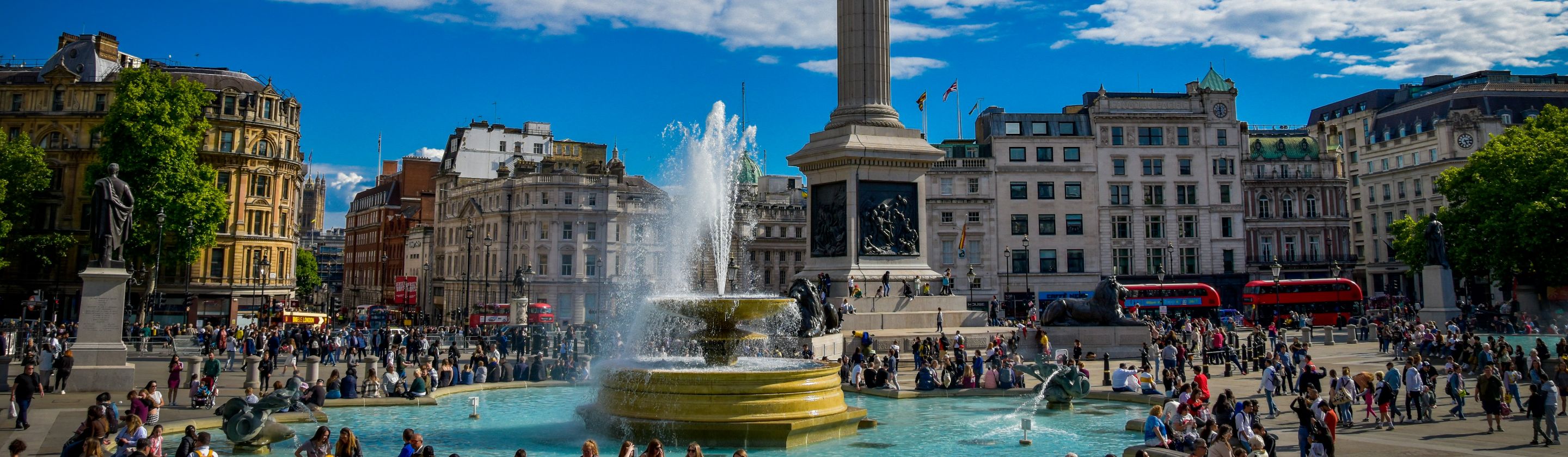
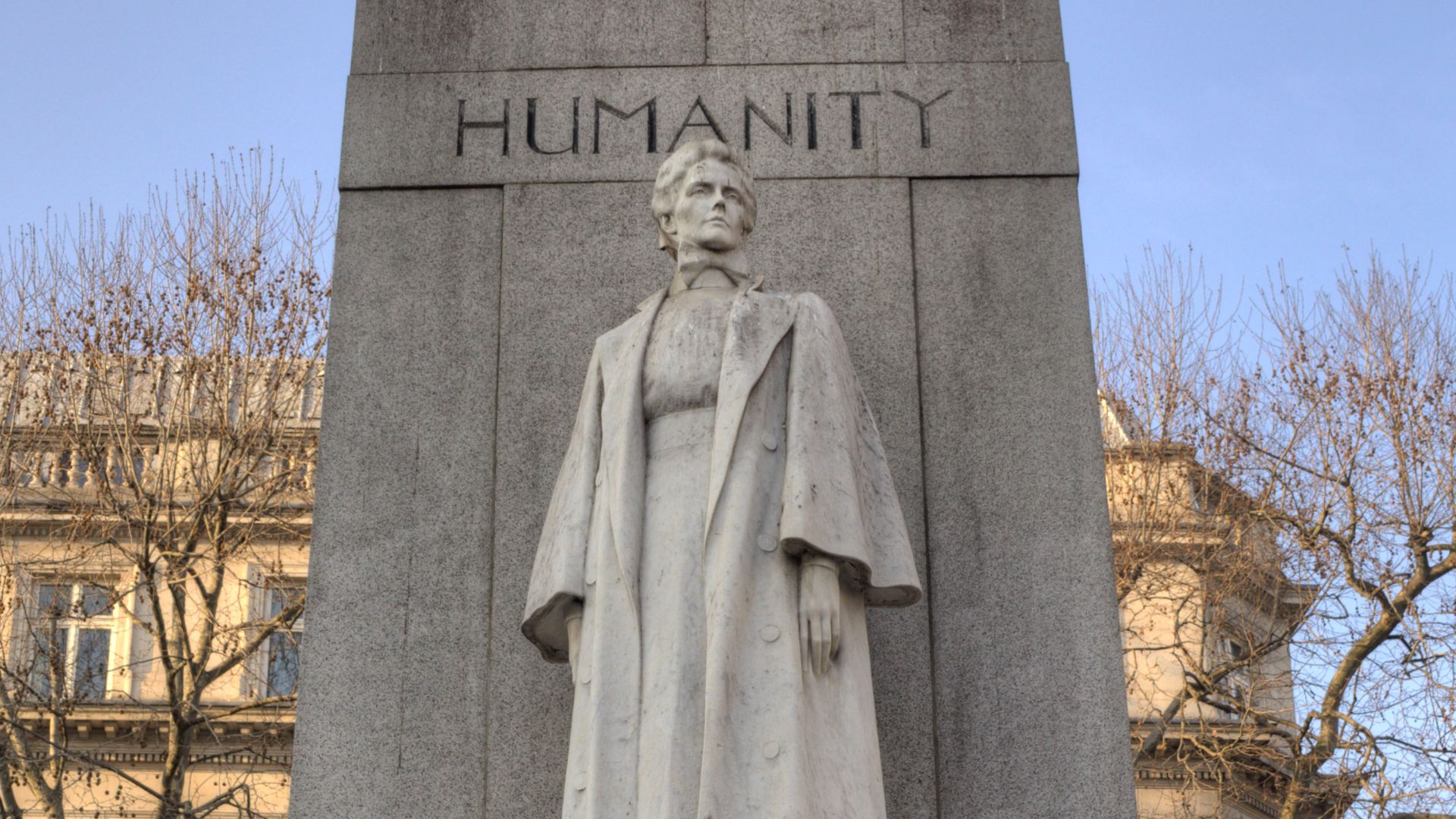
The night before her execution on October 12, 1915, Cavell told Reverend Stirling Gahan something remarkable: "Patriotism is not enough. I must have no hatred or bitterness towards anyone." These words, now inscribed on her memorial statue near Trafalgar Square in London, captured her entire philosophy. She accepted her sentence with extraordinary dignity.
Sixteen men formed two firing squads that morning. The execution shocked the world. Her death played a significant role in shaping public opinion about the battle, particularly helping to ease America's eventual entry into the conflict in 1917.
After the war ended, Edith's body was returned to England for a state funeral at Westminster Abbey—an honor rarely given to commoners. She was later buried at Norwich Cathedral near her birthplace.
KEEP ON READING

20 Burning Rivalries From The Golden Age Of Hollywood
Tinseltown's Most Famous Feuds. The Golden Age of Hollywood gave…
By Sara Springsteen Jun 10, 2026
10 Tiny Decisions That Changed History & 10 Tiny Mistakes…
The Small Moments That Moved the World. History gets taught…
By Cameron Dick Jun 10, 2026
First Timers: 20 Historical Women Who Broke All Kinds Of…
Rolling Out The Red Carpet. Since what seems like the…
By Elizabeth Graham Jun 10, 2026
20 Mistresses Kings Gave More Power To Than Their Wives
Power Didn’t Always Wear a Crown. History loves to pretend…
By Emilie Richardson-Dupuis Jun 10, 2026
20 assassination attempts that changed the world
History has been shaped not only by great leaders and…
By Noone Jun 10, 2026
10 Royals Who Never Married & 10 Who Married More…
Royal history is full of dramatic love stories, political marriages,…
By Noone Jun 10, 2026